Author Archives: hksar gov

Hong Kong Customs operation combats frozen meat smuggling (with photos)

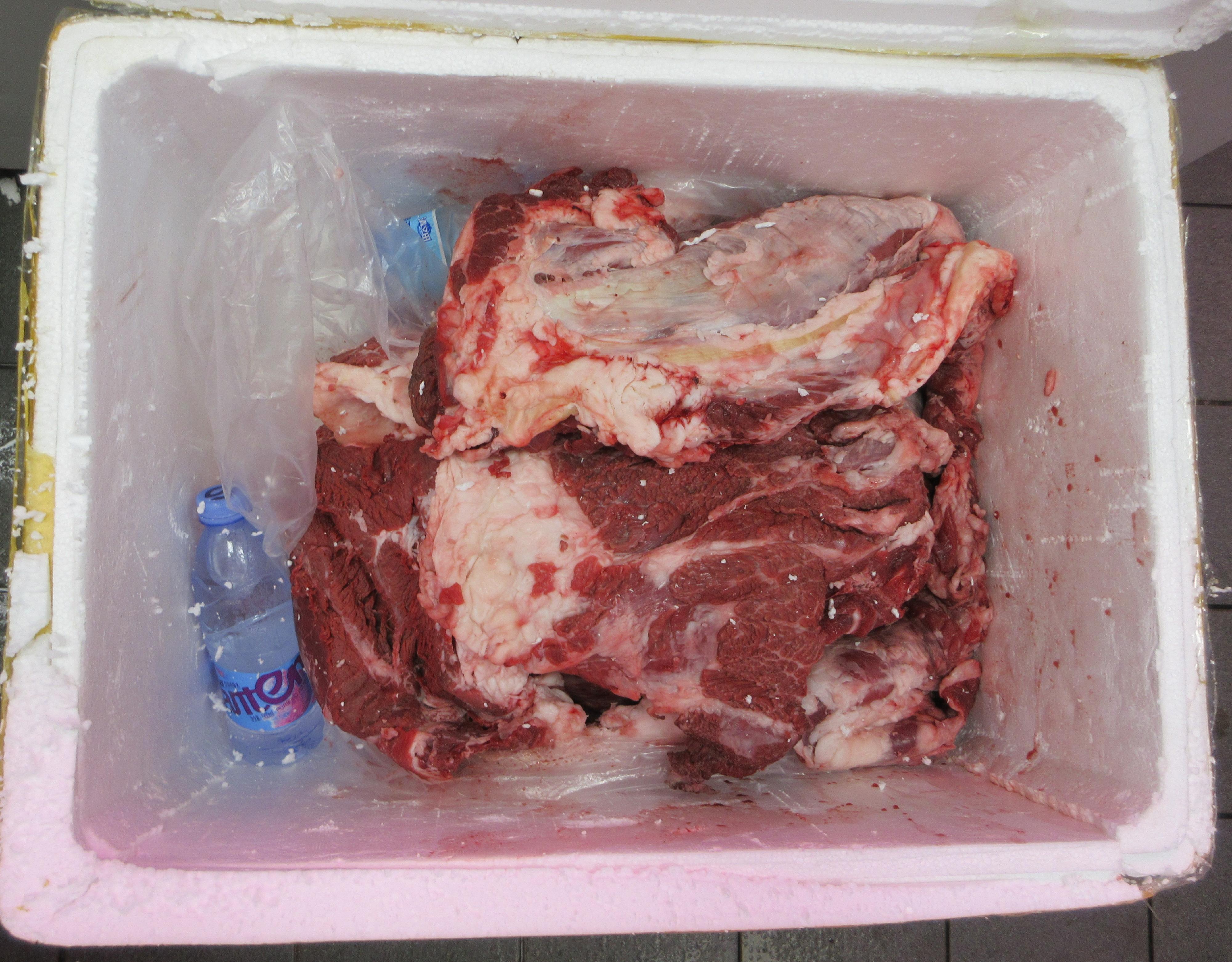
     Hong Kong Customs recently mounted an operation against the smuggling of frozen meat, and detected a suspected frozen meat and food smuggling case on November 3, with approximately 570 kilograms of suspected smuggled frozen meat and 500kg of suspected smuggled foodstuff seized. The total estimated market value was about $140,000, and nine persons were arrested.

     Through intelligence analysis and in-depth investigations, Hong Kong Customs suspected that some persons were illegally importing frozen meat into Hong Kong from the Mainland side of Chung Ying Street in Sha Tau Kok, and distributing it to different markets and residences in urban areas afterwards. Customs officers subsequently took action on November 3 and intercepted three vehicles delivering frozen meat and foodstuff to fresh provision shops and residences in urban areas, seizing a batch of suspected smuggled frozen meat and foodstuff, including seafood, vegetables and fruits, and prepackaged food.

     During the operation, Hong Kong Customs arrested eight males and one female, comprising a man suspected of illegally importing frozen meat and foodstuff into Hong Kong, four male vehicle drivers who delivered the goods to urban areas, a male fresh provision shop owner and three recipients (two males and one female). The arrestees, aged between 23 and 58, have been released on bail pending further investigation.
      
     Under the Import and Export Ordinance, any person found guilty of importing or exporting unmanifested cargo is liable to a maximum fine of $2 million and imprisonment for seven years upon conviction.
      
     Under the Import and Export (General) Regulations, it is an offence to import frozen or chilled meat into Hong Kong without an import licence issued by the Food and Environmental Hygiene Department (FEHD). An offender shall be liable on conviction to a maximum fine of $2 million and imprisonment for seven years.
      
     According to the Imported Game, Meat, Poultry and Eggs Regulations (Cap. 132AK), it is an offence to bring any game, meat, poultry or eggs into Hong Kong without a health certificate issued by an issuing entity of the place of origin and/or without prior written permission granted by the FEHD. An offender shall be liable on conviction to a maximum fine of $50,000 and to imprisonment for six months.
      
     Under the Food Business Regulation (Cap. 132X), it is an offence for any person to be in possession of meat from an illegal source for sale. If there is sufficient evidence, the FEHD will initiate prosecution. An offender is liable to a maximum fine of $50,000 and imprisonment for six months. In addition, under the FEHD’s Demerit Points System for licensed food premises, if a licensee is convicted of possessing meat for sale that comes from a slaughterhouse not approved by the FEHD or from other unapproved sources, their licence will be cancelled.

     Members of the public may report any suspected smuggling activities to Customs’ 24-hour hotline 182 8080 or its dedicated crime-reporting email account (crimereport@customs.gov.hk) or online form (eform.cefs.gov.hk/form/ced002).
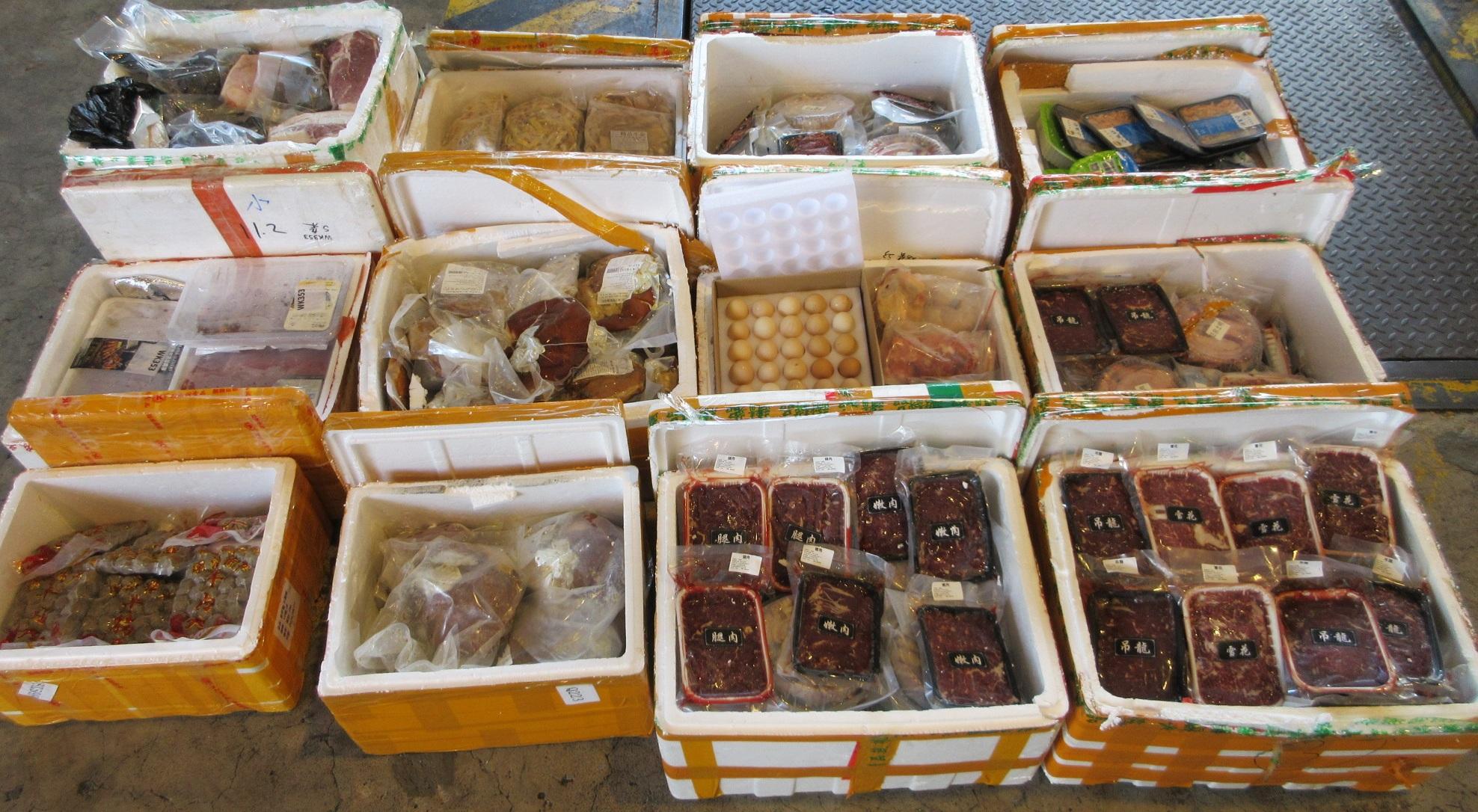
Photo  Photo  
read more

Employer fined for violation of safety legislation

     ​Urban Property Management Limited was fined $30,000 at the Eastern Magistrates’ Courts today (November 11) for violating the Occupational Safety and Health Ordinance. The prosecution was launched by the Labour Department. 

     The case involved a fatal accident that occurred on July 3, 2024, at a residential building in Wan Chai. A worker, while inspecting the lighting facilities inside the toilet of a residential unit, was suspected to have fallen from a metal ladder. He sustained serious head injuries and passed away two days later.  read more

Director of Health visits kindergarten to inspect arrangements for Seasonal Influenza Vaccination school outreach activity, and encourages schools and parents in Hong Kong to promptly arrange for their children to be vaccinated in order to build strong immunity barrier (with photos)

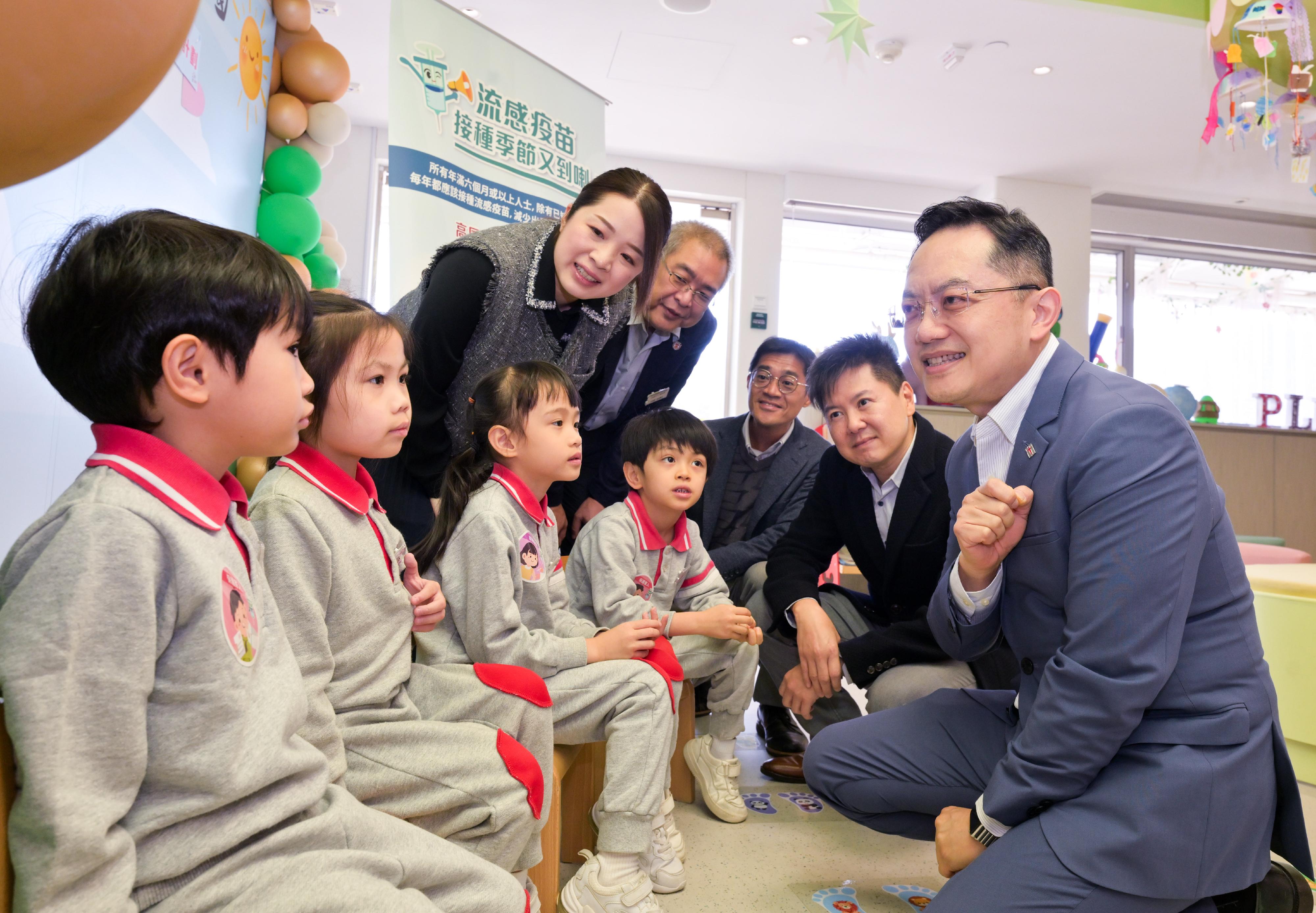
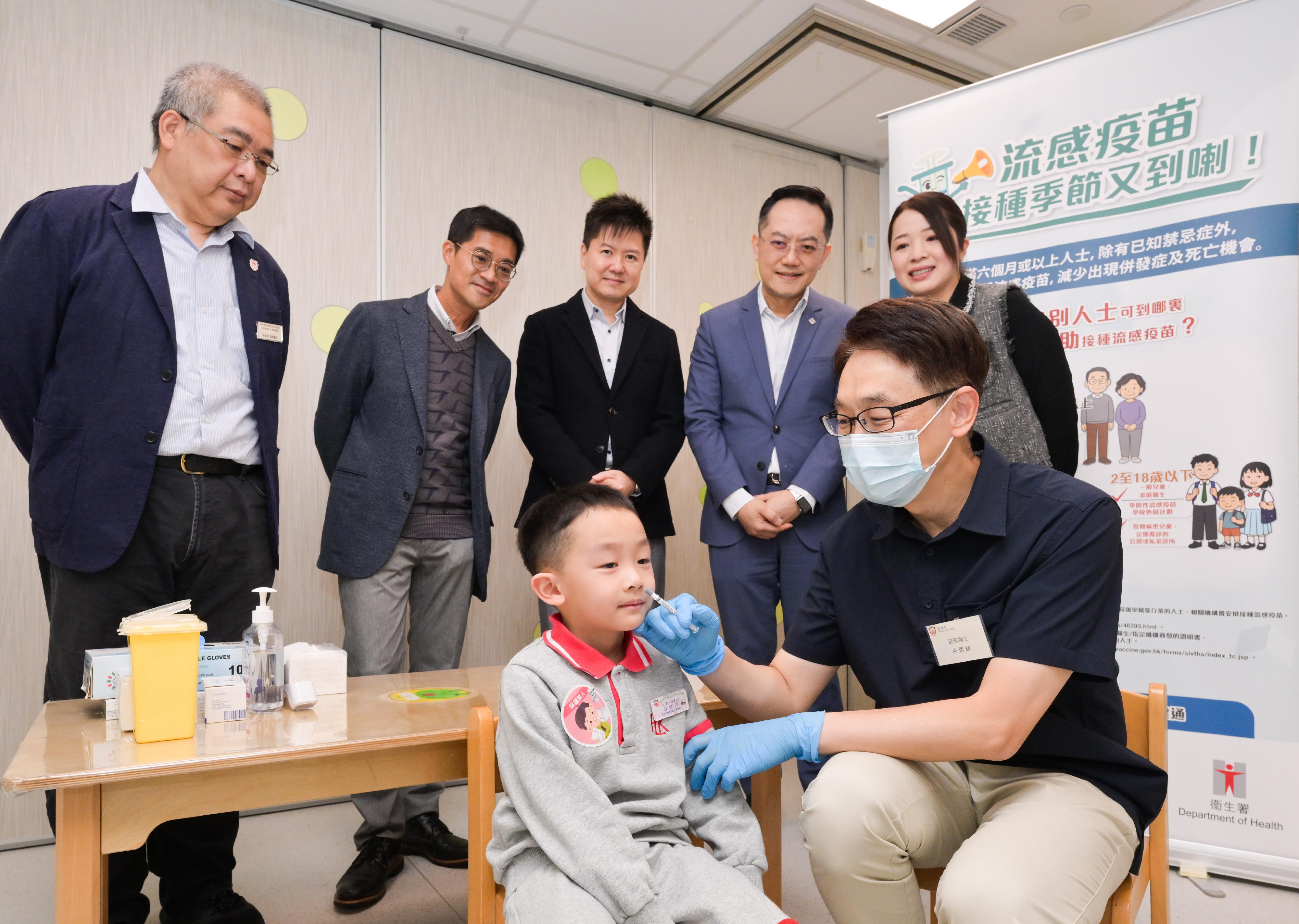
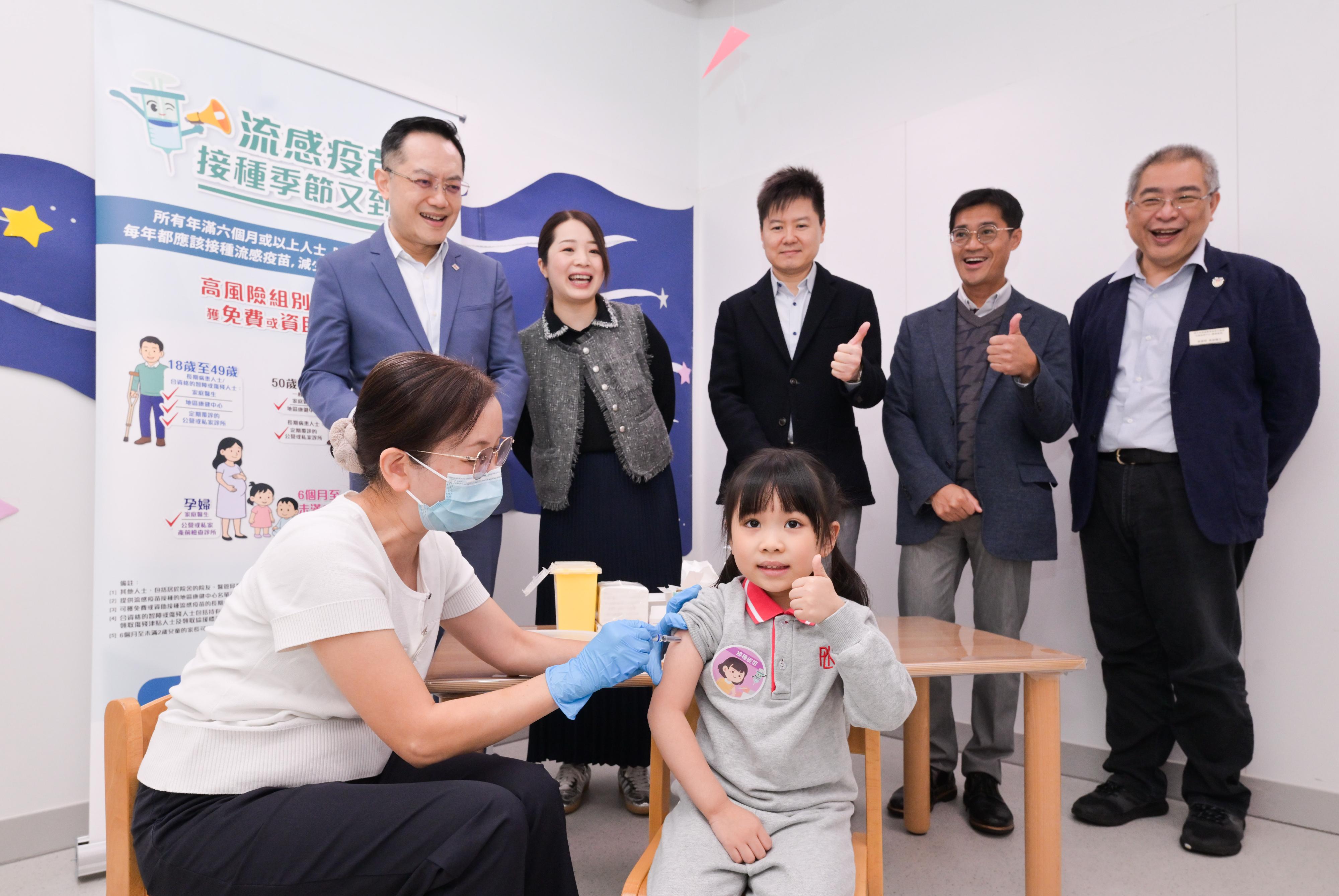
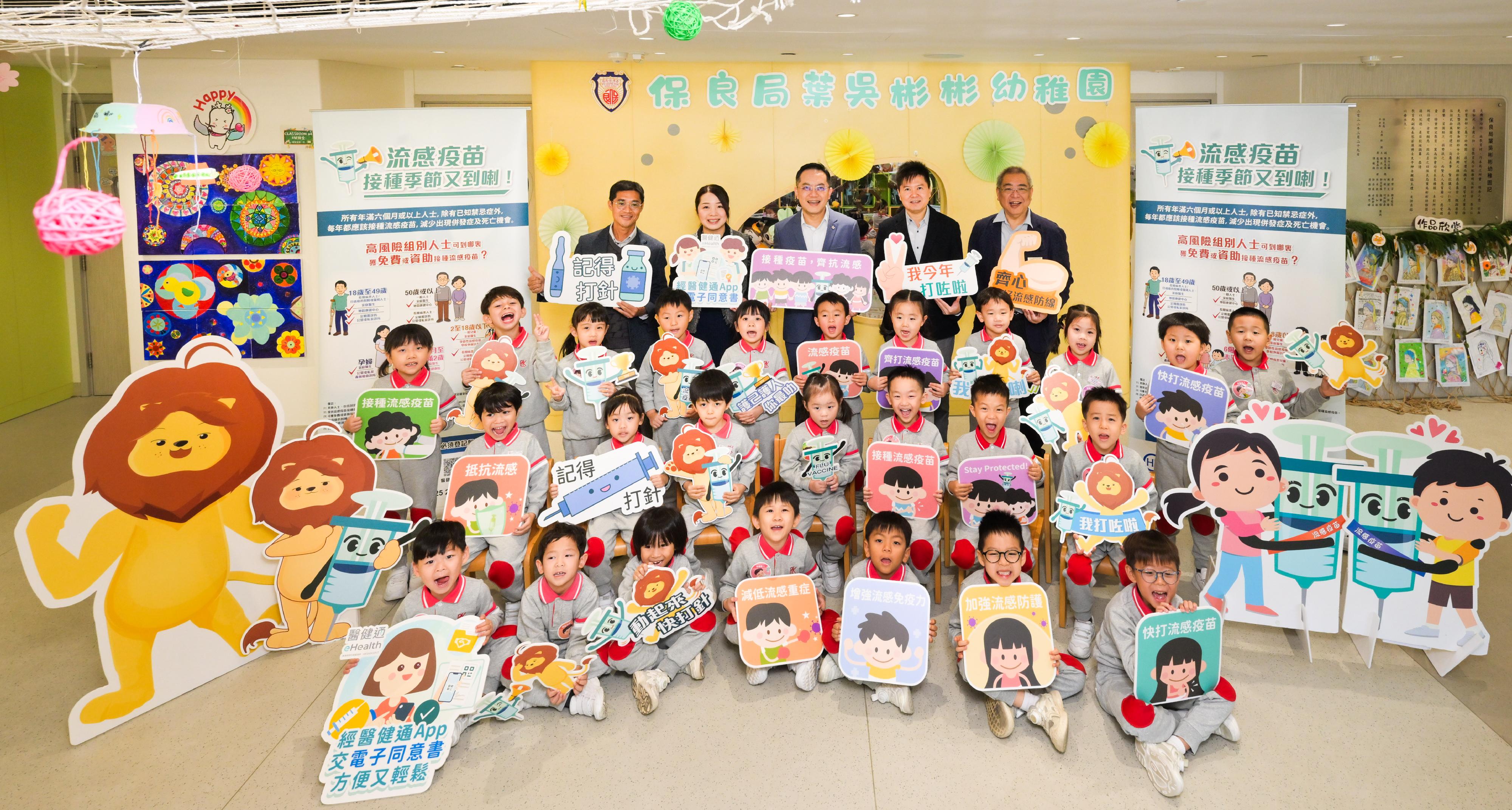
     The Director of Health, Dr Ronald Lam, visited Po Leung Kuk Yip Ng Bun Bun Kindergarten in Tseung Kwan O this morning (November 11) to inspect the arrangements for the Seasonal Influenza Vaccination School Outreach Programme (SIVSOP). He urged schools and parents across Hong Kong to arrange for schoolchildren to receive seasonal influenza vaccinations (SIV) as soon as possible, in order to reduce the risk of serious illness or death from seasonal influenza.

     “Thanks to the careful preparation and thoughtful arrangements by school administrators and outreach medical teams, the vaccination outreach activity has been smooth and orderly, regardless of whether students chose the live attenuated influenza vaccines (i.e. nasal LAIV) or the injectable inactivated influenza vaccines (IIV). The SIVSOP began slightly more than a month ago. Since then, more than 1 900 participating schools have completed the outreach vaccination activities, and the rest are expected to finish by mid-December. In this regard, I would like to express my sincere gratitude to all the schools and the outreach medical teams for their strong support. Together, we have built a solid immunity barrier in schools to protect our children and reduce their risk of serious illness or death from seasonal influenza,” said Dr Lam.

     “To encourage schoolchildren to receive SIV, the Government has introduced a new Electronic Consent Form (e-consent form) feature on the eHealth mobile application this year to streamline the procedures. The e-consent form not only significantly simplifies the process for parents to repeatedly fill in personal particulars, but also effectively reduces the administrative workload of schools and outreach medical teams by streamlining the verification process. This has been one of the key factors that enabled the vaccination activities this year to be completed ahead of schedule. The Centre for Health Protection (CHP) will continue to review and optimise its services to provide the greatest convenience to schools, parents and outreach medical teams,” Dr Lam continued.

     This year, the CHP continued to allow schools to opt for the “hybrid mode”, which provides both the IIV and the nasal LAIV during the same outreach vaccination activity. The CHP began accepting school enrolments for the 2026/27 SIVSOP as early as the beginning of June this year. With the concerted efforts of the Government and various community sectors (including the medical sector and schools), over 2 200 schools (99 per cent of the total) will arrange SIV school outreach activities. The first school outreach activity took place on September 18, i.e. the day after the commencement of the SIVSOP. All in all, this season’s school outreach activities will generally be completed earlier than last season’s.

     The Controller of the CHP, Dr Edwin Tsui, who accompanied Dr Lam during the visit, said, “The CHP’s epidemiological investigation indicated that the characteristics of severe or death cases related to seasonal influenza during this influenza season are similar to those in previous years, affecting primarily the elderly and children. Only through close co-operation among the Government, schools and parents to increase vaccination coverage can we effectively strengthen the immune barrier for schoolchildren. Hong Kong entered the influenza season in late June this year, and the influenza season has lasted for more than four months by now. The latest surveillance data showed that the overall influenza activity has declined but remains above the baseline levels. A cumulative total of 29 cases of severe paediatric influenza infection have been recorded in the current influenza season. Among these cases, 22 patients have recovered and been discharged from hospital, two are in stable condition, three are in critical condition, and two have passed away. The CHP’s analysis of data from the previous year revealed that the rate of severe complications or death among unvaccinated children following influenza infection was approximately five times higher than that among vaccinated children. The CHP also analysed the severe influenza cases of this season and found that the vast majority involved high-risk factors, including underlying health conditions or failure to receive SIV for this season.”

     Dr Tsui emphasised that all individuals aged 6 months or older, except those with known contraindications, should act promptly to receive SIV if they have not yet done so, including individuals who contracted influenza during the summer influenza season, to guard against other circulating virus strains that may emerge during the upcoming winter influenza season.

     To facilitate members of the public in receiving SIV, eligible persons may receive SIV at about 270 public service points, including around 110 designated clinics under the Department of Health located in various districts across the territory (including all 29 Maternal and Child Health Centres (MCHCs) for all children aged 6 months to under 2 years); 76 Family Medicine Clinics and 38 public hospitals under the Hospital Authority; and 45 District Health Centres, District Health Centre Expresses and their service points under the Primary Healthcare Commission. For the list of vaccination venues, please refer to the CHP’s SIV Programmes webpage. Parents/guardians of eligible children may also book a vaccination appointment for their children at designated MCHCs via the online booking system.

     Furthermore, over 1 900 private doctors currently participate in the Vaccination Subsidy Scheme (VSS), providing services at over 3 200 service points across all districts in Hong Kong. For the list of VSS doctors, please visit apps.hcv.gov.hk/public/en/SPS/Search.

     Members of the public may refer to the CHP’s Seasonal Influenza Webpage and Vaccination Schemes Webpage for details of the latest influenza activity and vaccination schemes.

Photo  Photo  Photo  Photo  
read more

Prepackaged milk sample detected with colony count exceeding legal limit

     The Centre for Food Safety (CFS) of the Food and Environmental Hygiene Department announced today (November 11) that a sample of prepackaged milk was found with a colony count exceeding the legal limit. The affected batch of the product has been marked and sealed, and has not entered the market. The CFS is following up on the incident. 

     Product details are as follows: 

Product name: UHT Skimmed Milk 
Brand: Meadows 
Place of origin: Australia 
Volume: 1 litre per pack 
Best-before date: May 29, 2027 
Importer: The Dairy Farm Company Limited
Manufactured by: Nature’s Dairy Australia Pty Ltd
     
     “The CFS collected the above-mentioned sample at the import level for testing under its routine Food Surveillance Programme. The test results showed that the sample contained a colony count of 10 or more, exceeding the legal limit under the Milk Regulation (Cap. 132 AQ),” a spokesman for the CFS said. 

     The CFS has informed the importer concerned of the irregularities. An investigation revealed that the affected batch of the product is still stored in the importer’s warehouse. It has not entered the local market. The CFS will temporarily suspend the permission granted earlier to the importer to import the product concerned for sale. Other types of similar products of the same brand being sold in the market are not affected. 
      
     “The fact that the colony count exceeds the legal limit indicates unsatisfactory hygienic conditions, but does not mean it would lead to food poisoning,” the spokesman added. 

     The CFS will continue to follow up the incident to safeguard food safety and public health.  read more