Tag Archives: China

image_pdfimage_print

Update on supplies from Mainland

     The Task Force of Supplies from the Mainland led by the Transport and Housing Bureau (THB) has been working closely with the Guangdong Provincial Government and the Shenzhen Municipal People’s Government to explore various means to stabilise the supply of goods from the Mainland to Hong Kong. In addition to road transport arrangements, transportation of goods by water and railway is already in service.
 
     A spokesperson for the THB said that the “Sea Express” water transportation service from the Mainland to Hong Kong has been fully launched and its capacity is rising to increase the supplies of fresh food, other daily necessities and manufacturing materials. The current supply of fresh food from the Mainland is stable.
 
     Currently, there are three water transportation routes between Hong Kong and Shenzhen, namely (1) from Shenzhen Yantian International Container Terminals to Hong Kong Kwai Tsing Container Terminals (KTCT); (2) from Shenzhen DaChan Bay Terminals to KTCT; and (3) from China Merchants Port (South China) Management Center (Shenzhen Mawan, Shekou and Chiwan Container Terminals) to Hong Kong River Trade Terminal and elsewhere. Together with the water transportation routes from other cities in Guangdong Province, including the routes from Guangzhou Lianhuashan Port, Nansha Port, Huadu Port, Zhongshan Huangpu Port and Zhuhai Doumen Port to different terminals in Hong Kong, the water transport capacity amounts to tens of thousands of tonnes daily.
 
     The spokesperson said today (May 3) that Shenzhen operated 46 cargo vessel trips and transported around 5 280 twenty-foot equivalent units (TEUs) of cross-boundary supplies by water yesterday (May 2), equivalent to about 19 620 tonnes of goods, of which around 10 TEUs (about 30 tonnes) were fresh food and around 5 270 TEUs (about 19 590 tonnes) were non-fresh food, according to information from the Mainland authorities.
 
     Since the launch of services from the three ports in Shenzhen since February 18 to yesterday, a total of around 293 320 TEUs of cross-boundary supplies have been transported, equivalent to about 1 544 870 tonnes of goods, of which around 1 560 TEUs (about 13 410 tonnes) were fresh food and around 291 760 TEUs (about 1 531 460 tonnes) were non-fresh food.
 
     To further ensure a stable goods supply to Hong Kong through land transport, a trial run of cargo transfer was conducted by the THB at a yard situated on Kam Pok Road, San Tin, Yuen Long, and it was completed smoothly. The THB will continue to work with the Mainland authorities to fully take forward cargo transfer arrangements on the Hong Kong side. It is a contingency measure in response to the latest epidemic situation in the city so as to reduce the risk of epidemic transmission in both the Mainland and Hong Kong, ensuring both smooth cross-boundary land transport and a stable goods supply to Hong Kong.
 
     Meanwhile, to avoid a spillover of the epidemic, the Transport Department (TD) has arranged for dedicated staff to conduct rapid antigen tests for cross-boundary goods vehicle drivers at various land boundary control points (BCPs) from February 28 onwards. Only drivers with a negative result are allowed to enter the Mainland. In order to further improve the accuracy of the tests, the TD has already switched to use rapid nucleic acid tests at the BCPs. Starting from April 21, the sampling method for rapid nucleic acid tests has been further changed to nasopharyngeal swabs. A total of 1 506 rapid nucleic acid tests were conducted yesterday in which nine drivers preliminarily tested positive. The TD has passed the cases to the Department of Health for follow-up.
 
     The THB will closely monitor the situation and co-operate with the Mainland authorities to facilitate and implement various measures to ensure a stable goods supply to Hong Kong, with a view to complementing the supply through road, water and railway transport, enhancing capacity and efficiency as well as optimising the flow of cross-boundary supplies. read more
Commissioner for Innovation and Technology views local anti-epidemic technology products (with photos)

     The Commissioner for Innovation and Technology, Ms Rebecca Pun, visited universities and start-ups to meet with research teams to understand the research and development (R&D) and application of local anti-epidemic innovation and technology (I&T) products on April 27 and 29 and today (May 3).
 
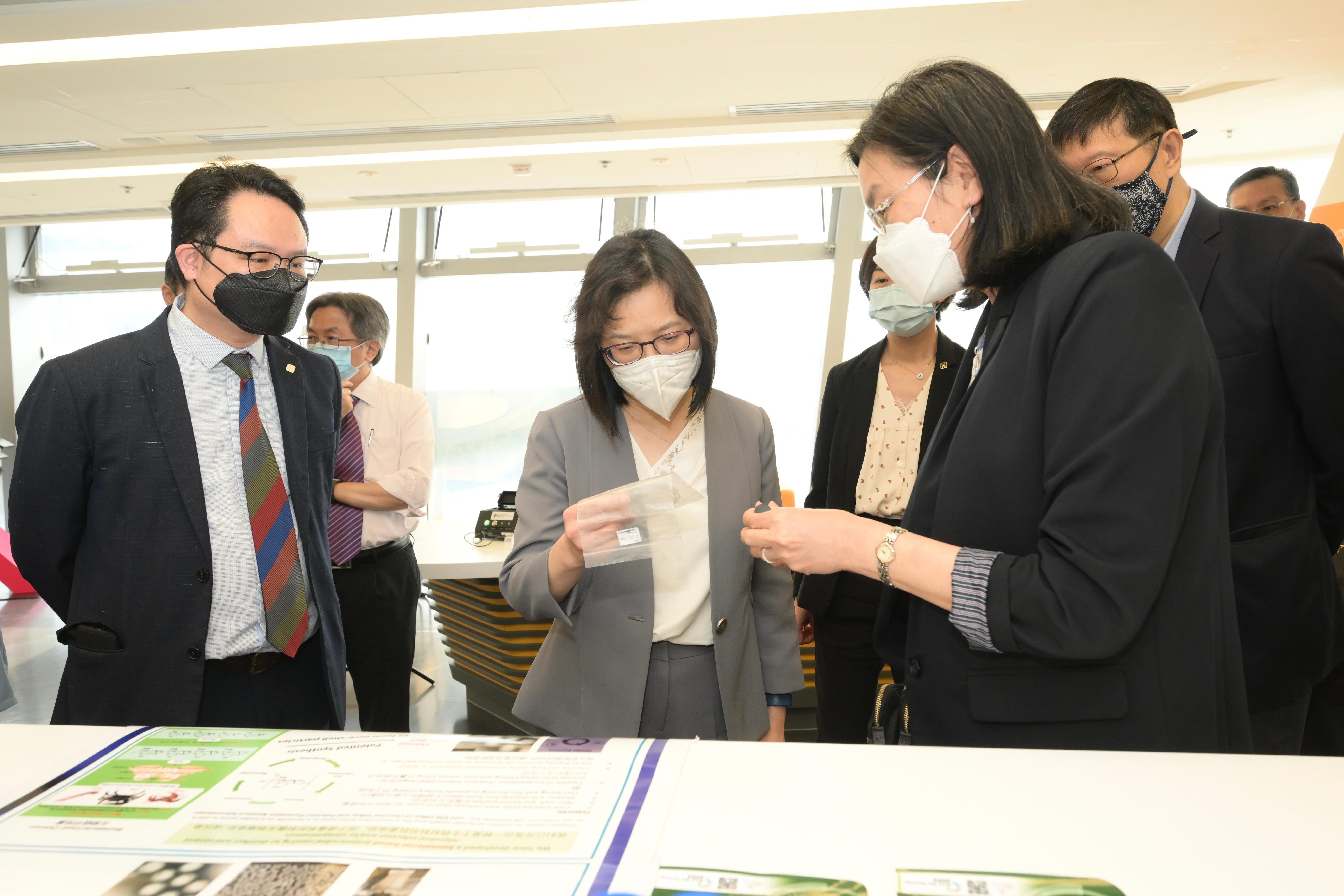
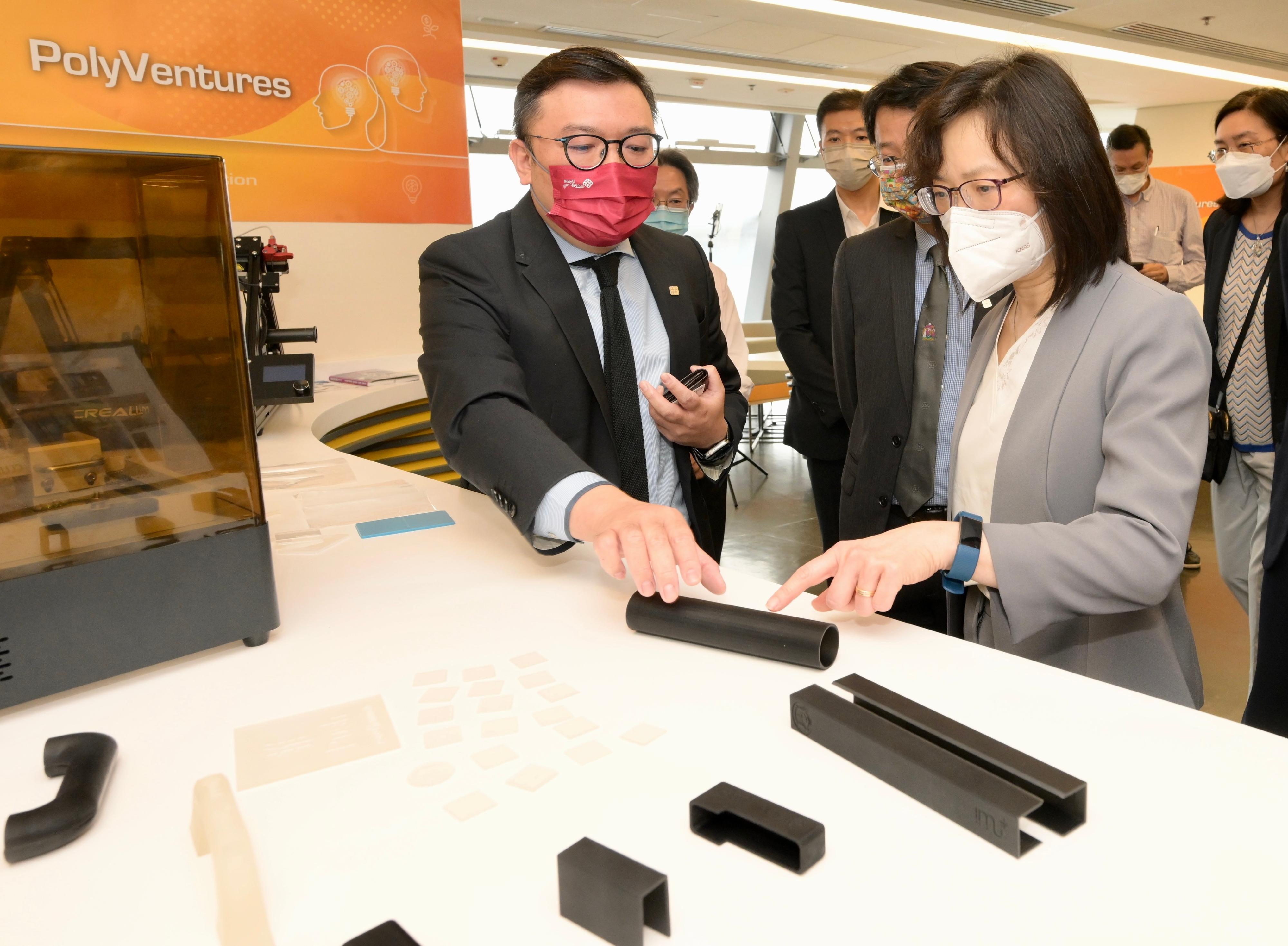
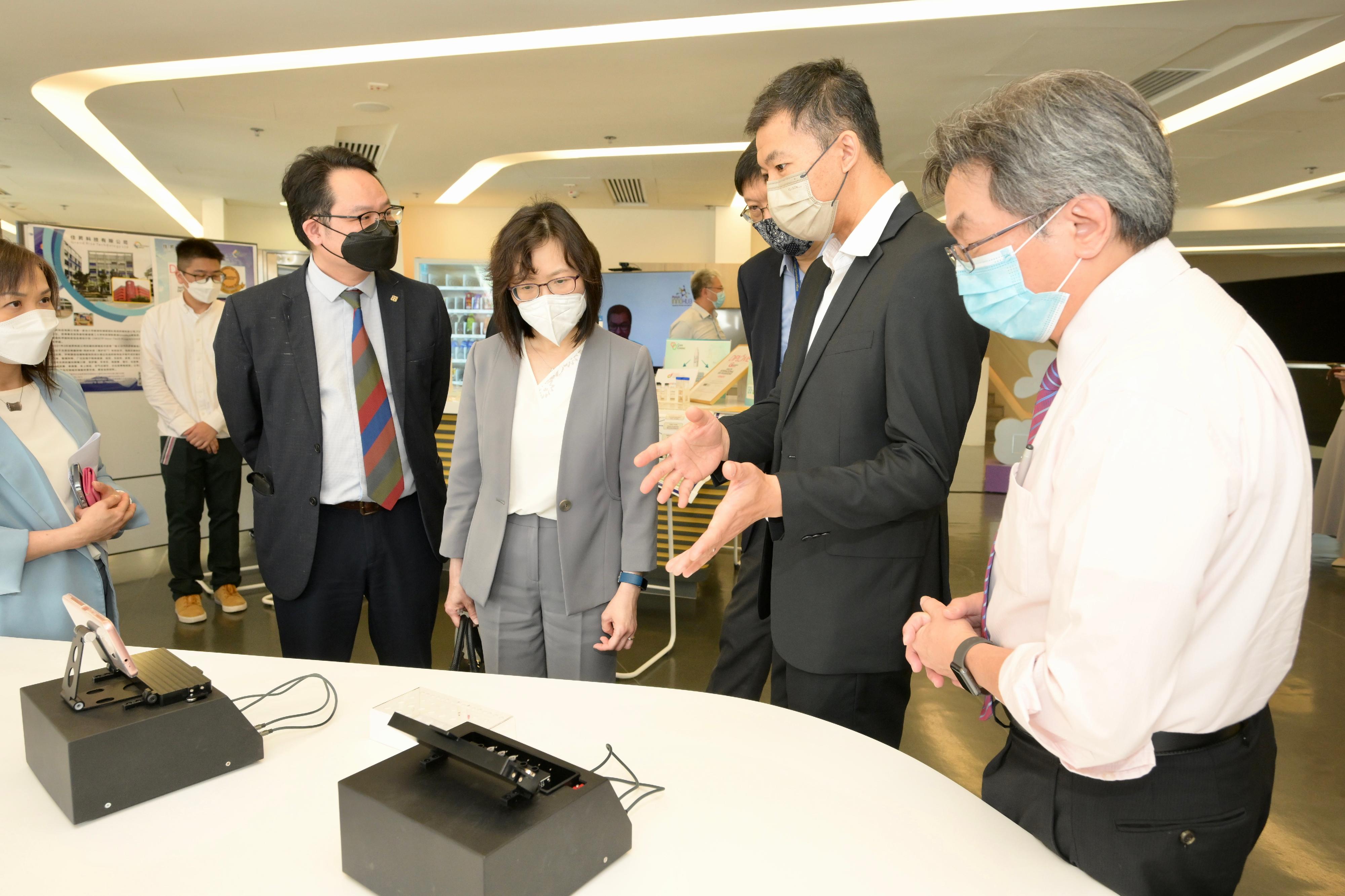
     Accompanied by the Executive Vice President of the Hong Kong Polytechnic University (PolyU), Dr Miranda Lou, Ms Pun on April 27 visited the PolyU InnoHub, which is a co-working space for start-ups, and met three PolyU research teams to understand their innovations and applications. The innovations developed by the three research teams are related to anti-epidemic use. The first invention, CareCoatex, is a non-toxic and eco-friendly antibacterial and antiviral coating that can kill 99 per cent of common bacteria and viruses. The coating is effective for up to six months and can be applied to various types of equipment for disinfection, contamination control and anti-epidemic protection. The second invention is a novel COVID-19-killing 3D printing material that can be used to produce equipment that is touched frequently such as door handles and elevator buttons to reduce the chance of virus transmission. This R&D outcome is funded by the special call for projects to combat the COVID-19 epidemic under the Public Sector Trial Scheme (PSTS) of the Innovation and Technology Commission (ITC). The third invention is a portable nucleic acid testing device for COVID-19 that can test both human and environmental samples with 100 per cent sensitivity and specificity, and can facilitate personal and environmental hygiene management. According to PolyU, CareCoatex and the 3D printing material have been commercialised and adopted by different organisations and enterprises.
 
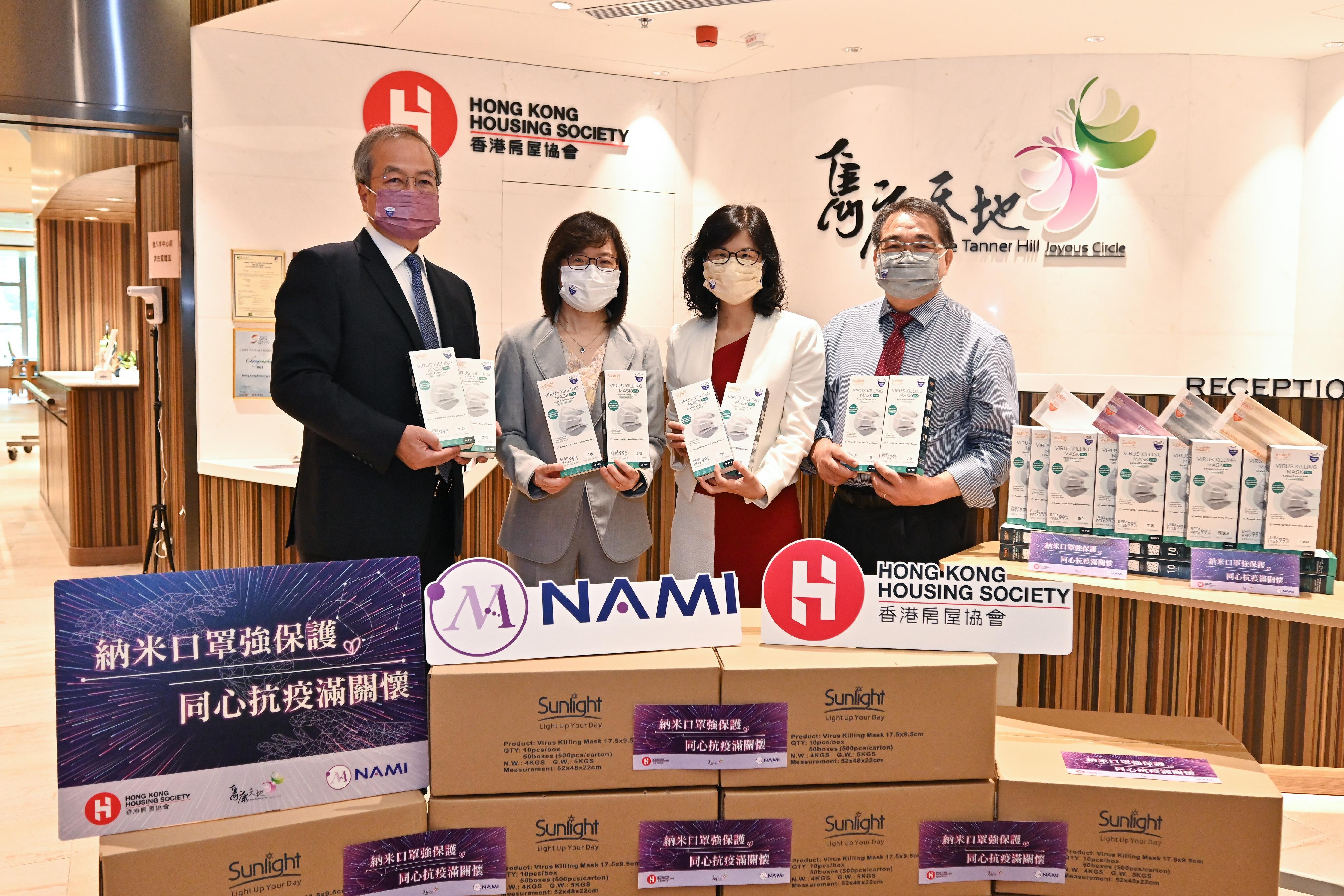
     In addition, the R&D Centres under the ITC have also been actively developing products and solutions to prevent the spread of the virus, so that technology can be integrated into the lives of the public to combat the epidemic in convenient and effective ways. Accompanied by the Chief Executive Officer of the Nano and Advanced Materials Institute (NAMI), Mr Daniel Yu, Ms Pun visited the Hong Kong Housing Society’s elderly residence the Tanner Hill in North Point on April 29. NAMI donated a batch of around 20 000 face masks to the elderly and front-line staff of the residential home. These upgraded masks, which were manufactured by NAMI’s industry partner using a breakthrough nanofibre technology recently developed by NAMI, can kill coronaviruses and greatly enhance protection.
 
     Ms Pun also viewed on April 29 and May 3 the following three anti-epidemic solutions funded by the special call for projects under the PSTS:
 
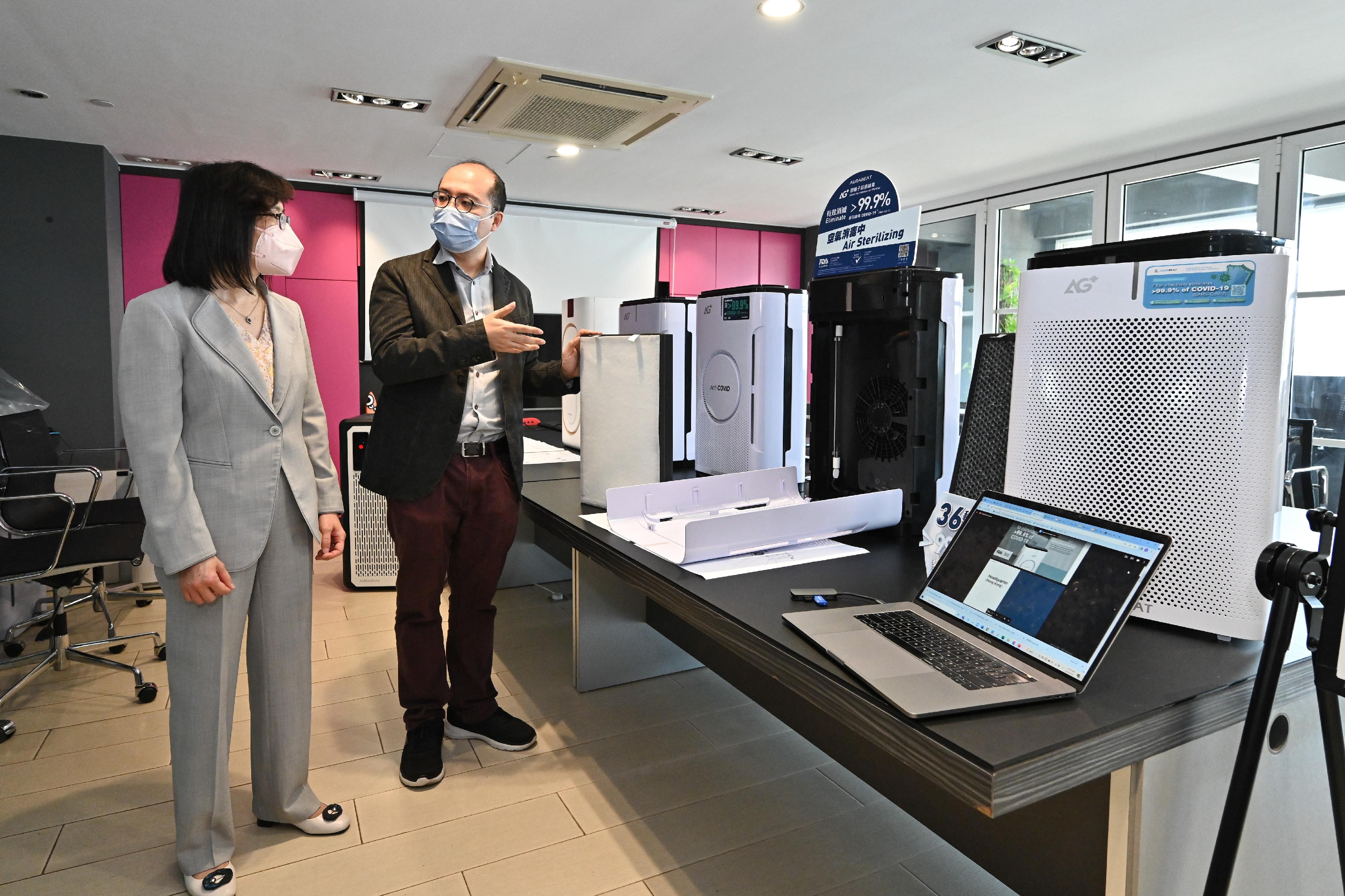
(1) Aurabeat Technology Limited developed an air purification device that has a variety of high-end disinfection technologies integrated, namely ionic silver, photocatalytic oxidation, UV light disinfection and plasma sterilisation. The photocatalytic oxidation technology can generate hydroxyl radicals, which can help decompose and eliminate bacteria, viruses and organic dust particles in the air. This air purification device has been certified by a third party testing organisation to be effective in reducing airborne COVID-19. The device had been tested by the Electrical and Mechanical Services Department at its offices and workshops at various locations, and gained a satisfactory trial result on air purification. The product has since then been successfully launched in the market and adopted in shopping malls, offices and residential care homes, and can also be purchased by the public for residential use;
 
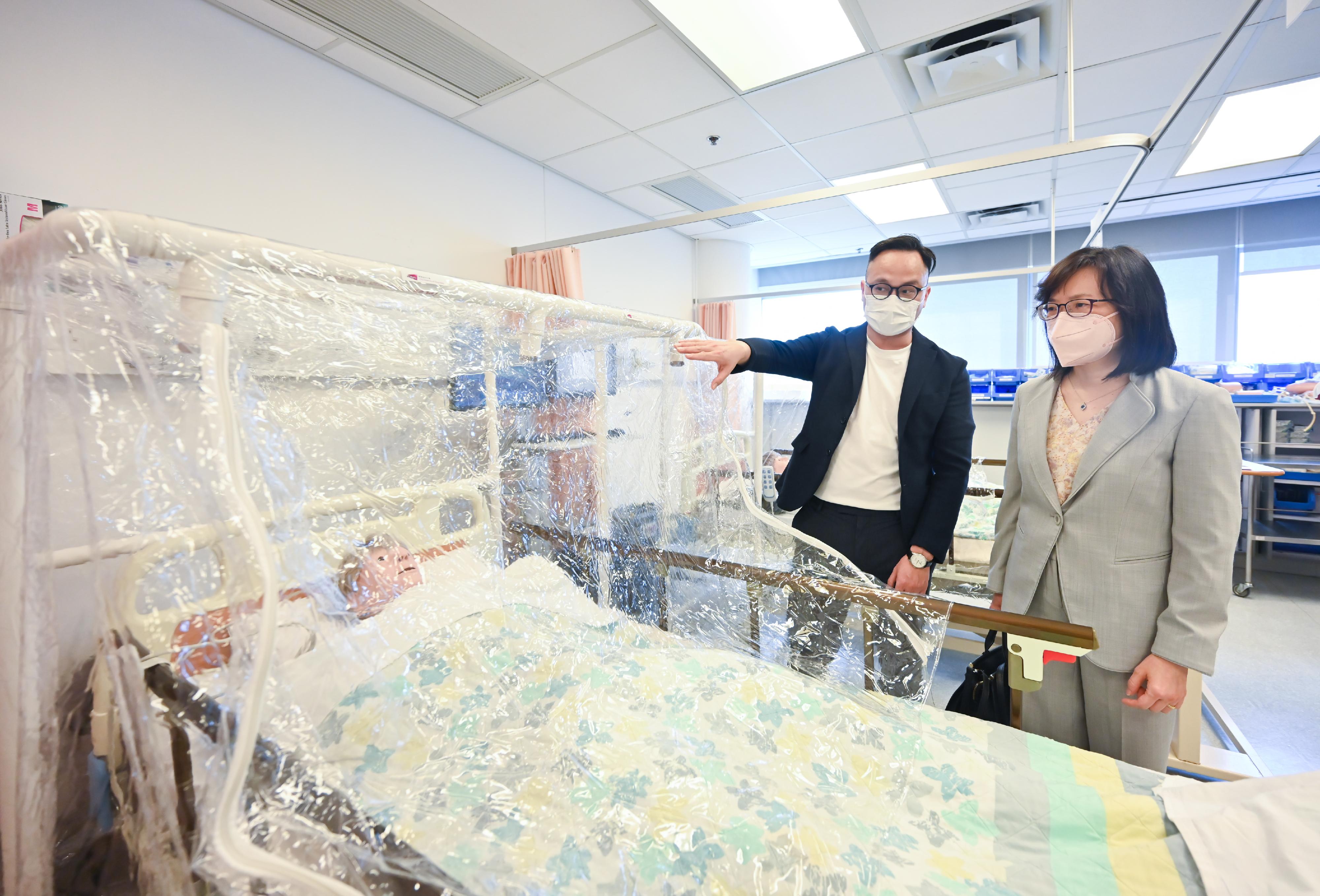
(2) The City University of Hong Kong developed a fast-track vented enclosure system for COVID-19 patients in hospitals. The system makes use of a ventilated hood to create a negative pressure environment for individual COVID-19 patients to protect non-COVID-19 patients and medical staff from the risk of airborne contagion. The contaminated air extracted from the hood will be cleaned by passage through a high-efficiency particulate air filter. Experimental results showed that 100 per cent aerosol removal efficiency could be achieved by the enclosure system. A clinical trial of this system is being conducted at the Clinical Simulation Centre of the School of Nursing of the University of Hong Kong. The system has also been clinically tested in the 24-hour Outpatient and Emergency Department of Gleneagles Hospital Hong Kong since February this year. The test data has shown that the system can effectively minimise the risk of cross-infection in the emergency room. As the system design is simple and can be quickly set up, it is believed that the system may be widely adopted in venues such as hospitals and residential care homes in the future; and
 
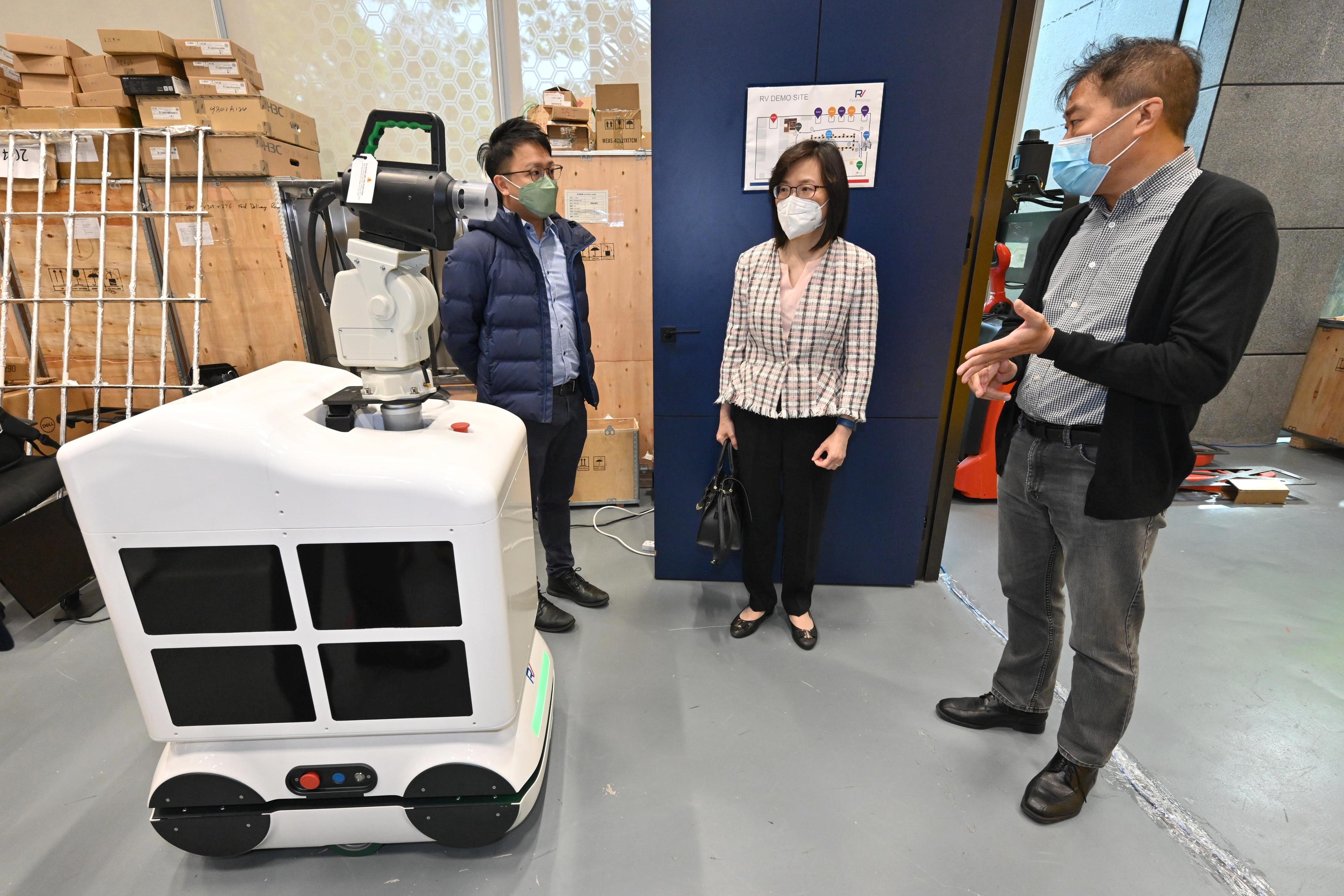
(3) RV Automation Technology Company Limited developed a disinfection mobile robot for indoor environments. The main disinfection functions of the robot include multi-angle spraying and misting, covering all indoor locations including furniture surfaces and corners. The robot has also been equipped with automatic obstacle avoidance and navigation functions. The disinfection mobile robot has been tested in the Hong Kong Science Park (HKSP) and the person in charge of the trial in the HKSP was satisfied with the performance and effectiveness of the robots. The disinfection mobile robot developed by RV Automation Technology Company Limited has already been commercialised in Hong Kong and has been adopted in locations such as hospitals and government departments. The company will launch robots with different functions targeting the needs of different organisations and enterprises in the future.
 
     Ms Pun said, “The ITC will continue to provide funding to organisations in the field of R&D and application of technologies to support the application and commercialisation of their R&D outcomes, and at the same time support the community’s continued efforts in combating the epidemic so that the general public may resume normal life as soon as possible.”
 
     The ITC launched a special call under the PSTS for combating COVID-19 in March 2020 and approved 63 projects in the same year. The responses from the 57 participating local public sector organisations were very positive, providing trial venues and actual operating environments to the applicant organisations with a view to facilitating the early implementation of R&D outcomes. The list of the approved projects under the special call for the PSTS is available on the website of the ITF (www.itf.gov.hk/en/funding-programmes/facilitating-technology/psts/psts-covid-19/index.html).

Photo  Photo  Photo  Photo  Photo  Photo  Photo  
read more

Woman sentenced for breaching compulsory quarantine order

     A 49-year-old woman was fined $5,000 by the Kowloon City Magistrates’ Courts today (May 3) for violating the Compulsory Quarantine of Certain Persons Arriving at Hong Kong Regulation (Cap. 599C).

     The woman was earlier issued a compulsory quarantine order stating that she must conduct quarantine at home for seven days. Before the expiry of the quarantine order, she left the place of quarantine on September 8, 2021, without reasonable excuse nor permission given by an authorised officer. She was charged with contravening sections 8(1) and 8(5) of the Regulation and was fined $5,000 by the Kowloon City Magistrates’ Courts today.

     â€‹Breaching a compulsory quarantine order is a criminal offence and offenders are subject to a maximum fine of $25,000 and imprisonment for six months. A spokesman for the Department of Health said the sentence sends a clear message to the community that breaching a quarantine order is a criminal offence that the Government will not tolerate, and solemnly reminded the public to comply with the regulations. As of today, a total of 226 persons have been convicted by the courts for breaching quarantine orders and have received sentences including immediate imprisonment for up to 14 weeks or a fine of up to $15,000. The spokesman reiterated that resolute actions will be taken against anyone who has breached the relevant regulations. read more