Tag Archives: China

image_pdfimage_print

EPD successfully intercepts case of illegal import of waste plastics by sea (with photos)

     The Environmental Protection Department (EPD) successfully intercepted earlier a case of illegally imported regulated waste plastics from Germany at the COSCO-HIT Container Terminals. The importer involved, namely CK Environmental Technology Limited, was convicted and fined a total of $5,800 at Fanling Magistrates’ Courts today (May 3) for contravening the Waste Disposal Ordinance (WDO).
 
     Concern about transboundary movement of waste plastics has been growing in international society and the Basel Convention on the Control of Transboundary Movements of Hazardous Wastes and their Disposal (BC), which regulates the global transboundary movements of waste plastics, adopted an amendment passed at the Conference of the Parties in May 2019, regulating the transboundary movement of designated types of waste plastics from January 1, 2021, including mixed, contaminated waste plastics or those not able to be recovered in an environmentally sound manner (together regarded as “regulated waste plastics”). Following amendments to the BC, the EPD enhanced the import and export control of waste plastics in Hong Kong from January 1, 2021, through the WDO. Any person who imports, exports or re-exports regulated waste plastics into, from or via Hong Kong must apply for the relevant waste import/export permit in accordance with the WDO or obtain consent from the EPD in advance. As for importing, exporting or re-exporting non-regulated waste plastics into, from or via Hong Kong, a declaration form and relevant documents should be submitted to the EPD in advance for record purposes. This is to prove that the planned transboundary movement of waste plastics is not subject to the control under the BC.
 
     In October 2021, the EPD investigated and identified a suspicious case claiming to import recycled waste plastics, and thus jointly intercepted the container concerned with the Customs and Excise Department (C&ED), and found about 20 tonnes of mixed waste plastics belonging to the category of regulated waste plastics. As no import/export permit nor consent had been obtained from the EPD for the intercepted regulated waste plastics, the EPD immediately repatriated all the waste plastics to the place of origin and notified the local enforcement authorities concerned about the return shipments for their follow-up. The EPD also instituted prosecution against the importer involved under the WDO.
 
     A spokesman for the EPD said that waste mixed with a large amount of different types of waste plastics will affect the recycling process and the quality of recyclables. Waste generated during the recycling process would take up the limited landfill space in Hong Kong. Improper handling of the waste would also pollute the environment. The EPD will continue to enhance the intelligence exchange and risk analysis with overseas enforcement authorities, and work with the C&ED to inspect suspicious containers to combat such illegal import activities involving regulated waste plastics.
 
     The spokesman reminded importers and exporters of the waste recycling trade not to illegally import (including import into or transhipment through Hong Kong) or export regulated waste plastics. According to the WDO, first-time offenders are liable to a maximum fine of $200,000 and six months’ imprisonment. For subsequent offences, offenders are liable to a fine of $500,000 and two years’ imprisonment.
 
     The EPD has issued guidelines on the import and export control of waste plastics for reference of members of the public and the trade. The guidelines can be downloaded from the EPD’s website: www.epd.gov.hk/epd/sites/default/files/epd/english/environmentinhk/waste/guide_ref/files/WastePlastics_Guidelines_eng.pdf.
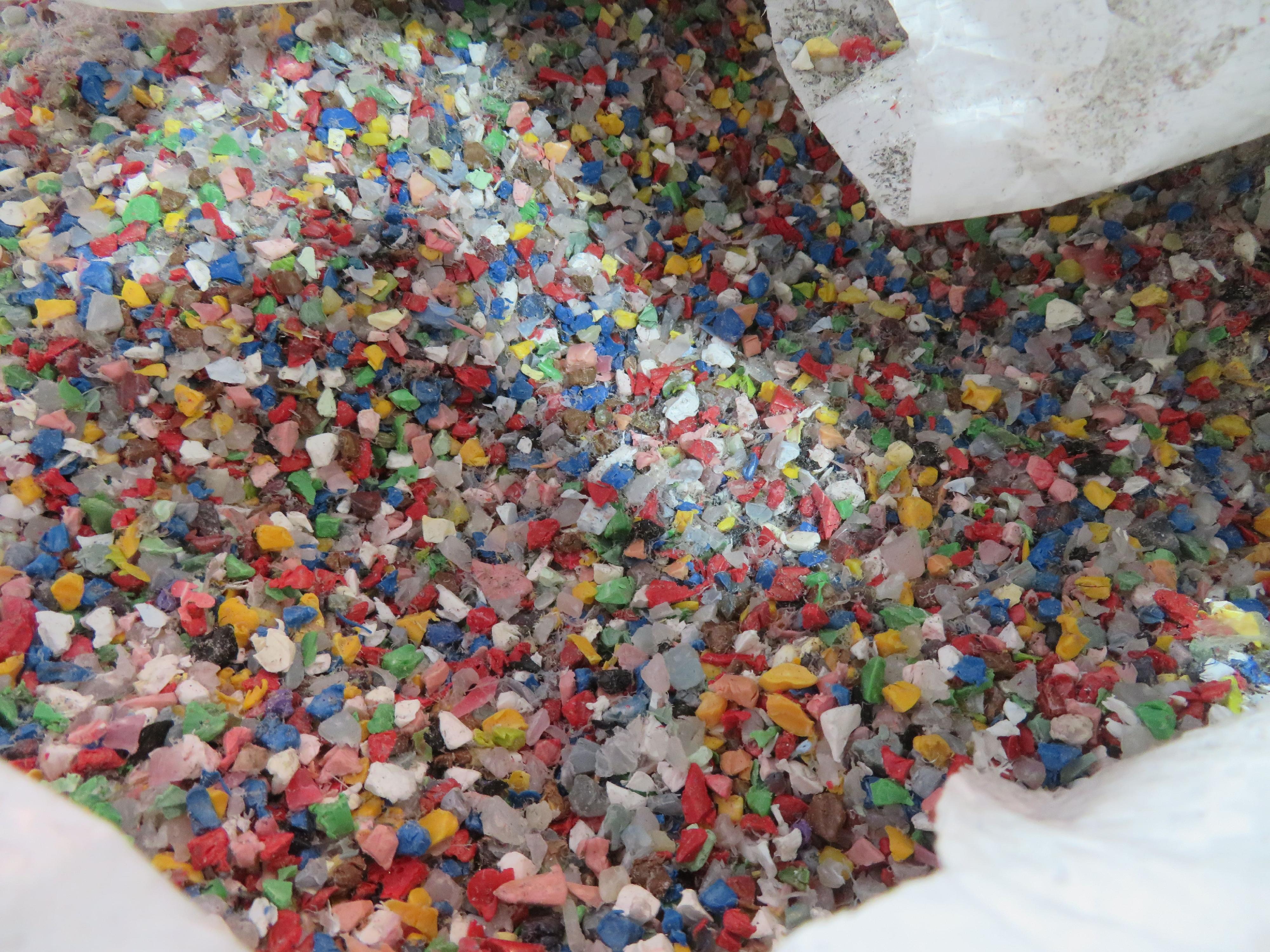
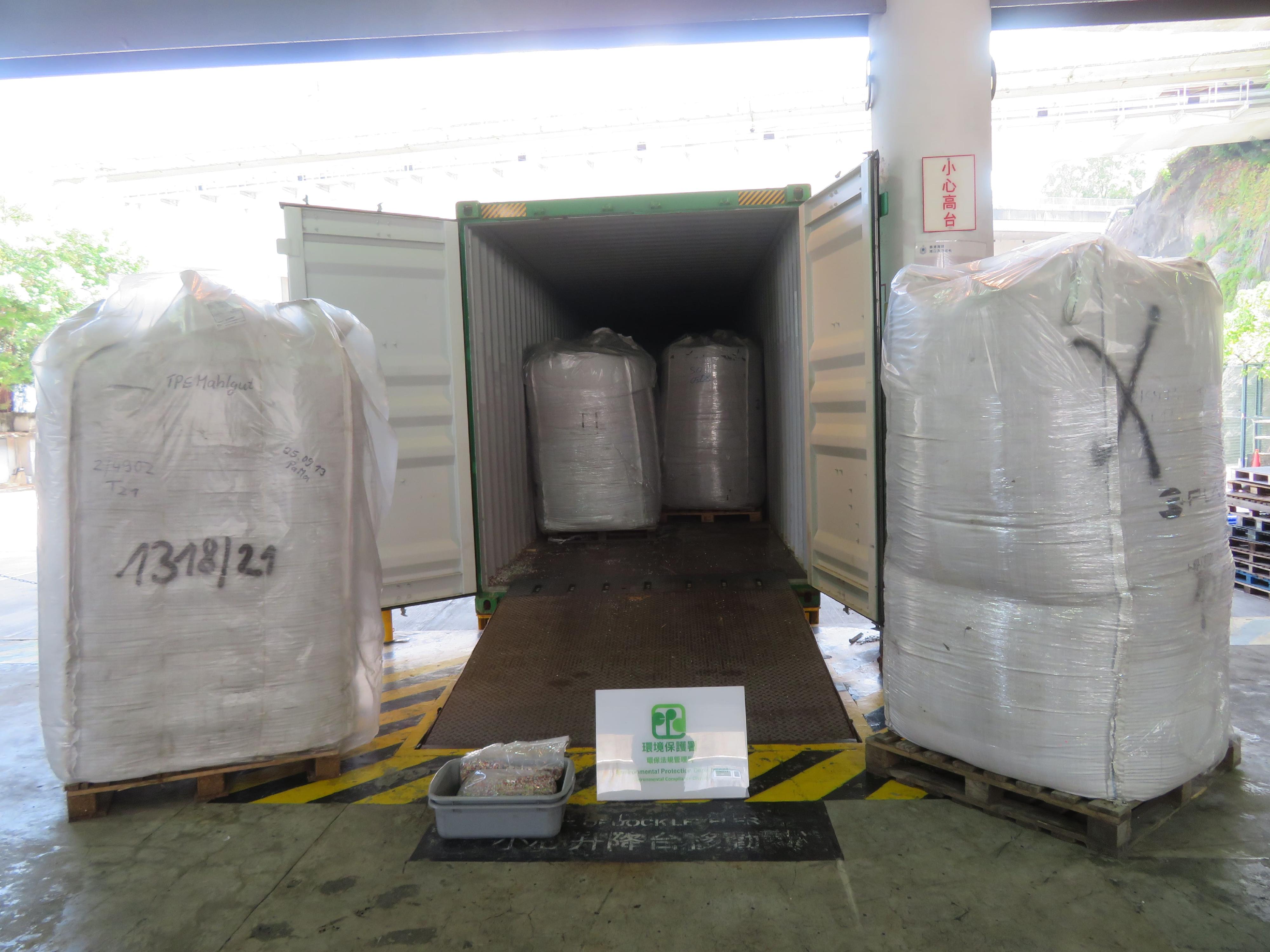
Photo  Photo  
read more

Survey on Small and Medium-Sized Enterprises (SMEs)’ Credit Conditions for First Quarter 2022

The following is issued on behalf of the Hong Kong Monetary Authority:
 
     The Hong Kong Monetary Authority (HKMA) published today (May 3) the results of Survey on Small and Medium-Sized Enterprises (SMEs)’ Credit Conditions for the first quarter of 2022.
      
     Regarding SMEs’ perception of banks’ credit approval stance relative to six months ago, excluding respondents who answered “no idea/don’t know”, 75 per cent perceived similar or easier credit approval stance in the first quarter of 2022, compared with 87 per cent in the previous quarter. 25 per cent perceived more difficult credit approval stance, compared with 13 per cent in the previous quarter (Chart 1 in the Annex). The perception of more difficult credit approval stance may not necessarily reflect actual difficulties faced by SMEs in obtaining bank credit as the perception could be affected by a number of factors, such as media/news reports, business conditions and opinions of relatives and friends.  
      
     Of respondents with existing credit lines, 92 per cent reported that banks’ stance on existing credit lines was easier or unchanged in the first quarter of 2022, compared with 95 per cent in the previous quarter (Chart 2 in the Annex). 8 per cent of the respondents reported tighter banks’ stance on existing credit lines, compared with 5 per cent in the previous quarter. In this survey, tighter stance on existing credit lines denotes a range of possible measures or arrangements, such as reducing unused and used credit lines, raising the interest rate, imposing additional collateral requirements, or shortening loan tenor. Therefore, respondents’ indication of banks’ stance on existing credit lines may not directly reflect banks’ supply of credit to SMEs. 
      
     The survey also gauged the results of new credit applications from SMEs. 6 per cent of the respondents reported that they had applied for new bank credit during the first quarter of 2022. Among the respondents who had already known their application outcomes, 87 per cent reported fully or partially successful applications, compared with 92 per cent in the previous quarter (Chart 3 in the Annex). 13 per cent reported unsuccessful applications, compared with 8 per cent in the previous quarter.
      
     Owing to small sample sizes of SMEs with existing credit lines (24 per cent of surveyed SMEs) and with new credit applications (6 per cent of surveyed SMEs) during the quarter, the results could be prone to large fluctuations, and hence should be interpreted with care.

About Survey on Small and Medium-Sized Enterprises (SMEs)’ Credit Conditions
      
     In light of the importance of SMEs to the Hong Kong economy and concerns about potential funding difficulties facing SMEs over the past few years, the HKMA has appointed the Hong Kong Productivity Council (HKPC) to carry out this survey, starting from the third quarter of 2016. This survey is conducted on a quarterly basis, covering about 2 500 SMEs from different economic sectors each time. The results of this survey can help monitor the development of SMEs’ access to bank credit from a demand-side perspective.
      
     The results of this survey should be interpreted with caution. Similar to other opinion surveys, views collected in this survey may be affected by changes in sentiment due to idiosyncratic events that occurred over the survey period, which can make the results prone to fluctuations. Readers are advised to interpret the results together with other economic and financial information. In addition, views collected are limited to the expected direction of inter-quarter changes (e.g. “tighter”, “no change” or “easier”) without providing information about the magnitude of these changes.
      
     Detailed tables and technical information of this survey are published on the website of the HKPC (smecc.hkpc.org). read more