Tag Archives: China

FEHD and Hong Kong Customs continue to inspect premises selling hairy crabs in various districts (with photos)

     ​To safeguard food safety, the Food and Environmental Hygiene Department (FEHD) and Hong Kong Customs have conducted joint blitz operations since November 9 to inspect selling points of hairy crabs across various districts, following a similar joint operation in October. The inspections aimed to ensure that hairy crabs on sale in the market comply with the relevant requirements under the law.
      
     A spokesman for the FEHD said today (November 12), “During the joint blitz inspections of selling points of hairy crabs, officers from the Centre for Food Safety (CFS) and the Environmental Hygiene Branch of the FEHD and Customs officers have inspected 50 premises selling hairy crabs. The source documents and health certificates of the hairy crabs were checked to ensure that the hairy crabs sold at the premises are in compliance with the Public Health and Municipal Services Ordinance (Cap. 132) as well as the Trade Descriptions Ordinance (TDO) (Cap. 362) and are fit for human consumption. The FEHD and Customs officers also distributed promotional leaflets to the operators of the premises, reminding them to pay attention to food safety and comply with the relevant requirements under the law. During the operations, no contravention was found.”
      
     According to the Public Health and Municipal Services Ordinance (Cap. 132), all food available for sale in Hong Kong, locally produced or imported, should be fit for human consumption. An offender in this regard is subject to a maximum fine of $50,000 and imprisonment for six months upon conviction. Under the Food Safety Ordinance (Cap. 612), any person who, without reasonable excuse, fails to comply with the record-keeping requirement relating to movement of food commits an offence and is liable to a maximum fine of $10,000 and imprisonment for three months upon conviction.
      
     Under the Food Business Regulation (Cap. 132X) (the Regulation), save with the written permission of the Director of Food and Environmental Hygiene (DFEH), no person shall sell any restricted foods, including shellfish. Operators selling hairy crabs shall obtain the Shell Fish (Hairy Crab) Permit or relevant written permission granted by the FEHD; or, if the shop already holds another relevant FEHD licence (such as a fresh provision shop licence) or operates a fish stall in a market managed by the FEHD, the operator must apply for written permission. Premises holding a permit or licence must, in accordance with the law, display the permit or licence prominently. If the operator sells only through online platforms, they must apply for an online sale of restricted food permit. The website or online platform account homepage selling hairy crabs must clearly display the permit information, such as the permit number, registered address, and the types of restricted foods approved for sale. The relevant regulatory condition also stipulates that hairy crabs for sale shall be obtained from a reliable and reputable source. A copy of the health certificate issued by the relevant authority and acceptable to the DFEH shall also be kept. Under the Regulation, any person who operates an unlicensed food business or sells restricted foods without permission commits an offence and is liable to a maximum fine of $50,000 and imprisonment for six months upon conviction.
      
     Customs reminds traders not to apply a false trade description to goods or services, or to supply or offer to supply goods or services to which a false trade description is applied. Those who violate the TDO are liable on conviction to a maximum fine of $500,000 and imprisonment for five years. Customs also attaches great importance to the protection of consumer rights and will take appropriate enforcement action once activities in violation of the TDO are detected in the market.
      
     The FEHD and Customs remind the trade not to import or put on sale hairy crabs or other food of unknown origin, and consumers should make purchases at reputable shops with the Shell Fish (Hairy Crab) Permit or relevant written permission granted by the FEHD.
      
     If members of the public suspect that there are operators selling hairy crabs without the relevant permits/permissions or that the hairy crabs are not accompanied by health certificates, they may make a report by calling the FEHD hotline at 2868 0000 or by email (enquiries@fehd.gov.hk).
      
     In addition, members of the public may report any suspected violations of the TDO to Customs’ 24-hour hotline 182 8080 or its dedicated crime-reporting email account (crimereport@customs.gov.hk) or online form (eform.cefs.gov.hk/form/ced002/) if they suspect that the hairy crabs they bought are of a falsely claimed place of origin.
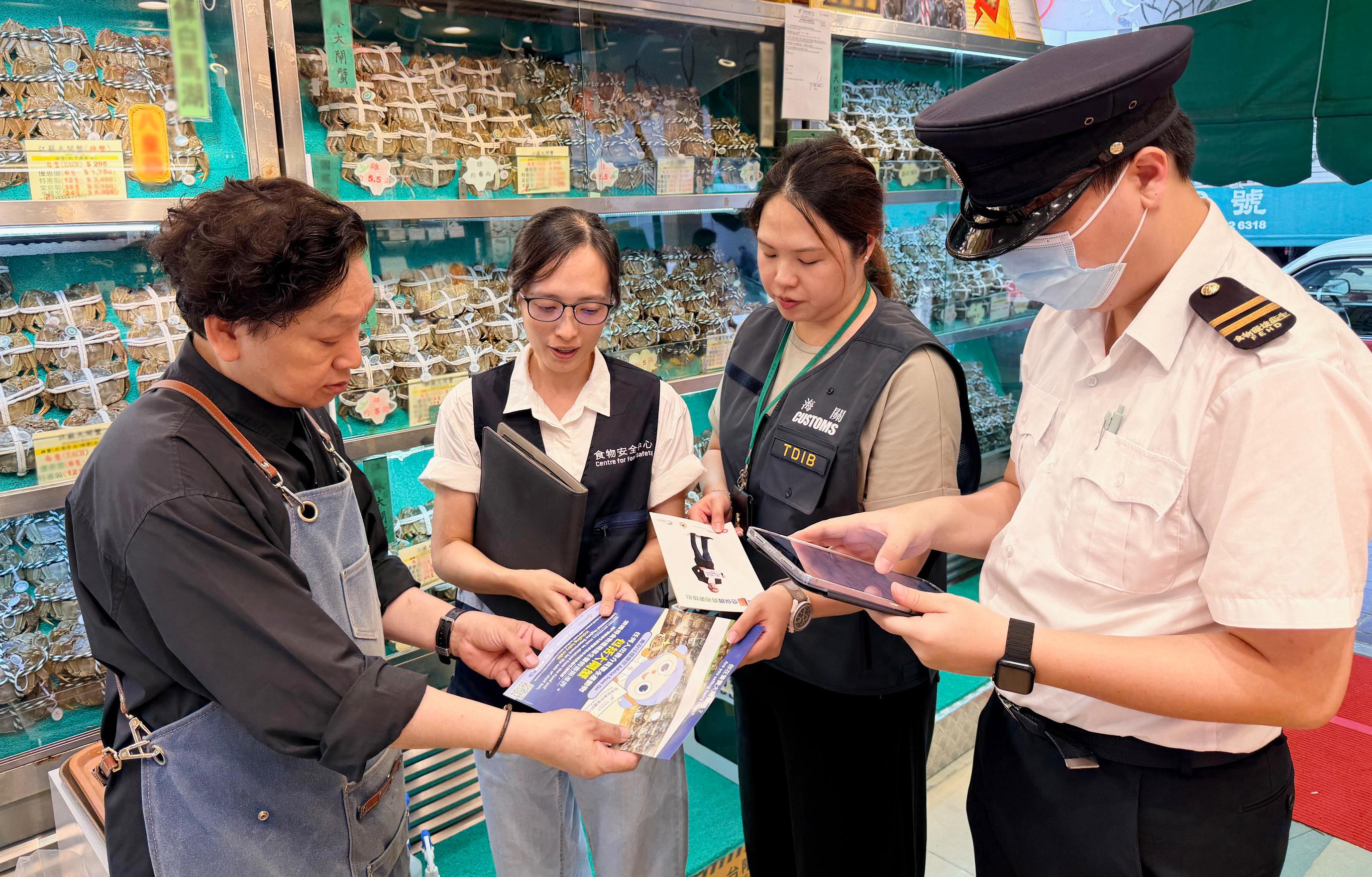
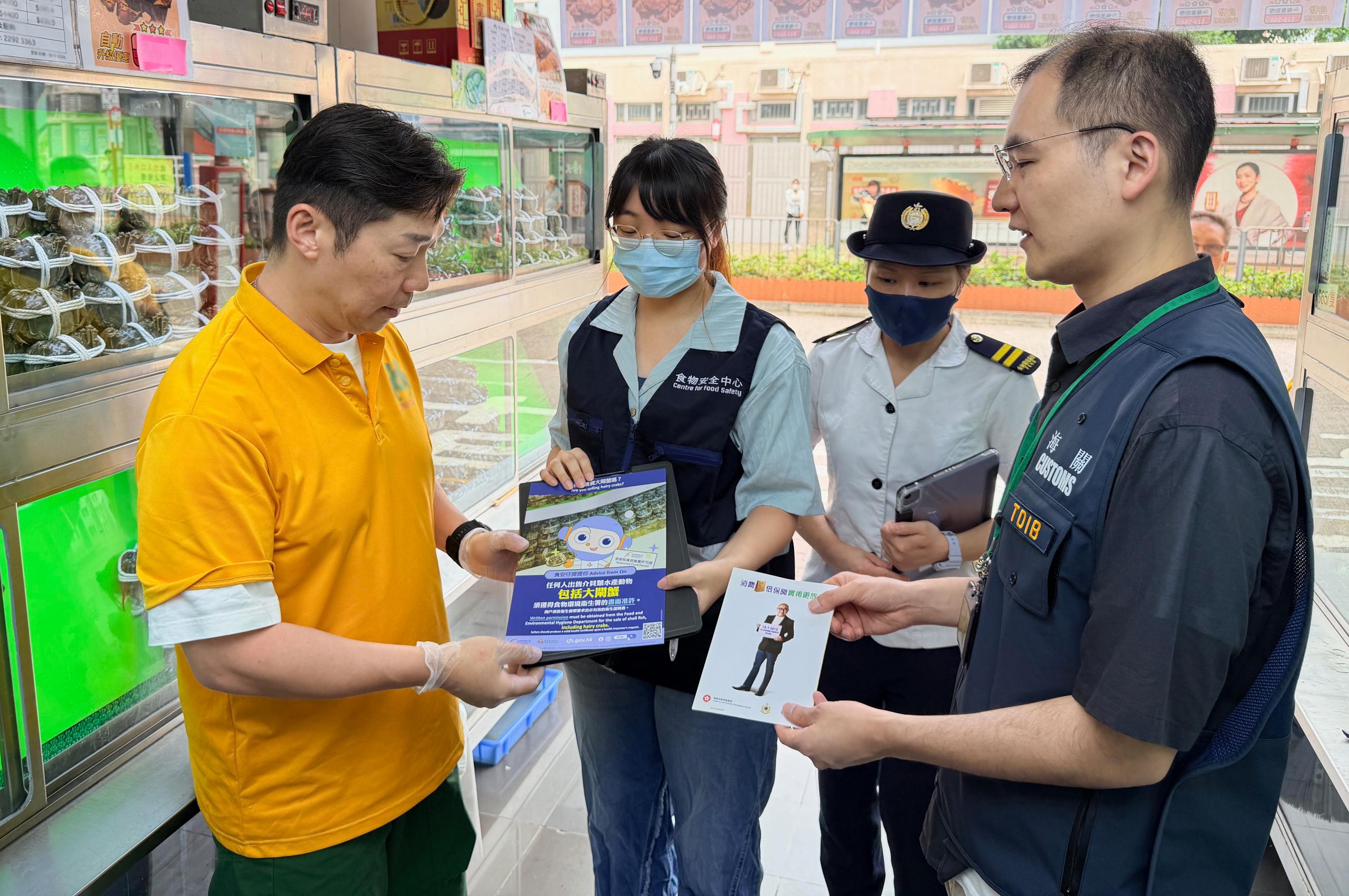
Photo  Photo  
read more

Monthly gravidtrap index for Aedes albopictus mosquitoes drops further in October

     The Food and Environmental Hygiene Department (FEHD) today (November 12) announced that the monthly gravidtrap index (MGI) for Aedes albopictus mosquitoes in October was 2.9 per cent, lower than the 5.2 per cent in September. This reflects the efforts by the FEHD and relevant government departments to intensify mosquito prevention and elimination operations, resulting in the further improvement of the overall mosquito infestation situation this month. 
 
     In October, among the 62 survey areas, all recorded an area gravidtrap index (AGI) lower than the alert level of 20 per cent. The decreases in the MGI and the AGI are attributable to the continuous and intensified mosquito prevention and elimination operations by various government departments and stakeholders, and may also have been affected by factors such as weather. Overall, the MGI for Aedes albopictus mosquitoes in October was 2.9 per cent, at Level 1 (indicating the distribution of Aedes albopictus mosquitoes in the survey areas was not extensive). Relevant departments and stakeholders will persistently intensify mosquito prevention and elimination operations.

     Moreover, the monthly density index for Aedes albopictus in October was 1.1, which represented that an average of 1.1 Aedes albopictus adults were found in the Aedes-positive gravidtraps, indicating that the number of adult Aedes albopictus was not abundant in the survey areas. The gravidtrap and density indexes for Aedes albopictus in different survey areas, as well as information on mosquito prevention and control measures, are available on the department’s website at www.fehd.gov.hk.

     A spokesman for the FEHD said, “Since August last year, the FEHD has extended its intensified mosquito control work, which was originally initiated when the AGI of an area had reached 20 per cent (Level 3), to cover areas with the AGI falling between 10 and 20 per cent (Level 2). The continuous drop in gravidtrap indexes in recent months has reflected that the overall situation of mosquito infestation is under control. Nevertheless, cases of dengue fever (DF) and chikungunya fever (CF) were still recorded in neighbouring areas, meaning the risk of imported mosquito-borne diseases and secondary transmission remains. The FEHD will maintain the current arrangements, initiating intensified mosquito control work whenever the AGI of an area reaches 10 per cent or above, until further notice.”

     The spokesman added, “Last year, in response to the CF situation, the FEHD strengthened information dissemination by announcing area indexes in batches through press releases, in addition to publishing the AGI on its webpage. Starting from this November, the FEHD will resume releasing the monthly gravidtrap and density indexes for Aedes albopictus, as well as relevant information on mosquito prevention through monthly press releases and social media upon completing the gravidtrap surveillance and consolidated analysis every month, enabling members of the public to grasp the overall condition of mosquito infestation. The FEHD will also continue to regularly publish the latest AGI on the department’s webpage.”

     The spokesman reminded that although autumn has arrived, the weather remains warm with occasional showers, which is favourable for mosquito breeding. The FEHD continues to execute mosquito prevention and control measures in all districts, and will implement rapid response measures and deploy targeted actions together with relevant departments and stakeholders to intensify the mosquito prevention and control work in areas under the purview of the relevant government departments, including eliminating mosquito breeding places, applying larvicides, conducting fogging operations to eradicate adult mosquitoes, and placing mosquito trapping devices at suitable locations. The FEHD will also conduct site inspections with relevant departments, and provide them with professional advice and technical support to assist them in formulating and implementing effective anti-mosquito measures swiftly. At the same time, the FEHD has strengthened publicity and education. The FEHD will closely monitor the mosquito infestation and the effectiveness of mosquito control work in various districts, dynamically adjust prevention and control strategies in accordance with actual circumstances, and implement targeted mosquito prevention and elimination measures.
 
     The FEHD continues to conduct a three-phase Anti-mosquito Campaign this year. The third phase of the Anti-mosquito Campaign ended on October 23. During the period, the district offices of the FEHD targeted residences, schools, construction sites, public housing estates, hospitals, illegal cultivation sites, waterfront public and private cargo working areas, land boundary control points, typhoon shelters and cross-boundary ferry terminals to remove accumulated water and carry out mosquito prevention and control work. To further enhance the effectiveness of mosquito control, the FEHD and relevant government departments launched the first and second phases of the All-out Anti-mosquito Operations on March 25 and April 30 respectively. Relevant departments will continue with the work of phase one, including eliminating potential mosquito breeding places and arranging for necessary structural repairs to minimise mosquito breeding places, and will consistently carry out the work of phase two by conducting regular ultra-low volume fogging operations at places with mosquito infestation to control the mosquitoes. The FEHD calls on property management entities to continue actively participating in the All-out Anti-mosquito Operations. 

     The FEHD appeals to members of the public to continue to stay alert and work together to carry out mosquito prevention and control measures early, including inspecting their homes and surroundings to remove potential breeding grounds, changing water in vases and scrubbing their inner surfaces, removing water in saucers under plant pots at least once a week, and properly disposing of containers such as empty cans and disposable meal boxes. The FEHD also advises members of the public and estate management bodies to keep drains free of blockage and level all defective ground surfaces to prevent the accumulation of water. They should also scrub all drains and surface sewers with an alkaline detergent at least once a week to remove any mosquito eggs. 

     Aedes albopictus is a kind of mosquito that can transmit DF and CF. DF and CF are commonly found in countries in tropical and subtropical regions, and the risk of importation persists in many countries in Southeast Asia. The FEHD calls on members of the public to check the situation at their destinations before travelling abroad, especially when travelling to Southeast Asian countries. If travellers feel unwell after returning to Hong Kong, they should seek medical advice immediately and provide their travel history to the doctor. read more

Inspection of aquatic products imported from Japan

     In response to the Japanese Government’s plan to discharge nuclear-contaminated water at the Fukushima Nuclear Power Station, the Director of Food and Environmental Hygiene issued a Food Safety Order which prohibits all aquatic products, sea salt and seaweeds originating from the 10 metropolis/prefectures, namely Tokyo, Fukushima, Ibaraki, Miyagi, Chiba, Gunma, Tochigi, Niigata, Nagano and Saitama, from being imported into and supplied in Hong Kong.
 
     For other Japanese aquatic products, sea salt and seaweeds that are not prohibited from being imported into Hong Kong, the Centre for Food Safety (CFS) of the Food and Environmental Hygiene Department is conducting comprehensive radiological tests to verify that the radiation levels of these products do not exceed the guideline levels before they are allowed to be supplied in the market.
 
     From noon on November 11 to noon today (November 12), the CFS conducted tests on the radiological levels of 144 food samples imported from Japan, which were of the “aquatic and related products, seaweeds and sea salt” category. No sample was found to have exceeded the safety limit. Details can be found on the CFS’s thematic website titled “Control Measures on Foods Imported from Japan” (www.cfs.gov.hk/english/programme/programme_rafs/programme_rafs_fc_01_30_Nuclear_Event_and_Food_Safety.html).
 
     In parallel, the Agriculture, Fisheries and Conservation Department (AFCD) has also tested 50 samples of local catch for radiological levels. All the samples passed the tests. Details can be found on the AFCD’s website (www.afcd.gov.hk/english/fisheries/Radiological_testing/Radiological_Test.html).
 
     The Hong Kong Observatory (HKO) has also enhanced the environmental monitoring of the local waters. No anomaly has been detected so far. For details, please refer to the HKO’s website (www.hko.gov.hk/en/radiation/monitoring/seawater.html).
 
     From August 24, 2023, to noon today, the CFS and the AFCD have conducted tests on the radiological levels of 274 889 samples of food imported from Japan (including 170 997 samples of aquatic and related products, seaweeds and sea salt) and 58 462 samples of local catch respectively. All the samples passed the tests. read more

Volume and price statistics of external merchandise trade in September 2026

     Further to the external merchandise trade statistics in value terms for September 2026 released earlier on, the Census and Statistics Department (C&SD) released today (November 12) the volume and price statistics of external merchandise trade for that month.

     In September 2026, the volume of Hong Kong’s total exports of goods and imports of goods increased by 36.1% and 30.7% respectively over September 2025.

     Comparing the first nine months of 2026 with the same period in 2025, the volume of Hong Kong’s total exports of goods and imports of goods increased by 29.9% and 30.1% respectively.

     Comparing the third quarter of 2026 with the preceding quarter on a seasonally adjusted basis, the volume of total exports of goods and imports of goods increased by 1.8% and 1.0% respectively.

     Changes in volume of external merchandise trade are derived from changes in external merchandise trade value with the effect of price changes discounted.

     Comparing September 2026 with September 2025, the prices of total exports of goods and imports of goods increased by 20.3% and 19.7% respectively.

     As regards price changes in the first nine months of 2026 over the same period in 2025, the prices of total exports of goods and imports of goods increased by 11.4% and 11.0% respectively.

     Price changes in external merchandise trade are reflected by changes in unit value indices of external merchandise trade, which are compiled based on average unit values or, for certain commodities, specific price data.

     The terms of trade index is derived from the ratio of price index of total exports of goods to that of imports of goods. Compared with the same periods in 2025, the index increased by 0.5% in September 2026 and 0.4% in the first nine months of 2026.
      
     Changes in the unit value and volume of total exports of goods by main destination are shown in Table 1.

     Comparing September 2026 with September 2025, increases were recorded for the total export volume to Taiwan (120.5%), the USA (90.1%), Vietnam (36.8%) and Chinese Mainland (the Mainland) (34.7%). On the other hand, the total export volume to India decreased by 2.4%.

     Over the same period of comparison, the total export prices to all main destinations increased: the Mainland (23.8%), the USA (20.3%), Taiwan (15.3%), Vietnam (13.6%) and India (12.3%).

     Changes in the unit value and volume of imports of goods by main supplier are shown in Table 2.

     Comparing September 2026 with September 2025, increases were recorded for the import volume from all main suppliers: Korea (118.2%), Vietnam (73.6%), the Mainland (29.7%), Singapore (25.6%) and Taiwan (18.3%).

     Over the same period of comparison, the import prices from all main suppliers increased: Korea (50.8%), Taiwan (29.4%), Vietnam (22.2%), the Mainland (19.8%) and Singapore (16.7%).

Further information

     Details of the above statistics are published in the September 2026 issue of “Hong Kong Merchandise Trade Index Numbers”. Users can browse and download the report at the website of the C&SD (www.censtatd.gov.hk/en/EIndexbySubject.html?pcode=B1020006&scode=230).

     Enquiries on merchandise trade indices may be directed to the Trade Analysis Section of the C&SD (Tel: 3863 2599). read more

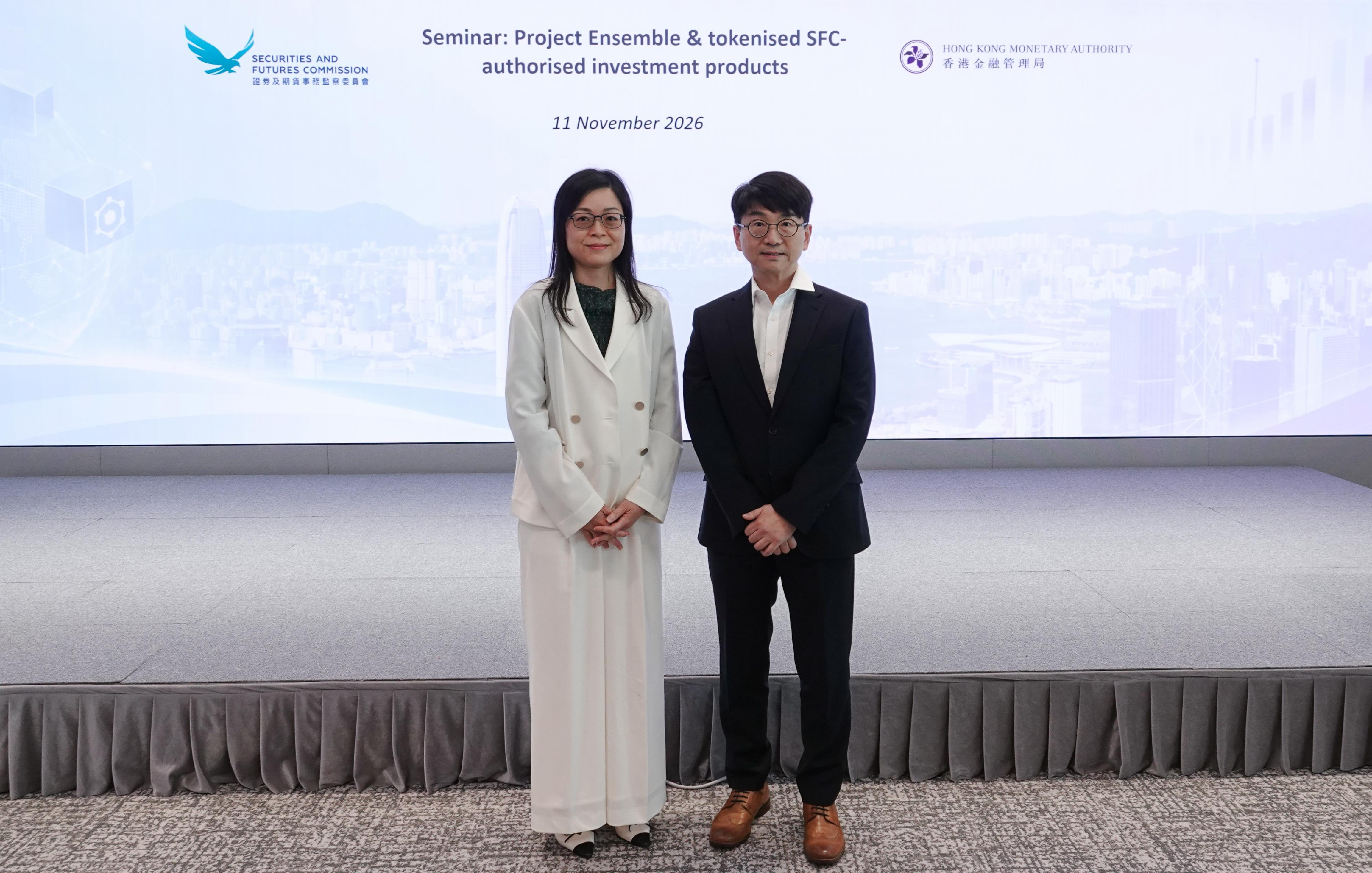
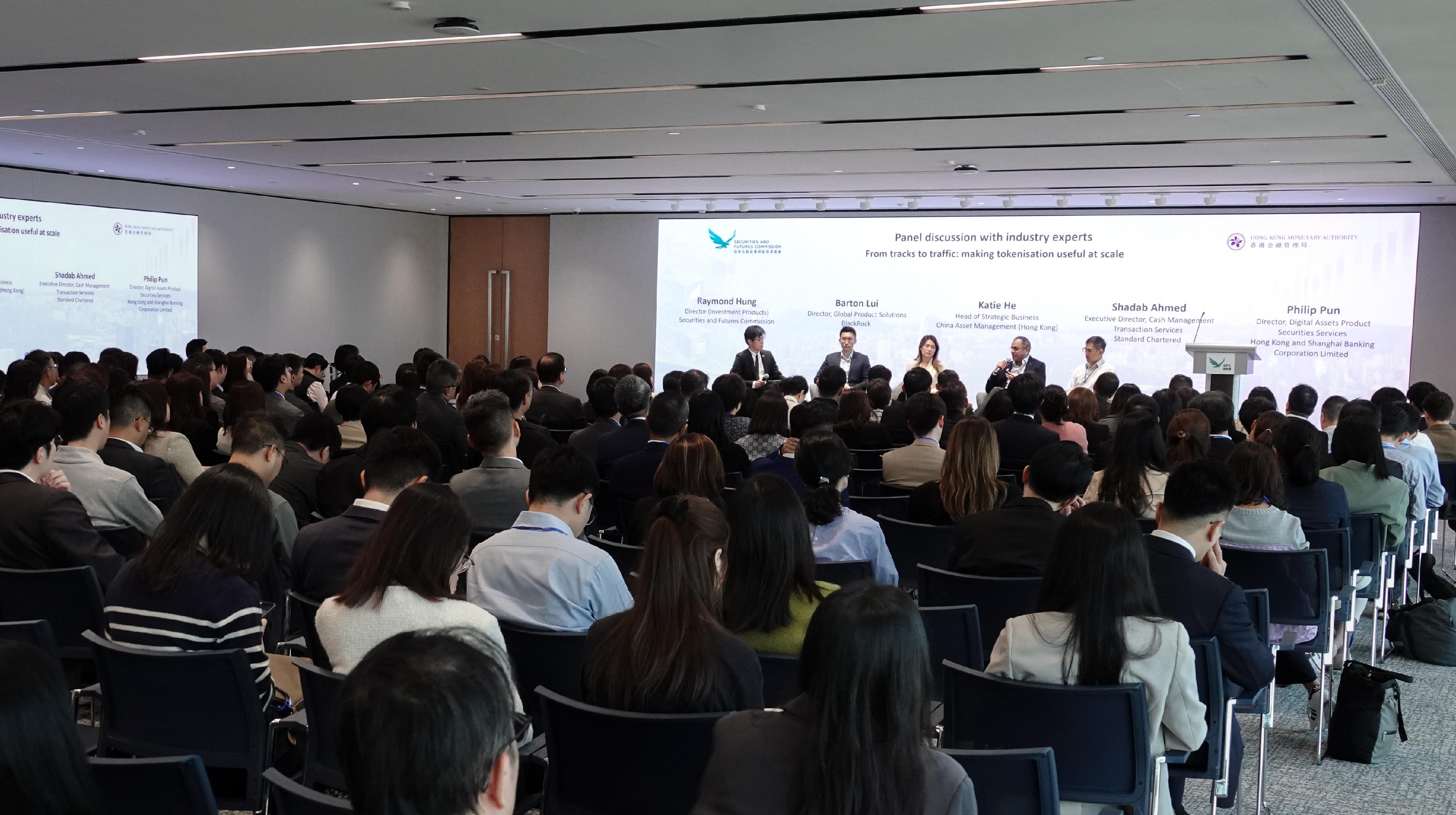
HKMA and SFC co-host seminar to advance tokenisation in Hong Kong and promote collaborative opportunities within Project Ensemble (with photos)

The following is issued on behalf of the Hong Kong Monetary Authority:

     The Hong Kong Monetary Authority (HKMA) and the Securities and Futures Commission (SFC) co-hosted a seminar on November 11 focusing on Project Ensemble and tokenised SFC-authorised investment products. Approximately 200 industry practitioners attended the event, where banks and industry pioneers shared their recent practical experience in tokenisation to foster further collaboration and advance Hong Kong’s tokenisation ecosystem.

     The seminar followed closely the HKMA announcement coincided with a major milestone during Hong Kong Fintech Week 2026 of a new chapter of EnsembleTX, which enables 24×7 interbank settlement of tokenised deposits. This development presented an opportune moment for industry participants to unlock new opportunities leveraging EnsembleTX. Meanwhile, these efforts are further bolstered by the SFC’s approval of round-the-clock secondary trading for tokenised money market funds, allowing real-time investment and return optimisation by integrating tokenised deposits with investment products.

     Looking ahead, Project Ensemble aims to expand the scale of transactions by introducing more impactful tokenisation use cases that deliver tangible benefits and support a sustainable tokenisation market. The HKMA will continue to work closely with the SFC and the industry to broaden the commercial applications of tokenised deposits to settle various types of tokenised investment products.

     The Executive Director (Financial Infrastructure) of the HKMA, Mr Nelson Chow, said, “Hong Kong is well positioned to capitalise on the tokenisation era, driven by its advanced financial market infrastructure and an expanding array of digital money options and tokenised investment products. These capabilities serve as essential public utilities that future-proof our tokenisation ecosystem and support its continued development. The HKMA will continue to collaborate closely with the SFC to cultivate a robust environment that fosters responsible innovation in tokenisation.”

     The Executive Director (Investment Products) of the SFC, Ms Elisa Ng, said, “Tokenisation in Hong Kong is moving beyond experimentation towards commercialisation. The next stage is to generate traffic on these digital rails by connecting tokenised investment products, digital money and financial infrastructure. We are also encouraged by the strong turnout and stimulating discussions at the seminar. Industry insights and collaboration are crucial as we chart the way forward to translate these opportunities into practical commercial applications.”

Photo  Photo  
read more