Author Archives: hksar gov

Remarks by CE at media session before ExCo (with video)

     Following are the remarks by the Chief Executive, Mr John Lee, at a media session before the Executive Council meeting today (May 20):
 
Reporter: Good morning. I have two questions, one on the national security subsidiary, and the other on the Ocean Empire congee shop. For the national security, just wondering, why does the subsidiary (legislation) have to be passed within a week, even without your presence in Hong Kong? Does that give an impression that there was insufficient time for public discussion and LegCo (Legislative Council) scrutiny? Is the subsidiary legislation needed, because you foresee the likeliness for Beijing’s national security office to exercise jurisdiction here, and would you be able to review the establishment of the office, as in how many staff? For Ocean Empire, the shutdown with bosses leaving workers’ outstanding salaries to the Labour Department to handle, how do you see the trend of closures amid the poor economy, and is the trend worrying? And what’s your take on some of what some see as irresponsible acts of not settling workers’ pay and referring them to the Government? Thank you very much.
 
Chief Executive: I have said many times that national security risks are like viruses. The risks always exist around us, poised to cause harm. The world is currently undergoing unprecedented changes at an accelerating pace. Geopolitics is complex, and global instability is growing. It is imperative to complete the scrutiny of the subsidiary legislation as early as possible to ensure legal certainty. The subsidiary legislation does not grant new powers to the Office for Safeguarding National Security of the Central People’s Government in the Hong Kong Special Administrative Region. It provides a clearer and more detailed description of the powers that already exist under the present law, thereby increasing legal certainty and precision.
 
     I appreciate the work of the Legislative Council subcommittee for its serious and rigorous scrutiny of the subsidiary legislation. It took five hours, during which members raised over 150 questions and opinions. I also commend the government team for their work providing detailed explanations and responses to LegCo members’ extensive and in-depth questions and comments. The Hong Kong National Security Law provides for the mandate of the Office. The subsidiary legislation refines the implementation rules. There are details and administrative matters of these provisions, making them clearer. It also clearly marks the boundaries of prohibited places of the Office, using co-ordinates. The Office has also put up notices within the prohibited places to inform the public of the boundaries. The subsidiary legislation also clarifies the assistance that public officers are required to provide under the law, providing clearer directions.
 
     The serious and close scrutiny of the legislation and the quick result of the subcommittee that scrutinised the subsidiary legislation reflect that the Executive and the Legislature are working together to safeguard national security in accordance with their constitutional responsibility and obligation.
 
     Regarding some shops being closed, I have said previously that the economy is undergoing a transitional period. New demands and new likings are emerging. There are sectors which do well and some sectors which don’t do as well. Some shops are closed, while many are opened. The number of registered companies in Hong Kong has reached a record high. By the end of last year, for example, local companies that are registered in Hong Kong reached 1.46 million, which is an increase of some 29 000 companies. This is thanks to the hard work of both the Office for Attracting Strategic Enterprises and Invest Hong Kong. For example, the Office for Attracting Strategic Enterprises has recruited 84 strategic enterprises, which will bring in direct investments of over $50 billion. They will also create over 20 000 jobs. Invest Hong Kong has assisted enterprises to set up or expand in Hong Kong, and the figures show an increase of 13 per cent compared to the same period last year.
 
     The Government Economist has recently announced that the GDP growth this year remains 2 to 3 per cent. The stock market is performing very well, and it is very active, with an average daily turnover (in April) amounting to $270 billion, which is a 1.4-fold increase compared to the same period last year. There will be ups and downs in different sectors during this transitional period, but overall, we will see positive growth in our GDP this year.
 
     The Government will also open up new emerging markets. The government team will continue to go to visit different parts of the world to create new business opportunities. It is important that we maintain confidence, reform ourselves, and keep ourselves competitive. We should have confidence to sail through this transitional period, which will end with an overall positive GDP growth. Thank you.
 
(Please also refer to the Chinese portion of the remarks.) read more
S for Housing commences visit to Paris (with photos)

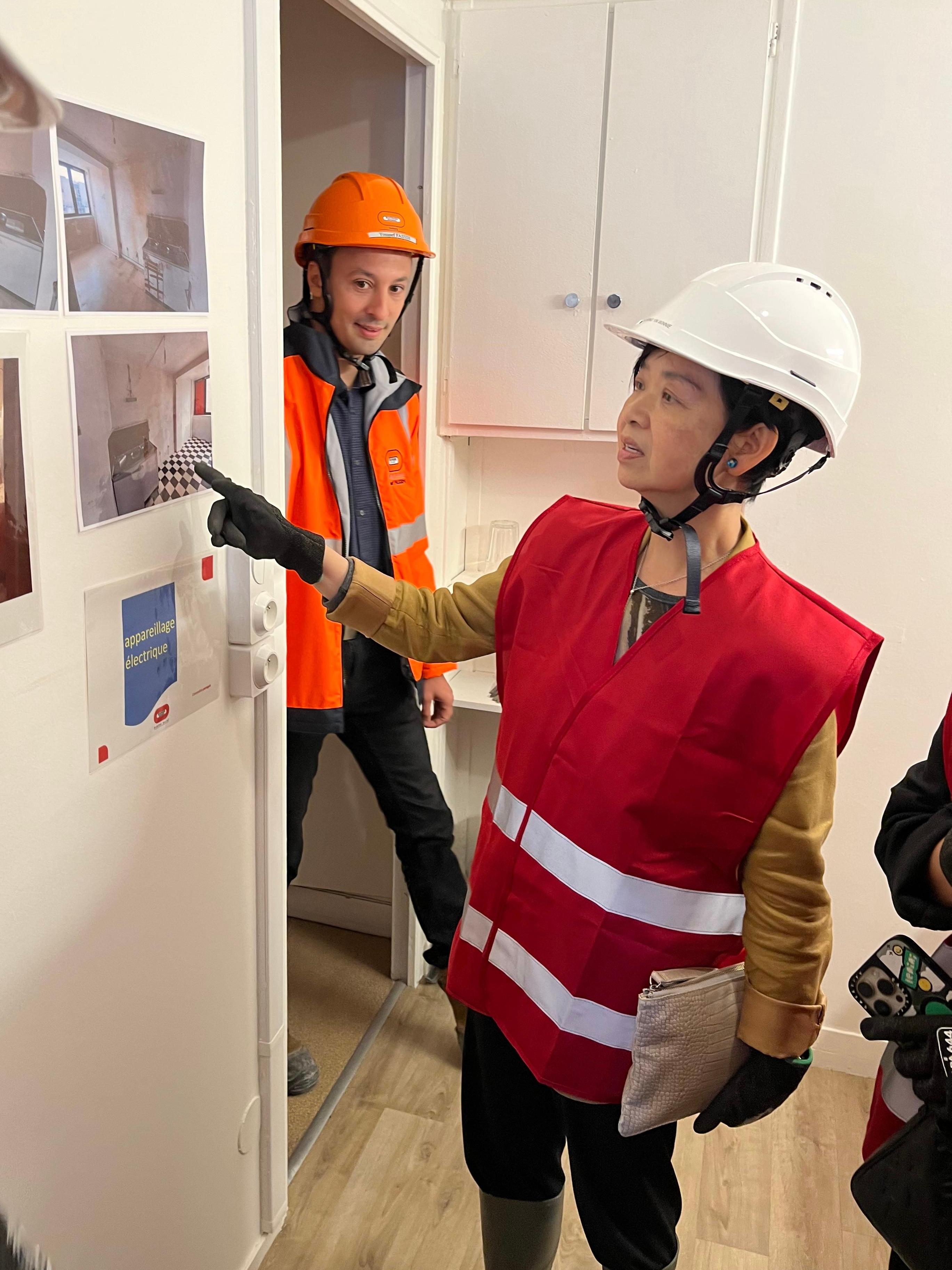
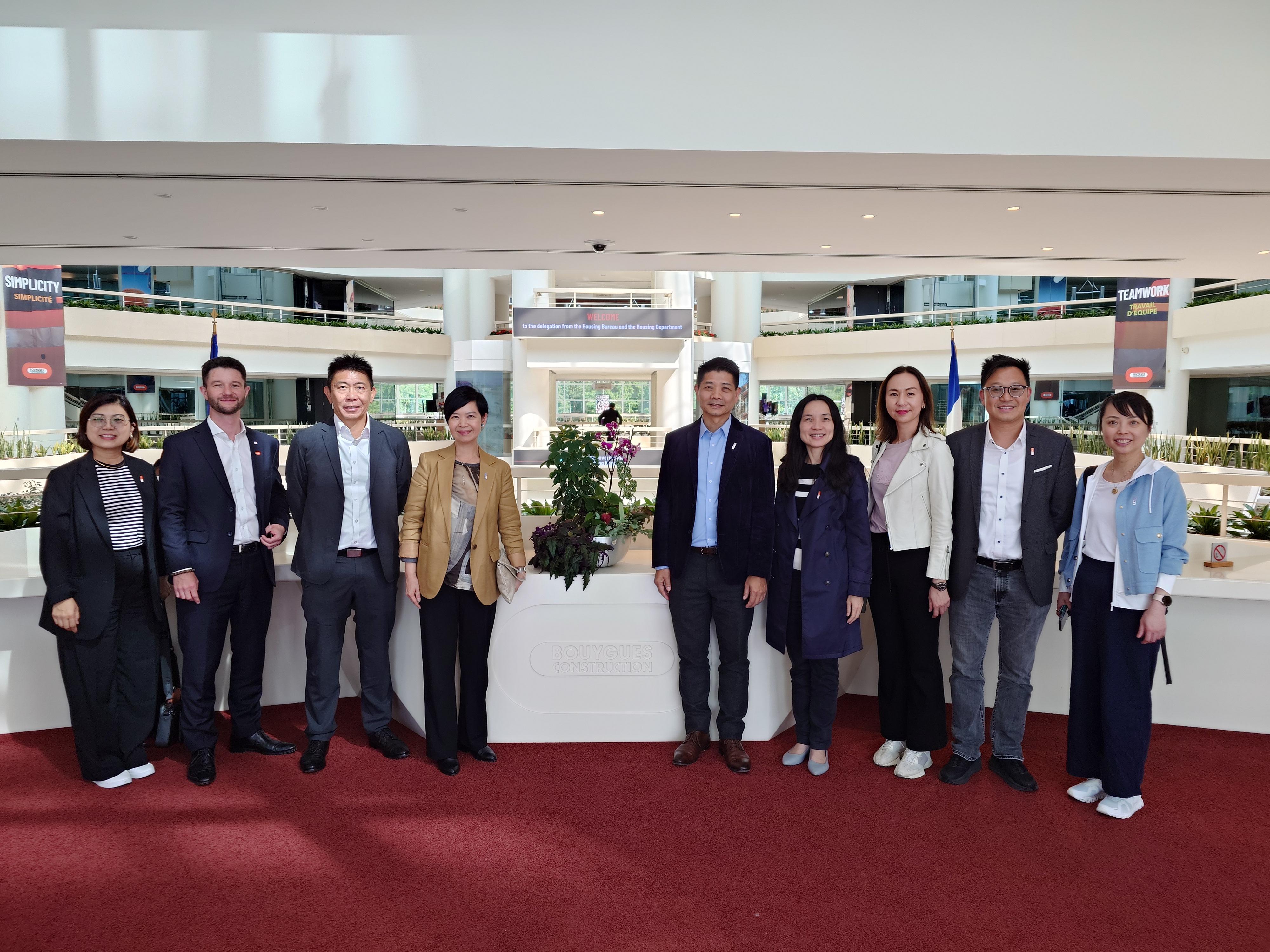
     The Secretary for Housing, Ms Winnie Ho, began her visit to Paris, France, yesterday (May 19, Paris time).
 
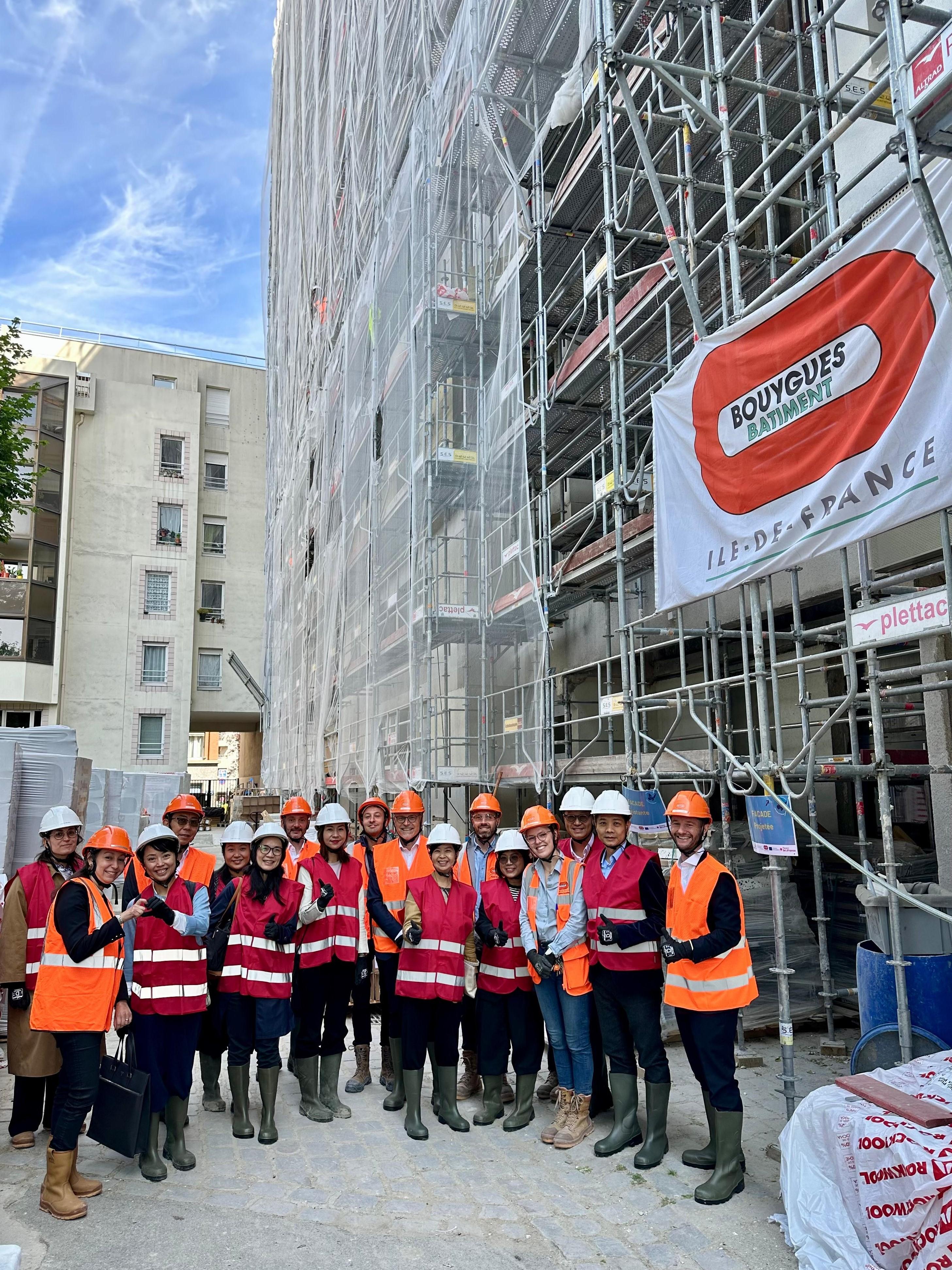
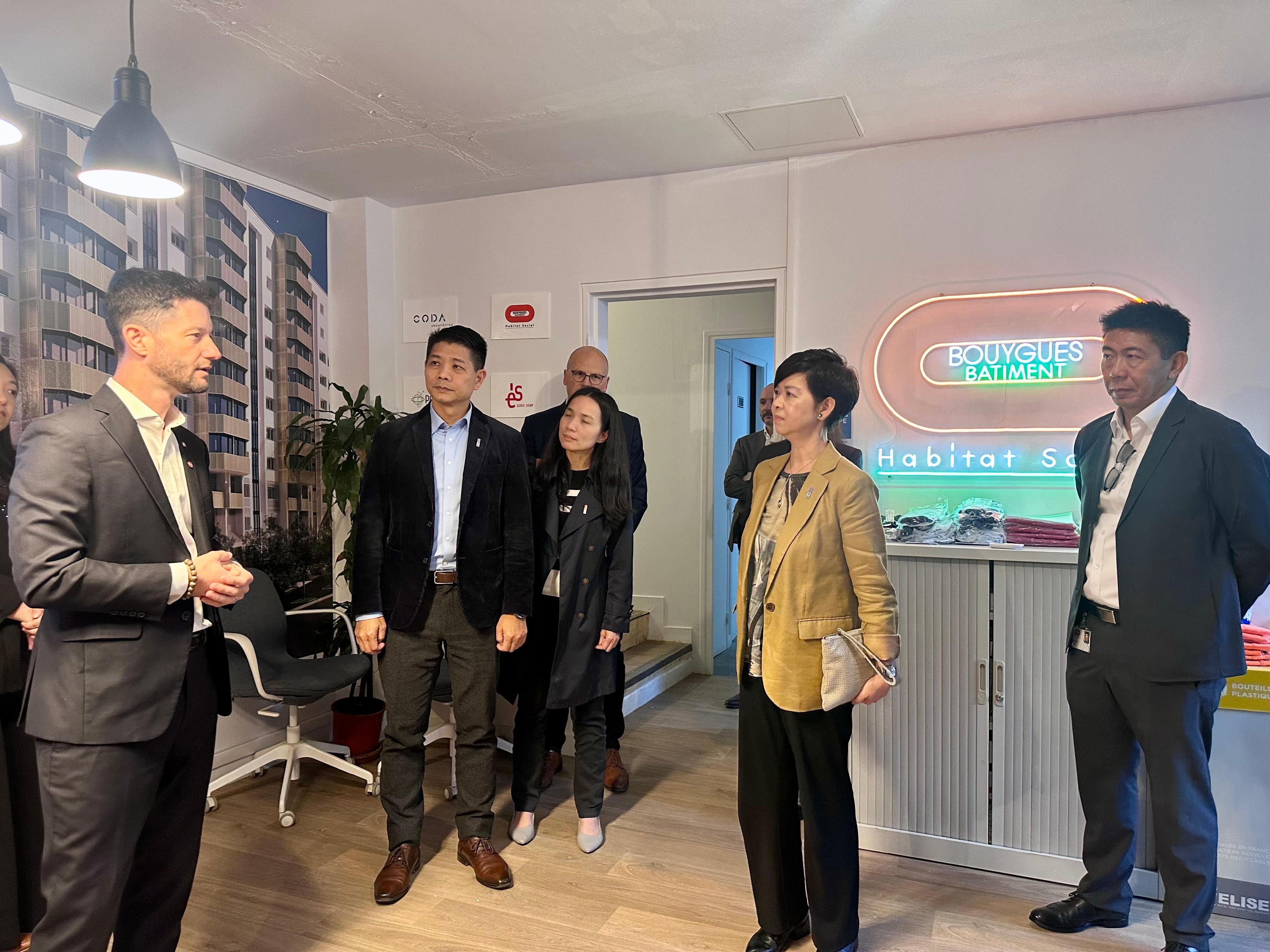
     In the morning, Ms Ho visited a social housing project which is undergoing renovation and will be upgraded into an energy saving and environmentally friendly building. She learned about the city’s ways to minimise impacts of the works on the residents while they remain in place during the renovation. During the visit, Ms Ho shared the Hong Kong Housing Authority (HKHA)’s experience in redeveloping aged public housing estates. This included conducting detailed studies and listening carefully to stakeholders’ views through diversified means to forge a consensus and formulate the most suitable and cost-effective redevelopment plans to ensure that the needs of affected residents are catered for, while improving the environment of the public housing estates and neighbourhood. Furthermore, to enhance the sense of well-being of the residents, the Housing Bureau (HB) and the HKHA launched a resident-oriented “Well-being design” guide last year. It serves as a reference for the future design of new public housing estates and the improvement works of existing estates to create a more comfortable and inclusive estate environment.
 
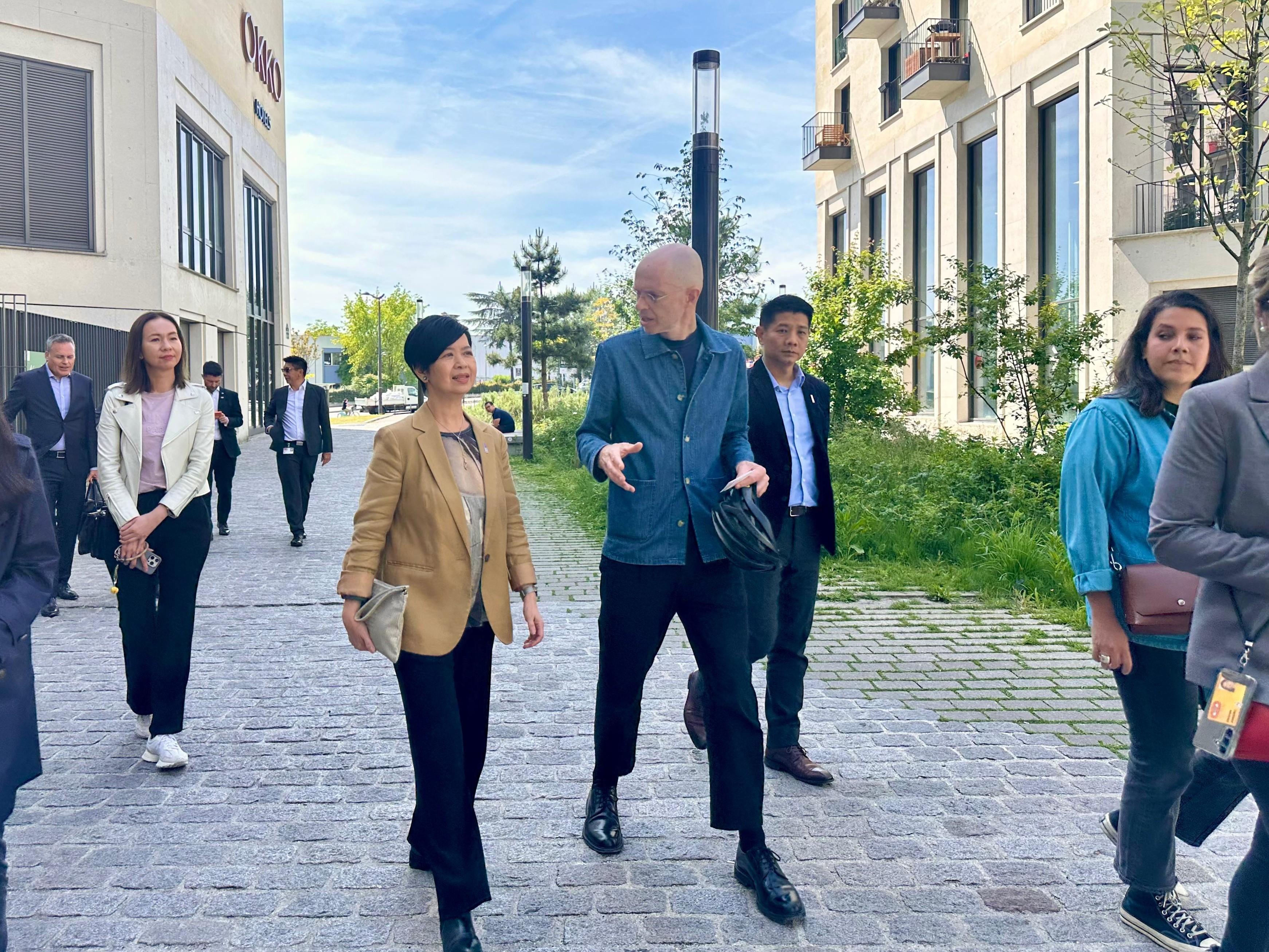
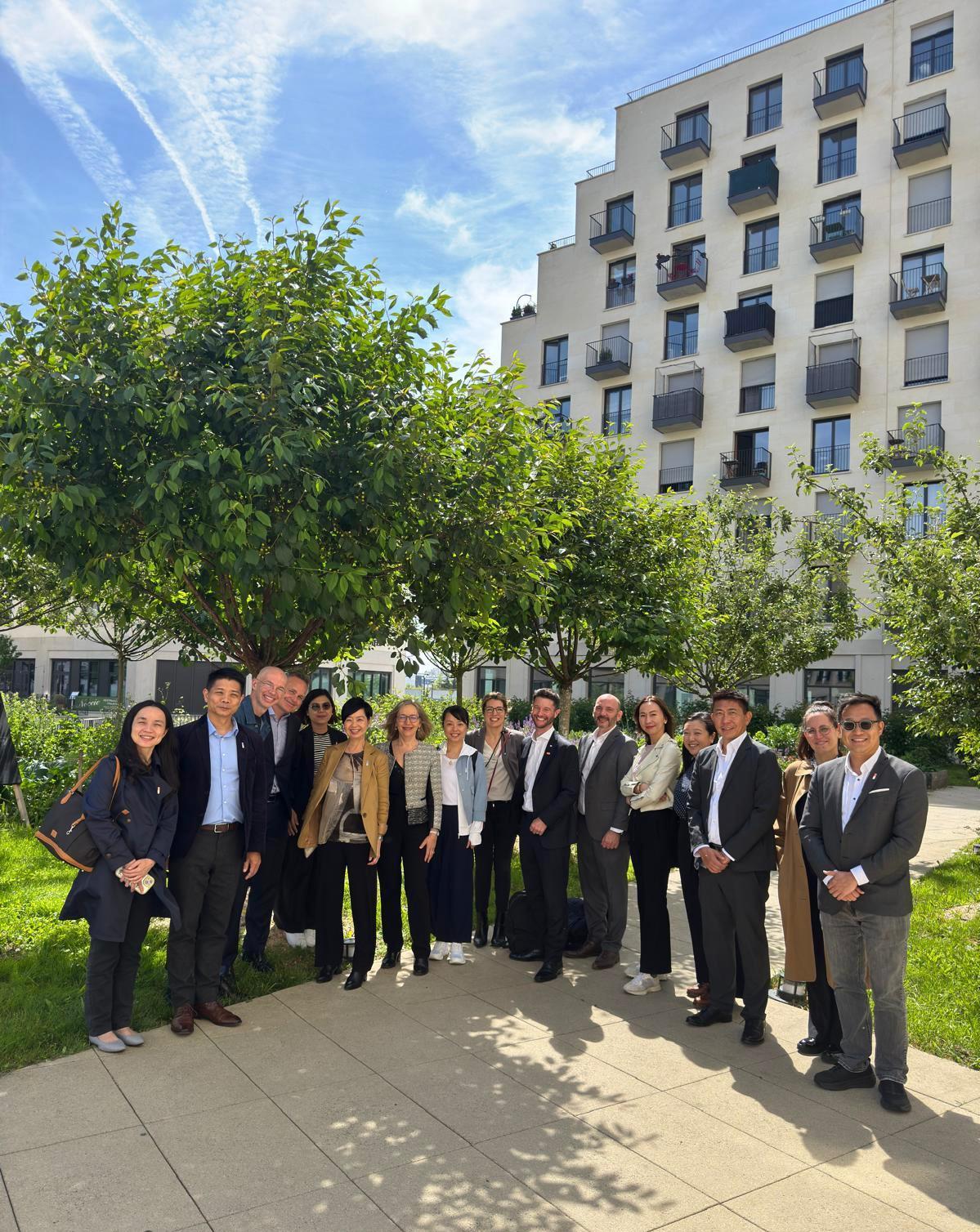
     She visited a zero carbon district in Paris, Îlot Fertile, in the afternoon. Îlot Fertile is a composite development project with abundant green space, integrating social housing, office, commercial, retail, hostels and more. Renewable energy systems and innovative construction technologies are adopted during the construction to implement low-carbon building initiatives and enhance energy efficiency in buildings.
 
     Ms Ho said that air ventilation assessments and microclimate studies are carried out for the HKHA’s new public housing developments to enhance environmental performance in aspects such as wind environment, natural ventilation and natural light exposure in buildings. The HB and the HKHA have also been actively promoting the application of innovative construction technologies such as Modular Integrated Construction (MiC), Multi-trade Integrated Mechanical, Electrical and Plumbing (MiMEP) and construction robotics. These help to enhance construction quality and efficiency, shorten construction time and greatly reduce material waste, making the construction more environment friendly. Hong Kong and Paris share the same vision in promoting energy saving and green buildings, and she hoped to strengthen relevant co-operation between the two cities.
 
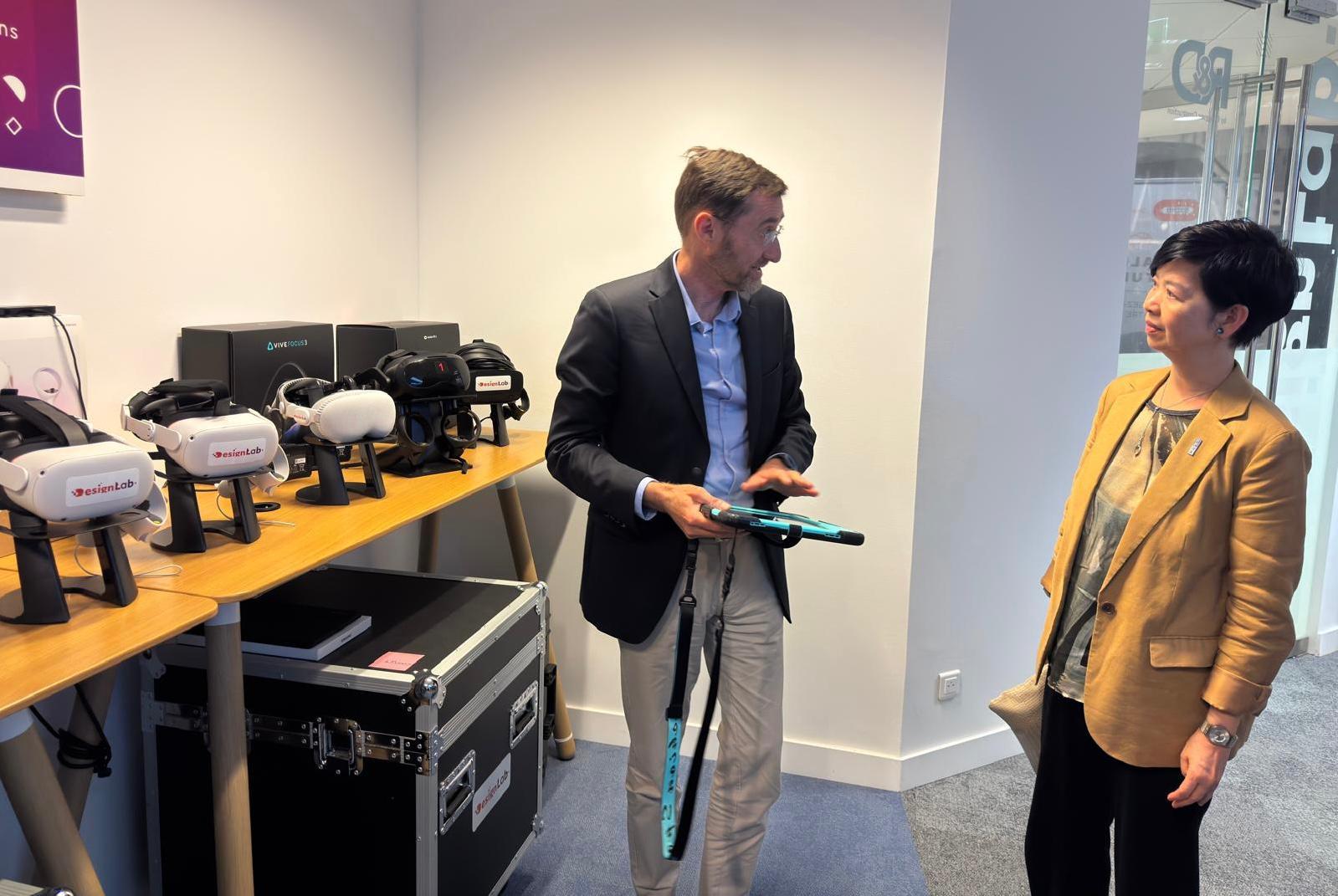
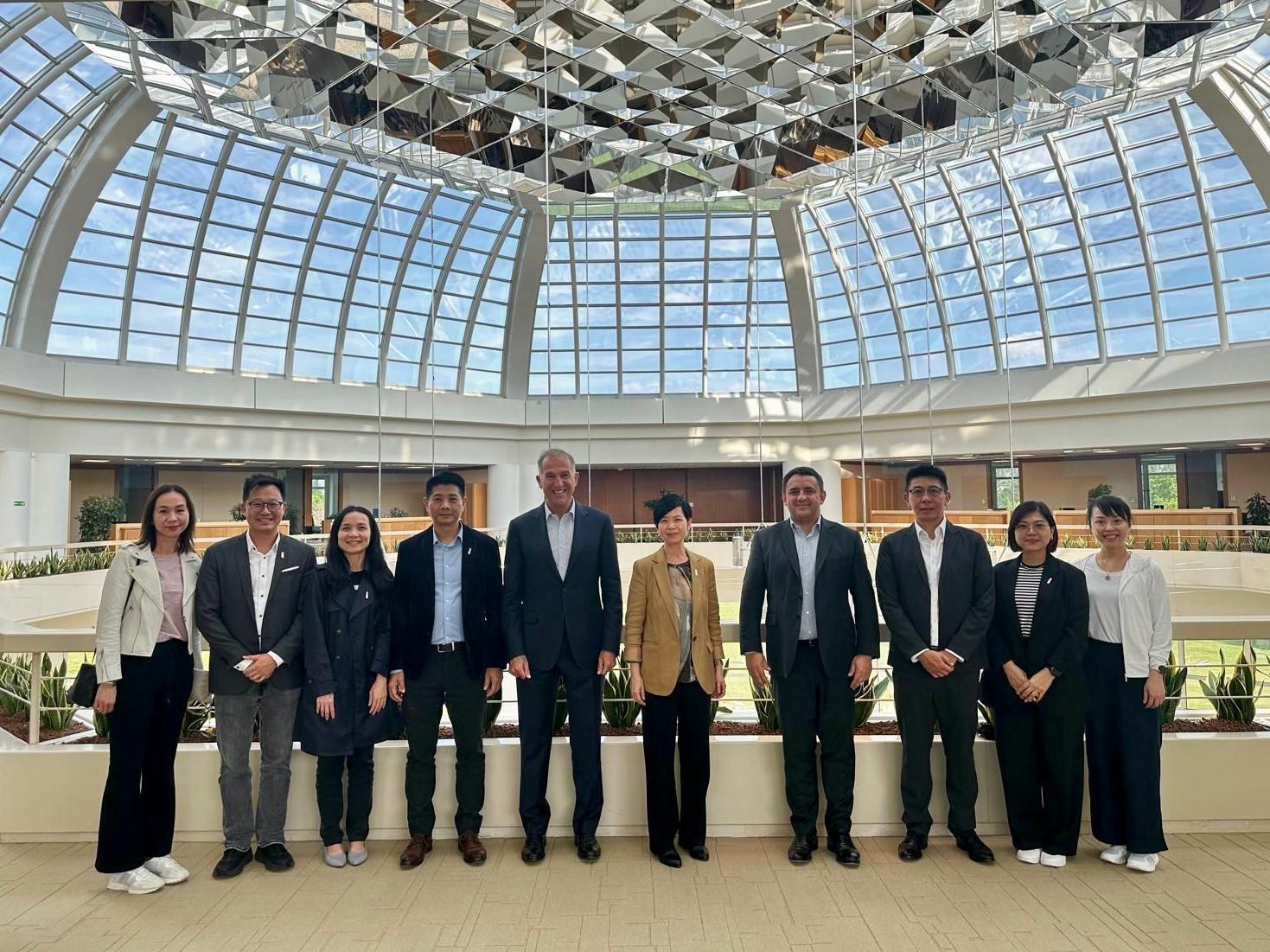
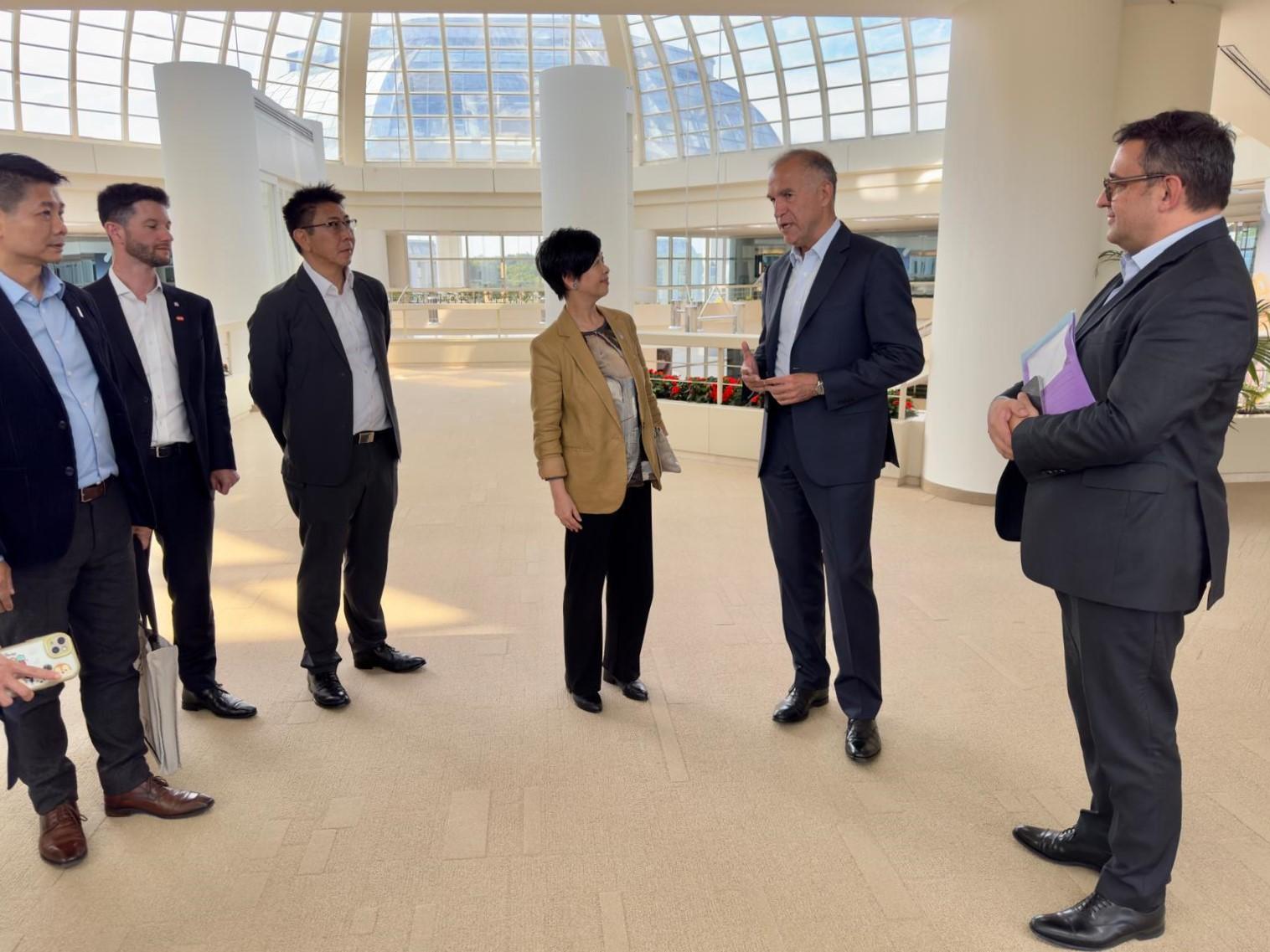
     Ms Ho visited the Construction Innovation Centre at the Bouygues Construction headquarters afterwards. She met with the Chairman and Chief Executive Officer (CEO) of the Bouygues Construction Group (the Group), Mr Pascal Minault, and Deputy CEO of the Group Mr Pierre-Éric Saint-André to exchange ideas on the latest smart building technologies, green building and sustainable urban development. Ms Ho said that Bouygues Construction and Dragages Hong Kong, headed by the Group, have established a presence in Hong Kong for many years, and have contributed in various infrastructure, government buildings and public housing projects. She looked forward to continued collaboration in driving the industry to usher in a new era of smart construction.
 
     Ms Ho will continue her visit today (May 20, Paris time).

Photo  Photo  Photo  Photo  Photo  Photo  Photo  Photo  Photo  Photo  
read more
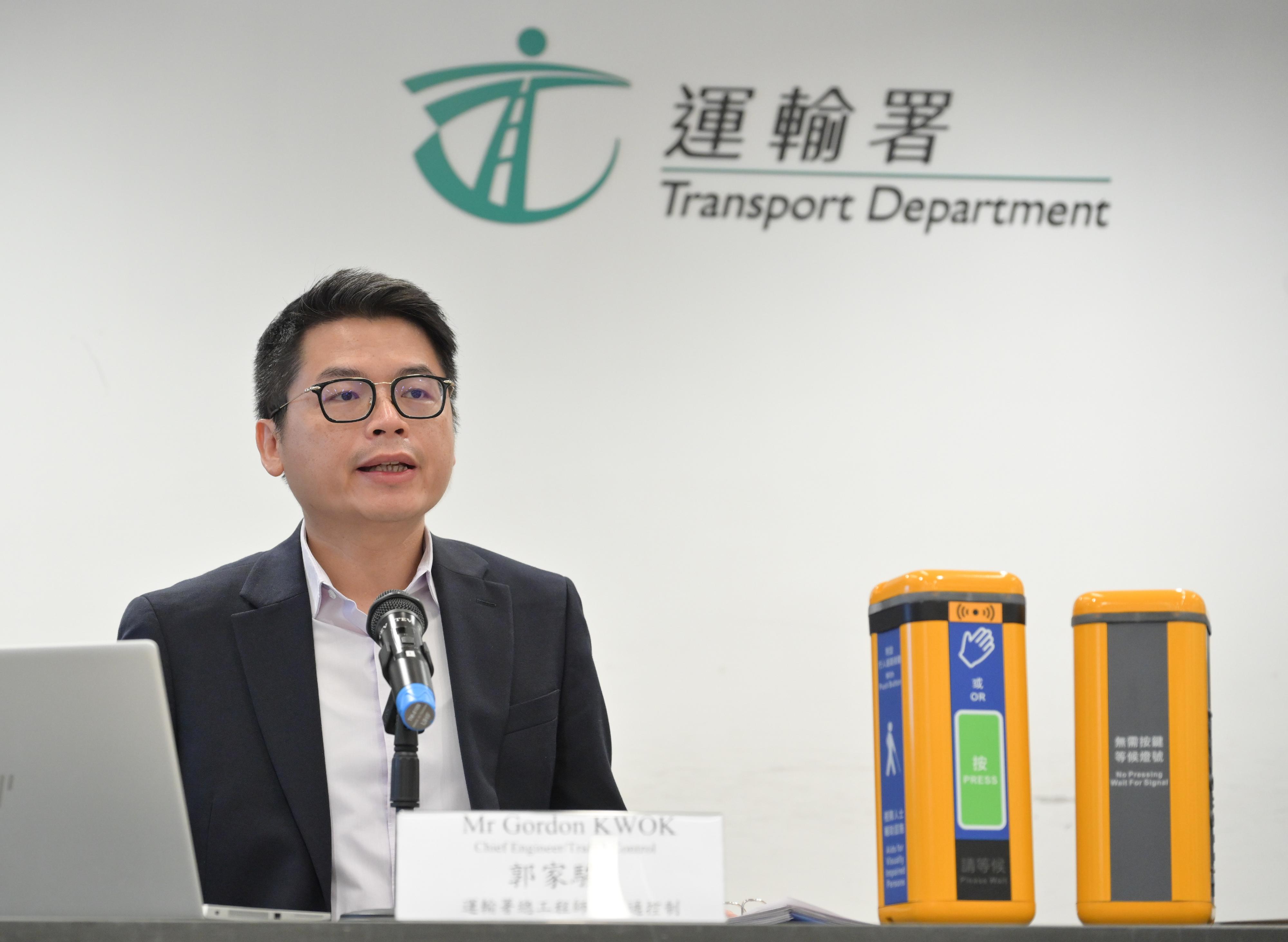
TD renews electronic audible traffic signals at crossings to provide convenience for visually impaired persons and public at large (with photos/videos)

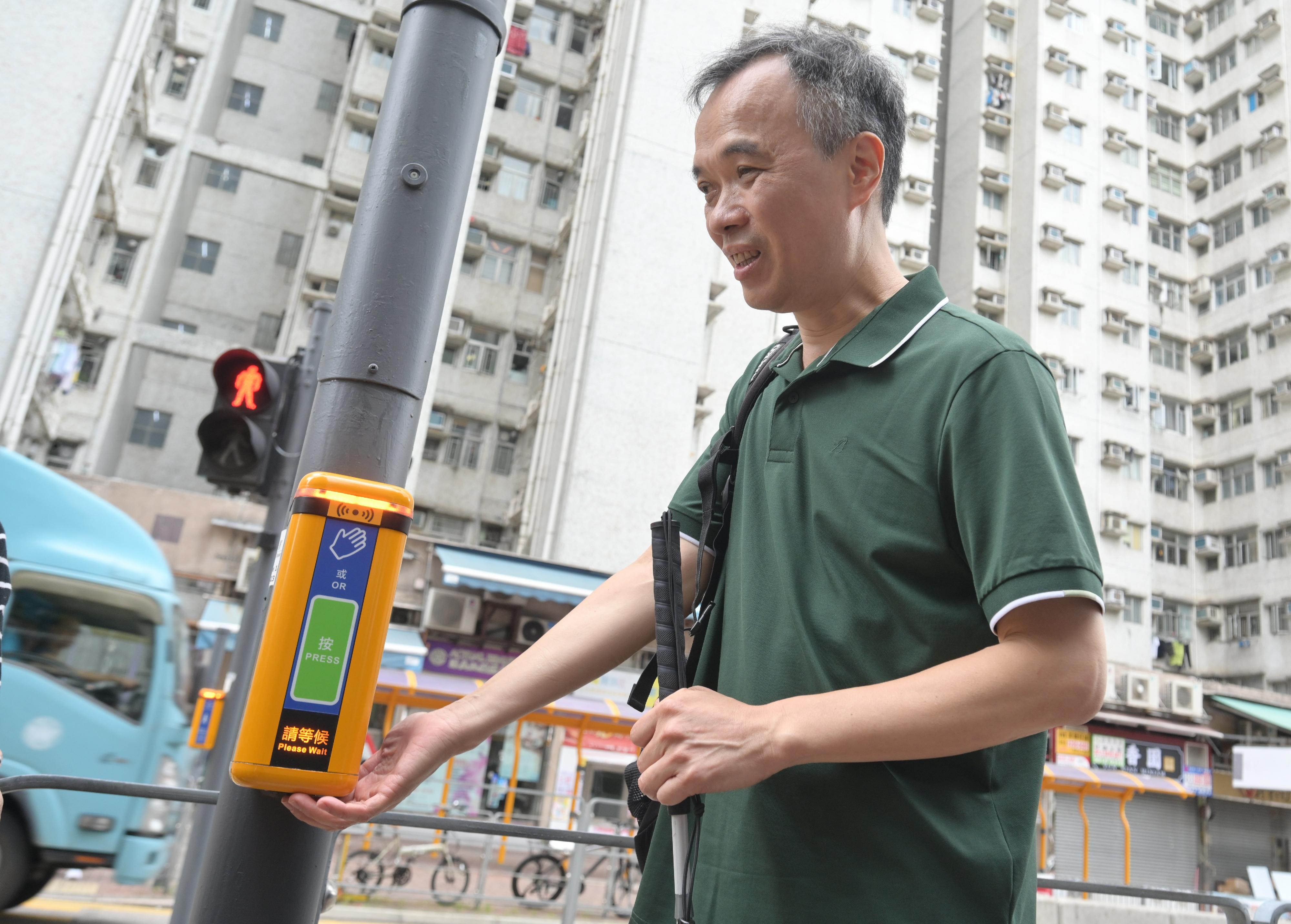
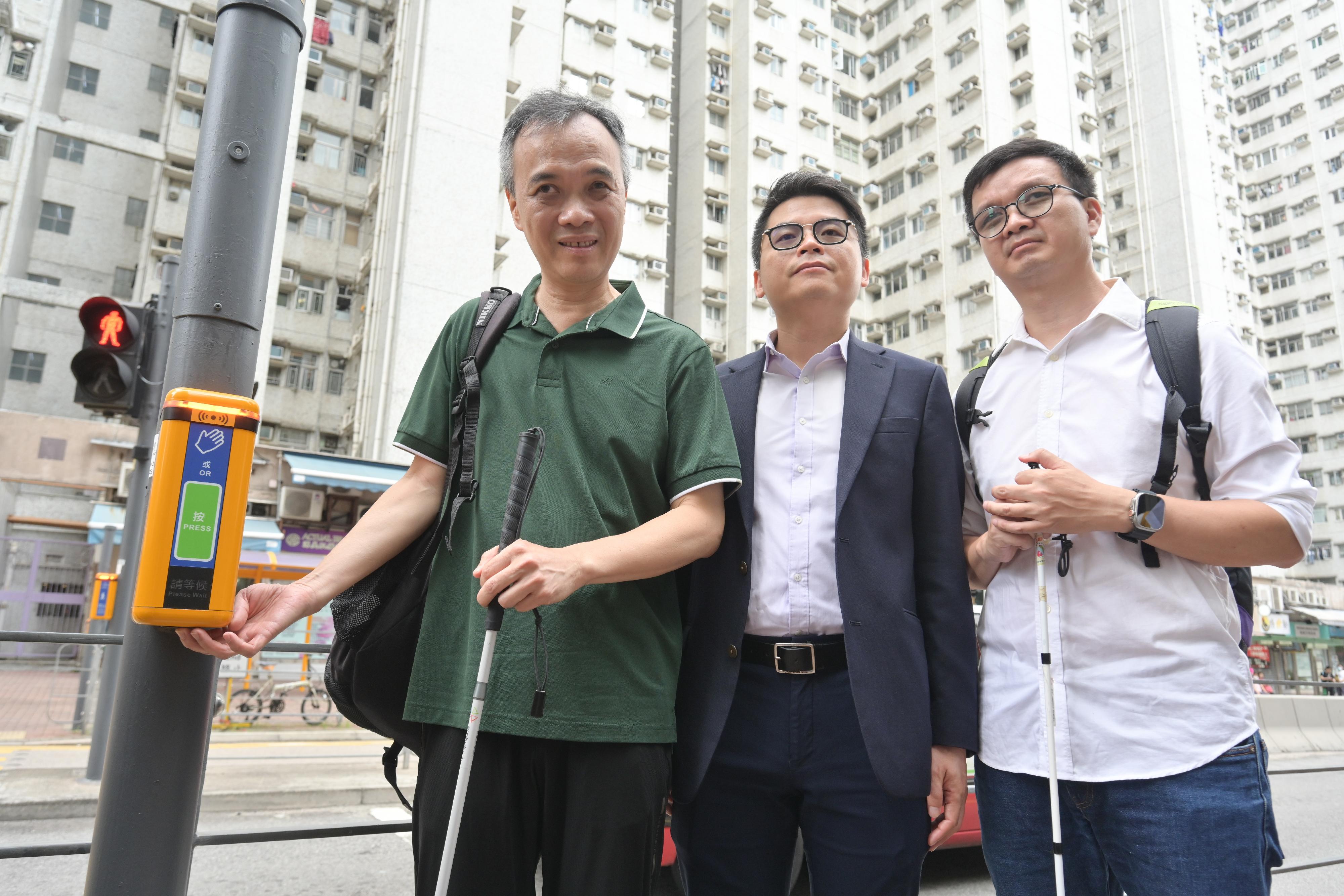
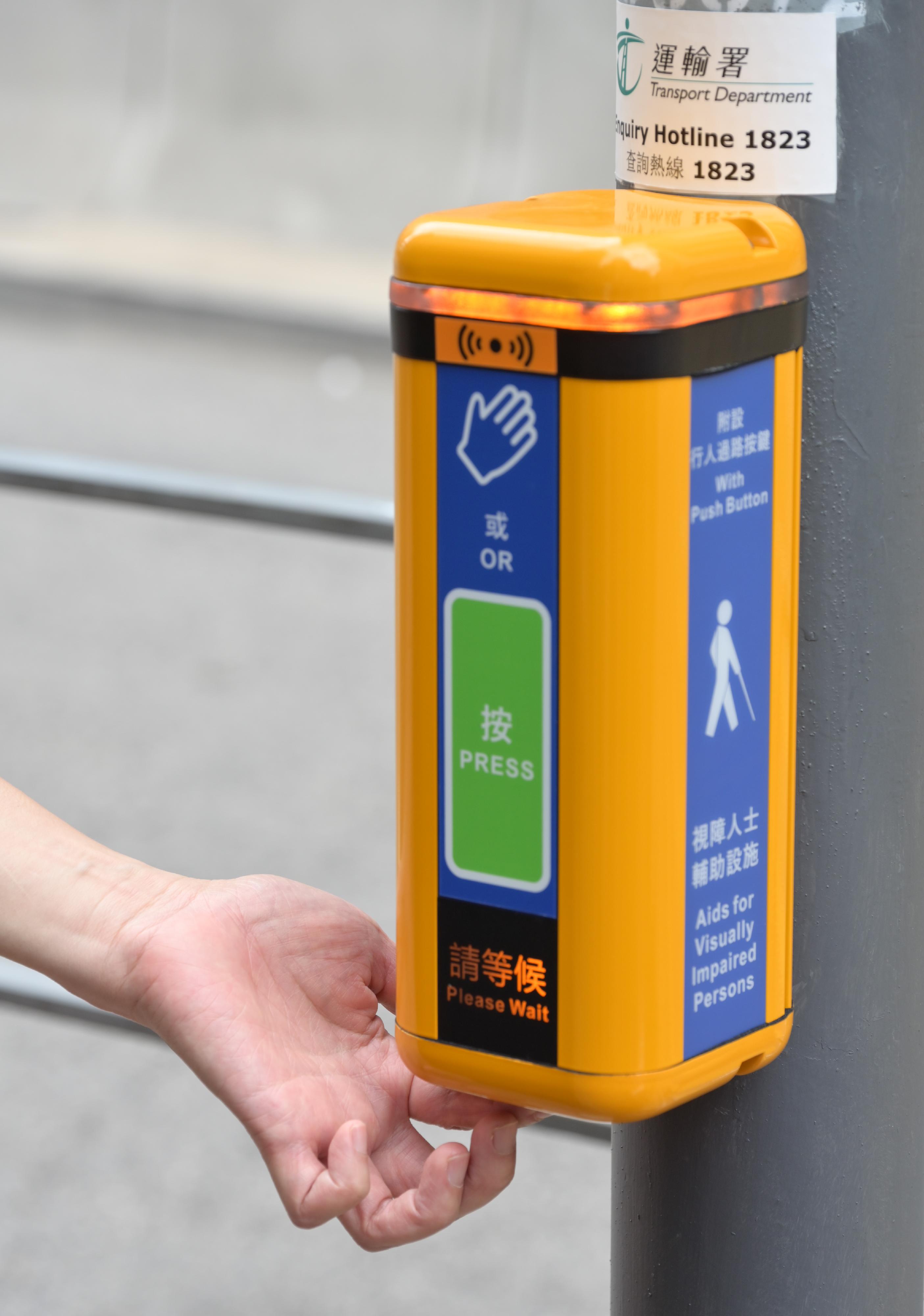
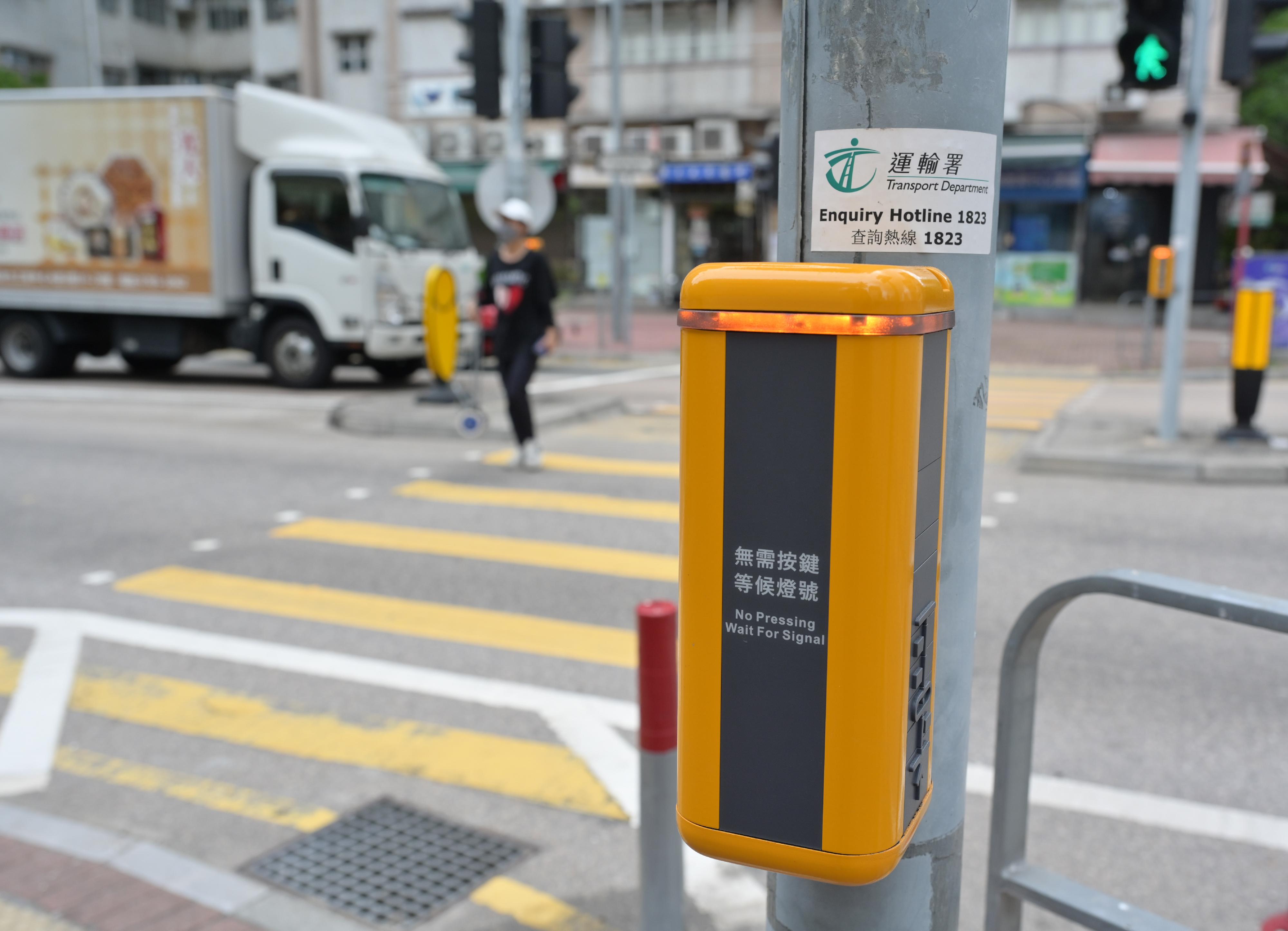
     The Transport Department (TD) today (May 20) announced the territory-wide gradual renewal of electronic audible traffic signals (eATS) at signalised crossings. People-oriented new features have been incorporated to provide convenience for visually impaired persons and other members of the public.

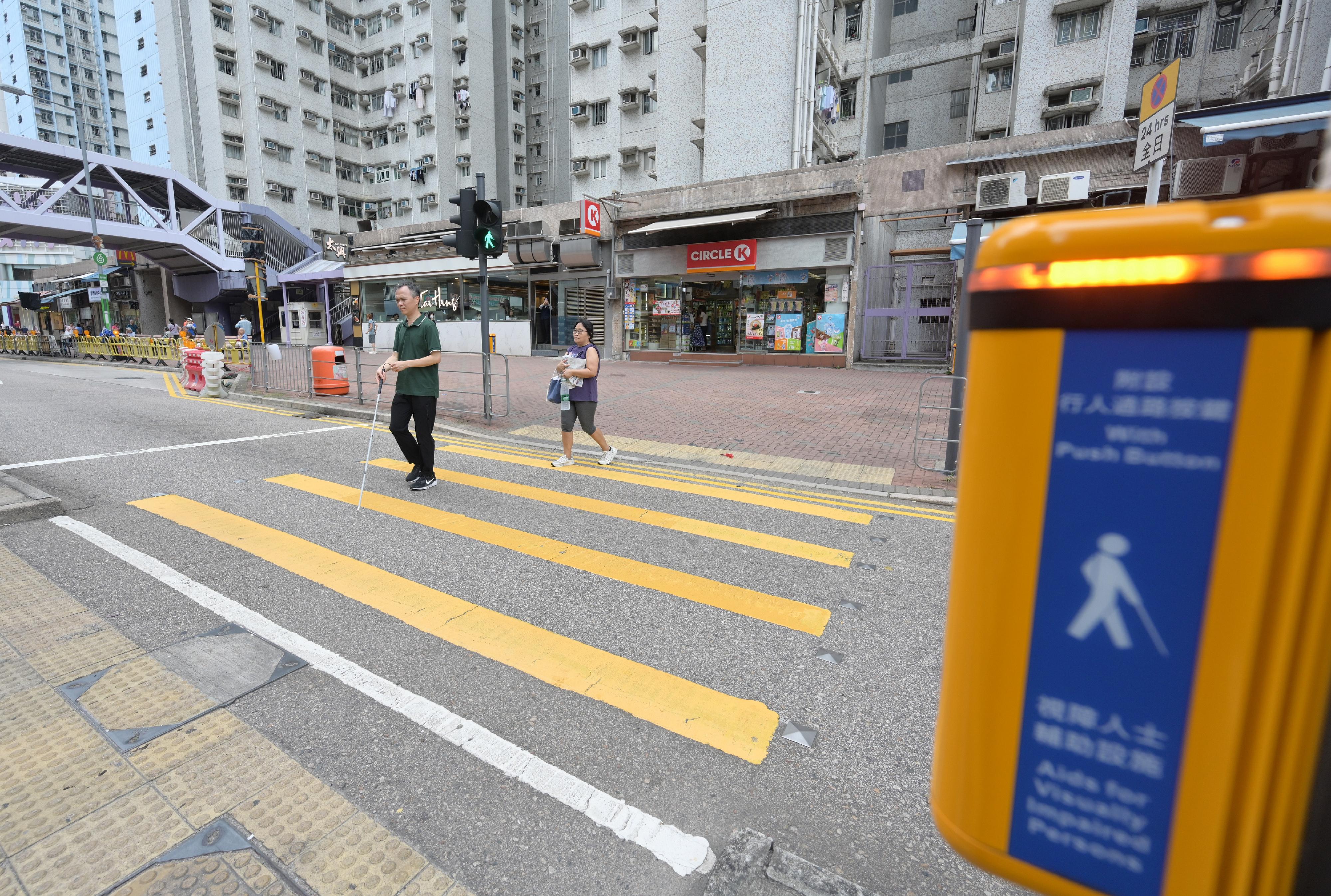
     The original eATS indicate the status of the pedestrian traffic signal to visually impaired persons by emitting sound and vibration signals so that they can cross the road safely according to the sound signal. At some crossings with higher vehicle flows and lower pedestrian traffic, the eATS are equipped with a pedestrian push-button function. The green pedestrian signal will only be activated after it is pressed, allowing more vehicles to pass through the junction. Apart from retaining these existing functions, five new features have been introduced into the new-generation eATS (see Annex for details) to better meet users’ needs:
 

  1. A light illumination unit is installed at the top of the new eATS, making it easier for persons with amblyopia to locate the pedestrian crossing;
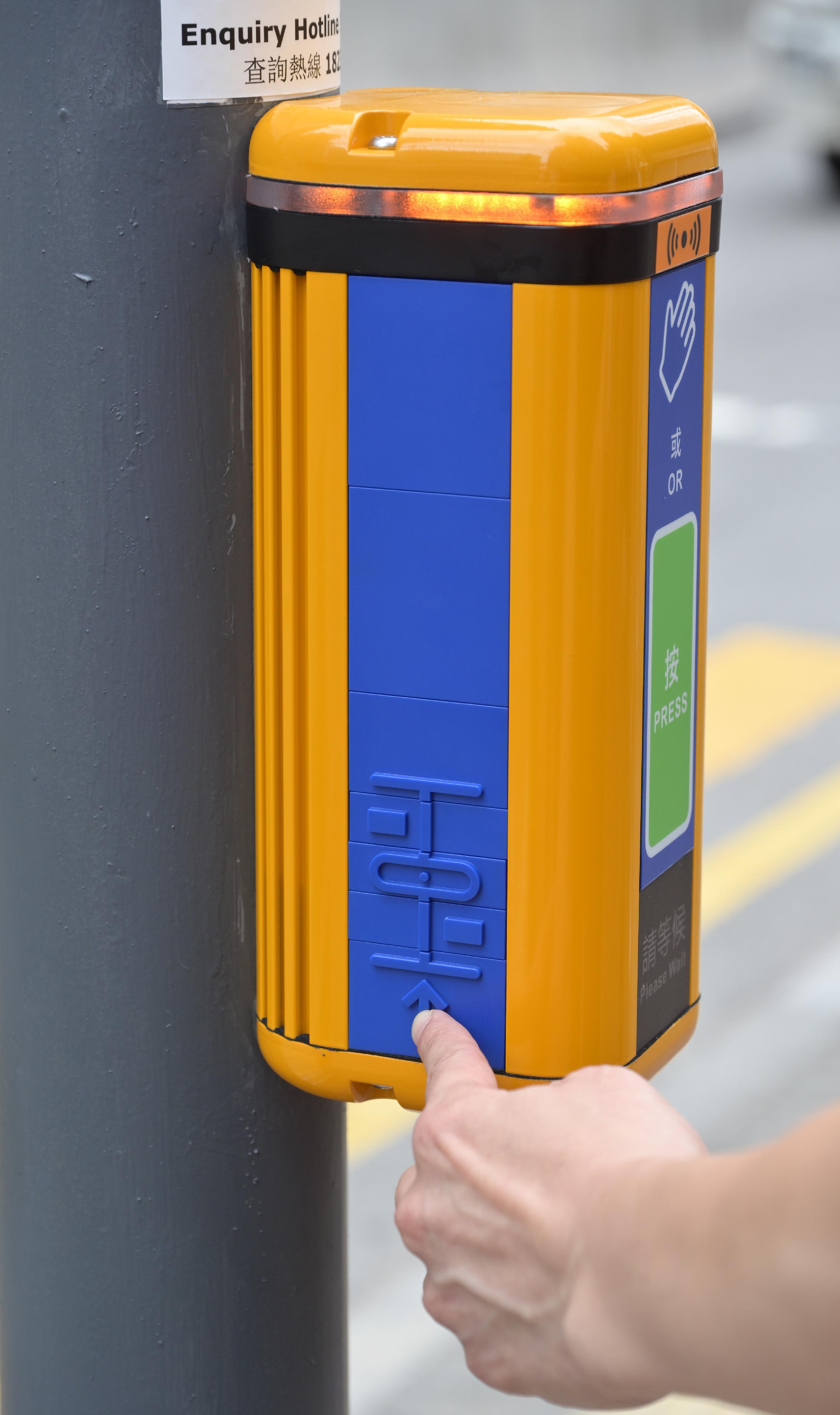
  2. A tactile map is provided on its side, providing the layout information of the crossing for visually impaired persons;
  3. A voice message of the crossing’s location is added. By pressing the activation button at the bottom, the device will read out the name of streets near the crossing in Cantonese, Putonghua and English to inform users of their location;
  4. A touchless pedestrian push button sensor is provided, reducing users’ hygiene concerns; and
  5. Featuring a new night-time operation mode, when there are no visually impaired persons seeking to cross the road at night, its operating volume will be lower than the existing level, thereby reducing its impact on neighbouring residents. Visually impaired persons can use the remote control function of a newly designed dedicated wireless device or the TD’s “HKeMobility” mobile app to temporarily increase its volume when they need to cross the road to ensure safety. The TD will distribute about 15 000 one-off dedicated wireless devices free of charge to visually impaired persons for their use through a relevant organisation in the third quarter of 2025 to launch this new function.

     A spokesman for the TD said, “We have consulted the Subcommittee on Access under the Rehabilitation Advisory Committee and the Legislative Council Panel on Transport, and have been maintaining good communication with representatives of visually impaired groups to optimise the functions and settings of the new eATS. The operation of the new eATS under the pilot project earlier has been smooth, and we are pleased to note the overall satisfaction of visually impaired groups with various new features which better cater for and strike a fine balance between the needs of the users and the public at large. This is conducive to upgrading the road safety experience in Hong Kong as we aspire to be barrier-free city.”

     The spokesman added that most of the existing eATS have been in operation for over two decades, exceeding their normal lifespan. Their fault rate has also been gradually increasing, necessitating a large-scale replacement. The TD commenced replacement of a total of some 13 000 eATS at about 2 000 junctions across the territory from April 2025 in phases, and is expected to complete the replacement by end-2027.
Photo  Photo  Photo  Photo  Photo  Photo  Photo  
read more
SED shares Hong Kong’s experience in achieving quality and equity in education at Education World Forum 2025 (with photos)

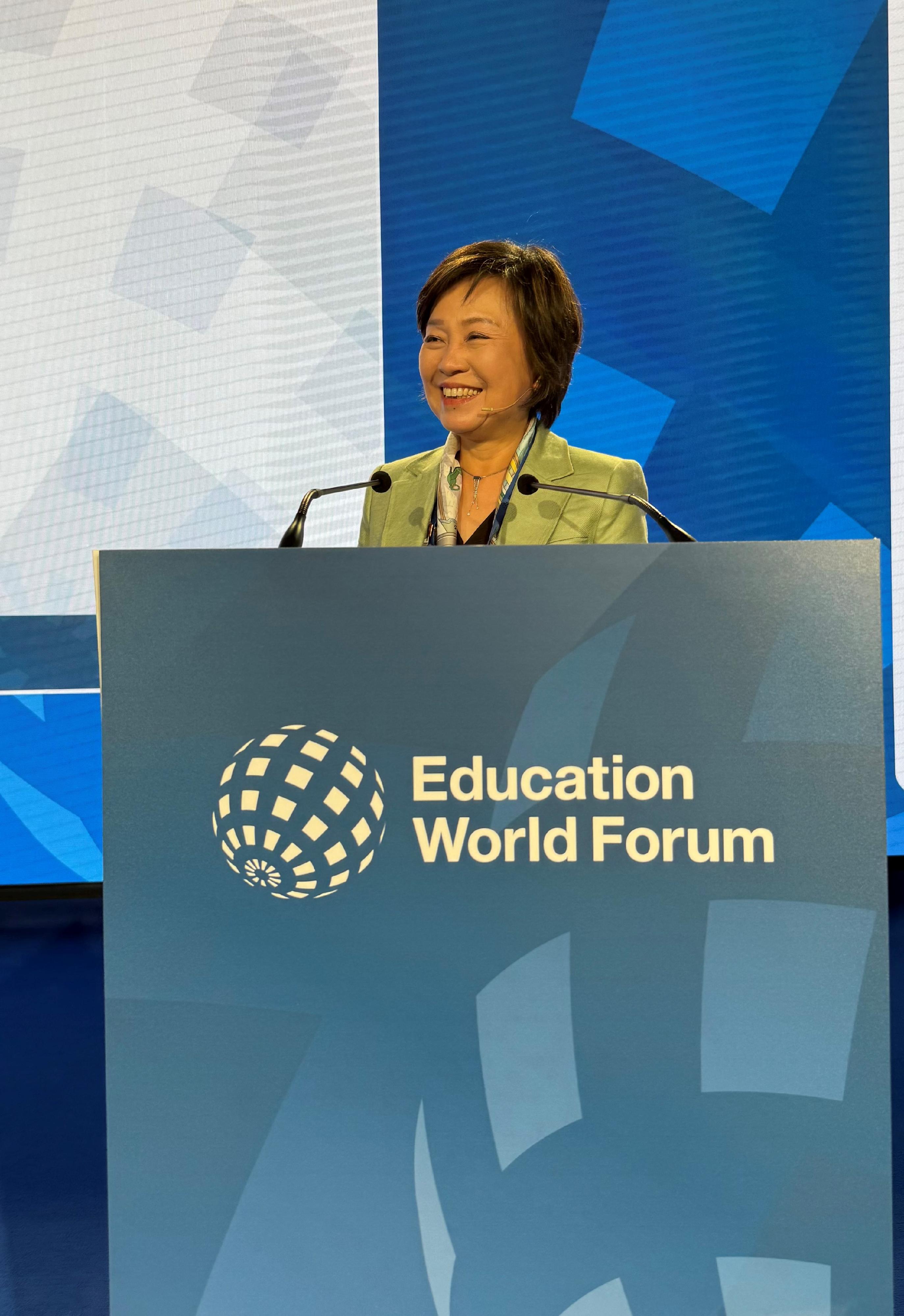
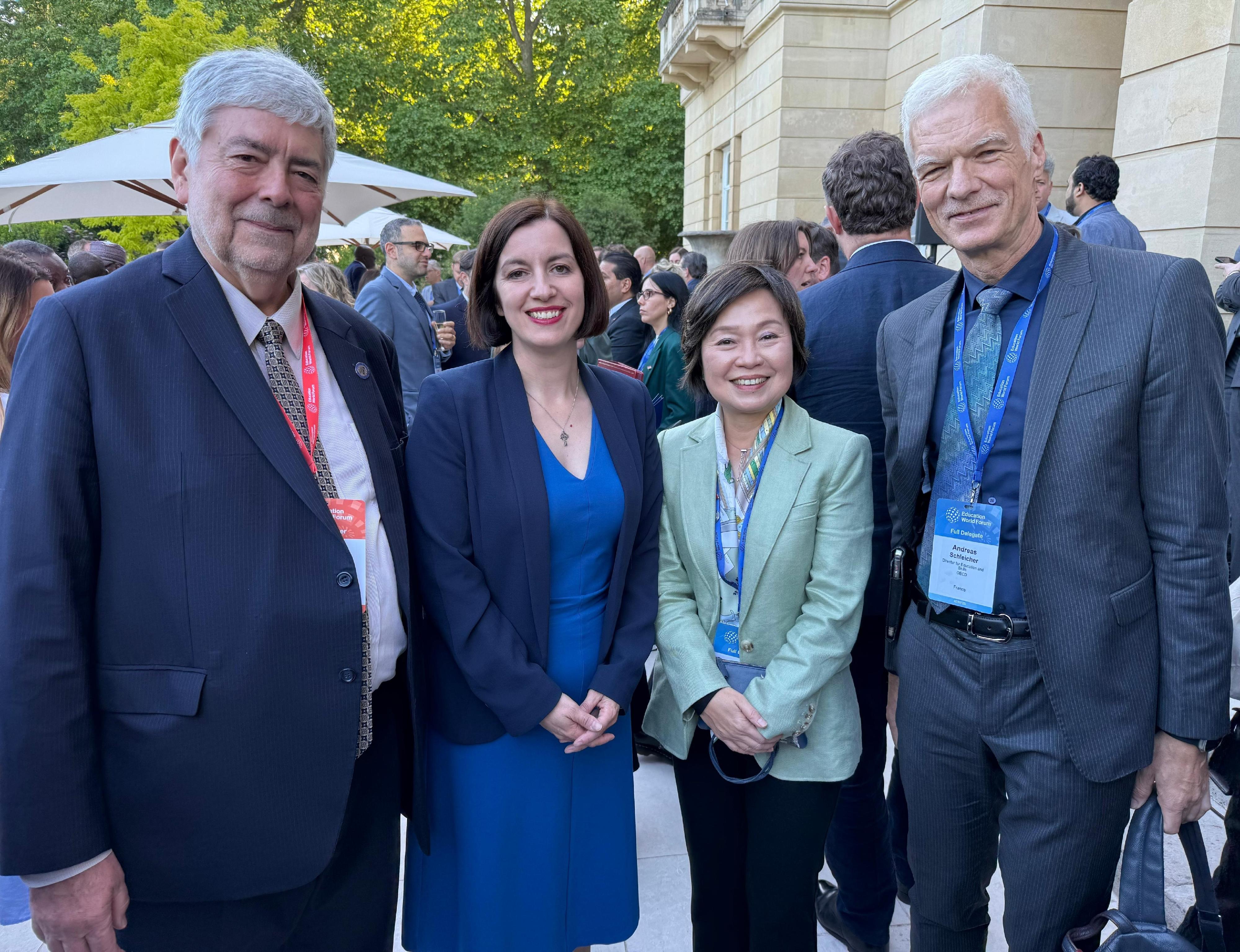
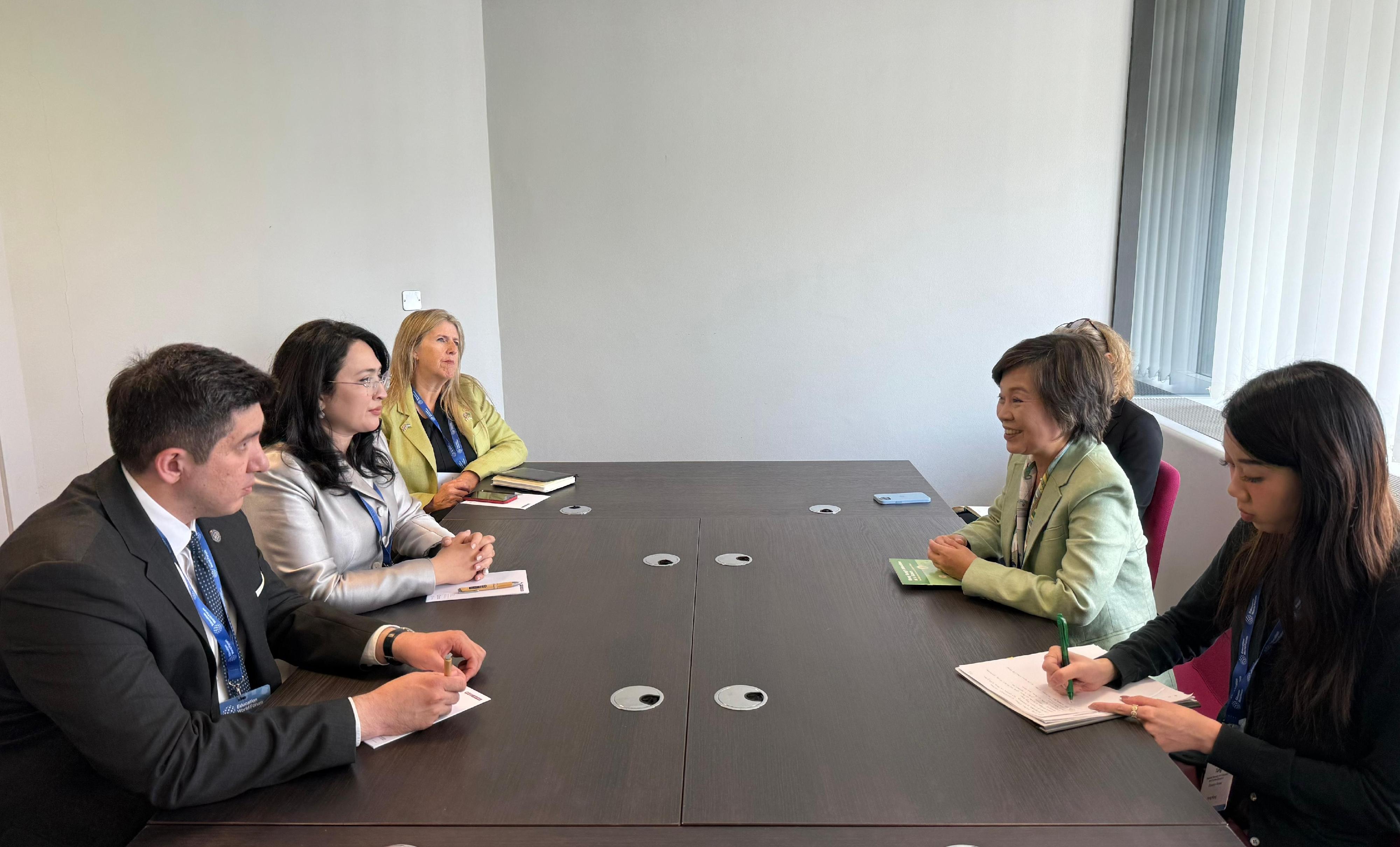
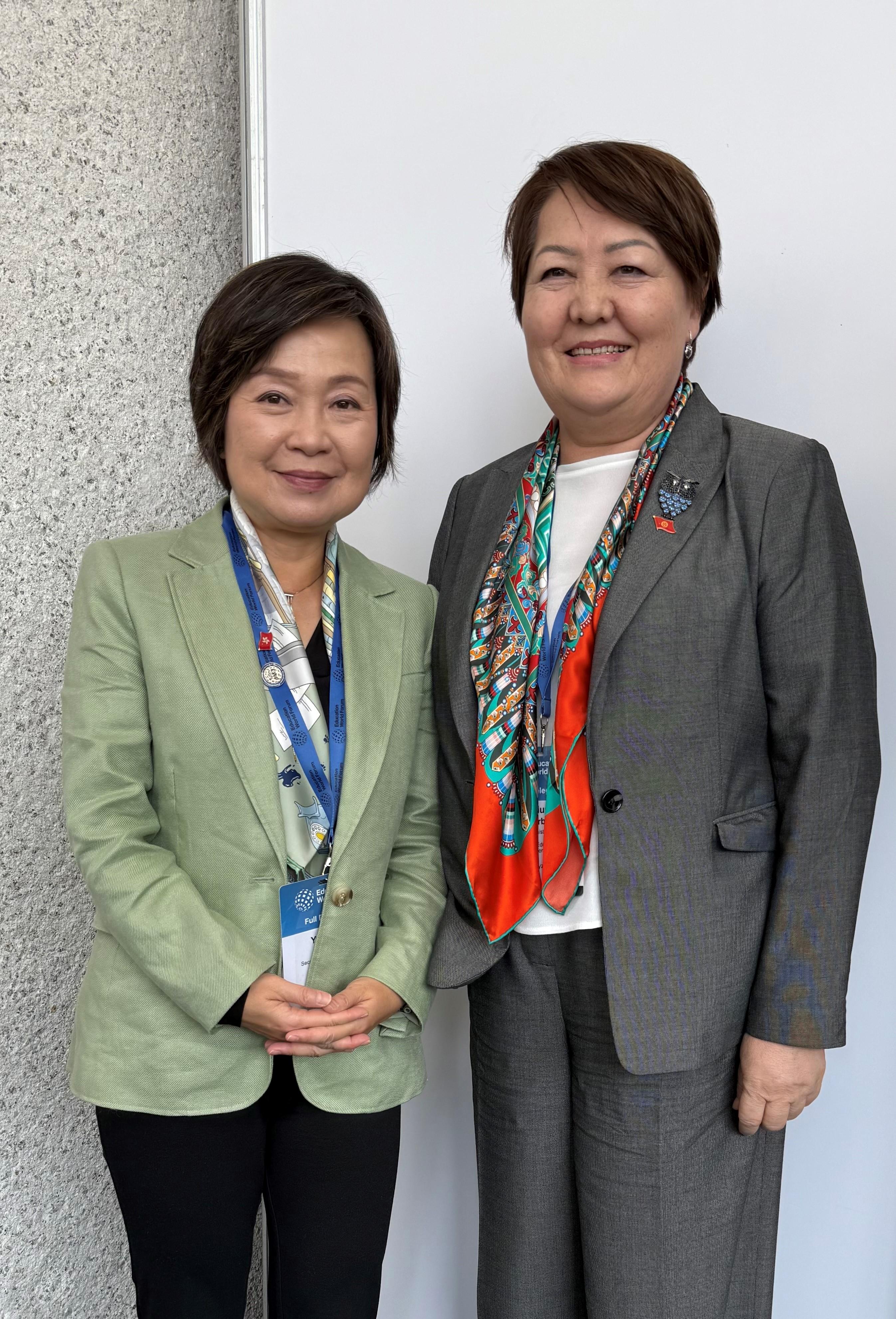
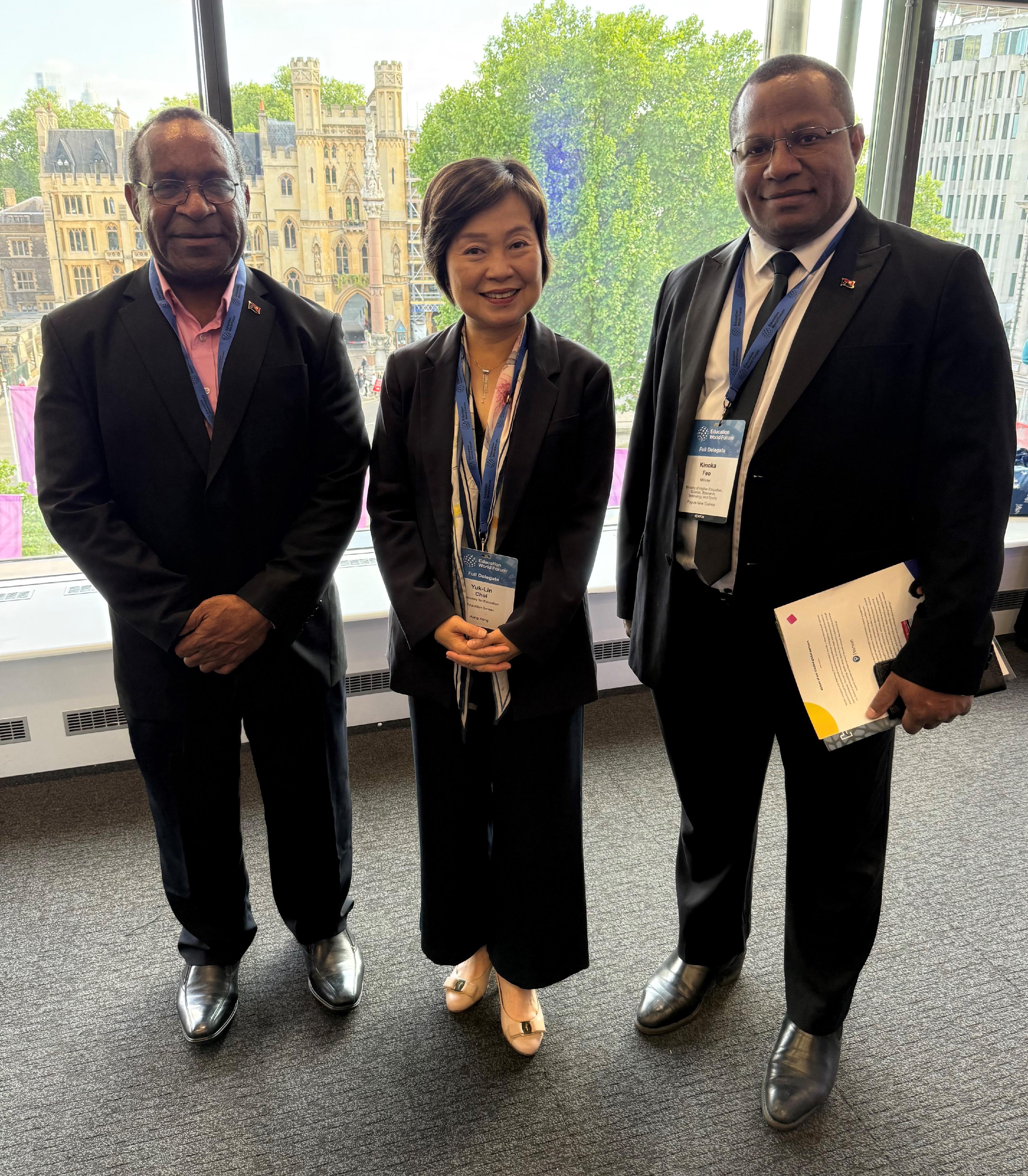
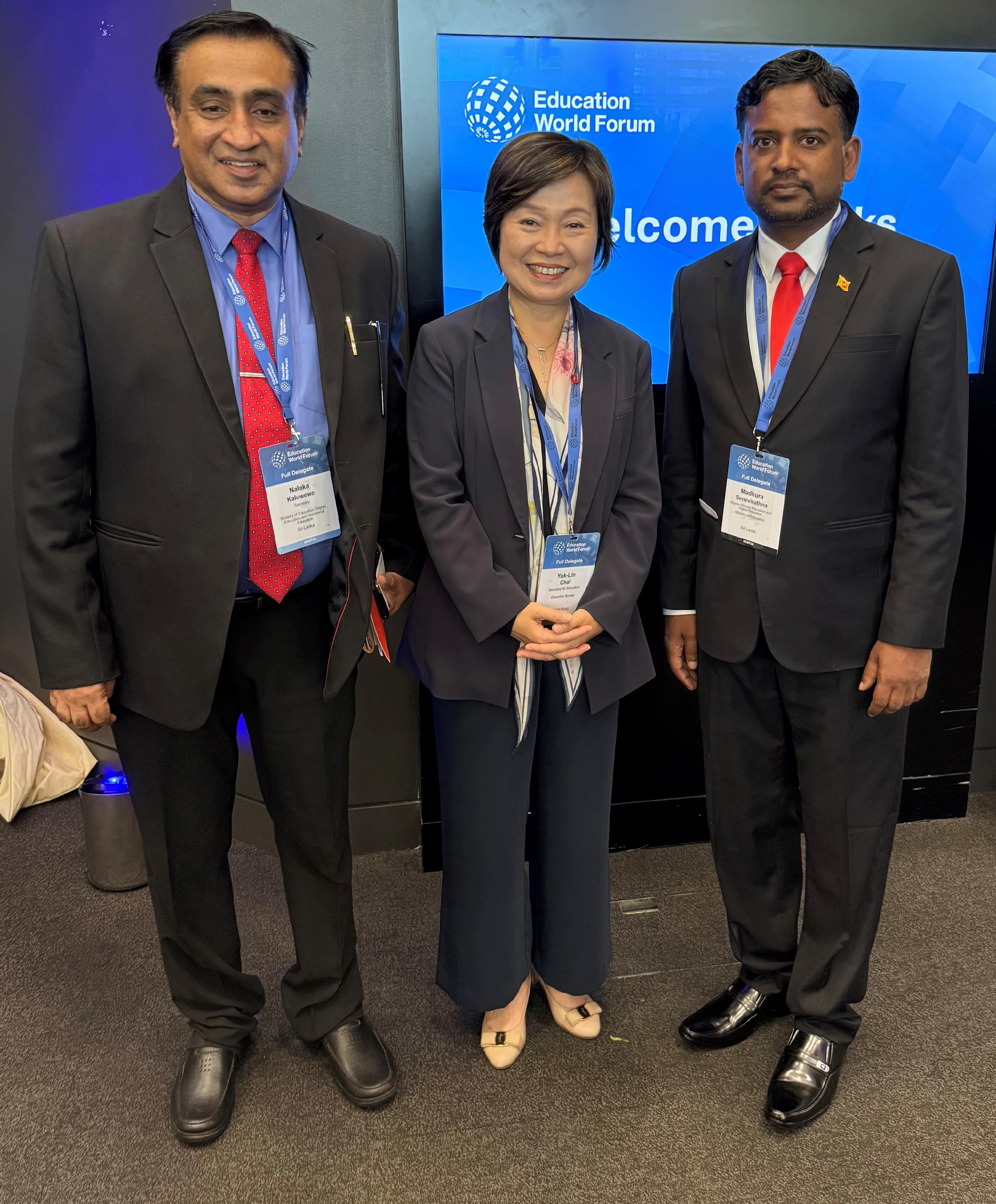
     The Secretary for Education, Dr Choi Yuk-lin, attended the Education World Forum (EWF) 2025 in London, the United Kingdom (UK), on May 19 (London time). Under the five key themes this year, namely Stability, Equity, Quality, Innovation and Growth, Dr Choi shared Hong Kong’s practical experience with education ministers and senior officials from various countries and regions.

     The EWF is the largest gathering of education and skills ministers in the world, providing an excellent platform for discussing education policies and strengthening education ties. This year, the forum focused on the development of inclusive education systems that drive equitable and sustainable socio-economic growth. In her keynote speech titled “How and why should education systems improve equity and increase quality?”, Dr Choi introduced Hong Kong’s policy measures and achievements in providing quality and equitable education.

     Dr Choi said that, in achieving quality education, Hong Kong has been participating in various international assessments to understand more about the capabilities of Hong Kong students and the key factors that shape their learning effectiveness. Hong Kong students’ overall performance in both the Programme for International Student Assessment (PISA) and the Trends in International Mathematics and Science Study (TIMSS) exceeding the international average is a testament to the brilliance of students, the teaching effectiveness of schools and teachers, and the strengths of Hong Kong’s education system.

     The Education Bureau (EDB) attaches great importance to teachers’ continuing professional development. To enhance teachers’ professional competencies, the EDB has been providing diversified training programmes, organising teacher professional development programmes in collaboration with local, Mainland and overseas universities, and offering scholarships to encourage teachers to participate in overseas exchanges and training activities.

     In terms of education equity, PISA results showed that the family background and socio-economic status of Hong Kong students had a relatively small impact on their performance, reflecting that Hong Kong’s education system enables equal education opportunities. To ensure that every student has access to quality education, the EDB has developed a broad and balanced 15-year school curriculum framework, engages students in a diverse range of life-wide learning activities, and offers various programmes to support e-learning. The EDB has also been providing non-Chinese speaking students with all-encompassing learning support and implementing the Whole School Approach to Integrated Education.

     Apart from delivering the keynote speech, Dr Choi also met several education officials of the UK, including the Secretary of State for Education of the UK, Ms Bridget Phillipson; the Minister of State (Minister for School Standards) at the Department for Education of the UK, Ms Catherine McKinnell; and the Parliamentary Under-Secretary of State (Minister for Children and Families) at the Department for Education of the UK, Ms Janet Daby, to discuss the strengthening of education collaboration between the two places.

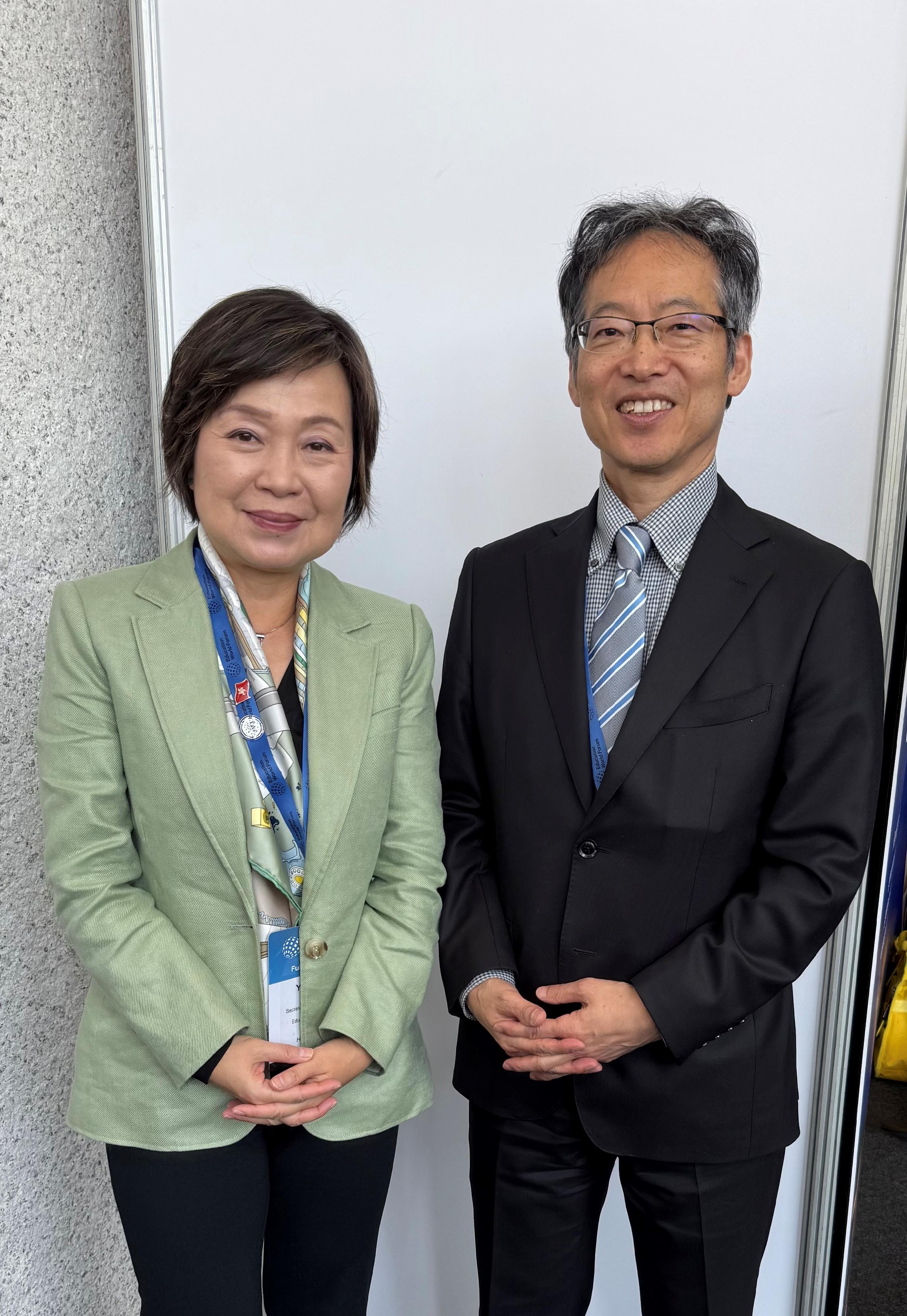
     In addition, Dr Choi met with education officials from Uzbekistan, Kyrgyzstan, Papua New Guinea and Sri Lanka attending the forum to explore room for education collaboration between Hong Kong and Belt and Road countries. Dr Choi also met with an official of the Ministry of Education, Culture, Sports, Science and Technology of Japan to discuss the strengthening of education co-operation.

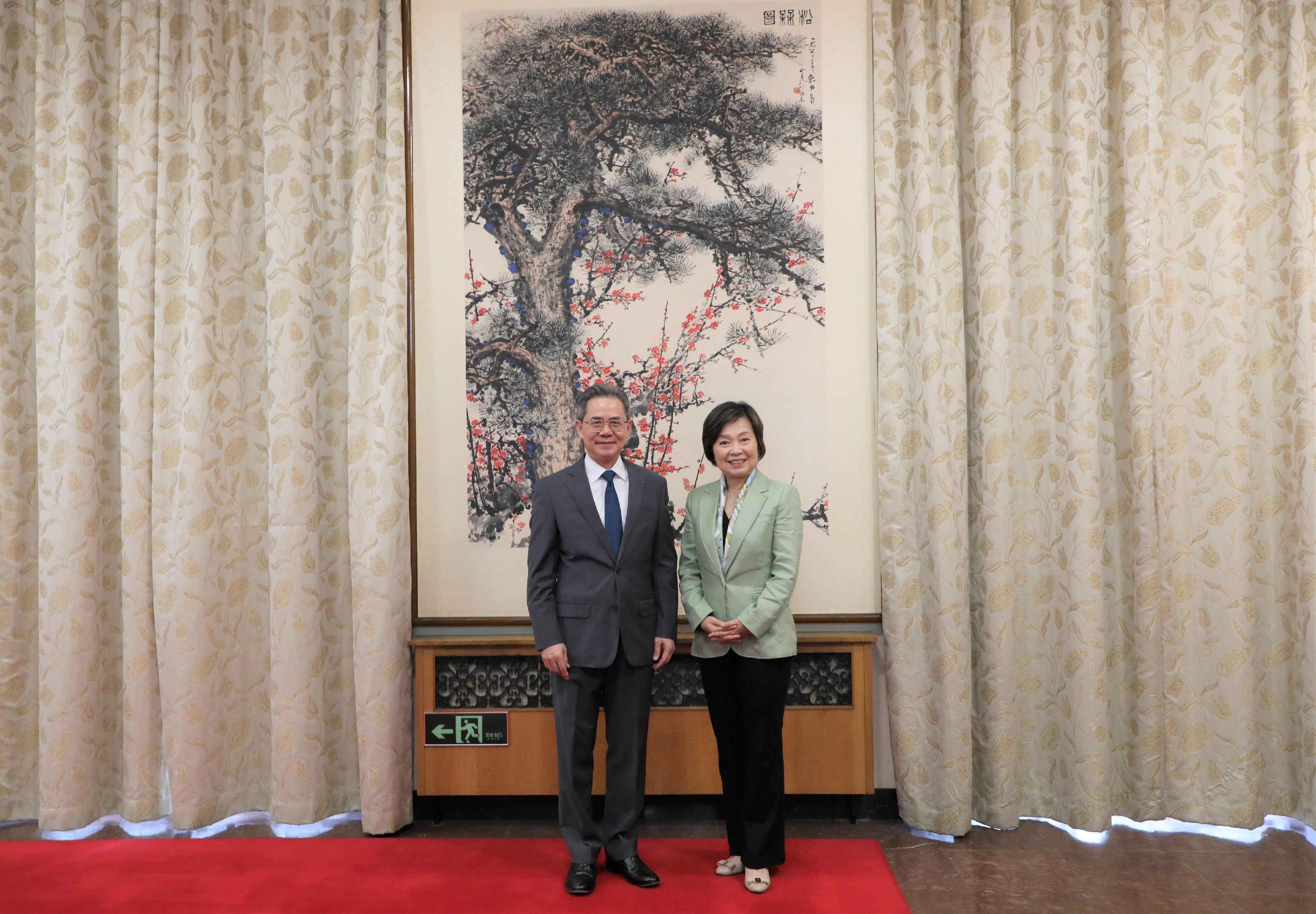
     Dr Choi then visited Imperial College London to learn about its experience in the promotion of STEAM (science, technology, engineering, arts and mathematics) education in secondary and primary schools, as well as the preparation of the relevant teaching materials for schools. In addition, Dr Choi paid a courtesy call on the Chinese Ambassador to the UK, Mr Zheng Zeguang, to introduce the latest education developments in Hong Kong.

     On May 20 (London time), Dr Choi will meet with local education officials to discuss enhancing higher education collaboration between the UK and Hong Kong. She will also exchange views with representatives of several UK universities and share Hong Kong’s latest developments in building into an international education hub.

     Dr Choi will conclude her visit on the same day and return to Hong Kong.

Photo  Photo  Photo  Photo  Photo  Photo  Photo  Photo  Photo  Photo  Photo  
read more
Civil Service Bureau launches Digitalised Basic Law and National Security Law Test to provide convenience to candidates (with photos)

     The Civil Service Bureau (CSB) will launch the Digitalised Basic Law and National Security Law Test (Degree/Professional Grades) (Digitalised BLNST), which prospective applicants can apply for through the online application system on the CSB website starting from tomorrow (May 21) at 9am for the examination to be held from May 23 onwards.

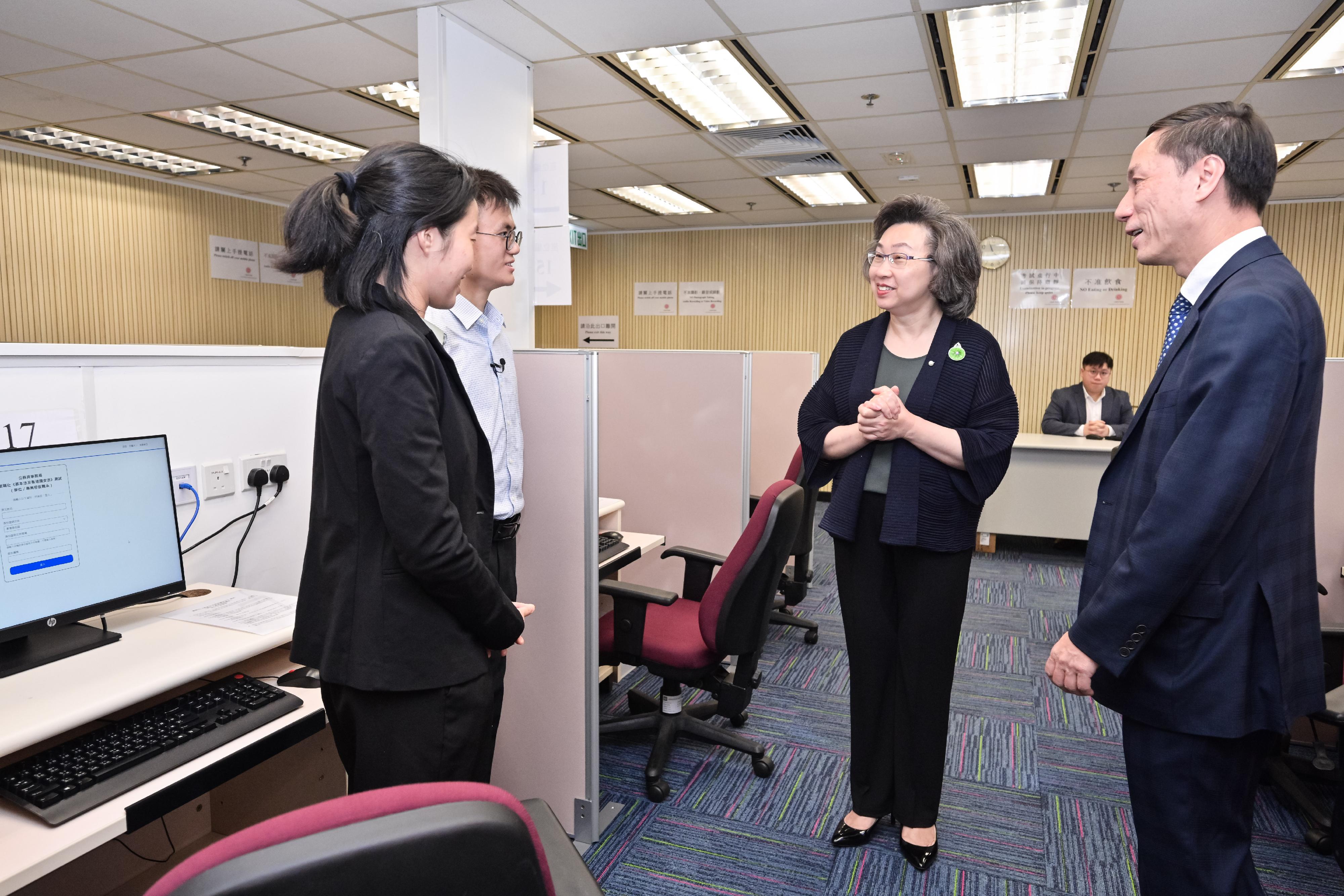
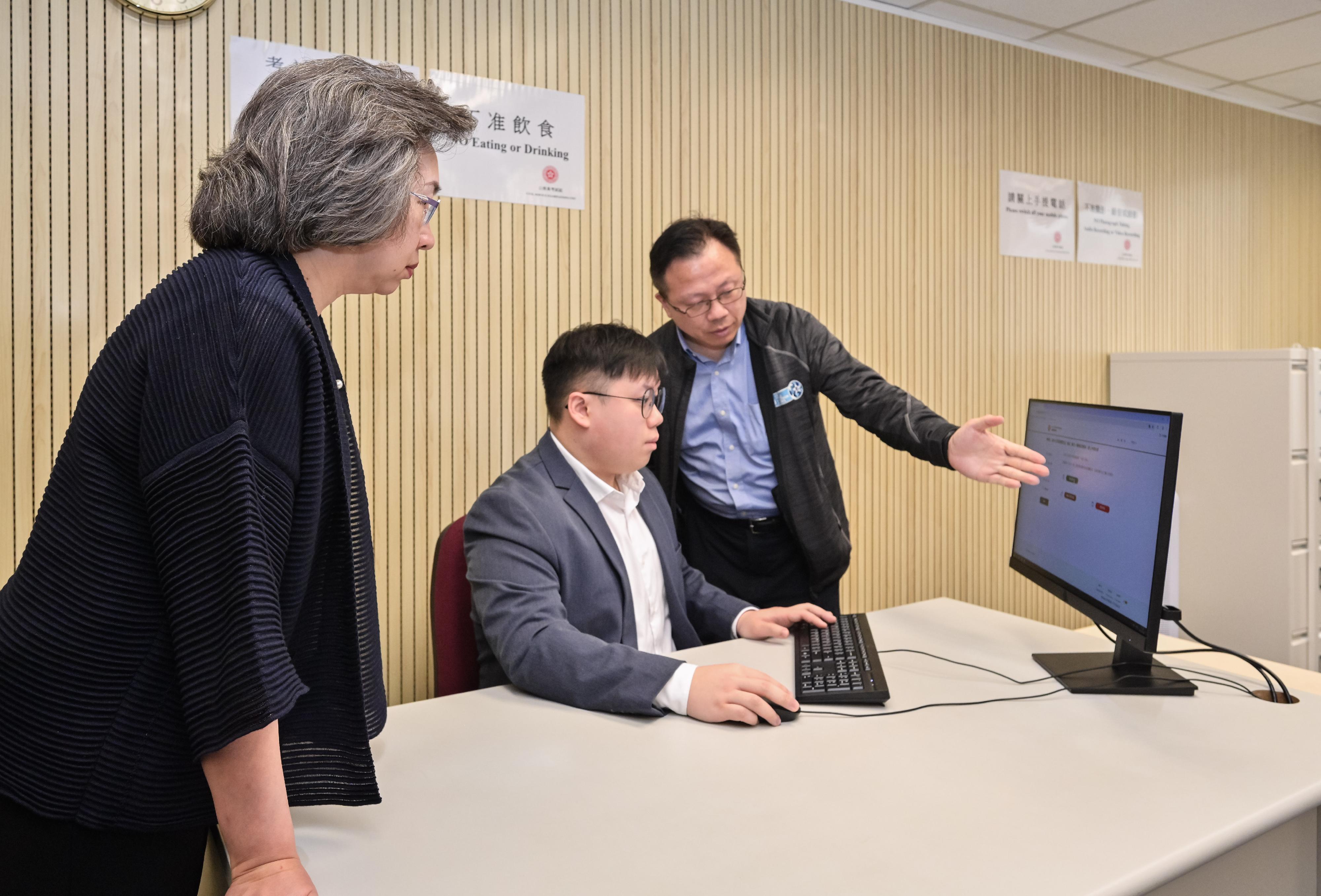
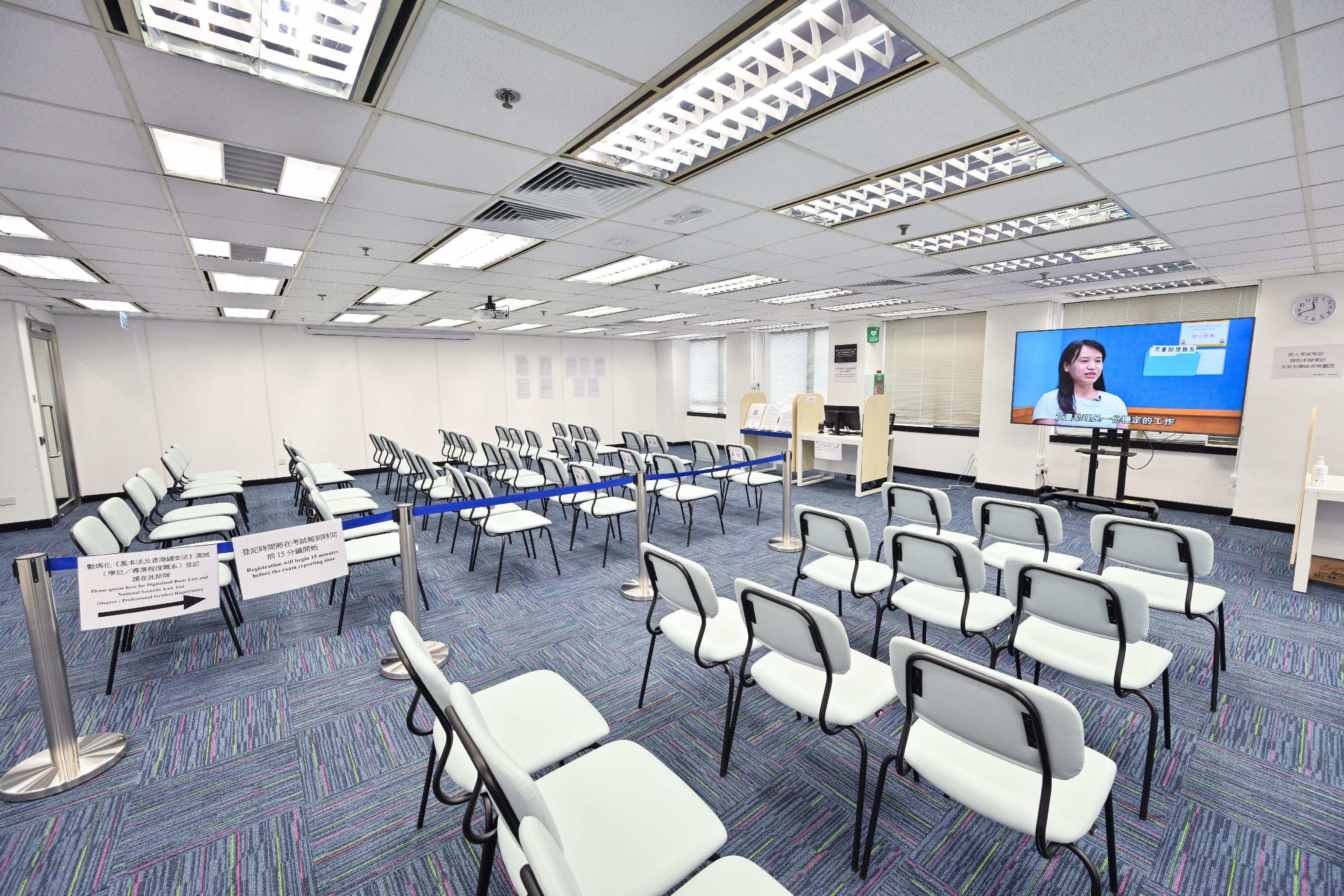
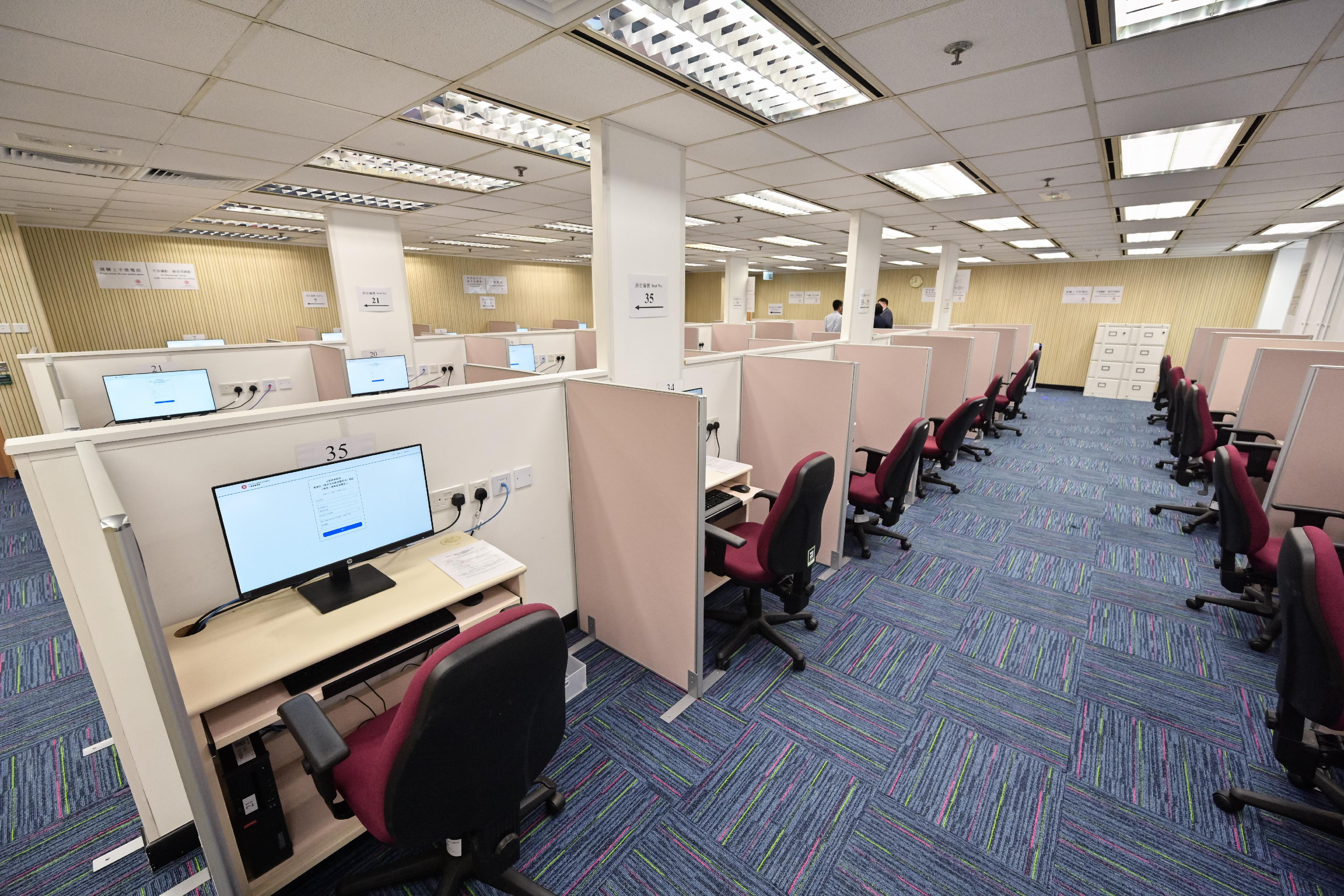
     The examination will be conducted by computer at the Recruitment Centre, General Grades Office of the CSB. There are six examination timeslots per working day, and it is estimated that around 60 000 examination quotas will be provided each year.

     The Secretary for the Civil Service, Mrs Ingrid Yeung, said, “Further to the digitalisation of application for designated civil service posts, the digitalisation of the Basic Law and National Security Law Test (BLNST) is another example of applying technologies to enhance efficiency. The Digitalised BLNST was designed from the users’ perspective, enabling candidates to submit online applications for examination anytime and sit for the examination at their own selected timeslots as early as possible. Candidates will no longer be confined to the fixed thrice-per-year examination schedule and the paper-based examination. They can also obtain the result through e-mail on the day of examination, which is more convenient and efficient as compared with the previous arrangement of issuing the examination result by post. The arrangement not only saves time on paperwork but also is more environmentally friendly. This is a win-win situation for both the candidates and the recruiting departments.”

     She said, “The Bureau will flexibly deploy existing resources and manpower, as well as better arrangements and use of venue to implement the digitalised examination. This arrangement can also reduce the expenditure for hiring part-time invigilators and related administrative expenses for setting up temporary examination centres. In the long run, we will review the operational arrangement with a view to actively exploring the feasibility of digitalising other recruitment examinations and achieving more savings in expenditure and manpower.”

Application eligibility and details
————————————

     At present, attaining a pass result in the BLNST is an entry requirement for all civil service jobs. All candidates for civil service jobs must pass the BLNST in order to be considered for appointment, regardless of whether the candidates have previously taken the Basic Law Test centrally conducted by the CSB or individual bureaux/departments in previous civil service recruitment exercises. 

     Prospective applicants of civil service posts at degree or professional levels without a pass result in the BLNST can apply for the Digitalised BLNST through the online application system (www.csb.gov.hk/eng/dblnst.html) starting from tomorrow at 9am for the examination to be held from May 23 to July 16 (excluding Saturdays, Sundays and public holidays). The Digitalised BLNST will be conducted at the Recruitment Centre, General Grades Office of the CSB (Address: 37th Floor, Revenue Tower, 5 Gloucester Road, Wan Chai, Hong Kong). For examination to be held on or after July 17, the examination quota will be open for application on a daily basis in accordance with an eight-week advance booking schedule. The General Grades Office will adjust the examination quota having regard to the demand.

     The examination format, duration and content of the Digitalised BLNST are identical to those of the paper-based BLNST. The only change is that the examination will be conducted by computer, and the results of the Digitalised BLNST will be issued by e-mail to candidates in the form of electronic result certificates on the same day of the examination.

     The pool of eligible candidates for civil service jobs requiring an undergraduate degree has been expanded to students in their third year of undergraduate studies (in a four-year curriculum). Therefore, the Digitalised BLNST will be open to holders of a degree, or holders of a professional qualification meeting the entry requirement of the posts, or undergraduate students who will have attained a degree in the current or next academic year. Applicants for the Digitalised BLNST should also be holders of a Hong Kong Identity Card and aged 18 or above (including those who will turn 18 in the year the applicant takes the examination).

     Applicants must submit the application through the designated website. Each applicant can only reserve one examination timeslot. Upon completion of application procedures, applicants will be provided with an application reference number immediately. A confirmation e-mail will be sent to the applicant’s e-mail address immediately.

     A pass result in the BLNST (Degree/Professional Grades) has permanent validity and is acceptable for the purpose of applying for all civil service jobs. The CSB has been conducting the BLNST (Degree/Professional Grades) since June 11, 2022. Those who possess a pass result in the BLNST (Degree/Professional Grades) need not apply again. 

     For the BLNST applicable to civil service posts requiring non-degree or non-professional qualifications, the existing arrangements by recruiting departments/grades remain unchanged. For details of the BLNST, please visit the CSB webpage (www.csb.gov.hk/english/recruit/blnst/1372.html).

     General enquiries may be directed to the Civil Service Examinations Unit by phone at 2537 6429 or by e-mail to csbcseu@csb.gov.hk.

Photo  Photo  Photo  Photo  
read more