Author Archives: hksar gov

LCQ3: Abolition of offsetting arrangement of Mandatory Provident Fund

     Following is a question by the Hon Edmund Wong and a reply by the Secretary for Labour and Welfare, Mr Chris Sun, in the Legislative Council today (May 21):

Question:

  The abolition of the use of the accrued benefits derived from employers’ mandatory contributions to the Mandatory Provident Fund (MPF) to offset severance payment and long service payment (the abolition of offsetting arrangement) took effect on the 1st of this month. The Government has indicated earlier on that it is not worried that the arrangement would trigger a wave of layoffs. In this connection, will the Government inform this Council:

(1) as there are views pointing out that the current business environment is far worse than before, whether the Government will conduct again a comprehensive assessment of the impact of the abolition of offsetting arrangement (e.g. whether it will trigger a wave of layoffs); if it will conduct such an assessment, of the timetable; if not, the reasons for that;

(2) as the Subsidy Scheme for Abolition of MPF Offsetting Arrangement will last for 25 years, when the Government plans to conduct a review to ascertain that the funding of the scheme will be sufficient to meet the long-term needs; whether it will consider entrusting the relevant funding to the Hong Kong Monetary Authority for investment in order to generate steady returns, thereby obviating the need to seek approval from this Council for supplementary provisions; and

(3) as it has been reported that the authorities have earlier on conducted a consultation on increasing the minimum and maximum levels of income for MPF contributions, whether the Government will, in the light of the overall business environment and the impact of the abolition of offsetting arrangement, consider withholding the adjustment to the relevant income levels; if so, of the details; if not, the reasons for that?

Reply:

President,

  After years of discussion and refinements, the abolition of the arrangement of using the accrued benefits derived from employers’ mandatory contributions under the Mandatory Provident Fund (MPF) system to offset employees’ severance payment (SP) and long service payment (LSP) (the abolition of offsetting) has garnered general support from the community, so as to improve employees’ retirement protection. The abolition of offsetting took effect on May 1 this year. On the same day, the Government also launched the 25-year Subsidy Scheme for Abolition of MPF Offsetting Arrangement (SSA) with financial commitment of $33.6 billion to share out employers’ financial burden and assist them to adapt to the policy change.

  My reply to the Member’s question is set out below:

(1) The abolition of offsetting will not lead to dismissal of employees owing to significant increase in the operating costs of enterprises. With reference to past statistics, the total sum of SP and LSP offset by employers accounts for only about 0.5 per cent of enterprises’ total wage bills, while wage bills are but a fraction of the total operating expenses of enterprises. Hence, the abolition of offsetting is not a determining factor for cessation of business or dismissal of employees.

     The Government has been reiterating that dismissing existing employees prior to implementation of the abolition of offsetting cannot save SP/LSP expenses, because:

(i) Under the Employment Ordinance, the maximum amount of an employee’s SP/LSP is $390,000. As the law stipulates that the abolition of offsetting has no retrospective effect, an employer may still use the accrued benefits derived from his MPF contributions during employees’ whole employment periods to offset employees’ SP/LSP incurred before the transition date, viz. May 1 this year. SP/LSP of newly-hired employees, on the other hand, will cumulate from scratch to the maximum amount of $390,000, and none of the sum can be offset by employers’ mandatory contributions.

(ii) SP/LSP incurred from an existing employee’s employment period pre-transition is calculated on the basis of the employee’s wages of the last month before the transition date. Therefore, the amount of pre-transition SP/LSP will have been locked down and will not increase no matter how much longer the employee will be employed and whether there will be any increase in his salary thereafter.

  We emphasise that manpower is a valuable asset of an enterprise. The termination compensation should not be a major factor for an employer’s consideration of dismissal. The Labour Department (LD) will continue to monitor the situation after the abolition.

(2) In estimating the financial commitment for the SSA, the Government had commissioned an actuarial consultant. In arriving at the total sum, the consultant made reference to the offsetting claim dataset provided by the Mandatory Provident Fund Schemes Authority (MPFA), projected the number of subsidy applications to be received and the amount of SP/LSP involved in those applications, and took into account the economic cycles during the 25-year subsidy period. 

  The total subsidy payout will hinge on the actual number of subsidy applications received and the amount of SP/LSP involved in those applications. The Government will closely monitor the disbursement of subsidies and, where necessary, follow the established procedure to handle the funding arrangement. Since the subsidy ratio will decrease over time, the subsidy payout sum in the later part of the subsidy period will be less than that in the earlier part of the subsidy period. It is premature to consider the sufficiency of the funding for the SSA at this point in time. When seeking funding approval from the Finance Committee (FC) of the Legislative Council in November last year, the Government pledged to review the operation of the SSA five years after the implementation of the abolition of offsetting.

  The $33.6 billion approved by the FC in November last year for the implementation of the SSA is the Government’s maximum commitment amount that may be used. It is not allocated to the LD’s account in one go. The LD, in accordance with the Government’s established procedures and based on the cashflow requirement in each financial year, will request funds from that year’s Government budget. The funds will then be allocated to the LD’s account from the General Revenue Account according to the SSA’s disbursement schedule to meet the subsidy payout expenditures. Any balance of the commitment amount yet to be allocated will remain in the Government’s fiscal reserve to generate investment income.

(3) Under the Mandatory Provident Fund Schemes Ordinance, the MPFA is required to conduct a review of the minimum and maximum levels of relevant income for MPF contributions not less than once in every four years.

  The MPFA is conducting a review of the minimum and maximum levels of relevant income for MPF contributions for the next review cycle (i.e. 2022-2026). In conducting the review, the MPFA must, according to the law, take into account the relevant employment earnings statistics and other relevant factors such as social and economic conditions, labour market conditions, business environment for enterprises in particular small and medium enterprises, and impacts (such as financial burden) on employees/self-employed persons. The MPFA will submit the review report to the Government. The Government will carefully examine the report thereafter. read more
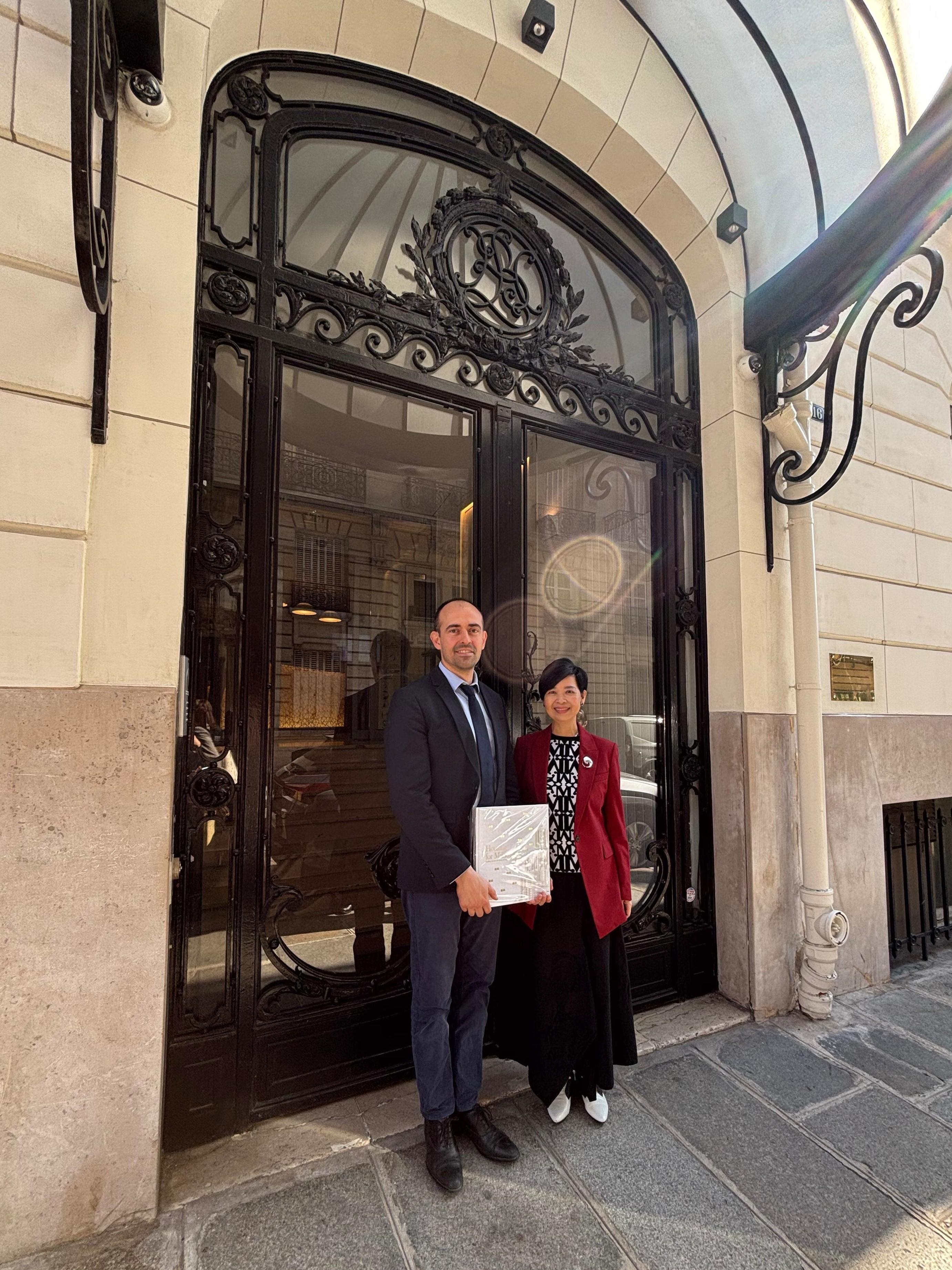
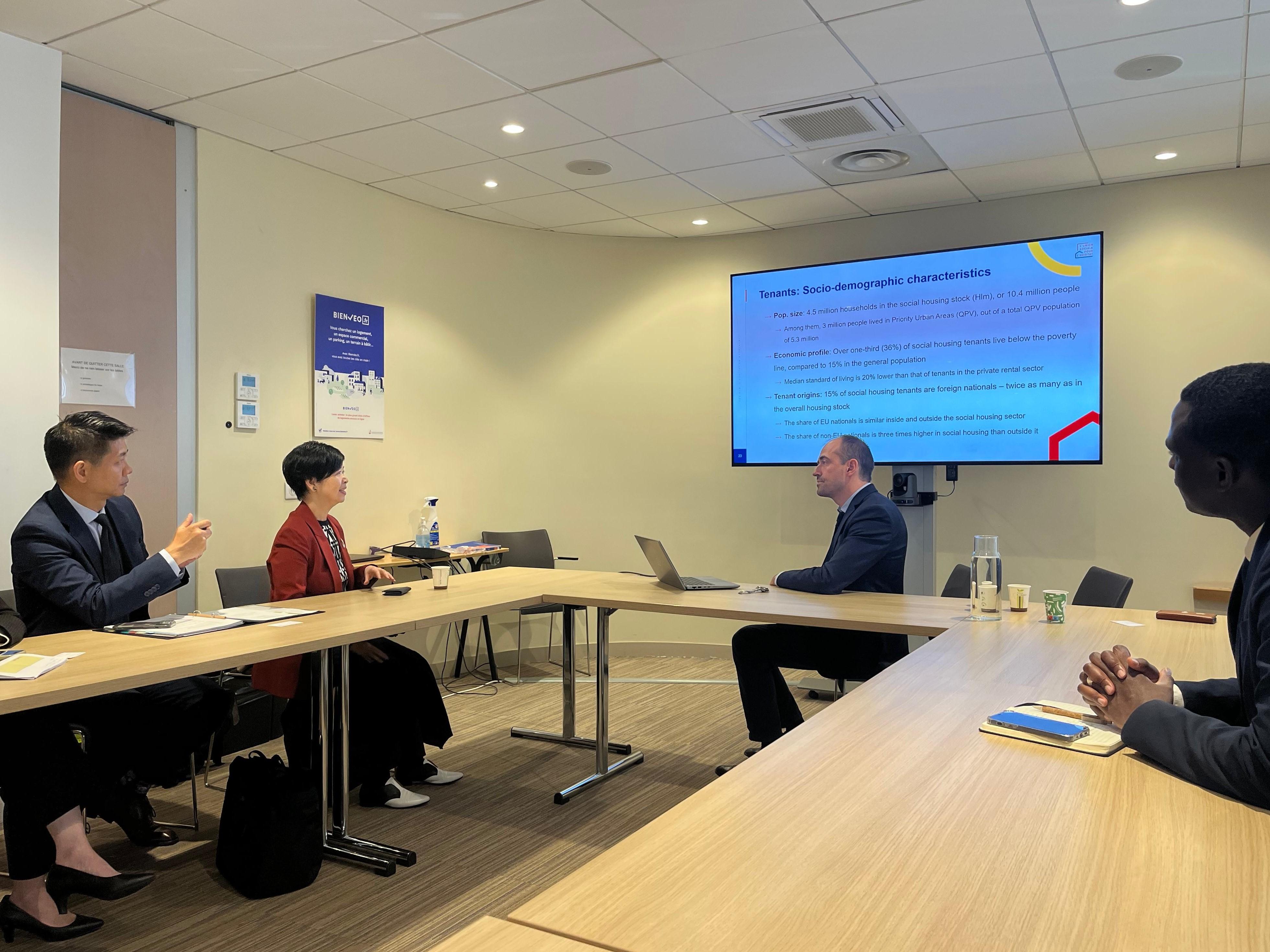
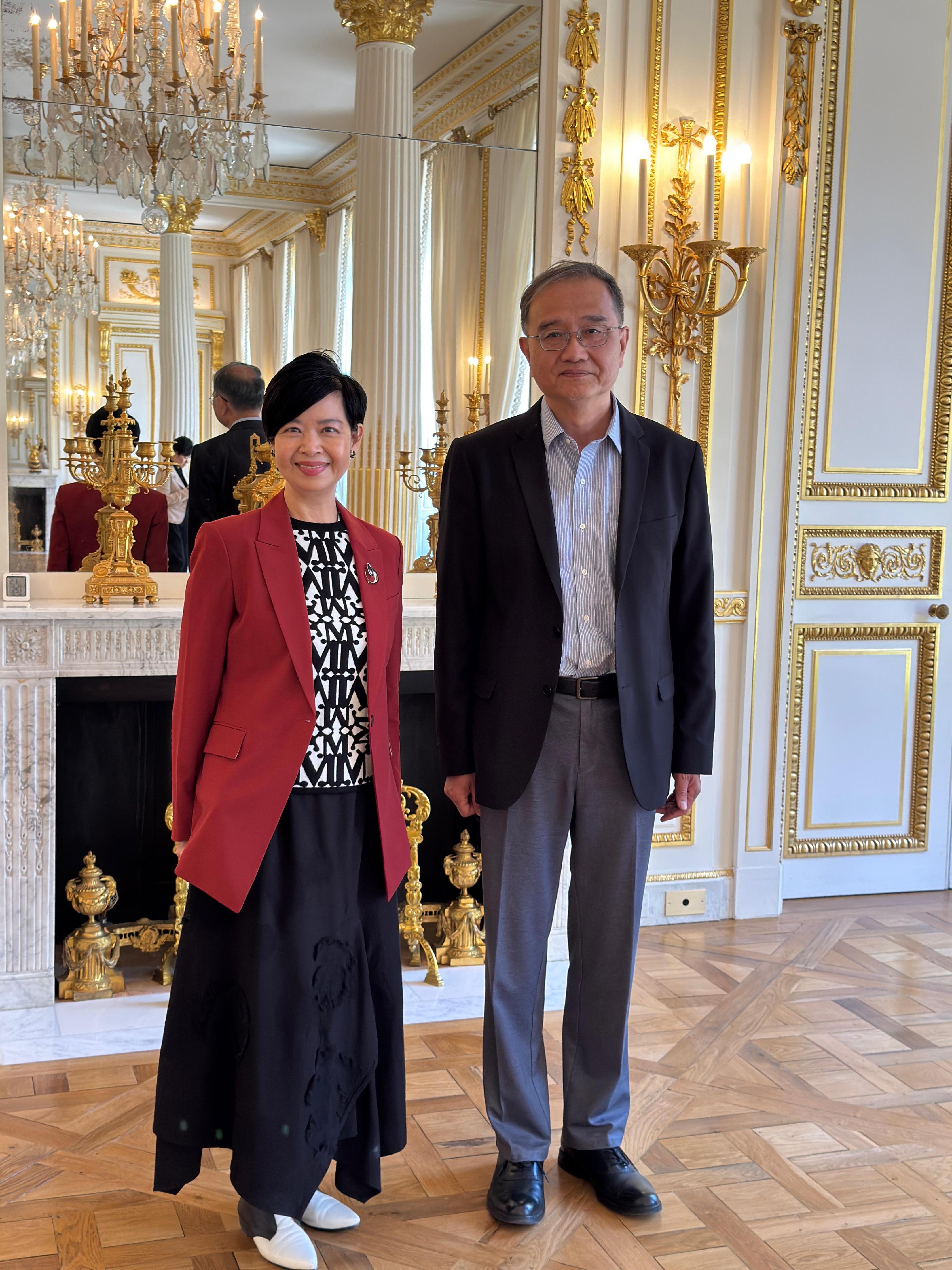
S for Housing continues visit to Paris (with photos)

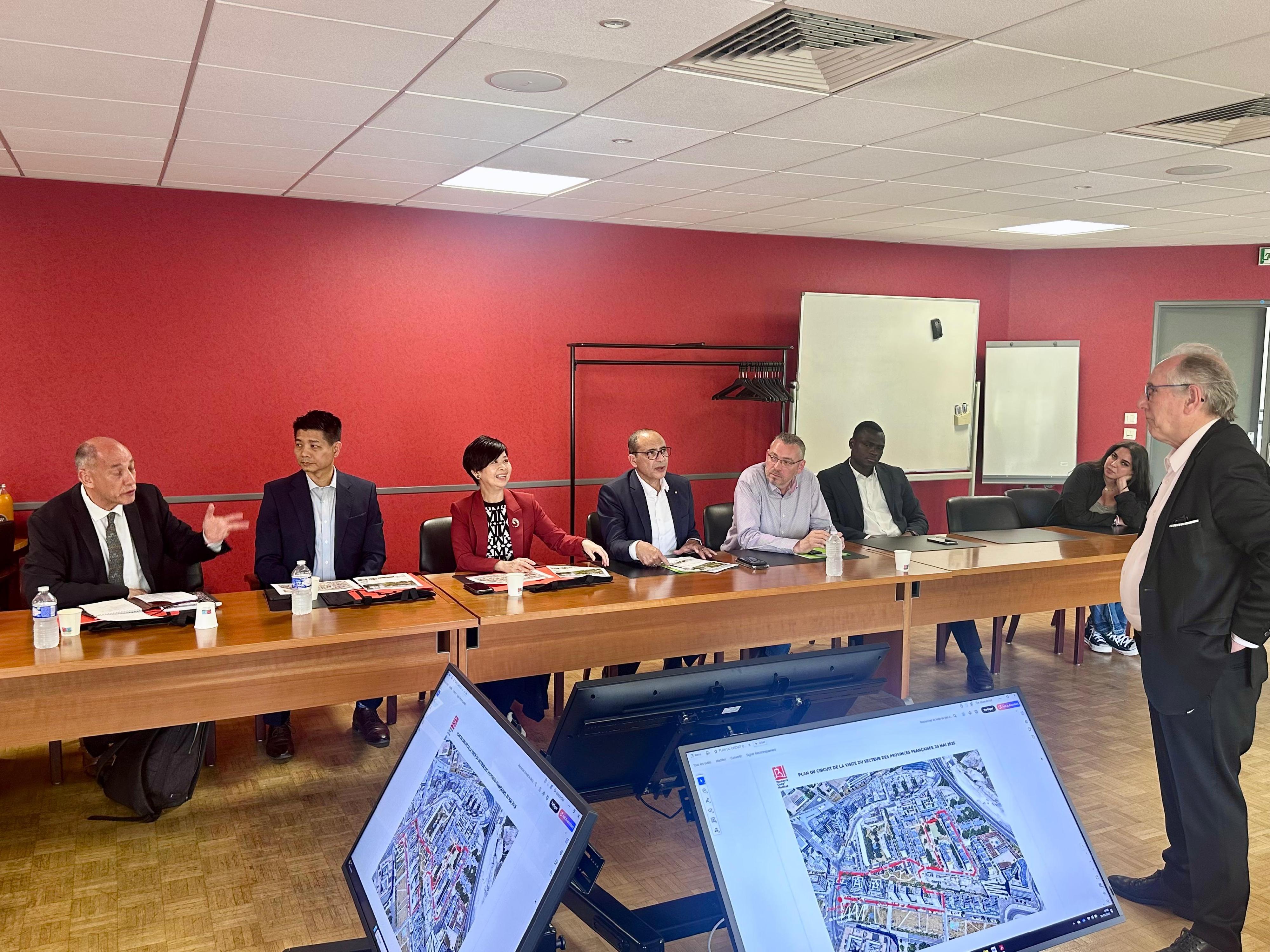
     The Secretary for Housing, Ms Winnie Ho, continued her visit to Paris, France, yesterday (May 20, Paris time). She visited the headquarters of a local social housing association, L’Union sociale pour l’habitat (USH), in the morning and met with the Director of Economic and Financial Studies at the USH, Mr Christophe Bellégo, to learn about the organisation’s work, including conducting research and analysis on local housing issues, and contributing to their government’s policy formulation.
 
     Ms Ho shared in the meeting the work of the Housing Bureau (HB) and the Hong Kong Housing Authority (HKHA). She said that housing is the greatest concern among all key issues of the current-term Hong Kong Special Administrative Region Government, and that the HB strives to formulate suitable housing policies and deliberate on different measures to address housing issues to cater for the housing needs of different social strata. The policy initiatives include building expeditiously Light Public Housing (LPH) and transitional housing to improve the living conditions of people living in inadequate housing at the soonest.
 
     She said that the HKHA, established over 50 years ago, has long been providing affordable rental housing to low-income families with housing needs. It continuously enhances the housing ladder to help low- to middle-income families gain access to subsidised home ownership, encouraging them to move up the housing ladder and thus enhance people’s sense of contentment and happiness. Ms Ho presented to the participants of the meeting the “Well-being design” guide launched by the HB and the HKHA last year, which covers eight well-being concepts, namely “Health & Vitality”, “Green Living and Sustainability”, “Age-Friendliness”, “Intergenerational & Inclusive Living”, “Family & Community Connection”, “Urban Integration”, “Upward Mobility” and “Perception & Image”. It serves as a reference for the future design of new public housing estates and the improvement works of existing estates to create a more comfortable and vibrant living environment for its residents. Apart from housing construction, to continuously enhance the management efficiency and service quality of its nearly 200 public housing estates, the Housing Department has been actively promoting smart estate management and bringing in new technologies to help optimise estate management and building maintenance services so that residents can enjoy a better living environment.
 
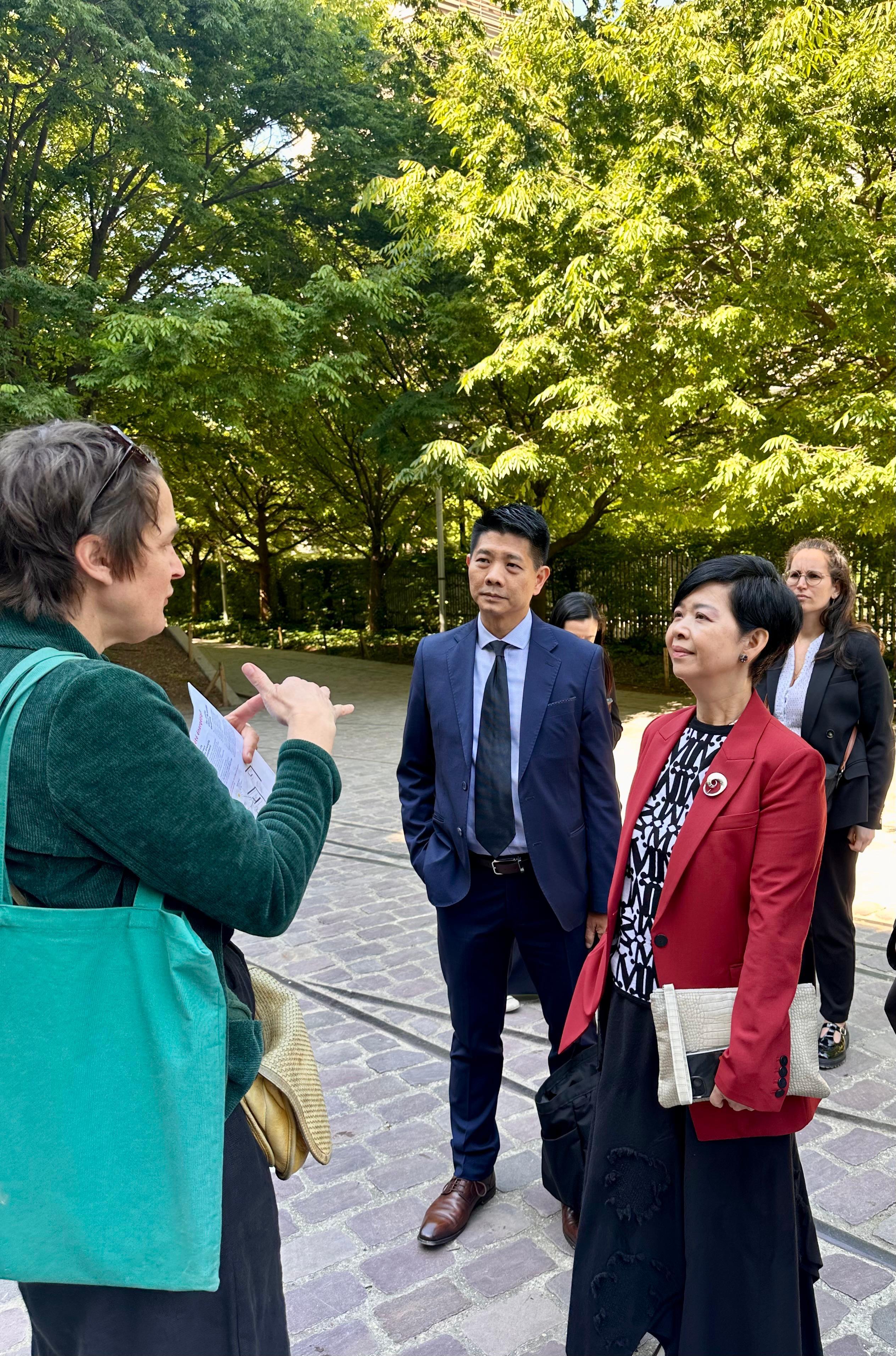
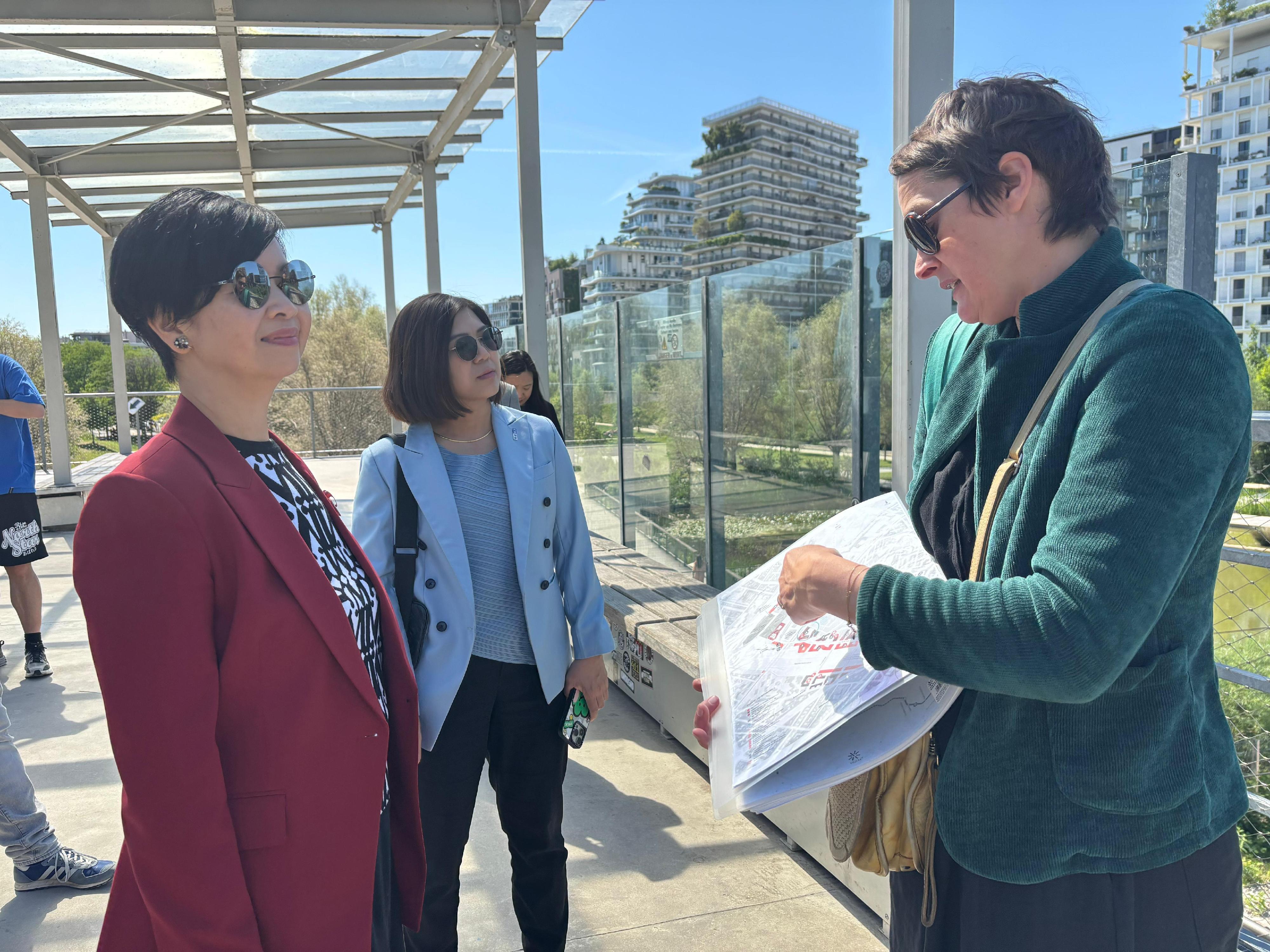
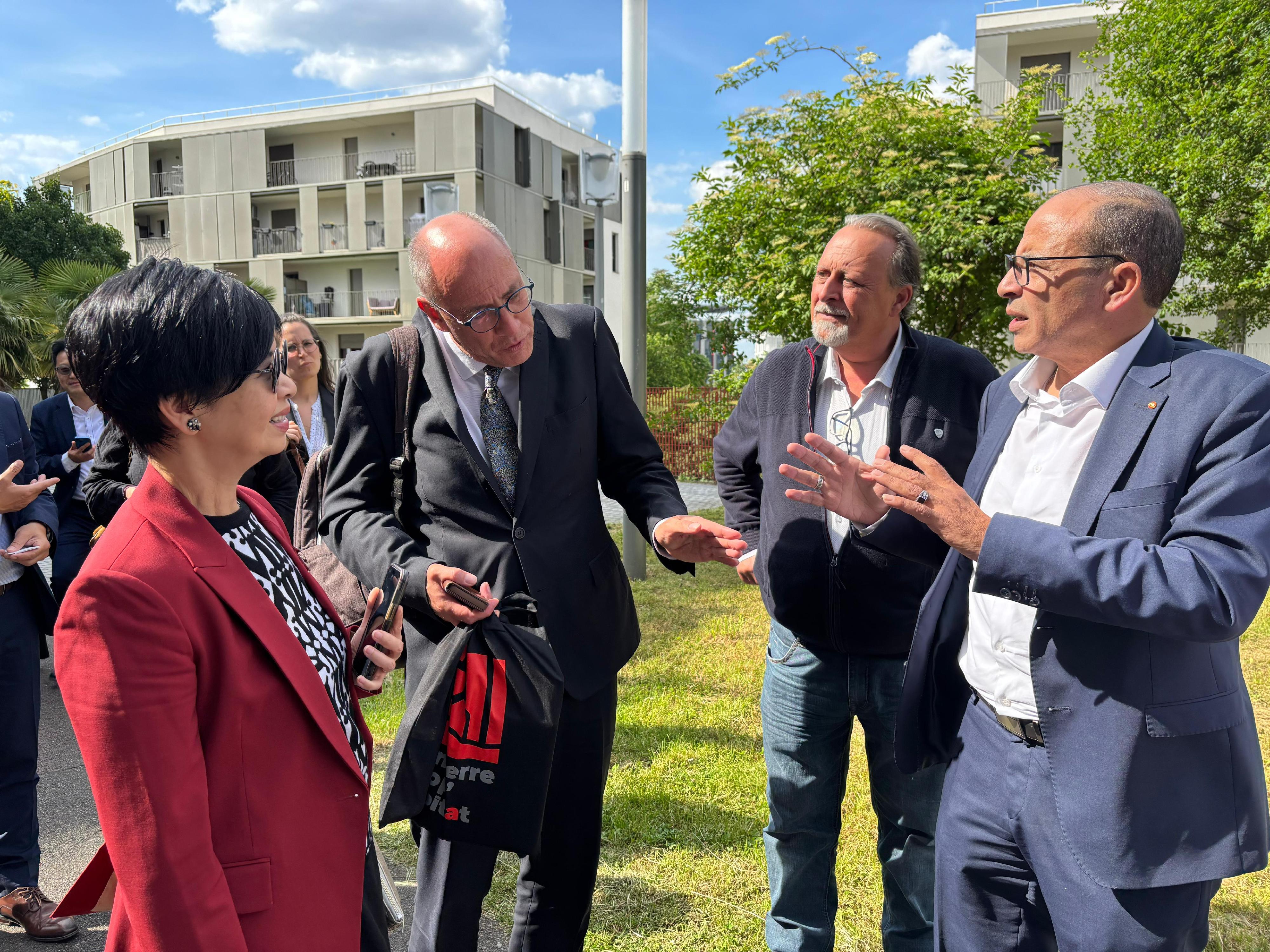
     Guided by the USH, Ms Ho visited two eco-neighbourhoods in Paris, Clichy-Batignolles and Ecoquartier Nanterre Université. Clichy-Batignolles is a sustainable urban development project transforming a former rail yard into a mixed-use area with social and private housing, commerce and retail, restaurants, community facilities and a park. Ecoquartier Nanterre Université preserves green spaces while redeveloping the old district. The project has provided various types of social and private housing as well as relevant ancillary facilities, creating a more vibrant neighbourhood and promoting inclusivity. Ms Ho said that the HKHA also attached importance to promoting low carbon and energy-saving buildings, green spaces and connectivity with the nearby community when planning and developing new public housing projects.
 
     In the afternoon, Ms Ho called on the Chinese Ambassador to France, Mr Deng Li, to share Hong Kong’s latest housing policies and initiatives, which included promoting the development of housing construction technologies by leveraging the power of the Greater Bay Area. She also learned about Hong Kong’s strengths as a “super connector” and a highly international city during the conversation with the Ambassador.
 
     Ms Ho will continue her visit today (May 21, Paris time) and meet with the local trade to promote Hong Kong’s innovative construction technologies.

Photo  Photo  Photo  Photo  Photo  Photo  Photo  Photo  
read more

LC: Speech by CS in presenting Government Minute in response to Report No. 83 of Public Accounts Committee

     â€‹Following is the speech (translated from Chinese) by the Chief Secretary for Administration, Mr Chan Kwok-ki, in presenting the Government Minute in response to Report No. 83 of the Public Accounts Committee in the Legislative Council today (May 21):

President,

     Laid on the table today is the Government Minute (GM) responding to Report No. 83 of the Public Accounts Committee (PAC) presented to the Legislative Council (LegCo) on February 19, 2025.

     I welcome the Report of the PAC and am grateful for the time and efforts devoted by the Chairman of the PAC, Mr Shiu Ka-fai, and members of the PAC. The Government accepts the PAC’s various recommendations and sets out in detail in the GM the specific responses of the relevant bureaux and departments (B/Ds). The PAC conducted public hearings on the chapters on “Nano and Advanced Materials Institute” and “Tuen Mun – Chek Lap Kok Link”. I would like to highlight the key follow-up measures taken and progress made by the Government and relevant organisations in response to the PAC’s recommendations.

Nano and Advanced Materials Institute

     First, the Nano and Advanced Materials Institute (NAMI). Regarding project management, NAMI would set both ambitious and feasible targets in comprehensive consideration of factors such as economic environment, market demand, NAMI’s technological development, business development plans and human resources. To improve patent management, NAMI will conduct regular market demand analyses, strengthen co-operation with universities, research institutes and enterprises, enhance market promotion and brand building. To improve the level of laboratory safety management, NAMI has enhanced the inspection procedures and requirements. For any non-compliance identified, remedial actions or improvement measures must be documented by staff of NAMI in detail and submitted to Research and Development (R&D) Director and Chief Technology Officer for endorsement.

     The Innovation and Technology Commission (ITC) would continue to encourage NAMI to liaise with the industry to explore room of co-operation, as well as promote wider participation from the industry in R&D. On the other hand, NAMI would also endeavour to transfer technology to the industry and promote commercialisation of project deliverables etc, convincing the industry with actual results that the applied R&D work of NAMI can help address enterprises’ pain points as well as improve their productivity and competitiveness. The ITC raised the target “Level of Industry and Other Income” to 40 per cent in 2024-25, and would explore the possibility of further raising the target to 50 per cent in the long run with a view to further encouraging R&D Centres to strengthen co-operation with the industry.

     The ITC agreed that there was room for improvement in NAMI’s relevant guidelines in business travel arrangements, claims for subsistence allowances and entertainment expenses. NAMI revised the guidelines in the fourth quarter of 2024, which clearly set out the corresponding approval mechanism and arrangements for staff at all levels; optimised the approval procedures for modification of business travel arrangement due to personal reasons/overspending of subsistence allowances and entertainment expenses; specified the NAMI staff to guest ratio for entertainments, and so on. The new guidelines stipulate that all subsistence allowances and entertainment expenses involving the Chief Executive Officer must be approved by the Chairperson of the Board. The new guidelines also clearly state that employees should avoid modifying the itinerary of business trips due to personal reasons and need to bear the additional costs involved.

     The ITC has implemented a series of control measures for R&D projects funded by the Innovation and Technology Fund, including: (i) assessing whether the estimates of expenditure set out in the project proposals are reasonable and meet the actual R&D needs when reviewing NAMI’s applications; (ii) requiring NAMI to submit progress/final reports and audited accounts for launched projects to facilitate assessment on project deliverables and spending; and (iii) requiring NAMI to return all unspent funds to the Government upon project completion. The ITC will continue to follow the principle of prudent financial management and control the operating expenditure of the R&D Centres in order to ensure the proper use of public money in fostering innovation and technology.

Tuen Mun – Chek Lap Kok Link (TM-CLKL)

     As regards the TM-CLKL project, it comprises eight inter-related works contracts and the scale of works is large and complex. On the supervision of consultants of public works projects, the Development Bureau (DEVB) will reflect the consultants’ performance in their quarterly performance assessment reports at various implementation stages of public works projects in order to take appropriate regulatory actions when necessary, including suspending the consultant’s eligibility to tender or removing the consultant from the list of consultants. Besides, the consultancy agreement for public works projects has clearly stipulated that the consultants shall indemnify the Government for any claims, damages, losses or expenses arising from their professional negligence in their performance of duties or provision of services to protect the Government’s interests. The DEVB will continue to review the performance evaluation system for consultants and, where necessary, introduce enhancement measures to prompt consultants to improve their service performance.

     Regarding the tender evaluation mechanism, the past performance scores of public works consultants and contractors currently account for 20 to 40 per cent of their technical scores in future tenders, which has considerable impact on their chances of winning future tenders. In addition, the DEVB has already established a mechanism to deal with public works consultants and contractors who seriously violate regulations or whose performance is extremely unsatisfactory, including suspending their eligibility to tender or removing their names from the relevant approved lists of consultants and contractors. The DEVB believes that the relevant measures can effectively drive consultants and contractors to improve their service quality so as not to affect their chances of winning tenders in the future.

     Regarding the management of works contracts, works departments have made more extensive use of the “New Engineering Contract” form in public works contracts in accordance with the prevailing guidelines issued by the DEVB. “New Engineering Contract” introduces an early warning mechanism to encourage the client’s representatives and contractors to identify and raise potential risks that may affect the project at an early stage, and to jointly negotiate and work out the best solution to facilitate the smooth implementation of the project according to the prescribed framework and timeframes in the contract in the event of any difficulties or problems encountered during construction. On the other hand, the Highways Department has now adopted Building Information Modelling technology and relevant software in the early planning and design stages of the projects to enhance the accuracy of quantity surveying, and is actively exploring the use of new technologies for site investigation, such as geophysical survey technology, to better ascertain the geological conditions and estimate the associated project costs.

     Regarding the management, operation, and maintenance of the Tuen Mun-Chek Lap Kok Tunnel, the Transport Department (TD) will continuously review and assess the staff manning of the tunnel operator, and will timely require the operator to adjust its human resources plan to ensure that manning at all levels meets the requirements of the management agreement. At the same time, the TD will continuously review and, as necessary, refine the criteria for evaluating the overall performance of the operator and the process for preparing quarterly reports to ensure that assessments are completed on time. It will also work with the Electrical and Mechanical Services Department to improve the use of heavy recovery vehicles in the tunnel as mentioned in the report. Furthermore, the TD will continue to explore the application of new technologies to assist the operator in identifying out-of-gauge vehicles, with a view to enhancing traffic safety and management efficiency.

     For the traffic management of TM-CLKL and the relevant road sections in Tuen Mun, the TD will actively and continuously keep under review the traffic conditions in the area and will implement appropriate and effective traffic management measures in a timely manner.

     We understand that the Audit Commission and the PAC are concerned that surplus in the provisions for price adjustments in some of the works contracts had to be deployed to cover additional costs incurred due to unforeseen circumstances under the TM-CLKL project, and have urged works departments of the Government to adhere to the resource allocation originally planned in works projects during their implementation. The DEVB and the Financial Services and the Treasury Bureau (FSTB) are reviewing the current mechanism for utilising resources for public works projects, including areas for optimisation in contingency expenses and price adjustment provisions. The DEVB and the FSTB also plan to strengthen the existing supervisory mechanism and regularly report to the LegCo on the use of provisions for price adjustments in public works projects, so as to further ensure the proper use of resources and to enhance the transparency of resource utilisation and allocation. In addition, the Government has widely adopted parallel tendering arrangement to increase the accuracy of approved project estimates for public works projects. We are confident that the actual total expenditure of this project will remain within the total approved estimate of about $46.7 billion and there will be no cost overrun for the whole project.

     President, I would like to thank the PAC again for its efforts and suggestions. The B/Ds concerned will strictly adhere to their responses and implement various improvement measures as set out in the GM with full efforts.

     Thank you, President. read more

LCQ7: Managing passenger flows at land boundary control points

     Following is a question by Professor the Hon William Wong and a written reply by the Secretary for Transport and Logistics, Ms Mable Chan, in the Legislative Council today (May 21):

Question:

     It has been reported that during the Labour Day Golden Week holiday on May 2 when a large number of Mainland tourists visited Hong Kong, the mobile network and Wi-Fi system at MTR Lok Ma Chau Station were overwhelmed as a large number of passengers simultaneously used their mobile phones to scan QR code tickets to enter and leave via turnstiles, and thus a significant number of passengers were stranded. In this connection, will the Government inform this Council:

(1) whether it has compiled statistics on the number of passengers stranded at Lok Ma Chau Station on May 2 due to the failure of the mobile network and station Wi-Fi system;

(2) as passengers were being stranded at Lok Ma Chau Station on May 2, whether the Government has communicated with relevant Mainland authorities to notify passengers who intended to enter Hong Kong via the Lok Ma Chau Spur Line Control Point that they should use alternative boundary control points (BCPs); given that Shenzhen Metro Line 4 is operated by the MTR Corporation Limited (MTRCL), whether the Government has urged MTRCL on the same day to immediately notify passengers travelling on Line 4 of the passenger stranding situation at Lok Ma Chau Station and called on them to cross the border via alternative BCPs;

(3) whether the Hong Kong Special Administrative Region Government has conducted drills with relevant Mainland authorities regarding unexpected incidents at BCPs and formulated various contingency plans; and

(4) whether simulation tests have been conducted at all BCPs to establish co-ordination mechanisms and joint response measures between the Mainland and Hong Kong for handling peak passenger flows and potential unexpected incidents (including emergency situations such as malfunctions of immigration systems, baggage and security screening system failures, and railway service disruptions); if so, of the time when such tests were conducted; if not, whether such tests will be conducted in the future?

Reply:

President,

     The Golden Week holiday is the peak period of Mainland visitors visiting Hong Kong. The Hong Kong Special Administrative Region (HKSAR) Government has been maintaining close liaison with relevant organisations and parties to prepare well for arrangements of boundary control points (BCPs), public transportation, crowd management, etc, with a view to ensuring the smooth operation of various aspects in receiving visitors and offering a high-quality experience to them. In view of this year’s Labour Day Golden Week holiday, the MTR Corporation Limited (MTRCL) had made advance preparations by enhancing the train services for cross-boundary railways (including Lo Wu and Lok Ma Chau Stations of the East Rail Line, and the Hong Kong West Kowloon High Speed Rail Station), as well as deploying additional staff and strengthening information dissemination. Meanwhile, the MTRCL maintained close liaison with relevant departments at the BCPs, so as to adjust train services in a timely manner according to the situation at the BCPs, and provide visitors with safe, reliable and convenient railway services.

     In consultation with the Security Bureau, the Transport Department (TD) and the MTRCL, my consolidated reply to the question raised by Professor the Hon William Wong is as follows:

(1) As observed by the MTRCL, during this year’s Labour Day Golden Week holiday, the number of visitors arriving in or exiting from Hong Kong via the Lok Ma Chau Spur Line Control Point using the MTR East Rail Line and the total patronage were slightly higher than those of the same period last year. On May 2 (Friday) this year, the peak arrival and departure periods for Mainland visitors were in the morning and evening respectively, during which an average of approximately 7 500 visitors entered and exited Lok Ma Chau Station per hour.

     During the peak departure period in the evening, a relatively large number of passengers used their phones at the same time to activate QR codes at ticket gates, resulting in a sudden surge in mobile data demand within a short period of time; the pressure on the mobile network providers’ provision of mobile data also intensified the passengers’ demand for Wi-Fi capacity at the station. As a result of the overall overloading of mobile data and Wi-Fi networks, passengers needed longer time for connection to the network to retrieve the QR codes, leading to a higher passenger flow at the stations’ entry/exit gates and concourse at certain periods of time. The MTRCL immediately took contingency measures in response to the actual situation, such as diverting passenger queues before the gates, adjusting the operation of individual escalators as appropriate to control the passenger flow, and intermittently allowing passengers to exit the gates without having to tap their cards from approximately 9.45pm to 10.30pm to divert passenger flow. Throughout this period, the Transport and Logistics Bureau (TLB) and the TD maintained close communication with the MTRCL and promptly urged the MTRCL to enhance services in all aspects to ensure the smooth and safe operation of the station in face of the large patronage. 

     To cope with the peak travelling period for visitors during the Labour Day Golden Week this year, the MTRCL anticipated that there would be an increase in demand for network data capacity by passengers. As such, arrangements were made before the Golden Week to increase the in-station Wi-Fi capacity for supplementary purpose to cater for the needs of passengers who require internet access but do not have mobile network data. In light of the situation that occurred on the evening of May 2, the MTRCL promptly contacted mobile network providers in that same evening to immediately upgrade the mobile data capacity near BCPs as well as further increase the Wi-Fi capacity at Lok Ma Chau Station so as to facilitate the use of QR codes for passengers to take trains.

     In response to the aforementioned situation, the TLB has requested the MTRCL to review its arrangements for future visitor peak periods based on the experience gained this time. The MTRCL will also enhance its publicity efforts on Mainland social media platforms to remind visitors to activate their QR codes for payment in advance, thereby reducing the time spent at the gates. In addition, the MTRCL will promote the use of mobile Octopus for tourists as another payment option that does not require internet connection. The MTRCL will further discuss with relevant parties on how to manage passenger flow more effectively and plan ahead to ensure that the peak passenger flow can be handled more smoothly in future.

(2) The Inter-departmental Joint Command Centre, comprising the Police, the Immigration Department, the Customs and Excise Department and relevant parties (including the MTRCL), was activated during the Labour Day Golden Week (i.e. from May 1 to 5, 2025) to monitor the real-time situations at various BCPs. The Joint Command Centre maintained close liaison with the Mainland port authorities through the established port hotlines and real-time notification mechanisms, and took timely contingency actions as necessary to ensure the smooth operation of the land control points.

     In addition, relevant departments at BCPs continuously monitored real-time situations at the control points and maintained liaison with the corresponding Mainland port authorities, including immediate mutual notification of the passenger flow situation upon learning about the heavy network traffic at the MTR Lok Ma Chau Station on May 2 this year as well as implementation of appropriate crowd control and diversion measures to facilitate passenger flow and maintain order at the BCP.

(3) and (4) The HKSAR Government and relevant Mainland authorities have conducted incident drills at various BCPs from time to time, simulating emergencies such as fires, power supply failures, immigration system malfunctions and infectious disease incidents. These drills aim to formulate and practise contingency plans, strengthen co-ordination between departments and various parties and enhance overall response capabilities, thereby ensuring safety and order at BCPs in the event of unexpected incidents. Recent joint exercises include the flooding evacuation drill at the Express Rail Link West Kowloon Control Point in March 2025 and the joint exercise at the Lo Wu Control Point in October 2024 to simulate scenarios of power supply and system network incidents at the Hong Kong Port and contingency measures taken by relevant parties. read more

LCQ16: Commemorative activities for 80th anniversary of victory in War of Resistance

     Following is a question by the Hon Chan Yung and a written reply by the Secretary for Constitutional and Mainland Affairs, Mr Erick Tsang Kwok-wai, in the Legislative Council today (May 21):
 
Question:
 
     This year marks the 80th anniversary of victory in the War of Resistance, and Guangdong, Hong Kong and Macao will also co-host the 15th National Games (15th NG) this year. In this connection, will the Government inform this Council:
 
(1) given that in its reply to my question on February 26 this year, the Government indicated that the Working Group on Patriotic Education would co-ordinate various policy bureaux and government departments in launching a series of commemorative activities for the 80th anniversary of victory in the War of Resistance, of the current progress of the Government’s preparation for such activities; and
 
(2) whether it will consider combining the publicity work for the 15th ‍NG and the commemorative activities for the 80th anniversary of victory in the War of Resistance to achieve a synergy effect, thereby creating a widespread atmosphere of affection for our country and Hong Kong?
 
Reply:
 
President,
 
     Having consulted the relevant bureaux, a consolidated reply in response to the questions raised by the Hon Chan Yung is as follows:

     This year marks the 80th anniversary of victory in the War of Resistance as well as the victory of the World Anti-Fascist War. As mentioned in the reply in February this year, the Working Group on Patriotic Education led by the Chief Secretary for Administration has been co-ordinating the relevant bureaux and departments in launching a series of commemorative activities, and relevant preparations are progressing steadily. A diverse range of activities with rich content are under planning, including a memorial ceremony, thematic exhibitions, educational programmes for the public and students, enhancement of hiking trails and related tourism supporting facilities, as well as production of thematic videos for extensive promotion. Through such activities, we hope the members of the public would remember history and pay tribute to the martyrs. Specific examples include:
 
(1) The HKSAR Government will host a solemn official ceremony at the Hong Kong City Hall Memorial Garden on September 3, the Victory Day of the War of Resistance, to honour the occasion;
 
(2) The Home Affairs Department will provide funding and support to organisations for staging commemorative activities in the community, for instance, talks by veterans to recount their experiences during the War, and film shows about the War, with a view to deepening the understanding among members of the public about the historical events of the War on the Mainland and in Hong Kong, and fostering their sense of patriotism;
 
(3) The Hong Kong Museum of History of the Leisure and Cultural Services Department (LCSD) is working with the National Museum of China on co-organising a large-scale thematic exhibition; the Hong Kong Museum of the War of Resistance and Coastal Defence will jointly organise a thematic exhibition with the Guangdong Museum of Revolutionary History; and the LCSD will also organise a thematic talk “Reapproaching the Japanese Occupation of Hong Kong from interactive map, 1941-1945” and a book display “Days of War” at the Hong Kong Central Library, as well as book displays, photo exhibitions and thematic talks at public libraries in different districts. Besides, the LCSD is planning for an array of workshops, field trips, and film screenings, etc;
 
(4) The Education Bureau is planning a series of activities including an academic seminar on the 80th anniversary of victory in the War of Resistance, a lecture on the historical contributions of the Hong Kong and Kowloon Independent Brigade of the East River Column, roving exhibitions at schools on the history of the War, a territory-wide comic creative competition for secondary school students on the theme of the War, and field study tours on the history of the War on the Mainland and in Hong Kong;
 
(5) Through the “HYAB Funding Scheme for Youth Exchange in the Mainland” in 2025-26, the Home and Youth Affairs Bureau (HYAB) provides funding to around 20 non-governmental organisations to organise youth exchange programmes with the theme of the 80th Anniversary of Victory in the War of Resistance, offering around 1 000 places. Also, the HYAB will co-ordinate the youth uniformed groups and non-governmental organisations in organising the relevant activities;
 
(6) The Agriculture, Fisheries and Conservation Department (AFCD) is enhancing the tourism supporting facilities of hiking trails with historical significance during the War, including the Lion Rock Historic Walk, Shing Mun War Relics Trail and Luk Keng War Relics Trail. The AFCD also installed interpretation panels at the Robin’s Nest Country Park to introduce the war relics there and the contributions of nearby villagers during the War, and produced and broadcast videos on social media platforms to let the public learn about the war history in the Robin’s Nest and Lin Ma Hang areas; and
 
(7) The Information Services Department is producing a mini drama themed “Commemorating the 80th Anniversary of Victory in the War of Resistance”.
 
     The specifics of the above activities are being worked out. We would announce the details in due course. Apart from the abovementioned activities which are spearheaded by government bureaux/departments, we understand that many community groups or organisations also intend to organise commemorative activities in various forms.

     Regarding the promotional plans for the 15th National Games (NG), the 12th National Games for Persons with Disabilities (NGD) and the 9th National Special Olympic Games (NSOG), the HKSAR Government has been launching territory-wide publicity and promotion campaigns through various channels to enhance awareness and interest in the 15th NG and the 12th NGD and 9th NSOG across different sectors of the community. The initiatives include conducting multi-channel publicity through traditional media, social media, city dress-up and roving exhibitions; organising community engagement and school promotion activities in collaboration with local organisations and schools; hosting featured events such as athlete exchanges and sports experience activities in partnering with sports organisations; and establishing a dedicated website and mobile apps for digital promotion.

     The next stage of our promotional efforts is to translate awareness into action to welcome the NG, NGD and NSOG to be held at the end of this year. In addition to organising diversified activities, such as the 100-day countdown, torch relay, Sport For All Day, we will also enhance publicity and city dress-up to foster a welcoming atmosphere, boost enthusiasm and participation in the Games, and encourage all Hong Kong citizens and visitors to support the competitions and cheer for Hong Kong and national athletes.

     The NG, NGD and NSOG will be co-hosted by Guangdong, Hong Kong and Macao for the first time, marking also Hong Kong’s inaugural participation as a co-host. This collaboration has great significance in raising Hong Kong’s profile for organising mega sports events, advancing the development of sports industry across the Guangdong-‍Hong Kong-Macao Greater Bay Area, and fostering stronger people-to-people bonds. Through various publicity efforts, we aim to raise public awareness that the Games represent a major important national event while showcasing Hong Kong’s commitment as the host city, highlighting the seamless co-operation among Guangdong, Hong Kong and Macao, and underscoring the professionalism in event organisation and the sportsmanship of the athletes – all of which serve to deepen the national pride of Hong Kong people. We have specifically recruited 2 000 youth group volunteers to further strengthen their sense of belonging to our country, promote people-to-people exchanges between Hong Kong and the Mainland, and cultivate the spirit of patriotism.

     The 80th anniversary of victory in the War of Resistance and the NG, NGD and NSOG are an excellent entry point for promoting patriotic education. Winning the War of Resistance is a great victory of the national spirit with patriotism at its core. It is of great historical significance and is an essential component for patriotic education. On the other hand, the NG, NGD and NSOG together is a national mega sports event. The co-hosting of the event by Guangdong, Hong Kong and Macao would strengthen bonding among people, and is an excellent opportunity to disseminate the message of patriotism. The HKSAR Government will conduct the publicity work of the two events under the overarching theme of patriotic education, with a view to promoting the messages of patriotism and cultivating a sense of belonging to the country among the public. Considering that the two events have their own distinctive meaning and focus in publicity, the HKSAR Government will launch targeted publicity on the two events at different points in time, and in an orderly manner, so as to ensure that the core message of the respective event will be fully delivered and the respective impact of the two events maximised, thereby enriching the patriotic education experience of the public. read more