Author Archives: hksar gov

Government launches public consultation on updating Hong Kong Biodiversity Strategy and Action Plan

     The Government today (May 12) commences a public consultation on updating Hong Kong’s Biodiversity Strategy and Action Plan (BSAP). The two-month consultation period will end on July 11.
 
     The Government is committed to conserving Hong Kong’s natural heritage, safeguarding biodiversity and achieving sustainable development. To complement the country’s implementation of the United Nations’ Convention on Biological Diversity, the Government launched the first phase of the BSAP in 2016, proposing a total of 67 specific measures in four main areas. With the concerted efforts of various sectors of the community, stakeholders and the Government, the first phase of the BSAP has achieved fruitful outcomes.

     A spokesman for the Agriculture, Fisheries and Conservation Department (AFCD) said, “Biodiversity is an integral part of our daily lives and is intricately linked to the prosperity of our city and the well-being and quality of life of our citizens. Hong Kong has extraordinary biodiversity relative to a city of its size. To strike a balance between meeting development needs and conserving biodiversity, all sectors of the community should work together to ensure sustainable development.”

     To update the strategic areas and actions for the next phase of the BSAP, the Government launched a public consultation today to gather views from various sectors of the community. Taking into account the latest global and national biodiversity initiatives, including the Kunming-Montreal Global Biodiversity Framework and the China National Biodiversity Conservation Strategy and Action Plan (2023-2030), local circumstances and conditions, and views received during the consultation period, the Government will complete updating the BSAP later this year to step up the work on biodiversity conservation and sustainable development, and to support the latest global and national initiatives.
 
     The consultation document proposes four strategic areas:
 
(1) Nature conservation: Building on years of dedicated efforts and the implementation of the first phase of the BSAP, the Government has already implemented numerous conservation measures. The Government proposes to continue implementing nature conservation measures to ensure the preservation of healthy ecosystems, for example, by exploring the implementation of area-based conservation measures, restoring degraded or declining habitats, and strengthening the protection of species of concern;

(2) Deepening mainstreaming: The first phase of the BSAP has raised the awareness of biodiversity across society. The Government proposes to further promote the adoption of biodiversity-friendly practices across all sectors of society, for example, through mobilising resources to support the sustainable use and conservation of natural resources, encouraging various sectors to leverage biodiversity opportunities, supporting communities to develop stewardship responsibilities towards nature, etc, with a view to building a prosperous city that coexists harmoniously with nature;

(3) Capacity building: The Government has continued to invest in biodiversity-related knowledge products and research projects, including the establishment of the Hong Kong Biodiversity Information Hub and setting up various funding schemes. The Government proposes to continue to strategically invest resources in promoting research and nurturing talent, for example, by enabling innovative and high-quality research, promoting knowledge transfer and talent development, strengthening institutions to support capacity building, etc, for enhancing individual and collective capacities and empowering everyone to actively contribute to the conservation of biodiversity; and

(4) Collaborative partnering: Hong Kong has a unique set of strengths, including international talent, a diverse cultural environment and close connections with international networks. The Government proposes to foster a culture of collaboration to extend the benefits of nature conservation to broader communities, for example, by jointly taking actions with cross-boundary and international partners, promoting exchange of experience and information on various fronts, encouraging cross-disciplinary collaborations, etc.

     The consultation document can be downloaded from the AFCD’s website (www.afcd.gov.hk/english/conservation/Con_hkbsap/updating_bs
ap/updating_bsap.html
). Members of the public can send in their views on or before July 11 by email (bsap@afcd.gov.hk), by post (Biodiversity Conservation Division, AFCD, 5/F, Cheung Sha Wan Government Offices, 303 Cheung Sha Wan Road, Kowloon, Hong Kong), or by fax (2314 2802).
 
     The Government will also invite organisations from relevant sectors during the consultation period to attend the consultation sessions to collect views. read more
Swiss delegation begins China visit in Hong Kong to deepen digital innovation ties (with photos)

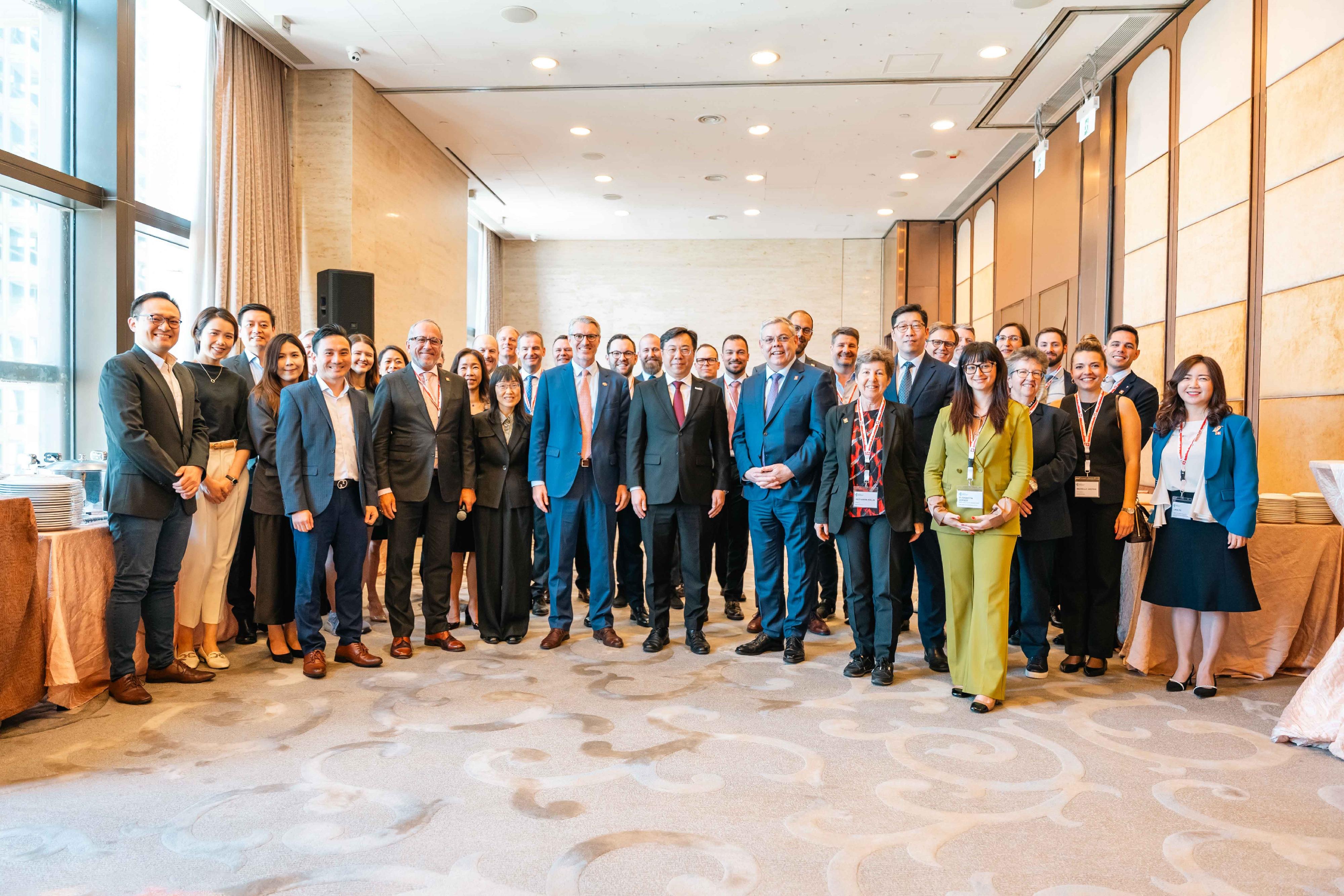
     A Swiss delegation comprising over 25 representatives from academia and the private sector arrived in Hong Kong on May 10 to commence a week-long visit across Hong Kong, Shenzhen, and Shanghai. The mission aims to foster international partnerships, enhance bilateral exchanges, and gain in-depth insights into the Greater China innovation ecosystem. This visit also coincides with the 75th anniversary of diplomatic relations between China and Switzerland, symbolising a shared commitment to further collaboration in technology, education, trade, and sustainable development.
 
     The delegation’s first stop in Hong Kong featured a thematic seminar titled “Hong Kong – Gateway to China and Asia” organised by Alliance Digital Security Switzerland ADSS, focusing on digital transformation in the age of AI, cybersecurity, and cross-border investment. The event was officiated by representatives from both Swiss and Hong Kong governments and business communities, including the Consul-General of Switzerland in Hong Kong, the Alliance Digital Security Switzerland ADSS, and the Swiss Chamber of Commerce in Hong Kong.
 
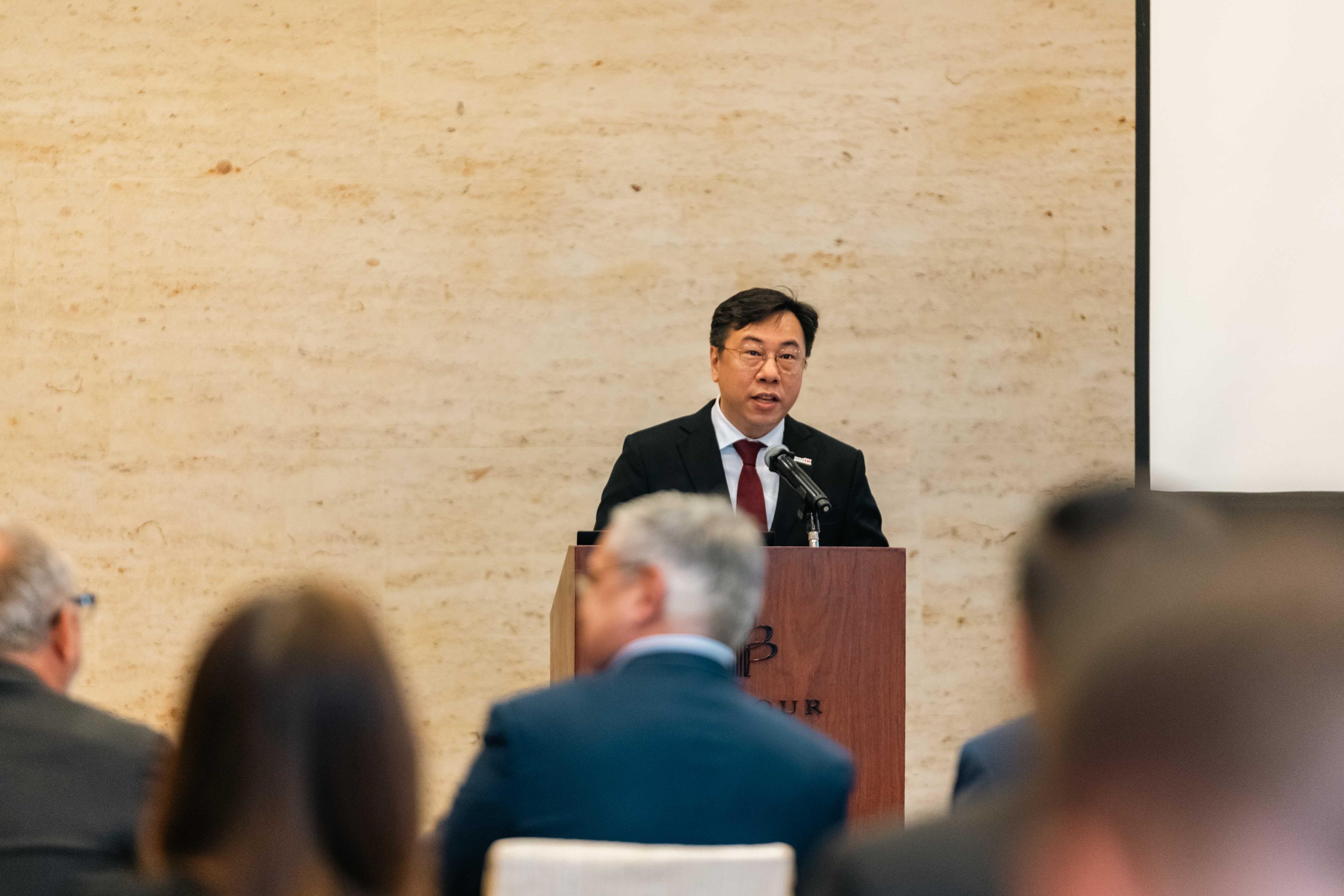
     In his opening address, the Acting Director-General of Investment Promotion at Invest Hong Kong (InvestHK), Mr Arnold Lau, highlighted Hong Kong’s strategic advantages as a launchpad for global tech companies.
 
     “Switzerland is one of Hong Kong’s most promising partners in Europe. Its strengths in life sciences, deep tech, fintech, education, and creative industries align closely with Hong Kong’s innovation priorities,” he remarked. “Hong Kong is embracing new opportunities for international business, driven by robust digital and regulatory advancements. The recent passage of a new cybersecurity law strengthens the protection of critical infrastructure, giving companies greater confidence to operate in a secure environment. Additionally, the launch of the GBA Standard Contract for cross-boundary data flow enables businesses to transfer personal data safely and efficiently within the Greater Bay Area, promoting seamless collaboration and digital service delivery across borders. These developments position Hong Kong as a trusted, future-ready hub for digital innovation, offering tremendous opportunities for Swiss and global companies.”
 
     The President of the Alliance Digital Security Switzerland ADSS and member of the Foreign Affairs Committee of the Swiss Parliament, Mr Franz Grüter, said, “We are in Hong Kong not only to showcase Switzerland’s excellence in digital innovation, cybersecurity, and education, but more importantly, to establish robust and sustainable partnerships. As a bridge between international markets and Mainland China, Hong Kong holds immense strategic value for Swiss businesses. Our collaboration will drive shared growth in the digital economy.”
 
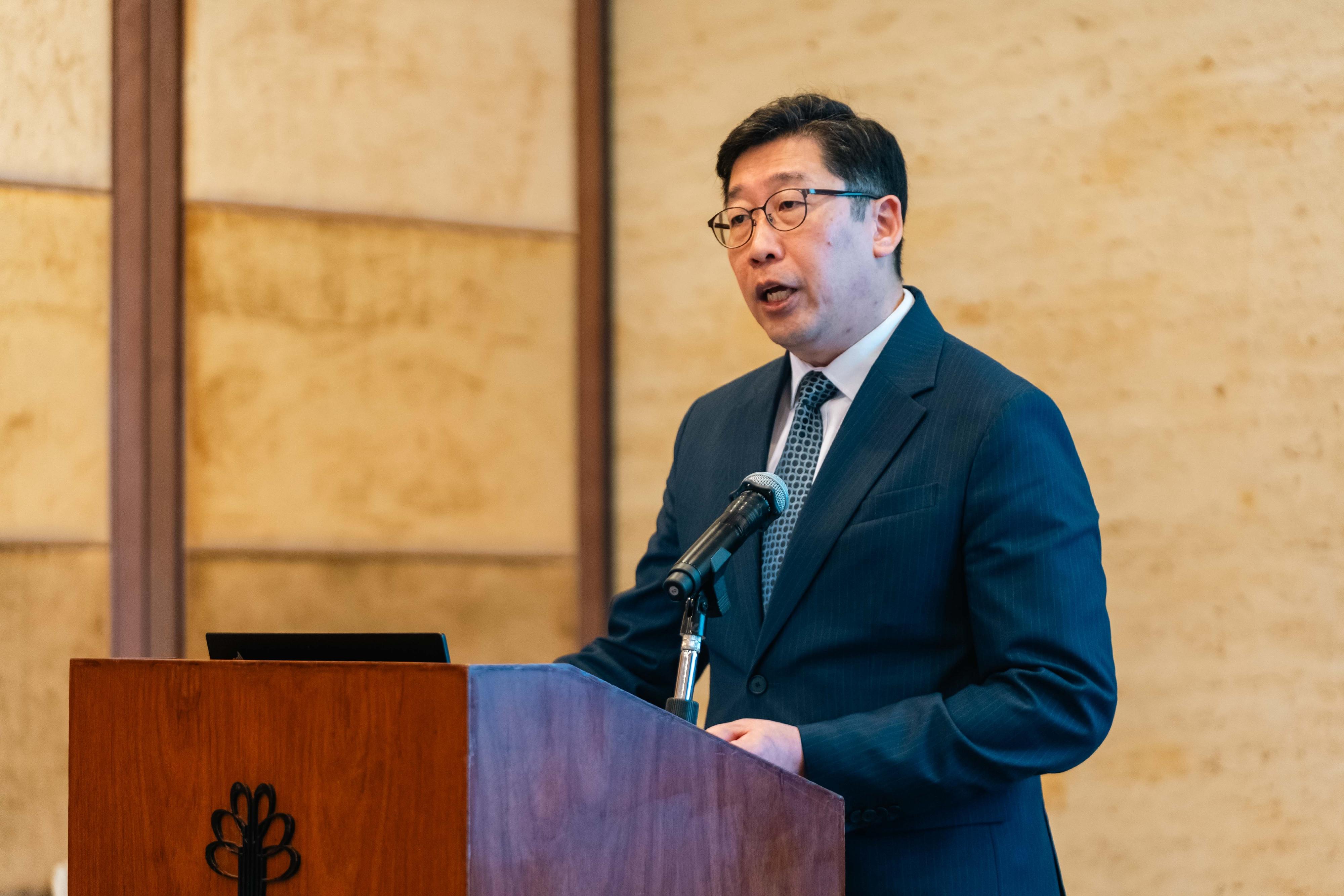
     The Deputy Commissioner (Digital Infrastructure) at the Digital Policy Office (DPO), Mr Daniel Cheung, shared Hong Kong’s digital policies and strategies on digital infrastructure and AI ecosystem development during his keynote address. He said, “In the digital age, governance models must evolve in tandem. As a global digital hub, Hong Kong is making advances not only in technology but also in policy innovation. We are actively promoting data interoperability, process re-engineering, and the adoption of AI and other cutting-edge technologies to deliver more efficient and user-friendly digital services.”
 
     The seminar also featured a panel discussion moderated by the Head of Information and Communications Technology at InvestHK, Miss Wendy Chow. Experts from Thales, Swire Coca-Cola, and the Hong Kong-Shenzhen Innovation and Technology Park explored cybersecurity challenges in the era of artificial intelligence.
     ​
     InvestHK will continue to collaborate closely with the Consulate General of Switzerland in Hong Kong, the Swiss Chamber of Commerce in Hong Kong, and Swiss enterprises to support their business establishment and expansion in the region. It will also strengthen partnerships with the DPO, the Hong Kong-Shenzhen Innovation and Technology Park, and other departments to drive the development of the local innovation and technology ecosystem. Through cross-sector and interdepartmental co-operation and continuously strengthening international exchange and collaboration, InvestHK is committed to enhancing enterprise support, promoting technology adoption, and reinforcing the city’s status as a leading international innovation hub and smart city.

Photo  Photo  Photo  
read more

CHP investigates two cases of severe paediatric COVID-19 infection

     The Centre for Health Protection (CHP) of the Department of Health today (May 12) received reports of two cases of severe paediatric COVID-19 infection and reminded the public the overall activity of COVID-19 in the local community has continued to rise. High-risk individuals should receive a COVID-19 vaccination as soon as possible and receive booster doses at appropriate times to minimise the risk of serious complications and death after infection.

     The first case involves a 17-month-old girl with good past health, who developed fever and cough since May 9. She attended Queen Mary Hospital yesterday (May 11) and was admitted to the paediatric intensive care unit for treatment. Her respiratory specimen tested positive for the SARS-CoV-2 virus, adenovirus and rhinovirus upon laboratory testing. The clinical diagnosis was COVID-19, adenovirus and rhinovirus co-infection complicated with croup. She remains hospitalised and is in critical condition.

     A preliminary investigation revealed that the 17-month-old patient had not received COVID-19 vaccine and had no travel history during the incubation period. Two of her household contacts were symptomatic and tested positive for COVID-19 by rapid antigen tests. Both of them had recovered.

     The second case involves a 13-year-old girl with underlying illness, who developed shortness of breath on May 9. She attended Queen Mary Hospital on the same day and was admitted to the paediatric intensive care unit for treatment. Her respiratory specimen tested positive for the SARS-CoV-2 virus upon laboratory testing. The clinical diagnosis was COVID-19 infection complicated with pneumonia. She remains hospitalised and is in serious condition.

     A preliminary investigation revealed that the 13-year-old patient had completed the initial doses of the COVID-19 vaccine and had no travel history during the incubation period. Two of her household contacts had presented with respiratory symptoms and tested positive for COVID-19 by rapid antigen tests.

     The overall activity of COVID-19 in the local community has continued to rise since mid-March of this year. According to the latest surveillance data as of the week ending May 3, the viral load of the SARS-CoV-2 virus from sewage surveillance, the test positivity rate and the average consultation rate of COVID-19 cases in general out-patient clinics have continued to rise over the past four weeks. In particular, the percentage of respiratory samples testing positive for the SARS-CoV-2 virus increased to 11.42 per cent from 5.09 per cent four weeks ago (the week of March 30 to April 5), a record high in the past year. The viral load per capita of the SARS-CoV-2 virus was around 690,000 copy/litre, significantly increased from 370,000 copy/litre four weeks ago. Furthermore, sewage surveillance data showed an increasing trend in the local prevalence of XDV. As XDV is a JN.1-related variant, the COVID-19 vaccines currently used in Hong Kong are still effective in preventing it. Latest information does not suggest XDV will cause a more severe disease than JN.1.

    The CHP reminded the public who have not received the initial dose of the COVID-19 vaccine (including infants and children) that they should get vaccinated as soon as possible. Those at high risk (particularly the elderly and persons with underlying comorbidities) should receive a booster dose as soon as possible for effective prevention against COVID-19 to minimise the risk of serious complications and death after infection.

     Apart from vaccination, in order to prevent COVID-19, influenza, and other respiratory illnesses as well as transmission in the community, the public should maintain strict personal and environmental hygiene at all times and note the following:
      

  • Patients can wear surgical masks to prevent transmission of respiratory viruses. Therefore, it is essential for persons who are symptomatic (even if having mild symptoms) to wear a surgical mask;
  • High-risk persons (e.g. persons with underlying medical conditions or persons who are immunocompromised) should wear surgical masks when visiting public places. The general public should also wear a surgical mask when taking public transport or staying in crowded places. It is important to wear a mask properly, including performing hand hygiene before wearing and after removing a mask;
  • Avoid touching one’s eyes, mouth and nose;
  • Practise hand hygiene frequently, wash hands with liquid soap and water properly whenever possibly contaminated;
  • When hands are not visibly soiled, clean them with 70 to 80 per cent alcohol-based handrub;
  • Cover the mouth and nose with tissue paper when sneezing or coughing. Dispose of soiled tissue paper properly into a lidded rubbish bin, and wash hands thoroughly afterwards;
  • Maintain good indoor ventilation;
  • Avoid sharing personal items;
  • When having respiratory symptoms, wear a surgical mask, consider refraining from going to work or school, avoid going to crowded places and seek medical advice promptly; and
  • Maintain a balanced diet, perform physical activity regularly, take adequate rest, do not smoke and avoid overstress.

     For more information on the COVID-19 Vaccination Programme and the latest recommendations on vaccine use, please refer to the CHP’s website. read more

SLW attends Seventh APEC HRDMM in Jeju, Korea

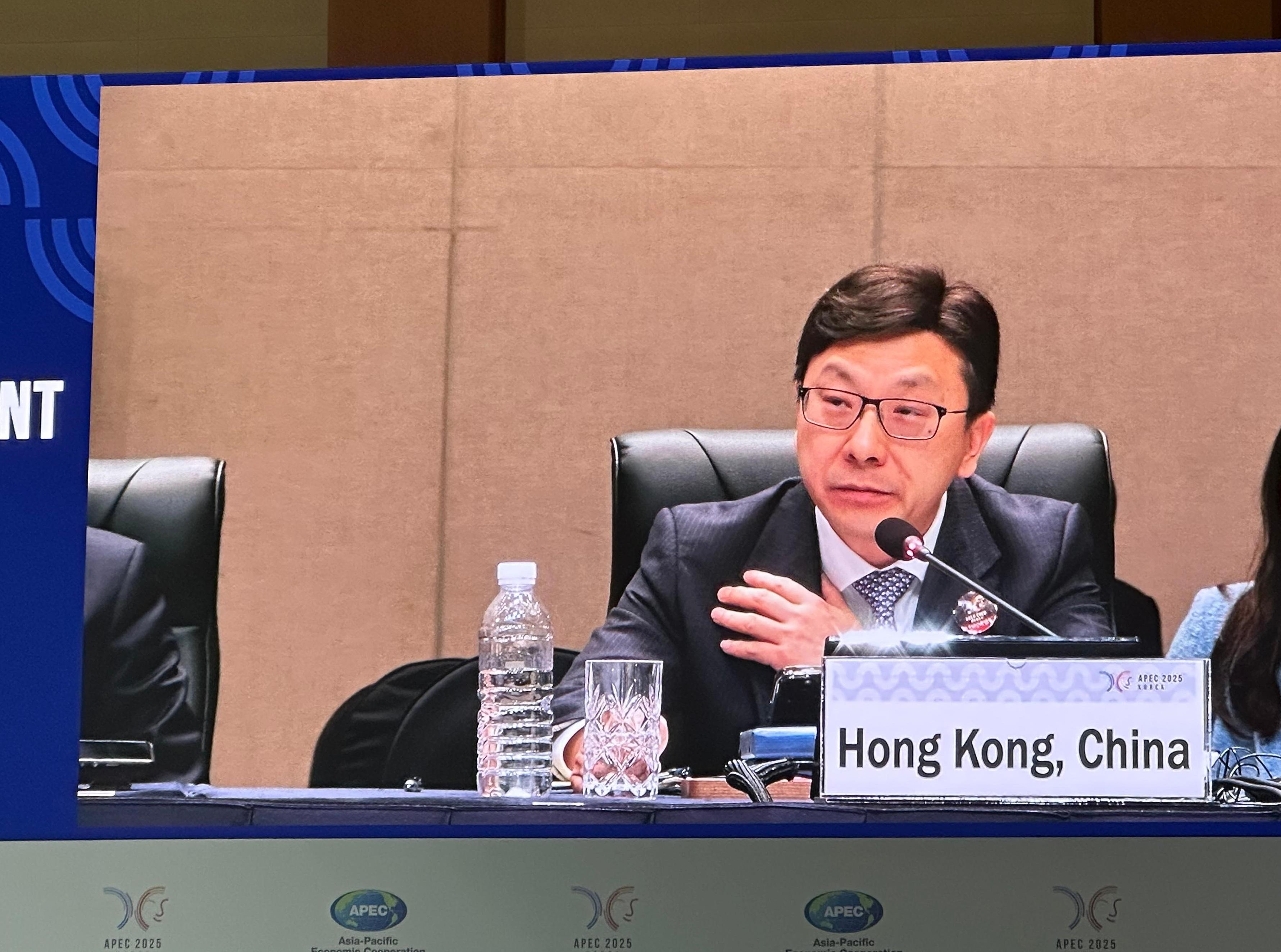
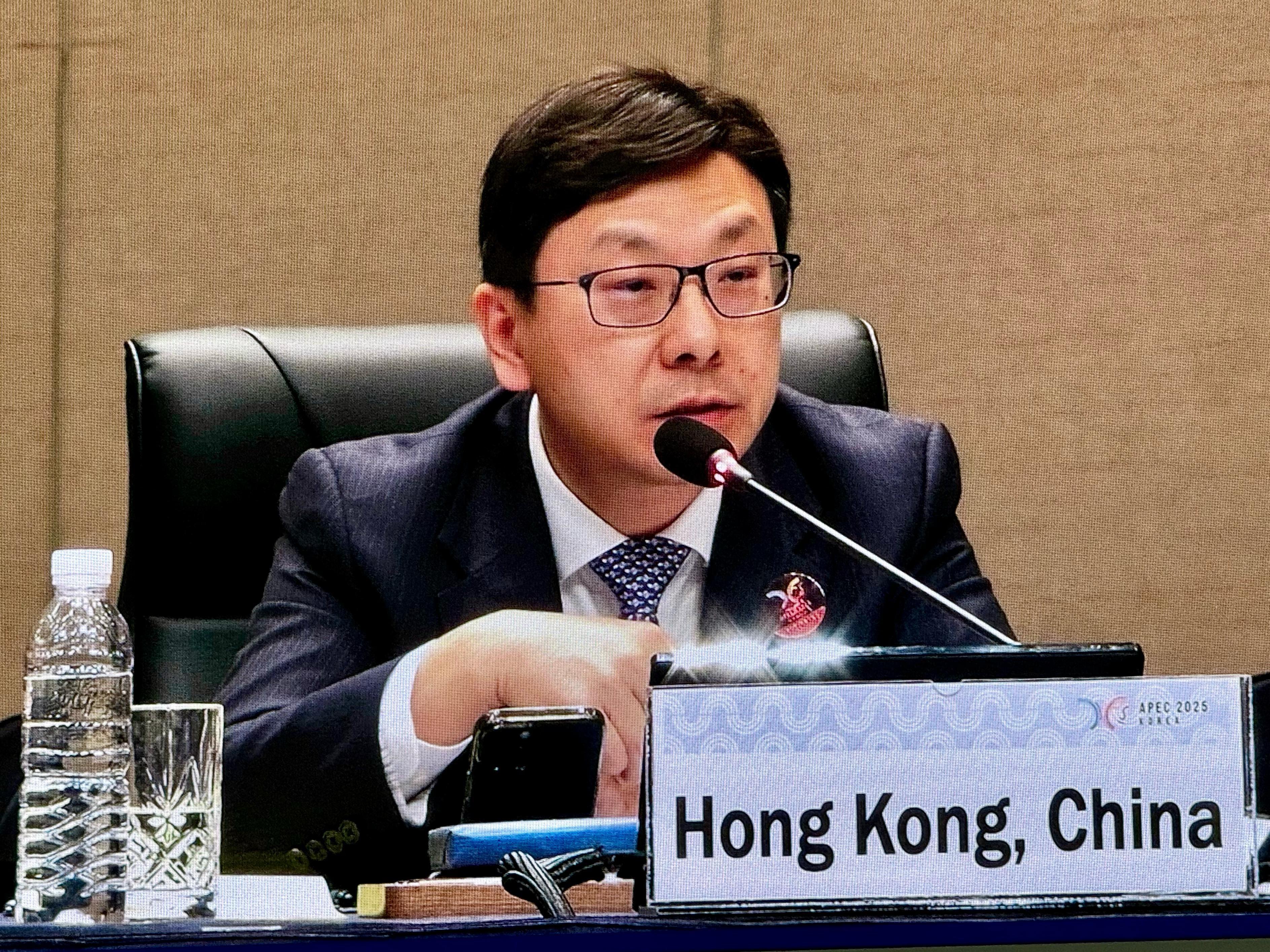
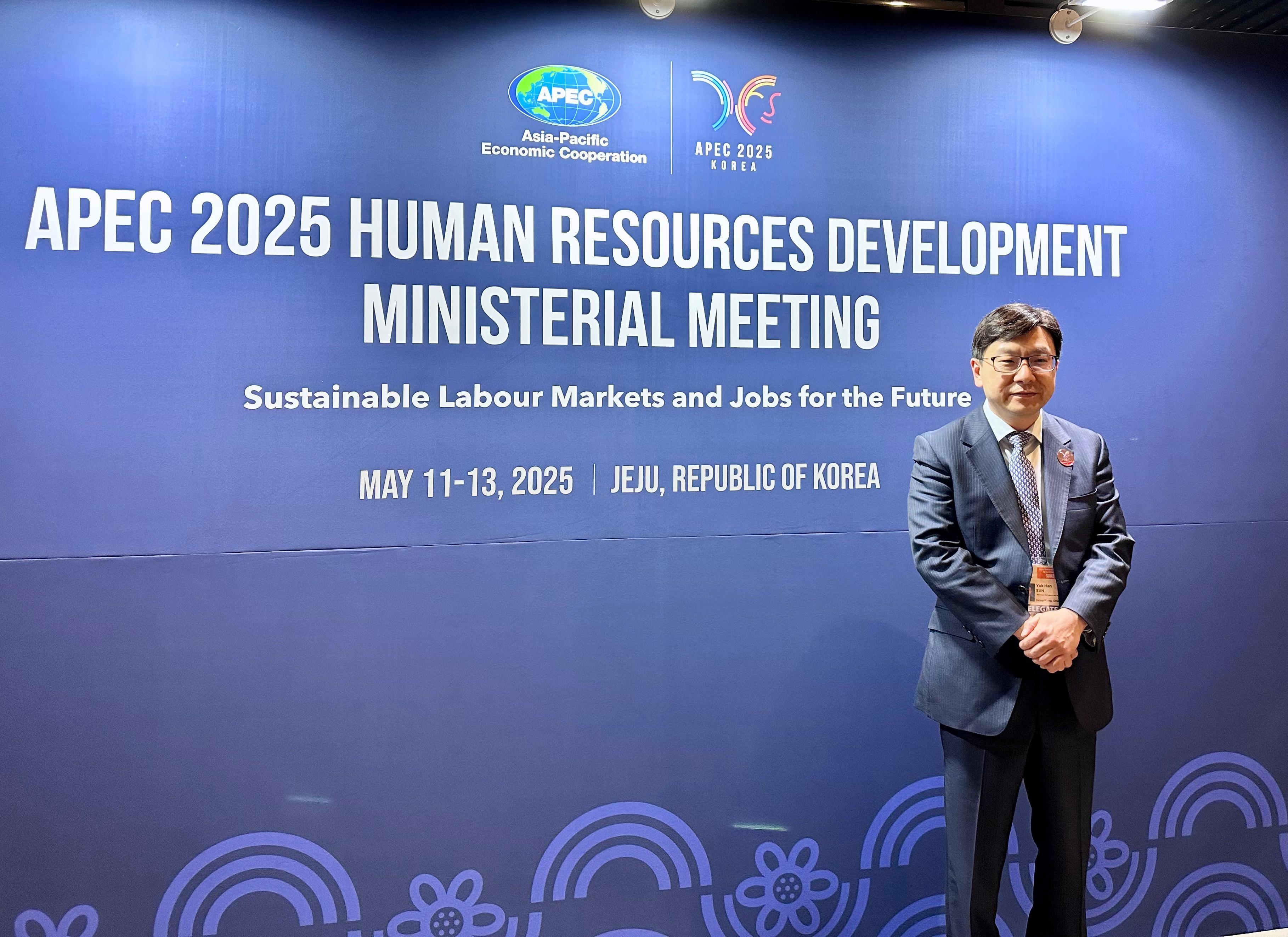
     The Secretary for Labour and Welfare, Mr Chris Sun, attended the Seventh Asia-Pacific Economic Cooperation Human Resources Development Ministerial Meeting (HRDMM) in Jeju, Korea, today (May 12), during which he delivered speeches at two plenaries.
 
     With the theme “Sustainable Labour Markets and Jobs for the Future”, the HRDMM aimed to promote a flexible, inclusive, and resilient labour market to further the collective commitment to labour market reforms that support today’s workforce. It consisted of two plenaries with the morning plenary themed “Flexible and Vibrant Labour Market”. Delivering his keynote speech, Mr Sun said that to address the challenges posed by the emergence of the platform economy, the Hong Kong Special Administrative Region (SAR) Government has long been committed to protecting platform workers, including the exploration of feasible measures for strengthening the protection for platform workers through a liaison group comprising representatives of the Government, platform companies and labour organisations. According to the Thematic Household Survey conducted by the SAR Government, platform workers are most concerned about work injury compensation. The SAR Government will introduce a proposal within this year on ways to further enhance the rights and benefits of platform workers and will initiate relevant legislative exercises when necessary. Furthermore, he also introduced to participants the various initiatives implemented by the SAR Government to unleash the potential of the labour force amid the evolving landscape of employment, including the well-received Re-employment Allowance Pilot Scheme launched last year and the enhanced Employment Programme for the Elderly and Middle-aged.
 
     In the afternoon plenary themed “Responding to Future Jobs and Active Labour Market Policies”, Mr Sun gave a presentation on the manpower policies and talent attraction measures of the SAR Government. He stressed that the main thrust of the SAR Government’s manpower policy is to nurture local talent, complemented by the attraction of outside talent, to enrich the local talent pool for meeting the needs in social and economic developments. Mr Sun introduced the multipronged strategy of training and retraining, including the establishment of two universities of applied sciences, as well as enhancing employees’ professional skills through the Vocational Training Council. Mr Sun also briefed the attendees on the array of measures rolled out by the SAR Government to attract talent proactively and aggressively. He also gave an account of how Hong Kong could leverage its unique advantages of enjoying the strong support of the motherland and being closely connected to the world, in order to better realise its role as an international hub for high-calibre talent.
 
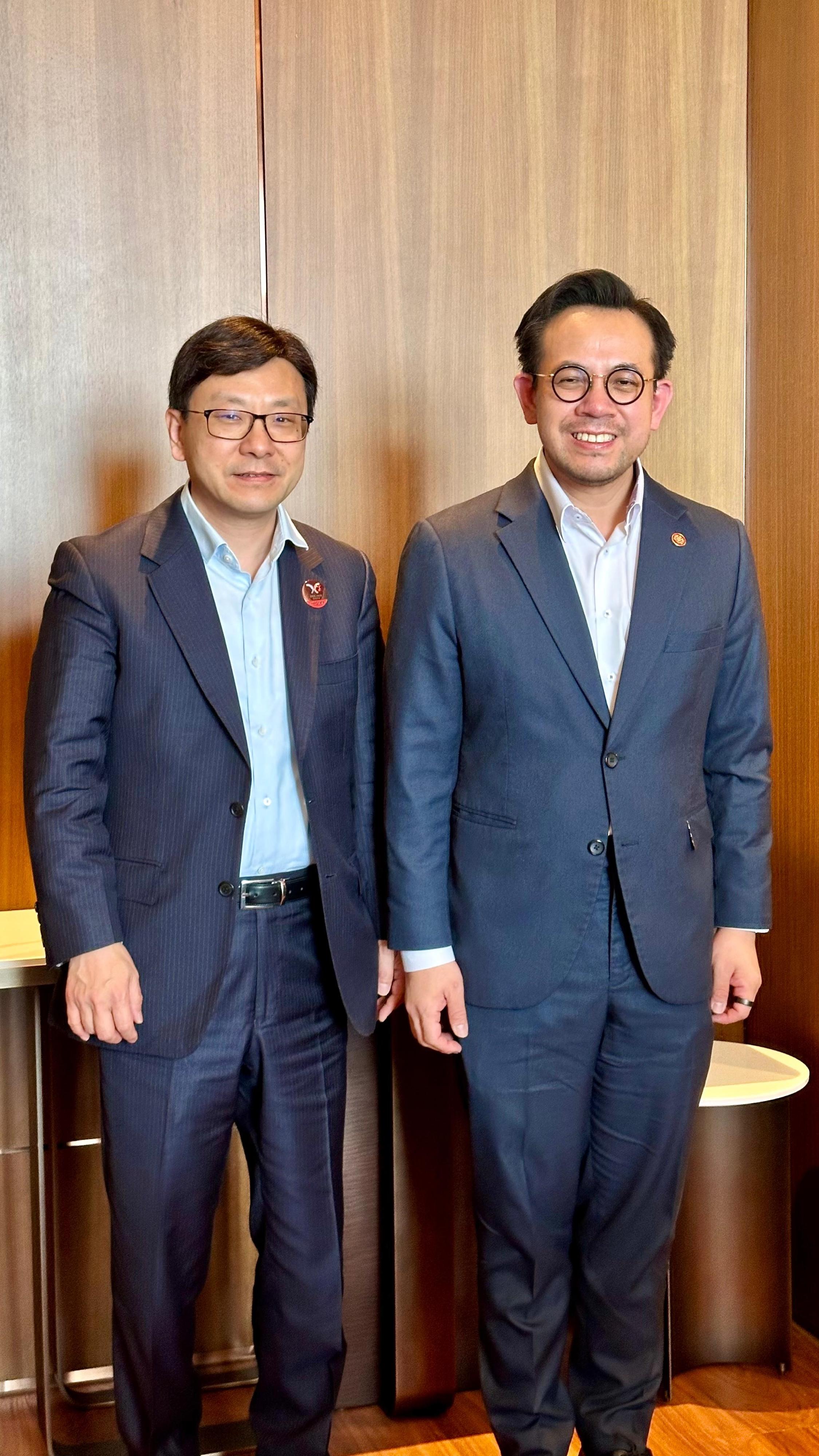
     Upon his arrival in Jeju yesterday (May 11), Mr Sun first called on the Minister of Human Resources of Malaysia, Mr Steven Sim, who was attending the HRDMM. Mr Sun said he is delighted to meet Mr Sim again after his visit to Kuala Lumpur in mid-April. During the meeting, the two sides exchanged views on issues including unleashing local workforce, enhancing occupational safety and health, improving the rights of platform workers, and ways to enhance vocational training and employee retraining with a view to alleviating manpower shortages.
 
     Afterwards, Mr Sun held a bilateral meeting with the Acting Minister of Employment and Labor, Republic of Korea, Mr Kim Min Seok, during which they had an in-depth discussion on matters including foreign domestic helpers and the importation of labour. At the meeting, Mr Sun briefed Mr Kim on the manpower shortage encountered by the SAR Government due to an ageing population, resulting in the need for Hong Kong to continue attracting outside talent and labour as appropriate in the future to fill the manpower and skills gaps.
 
     Mr Sun will conclude his visit tomorrow morning (May 13) and depart for Hong Kong.

Photo  Photo  Photo  Photo  
read more