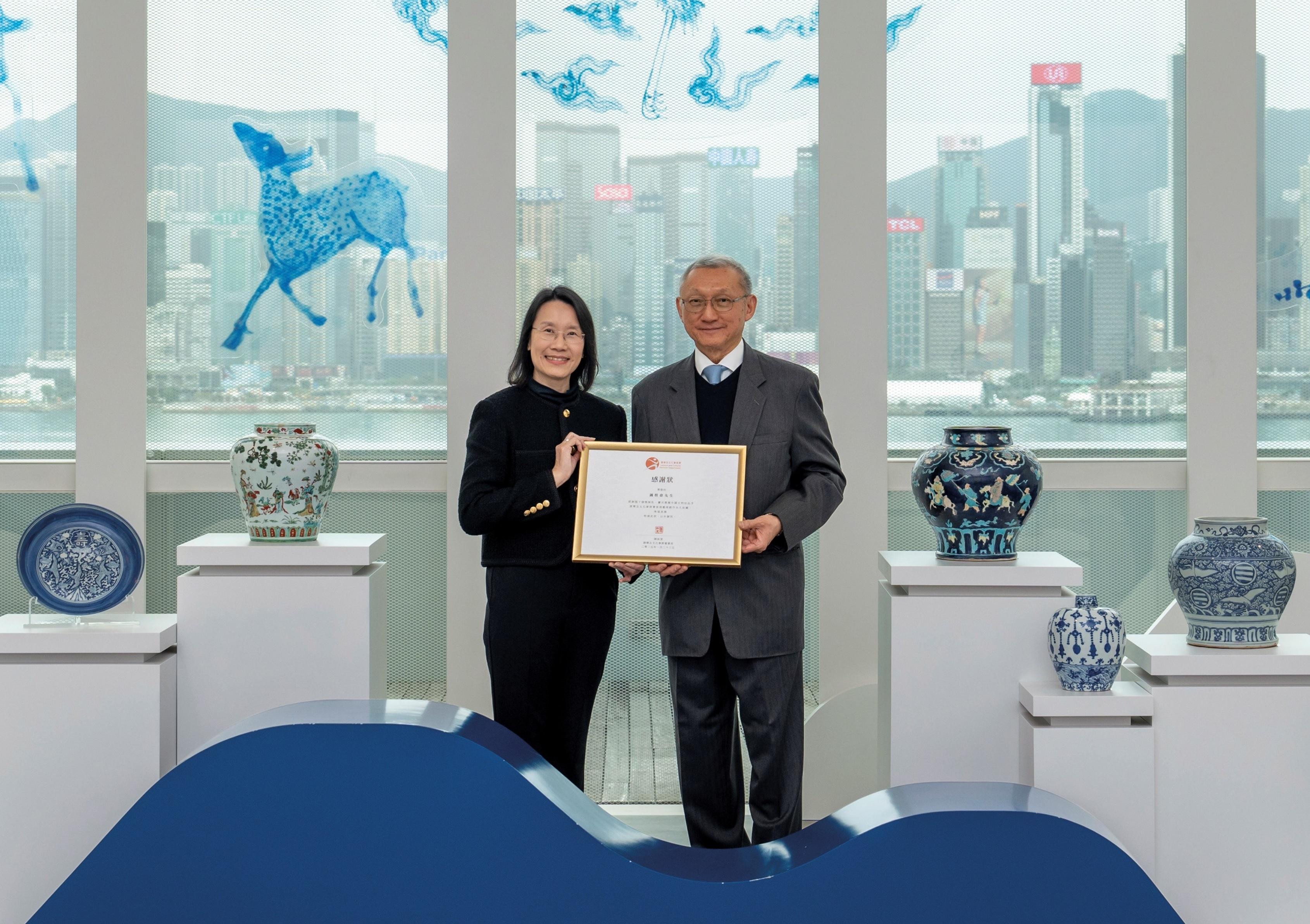
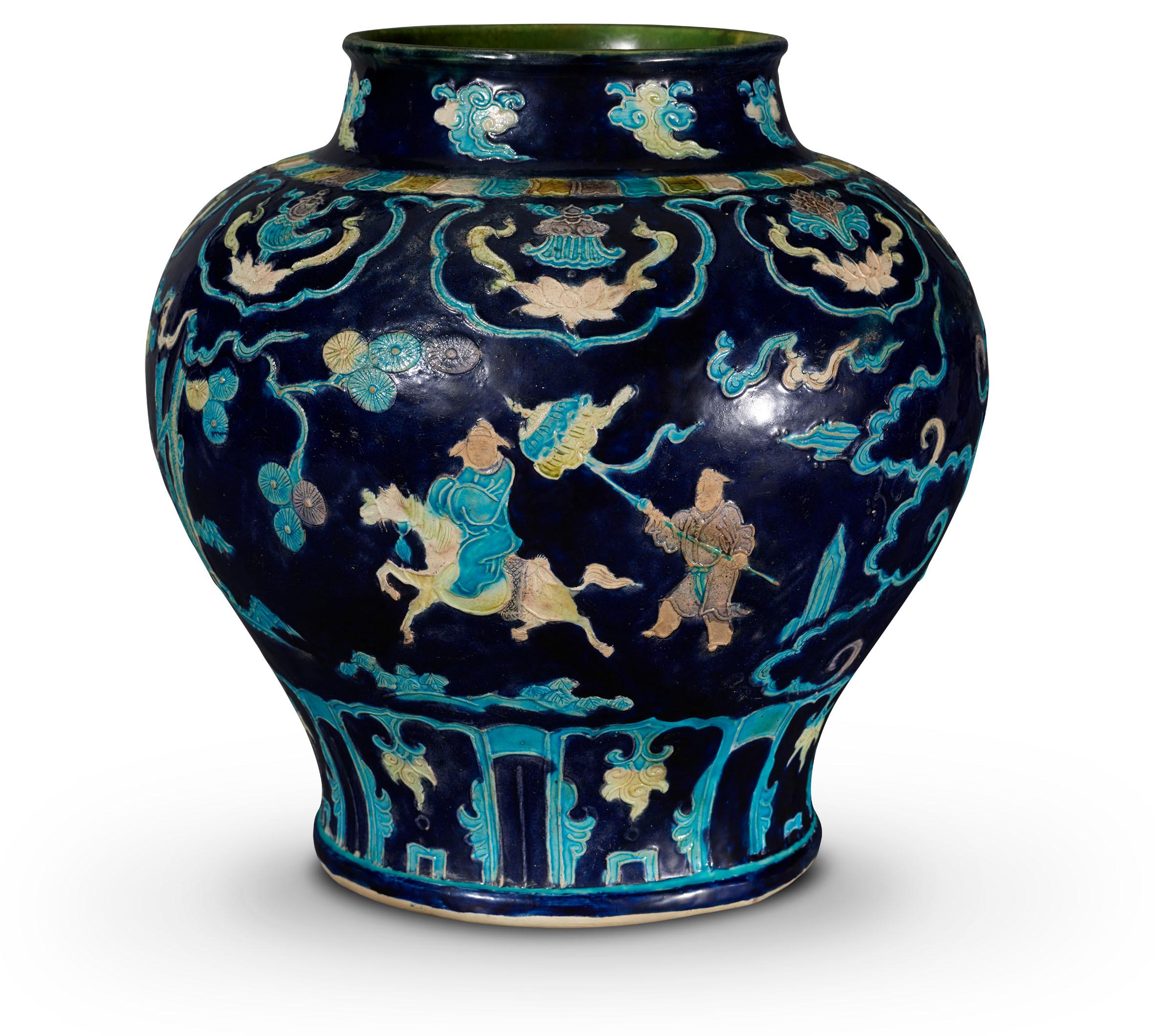
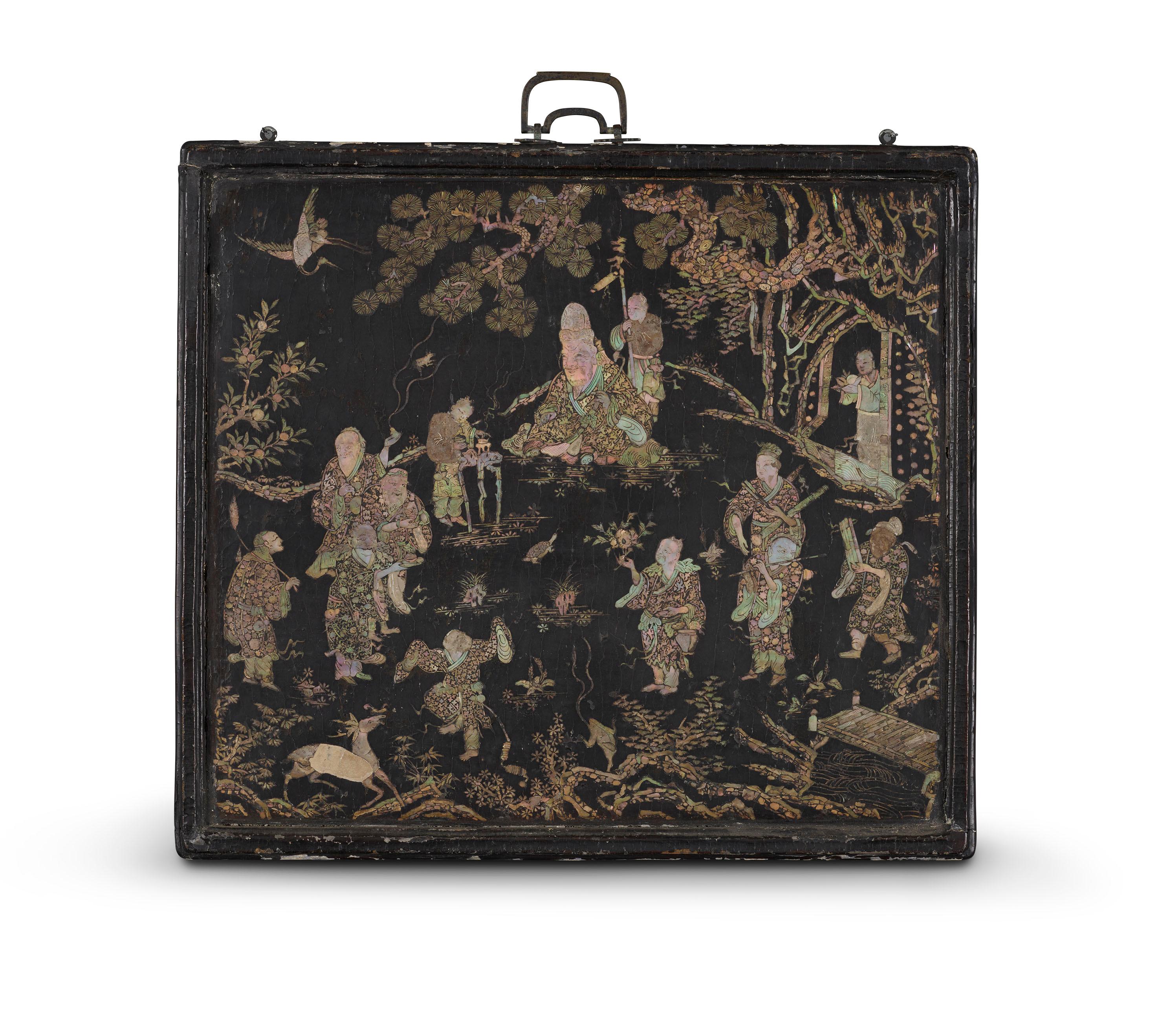
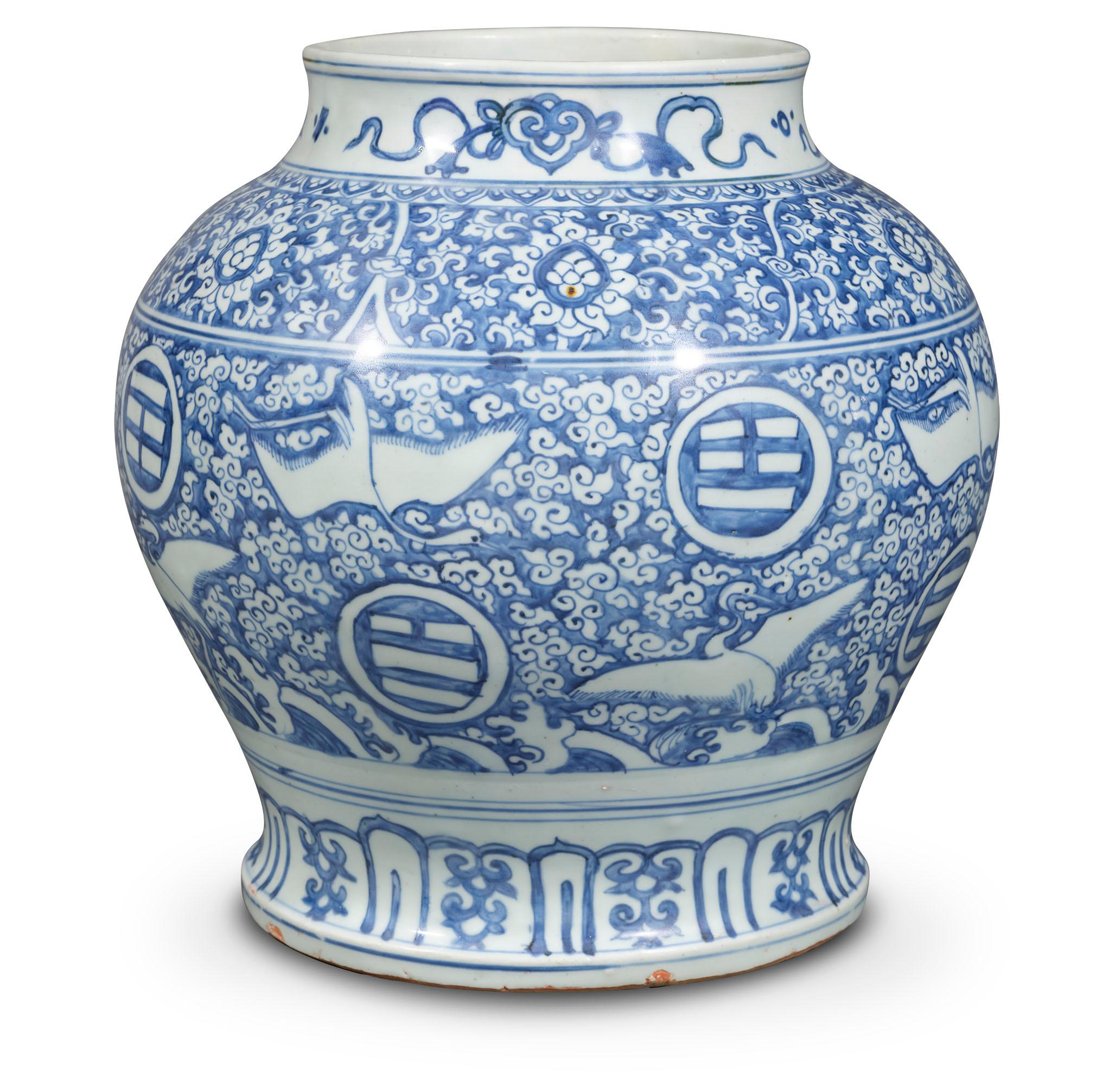
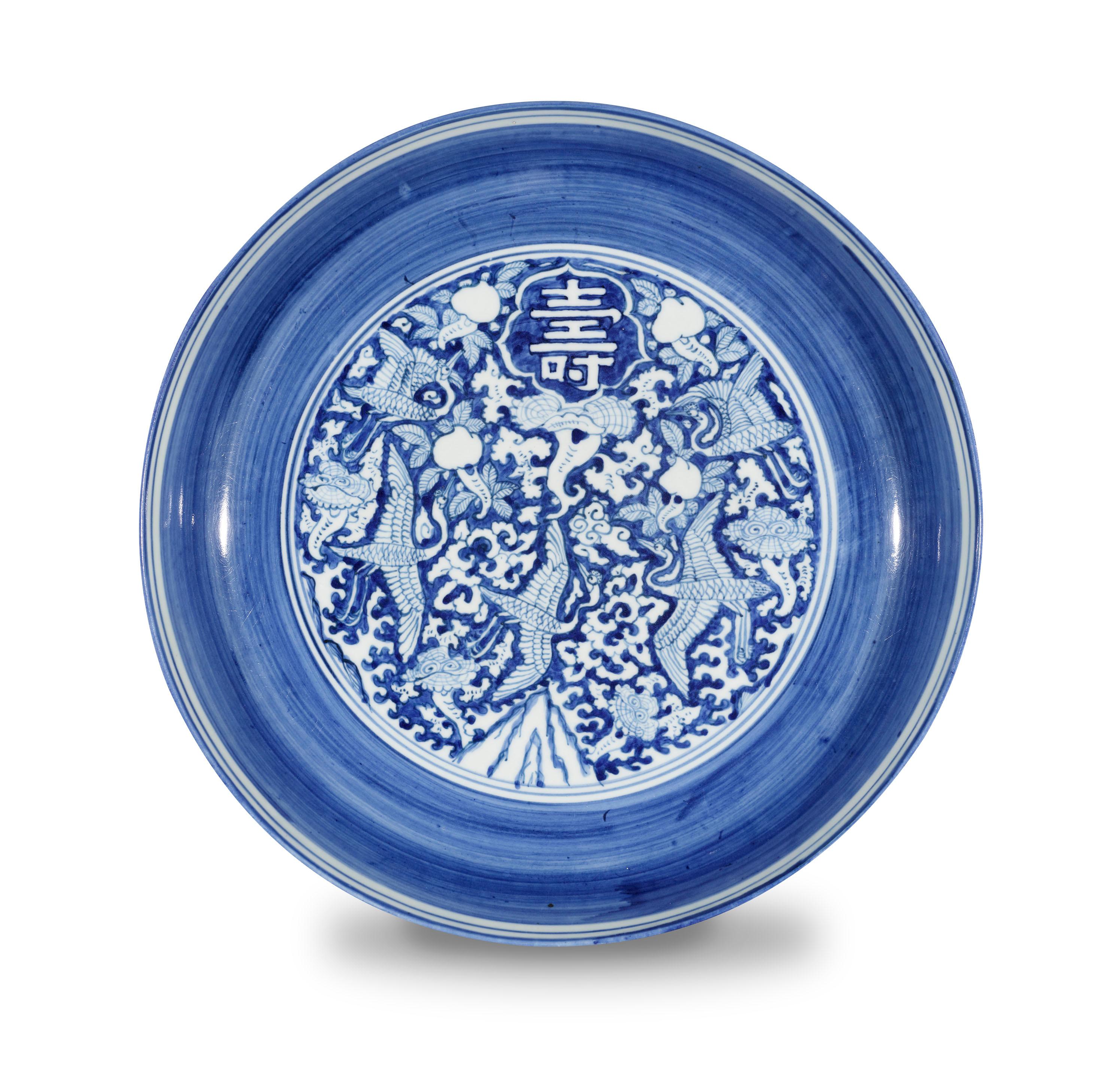
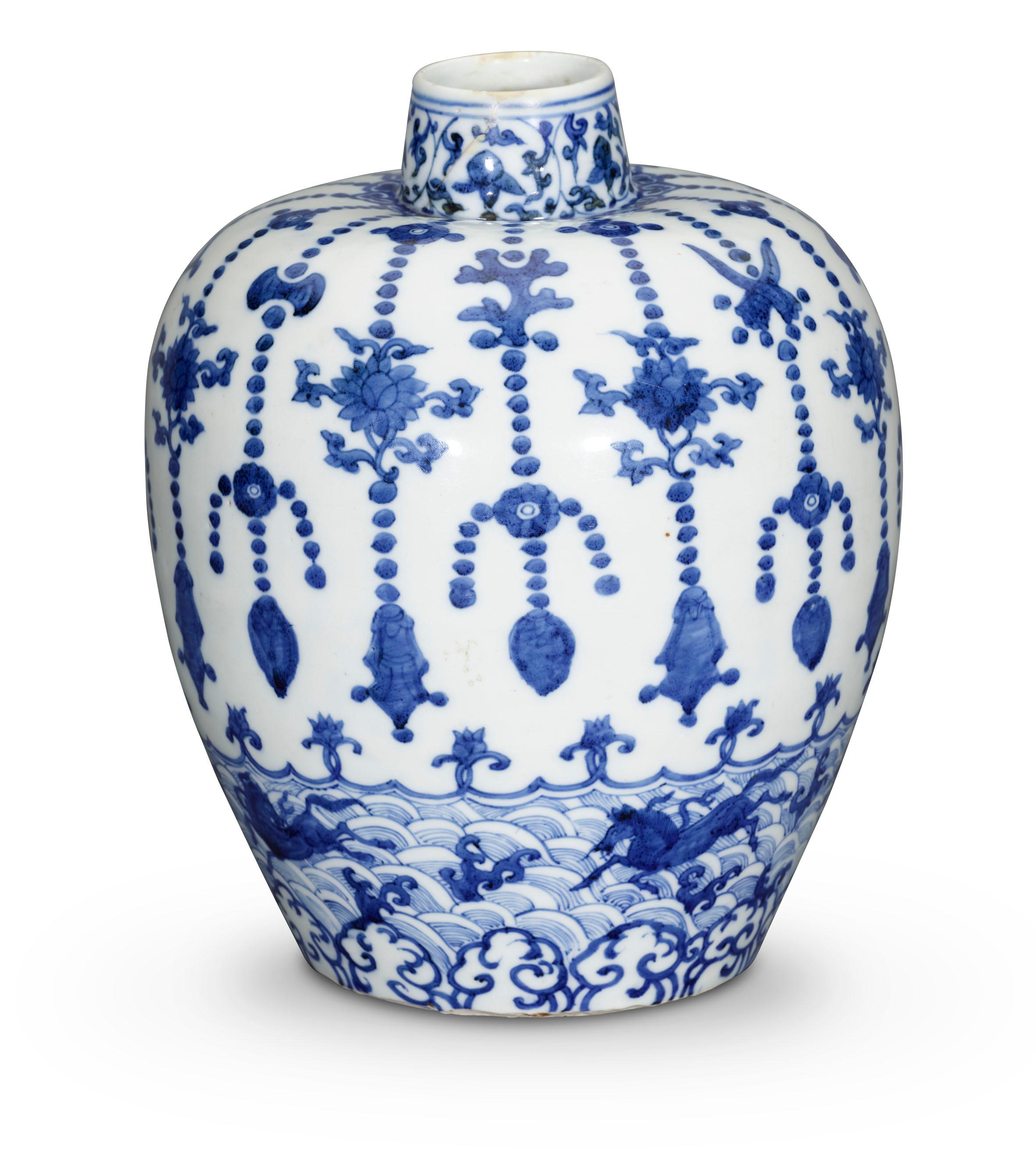
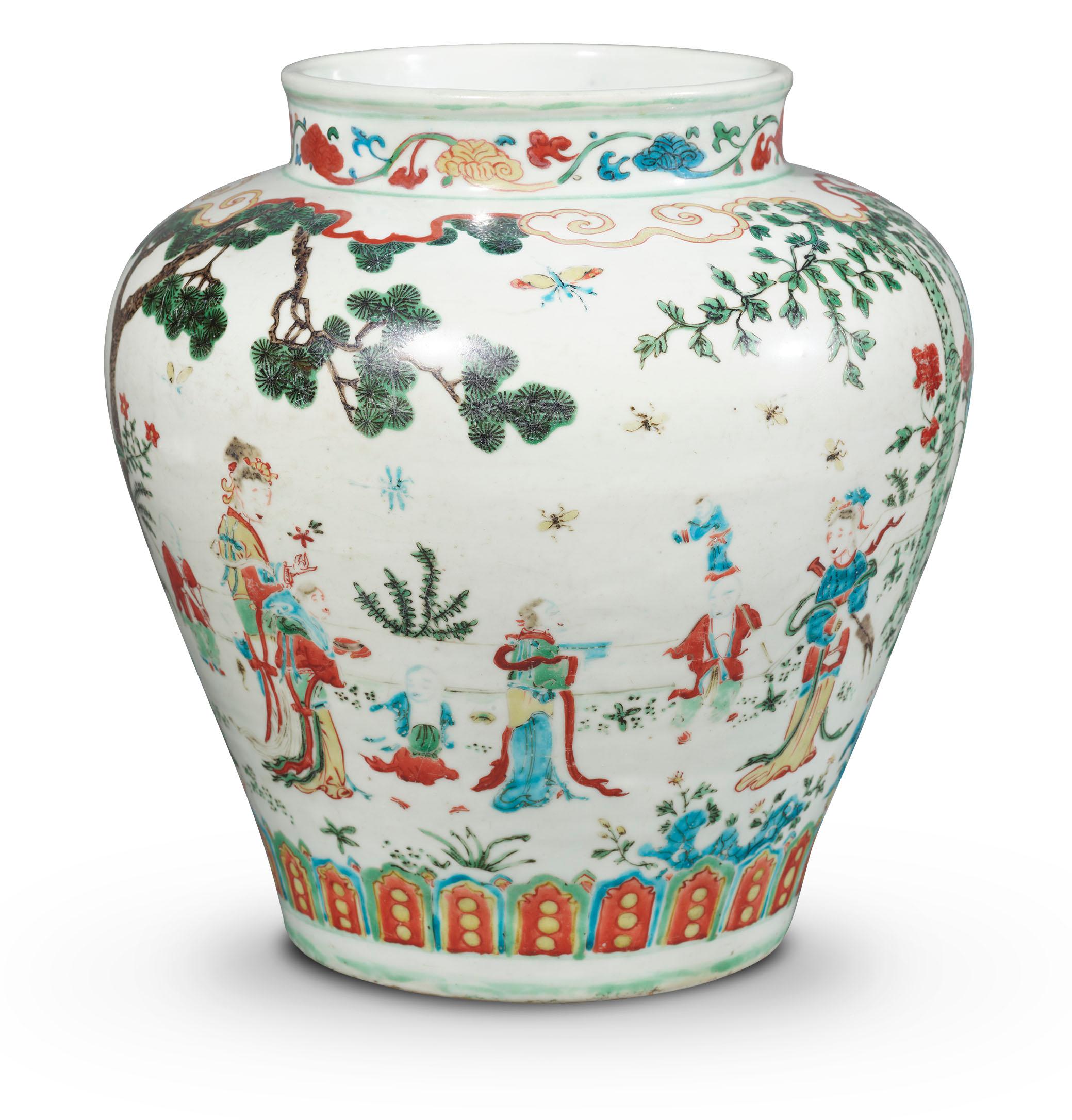
The Hong Kong Museum of Art (HKMoA) is deeply honoured to receive another generous donation from Mr Cheung Kee-wee, renowned collector and owner of the Huaihaitang Collection. The donation comprises 46 sets of precious artefacts, including Ming and Qing imperial porcelain, Ming textiles, and Ming lacquerware and cloisonné enamel, which are remarkable for their quality and rarity. The HKMoA will make good use of these precious cultural relics to promote the essence of Chinese culture, providing more people with the opportunity to understand and appreciate the treasures of Chinese art in depth.
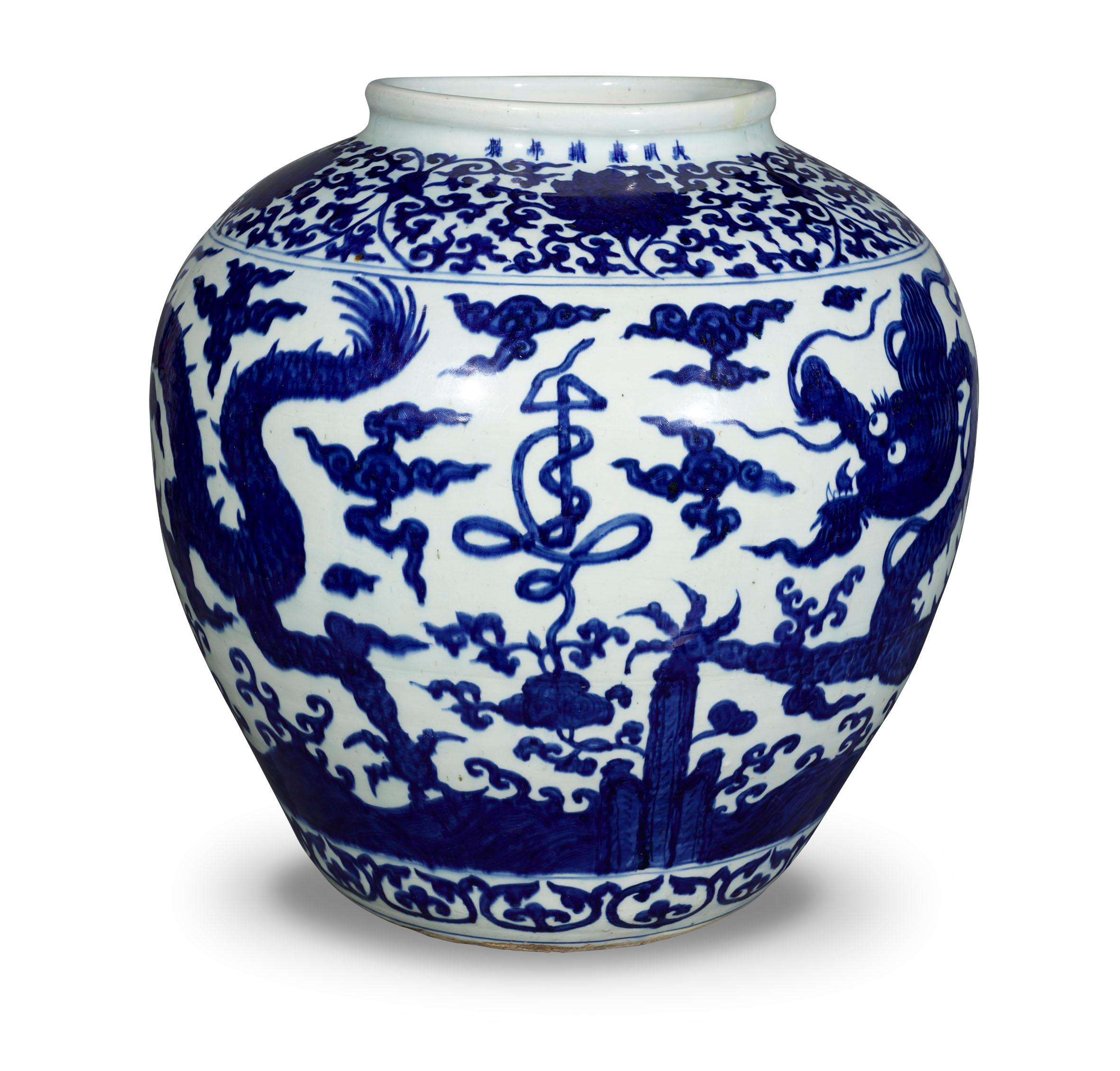
Since 2018, Mr Cheung has made 16 donations to the HKMoA, totalling more than 340 Chinese artefacts and paintings. He has generously shared these cultural treasures with the public, enriching the museum’s collections and providing valuable materials for the study and promotion of Chinese art. The latest donated artefacts were displayed at the “Eternal Enlightenment: the Virtual World of the Jiajing Emperor” exhibition held at the HKMoA in 2022. Among them is the jar with clouds, dragons and shou characters design in underglaze blue, which is notably large in size and difficult to fire. Between a pair of dragons in motion, a “shou” character is depicted in cursive script, the continuous single stroke of which symbolises longevity and is a common motif during the Jiajing period of the Ming dynasty. The jar exhibits a lush and dense blue tone that carries a tinge of purple, demonstrating the distinctive characteristics of porcelain from that era. These artefacts not only exemplify exquisite craftsmanship but also bear witness to the artistic characteristics and cultural landscape of the late Ming era, holding significant historical and artistic value.
Mr Cheung is a renowned local art collector and Honorary University Fellow of the University of Hong Kong. He is also a Museum Expert Adviser for the Leisure and Cultural Services Department. He is passionate about Chinese art, and his private Huaihaitang Collection is well-known for its imperial porcelains from the Ming and Qing dynasties. Mr Cheung serves as the longstanding Vice Chairman of the well-known collectors’ organisation, the Min Chiu Society, and possesses vast experience in art appreciation and connoisseurship. Guided by his mantra that “appreciation and research are more important than possessing and collecting”, he has long been committed to promoting art and culture and has generously donated items from his collection to public and university museums, including the HKMoA, for research and public appreciation.
Established in 1962, the HKMoA is the first public art museum in the city, now the custodian of an art collection of over 19 700 items. The rich collections span historical eras from the Neolithic Age to contemporary times, representing the artistic legacy of Hong Kong and beyond. Over the years, the museum has received multiple precious collections from collectors and artists, reflecting that the mission of the HKMoA to inherit and protect art is well recognised by them. Donations received since its expansion and reopening in 2019 include a total of 363 artworks from the Chih Lo Lou Collection of Chinese painting and calligraphy, which was built up by the late Ho Iu-kwong, a philanthropist and passionate collector, and donated by the Chih Lo Lou Art Promotion (Non-profit Making) Limited; over 450 items of the late celebrated artist Wu Guanzhong’s works and personal archives from Wu and his family over the years; a precious art collection with more than 1 000 works featuring 20th-century Chinese paintings and calligraphy donated by renowned collector and photographer and master of Jingguanlou, Dr Wong Kwai-kuen; and nearly 500 pieces of Chinese snuff bottles from the Fuyun Xuan Collection donated by the late local collector Christopher Sin’s wife, Josephine Sin. Last year, the museum has received a generous donation of $100 million from Wu Keyu, the son of Wu Guanzhong, for the establishment of the Wu Guanzhong Art Sponsorship, to support the promotion of Wu and related Chinese modern art.
read more