Tag Archives: China

Home and Youth Affairs Bureau launches new round of HYAB Funding Scheme for International Youth Exchange

     ​The Home and Youth Affairs Bureau (HYAB) and the Youth Development Commission (YDC) jointly launched the HYAB Funding Scheme for International Youth Exchange 2027-28 today (November 27). Eligible non-governmental organisations (NGOs) are invited to submit applications.
      
     The Government attaches great importance to youth development. The First Five-Year Plan for Economic and Social Development of the Hong Kong Special Administrative Region (2026-2030) emphasises enhancing youth development opportunities and supporting young people in pursuing their dreams. The Government will develop diversified platforms for exchange and practical experience to broaden the horizons of young people. The Chief Executive’s 2026 Policy Address put forward an array of new initiatives supporting youth development, including opening up more opportunities for young people to go global and fostering exchanges among young people of Hong Kong, the Mainland and overseas to tell good stories of Hong Kong.
      
     Through the HYAB Funding Scheme for International Youth Exchange, the HYAB and the YDC provide funding for NGOs to organise international exchange projects for Hong Kong young people to broaden their global exposure and their understanding of the history, culture and the latest developments of different places. The funding scheme also covers exchange projects to regions along the Belt and Road to promote cultural exchanges and foster people-to-people bonds. The Pilot Scheme on Subsidy to Grassroots Youth for Participating in Exchange Activities Outside Hong Kong launched earlier will also continue to provide additional subsidies to grassroots youth with financial needs to participate in exchange projects under the 2027-28 funding scheme.
      
     Details of the new round of the funding scheme are available on the YDC website www.ydc.gov.hk/en/programmes/ep/ep_fundingschemeinternational.html). Interested NGOs should submit their applications via the e-application system on or before December 29. read more

Update on mosquito-borne diseases, dengue fever and chikungunya fever

     The Centre for Health Protection (CHP) of the Department of Health today (November 27) announced the latest situation regarding dengue fever (DF) and chikungunya fever (CF). Members of the public are reminded to take appropriate measures to prevent mosquito bites and mosquito breeding, both in Hong Kong and when travelling to areas affected by mosquito-borne diseases, in order to prevent mosquito-borne diseases.

Dengue fever
—————-

     From November 20 to yesterday (November 26), the CHP recorded two imported DF cases. The patients had visited the Chinese Mainland and Thailand respectively during the incubation period.

     Hong Kong has recorded 44 DF cases so far this year, comprising 42 imported cases and two local cases. A total of 59 DF cases were recorded last year (2025), all of which were imported cases. In 2024, 161 DF cases were recorded, comprising 156 imported cases and five local cases.

     According to the World Health Organization (WHO), the global incidence of DF has markedly increased over the past two decades, posing a substantial public health challenge. In 2024, the WHO recorded over 14 million DF cases, which was a record number. In 2025, over 5 million cases and over 4 000 DF-related deaths were reported in over 90 countries/territories. As at October 2026, around 3 million cases and over 2 000 DF-related deaths have been recorded globally.

      DF has long been prevalent in many neighbouring tourist destinations. So far this year, Bangladesh, Cambodia, India, Sri Lanka and Vietnam each recorded over 100 000 cases; Indonesia recorded over 90 000 cases; Malaysia recorded over 80 000 cases; and Singapore recorded over 3 000 cases. Meanwhile, according to the Guangdong Provincial Disease Control and Prevention Administration, as of October, Guangdong Province has recorded 740 cases this year, of which 154 were recorded in October.

     Detailed information on the latest DF situation in Hong Kong, as well as neighbouring and overseas countries and areas, has been uploaded to the CHP’s website.

Chikungunya fever
———————–

     From November 20 to yesterday, the CHP recorded one imported CF case, involving a 51-year-old male. The patient had visited the Chinese Mainland during the incubation period. The CHP considered that the patient was infected during travel and classified the case as imported. He has recovered and been discharged from hospital after receiving treatment in a mosquito-free environment. The CHP’s epidemiological investigation is ongoing. The case has been reported to the Chinese Mainland health authority.
 
     Hong Kong has recorded 10 confirmed CF cases so far this year, including nine imported cases and one local case. Hong Kong recorded a total of 82 confirmed CF cases last year. Among them, 11 were local cases, and the rest were imported cases.

    According to the WHO, as of October this year, a total of 363 307 CF cases and 122 CF-related deaths were reported globally. The WHO regions of the Americas and South-East Asia accounted for the largest proportions of reported cases. According to the Guangdong Provincial Disease Control and Prevention Administration, Guangdong Province has recorded 2 558 cases this year (as of October). Among them, 804 were recorded in October, a decrease compared to the number of cases recorded in September (1 014 cases).

Preventive measures to be taken by the public
—————————————————-

     The CHP reminds members of the public to maintain good environmental hygiene, and to take appropriate measures to prevent mosquito bites and mosquito breeding, both in Hong Kong and when travelling to areas affected by mosquito-borne diseases, in order to prevent them. Mosquito-borne diseases such as DF and CF are endemic in various countries worldwide. The risk of importation persists. Members of the public should check the situation at their destinations before travelling abroad, especially when travelling to Southeast Asian countries. Additionally, whether travelling or not, members of the public should use DEET-containing insect repellents or other effective active ingredients properly to prevent mosquito bites, but the following precautions should be taken when using them:
 

  • read the label instructions carefully first;
  • apply right before entering an area with a risk of mosquito bites;
  • apply on exposed skin and clothing;
  • use DEET of up to 30 per cent for pregnant women and up to 10 per cent for children (for children who travel to countries or areas where mosquito-borne diseases are endemic or epidemic, and where exposure is likely, those aged 2 months or above can use DEET-containing insect repellents with a DEET concentration of up to 30 per cent);
  • apply sunscreen first, then insect repellent;
  • reapply only when needed and follow the instructions; and
  • in addition to DEET, there are other insect repellents available on the market containing different active ingredients, such as IR3535 and picaridin. When using any insect repellent, the public should follow the usage instructions and precautions on the product label.
     ​
     The Food and Environmental Hygiene Department (FEHD) appeals to members of the public to continue to stay alert and work together to carry out mosquito prevention and control measures early, including inspecting their homes and surroundings to remove potential breeding grounds, changing water in vases and scrubbing their inner surfaces, removing water in saucers under potted plants at least once a week, and properly disposing of containers such as empty cans and lunch boxes. The FEHD also advises members of the public and property management agencies to keep drains free of blockage and level all defective ground surfaces to prevent the accumulation of water. They should also scrub all drains and surface sewers with an alkaline detergent at least once a week to remove any mosquito eggs.

     ​The public should call 1823 in case of mosquito problems, and may visit the following pages for more information: the CF page of the CHP and the Travel Health Service, the latest Travel Health News, tips for using insect repellents, and the CHP Facebook Page, Instagram Account and YouTube Channel, and also the Mosquito Prevention and Control dedicated page of the FEHD. read more
Man sentenced to imprisonment for illegal online sales of alternative smoking products

      A 46-year-old man was sentenced today (November 27) at the West Kowloon Magistrates’ Courts to three weeks’ imprisonment for illegally selling alternative smoking products (ASPs) online. The Tobacco and Alcohol Control Office (TACO) of the Department of Health (DH) welcomed the verdict and reminded the public that promoting and selling ASPs through any channel, including the Internet, carries criminal liability, and that it is also illegal for any person to possess specified ASPs in public places.
      
     To continue cracking down on the illegal sale of ASPs, TACO conducts regular online and offline inspections. TACO officers discovered illegal online sales of ASPs. Following an investigation, an enforcement operation codenamed “Shieldwall” was carried out yesterday (November 26), during which the man was arrested on suspicion of illegally selling ASPs, and a total of 31 ASPs were seized.
      
     According to the Import and Export Ordinance (Cap. 60), a person who imports ASPs, including e-cigarettes, heated tobacco products and herbal cigarettes, commits an offence and is liable on summary conviction to a fine of $500,000 and imprisonment for two years, or is liable on conviction to a fine of $2 million and imprisonment for seven years. The Smoking (Public Health) Ordinance (Cap. 371) prohibits the promotion, manufacture, sale and possession for commercial purposes of ASPs. Offenders are subject to a maximum fine of $50,000 and imprisonment for six months. From April 30, 2026, any person who possesses specified ASPs, including e-cigarette capsules, liquids, heat sticks and herbal cigarettes in public places is liable to a fixed penalty of $3,000. If the quantity possessed exceeds the specified limit or involves commercial purposes, the maximum penalty is a fine of $50,000 and imprisonment for six months.

     ​TACO reminds the public that promoting and selling ASPs through any channel, including the Internet, carries criminal liability. Purchasing ASPs online may also involve importation and breach the law.

     TACO also reminds the public that ASPs are addictive and are not effective smoking cessation tools. E-cigarettes may increase the risk of cancer, respiratory diseases, and cardiovascular diseases. Smokers are urged to quit smoking as early as possible for their own health and that of others. For assistance, please call the DH’s Integrated Smoking Cessation Hotline on 1833 183, or visit www.livetobaccofree.hk for information on quitting. read more

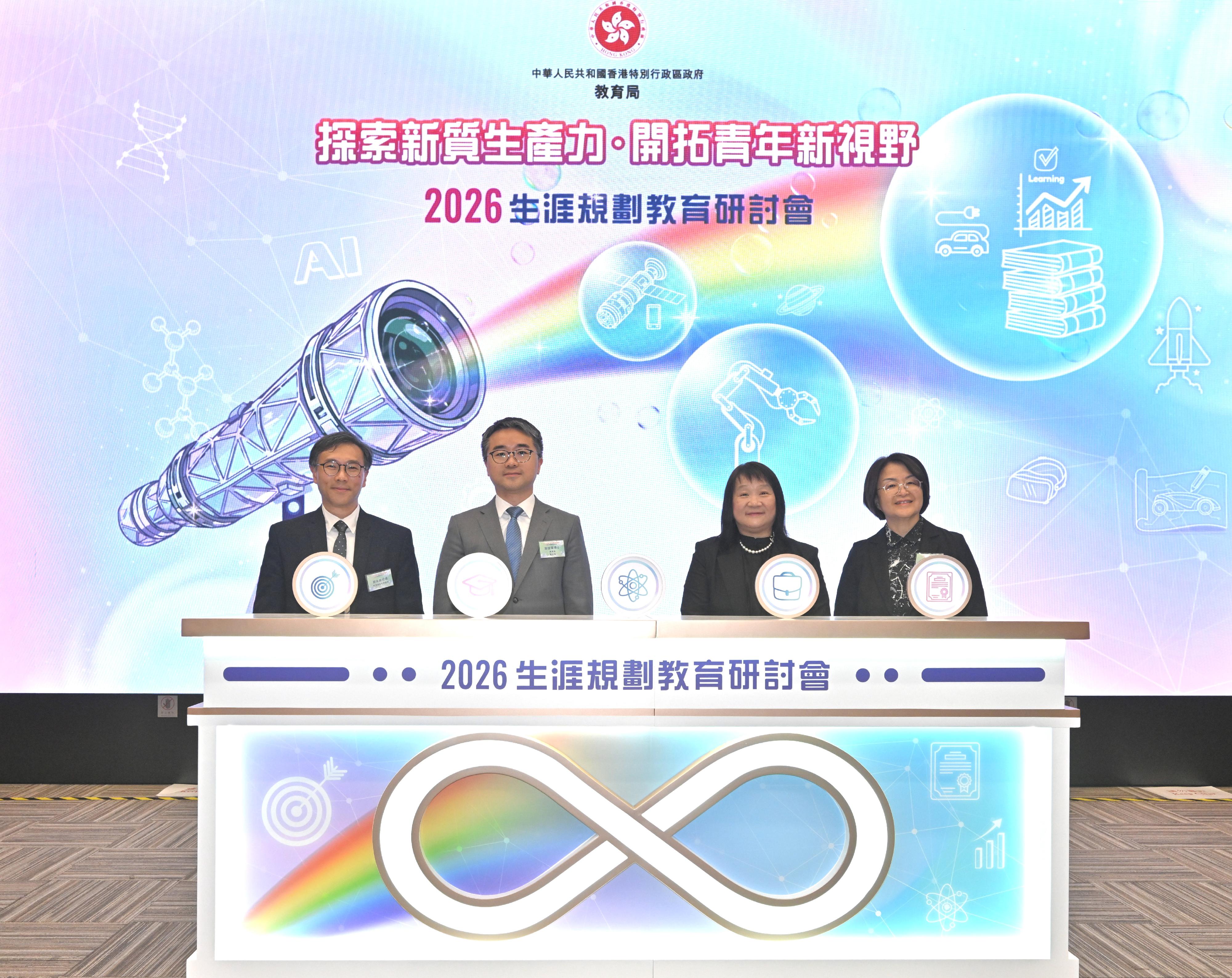
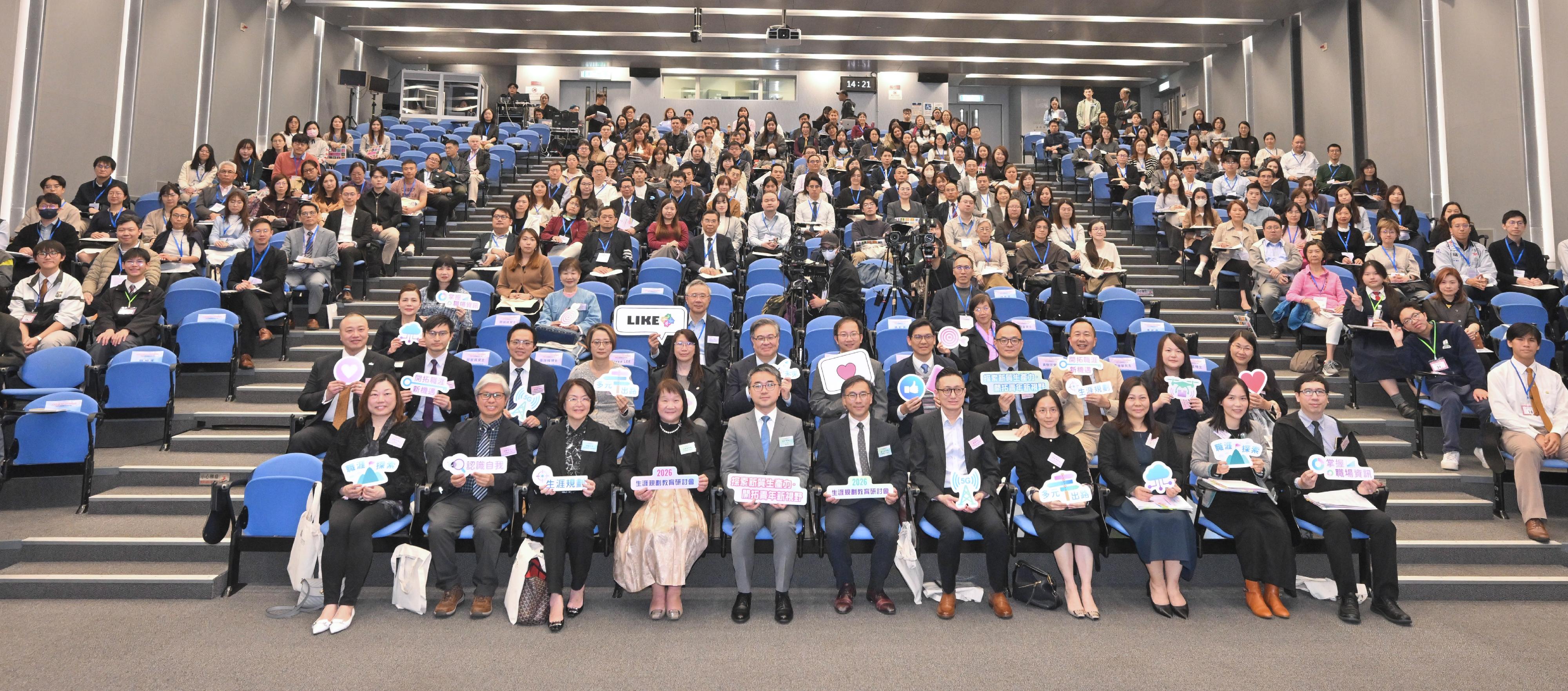
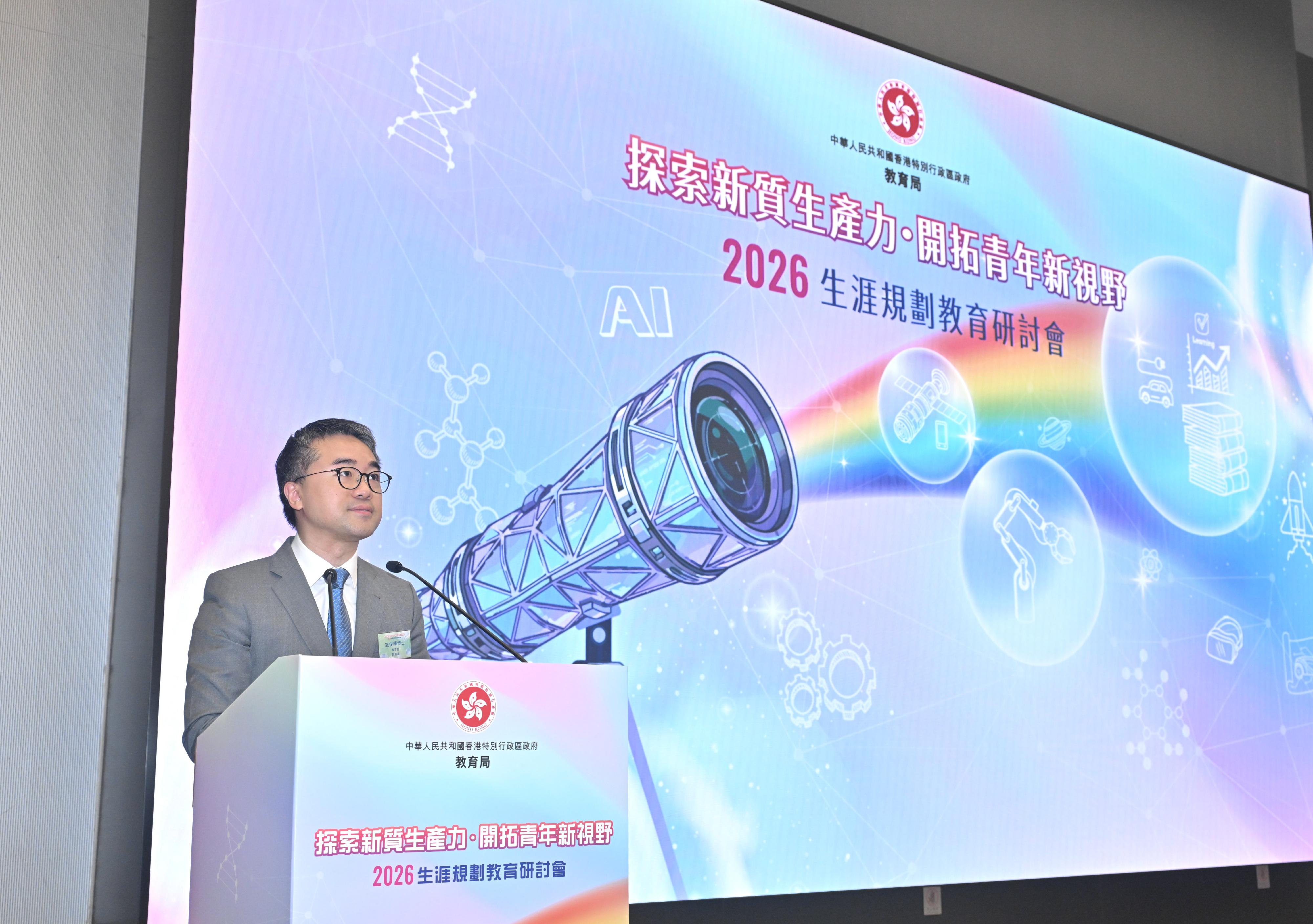
EDB holds Life Planning Education Conference themed on “Exploring New Quality Productive Forces: Broadening Young People’s Horizons” (with photos)

     ​The Education Bureau (EDB) held the Life Planning Education Conference themed on “Exploring New Quality Productive Forces: Broadening Young People’s Horizons” today (November 27), enabling about 500 local and Mainland education practitioners and representatives of partner organisations of the Business-School Partnership Programme (BSPP) to exchange experiences and enhance their professional capacity in life planning education.
      
     Speaking at the opening ceremony, the Under Secretary for Education, Dr Sze Chun-fai, said that this year marks the opening year of the National 15th Five-Year Plan, which emphasises the integrated development of education, technology and talent, and the leverage of technological innovation to drive the development of new quality productive forces. The Hong Kong Special Administrative Region Government actively seizes major national opportunities and nurtures the younger generation with a broader perspective. The EDB also actively promotes life planning education to equip students to embrace the opportunities arising from technological changes.
      
     Dr Sze said that the EDB enhanced BSPP 2.0 in the 2025/26 school year by actively liaising with chambers of commerce and organisations of the “eight centres”-related industries to join the BSPP, as well as encouraging organisations to actively participate in the Mentorship Programme, in which industry practitioners personally mentor students to enhance their understanding of the real-world workplace and help them explore their interests and career aspirations. He expressed the hope that through this conference, participants would transform professional knowledge and practical insights into a driving force for advancing life planning education, guiding students to equip themselves, realise their potential, and become a new force for social progress.
      
     Held in person and online in parallel, the conference brought together professionals, scholars and education practitioners to explore the opportunities arising from new quality productive forces and help students plan for their future. The Director of the Business, Economic and Public Policy Research Centre at Hong Kong Shue Yan University, Dr Lee Shu-kam, and the Executive Director of the Hong Kong Life Sciences Society, Mr Ken Wong, were invited as the keynote speakers of the conference. They shared insights on cultivating students’ competencies and employability to adapt to workplace changes, and developments and opportunities in the biotechnology industry respectively. The conference also featured a number of sharing sessions for education practitioners and representatives from professional associations and organisations to exchange school-based practices and industry experiences.
      
     The EDB has all along attached great importance to nurturing young people and has introduced various measures to strengthen support for schools. Through relevant learning activities, students are encouraged to identify their interests, abilities and orientations at an earlier stage, gain information about the workplace, and enhance their readiness for further studies and career pursuits. For further information on life planning education, please visit the EDB’s Life Planning Information website (lifeplanning.edb.gov.hk) and the BSPP website (careerguidance.edb.hkedcity.net).

Photo  Photo  Photo  
read more

SITI continues visit to Hefei (with photos)

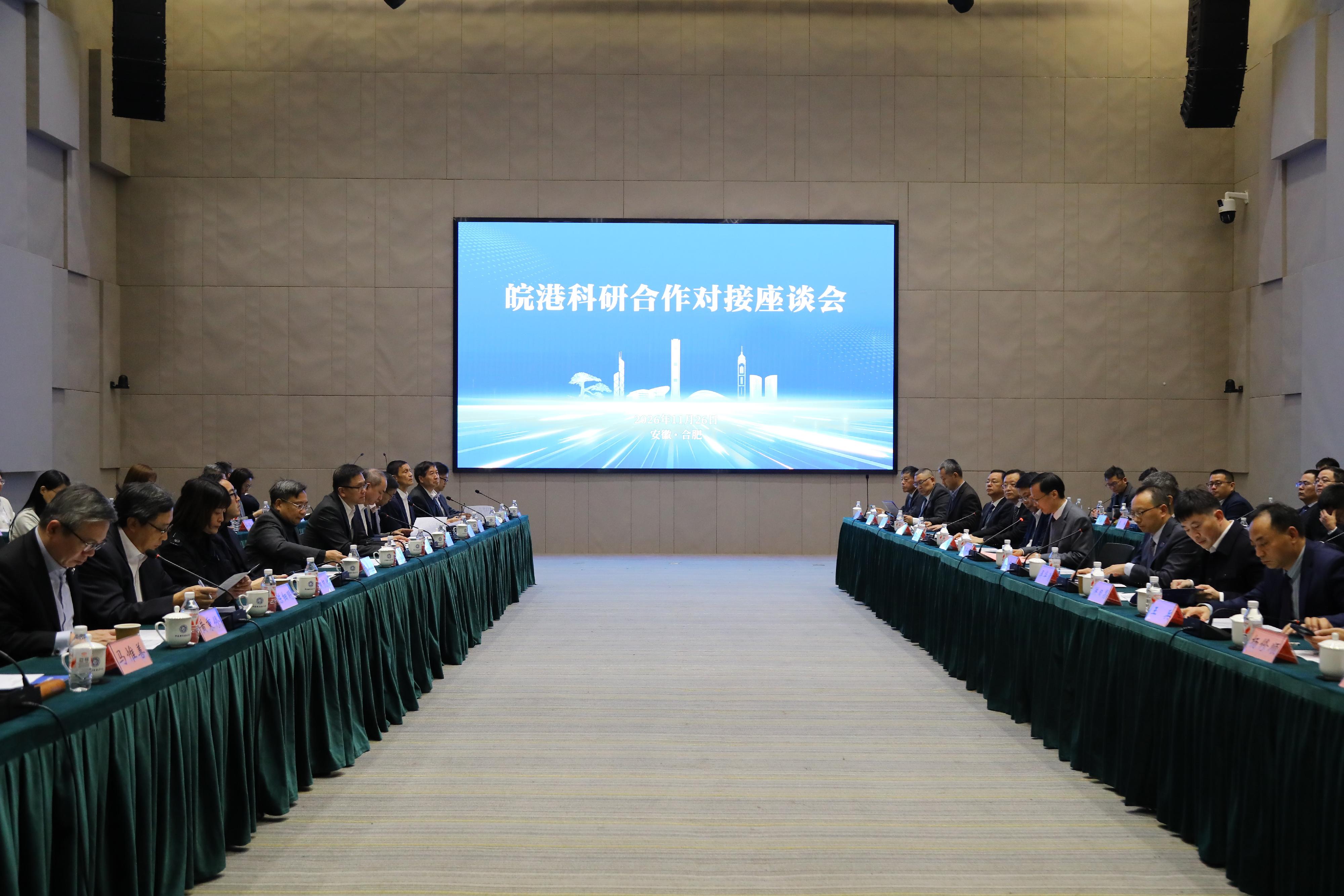
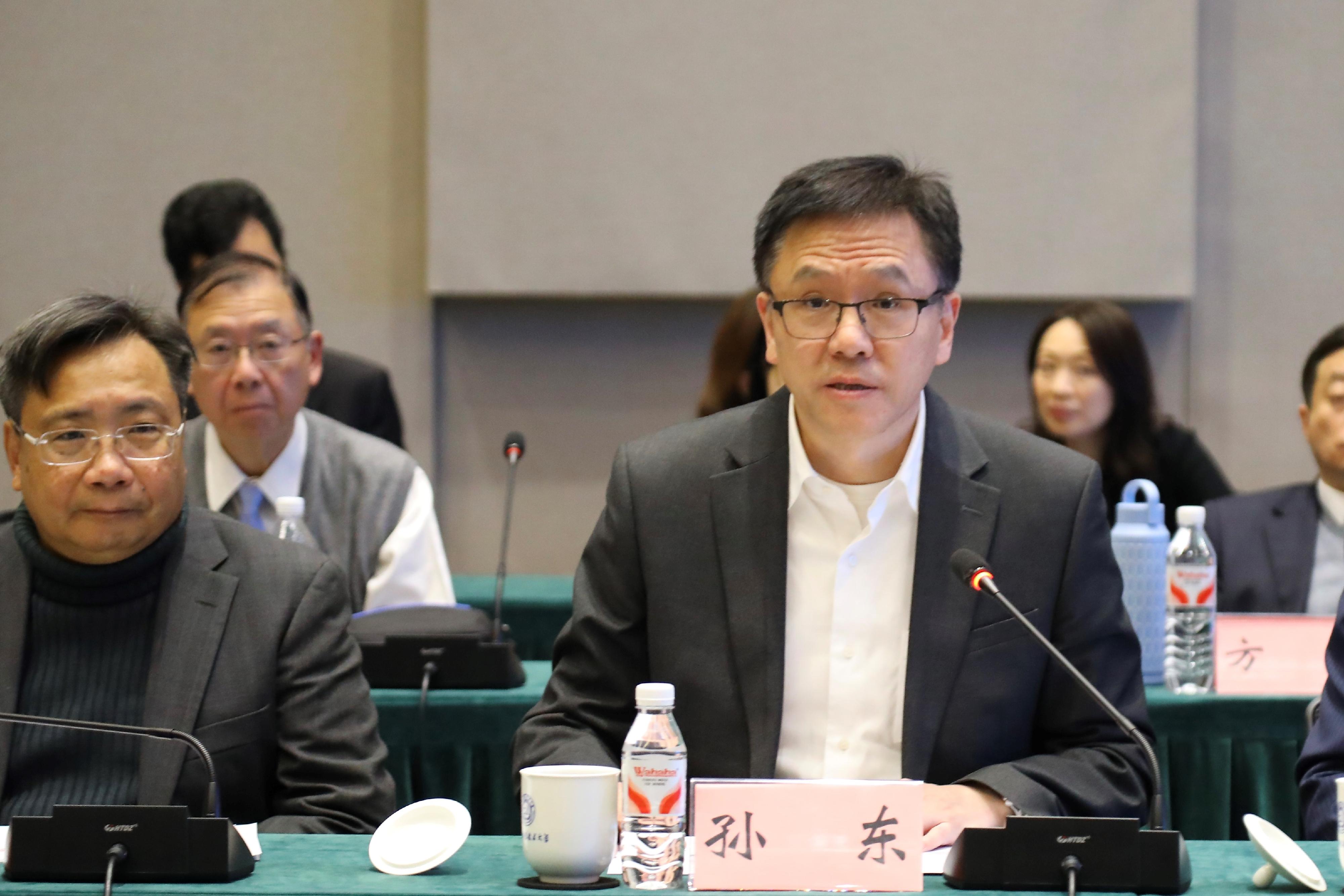
     The Secretary for Innovation, Technology and Industry, Professor Sun Dong, continued his visit to Hefei yesterday afternoon (November 26) and today (November 27).

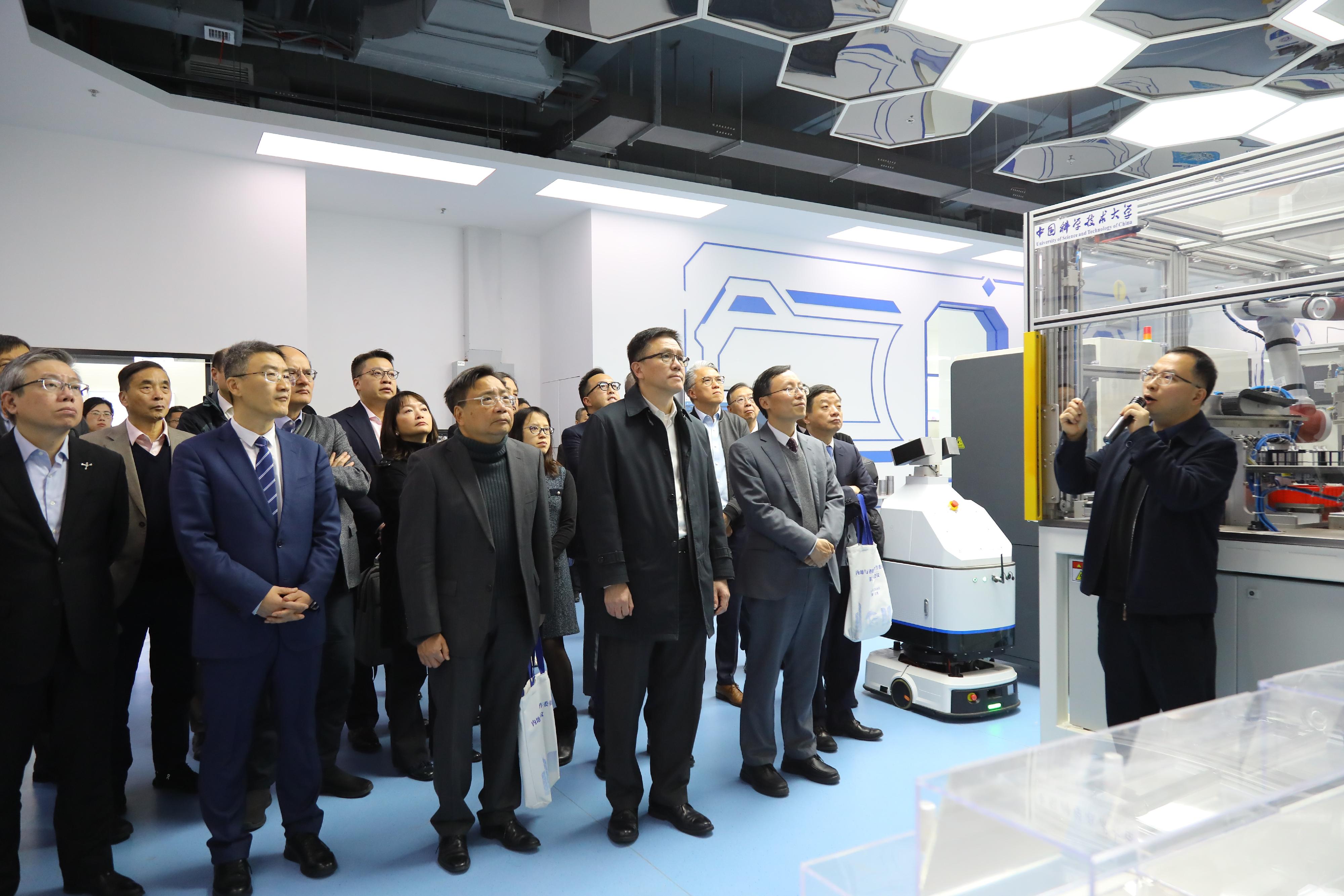
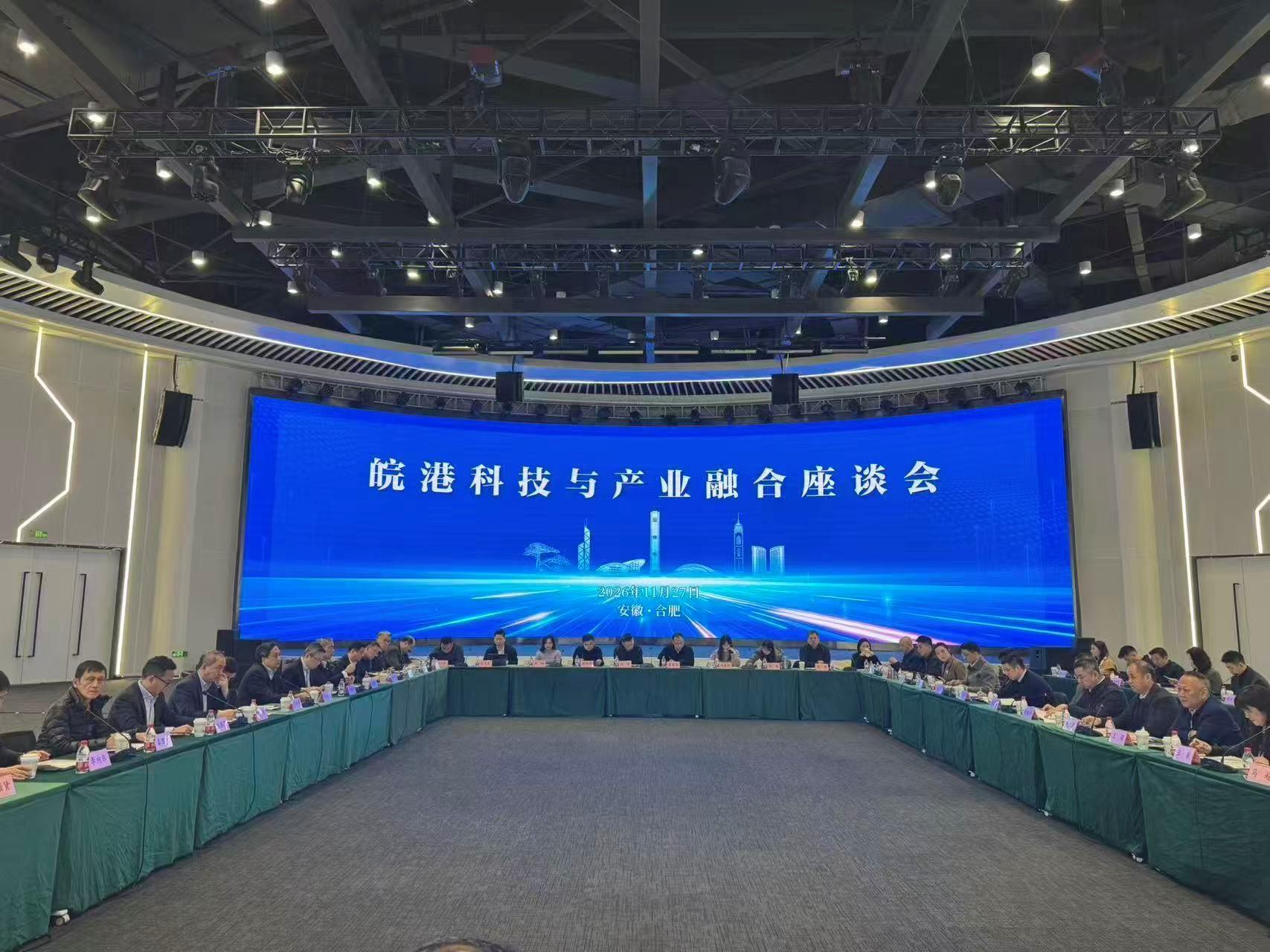
     Yesterday afternoon, after cochairing the 20th meeting of the Mainland/Hong Kong Science and Technology Co-operation Committee with Vice Minister of Science and Technology Mr Zhang Guangjun, Professor Sun led the Hong Kong delegation to visit the University of Science and Technology of China (USTC) and toured the university’s Center for Scientific Intelligence and Innovation where they learnt about the USTC’s important role in industry-academia-research collaboration, transformation of research outcomes and nurturing of technology enterprises. The USTC is a technical education university focusing on frontier sciences and high technology under the Chinese Academy of Sciences (CAS). It has achieved outstanding research outcomes in areas including quantum information, high-temperature supercomputing, nanoscience and life sciences. Then, the Hong Kong delegation held an engagement session on the scientific co-operation between Anhui and Hong Kong with university representatives of Anhui. They had in-depth exchanges on innovation and technology (I&T) research and development (R&D) and industrial collaborations between the Mainland and Hong Kong.   

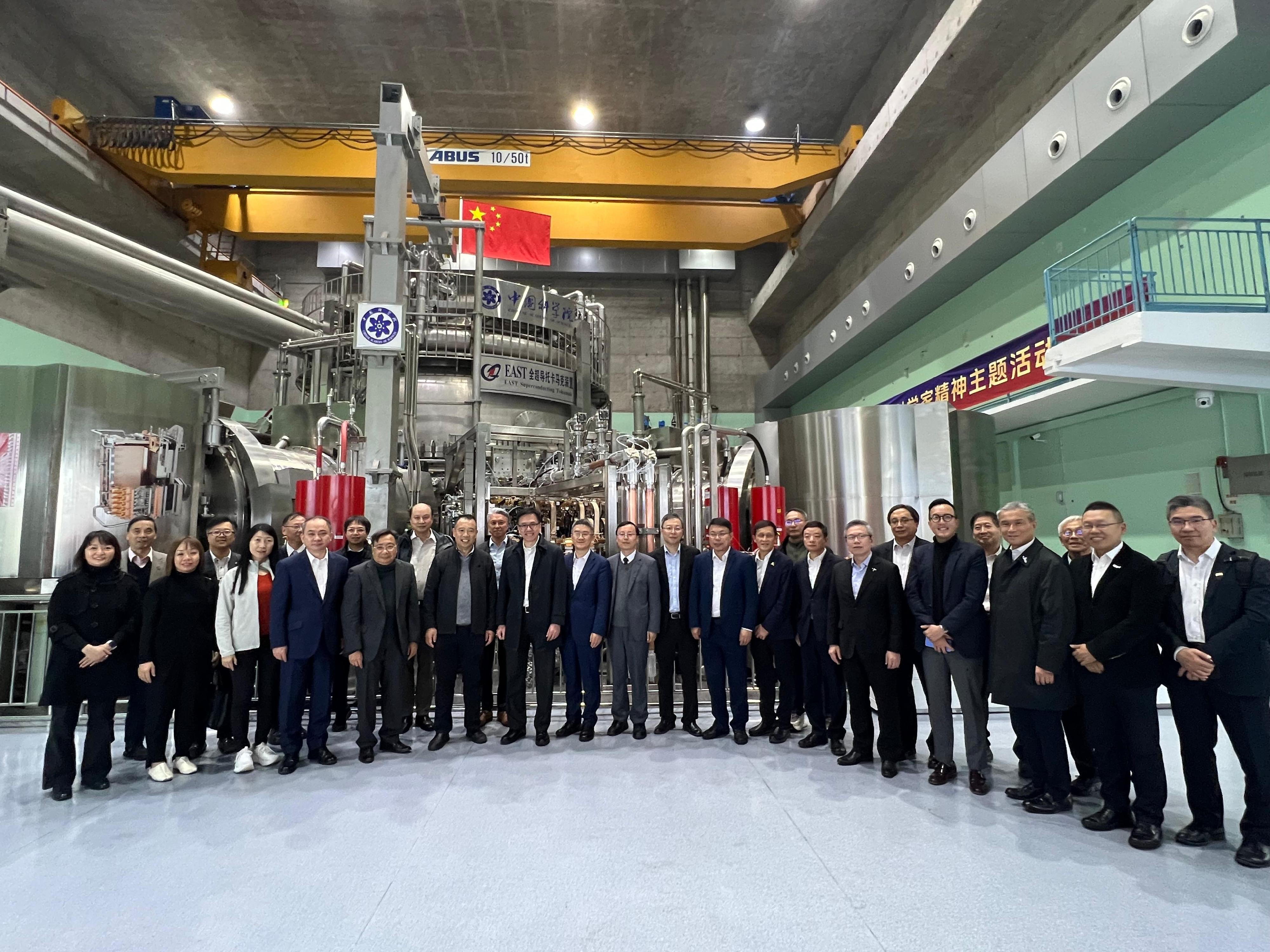
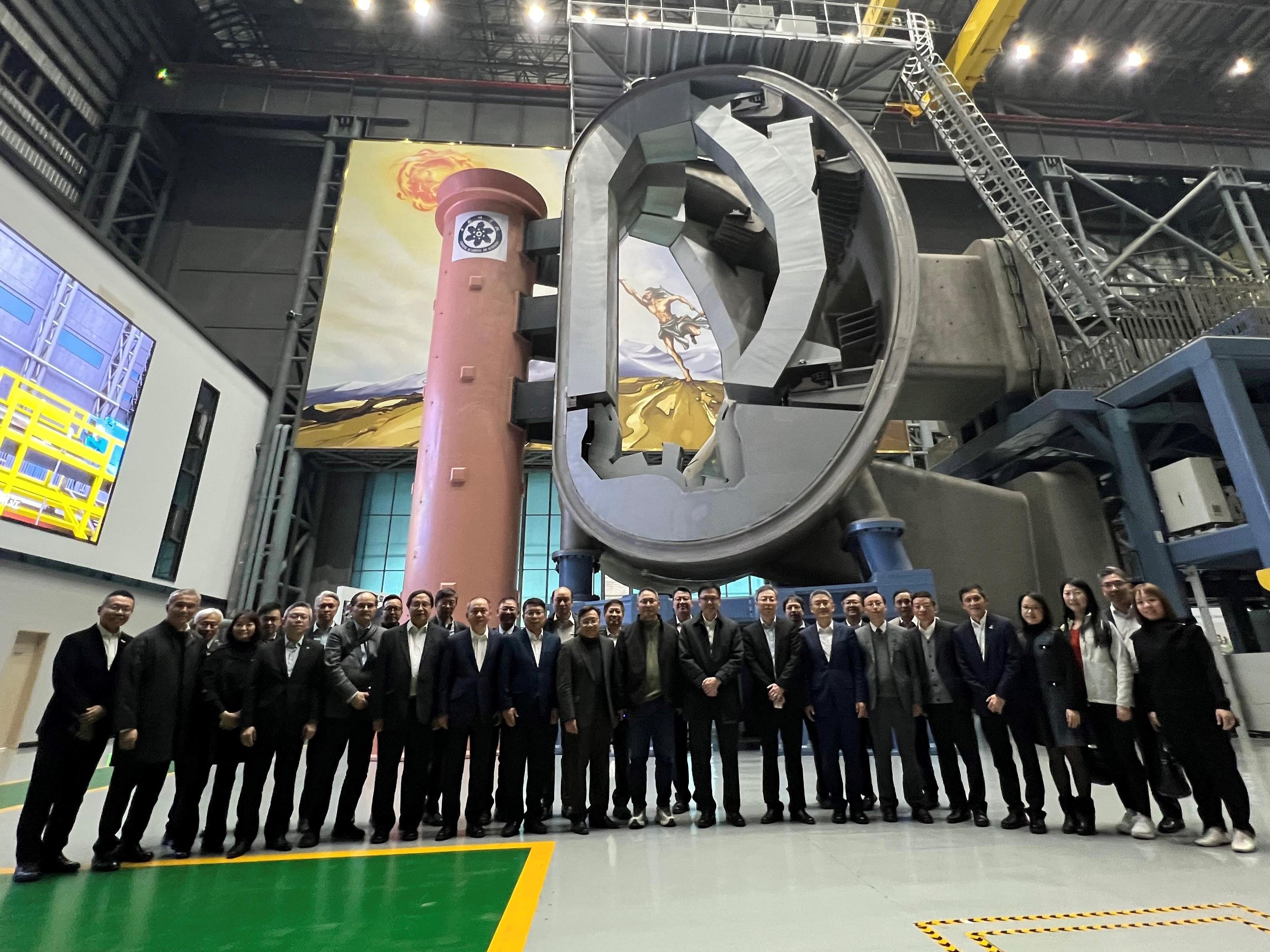
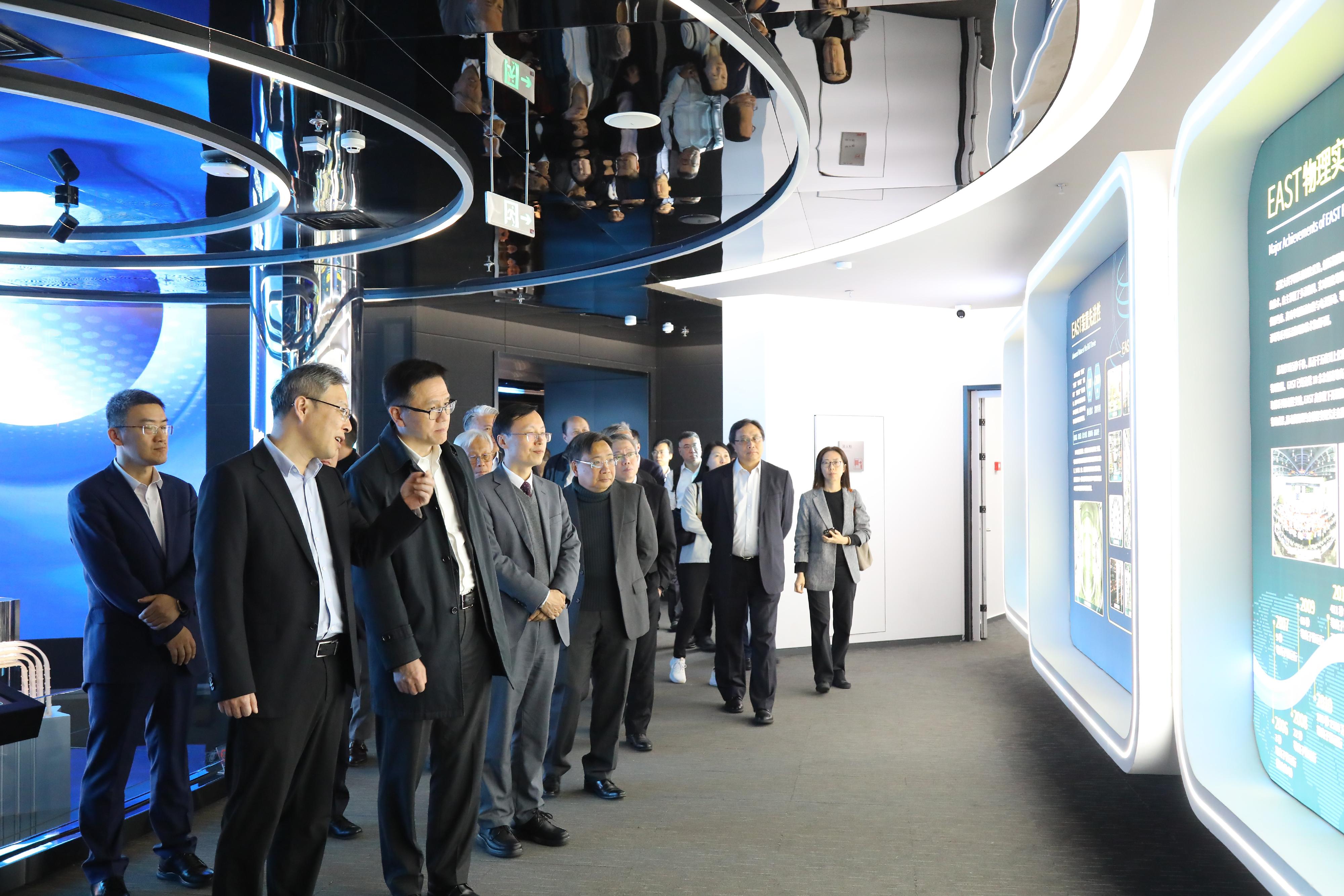
     The Hong Kong delegation then visited Hefei Institutes of Physical Science, the CAS and toured its research facilities and innovation exhibition hall to gain a deeper understanding of its research capabilities in frontier science and technology. The Institute is a large-scale comprehensive research institution under the CAS, focusing on frontier research in nuclear fusion and steady high magnetic field science and technology. It has built and operated two major national scientific facilities: the Experimental Advanced Superconducting Tokamak, also known as the “artificial sun”, and the Steady High Magnetic Field Facility.

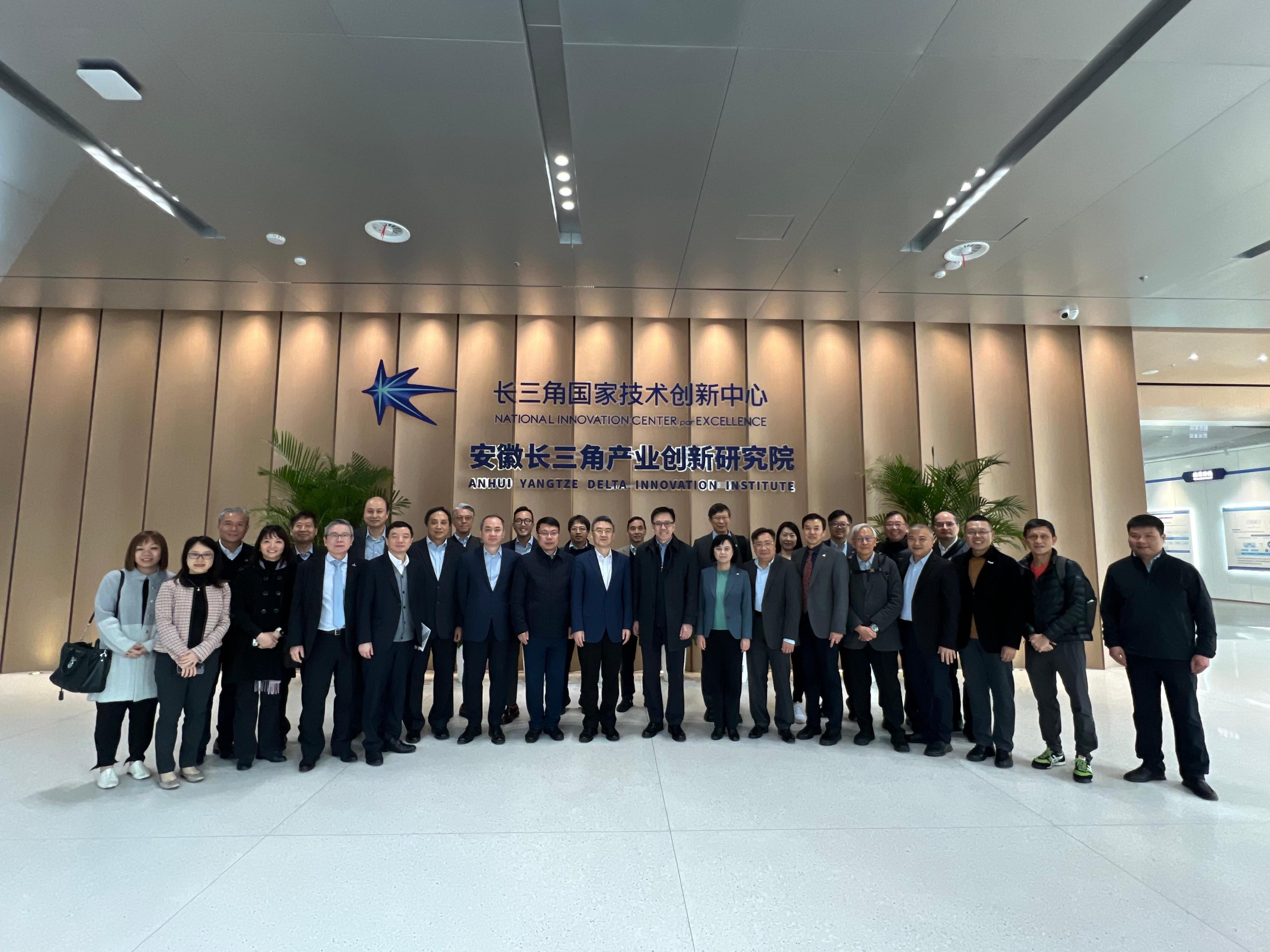
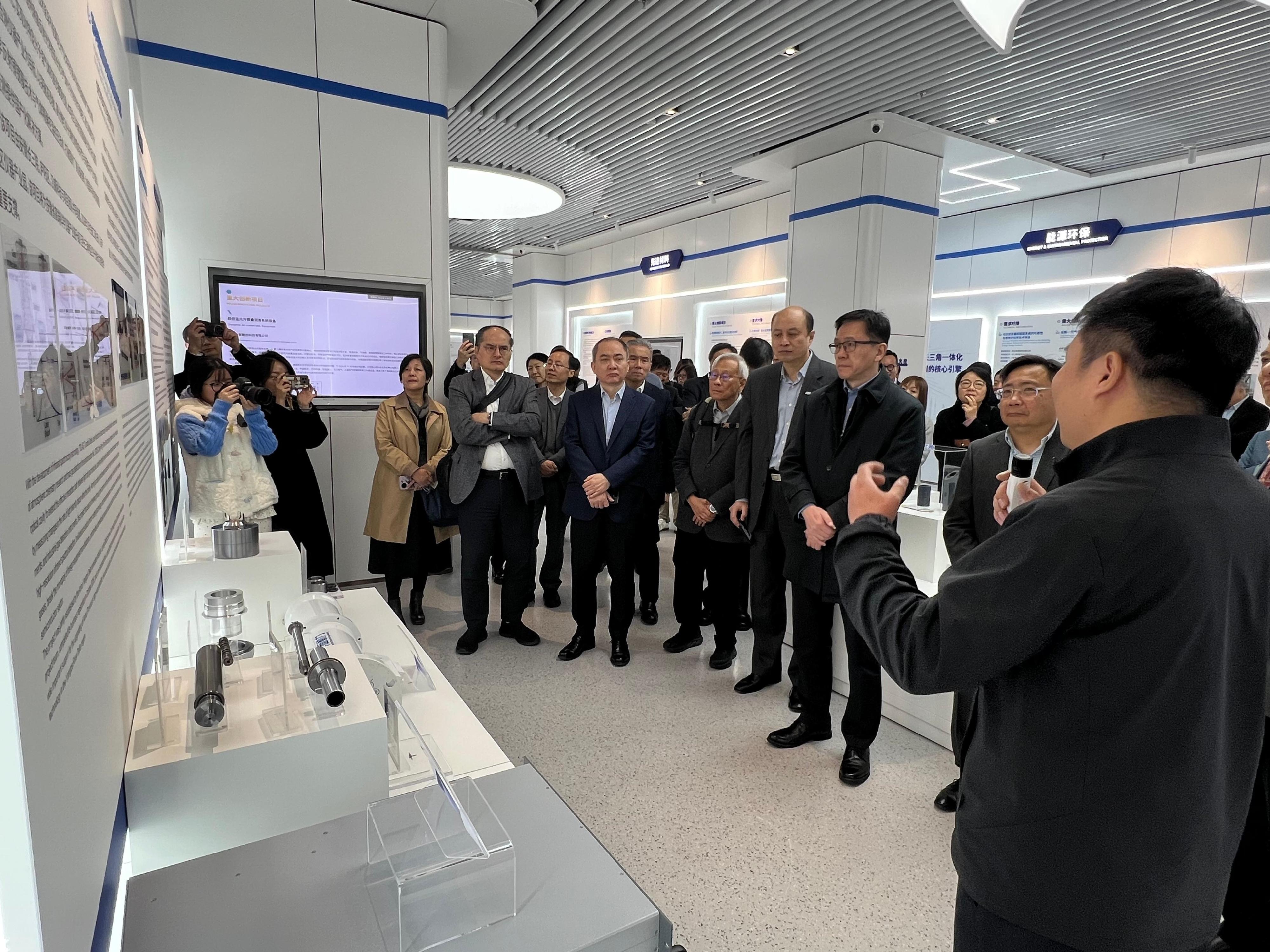
     This morning, the delegation visited the Anhui Yangtze Delta Innovation Institute and was briefed on its innovation system which focuses on realising the transformation from science to technology. The Anhui Yangtze Delta Innovation Institute is part of the National Innovation Centre par Excellence (NICE) which was approved by the Ministry of Science and Technology. NICE is a comprehensive national technology innovation centre jointly built with Shanghai, Jiangsu, Zhejiang and Anhui. 

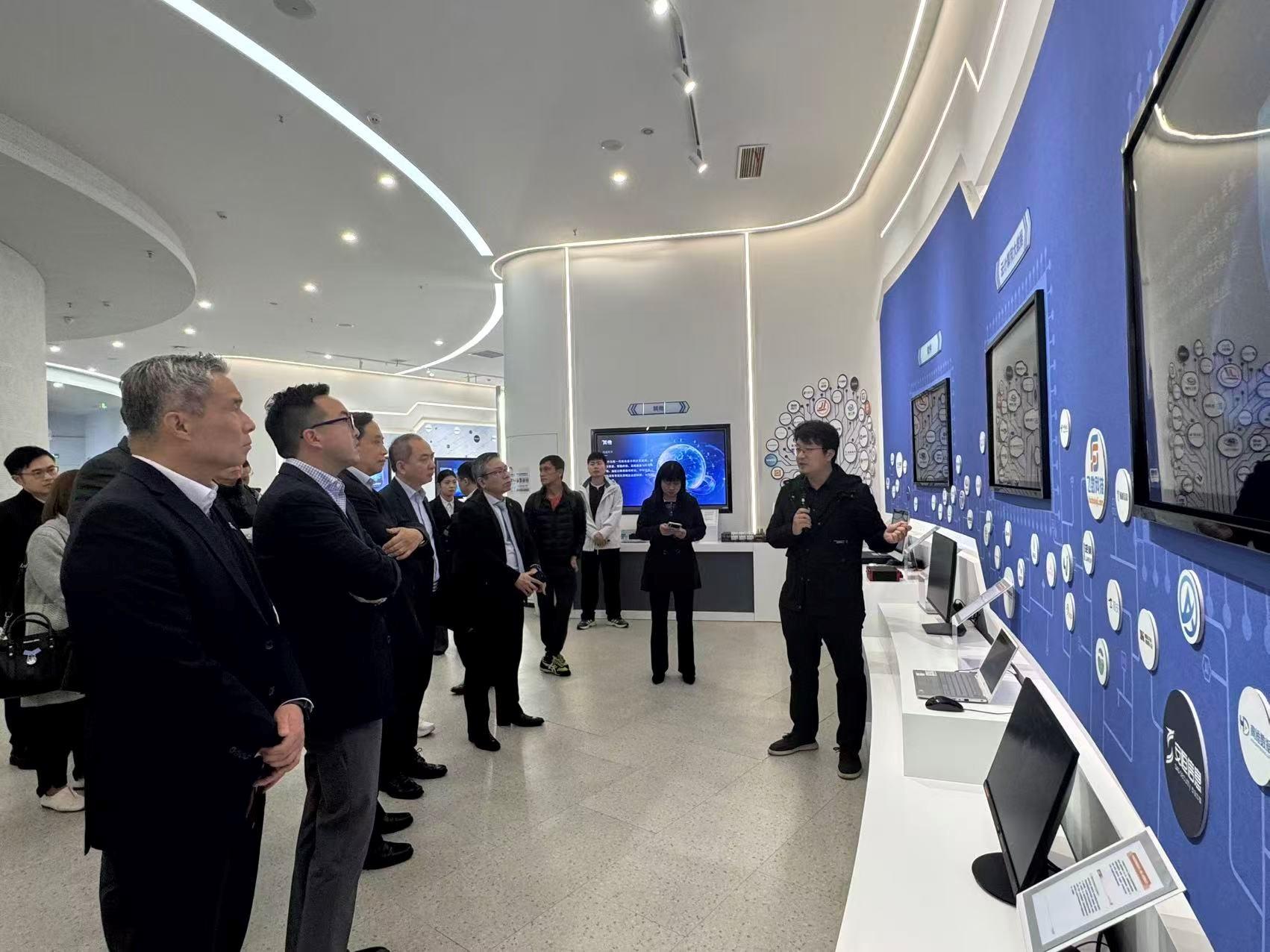
     The delegation also visited the Zhongan Chuanggu Science and Technology Park. Jointly established by Anhui Provincial Investment Group and Hefei National High-tech Industrial Development Zone, the entrepreneurship park has attracted over 1 400 I&T enterprises, focusing on strategic emerging industries such as AI, quantum technology, life and health technology, and aerospace information. The delegation had discussions with enterprises in the Park and was briefed on the successful cases of the “Hefei Model”.

     Professor Sun said that Hong Kong is actively advancing the new I&T paradigm of “three major I&T parks and five key R&D institutions” to expedite the formation of the new ecosystem chain. Hong Kong has been committed to aligning deeply with the Mainland in frontier technologies and the transformation of research outcomes, targeting technology areas in the key national strategies and exploring ways to support the country in achieving technological breakthroughs in frontier technology areas such as quantum technology and aerospace technology. The practical examples of scientific research breakthroughs in Anhui and the experiences of the innovation centres and parks in key technological breakthroughs, transformation of research outcomes and supporting the development of enterprises are concrete references for Hong Kong.

     The Commissioner for Innovation and Technology, Mr Ivan Lee, and the Commissioner for Industry (Innovation and Technology), Dr Ge Ming, also joined the visit.

     The Hong Kong delegation included members from the Innovation, Technology and Industry Bureau, the Innovation and Technology Commission, the Digital Policy Office, the Hong Kong Economic and Trade Office in Shanghai of the Hong Kong Special Administrative Region Government, Hong Kong Baptist University, City University of Hong Kong, the Chinese University of Hong Kong, the Hong Kong Polytechnic University, the Hong Kong University of Science and Technology, the University of Hong Kong, the Hong Kong Science and Technology Parks Corporation, the Hong Kong Cyberport Management Company Limited, the Hong Kong-Shenzhen Innovation and Technology Park Limited, the San Tin Technopole Company Limited, the Hong Kong Productivity Council, the Hong Kong Applied Science and Technology Research Institute, the Hong Kong Microelectronics Research and Development Institute, the Hong Kong Research Institute of Textiles and Apparel, the Logistics and Supply Chain MultiTech R&D Centre, the Hong Kong Academy of Sciences, the Hong Kong Academy of Engineering, and the Greater Bay Area Association of Academicians.

     Professor Sun concluded his visit today and returned to Hong Kong in the evening.

Photo  Photo  Photo  Photo  Photo  Photo  Photo  Photo  Photo  Photo  
read more