Tag Archives: China

SCED urges APEC member economies to unite in defending rules-based multilateral trading system (with photos)

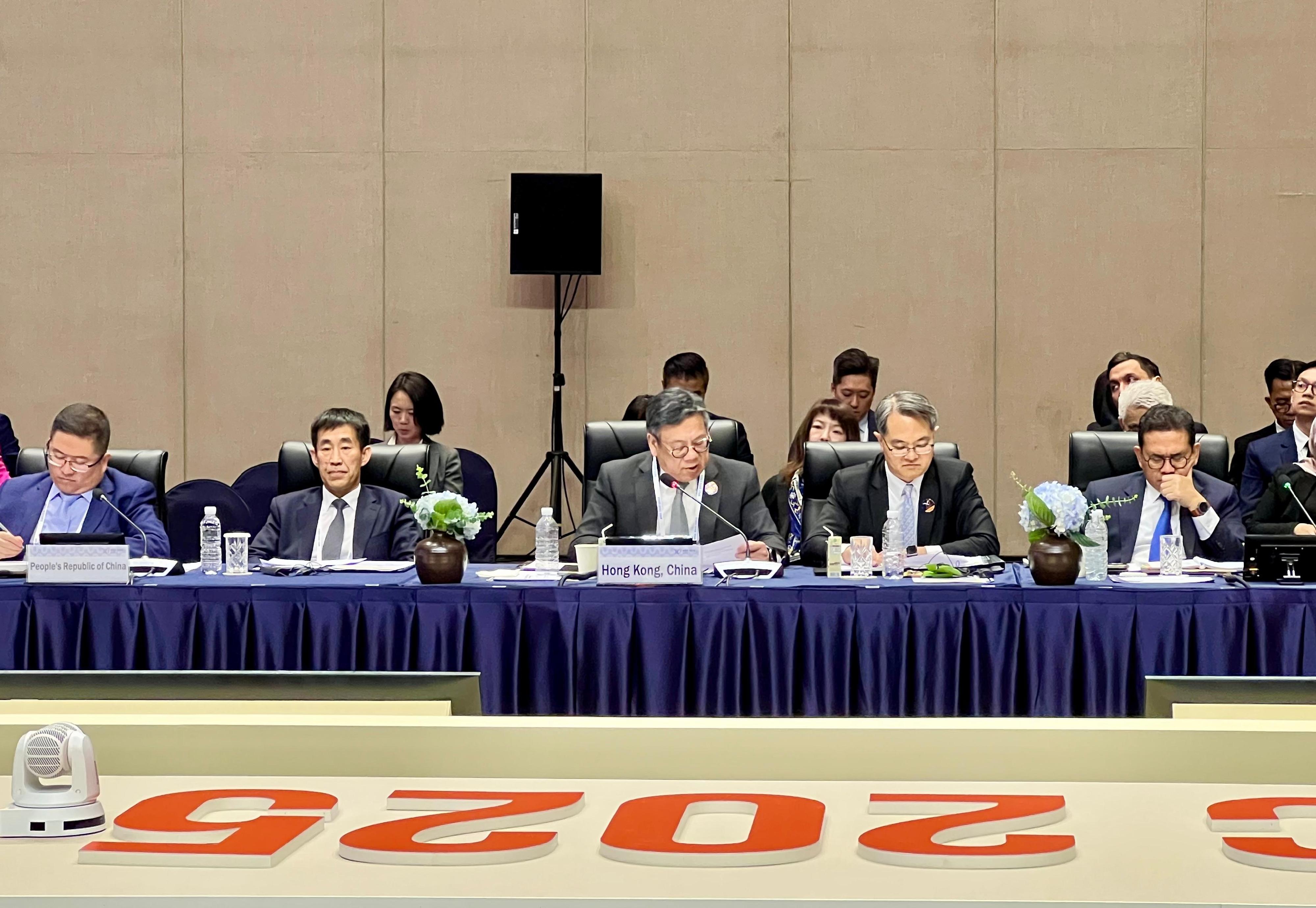
     The Secretary for Commerce and Economic Development, Mr Algernon Yau, stressed the importance of upholding the rules-based multilateral trading system at the Asia-Pacific Economic Cooperation (APEC) Ministers Responsible for Trade (MRT) Meeting in Jeju, Korea, today (May 15).
 
     Speaking at the session entitled “Connectivity through Multilateral Trading System”, Mr Yau said that the recent upheaval caused by unilateral tariff measures poses a threat to the multilateral trading system, representing an imminent challenge to the global trade landscape. The substantive progress made at the high-level meetings between two economies, where both sides have agreed to significantly reduce their bilateral tariffs and continue discussions in a spirit of openness, continuous communication, co-operation and mutual respect, marked a pivotal step towards fostering stability in global trade and reinforces the shared commitment to advancing constructive economic relations within the APEC region and beyond.
 
     He pointed out that, as a free port, Hong Kong has long championed free trade in the past and remains firmly committed to the rules-based multilateral trading system now and in the future. Hong Kong also remains committed to engaging in constructive dialogues to enhance the World Trade Organization (WTO)’s functionality, resilience and effectiveness.
 
     Mr Yau called upon member economies to unite in defending the open, predictable and inclusive character of global trade and to collaborate closely to uphold and strengthen the system, thereby safeguarding global economic stability.
 
     Meanwhile, Mr Yau encouraged member economies to intensify collaborative efforts to finish the unfinished business at the 13th WTO Ministerial Conference, such as bringing into force the Agreement on Fisheries Subsidies, and incorporating the plurilateral Investment Facilitation for Development Agreement into the WTO legal architecture. Demonstrating concrete progress will assure the global community that the WTO remains vibrant, effective and capable of addressing contemporary trade challenges effectively.
 
     At another discussion session entitled “AI Innovation for Trade Facilitation”, Mr Yau said that digitalisation, coupled with AI, has been quickly transforming businesses, unlocking new opportunities, and redefining how goods and services move across borders these days.
 
     He noted that Hong Kong is keen to embrace the transformative power of AI in trade. For instance, innovative technologies such as AI-powered tools have been adopted to ensure effective enforcement controls while streamlining customs clearance procedures. The final phase of the Trade Single Window will establish a highly automated cargo risk assessment engine to expedite clearance using AI.
 
     Mr Yau said that while there are a number of ongoing discussions in international forums to discuss AI development, including rules setting and governance, there is much room for collaboration among member economies on AI in trade. He added that in the current era with rising protectionism and unilateralism, it has become even more important for APEC to showcase to the world that regional economic co-operation in the area of AI matters and can bring benefits to the people of the entire region. He added that Hong Kong is ready to contribute and collaborate with fellow member economies to harness AI for trade and to drive high-quality growth across the region.
 
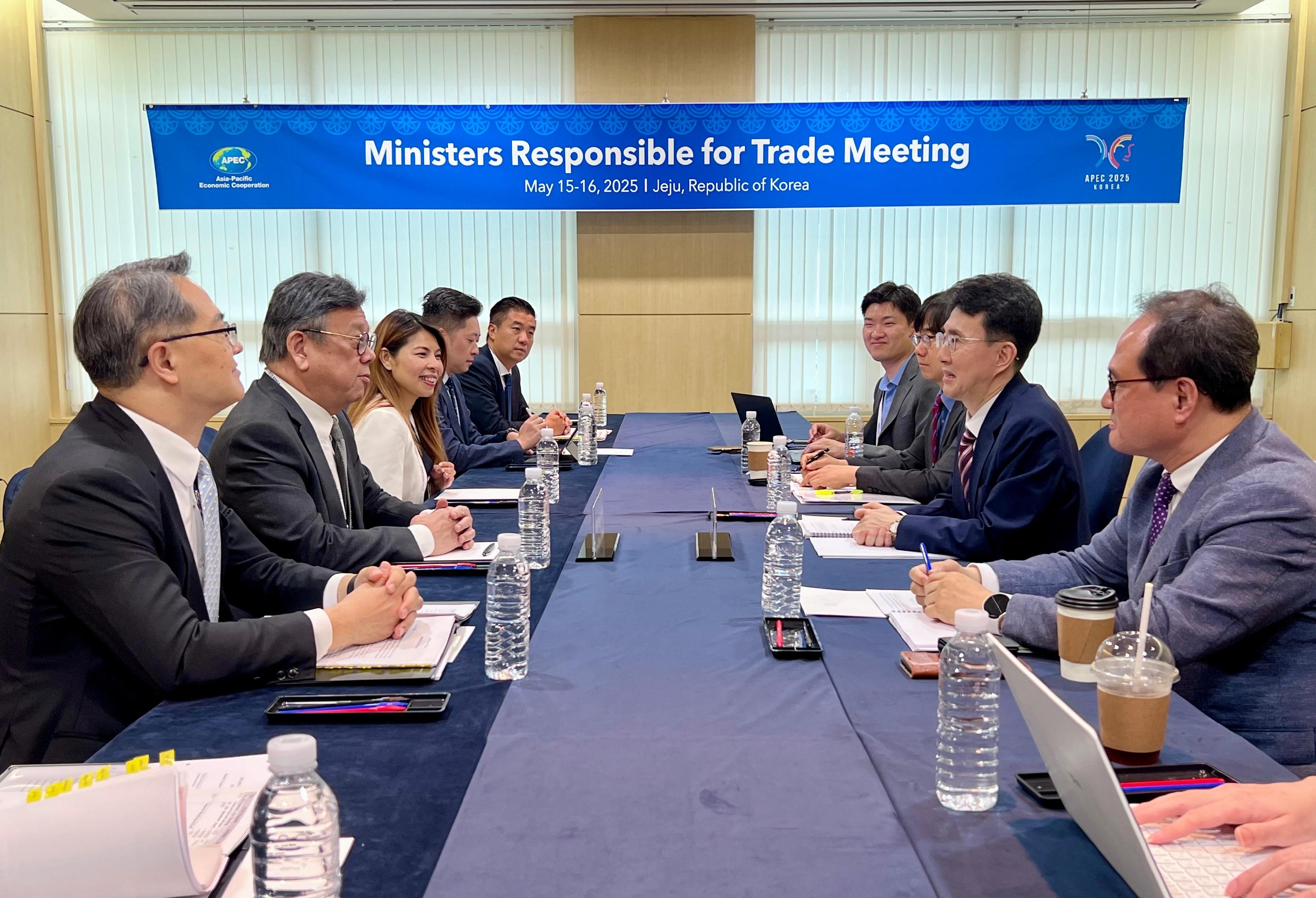
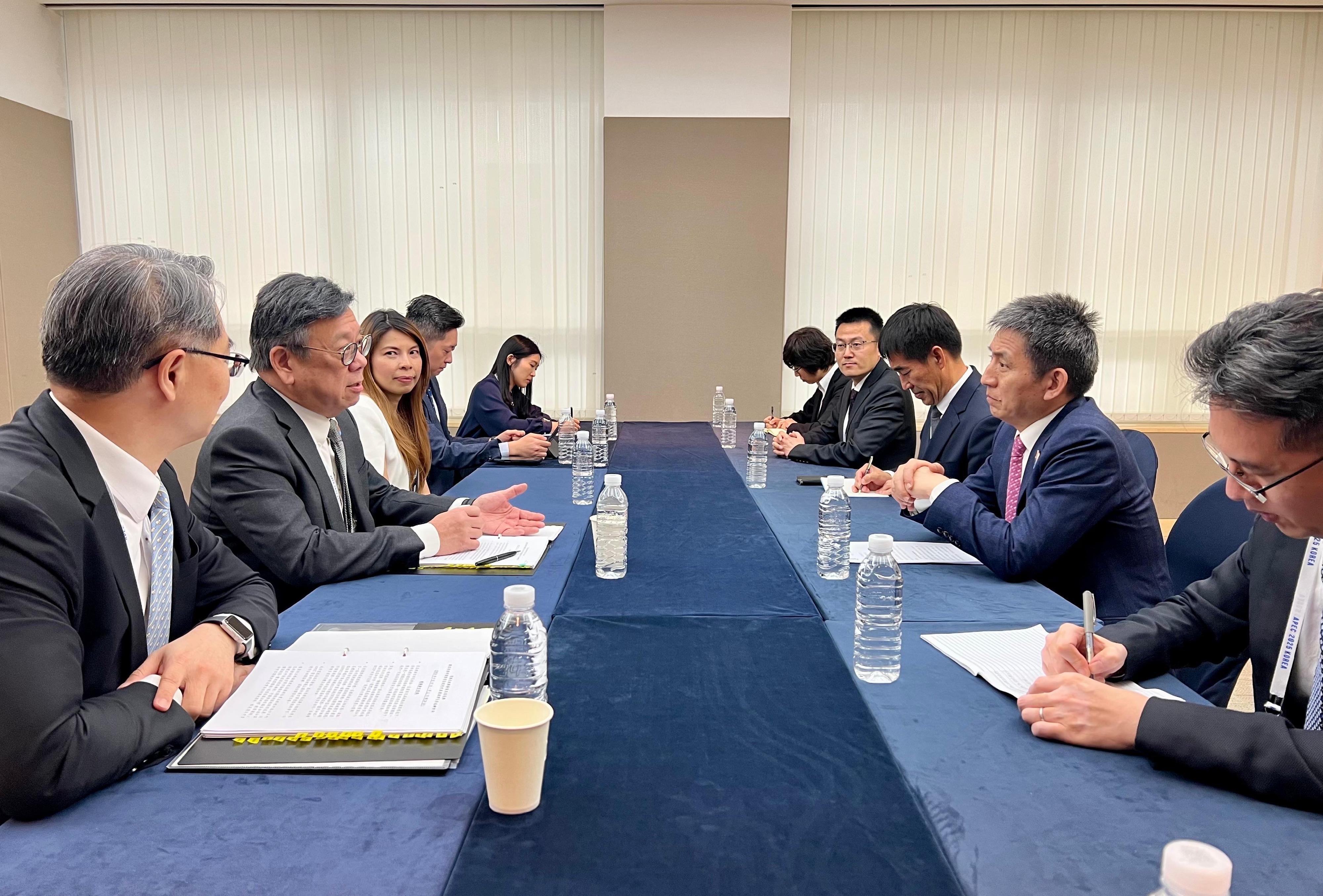
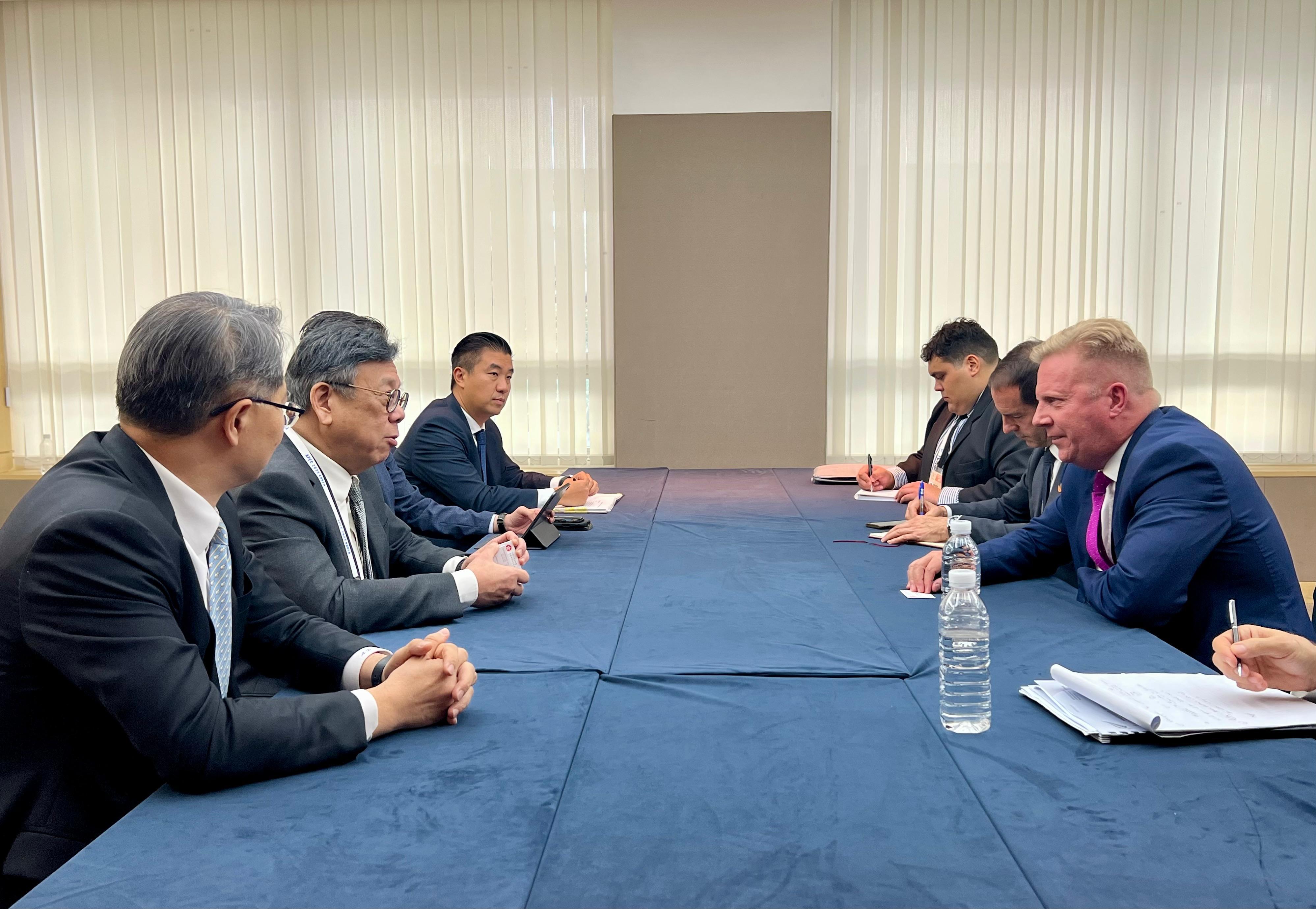
     On the margins of the MRT Meeting today, Mr Yau met with the China International Trade Representative and Vice Minister of Commerce, Mr Li Chenggang; the Deputy Minister for Trade of Korea, Mr Park Jong-won; as well as the Minister for Trade and Investment of New Zealand, Mr Todd McClay, separately to exchange views on various issues of mutual concern.
 
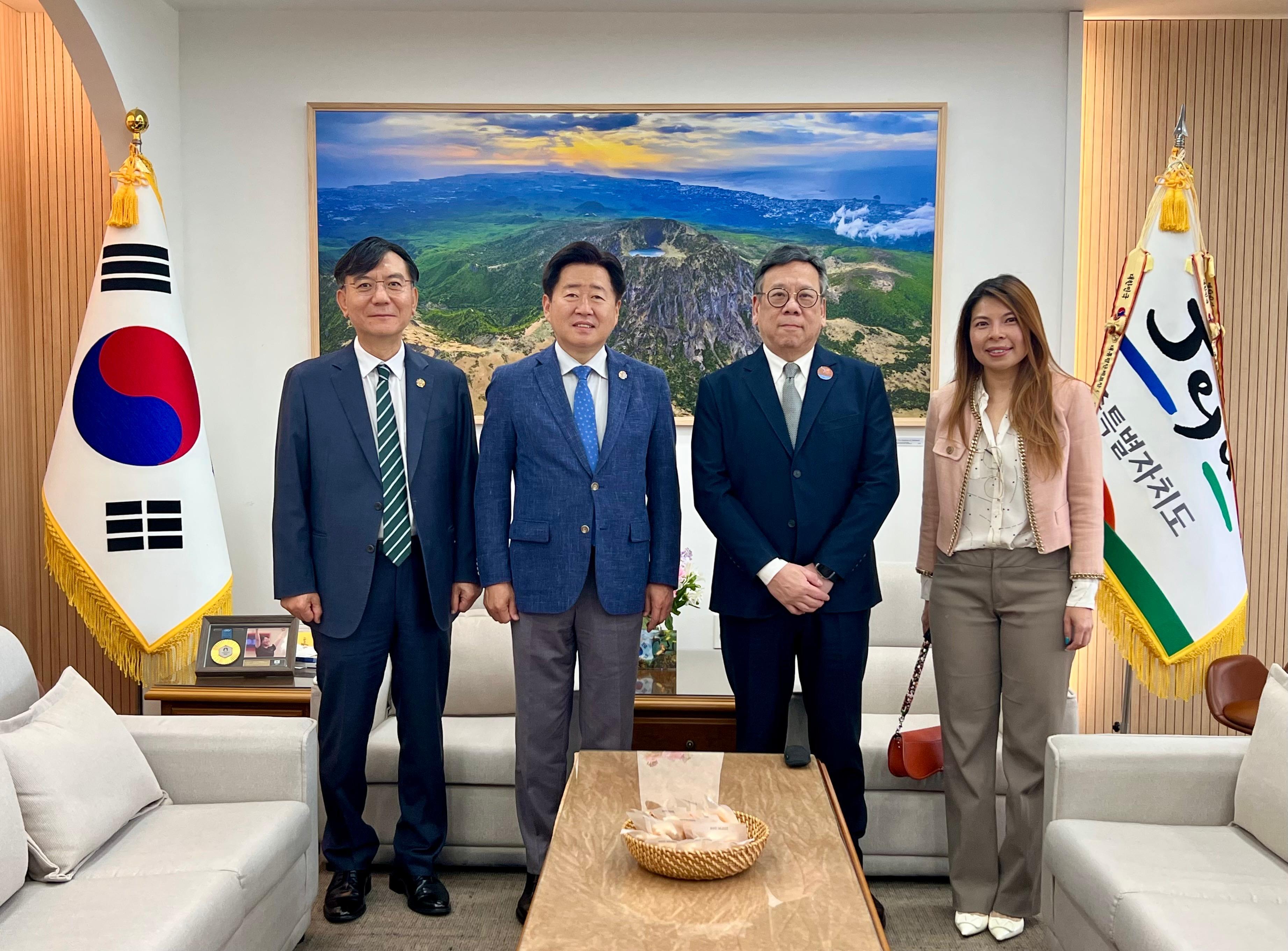
     Mr Yau also paid a courtesy call on the Governor of Jeju Special Self-Governing Province, Mr Oh Young Hun, yesterday (May 14) to give him an update on the latest developments of Hong Kong and exchange views on promoting closer bilateral relations.
 
     Mr Yau will continue to join the MRT Meeting tomorrow (May 16).
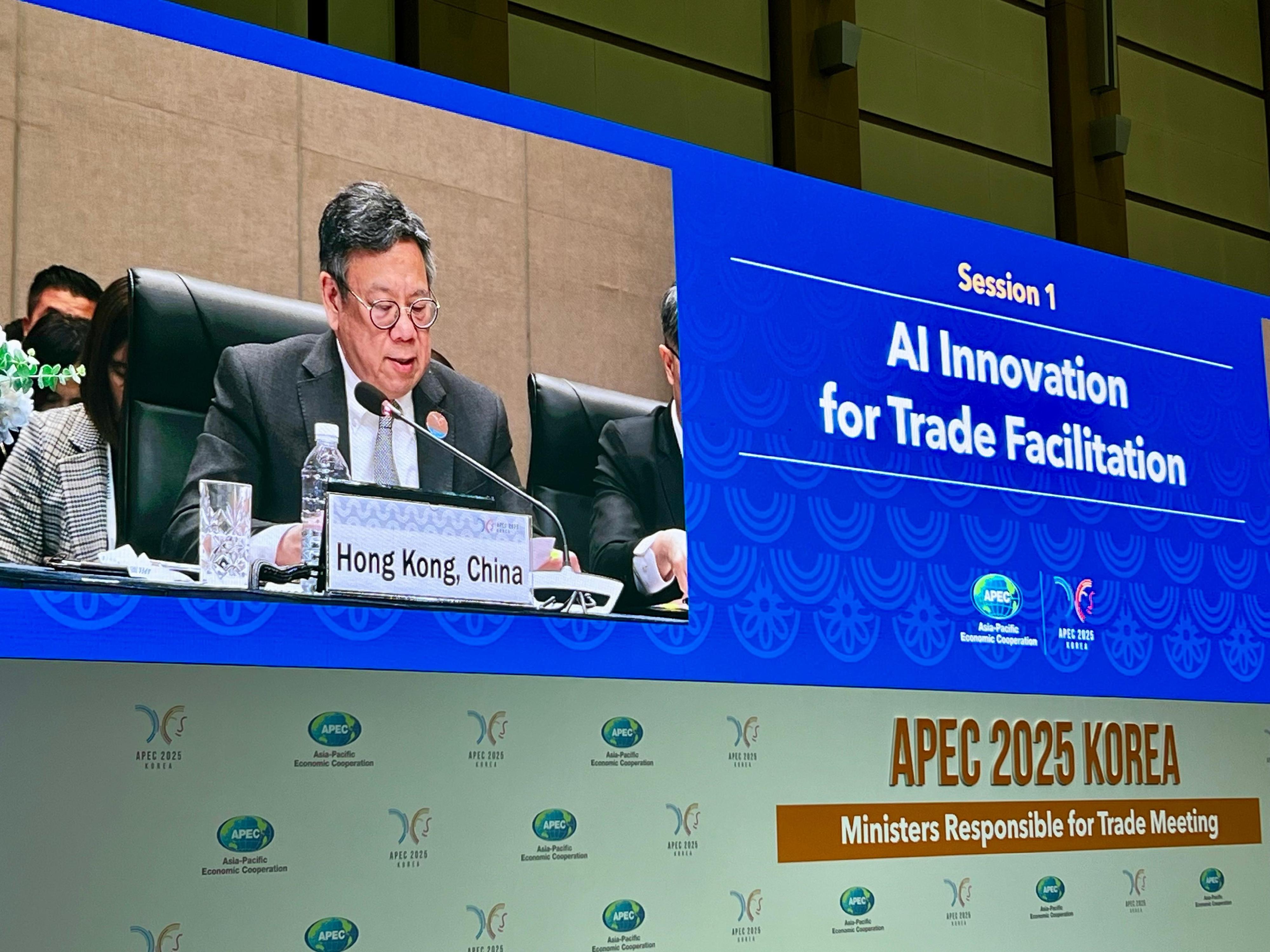
Photo  Photo  Photo  Photo  Photo  Photo  
read more

Speech by SCED at APEC MRT Meeting discussion session on Connectivity through Multilateral Trading System (English only)

     Following is the speech by the Secretary for Commerce and Economic Development, Mr Algernon Yau, at the discussion session entitled “Connectivity through Multilateral Trading System” at the Asia-Pacific Economic Cooperation (APEC) Ministers Responsible for Trade Meeting in Jeju, Korea, today (May 15):

     Good afternoon, Chair, WTO Director-General (Director-General of the World Trade Organization (WTO), Dr Ngozi Okonjo-Iweala), and colleagues.

     The recent upheaval caused by one economy’s unilateral tariff measures on all other economies poses a threat to the multilateral trading system, representing an imminent challenge to the global trade landscape today.

     We are pleased to note the substantive progress made at the high-level meetings between two economies, where both sides have agreed to significantly reduce their bilateral tariffs and continue discussions in a spirit of openness, continuous communication, co-operation and mutual respect. This development marks a pivotal step towards fostering stability in global trade and reinforces our shared commitment to advancing constructive economic relations within the APEC region and beyond. Continued collaboration under this framework will undoubtedly contribute to inclusive growth and a rules-based multilateral trading system.

     Hong Kong, China (HKC), as one of the freest economies in the world, reaffirms our unwavering commitment to free trade principles and the WTO-centred multilateral trading system. We firmly believe that sustainable solutions to trade disputes can only be achieved through constructive dialogue, adherence to internationally agreed rules, and a shared pursuit of equitable outcomes. We call upon all members to unite in defending the open, predictable and inclusive character of global trade.

     As the WTO commemorates its 30th anniversary this year, it is deeply disheartening to witness one of its founding members attempting to rip the organisation apart, after years of unilateral action in crippling its dispute settlement function. While reforms are indeed necessary to keep the decades-old organisation relevant amid evolving global challenges, aggressive and erratic trade actions that create economic chaos only serve to escalate tensions and instability.

     As a free port, HKC has long championed free trade in the past and remains firmly committed to the rules-based multilateral trading system now and in the future. We remain committed to engaging in constructive dialogues to enhance the WTO’s functionality, resilience and effectiveness. At this critical time, we call on APEC member economies who cherish the multilateral trading system to collaborate closely to uphold and strengthen the system, thereby safeguarding global economic stability.

     Looking ahead to the 14th Ministerial Conference (MC14) which is less than a year away, with the rapidly evolving situation, telling what lies ahead until then may seem elusive. Nevertheless, HKC remains hopeful and determined to achieve tangible and positive outcomes at MC14 – many of which are in fact long overdue. Beyond the dispute settlement reform, our priorities include bringing into force the Agreement on Fisheries Subsidies and concluding the second wave of the fisheries subsidies negotiations, both of which are still so near, yet so far. We must strive to finish the unfinished business at MC13 to incorporate the plurilateral Investment Facilitation for Development (IFD) Agreement into the WTO legal architecture. In this regard, we fully support the APEC Statement in support of the WTO Joint Statement Initiative on IFD, championed by Korea, which would send a strong political signal of APEC’s commitment to the swift and successful integration of this landmark agreement into the WTO framework.

     We also stand by finding a permanent solution to, or at least securing an extension of the WTO e-commerce moratorium, and support the early incorporation of the Agreement on Electronic Commerce into the WTO legal framework, which will provide the much needed clarity and stability for e-commerce business worldwide. We strongly encourage APEC member economies to intensify collaborative efforts to achieve these goals by MC14. Demonstrating concrete progress will assure the global community that the WTO remains vibrant, effective and capable of addressing contemporary trade challenges effectively.

     Thank you. read more

Speech by SCED at APEC MRT Meeting discussion session on AI Innovation for Trade Facilitation (English only)

     â€‹Following is the speech by the Secretary for Commerce and Economic Development, Mr Algernon Yau, at the discussion session entitled “AI Innovation for Trade Facilitation” at the Asia-Pacific Economic Cooperation (APEC) Ministers Responsible for Trade Meeting in Jeju, Korea, today (May 15):
 
     Good afternoon, Chair and fellow Ministers.
 
     Let me begin by expressing my sincere gratitude to Korea for the warm hospitality extended to the Hong Kong, China (HKC) delegation and for hosting us in this beautiful island of Jeju.
 
     Digitalisation, coupled with artificial intelligence (AI), has been quickly transforming businesses, unlocking new opportunities, and redefining how goods and services move across borders these days. As part of HKC’s wider efforts in developing the AI industry, we have, as early as in 2022, set out clear strategic directions and a detailed action plan for promoting the development of AI in our Hong Kong Innovation and Technology Development Blueprint.
 
     HKC is also keen to embrace the transformative power of AI in trade. For instance, innovative technologies such as AI-powered tools have been adopted to ensure effective enforcement controls while streamlining customs clearance procedures. Our final phase of the Trade Single Window will establish a highly automated cargo risk assessment engine to expedite clearance using AI, and we expect this to be rolled out next year. Our Customs and Excise Department is also modernising its information technology infrastructure, thus enabling the use of a sophisticated data pipeline with the latest AI technologies.
       
     As with every new innovative development, whilst we grasp the opportunities and benefits, it is at the same time crucial to ensure such developments are ethical, responsible and inclusive. To this end, HKC has adopted a pro-innovation regulatory approach to construct a well-balanced governance framework that could cater to all stakeholders in the AI ecosystem. Just a few weeks ago, the Hong Kong Generative Artificial Intelligence Technical and Application Guideline was released to provide practical operational guidelines for technology developers, service providers and users in the application of generative AI technology. Furthermore, we plan to amend our legislation in order to further enhance HKC’s copyright regime regarding protection for AI technology development.
 
     We recognise that AI is utilised across different sectors, with trade being just one of them. We are also acutely aware that there are a number of ongoing discussions in international forums to discuss AI development, including rules setting and governance. This notwithstanding, we see much room for collaboration amongst member economies on AI in trade, particularly on its applications for trade facilitation measures and customs procedures in APEC.
 
     In the current era with rising protectionism and unilateralism, it has become even more important for APEC to showcase to the world that regional economic co-operation in the area of AI matters and can bring benefits to the people of the entire region. APEC should leverage its role to foster regional dialogue on ensuring safe and responsible use of AI for trade, exchange experiences and knowledge, promote public-private collaboration, enhance transparency of regulatory frameworks, and strengthen partnerships among member economies, taking into account the different development stages of member economies.
 
     HKC is ready to contribute and collaborate with fellow member economies to harness AI for trade and to drive high-quality growth across the region.
 
     Thank you. read more

Volume and price statistics of external merchandise trade in March 2025

     Further to the external merchandise trade statistics in value terms for March 2025 released earlier on, the Census and Statistics Department (C&SD) released today (May 15) the volume and price statistics of external merchandise trade for that month.
 
     In March 2025, the volume of Hong Kong’s total exports of goods and imports of goods increased by 15.8% and 13.5% respectively over March 2024.
 
     For the first quarter of 2025 as a whole, the volume of Hong Kong’s total exports of goods and imports of goods increased by 8.7% and 7.3% respectively over the same period in 2024.
 
     Comparing the first quarter of 2025 with the fourth quarter of 2024 on a seasonally adjusted basis, the volume of total exports of goods and imports of goods increased by 9.5% and 7.5% respectively.
 
     Changes in volume of external merchandise trade are derived from changes in external merchandise trade value with the effect of price changes discounted.
 
     Comparing March 2025 with March 2024, the prices of total exports of goods and imports of goods both increased by 2.1%.
 
     As regards price changes in the first quarter of 2025 over the same period in 2024, the prices of total exports of goods and imports of goods increased by 1.9% and 2.0% respectively.
 
     Price changes in external merchandise trade are reflected by changes in unit value indices of external merchandise trade, which are compiled based on average unit values or, for certain commodities, specific price data.
 
     The terms of trade index is derived from the ratio of price index of total exports of goods to that of imports of goods. Compared with the same periods in 2024, the index remained virtually unchanged in March 2025, whereas it decreased by 0.1% in the first quarter of 2025.
 
     Changes in the unit value and volume of total exports of goods by main destination are shown in Table 1.
 
     Comparing March 2025 with March 2024, increases were recorded for the total export volume to Taiwan (52.4%), Vietnam (40.0%), the mainland of China (the Mainland) (22.3%) and the USA (9.6%). On the other hand, the total export volume to India decreased by 7.0%.
 
     Over the same period of comparison, the total export prices to Taiwan (5.7%), the Mainland (2.1%), Vietnam (1.4%) and the USA (1.2%) increased. On the other hand, the total export prices to India decreased by 0.7%.
 
     Changes in the unit value and volume of imports of goods by main supplier are shown in Table 2.
 
     Comparing March 2025 with March 2024, increases were recorded for the import volume from Vietnam (80.6%), Taiwan (66.4%) and the Mainland (7.2%). On the other hand, the import volume from Singapore (-4.6%) and Korea (-26.9%) decreased.
 
     Over the same period of comparison, the import prices from all main suppliers increased: Korea (6.7%), Taiwan (3.4%), Singapore (2.7%), Vietnam (2.6%) and the Mainland (0.5%).
 
Further information
 
     Details of the above statistics are published in the March 2025 issue of “Hong Kong Merchandise Trade Index Numbers”.  Users can browse and download the report at the website of the C&SD (www.censtatd.gov.hk/en/EIndexbySubject.html?pcode=B1020006&scode=230).
 
     Enquiries on merchandise trade indices may be directed to the Trade Analysis Section of the C&SD (Tel: 2582 4918). read more