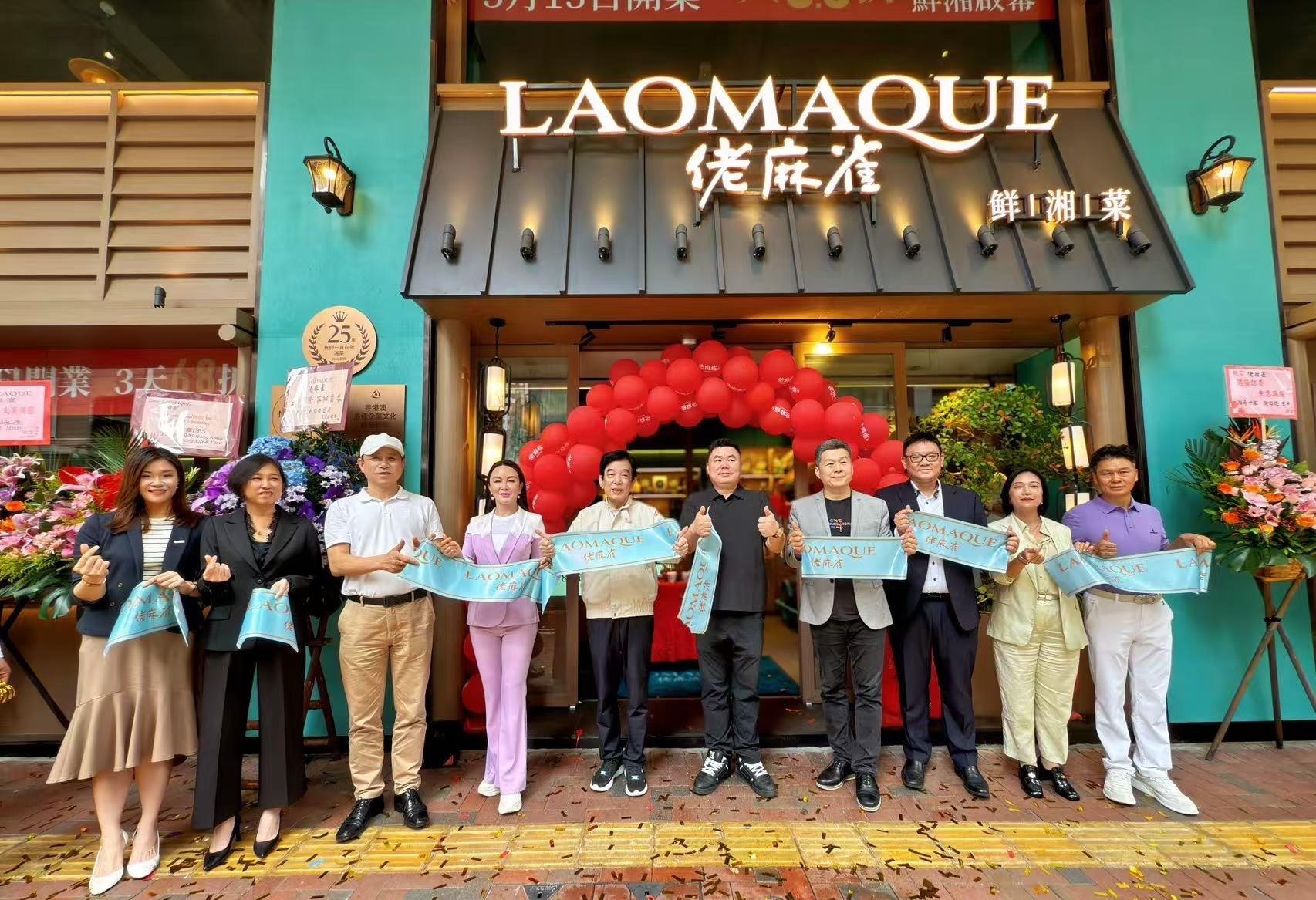
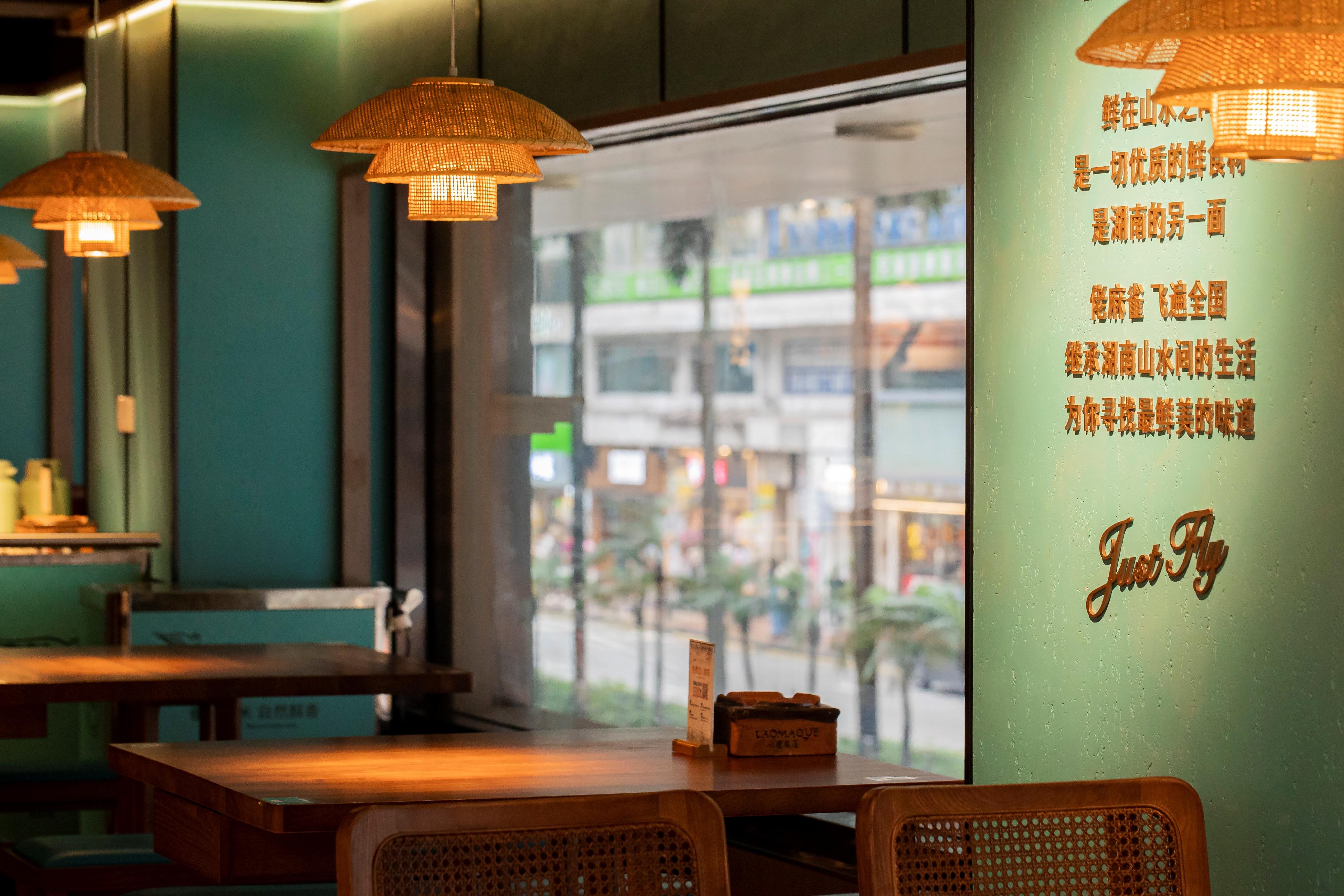
​Invest Hong Kong (InvestHK) announced that Hunan cuisine restaurant brand, LAOMAQUE, officially opened its first restaurant outside the Mainland in Hong Kong today (May 13), marking the well-established Hunan brand’s strategic expansion into the Greater Bay Area (GBA) market.
Acting Director-General of Investment Promotion at InvestHK, Mr Arnold Lau, said, “We welcome LAOMAQUE to our vibrant culinary landscape, celebrating the rich flavours of healthy and fresh Hunan cuisine. This addition not only enhances Hong Kong’s diverse dining scene but also strengthens our position as a global gastronomic destination.”
Located in Wan Chai, LAOMAQUE views this new location as a strategic building block in extending LAOMAQUE’s presence throughout the GBA. “The decision to set up in Hong Kong aligns perfectly with LAOMAQUE’s central strategy of establishing a strong foothold in the GBA and fulfilling our ambition to become the premier Hunan restaurant brand in the region,” said the CEO of LAOMAQUE, Mr Dai Yong.
LAOMAQUE was awarded the “Dazhong Dianping Must-Eat List” and “Guangdong top 50 restaurants”. The group’s brand “Cheers” was selected in the Guangzhou Michelin Guide from 2022 to 2024.
LAOMAQUE specialises in seafood from Hunan cuisine, with its signature dishes including “boiled fish fillet with soybean milk” and “chop chili and steam fish head”. Its dishes have been well received by customers for breaking the stereotype of Hunan cuisine as being overly spicy and greasy. Before entering the Hong Kong market, the restaurant attracted repeat requests from the city’s visitors to set up a presence in Hong Kong. Timed with new market opportunities, the group now officially enters the Hong Kong market, showing its full commitment to and confidence in the Hong Kong market.
“There is a saying in Hunan that ‘The old sparrow of Dongting Lake, no stranger to stormy waves.’ The name LAOMAQUE is inspired by this local proverb, with an underlying philosophy originating from Dongting Lake – the ‘old sparrow’ brings with it an abundance of seafood and ingredients. With over two decades of adhering to strict standards in food sourcing and preparation, LAOMAQUE has built a loyal patronage, including many from Hong Kong. Over the next one to three years, we aim to open more outlets across the city. In response to market trends and consumer feedback, the brand continues to update its menu and services and introduce banquet-style restaurants with mid-to-high-end private dining to cater to the diverse needs of its customers,” added Mr Dai.
The Hong Kong operation serves as a regional office, overseeing day-to-day operations, scouting additional sites for expansion, and recruiting local talent. LAOMAQUE is committed to bringing healthy and modernised Hunan cuisine to a broad audience.
To get a copy of the photos, please visit www.flickr.com/photos/investhk/albums/72177720326073089.