Tag Archives: China

image_pdfimage_print

Substantial reduction of tolls and implementation of HKeToll mostly smooth at Tai Lam Tunnel (with photos)

     The Transport Department (TD) said that the Government has taken over the Tai Lam Tunnel (TLT) at 0.00am today (May 31), and that the implementation of the new tolls and the HKeToll has mostly been smooth so far.
 
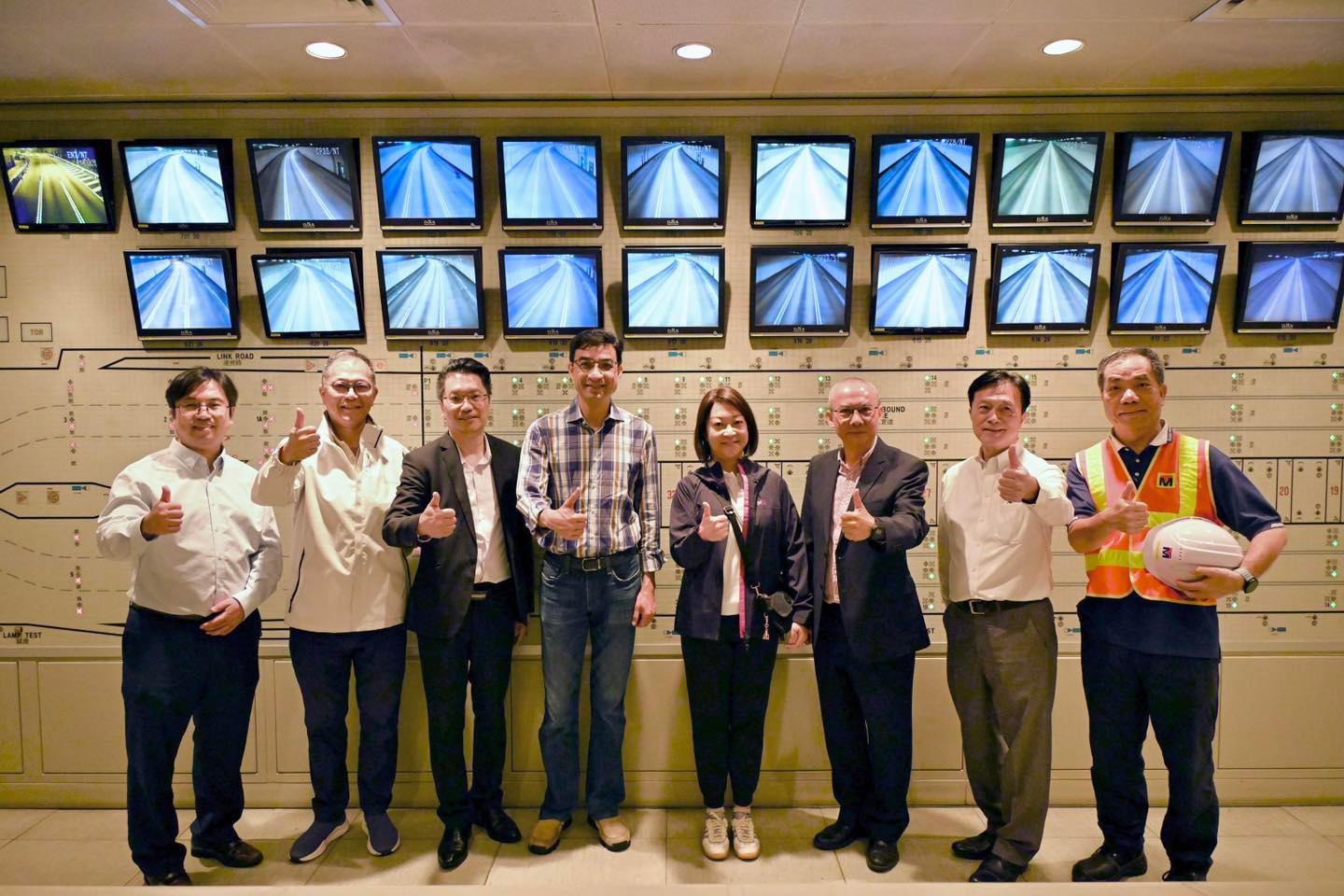
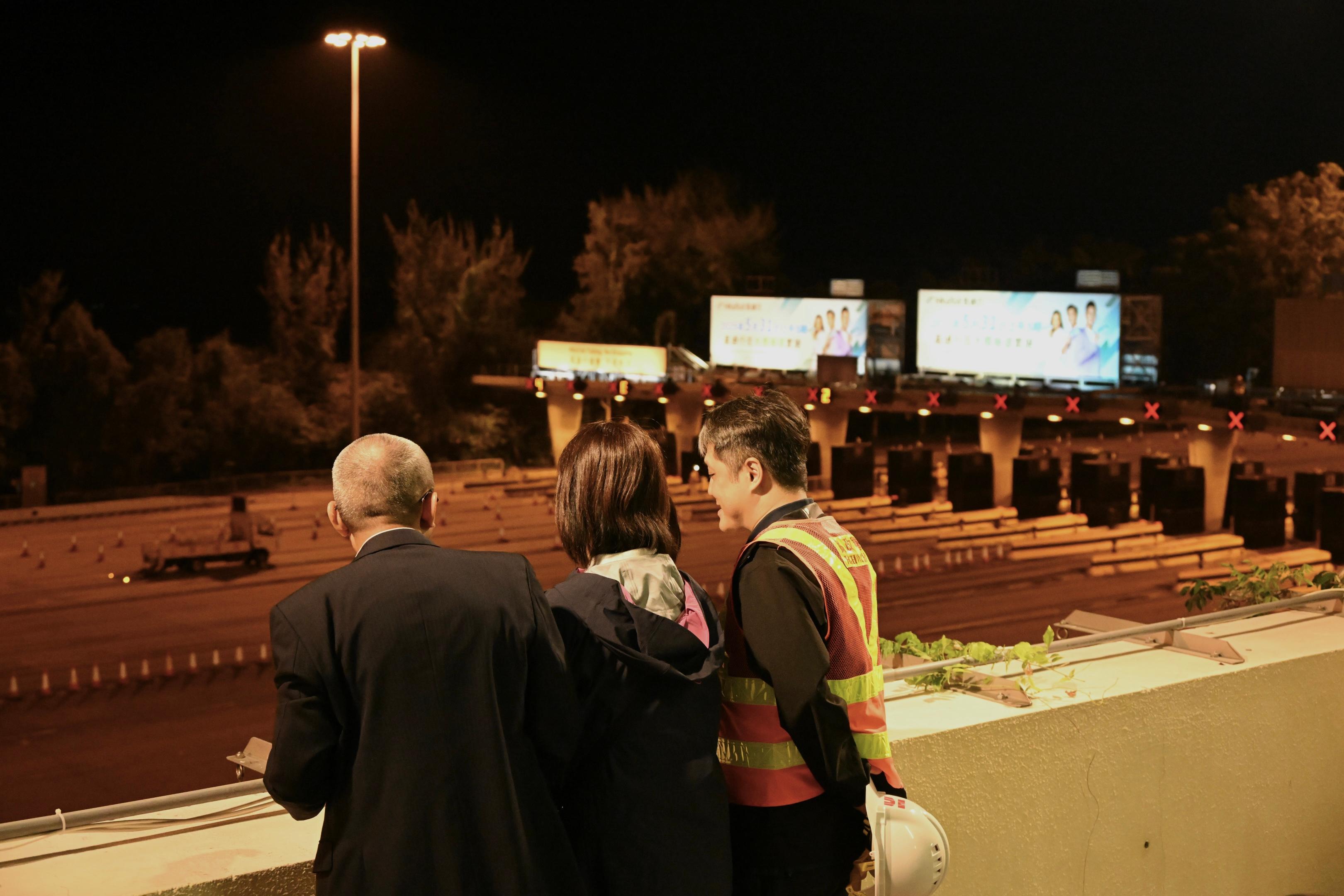
     The Commissioner for Transport, Ms Angela Lee, visited the TLT Administration Building in the small hours today and was briefed by the operator’s management on the switchover works conducted during its full closure. She also oversaw the tests and preparations prior to the introduction of the HKeToll at the control centre. She met with tunnel management and engineering personnel of the operator and thanked the team for racing against time in completing the takeover work thoroughly, efficiently and smoothly.
 
     Ms Lee was glad to note that the TLT reopened at 5am as scheduled with the launch of the HKeToll. She appreciated the tireless efforts of the multidisciplinary team comprising the TD, the Highways Department and the Electrical and Mechanical Services Department in completing the necessary drills as well as installing adequate traffic signs and road markings, providing motorists with a smoother road experience as they do not have to stop or queue for payment.
 
     The TD’s Emergency Transport Co-ordination Centre (ETCC) has been closely monitoring the traffic conditions before and after the takeover of the TLT, and the traffic in both directions has generally been smooth so far. In addition, the traffic of alternative routes, such as Tuen Mun Road and Tolo Highway, has largely been smooth. The ETCC will closely monitor the overall traffic conditions on June 2, the first working day, including the application of time-varying tolls on private cars and motorcycles at the TLT for the first time.
 
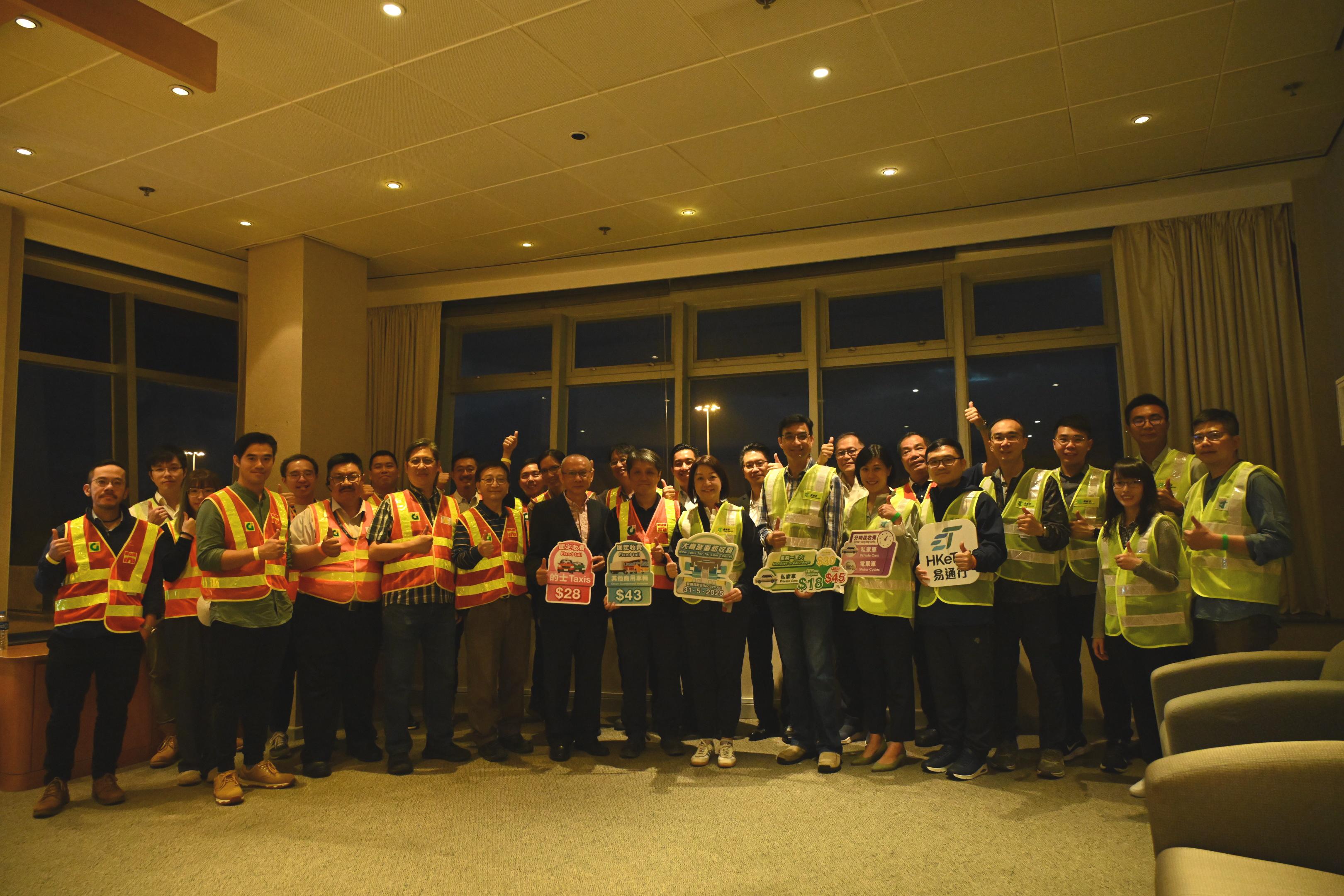
     Under the new tolls, tolls for all vehicle types are lower than previous tolls by 22 to 80 per cent. Among them, tolls for private cars in the peak, normal and off-peak time slots from Monday to Saturday are $45, $30 and $18 respectively, with a fixed toll of $18 throughout the day for Sunday and general holidays. The motorcycle toll for all time slots is set at 40 per cent of the private car toll, i.e. between $7.2 and $18. Taxis and other commercial vehicles (such as goods vehicles and buses) continue to have a fixed toll on all days: $28 for taxis and $43 for other commercial vehicles.
 
     Ms Lee said, “As motorists, transport trades and members of the public may take time to adapt to new routes and adjust their commuting habits, we will closely monitor the traffic flow and public transport services in the vicinity of the TLT. Following the substantial reduction of tolls and the roll-out of the HKeToll, we hope to make optimal use of the TLT’s spare capacity effectively to alleviate the busy traffic on alternative routes, such as Tuen Mun Road, thereby improving the flow of people and freight between the New Territories West/North and the urban areas, as well as achieving the objective of providing a smooth commute and bringing benefits to all sectors.”
 
     Motorists may refer to the TLT’s toll displays or the TD’s HKeMobility mobile application for real-time toll information. Those who have yet to apply for an HKeToll vehicle tag and account should do so as soon as possible.
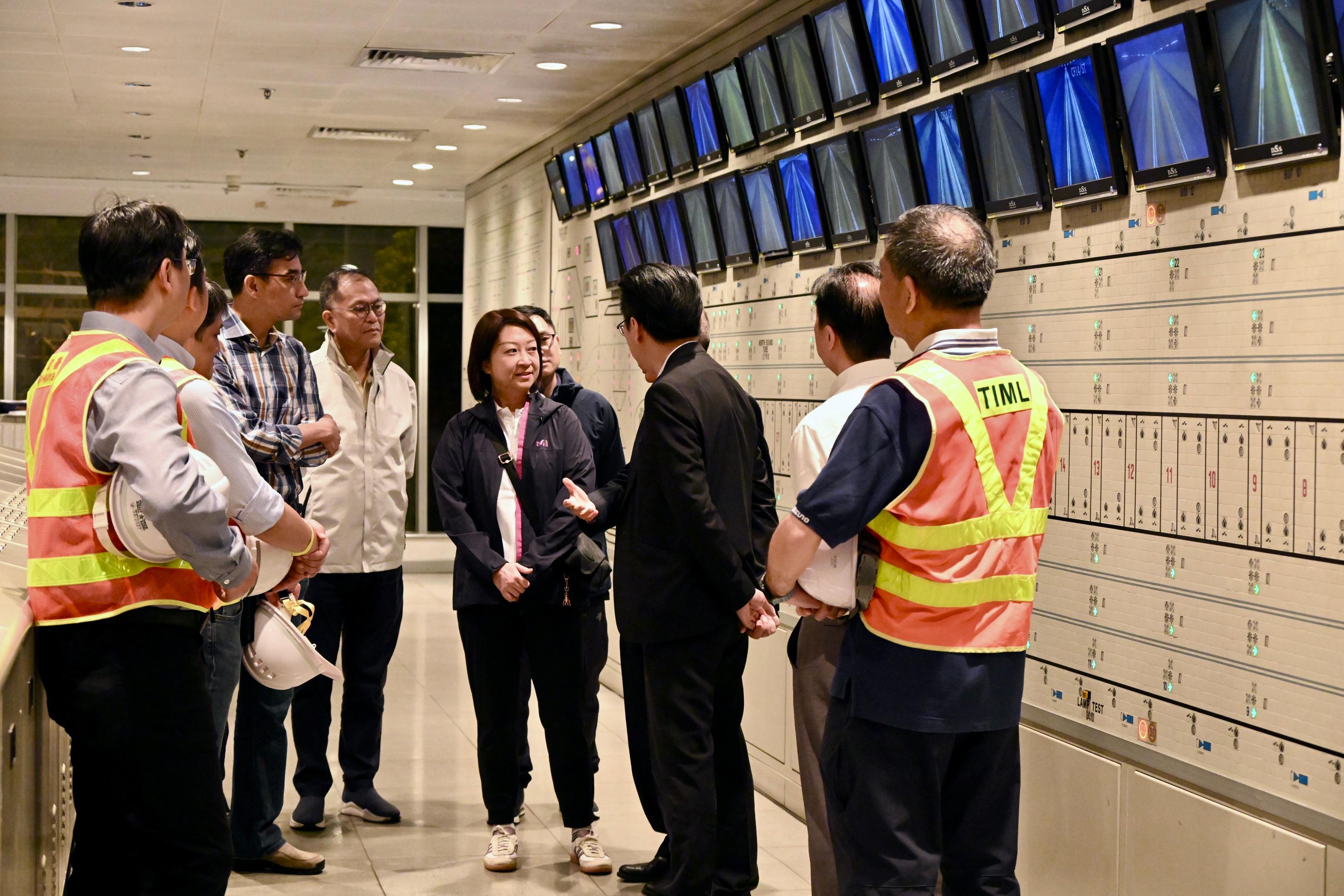
 

Photo  Photo  Photo  Photo  Photo  
read more

SFST promotes HK’s measures for integrating traditional and digital finance at Web Summit Vancouver (with photos)

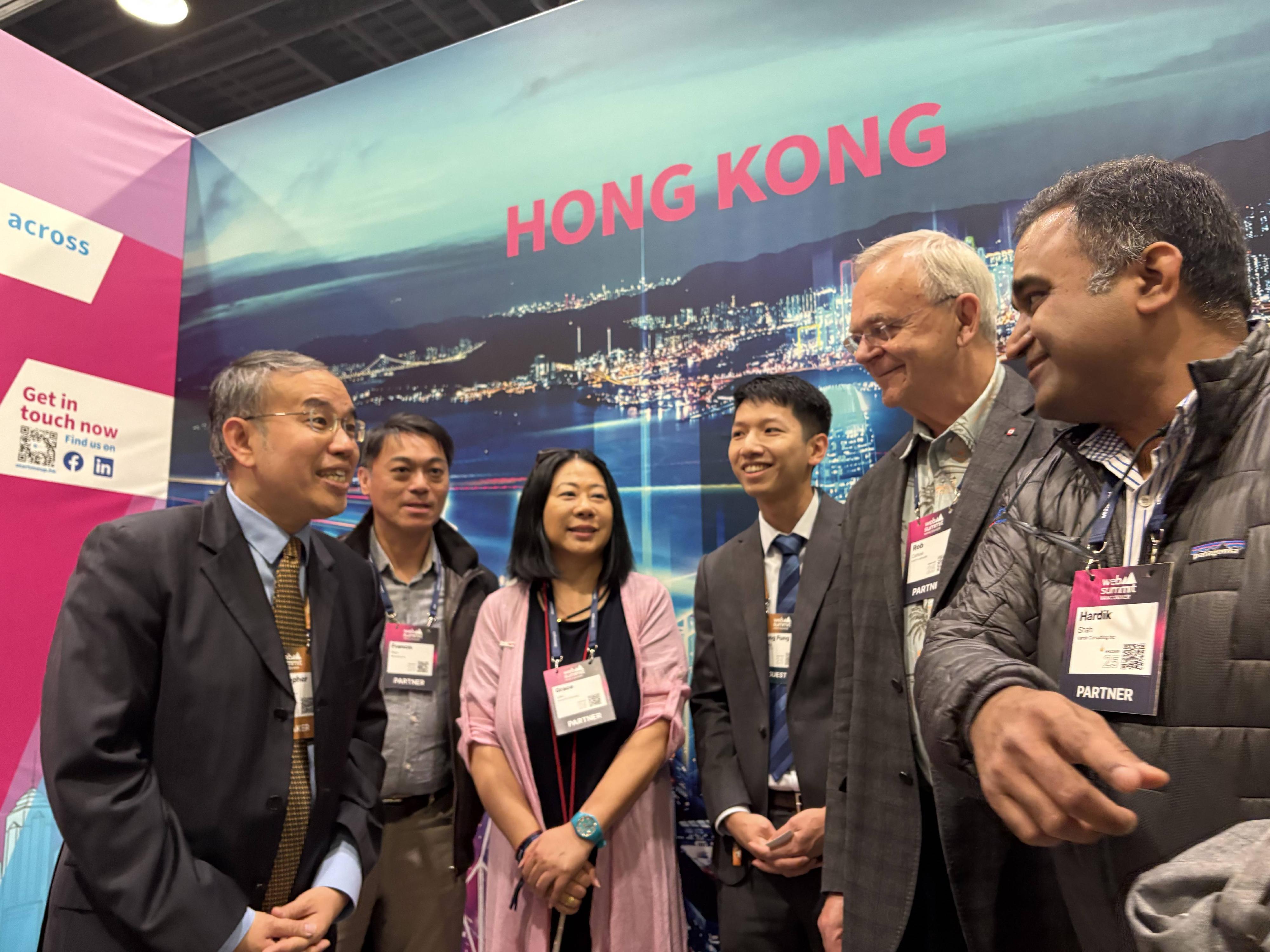
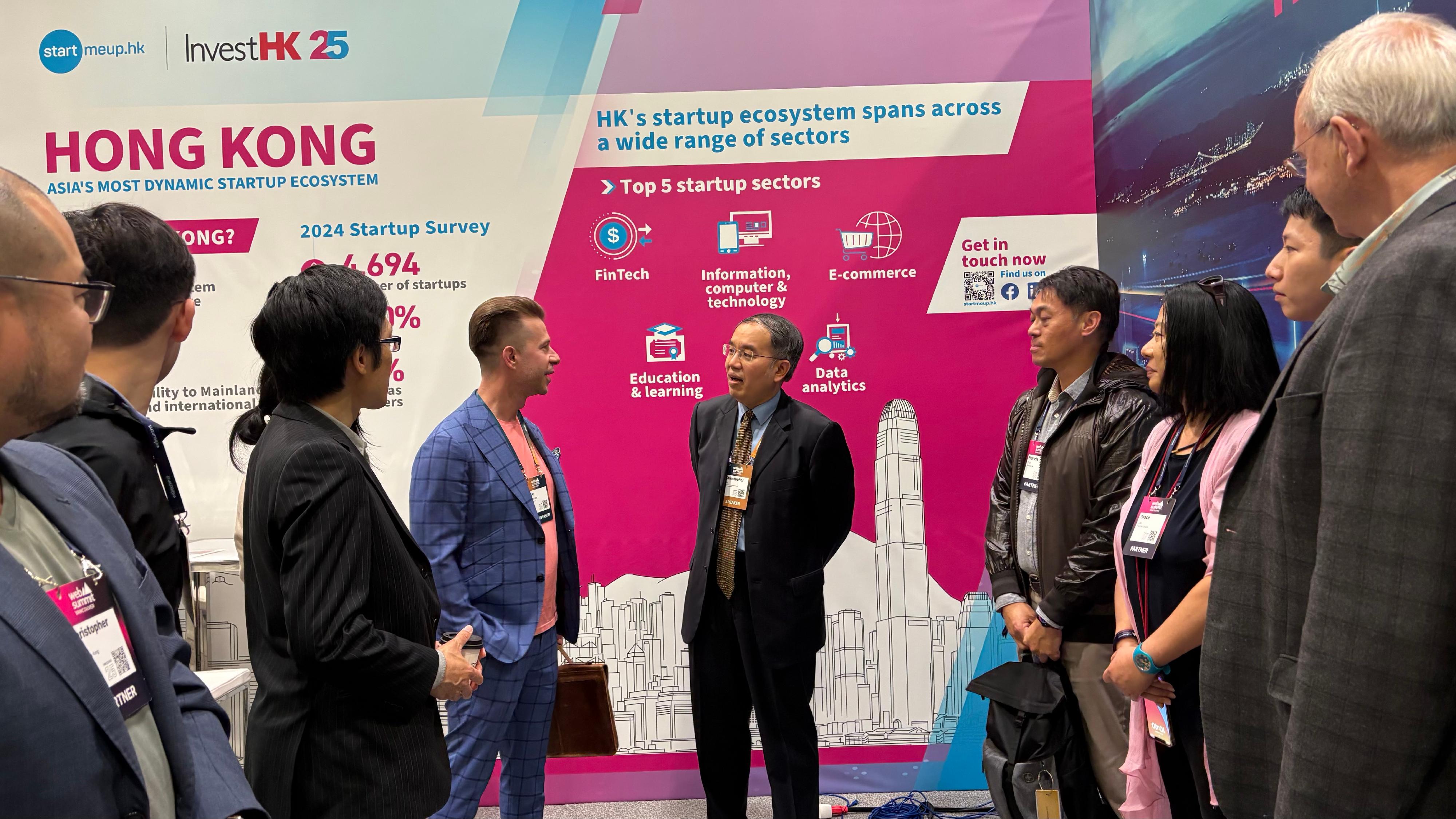
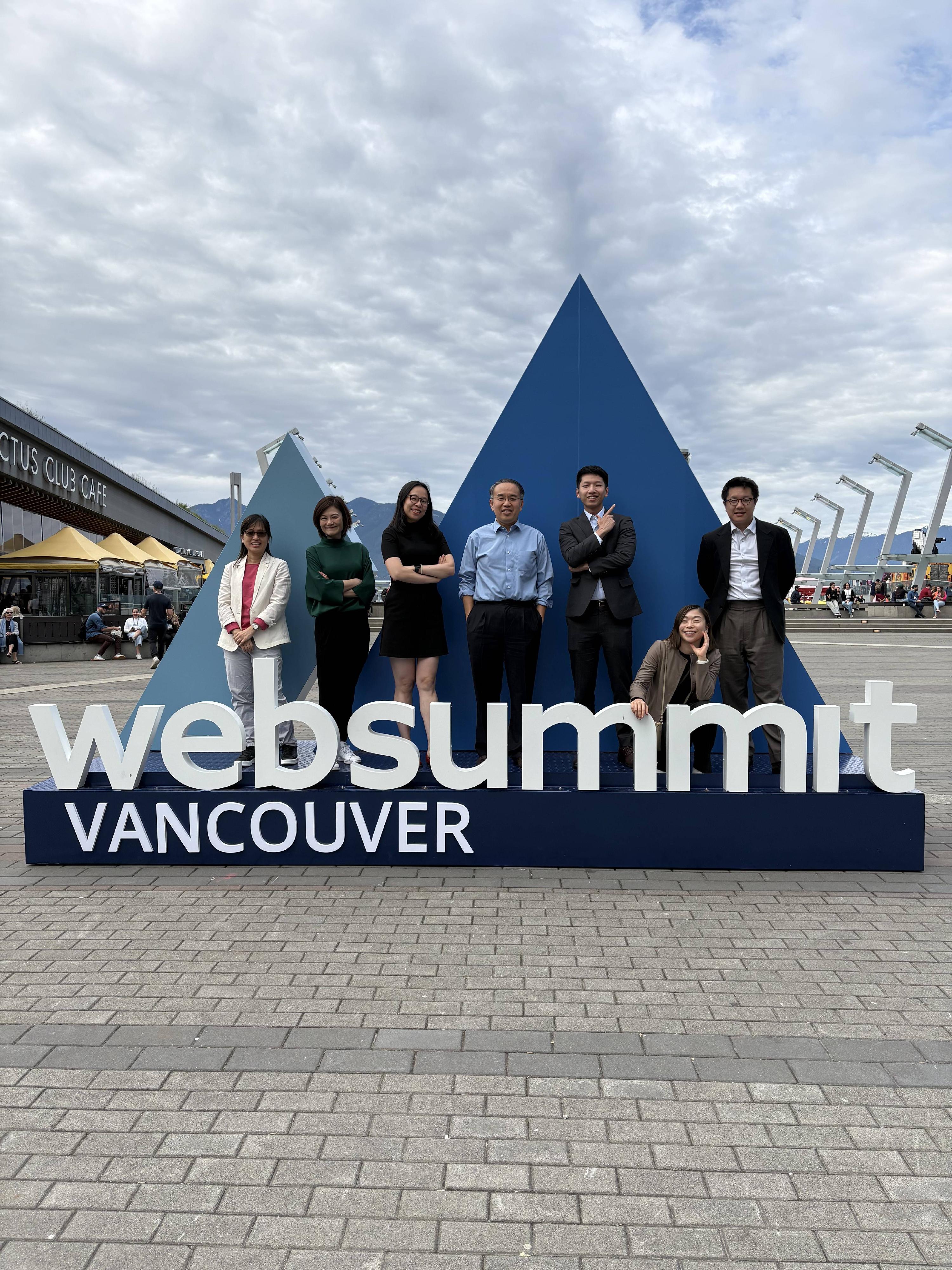
     The Secretary for Financial Services and the Treasury, Mr Christopher Hui, attended the Web Summit Vancouver on May 30 (Vancouver time) in Vancouver, Canada, and appealed to tech investors and leaders to grasp the vast business opportunities in the vibrant fintech ecosystem in Hong Kong.
      
     The Web Summit, a mega event for the tech sector, attracted over 10 000 tech investors, entrepreneurs and industry leaders across the world each time it is hosted. This is the first time the Summit has been held in Vancouver. Mr Hui engaged in a panel discussion session titled “Local to global: Strategies for tech success”, which was joined by the Minister of Jobs, Economic Development and Innovation of the Province of British Columbia, Canada, Ms Diana Gibson. They had an illuminating discussion on the various approaches taken in building dynamic fintech economies, ranging from developing talent, attracting investment to creating opportunities.
      
     Mr Hui said that as one of the top three international financial centres and a leading international green finance hub, Hong Kong is pioneering the integration of traditional and digital finance with a view to strengthening its position as Asia’s gateway for financial innovation. The city is striving to accelerate green and sustainable finance and virtual asset development, with a view to making them key components of the diversified financial value chain. The Hong Kong Monetary Authority has already commenced sandbox experimentation of Project Ensemble, which is a new wholesale central bank digital currency project to support the development of the tokenisation market in Hong Kong.
      
      The fintech ecosystem is thriving in Hong Kong, with around 1 100 fintech companies and start-ups, including 10 licensed virtual asset trading platforms, eight digital banks and four virtual insurers. Pledged to continue playing a leading role in facilitating green and sustainable financing and investment for the global agenda of green transition, Hong Kong issued a policy statement last October to set out its policy stance and approach on the responsible application of artificial intelligence in the financial market. The Government also launched a roadmap last December to require publicly accountable entities (PAEs) to adopt the International Financial Reporting Standards – Sustainability Disclosure Standards (ISSB Standards) and to provide a well-defined pathway for large PAEs to fully adopt the ISSB Standards no later than 2028. This brings Hong Kong among the first jurisdictions to align its local requirements with ISSB Standards. As an initial step, the Stock Exchange of Hong Kong Limited has already started to implement in phases new climate disclosure requirements to reflect the ISSB Standard No. 2: Climate-related Disclosures since this January.
      
     Mr Hui also updated the Summit on the latest passage of legislation last week establishing a licensing regime for fiat-referenced stablecoins issuers in Hong Kong, as a way to further enhance Hong Kong’s regulatory framework on virtual asset activities for supporting the healthy, responsible and sustainable development of Hong Kong’s stablecoin and the broader digital asset ecosystem. Hong Kong is among the first batch of regions to have introduced stablecoin legislation and strives to fully implement the licensing regime within this year, with a view to approving the first batch of licences as soon as practicable.
      
     Looking forward, Hong Kong will soon promulgate a second policy statement on the development of virtual assets to explore the convergence of traditional finance and virtual assets. A consultation on the licensing regimes for virtual asset over-the-counter trading services and custodian services will also be conducted within this year.
      
     During his stay at the Summit, Mr Hui visited exhibition booths manned by Hong Kong delegates. He was pleased to learn that the Hong Kong delegates received encouraging feedback over the past few days, reflecting the world-class standard of Hong Kong fintech talent and their appeal to investors.
      
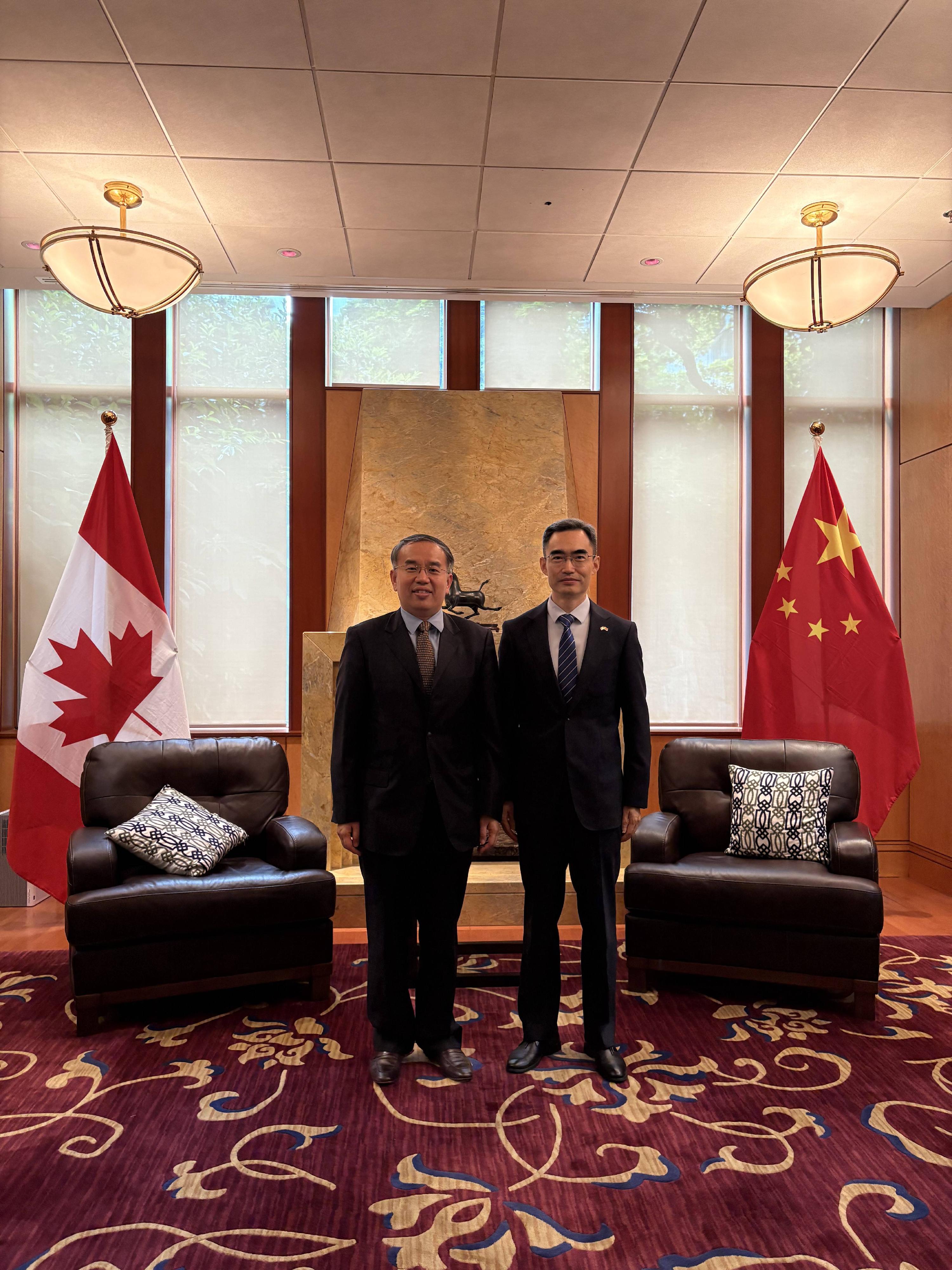
     In the afternoon, Mr Hui paid a courtesy call to the Consul General of the People’s Republic of China in Vancouver, Mr Yang Shu. Mr Yang said Hong Kong has always been a window of the country to the world and will continue to be. He encouraged Hong Kong to keep up with its work in deepening international exchanges and co-operation.
      
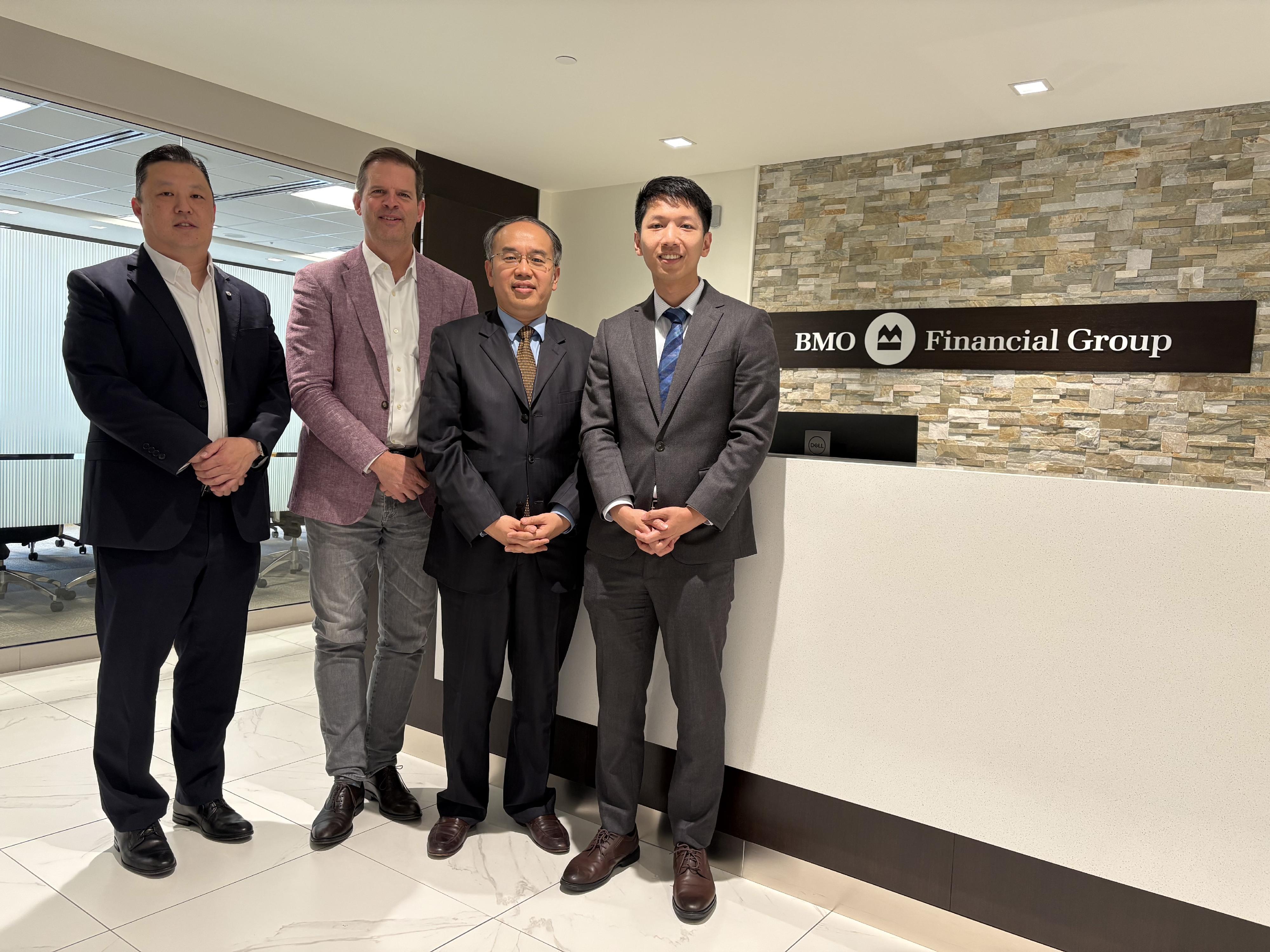
     Before concluding his visit to Canada, Mr Hui visited Bank of Montreal and met with the Senior Vice President & Head, Mid-Market, Commercial Bank, Mr Andrew Hung, and Senior Vice President & Head, BC & Yukon, Mr Greg Vriend. He told them that in a world full of geopolitical uncertainties, Hong Kong’s financial market is emerging as a risk-off haven for investors and attracting more investments owing to its connectivity with the Mainland and the world at large, bringing greater prospects for the banking sector and different financial areas.
      
     Mr Hui will return to Hong Kong in the early hours of May 31 (Vancouver time).

Photo  Photo  Photo  Photo  Photo  Photo  
read more

CE’s statement on appointment of CPG Liaison Office Director

     â€‹On the State Council’s appointment of Mr Zhou Ji as the Director of the Liaison Office of the Central People’s Government in the Hong Kong Special Administrative Region (LOCPG) and National Security Adviser to the Committee for Safeguarding National Security of the Hong Kong Special Administrative Region (NSC), and the removal of Mr Zheng Yanxiong as the Director of the LOCPG, Deputy Director of the Hong Kong and Macao Affairs Office of the State Council and National Security Adviser of the NSC, the Chief Executive, Mr John Lee, issued the following statement on May 30:

     The Hong Kong Special Administrative Region (HKSAR) Government and I warmly welcome Mr Zhou’s assumption of his new posts, and express our sincere gratitude to Mr Zheng for his contribution to the HKSAR in his office as the Director of the LOCPG, Deputy Director of the Hong Kong and Macao Affairs Office of the State Council and National Security Adviser of the NSC.

     Since July 2023, Mr Zhou has been serving as the Executive Deputy Director of the Hong Kong and Macao Work Office of the CPC Central Committee and the Hong Kong and Macao Affairs Office of the State Council, directly participating in the management and co-ordination of Hong Kong affairs. He is well acquainted with the national policies on Hong Kong. Last year, he led a delegation to Hong Kong for an inspection visit to co-ordinate the implementation of the Central Government’s policies benefitting Hong Kong and convey the Central Government’s strong support for Hong Kong’s development and care for Hong Kong people. Mr Zhou has previously held such positions as Member of the Standing Committee of the CPC Hubei Provincial Committee, as well as Member of the Standing Committee and Deputy Secretary of the CPC Henan Provincial Committee and Vice Governor of Henan Province, possessing extensive experience in policy-making and local governance.

     I sincerely thank the Central Government for its care and support for the HKSAR. I am fully confident that Mr Zhou will lead the LOCPG in continuing its support to the HKSAR Government’s governance in accordance with the law, working together with us in fully, faithfully and resolutely implementing the principles of “one country, two systems”, “Hong Kong people administering Hong Kong” and a high degree of autonomy. We will together maintain the constitutional order of the HKSAR as stipulated in the Constitution and the Basic Law and implement the principle of “patriots administering Hong Kong”. I am also confident that Mr Zhou will lead the LOCPG in its continued co-operation with the HKSAR Government of promoting the HKSAR’s proactive alignment with national strategise, creating new momentum and advantages for Hong Kong’s economic development, promoting Hong Kong’s transition from stability to prosperity through innovation and invention, and making greater contribution to the great rejuvenation of the Chinese nation. 

     The HKSAR Government and I are also deeply grateful to Mr Zheng for steadfastly upholding the “one country, two systems” principle on issues such as safeguarding national security and maintaining the HKSAR’s constitutional order in his tenure of over two years. During his office, Mr Zheng fully supported the HKSAR Government in fulfilling its constitutional responsibility and historic mission of enacting local legislation for Article 23 of the Basic Law. The Safeguarding National Security Ordinance, which entered into force on March 23, 2024, has strengthened Hong Kong’s legal regime in safeguarding national security.

     Before serving as the Director of the LOCPG, Mr Zheng was the first Head of the Office for Safeguarding National Security of the Central People’s Government in the HKSAR, leading the Office to perform its mandate of safeguarding national security in accordance with the law. Mr Zheng has all along held the issues of providing a better living and working environment for the people of Hong Kong, youth development, and Hong Kong’s leverage of the opportunities of the Guangdong-Hong Kong-Macao Greater Bay Area close to his heart. The HKSAR Government and I would like to express our gratitude to him. read more

Signing Ceremony of the Convention on the Establishment of the International Organization for Mediation and Global Forum on International Mediation successfully conclude today (with photos)

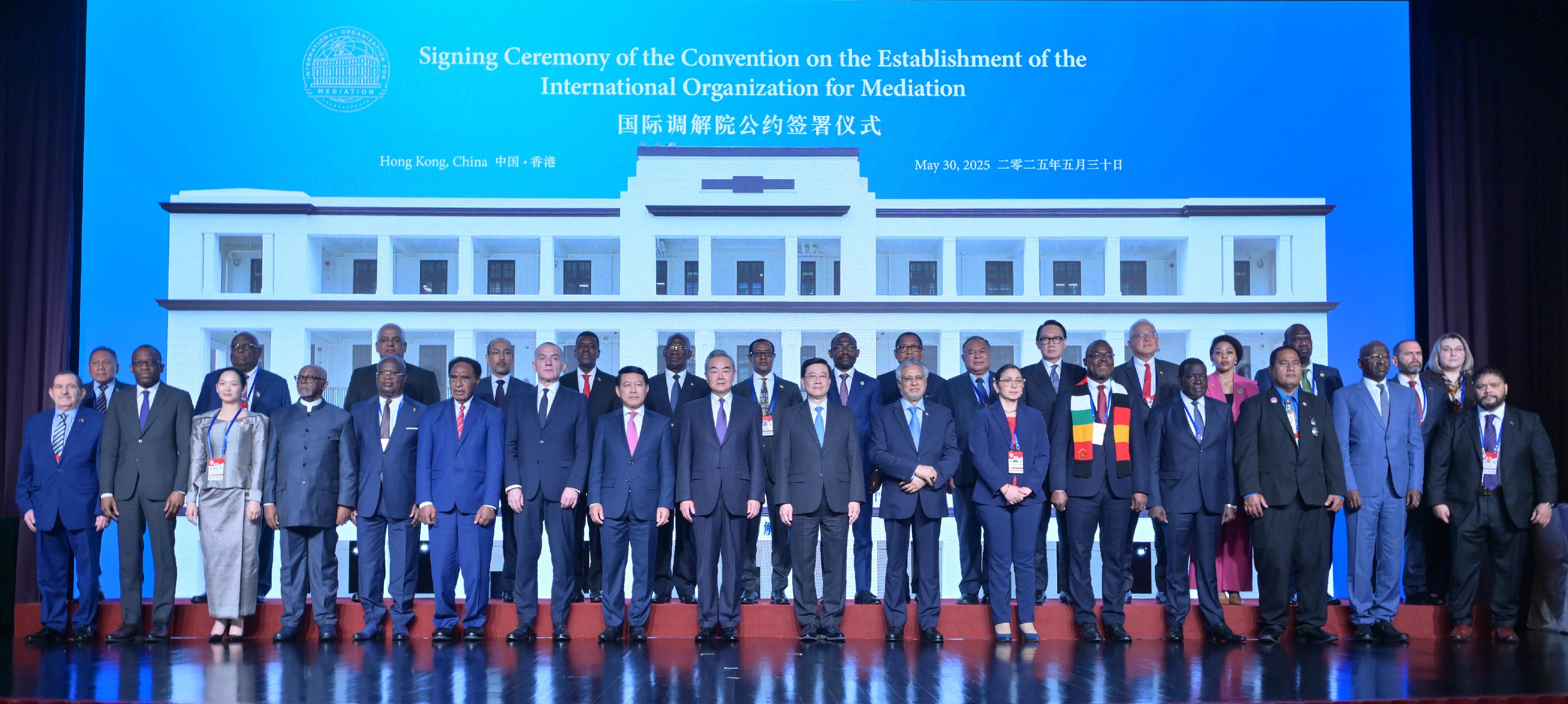
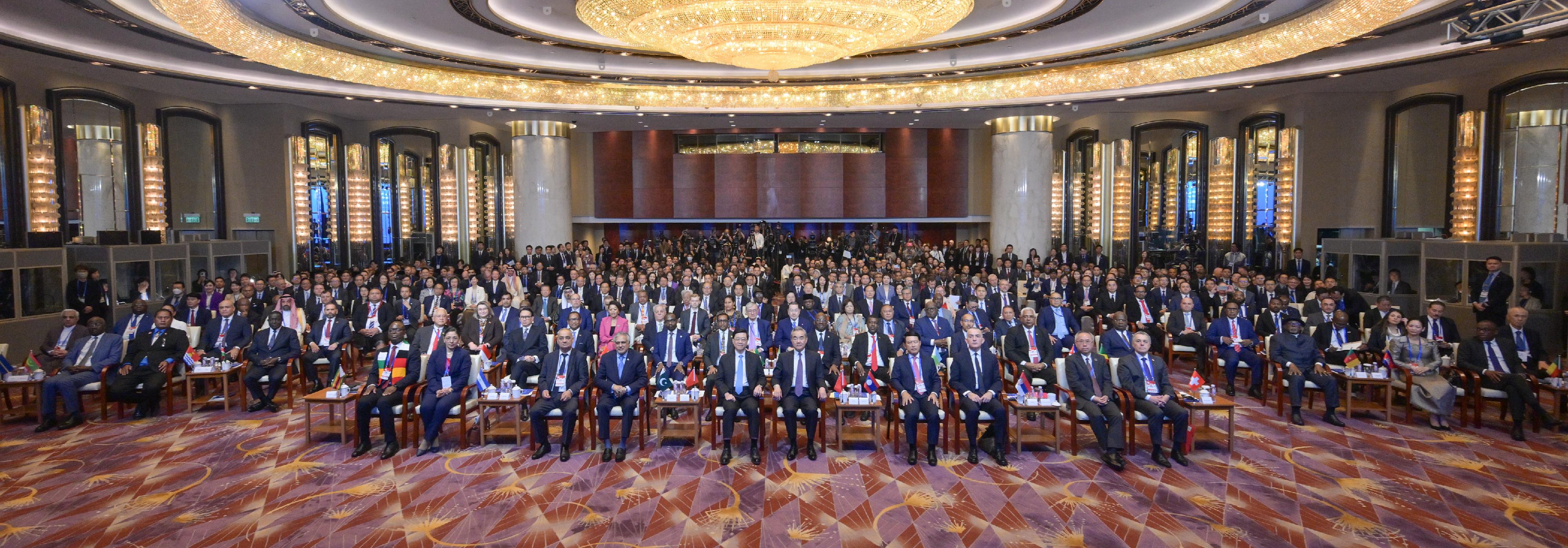
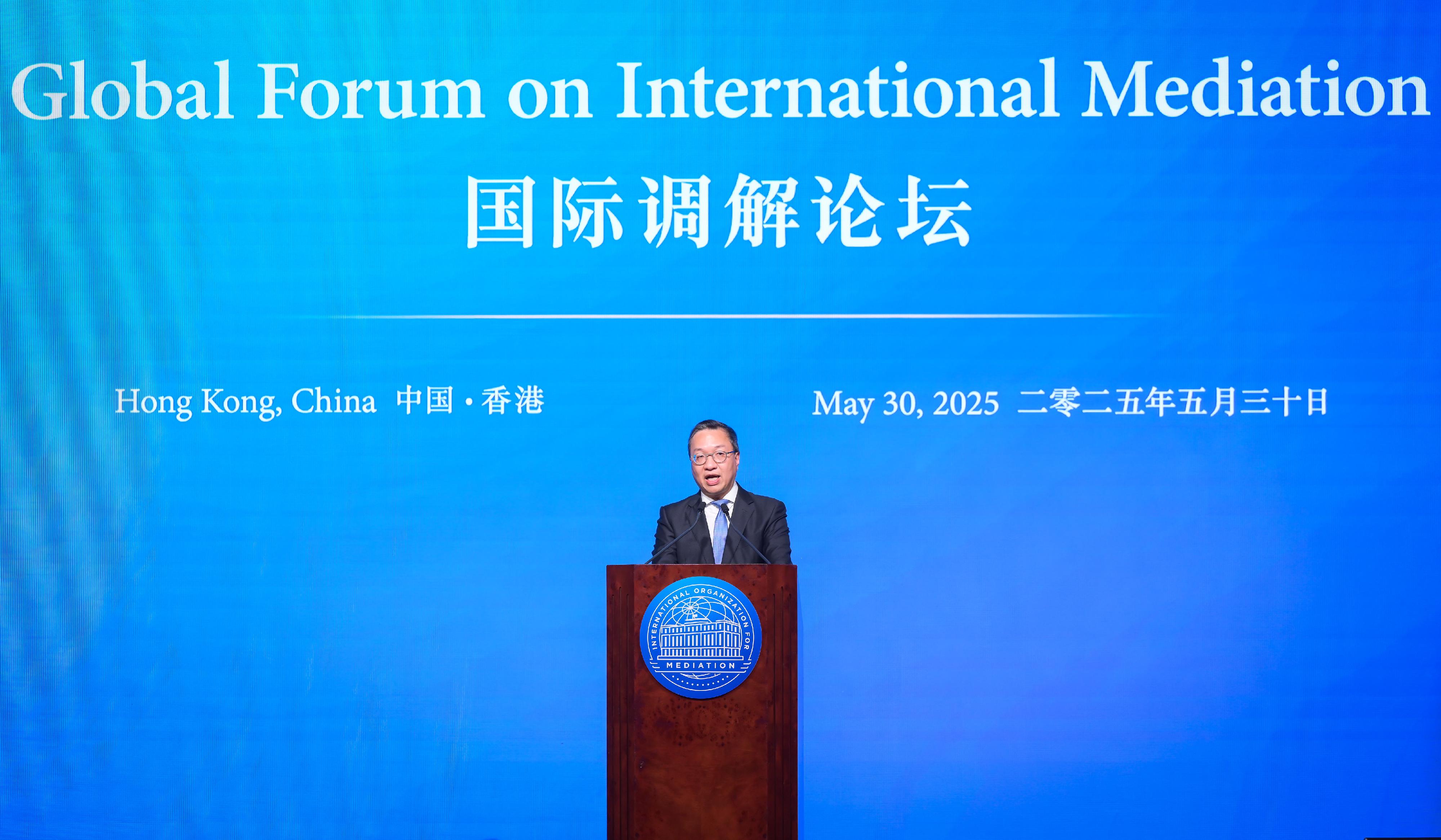
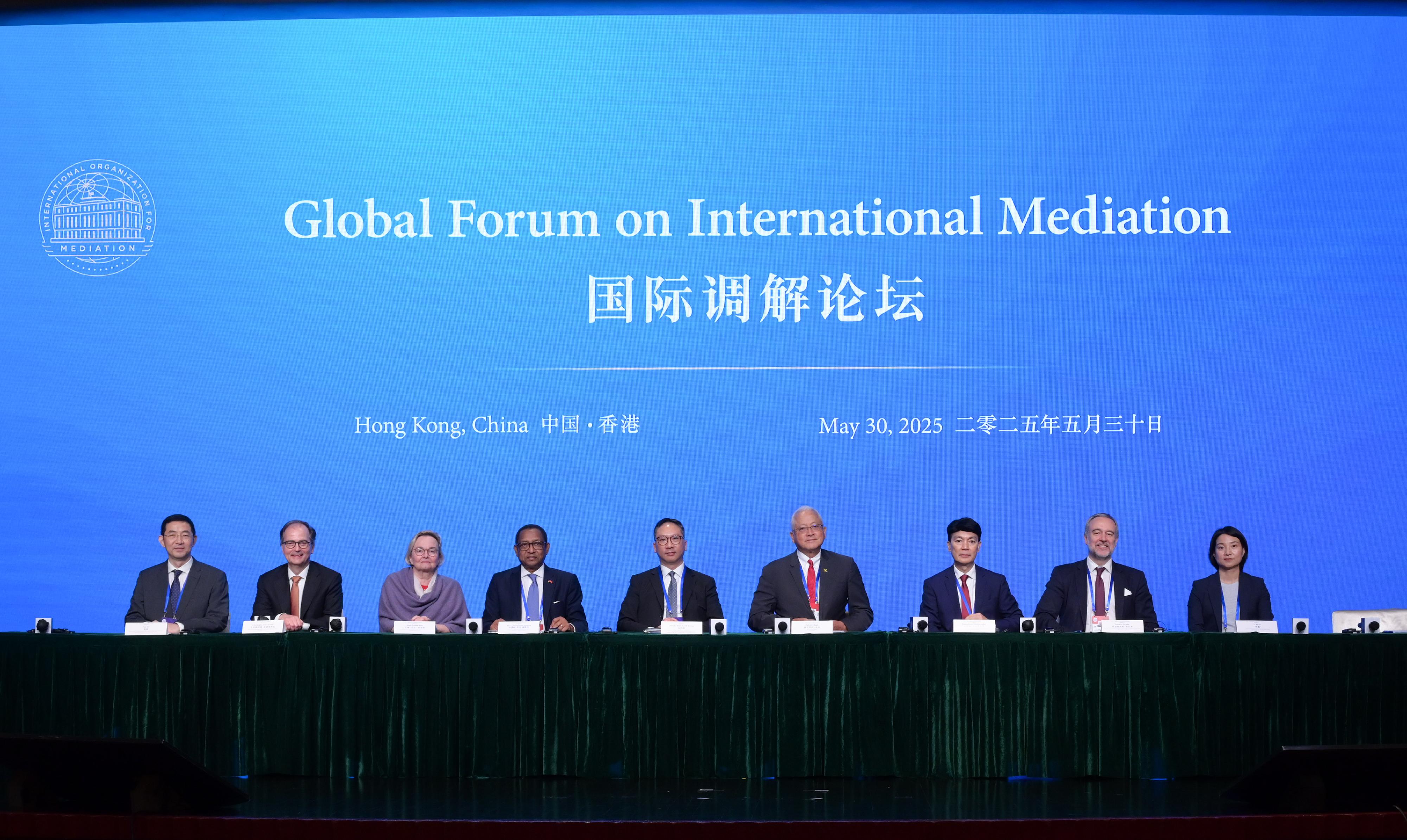
     The Signing Ceremony of the Convention on the Establishment of the International Organization for Mediation (IOMed) and the Global Forum on International Mediation successfully concluded today (May 30).
 
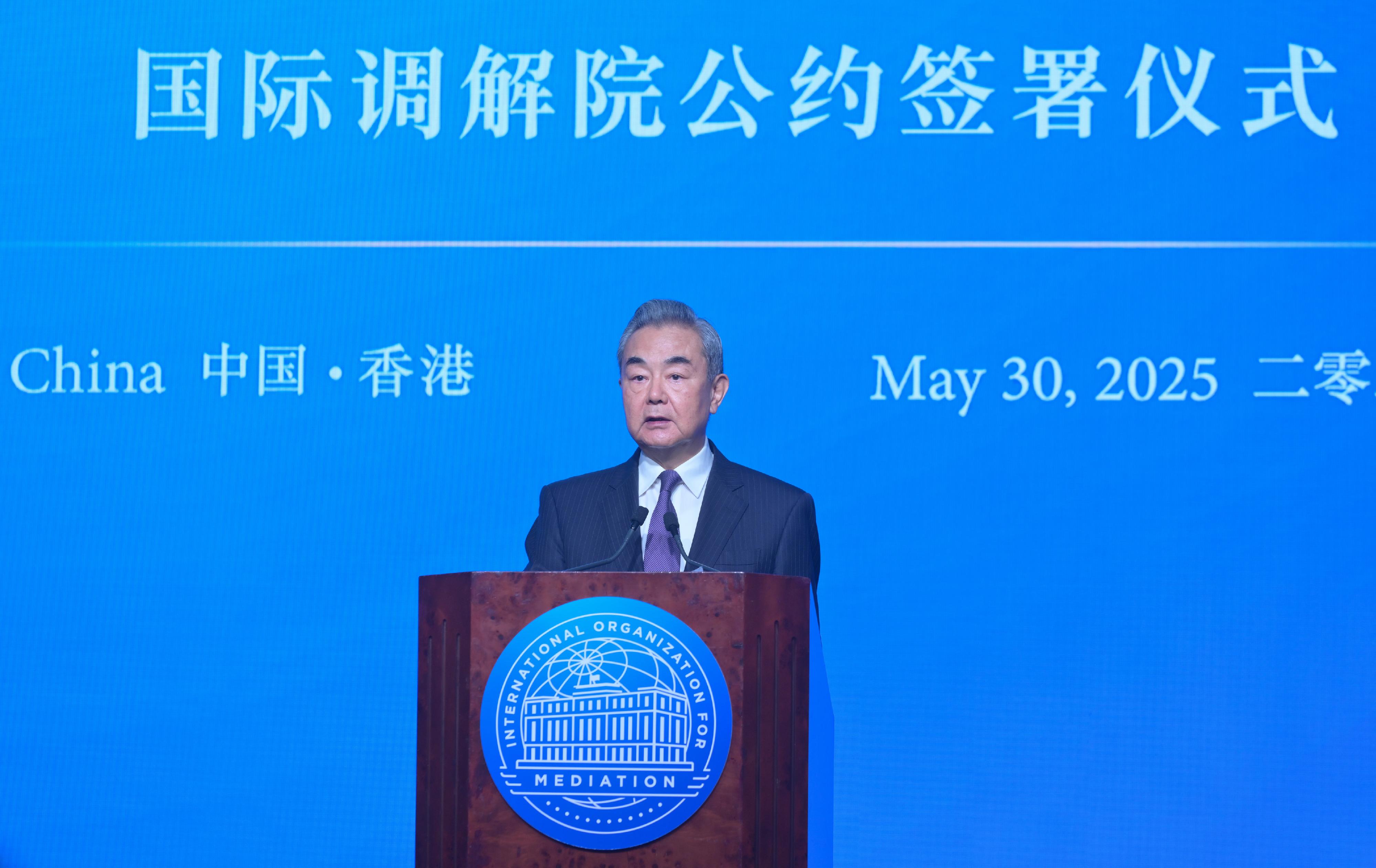
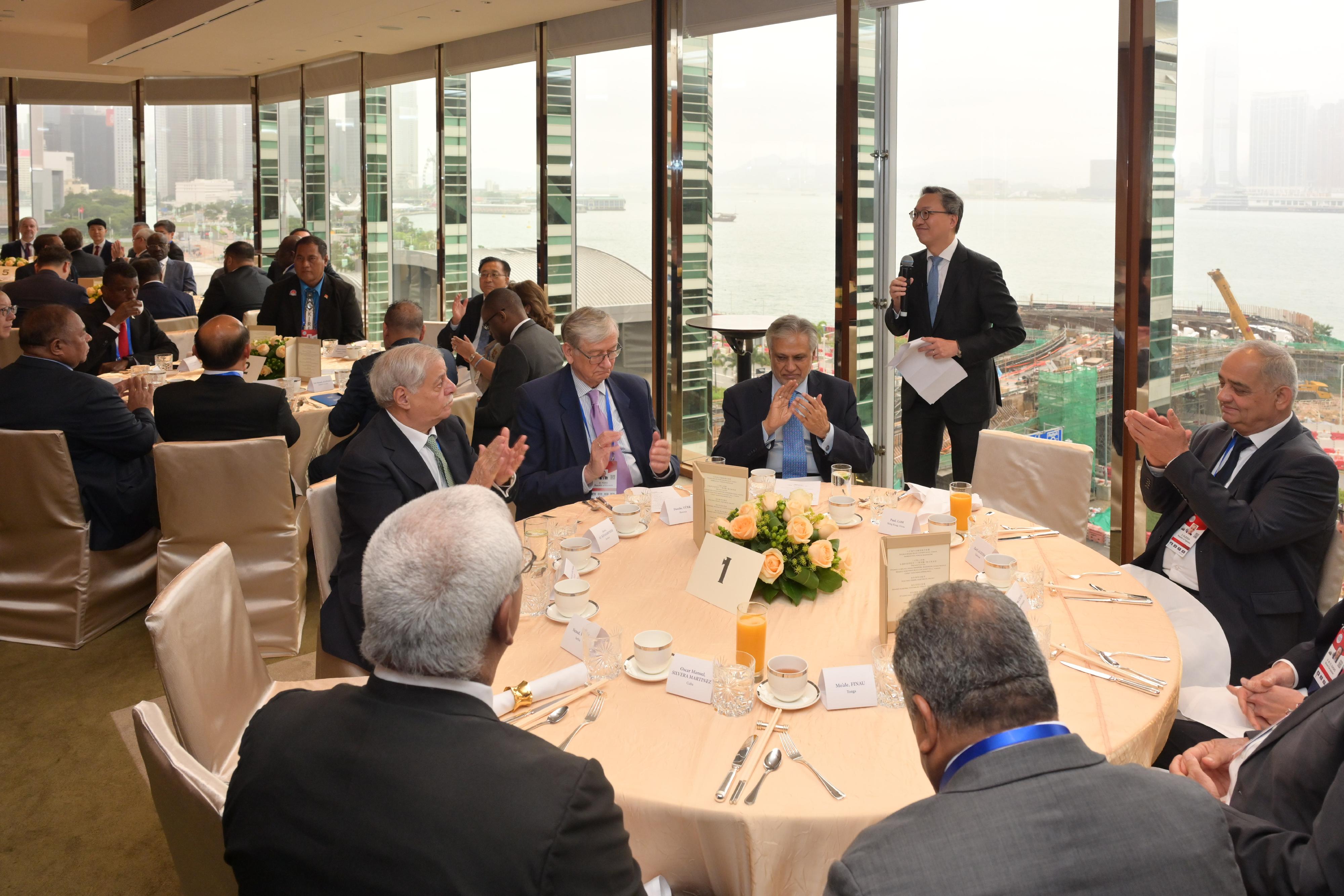
     Member of the Political Bureau of the Communist Party of China Central Committee and Minister of Foreign Affairs, Mr Wang Yi, attended the Signing Ceremony of the Convention in Hong Kong. Mr Wang was the first to sign the Convention on behalf of China. Thirty-three countries, including China and countries from Asia, Africa, Latin America and Europe, jointly signed the Convention. In addition, more than 50 countries and nearly 20 international organisations, including the United Nations (UN), also sent senior representatives to witness the Signing Ceremony. The Chief Executive, Mr John Lee; the Chief Secretary for Administration, Mr Chan Kwok-ki; the Financial Secretary, Mr Paul Chan; and the Secretary for Justice, Mr Paul Lam, SC, were also present.
 
     Addressing the ceremony, Mr Wang said that as an innovative step in international rule of law, the IOMed has great significance in the history of international relations. The establishment of the IOMed is an actualisation of the purposes and principles of the UN Charter; it is also an example of a civilisational belief in harmony and an epitome of inclusiveness in the culture of the rule of law. The IOMed will be headquartered in Hong Kong, whose handover is itself a success story of peaceful settlement of international disputes. The success of the “one country, two systems” principle has created brighter prospects for prosperity and stability in Hong Kong. Mr Wang said that he looks forward to all parties working together to let the IOMed play a positive role in peacefully resolving international disputes for a brighter future for humanity.
    
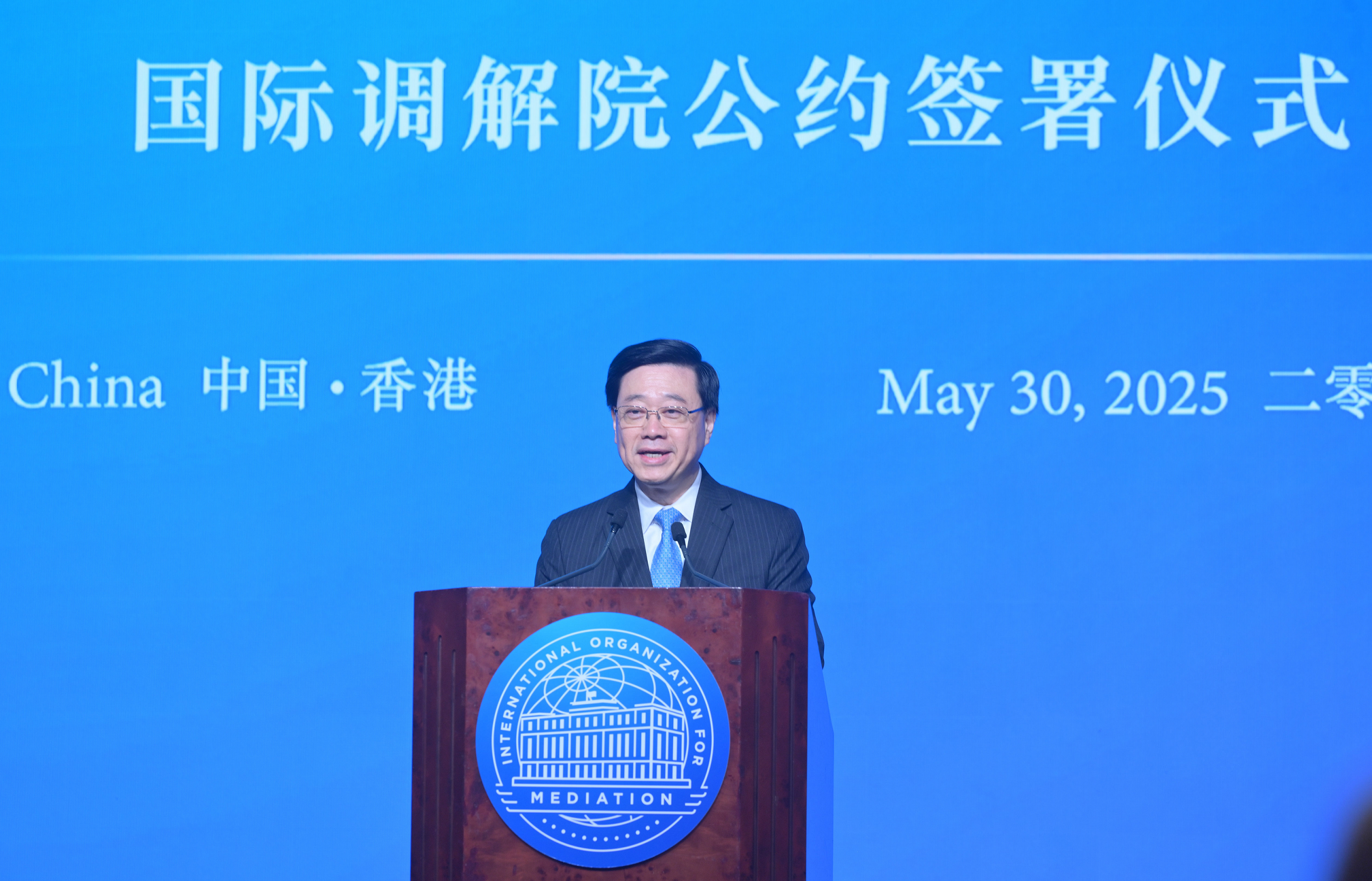
     Addressing the ceremony, Mr Lee expressed his sincere gratitude to the Central Government for its staunch support of Hong Kong, allowing Hong Kong the honour of housing the IOMed headquarters. He also thanked the international community for placing their trust and confidence in the city. He said that Hong Kong is the only common law jurisdiction in China. With a robust, efficient and well-respected legal system, as well as world-class legal and dispute resolution services professionals, Hong Kong is also the most preferred seat of arbitration in the Asia-Pacific region. Hong Kong goes all out to build bridges with the world and will actively support and facilitate the IOMed’s valuable work in settling international disputes through mediation, thereby providing a pathway for countries to resolve international disputes based on mutual respect and understanding.
 
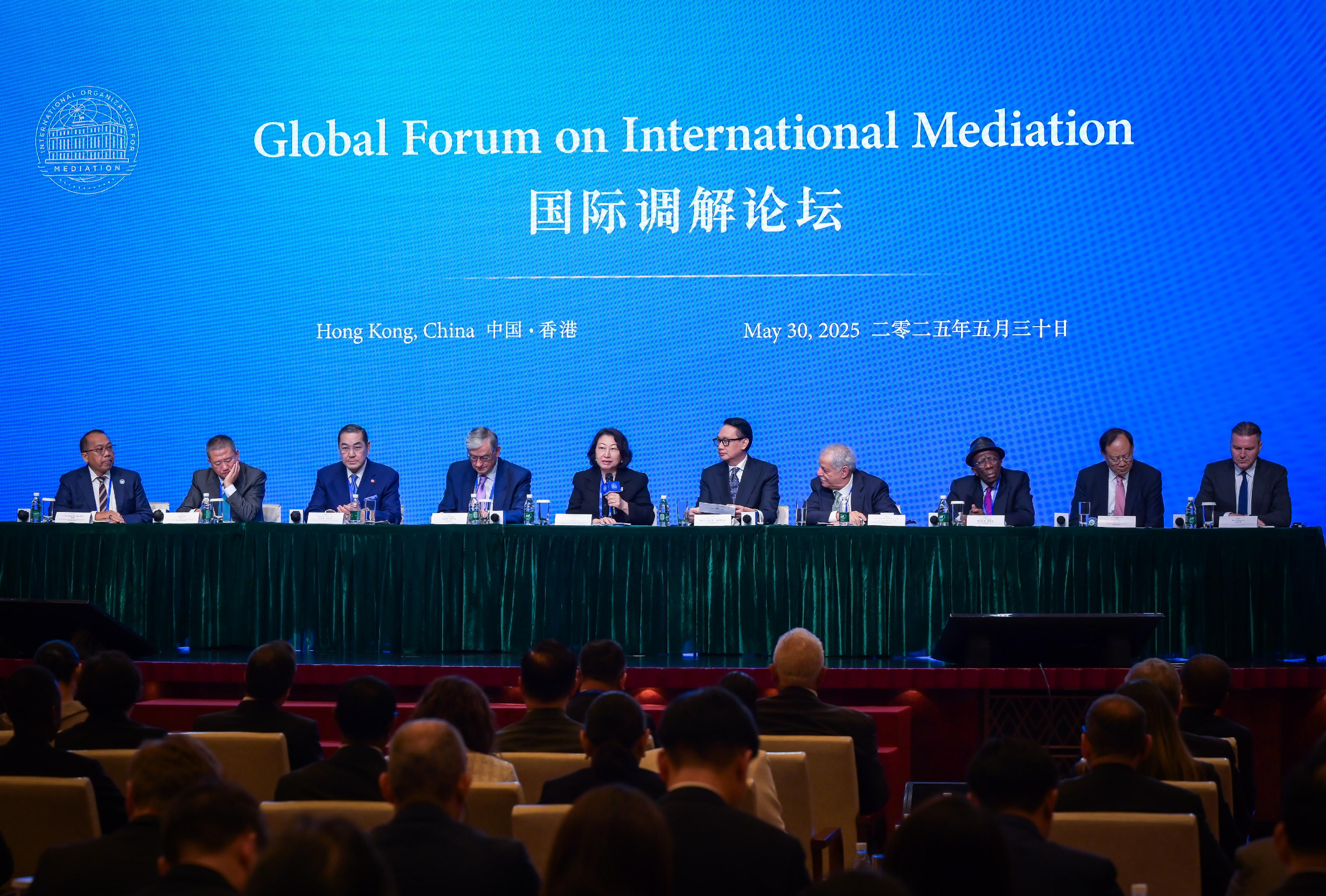
     The Global Forum on International Mediation in the afternoon discussed topics such as mediation of disputes among countries and mediation of international investment and commercial disputes. Twenty-three leaders from different countries and international organisations shared their experiences on how a neutral third party can effectively assist in the mediation of disputes between countries through dialogue and consultation, highlighting the importance of mediation to the peaceful development of the world and the practice of justice. The speakers also discussed new developments in international investment and commercial dispute mediation and the contributions that the IOMed can make.
 
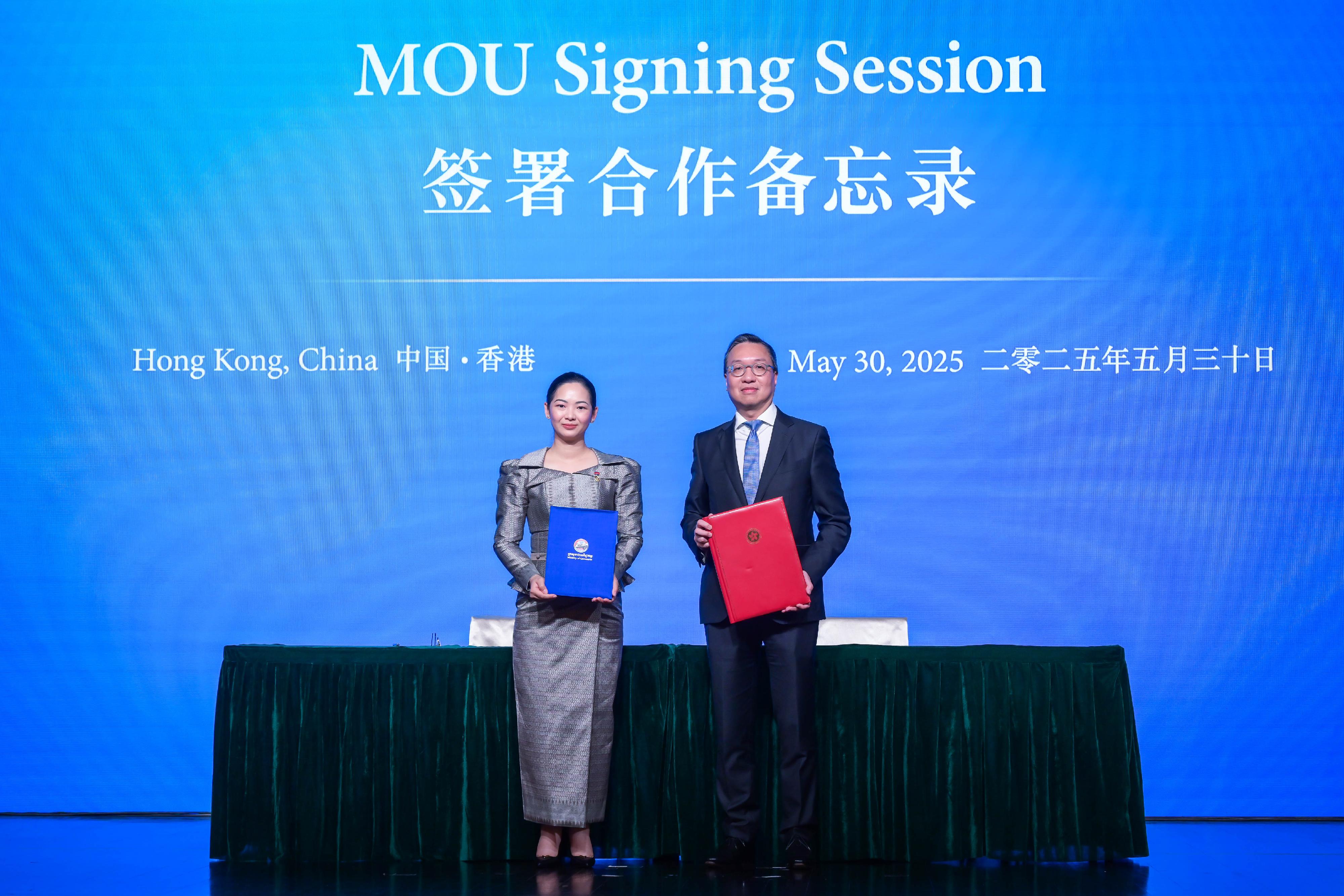
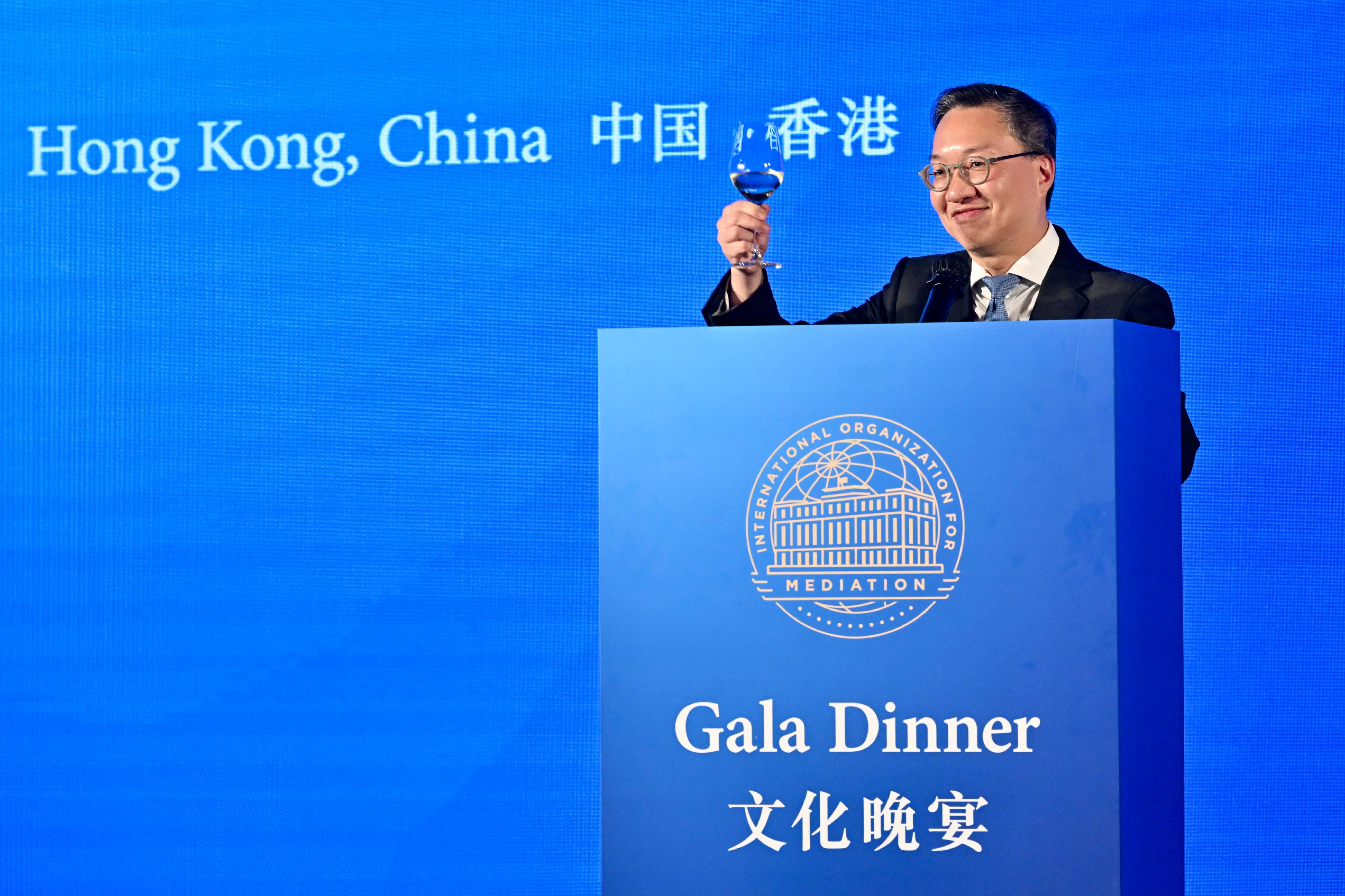
     Witnessed by forum guests, Mr Lam signed a Memorandum of Understanding with the Minister of Commerce of Cambodia, Mrs Cham Nimul, to strengthen co-operation between the two places on issues relating to dispute avoidance and resolution.
 
     The objective and goal of the IOMed is to promote and facilitate the peaceful settlement of international disputes and to develop friendly relations and co-operation between countries through mediation. It is an important mechanism for implementing Article 33 of the UN Charter to peacefully settle international disputes through mediation and other means. It is of great significance to achieving win-win co-operation among all parties to the dispute, improving global governance, and promoting world peace and stability in the international order. The IOMed will be the first international intergovernmental legal organisation devoted to the use of mediation in resolving international disputes. It will be a beneficial supplement to the current international dispute settlement mechanism and will provide a new legal public good in international rule of law, marking a milestone in promoting the settlement of international disputes through mediation.
 
     The Convention on the Establishment of the International Organization for Mediation is the legal basis for the establishment of the IOMed, which covers important provisions such as the functions, governance structure, operation, scope of cases accepted, privileges and immunities of the IOMed. With the signing of the Convention, the IOMed will be formally established after signatories’ ratification of the Convention and be headquartered in Hong Kong. The IOMed headquarters is expected to be operational by the end of this year or early next year at the earliest, providing friendly, flexible, economical and efficient mediation services to all parties, thereby strengthening Hong Kong’s role as an international dispute resolution services centre and a capital for international mediation. Fully harnessing the institutional strengths under the “one country, two systems” principle and integrating into the national development strategy, Hong Kong will contribute to building a world of peace and justice. 
 
     The text of the Convention is available on the IOMed’s website.

Photo  Photo  Photo  Photo  Photo  Photo  Photo  Photo  Photo  Photo  
read more