A skip hire boss has been found to have benefited from his illegal activity by almost £1million.
Raymond Shepherd could have to pay back £980,207 under the Proceeds of Crime Act – the agreed sum of his criminal activities – if he comes into future assets.
It’s a debt for life for the 61-year-old, of Rookhope in County Durham. He ran Albert Hill Skip Hire in Darlington and was jailed for 18 months when he appeared at Teesside Crown Court for sentence on December 12, 2013.
He was also disqualified from being a company director for 10 years.
He was convicted following two separate trials of operating a waste facility without a permit, depositing waste without a permit and failing to comply with a suspension notice.
Environment Agency officers then began proceedings to make him pay back a sum of money which reflected the gain from his criminal activities.
Court hearing
On Thursday 23 February, following a 4-day confiscation hearing at Teesside Crown Court under the Proceeds of Crime Act, Shepherd was given a confiscation order to pay back £14,000 of available assets.
He could face up to six months in prison if he fails to pay.
And if he comes into future assets he will have to pay back more of the near £1million agreed benefit sum.
Shepherd contested the application arguing that the activities at the sites were carried out lawfully.
The result comes on the back of a large-scale investigation by the Environment Agency, called Operation Bachelor, which started in 2008. It has also resulted in two other men receiving suspended prison sentences and Albert Hill Skip Hire Ltd being fined £100,000.
A previous Proceeds of Crime hearing in August 2015 in relation to the same investigation saw Shepherd’s son, Tony Shepherd, 41, of Winston, Darlington, ordered to pay back £350,000.
He was subsequently jailed for 3 years in May 2016 for failing to pay the sum. He still has to pay back the money, and potentially up to £1.2 million if he comes into future assets.
Debt ‘will follow’ Shepherd
Oliver Harmar, Area Director for the Environment Agency in the North East, said:
This is a debt that will follow Raymond Shepherd around for the rest of his life. It sends out a message to the industry that waste crime does not pay and not only will we hit people with court action but we’ll then hit them in the pocket.
Shepherd’s illegal waste operations were carried out in the interests of profit, unfortunately at the expense of the environment. Not to mention by not complying with regulations, he undermined legitimate businesses.
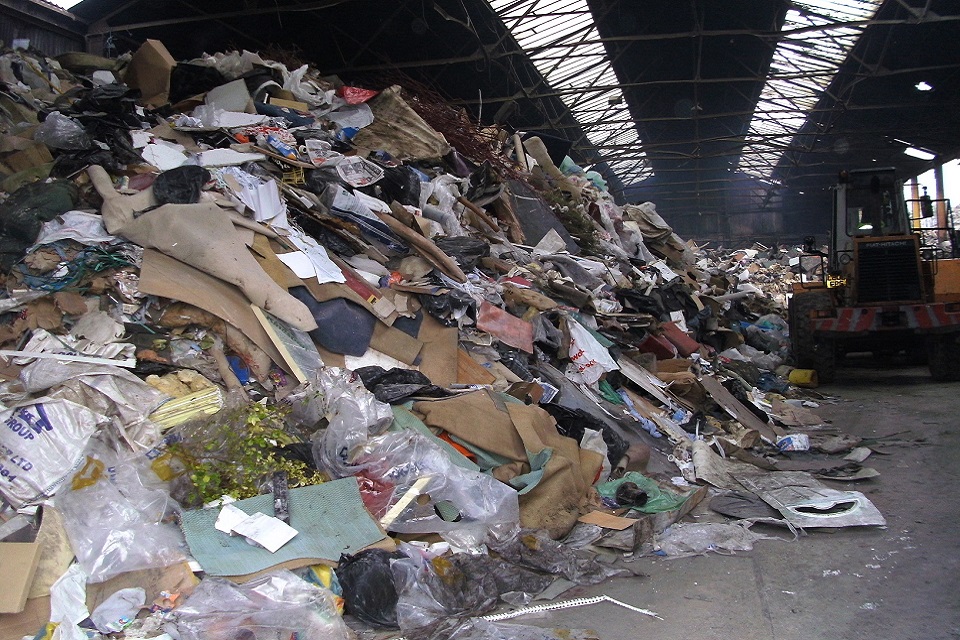
And the impact on the community must not be overlooked, including two major fires which took place at Dodsworth Street. The site is now cleared of waste.
It’s been an extensive and long-running investigation by our officers and shows just how seriously we take waste crime. We’ll continue to take action against those operating outside of the law and the regulations.
Long-running investigation
The Environment Agency worked closely with other organisations including Durham County Council, Darlington Borough Council, Durham Police, Durham and Darlington Fire and Rescue Service and the Health and Safety Executive during the long-running investigation.
The jurors at Raymond Shepherd’s trials heard how the company’s premises at Dodsworth Street were full with illegally-held waste.
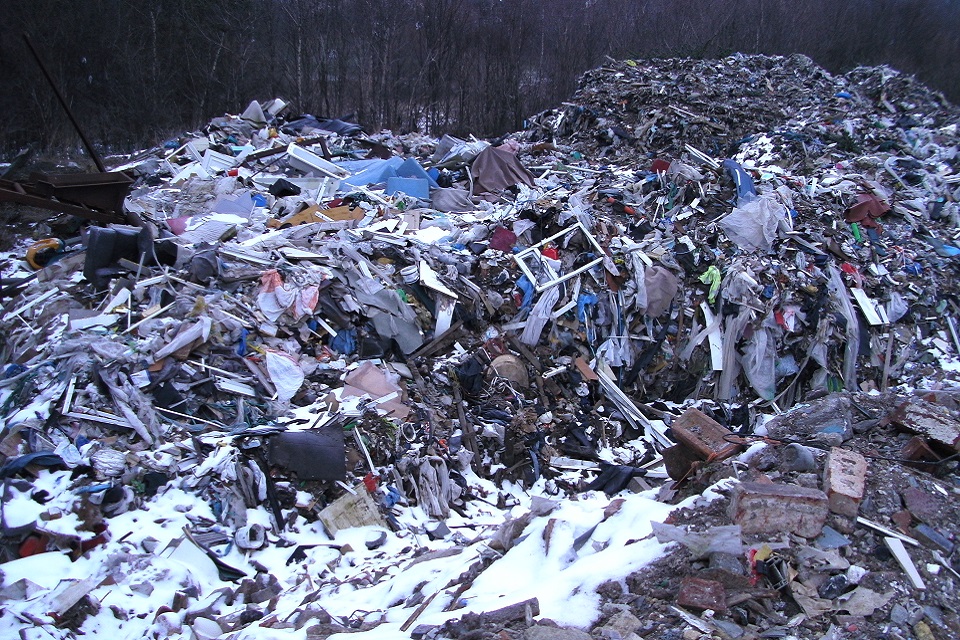
Between July 2008 and May 2010 he and his company, Albert Hill Skip Hire Ltd, operated an illegal waste transfer station at Whessoe Road in Darlington.
He did the same at Dodsworth Street from July 2008 until the site got a permit in April 2009, but by November 2009 the first enforcement notice had been served on the company requiring that he operate legally within the terms of his notice.
In 2010 enforcement notices were served, in 2011 a suspension notice was served and in 2012 the permit was revoked. Investigations found the company had been depositing and storing waste on an access road, and cement-bound asbestos was also found on the site.
Following conviction, the waste carrier’s registration was revoked. The site is now clear of all waste.