What the German car industry wants

I read that some in the German car industry think a long transition for the UK leaving is a good idea. This is presumably because they dont fancy 10% tariffs on their large exports to the UK.

I gave good news for them. The UK is happy to offer them continued tariff free as part of a clean Brexit in March 2019. Were we to leave under WTO rules the German industry would of course still have its excellent factories in the UK. It would need them even more as it could make product for the UK market tariff free here in the UK, and would be most welcome to do so.

Breeders defend rough handling of panda cubs

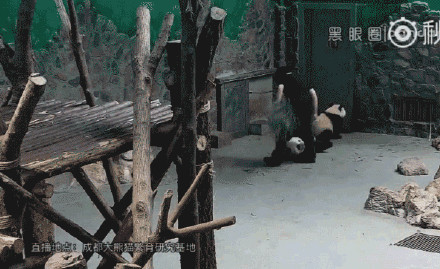
A two-minute online video that shows three breeders dragging, dropping and throwing cubs on the ground to prevent them escaping. [Printscreen] 

Responding to recent netizen questions on the crude treatment of cubs by breeders, a director with Chengdu Research Base of Giant Panda Breeding said caretakers bare the animals no ill will.

A two-minute online video that shows three breeders dragging, dropping and throwing cubs on the ground to prevent them escaping had more than 440,000 views and received over 3,200 comments. Most online viewers were angry with breeders and questioned if they loved animals.

The director said the short video was just part of the story. It did not show that the cubs were extremely excited that day, biting and scratching breeders on their legs and arms, but he noted “breeders should treat cubs gently.”

“We feel sorry for the rude behavior and have reprimanded breeders, teaching them how to manage such situations properly,” he said.

The three breeders, Guo Jingpeng, Xie Huhai and Guo Yunxia, told Chinese media the original video was more than 50 minutes long, but the clip only focused on their aggressive actions. “It looks like we treated the pandas badly all the time,” said Guo.

Before pulling down a cub, Guo was bitten on his left arm and hand that day, which happened so fast people could not see it in the video. “Pandas are cute but sometimes they are also fierce. People may be infected by rabies after a bite or scratch from them.”

Xie said the breeders felt sorry for their actions that day, but the online comments, which questioned their love for the cubs, were too much.

“We have taken care of the cubs for about two years,” Guo said. “When they were sick, we were nervous. We always feel close to them.”

Energy use by the public sector

Many people in the public sector are much exercised by climate change ideas. I myself am all in favour of energy efficiency and cutting fuel bills without cutting standards of heating and lighting. The public sector could do much more to offer a lead in these matters.

Highways authorities squander a lot of power on traffic light sets that could be replaced with roundabouts, and on all night street lights in places where they could be safely switched off at midnight owing to a lack of pedestrians after that time. Railway companies keep train engines running for long periods when parked at terminus stations awaiting turnround and scheduled departure. Most trains keep their engines running when stopped at red lights or in intermediate stations. Buses too often keep engines running in stationary traffic, at traffic lights and at bus stops. Most lack the switch off switch on technology enjoyed by many modern cars. Trains and buses are often far too large and heavy for the passenger numbers and route they are travelling, worsening the fuel per passenger figures.

Public sector building managers often keep lights on when outdoors light is sufficient to light the rooms. I remember attending a big conference on overuse of energy in a large room with huge candelabras with many bulbs on, all blazing when the sun was pouring in through all the windows. I was the only one to suggest we find a light switch. There are not emough movement sensors and other controls on the public estate to cut the bills.

Ministers could initiate more studies of energy use by building and function, and see what divergencies there are. Some of the investments needed to cut consumption are low cost with high pay off. Lagging of tanks and pipes, stopping drafts, putting in better controls and installing more efficient boilers may all have good payoffs.