DAERA Minister Andrew Muir MLA has announced the opening of the Small Woodland Grant Scheme to support landowners to create new native woodland and contribute to increasing Northern Ireland’s woodland cover.
Nov232026
Nov232026
Communities Minister Gordon Lyons is seeking views on a new public realm scheme to enhance two key roads near Belfast Grand Central Station.
Nov232026
New evidence from the Health and Safety Executive (HSE) highlights the importance of identifying and managing psychosocial risks in the workplace.
HSE has today published findings from its Occupational Stress Consultation and Research programme (OSCAR), providing new evidence to help employers better understand, identify and manage psychosocial hazards that can lead to work-related stress.
Psychosocial hazards include excessive demands, low control, poor support, workplace conflict, role uncertainty and organisational change. These hazards may vary across workplaces and can lead to work-related stress.
Work-related stress remains one of the most common causes of work-related ill health in Great Britain. HSE’s Labour Force Survey estimates that 891,00 workers suffered from work-related stress, depression or anxiety (new and long-standing) in 2025/26, resulting in 18.2 million working days lost.
Stress, depression or anxiety accounted for 49% of all work-related ill health and 46% of all working days lost due to work-related ill health during the same period.
The OSCAR research provides evidence to support HSE’s work to improve the prevention and management of work-related stress.
Sandra Gadd, Deputy Director in HSE’s Science, Engineering and Analysis Division, said:
“This important research has helped to fill some key gaps in the evidence base needed to inform HSE’s future regulatory approach in this area. It has brought our understanding of psychosocial hazards, and the enablers and barriers to their effective management in the workplace, up to date.
When such hazards (e.g. workplace demands, control or support) are not properly managed and controlled, they can contribute to work-related stress and negatively affect workers, businesses, and organisational performance.
HSE has always advocated an approach based on using risk assessment to identify workplace hazards and suitable management controls to prevent exposure to these hazards. This research will help us further develop our guidance for duty holders to provide greater clarity and to help duty holders more effectively identify relevant risks and implement appropriate controls.”
Mike Calcutt, Deputy Director in HSE’s Engagement and Policy Division, said:
“Protecting workers from exposure to psychosocial hazards is an important challenge for employer organisations across Great Britain.
“A key challenge is how to shift organisational approaches to preventative measures based on an improved understanding of what works in practice, rather than all too often reactive responses to work-related stress.
“The evidence provided by the OSCAR reports supports employer interventions and HSE’s developing regulatory approach, with clear confirmation of the need to focus more on preventing and managing psychosocial risks and involving workers in developing solutions.
“Employers are required by law to protect their employees from harm and it is essential they realise that this includes harm arising from psychosocial hazards.”
Further information:
Nov232026
List of designated slaughterhouses to use for bird flu restricted premises.
Nov232026
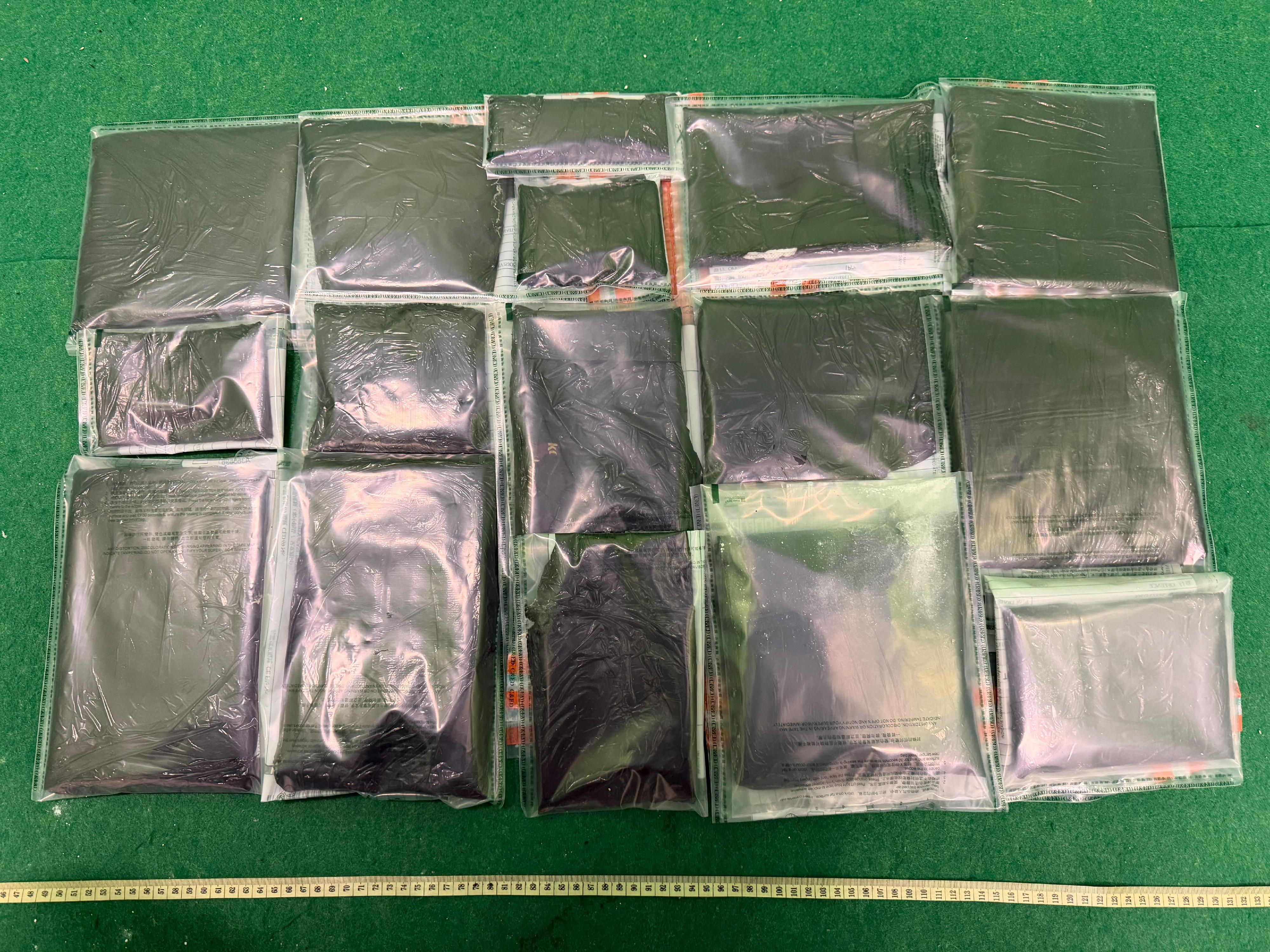
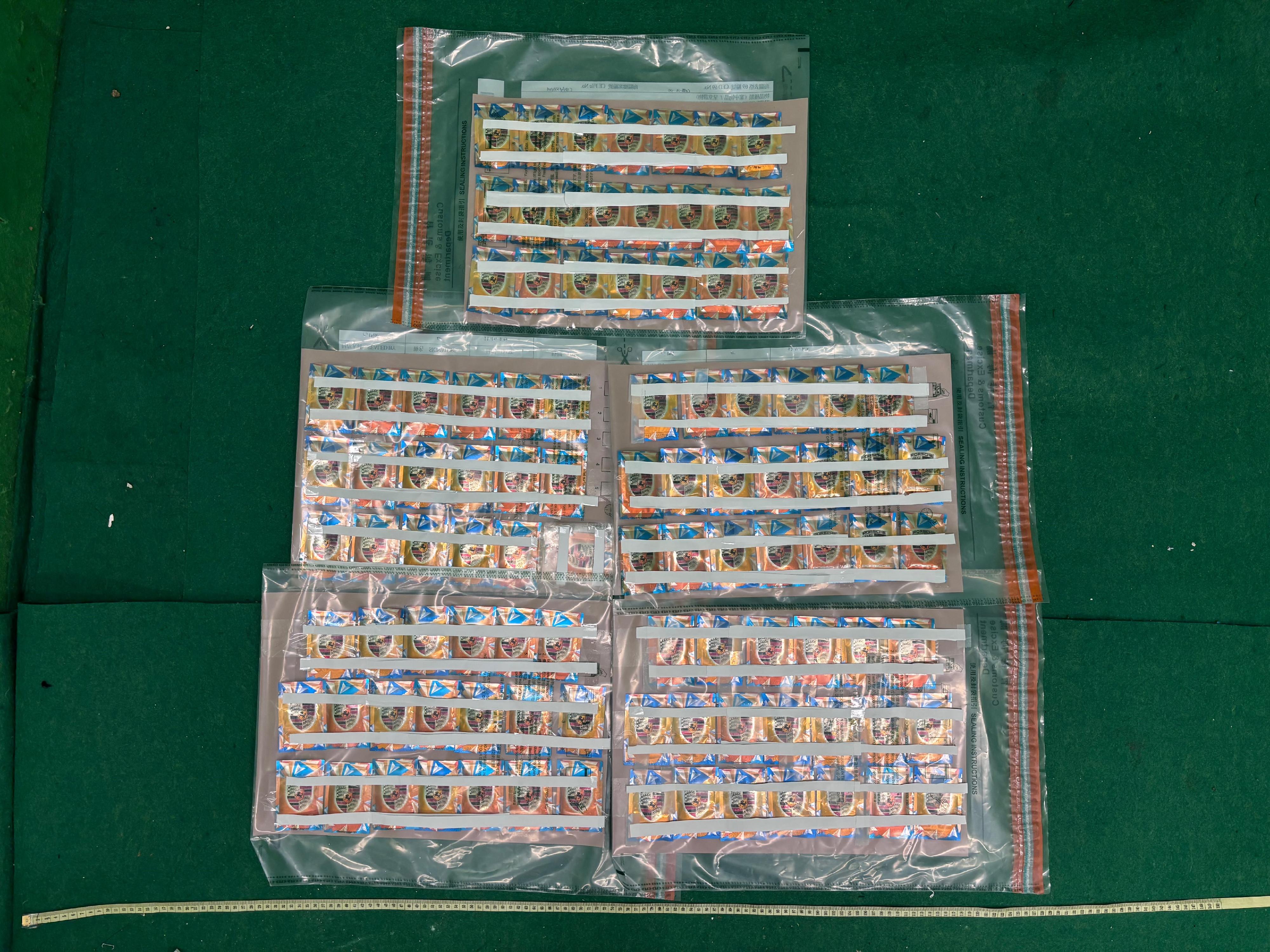
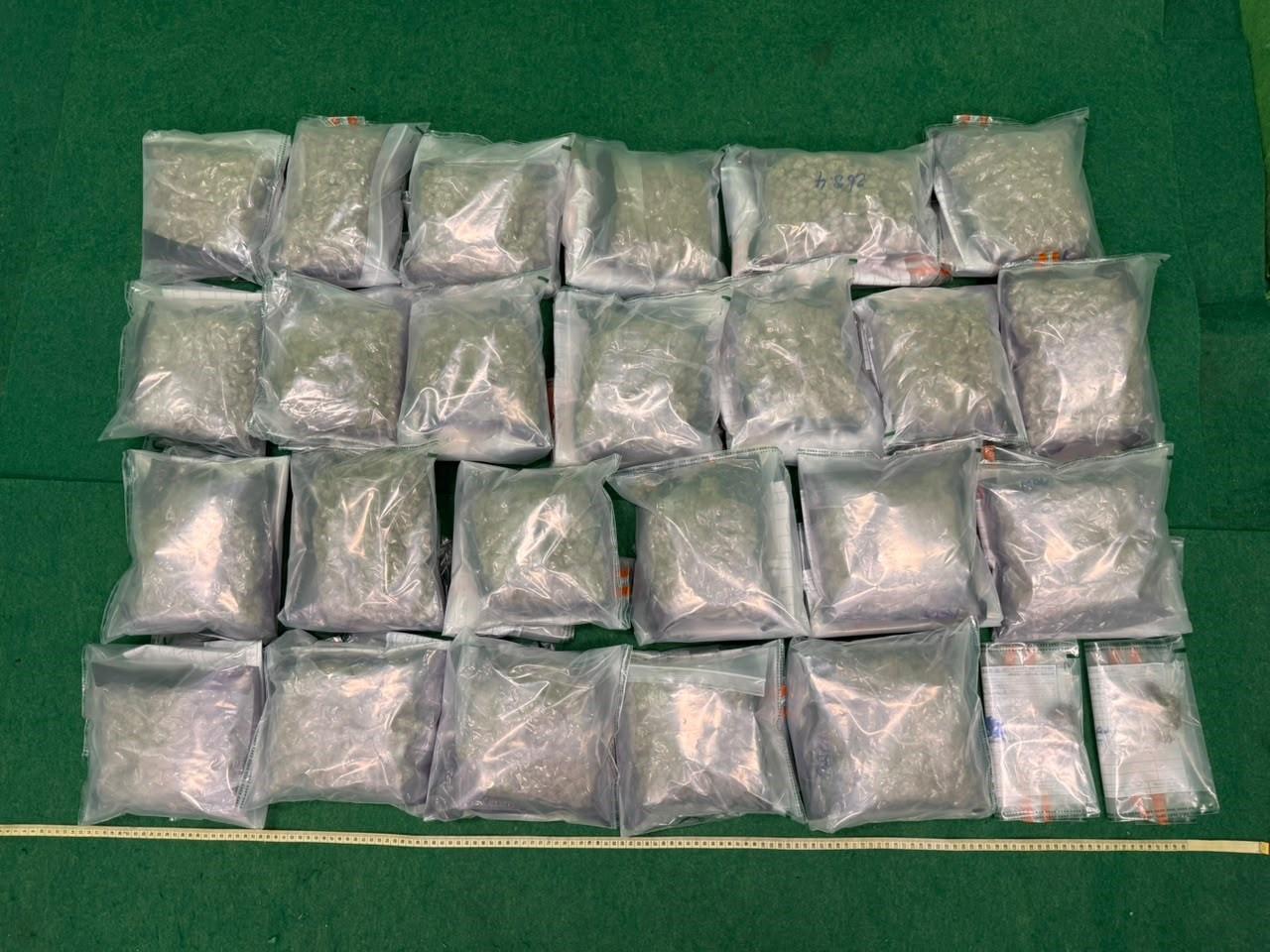
Hong Kong Customs for two consecutive days (November 22 and 23) detected three drug trafficking cases involving baggage concealment at Hong Kong International Airport. About 3.5 kilograms of suspected cocaine, 1 kg of suspected ecstasy powder and 7.2 kg of suspected cannabis buds with an estimated total market value of about $4.1 million were seized in the cases.
In the first case, a 23-year-old Spanish female passenger and a 22-year-old Colombian male passenger arrived in Hong Kong from Paris, France, yesterday (November 22). During customs clearance, Customs officers found about 3.5 kg of suspected cocaine inside the false compartments of their check-in suitcases. The two persons were subsequently arrested.
In the second case, a 24-year-old local male passenger arrived in Hong Kong from Bangkok, Thailand, yesterday. During customs clearance, Customs officers found a batch of suspected ecstasy powder, weighting about 1 kg, concealed inside coffee powder packages inside his carry-on luggage. He was subsequently arrested.
In the third case, during customs clearance of a 49-year-old Mainland male passenger today (November 23), Customs officers found about 7.2 kg of suspected cannabis buds inside his carry-on baggage. He was subsequently arrested.
The investigations of the first two cases are ongoing. The arrested person in the third case has been charged with one count of trafficking in a dangerous drug and the case will be brought up at the West Kowloon Magistrates' Courts tomorrow (November 24).
Customs will continue to step up enforcement against drug trafficking activities through intelligence analysis. The department also reminds members of the public to stay alert and not participate in drug trafficking activities for monetary return. They must not accept hiring or delegation from another party to carry controlled items into and out of Hong Kong. They are also reminded not to carry unknown items for other people.
Customs will continue to apply a risk assessment approach and focus on selecting passengers from high-risk regions for clearance to combat transnational drug trafficking activities.
Under the Dangerous Drugs Ordinance, trafficking in a dangerous drug is a serious offence. The maximum penalty upon conviction is a fine of $5 million and life imprisonment.
Members of the public may report any suspected drug trafficking activities to Customs' 24-hour hotline 182 8080 or its dedicated crime-reporting email account (crimereport@customs.gov.hk) or online form (eform.cefs.gov.hk/form/ced002).