16 building plans approved in September

     The Buildings Department approved 16 building plans in September, with three on Hong Kong Island and 13 in the New Territories.

     Of the approved plans, four were for apartment and apartment/commercial developments, three were for commercial development, seven were for factory and industrial development, and two were for community services development.

     In the same month, consent was given for works to start on four building projects which, when completed, will provide 133 494 square metres of gross floor area for domestic use involving 2 516 units, and 159 085 sq m of gross floor area for non-domestic use. The department has received notification of commencement of superstructure works for five building projects.

     The department also issued 21 occupation permits, with five on Hong Kong Island, eight in Kowloon and eight in the New Territories.

     Of the buildings certified for occupation, the gross floor area for domestic use was 30 470 sq m involving 655 units, and 100 899 sq m was for non-domestic use.

     The declared cost of new buildings completed in September totalled about $5.8 billion.

     In addition, three demolition consents were issued.

     The department received 3 540 reports about unauthorised building works (UBWs) in September and issued 771 removal orders on UBWs.

     The full version of the Monthly Digest for September can be viewed on the Buildings Department's homepage (www.bd.gov.hk).

EDB announces Study Subsidy Scheme for Designated Professions/Sectors for 2027/28 cohort – sub-degree programmes

     The Education Bureau (EDB) announced today (November 19) that the Study Subsidy Scheme for Designated Professions/Sectors (SSSDP) will subsidise a total of 2 196 places in 35 sub-degree programmes of five post-secondary institutions for the cohort to be admitted in the 2027/28 academic year.

     These 35 designated sub-degree programmes fall under seven disciplines that have been identified as having keen manpower demand, namely architecture and engineering, computer science, creative industries, health care, sports and recreation, testing and certification, and tourism and hospitality. The programmes and number of subsidised places (see Annex) are determined by the EDB in consultation with relevant policy bureaux and departments.

     In the 2027/28 academic year, the annual subsidy amounts for laboratory-based programmes and non-laboratory-based programmes will be $40,730 and $23,390 respectively. The subsidy amounts are applicable to both new and continuing eligible students. The subsidy is tenable for the normal duration of the programmes concerned. Subsidised students will pay a tuition fee with the subsidy applied. Students in need may still apply for student financial assistance from the Student Finance Office of the Working Family and Student Financial Assistance Agency in respect of the actual amount of tuition fee payable.

     The SSSDP aims to subsidise students to pursue designated full-time locally accredited self-financing undergraduate and sub-degree programmes in selected disciplines with a view to nurturing talent for industries with keen human resource demand. The designated undergraduate programmes in the 2027/28 academic year, including the number of subsidised places and the subsidy amounts concerned, were announced on September 21.

     Students may apply directly to the relevant institutions for admission to the designated sub-degree programmes under the SSSDP. For details of the SSSDP, please visit www.cspe.edu.hk/sssdp.

SFST showcases Hong Kong’s financial strengths in Luxembourg (with photos)

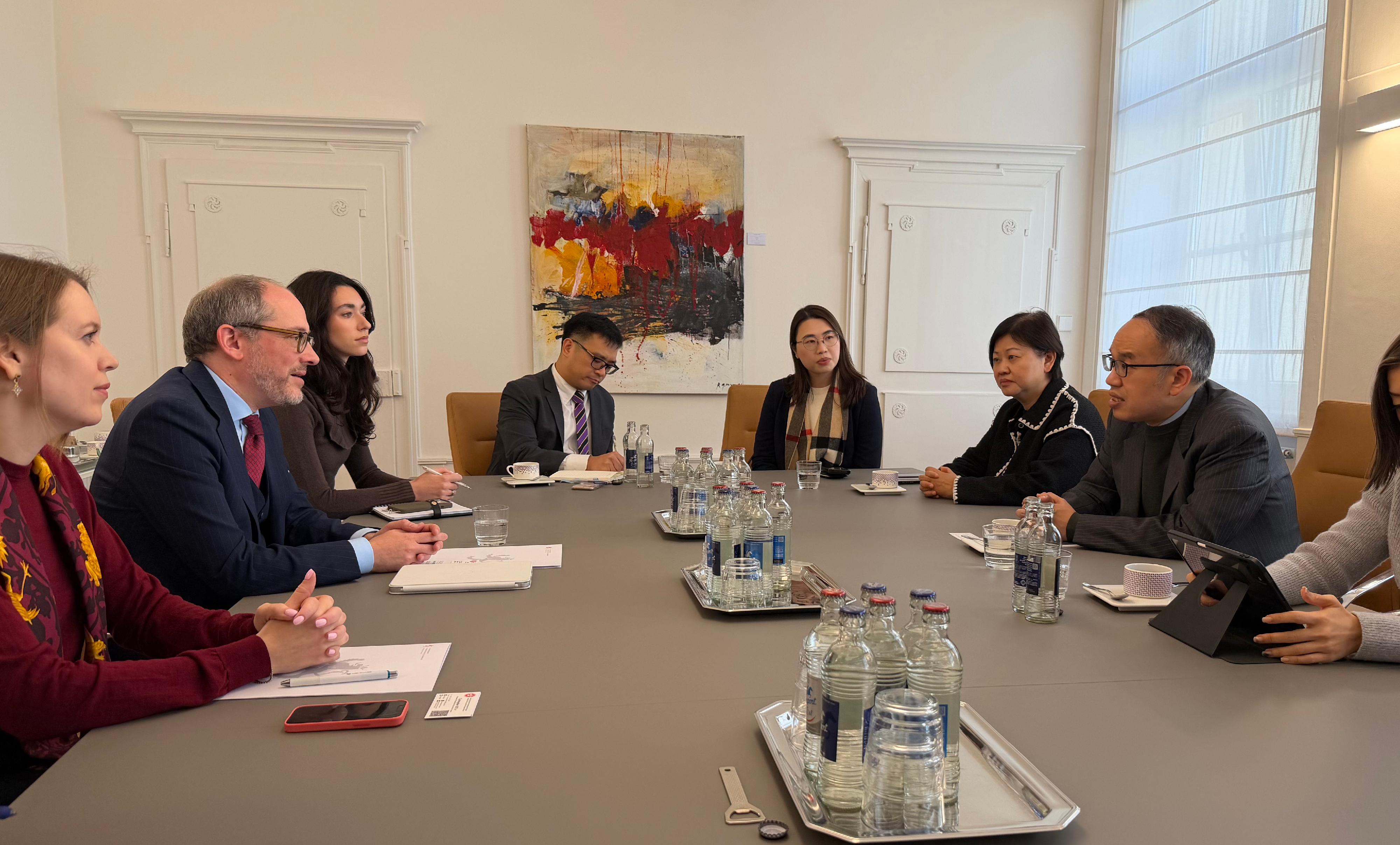
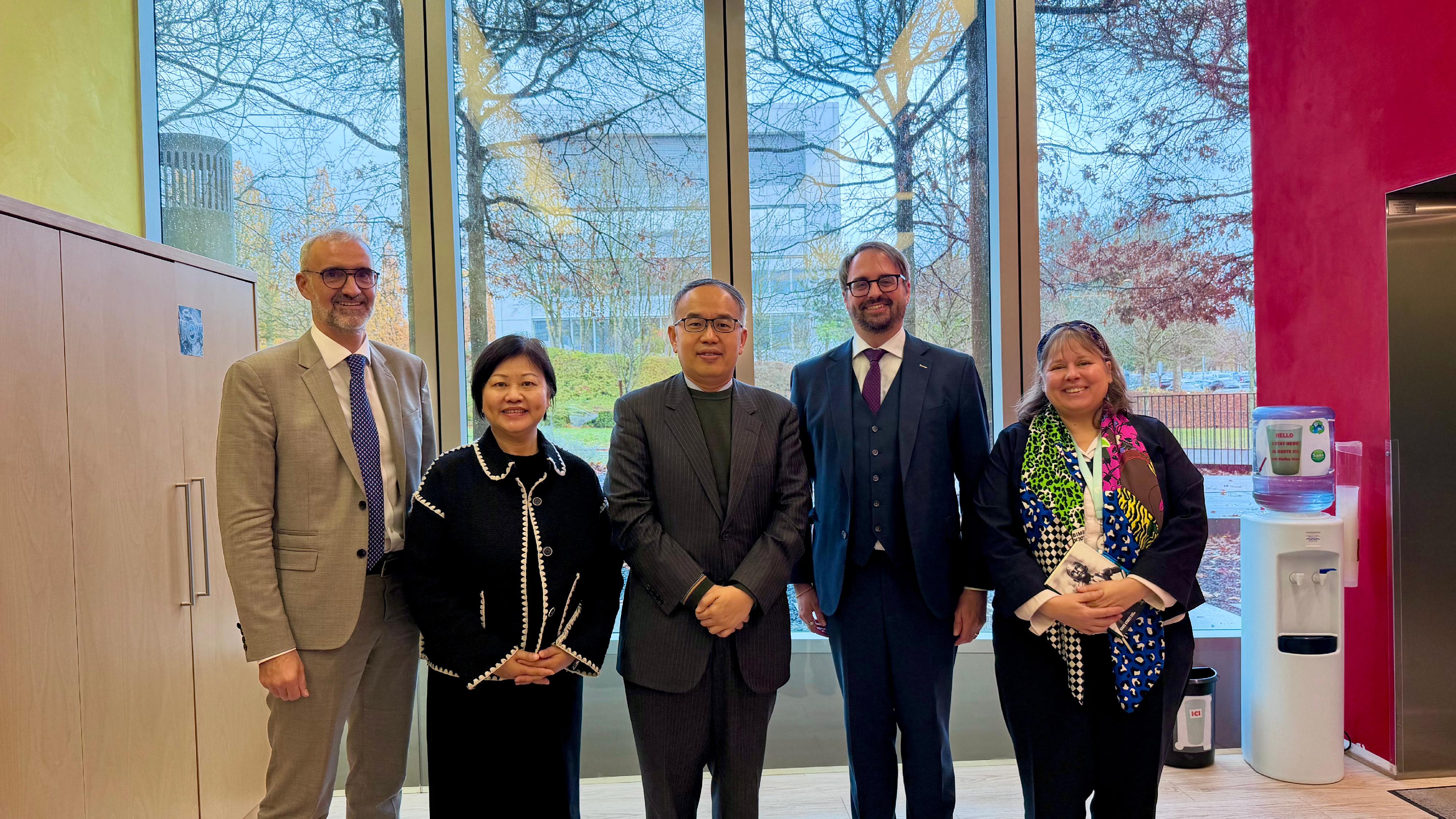
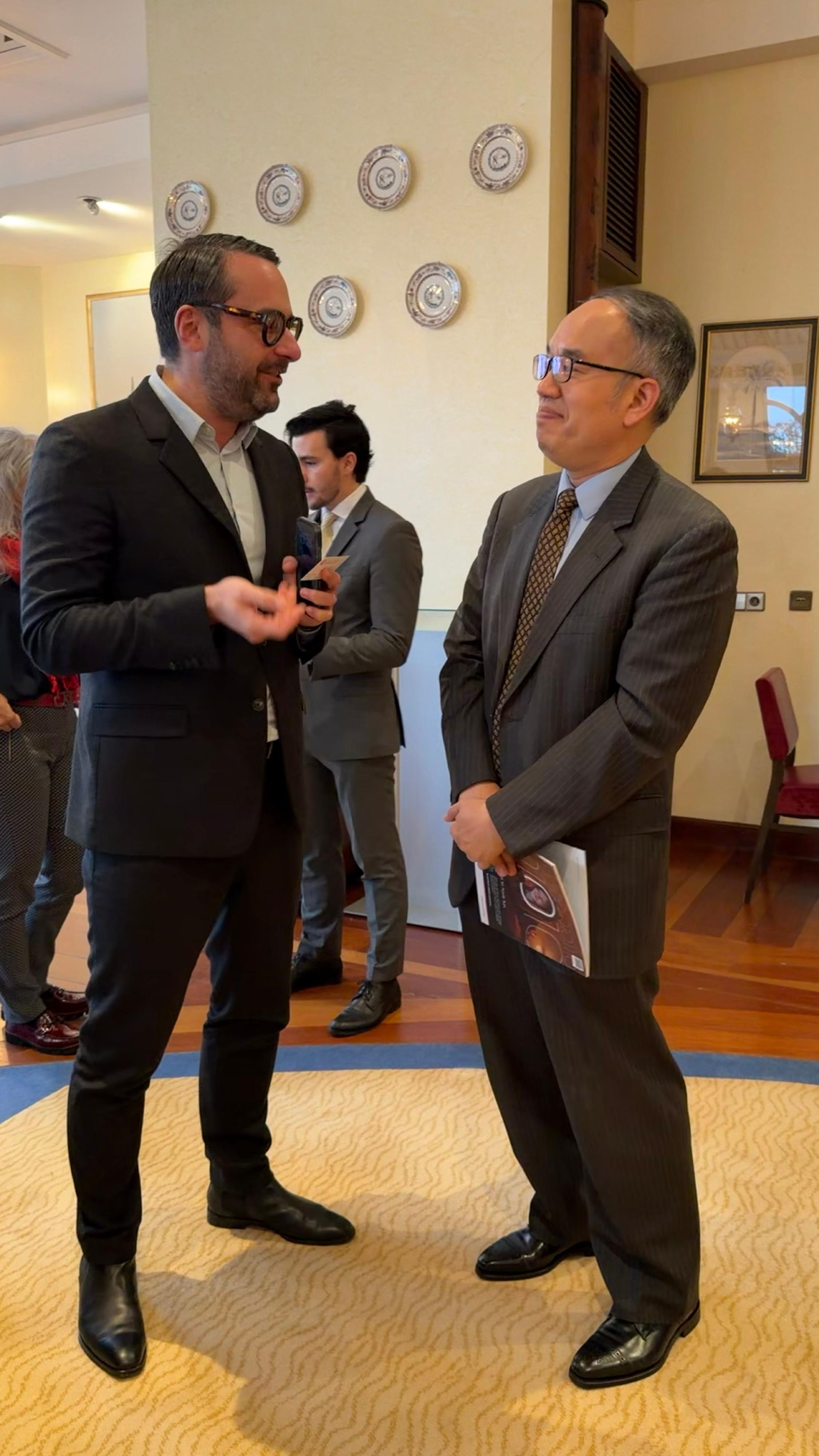
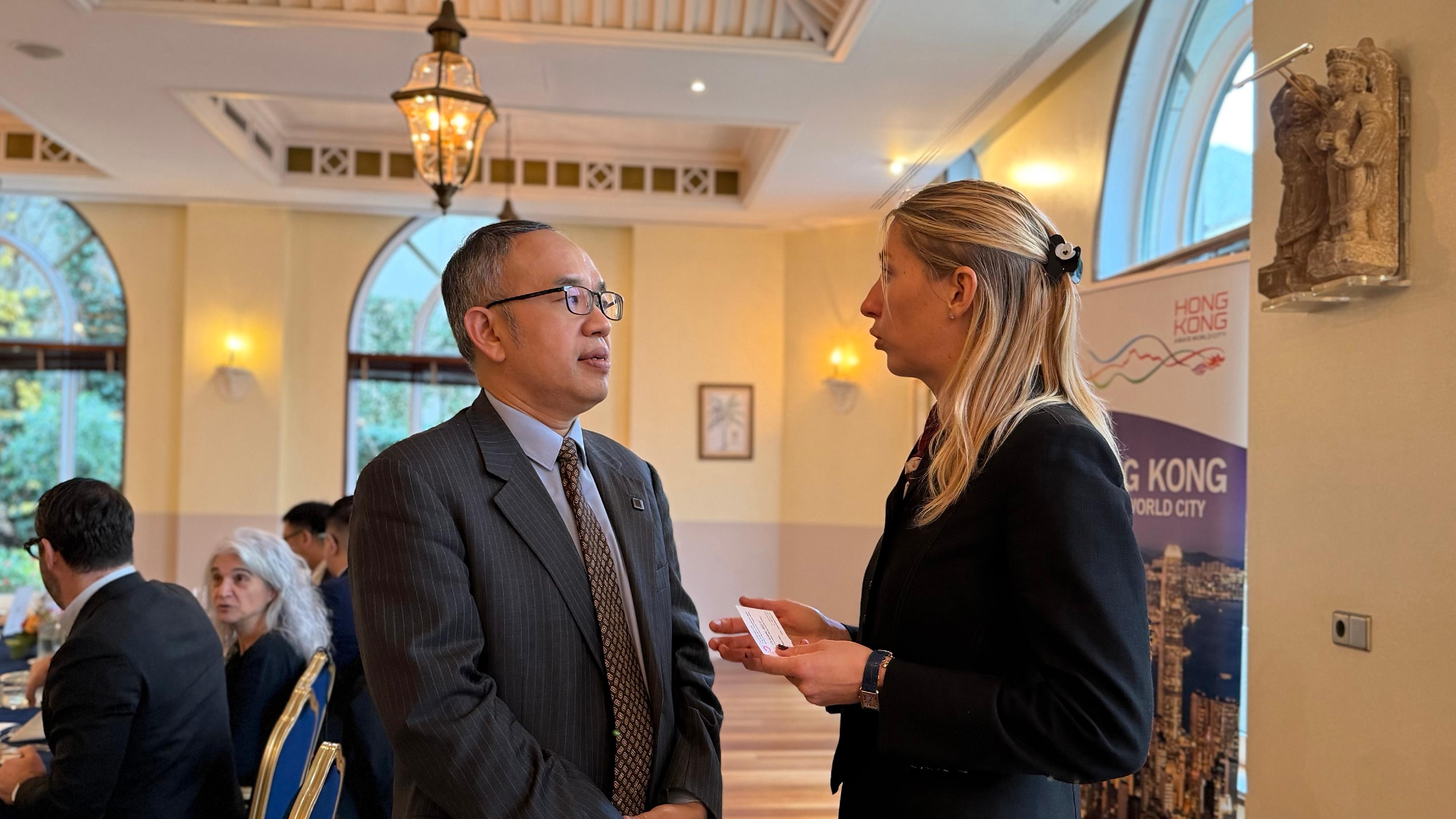
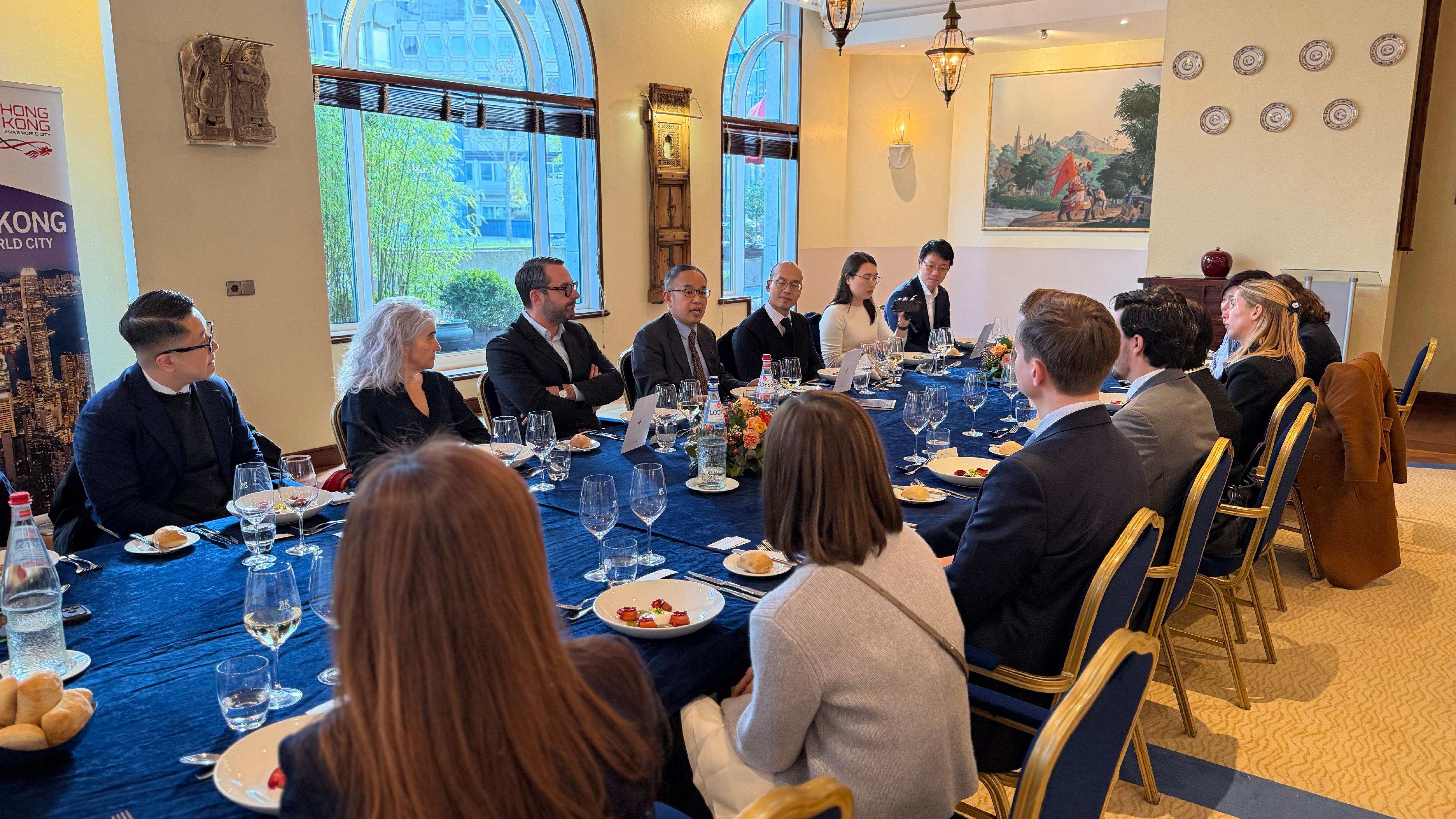
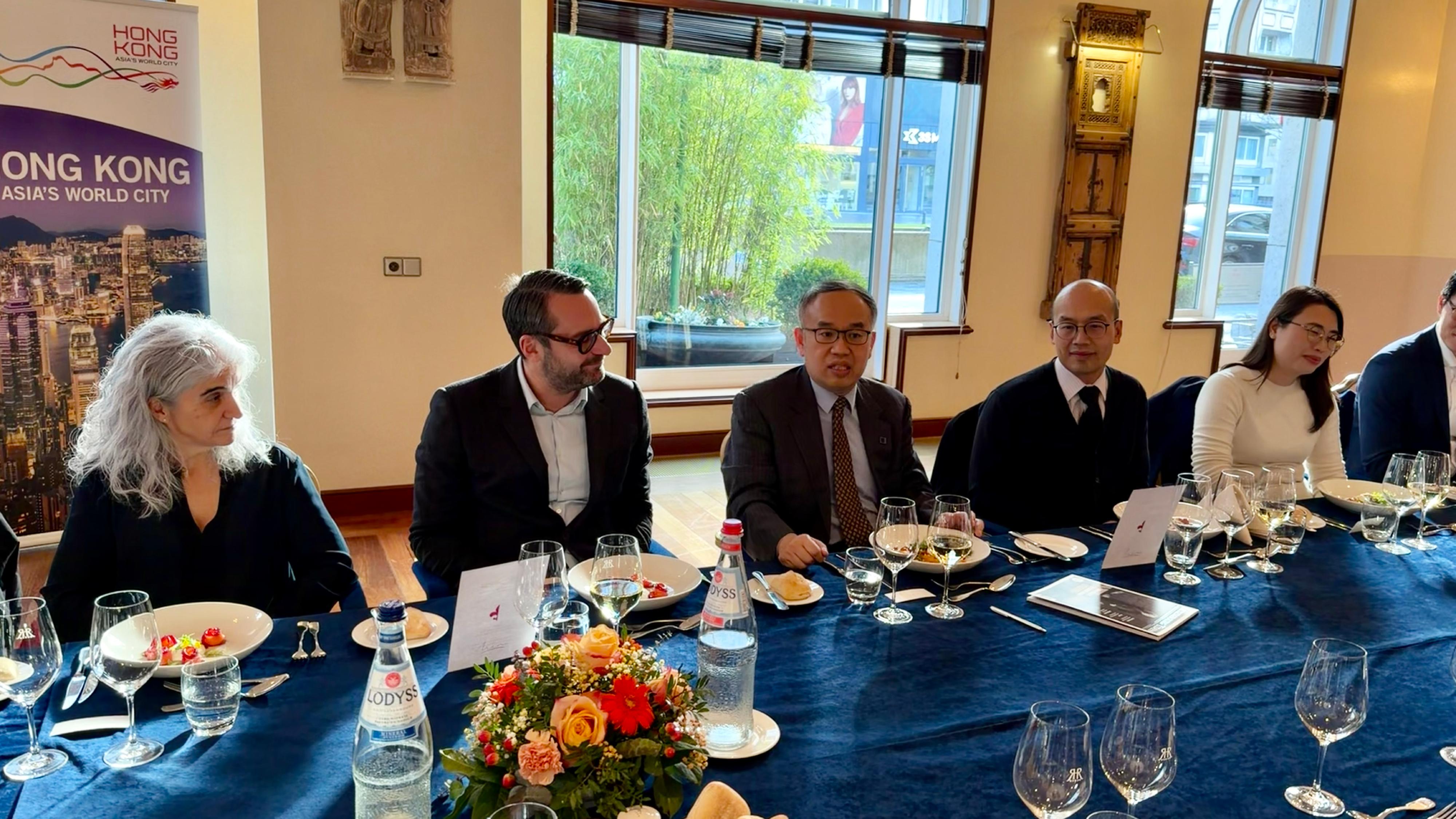
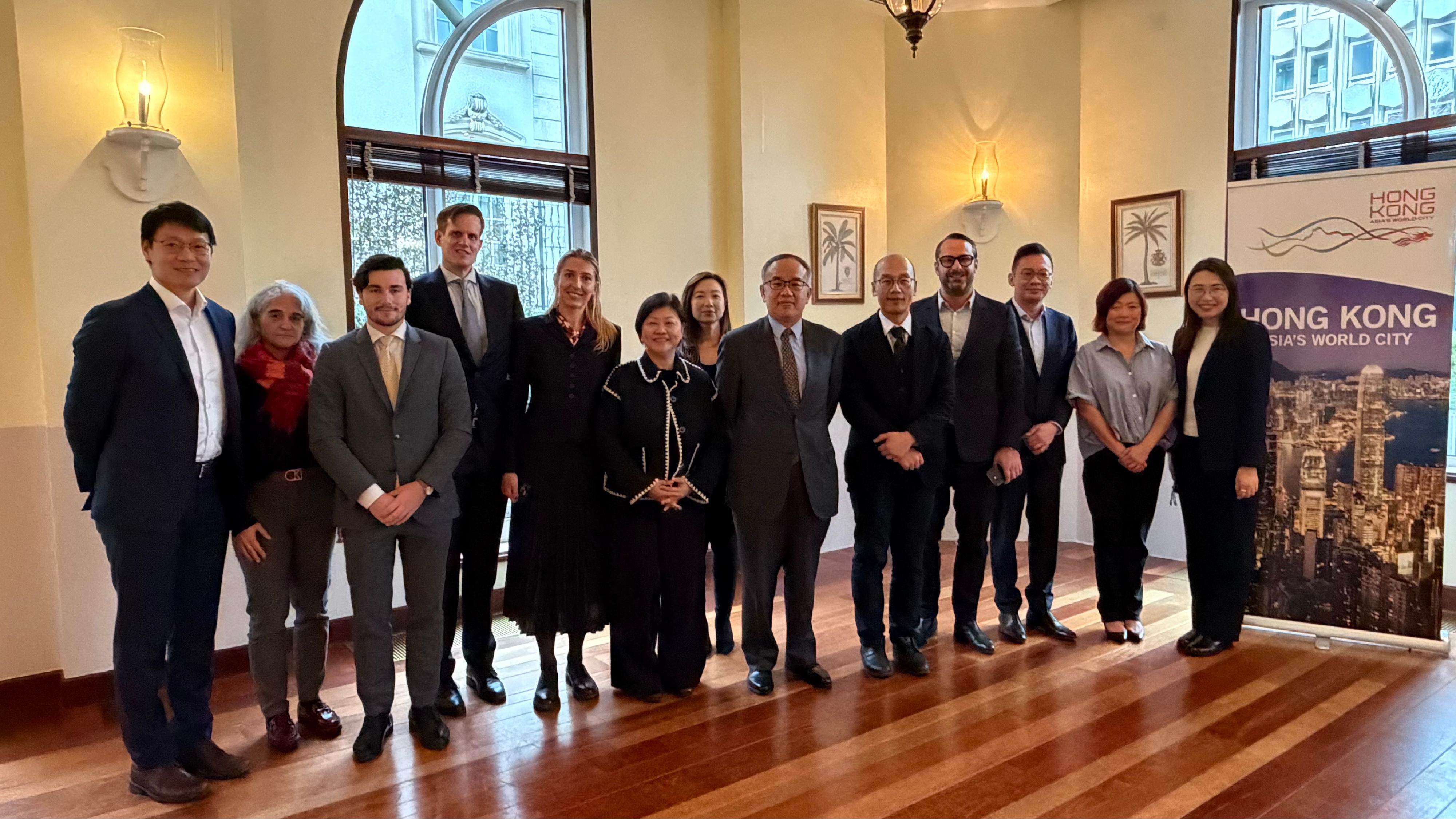
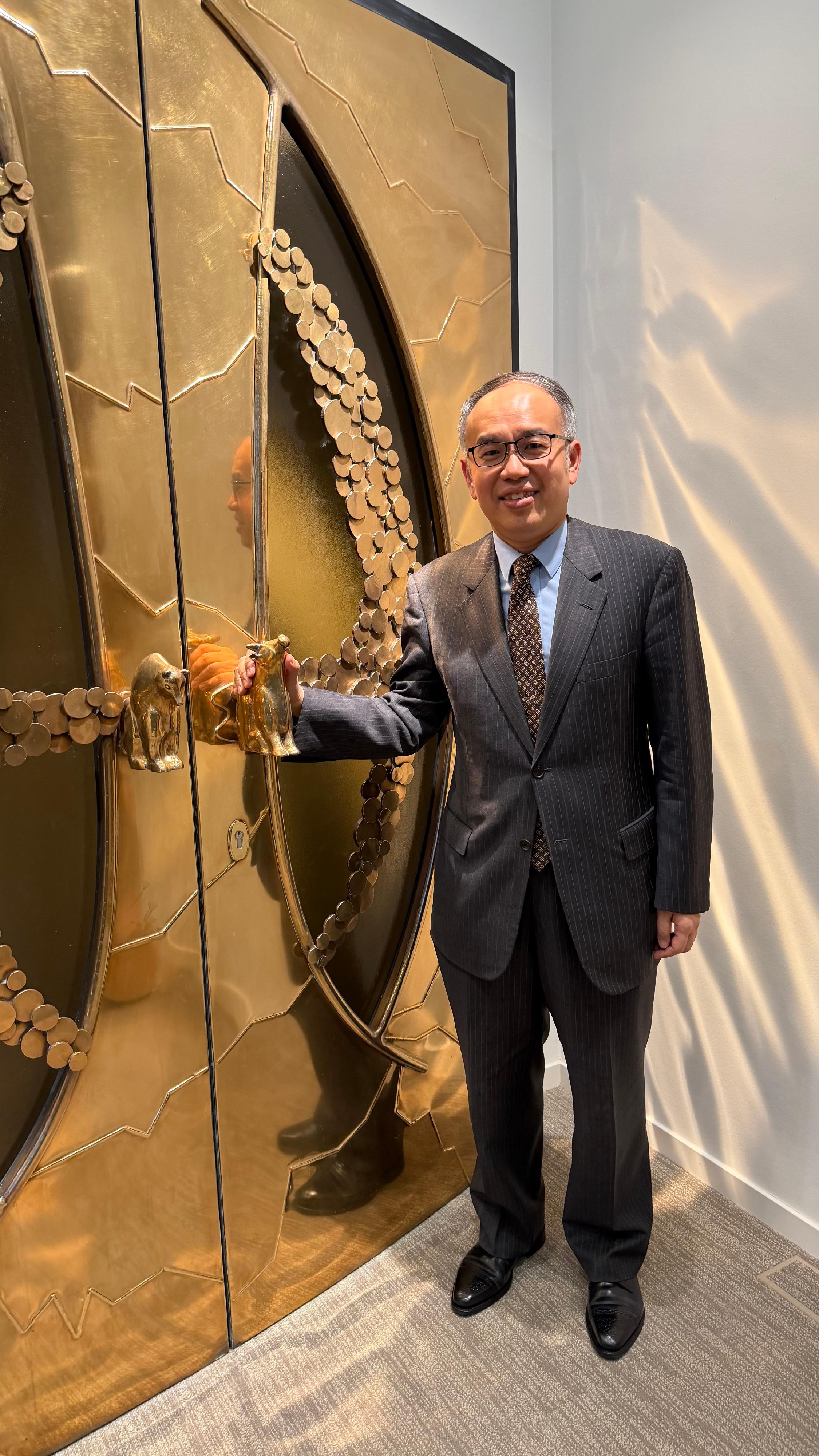
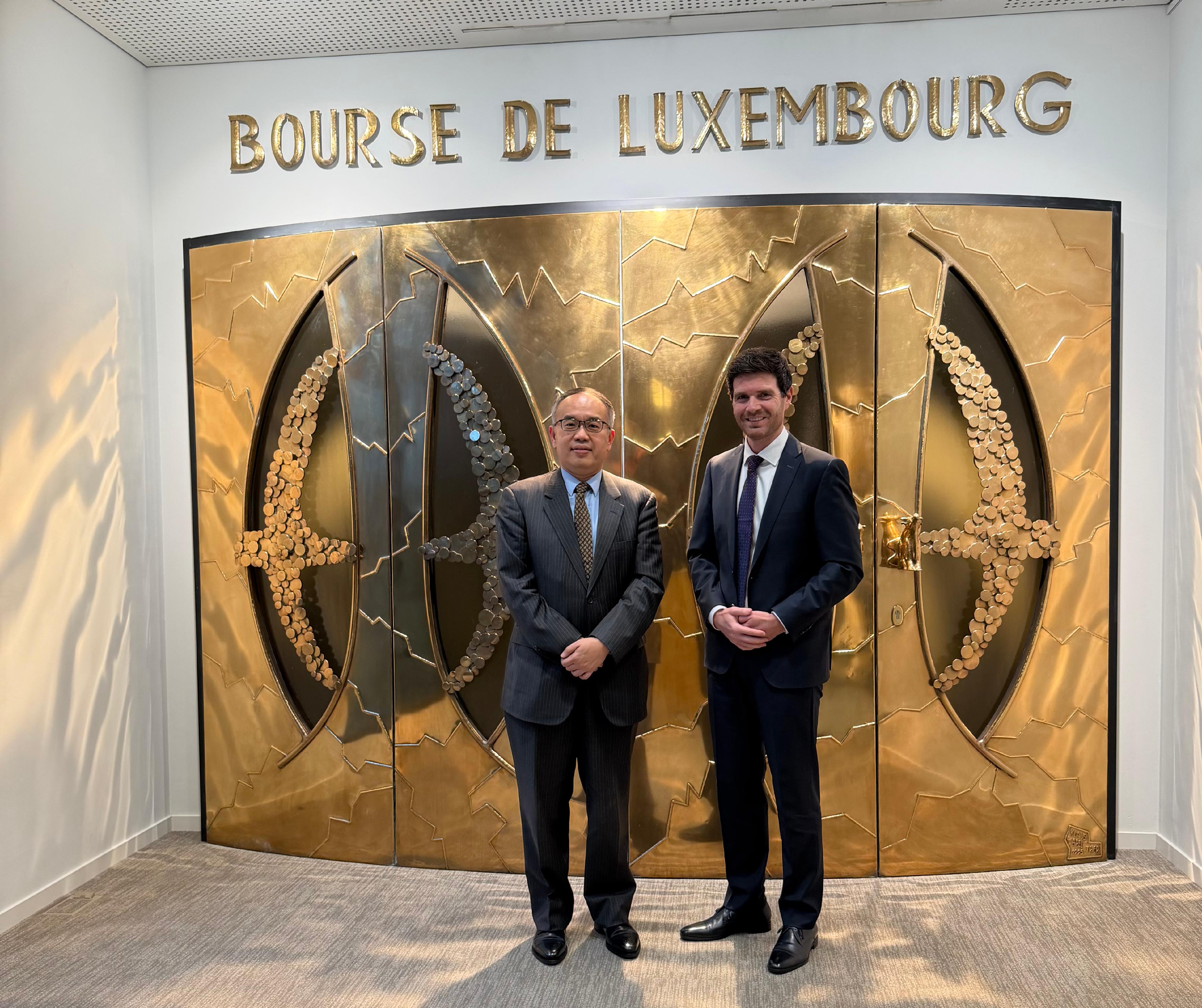
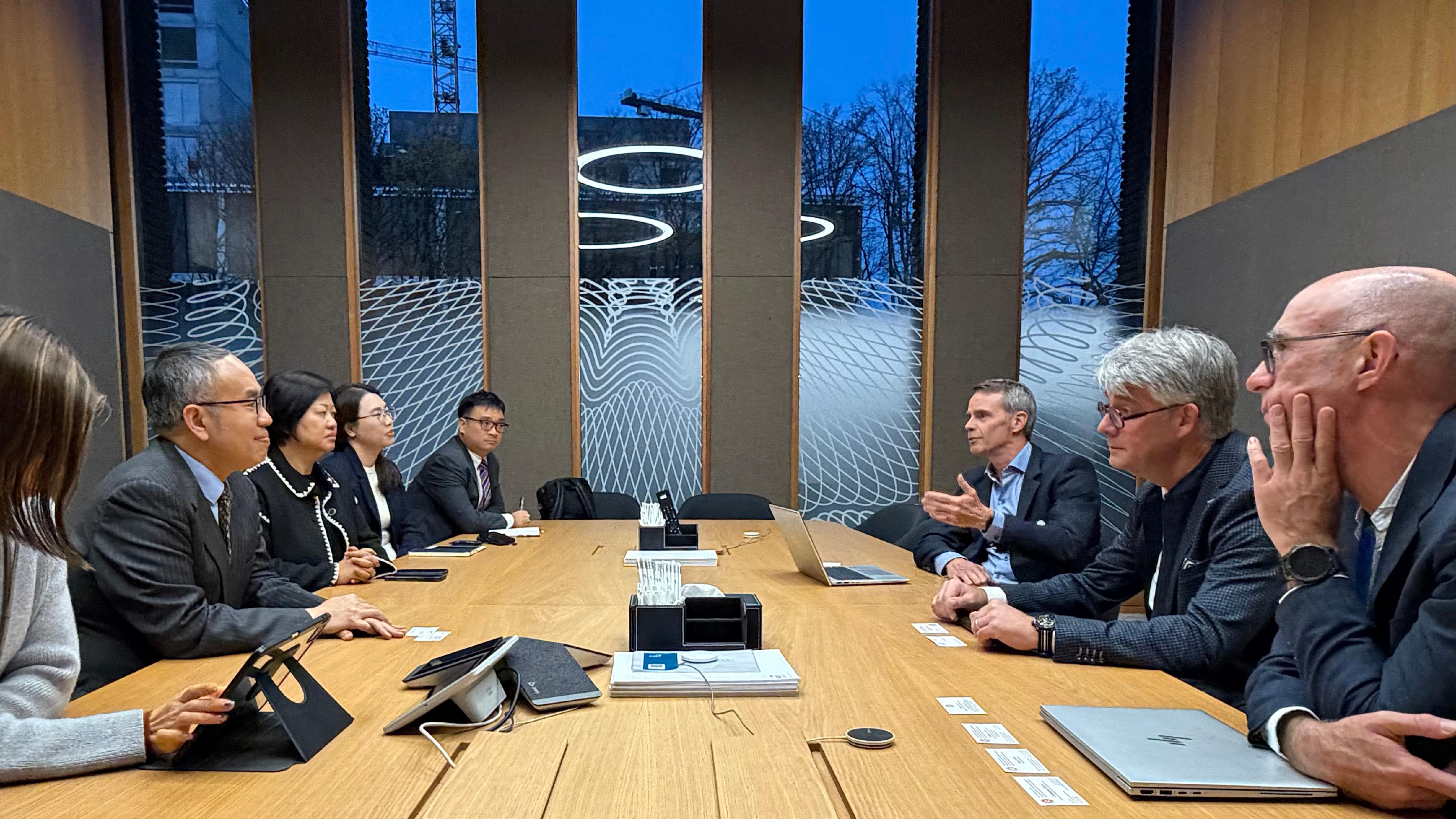
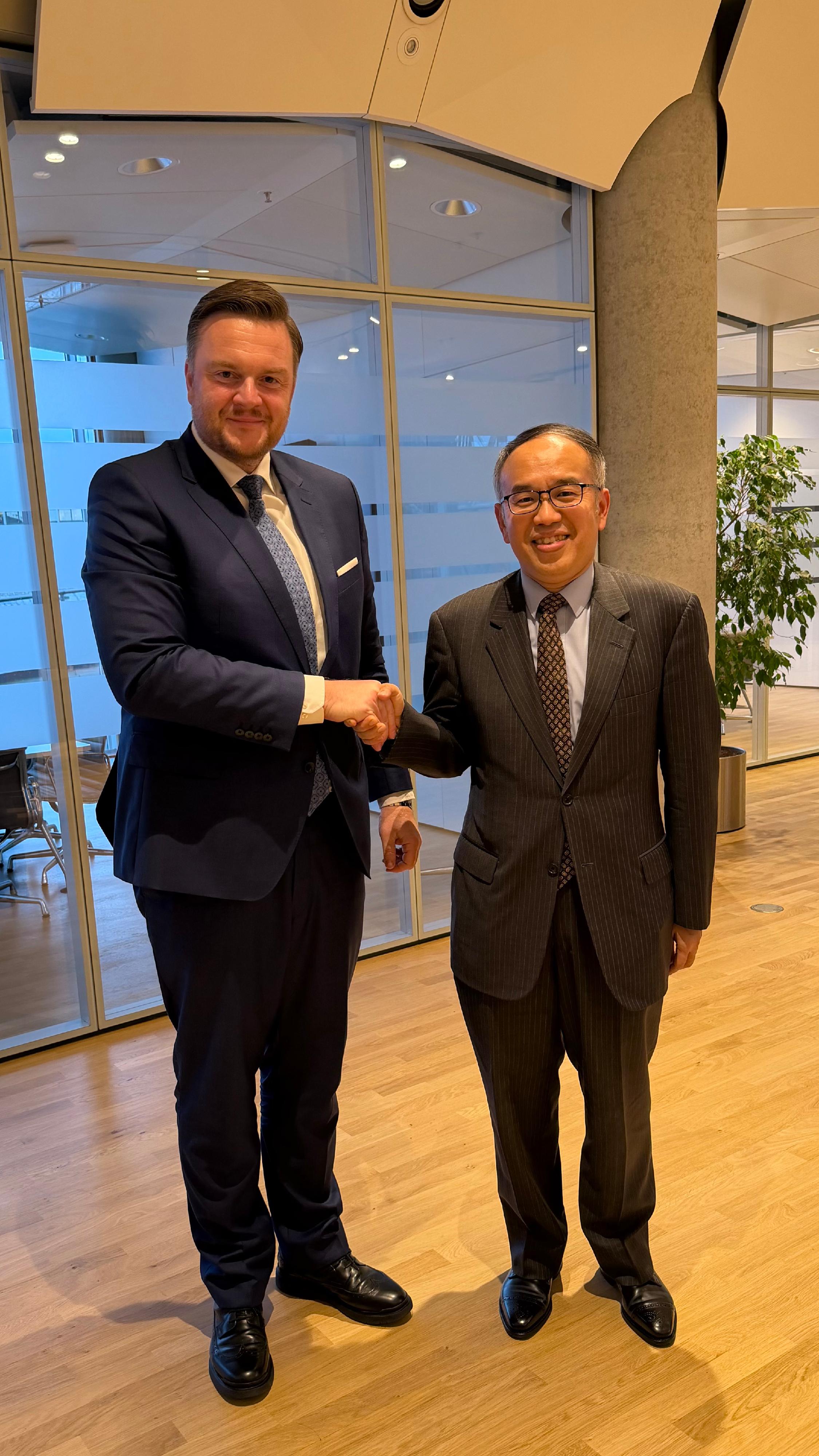
     The Secretary for Financial Services and the Treasury, Mr Christopher Hui, on November 18 (Luxembourg time) embarked on the second leg of his European duty visit in Luxembourg where he met with multiple government officials, financial regulators, banks and financial institutions.

     He began the day by calling on Luxembourg's Ministry of Finance, where he met with the Secretary General and Director of the Treasury, Mr Bob Kieffer. Highlighting Hong Kong's strategic direction under its inaugural Five-Year Plan, Mr Hui stated that the Plan not only reinforces the city's standing as an international financial centre, a global offshore Renminbi hub, an international asset and wealth management centre, and an international risk management centre, but also brings predictability to investors and businesses with concrete policy directions. With common strengths and interest in wealth management as well as green and digital finance, Mr Hui said Luxembourg and Hong Kong are well-positioned as strategic partners to expand collaboration in reinforcing their respective roles as safe harbours for capital in Europe and Asia. Furthermore, Hong Kong can serve as a premier gateway for Luxembourg to access the vast opportunities in the Chinese Mainland.

     To gain a better grasp of Luxembourg's financial landscape, Mr Hui met with the Chief Executive Officer of Luxembourg for Finance (LFF), Mr Tom Théobald, and the Chief Executive Officer of the Association of the Luxembourg Fund Industry (ALFI), Mr Serge Weyland, followed by a roundtable luncheon with key representatives from Luxembourg's banking and wealth management sectors. The ALFI represents Luxembourg's asset management and investment fund community while LFF is the public-private partnership between the Luxembourg Government and the Luxembourg Financial Industry Federation, PROFIL.

     Mr Hui told the parties that predictability and stability are the hallmark strengths of Hong Kong's financial environment. He added that the Government strives to optimise the financial ecosystem through enhanced facilitation, including the introduction of legislation to enhance the preferential tax regimes for funds, single family offices and carried interest, as well as the real estate investment trust (REIT) regime to boost the competitiveness and liquidity of the REIT market.

     He also mentioned the encouraging progress of Hong Kong's commodity market since its inclusion as an approved delivery point by the London Metal Exchange in January 2025. The total storage area has already exceeded 74 000 square metres, with non-ferrous metals storage exceeding 67 000 tonnes as of end-October, which represents very encouraging progress. The Hong Kong Exchanges and Clearing Limited is also striving to launch a pilot project for tokenised warehouse-receipt financing in collaboration with designated banks in 2027 to promote the use of commodity inventories as collateral by enterprises in securing liquidity.

     He later visited the Luxembourg Stock Exchange, a leading European stock exchange specialising in international listings with a focus on sustainable finance and cross-border capital market services. Mr Hui shared with its Deputy Chief Executive Officer and Chief Financial Officer, Mr Pierre Schoonbroodt, and other senior management the latest moves of Hong Kong to enhance stock market liquidity, including promoting dual primary and secondary listing of overseas enterprises in Hong Kong, and advancing the securities market to a T+1 settlement cycle.

     In the afternoon, Mr Hui met with the Director of the Commission de Surveillance du Secteur Financier (CSSF), Mr Marco Zwick. The CSSF is a public institution responsible for supervising the professionals and products of the Luxembourg financial sector. Mr Hui echoed the importance of adhering to international standards to ensure the smooth operation of the market and robust investor protection, emphasising that Hong Kong also has a strong regulatory framework in place as the core pillar to support its vibrant and stable financial market. 

     During a meeting with Vice-President of the European Investment Bank Dr Marko Primorac, Mr Hui updated him on Hong Kong's latest initiatives to strengthen its green finance ecosystem, including two cross-boundary pilots completed by Core Climate: one enabling Hong Kong enterprises to purchase green electricity certificates from the Chinese Mainland, and the other testing settlement of carbon emission allowances. 

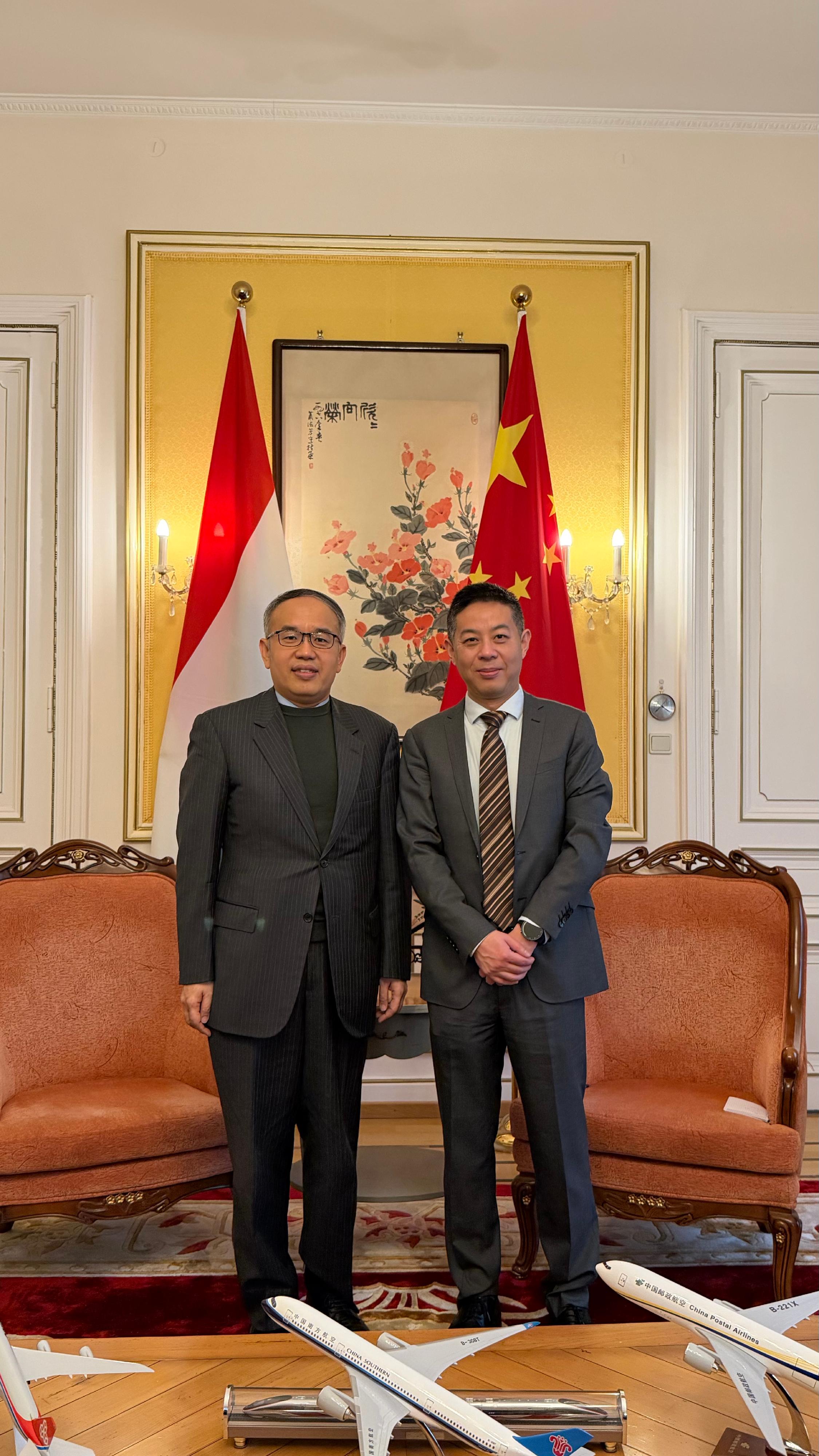
     Mr Hui also paid a courtesy call on the Chargé d'Affaires ad interim of the Chinese Embassy in Luxembourg, Mr Zhu Weiye, to provide him with an update on the latest financial developments in Hong Kong.

     He will head to Brussels, Belgium, on November 19 (Luxembourg time) to continue his duty visit.

Photo  Photo  Photo  Photo  Photo  Photo  Photo  Photo  Photo  Photo  Photo  Photo  

Opening remarks by PSITI at “The Economics of Open Development: The Case for Open-Source AI” organised by United Nations Office for Digital and Emerging Technologies (English only)

     Following are the opening remarks by the Permanent Secretary for Innovation, Technology and Industry, Mr Kevin Choi, at "The Economics of Open Development: The Case for Open-Source AI" organised by the United Nations Office for Digital and Emerging Technologies today (November 19):

Dr Snene (Senior Advisor to the United Nations Secretary-General's Special Envoy on Digital and Emerging Technologies, Dr Mehdi Snene), Professor Shum (Vice-President and Pro-Vice-Chancellor (Research) of the University of Hong Kong, Professor Anderson Shum), distinguished guests, ladies and gentlemen,

     Good morning. It is a great honour to join you all at this workshop. First, I would like to thank the United Nations Office for Digital and Emerging Technologies, the United Nations International Computing Centre and all partners for bringing us together. Building on the first phase of the United Nations Blueprint for National AI and Data Strategies, today's discussion on the Public AI Stack addresses an important question: how economies can build and sustain AI services on shared, open foundations. 

     This focus on open-source AI resonates with our country's Global AI Governance Initiative, which calls for global collaboration to foster the sound development of AI, share AI knowledge and make AI technologies available to the public under open-source terms.

     Indeed, open-source AI lowers barriers to innovation, avoids duplicated investment and widens access to AI technologies. In support of this national initiative, Hong Kong is well placed to contribute. Under "one country, two systems", we combine close connections with the Mainland's innovation ecosystem with international networks, strong research capabilities and the free flow of information, capital and talent. These strengths enable us to serve as a bridge between the Mainland and the world, connecting researchers, developers and enterprises across borders to develop, adapt and share open-source AI.

     Building on these strengths, our First Five-Year Plan for Economic and Social Development of the Hong Kong Special Administrative Region advances the AI+ Initiative through the twin directions of "industries for AI" and "AI for industries". We are pursuing AI development alongside governance, while strengthening collaboration between research institutions and industry. For open-source AI to deliver lasting value, access to technology must be matched by computing resources, research expertise, usable data and responsible deployment.

     We begin with computing power. Hong Kong's overall computing capacity has reached 5 000 PFLOPS (peta-floating point operations per second), including 3 000 PFLOPS from Cyberport's AI Supercomputing Centre. To make this capacity more accessible, the Government launched the AI Subsidy Scheme in 2024, supporting local universities, research institutes and enterprises in pursuing research breakthroughs. To support future growth, the Sandy Ridge Data Facility Cluster, now under construction, is expected to provide an additional 180 000 PFLOPS by 2032, equivalent to 36 times our current capacity.  

     To turn this infrastructure into innovation, we are strengthening research and its links with industry. The Hong Kong AI Research and Development Institute, established earlier this year and preparing to commence operations, will steer upstream research, accelerate commercialisation, advise on AI governance and facilitate international exchanges. It will strengthen the links between scientific discovery and practical application, helping research outcomes deliver benefits for industries and the community.  

     International collaboration further strengthens these capabilities. Our AIR@InnoHK research cluster, dedicated to AI and robotics, brings together 16 laboratories and around 1 200 experts from leading local and global institutions. Within this cluster, the Hong Kong Generative AI Research and Development Centre, established in 2023 with government support, has leveraged open-source foundations to develop locally trained large language models tailored to Hong Kong's languages and application scenarios.
       
     As these capabilities grow, governance must keep pace. Under the co-ordination of the Chief Secretary for Administration, our AI risk-governance strategy addresses issues including criminal misuse, protection of minors, application safety, legal liability, AI agents and employment impacts. Our Ethical Artificial Intelligence Framework and Hong Kong Generative Artificial Intelligence Technical and Application Guideline also provide practical guidance for responsible adoption. Such safeguards are equally important for open-source AI, where openness must go hand in hand with safety, accountability and trust.  

     Hong Kong's contribution is therefore to connect capabilities: research with industry, shared technology with local needs, and innovation with governance. As this workshop considers the Public AI Stack, we look forward to exchanging experiences and exploring collaboration with partners. By combining shared technological foundations with local capabilities and appropriate safeguards, we can turn AI potential into sustainable services and tangible public benefit. Thank you.