British and Pakistani design share the stage, showing how creativity can help businesses grow and create jobs in both countries.
Nov202026
Nov202026
The Prime Minister will today meet European leaders at the UK-EU Summit in Brussels to deliver a deal that cuts costs, keeps prices down and creates opportunities for young people.
Nov202026
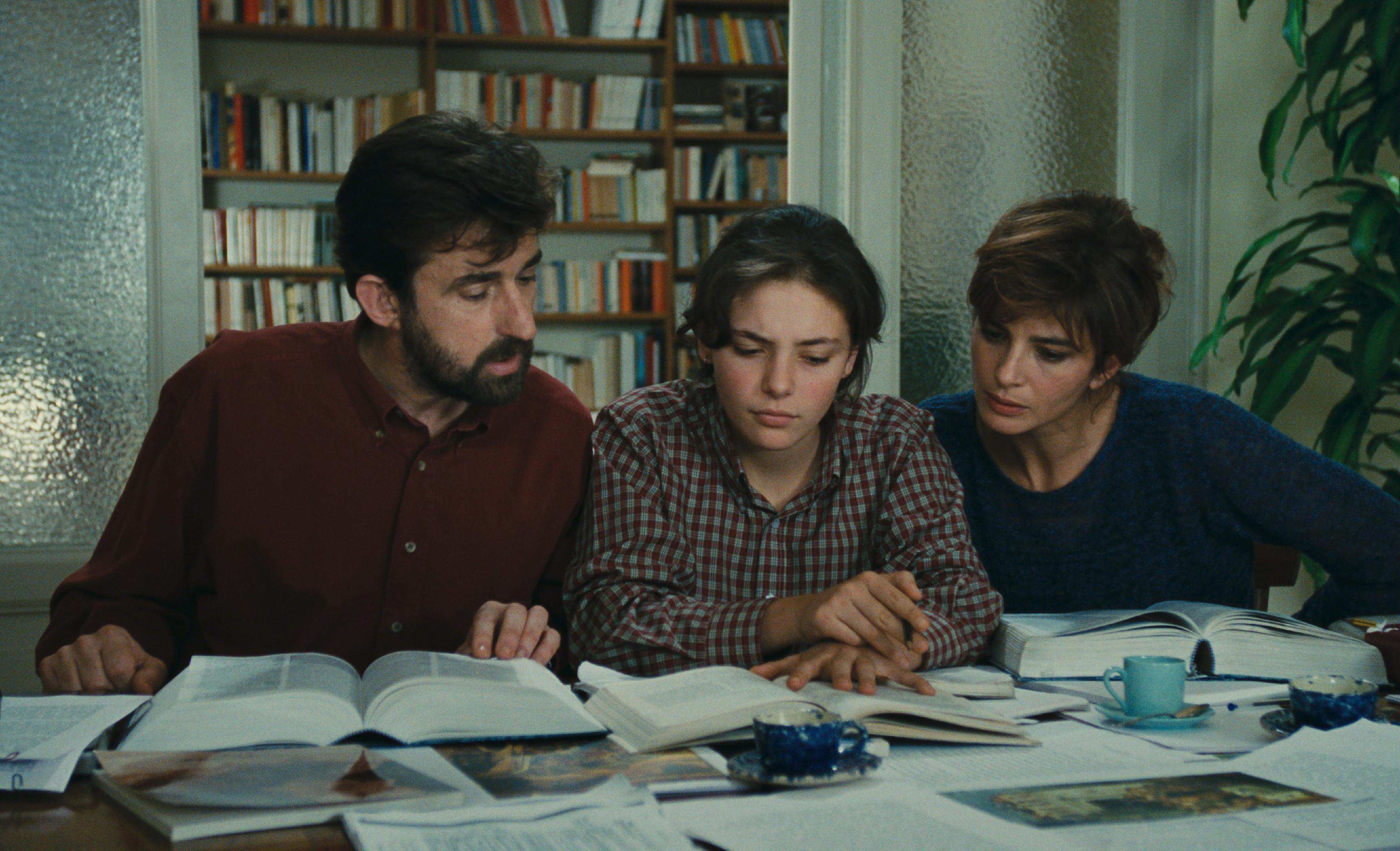
The Film Programmes Office of the Leisure and Cultural Services Department will present the programme "Made in Italy – A World of Bittersweetness". Sixteen Italian films depicting the flavours of life will be screened at the Hong Kong Film Archive (HKFA) and K11 Art House from December 13, 2026, to January 24, 2027.
Three of the selected works are romantic films, including "La Dolce Vita" (1960) starring the "Latin Lover" Marcello Mastroianni; "Girl with a Suitcase" (1961) featuring the stunningly beautiful Claudia Cardinale; and "Il Bell' Antonio" (1960), in which the two co-star.
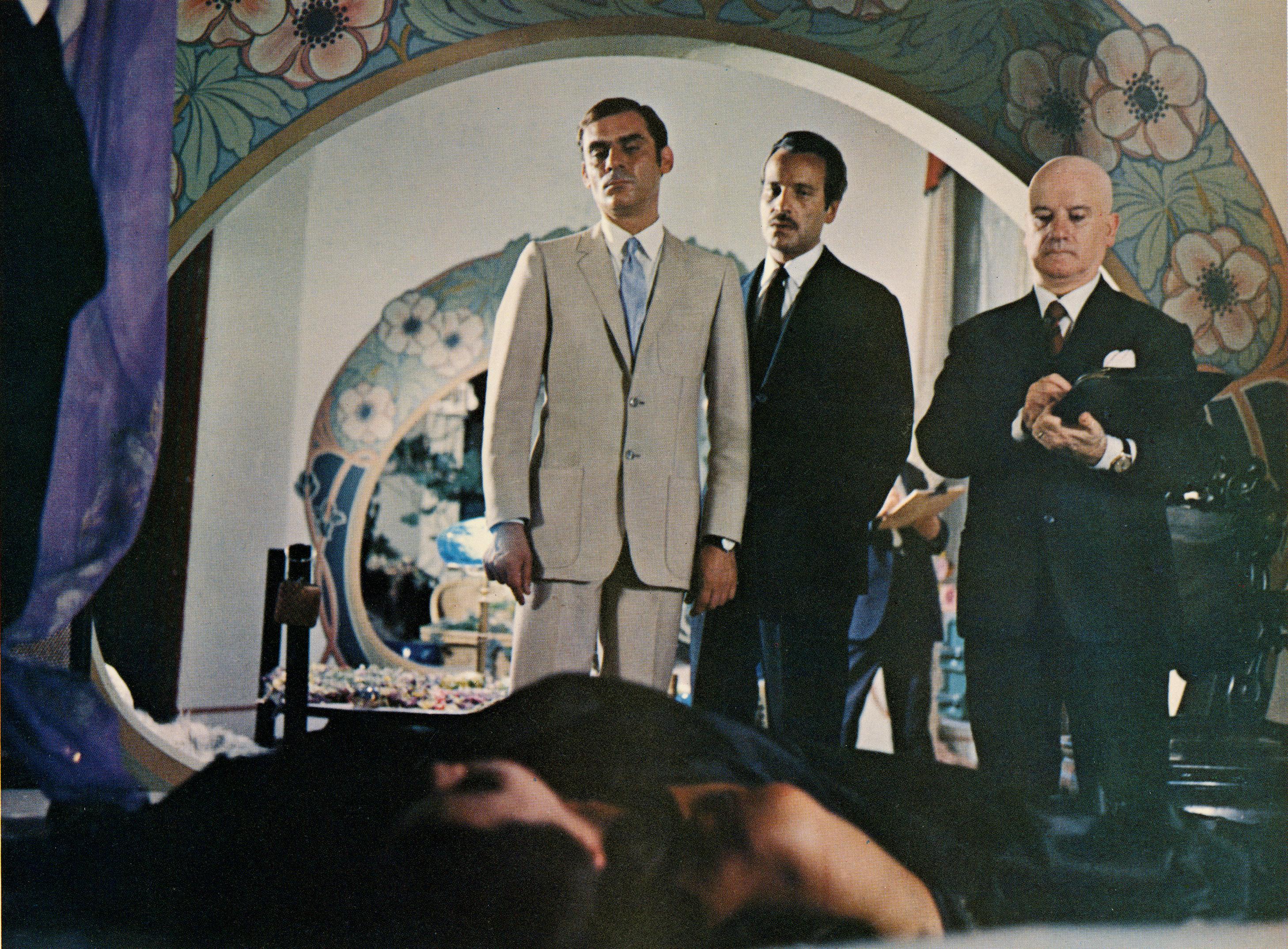
Films exploring the relationship between class struggle and social development in their works are also selected, including Francesco Rosi's "Hands Over the City" (1963), Bernardo Bertolucci's "The Conformist" (1970), and Elio Petri's "Investigation of a Citizen Above Suspicion" (1970) telling the story of police investigating a murder committed by a colleague.
Moreover, the programme also features four works centring on family relationships. "Bicycle Thieves" (1948) tells of an unemployed father taking desperate risks for his family. In "The Son's Room" (2001), a psychoanalyst blames himself as his wife and daughter sink deep into the grief of bereavement. A father in "Misunderstood" (1966) conceals from his youngest son the death of his mother, ultimately leading to a tragedy. "Everybody's Fine" (1990) tells of a father's journey visiting his grown children scattered across the country.
Three of the selected works are stories of war, including "Rome, Open City" (1945) filmed on location during wartime, "The Four Days of Naples" (1962), which recounts the residents of Naples rising up in revolt, and "Life Is Beautiful" (1997), which tells of a Jewish father and son imprisoned in a concentration camp.
There are two other works themed on the perils of the underworld, including "The Traitor" (2019) based on a prominent Italian Mafia family and "Property Is No Longer a Theft" (1973), which tells of a bank cashier stealing ill-gotten gains from a butcher.
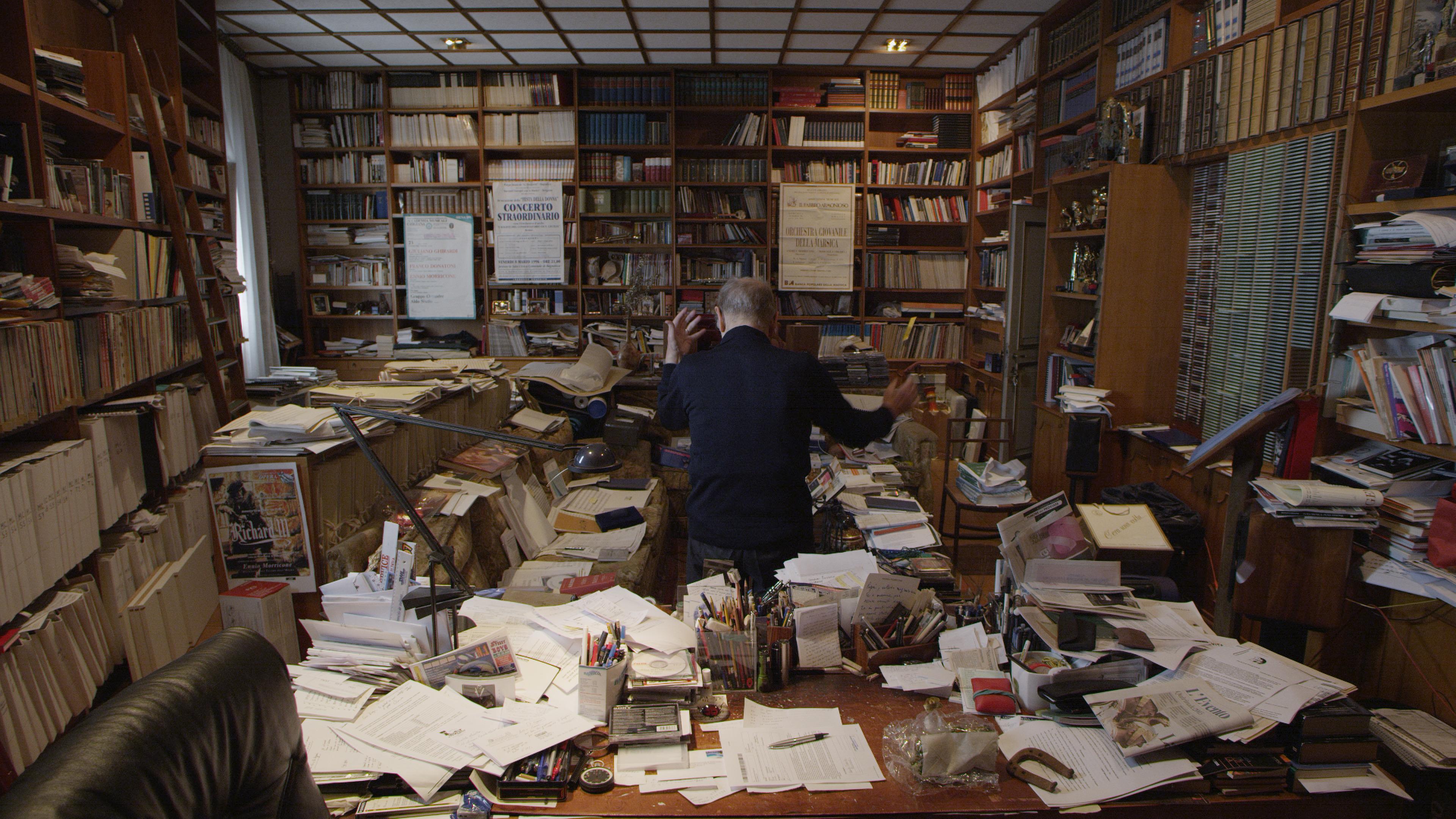
The programme also features "Ennio" (2021), a documentary introducing the creative career of film score maestro Ennio Morricone. His compositions are in numerous classic films including "Investigation of a Citizen Above Suspicion", "Property Is No Longer a Theft" and "Everybody's Fine".
All films are with Chinese and English subtitles. "The Traitor" is rated Category III and restricted to viewers aged 18 or above.
Tickets for screenings at the HKFA are priced at $75 and are now available at URBTIX (www.urbtix.hk). For telephone bookings, please call 3166 1288. For screenings at K11 Art House, tickets are priced at $110 and $150 and are now available at K11 Art House and the website of MCL Cinemas (www.mclcinema.com). For programme enquiries and concessionary schemes, please call 2734 2900 or visit www.lcsd.gov.hk/fp/en/listing.html?id=101.
Some screenings will be accompanied by post-screening talks hosted by Thomas Shin, Pierre Lam, Dr Sonia Au and programme curator Freddie Wong. In addition, three post-screening seminars, titled "Remembering Mastroianni: The 30th Anniversary of His Passing Away", "A Tribute to Italian Screen Goddess: Claudia Cardinale" and "Introducing Ennio Morricone: Grand Master of Film Music", will be hosted by Law Kar, Horace Chan and Dr Angela Law respectively. The post-screening talks and seminars will be conducted in Cantonese. Ticket holders of respective screenings will be admitted with priority. Seats will be available on a first-come, first-served basis.







Nov202026
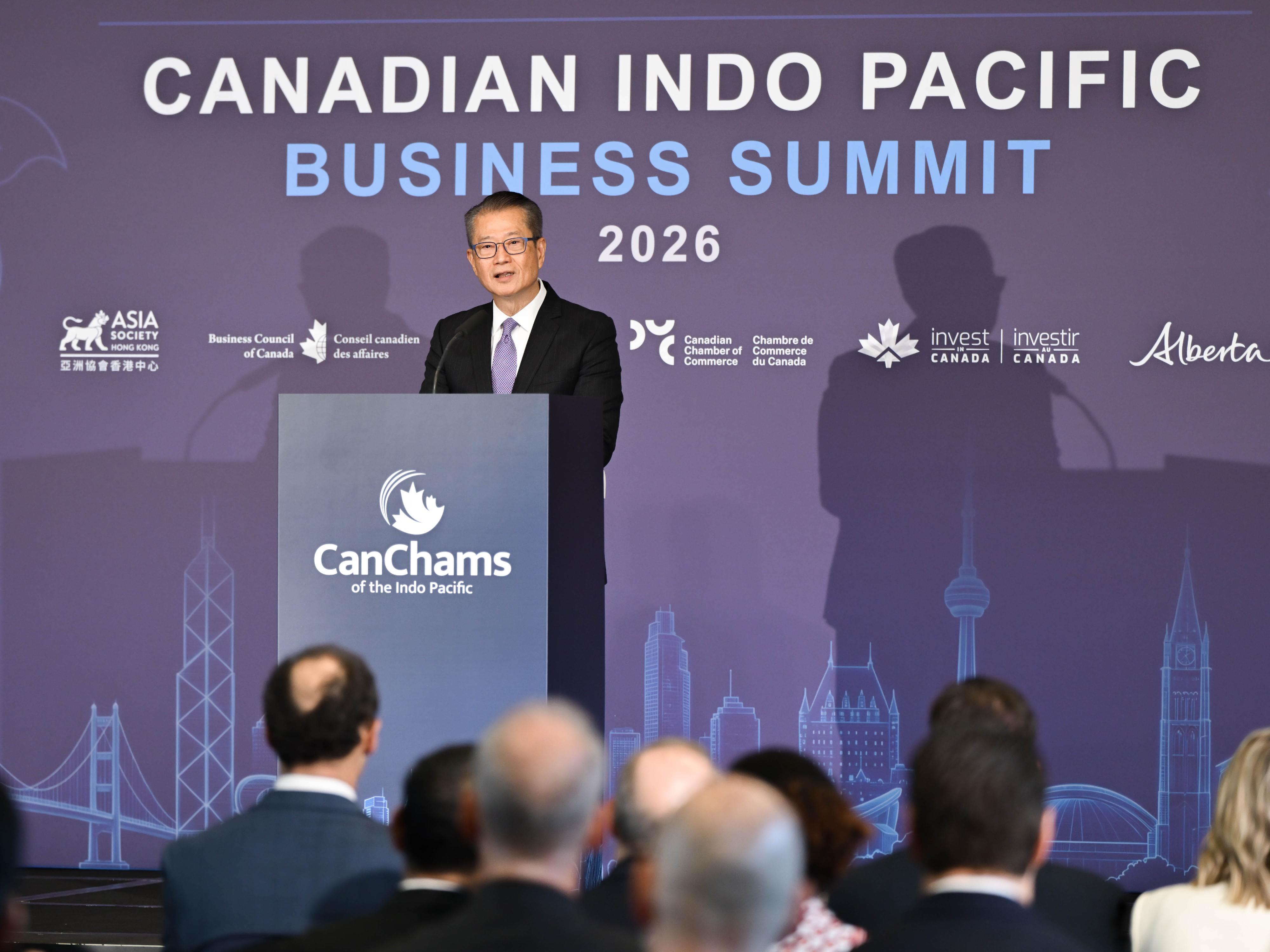
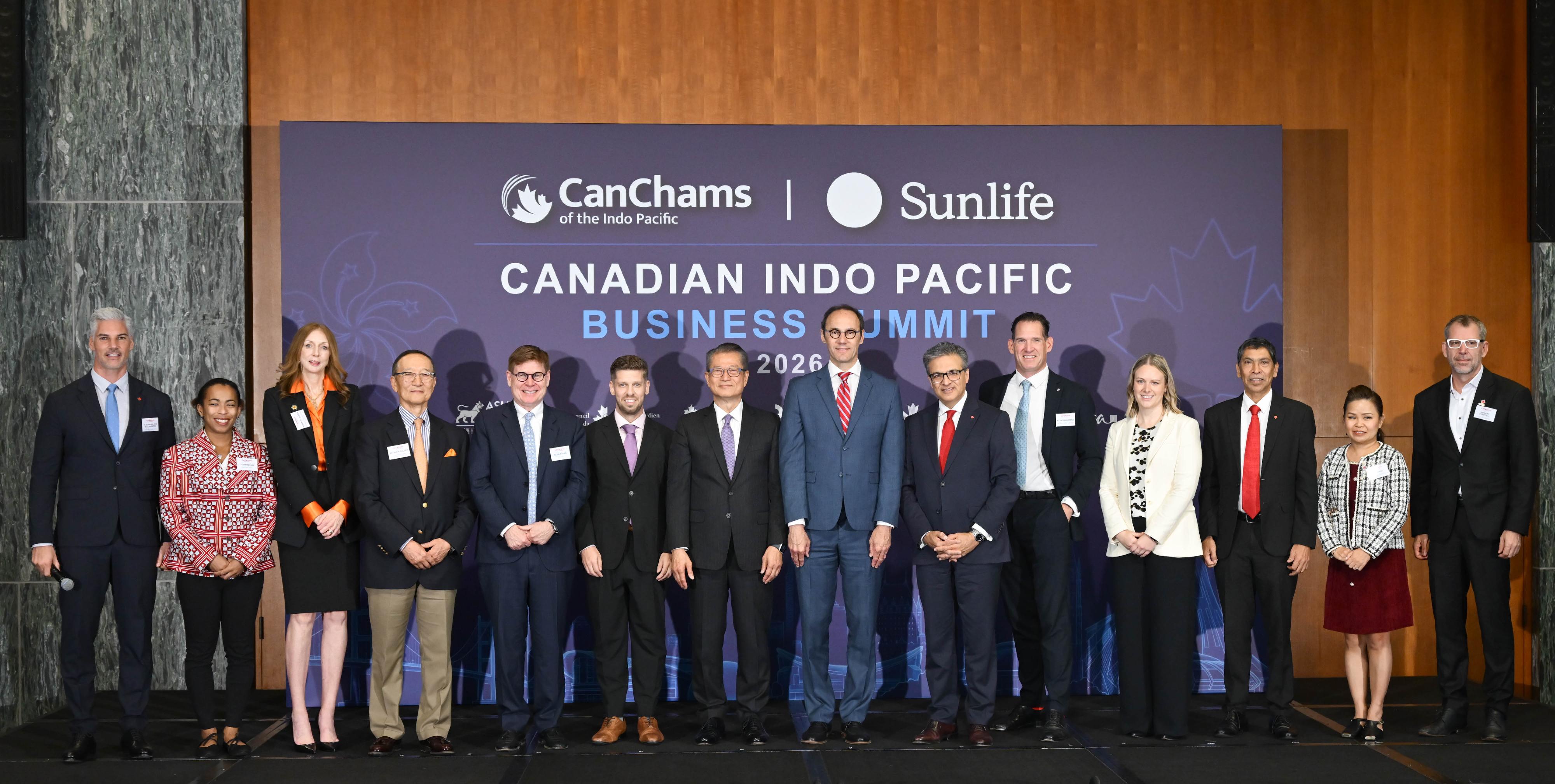
Following is the speech by the Financial Secretary, Mr Paul Chan, at the Canadian Indo Pacific Business Summit today (November 20):
Assistant Deputy Minister Epp (Assistant Deputy Minister for the Indo Pacific, Government of Canada, Mr Weldon Epp), Consul General Charles Reeve (Consul General of Canada to Hong Kong and Macao), Goldy (President and Chief Executive Officer of the Business Council of Canada, Mr Goldy Hyder), Brett (Executive Co-Convenor of the Canadian Chambers of the Indo Pacific, Mr Brett Stephenson), Adam (Executive Co-Convenor of the Canadian Chambers of the Indo Pacific, Dr Adam Janikowski), Rosemary (Chair of the Canadian Chamber of Commerce in Hong Kong, Ms Rosemary Goater), Chairs of the Canadian chambers of commerce across the region, distinguished guests, ladies and gentlemen,
Good morning, and welcome to Hong Kong. It is a great pleasure to join you at the first Canadian Indo Pacific Business Summit. We are honoured that the 21 Canadian chambers across the region, with their partners in Canada, have chosen Hong Kong as their host. You have timed it well too, in the same week that APEC (Asia-Pacific Economic Cooperation) leaders met just across the boundary in Shenzhen.
A long partnership
The ties between Canada and Hong Kong are long-standing and close. About 300 000 Canadians live here, one of the largest Canadian communities outside Canada. More than 200 000 people in Hong Kong are graduates of Canadian universities. Canadian companies have been in Hong Kong for well over a century, and two of them, Sun Life and Manulife, now account for nearly 40 per cent of the assets in our Mandatory Provident Fund system.
Canada looks to Asia
These ties matter more now, because Canada is widening its trade and investment across Asia. It has set the goal of doubling its exports to markets beyond the United States within a decade. In January, China and Canada established a new strategic partnership, and Canada aims to increase its exports to the Chinese Mainland by 50 per cent by 2030. Last week, Canada announced that it had substantially concluded free trade negotiations with ASEAN (Association of Southeast Asian Nations).
And in Shenzhen this week, on the sidelines of APEC, China and Canada agreed to expand mutual tariff relief and to extend their trade arrangement to the end of 2028. As Prime Minister Carney (Prime Minister of Canada, Mr Mark Carney) said the next day, the relationship is "growing on every front".
I had the pleasure of meeting Prime Minister Carney in Davos earlier this year. There, he said that Canada has what the world wants: energy, resources, talent and capital. A fast-growing Asia needs all four. And Hong Kong, as a "super connector" and "super value-adder", is where Canadian supply and Asian demand can meet.
So today, I would like to share with you where Hong Kong is heading, and where we can do more together.
Where Hong Kong is heading
Our economy is growing strongly. It expanded by 5.1 per cent over the first nine months, the fastest pace for that period in five years. Exports are leading the way: goods exports rose by 30 per cent in the third quarter, lifted by strong global demand for AI-related electronics.
Domestic demand remains solid, with private consumption up by 2.9 per cent and investment up by 7.5 per cent in the third quarter. We forecast growth of 4.8 per cent for the year as a whole.
Underlying inflation is low, at 1.7 per cent in the first nine months, and unemployment has edged down to 3.8 per cent. Home prices have risen by around 7 per cent this year, and the office market is stabilising. Capital keeps flowing in: bank deposits grew by nearly 8 per cent in the first nine months, to HK$21 trillion. Earlier this month, when global financial leaders met in Hong Kong, all expressed optimism about our prospects, and a number of them told us they intend to increase their investment and headcount here.
Business sentiment is positive, and we are cautiously optimistic about the outlook for 2027.
Behind these numbers are our enduring institutional strengths under the "one country, two systems" framework: bilingual common law system, a freely convertible currency with no exchange control, a simple and low tax regime, and a free port. Last month, the Fraser Institute in Vancouver again rated Hong Kong the freest economy in the world.
Our rule of law is recognised internationally. In the latest World Justice Project Rule of Law Index, Hong Kong ranks 24th among 143 jurisdictions, and in the global top 10 both for absence of corruption and for order and security.
Our development direction for the coming five years is set out in Hong Kong's First Five-Year Plan, published in September. It aligns with the National 15th Five-Year Plan, which supports Hong Kong's development as "four centres and one hub": international centres for finance, shipping, trade, and innovation and technology, plus an international hub for top talent.
In the interest of time, I would just highlight two major themes in the Plan: finance, and technology and innovation.
On finance, we are building a more complete range of funding options for businesses, from private equity, venture capital, patient capital to the equities market. In the first 10 months of this year, 121 companies listed on our stock exchange, raising over HK$400 billion. We are also going beyond equities into fixed income, gold and commodities, and will further strengthen our leading position in offshore Renminbi business.
On technology, AI is leading the way. It is not simply another sector; it is transforming existing industries.
Hong Kong's edge also rests on our synergy with the Greater Bay Area (GBA), which is one of the most competitive global innovation and technology hubs, supported by advanced manufacturing and commercialisation capabilities. For a new technology, the GBA is a testing ground, a production base and a market of 88 million people.
Our main platform for this collaboration is the Northern Metropolis on the border with Shenzhen. There, we are settling down the technology companies attracted to Hong Kong and building three university towns so that cutting-edge research, start-ups and industries can flourish side by side. A company can take an idea from the laboratory to the factory, and on to the market, without leaving the GBA.
A hotspot of this collaboration is Hetao, where a science park in Hong Kong and its sister park in Shenzhen work together across the Shenzhen River. There, we are piloting special policies to ease the flow of people, materials, capital and data between the two parks.
Consider biotechnology and medicine, where these flows matter most. A clinical trial depends on patients, samples and data. At Hetao, we have established a joint clinical trial platform with Shenzhen, so that biological samples and medical data from the Mainland can be used in the Hong Kong park. The aim is to shorten the time of research breakthrough to outcome commercialisation, and to allow a technology company based there to serve both the Mainland and international markets.
So what more can Hong Kong and Canada do together? I see three areas: capital, resources and innovation.
Capital, in both directions
The first is capital. Canadian investors have long used Hong Kong as their base for Asia. As opportunities in Mainland technology expand, Hong Kong will remain the channel of choice through which Canadian capital can take part in that growth.
Capital can flow the other way as well. Canada aims to catalyse CDN$1 trillion of investment at home over the next five years, in fields such as energy, critical minerals and artificial intelligence.
Hong Kong is a natural place to help realise that ambition. We are Asia's leading asset and wealth management centre, with about HK$42 trillion under management at the end of last year. We are also home to more than 3 300 wealthy family offices. I encourage Canadian project sponsors to come here and make their case.
Our capital markets offer another solution. Several Canadian companies are already listed in Hong Kong, and the Toronto Stock Exchange is among the exchanges that we recognise for secondary listings.
Hong Kong also brings companies and innovation to Canada. In September, under our GoGlobal Task Force (Task Force on Supporting Mainland Enterprises in Going Global), Invest Hong Kong took a delegation of Mainland green technology and life sciences companies to Vancouver, Calgary and Edmonton. We encourage Canadian companies to work with Mainland enterprises as they go global, and to use Hong Kong as the meeting place.
Resources, and the services they need
The second area is resources. Canada is one of the world's major producers of energy and metals, and about 40 per cent of the world's public mining companies are listed on Canadian exchanges. More of what Canada produces is being sold in this region. Canada now ships about 1 million tonnes of liquefied natural gas to Asia every month.
Trade on that scale needs financing, hedging and settlement, and Hong Kong is building the capacity to provide all of them. In fixed income and currencies, we are developing the whole chain, from issuance, trading, clearing and settlement to the derivatives used to manage interest rate and currency risk.
We are doing the same in commodities, starting with gold. Canada was the world's fourth largest gold producer last year, and Hong Kong is developing an international gold trading market, with services that run from storage and clearing to financing and risk management.
For other metals, we have more than 20 warehouses approved by the London Metal Exchange. A bill before the Legislative Council would halve the profits tax rate for qualified traders of physical commodities, from energy and metals to canola. I hope Canadian producers, traders and their bankers will use these services to reach their customers in Asia.
Innovation and talent
The third area is innovation and talent.
Canada is one of the birthplaces of modern AI, and much of the pioneering research was done in its universities. Hong Kong's strength is in turning that science into applications. We offer an international environment for testing and applying these technologies, and what succeeds here can go on to succeed elsewhere.
We are keen to attract the best tech enterprises to Hong Kong. To this end, we have set up the Office for Attracting Strategic Enterprises, and are willing and ready to put together dedicated packages comprising land grant, financial support and tax concessions for the right enterprises.
None of this is possible without talent, and our doors are wide open. Since the end of 2022, more than 320 000 people have arrived in Hong Kong through our talent schemes, and we would welcome many more from Canada.
Closing
Ladies and gentlemen, a business that commits to a market for the long term needs to know that the policies and rules will hold.
In a world of growing uncertainty, Hong Kong remains a place of predictability and consistency. It is also a city of abundant opportunity.
In 2027, the Hong Kong Special Administrative Region turns 30, and the Canadian Chamber of Commerce in Hong Kong turns 50. Canadian companies, schools and families have contributed a great deal to Hong Kong through those years. For that, we are truly grateful.
As Brett described in his invitation to me on this conference: Hong Kong is a champion for Canadian business in the region. We will remain exactly that: always open, always welcoming, and always ready to work with you, here and across Asia.
I wish you a most successful Summit. Thank you.
Nov202026
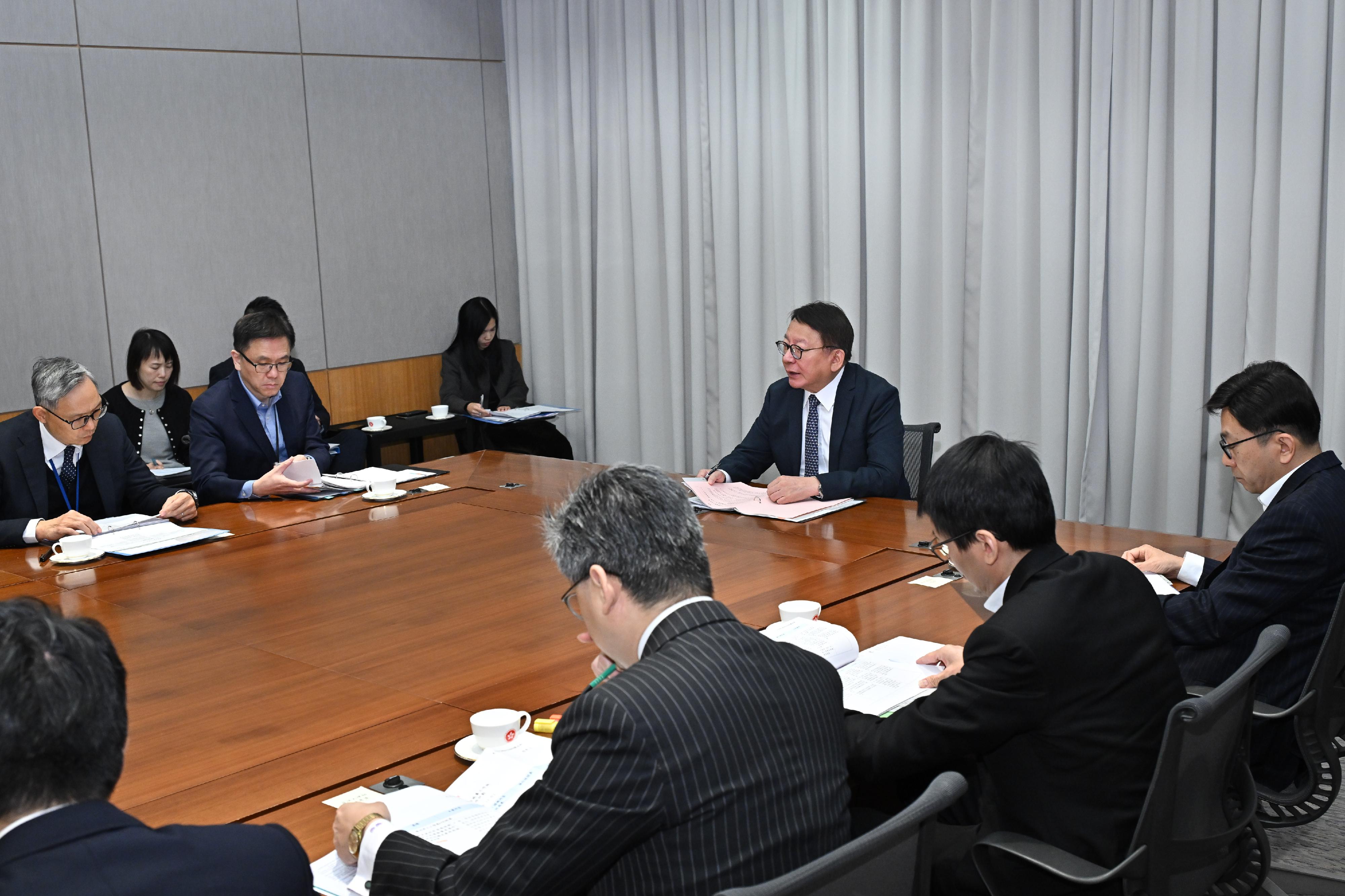
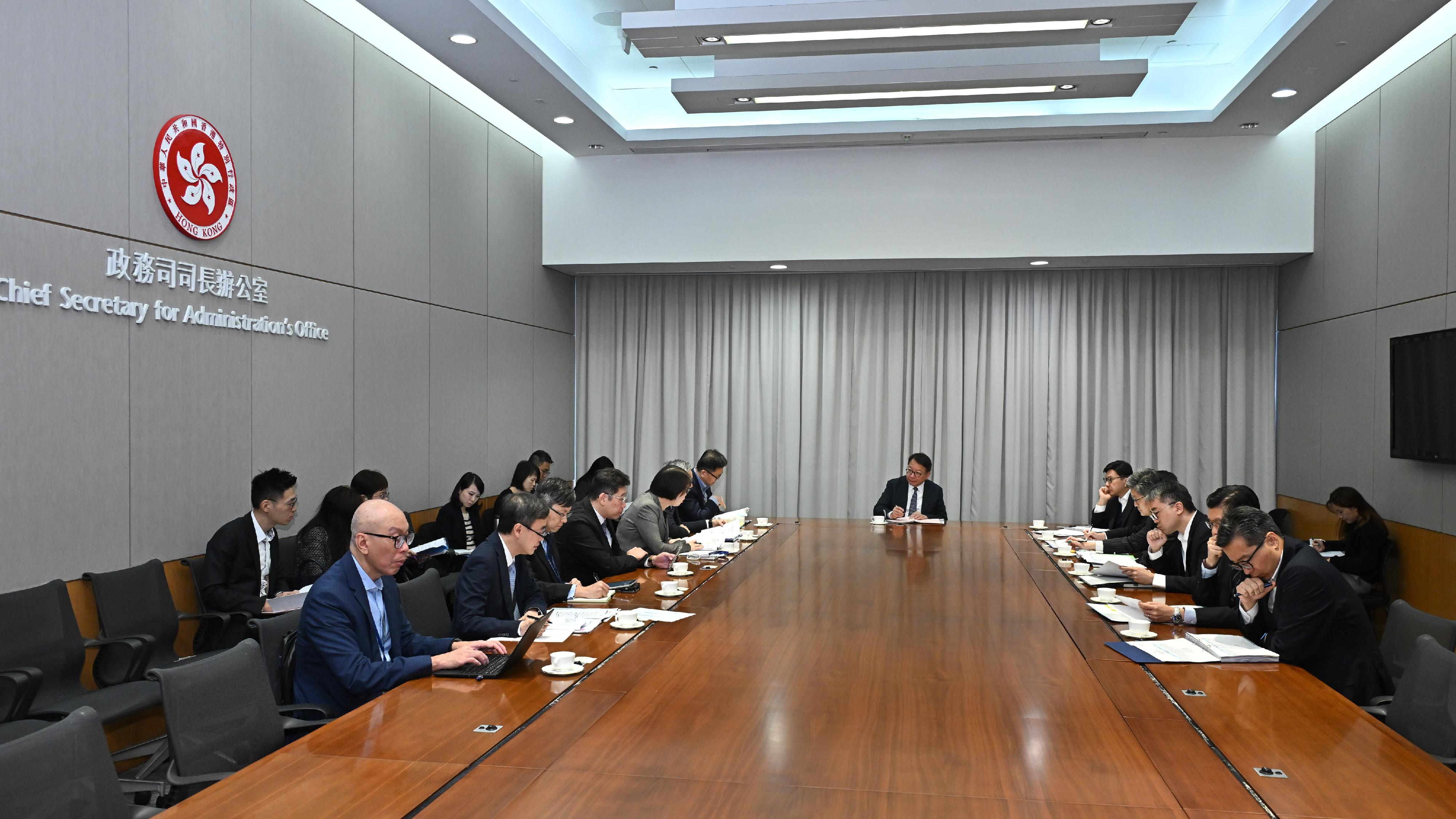
The Chief Executive announced in the 2026 Policy Address that the Chief Secretary for Administration, Mr Chan Kwok-ki, will co-ordinate the work of various bureaux in taking forward the artificial intelligence (AI) risk governance strategy. Mr Chan convened the first meeting of the Working Group on Coordination of AI Risk Governance (Working Group) today (November 20) to comprehensively advance the co-ordination work of the AI risk governance strategy.
Mr Chan said that whilst AI is developing rapidly, promoting industry upgrades and improving the convenience of daily life, its impact on various sectors of society and the importance of risk governance and application safety are equally crucial. The Working Group will steer and co-ordinate the efforts of bureaux and departments to examine issues relating to AI development risks, governance and safety; strengthen risk awareness; and examine corresponding management and regulatory frameworks. The aim is to ensure that, whilst accelerating the adoption of AI applications, the technology is used for good and remains safe and under control.
At the meeting, the Working Group reviewed and co-ordinated the work plans and implementation proposals for the seven specific actions under the AI risk governance strategy, including (1) combating the use of AI in criminal activities; (2) enhancing the protection of users who are minors; (3) promoting market assessment of AI ethical risks; (4) promoting the safe and orderly application of AI across industries; (5) examining legal liability arising from accidents caused by AI products; (6) introducing guidelines on AI agent management; and (7) examining the impact of AI on employment.
The Working Group will convene meetings regularly in accordance with the progress of work to review and oversee the progress made by bureaux and departments in implementing the various measures, and to co-ordinate interdepartmental matters, thereby ensuring that Hong Kong's AI risk governance strategy is implemented comprehensively, soundly and in an orderly manner.
Members of the Working Group are:
Chief Secretary for Administration (Chairman)
Secretary for Justice
Secretary for Education
Secretary for Financial Services and the Treasury
Secretary for Innovation, Technology and Industry
Secretary for Labour and Welfare
Secretary for Security
Head, Chief Executive's Policy Unit
Commissioner for Digital Policy
Representatives of other relevant policy bureaux and departments will attend meetings as necessary.