image_pdfimage_print

Author Archives: hksar gov

MD announcement

Attention duty announcers, radio and TV stations:      Please broadcast the following as soon as possible and repeat it at suitable intervals:      The Marine Department today (June 8) reminded ma… read more

Film Archive’s “Morning Matinee” series to pay tribute to Cantonese opera staple Ma Si-tsang (with photos)

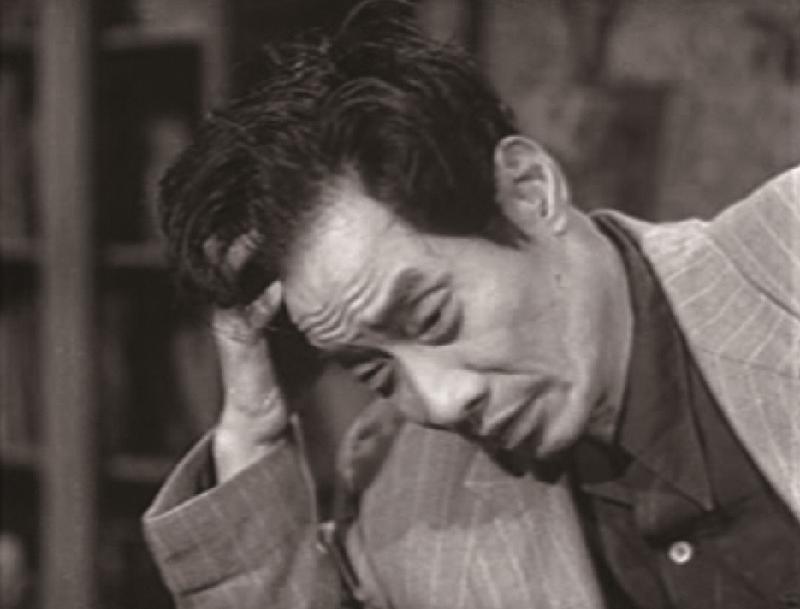
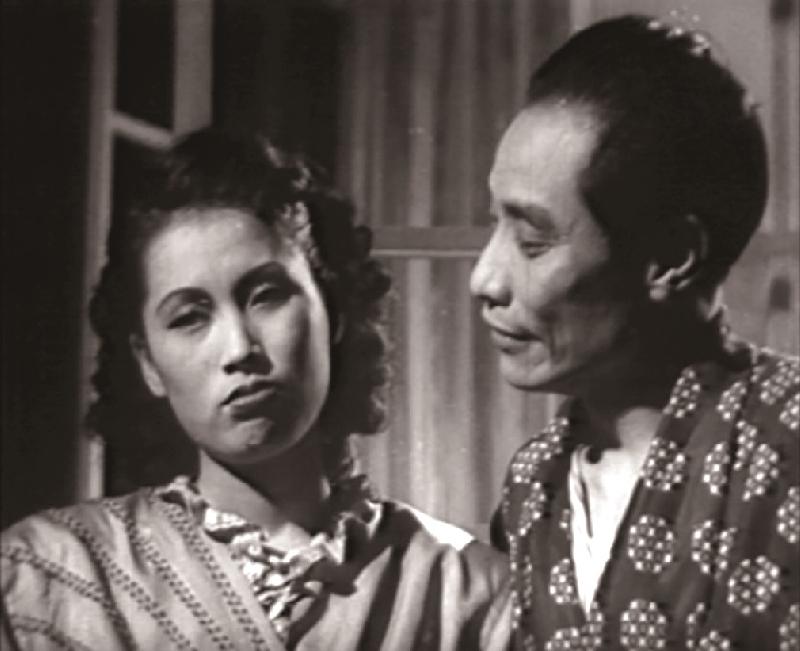
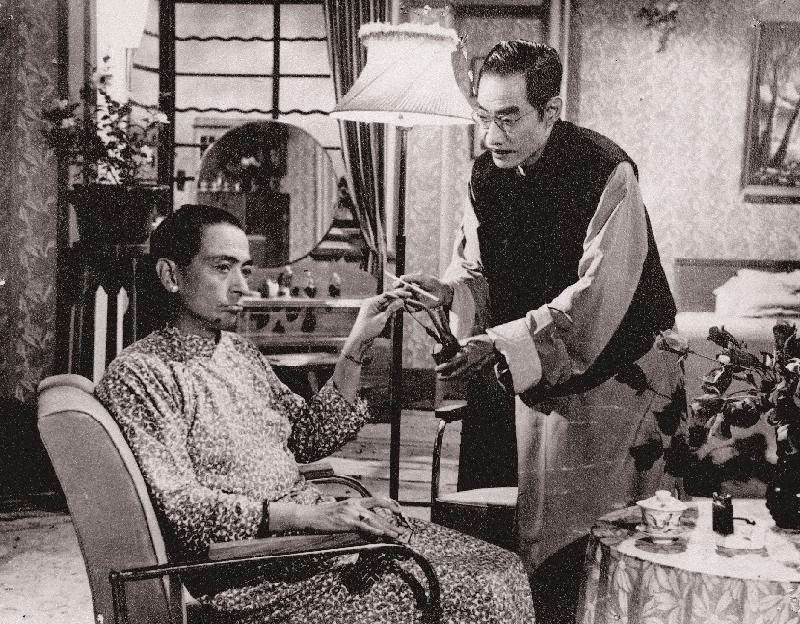
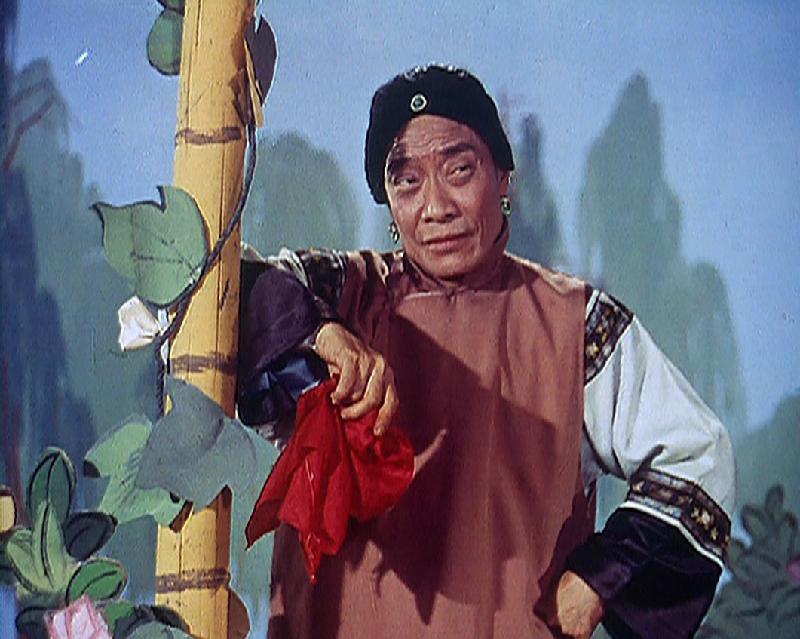
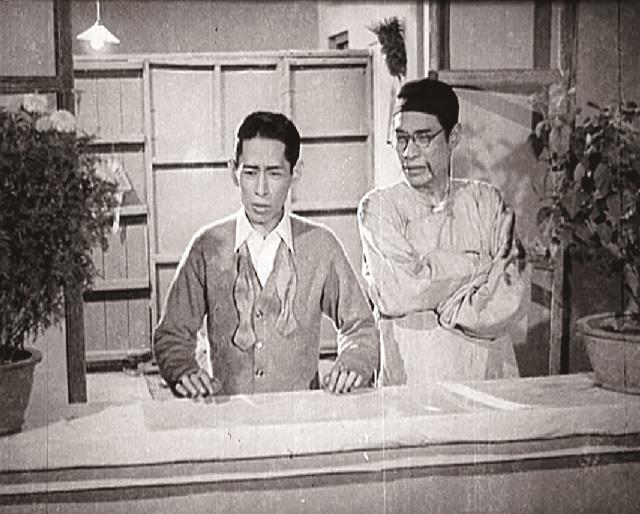
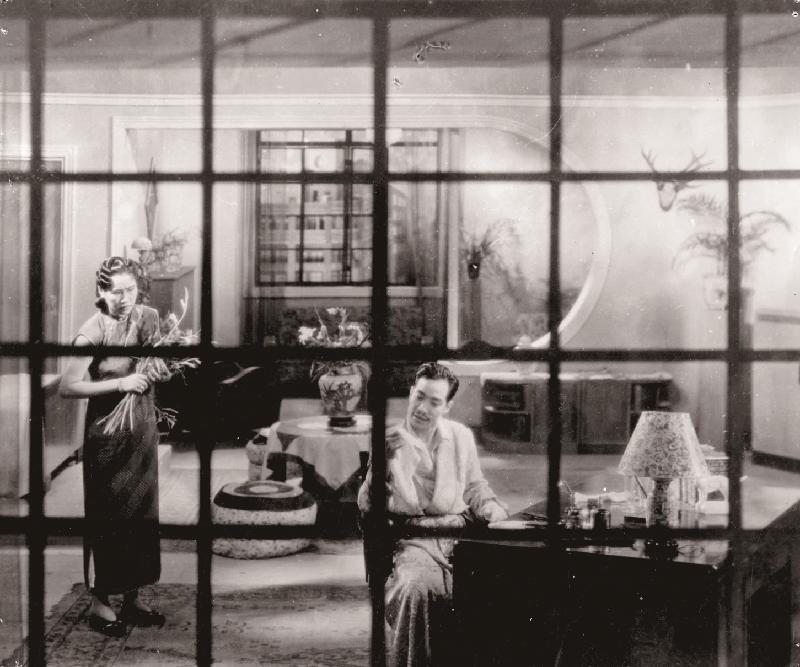
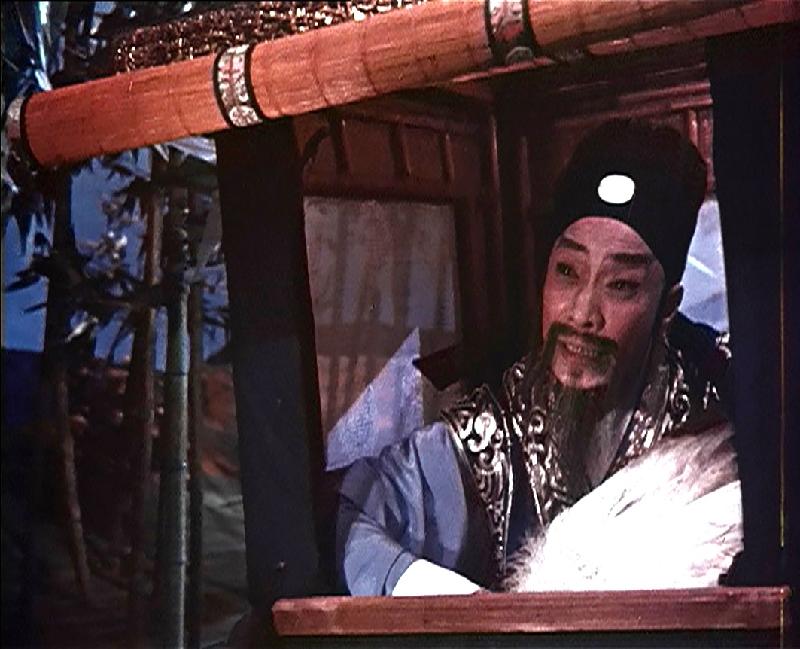
     To commemorate the Cantonese opera staple Ma Si-tsang on the 120th anniversary of his birth, the Hong Kong Film Archive (HKFA) of the Leisure and Cultural Services Department will screen 18 films for film buffs to revisit Ma’s artistry and influence in the “Morning Matinee” series at 11am on Fridays from July to October.
 
     In addition, a free exhibition, “The Civil-Military Buffoon of a Thousand Faces – The Artistic Career of Ma Si-tsang”, will be held from July 3 to October 30 at the 1/F Foyer of the HKFA.
      
     Born in 1900, Ma Si-tsang came from a learned family in Shunde. Ma frequently performed “civilised dramas” in high school and was a Cantonese opera lover. In 1924, Ma created his eminent vocal style, the “beggar vocal style”, in the Cantonese opera performance “Bitter Phoenix, Sorrowful Oriole” for Yan Shou Nin Opera Troupe. He formed the Tai Law Tin Opera Troupe and the Tai Ping Opera Troupe in 1925 and 1933 respectively and became the sole challenger of Sit Kok-sin, the superstar of Cantonese opera and film at the time. Their rivalry was dubbed the “Sit-Ma duel”.
      
     Ma left Hong Kong for the Mainland in 1942 and married Hung Sin Nui. In 1946, the couple returned to Hong Kong for their careers in Cantonese opera and films but then divorced in 1955. Ma died in Beijing in 1964 due to throat cancer. Having starred in more than 430 operas and 50 films during his life, Ma was a great master on both the stage and the screen.
 
     “Red and White Peonies” (1952) tells of a hoodlum (Ma) who drunkenly visits the adoptive father (Ng Cho-fan) of his own daughter (Hung Sin Nui) to demand his daughter back. Ma enlivens the character with mere glances, his tone and even his hairstyle.
 
     “Parents’ Hearts” (1955) features Ma as a downtrodden street performer who pawns everything for his son to finish his education. Ma also takes up other screen personas in the film including cross-dressing as a witty female servant and also appearing as a beggar and a rich miser. 
      
     “Anna” (1955) centres on women’s agony in a patriarchal society. Playing a controlling husband chasing after fame and fortune, Ma uses strong glances and tone of voice to be intimidating, making for a total departure from his typical comedic roles.
      
     “Big Thunderstorm” (1954) was Ma’s debut work after joining Union Film. He plays a righteous gentleman in appearance and words, but in fact is a conniving villain preying on uneducated village people. The scene in which Ma visits his in-laws is memorable, and is a testament to Ma’s superb acting skills.
      
     In “Wild Flowers Are Sweeter” (1950), Ma, playing a character who is upright and devoted to his family, becomes a fallen man. He abandons his wife and embezzles funds after he becomes obsessed with a courtesan played by Hung Sin Nui. Ma gives a layered performance that excels in reflecting the psychological changes of the character.
 
     In “The Woman Between” (1955), Cheung Wood-yau and Hung Sin Nui are in love but later Hung’s father embezzles funds from a company. The debtor’s son, Ma, who claims to be engaged to Hung in order to help her, is then caught in a love triangle with Cheung and Hung.
    
     Ma is memorable in his comedic roles for being lively and down to earth, and this makes for a stark contrast with the tough and feisty Hung Sin Nui in “The Spoiled Princess” (1948). The battle of wits and sexes between the duo is filled with entertainment and also dramatic tension.
 
     “The Judge Goes to Pieces” (1948) is the film version of Ma’s Cantonese opera classic from the pre-war period. The story follows Sung Sai-kit, played by Ma, who morphs from a henpecked husband at home to a brilliant and shrewd attorney in the court.
 
     Ma’s comedic style was a model for many younger actors. In “Foster-Daddy’s Romantic Affairs” (1952), Leung Sing-por’s portrayal of a miser displays the traits of Ma’s style, from outlook to acting, and through this he brings to life a character who is skirt-chasing and also in fear of his shrewish wife.
 
     Based on the first work presented by the Tai Law Tin Opera Troupe, “Prince of Thieves” (1958) stars Ho Fei-fan, Mui Yee and Lam Kau and is packed with action, special effects and comedy.
 
     “The Encounter Between the Prince of Thieves and the Lovelorn Monk” (1952) follows a wife-fearing husband (Ma) and his testy wife (Lau Hark-suen in a cross-dressing role) whose daughter has just got married. The mother wants her daughter to subdue her husband at all costs while the father has pity for his son-in-law and becomes an ally with schemes to strike back.
 
     “An Ideal Couple” (1960) is made up of four Cantonese opera excerpts, among which the final excerpt, “Picking Up the Jade Bracelet”, features Ma in a cross-dressing role and Hung Sin Nui. The duo make their characters come alive through refined eye movements, footwork and hand gestures while delivering the lines with wit and spirit.
 
     Given its extraordinary stellar cast of two comedy giants, Ma and Leung Sing-por, “As You Desire” (1952) already sets the stage for laughter. Another highlight of the film is seeing the two Mas, Ma Si-tsang and Sun Ma Si-tsang, performing together as father and son, with Sun Ma teaching Ma to sing “Yu Hap-wan Expresses His Inner Feelings”, one of the most popular songs of Ma.
 
     Adapted from a repertory masterpiece of Ma, “Bitter Phoenix, Sorrowful Oriole” (1941) was Ma’s first onscreen collaboration with the whimsical diva Cheung Yuet-yee. One highlight of the film is Ma showing off his classic song “Yu Hap-wan Expresses His Inner Feelings”.
 
     Lau Hark-suen, early in his career, was nurtured by Ma, so he had a deep understanding of Ma’s craft. Set in a Cantonese opera troupe, “Bitter Kisses” (1955) enabled Lau to showcase his version of the “Ma vocal style” as well as his operatic technique alongside Chow Kwun-ling.
 
     “How Chan Kwun Reprimanded Cho” (1957) is directed by and stars Lau Hark-suen, and the film sees him deliver a singing performance with the “Ma vocal style” in the 15-minute grand finale, “Reprimanding Cho”. The film also features Sun Ma Si-tsang showcasing his Peking and classical operatic singing techniques to charm the audience.
 
     Ma played an old character for the first time in his career in “The Lost Kite” (1956). In the scene “Reflections under the Moonlight”, Ma displays a delicate and decent vocal style that is a remarkable performance in Ma’s late career. In addition, Hung Sin Nui is lovely in her role and excels with her special “Hung style” vocal technique – a treat for cinemagoers.
 
     “Lust Is the Worst Vice” (1963) features Sun Ma Si-tsang’s portrayal of a beggar, in which he sings his classic song “Begging for Food”. Having studied the “Ma vocal style” in his youth, Sun Ma gives a performance that contains traces of Ma’s influence.
 
     All the films are in Cantonese and without subtitles. Some films have Chinese lyrics displayed onscreen.
 
     Tickets priced at $30 are now available at URBTIX (www.urbtix.hk). For credit card telephone bookings, please call 2111 5999. For programme details, please call 2739 2139 or visit www.filmarchive.gov.hk/en_US/web/hkfa/programmesandexhibitions/programmes/mst120/index.html.
      
     In view of the latest situation of COVID-19, special admission, ticketing and seating arrangements will be implemented for screening programmes held at the HKFA Cinema. Children aged under 12 must be accompanied by an adult. For details, please call 2739 2139 or visit www.filmarchive.gov.hk/en_US/web/hkfa/aboutus/openhl.html.

Photo  Photo  Photo  Photo  Photo  Photo  Photo  
read more

Government announces mechanism for directors and executives of specified listed companies to apply for exemption from compulsory quarantine arrangement

     The Government announced today (June 8) that directors or executives of certain companies listed on the Stock Exchange of Hong Kong (SEHK) who can meet the eligibility criteria may apply for exemption from the compulsory quarantine arrangement when they arrive at Hong Kong from the Mainland, subject to a pre-determined quota. 

     The new scheme covers companies that are listed on the SEHK and included in the Hang Seng Index, Hang Seng China Enterprises Index or Hang Seng Composite LargeCap, MidCap or SmallCap Index, representing around 95 per cent of the total market capitalisation in Hong Kong. Directors or executives of these listed companies who (i) travel from the Mainland to Hong Kong for essential business activities or (ii) return from the Mainland to Hong Kong after completing essential business activities, and satisfy certain eligibility criteria may apply for exemption.

     Announcing the arrangement, the Secretary for Financial Services and the Treasury, Mr Christopher Hui, said, “The new scheme is launched in addition to the scheme implemented earlier that facilitates directors of listed companies or listing applicants to fulfil their regulatory requirements, such as attending shareholders’ meetings and regulatory hearings, taking into account market demands and the business needs of individual companies.

     “We strive to balance the need of safeguarding public health and promoting Hong Kong’s economic development. The new scheme will facilitate directors or executives of sizable Hong Kong-listed companies to perform business activities that are essential to their operation. This is conducive to maintaining the normal business operation of these enterprises under the very dynamic and challenging business environment.”

     The Compulsory Quarantine of Certain Persons Arriving at Hong Kong Regulation (Cap. 599C) (the Regulation) is in force until July 7, 2020. According to section 4(1)(b) of the Regulation, the Chief Secretary for Administration may designate any person or category of persons for exemption from the compulsory quarantine arrangement if he is satisfied that the person’s or persons’ travelling is necessary for purposes relating to, among others, business activities in the interest of Hong Kong’s economic development.    
 
     Pursuant to the above-mentioned provision, the Chief Secretary for Administration has designated the following category of persons for exemption from the compulsory quarantine arrangement:

     Directors or executives of companies listed on the SEHK and included in the Hang Seng Index, Hang Seng China Enterprises Index or Hang Seng Composite LargeCap, MidCap or SmallCap Index who travel from the Mainland to Hong Kong, or return from the Mainland to Hong Kong for essential business activities.

     The exemption is quota-based and applications will be considered on a task-specific basis. During any calendar month, each of the eligible listed companies could nominate a maximum of two persons (who may be directors or executives) for the exemption. The visit must be for performing duties related to the essential operation of the listed companies. Examples of such duties include attending board meetings, business review meetings or meetings with clients, or executing legal documents. Each nominated director/executive may (i) travel from the Mainland to Hong Kong or (ii) return to Hong Kong from the Mainland one time in each calendar month with the compulsory quarantine waived. Multiple applications from the same director/executive within the same calendar month will not be accepted. 

     The period of stay in Hong Kong (for directors or executives of the relevant listed companies coming from the Mainland to Hong Kong) and in the Mainland (for directors or executives of the relevant listed companies returning from the Mainland to Hong Kong) should be kept to the minimum. For eligible directors or executives travelling to Hong Kong from the Mainland, the date of arriving in Hong Kong should not be earlier than the day immediately before the relevant date on which the essential business activities are performed, unless constrained by practical circumstances (including transportation). For eligible directors or executives returning to Hong Kong from the Mainland, the date of arriving in Hong Kong should not be later than the day immediately after the completion of the essential business activities unless constrained by practical circumstances (including transportation).

     The exempted persons will also be subject to certain conditions. For example, an exempted person must only travel to and stay in the Mainland area/city where the specified duties are performed, and must take every precautionary measure to ensure personal hygiene and avoid unnecessary social contact. For persons upon arrival in or return to Hong Kong, they will be subject to medical surveillance arranged by the Department of Health for a period of 14 days. The persons will be required to wear masks, check their body temperature daily and report any discomfort to the Department of Health.

     The Financial Services and the Treasury Bureau (FSTB) will process applications with the administrative support of the SEHK. To apply for an exemption, an application form should be completed by the listed company and be returned to the SEHK with relevant supporting documents. The FSTB will issue a letter to the exempted persons with the conditions for exemption. Details of the application procedures are available at the SEHK’s website (www.hkex.com.hk/-/media/HKEX-Market/Listing/Rules-and-Guidance/Other-Resources/Listed-Issuers/Joint-Statement-with-SFC/Application_Form_for_Exemption_for_Directors_or_Executives.pdf). 

     All exempted persons should note that currently, travellers to the Mainland would still be subject to the 14-day compulsory quarantine requirement imposed by the Mainland authorities. The Government of the Hong Kong Special Administrative Region is discussing with authorities in the Mainland on mutual recognition of COVID-19 testing results conducted by recognised medical laboratories, with a view to exempting the quarantine requirement for Hong Kong travellers to the Mainland. Details of the arrangement will be announced when available. read more

Thematic Household Survey Report No. 70 published

     The Thematic Household Survey Report No. 70 is published by the Census and Statistics Department (C&SD) today (June 8).

     This publication contains key findings on Hong Kong population’s pattern of smoking based on the Thematic Household Survey conducted during April to July 2019.

     The survey results showed that at the time of enumeration, there were some 637 900 daily cigarette smokers, accounting for 10.2% of all persons aged 15 and over in Hong Kong, which was similar to the corresponding percentage (10.0%) in 2017. Daily cigarette smokers consumed on average about 13 sticks of cigarettes a day, more or less the same as in 2017.
 
     If including persons who consumed other forms of tobacco or related products (e.g. heated tobacco product, e-cigarette, cigar, hand rolled cigarette, water pipe and pipe-smoking), there were some 652 000 daily smokers at the time of enumeration, accounting for 10.5% of all persons aged 15 and over in Hong Kong. The corresponding percentage was 10.1% in 2017. 

Other information
 
     The survey successfully enumerated target respondents in some 10 000 households in accordance with a scientific sampling scheme to represent the population of Hong Kong.

     Detailed findings of the survey, together with the population coverage and concepts/definitions of key terms, are presented in the publication. Users can download the publication free of charge at the website of the C&SD (www.censtatd.gov.hk/hkstat/sub/sp140.jsp?productCode=B1130201).

     Enquiries about the contents of the publication can be directed to the Social Surveys Section (1) of the C&SD (Tel: 2887 5103 or email: thematic@censtatd.gov.hk). read more