Author Archives: hksar gov

CHP reminds public to take precautions against measles during travel

     In view of the recent increase in measles cases in many overseas countries, the Centre for Health Protection (CHP) of the Department of Health (DH) today (March 14) reminded the public to ensure that they have completed two doses of measles vaccination before travelling abroad to reduce the risk of infection.
      
     According to the latest information released by the World Health Organization, over 127 000 measles cases (including at least 38 deaths) were reported in Europe and Central Asia last year, double the number of cases reported for 2023 and the highest number since 1997. Children under 5 accounted for more than 40 per cent of the cases, as childhood measles vaccination coverage remained suboptimal in some countries. The European Centre for Disease Prevention and Control also reported that the majority of paediatric cases have never been vaccinated against measles. In the ongoing measles outbreaks in North America, the United States and Canada have each recorded more than 200 cases so far this year, with cases mainly affecting children who were unvaccinated or had unknown vaccination status. In neighboring areas, measles outbreaks continued to occur from time to time in the past year in Southeast Asian countries including Vietnam, Thailand, and the Philippines.
         
     Hong Kong has recorded one imported measles case so far this year. The patient travelled to Vietnam during the incubation period. No other cases were identified.
      
     The Controller of the Centre for Health Protection of the DH, Dr Edwin Tsui, reiterated that vaccination is the most safe and effective preventive measure against measles. Healthy people in general can enjoy long-term, even lifelong protection after receiving measles vaccination as recommended. Two doses of measles-containing vaccine can confer protection of up to 97 per cent.
      
     “The measles situation outside Hong Kong reflects the risk of outbreak due to inadequate vaccination coverage. Under the Hong Kong Childhood Immunisation Programme, the overall immunisation coverage in Hong Kong has been maintained at a very high level through the immunisation services provided by the DH’s Maternal and Child Health Centres and the School Immunisation Teams. As evidenced by the findings on vaccination coverage of primary school students and the territory-wide immunisation surveys conducted regularly by the DH, the two-dose measles vaccination coverage has remained consistently high, well above 95 per cent, and the local seroprevalence rates of measles virus antibodies reflect that most of the people in Hong Kong are immune to measles. On the whole, the risk of a large-scale outbreak in Hong Kong is low. However, as a city with a high volume of international travel, Hong Kong still faces the potential risk of measles importation. Locally, a small number of people who have not completed a measles vaccination (such as non-local born people including new immigrants, foreign domestic helpers, overseas employees and people coming to Hong Kong for further studies) are still at risk of being infected and spreading measles to other people who do not have immunity against measles, such as children under 1 year old who have not yet received the first dose of measles vaccine,” he said.
      
     Dr Tsui added that people born before 1967 could be considered to have acquired immunity to measles through natural infection, as measles was endemic in many parts of the world and in Hong Kong at that time. He urged people born in or after 1967 who have not yet completed the two doses of measles vaccination or whose measles vaccination history is unknown, to consult their family doctors as soon as possible to complete the vaccination and ensure adequate protection against measles. For those who plan to travel to measles-endemic areas, they should check their vaccination records and medical history as early as possible. If they have not been diagnosed with measles through laboratory tests and have never received two doses of measles vaccine or are not sure if they have received measles vaccine, they should consult a doctor at least two weeks prior to their trip for vaccination.
      
     The incubation period of measles (i.e. the time from infection to the onset of illness) is seven to 21 days. Symptoms include fever, skin rash, cough, runny nose and red eyes. When such symptoms appear, people should wear surgical masks, stay home from work or school, avoid crowded places and contact with unvaccinated people, especially those with weak immune systems, pregnant women and children under 1 year old. Those who suspect they are infected should consult their doctors as soon as possible and inform healthcare workers of their history of exposure to measles.
      
     For more information on measles, members of the public may visit the CHP’s thematic webpage. For those who are planning to travel, they may also refer to the DH’s Travel Health Service’s webpage for information on measles outbreaks in places outside Hong Kong. read more
Update on latest MERS situation in Saudi Arabia

     In response to the World Health Organization (WHO)’s report on four new cases of Middle East Respiratory Syndrome (MERS) in Saudi Arabia, the Centre for Health Protection (CHP) of the Department of Health (DH) today (March 14) appealed to the public to be vigilant and to take appropriate protective measures when visiting affected regions.

     According to the WHO, the new cases involved four males aged between 27 and 78 with underlying health conditions. Two of them have passed away. Of the four cases, one was found to have indirect contact with dromedary camels and their raw milk.
      
     Two of the abovementioned cases were found to be epidemiologically linked to exposures in the same healthcare facility. After the first case was confirmed on November 11, 2024, an additional case was revealed through contact tracing, which was suspected to be infected in that healthcare facility.
      
     The WHO maintains its overall risk assessment of MERS in Saudi Arabia and expects that more cases of MERS will be reported in the Middle East or other countries where the virus is circulating in dromedaries. According to the latest information, 2 618 cases of MERS (including 945 deaths) have been notified by the WHO since 2012, and Saudi Arabia has notified 2 209 cases (including the above patients).
      
     The CHP will maintain close communication with the WHO and relevant health authorities to monitor the activity and trends of MERS.
      
     Among the reported cases in the Middle East, most of the patients had been in contact with dromedary camels, consumed camel milk, or had contact with patients who had been diagnosed with MERS. Travellers to the region should avoid visiting farms, barns or markets where there are dromedary camels, as well as contact with patients and animals, especially dromedary camels.
      
     The CHP also recommends travel agents organising tours to the Middle East to refrain from arranging for visitors to ride dromedary camels or to participate in any activities involving direct contact with dromedary camels, which are known risk factors for acquiring MERS-CoV.
      
     Scientific evidence shows that dromedary camels are reservoirs for MERS-CoV. Dromedary camels infected with MERS-CoV may not show any signs of infection. Infected animals may shed MERS-CoV through their nasal and eye discharge and faeces, and potentially in their milk and urine. The virus can also be found in the raw offal and meat of infected animals. Therefore, the best preventive measure is to maintain good personal hygiene and avoid the above risk factors.
         
     The public may visit the MERS page of the CHP and its Travel Health Service to learn more about MERS statistics in affected areas. The public should also refer to the CHP’s Facebook page and YouTube channel and the WHO’s latest news for more information and health advice. Tour leaders and tour guides operating overseas tours are advised to refer to the CHP’s health advice on MERS.  read more

Pest Control Steering Committee reviews progress of anti-mosquito and anti-rodent work implemented by departments (with photo)

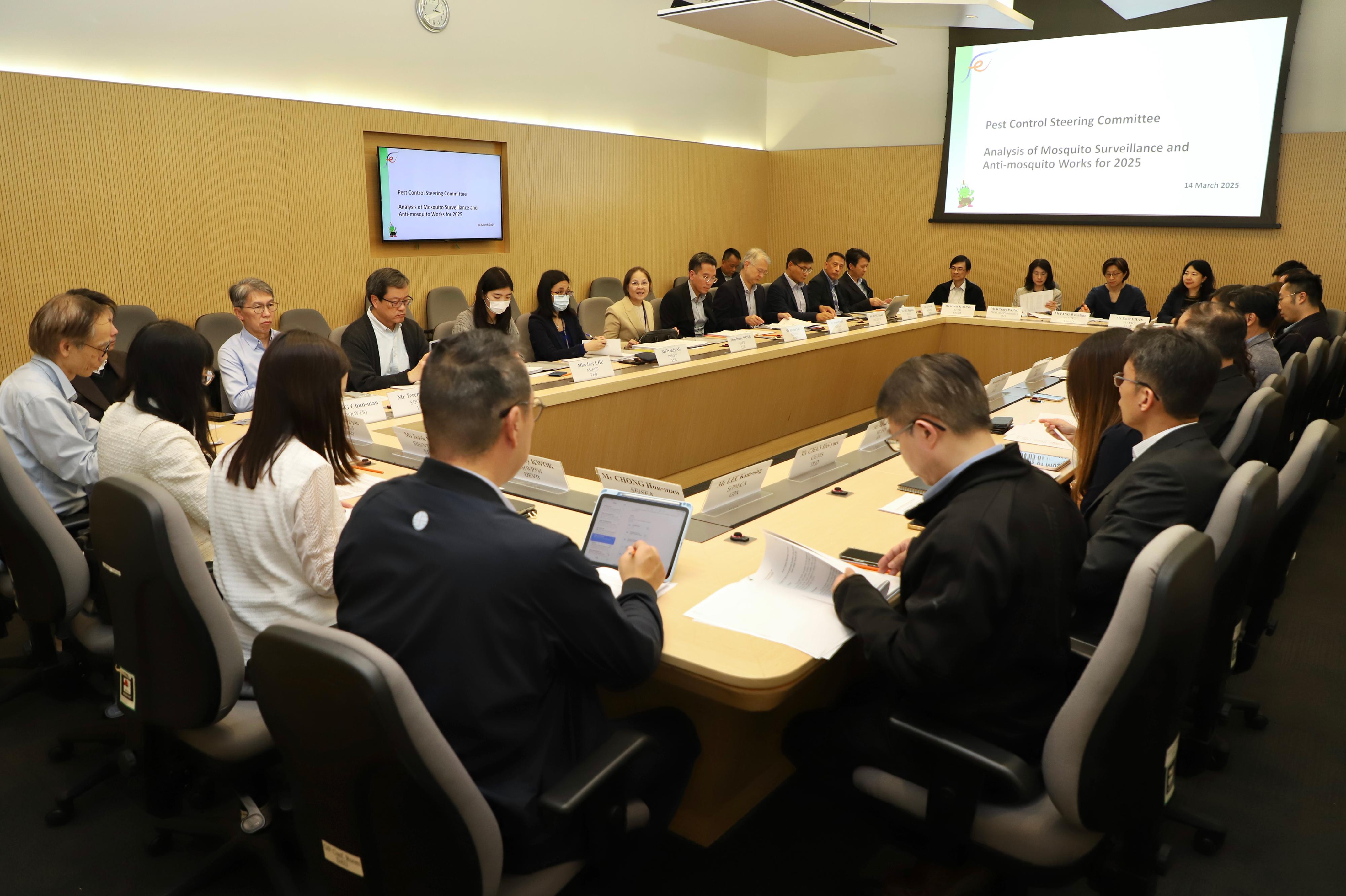
     The interdepartmental Pest Control Steering Committee (PCSC) held its 19th meeting today (March 14) to review the latest situation of mosquito proliferation and the anti-mosquito work of departments. The PCSC also examined the work progress of departments under the Cross-sectoral Territory-wide Anti-rodent Action (the Action) and planned their anti-rodent work for the future.
 
Mosquito control
 
     The representative of the Food and Environmental Hygiene Department (FEHD) reported to the PCSC the situation of mosquito proliferation last year and this year thus far. Last year’s mosquito infestation was generally under control, and the overall trend of the gravidtrap index for Aedes albopictus is similar to that of 2023. The indices for January and February 2025 remained low, consistent with the same period in past years. It is anticipated that as the rainy season approaches, the index will rise starting in April as in previous years. The FEHD and the relevant departments have stepped up their mosquito prevention and control work since March 2025. Other than continue eliminating mosquito breeding places, the FEHD will apply larvicides and conduct fogging operations to eradicate adult mosquitoes, and place mosquito trapping devices at suitable locations. The FEHD will continue to conduct on-site inspections with relevant departments, and provide them with professional advice and technical support.
      
     The rainfall in April last year was higher than usual causing the gravidtrap indices in some monitored areas to reach the alert levels. As the hot and rainy weather approaches, combined with the increase in inbound and outbound passenger traffic during the upcoming long holiday, the overall risk of dengue fever may rise. The departments will closely monitor the situation of mosquito infestation as reflected by the surveillance indices, and constantly update the list of mosquito infestation hotspots to adjust and plan their work based on the actual situation to ensure prompt and effective mosquito prevention and control work. The Under Secretary for Environment and Ecology, and the Chairperson of the PCSC, Miss Diane Wong, particularly reminded the departments to be well prepared and take proactive mosquito control actions, including eliminating potential mosquito breeding places before the rainy season, as well as conducting fogging operations in a timely and concerted manner until the end of the rainy season to mitigate the risk.
 
Rodent control
 
     Under the Action, the FEHD has implemented a series of targeted rodent prevention and control measures, including continuing overnight anti-rodent operations and the application of new anti-rodent technologies and tools, which have gradually shown positive results. The FEHD collected a total of approximately 122 900 live and dead rodents in 2024, marking an increase of around 26 per cent compared to the approximately 97 800 rodents collected in 2023. In 2024, the number of major rodent black spots was reduced by 63, achieving the performance indicator of a 60 per cent reduction as set out in the 2023 Policy Address.
      
     The effectiveness of rodent control also relies on the concerted efforts and active participation of stakeholders from various sectors, including pest control operators in both public and private sectors, venue management (e.g. the management personnel of residential and commercial buildings, recreational facilities, markets and food premises), and the general public, who maintain good hygiene practices and implement timely effective rodent prevention measures. District Environmental Hygiene Offices of the FEHD will continue to extend the scheme of allowing food premises to place large-sized refuse bins from rear lanes to more appropriate locations, and encourage relevant food premises to participate.
      
     In December 2024, the FEHD launched the first phase of the Anti-rodent Charter, targeting residential premises to raise residents’ awareness of environmental hygiene and foster good habits to create a rodent-free environment. Residential premises that sign the Charter will be provided with free anti-rodent technical support from the FEHD, including invitations to attend pest control seminars organised by the department. As of now, 578 residential premises have signed the Charter. Based on the practical experiences from the first phase of the Charter, the next phase will focus on locations prone to rodent infestations and their vicinities, including markets, hawker bazaars, typhoon shelters, and rear lanes, to enhance the communities’ anti-rodent awareness and encourage proactive actions. The FEHD and district councilors will jointly contact property management companies and vendors to convey rodent control messages more effectively.
      
     Moreover, starting in 2024, the FEHD has fully adopted thermal imaging cameras with AI technology to conduct the Rodent Activity Survey (RAS) and establish a Rodent Absence Rate in each district. The FEHD uses AI to analyse thermal images captured by cameras to detect and understand rodent pathways and activity ranges. This helps assess rodent infestation objectively and effectively to allocate resources precisely for targeted rodent control measures. From 2025, the FEHD’s RAS has been extended to public housing estates and parks managed by the Housing Authority and the Leisure and Cultural Services Department. Relevant departments will have more data to enhance precision in rodent control work and make the survey more representative.
      
     All departments agreed to continue to strengthen rodent prevention and control measures in premises under their respective management, to strengthen internal monitoring and assessment of the outcome of rodent control work, and to actively encourage relevant sectors and stakeholders to co-operate with the Government’s work, eliminating rodents’ fundamental survival conditions of food, harbourage and passages from their respective areas.
      
     The meeting was chaired by Miss Wong. Participants of the meeting came from three policy bureaux and 20 government departments and organisations.

Photo  
read more

WSD seizes first Most Outstanding Award in Global Most Innovative Knowledge Enterprise (MIKE) Award (with photo)

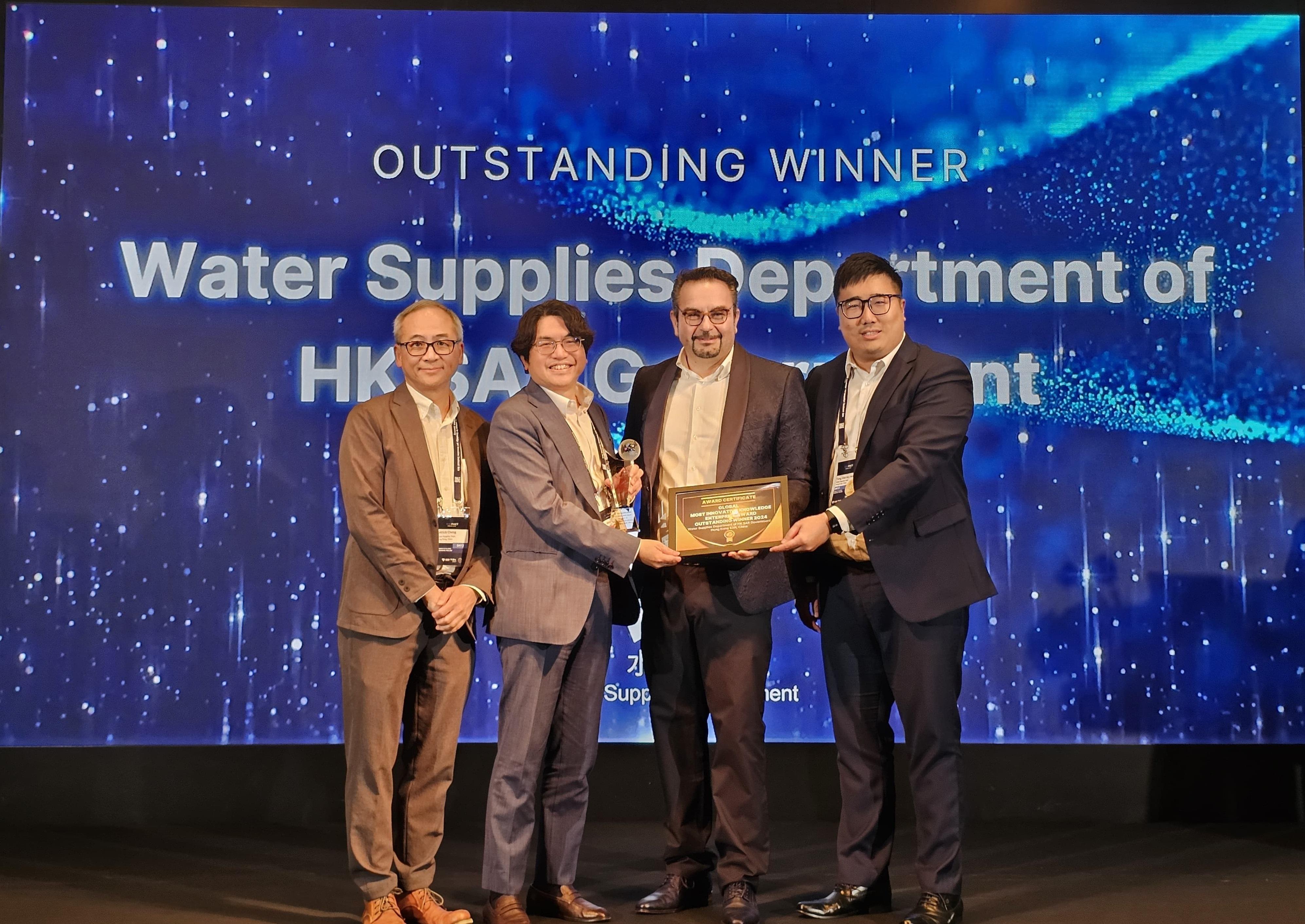
     The Water Supplies Department (WSD) today (March 14) was awarded the Most Outstanding Award at the 2024 Global Most Innovative Knowledge Enterprise (MIKE) Award Ceremony held in Bangkok, Thailand. Alongside the earlier recognition of the Hong Kong MIKE Award 2024 by the Hong Kong Polytechnic University, the WSD’s outstanding performance in knowledge management and innovation has garnered significant acclaim both locally and internationally.

     The Director of Water Supplies, Mr Roger Wong, attended the ceremony to receive the award. He expressed gratitude to colleagues for their dedication and efforts in implementing knowledge management and promoting the digitisation of water supply services to serve the public with excellent quality water supply services. He remarked that this year marks an important milestone as it is the 60th anniversary of Dongjiang Water Supply to Hong Kong, making the receipt of this international accolade particularly meaningful. During the ceremony, Mr Wong also shared insights on innovation and knowledge management with experts across the world.

     In the winners’ report, the judging panel highly praised the WSD for its outstanding performance, particularly noting management’s commitment to establishing the Digital Water Office and actively participating in knowledge management initiatives, fully recognising the WSD’s efforts in promoting innovation and knowledge management. The panel also specifically commended the WSD for its initiatives in exploring the application of artificial intelligence, developing the Asset Management Information System (AMIS), and implementing Building Information Modelling (BIM).

     Last year, the WSD established the Digital Water Office, merging the divisions responsible for efficiency enhancement, digital modelling, and information systems within the department. The Office is dedicated to driving the digitalisation of water supply services. The Office has formulated a three-phase plan to optimise existing waterworks infrastructure and customer services, providing higher quality and more environmentally friendly water supply services.
     â€‹
     The Global MIKE Award is the highest accolade in the field of knowledge management, organised by the Institute of Knowledge and Innovation, Southeast Asia (IKI-SEA) at Bangkok University. The independent judging panel consists of experienced industry experts and corporate management personnel. This year, a total of 19 organisations received this honor, with three organisations, including the WSD, receiving the Most Outstanding Award. The Global MIKE Award is the most prestigious of its kind in which entries were assessed by 36 international judges through rigorous adjudication. Since 2021, the WSD has consecutively won the Global MIKE Award and the Hong Kong MIKE Award, and last year achieved the Hong Kong Top Winner for the first time.

Photo  
read more