Author Archives: hksar gov

First Chest Pain Centre in Hong Kong receives national accreditation (with photos)

The following is issued on behalf of the Hospital Authority:

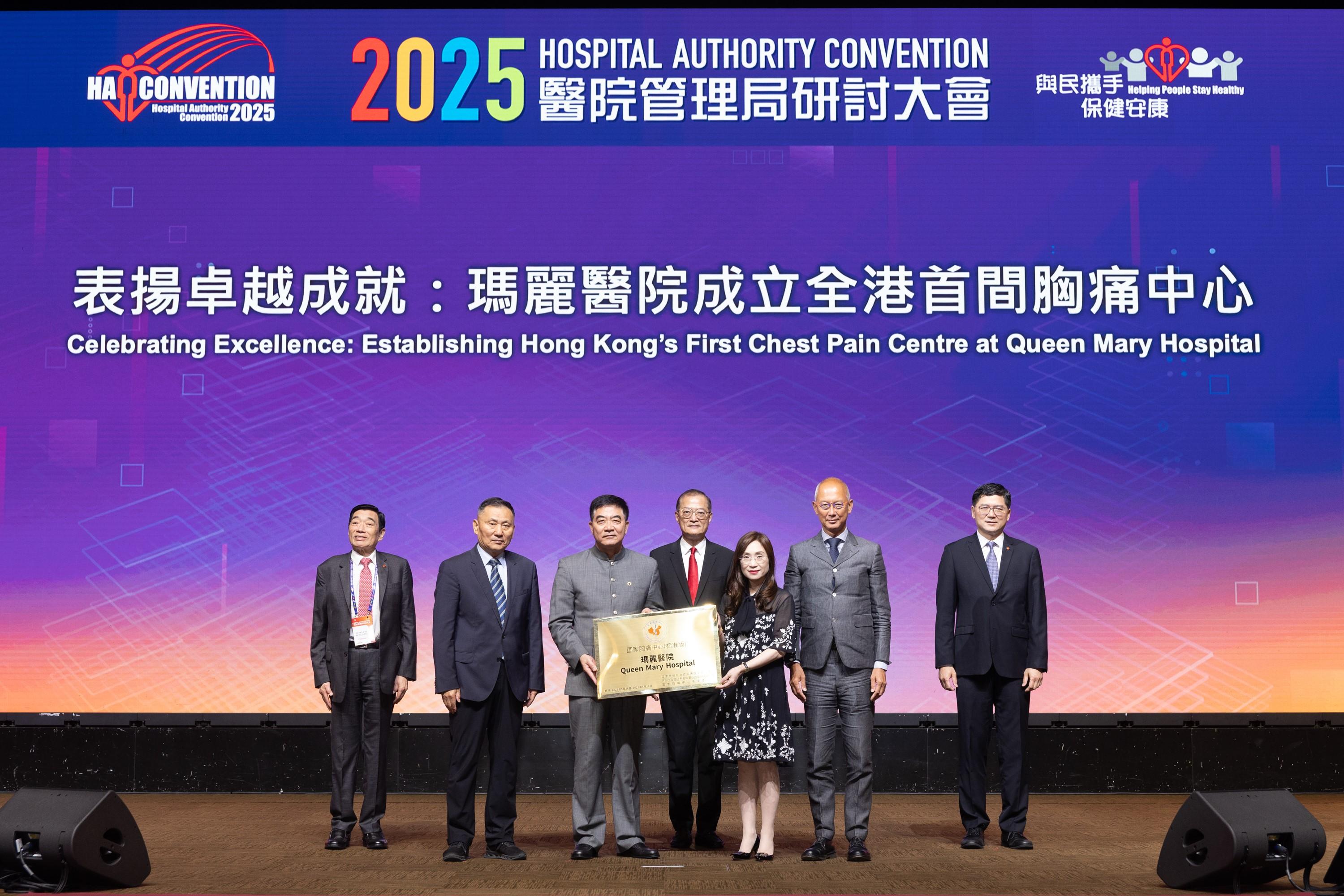
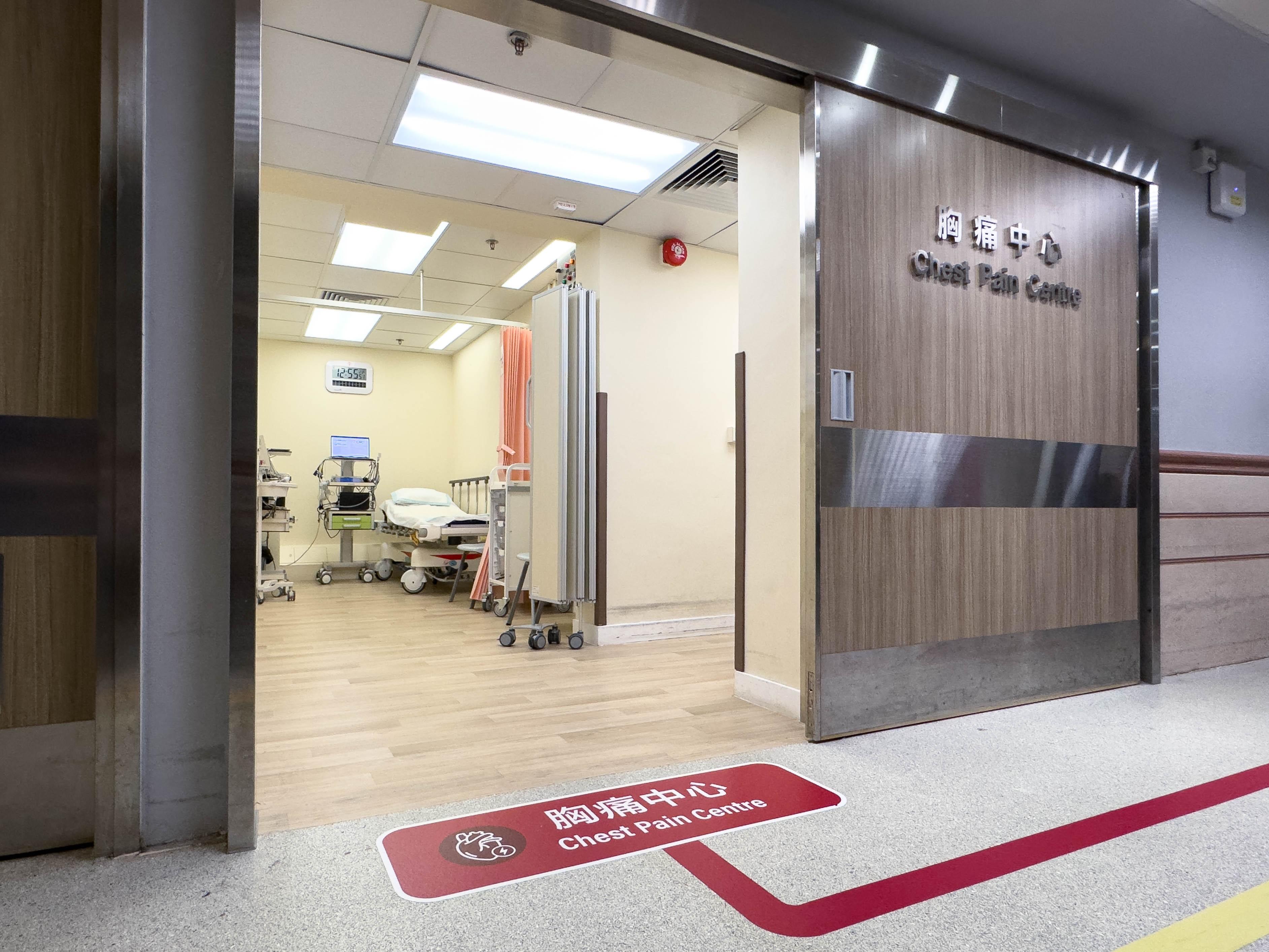
     The Hospital Authority (HA) spokesperson announced today (May 26) that Queen Mary Hospital (QMH) has obtained national accreditation for its Chest Pain Centre, becoming the first accredited chest pain centre in Hong Kong. An accreditation ceremony was held today to mark this milestone.
 
     QMH began preparations for establishing the Chest Pain Centre in 2023, aligning with the Policy Address initiative to establish Hong Kong’s first chest pain centre at QMH according to national accreditation standards, aimed at improving the diagnosis process and treatment outcomes for cardiovascular patients. QMH experts subsequently visited various chest pain centres on the Mainland to learn from their experience and processes in managing cardiac patients. Mainland experts were also invited to Hong Kong to exchange insights in preparation for developing operational procedures. Hong Kong’s first chest pain centre at QMH commenced operations in November 2024. Following national accreditation standards, the centre has improved the diagnosis process for acute high-risk cardiac patients, including those with acute myocardial infarction, while promoting national chest pain centre certification as an international standard. These standards encompass standardised management, treatment efficiency improvement, and interdepartmental collaboration.
 
     The Chief Executive of the HA, Dr Tony Ko, said, “QMH’s successful accreditation according to national standards validates its professional expertise in acute cardiac care and strengthens the HA’s ongoing commitment to enhancing cardiac services in public hospitals. The HA maintains a patient-centred approach, continuously improving healthcare service quality through multidisciplinary collaboration, streamlined treatment processes, and innovative technology adoption.”
 
     Dr Ko added that QMH Chest Pain Centre’s successful experience will serve as an important reference for developing similar services across other HA clusters. The HA will continue to invest resources to enhance service efficiency and quality, providing better healthcare services for the public.
 
     The China Chest Pain Centre Accreditation Committee recently sent experts, including the Chairman of the China Chest Pain Centre Expert Committee, Professor Huo Yong, and the Chairman of the China Chest Pain Centre Executive Expert Committee, Professor Xiang Dingchen, to conduct an on-site evaluation at QMH. The experts affirmed QMH Chest Pain Centre’s appropriate timing control for patient examinations and treatments, standardised and efficient overall processes, and reasonable patient care pathways, reflecting that the centre meets all certification requirements for proper handling of acute cardiac patients.
 
     The Hospital Chief Executive of QMH, Dr Theresa Li, thanked the Mainland expert team and the Health Bureau for their support in establishing Hong Kong’s first chest pain centre and obtaining national accreditation. Dr Li said, “Every step in the treatment process is interconnected and affects patient outcomes. The accreditation standards strictly regulate each component, requiring close cooperation between different departments to ensure smooth implementation. With the completion of QMH’s new building, both hardware and software capabilities have been enhanced, which we believe will help patients secure golden treatment time and improve survival rates and post-operative recovery.”
 
     Dr Li also expressed gratitude to the various hospital teams for their efforts in establishing and achieving accreditation for the Chest Pain Centre.
 
     The HA will continue to optimise services and, drawing from QMH’s experience, establish a second chest pain centre at Prince of Wales Hospital according to national accreditation standards. The goal is to build a chest pain treatment network in Hong Kong to improve diagnostic efficiency, enhance treatment effectiveness, and increase patient survival rates.

Photo  Photo  
read more

Effective Exchange Rate Index

     The effective exchange rate index for the Hong Kong dollar on Monday, May 26, 2025 is 103.4 (down 0.2 against last Saturday’s index).

     The effective exchange rate index for the Hong Kong dollar on Saturday, May 24, 2025 was 103.6 (down 0.3 against last Friday’s index). read more

Sharing Knowledge on Clinical Advances at Hospital Authority Convention (with photos)

The following is issued on behalf of the Hospital Authority:

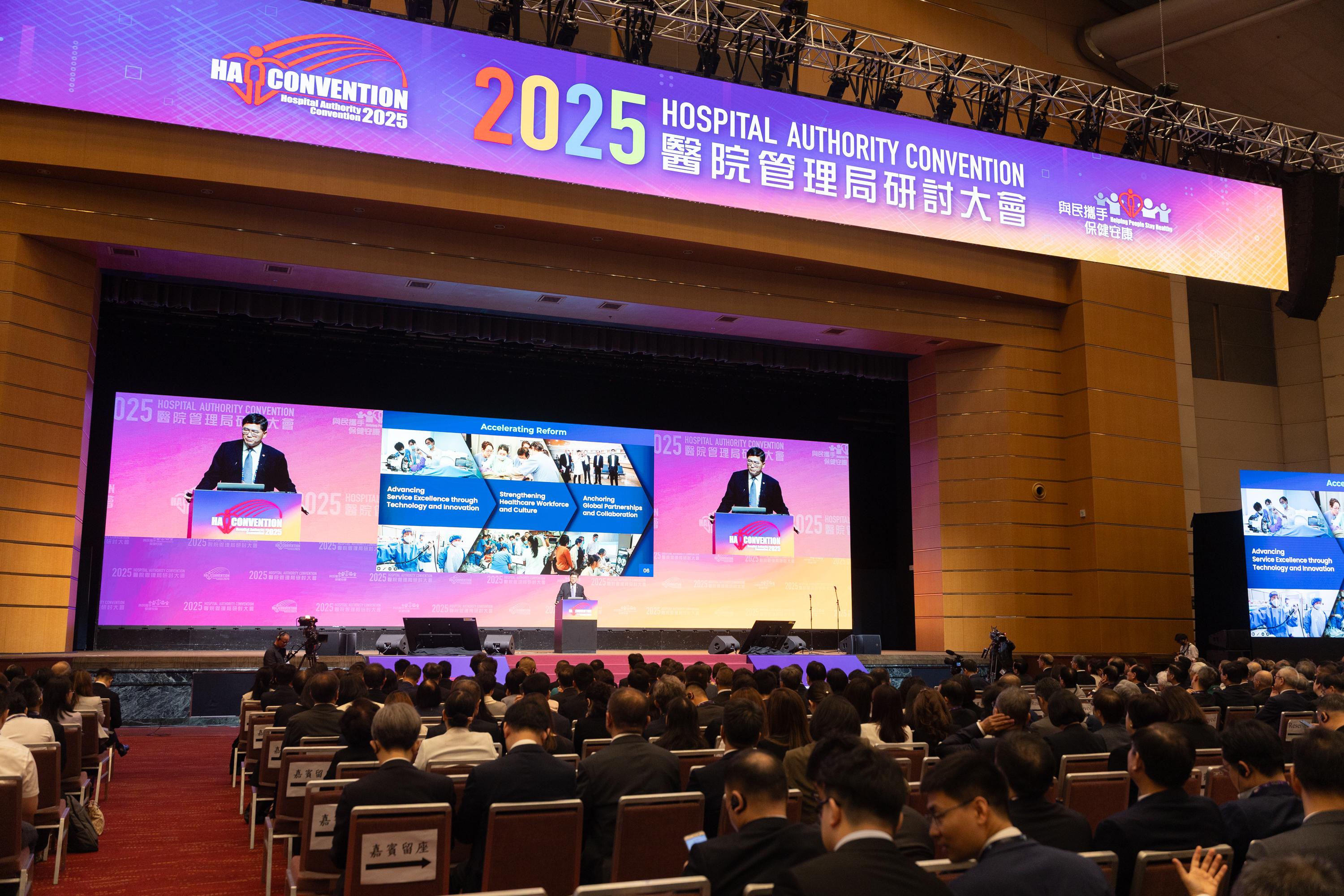
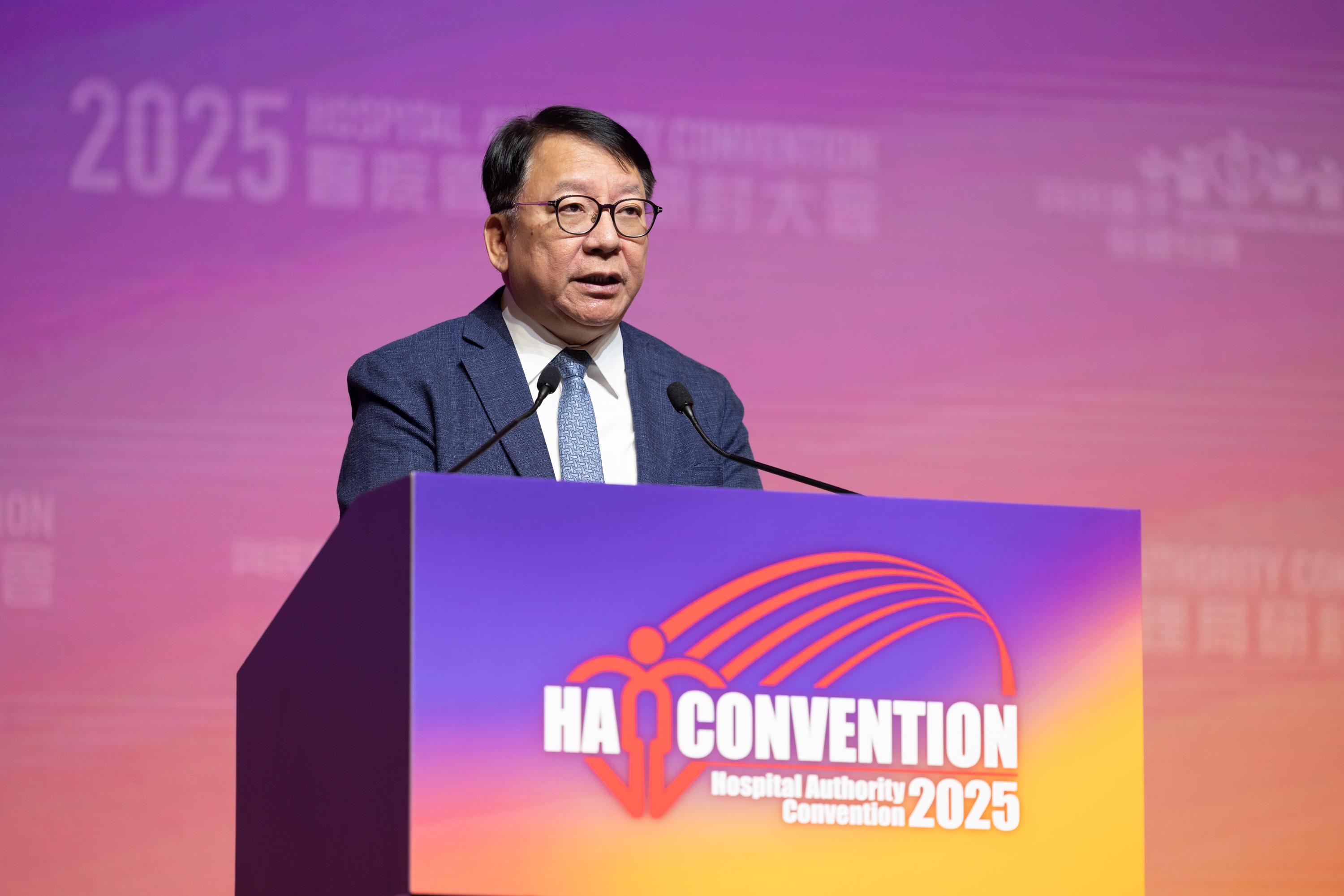
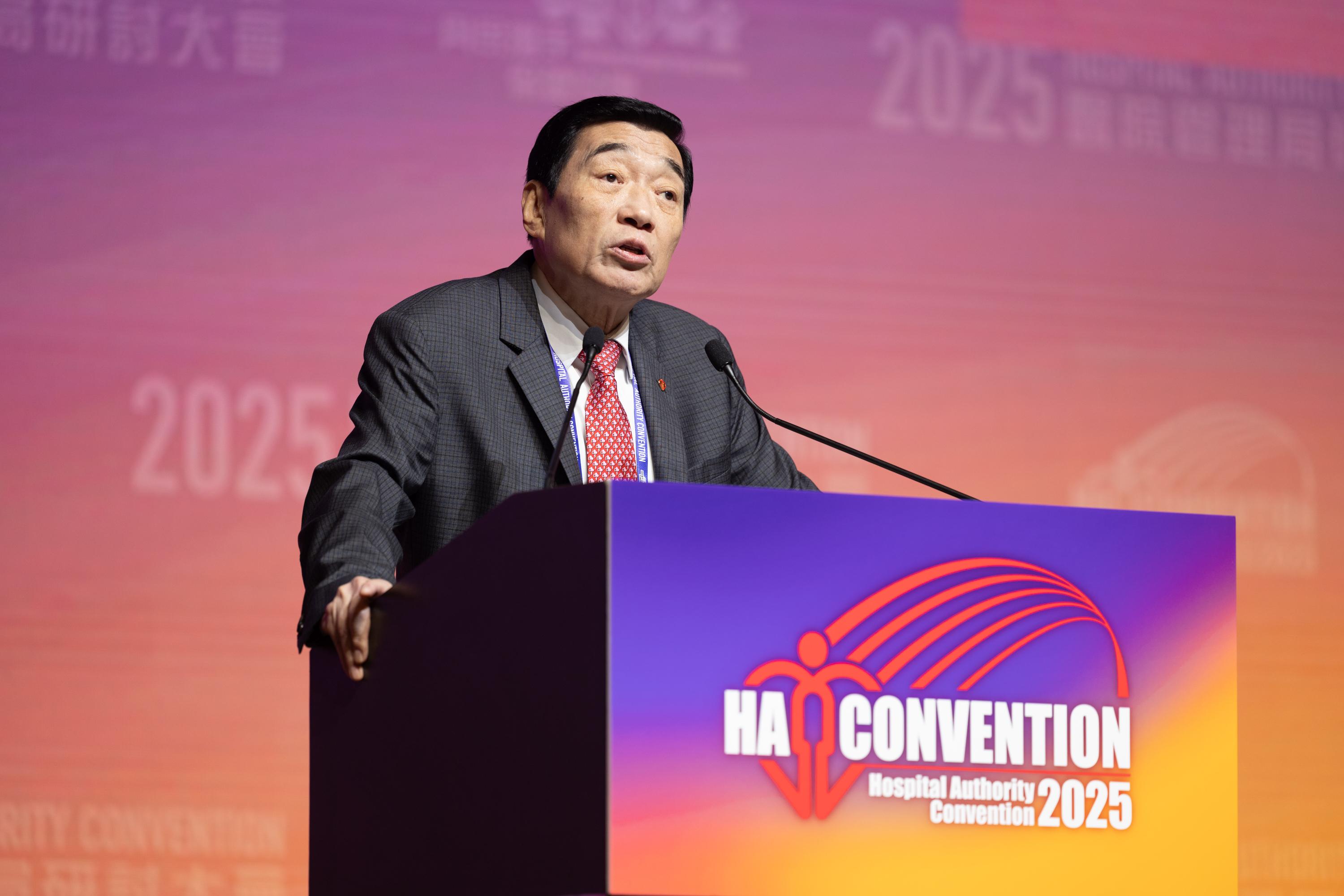
     The Hospital Authority (HA) Convention 2025 begins today for three consecutive days (May 26 to 28) at the Hong Kong Convention and Exhibition Centre, in both in-person and online formats. This marks the first time the convention has been extended to three days, making it the HA’s largest-scale event to date. Approximately 190 overseas, Mainland and local distinguished speakers will exchange expertise on various healthcare topics with over 8,000 participating healthcare professionals and academics, achieving record-high participation levels.
 
     The HA Convention this year is focusing on the HA’s core values, namely People-centred Care, Professional Service, Committed Staff and Teamwork. Topics include healthcare development, smart hospitals, artificial intelligence, organ transplantation, cancer management, and innovation technology in support of staff training. The HA convention aims to promote the sharing of knowledge and experience on clinical advances and approaches to modern healthcare service, and facilitate exploration and discussion of contemporary concepts among healthcare professionals and stakeholders.
 
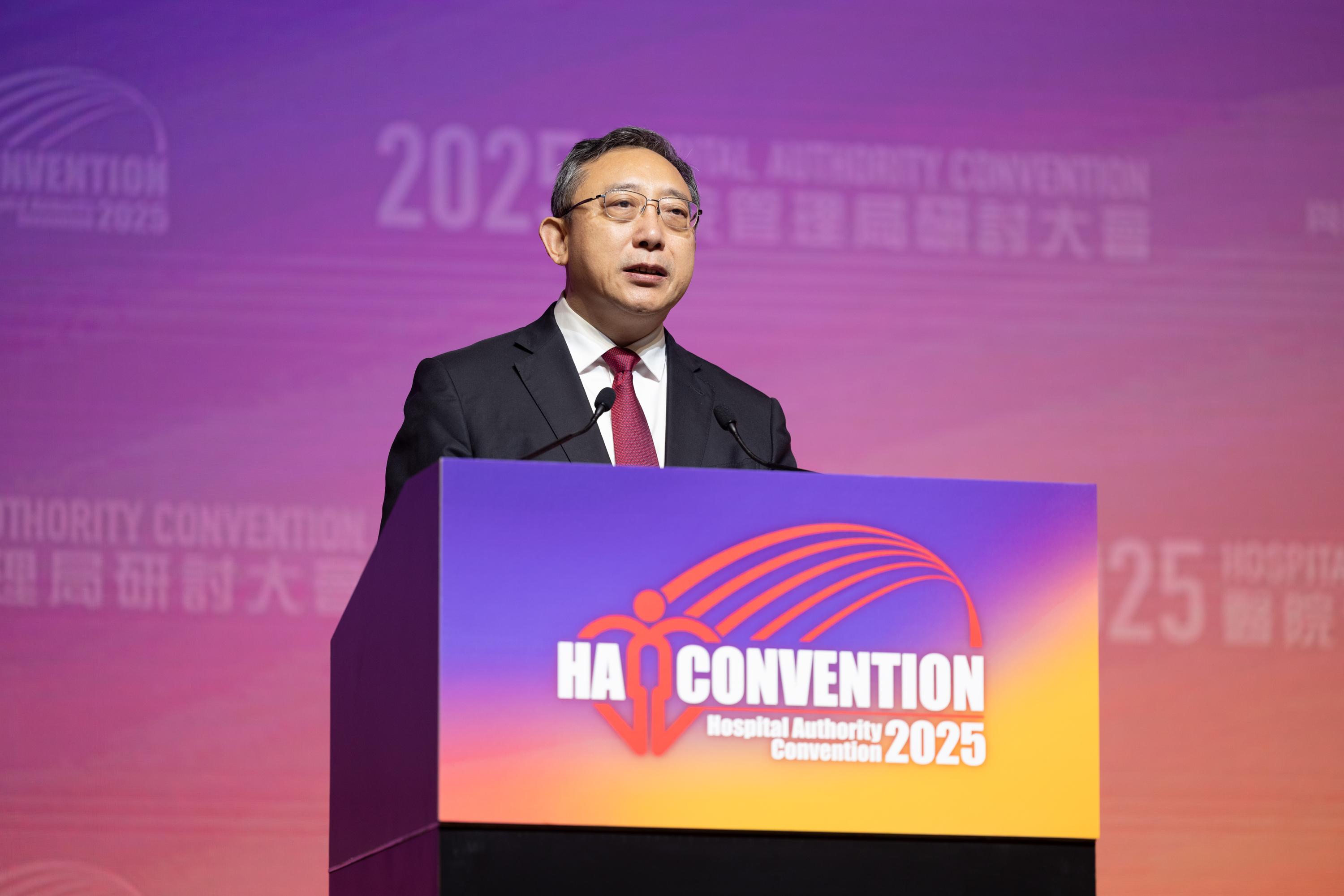
     The convention was officially opened this morning by Vice-Minister of the National Health Commission of the People’s Republic of China Professor Cao Xuetao; the Chief Secretary for Administration, Mr Chan Kwok-ki; the Secretary for Health, Professor Lo Chung-mau; the HA Chairman, Mr Henry Fan; and the HA Chief Executive, Dr Tony Ko.
 
     In his address, Mr Chan said that the HA has been continuously reforming and enhancing service efficiency and quality through its professional team and robust management system. Notably, the Institute for Medical Advancement and Clinical Excellence (IMACE), which brings together different areas of expertise from Hong Kong’s healthcare sector, was formally established this May.
 
     “The HA will be very much involved in the IMACE’s research work, collaborating with other major public and private healthcare institutions to collect data and cases for detailed deliberations on clinical practices in the screening, diagnosis, treatment and management of various diseases, evaluating the efficacy of various medical options, and devising clinical guidelines and standards for healthcare professionals. This collective effort aims to enhance Hong Kong’s healthcare service standards for the benefit of patients throughout Hong Kong.”
 
     In his welcome address, Mr Fan said that 2025 marks the commencement of an era of reformation at the HA. A key initiative is supporting the Government’s public healthcare fees and charges reform aimed at rationalising public hospital services, reducing wastage and misuse, and enhancing support for patients with financial difficulties.
 
     Mr Fan said, “2025 is a crucial year for the HA’s reform initiatives. Facing challenges such as an ageing population, an increase of chronic diseases, and rising medical costs, the HA needs to undergo fundamental reforms to meet public needs, enhance service efficiency, and maintain the sustainability of the public healthcare system while building a public healthcare system that meets the needs of the community that enhances the well-being of citizens.”
 
     Additionally, the HA established the Review Committee on the Management of the Public Hospital System last year, proposing 31 recommendations to strengthen governance, enhance accountability, and foster a culture of safety. Building on this foundation, in order to advance reform, the HA further established a high-level Governance and Structure Reform Committee (Reform Committee) last year to provide strategic guidance, oversight, and reform advice to promote the sustainable development of healthcare services.
 
     Mr Fan continued, “Among the many topics that the Reform Committee will be looking into, remuneration structure, financial management and clinical management are particularly crucial. This includes introducing the concept of ‘more contribution, more gain’, with remuneration commensurate with performance and contributions to provide motivation for colleagues, reviewing the financial management system to achieve cost savings, and utilising modern technology to optimise clinical outcomes.”
 
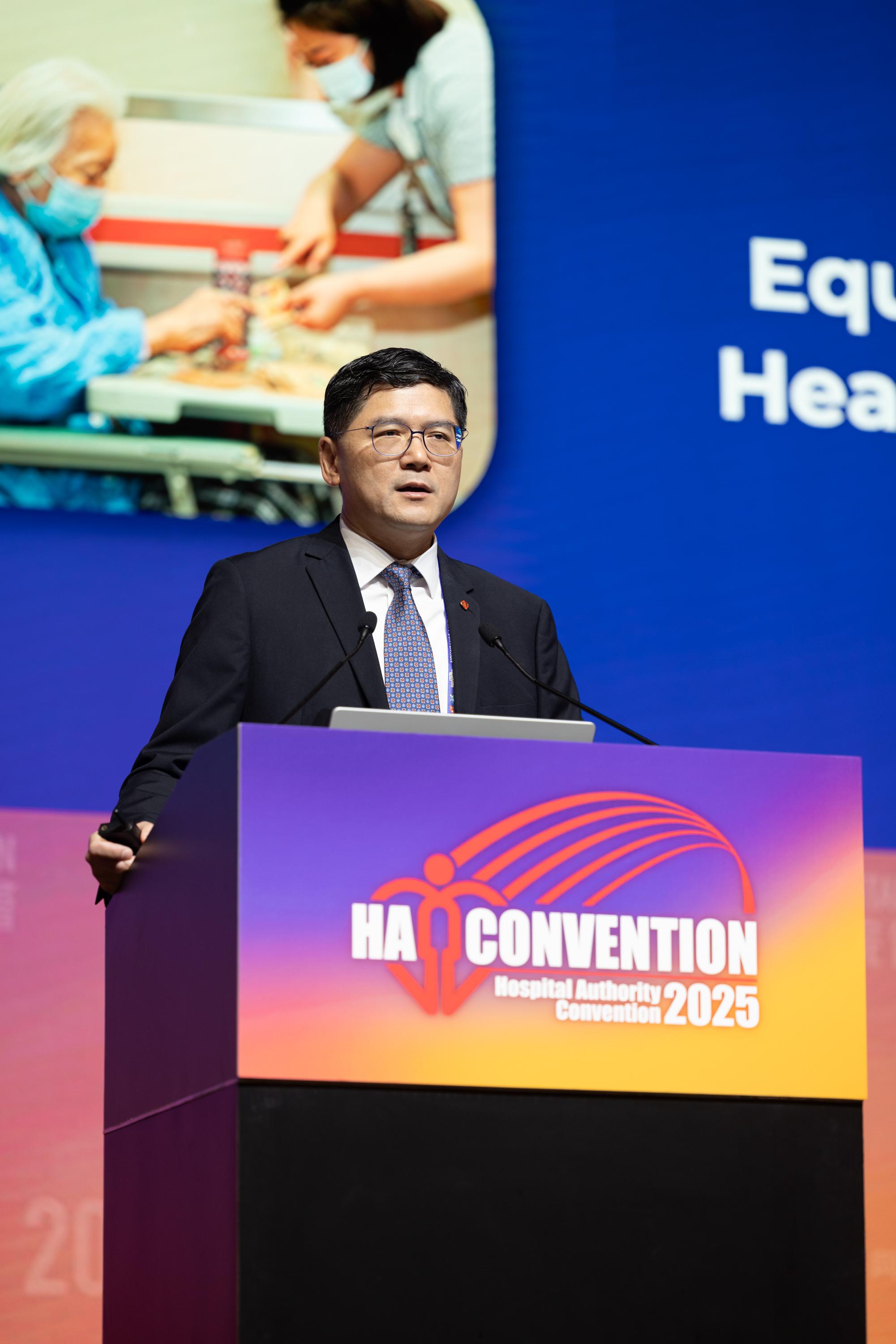
     Delivering his keynote address at the opening ceremony, “Advancing Sustainable Excellence”, Dr Ko reviewed the HA’s 35 years of experience and shared his vision for a sustainable, patient-centred public healthcare system.
 
     “With a rapidly ageing population, swift medical technological advancements, and unpredictable threats of global pandemics, we must remain proactive in driving bold reforms. Digital transformation is central to our strategy in addressing rising healthcare demands. The HA is committed to enhancing digital innovation, integrating big data and artificial intelligence (AI) technologies to improve service efficiency and performance while enhancing both patient and healthcare staff experiences,” Dr Ko said.

     Dr Ko said that the HA as moving into the era of Smart Hospital 2.0, consistently investing in reshaping service delivery models. The clinical management system incorporates information technology and AI, including automation in clinical and administrative workflows such as imaging, laboratory result screening and generation of reports, and integration of advanced AI-driven language models to assist clinicians in rapidly searching and synthesising complex medical data for enhanced clinical decision support.
 
    He said that the HA Go mobile application continues to stand as a transformative patient empowerment platform, significantly improving patient experience through technology. “HA Go now has over 3.1 million registered users, empowers patients with easy access to self care and direct interaction with healthcare services. HA Go streamlines the patient journey through offering seamless features such as outpatient appointment management, registration, payments, digital queuing updates, all accessible within a few clicks. The platform also provides patients with options for medication delivery services, which embodies our patient-centred service mission”, Dr Ko said.
 
     He emphasised, “While technology advances, staff remain the irreplaceable core of quality healthcare services. We are committed to providing our staff members with opportunities for personal growth and professional development. The HA sponsored more than 2,600 staff members to participate in training programmes in various places in 2024/25. Through immersive exchange and training initiatives, our healthcare professionals have gained valuable exposure to diverse clinical practices and perspectives. Such experiences foster mutual learning and encourage broader horizons for all staff.”
 
     In addition to retaining and cultivating existing personnel, Dr Ko said that it is equally important to reach out to new talent from outside. The HA actively recruits non-locally trained doctors and nurses. As of mid-March this year, nearly 300 non-locally trained doctors have joined the HA team, nearly double in comparison to last year. Following the Nurses Registration (Amendment) Ordinance 2024, more than 100 non-locally trained nursing candidates have also been employed, further reinforcing Hong Kong’s clinical capabilities. Over 240 individuals have taken part in expanded clinical exchange programmes, while more than 100 Chinese Medicine practitioners in the HA received training from Mainland experts.
 
     Dr Ko stressed that the HA must highlight the deep collaboration with counterparts in the Mainland, which is vital to the growth and evolution of the local healthcare landscape. A key area of collaboration is enhancing services for major diseases such as cardiac illnesses and strokes. To drive integrated and high-quality care, the HA is establishing chest pain centres and national stroke centres, harmonising treatment protocols and elevating outcomes through national accreditation. The first chest pain centre in Hong Kong at Queen Mary Hospital has been established according to national accreditation standards, further optimising treatment options for cardiovascular patients.
 
     “In line with the Chief Executive’s policy direction to enhance Hong Kong’s healthcare standards, the first batch of public hospitals, including Pamela Youde Nethersole Eastern Hospital and Prince of Wales Hospital, have been awarded accreditation status under the China’s International Hospital Accreditation Standards (2021 Version). To ensure consistent quality improvement across hospitals throughout the Guangdong-Hong Kong-Macao Greater Bay Area, three additional acute hospitals will embark on their accreditation journey in 2025-26, further strengthening their international presence and raising the quality and safety of healthcare services.”
 
     In conclusion, Dr Ko said, “We are living in an era of profound transformation. Let us uphold the spirit that ‘reform is an ongoing journey’, embrace technological innovation, sustain healthcare excellence, optimise resource allocation, and enhance service efficiency and quality to swiftly respond to the community’s evolving needs.” He expressed confidence that with the determination of all members of the HA and the support from the community and partners, the HA will collectively shape a brighter, more sustainable future for in public healthcare.

Photo  Photo  Photo  Photo  Photo  
read more

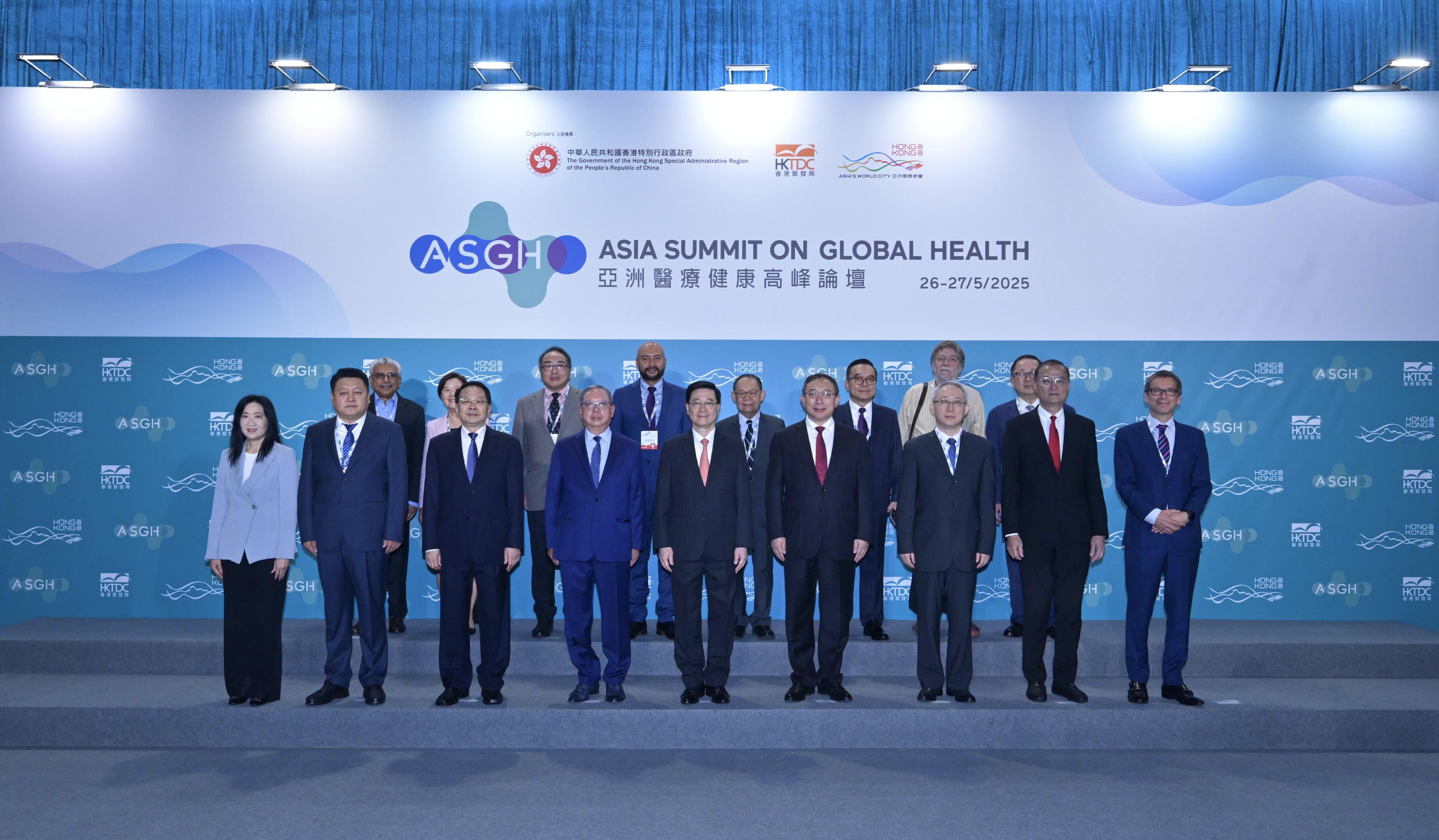
Speech by Secretary for Health at Plenary Session: Shaping a More Equitable and Sustainable Health System of Asia Summit on Global Health (English only) (with photos)

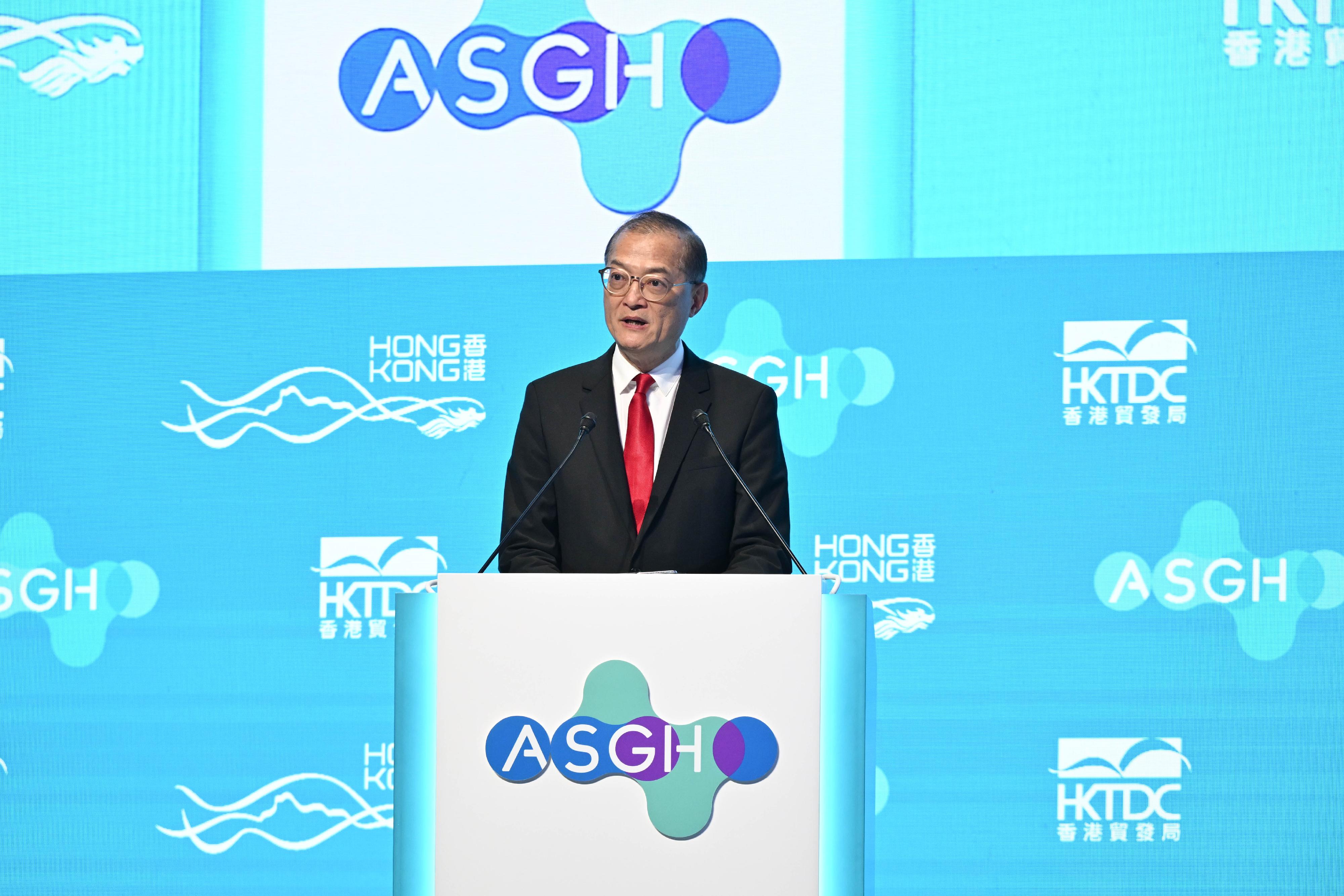
     Following is the speech by the Secretary for Health, Professor Lo Chung-mau, at the Plenary Session: Shaping a More Equitable and Sustainable Health System of the Asia Summit on Global Health today (May 26):

Distinguished guests, healthcare leaders, ladies and gentlemen,

     Hong Kong takes pride in the quality and efficiency of its health system. We rank the top globally in many health indexes and we have the best longevity in the world with a life expectancy of over 83 for man and over 88 for woman. Our public healthcare system serves as a safety net for all, providing universal health coverage with an overall subsidy rate of over 97 per cent, to ensure that no one is denied adequate medical treatment due to lack of means. Yet with an aging population, advancement in technology as well as medical inflation, we must deepen reform and embrace innovation to reinforce the quality, efficiency as well as sustainability of our healthcare system.

     Hong Kong’s unique position as Asia’s world city with the institutional advantage of “one country, two systems” gives us unparalleled advantages in healthcare innovation. Our strategic position is reinforced by national policies including the 14th Five-Year Plan, which designates Hong Kong as an international innovation and technology hub, and the Resolution on Further Deepening Reform Comprehensively to Advance Chinese Modernization adopted by the Third Plenary Session of the 20th Communist Party of China Central Committee, emphasising healthcare reform and medical innovation.

     As the Chinese Proverb says: “When the winds of change blow, some build walls while others build windmills”. While geopolitical tensions strain international co-operation, Hong Kong is building bridges between the East and the West, between tradition and innovation, between laboratory and bed-side and between the rich and the poor. In the next few minutes, I will use four examples in our healthcare policies to show you how.

 1.  Traditional Chinese Medicine (TCM)

     Hong Kong is a place where East meets West. We have a dual tract healthcare system not only between the private and the public, but also between TCM and western medicine. These two not just meet and coexist in our community, but also collaborate and complement each other. With only 16 500 registered western doctors in Hong Kong or only 2.2 per thousand population, our healthcare system is complemented by nearly 11 000 registered TCM doctors, the majority serving our primary health in the community.

     TCM is an integral part of our health system. We have government subsidised TCM clinic in all 18 districts in Hong Kong and our Elderly Health Care Voucher subsidises TCM service as well. In public hospitals, we provide integrated Chinese-Western medicine service focusing on cancer care, respiratory diseases, stroke rehabilitation, chronic musculoskeletal pain and osteoarthritis.

     New initiatives with policy support include the upcoming Comprehensive TCM development blueprint to be released by the end of this year to lay out the strategy and action plan to further develop TCM. Most important of all, there will be two flagship projects to be commissioned end of this year: First, Hong Kong’s first Chinese Medicine Hospital with 400 beds that will provide a Hong Kong model of pure TCM as well as integrated TCM-western medicine in-patient care. It will carry the mission to promote collaboration and integration not just between Chinese and Western medicine but across borders in the Greater Bay Area (GBA) and beyond. Second, our new Government TCM testing institute is committed to the testing for herbal medicine with a view to set internationally recognised reference standards and support the development of International Herbal Pharmacopoeia. Hong Kong is determined to serve as the bridgehead for TCM development and internationalisation.

2. Health and Medical Innovation

     In the 2023 Policy Address, the Chief Executive of the Hong Kong Special Administrative Region outlined plans to develop Hong Kong into an international health and medical innovation hub.

     To complement technological innovation with regulation innovation, we will establish the Hong Kong Centre for Medical Products Regulation to integrate regulation of drugs and medical devices, enhance innovation support, and implement smart regulatory approaches with a view to implementing “primary evaluation” for medical product registration.

     Meanwhile, we have implemented the “1+” mechanism to expedite approvals for new drugs that are supported with local clinical data and approval from one reference drug regulatory authority. Under the national GBA policy 港澳藥械通 (Measure of using HK registered drugs and medical devices used in HK public hospitals in Guangdong-Hong Kong-Macao GBA) Special Measure which allows, up to now 45 designated healthcare institutions in GBA to import and use Hong Kong-registered drugs and medical devices, which are not yet registered in the Mainland, our new drug approval mechanism provides a unique green channel for innovative drugs and devices to enter the Greater Bay Area market.

     Another major milestone was the inauguration of the Greater Bay Area International Clinical Trial Institute at the Hong Kong Park of the Hetao Shenzhen-Hong Kong Science and Technology Innovation Co-operation Zone in November last year. Launched in parallel with the GBA International Clinical Trials Center in the Shenzhen Park, this “one zone, two parks” model marks a new chapter in cross-boundary collaboration. Together with the Real-World Study and Application Centre, these one institute and one center will jointly establish a GBA Clinical Trial Collaboration Platform to leverage the GBA’s population of over 86 million people to integrate clinical resources, data, and policy advantages, creating an efficient and internationally recognised clinical trial ecosystem.

     These initiatives position Hong Kong as a gateway between China and the world in health innovation. By fostering a vibrant ecosystem for advance medical product development, we aim to ensure that safe, effective, and more importantly, affordable treatments are accessible to more people, locally and globally, driving quality and equity in healthcare.

3. Hospital Authority fees and charges reform

     We initiate the fees and charges reform for public healthcare services with the objective to maintain a 90 per cent overall subsidisation rate in five years. While the Government’s commitment to the public healthcare system will not be lessened, reforming the subsidisation structure of public healthcare for more targeted subsidy aims to guide the public to make optimal use of healthcare resources, reduce wastage and abuse, and enhance healthcare protection for the “poor, acute, serious, critical” patients in all fronts, first of all, by enhancing the fee waiver mechanism, second, introducing an annual cap on fees and charges, and third increasing subsidies on self-financed expensive drugs and medical devices for the critically ill, thereby preventing “patients with serious conditions falling into poverty”. The reform will enhance the sustainability of our healthcare system and strengthen the safety net for all for even better universal health coverage.

4. Healthcare talents and the New Medical School

     A sustainable health system requires talents and enough healthcare manpower. While the Government has been addressing the issue of manpower shortage through a multipronged strategy, by increasing the number of intakes for local universities and admitting qualified non-locally trained healthcare workers, the 2024 Policy Address announced that the Government supports the plan to establish a third medical school. Indeed, Hong Kong has already hosted two top 30 world class medical schools but we have the ability and the need to develop the third one which shall adopt an innovative strategic positioning in pursuit of complementary development with the two existing ones.

     Yet amidst ambitions for innovation, research excellence as well as international ranking, we must remember that at the heart of medicine is not only technology but patients. Our fundamental goal is to train doctors who are not only safe and competent, but doctors who, in every decision and every moment, are fit to practice and place patients first.

     The strategic location of the proposed school in the Northern Metropolis will further enhance our healthcare collaborative capacity within the Greater Bay Area. The third medical school is not only a cornerstone in our journey towards shaping a more equitable and sustainable health system in Hong Kong. It will also be a new powerhouse to bolster Hong Kong’s position as an international hub for health and medical innovation as well as university education.

Closing

     Ladies and gentlemen, as the world gets more fragmented from unilateralisation, Hong Kong’s unique advantages makes us an important player in upholding multilateralisation to safeguard global health. Our role as a neutral hub for global health diplomacy has never been more crucial. We are not just participating in the future of global health. We are helping to shape it. We invite partners worldwide to join this future mission to build equitable and sustainable health system for all.

     Thank you very much.

Photo  Photo  Photo  Photo  Photo  Photo  
read more