Author Archives: hksar gov

Secretary for Health meets with Mainland delegations and WHO representative to deepen Hong Kong’s unique role in connecting Mainland and world (with photos)

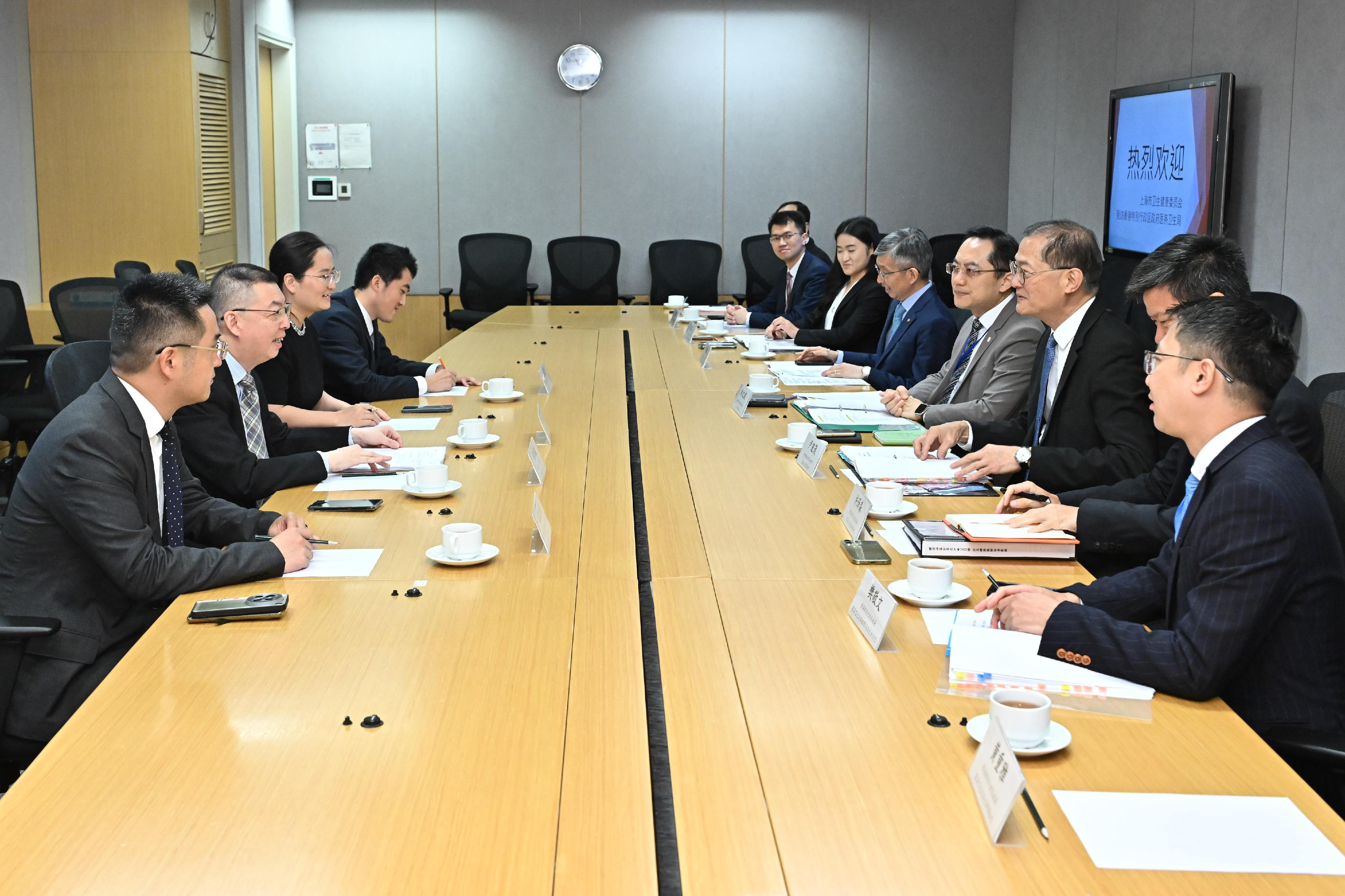
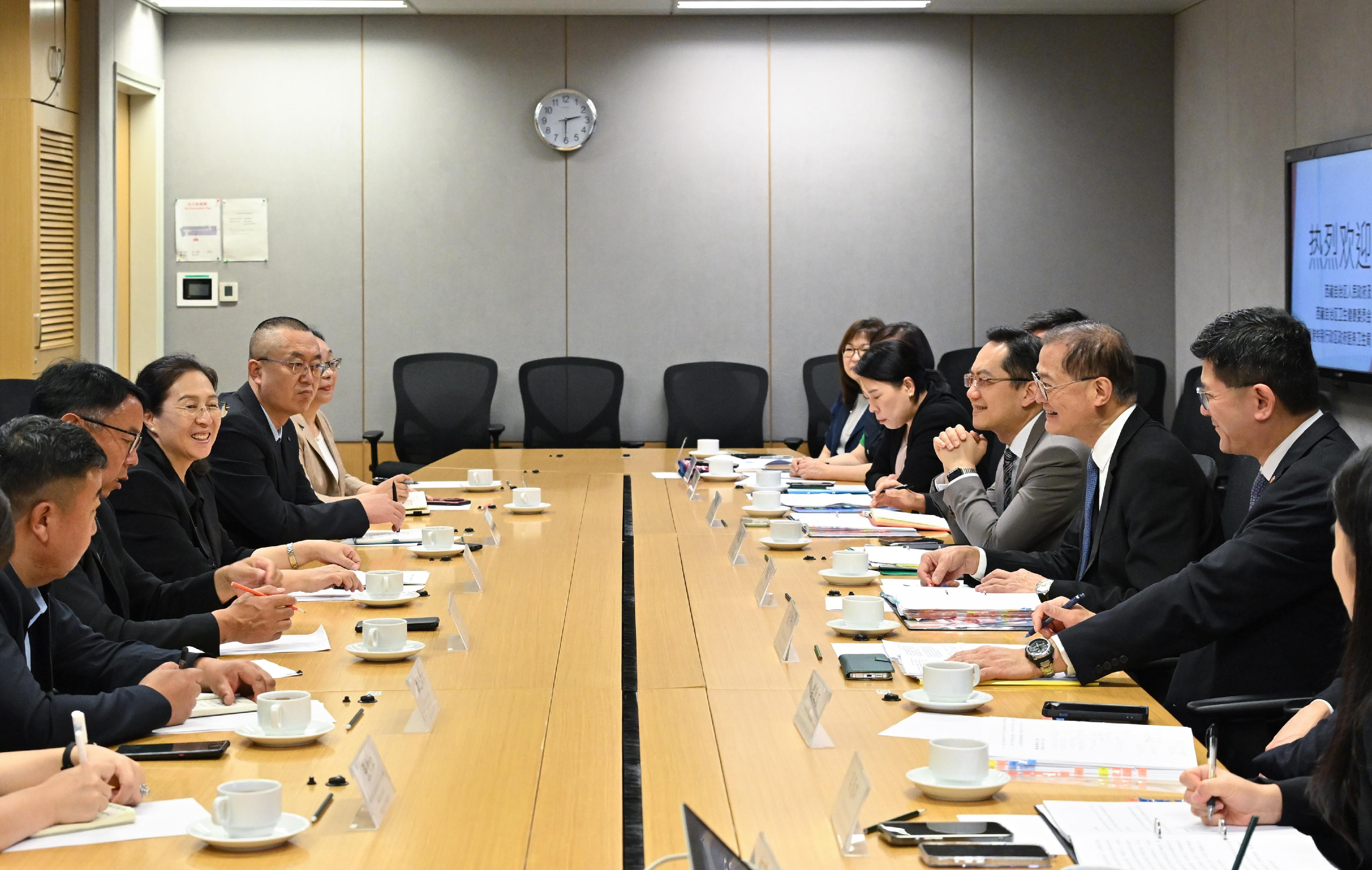
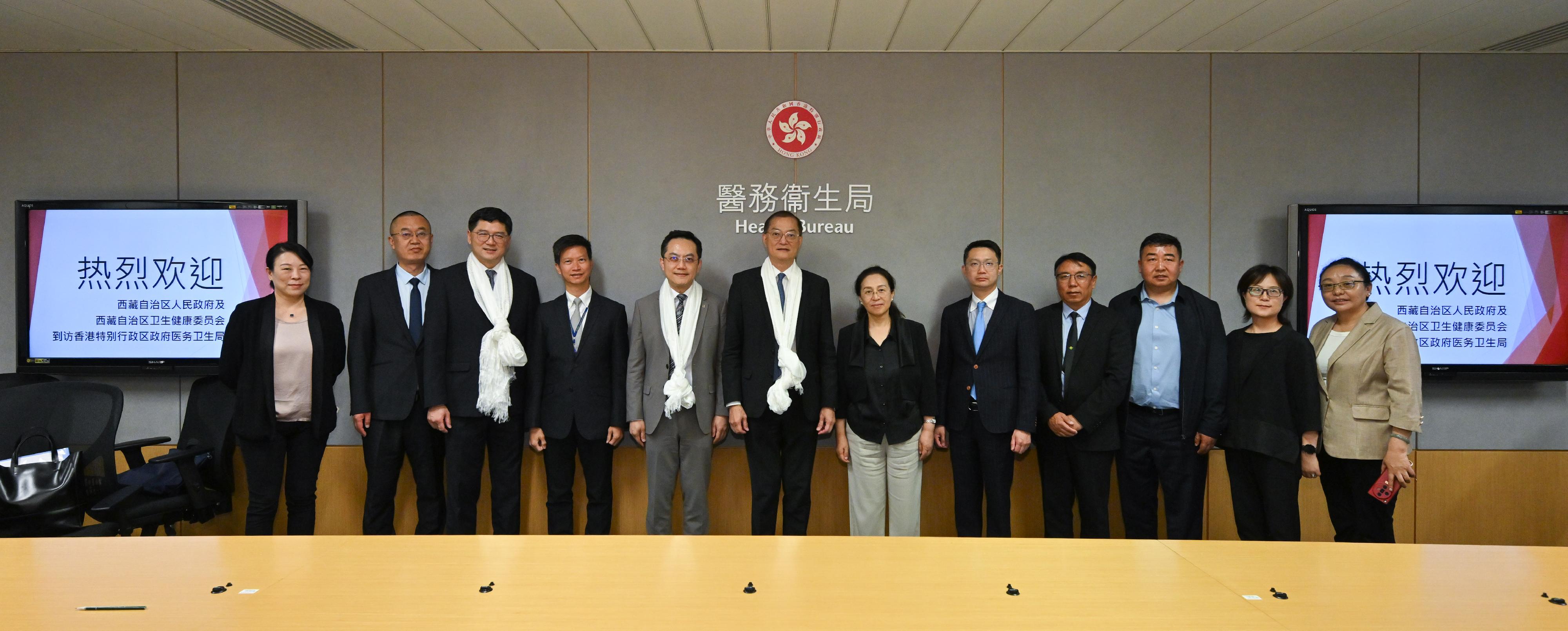
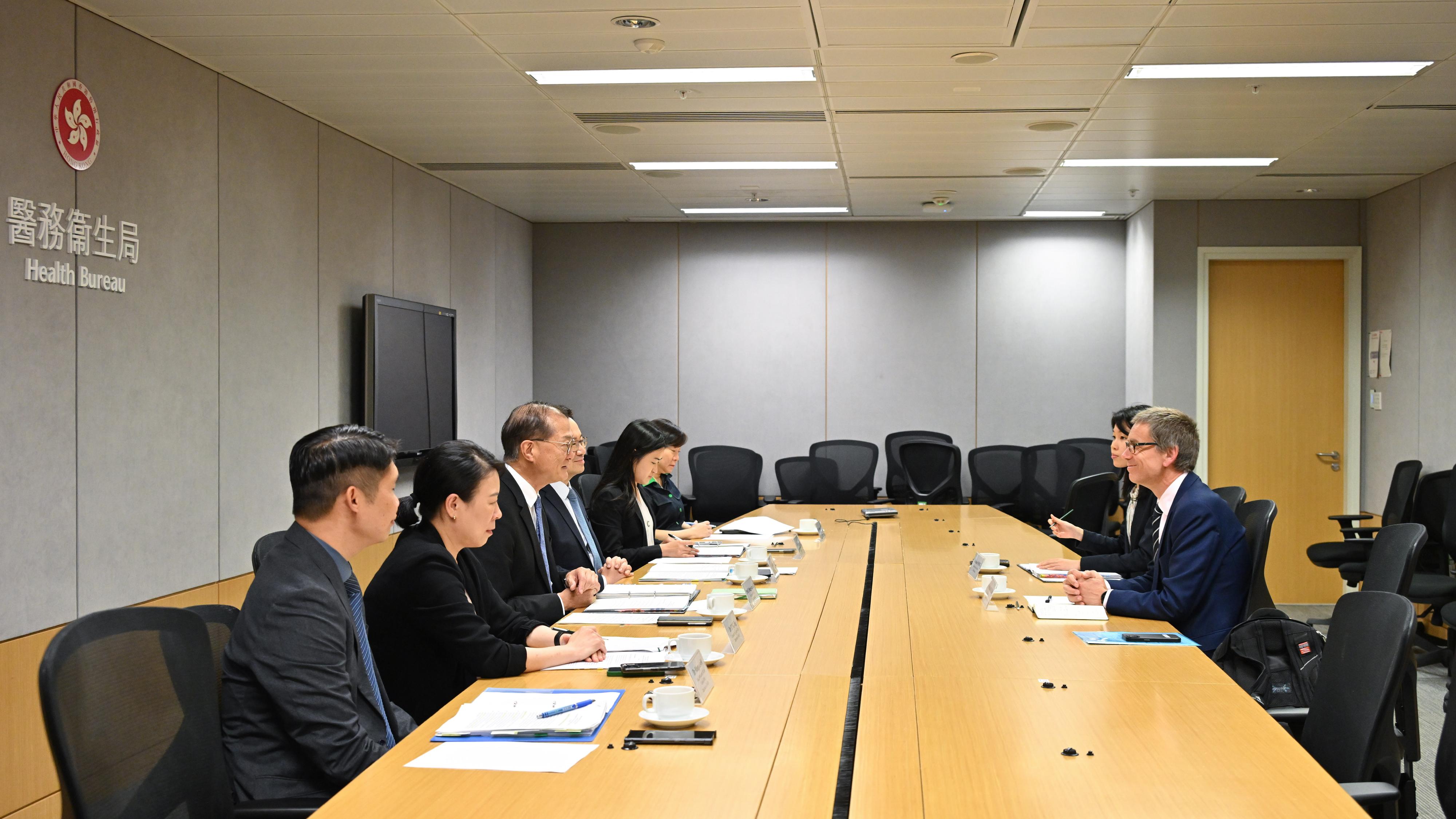
     The Secretary for Health, Professor Lo Chung-mau, continued to meet with the Mainland delegations coming to Hong Kong to attend the Hospital Authority (HA) Convention 2025 and the World Health Organization (WHO) Representative to China, Mr Martin Taylor, today (May 27) to exchange views on various healthcare issues and explore the strengthening of related healthcare co-operation, with a view to further deepening Hong Kong’s unique role in connecting the Mainland and the world.

     In the morning, Professor Lo met with the delegation led by Deputy Director General of the Shanghai Municipal Health Commission Professor Hu Hongyi to exchange views on topics including the healthcare talent exchanges between Hong Kong and Shanghai and the internationalisation of Chinese medicine standards. Professor Lo said, “The Hong Kong Special Administrative Region (HKSAR) Government attaches great importance to medical collaboration with the Mainland on various fronts and has been strengthening co-operation on healthcare service development with various Mainland counterparts to jointly enhance healthcare quality under the principle of complementarity and mutual benefits, and on the premise of benefitting the healthcare development of both the Mainland and Hong Kong. The HKSAR Government will remain committed to fostering cross-boundary medical co-operation to propel the important national strategy of ‘Healthy China’ through concerted efforts.”

     At the meeting with the delegation led by Vice Chairman of the People’s Government of the Xizang Autonomous Region Ms Luo Mei in the afternoon, Professor Lo introduced the structure of the healthcare system in Hong Kong and shared relevant management experience. Both sides also exchanged views on the development of traditional medicine.

     Professor Lo then met with the WHO Representative to China, Mr Martin Taylor, to introduce him to the comprehensive tobacco control strategies in Hong Kong. Professor Lo emphasised, “To further alleviate the threat posed by tobacco to public health, the HKSAR Government’s new phase of tobacco control measures is formulated around four directions, namely, Regulate Supply; Ban Promotion; Expand No Smoking Areas; and Enhance Education. We hope to suppress the use of tobacco and minimise its harm to the community through adopting a multipronged tobacco control strategy.” During the meeting, both parties agreed that sustained international co-operation is particularly important to further strengthening global tobacco control efforts and safeguarding public health.

     The HA Convention and the Asia Summit on Global Health are both important annual events of the healthcare sector. Medical experts, academics and practitioners from the Mainland and overseas, as well as government officials in charge of healthcare policies from around the world, gather in Hong Kong to have extensive exchanges and share their knowledge and experience in their respective fields, while also exploring opportunities for international healthcare co-operation, thereby deepening Hong Kong’s important role as a “super-connector”.

Photo  Photo  Photo  Photo  
read more

HKSAR Government responds to Hong Kong credit ratings affirmations by S&P and Moody’s

     In response to reports by two rating agencies, namely S&P and Moody’s which affirmed Hong Kong’s credit ratings today (May 27), a Government spokesman made the following response:

     The Government noted that S&P has maintained Hong Kong’s “AA+” credit rating with a “stable” outlook, while Moody’s has affirmed Hong Kong’s “Aa3” credit rating, and upgraded the outlook from “negative” to “stable”.

     Both S&P and Moody’s provided positive evaluations of Hong Kong’s credit profile, including its substantial fiscal buffers and foreign exchange reserves, a strong external balance sheet, and high per-capita income levels. Moody’s highlighted that, despite global trade tensions and lower trade growth, Hong Kong’s effective policy framework, along with the resilience of its economy and financial system, will continue to support its creditworthiness. S&P noted that the Hong Kong Special Administrative Region (HKSAR) Government’s policy flexibility and effectiveness have improved, while Hong Kong’s Linked Exchange Rate System has provided an anchor for the financial system, even through episodes of volatility.

     The recent affirmations of Hong Kong’s credit ratings by Fitch, S&P and Moody’s, all with “stable” outlooks, demonstrate Hong Kong’s resilience in maintaining stability amid increasing global economic and financial uncertainties.

     Recent data has further underscored the robustness of Hong Kong’s financial system. Bank deposits have continued to grow, capital markets remain active, and the IPO (initial public offering) market is thriving. For example, IPO fundraising in Hong Kong has exceeded HK$76 billion so far this year, more than seven times the amount raised during the same period last year and nearly 90 per cent of the total raised in all of last year.

     Both S&P and Moody’s have highlighted the HKSAR Government’s substantial fiscal reserves. Despite pressures on public finances following the pandemic, the Government has implemented a series of measures to maintain a robust fiscal situation. The 2025-26 Budget outlined a reinforced fiscal consolidation programme, focusing primarily on expenditure control, supplemented by revenue generation, to gradually restore balance to government accounts.

     According to the HKSAR Government’s medium-range forecast, the Operating Account  (i.e. the Government’s daily income and expenses)  is expected to be largely balanced in this financial year, and will return to a surplus in the next financial year (2026-27).

     As for the Capital Account, which primarily involves capital works expenditures, which represents investments for the future,  such as the development of the Northern Metropolis, the Government will make flexible use of market resources, such as public-private partnerships and increasing the scale of bond issuances, to fast-track the related projects. Even so, the level of deficit in the Capital Account will gradually decrease starting from the 2026-27 financial year.

     Overall, after counting the proceeds from bond issuances, the Consolidated Accounts will return to a surplus in the 2028-29 financial year. Over the next five years, fiscal reserves are projected to remain at a level well above HK$500 billion.

     On the economic front, Hong Kong’s economy saw robust growth in the first quarter of this year. While the tariff war continues to affect the global economy, the recent easing in international trade tensions has slightly alleviated external unfavourable factors and uncertainties. Meanwhile, the Mainland continues to advance high-level opening up, with steady economic growth supported by ample policy room and tools to address and resolve various risks and challenges. With breakthroughs and expedited developments in technology innovation, green transformation and the digital economy, the Mainland offers the greatest backing for Hong Kong’s economic development.

     Looking ahead, the Government is confident in addressing external challenges while seizing new opportunities in this evolving landscape. The HKSAR Government remains committed to leveraging Hong Kong’s institutional advantages under the “one country, two systems” framework, reinforcing and enhancing its status as an international financial, shipping and trade centre. At the same time, the Government will make great strides to promote Hong Kong’s development as an international innovation and technology centre. These factors will drive high-quality, sustainable economic and social development. read more

DGCA visits Beijing (with photos)

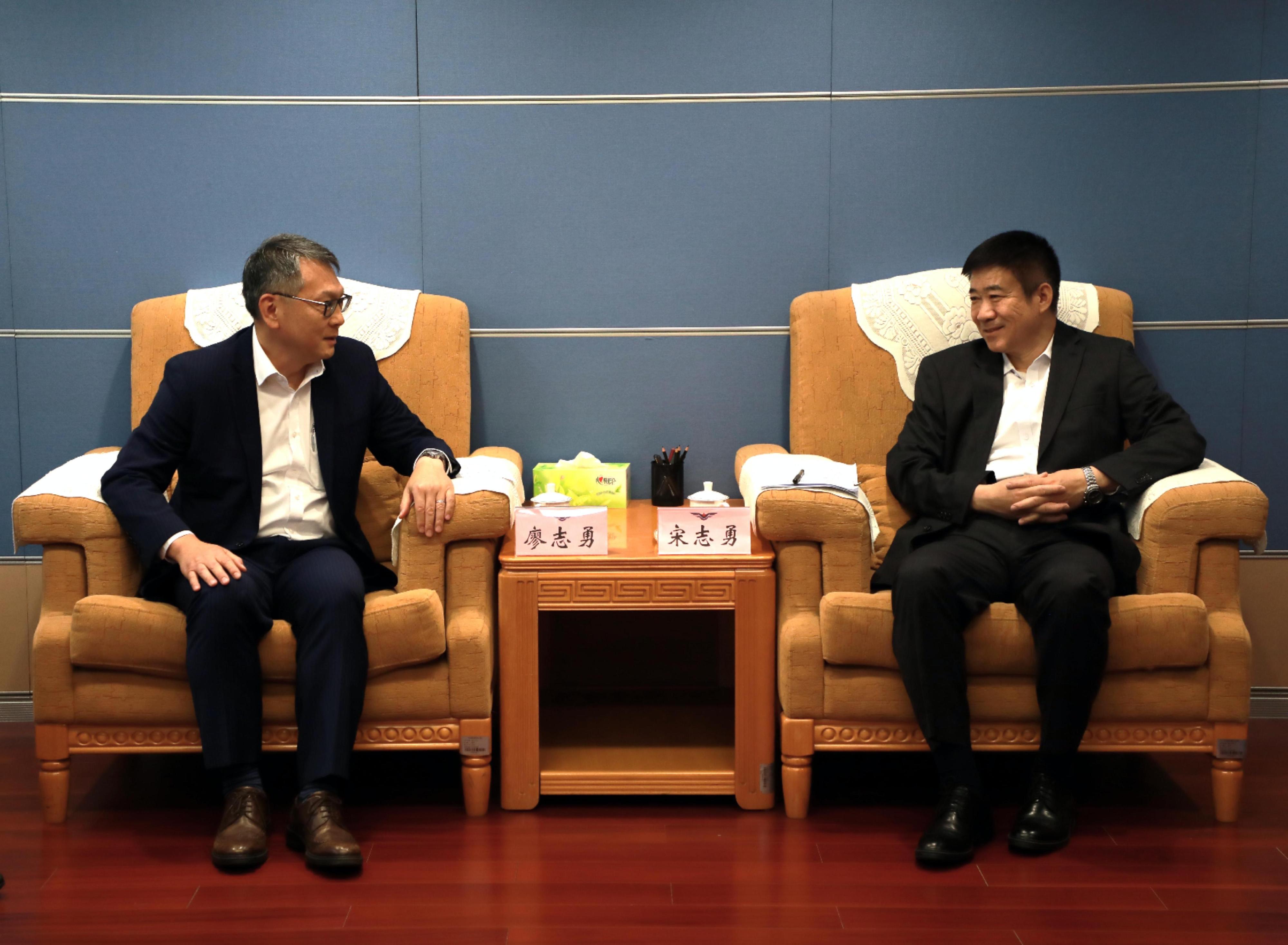
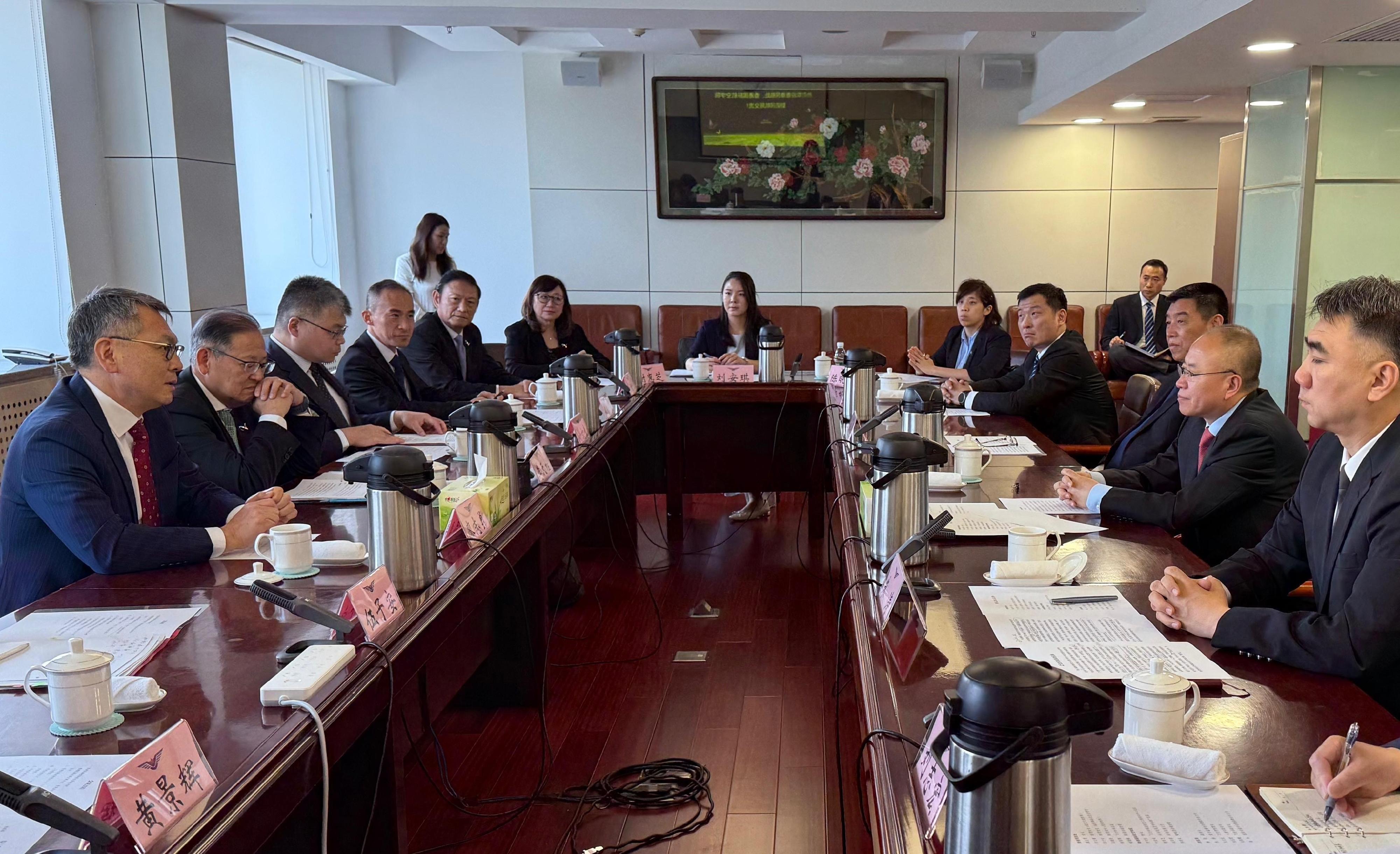
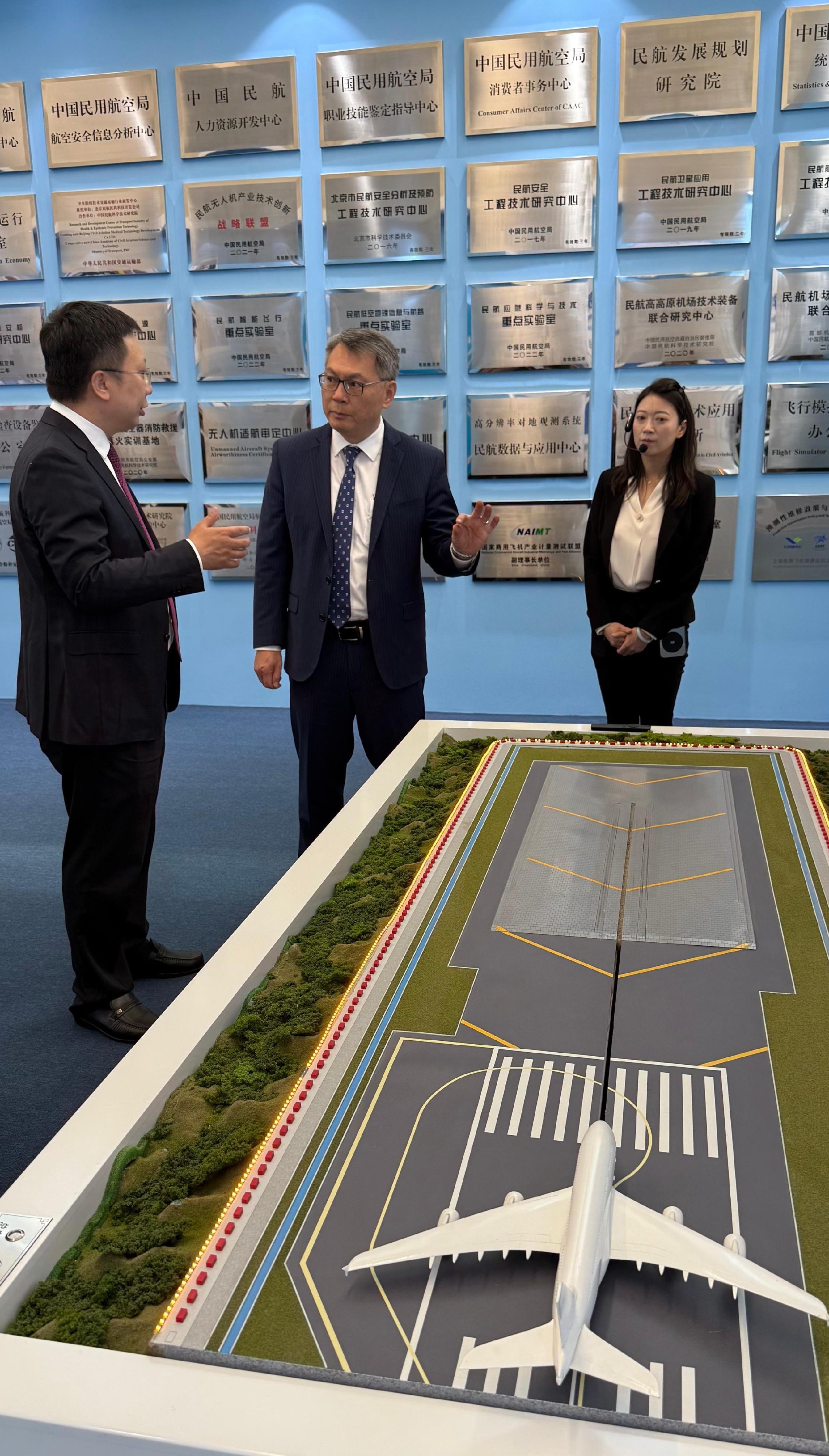
     â€‹The Director-General of Civil Aviation, Mr Victor Liu, visited Beijing between May 25 and 28, during which he paid a courtesy call on the Civil Aviation Administration of China (CAAC) and the Air Traffic Management Bureau (ATMB) of the CAAC. Mr Liu met with senior officials of various offices and had in-depth exchanges on mutual co-operation in civil aviation, with a view to further enhancing collaboration efficiency and strengthening partnership.
      
     Mr Liu called on the Administrator of the CAAC, Mr Song Zhiyong, and expressed his gratitude for the CAAC’s staunch support to the aviation industry of Hong Kong throughout the years. He also briefed Mr Song on the latest civil aviation developments in Hong Kong to further enhance co-operation. Mr Liu also met with Deputy Administrator of the CAAC Mr Han Jun and representatives from the relevant bureaux, to discuss how to establish closer ties in the areas including civil aviation development, aviation safety and technical co-operation.
      
     During the visit, the Civil Aviation Department (CAD) signed a Letter of Intent on Strengthening Technical Exchanges and Collaboration in Civil Aviation Safety Oversight, and a Cooperation Arrangement on Strengthening Civil Aviation Science and Technology with the CAAC and the China Academy of Civil Aviation Science and Technology (CAST) under the CAAC respectively.
      
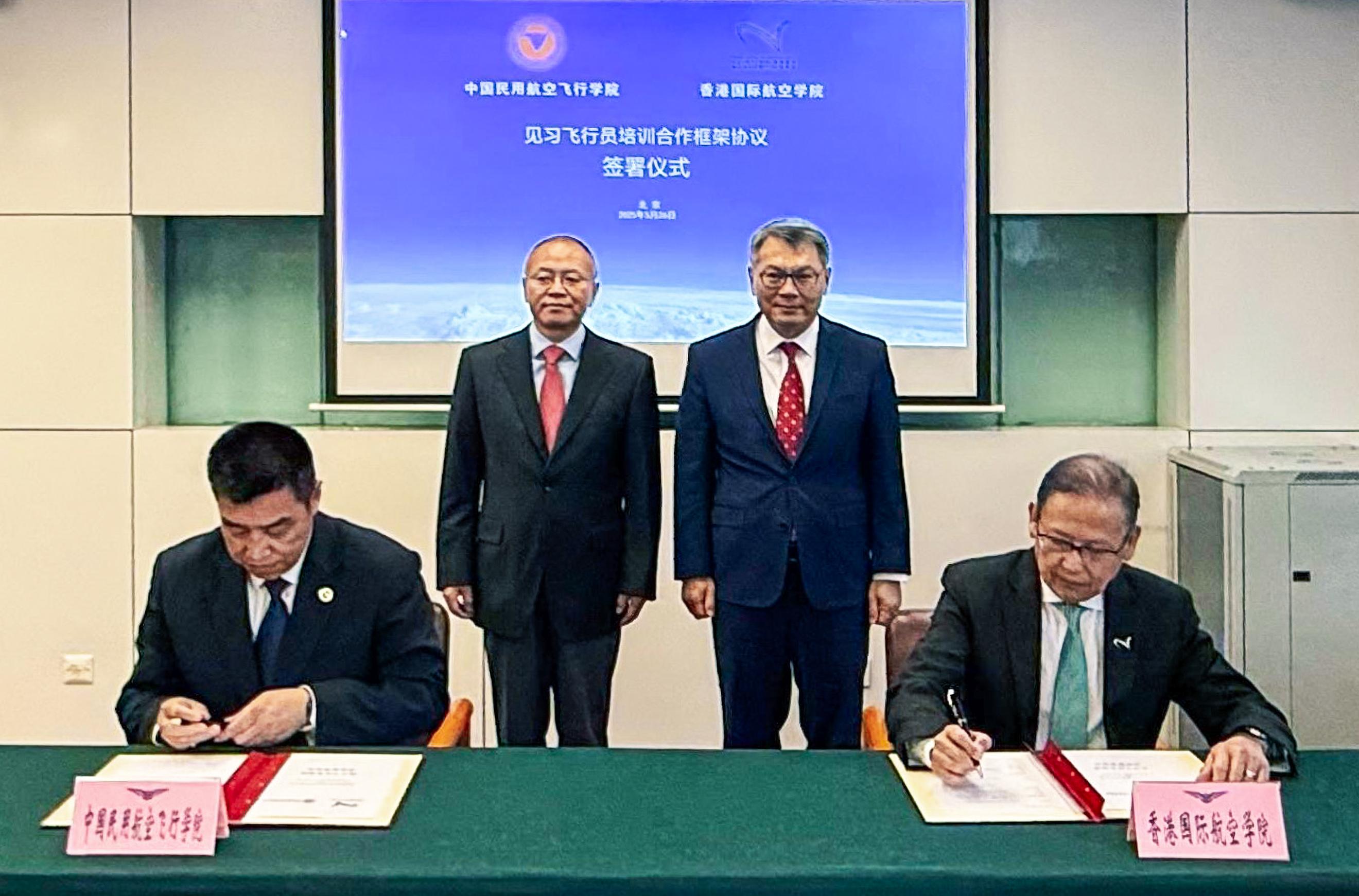
     In addition, witnessed by Mr Liu and Mr Han, the Hong Kong International Aviation Academy and the Civil Aviation Flight University of China signed a framework agreement to foster co-operation in cadet pilot training. Both flying training organisations were granted with the CAD 509 approval.
      
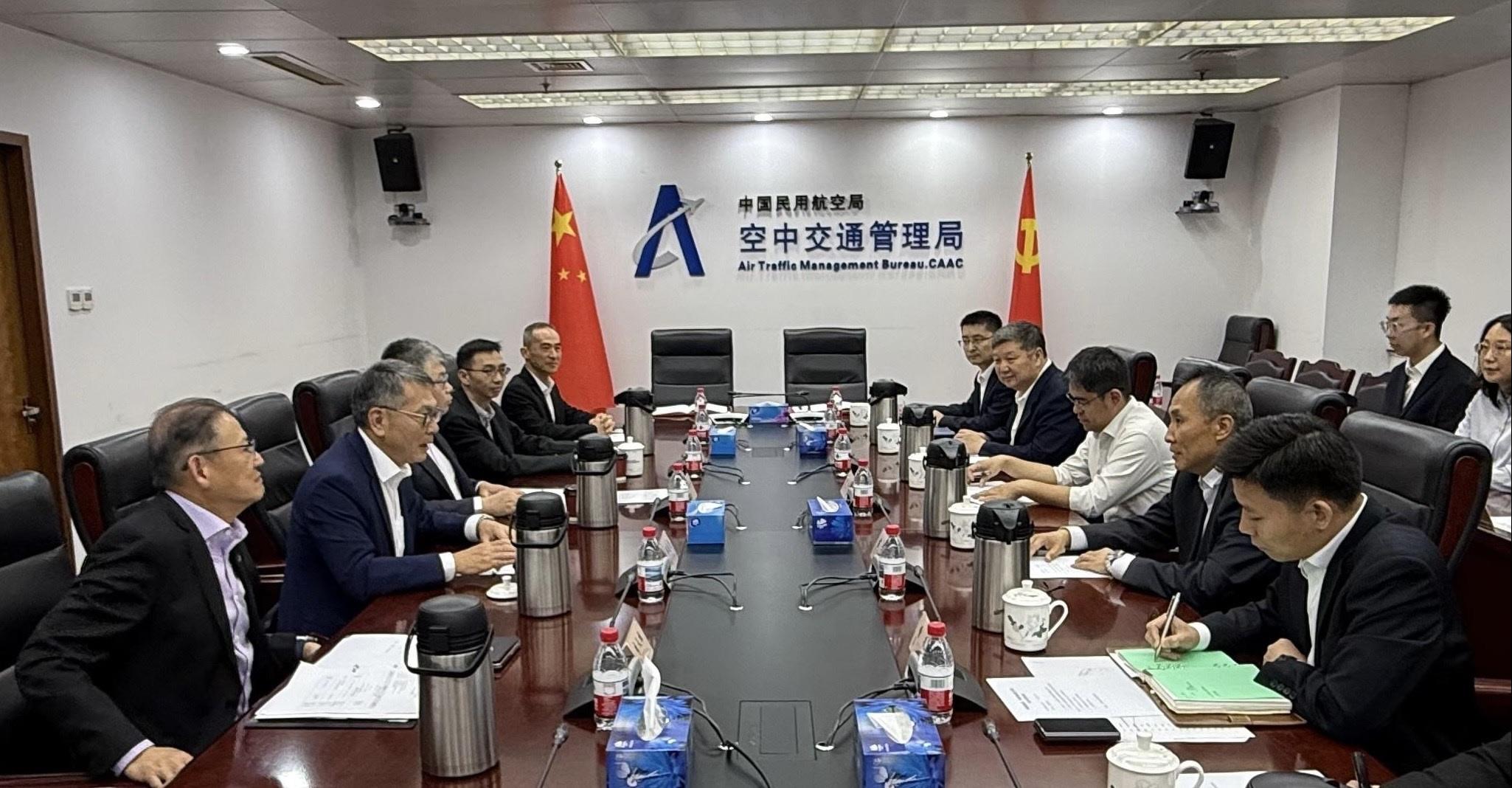
     Mr Liu also met with the Director General of the ATMB of the CAAC, Mr Miao Xuan, to exchange views on further strengthening co-operation in air traffic management, thereby enhancing the operational efficiency of the aviation industry in the Guangdong-Hong Kong-Macao Greater Bay Area. Mr Liu welcomed the participation of the ATMB in Airspace Asia Pacific 2025 to be held in Hong Kong this December, showcasing the innovative technologies used in Mainland air traffic management.  
      
     Mr Liu took the opportunity to visit the Third Civil Aviation Science and Education Innovation Achievement Exhibition and the CAST Aviation Safety Experimental Base to learn about the achievements in innovative technologies and development trends in the Mainland aviation industry.
      
     Accompanying Mr Liu to Beijing was the Assistant Director-General of Civil Aviation (Air Services and Safety Management), Mr Raymond Ng; the Assistant Director-General of Civil Aviation (Air Traffic Management), Mr Hui Man-ho; and the Assistant Director-General of Civil Aviation (Airport Standards), Mr Samuel Ng.
      
     Mr Liu will return to Hong Kong tomorrow (May 28).

Photo  Photo  Photo  Photo  Photo  
read more

Government announces 30 measures to be implemented by Working Group on Promoting Silver Economy (with photos)

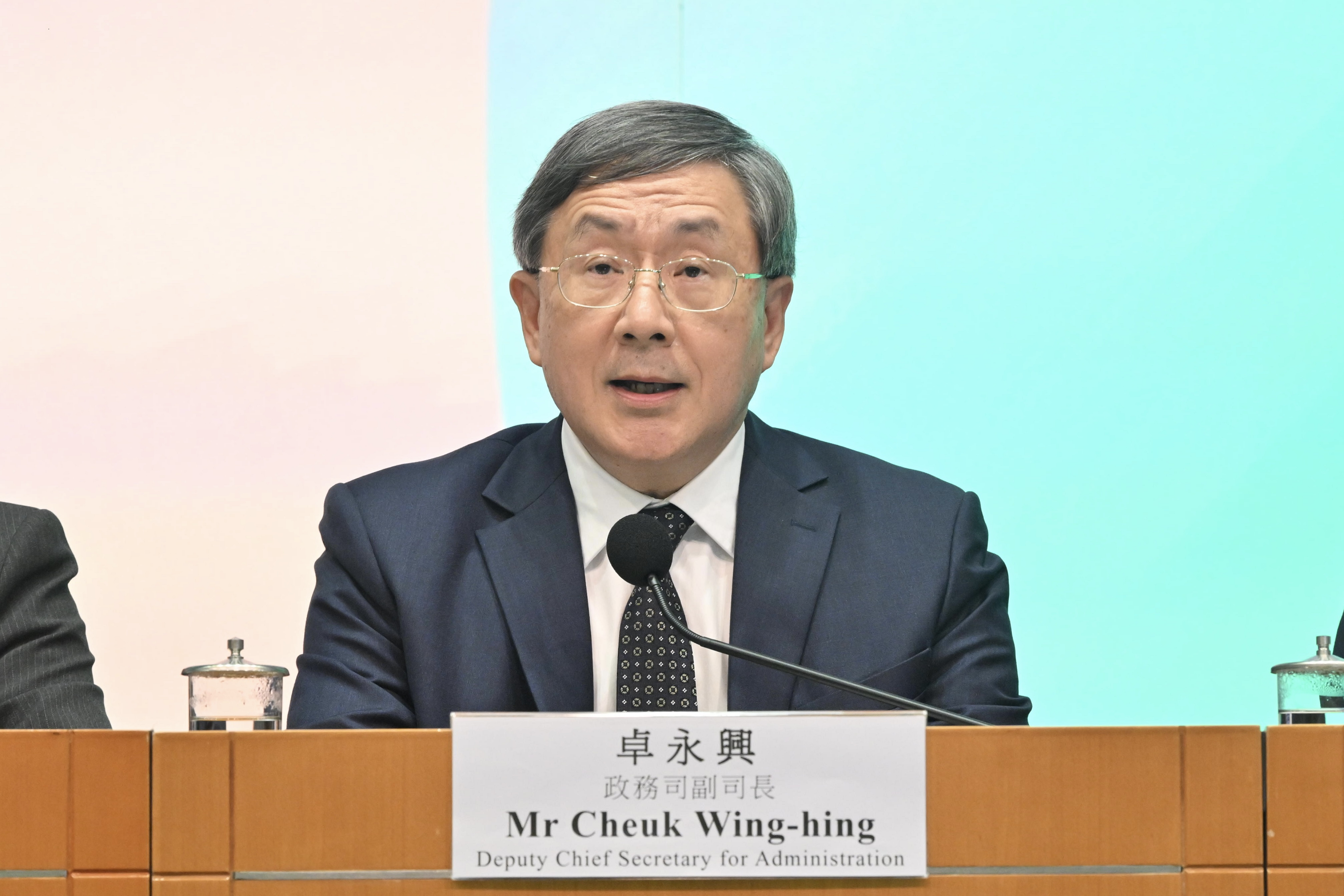
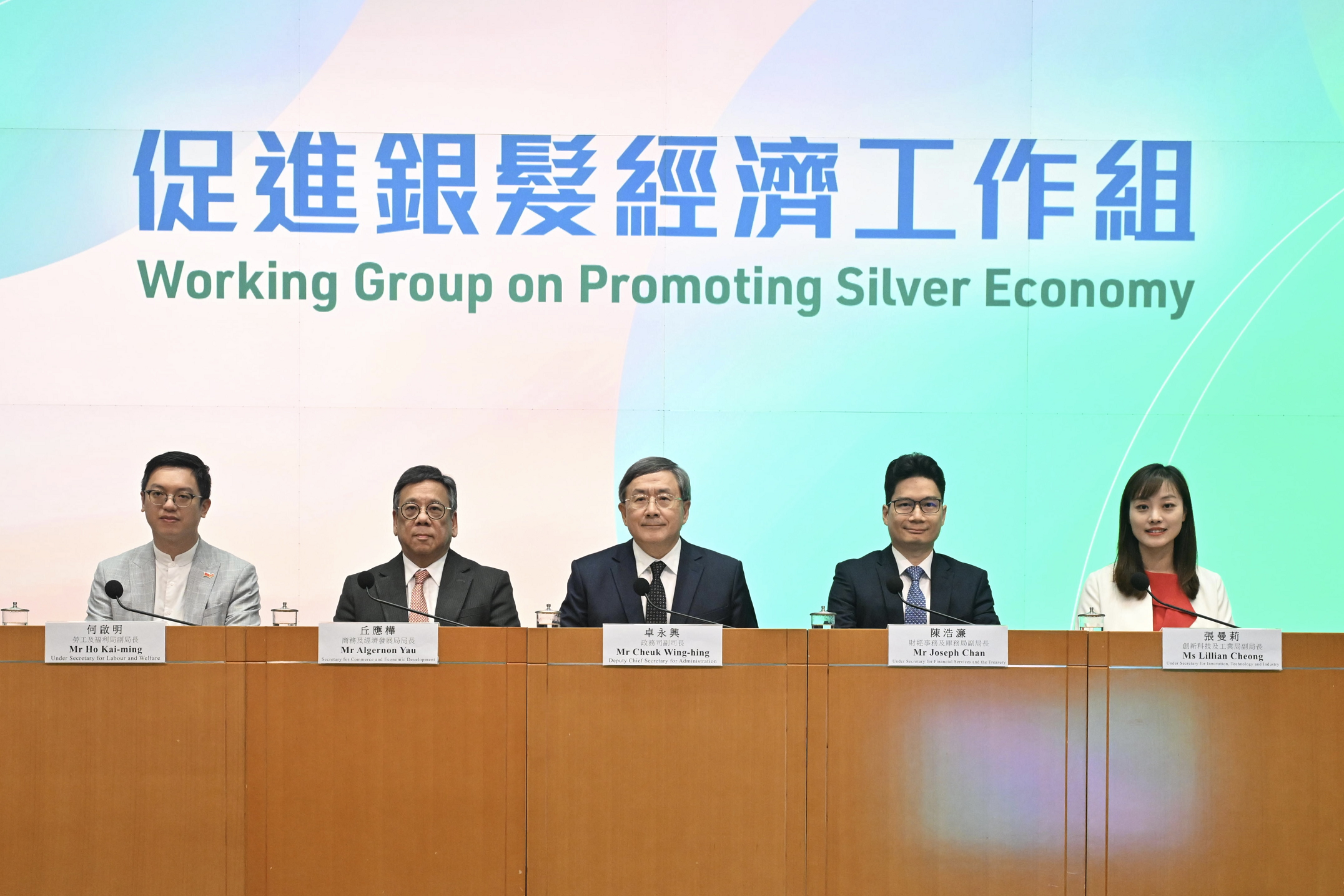
     The Deputy Chief Secretary for Administration, Mr Cheuk Wing-hing, today (May 27) held a press conference to announce 30 measures to be implemented by the Working Group on Promoting Silver Economy (see presentation slides of the press conference). Also attending the press conference were the Secretary for Commerce and Economic Development, Mr Algernon Yau; the Under Secretary for Financial Services and the Treasury, Mr Joseph Chan; the Under Secretary for Labour and Welfare, Mr Ho Kai-ming; and the Under Secretary for Innovation, Technology and Industry, Ms Lillian Cheong.
 
     Mr Cheuk said, “Population ageing is becoming an increasingly serious issue around the world, and the situation in Hong Kong is of particular concern. The Census and Statistics Department predicts that by 2043, more than one in every three Hong Kong residents will be an elderly person. In light of this demographic shift, we must actively address the various challenges brought about by an ageing population. At the same time, we should seize development opportunities amid the challenges, explore new industries and new businesses, and break new ground for Hong Kong in a time of change.
 
     “The elderly account for a large proportion of Hong Kong’s population. With favourable financial conditions and purchasing power, they are a huge consumer group that cannot be overlooked, as they create a huge demand for silver economy related products and services. Boosting the silver economy will inject vitality into the local economy and promote overall economic development, as well as spurring the cultivation of high-quality silver products and service modes, so that the elderly can share the fruits of development.”  
 
     The Working Group has proposed 30 measures in five areas, namely: boosting “silver consumption”, developing “silver industry”, promoting “quality assurance of silver products”, enhancing “silver financial and security arrangements”, and unleashing “silver productivity”. This plentiful and practical series of measures involves collaboration across different bureaux and sectors. Jointly promoted by different policy bureaux and multiple organisations from different sectors, the measures aim to boost consumption among the elderly, develop silver products and services, and enhance the recognition of products and services through accreditation to drive sales, make good use of and safeguard the financial resources of the elderly, and attract the elderly to join the labour market, with a view to enhancing social productivity and building a silver-friendly society together. 
 
 (I) Boosting “silver consumption”
 
     Owing to their health conditions and lifestyle practices, the elderly’s consumption needs are different from those of other consumers, with great consumption potential in areas including catering, personal hygiene and healthcare. The Government aims to boost “silver consumption” through various means, including exhibitions and retail concessions, electronic commerce, the Silver Summit, developing catering initiatives for the elderly, and protecting elderly consumers’ rights and interests.
 
     The Commerce and Economic Development Bureau (CEDB) will take the lead in boosting “silver consumption”, and the 11 measures include:
 

  1. The exhibition industry will enhance silver economy elements in exhibitions;
  2. The exhibition industry will stage a new thematic exhibition on the silver economy;
  3. The retail sector will provide retail concessions to the elderly;
  4. The CEDB will facilitate the retail sector, through the Hong Kong Retail Management Association, in exploring the introduction of silver products and services;
  5. The Hong Kong Trade Development Council (HKTDC) will supply silver products via e-commerce platforms;
  6. The catering sector will launch the “Friends & Flavours” initiative to introduce meal options suitable for the elderly;
  7. The CEDB will support the business sector to promote Care Food together with the Hong Kong Council of Social Service (HKCSS);
  8. The food manufacturing industry will offer pre-packed food products that cater to the needs and preferences of the elderly;
  9. The CEDB will stage the Silver Summit with the HKCSS;
  10. The Consumer Council will enhance information on “silver consumption”; and
  11. The Customs and Excise Department will strengthen publicity and education work.
 
 (II) Developing “silver industry”

     The health and daily needs of the silver-haired group have led to a huge demand for products and services. Silver products (including gerontechnology products) have hence come into being.
 
     The work of developing the “silver industry” is led by the Innovation, Technology and Industry Bureau. The four measures are:
 
  1. The Hong Kong Science and Technology Parks Corporation (HKSTPC), Cyberport and the Hong Kong Productivity Council will support their technology enterprises to develop gerontechnology;
  2. The Logistics and Supply Chain MultiTech R&D Centre and the Nano and Advanced Materials Institute will facilitate the realisation and commercialisation of gerontechnology-related research and development (R&D) projects;
  3. The HKSTPC and Cyberport will assist companies engaged in gerontechnology to collaborate with the elderly care industry, hospitals and clinics to connect gerontechnology product R&D with the needs of the elderly; and
  4. The Social Welfare Department will expand the household use of gerontechnology products.
 
(III) Promoting “quality assurance of silver products”
 
     Quality assurance for products and services can enhance their acceptance and attractiveness, helping to establish brand value and expand sales network.
 
     The work of promoting “quality assurance of silver products” is led by the CEDB. The four measures are:
 
  1. The HKCSS will launch the Care Food GBA Standard;
  2. The Federation of Hong Kong Industries will launch the Hong Kong Silver Q-Mark Product Scheme;
  3. The Development Bureau will launch the Voluntary Accreditation Scheme on Elderly-friendly Building Designs in the short term; and
  4. The Hong Kong Quality Assurance Agency will launch the Hong Kong Registration.
 
(IV) Enhancing “silver financial and security arrangements”
 
     Elderly people in Hong Kong possess a certain degree of wealth, which provides the prerequisite for developing silver finance. The Government’s objective is to assist the elderly to best utilise their financial resources and financial management tools, and to protect their financial resources through a comprehensive package of measures.
 
     There will be seven measures for enhancing the “silver financial and security arrangements”, which will be led by the Financial Services and the Treasury Bureau:
 
  1. To develop more cross-boundary elderly care insurance products by the insurance industry;
  2. To further promote the Three Instruments of Peace  by the legal sector;
  3. To strengthen promotion of “HKMC Retire 3” and promote the further development of the local annuity market by the Hong Kong Mortgage Corporation Limited (HKMC);
  4. To step up financial planning education for the elderly by the HKMC, the Investor and Financial Education Council (IFEC), and the Mandatory Provident Fund Schemes Authority;
  5. To step up anti-financial scam education and publicity activities for the elderly by the IFEC;
  6. To strengthen banks’ anti-fraud capabilities by the Hong Kong Monetary Authority (HKMA); and
  7. To develop guidelines on elderly-friendly banking services by the HKMA and the banking sector.
 
(V) Unleashing “silver productivity”
 
     The Government will encourage and assist more elderly persons to join the labour market through employment support and training, as well as the promotion of elderly-friendly employment practices, in a bid to unleash the labour force.
 
     The Labour and Welfare Bureau (LWB) will take the lead in driving the measures for unleashing “silver productivity”, including:
 
  1. The Employees Retraining Board will roll out priority training consultation services and offer more dedicated training courses to address the needs of industries with keen manpower demand;
  2. The Labour Department (LD) will double the number of job fairs for older and middle-aged persons this year;
  3. The LWB will review the Re-employment Allowance Pilot Scheme and the Employment Programme for the Elderly and Middle-aged to further explore measures to encourage the employment of persons aged 60 or above; and
  4. The LD will step up the promotion of elderly-friendly employment practices.
 
     Mr Cheuk said, “The silver economy holds tremendous business opportunities. With the joint efforts of the Government and various sectors, we can certainly expand the scale and industrial chain of the silver economy, enhance the quality of life for the elderly in all aspects, and increase their sense of contentment and happiness.”
 
     The Chief Executive announced in his Policy Address 2024 the setting up of a Working Group on Promoting Silver Economy, led by the Deputy Chief Secretary for Administration, to implement measures in five areas, namely: boosting “silver consumption”, developing “silver industry”, promoting “quality assurance of silver products”, enhancing “silver financial and security arrangements” and unleashing “silver productivity”. Other members of the Working Group include the Secretary for Commerce and Economic Development (Deputy Leader); the Secretary for Labour and Welfare; the Secretary for Innovation, Technology and Industry; the Secretary for Financial Services and the Treasury; and the Secretary for Health.
Photo  Photo  
read more