Author Archives: hksar gov

Medical Laboratory Technologists Board responds to requests for clinical practice/attachment hours

​The following is issued on behalf of the Medical Laboratory Technologists (MLT) Board:
 
     The MLT Board is aware of a statement made by individual groups and training institutions regarding the hours required for clinical practice/attachment for medical laboratory technologists and responds today (May 15) as follows:
      
     The MLT Board, established under the Supplementary Medical Professions Ordinance (Cap. 359), is a statutory body that reviews the training arrangements of MLT from time to time to enhance their professional development. The MLT Board has started to discuss and review the requirement for clinical practice/attachment in the curriculum since 2023. It has agreed to strengthen the training of students in different medical laboratory-related areas under the principle that the overall number of training hours should remain unchanged. The objective is to ensure that the curriculum keeps abreast of the times and aligns with the latest developments in the medical field.
      
     Since 2023, the Registration Committee of MLT Board has been discussing and reviewing the hours required for clinical practice/attachment, which were formulated in 2013. Subsequently, at the MLT Board meeting of February 5, 2024, the MLT Board endorsed revising the required hours for clinical practice/attachment from 400 hours, covering only four basic areas, namely “Clinical Microbiology & Infection”, “Anatomical Pathology”, “Chemical Pathology” and “Haematology”, to 200 hours. This change will enable the institutions to allocate the released 200 hours to elective study modules according to the characteristics of their respective curricula without affecting the total number of hours. Under this arrangement, institutions can optimise the released training time to strengthen students’ learning in the basic areas or arrange for the students to explore other medical laboratory-related subjects beyond the basic areas, such as clinical immunology, molecular techniques and genetic testing etc. This encourages the diversified development of different institutions while maintaining their professional standards. Contrary to the allegation made in the statement, it is not a hasty reduction of clinical practice/attachment hours from 400 to 200 before graduation.
      
     Before making the decision, the MLT Board has been in close liaison with the industry through its Registration Committee (which comprises institutions, members of the associations and practitioners from different work backgrounds) and has held in-depth discussions on various accreditation requirements. Meetings were held to discuss the above issues and a Working Group on Review of Accreditation Criteria and Checklist was set up to invite experts to provide views in optimising the accreditation criteria and to continuously review both the local and international situations. The allegation that “academic institutions and industry stakeholders were not adequately consulted” is off the mark. The MLT Board stands ready to further explain to the MLT industry and training institutions the rationale of revising the required hours for clinical practice/attachment , and will work closely with stakeholders on the implementation details to facilitate the smooth execution of the resolution.
      
     The MLT Board is a statutory body established under the Supplementary Medical Professions Ordinance (Cap. 359) to promote adequate standards of professional practice and of professional conduct in the MLT professions. The MLT Board members (see Annex) comprises a wide representation of stakeholders, who are from the medical laboratory testing and medical professions, professional education, the Government, the Hospital Authority, and private sector. read more
DH urges high-risk individuals to receive COVID-19 vaccines as soon as possible as COVID-19 activity hits one-year high in Hong Kong

     With the major surveillance indicators of COVID-19 reaching a one-year high, the Centre for Health Protection (CHP) of the Department of Health today (May 15) urged all sectors of the community to heighten their vigilance and enhance personal hygiene and protection measures, including receiving the initial dose of the COVID-19 vaccine as soon as possible. People at high risk, especially the elderly and individuals with underlying illnesses, should receive a booster dose free of charge in a timely manner to minimise the risk of serious complications or death after infection.
      
     “After the resumption of normalcy, Hong Kong experienced cycles of active periods of COVID-19 in every six to nine months. Taking into account local and global epidemiological data in recent years, the CHP is of the view that COVID-19 has evolved into an endemic disease with a periodic pattern. According to the CHP’s analysis, the active periods are associated with the changes in the predominant circulating strains and declining herd immunity in Hong Kong. In early 2024, the predominant strains circulated locally changed from XBB to JN.1; while in the third quarter of 2024, they changed from JN.1 to KP.2 and KP.3; and they have further changed to XDV since late March this year. There is no evidence suggesting that XDV will cause more severe disease. Nevertheless, the changing nature of the virus should not be taken lightly. The CHP will continue to closely monitor the situation of the variant strains in accordance with the World Health Organization’s recommendation, and be cautious of the possible emergence of more virulent or vaccine-mismatched strains of the virus in the future,” the Controller of the CHP, Dr Edwin Tsui, said.
      
     According to the latest surveillance data as of the week ending May 10, the viral load of the SARS-CoV-2 virus from sewage surveillance, the test positivity rate and the cases tested positive by nucleic acid tests in the laboratory have continued to rise over the past four weeks. In particular, the percentage of respiratory samples testing positive for the SARS-CoV-2 virus gradually increased to 13.66 per cent from 6.21 per cent four weeks ago (the week of April 6 to 12), which is a record high in the past year. For sewage surveillance, the per capita viral load of SARS-CoV-2 virus was around 710 000 copy/litre, which was also significantly higher than that of about 390 000 copy/litre four weeks ago. During the same period, the consultation rate of COVID-19 cases at Accident and Emergency departments, general out-patient clinics and sentinel private medical practitioner clinics also recorded a significant increase.
      
     “According to the surveillance data after the resumption of normalcy, there were two relatively active periods of COVID-19 in Hong Kong, which lasted for about 15 weeks from April to July 2023 and for about seven weeks from February to March last year. COVID-19 became more active in mid-April of this year (i.e. about four weeks ago). Based on previous statistics, we expect the activity level of COVID-19 to remain at a higher level for at least the next few weeks,” said Dr Tsui.
      
     Regarding severe and fatal cases, in the past four weeks, the CHP recorded a total of 81 COVID-19 severe cases (including 30 fatal cases) involving adults. Epidemiological investigation showed that 83 per cent of the patients being elderly persons aged 65 or above, and more than 90 per cent of these elderly cases had underlying illnesses. Only one case had received a booster dose of COVID-19 vaccine in the past six months.
      
     For children, the CHP has recorded five severe cases (no fatal case) so far this year. Of which, two have underlying illnesses and three cases have not received the initial dose of the COVID-19 vaccine. “This shows that even children who have been in good health can experience severe complications from COVID-19 infection. Therefore, I hope that parents will not hesitate to bring their children to complete the initial dose of the COVID-19 vaccine as soon as possible. The currently prevalent XDV strain is a related variant of JN.1. Therefore, the JN.1 vaccine used in Hong Kong is effective in preventing the disease, reducing the risk of severe illness and death, and enhancing herd immunity,” said Dr Tsui.
      
     “Currently, the proportion of high-risk groups, especially the elderly, receiving booster doses of the vaccine is relatively low. This suggests that the public does not attach much importance to vaccination. Based on the surveillance data and vaccination figures, the CHP projected that about 75 per cent of the elderly aged 65 or above living in Residential Care Homes for the Elderly and 90 per cent of those living in the community had not received booster dose of the COVID-19 vaccine timely according to the CHP’s recommendation. I would like to reiterate my appeal to the high-risk groups, especially the elderly and persons with underlying illnesses, to receive an additional booster dose of the COVID-19 vaccine as soon as possible,” Dr Tsui added.
      
     Apart from vaccination, the public should maintain stringent personal, environmental and hand hygiene at all times to minimise the risk of infecting COVID-19 and other respiratory infectious diseases. High-risk persons (e.g. persons with underlying medical conditions or persons who are immunocompromised) should wear surgical masks when visiting public places. The general public should also wear a surgical mask when travelling on public transport or staying in crowded places. When respiratory symptoms appear, one should wear a surgical mask, consider avoiding going to work or school, avoid going to crowded places and seek medical advice promptly.
     ã€€
     For the latest surveillance data, members of the public can refer to the CHP’s weekly COVID-19 & Flu Express. For more information on vaccination, please refer to the COVID-19 Vaccination Programme webpage. COVID-19 Vaccination venues for persons aged 6 months to 11 years old and aged 12 and above had been uploaded to the website. read more

Home Affairs Department holds seminar on 5th anniversary of promulgation and implementation of Hong Kong National Security Law for National Security Education District Tutors (with photos)

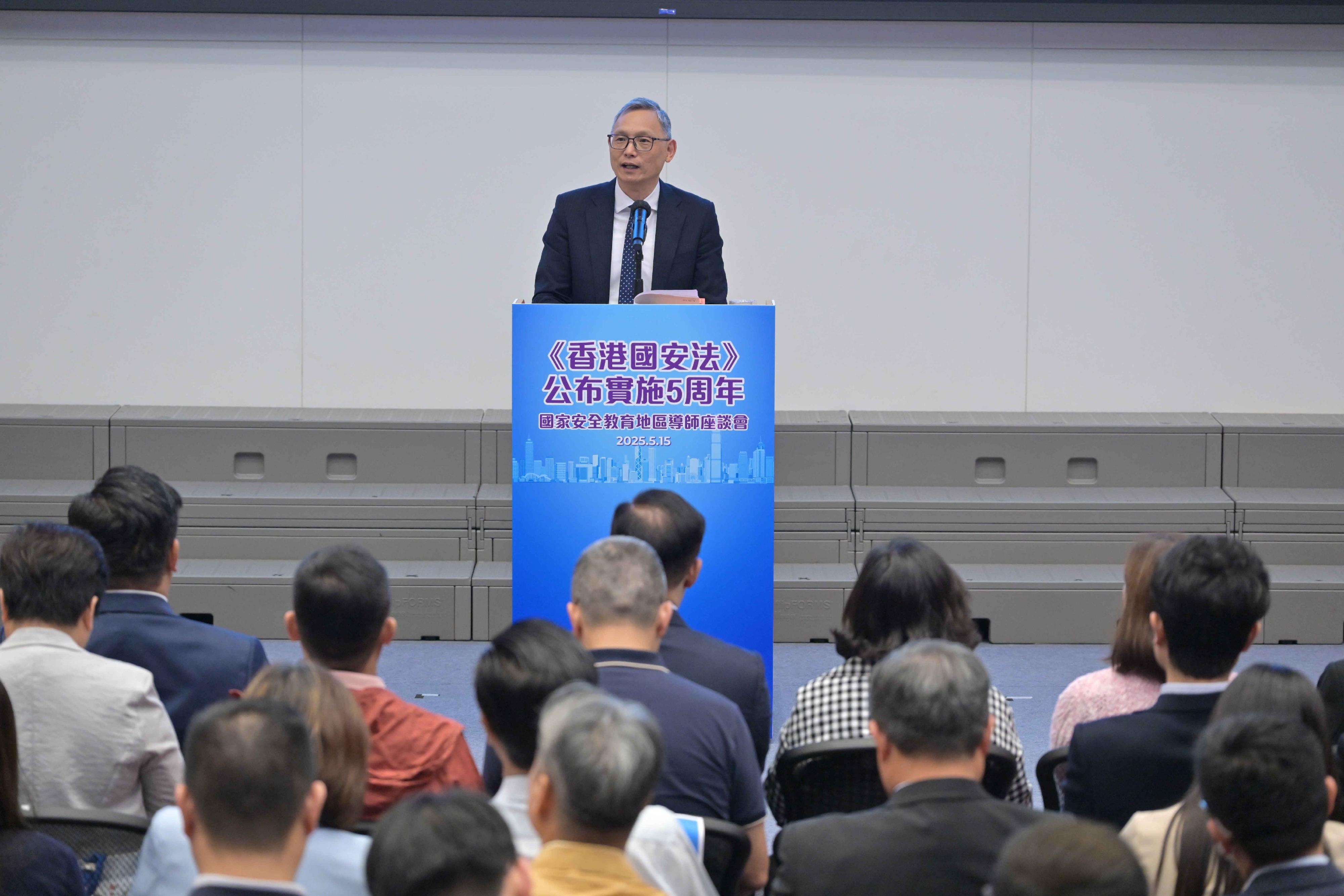
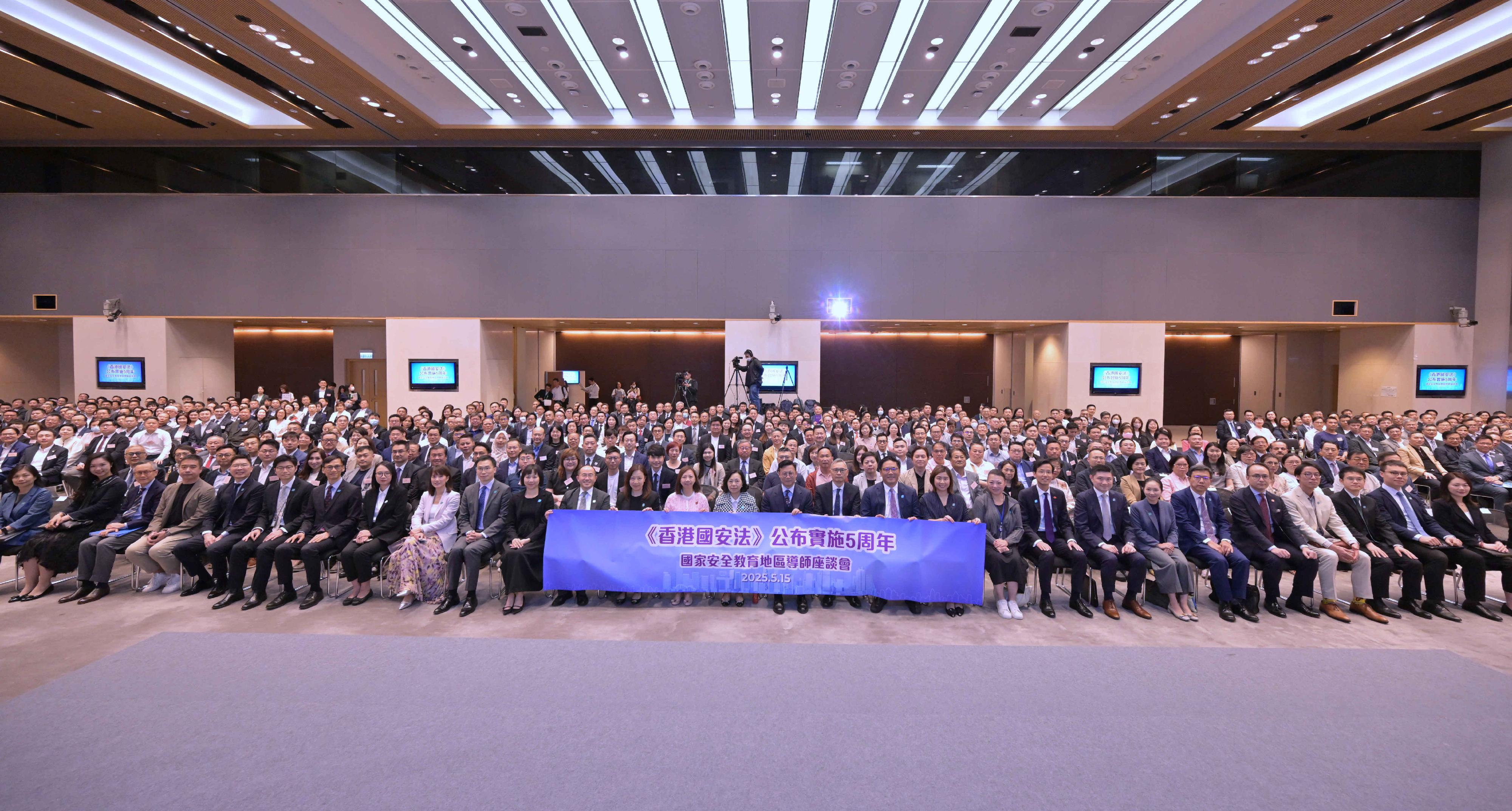
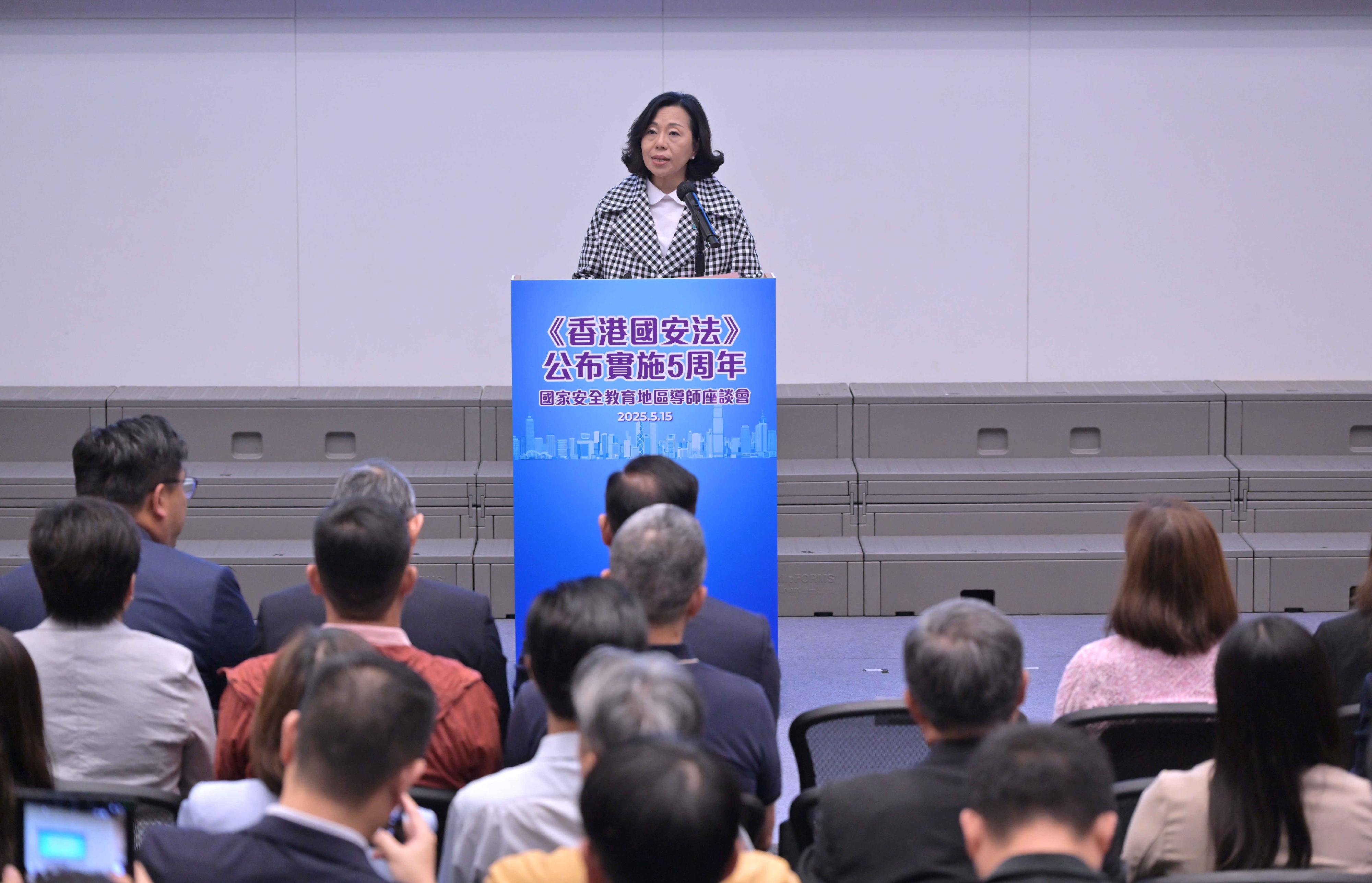
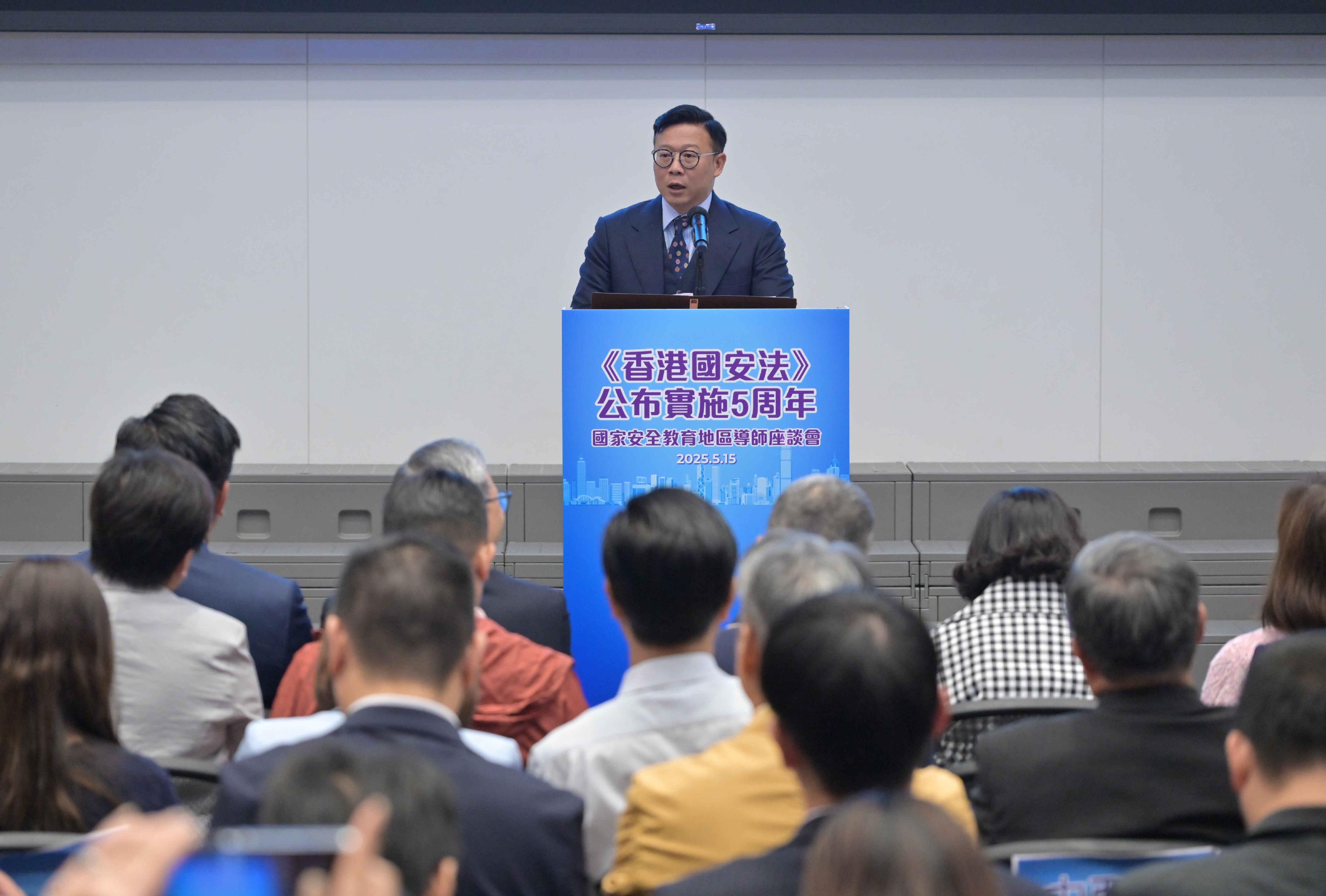
     This year marked the 5th anniversary of the promulgation and implementation of the Hong Kong National Security Law (NSL). The Home Affairs Department today (May 15) held a seminar on the occasion for National Security Education District Tutors to further support district tutors to effectively promote national security education in the community and enhance public awareness of safeguarding national security.
      
     The seminar was held in the Central Government Offices. Guests attending the event included the Deputy Secretary for Justice, Dr Cheung Kwok-kwan; the Secretary for Home and Youth Affairs, Miss Alice Mak; and the Under Secretary for Security, Mr Michael Cheuk. Around 700 district tutors from the 18 Districts attended the seminar.
      
     Addressing the seminar, Miss Mak said that as national security is closely related to everyone and is inseparable, the Government and all sectors in society need to safeguard national security together. Since the Government officially launched the National Security Education District Tutor Training Scheme in November last year, as of early April 2025, over 3 000 district tutors have completed the training and have disseminated messages on national security to over 120 000 individuals in the community. As important partners of the Government, district tutors have actively engaged with communities, schools, and people of all ages through a diverse range of activities and, by using vivid, accessible and innovative approaches, have disseminated important messages on national security. This helps the public understand more about and attach importance to national security.
      
     Miss Mak hopes that through the seminar, all district tutors can further enhance their awareness of safeguarding national security and help disseminate related messages across various groups. Together, they will cultivate a strong foundation for national security education and patriotic values throughout the community.
      
     In delivering a keynote speech titled “Hong Kong National Security Law Builds Fort for National Security and the Safety of Hong Kong”, Dr Cheung elaborated on the situation in Hong Kong since the implementation of the NSL, as well as the current national security risks faced by the city and the importance of enhancing national security education.
      
     He stressed that “to forget war is to court disaster”, and pointed out that although the NSL, the Safeguarding National Security Ordinance, and other local laws have worked in concert to improve the legal framework for safeguarding national security in the Hong Kong Special Administrative Region (HKSAR), the actual risks of national security for both the country and the HKSAR are still there. Citing various examples from local and overseas, he reminded participants to continuously assess national security risks, enhance national security education, and strengthen national security awareness across all sectors of the community.
      
     Mr Cheuk delivered a keynote speech on the current security risks in Hong Kong and elaborated on the Government’s response strategies, including adhering to the principle of “laws are observed and strictly enforced, so as to bring offenders to account”, strengthening intelligence gathering and law enforcement, promptly rebutting smears, optimising legal tools, and enhancing interdepartmental collaboration, as well as publicity and education. He encouraged district tutors to learn more about the Constitution, the Basic Law, and Hong Kong’s laws on safeguarding national security, and actively integrate into the country to recognise the close ties of the cultures of Hong Kong and the Mainland which share the same origin, distinguish right from wrong to debunk allegations and actions of “soft resistance” in the community, and promptly report suspected acts endangering national security to protect our home.
      
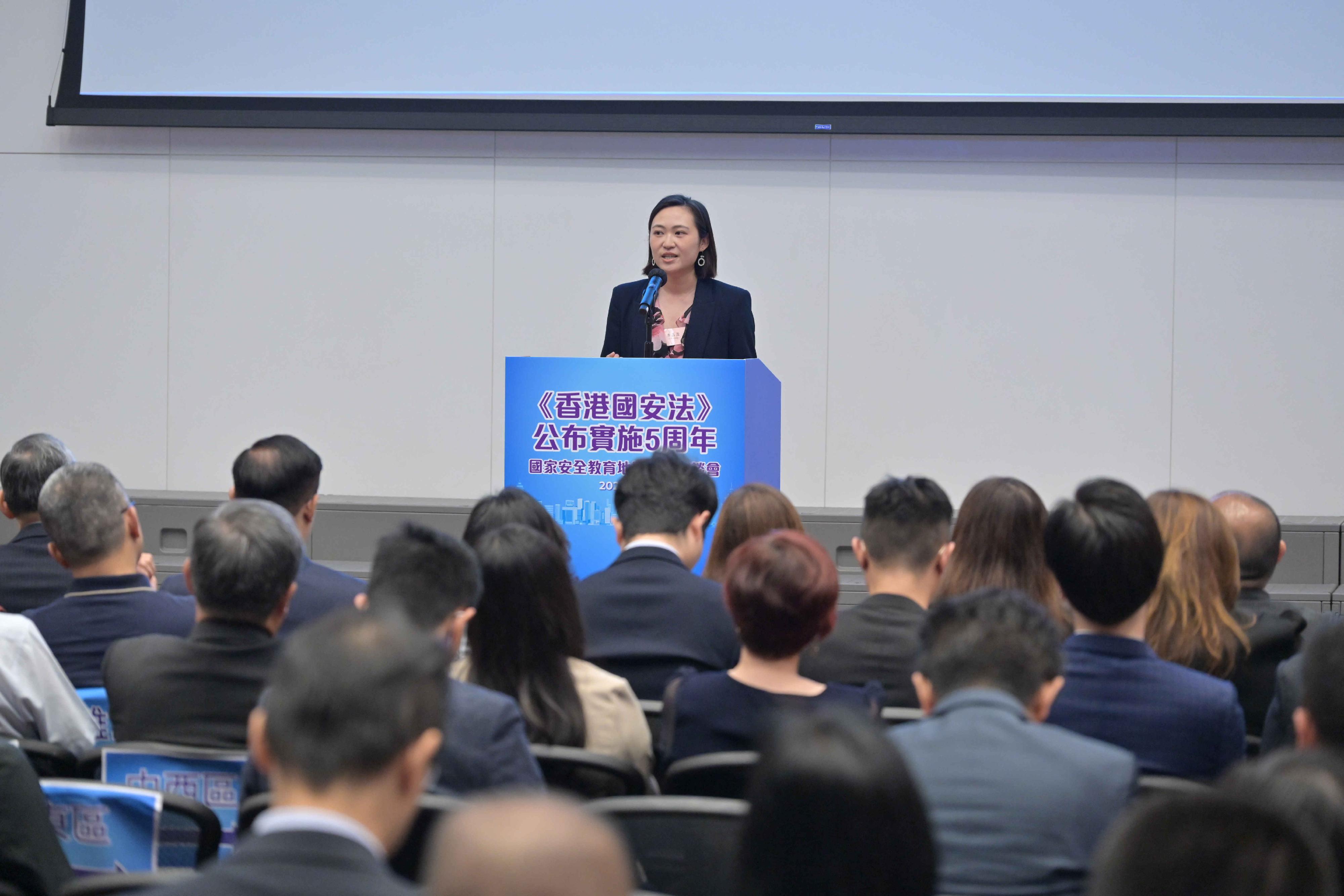
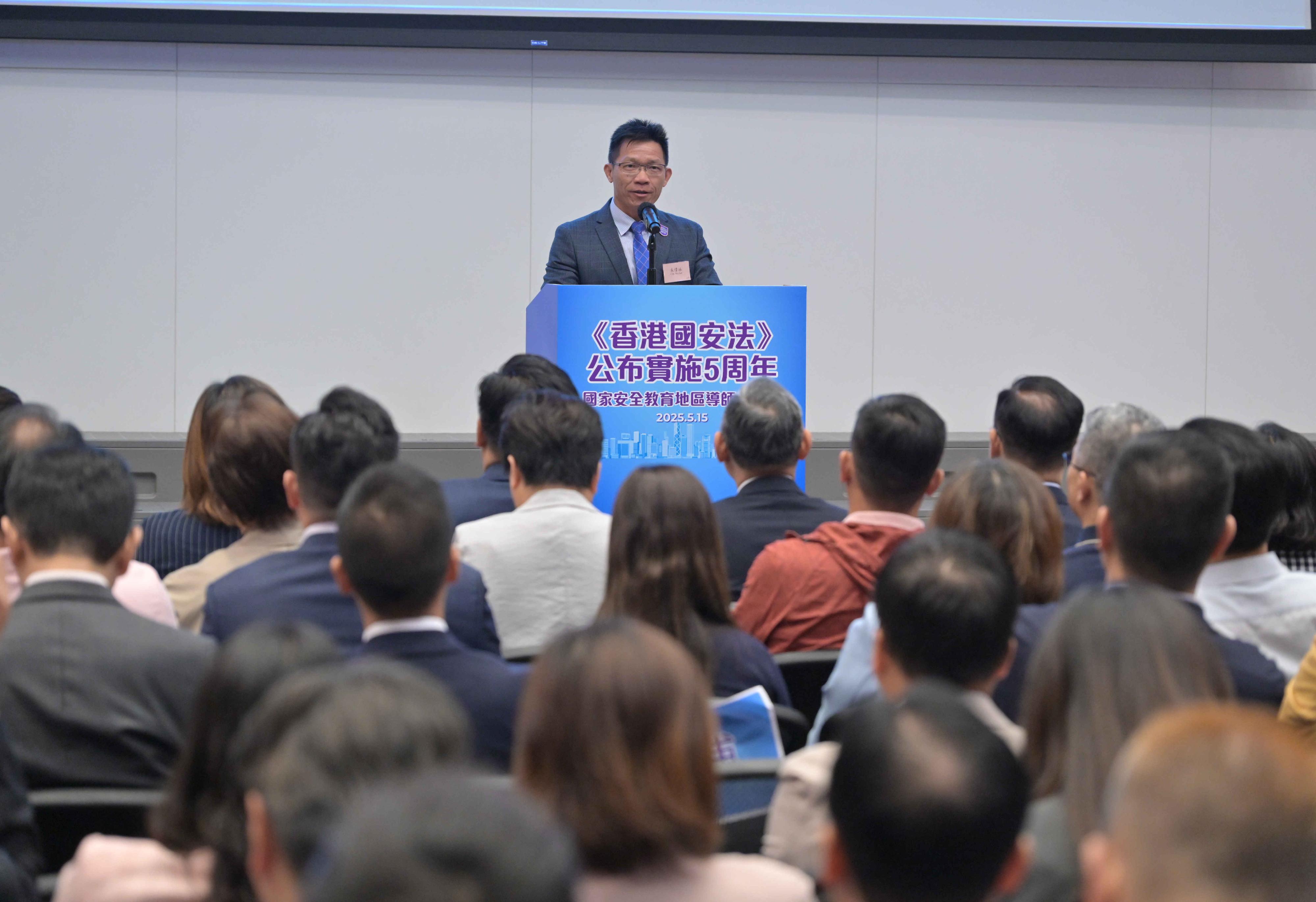
     In addition, district tutors Miss Li Ka-ying and Mr Chu Wai-lam shared their valuable experiences in promoting national security education and raising public awareness of national security in the community. The two of them expressed that they will continue to serve as a connection between the Government and the community. By using their network, they can reach people from all walks of life and convey national security messages in a lively manner, thereby cultivating people’s sense of patriotism and jointly protecting their beautiful home – Hong Kong.
      
     The Chief Executive proposed in the 2023 Policy Address to train tutors at the district level for promoting national security education in the community. The Government launched the National Security Education District Tutor Training Scheme in November 2024, aiming to strengthen community participation through the scheme, hoping that the scheme can actively encourage all citizens to understand a holistic approach to national security and the significance of safeguarding national security, thereby fostering a collective commitment to uphold it and ultimately building a safe and stable social environment.

Photo  Photo  Photo  Photo  Photo  Photo  
read more