image_pdfimage_print

Author Archives: hksar gov

Consumer Price Indices for February 2025

     The Census and Statistics Department (C&SD) released today (March 20) the Consumer Price Index (CPI) figures for February 2025. According to the Composite CPI, overall consumer prices rose by 1.4% in February 2025 over the same month a year earlier, smaller than the corresponding increase (2.0%) in January 2025. Netting out the effects of all Government’s one-off relief measures, the year-on-year rate of increase in the Composite CPI (i.e. the underlying inflation rate) in February 2025 was 1.1%, also smaller than that in January 2025 (1.6%). The smaller increase in February 2025 was mainly due to the high base of comparison stemming from the Chinese New Year falling in February last year, in particular food prices and the charges for package tours.   

     It should be noted that consumer prices tend to show greater volatility in the first two months of a year due to the timing of the Chinese New Year. As the Chinese New Year fell in January this year but in February last year, the year-on-year comparison of the figures for January and February 2025 might have been affected by this factor to a certain extent. Taking the first two months of 2025 together to neutralise the effect of the Chinese New Year, the Composite CPI rose by 1.7% over a year earlier.  Netting out the effect of all Government’s one-off relief measures, the corresponding increase was 1.3%.

     On a seasonally adjusted basis, the average monthly rate of change in the Composite CPI for the 3-month period ending February 2025 was 0.0%, and that for the 3-month period ending January 2025 was 0.1%. Netting out the effects of all Government’s one-off relief measures, the corresponding rates of change were 0.0% and 0.1%.   

     Analysed by sub-index, the year-on-year rates of increase in the CPI(A), CPI(B) and CPI(C) were 2.0%, 1.2% and 1.0% respectively in February 2025, as compared to 2.5%, 1.7% and 1.7% respectively in January 2025.  Netting out the effects of all Government’s one-off relief measures, the year-on-year rates of increase in the CPI(A), CPI(B) and CPI(C) were 1.4%, 1.0% and 0.9% respectively in February 2025, as compared to 1.9%, 1.5% and 1.5% respectively in January 2025.   

     Taking the first two months of 2025 together, the year-on-year rates of increase in the CPI(A), CPI(B) and CPI(C) were 2.2%, 1.5% and 1.3% respectively. Netting out the effects of all Government’s one-off relief measures, the corresponding increases were 1.7%, 1.2% and 1.2% respectively.

     On a seasonally adjusted basis, for the 3-month period ending February 2025, the average monthly rates of change in the CPI(A), CPI(B) and CPI(C) were 0.1%, 0.0% and 0.1% respectively. The corresponding rates of change for the 3-month period ending January 2025 were 0.2%, 0.1% and 0.1% respectively. Netting out the effects of all Government’s one-off relief measures, the average monthly rates of change in the seasonally adjusted CPI(A), CPI(B) and CPI(C) for the 3-month period ending February 2025 were -0.1%, 0.0% and 0.0% respectively, and the corresponding rates of change for the 3-month period ending January 2025 were 0.0%, 0.1% and 0.1% respectively.   

     Amongst the various components of the Composite CPI, year-on-year increases in prices were recorded in February 2025 for alcoholic drinks and tobacco (20.9%), electricity, gas and water (13.3%), transport (2.6%), housing (1.6%), miscellaneous goods (1.4%), meals out and takeaway food (1.2%), and miscellaneous services (1.2%).   

     On the other hand, year-on-year decreases in the components of the Composite CPI were recorded in February 2025 for basic food (-1.9%), clothing and footwear (-1.9%), and durable goods (-1.1%).   

     For the 3 months ending February 2025, the Composite CPI rose by 1.6% over a year earlier, while the CPI(A), CPI(B) and CPI(C) rose by 2.1%, 1.5% and 1.3% respectively. The corresponding increases after netting out the effects of all Government’s one-off relief measures were 1.3%, 1.6%, 1.2% and 1.1% respectively.   

     For the 12 months ending February 2025, the Composite CPI was on average 1.7% higher than that in the preceding 12-month period. The respective increases in the CPI(A), CPI(B) and CPI(C) were 2.1%, 1.5% and 1.4% respectively. The corresponding increases after netting out the effects of all Government’s one-off relief measures were 1.1%, 1.2%, 1.1% and 1.2% respectively. 

Commentary

     A Government spokesman said that the underlying consumer price inflation stayed modest in early 2025. Taking the first two months of 2025 together to remove the effect due to the different timing of the Chinese New Year, which fell in late January this year but around mid-February last year, the underlying Composite CPI increased by 1.3% over a year earlier, same as the increase in December 2024. Price pressures on various major components stayed largely contained.

     Looking ahead, overall inflation should remain moderate in the near term.  Domestic costs pressures might increase somewhat as the economy continues to grow. External price pressures should remain broadly in check, though uncertainties stemming from geopolitical tensions and trade conflicts continue to warrant attention.

Further information

     The CPIs and year-on-year rates of change at section level for February 2025 are shown in Table 1. The time series on the year-on-year rates of change in the CPIs before and after netting out the effects of all Government’s one-off relief measures are shown in Table 2. For discerning the latest trend in consumer prices, it is also useful to look at the changes in the seasonally adjusted CPIs. The time series on the average monthly rates of change during the latest 3 months for the seasonally adjusted CPIs are shown in Table 3. The rates of change in the original and the seasonally adjusted Composite CPI and the underlying inflation rate are presented graphically in Chart 1.

     More detailed statistics are given in the “Monthly Report on the Consumer Price Index”. Users can browse and download this publication at the website of the C&SD (www.censtatd.gov.hk/en/EIndexbySubject.html?pcode=B1060001&scode=270).

     For enquiries about the CPIs, please contact the Consumer Price Index Section of the C&SD (Tel: 3903 7374 or email: cpi@censtatd.gov.hk). read more
Winning garden plots on display at Hong Kong Flower Show (with photos)

     The Hong Kong Flower Show 2025, currently running at Victoria Park, is displaying the winning entries of the Leisure and Cultural Services Department (LCSD)’s Western and Oriental Style Garden Plot Competitions, in addition to beautiful floral arrangements and horticultural works. The competition winners are:
 
     Oriental Style Garden Plot Competition
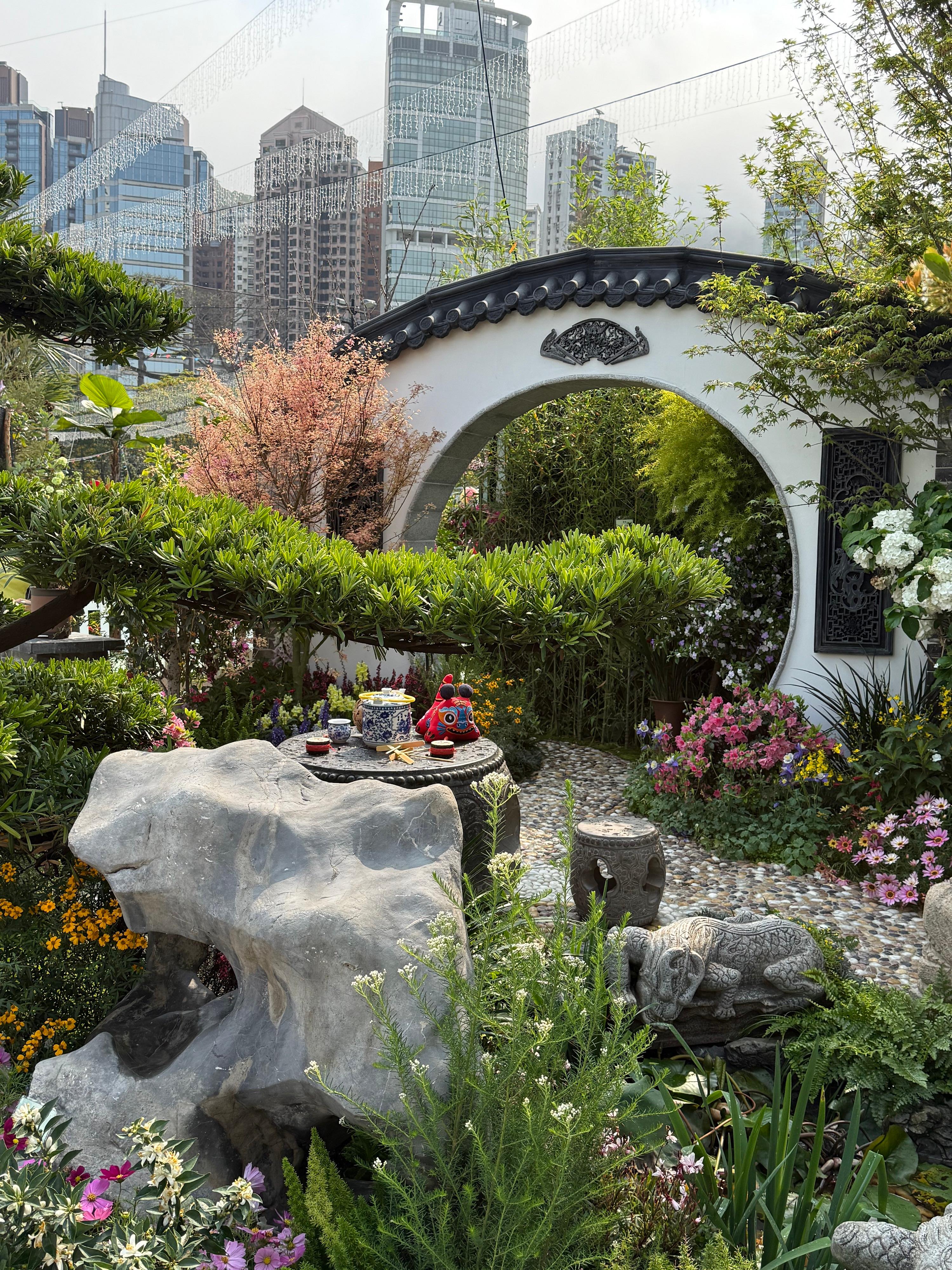
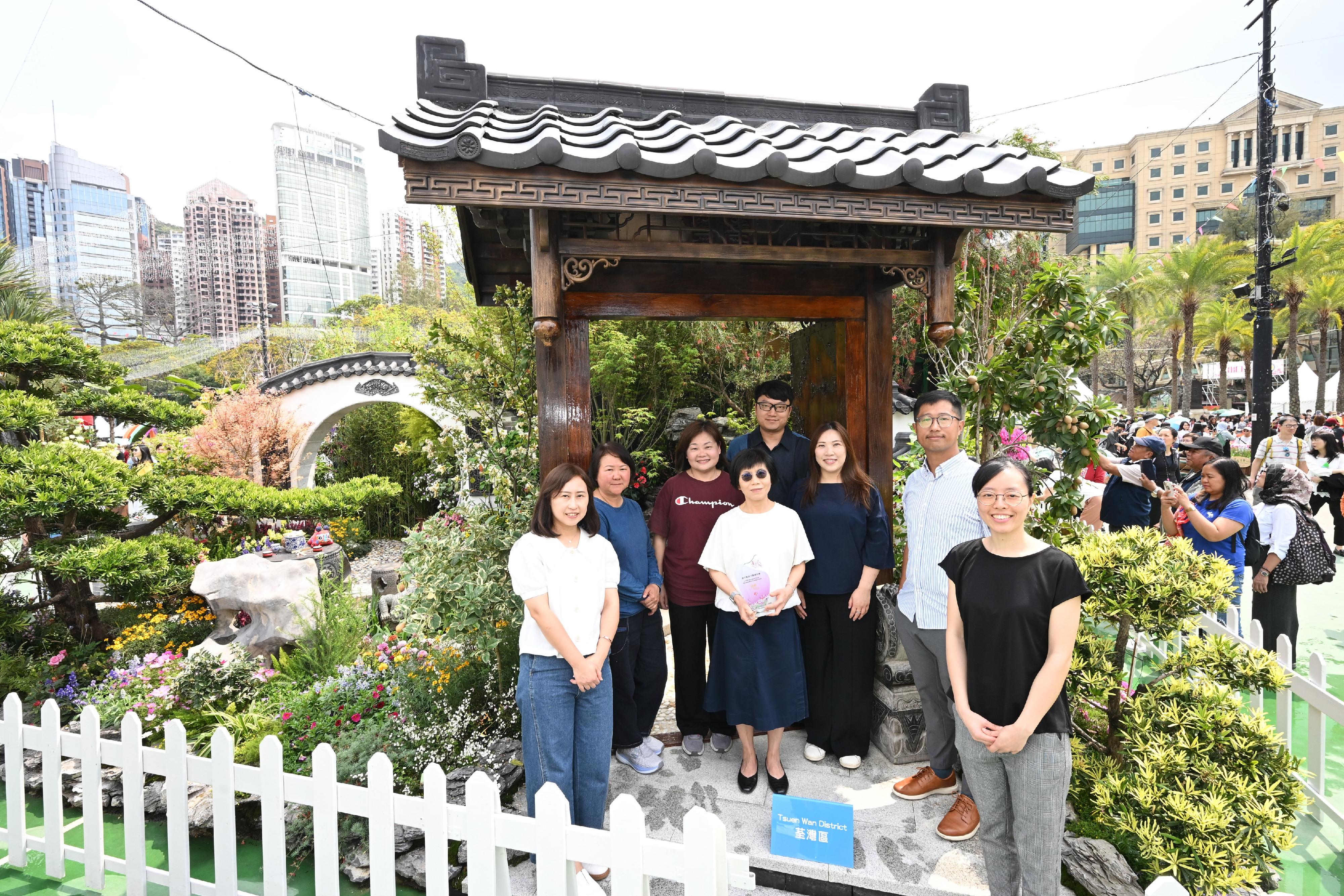
     Champion: Tsuen Wan District’s “A Jiangnan Residence”
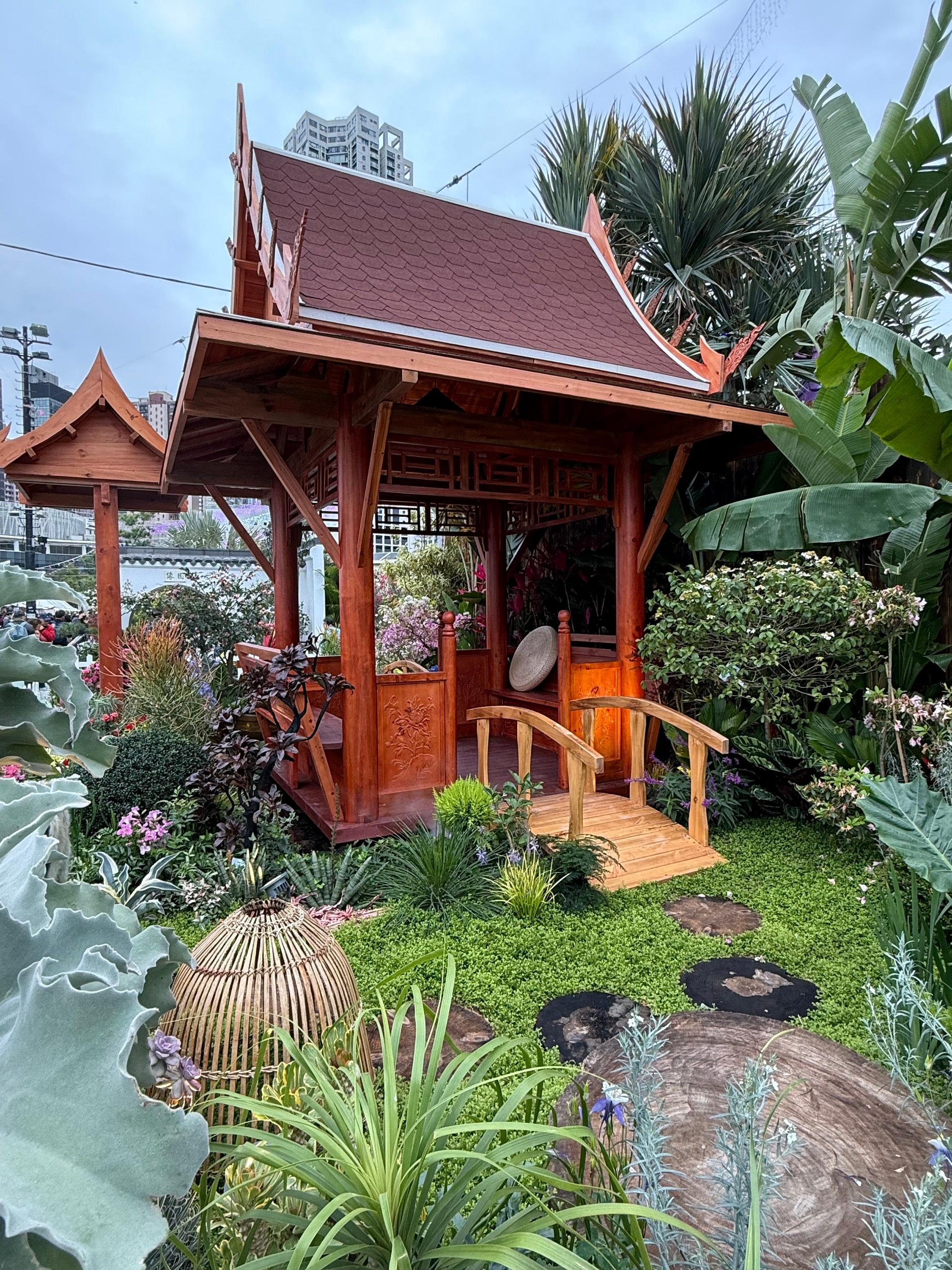
     Environmental Award: Kwai Tsing District’s “The Blissful Valley”
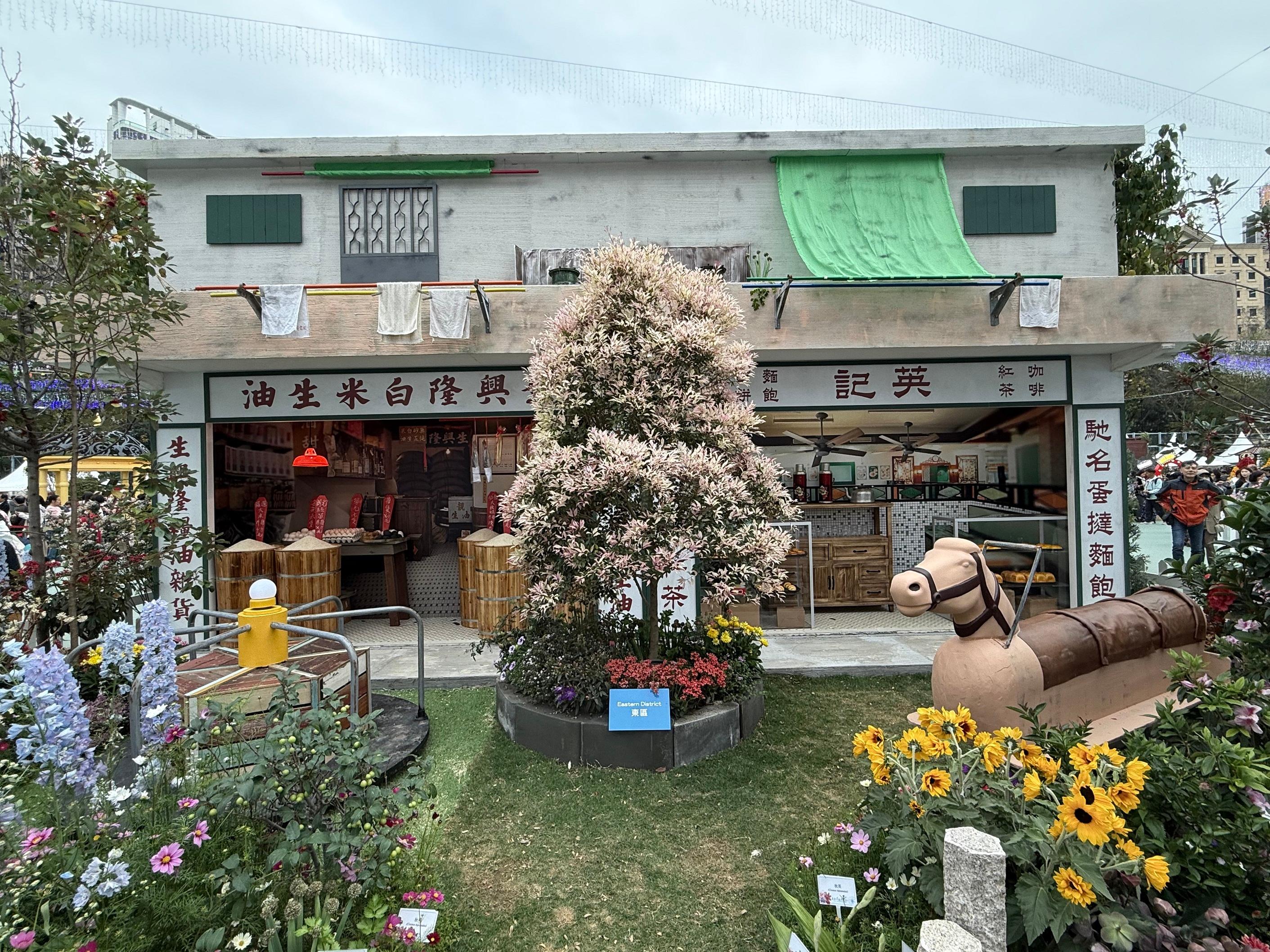
     Most Creative Award: Eastern District’s “The Cherished Days of Hong Kong”
 
     Western Style Garden Plot Competition
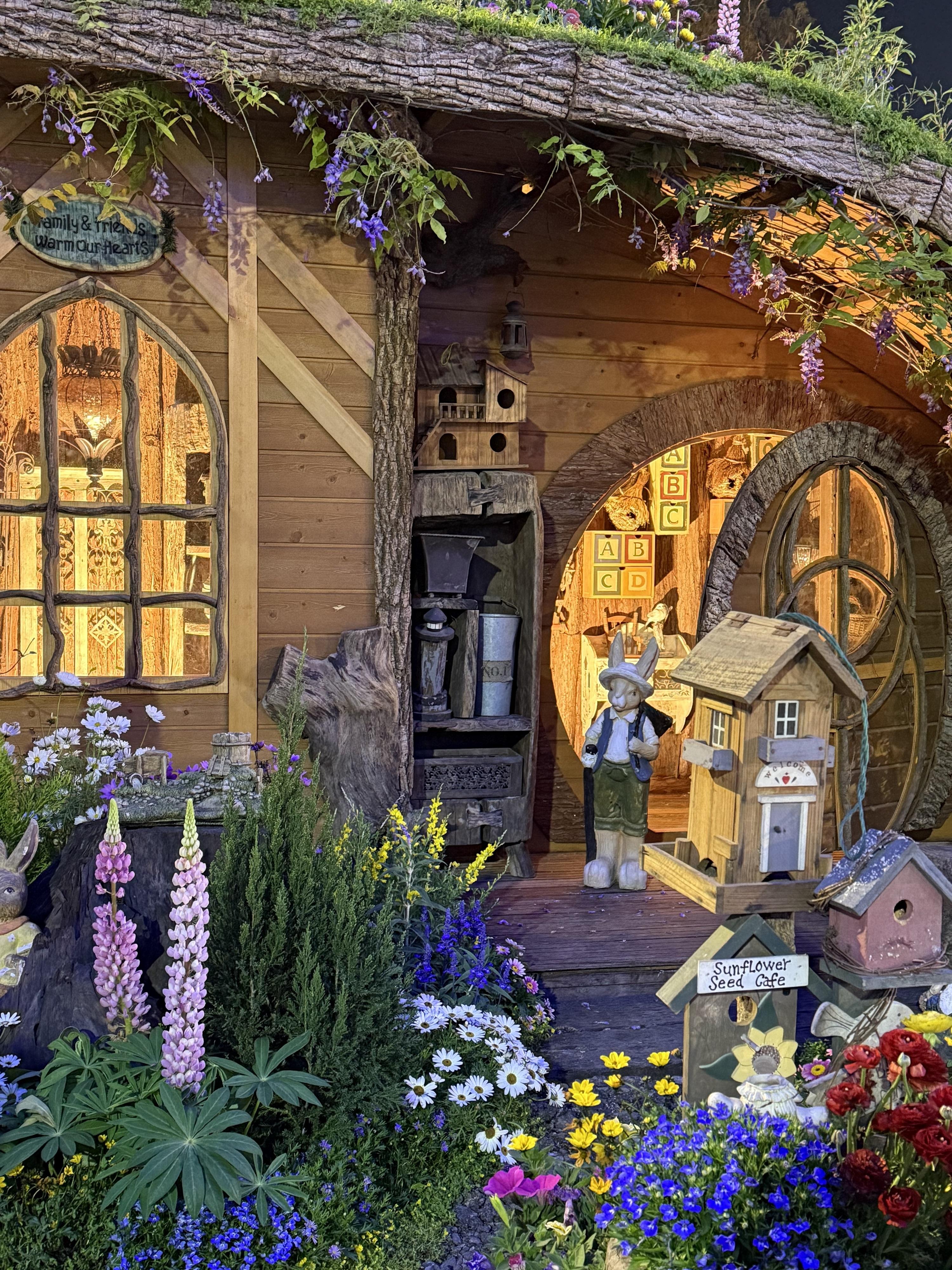
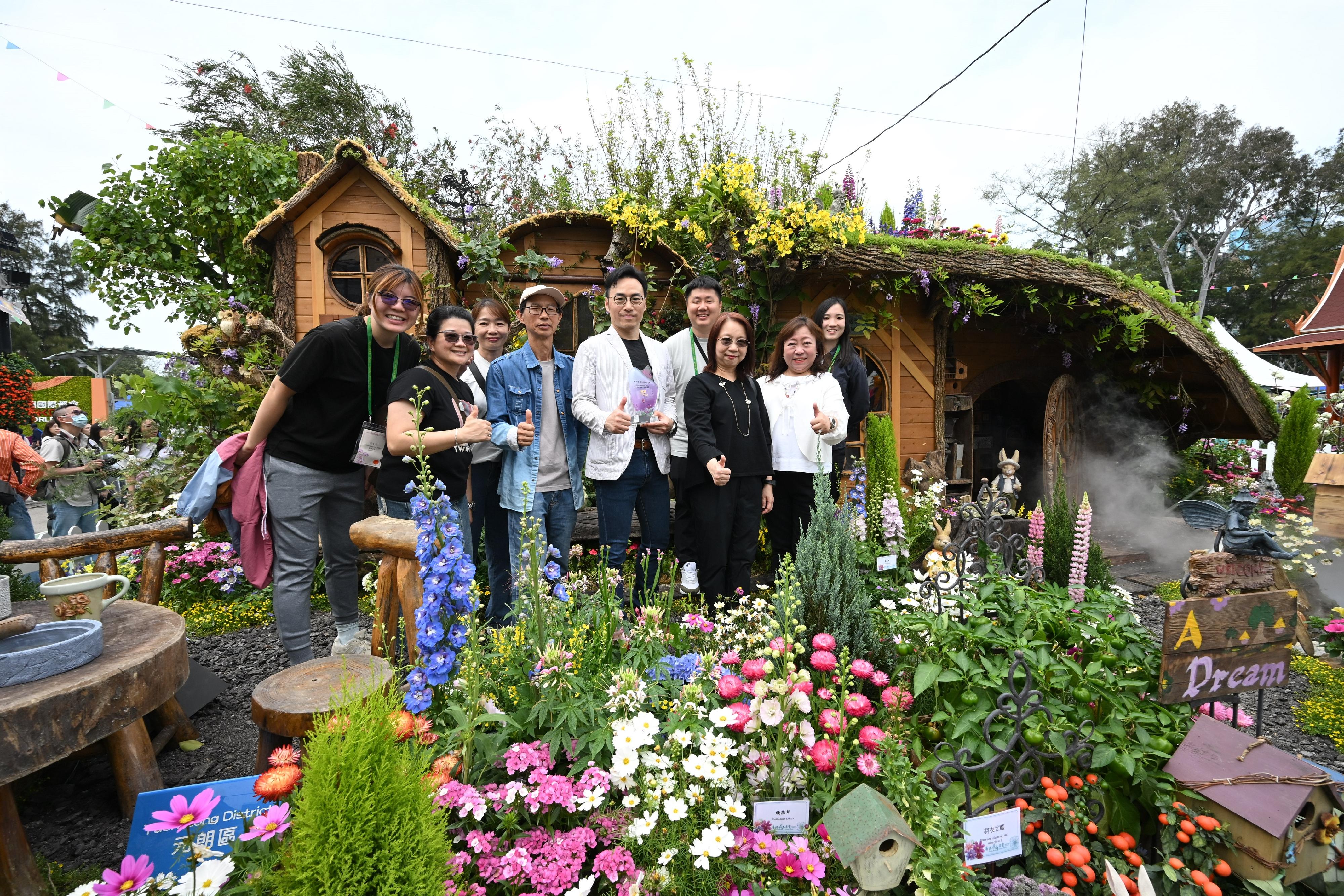
     Champion: Yuen Long District’s “The Happy Cottage”
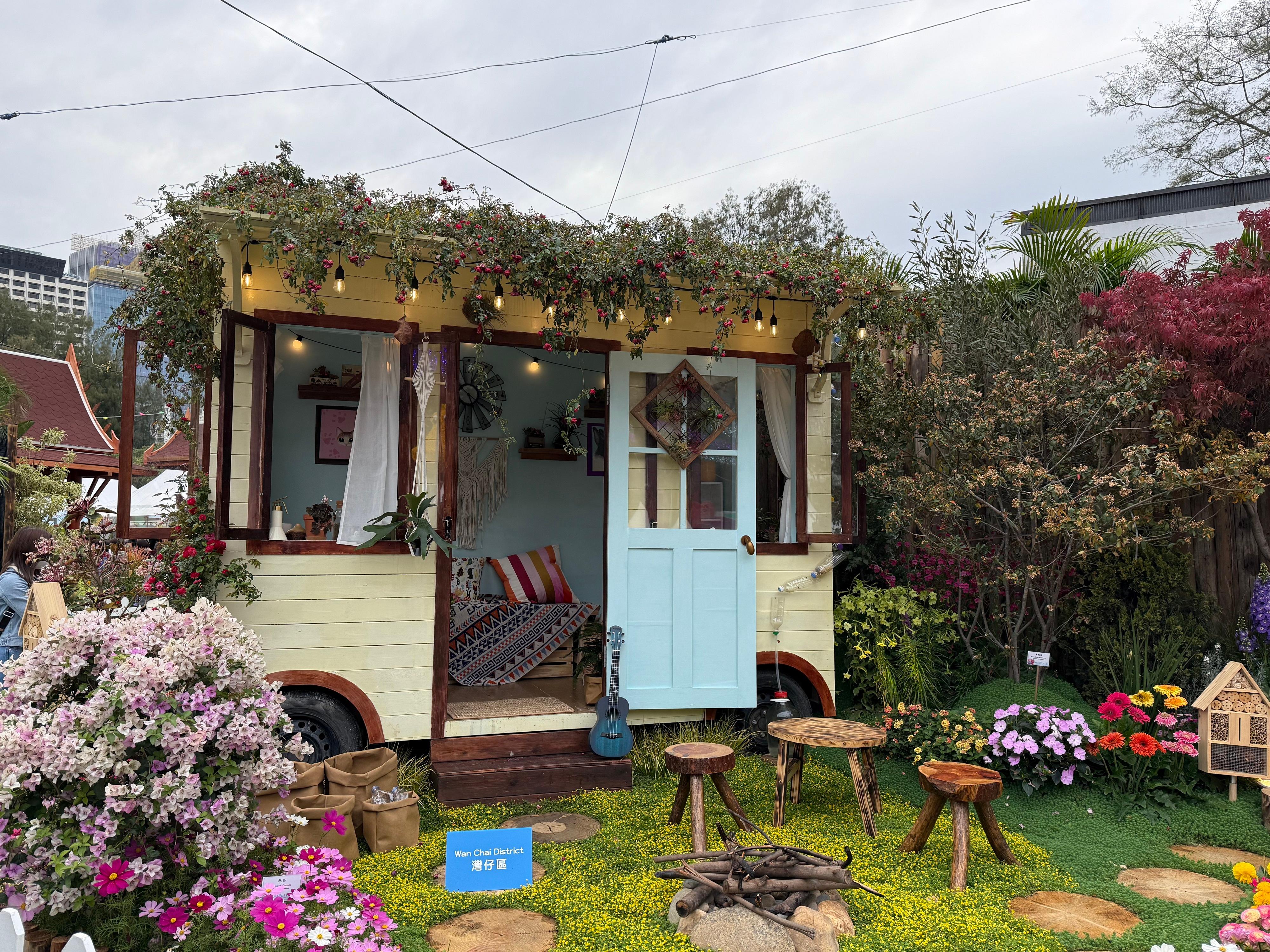
     Environmental Award: Wan Chai District’s “Joyful Wanderlust”
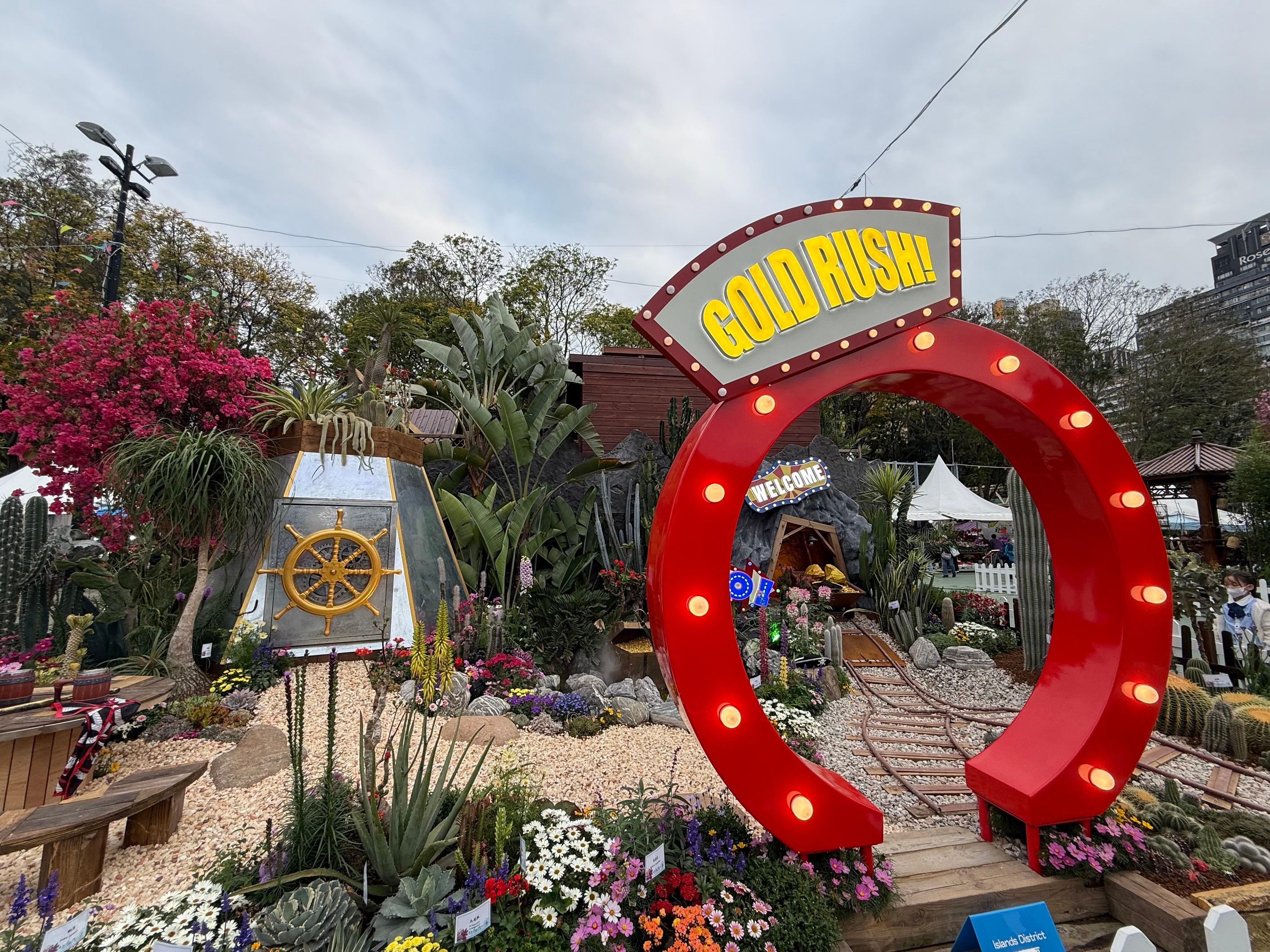
     Most Creative Award: Islands District’s “Treasure Hunt Adventure”
 
     The design of Tsuen Wan District’s “A Jiangnan Residence” adopts natural elements including rockeries and water features adorned with a stone bridge, stone sculptures, a stone table and an archway, enriching the serene landscape. Featuring myriad lush flowers and trees with complementary colour tones, this plot showcases the beauty of harmony in nature.
 
     Kwai Tsing’s garden, with the theme of “The Blissful Valley”, is inspired by gardens in northern Thailand. To support going green, this plot uses recyclable and environmentally friendly materials, including a meditation platform and seat pads made of fallen trees after a typhoon. Such a design epitomises the traditional philosophy of merging nature with everyday living. 
 
     Eastern District’s “The Cherished Days of Hong Kong” is inspired by the resettlement estates of Hong Kong in the past. The plot, displaying small shops and playground equipment of the old days, is filled with common plants and adorned with vigorously coloured cosmos, vividly telling the stories of Hong Kong. In addition, the use of green materials also creates a nostalgic atmosphere reminiscent of those cherished days.
 
     Yuen Long District’s “The Happy Cottage” depicts the theme of a dwarves’ garden. To allow visitors to immerse in its beauty, the plot is planted with fragrant spring flowers, vegetation and trees, while the winding path and gurgling water create a lively atmosphere that brims with the joy of nature.
 
     Wan Chai District’s “Joyful Wanderlust” features the joy of an outing with family and friends. The garden, featuring a caravan adorned with flowers and a camp table, is surrounded by lush greenery and vibrant blossoms.
 
     The design of Islands District’s “Treasure Hunt Adventure” features tropical flowers and plants brimming with dazzling colours to create an exotic Caribbean charm. In addition, a treasure trove featuring flowing water is set up with treasure chests scattered around. The landscape is made with recycled zinc panels and discarded wood to show support to the principle of going green.
 
     All entries in the Garden Plot Competitions were meticulously designed by staff of the District Leisure Services Offices of the LCSD. Members of the public can visit the flower show to enjoy the above winning entries and other garden plot designs. Meanwhile, the flower show is hosting the “My Most Favourite Garden Plot” online voting campaign (www.hkflowershow.hk/en/hkfs/2025/voting.html), encouraging voters to choose their favourites from the garden plots of the 18 districts at the show, with a chance of winning free air tickets.
 
     The flower show, with some 400 000 flowering plants on display, is running until this Sunday (March 23) from 9am to 9pm daily. A rich diversity of educational and recreational fringe activities are also being held for the enjoyment of visitors of all ages.
 
     The flower show is organised by the LCSD. The Hong Kong Jockey Club Charities Trust has supported the Flower Show since 2013 and has been its major sponsor since 2014. For more details of the show and its admission fee arrangements, please visit the webpage (www.hkflowershow.hk/en/hkfs/2025/index.html) or call 2601 8260 for enquiry.

Photo  Photo  Photo  Photo  Photo  Photo  Photo  Photo  
read more

Inspection of aquatic products imported from Japan

     In response to the Japanese Government’s plan to discharge nuclear-contaminated water at the Fukushima Nuclear Power Station, the Director of Food and Environmental Hygiene issued a Food Safety Order which prohibits all aquatic products, sea salt and seaweeds originating from the 10 metropolis/prefectures, namely Tokyo, Fukushima, Ibaraki, Miyagi, Chiba, Gunma, Tochigi, Niigata, Nagano and Saitama, from being imported into and supplied in Hong Kong.
 
     For other Japanese aquatic products, sea salt and seaweeds that are not prohibited from being imported into Hong Kong, the Centre for Food Safety (CFS) of the Food and Environmental Hygiene Department is conducting comprehensive radiological tests to verify that the radiation levels of these products do not exceed the guideline levels before they are allowed to be supplied in the market.
 
     As the discharge of nuclear-contaminated water is unprecedented and will continue for 30 years or more, the Government will closely monitor the situation and continue to implement the enhanced testing arrangements. Should anomalies be detected, the Government does not preclude further tightening the scope of the import ban.
 
     From noon on March 19 to noon today (March 20), the CFS conducted tests on the radiological levels of 109 food samples imported from Japan, which were of the “aquatic and related products, seaweeds and sea salt” category. No sample was found to have exceeded the safety limit. Details can be found on the CFS’s thematic website titled “Control Measures on Foods Imported from Japan” (www.cfs.gov.hk/english/programme/programme_rafs/programme_rafs_fc_01_30_Nuclear_Event_and_Food_Safety.html).

     In parallel, the Agriculture, Fisheries and Conservation Department (AFCD) has also tested 50 samples of local catch for radiological levels. All the samples passed the tests. Details can be found on the AFCD’s website (www.afcd.gov.hk/english/fisheries/Radiological_testing/Radiological_Test.html).
 
     The Hong Kong Observatory (HKO) has also enhanced the environmental monitoring of the local waters. No anomaly has been detected so far. For details, please refer to the HKO’s website
(www.hko.gov.hk/en/radiation/monitoring/seawater.html).
 
     From August 24, 2023, to noon today, the CFS and the AFCD have conducted tests on the radiological levels of 123 701 samples of food imported from Japan (including 81 217 samples of aquatic and related products, seaweeds and sea salt) and 28 528 samples of local catch respectively. All the samples passed the tests. read more