Author Archives: hksar gov

Incoming passenger convicted and jailed for possession of duty-not-paid cigarettes (with photo)

     An incoming male passenger was sentenced to three weeks’ imprisonment with a fine of $1,500 at the Fanling Magistrates’ Courts today (June 6) for possessing duty-not-paid cigarettes and failing to declare them to Customs Officers, in contravention of the Dutiable Commodities Ordinance (DCO).

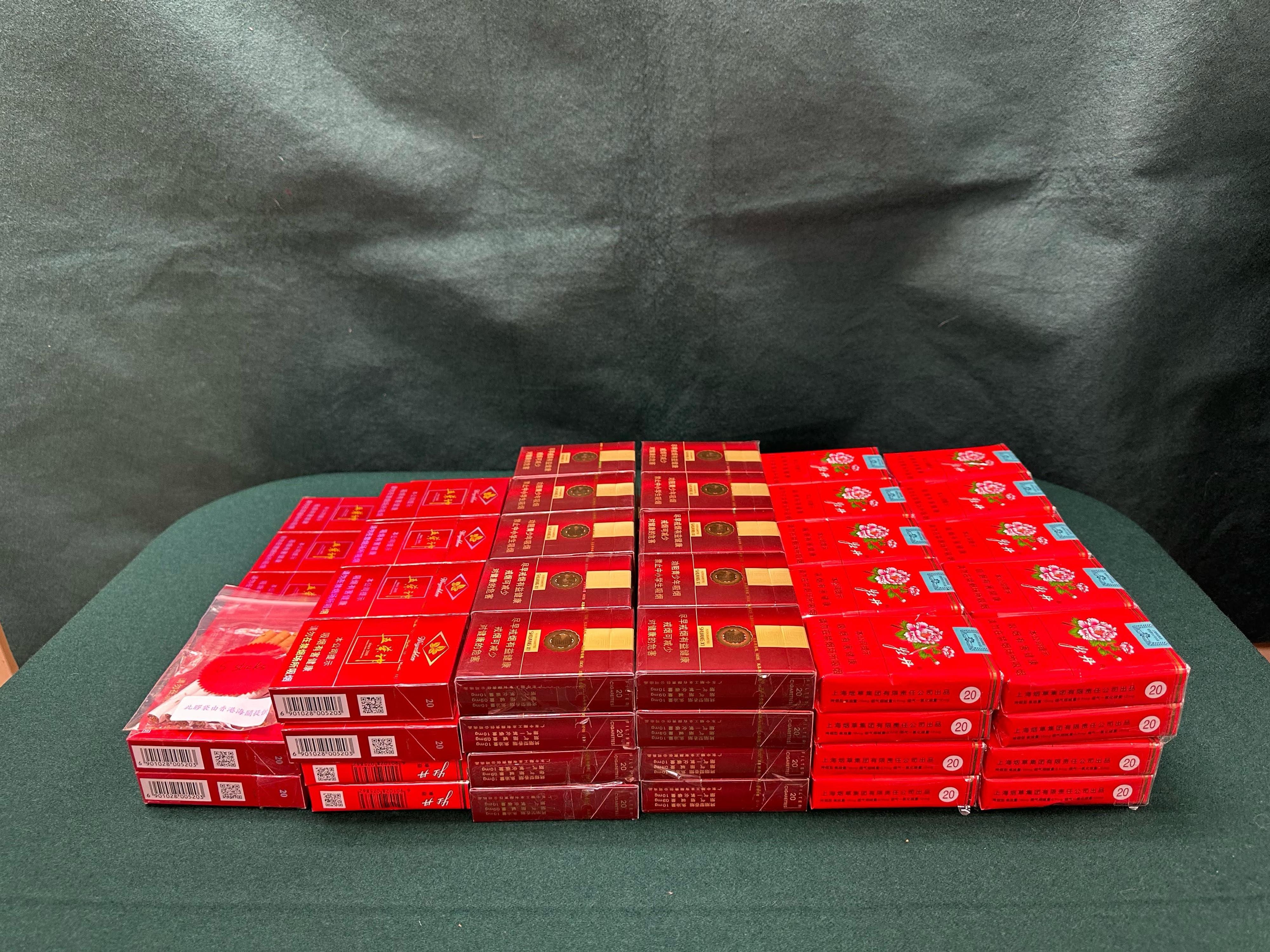
     Customs officers intercepted the incoming 59-year-old male passenger at the Lo Wu Control Point yesterday (June 5) and seized 2 185 duty-not-paid cigarettes with an estimated market value of about $8,900 and a duty potential of about $7,200 from his personal baggage. The passenger was subsequently arrested.

     Customs welcomes the sentence. The custodial sentence has imposed a deterrent effect and reflects the seriousness of the offences. Customs reminds members of the public that under the DCO, tobacco products are dutiable goods to which the DCO applies. Any person who deals with, possesses, sells or buys illicit cigarettes commits an offence. The maximum penalty upon conviction is a fine of $1 million and imprisonment for two years.

     Members of the public may report any suspected illicit cigarette activities to Customs’ 24-hour hotline 182 8080 or its dedicated crime-reporting email account (crimereport@customs.gov.hk) or online form (eform.cefs.gov.hk/form/ced002).

Photo  
read more

Town Planning Board visits Hangzhou and Shanghai (with photos)

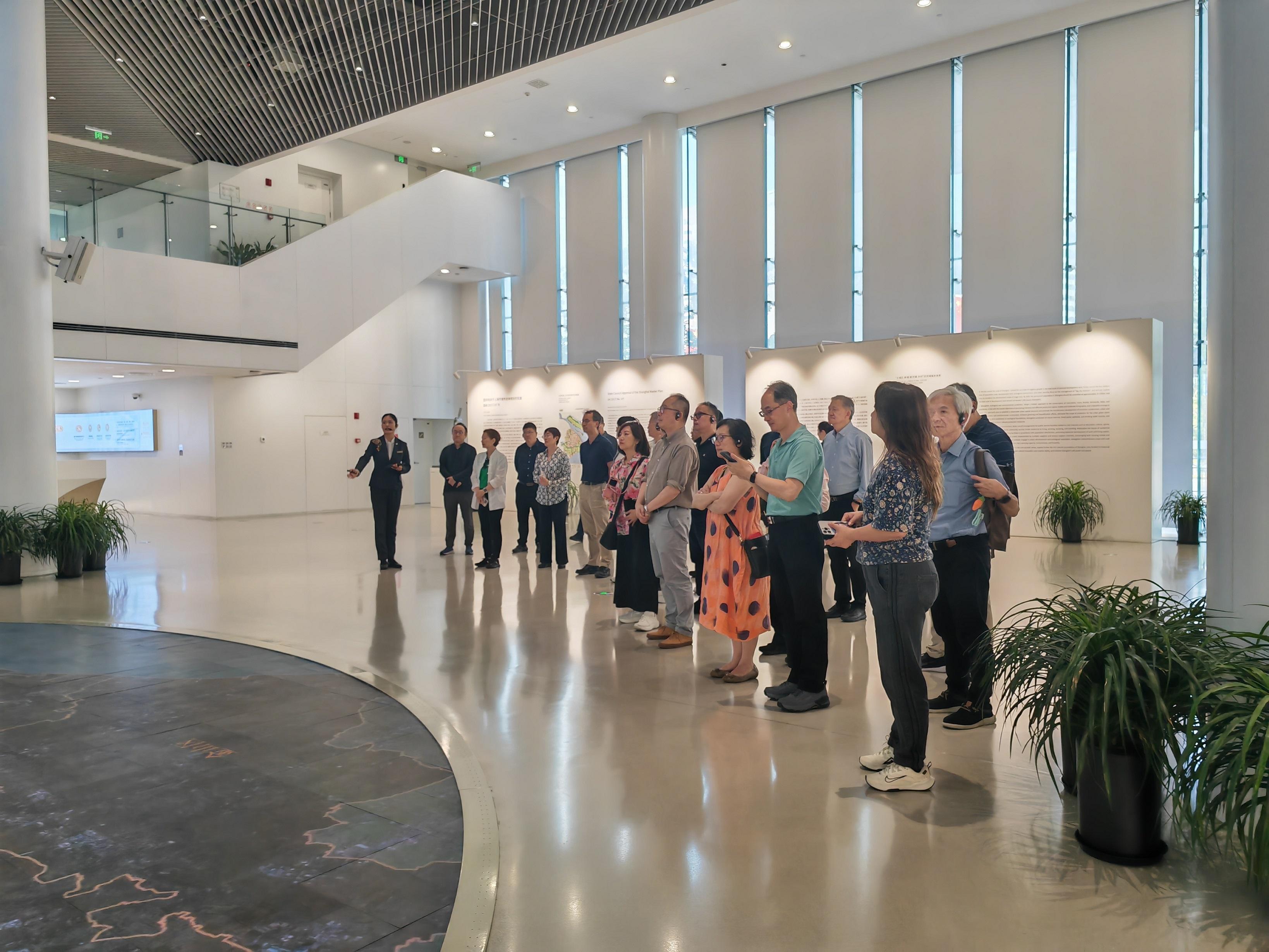
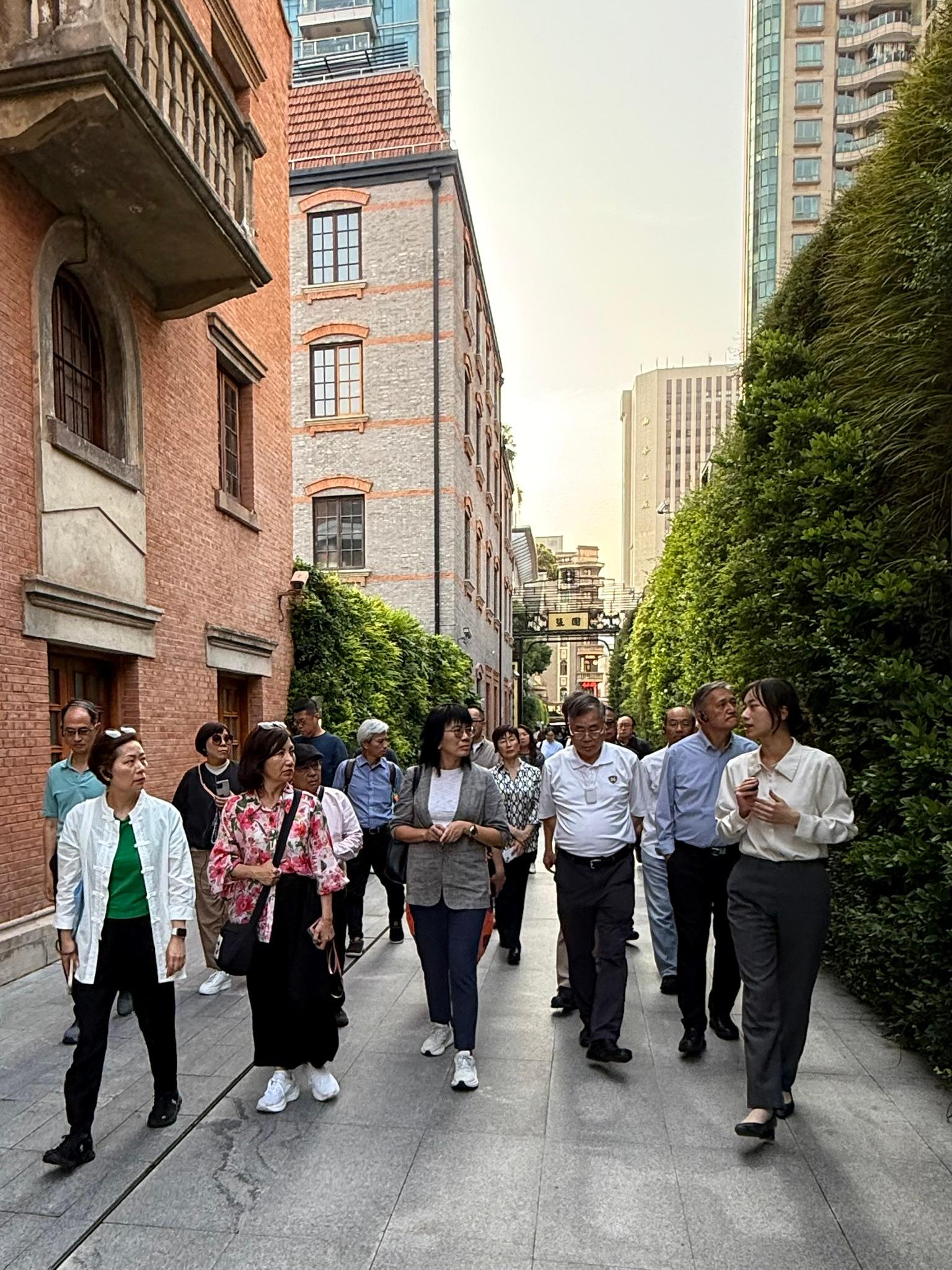
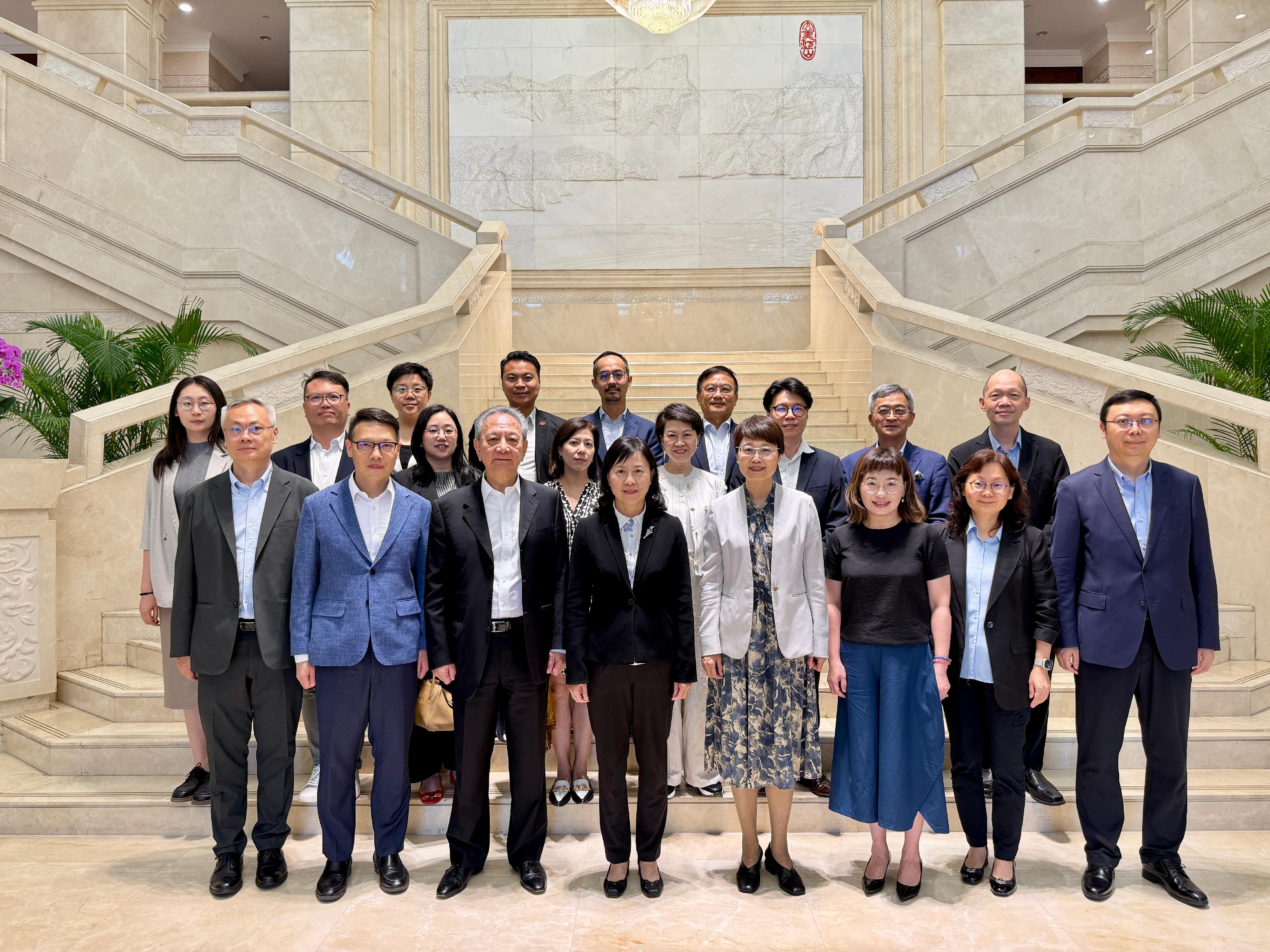
     â€‹The Town Planning Board (TPB) delegation visited Hangzhou and Shanghai from June 1 to 4 to better understand the prevailing urban planning and development of these cities. The delegation was led by the Chairperson of the TPB, i.e. the Permanent Secretary for Development (Planning and Lands), with representatives from the Planning Department and 19 members of the TPB.

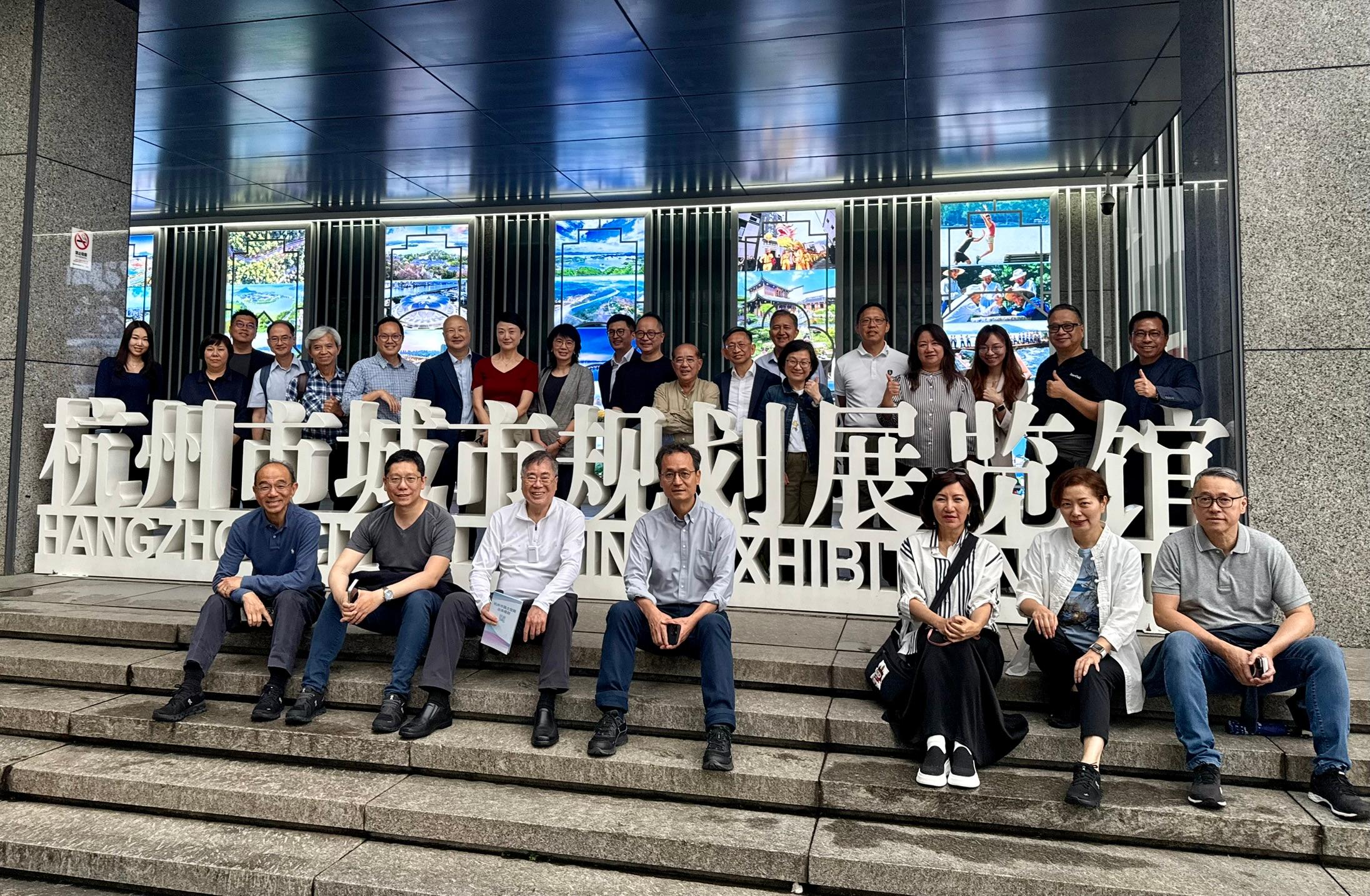
     During the first stop in Hangzhou, the delegation visited the Hangzhou City Planning Exhibition Hall and was briefed by representatives of the Hangzhou Bureau of Planning and Natural Resources on Hangzhou’s history, overall planning and future development direction, particularly Hangzhou’s emphasis on the digital economy, private enterprises and the talent attraction approach of its development strategy.
      
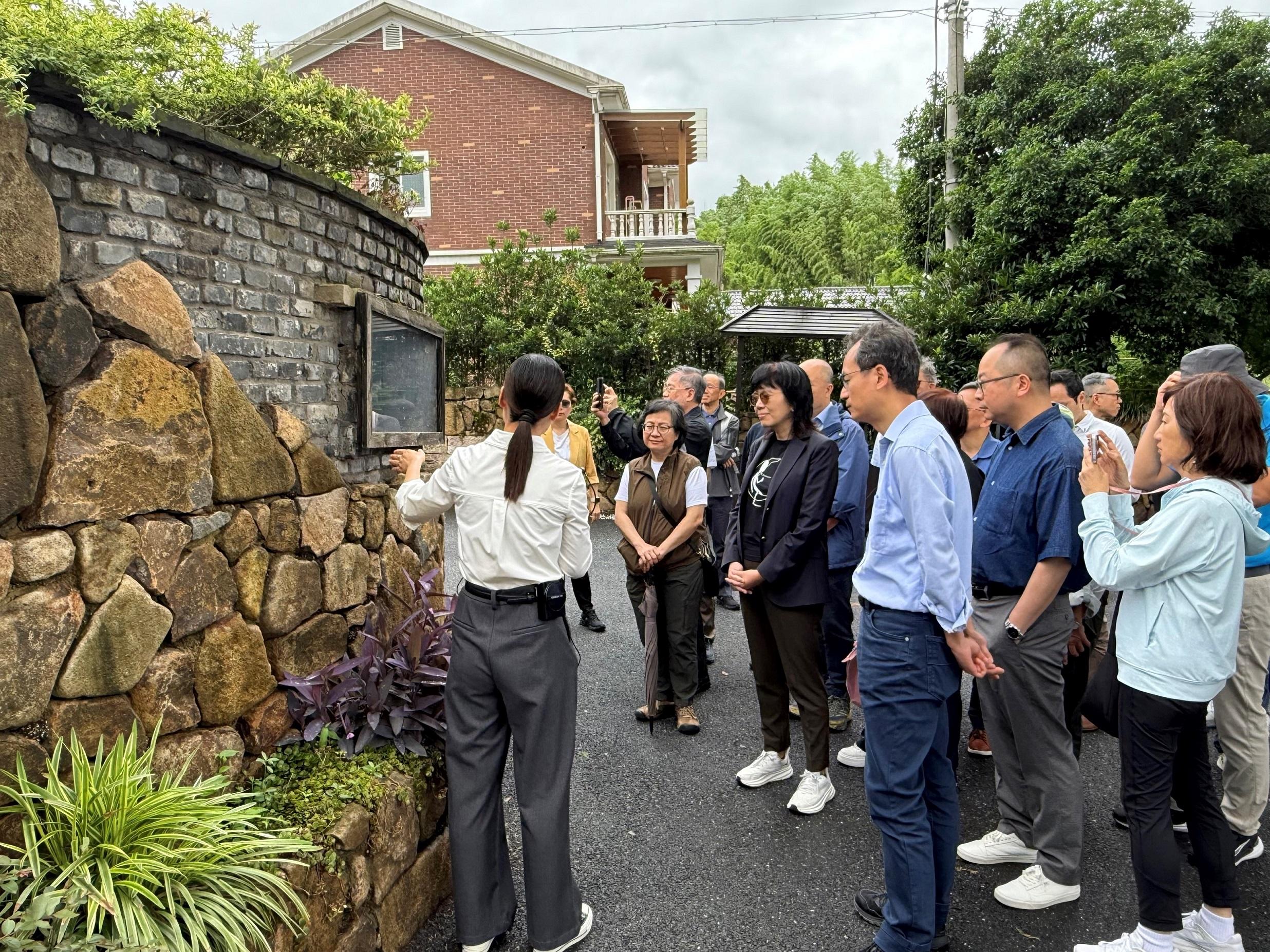
     To gain insights into successful experiences in urban-rural integration, the delegation visited Xiaogucheng Village in Jingshan Town, where the delegation learned the pivotal role of enterprises in rural revitalisation. By creating distinctive village houses and streetscapes, promoting an agricultural and tea culture, and converting some village homes into home-stay lodgings linked with surrounding attractions, the Village has been transformed into a new agri-cultural tourism destination. The delegation also visited the Xixi National Wetland Park, the first national wetland park in China, where the members observed its ecological protection projects, which presented a sustainable development model worthy of reference for Hong Kong.

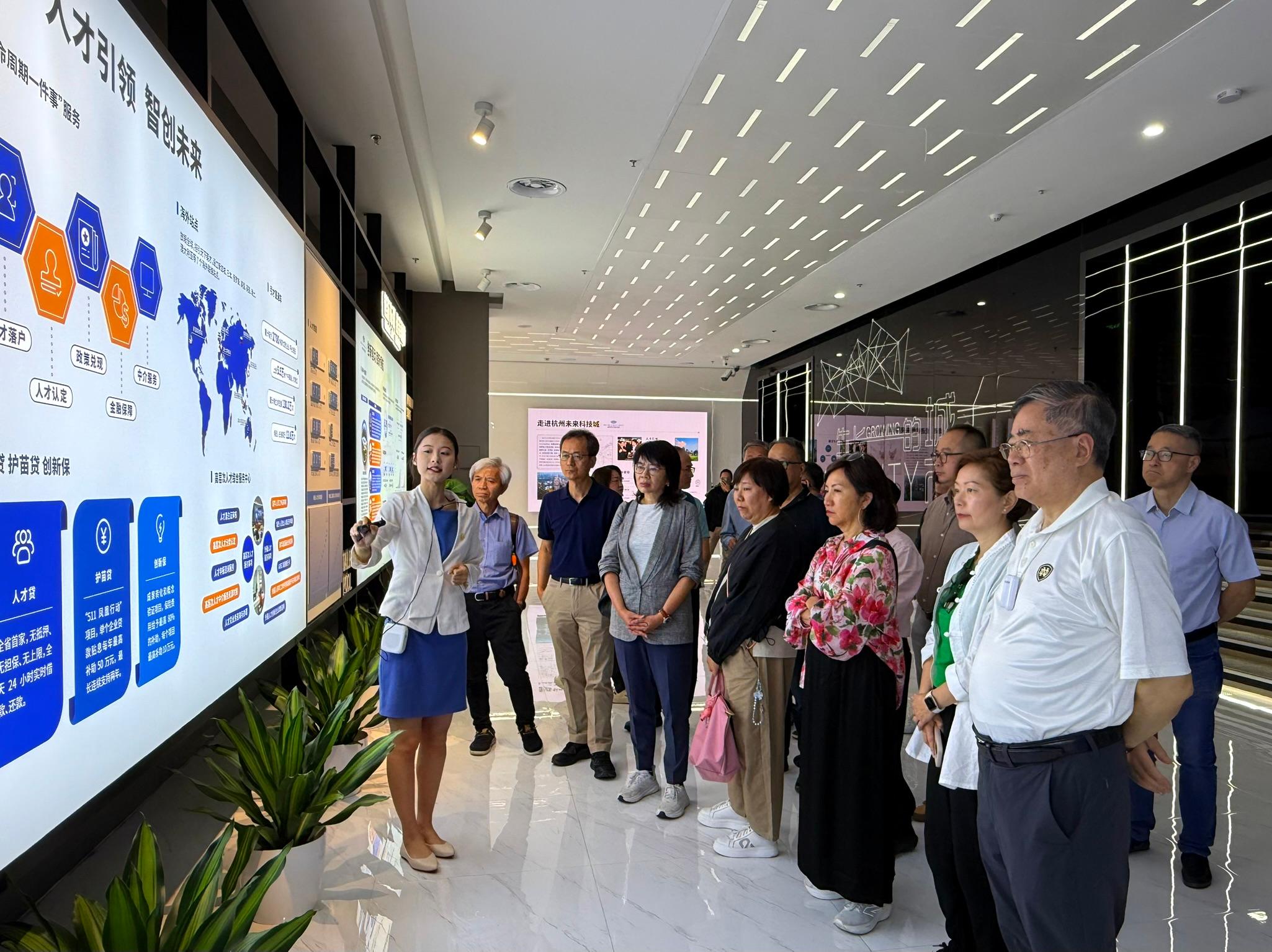
     The delegation then visited the Hangzhou Future Sci-Tech City Urban Exhibition Center to learn about Hangzhou’s advancements in areas of smart city technologies; AI, including developments and achievements; and applications of innovation and technology (I&T) enterprises such as Hangzhou’s “Six Little Dragons”. The delegation then visited the headquarters of Alibaba Group, where representatives of Alibaba introduced developments in fintech, cloud computing and smart logistics, as well as their synergies and global impacts on the digital economy and technology.
      
     The delegation then proceeded to visit Shanghai. Representatives of the Shanghai Municipal Bureau of Planning and Natural Resources introduced to the delegation the history, current status and future prospects of Shanghai’s urban planning, particularly Shanghai’s development strategy to solidify its status as a leading financial and commercial hub, while also shifting focus to develop its I&T and manufacturing/industrial sector in recent years. The delegation visited the century-old Zhang Yuan to learn more about its revitalisation through acquisition and preservation of structures without demolition, and relocation of occupants by the local government, with a view to effectively preserve the traditional cultural landscape of Shanghai.
      
     The delegation also visited the GrandneoBay Sci-tech Innovation Park of Shanghai Jiao Tong University (SJTU) where members learned how the research and development (R&D) platform facilitating the integration of industry, academia and research, as well as the local Government’s leading role in initiating innovation from 0 to 1, passing on to enterprises to drive scalability from 1 to 100. The key focus is to leverage the SJTU’s applied R&D achievements and combine the effort of the Government and the support of enterprises to provide capital assistance for the SJTU’s research talent to launch start-ups, transforming scientific achievements into marketable products and driving industrialisation. Finally, the delegation visited the assembly manufacturing centre of the Commercial Aircraft Corporation of China (COMAC) to learn about COMAC’s outstanding achievements and contributions in the manufacturing of large civil aircraft and the advancement of the aviation industry, particularly the advanced automated manufacturing processes and comprehensive monitoring systems, which impressed the delegation.

     This visit provided the delegation with an in-depth understanding of the latest urban planning and developments in Hangzhou and Shanghai, and facilitated valuable exchanges of experiences and views with relevant planning units and group organisations. The insights gained will serve as a valuable reference for future considerations on the development of the Northern Metropolis, innovative industries, wetland conservation, and urban-rural integration, etc.

Photo  Photo  Photo  Photo  Photo  
read more

STL visits Chongqing (with photos)

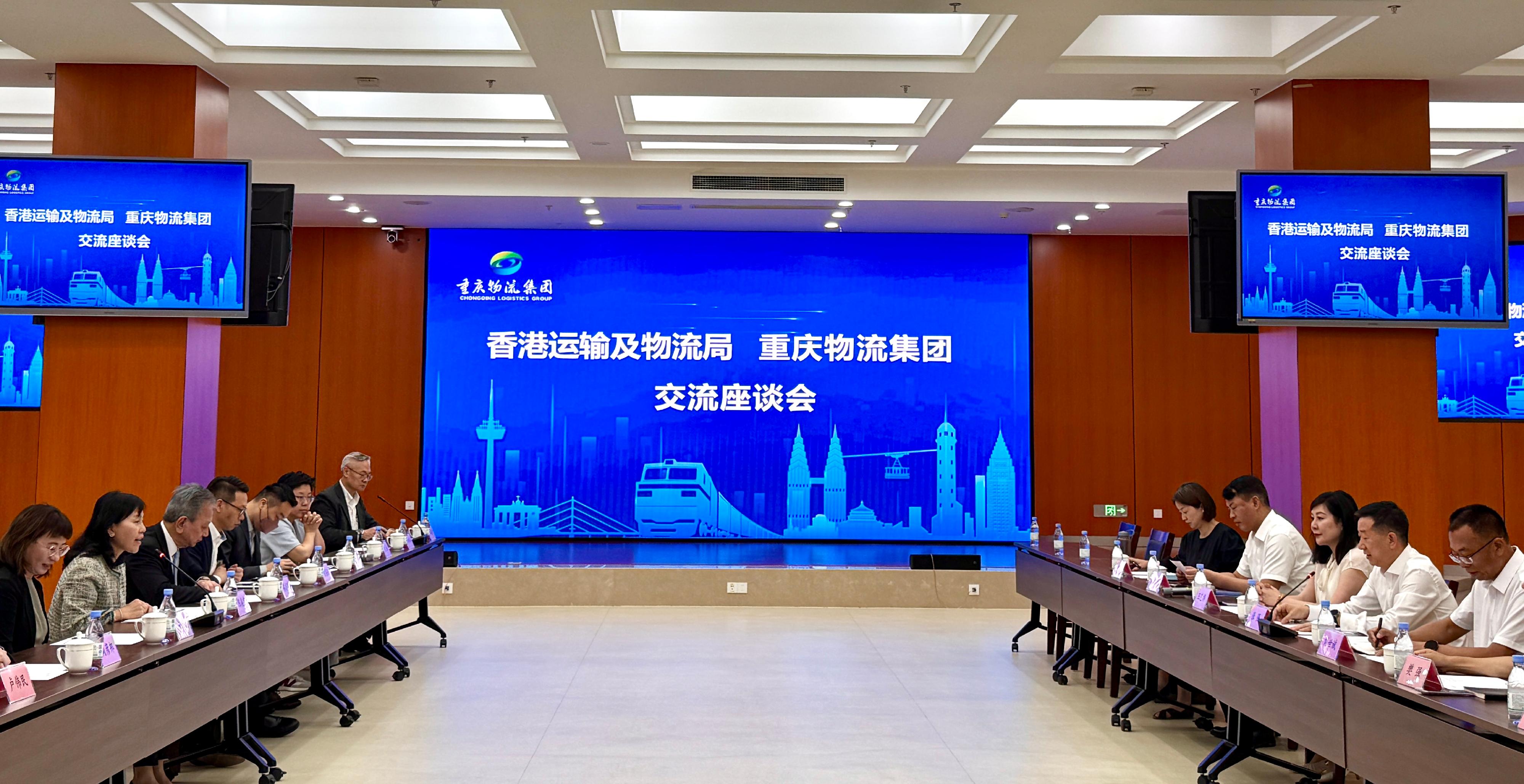
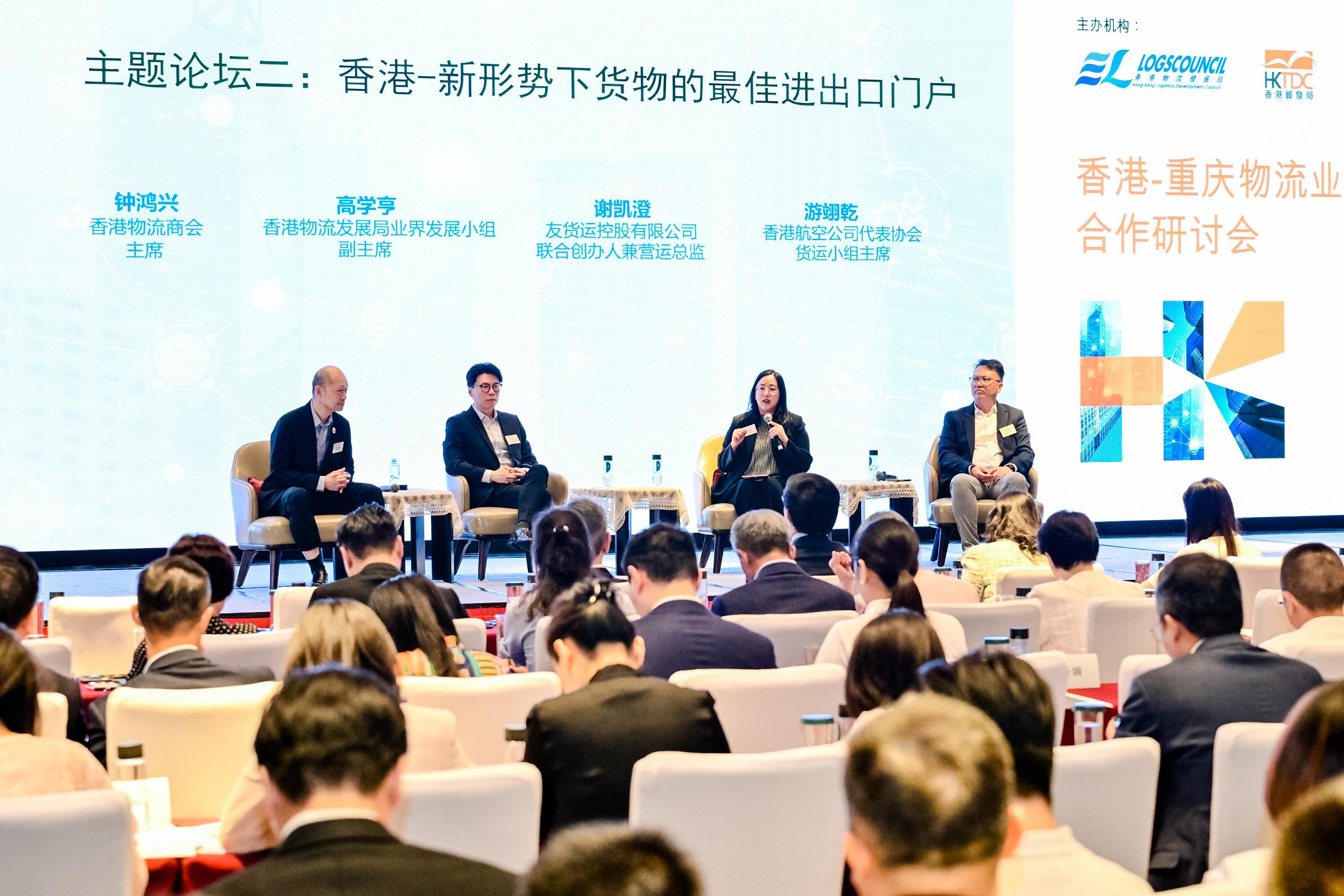
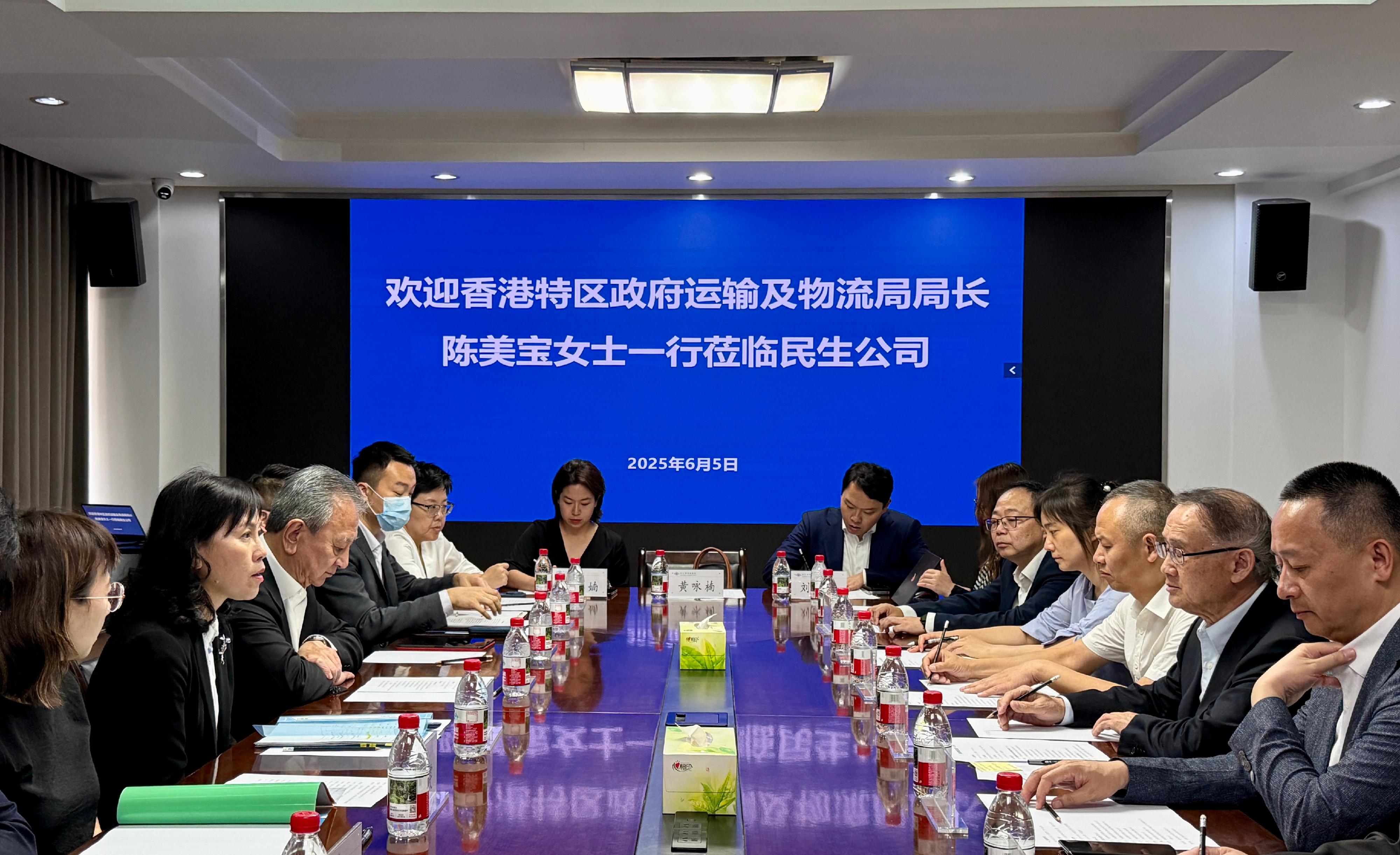
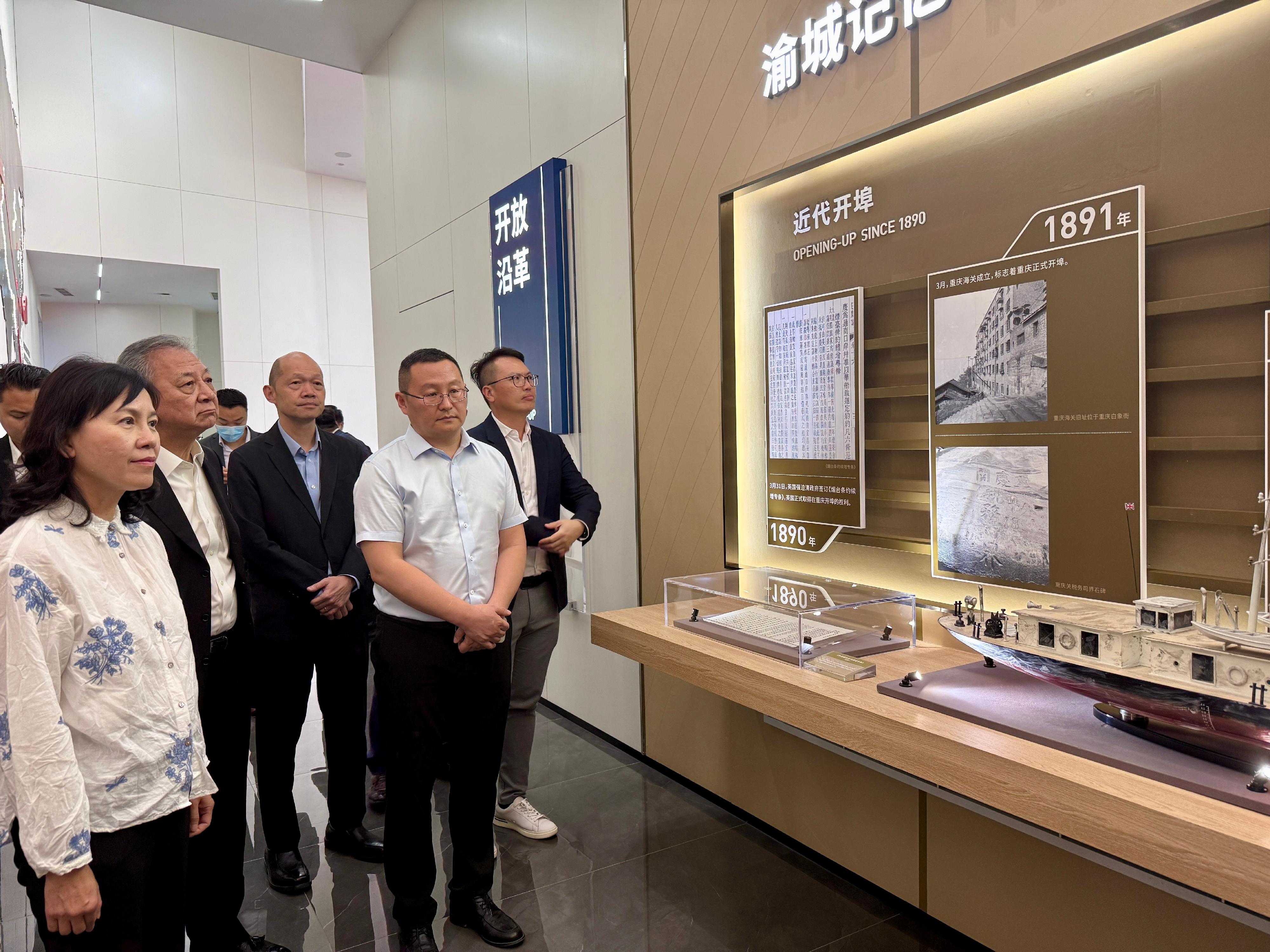
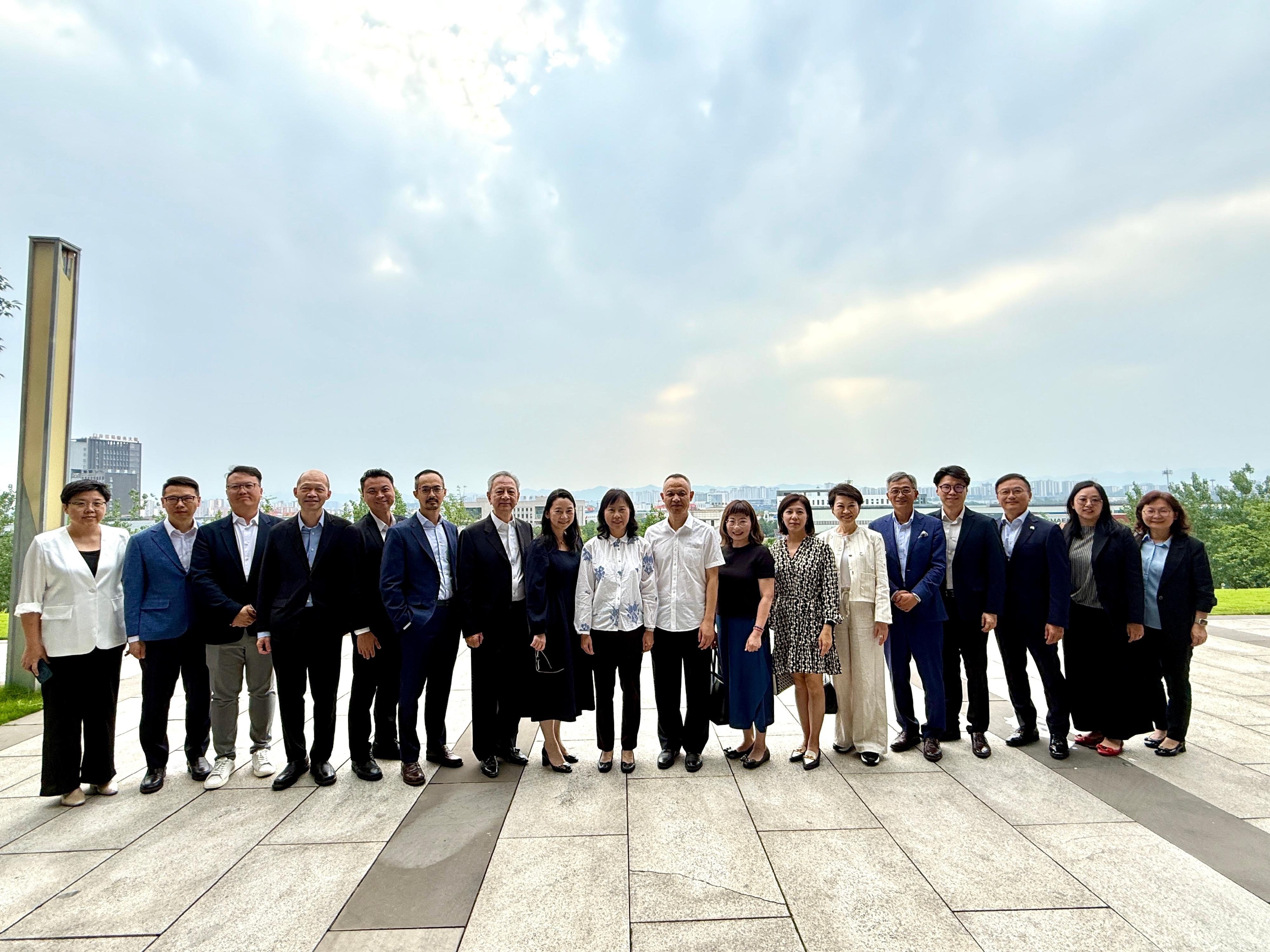
     The Secretary for Transport and Logistics, Ms Mable Chan, led members of the Hong Kong Logistics Development Council to visit Chongqing and met with local industry players to promote Hong Kong’s strengths in transport and logistics. The delegation also inspected local transport and logistics facilities to explore collaboration opportunities between Hong Kong and Chongqing.

     Ms Chan and her delegation met with Vice Mayor of Chongqing Municipal People’s Government Mr Zheng Xiangdong and other officials today (June 6) and reported the latest logistics developments in Hong Kong. They also had a discussion on further deepening co-operation in areas such as intermodal cargo transshipment and building Chongqing-Hong Kong logistics corridor under the establishment of the Hong Kong/Chongqing Co-operation Conference Mechanism, with a view to leveraging the strengths of the two hubs and serving the country’s needs.

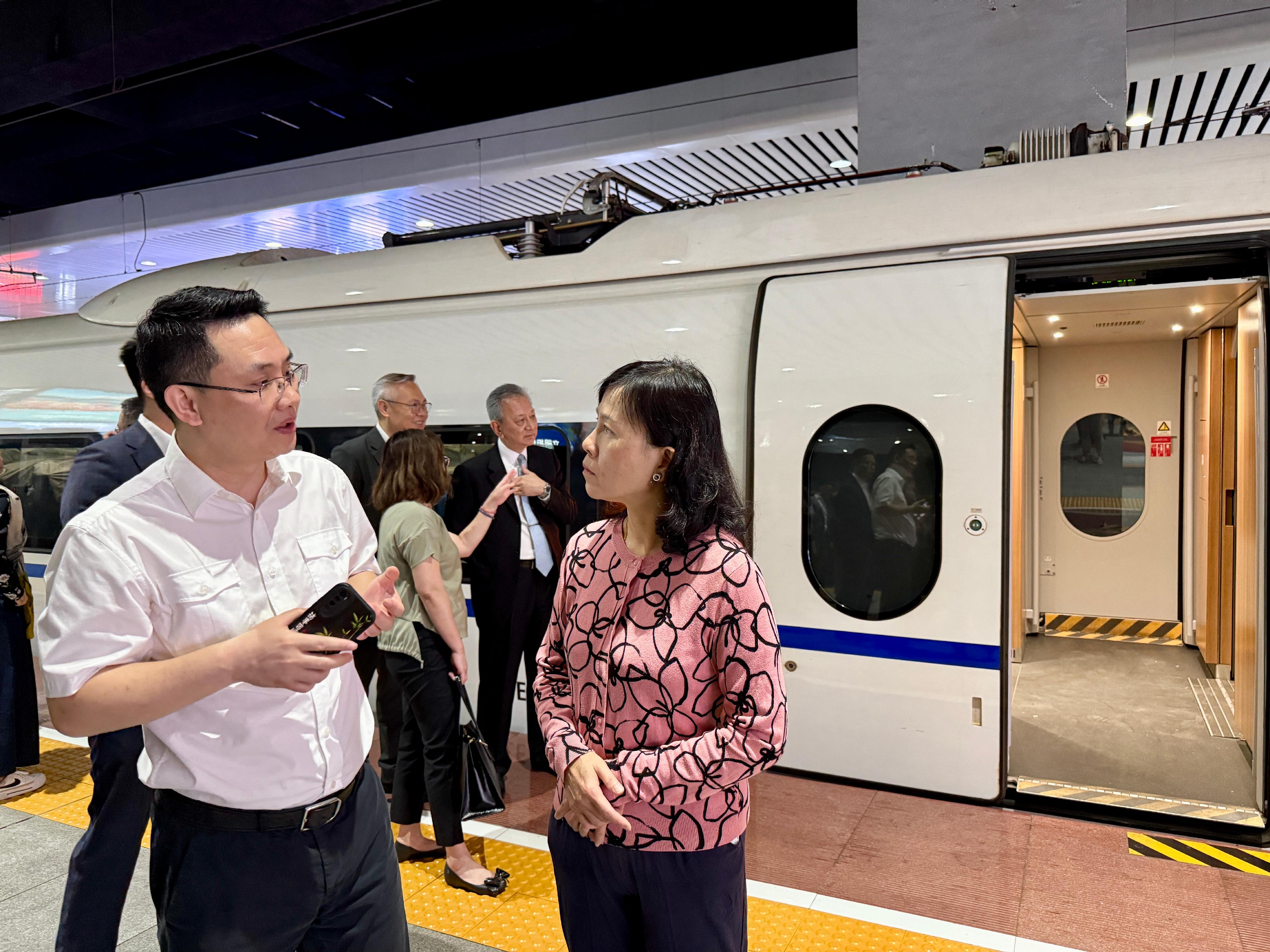
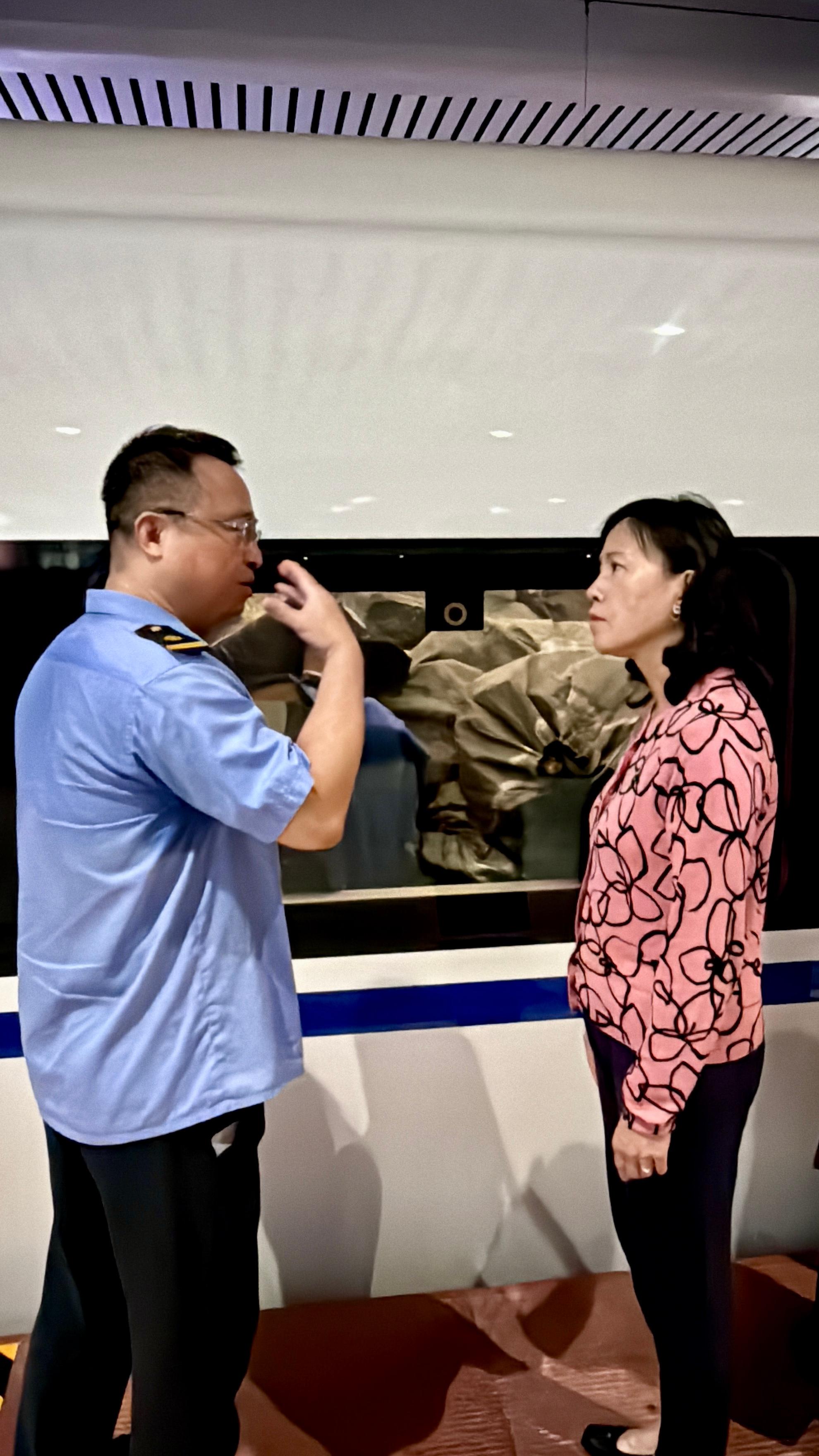
     The delegation also inspected the operations of high-speed rail freight services to gain insights into how Chongqing leverages its railway transport system, complemented by intermodal cargo transshipment modes such as air and sea transport, to enhance the overall rail freight service capacity. The delegation also met with representatives of local logistics and transportation enterprises to further explore collaboration opportunities between the two places.

     Ms Chan said that Hong Kong has long been Chongqing’s largest source of external investment, accounting for over 60 per cent of Chongqing’s actual foreign capital utilisation. On the trade front, Hong Kong is Chongqing’s second-largest trading partner, with the total value of imports and exports between the two cities reaching $57.5 billion in 2024, ranking first among Western provinces in terms of trade value. As an international aviation hub and maritime centre, Hong Kong is renowned for its high efficiency and fast customs clearance. Coupled with its professional strengths in talent, infrastructure and technology in handling diverse cargoes, Hong Kong can better serve Chongqing, a key manufacturing base of the country, by providing an efficient export channel for local goods.

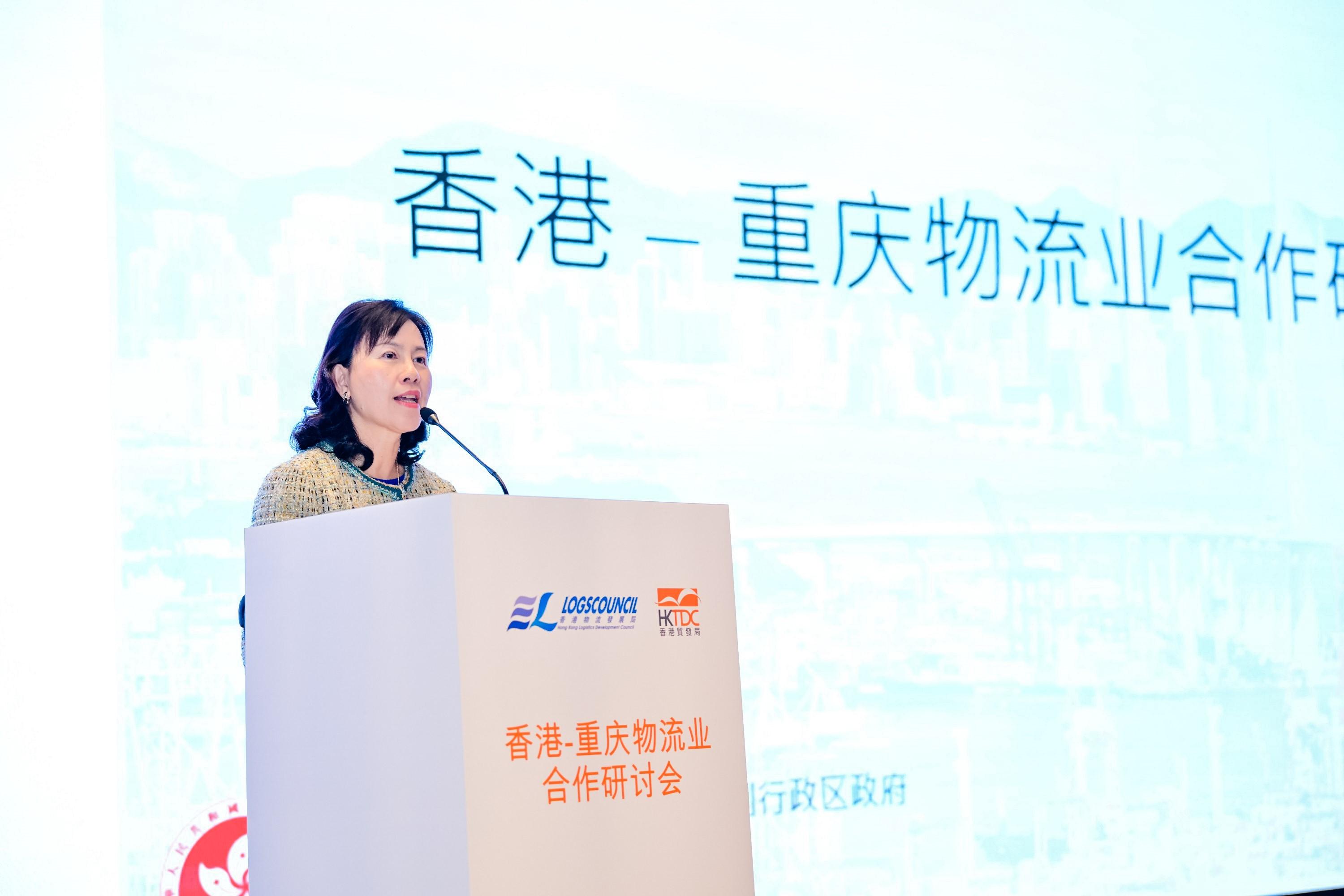
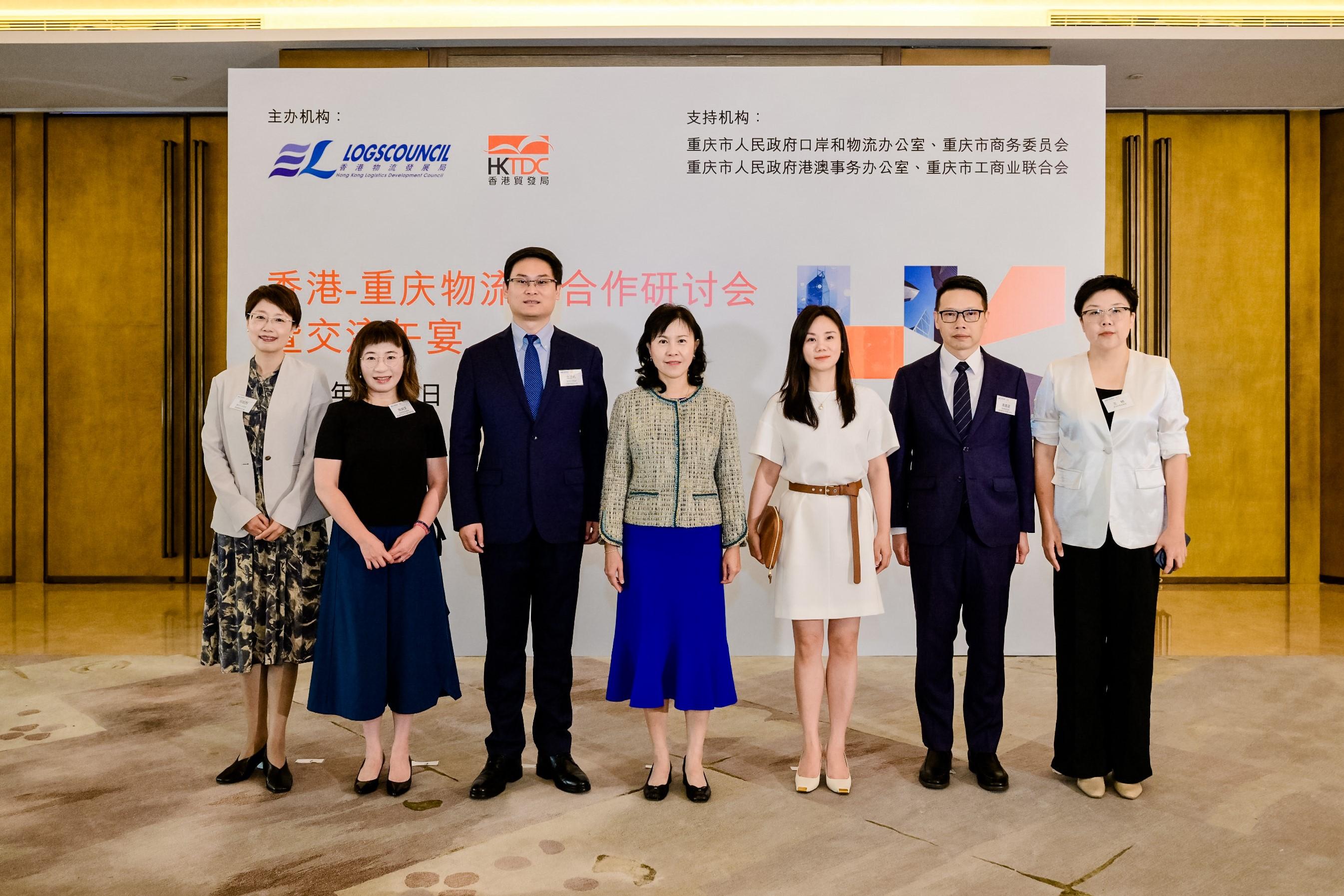
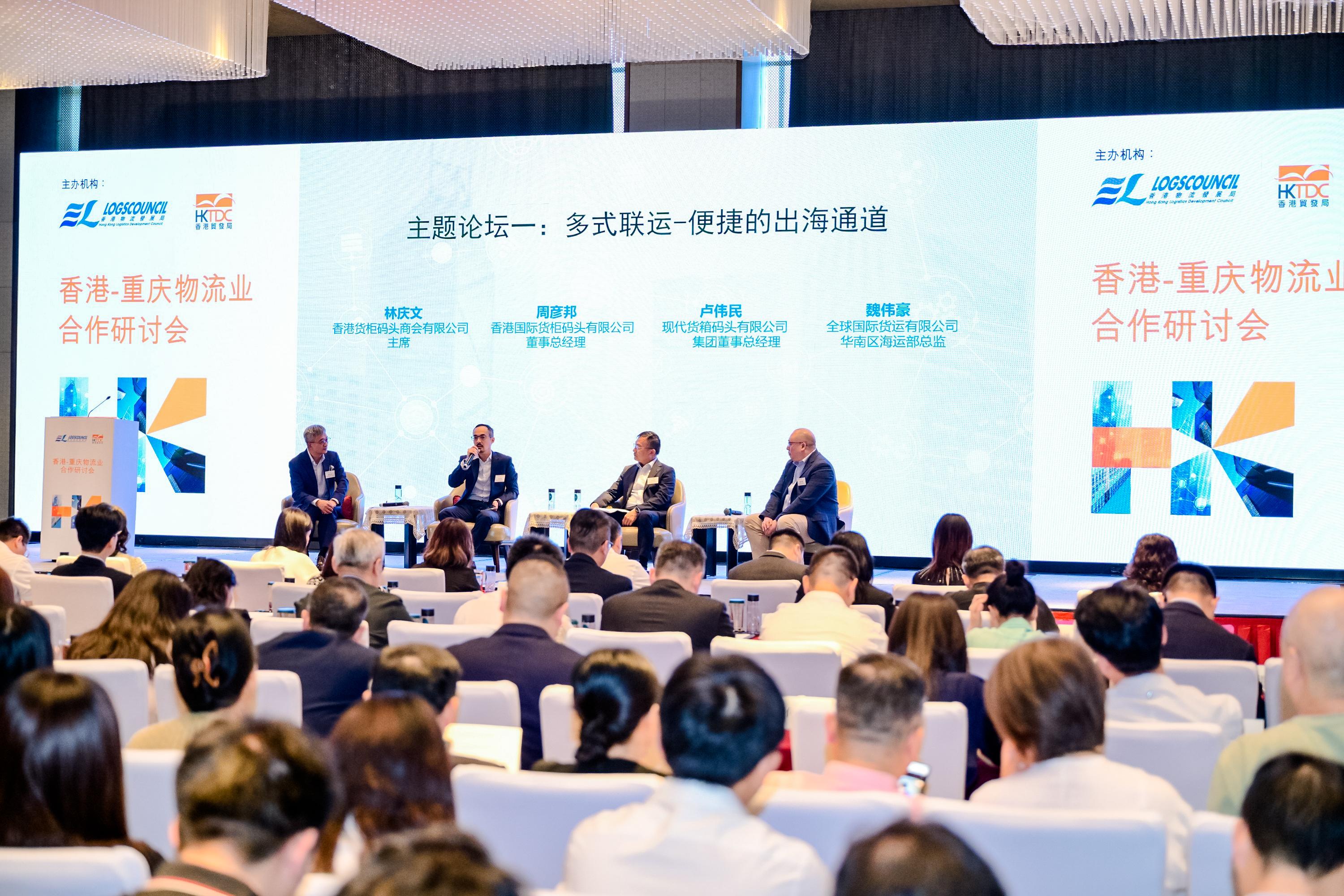
     Ms Chan and her delegation began their visit to Chongqing yesterday (June 5). They attended the Hong Kong-Chongqing logistics sector co-operation seminar, organised by the Hong Kong Logistics Development Council and the Hong Kong Trade Development Council, and highlighted Hong Kong’s advantages in logistics and transport to the local logistics sector. She expressed hope that Hong Kong and Chongqing can enhance collaboration by fostering strong alliance and complementing each other, to move forward together under the new international trade environment.

     Ms Chan said, “The development between Hong Kong and Chongqing is gaining good momentum. Following the establishment of the Hong Kong/Chongqing Co-operation Conference Mechanism in 2023, closer ties in various aspects, including trade and logistics, have been maintained. Seizing the opportunities, initiatives such as the launch of the Chongqing-Shenzhen-Hong Kong scheduled rail-sea service last year and the Chongqing-Qinzhou-Hong Kong sea-rail intermodal service this year are the outcomes of co-operation achieved between the logistics sectors of both places. As China’s most internationalised city, Hong Kong possesses the advantage of being ‘part of China but outside the Mainland’. Amidst the evolving international trade landscape with impacts of uncertain factors such as tariffs, Hong Kong can offer greater flexibility for Mainland cargo owners and logistics providers, making it the best choice for cargo transshipment between the Mainland and overseas.”

     Yesterday afternoon, Ms Chan and her delegation met with representatives of local shipping enterprises and had a discussion on enhancing the maritime ties between Hong Kong and Chongqing. They also toured the Chongqing International Logistics Hub Park to learn about its operation. The delegation also had a meeting with Deputy Director of the Hong Kong and Macao Affairs Office of the Chongqing Municipal People’s Government Ms Zhang Yaqian to exchange views on how to facilitate exchanges and collaborations between Hong Kong and Chongqing in logistics and transport.

     Ms Chan concluded her visit this afternoon and will return to Hong Kong this evening.

Photo  Photo  Photo  Photo  Photo  Photo  Photo  Photo  Photo  Photo  Photo  
read more

Fish restocking exercise held on National Fish Releasing Day 2025 (with photos)

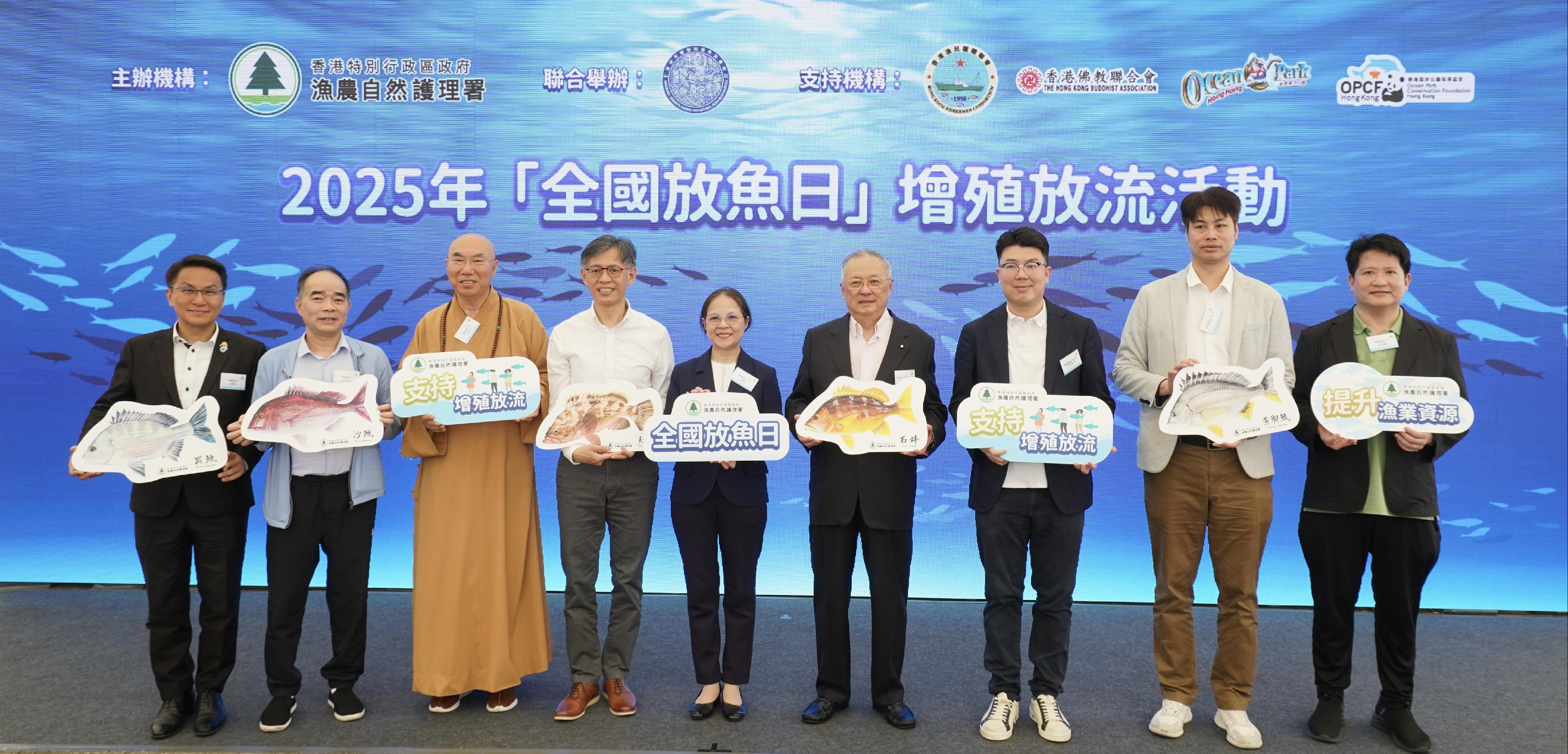
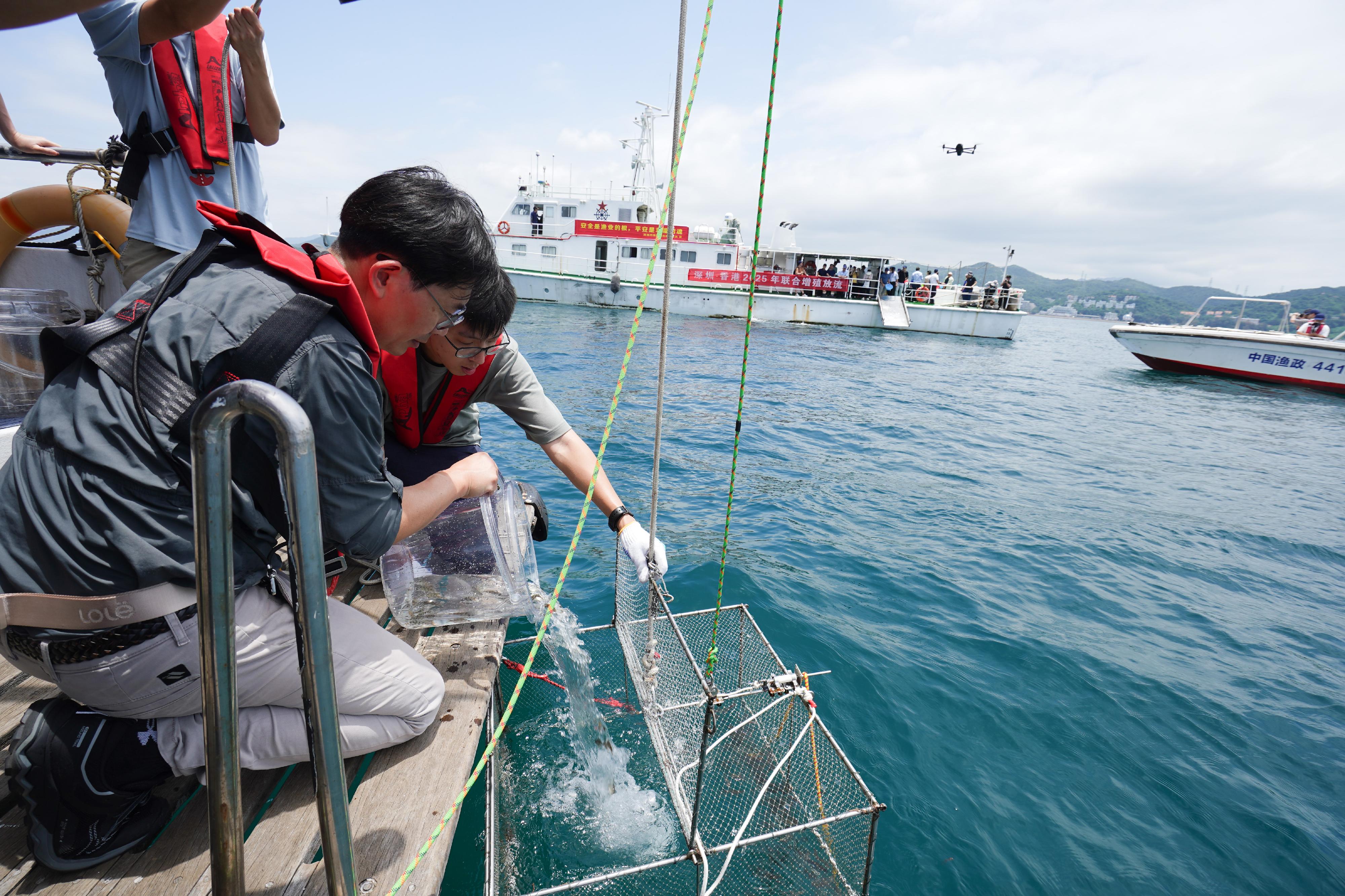
     The Agriculture, Fisheries and Conservation Department (AFCD), the Urban Planning and Natural Resources Bureau of Shenzhen Municipality, and the Ocean Development Bureau of Shenzhen Municipality today (June 6) jointly organised the National Fish Releasing Day 2025 fish restocking exercise concurrently with other exercises nationwide, with an aim to restore and enhance aquatic resources as well as to raise public awareness of the conservation of aquatic resources and the need to improve aquatic habitats.

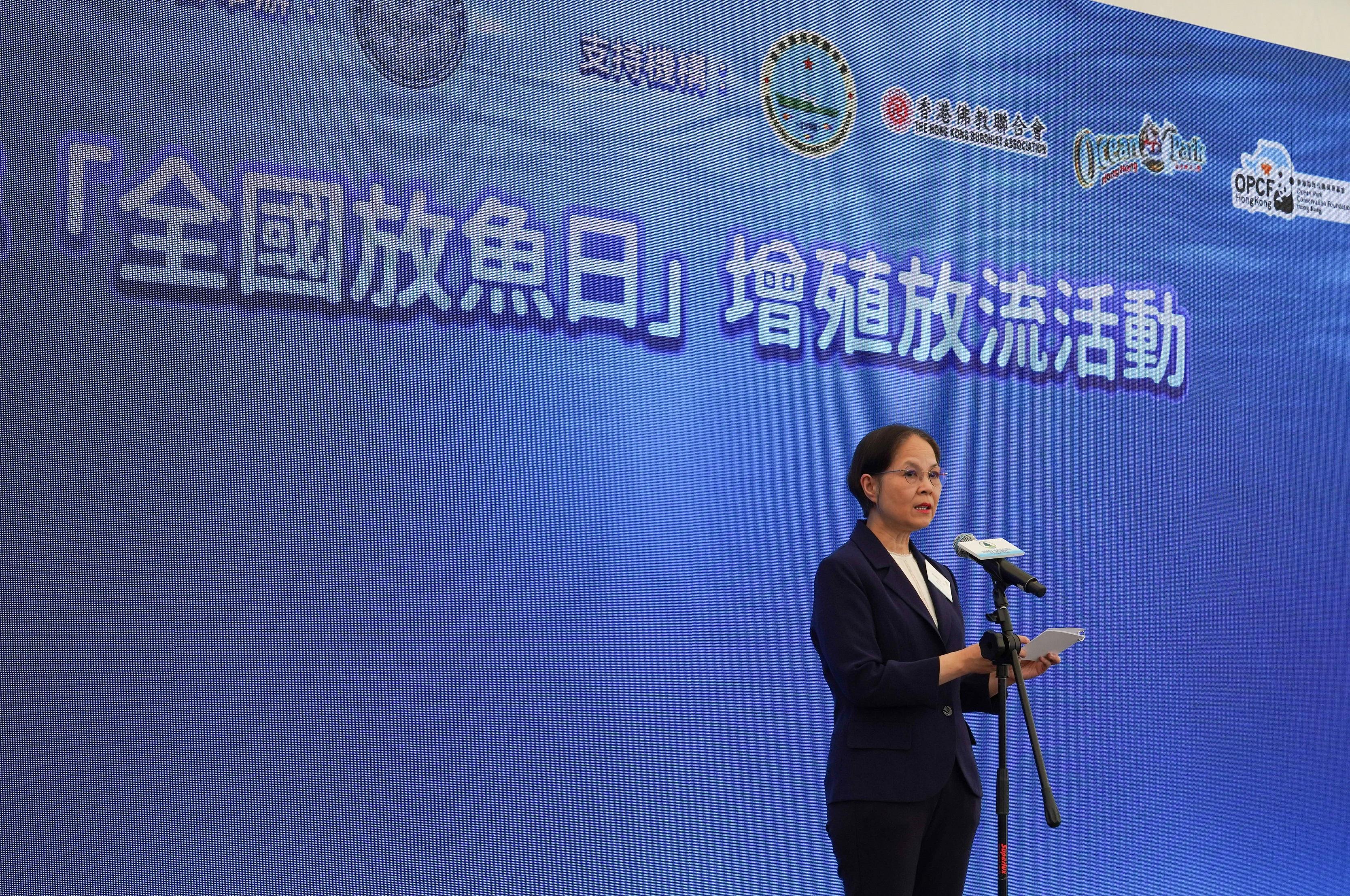
     Speaking at the launching ceremony, the Under Secretary for Environment and Ecology, Miss Diane Wong, said, “Today is the National Fish Releasing Day designated by the Ministry of Agriculture and Rural Affairs. Hence, fish restocking exercises are launched nationwide concurrently to restore and enhance aquatic resources. We are actively responding to this initiative and are conducting restocking exercises jointly with the Urban Planning and Natural Resources Bureau of Shenzhen Municipality and the Ocean Development Bureau of Shenzhen Municipality for the first time.”

     Miss Wong added that the Blueprint for the Sustainable Development of Agriculture and Fisheries, released by the Government in collaboration with the agriculture and fisheries sectors in December 2023, proposed the implementation of restocking to restore and enhance fisheries resources, as well as to strengthen public education, arouse public awareness of the conservation of marine resources and environment, and enhance understanding of the significance of restocking.

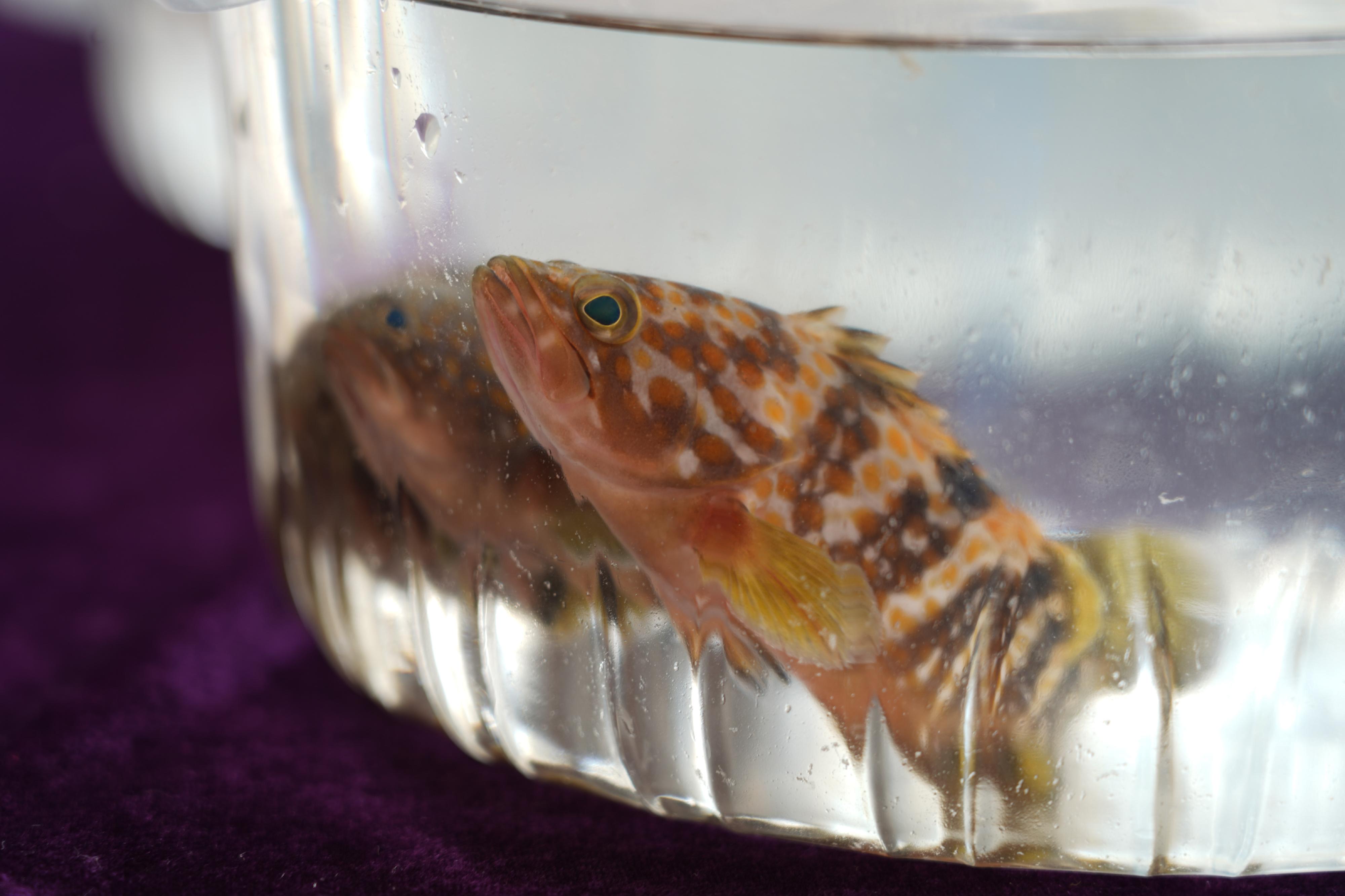
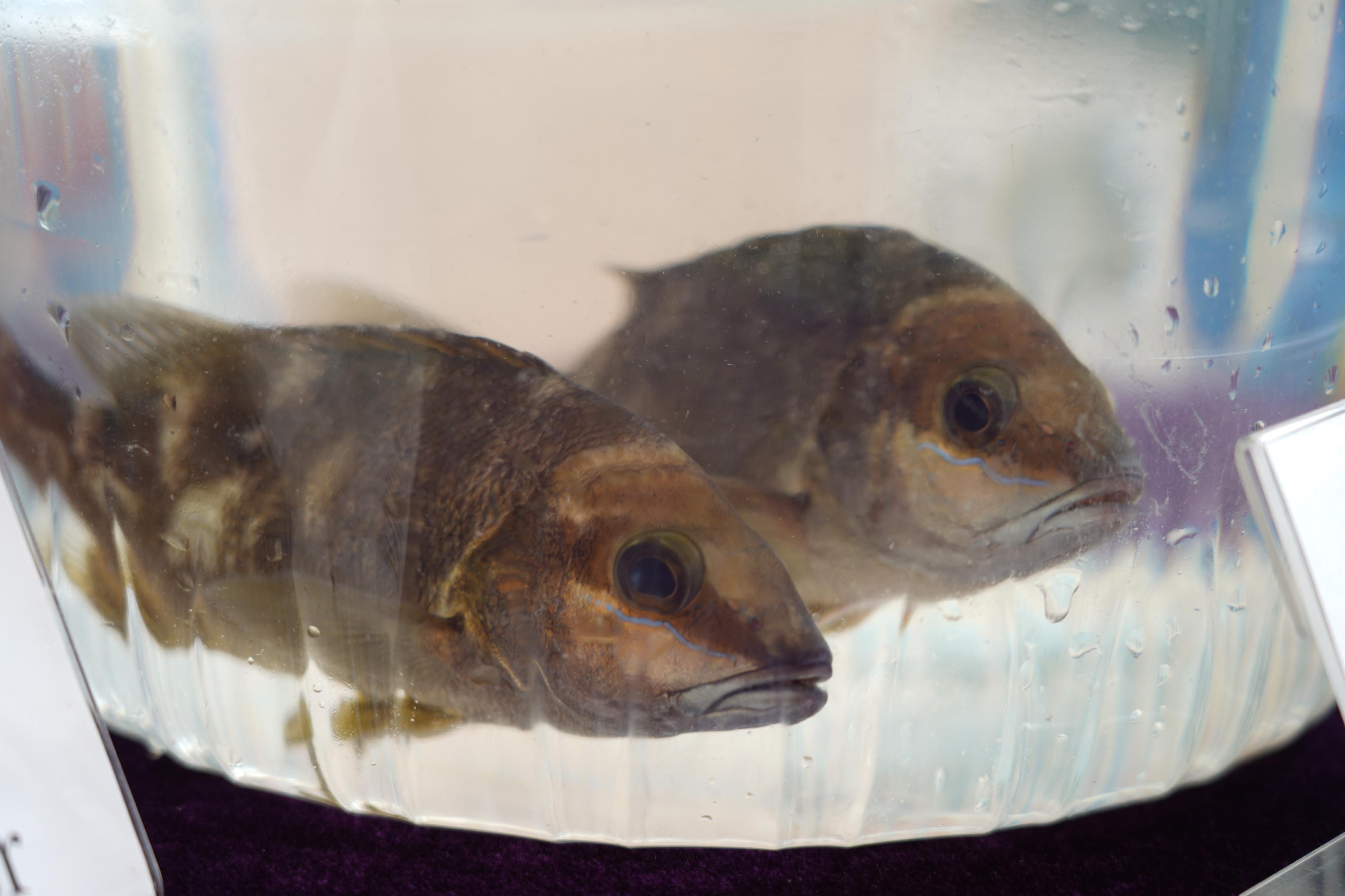
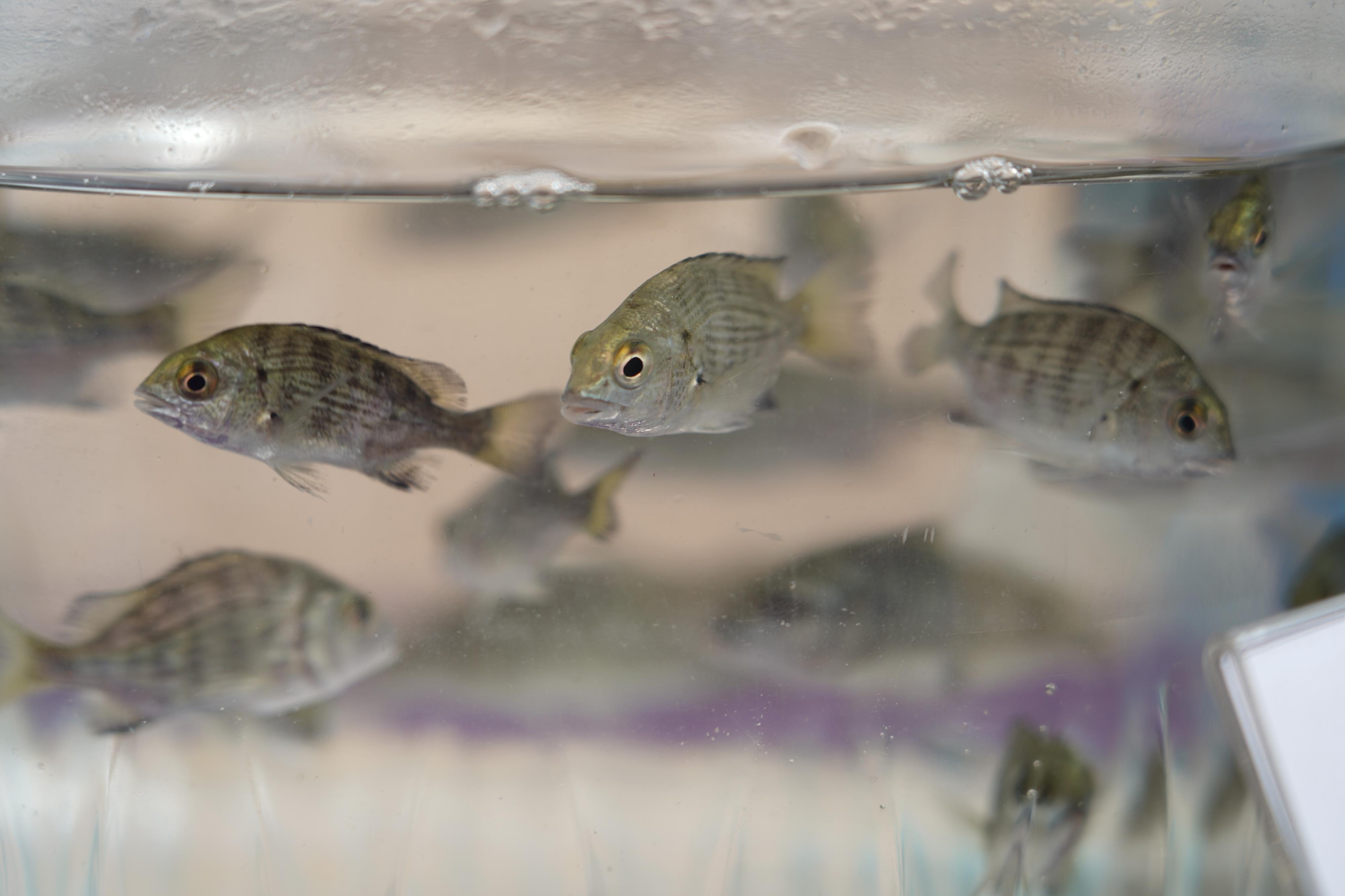
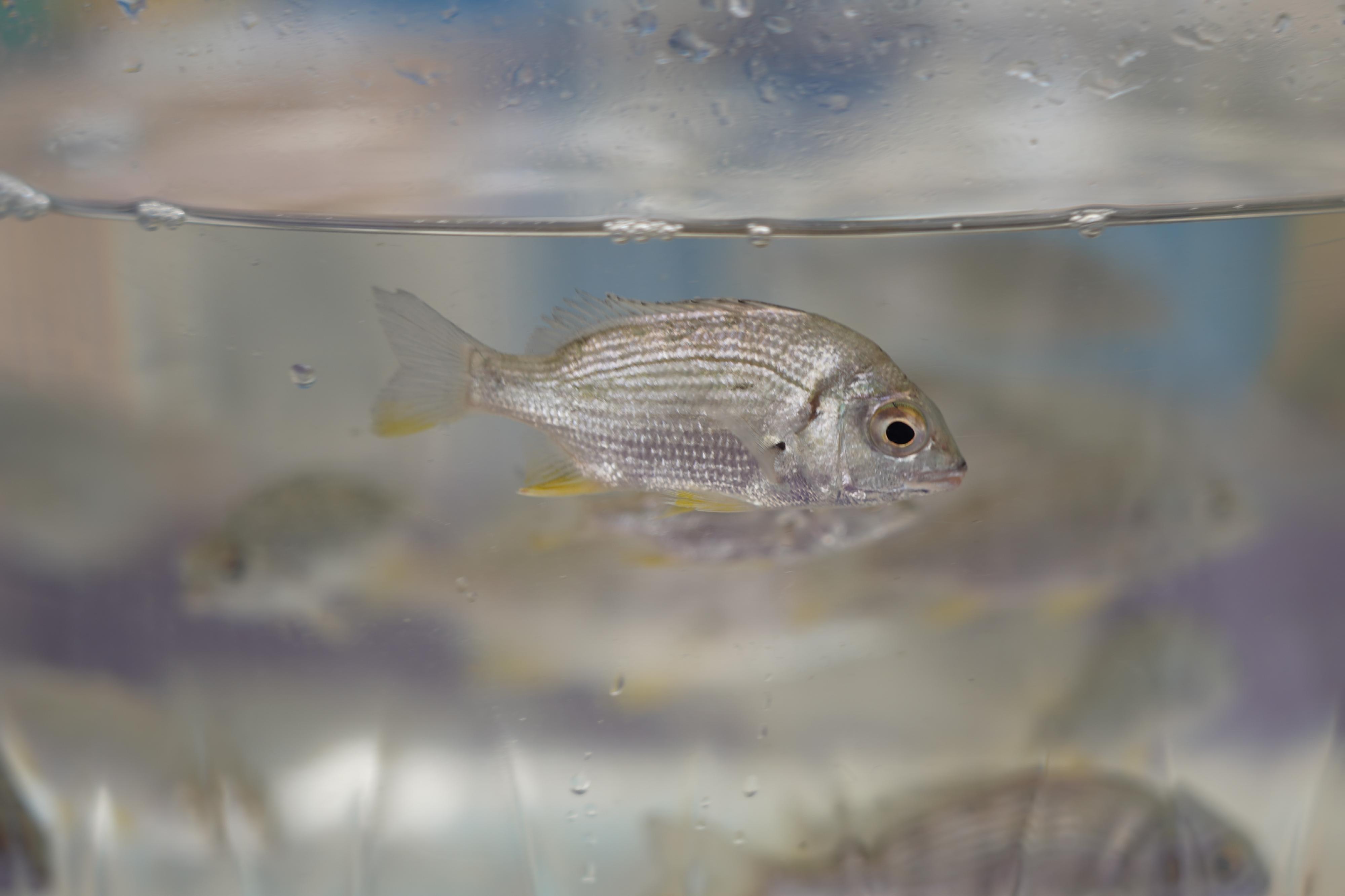
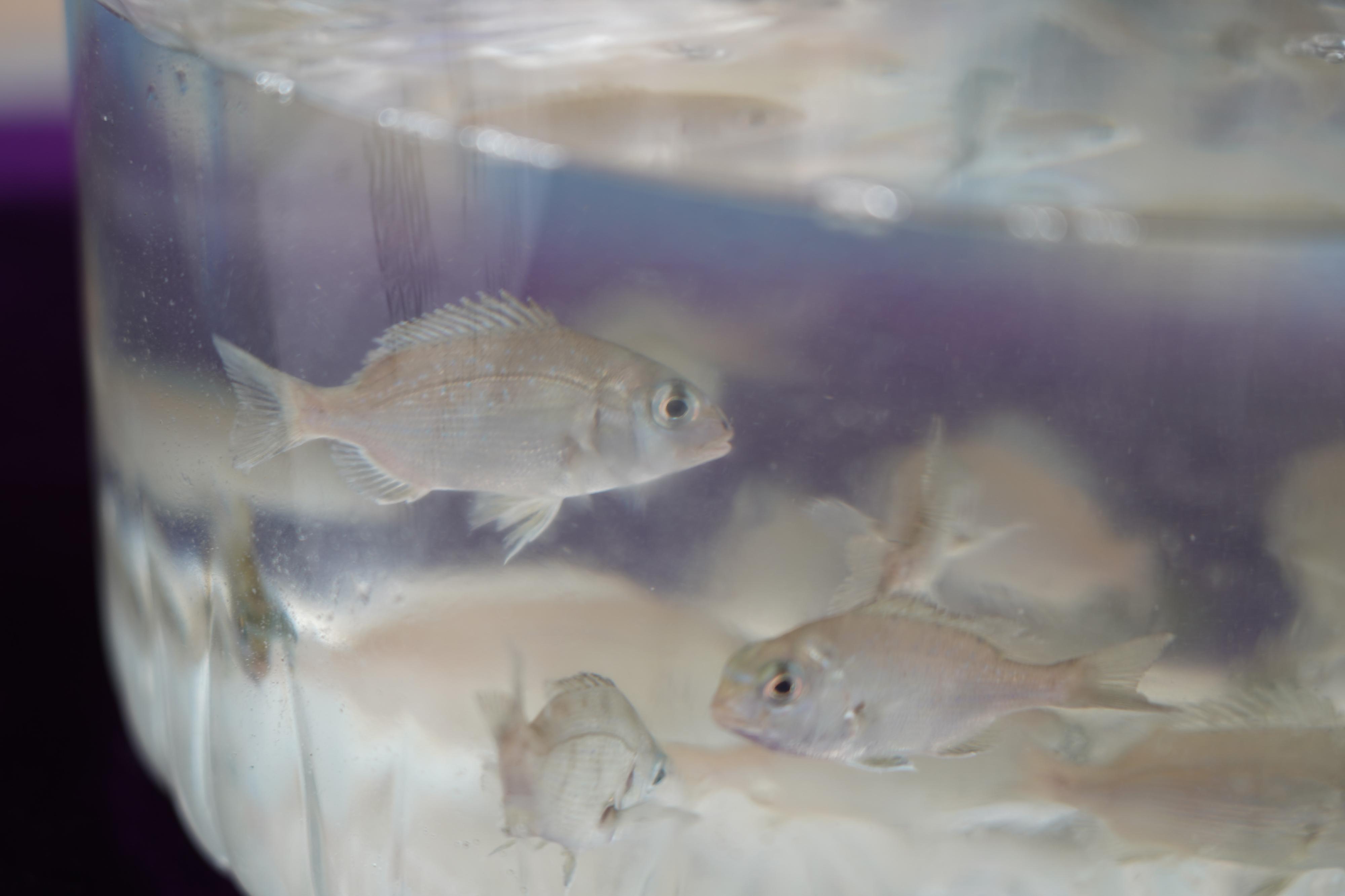
     After the launching ceremony, AFCD representatives and some guests proceeded to Tung Ping Chau Marine Park (TPCMP) and Hong Kong waters adjacent to Shenzhen in Mirs Bay, where they released some 23 500 juvenile fish of native species, including Hong Kong grouper (Epinephelus akaara), star snapper (Lutjanus stellatus), black seabream (Acanthopagrus schlegelii), and two newly added species this year, yellowfin seabream (Acanthopagrus latus) and red seabream (Pagrus major). The released juvenile fish are from reputable hatcheries and in good health, with their broodstock originating from Hong Kong or the nearby South China Sea. Restocking is a science-based approach of releasing appropriate species to their natural environment, allowing them to grow and reproduce. TPCMP, with its diverse habitats including artificial reefs, coral communities, natural rocky reefs and boulders, provides a favourable habitat for these juvenile fish. Commercial fishing has been banned in this marine park. The AFCD will conduct underwater surveys regularly to monitor the condition of the released fish and will continue to monitor the overall status of fishery resources in Hong Kong.

     The fish restocking exercise, supported by the Hong Kong Buddhist Association, the Hong Kong Fishermen Consortium, Ocean Park Hong Kong and the Ocean Park Conservation Foundation Hong Kong, brought together about 150 students, representatives from religious groups, fishermen’s associations and green groups, etc. The AFCD will also arrange for the public and students to take part in other restocking exercises later this year, and strengthen collaboration with various groups to organise more educational activities for the public and schools, share information about restocking, as well as provide technical advice to groups interested in conducting restocking in local waters.

     The AFCD reminds the public to think carefully before participating in animal release activities to avoid affecting the ecological environment or causing unnecessary suffering to animals. The public may consider participating in science-based restocking or other charitable activities as alternatives to animal releases.

Photo  Photo  Photo  Photo  Photo  Photo  Photo  Photo  
read more

Hong Kong Customs special operation combats online sale of counterfeit perfumes and skincare products (with photo)

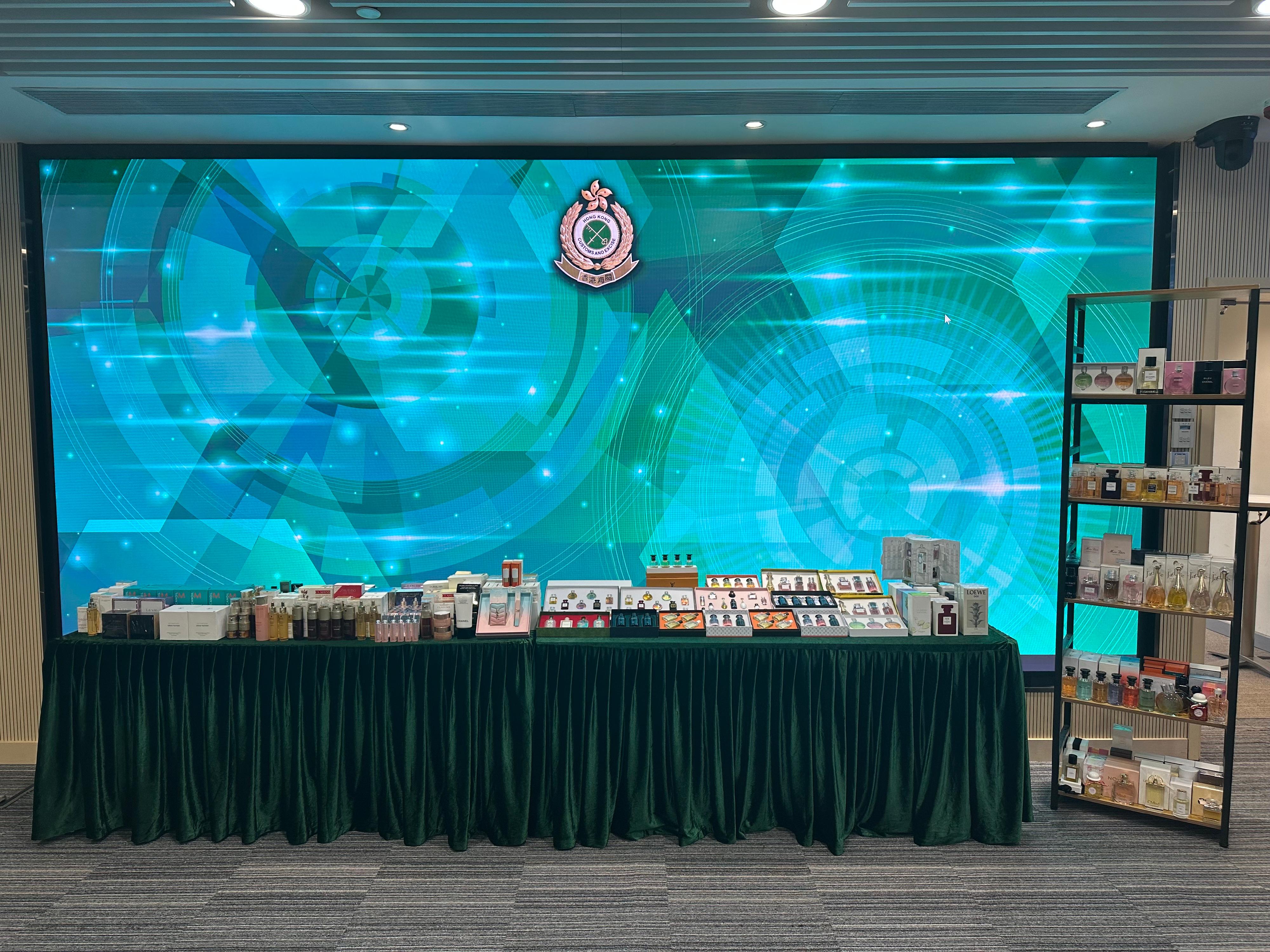
     Hong Kong Customs mounted a special enforcement operation on May 28 and yesterday (June 5), and detected two cases of selling suspected counterfeit goods on online platforms. A total of about 700 items of suspected counterfeit goods, including perfumes and skincare products, with an estimated market value of about $300,000, were seized, and two persons were arrested.

     Customs earlier received information from the public and a trademark owner alleging that counterfeit skincare products were put on sale through online platforms. Customs officers then made use of a big-data analytics system to conduct risk assessments and analyses, and through cyber patrols, discovered that another account on an online platform was also selling suspected counterfeit perfumes and skincare products. An investigation was then launched.

     After a comprehensive investigation and with the assistance of the trademark owner, Customs officers took enforcement actions on the aforementioned dates and searched two residential units in Mei Foo and Kwun Tong, resulting in the seizure of the batch of suspected counterfeit goods.

     During the operation, two women aged 43 and 31 were arrested.

     The investigation is ongoing, and the arrested persons have been released on bail pending further investigation. The likelihood of further arrests is not ruled out. Also, Customs is looking into the source of the goods involved in the cases, and samples will be sent to the Government Laboratory for safety testing.

     Customs reminds consumers to purchase goods at reputable shops or online shops and to avoid conducting transaction with suspicious traders. They should check with the trademark owners or their authorised agents if the authenticity of a product is in doubt.

     Customs has been striving to protect consumer rights and carries out inspections in the market and on the Internet from time to time. Moreover, Customs officers use a big-data analytics system to carry out risk assessments and analyses to verify whether online shops have complied with the Trade Descriptions Ordinance (TDO) with a view to safeguarding the interests of consumers during online purchases.

     Under the TDO, any person who sells or possesses for sale any goods with a forged trademark commits an offence. The maximum penalty upon conviction is a fine of $500,000 and imprisonment for five years.

     Members of the public may report any suspected counterfeiting activities to Customs’ 24-hour hotline 182 8080 or its dedicated crime reporting email account (crimereport@customs.gov.hk) or online form (eform.cefs.gov.hk/form/ced002).

Photo  
read more