Flag-raising ceremony cancelled
As the Strong Wind Signal No.3 is now in force, the flag-raising ceremony to be conducted at Golden Bauhinia Square, Wan Chai at 8am today (June 15) will be cancelled. read more
As the Strong Wind Signal No.3 is now in force, the flag-raising ceremony to be conducted at Golden Bauhinia Square, Wan Chai at 8am today (June 15) will be cancelled. read more
Attention duty announcers, radio and TV stations: Please broadcast the following special announcement immediately, and repeat it at frequent intervals: "Due to the issuing of Tropical Cyclone Warning Signal No. … read more
Attention TV and radio duty announcers: Please broadcast the following special announcement by the Education Bureau concerning schools, and repeat it at suitable intervals:  … read more
In response to a media report about impurities found in drinking water samples from various districts, a spokesman for the Development Bureau pointed out that the tests mentioned in the report were not conducted in strict compliance with the international standards adopted by Hong Kong’s drinking water testing programme.
The spokesman said that, as understood, the media organisation had mainly collected samples of impurities from aerators of water taps (commonly known as strainers), and then placed the samples into water for laboratory testing. Aerators are a kind of filter accessory commonly installed at household water taps and shower heads to help block impurities. The presence of impurities in the samples is simply a result of the function of the strainer, and is not abnormal. In the past, the Water Supplies Department (WSD) had received similar inquiries, and staff members were deployed immediately to conduct onsite inspection, arrange flushing of consumers’ water meter, remind consumers to cleanse the strainers, and check if there were any irregularities in water quality. If there was a suspected water quality issue, the WSD would collect drinking water samples for testing and notify consumers about the results. In fact, only a few of such cases required water sample testing in the past three years, and testing results showed that the water samples complied with Hong Kong Drinking Water Standards (HKDWS).
The spokesman stressed that water quality testing must be conducted in accordance with international standards, including making reference to ISO5667 of the International Organization for Standardization (ISO) for sampling and referencing Chinese National Standard GB/T 5750 and American Public Health Association’s (APHA) in testing methods and procedures. The samples tested must be drinking water samples, not those collected from strainers as arranged by the relevant media organisation. In other words, the type of samples, methods and procedures will affect the validity and representativeness of the tests.
The spokesman said that, as mentioned in the report, impurities collected from the strainers include resin, plastic, and silicone. It may relate to materials peeling off from pipes or fittings of the inside service of the building. These substances are not soluble in water. If such substances are found, the inside service should be cleansed as soon as possible. Generally, regular and proper cleansing and maintenance of the inside service of the building can effectively prevent excessive sediments accumulation and reduce impurities in strainers. Drinking water supplied by the WSD undergoes strict treatment and meets HKDWS. However, materials may peel off from public or inside service pipes of buildings due to aging or water pressure, necessitating the installation of strainers at pipes. Property owners, registered agents, and management offices must carry out regular and proper maintenance of building’s inside service, including cleansing sump and rooftop tanks to avoid sediments or rust accumulation, and regularly operating valves, cleansing filters, and flushing concealed water pipes to maintain good drinking water quality at the consumers’ taps.
To ensure the quality of drinking water in Hong Kong, the WSD runs a routine drinking water testing programme, randomly collecting water samples from over 28,000 publicly accessible consumers’ taps (such as those in shopping centres, community facilities, sports venues, and government offices) for testing every year. The sampling rate is based on international standards and the water quality parameters are drawn up in accordance with World Health Organization guidelines. Moreover, the WSD randomly selects about 670 residential and non-residential water accounts each year to collect drinking water samples at their water taps and test for six metals (antimony, cadmium, chromium, copper, lead, and nickel) to ensure compliance with HKDWS. Relevant test results are regularly published on the WSD’s website.
The spokesman added that the WSD had requested more detailed information for follow-up with the consumer when enquiries were received from the media organisation. Such information is still awaited. The WSD will deploy staff to investigate and assist with flushing the inside service if the media organisation provides more information (including sampling locations). Water samples will also be taken for testing as needed to ensure water safety. For enquiries regarding drinking water quality, the public may call the WSD’s 24-hour hotline: 2824 5000. read more
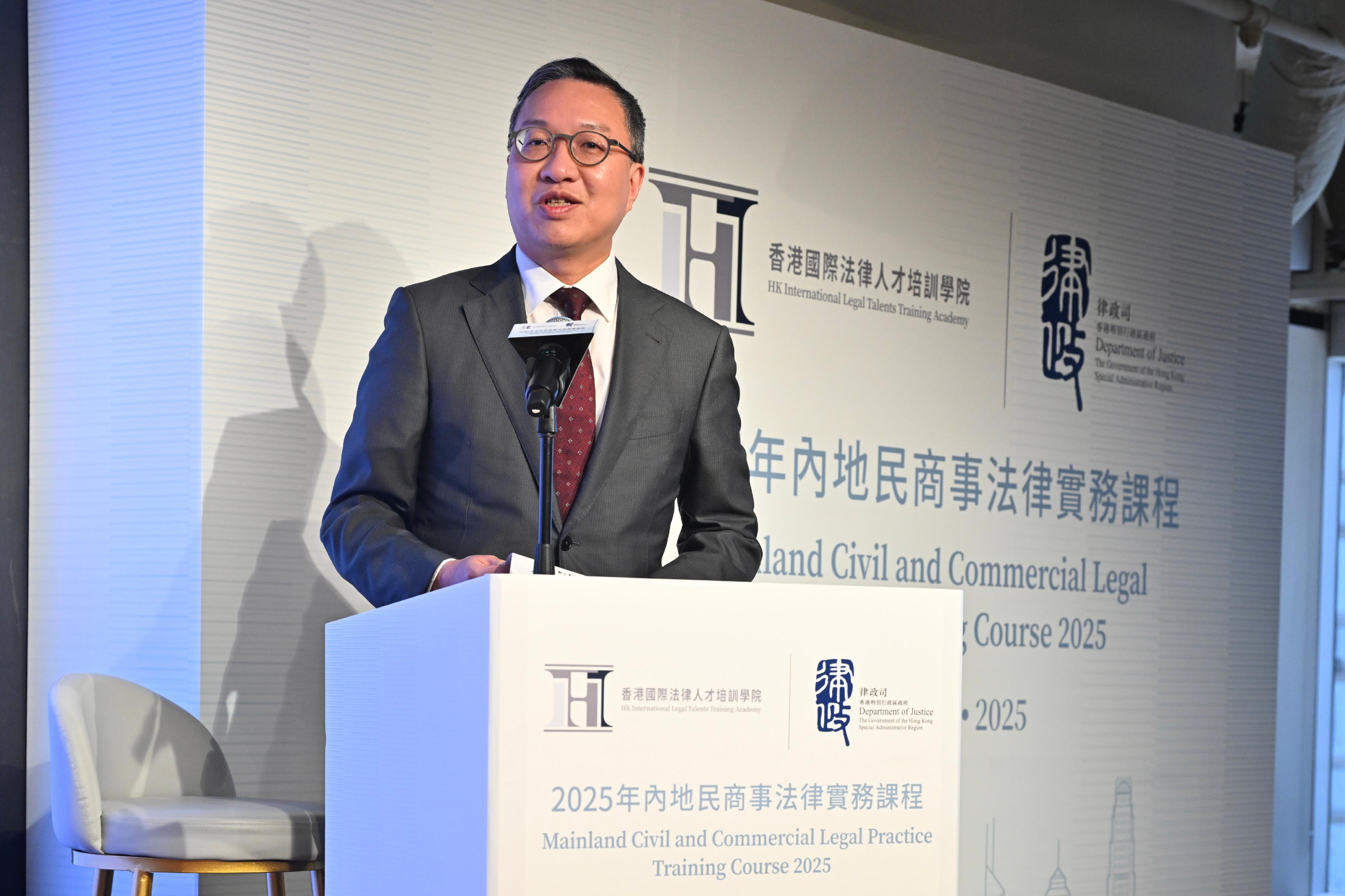
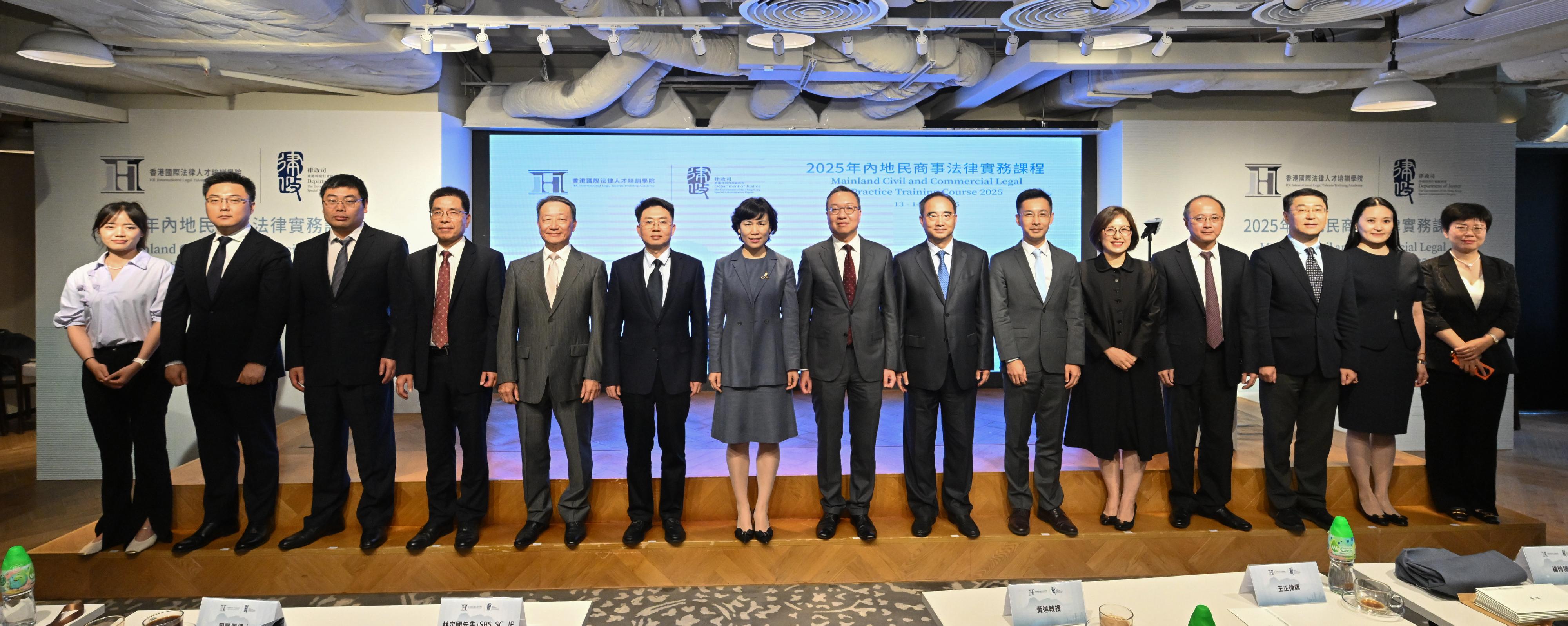
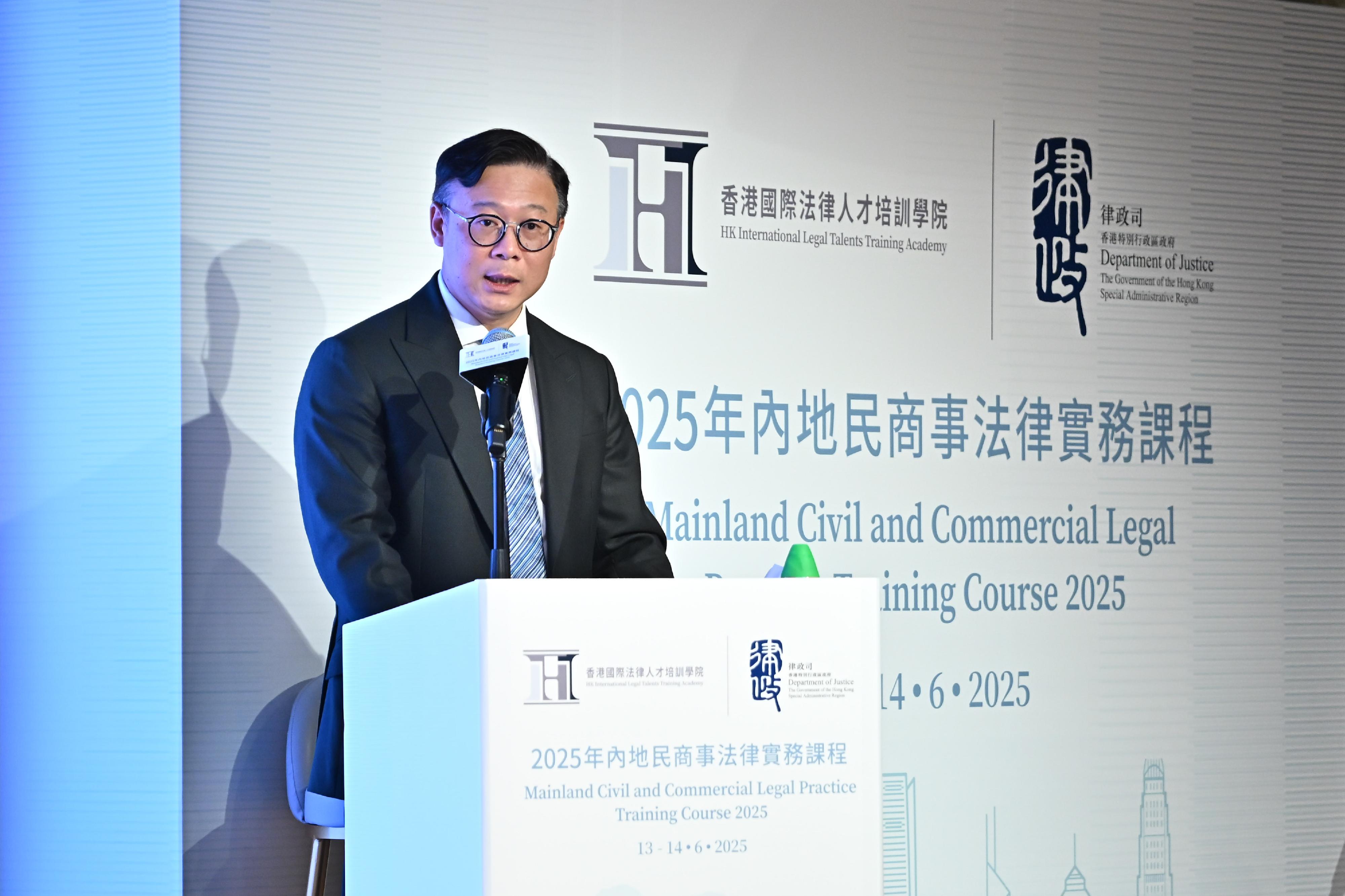
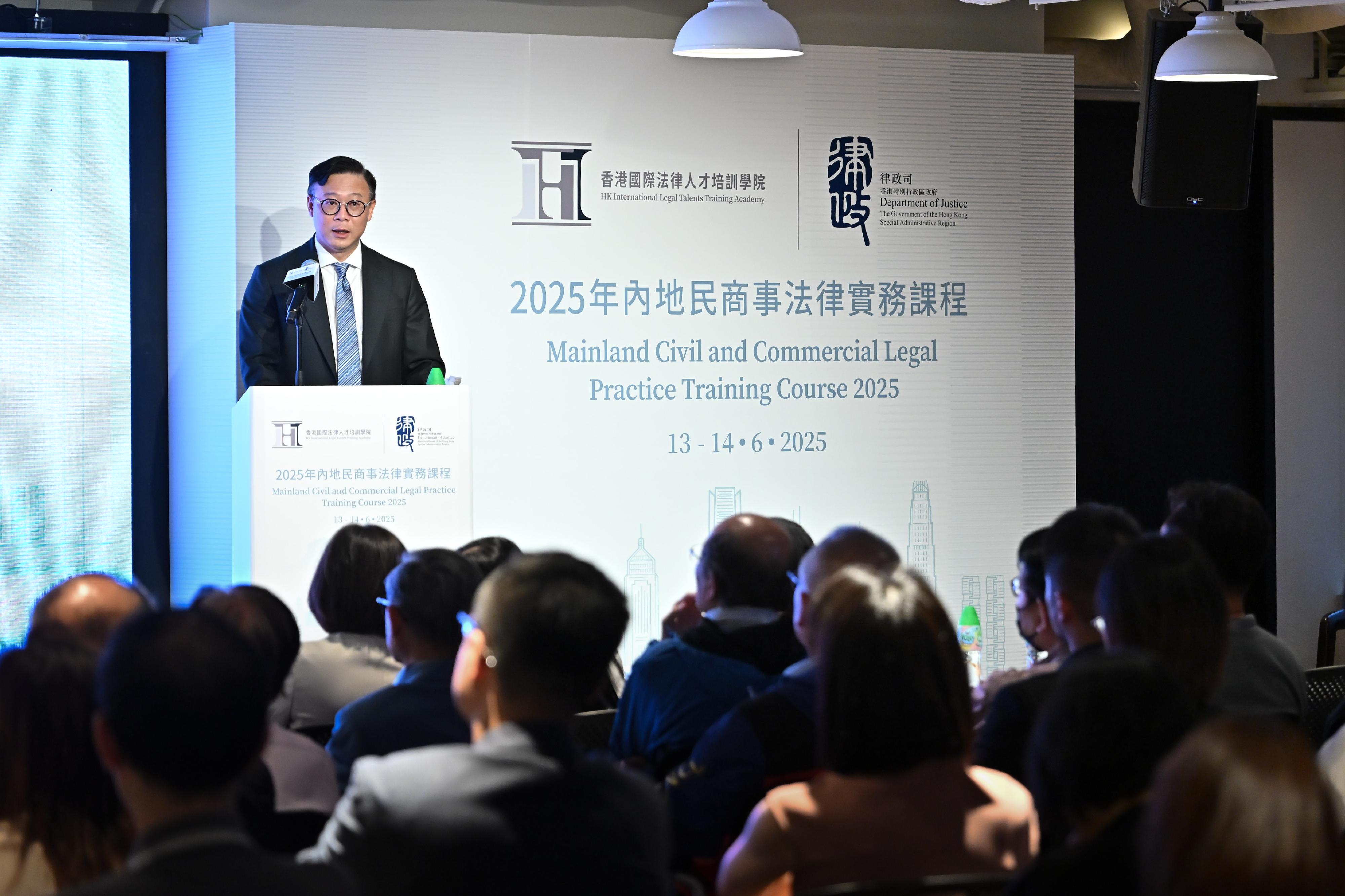
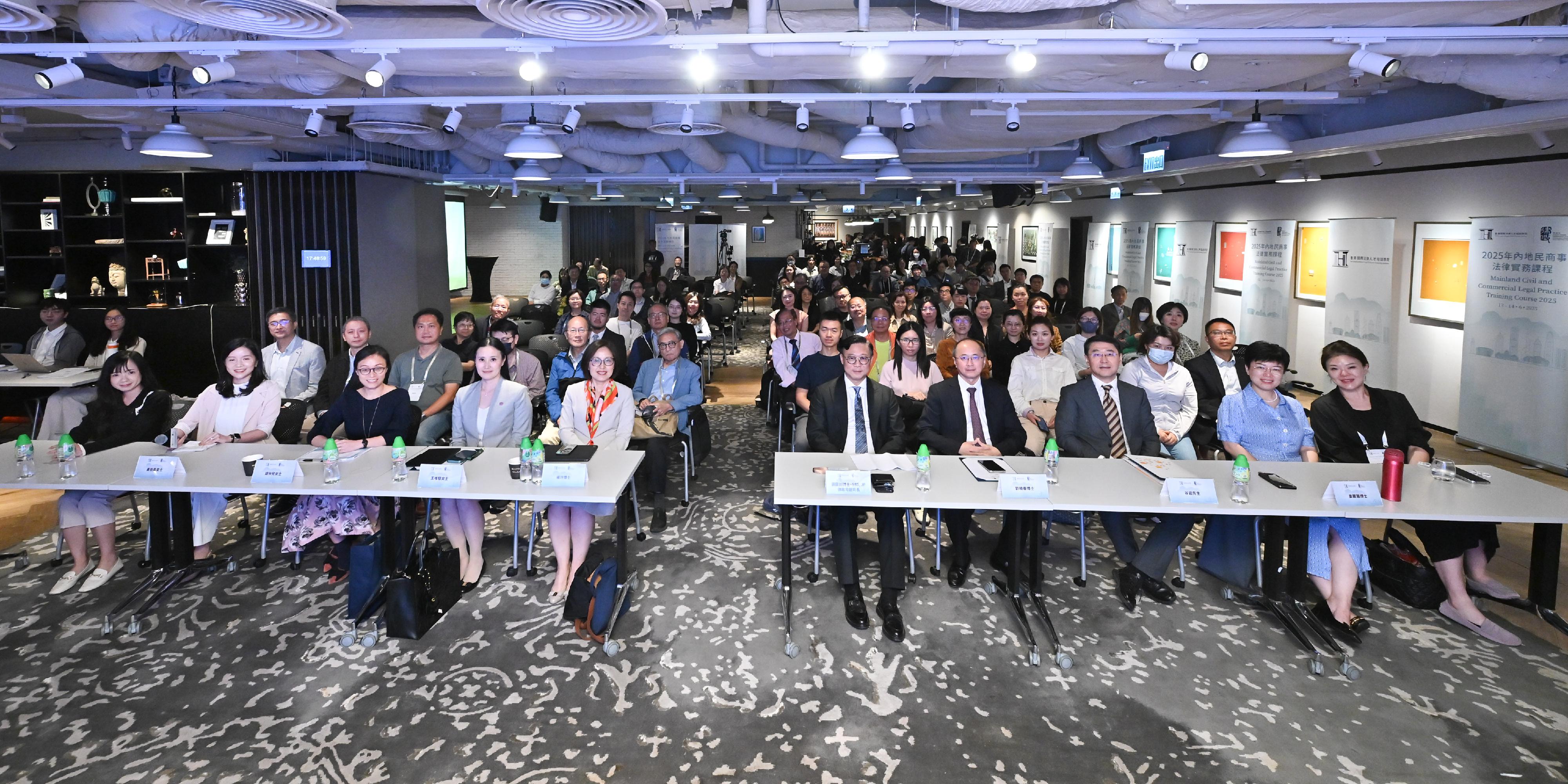
The Mainland Civil and Commercial Legal Practice Training Course 2025, organised by the Hong Kong International Legal Talents Training Academy, concluded today (June 14). The two-day course is the first course held by the Academy specifically for the local legal sector, including barristers, solicitors, in-house counsel and dispute resolution practitioners. The course aims to deepen the local industry’s understanding of the Mainland’s civil and commercial laws and practical operations, and promote exchanges between Hong Kong and the Mainland’s legal and dispute resolution sectors. The course attracted about 300 participants.
Addressing the opening ceremony, the Secretary for Justice, Mr Paul Lam, SC, said that Hong Kong and the Mainland have become more closely connected since Hong Kong’s return to the motherland, with economic and trade activities becoming increasingly frequent. While many Mainland enterprises leverage Hong Kong as an internationalised platform to go global, overseas enterprises also invest in the Mainland through Hong Kong. The Academy specially organised this course to enable the local legal industry to gain in-depth understanding of the practice of civil and commercial law on the Mainland so that they can meet the actual needs arising from growing cross-boundary business, while improving their own competitiveness and expanding the room for their career development.
Addressing the closing ceremony, the Deputy Secretary for Justice, Dr Cheung Kwok-kwan, said that the leading position of Hong Kong in international arbitration continues to be reinforced and enhanced. The Department of Justice is committed to promoting the city’s leading position in the field of arbitration in the Greater Bay Area and in the international community, as well as providing legal services of higher quality and competitiveness to the Mainland and around the world, so as to further establish Hong Kong’s position as an international legal and dispute resolution services centre in the Asia-Pacific region.
The course covers various key areas of the Mainland civil and commercial legal practice. Through lectures and seminars, the course further enhances the understanding and knowledge of Hong Kong’s legal and dispute resolution sectors on the practice and operation of the Mainland civil and commercial legal system, while providing a platform for exchange and co-operation between the Hong Kong and Mainland legal sectors. Speakers of the course comprise Mainland judges, academics, legal professionals, corporate representatives, arbitration practitioners and members of the Hong Kong International Legal Talents Training Expert Committee.
The Academy will continue to capitalise on Hong Kong’s bilingual common law system and international status and provide platforms for capacity building, knowledge and experience sharing to Hong Kong, the Mainland as well as other jurisdictions, especially the legal talent in regions along the Belt and Road Initiative, to promote the exchange of international legal talent and reinforce Hong Kong’s status as a centre for international legal and dispute resolution services in the Asia‑Pacific region, in order to develop Hong Kong into a capacity-building centre.