image_pdfimage_print

Author Archives: hksar gov

Sharing Knowledge on Clinical Advances at Hospital Authority Convention (with photos)

The following is issued on behalf of the Hospital Authority:

     The Hospital Authority (HA) Convention 2025 begins today for three consecutive days (May 26 to 28) at the Hong Kong Convention and Exhibition Centre, in both in-person and online formats. This marks the first time the convention has been extended to three days, making it the HA’s largest-scale event to date. Approximately 190 overseas, Mainland and local distinguished speakers will exchange expertise on various healthcare topics with over 8,000 participating healthcare professionals and academics, achieving record-high participation levels.
 
     The HA Convention this year is focusing on the HA’s core values, namely People-centred Care, Professional Service, Committed Staff and Teamwork. Topics include healthcare development, smart hospitals, artificial intelligence, organ transplantation, cancer management, and innovation technology in support of staff training. The HA convention aims to promote the sharing of knowledge and experience on clinical advances and approaches to modern healthcare service, and facilitate exploration and discussion of contemporary concepts among healthcare professionals and stakeholders.
 
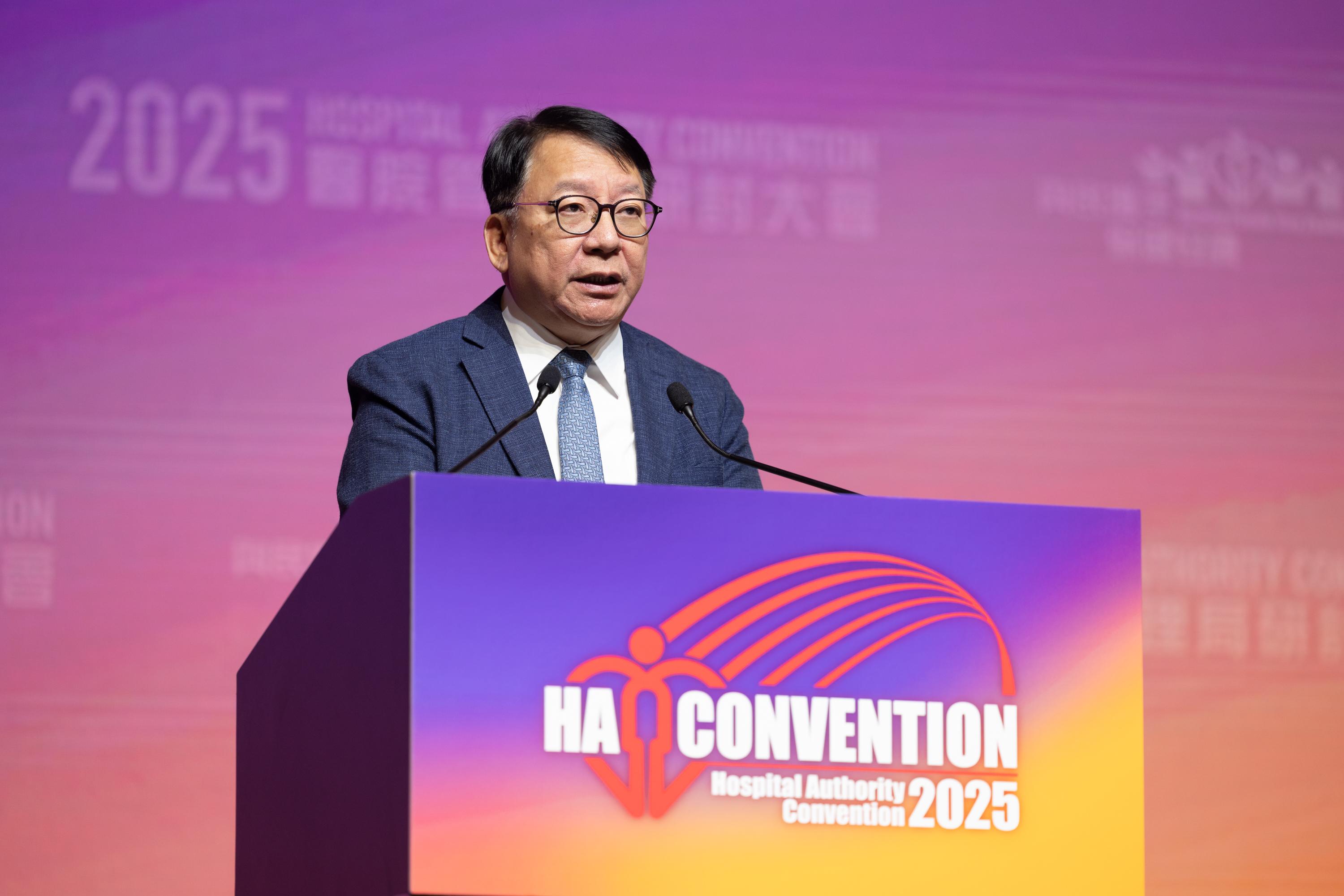
     The convention was officially opened this morning by Vice-Minister of the National Health Commission of the People’s Republic of China Professor Cao Xuetao; the Chief Secretary for Administration, Mr Chan Kwok-ki; the Secretary for Health, Professor Lo Chung-mau; the HA Chairman, Mr Henry Fan; and the HA Chief Executive, Dr Tony Ko.
 
     In his address, Mr Chan said that the HA has been continuously reforming and enhancing service efficiency and quality through its professional team and robust management system. Notably, the Institute for Medical Advancement and Clinical Excellence (IMACE), which brings together different areas of expertise from Hong Kong’s healthcare sector, was formally established this May.
 
     “The HA will be very much involved in the IMACE’s research work, collaborating with other major public and private healthcare institutions to collect data and cases for detailed deliberations on clinical practices in the screening, diagnosis, treatment and management of various diseases, evaluating the efficacy of various medical options, and devising clinical guidelines and standards for healthcare professionals. This collective effort aims to enhance Hong Kong’s healthcare service standards for the benefit of patients throughout Hong Kong.”
 
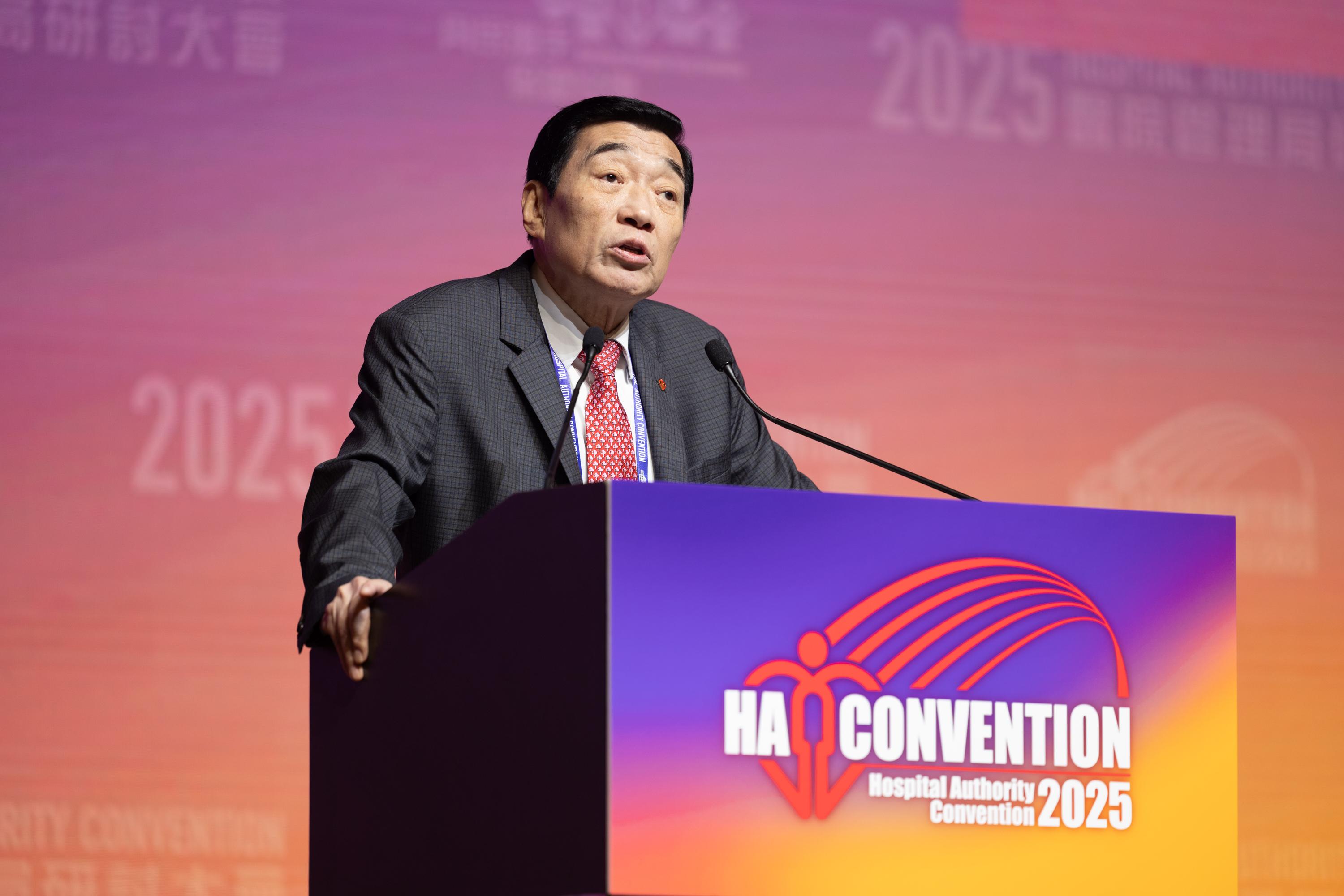
     In his welcome address, Mr Fan said that 2025 marks the commencement of an era of reformation at the HA. A key initiative is supporting the Government’s public healthcare fees and charges reform aimed at rationalising public hospital services, reducing wastage and misuse, and enhancing support for patients with financial difficulties.
 
     Mr Fan said, “2025 is a crucial year for the HA’s reform initiatives. Facing challenges such as an ageing population, an increase of chronic diseases, and rising medical costs, the HA needs to undergo fundamental reforms to meet public needs, enhance service efficiency, and maintain the sustainability of the public healthcare system while building a public healthcare system that meets the needs of the community that enhances the well-being of citizens.”
 
     Additionally, the HA established the Review Committee on the Management of the Public Hospital System last year, proposing 31 recommendations to strengthen governance, enhance accountability, and foster a culture of safety. Building on this foundation, in order to advance reform, the HA further established a high-level Governance and Structure Reform Committee (Reform Committee) last year to provide strategic guidance, oversight, and reform advice to promote the sustainable development of healthcare services.
 
     Mr Fan continued, “Among the many topics that the Reform Committee will be looking into, remuneration structure, financial management and clinical management are particularly crucial. This includes introducing the concept of ‘more contribution, more gain’, with remuneration commensurate with performance and contributions to provide motivation for colleagues, reviewing the financial management system to achieve cost savings, and utilising modern technology to optimise clinical outcomes.”
 
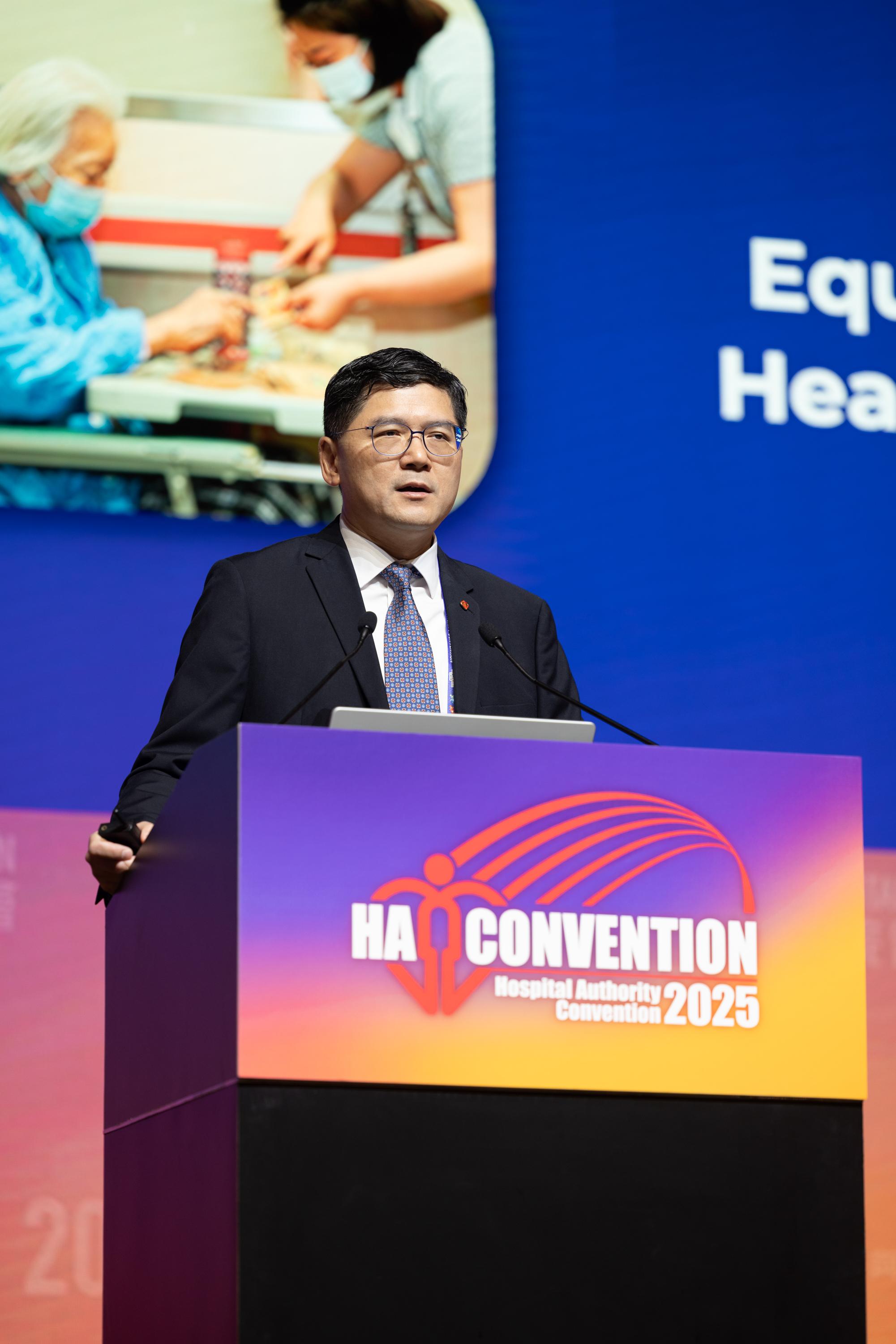
     Delivering his keynote address at the opening ceremony, “Advancing Sustainable Excellence”, Dr Ko reviewed the HA’s 35 years of experience and shared his vision for a sustainable, patient-centred public healthcare system.
 
     “With a rapidly ageing population, swift medical technological advancements, and unpredictable threats of global pandemics, we must remain proactive in driving bold reforms. Digital transformation is central to our strategy in addressing rising healthcare demands. The HA is committed to enhancing digital innovation, integrating big data and artificial intelligence (AI) technologies to improve service efficiency and performance while enhancing both patient and healthcare staff experiences,” Dr Ko said.

     Dr Ko said that the HA as moving into the era of Smart Hospital 2.0, consistently investing in reshaping service delivery models. The clinical management system incorporates information technology and AI, including automation in clinical and administrative workflows such as imaging, laboratory result screening and generation of reports, and integration of advanced AI-driven language models to assist clinicians in rapidly searching and synthesising complex medical data for enhanced clinical decision support.
 
    He said that the HA Go mobile application continues to stand as a transformative patient empowerment platform, significantly improving patient experience through technology. “HA Go now has over 3.1 million registered users, empowers patients with easy access to self care and direct interaction with healthcare services. HA Go streamlines the patient journey through offering seamless features such as outpatient appointment management, registration, payments, digital queuing updates, all accessible within a few clicks. The platform also provides patients with options for medication delivery services, which embodies our patient-centred service mission”, Dr Ko said.
 
     He emphasised, “While technology advances, staff remain the irreplaceable core of quality healthcare services. We are committed to providing our staff members with opportunities for personal growth and professional development. The HA sponsored more than 2,600 staff members to participate in training programmes in various places in 2024/25. Through immersive exchange and training initiatives, our healthcare professionals have gained valuable exposure to diverse clinical practices and perspectives. Such experiences foster mutual learning and encourage broader horizons for all staff.”
 
     In addition to retaining and cultivating existing personnel, Dr Ko said that it is equally important to reach out to new talent from outside. The HA actively recruits non-locally trained doctors and nurses. As of mid-March this year, nearly 300 non-locally trained doctors have joined the HA team, nearly double in comparison to last year. Following the Nurses Registration (Amendment) Ordinance 2024, more than 100 non-locally trained nursing candidates have also been employed, further reinforcing Hong Kong’s clinical capabilities. Over 240 individuals have taken part in expanded clinical exchange programmes, while more than 100 Chinese Medicine practitioners in the HA received training from Mainland experts.
 
     Dr Ko stressed that the HA must highlight the deep collaboration with counterparts in the Mainland, which is vital to the growth and evolution of the local healthcare landscape. A key area of collaboration is enhancing services for major diseases such as cardiac illnesses and strokes. To drive integrated and high-quality care, the HA is establishing chest pain centres and national stroke centres, harmonising treatment protocols and elevating outcomes through national accreditation. The first chest pain centre in Hong Kong at Queen Mary Hospital has been established according to national accreditation standards, further optimising treatment options for cardiovascular patients.
 
     “In line with the Chief Executive’s policy direction to enhance Hong Kong’s healthcare standards, the first batch of public hospitals, including Pamela Youde Nethersole Eastern Hospital and Prince of Wales Hospital, have been awarded accreditation status under the China’s International Hospital Accreditation Standards (2021 Version). To ensure consistent quality improvement across hospitals throughout the Guangdong-Hong Kong-Macao Greater Bay Area, three additional acute hospitals will embark on their accreditation journey in 2025-26, further strengthening their international presence and raising the quality and safety of healthcare services.”
 
     In conclusion, Dr Ko said, “We are living in an era of profound transformation. Let us uphold the spirit that ‘reform is an ongoing journey’, embrace technological innovation, sustain healthcare excellence, optimise resource allocation, and enhance service efficiency and quality to swiftly respond to the community’s evolving needs.” He expressed confidence that with the determination of all members of the HA and the support from the community and partners, the HA will collectively shape a brighter, more sustainable future for in public healthcare.
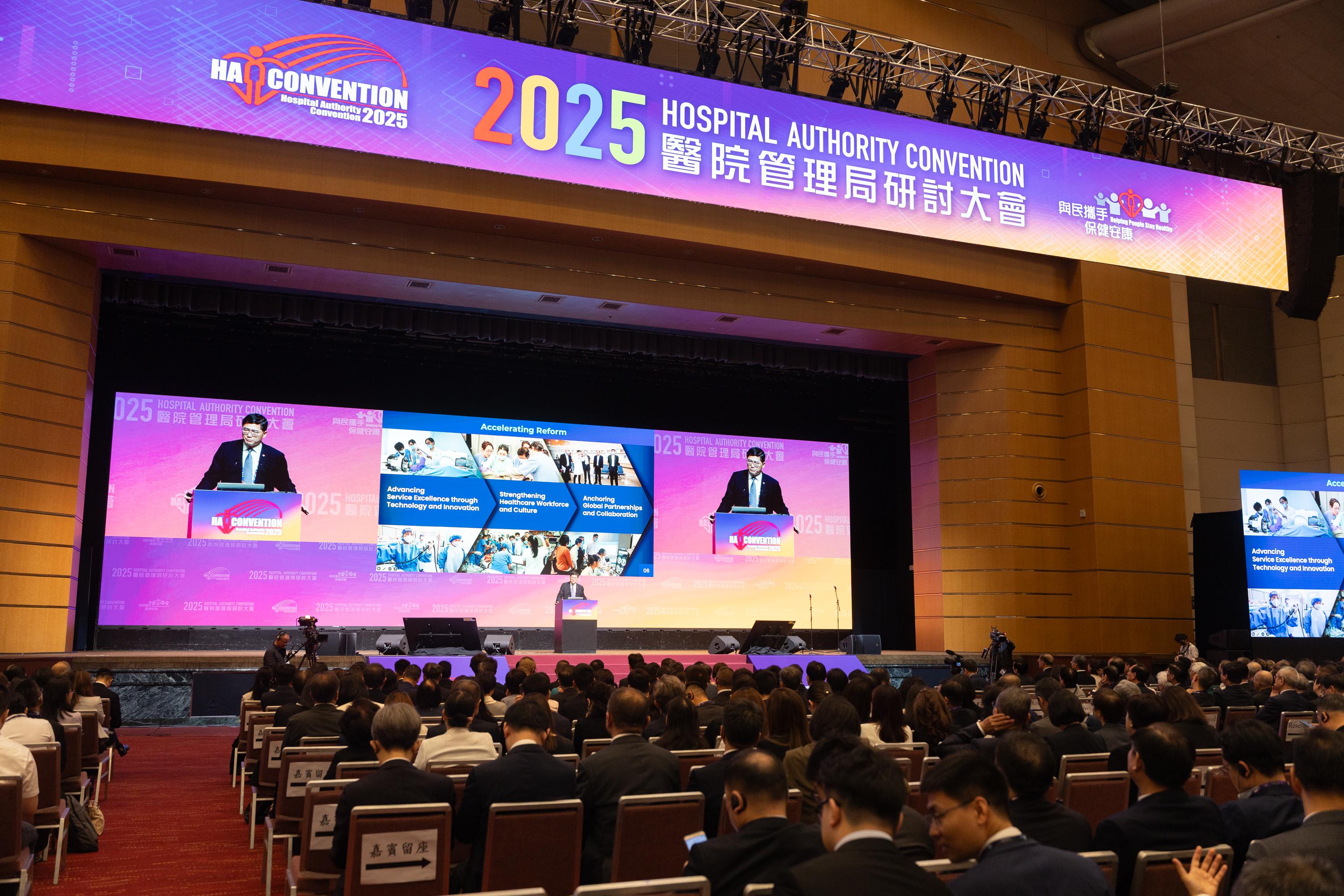
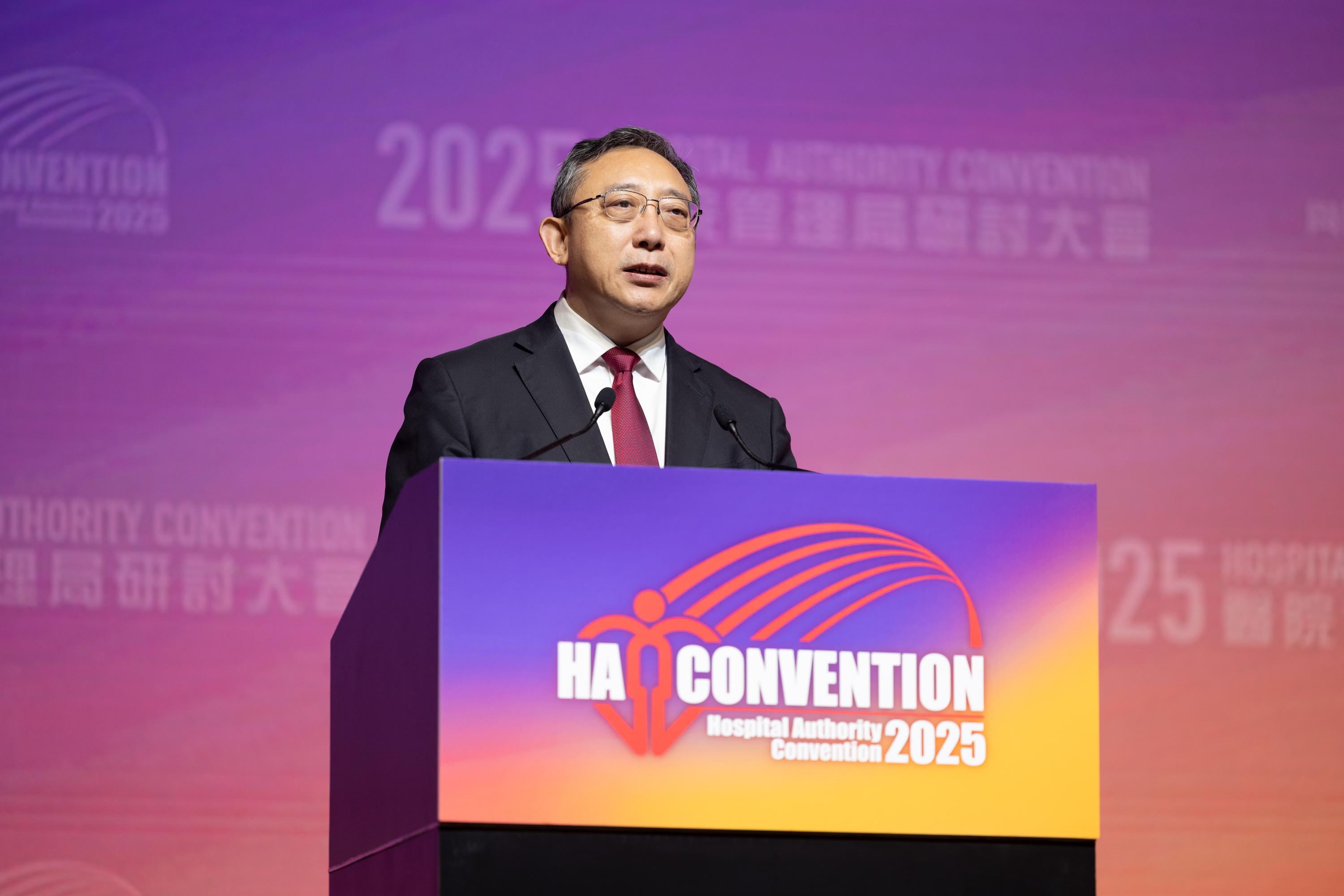
Photo  Photo  Photo  Photo  Photo  
read more

Speech by Secretary for Health at Plenary Session: Shaping a More Equitable and Sustainable Health System of Asia Summit on Global Health (English only) (with photos)

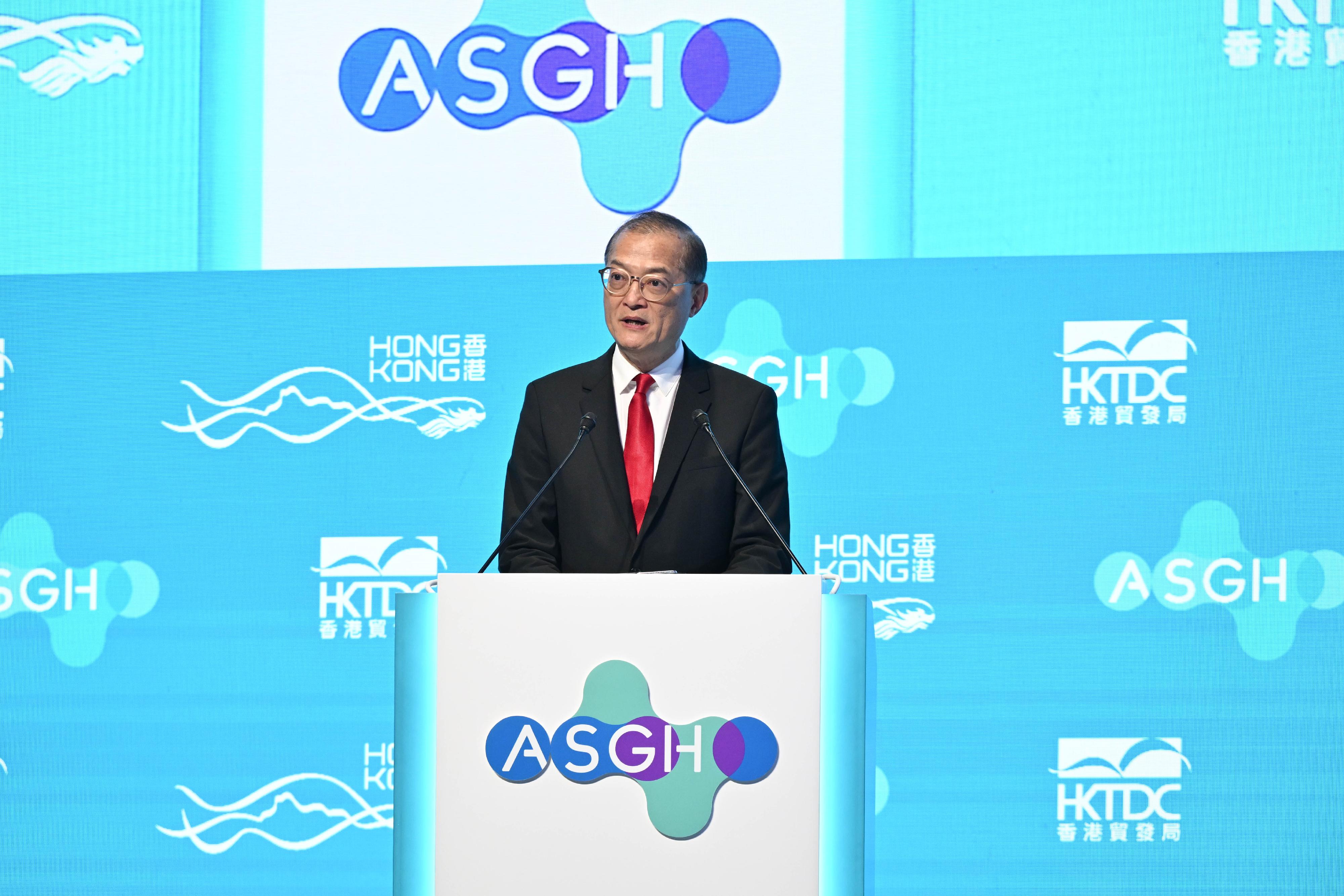
     Following is the speech by the Secretary for Health, Professor Lo Chung-mau, at the Plenary Session: Shaping a More Equitable and Sustainable Health System of the Asia Summit on Global Health today (May 26):

Distinguished guests, healthcare leaders, ladies and gentlemen,

     Hong Kong takes pride in the quality and efficiency of its health system. We rank the top globally in many health indexes and we have the best longevity in the world with a life expectancy of over 83 for man and over 88 for woman. Our public healthcare system serves as a safety net for all, providing universal health coverage with an overall subsidy rate of over 97 per cent, to ensure that no one is denied adequate medical treatment due to lack of means. Yet with an aging population, advancement in technology as well as medical inflation, we must deepen reform and embrace innovation to reinforce the quality, efficiency as well as sustainability of our healthcare system.

     Hong Kong’s unique position as Asia’s world city with the institutional advantage of “one country, two systems” gives us unparalleled advantages in healthcare innovation. Our strategic position is reinforced by national policies including the 14th Five-Year Plan, which designates Hong Kong as an international innovation and technology hub, and the Resolution on Further Deepening Reform Comprehensively to Advance Chinese Modernization adopted by the Third Plenary Session of the 20th Communist Party of China Central Committee, emphasising healthcare reform and medical innovation.

     As the Chinese Proverb says: “When the winds of change blow, some build walls while others build windmills”. While geopolitical tensions strain international co-operation, Hong Kong is building bridges between the East and the West, between tradition and innovation, between laboratory and bed-side and between the rich and the poor. In the next few minutes, I will use four examples in our healthcare policies to show you how.

 1.  Traditional Chinese Medicine (TCM)

     Hong Kong is a place where East meets West. We have a dual tract healthcare system not only between the private and the public, but also between TCM and western medicine. These two not just meet and coexist in our community, but also collaborate and complement each other. With only 16 500 registered western doctors in Hong Kong or only 2.2 per thousand population, our healthcare system is complemented by nearly 11 000 registered TCM doctors, the majority serving our primary health in the community.

     TCM is an integral part of our health system. We have government subsidised TCM clinic in all 18 districts in Hong Kong and our Elderly Health Care Voucher subsidises TCM service as well. In public hospitals, we provide integrated Chinese-Western medicine service focusing on cancer care, respiratory diseases, stroke rehabilitation, chronic musculoskeletal pain and osteoarthritis.

     New initiatives with policy support include the upcoming Comprehensive TCM development blueprint to be released by the end of this year to lay out the strategy and action plan to further develop TCM. Most important of all, there will be two flagship projects to be commissioned end of this year: First, Hong Kong’s first Chinese Medicine Hospital with 400 beds that will provide a Hong Kong model of pure TCM as well as integrated TCM-western medicine in-patient care. It will carry the mission to promote collaboration and integration not just between Chinese and Western medicine but across borders in the Greater Bay Area (GBA) and beyond. Second, our new Government TCM testing institute is committed to the testing for herbal medicine with a view to set internationally recognised reference standards and support the development of International Herbal Pharmacopoeia. Hong Kong is determined to serve as the bridgehead for TCM development and internationalisation.

2. Health and Medical Innovation

     In the 2023 Policy Address, the Chief Executive of the Hong Kong Special Administrative Region outlined plans to develop Hong Kong into an international health and medical innovation hub.

     To complement technological innovation with regulation innovation, we will establish the Hong Kong Centre for Medical Products Regulation to integrate regulation of drugs and medical devices, enhance innovation support, and implement smart regulatory approaches with a view to implementing “primary evaluation” for medical product registration.

     Meanwhile, we have implemented the “1+” mechanism to expedite approvals for new drugs that are supported with local clinical data and approval from one reference drug regulatory authority. Under the national GBA policy 港澳藥械通 (Measure of using HK registered drugs and medical devices used in HK public hospitals in Guangdong-Hong Kong-Macao GBA) Special Measure which allows, up to now 45 designated healthcare institutions in GBA to import and use Hong Kong-registered drugs and medical devices, which are not yet registered in the Mainland, our new drug approval mechanism provides a unique green channel for innovative drugs and devices to enter the Greater Bay Area market.

     Another major milestone was the inauguration of the Greater Bay Area International Clinical Trial Institute at the Hong Kong Park of the Hetao Shenzhen-Hong Kong Science and Technology Innovation Co-operation Zone in November last year. Launched in parallel with the GBA International Clinical Trials Center in the Shenzhen Park, this “one zone, two parks” model marks a new chapter in cross-boundary collaboration. Together with the Real-World Study and Application Centre, these one institute and one center will jointly establish a GBA Clinical Trial Collaboration Platform to leverage the GBA’s population of over 86 million people to integrate clinical resources, data, and policy advantages, creating an efficient and internationally recognised clinical trial ecosystem.

     These initiatives position Hong Kong as a gateway between China and the world in health innovation. By fostering a vibrant ecosystem for advance medical product development, we aim to ensure that safe, effective, and more importantly, affordable treatments are accessible to more people, locally and globally, driving quality and equity in healthcare.

3. Hospital Authority fees and charges reform

     We initiate the fees and charges reform for public healthcare services with the objective to maintain a 90 per cent overall subsidisation rate in five years. While the Government’s commitment to the public healthcare system will not be lessened, reforming the subsidisation structure of public healthcare for more targeted subsidy aims to guide the public to make optimal use of healthcare resources, reduce wastage and abuse, and enhance healthcare protection for the “poor, acute, serious, critical” patients in all fronts, first of all, by enhancing the fee waiver mechanism, second, introducing an annual cap on fees and charges, and third increasing subsidies on self-financed expensive drugs and medical devices for the critically ill, thereby preventing “patients with serious conditions falling into poverty”. The reform will enhance the sustainability of our healthcare system and strengthen the safety net for all for even better universal health coverage.

4. Healthcare talents and the New Medical School

     A sustainable health system requires talents and enough healthcare manpower. While the Government has been addressing the issue of manpower shortage through a multipronged strategy, by increasing the number of intakes for local universities and admitting qualified non-locally trained healthcare workers, the 2024 Policy Address announced that the Government supports the plan to establish a third medical school. Indeed, Hong Kong has already hosted two top 30 world class medical schools but we have the ability and the need to develop the third one which shall adopt an innovative strategic positioning in pursuit of complementary development with the two existing ones.

     Yet amidst ambitions for innovation, research excellence as well as international ranking, we must remember that at the heart of medicine is not only technology but patients. Our fundamental goal is to train doctors who are not only safe and competent, but doctors who, in every decision and every moment, are fit to practice and place patients first.

     The strategic location of the proposed school in the Northern Metropolis will further enhance our healthcare collaborative capacity within the Greater Bay Area. The third medical school is not only a cornerstone in our journey towards shaping a more equitable and sustainable health system in Hong Kong. It will also be a new powerhouse to bolster Hong Kong’s position as an international hub for health and medical innovation as well as university education.

Closing

     Ladies and gentlemen, as the world gets more fragmented from unilateralisation, Hong Kong’s unique advantages makes us an important player in upholding multilateralisation to safeguard global health. Our role as a neutral hub for global health diplomacy has never been more crucial. We are not just participating in the future of global health. We are helping to shape it. We invite partners worldwide to join this future mission to build equitable and sustainable health system for all.

     Thank you very much.

Photo  Photo  Photo  Photo  Photo  Photo  
read more

LegCo Public Accounts Committee to hold public hearing tomorrow

The following is issued on behalf of the Legislative Council Secretariat:

     The Legislative Council (LegCo) Public Accounts Committee (PAC) will hold the first public hearing on “Street cleansing services” (Chapter 6) of the Director of Audit’s Report No. 84 tomorrow (May 27) at 2.30pm in Conference Room 1 of the LegCo Complex.

     Eight witnesses have been invited to appear before the above hearing to respond to points raised in the Report and answer questions asked by the PAC members.

     The programme for the public hearing is as follows:

Subject: Street cleansing services
(Chapter 6 of the Director of Audit’s Report No.84)
Date: May 27 (Tuesday)
Time: 2.30pm
Venue: Conference Room 1

Witnesses:
Mr Tse Chin-wan
Secretary for Environment and Ecology

Ms Irene Young
Permanent Secretary for Environment and Ecology (Food)

Mr Donald Ng
Director of Food and Environmental Hygiene

Mr Arsene Yiu
Deputy Director of Food and Environmental Hygiene (Environmental Hygiene)

Mr Peter Poon
Assistant Director (Operations)3
Food and Environmental Hygiene Department

Ms Jacqueline Ho
Assistant Director (Grade Management and Development)
Food and Environmental Hygiene Department

Ms Hui So-hing
Senior Superintendent (Outsourcing)
Food and Environmental Hygiene Department

Mr James Wong
Senior Superintendent (Cleansing and Pest Control)1
Food and Environmental Hygiene Department

     The PAC is chaired by Mr Shiu Ka-fai, and its Deputy Chairman is Mr Paul Tse. Other members are Ms Yung Hoi-yan, Mr Luk Chung-hung, Mr Edmund Wong, Mr Louis Loong and Ms Carmen Kan. read more

Speech by CE at Asia Summit on Global Health (English only) (with photos/video)

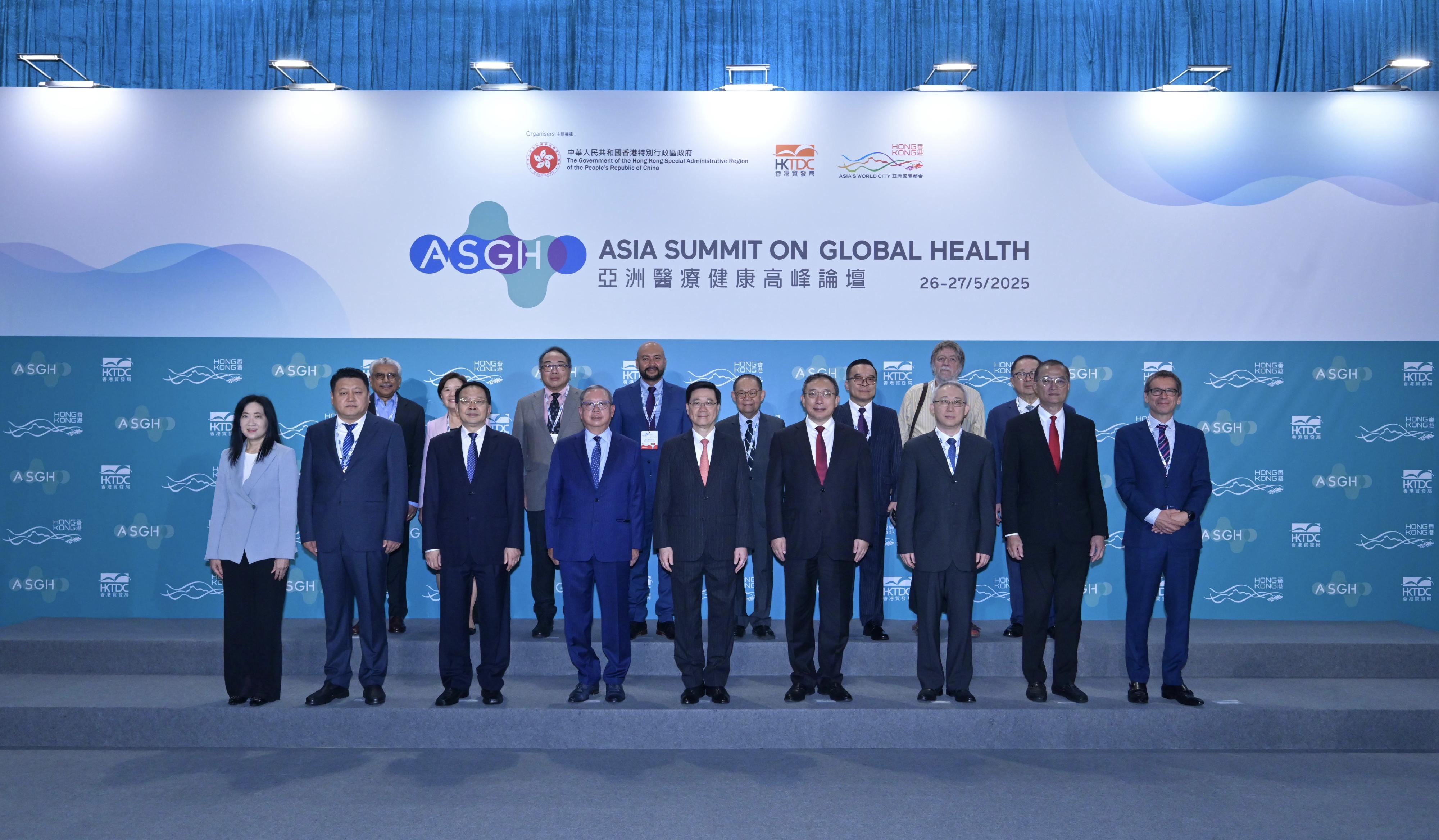
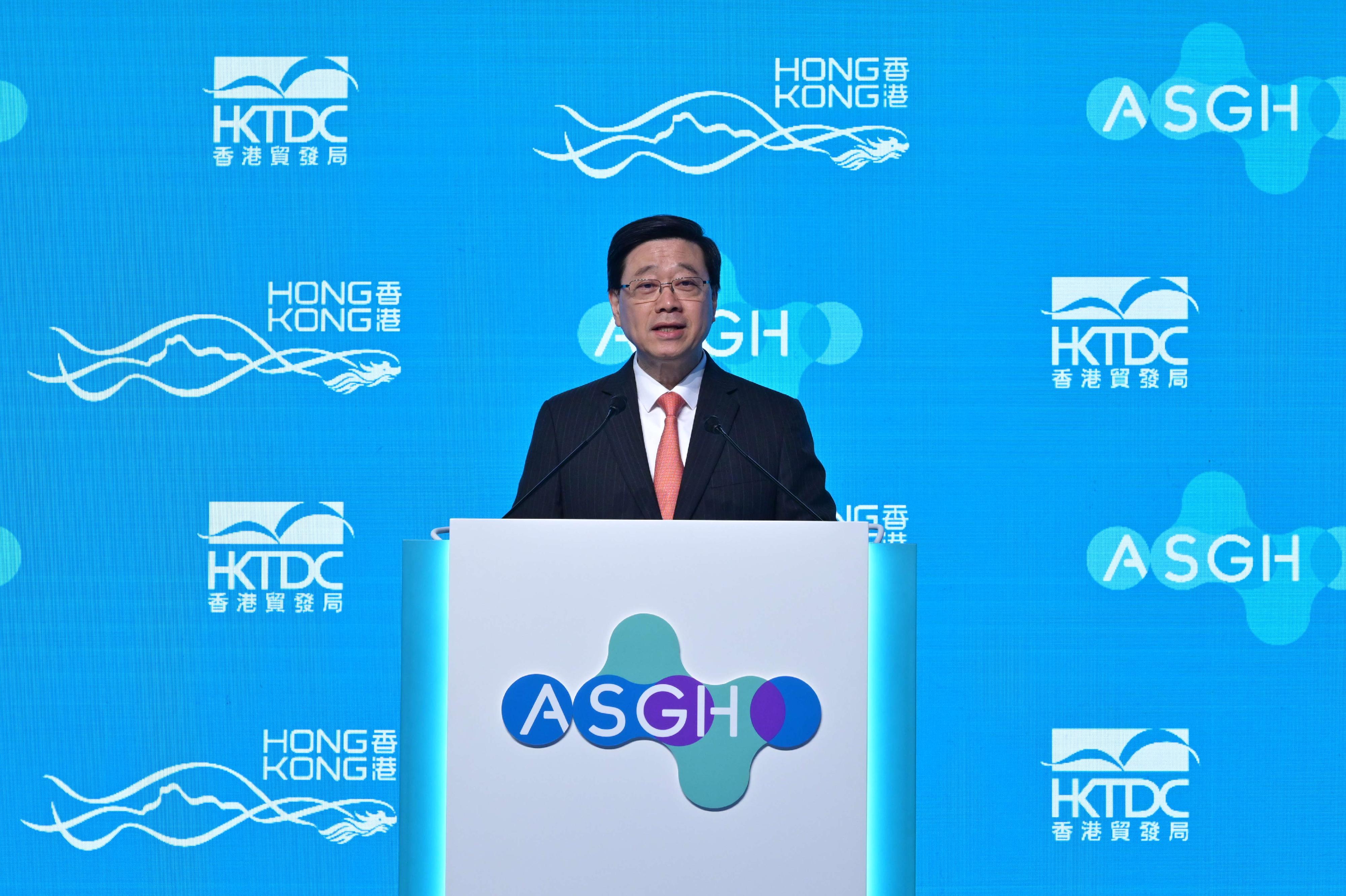
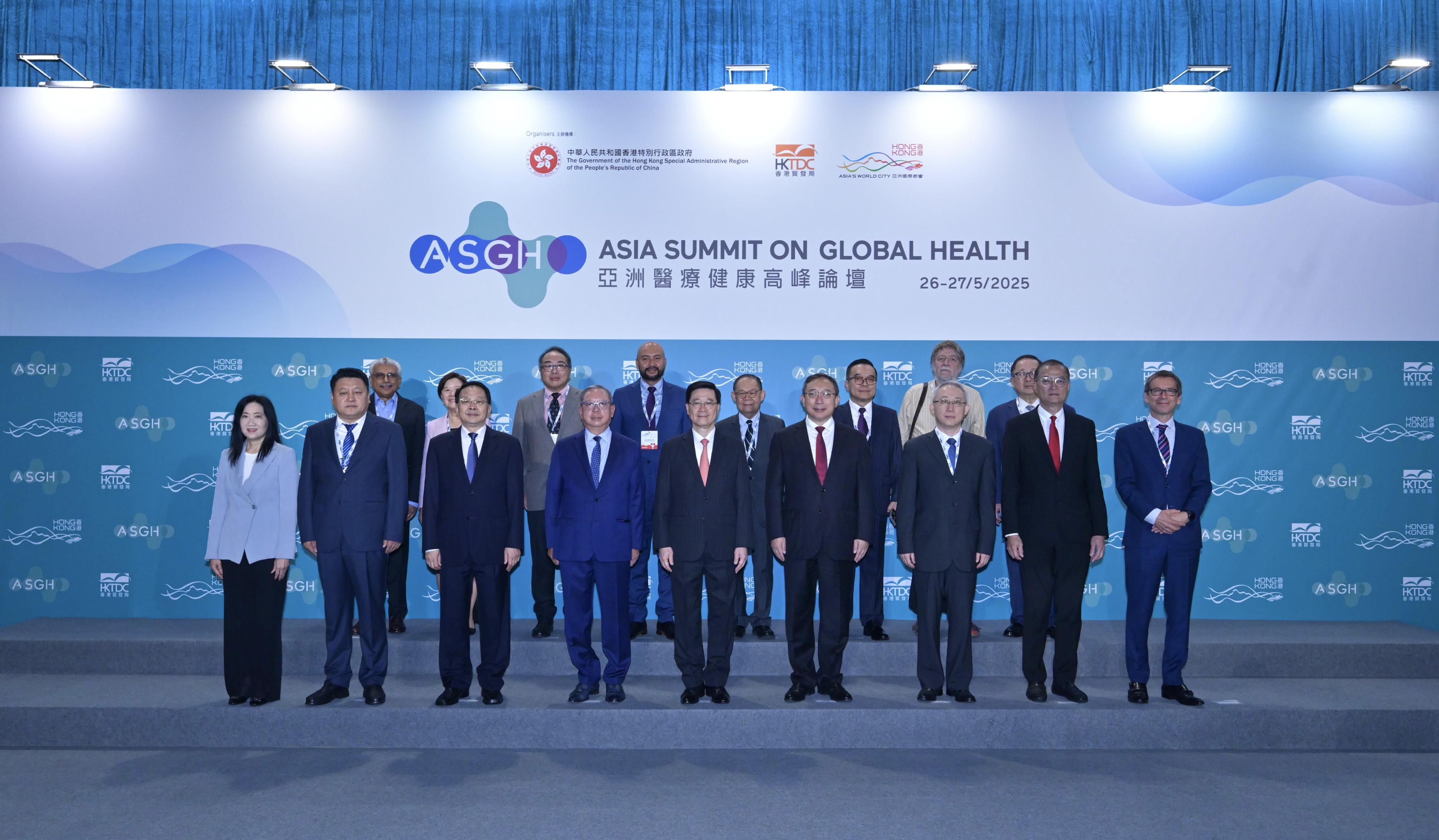
     Following is the speech by the Chief Executive, Mr John Lee, at the Asia Summit on Global Health today (May 26):
 
Honourable Vice-minister Cao Xuetao (Vice-minister of the National Health Commission), Deputy Director Yin Zonghua (Deputy Director of the Liaison Office of the Central People’s Government in the Hong Kong Special Administrative Region (HKSAR)), Deputy Commissioner Li Yongsheng (Deputy Commissioner of the Office of the Commissioner of the Ministry of Foreign Affairs of the People’s Republic of China in the HKSAR), Dr Peter Lam (Chairman of the Hong Kong Trade Development Council), distinguished guests, ladies and gentlemen,
 
     Good morning. I am delighted to join you all for this year’s Asia Summit on Global Health. Delighted to welcome our friends from around the world to Hong Kong.
 
     Global health starts with unity.  This spirit of collaboration is as important today as it was in 2021, when this Summit was first launched. It was launched under the cloud of the global pandemic. We don’t need any reminding of the dark days of the COVID-19 outbreak. But it is worth recalling that those difficult times also sparked a remarkable period of healthcare innovation and co-operation. These positive trends continue, here today, at this Summit.
 
     I thank all who are attending the Summit – over 2 800 experts from some 40 countries and regions. You are medical professionals, policymakers, academics, heads of pharmaceutical and health tech enterprises, and experts in many other fields.
 
     You are here to explore innovative solutions to chronic diseases, healthcare inequities and the challenges of an ageing population. To share knowledge and explore the promising opportunities in medicine, and medical technology, across Asia and beyond.
 
     These topics, and more, will be under the microscope, during the next two days of high-level panel discussions, networking and deal-making sessions. From a global perspective, the Director-General of the World Health Organization will share with us his views by video in a few minutes.
 
     Under the theme of “Fostering Global Collaboration for a Shared Future”, this Summit reaffirms Hong Kong’s pivotal role as a leading health innovation hub in the region.
 
     Under the “one country, two systems” principle, Hong Kong enjoys unique connectivity with both Mainland China and the world. As the world’s freest economy and one of the top three international financial centres, we offer an efficient, open and fair business environment with robust intellectual property protection. We maintain free flows of information, capital, goods and talent. We are also emerging as a leading hub for scientific innovation, technological advancement and world-class education.
 
     Hong Kong is the only city in Asia with as many as five universities ranked in the top 100 globally. We are home to two of the world’s top 40 medical schools, and eight State Key Laboratories in life and health disciplines. This, and more, provides fertile ground for world-class scientific research and medical technology innovation.
 
     Under “one country, two systems”, we also enjoy strong support of national strategies, coupled with ever-closer connectivity with our country, China.
 
     The connectivity is fully evident at the Hetao Shenzhen-Hong Kong Science and Technology Innovation Co-operation Zone. Straddling our boundary with the neighbouring city of Shenzhen, the Co-operation Zone comprises the Hong Kong Park and the Shenzhen Park. It pools together the technological strengths of our two cities.
 
     Our respective, and collective, strengths are recognised internationally, I’m pleased to add. In its annual Global Innovation Index, the World Intellectual Property Organization has ranked the Shenzhen-Hong Kong-Guangzhou science and technology cluster second, globally, for five consecutive years.
 
     It helps that we are core cities in the Guangdong-Hong Kong-Macao Greater Bay Area, or the GBA, a cluster city development that brings together 11 cities in southern China. It has a population of some 87 million, and a GDP that closely rivals the world’s 10th-largest economy.
 
     Riding on this synergy with other GBA cities, the Hong Kong Park of the Co-operation Zone is in good shape for its operational phase later this year. We will provide over US$250 million to support the InnoHK research clusters to set up there, and another US$25 million to assist start-ups engaging in life and health technology.
 
     The InnoHK clusters, let me add, now count 29 research centres and laboratories focusing on health tech, artificial intelligence and robotics, each formed by partnering a Hong Kong institution with a Mainland or international institution.
 
     In other news from the Co-operation Zone, the Greater Bay Area International Clinical Trial Institute is now up and running in the Hong Kong Park.
 
     And, just last week, the Institute started a collaboration initiative on clinical trial with our two medical schools. In more than 70 clinical trial projects expected to be launched in the coming year, the Institute will help to co-ordinate in cross-boundary clinical trials, connection with GBA institutions, and more. Well, that’s what I call a healthy outcome!
 
     Another key healthcare collaboration is on the registration for drugs and medical devices. Under a special measure of the National Medical Products Administration, several healthcare institutions in Mainland cities of the GBA may now use drugs and medical devices used in Hong Kong, but not yet registered on the Mainland. This accelerated pathway allows for the access of innovative medicines and devices into the Mainland market.
 
     We are now working with Shenzhen to establish a Real-World Study and Application Centre, by year’s end, to promote co-operation on the sharing of health and medical data. It would speed up the approval and registration of new drugs in both places.
 
     Hong Kong is committed to establishing its own internationally recognised authority for the registration of drugs and medical devices. We have implemented the “1+” mechanism for the registration of new drugs, vaccines and advanced therapy products. The mechanism allows for a drug to be registered in Hong Kong, once it has been registered with a reference drug regulatory authority, and supported by local clinical data.
 
     These and other efforts will drive the development of Hong Kong into an international health and medical innovation hub. More importantly, they will expedite patients’ access to advanced diagnostic and treatment services.
 
     To boost Hong Kong’s research prowess, we have launched a subsidy to support local universities in setting up health technology research institutes. With an allocation of some US$770 million, the programme will foster academic collaboration in life and health sciences research.
 
     Beyond funding research, let me add, we are also investing into developing our research talent. As a result, publicly funded PhD places increased by about one-third to 7 200 over the past two academic years. Places under the Hong Kong PhD Fellowship Scheme also saw a one-third rise.
 
     We endeavour to ensure the timely, and efficient, commercial returns from Hong Kong’s excellent research outcomes, including healthcare innovations. For this, we have set aside over US$1.2 billion for the Research, Academic and Industry Sectors One-plus Scheme, and another US$1.2 billion for the New Industrialisation Acceleration Scheme. These Schemes support enterprises to adopt new innovations, and set up smart productions facilities, respectively.
 
     Ladies and gentlemen, in fighting a virus, isolation is vital – quarantining the infected to protect the healthy. But in tackling healthcare, trade, and other societal issues, isolation is not the answer. While walls may stem the spread of a disease, they stifle free and open exchange, which is the lifeblood of prosperity.

     With unilateralism and protectionism sweeping the world like a contagion, we should remember a fundamental truth: Trade thrives on openness. Much as how a human body can only stay healthy when its interconnected systems work in harmony, our global economy can only prosper with an ecosystem of trust, collaboration and multilateralism. For in trade, as in health, resilience lies not in isolation, but in collaboration. And Hong Kong is here to build meaningful partnerships and innovative co-operations, with all of you.
 
     My thanks to the Hong Kong Trade Development Council for jointly organising this Summit with the HKSAR Government. I encourage all of you to visit the Hong Kong International Medical and Healthcare Fair, another key event of this International Healthcare Week, over the next three days.
 
     As the saying goes, “Laughter is the best medicine”. Therefore, while this Summit focuses on the serious topic of global health, I would like to see all of you rejoice here and participate in a happy mood. Find time, also, to relax and enjoy the colourful cultural experiences here in our world city.
 
     I wish you all a very successful Summit, a delightful stay in Hong Kong and, of course, the best of health!
 
     Thank you.

Photo  Photo  
read more