Politics

image_pdfimage_print

First Minister Carwyn Jones – “We’re committed to a sensible Brexit that secures Wales’ future”

First Minister Carwyn Jones said:

“Today signals the end of months of speculation and the start of a critical period of negotiation which will shape our future relationship with Europe and the wider world.

“We remain committed to the priorities set out in our white paper, Securing Wales’ Future, which puts full and unfettered access to the Single Market first and foremost.

“Our white paper sets out a sensible negotiating position for the UK as a whole, and has already influenced the UK Government’s approach in important areas including maintaining full access to the Single Market, upholding existing employment rights and the importance of transitional arrangements.

“While we have often been frustrated with the processes by which we’ve arrived at this point today, we must now concentrate on the job in hand. We stand ready to work constructively with the UK Government to secure a deal which protects Welsh businesses, our economy and the future prosperity of Wales.

“If, as negotiations progress, we believe our priorities are not being championed or our representation falls below a level we find acceptable, we will not remain silent. We will not allow Wales to be side-lined – we will be outspoken and our voice will be heard.

“As a leader of a country which voted to leave the EU, we are wholly focused on securing Wales’ future. We will step up to the plate and do all we can to deliver the best possible outcome for Wales.”

read more

News story: Women’s health tech firm attracts £4.8 million investment

A funding round by ‘fem-tech’ business Chiaro has attracted £4.8 million of external investment. This is to support the development of 3 more smart products addressing female health and wellbeing and help it expand into 25 countries.

Joining the round are Octopus Ventures, a leading tech investor and Allbright, a venture capital fund that invests in female entrepreneurs, amongst others. It brings Chiaro’s total capital to £9.6 million.

Innovate UK awarded Chiaro a grant in its start-up phase, as it sought to leverage the latest developments in wearable technology and create a connected pelvic floor exercise tool, Elvie.

Exciting moment for tech for women

Tania Boler, chief executive and co-founder, said:

Women and consumer tech have never been a very exciting space for investors. There’s been an assumption that women aren’t early adopters of tech, which we’re trying to prove isn’t correct.

Now is an exciting moment for tech for women. There’s a big feminist movement and a paradigm shift in technology and health.

Elvie is a kegel exercise tracker for the pelvic floor. Weakened pelvic floor muscles can cause more than half of all women’s bladder, sex or prolapse problems. Women can use their smartphones to find out how to strengthen their muscles and monitor progress.

Within 6 months of the device going on sale Chiaro was making a profit. Last year the company reported direct sales of £800,000. It has recently struck deals with major retailers including John Lewis and Amazon.

Most promising startups

Chiaro is part of Tech City UK’s Upscale programme of 33 most promising startups. It has also received celebrity attention, with its product having featured on Gwyneth Paltrow’s Goop website and been included in high-profile gift bags at the Academy Awards.

read more

News story: Minister for Africa statement on the situation in the DRC

I am deeply concerned by the continued delay in implementing the 31 December 2016 political agreement in the DRC. Without progress it will be impossible for credible elections to be held this year leading to an historic peaceful transition of power, as is clearly the wish of the Congolese people.

The work of the National Episcopal Conference of Congo (CENCO) to broker an agreement on remaining issues is highly commendable and so it is disappointing that the political parties failed to reach consensus by CENCO’s deadline. EU Foreign Ministers are now actively considering sanctions against anyone blocking a peaceful solution, a move the UK fully supports.

I therefore call on all parties, and in particular President Kabila, to reach agreement as soon as possible. DRC’s present and future is in grave danger; a peaceful transition can only be achieved if all sides show greater flexibility.

read more

Newslinks for Wednesday 29th March 2017

Brexit Day 1) May signed the letter yesterday. Today we begin to leave

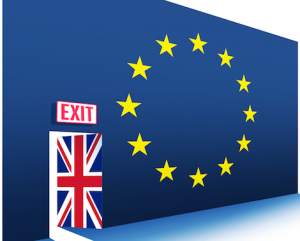
EU Exit brexit

EU Exit brexit

“Shortly after 4.30pm yesterday, Mrs May signed a letter notifying the European Council of Britain’s intention to leave the EU. Once the letter is handed over today, two years of talks will begin on the terms of withdrawal allowed under Article 50 of the Lisbon treaty. Mrs May sat in the cabinet room at Downing Street beneath a portrait of Sir Robert Walpole, the first prime minister, as she signed….The prime minister will address the cabinet at 8am today before travelling to the Commons to outline her negotiating strategy. Last night she began a diplomatic charm offensive to lay the ground for what allies admit will be gruelling and often fractious talks.” – The Times (£)

Editorials:

  • A “golden chance” to reform the state – Daily Telegraph
  • This represents more than Britain’s “biggest diplomatic challenge” – The Times (£)
  • We are “barking on a fraught and difficult course” – Guardian
  • This is the “most momentous day in modern British history” – The Sun

Comment:

  • Hail, festal day! – Jacob Rees Mogg, Daily Telegraph
  • Happy Article 50! – Quentin Letts, Daily Mail
  • The job is done – Douglas Carswell, The Sun
  • What I imagine the letter said – Tom Peck, Independent
  • Voters should get the last word – Tim Farron, Guardian
  • The time frame is “unrealistic” – Gina Miller, Independent
  • The choice we face – Gordon Brown, FT
  • There’s “nothing to fear” – Ashley Fox, Daily Express

>Today: ToryDiary: A truly historic moment. Today we start the process of leaving the EU.

Brexit Day 2) May to talk of “fierce determination” to get best deal

“Theresa May will call on Britons to put their Brexit disagreements 
behind them and join forces on the “momentous journey” to freedom from the European Union. On the day she formally sets Brexit in motion by triggering Article 50, the Prime Minister will lay out her “fierce determination” to get the right deal for “every single person in this country”. On Tuesday night, with a Union flag by her side and beneath a portrait of Robert Walpole, Britain’s first prime minister, Mrs May sat at the Cabinet table and signed the historic letter to give notice of Britain’s decision to leave the EU. On Wednesday it will be hand-delivered to Donald Tusk, president of the European Council, and when he opens it, the clock will start ticking on two years of negotiations to agree the terms of Britain’s withdrawal.”

>Today: MPs etc: May’s Article 50 statement: “Now that the decision has been made to leave the EU, it is time to come together.”

Brexit Day 3) On addressing Commons she will “aim to strike a note of reconciliation”

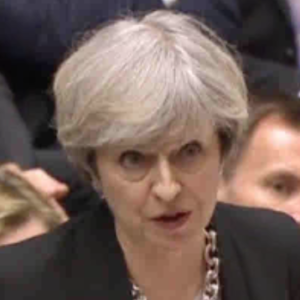
Theresa May

Theresa May

“Theresa May will call on the British people to unite as she triggers article 50, beginning a two-year process that will see the UK leave the European Union and sever a political relationship that has lasted 44 years… May will aim to strike a note of reconciliation when she addresses the Commons, claiming this is the time for Brexiters and remainers to “come together” after holding an early morning meeting of her cabinet. “When I sit around the negotiating table in the months ahead, I will represent every person in the whole United Kingdom – young and old, rich and poor, city, town, country and all the villages and hamlets in between. And yes, those EU nationals who have made this country their home,” she will say.” – Guardian
  • She says “it’s time to come together” – The Sun
  • Remainers must accept this is it – Raphael Behr, Guardian

Brexit Day 4) She speaks of commitment to EU nationals

“Theresa May has vowed to represent all sections of the country – including EU nationals – as she triggers Article 50 and begins an arduous two-year negotiation to sever ties to Brussels…. “When I sit around the negotiating table in the months ahead, I will represent every person in the whole United Kingdom – young and old, rich and poor, city, town, country and all the villages and hamlets in between,” she said. “And yes, those EU nationals who have made this country their home.” – Independent

  • Barnier hopes to get agreement on residency rights by end of year – Guardian

Brexit Day 5) Dominic Raab: We will prepare for all outcomes

RAAB Dominic headshot

RAAB Dominic headshot

“Today, Britain begins negotiations to leave the EU. We start with economic self-confidence and political ambition. But, the first year will be hard going. The EU didn’t want us to leave, and Brussels has other things on its mind. To give ourselves the strongest chance of the best deal, we need to be patient, constructive and big-hearted – without blinking. … I appreciate some will be anxious during the process. By definition, negotiations involve uncertainty. But, outside the Westminster village, polls show the public strongly support this vision. A recent National Centre for Social Research study found 88 per cent of people support our free trade strategy, while 68 per cent want to end open-door immigration – including 58 per cent of Remain voters.” – Daily Telegraph

  • Heseltine, Mandelson, and Cable call for May to drop “no deal” option – Independent
  • Wales stands to lose out – David Williamson, Wales Online

Brexit Day 6) Daniel Finkelstein: Here’s how to negotiate

“In 1912, with Theodore Roosevelt in the middle of a battle to return as president of the United States, his campaign manager realised that the picture of the candidate that adorned his literature had been reproduced without the permission of the photographer. If the man sought redress, copyright law might allow him as much as $3 million. Curtains for Teddy. So his manager thought carefully and sent a telegram… What Teddy Roosevelt’s campaign manager understood, however, is that it’s just as important to get inside the head of the people on the other side in a negotiation as it is to know what you want.” – The Times (£)

>Today: Henry Newman in Comment: Sequencing and money. The first big challenges to the Brexit negotiation.

More Brexit

  • Pro-leave MPs refuse to sign “negative” report – FT
  • The process “continues to pitch senior political figures against each other’ – Guardian
  • Tory MP says “few dare to question” the Brexit orthodoxy – Guardian
  • Farage says he’ll emigrate if Brexit doesn’t work out – Independent
  • Remainers vow to fight on – FT
  • We need to make concessions – FT

>Yesterday: ToryDiary: The remains of Remain still don’t understand Leave voters or Brexit – particularly on immigration

May talks of “ambitious” Gulf trade deal

The Prime Minister made the announcement as she prepares to trigger Article 50 tomorrow which will start two years of negotiations to leave the European Union (EU). She also welcomed a commitment of £5billion of investment from Qatar as a “bold statement of continued confidence” in the British economy. Speaking at the UK-Qatar Business Investment Forum in Birmingham, she said a “global Britain” would be the “most committed and most passionate” advocate for free trade anywhere in the world. – Daily Express

Sturgeon wins Holyrood vote for independence rerun

nicola-sturgeon-08-01-17

nicola-sturgeon-08-01-17

“Nicola Sturgeon has won a key Holyrood vote on her plans for a second independence referendum, triggering accusations from UK ministers that her demands are premature. Sturgeon won by a 10-vote majority after the Scottish Greens backed her proposals to formally request from the UK government the powers to stage a fresh independence vote at around the time Britain leaves the EU, in spring 2019… The vote, which split the Scottish parliament cleanly between pro- and anti-independence parties, deepened the dispute between the two governments over both the need for and the timing of the vote.” – Guardian
  • It passed 69-59 – Independent
  • After a three-hour argument – Daily Express
  • This “sets up a clash” with Downing Street – FT
  • Westminster “digs its heels in” – Herald

Comment:

  • The relationship between May and Sturgeon – Alan Cochrane, Daily Telegraph
  • Is it all about legs? – John Crace, Guardian
  • Yes. But it’s been blown out of proportion – Sarah Vine, Daily Mail

Accounts Committee to say DfE is “jeopardising” schools with its “lack” of financial awareness

“The Department for Education is suffering a “collective delusion” about the financial pressures facing schools, MPs will suggest today. The department risks jeopardising the education of a generation of children and “does not seem to understand the pressures that schools are already under”, according to a report by the public accounts committee. Officials are poorly placed to act swiftly if cuts threaten quality, it adds. Schools will have to find efficiency and procurement savings of £3 billion by 2019-20 and the report, which is being published today, concludes that staffing levels will suffer.” – The Times (£)

  • DfE launches own property company – FT
  • GCSE reforms criticised – The Sun

More Westminster

  • Standards Committee calls for MPs to be treated as criminals if they don’t declare interests – Daily Telegraph
  • Philip May: business-speak translator… – Daily Telegraph
  • …and Europhile? FT
  • Feldman criticised for taking paid strategy role – The Times (£)
  • Brokenshire says NI direct rule “still an option” – Guardian
  • Committee criticises DfID for ending aid programmes – Guardian
  • Emergency debate granted over disability cuts – Independent

>Today: Rebecca Lowe Coulson’s column: Why government should focus on reducing poverty – not increasing equality

Trump claiming presidential immunity in sexual contact case

merkeltrump

merkeltrump

“President Donald Trump’s lawyers will argue that he has presidential immunity from a defamation case brought by a former contestant on his reality TV show The Apprentice who accused him of unwanted sexual contact. The lawyers said in a state Supreme Court filing on Monday that they will formally ask for a dismissal or a suspension of the January claims by Summer Zervos, until he leaves office. They said the constitution provides immunity for Mr Trump from being sued in state court while he is president. The lawyers said their position is supported by a long line of US Supreme Court cases requiring courts to show deference to the president and his schedule.” – Daily Telegraph
  • Krushner’s having a “crisis” too – David Usborne, Independent

News in Brief

read more

A truly historic moment. Today we start the process of leaving the EU.

The word “historic” is overused in politics, but today truly merits the title. At 12.30pm, Sir Tim Barrow will deliver a letter from Theresa May to Donald Tusk, the President of the European Council.

In those pages, the Prime Minister will use the power vested in her by Act of Parliament to inform the European Union that the United Kingdom is triggering Article 50, and wishes to leave the organisation. The two-year process of negotiating Brexit will begin.

So begins the last act of our nation’s turbulent membership of the Eurofederalist project.

What was pitched as a Common Market but became a nascent superstate has split a faultline through British politics since the 1970s – the EU debate generated noisy campaigning, quiet deliberation, divisions between parties and divisions within parties, the fall of two Prime Ministers and the fatal emasculation of a third. It brought us close to losing our currency, impinged heavily on our sovereign right to democratically govern ourselves, drove millions of voters to disillusionment and split first Labour and then the Conservatives. From Margaret Thatcher’s flag jumper to her speech in Bruges, and from John Major’s excoriation of the Maastricht “bastards” to Nigel Farage’s insurgency wearing “fruitcakes and loonies” as a badge of pride, it has the unusual distinction of being an incredibly dry and technical topic on paper which evokes almost unparalleled passions in practice.

It was a Conservative government, under Edward Heath, which took us into what became the EU, and it is a Conservative government, under May, that will now take us out again. This is an outcome which ConservativeHome has supported for many years, and which I have supported for even longer than that. For those – of all parties and none – who campaigned to leave the EU during the dark days in which it was dismissed as a fringe interest, today begins the process of making those innumerable years of work worthwhile. Pounding the pavements, gathering in small meeting places above tired pubs, sticking at it when all seemed lost, and, yes, “banging on about Europe” took determination and belief from many people. Few of them ever expected any recognition for their work, and even fewer ever received it.

They deserve a moment of congratulation. Not just because they won, but because they have demonstrated that our democracy and society is still true to the principles of which we like to boast. People can change the course of history. Ordinary people can make the powerful do what they demand if they gather enough support. Persuading others can produce fundamental change peacefully. Democracy is real, not a theory, a mirage or a confidence trick.

Two other groups deserve our thoughts today.

The first are those who voted Remain. As I wrote on 26th June last year, many of them feel an understandable grief at their defeat on something about which they care very deeply. For some, that experience of defeat will be made more, not less, stinging by its rarity in their lives. We should appreciate the reality of that feeling, recognise its power, and pay credit to the many, many former Remainers who have struggled to do what a democratic society demands: to accept and adjust and move on after an outcome you did not want. The shrinking minority who still hope that the referendum outcome can be ignored must be disagreed with, and must not get their way, but their former allies deserve our appreciation for not following them down the unhealthy route of denial.

The second group are those who voted Leave. The 17,410,742 people who, together, formed the largest vote for any idea, person or party in British democratic history. They were assailed from every commanding height by dire warnings, and often derided both harshly and unfairly, but they thought the issues through for themselves and stuck to what they believed was right.

Among them were an estimated 2.8 million people who normally do not vote, but recognised the importance of the moment and broke the habits of many years. They had given up faith in voting as a way to change things, but they gave it one more go. Today, many people who had thought themselves powerless will be watching as the most powerful people in the land begin do as they asked. The power of that moment to convince such people that democracy does work and that their vote does matter should not be underestimated, the opportunity must be taken to keep them engaged, and the responsibility to honour that instruction must not be denied.

This is not the end of the process. Even leaving aside those trying to wish the referendum result away, there are many more fervent debates and hard decisions yet to come. The job of unpicking the uneasy grafting of EU law into British law will be vast and complex, as will the negotiations on our future relationship, both of which are about to begin. People will disagree, as is their right and responsibility, probably many times; referendum-time alliances will break; new relationships will form, and fall again; and the wheels of our politics will turn on, eating up problems and churning out answers.

That, in itself, is an already visible benefit of Brexit. Our Parliament, and our wider democracy, has begun to flush with new life even before we finally escape the EU. The Article 50 Bill – just 137 lean words – had Parliamentarians energetically pitching clashing cases about fundamental principle at one another. Even more rarely, many voters followed the Westminster back-and-forth in detail.

As we settle on our terms of exit, and then decide what our country will look like after it leaves, voters and politicians alike will regain true control of all the essential laws of our nation for the first time in 45 years. At each election from then on, we will democratically set the policies that affect every aspect of our lives and which will shape our nation’s future. This is just the beginning.

read more