The Government today (May 22) announced that the Antiquities Authority (i.e. Secretary for Development) has declared the masonry bridge of Pok Fu Lam Reservoir, the Tung Wah Coffin Home on Sandy Bay Road, and Tin Hau Temple and the adjoining buildings in Yau Ma Tei as monuments under the Antiquities and Monuments Ordinance. The notice of the declaration was gazetted today.
Pok Fu Lam Reservoir is the first public reservoir in Hong Kong. The construction of the reservoir commenced in 1860 and water supplies began at the end of 1863. Several extensions were undertaken between 1866 and 1877. Prior to the construction of Tai Tam Reservoir in the 1880s, Pok Fu Lam Reservoir was the only reservoir providing fresh water to the Central and Western Districts.
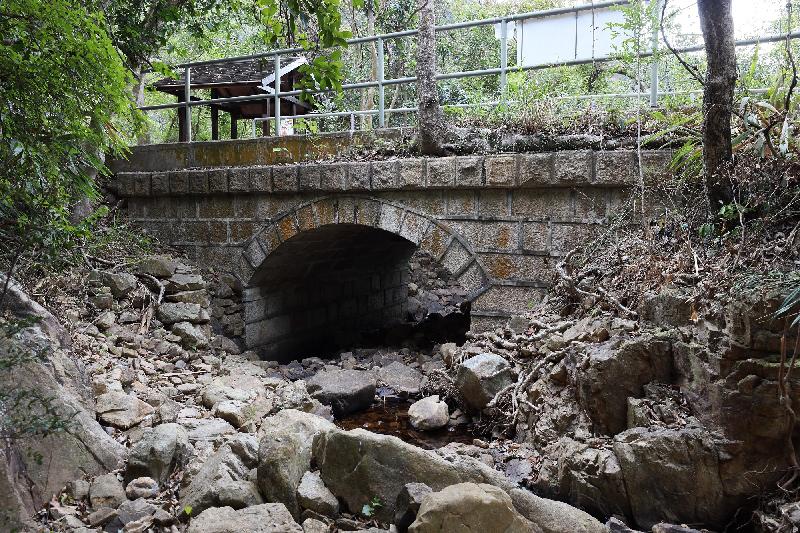
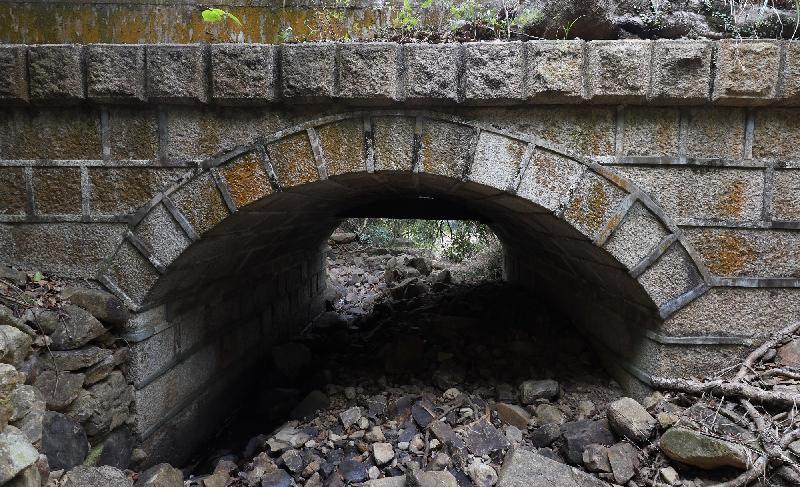
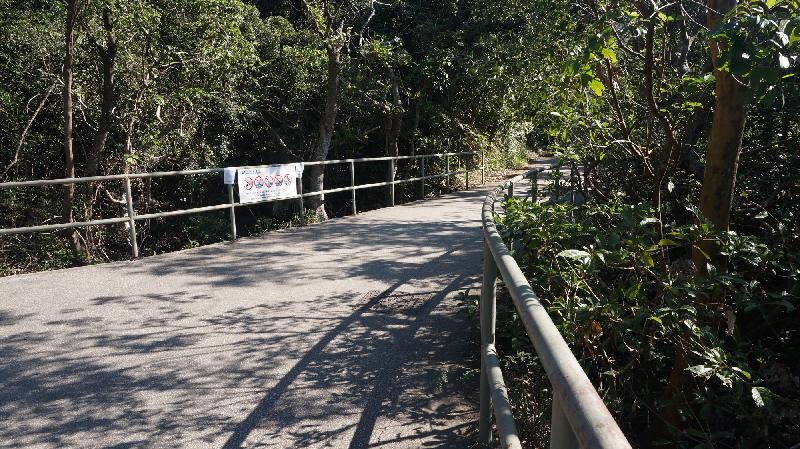
The masonry bridge is one of the oldest surviving historic structures of Pok Fu Lam Reservoir. The bridge is situated at the east end of Pok Fu Lam Reservoir and supports Pok Fu Lam Reservoir Road, which runs along the northern side of the reservoir. It spans the mouth of one of the feeder streams that run off the surrounding hillsides. The bridge is built of granite and features an elegant semi-circular arch. It is neatly finished using granite copings with chamfered margins and reticulated surfaces.
This bridge, together with the other four masonry bridges on Pok Fu Lam Reservoir Road that were declared monuments in 2009, provide not only an indispensable linkage with the reservoir’s other waterworks facilities, but also access for maintenance and visitations.
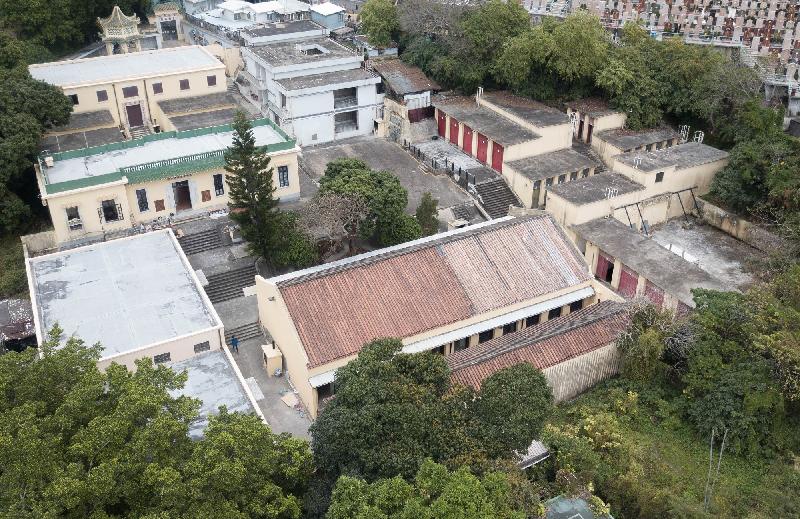
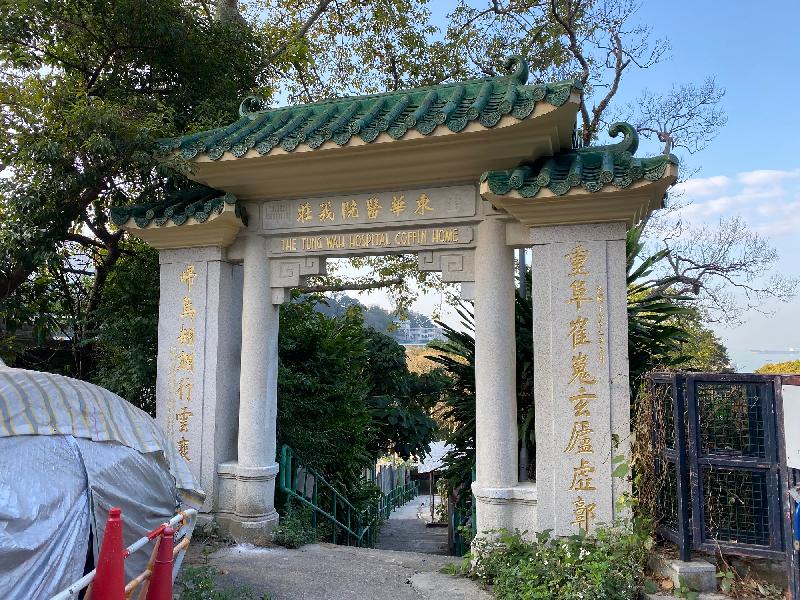
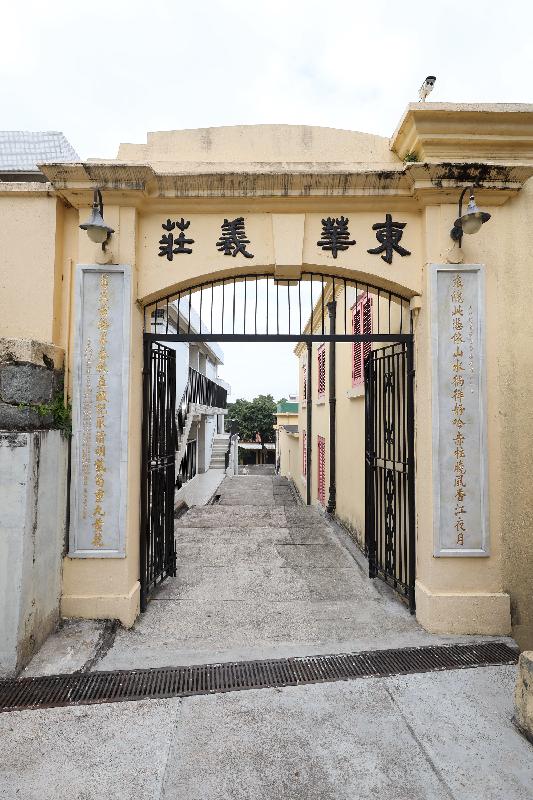
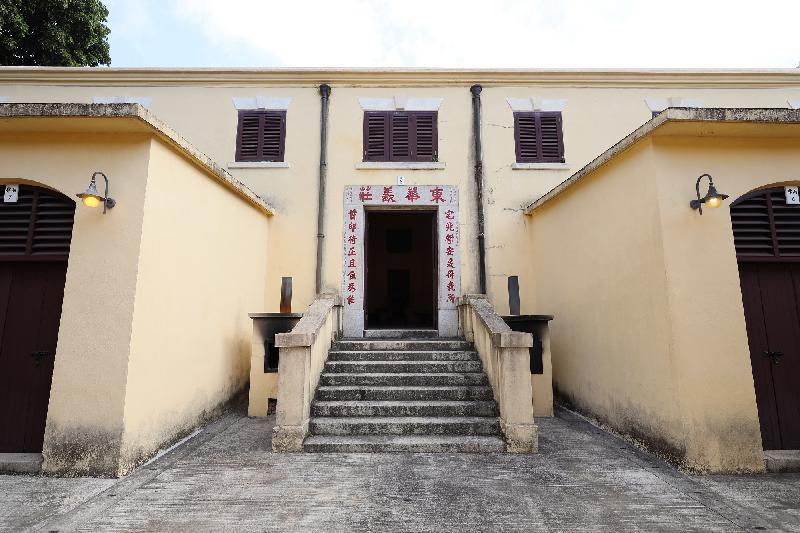
The Tung Wah Coffin Home was established in 1899, with the first group of buildings completed in 1900. It is believed that the predecessor of the Tung Wah Coffin Home was a coffin home near the slaughterhouse in Kennedy Town, which was established in 1875 with funds from the Man Mo Temple in Sheung Wan. The management of the coffin home was later handed over to Tung Wah Hospital. A plot of land in Sandy Bay was granted by the Government for the rebuilding of the coffin home in 1899. The coffin home has been officially known as the Tung Wah Coffin Home since then. It is the only example of its type in Hong Kong that is still serving its original purpose as a place for the deposition of coffins and human remains. It is also a testimony to the contribution of Tung Wah Group of Hospitals to the global network of Chinese charities during the 19th and 20th centuries.
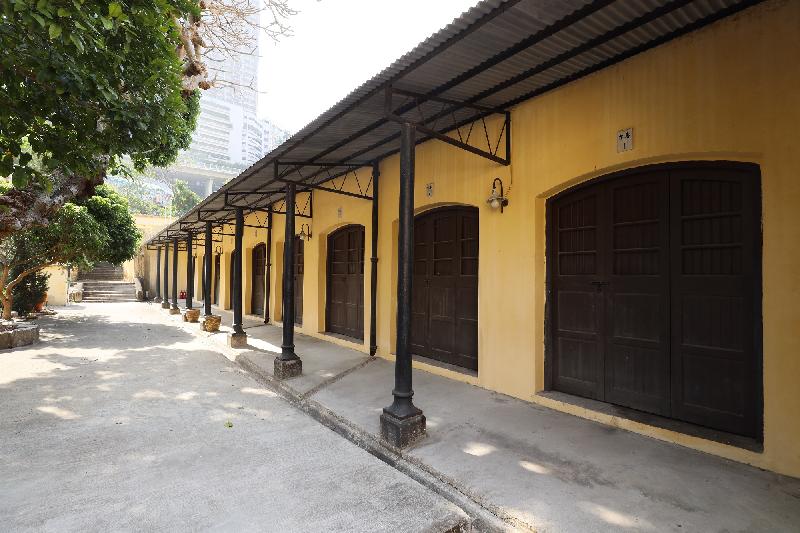
Situated on Sandy Bay Road for over a century, the coffin home now consists of two halls, 72 rooms, gateways, a pavilion and gardens built in different periods. Although the coffin home was built for charitable purposes and largely adopted the principles of economical and functional design, some decorative elements can still be found in some buildings. Moreover, as the buildings were constructed and renovated in different periods, the coffin home reflects a variety of styles, ranging from traditional Chinese vernacular architecture to modern Western-style elements, and other features that are a hybrid of both.
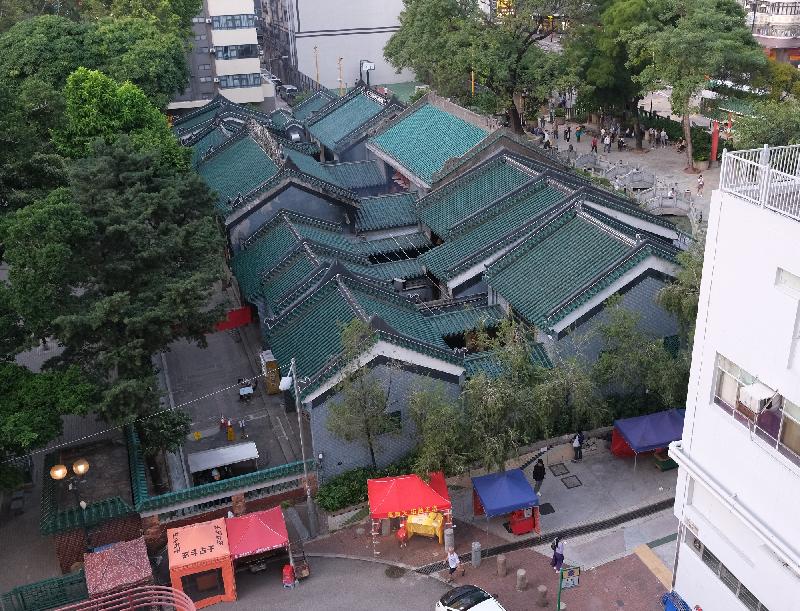
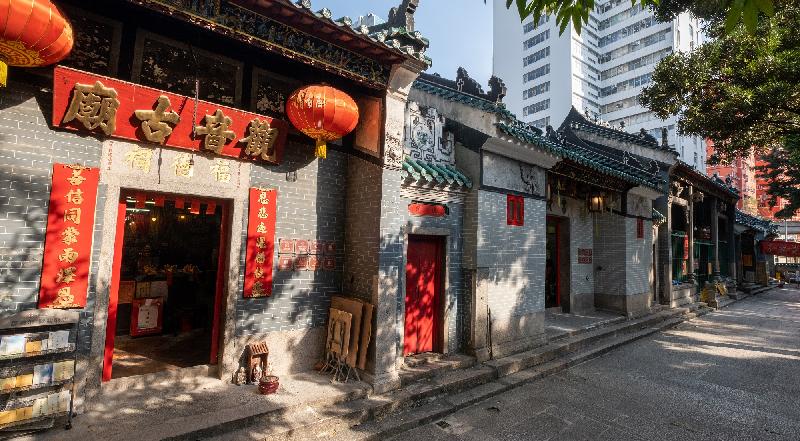
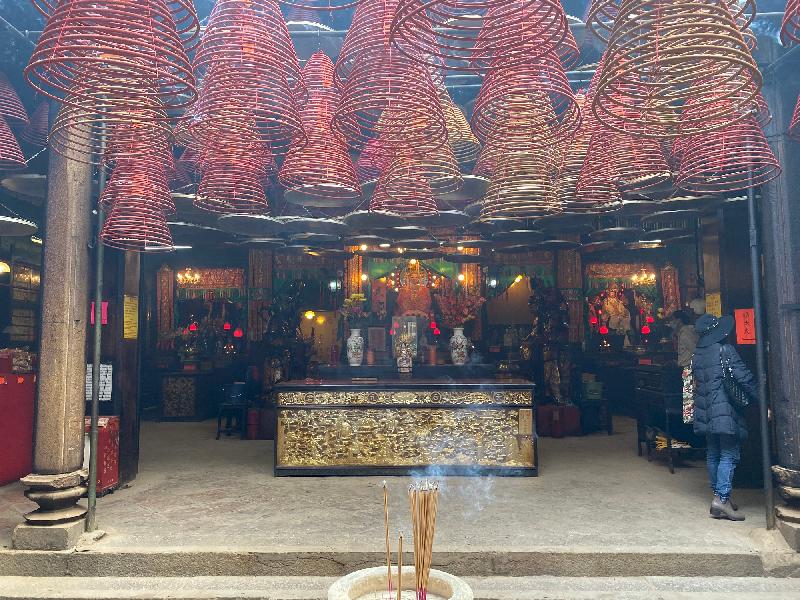
Tin Hau Temple and the adjoining buildings in Yau Ma Tei are significant in the history of Kowloon as a multi-functional place for worship, arbitration and study. The temple established by boat people and land dwellers serves as an important religious focus and marker of a collective cultural identity for the local community. It is the largest surviving Tin Hau Temple compound in Kowloon, and bears witness to the development of the physical and cultural landscape of Yau Ma Tei.
The Tin Hau Temple, which was the first building constructed within the site, replaced an earlier Tin Hau Temple probably built in 1865 by the local community. The temple was relocated to its present site in 1876 and was completed in 1878. The other four buildings adjoining the temple, i.e. Kung Sor (Communal Hall), Fook Tak Tsz (Hall of Earth God) and the two Shu Yuen (schools), were constructed subsequently in phases between 1894 and 1920.
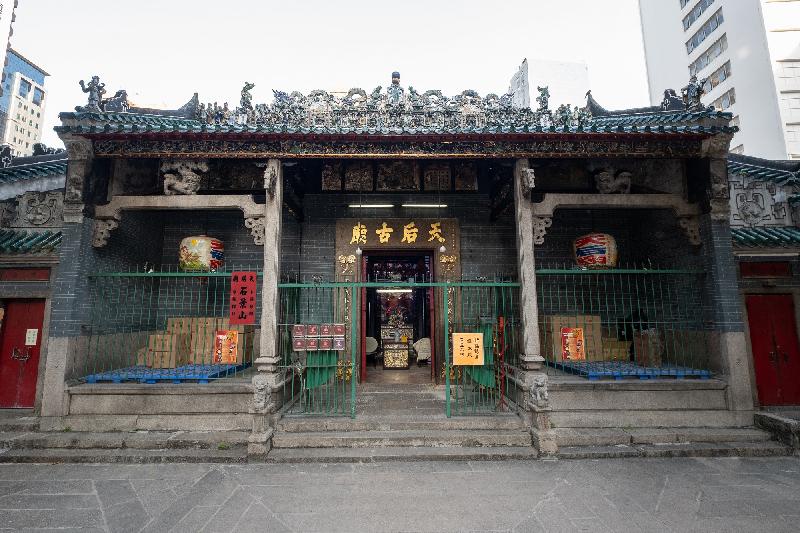
Among the five buildings, Tin Hau Temple is the largest and most elaborately decorated structure. Fronted by an entrance porch with drum platforms to either side, the temple is a Qing vernacular two-hall, three-bay building with an open courtyard between the two halls. The drum platforms have granite columns with meticulously carved bases. Exquisite historic Shiwan ceramic figurines can be found on the main ridge of the entrance hall.
Information on the three monuments is available at the heritage conservation website of the Development Bureau (www.heritage.gov.hk).
read more