Tag Archives: China

CHP reminds public on precautions against cold weather

     The Centre for Health Protection (CHP) of the Department of Health (DH) today (January 28) reminded the public, particularly the elderly and people with chronic illnesses, to adopt appropriate measures to protect their health in view of the cold weather.

    A spokesman for the CHP said that cold weather can easily trigger or exacerbate diseases, especially among the elderly and persons suffering from heart disease, respiratory illnesses or other chronic illnesses.

     “Elderly people have less insulating fat beneath their skin to keep them warm, and their body temperature control mechanisms may be weaker. Their body may not be able to appropriately respond to thecold weather,” the spokesman said.

     Some senior persons may have decreased mobility, which can impair their ability to generate and conserve body heat. Chronic illnesses, such as hypertension, diabetes and endocrine disorders, may undermine the health of elderly people and lower their metabolic rate, subsequently causing their body to generate less heat. Persons with chronic illnesses, such as chronic respiratory illnesses or heart disease, are vulnerable to disease aggravation due to cold weather.

     The CHP reminded the public, in particular the elderly and persons with chronic illnesses, to adopt the following preventive measures:
 

  • Take note of the weather forecast. Wear warm clothing, including hats, scarves, gloves and socks, accordingly;
  • Consume sufficient food to ensure adequate calorie intake;
  • Perform regular exercise to facilitate blood circulation and heat production;
  • Stay in a warm environment and avoid prolonged outdoor exposure;
  • Use heaters with care and maintain adequate indoor ventilation; and
  • Seek medical advice if feeling unwell.
     
     â€‹In addition, the public should avoid alcoholic beverages.
     
     “Drinking alcohol cannot keep you warm. Alcohol accelerates the loss of body heat through dilated blood vessels, resulting in chilling instead,” the spokesman said.

     “Parents should ensure that babies are sufficiently warm, but it is also important to keep babies relatively lightly clothed to avoid overheating them,” the spokesman added.

     Parents should observe the following safety measures when putting their children to bed:  
  • Keep the room well ventilated and at a comfortable temperature;
  • Always place babies on their backs to sleep. Leave their heads, faces and arms uncovered during sleep;
  • Babies do not need pillows. Place babies on a firm and well-fitted mattress to sleep. Avoid soft objects, pillows and loose bedding;
  • Let babies sleep in a cot placed near their parents’ bed; and
  • Maintain a smoke-free environment.
 
     In addition, many respiratory pathogens, including influenza and SARS-CoV-2, may have increasing activity and community transmission during winter. Seasonal influenza vaccination is recommended for all persons aged 6 months or above, except those with known contraindications. Persons at higher risk of getting influenza and its complications, including the elderly and children, should receive seasonal influenza vaccinations early. Please see details of the vaccination schemes on the CHP’s website.
      
     A person who gets influenza and COVID-19 at the same time may be more seriously ill and would have a higher risk of death. It is important for elderly persons, especially those residing in residential care homes, to receive both a seasonal influenza vaccination and a COVID-19 vaccination. They should also receive an additional booster against COVID-19 according to recommendations as soon as possible. The public should also maintain good personal and environmental hygiene against respiratory illnesses and note the following:
 
  • Surgical masks can prevent transmission of respiratory viruses from ill persons. It is essential for persons who are symptomatic (even if having mild symptoms) to wear a surgical mask;
  • Wear a surgical mask when taking public transport or staying in crowded places. It is important to wear a mask properly, including performing hand hygiene before wearing and after removing a mask;
  • Avoid touching one’s eyes, mouth and nose;
  • Wash hands with liquid soap and water properly whenever possibly contaminated;
  • When hands are not visibly soiled, clean them with 70 to 80 per cent alcohol-based handrub;
  • Cover the mouth and nose with tissue paper when sneezing or coughing. Dispose of soiled tissue paper properly into a lidded rubbish bin and wash hands thoroughly afterwards;
  • Maintain good indoor ventilation;
  • When having respiratory symptoms, wear a surgical mask, refrain from work or attending classes at school, avoid going to crowded places and seek medical advice promptly; and
  • Maintain a balanced diet, exercise regularly, take adequate rest, do not smoke and avoid overstress.
    
     Food-borne diseases, particularly those linked to hotpot cuisine, are also common in cold weather. The following preventive measures should be taken:
 
  • Wash hands before handling and consuming food;
  • Do not patronise unlicensed vendors or those with poor hygienic standards while selecting food;
  • Wash and cook all food thoroughly;
  • Vegetables should be washed thoroughly in clean running water before cooking and consumption. When appropriate, scrub vegetables with hard surfaces with a clean brush to remove dirt and substances, including pesticide residues and contaminants, from surfaces and crevices;
  • Shrimps should be fully cooked until the shells turn red and the flesh turns white and opaque;
  • For shellfish such as scallops and geoduck, scrub the shells thoroughly and remove internal organs;
  • Do not eat any undercooked freshwater aquatic products. To ensure that the food is thoroughly cooked, the centre of the food should reach a temperature of at least 75 degrees Celsius so as to destroy pathogen;
  • Most hotpot ingredients should be stored in a refrigerator at 4 degrees C or below, while frozen food should be stored in a freezer at -18 degrees C or below;
  • Never use raw eggs as a dipping sauce for hotpot; and
  • Use different sets of chopsticks to handle raw and cooked food to avoid cross-contamination.
    
     â€‹In addition, when using fuel-burning appliances, especially in indoor areas, the public should ensure adequate ventilation to avoid harmful exposure to carbon monoxide (CO) and prevent CO poisoning.
     
     For more health information, the public may call the DH’s Health Education Infoline (2833 0111) or visit the CHP’s website and Facebook Fanpage.

     The public may also call Dial-a-Weather (1878 200) or visit the website of the Hong Kong Observatory for the latest weather information and forecasts, or its page on Weather Information for Senior Citizens. read more

Hong Kong resident rescued from detention in Southeast Asian country returns to Hong Kong smoothly (with photos)

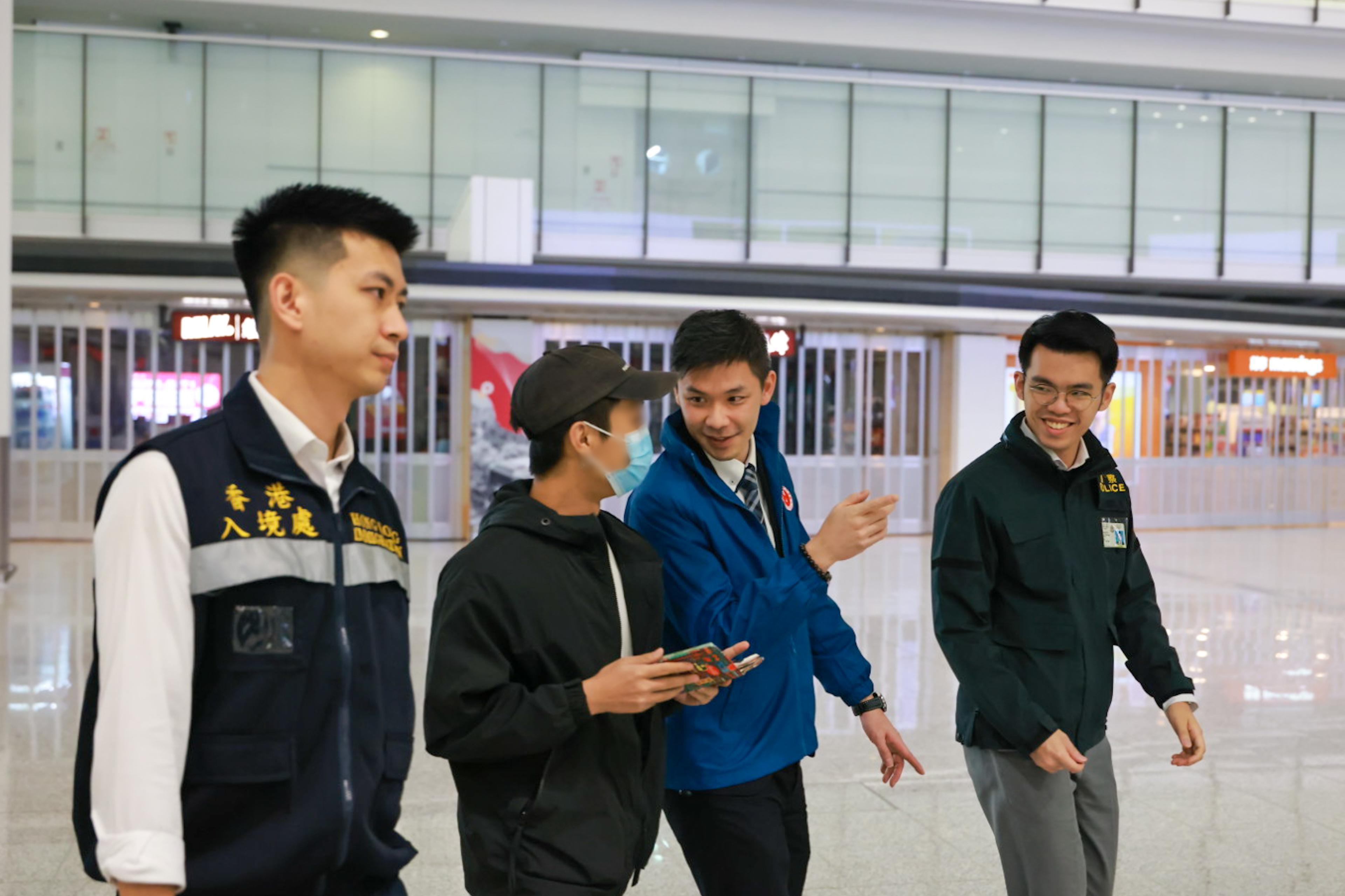
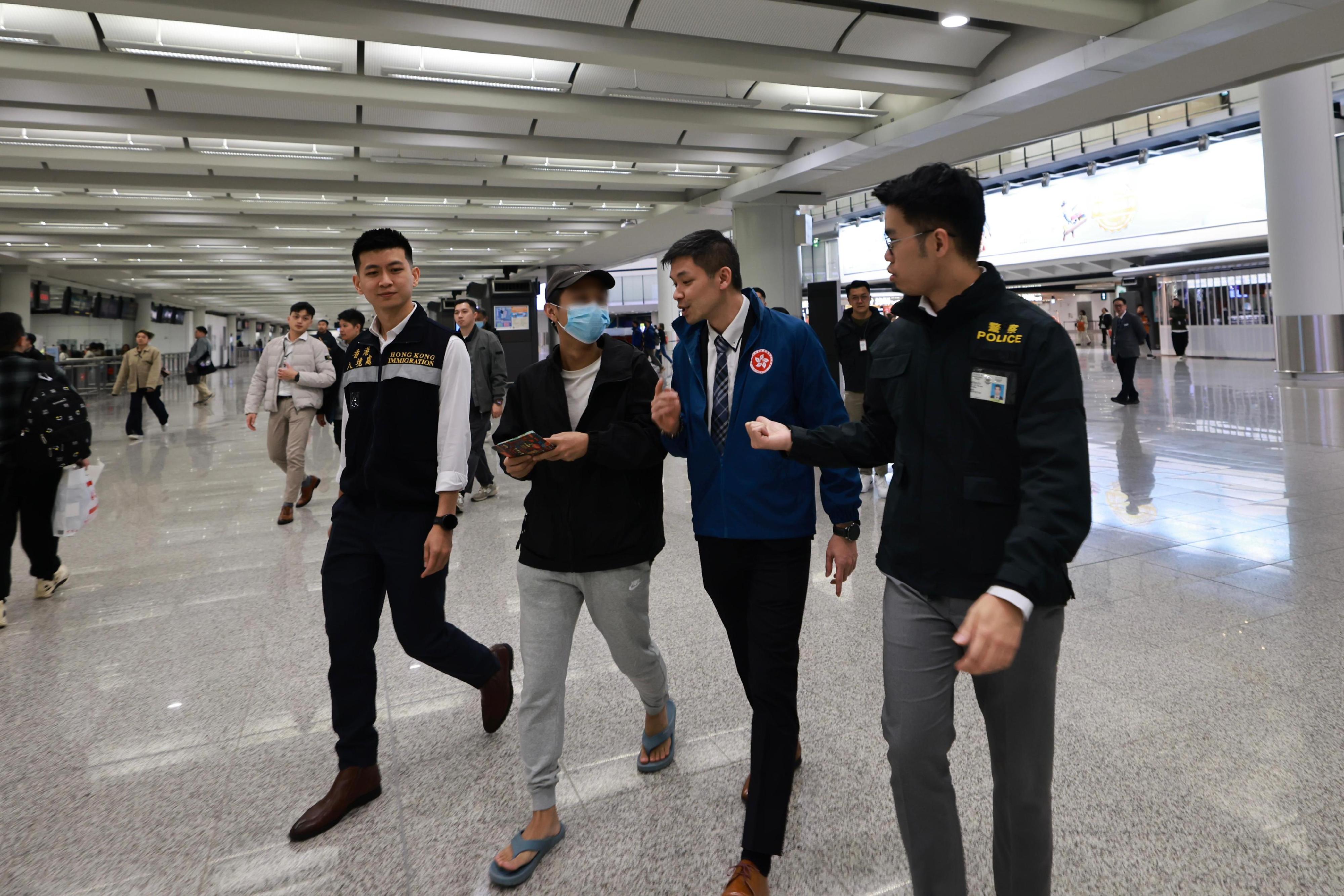
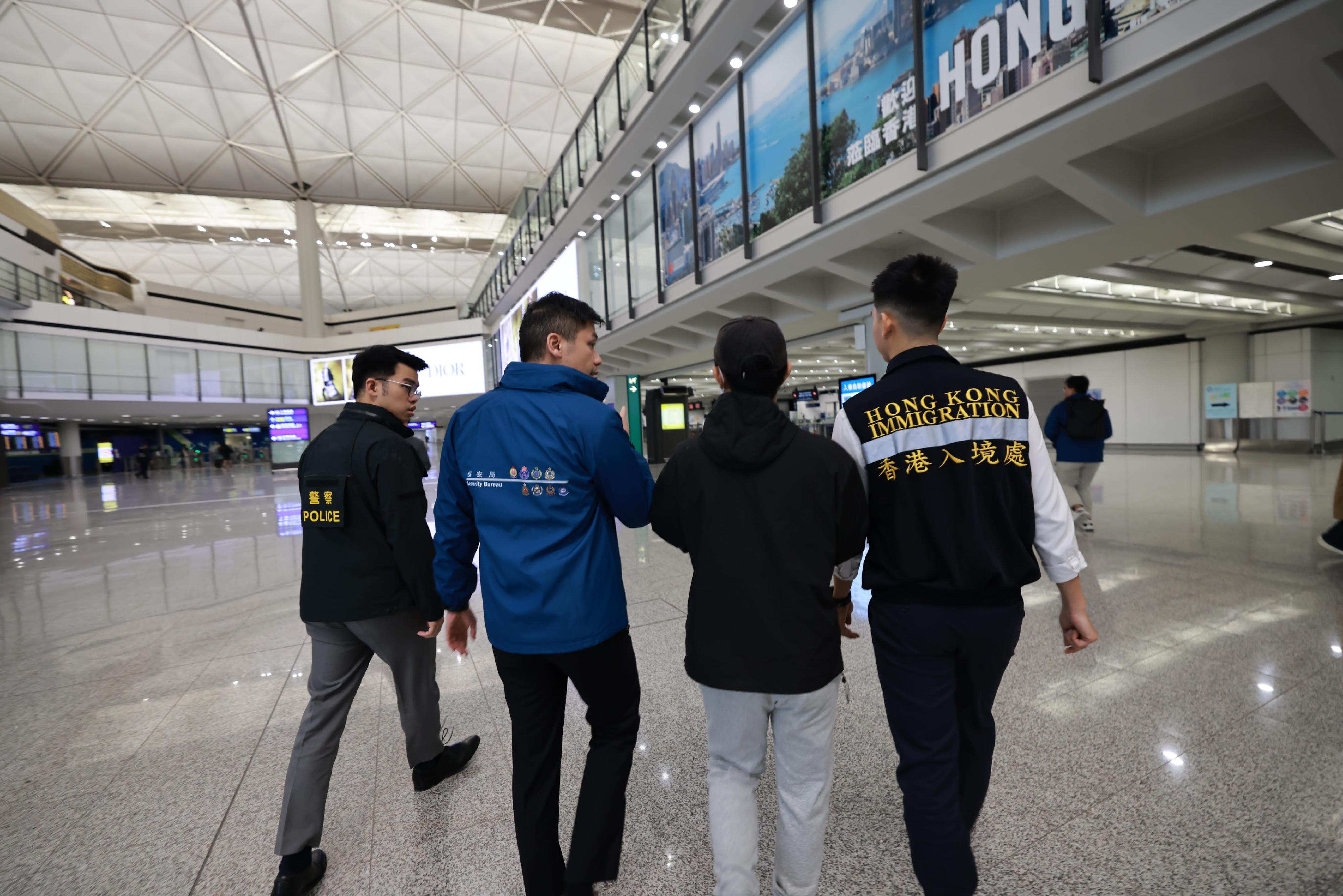
     The Security Bureau (SB) today (January 28) said that a Hong Kong resident, who had been detained for illegal work in Myanmar and was recently rescued, has smoothly returned to Hong Kong from Thailand last night (January 27) with members of the SB’s dedicated task force.

     The dedicated task force set off for Bangkok on January 21 to follow-up promptly on the case upon confirmation that a Hong Kong resident had been rescued in Myanmar and arrived in Thailand. With the co-ordination and liaison with different units by the task force over the past few days and concerted efforts by various parties, the individual was able to return to Hong Kong in a short period of time and reunite with his family before the Chinese New Year. 

     The dedicated task force expressed gratitude to the Thai authorities for their humane way of handling the case with the approach of special arrangements for special circumstances by compressing the procedures to within a few days, allowing the Hong Kong resident to return to Hong Kong as soon as possible. While meeting the rescued Hong Kong resident in the detention centre in Bangkok, members of the task force were moved to be able to bring the individual back to Hong Kong and return home together. The Hong Kong resident expressed gratitude for the visit to Thailand by the task force members to follow up on his case. He was also very pleased to learn that he would be able to return to Hong Kong to reunite with his family before the Chinese New Year. 

     The SB thanked various parties, including the Office of the Commissioner of the Ministry of Foreign Affairs in the Hong Kong Special Administrative Region, the Chinese Embassy in the Republic of the Union of Myanmar, the Chinese Embassy in the Kingdom of Thailand, the Consulate General of the People’s Republic of China in Chiang Mai, the Consulate-General of Myanmar in Hong Kong, the Royal Thai Consulate-General, Hong Kong, the Hong Kong Economic and Trade Office in Bangkok, and the relevant Thai authorities for their support and assistance.

     The dedicated task force has all along been following up proactively on the remaining 10 request-for-assistance cases in which the relevant people have not yet returned to Hong Kong, including maintaining communication, exchanging intelligence and sparing no efforts in following up on each case with the Director of Special Investigation and the Director of Human Trafficking under the Ministry of Justice of Thailand during the team’s stay in Thailand. A member of the dedicated task force will stay in Bangkok to strive to do his utmost for the early return of the remaining 10 people to Hong Kong.

Photo  Photo  Photo  Photo  
read more

Second patient transferred point to point to Hong Kong for treatment by direct cross-boundary ambulance transfer in GBA

The following is issued on behalf of the Hospital Authority:

     The Hospital Authority (HA) announced today (January 27) that Tuen Mun Hospital (TMH) received the second patient under the Pilot Scheme for Direct Cross-boundary Ambulance Transfer in the Greater Bay Area (Pilot Scheme) yesterday afternoon. The patient was transferred to Hong Kong for treatment by a point-to-point cross-boundary ambulance. The HA expresses sincere gratitude to various units in Guangdong and Hong Kong for their proactive co-ordination and collaboration, which enabled the smooth point-to-point transfer of the patient to Hong Kong.

     A patient was previously admitted to the University of Hong Kong-Shenzhen Hospital (HKU-SZH). After thorough assessment and discussion with patient and family by the medical team, it was decided to transfer the patient back to Hong Kong for ongoing treatment. The patient departed from the HKU-SZH at 2.00pm yesterday and arrived at TMH before 3.00pm, where he is currently receiving treatment and is in stable condition.

     The spokesperson for the HA stated that upon receiving notification, TMH promptly communicated with the medical team in Shenzhen to understand the patient’s clinical situation and prepare for admitting the patient. The HA expresses heartfelt thanks to all parties involved for their substantial co-ordination and co-operation, ensuring that the patient was swiftly transported directly point to point to Hong Kong for treatment under the care of medical personnel. Without the handover of patients between ambulances at boundary control points, the direct transport not only minimise the risks posed to patients during transfers and improve the patients’ chances of recovery, but also exemplifies that the close collaboration and development of quality healthcare co-operation in the Greater Bay Area (GBA) supports Hong Kong patients residing in the GBA.

     The spokesperson emphasised that the Pilot Scheme has a mechanism in place to avoid abuse while ensuring the safety of cross-boundary transfer. Doctors at the sending hospital will assess the clinical diagnosis and condition of the patients to determine the necessity for cross-boundary inter-hospital transfer for continuous treatment or recovery services. In general, taking patients safety into consideration, the Pilot Scheme will only facilitate the transfer of emergency patients who have clinical needs, are unable to cross the boundary independently, and whose clinical conditions are stable. Patients who are clinically unstable cannot participate in the scheme. The medical teams from both regions will jointly evaluate cases, exchange information, and co-ordinate to decide whether to initiate the transfer mechanism, ensuring that both the patients and their family are informed of the relevant arrangements and the risks involved in the transfer.

     The study on the provision of land-based cross-boundary transfers for non-emergency and non-critically ill patients and the exploration of rolling out a pilot co-operation scheme for cross-boundary referrals of patients between designated public hospitals were put forward in the Outline Development Plan for the GBA. The Chief Executive also put forward in his 2023 Policy Address the initiative to explore cross-boundary ambulance transfer arrangements between hospitals in the GBA. Under the staunch support and guidance of various national ministries as well as the concerted efforts of the government departments of Hong Kong, Guangdong and Macao, the Pilot Scheme was set for official launch on November 30 last year. The first patient was transferred point to point from Shenzhen to Hong Kong for treatment by direct cross-boundary ambulance on January 10 this year. read more