Tag Archives: China

CHP reminds public on precautions against cold weather

     The Centre for Health Protection (CHP) of the Department of Health (DH) today (January 29) reminded the public, particularly the elderly and people with chronic illnesses, to adopt appropriate measures to protect their health in view of the cold weather.

    A spokesman for the CHP said that cold weather can easily trigger or exacerbate diseases, especially among the elderly and persons suffering from heart disease, respiratory illnesses or other chronic illnesses.

     “Elderly people have less insulating fat beneath their skin to keep them warm, and their body temperature control mechanisms may be weaker. Their body may not be able to appropriately respond to thecold weather,” the spokesman said.

     Some senior persons may have decreased mobility, which can impair their ability to generate and conserve body heat. Chronic illnesses, such as hypertension, diabetes and endocrine disorders, may undermine the health of elderly people and lower their metabolic rate, subsequently causing their body to generate less heat. Persons with chronic illnesses, such as chronic respiratory illnesses or heart disease, are vulnerable to disease aggravation due to cold weather.

     The CHP reminded the public, in particular the elderly and persons with chronic illnesses, to adopt the following preventive measures:
 

  • Take note of the weather forecast. Wear warm clothing, including hats, scarves, gloves and socks, accordingly;
  • Consume sufficient food to ensure adequate calorie intake;
  • Perform regular exercise to facilitate blood circulation and heat production;
  • Stay in a warm environment and avoid prolonged outdoor exposure;
  • Use heaters with care and maintain adequate indoor ventilation; and
  • Seek medical advice if feeling unwell.
     
     â€‹In addition, the public should avoid alcoholic beverages.
     
     “Drinking alcohol cannot keep you warm. Alcohol accelerates the loss of body heat through dilated blood vessels, resulting in chilling instead,” the spokesman said.

     “Parents should ensure that babies are sufficiently warm, but it is also important to keep babies relatively lightly clothed to avoid overheating them,” the spokesman added.

     Parents should observe the following safety measures when putting their children to bed:  
  • Keep the room well ventilated and at a comfortable temperature;
  • Always place babies on their backs to sleep. Leave their heads, faces and arms uncovered during sleep;
  • Babies do not need pillows. Place babies on a firm and well-fitted mattress to sleep. Avoid soft objects, pillows and loose bedding;
  • Let babies sleep in a cot placed near their parents’ bed; and
  • Maintain a smoke-free environment.
 
     In addition, many respiratory pathogens, including influenza and SARS-CoV-2, may have increasing activity and community transmission during winter. Seasonal influenza vaccination is recommended for all persons aged 6 months or above, except those with known contraindications. Persons at higher risk of getting influenza and its complications, including the elderly and children, should receive seasonal influenza vaccinations early. Please see details of the vaccination schemes on the CHP’s website.
      
     A person who gets influenza and COVID-19 at the same time may be more seriously ill and would have a higher risk of death. It is important for elderly persons, especially those residing in residential care homes, to receive both a seasonal influenza vaccination and a COVID-19 vaccination. They should also receive an additional booster against COVID-19 according to recommendations as soon as possible. The public should also maintain good personal and environmental hygiene against respiratory illnesses and note the following:
 
  • Surgical masks can prevent transmission of respiratory viruses from ill persons. It is essential for persons who are symptomatic (even if having mild symptoms) to wear a surgical mask;
  • Wear a surgical mask when taking public transport or staying in crowded places. It is important to wear a mask properly, including performing hand hygiene before wearing and after removing a mask;
  • Avoid touching one’s eyes, mouth and nose;
  • Wash hands with liquid soap and water properly whenever possibly contaminated;
  • When hands are not visibly soiled, clean them with 70 to 80 per cent alcohol-based handrub;
  • Cover the mouth and nose with tissue paper when sneezing or coughing. Dispose of soiled tissue paper properly into a lidded rubbish bin and wash hands thoroughly afterwards;
  • Maintain good indoor ventilation;
  • When having respiratory symptoms, wear a surgical mask, refrain from work or attending classes at school, avoid going to crowded places and seek medical advice promptly; and
  • Maintain a balanced diet, exercise regularly, take adequate rest, do not smoke and avoid overstress.
    
     Food-borne diseases, particularly those linked to hotpot cuisine, are also common in cold weather. The following preventive measures should be taken:
 
  • Wash hands before handling and consuming food;
  • Do not patronise unlicensed vendors or those with poor hygienic standards while selecting food;
  • Wash and cook all food thoroughly;
  • Vegetables should be washed thoroughly in clean running water before cooking and consumption. When appropriate, scrub vegetables with hard surfaces with a clean brush to remove dirt and substances, including pesticide residues and contaminants, from surfaces and crevices;
  • Shrimps should be fully cooked until the shells turn red and the flesh turns white and opaque;
  • For shellfish such as scallops and geoduck, scrub the shells thoroughly and remove internal organs;
  • Do not eat any undercooked freshwater aquatic products. To ensure that the food is thoroughly cooked, the centre of the food should reach a temperature of at least 75 degrees Celsius so as to destroy pathogen;
  • Most hotpot ingredients should be stored in a refrigerator at 4 degrees C or below, while frozen food should be stored in a freezer at -18 degrees C or below;
  • Never use raw eggs as a dipping sauce for hotpot; and
  • Use different sets of chopsticks to handle raw and cooked food to avoid cross-contamination.
    
     â€‹In addition, when using fuel-burning appliances, especially in indoor areas, the public should ensure adequate ventilation to avoid harmful exposure to carbon monoxide (CO) and prevent CO poisoning.
     
     For more health information, the public may call the DH’s Health Education Infoline (2833 0111) or visit the CHP’s website and Facebook Fanpage.

     The public may also call Dial-a-Weather (1878 200) or visit the website of the Hong Kong Observatory for the latest weather information and forecasts, or its page on Weather Information for Senior Citizens. read more
CHP receives three severe cases of influenza A infection in one day

     Following a severe case of influenza A infection in a 10-month-old baby girl who had not received seasonal influenza vaccination (SIV) yesterday (January 27), the Centre for Health Protection (CHP) of the Department of Health (DH) today (January 28) received two more cases of severe paediatric influenza A infection in children who have not yet received the SIV. Another severe paediatric case of co-infection with influenza A and group A streptococcus was also reported.
      
     The first case involved a six-year-old boy with good past health, who developed fever on January 26. He attended the Union Hospital yesterday and was later transferred to Prince of Wales Hospital, where he remains in the paediatric intensive care unit. His nasopharyngeal swab specimen tested positive for influenza A (H1) virus upon laboratory testing. The clinical diagnosis was influenza A infection complicated with shock. So far, his household contacts show no upper respiratory symptom and there has been no recent influenza outbreak at his school.
      
     The second case involved a twelve-year-old boy with underlying illness who developed fever and cough yesterday. He was admitted to Tuen Mun Hospital today, where he remains in the paediatric intensive care unit. His nasopharyngeal swab specimen tested positive for influenza A (H3) virus upon laboratory testing. The clinical diagnosis was influenza A infection complicated with severe pneumonia and shock. He lives in a school dormitory and seven other students from the same school have recently developed upper respiratory symptoms. The CHP had conducted inspection at the school and provided health advice.
      
     “The above-mentioned two boys had no travel history during the incubation period. An initial investigation revealed that they did not receive 2024/25 SIV. The CHP reiterated its call to the parents to bring their children to receive SIV as soon as possible,” a spokesman for the CHP said.
      
     Furthermore, an eight-year-old boy with good past health developed fever since January 23, and cough and shortness of breath since yesterday. He was admitted to the Princess Margaret Hospital on the same day, where he remains in the paediatric intensive care unit. His nasopharyngeal swab specimen tested positive for influenza A (H1) virus and his blood sample tested positive for group A streptococcus. The clinical diagnosis was co-infection with influenza A and group A streptococcus complicated with sepsis.
      
     “Since the start of this influenza season in early January, the CHP has recorded eight cases (including three above-mentioned children) of severe influenza virus infection in children. Six of them were unvaccinated. Influenza vaccination has been scientifically proven to be one of the most effective ways to prevent seasonal influenza and its complications, while significantly reducing the risk of hospitalisation and death from seasonal influenza. All persons aged 6 months and above (except those with known contraindications) who have not yet received SIV should act immediately, particularly the elderly and children who have a higher risk of becoming infected with influenza and developing complications,” he added.
      
     Group A streptococcal infection is caused by bacteria, namely Streptococcus pyogenes, that can be found in the throat and on the skin. It can be transmitted by droplets and contact. The bacteria can cause mild diseases, including pharyngitis, impetigo and scarlet fever to invasive group A streptococcal infections (iGAS) such as necrotising fasciitis and streptococcal toxic shock syndrome. Anyone can get iGAS disease, but the elderly and young children, persons with chronic illnesses (e.g. diabetes) or immunocompromised persons may be at higher risk. People with breaks in the skin or with recent viral infections (e.g. chickenpox, influenza, etc.) are also at higher risk of developing iGAS disease. On the other hand, the disease can be effectively treated with antibiotics and prompt treatment helps alleviate symptoms faster and prevent complications.
                
     The spokesman reminded the public that Hong Kong has entered the influenza season. As the seasonal influenza activity is expected to increase further while the activity of other respiratory infectious diseases may also increase. To protect their health and that of their family members, the public should not only receive SIV, but also maintain good personal and environmental hygiene, and take the following measures to prevent contacting influenza, Group A streptococcal infection and other respiratory illnesses:
      

  • Wear surgical masks to prevent transmission of respiratory viruses from ill persons. It is essential for persons who are symptomatic (even if having mild symptoms) to wear a surgical mask;
  • High-risk persons (e.g. persons with underlying medical conditions or persons who are immunocompromised) should wear surgical masks when visiting public places. The general public should also wear a surgical mask when taking public transport or staying in crowded places. It is important to wear a mask properly, including performing hand hygiene before wearing and after removing a mask;
  • Avoid touching one’s eyes, mouth and nose;
  • Practise hand hygiene frequently, wash hands with liquid soap and water properly whenever possibly contaminated;
  • When hands are not visibly soiled, clean them with 70 to 80 per cent alcohol-based handrub;
  • Cover the mouth and nose with tissue paper when sneezing or coughing. Dispose of soiled tissue paper properly into a lidded rubbish bin, and wash hands thoroughly afterwards;
  • Practise good wound care to reduce the chance of getting infected;
  • Maintain good indoor ventilation;
  • Avoid sharing personal items;
  • When having respiratory symptoms, wear a surgical mask, consider to refrain from going to work or school, avoid going to crowded places and seek medical advice promptly; and
  • Maintain a balanced diet, perform physical activity regularly, take adequate rest, do not smoke and avoid overstress.
     
     â€‹For the latest information, members of the public can visit the CHP’s group A streptococcal infection and seasonal influenza webpages. read more

15th NG, 12th NGD and 9th NSOG mascots Xiyangyang and Lerongrong celebrate Chinese New Year with public (with photos)

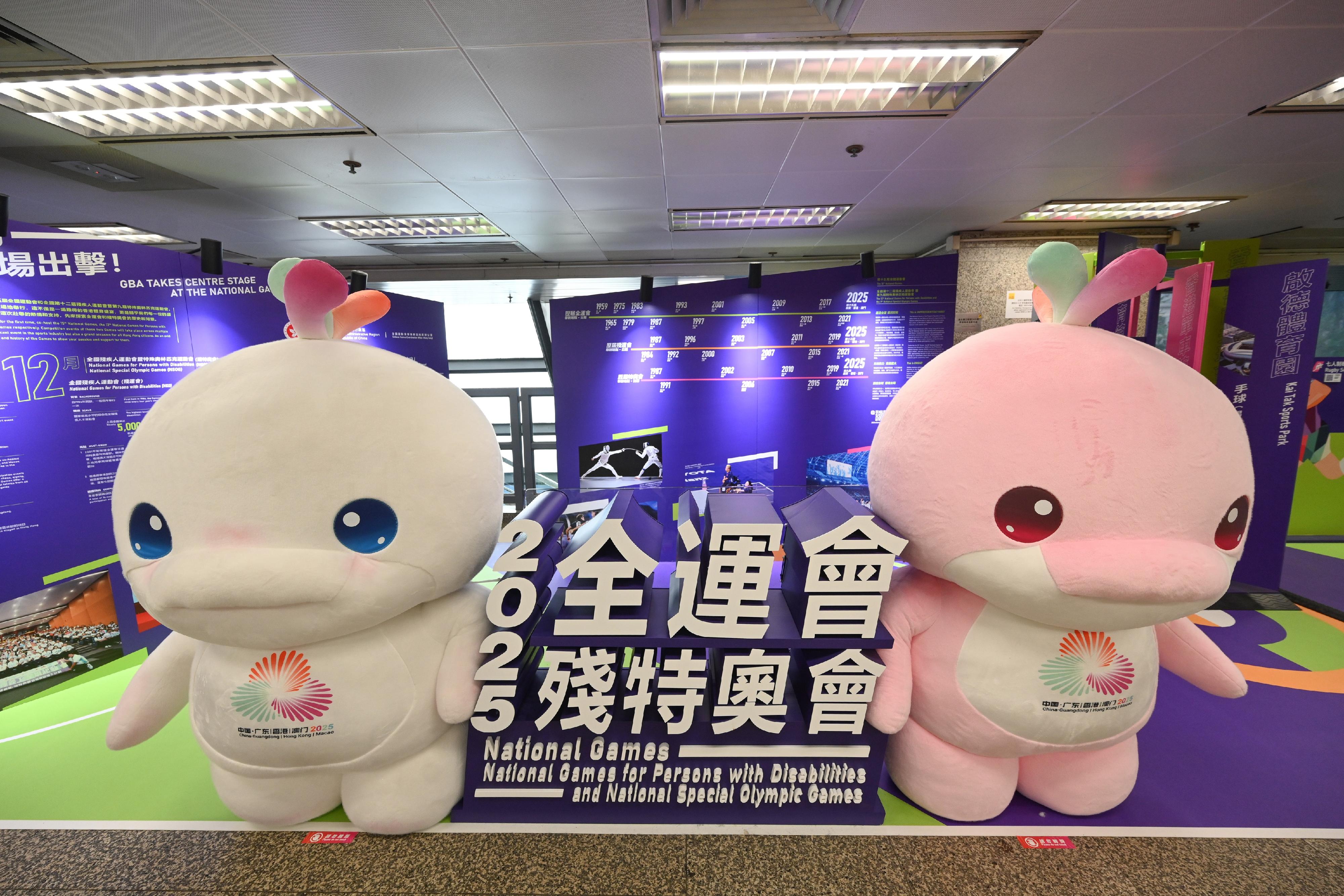
     The National Games Coordination Office (Hong Kong) announced today (January 28) that the mascots for the 15th National Games (NG), the 12th National Games for Persons with Disabilities (NGD) and the 9th National Special Olympic Games (NSOG), Xiyangyang and Lerongrong, are in Admiralty and Wan Chai respectively to meet the public and visitors, celebrate the Chinese New Year and welcome the National Games together.
 
      The mascots Xiyangyang and Lerongrong were inspired by the Chinese white dolphin, a Grade 1 National Key Protected Species, with their names symbolising joy, harmony, and unity. The 15th NG, the 12th NGD and the 9th NSOG will be co-hosted by Guangdong, Hong Kong and Macao. The three small water droplets on the heads of the mascots represent distinctive colours of the three places, which are the red of the kapok flower symbolising Guangzhou, the purple of the bauhinia symbolising Hong Kong, and the green of the lotus flower symbolising Macao.
 
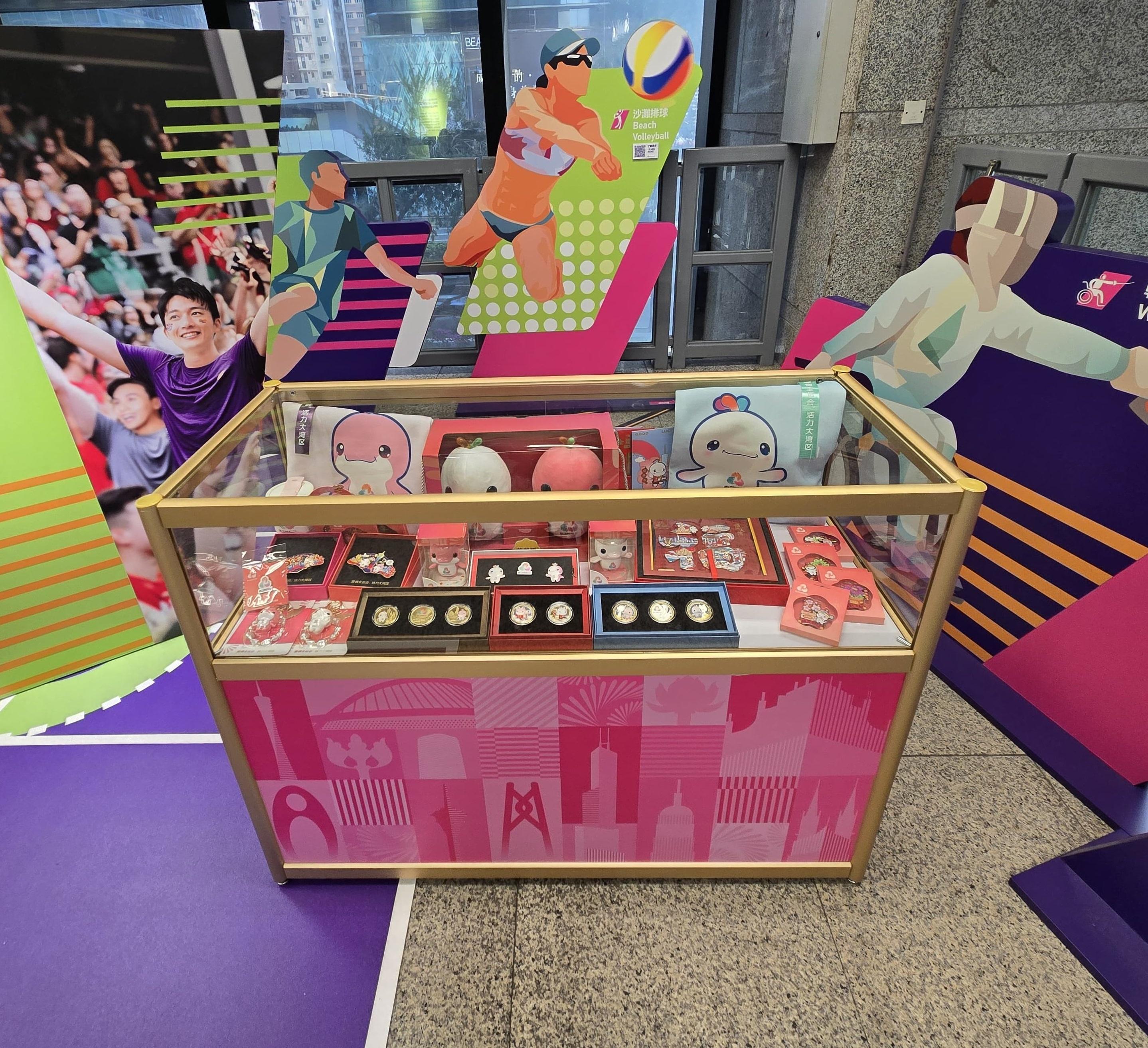
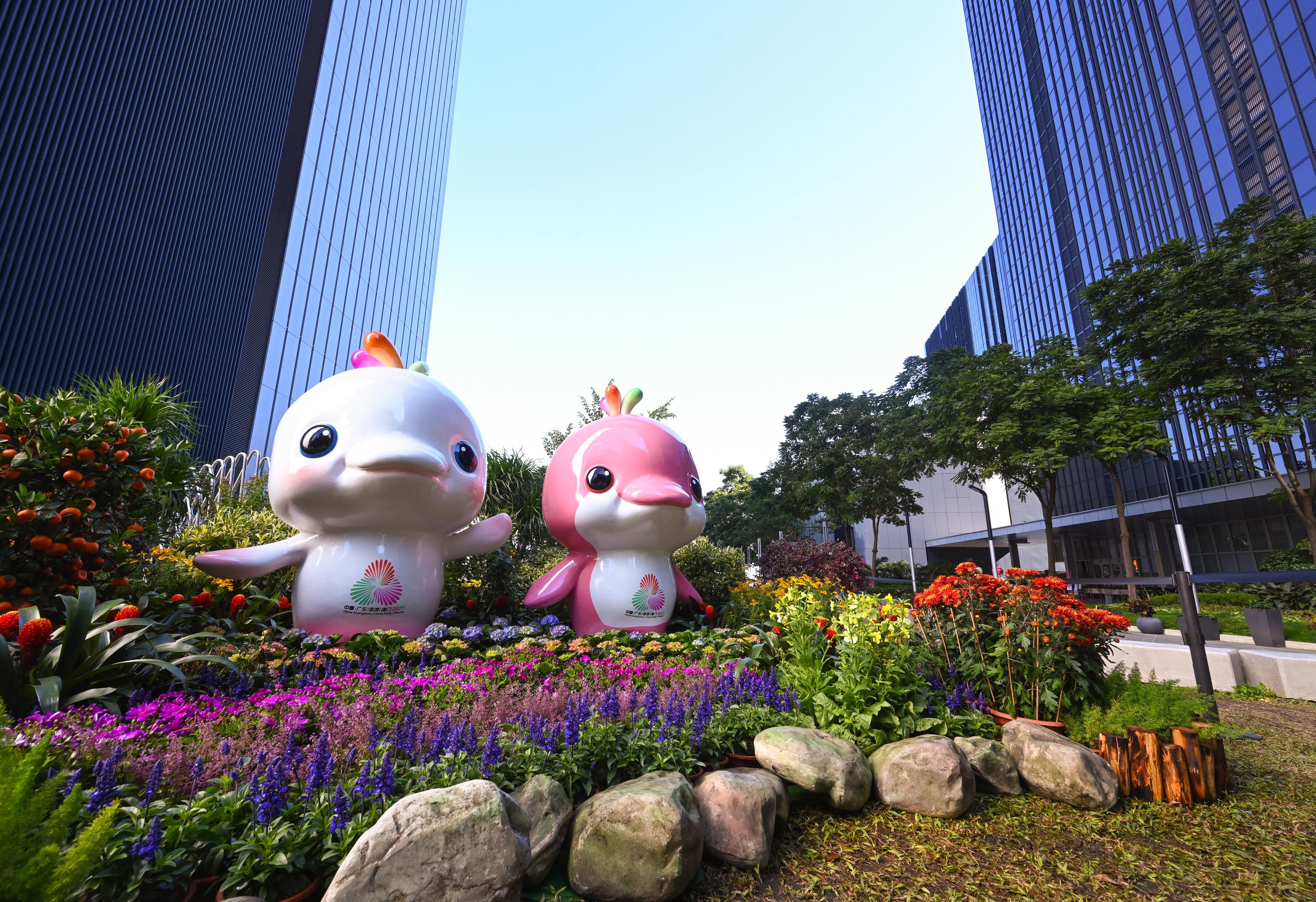
      One pair of the mascots, which are 2.2-metres tall and made of fiberglass, has been placed at Tamar Park near the Central Government Offices in Admiralty. Another mascot pair is 1.6-metres tall, and these fluffy mascots have been placed at the first floor of Immigration Tower in Wan Chai. A number of souvenirs, including plush toys and badges, which will be available for sale later this year, are also displayed at this location.
 
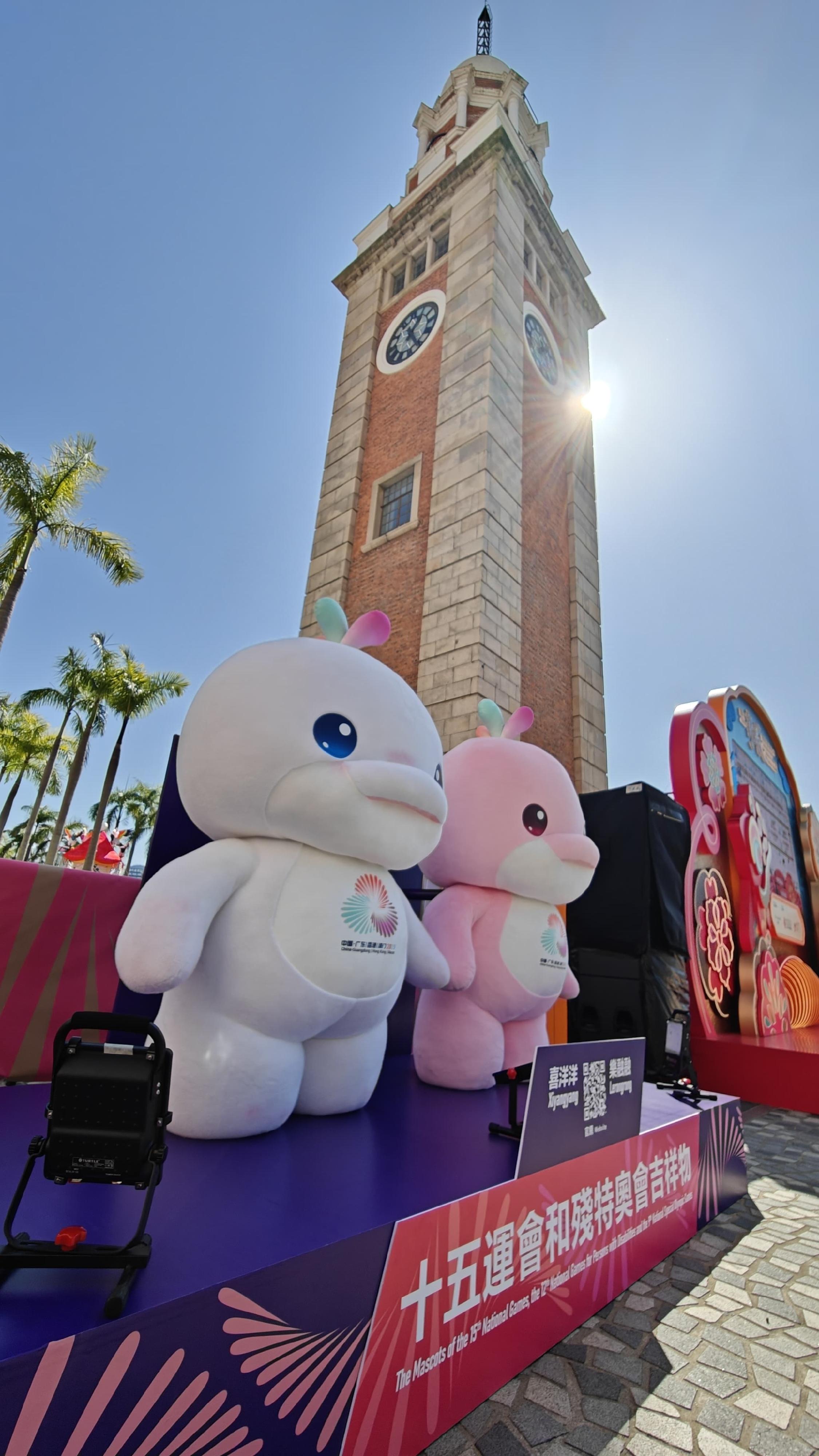
      In addition, a third pair of 1.6-metres tall fluffy mascots, has been placed near the Clock Tower in Tsim Sha Tsui in preparation for joining the International Chinese New Year Night Parade tomorrow night (January 29).
 
      The 15th NG will be held in Guangdong, Hong Kong and Macao from November 9 to 21 this year. Hong Kong will stage eight competition events, namely basketball (men’s U22), track cycling, fencing, golf, handball (men’s), rugby sevens, triathlon and beach volleyball, as well as one mass participation event, bowling. The 12th NGD and the 9th NSOG will take place between December 8 and 15. Hong Kong will stage four competition events, which are boccia, wheelchair fencing and table tennis (TT11) for the NGD, and table tennis for the NSOG. Hong Kong will also organise one mass participation event, which is para dance sport.
 
      For information on the games in Hong Kong, please visit the thematic website (www.2025nationalgames.gov.hk/en/index.html), as well the Facebook page (www.facebook.com/2025nationalgames.hk) and Instagram page (www.instagram.com/2025nationalgames.hk).

Photo  Photo  Photo  Photo  
read more

CFS follows up on beverages that might contain high levels of chlorate

     The Centre for Food Safety (CFS) of the Food and Environmental Hygiene Department is very concerned about media reports on some batches of several kinds of beverages of the Coca-Cola Company that might contain higher levels of chlorate which are being recalled in certain areas in Europe. The CFS today (January 28) has contacted local importers and retailers to follow up on the incident. A preliminary investigation by the CFS revealed that Swire Coca-Cola HK Ltd has not imported or sold the affected batches of products.

     Chlorate is a pesticide and a disinfectant against bacteria. Long-term intake of excessive chlorate may affect the thyroid function. Members of the public are advised not to consume the affected batches of the products if they have purchased any overseas. The trade should also stop using or selling the products concerned immediately.

     Details of the products concerned are as follows:

(1)
Brand: FUZE TEA
Product name: BLACK TEA PEACH HIBISCUS, GREEN TEA MANGO CHAMOMILE, SPARKLING BLACK TEA LEMON
Production code: 328GE to 338GE
Packaging: 200ml glass, 250ml can and 330ml can

(2)
Brand: FANTA
Product name: ORANGE, ZERO SUGAR ORANGE, AGRUMES, EXOTIC, LEMON, ZERO SUGAR PINEAPPLE GRAPEFRUIT
Production code: 328GE to 338GE
Packaging: 200ml glass, 250ml can and 330ml can

(3)
Brand: MINUTE MAID
Product name: MULTIVITAMINS, APPLE 
Production code: 328GE to 338GE
Packaging: 200ml glass and 150ml can

(4)
Brand: COCA-COLA
Product name: ORIGINAL TASTE, ZERO SUGAR, ZERO SUGAR NO CAFFEINE, LIGHT, CHERRY, ZERO SUGAR CHERRY, ZERO SUGAR VANILLA
Production code: 328GE to 338GE
Packaging: 200ml glass, 1 litre glass, 150ml can, 250ml can and 330ml can

(5)
Brand: NALU
Product name: ENERGY GREEN, EXOTIC, BOTANICAL YUZU ROSEMARY, FROST, BOTANICAL STRAWBERRY RHUBARB
Production code: 328GE to 338GE
Packaging: 250ml can and 330ml can

(6)
Brand: ROYAL BLISS
Product name: TONIC WATER, AGRUMES YLANG YLANG
Production code: 328GE to 338GE
Packaging: 250ml can

(7)
Brand: SPRITE
Product name: LEMON-LIME, ZERO SUGAR 
Production code: 328GE to 338GE
Packaging: 250ml can and 330ml can

(8)
Brand: TROPICO
Product name: L’ORIGINAL
Production code: 328GE to 338GE
Packaging: 330ml can

     The CFS will closely monitor the progress of the incident. An investigation is ongoing. read more