Tag Archives: China

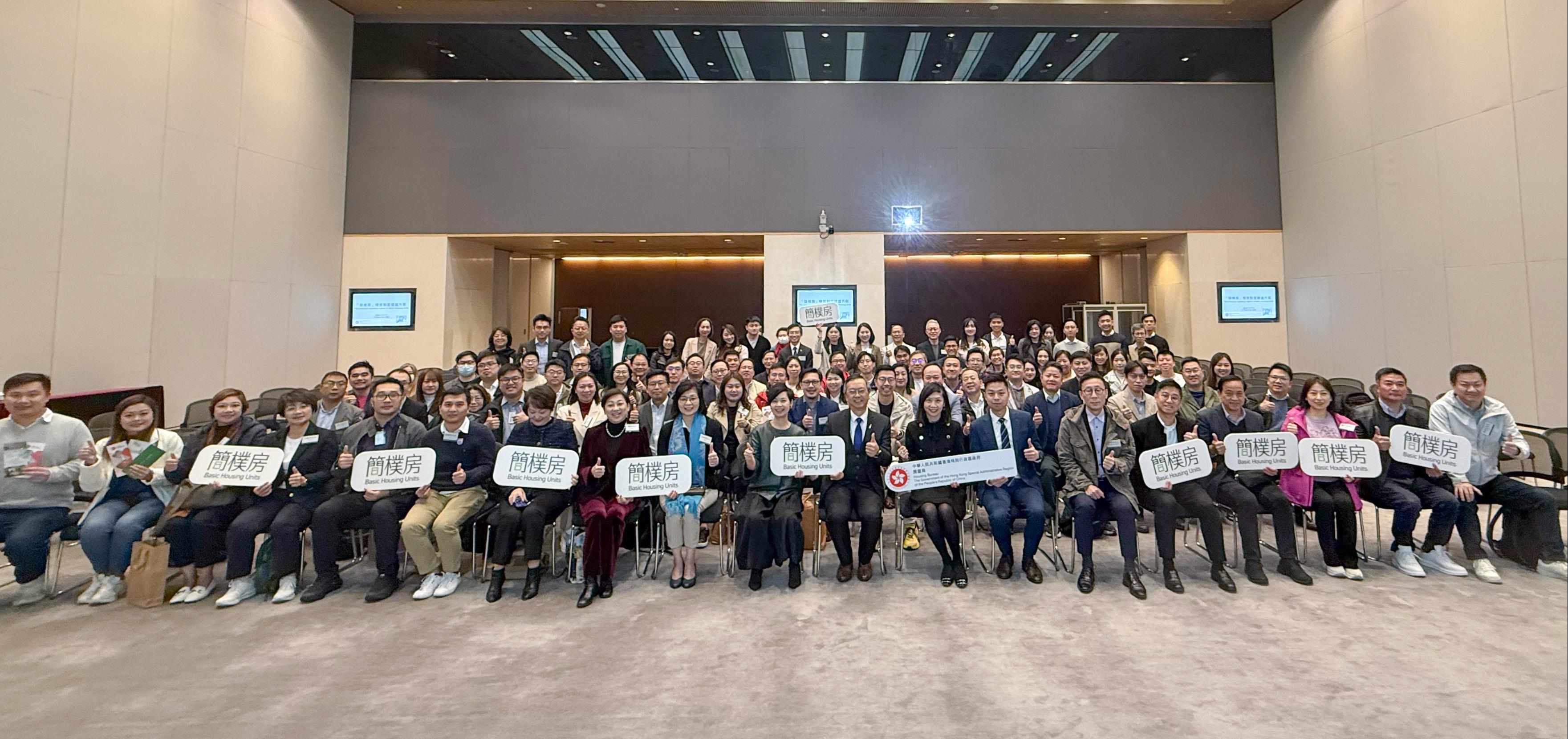
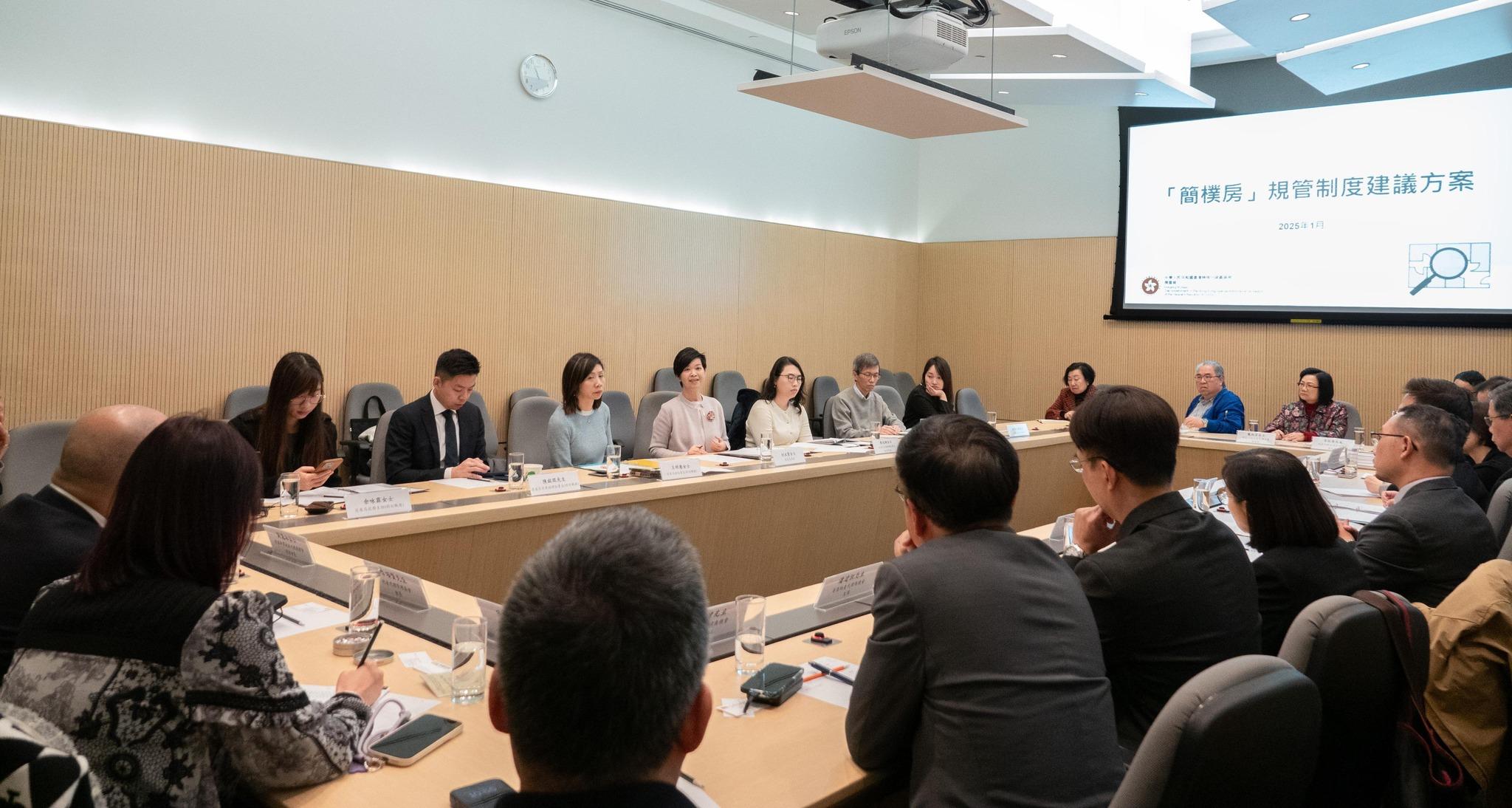
Stakeholder consultation on proposed regulatory regime for Basic Housing Units concludes (with photos)

     The stakeholder consultation on the proposed regulatory regime for Basic Housing Units (BHUs) launched by the Housing Bureau (HB) on December 2, 2024 concluded today (February 10).
 
     Since the establishment of the Task Force on Tackling the Issue of Subdivided Units (SDUs) (the Task Force) in October 2023 until the end of the stakeholder consultation period, under the lead of the Deputy Financial Secretary, Mr Michael Wong, as the Head and the Secretary for Housing, Ms Winnie Ho, as the Deputy Head, the Government organised and joined nearly 40 engagement sessions, meeting nearly 700 participants and gathering views from political parties, academics, professional bodies, non-governmental organisations, estate agents, renovation services industry and contractors associations as well as concern groups on tackling the SDU issue and the BHU regulatory regime. At the same time, as at 6pm today, we received nearly 2 200 submissions of views (including around 1 600 submissions using six different templates with largely similar contents) mainly through email and post, etc.
 
     The HB will work at full steam to consolidate the views received on the BHU regulatory regime and report to the Legislative Council (LegCo) Panel on Housing on the summary of views and seek the Panel’s views on the latest proposal on the regulatory regime as soon as possible. Subsequently, the HB will introduce the relevant Bill into the LegCo and strive for its passage within this year. Upon completion of the legislative process, registration for pre-existing SDUs under rental will commence, with applications for recognition as BHUs to be accepted concurrently. A grace period will be granted to landlords of SDUs that have been successfully registered to provide reasonable time for them to discuss tenancy agreements with their tenants and to convert their SDUs to up-to-standard BHUs.
 
     With regard to the new market supply of BHUs as well as the supply of public rental housing, Light Public Housing (LPH), Transitional Housing (TH), etc, the Government will adopt a pragmatic approach and adhere to the people-oriented principle when taking enforcement actions against illegal renting of substandard SDUs in an orderly manner upon completion of registration period to gradually eradicate substandard SDUs. To ensure that SDU households affected by the enforcement actions will not be displaced, the Government will provide assistance on a need basis in identifying other rental accommodation in the private market for relocation, as well as flexibly deploy other housing resources (such as interim housing, LPH, TH, transit centres, etc) to provide temporary shelter for the households in need.
 
     A spokesman for the HB said, “The Government would like to express gratitude to stakeholders for their active expression of views on the BHU regulatory regime, and is glad that different sectors of the society generally support the proposed framework of the BHU regulatory regime while giving suggestions on the implementation and execution details. Opinions from stakeholders are crucial to the policy formulation and legislative process. The Government will carefully consider and study the views collected when formulating the latest proposal of the BHU regulatory regime, and is determined to strive for completing the relevant legislative work this year as planned, with a view to gradually improving the living conditions of SDU tenants and thus tackling the ‘long-standing, big and difficult’ issue of substandard SDUs.”
 
     The current-term Government faces up to the issue of SDUs and acknowledges its complexity and urgency, while understanding that this long-standing issue must be handled with prudence. The Government is determined to work out solutions to eradicate substandard SDUs at their roots and has been widely listening to views from different stakeholders. The Chief Executive announced in the 2024 Policy Address to put in place through legislation, a system on the renting of SDUs in residential buildings under which only up-to-standard SDUs could be recognised as BHUs (the BHU regulatory regime). After legislation, SDUs in residential buildings must comply with a set of minimum standards (including requirements in respect of floor area, headroom, structural and fire safety, ventilation, lighting, hygiene, water and electricity meters, etc.) before being recognised as BHUs and allowed to be rented out, so as to ensure the provision of reasonable and safe living conditions.
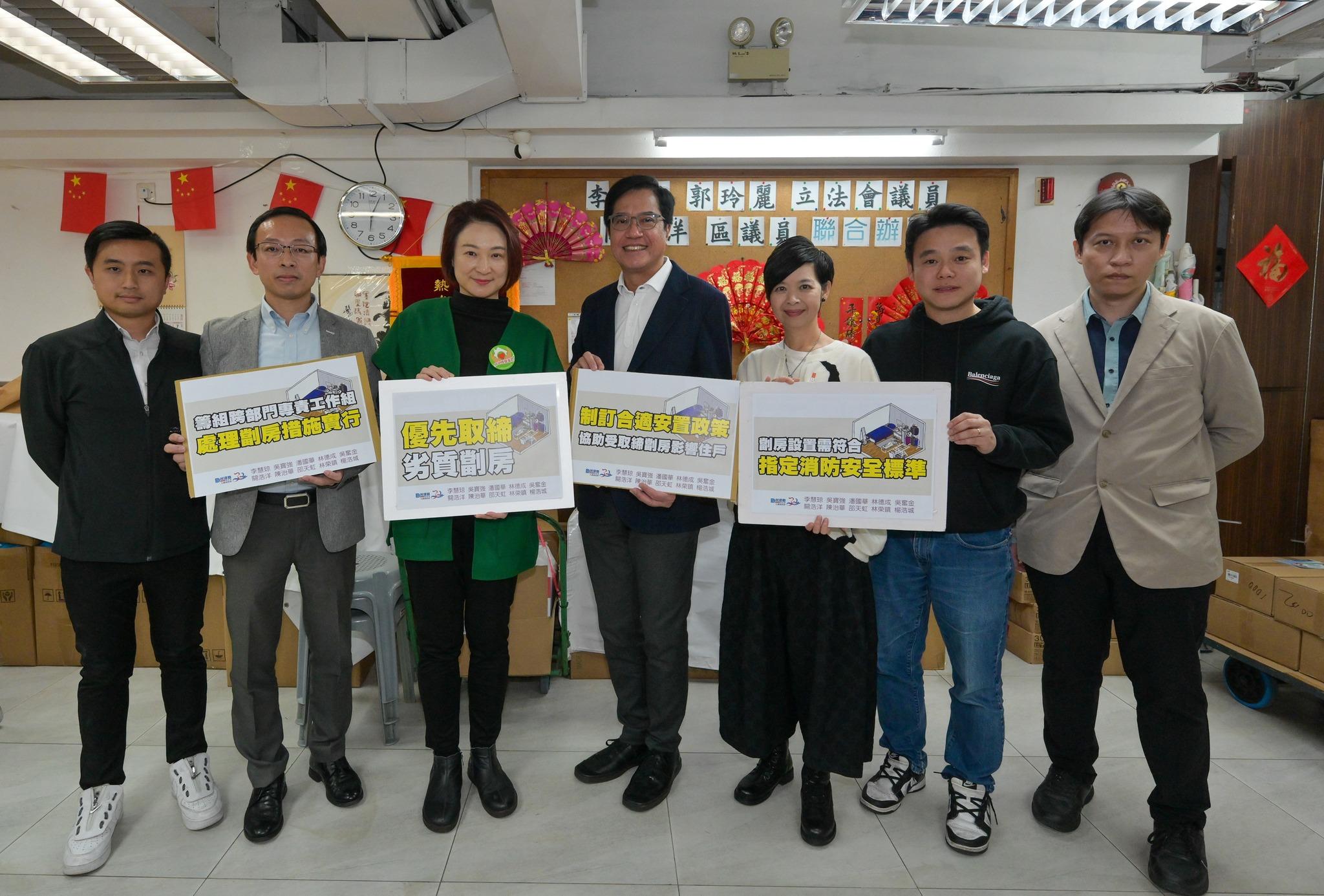
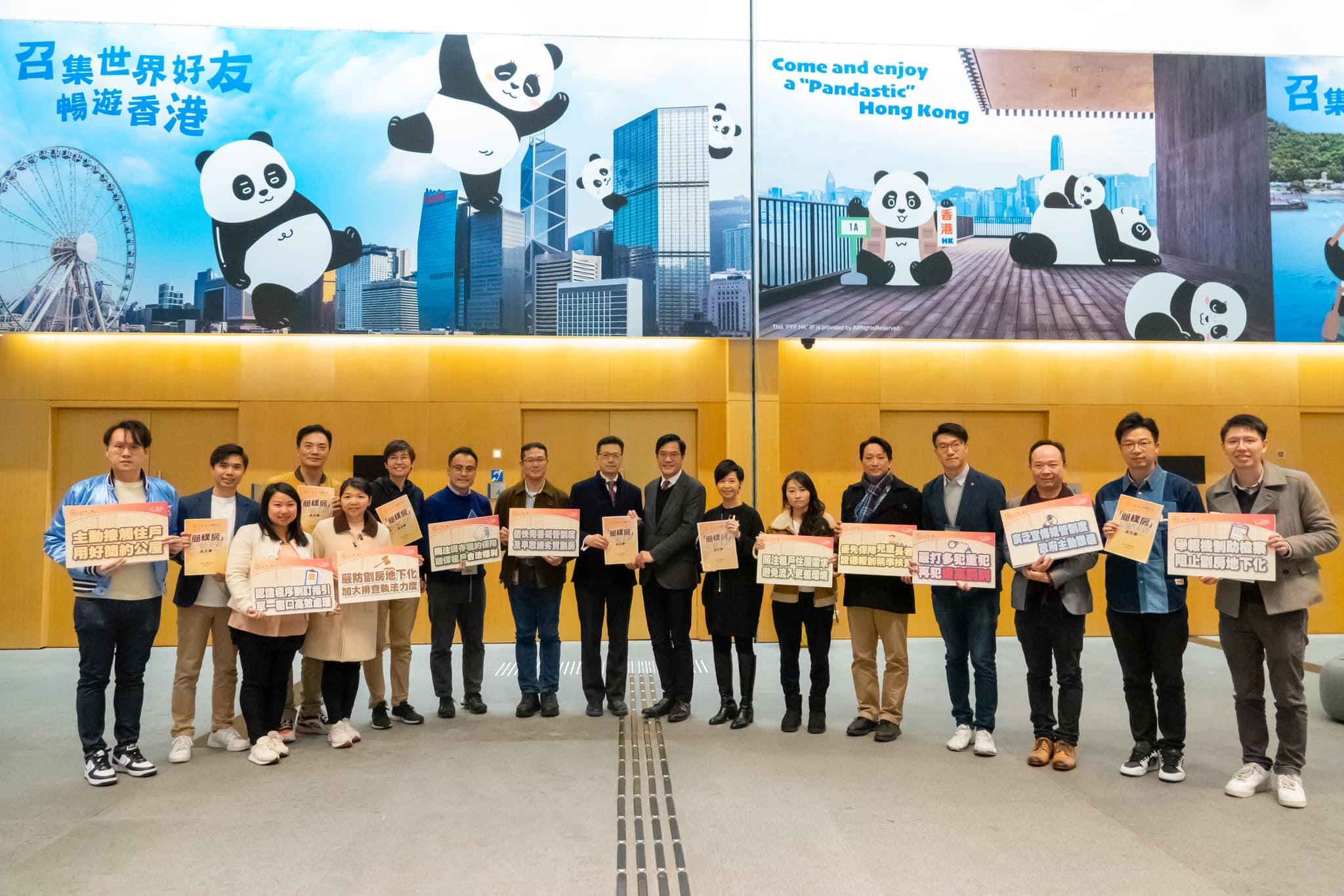
Photo  Photo  Photo  Photo  
read more

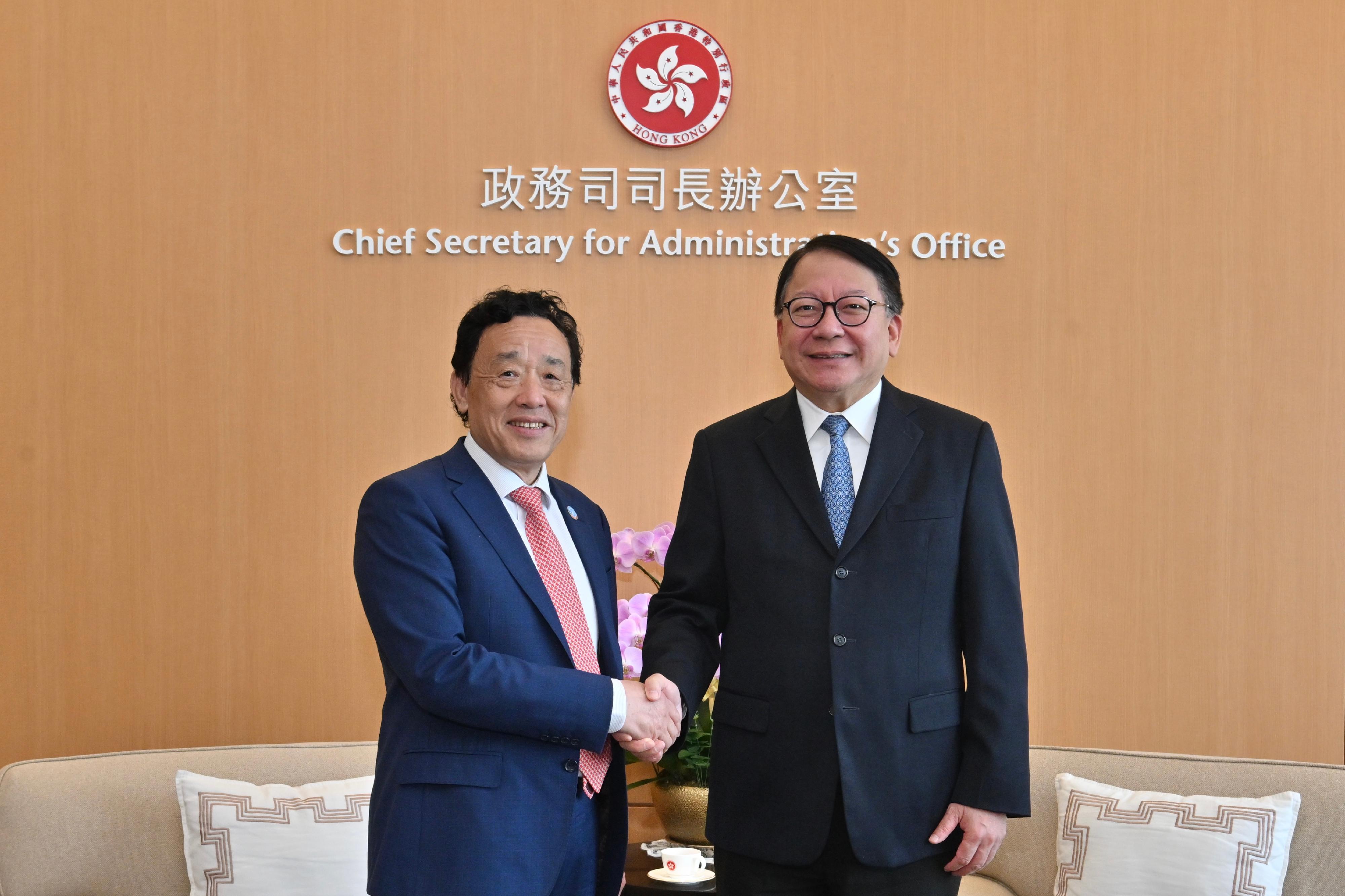
Acting Chief Executive meets Director-General of Food and Agriculture Organization of United Nations (with photo)

     The Acting Chief Executive, Mr Chan Kwok-ki, met with the visiting Director-General of the Food and Agriculture Organization of the United Nations (FAO), Dr Qu Dongyu, today (February 10). The Secretary for Environment and Ecology, Mr Tse Chin-wan, and the Director of Agriculture, Fisheries and Conservation, Mr Mickey Lai, also attended the meeting.

     Mr Chan welcomed Dr Qu’s visit to Hong Kong with his delegation. Mr Chan said that the FAO has 194 Member Nations launching work worldwide, leading international efforts to eradicate hunger. It plays a pivotal role in global food security, promoting the development of distinctive agricultural products in various countries and regions, advancing the development of fisheries and aquaculture, and preventing and controlling major animal diseases. Its achievements are widely recognised.

     Mr Chan said that Hong Kong is promoting the upgrading and transformation of the overall agriculture and fisheries industry towards modernisation and sustainable development. The Blueprint for the Sustainable Development of Agriculture and Fisheries formulated in Hong Kong earlier has also set out specific work targets in this regard. In addition, Hong Kong has consistently engaged in various collaborations with the FAO. For example, the Agriculture, Fisheries and Conservation Department earlier participated in the drafting of a series of FAO guidelines on African Swine Fever (ASF) to assist smallholder pig farmers in the Asian region to respond to ASF, and the relevant guidelines have now been widely adopted by Asian countries/regions. 

     Mr Chan further said that he looks forward to greater co-operation between Hong Kong and the FAO to strengthen knowledge exchange, promote regional co-operation, and make further contributions to global food security and sustainable development. Dr Qu thanked the Hong Kong Special Administrative Region Government’s support of the FAO and said he looks forward to engaging in closer collaboration in the future.

Photo  
read more

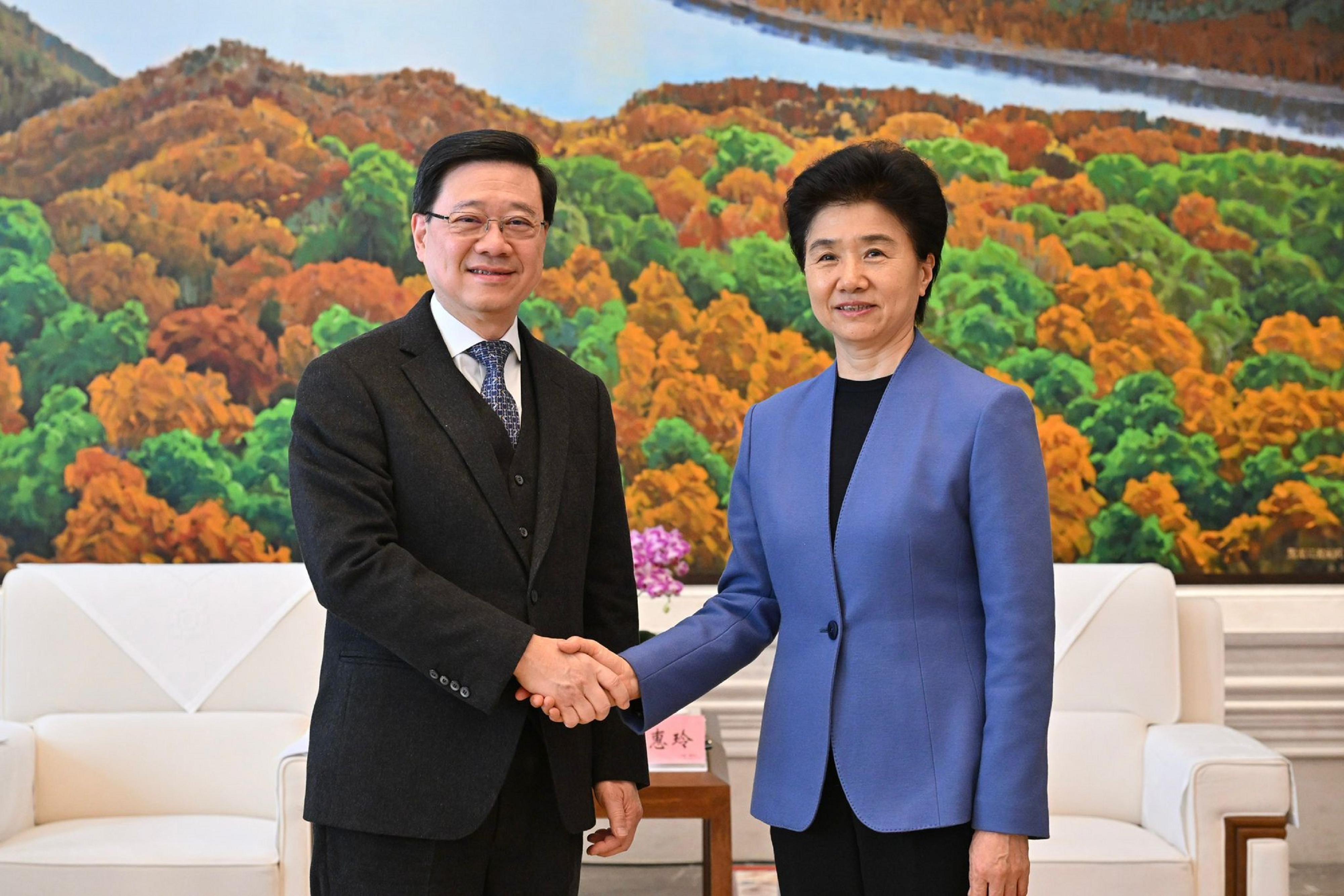
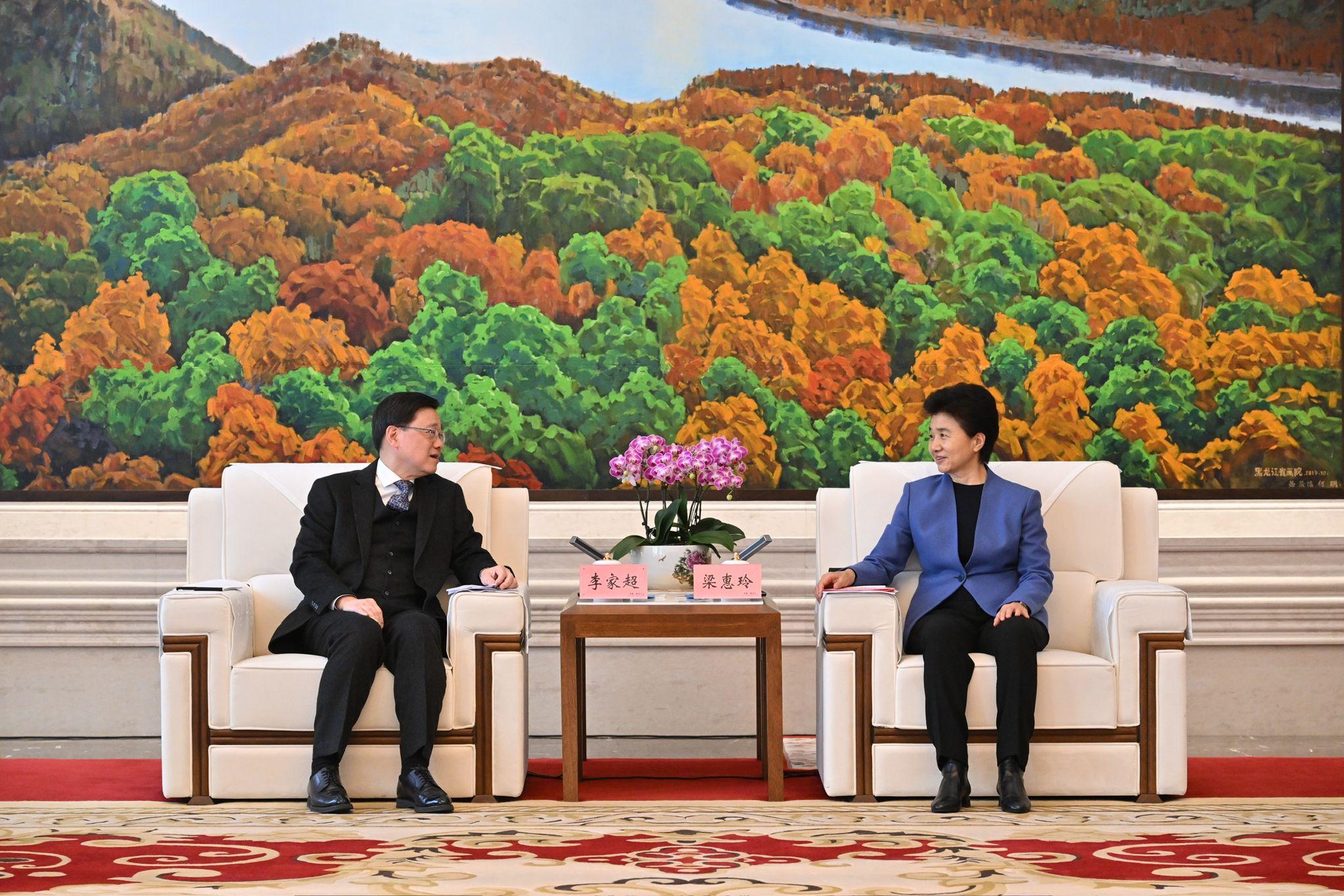
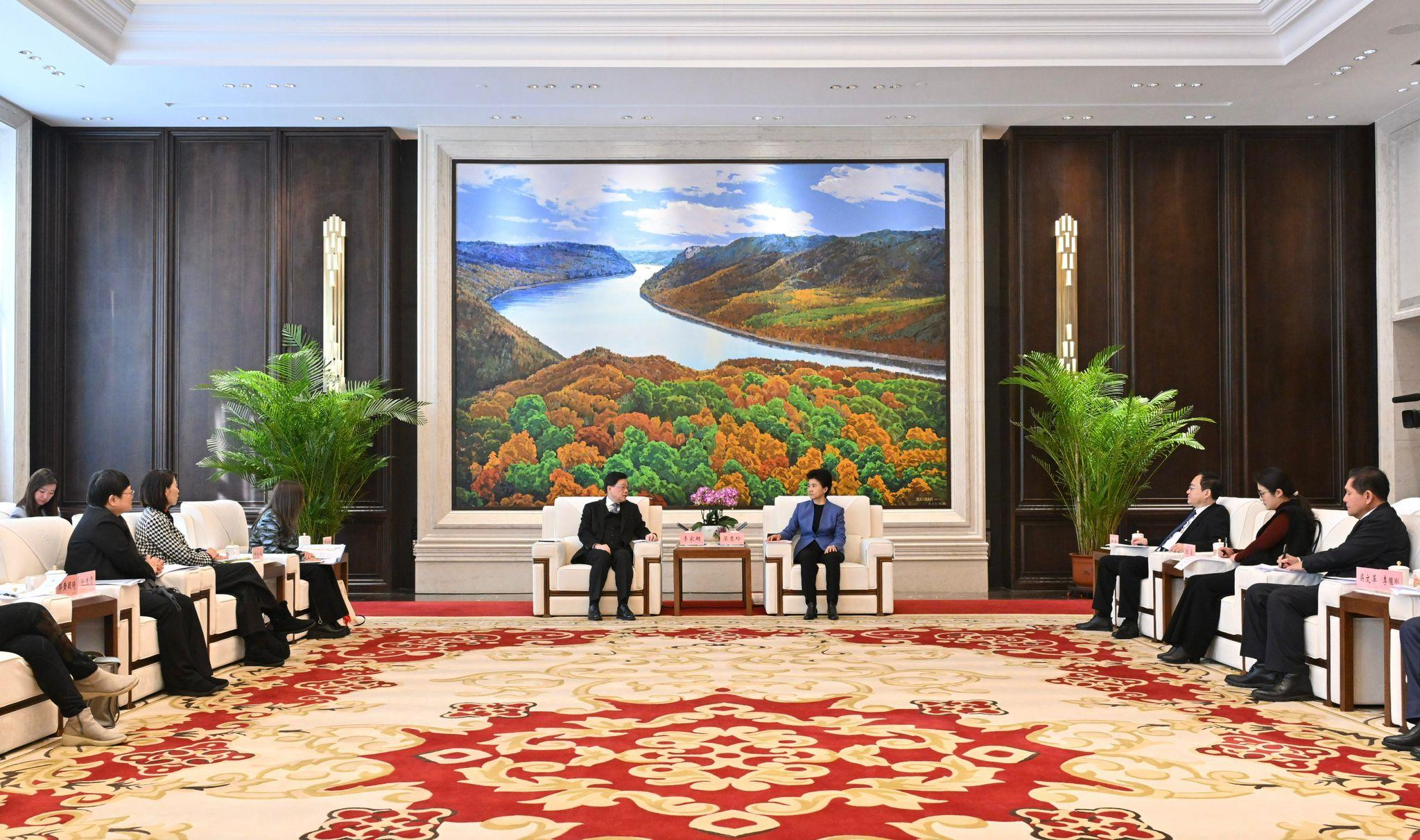
CE meets leaders of Heilongjiang Province in Harbin (with photos/ videos)

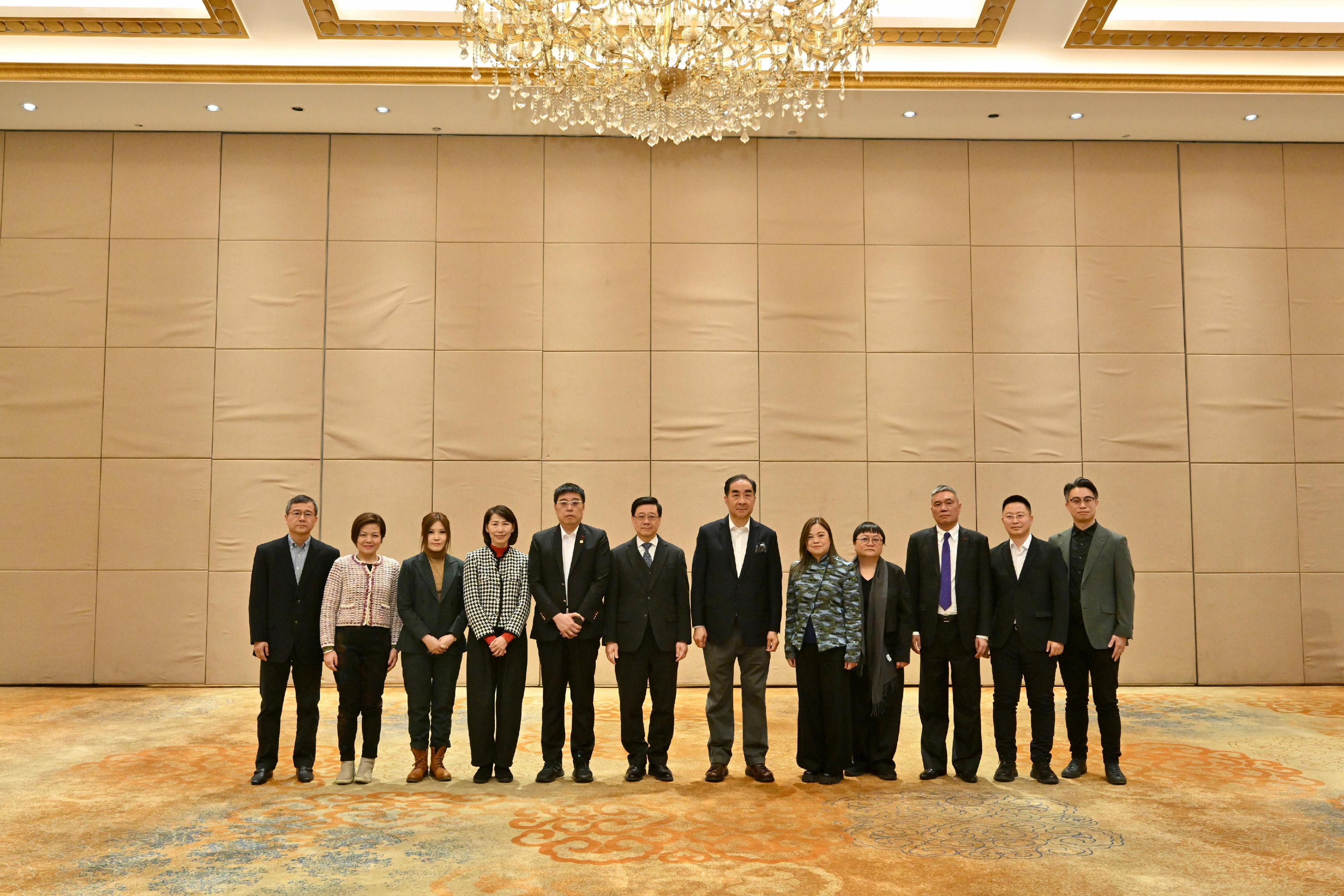
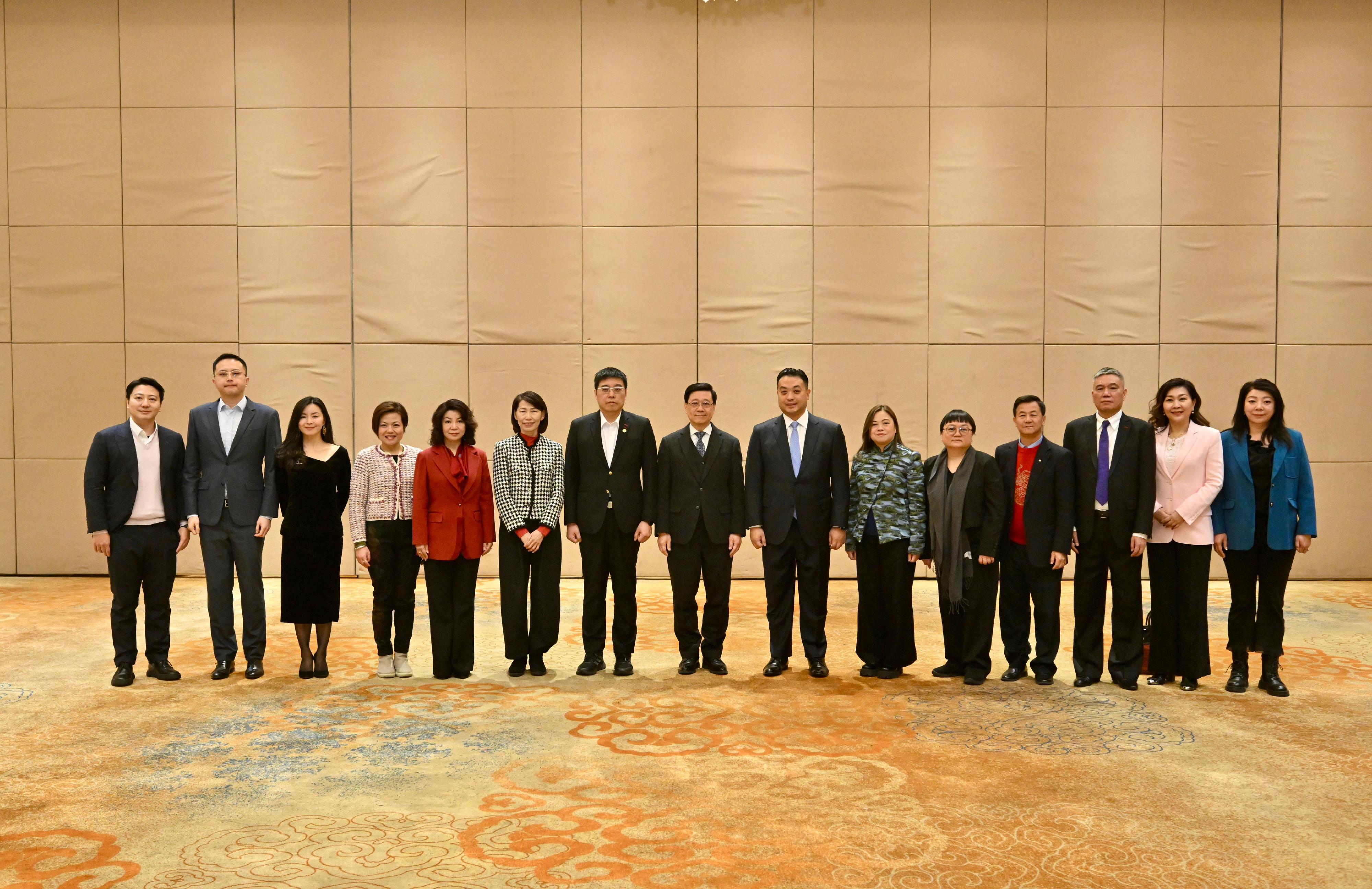
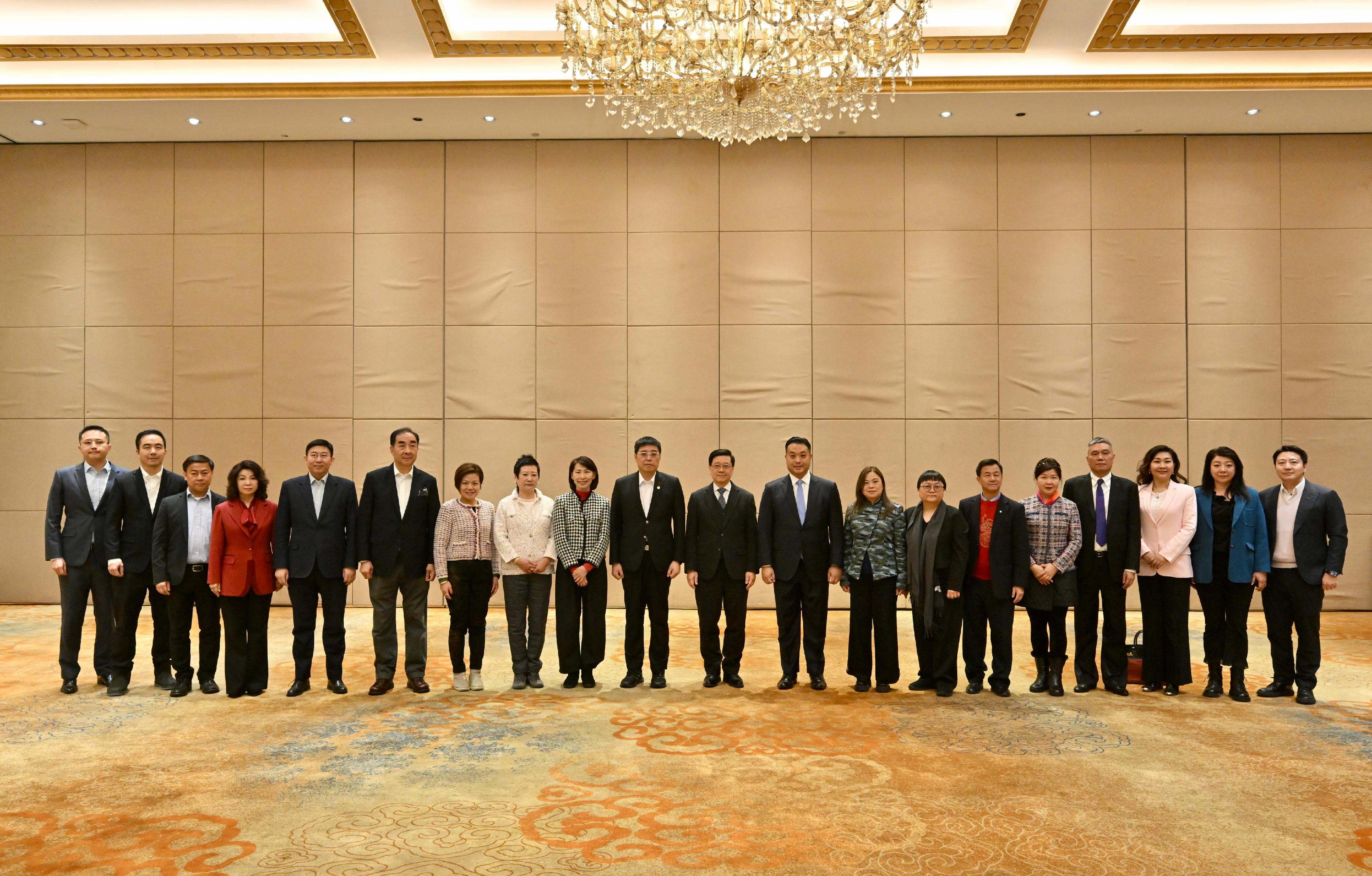
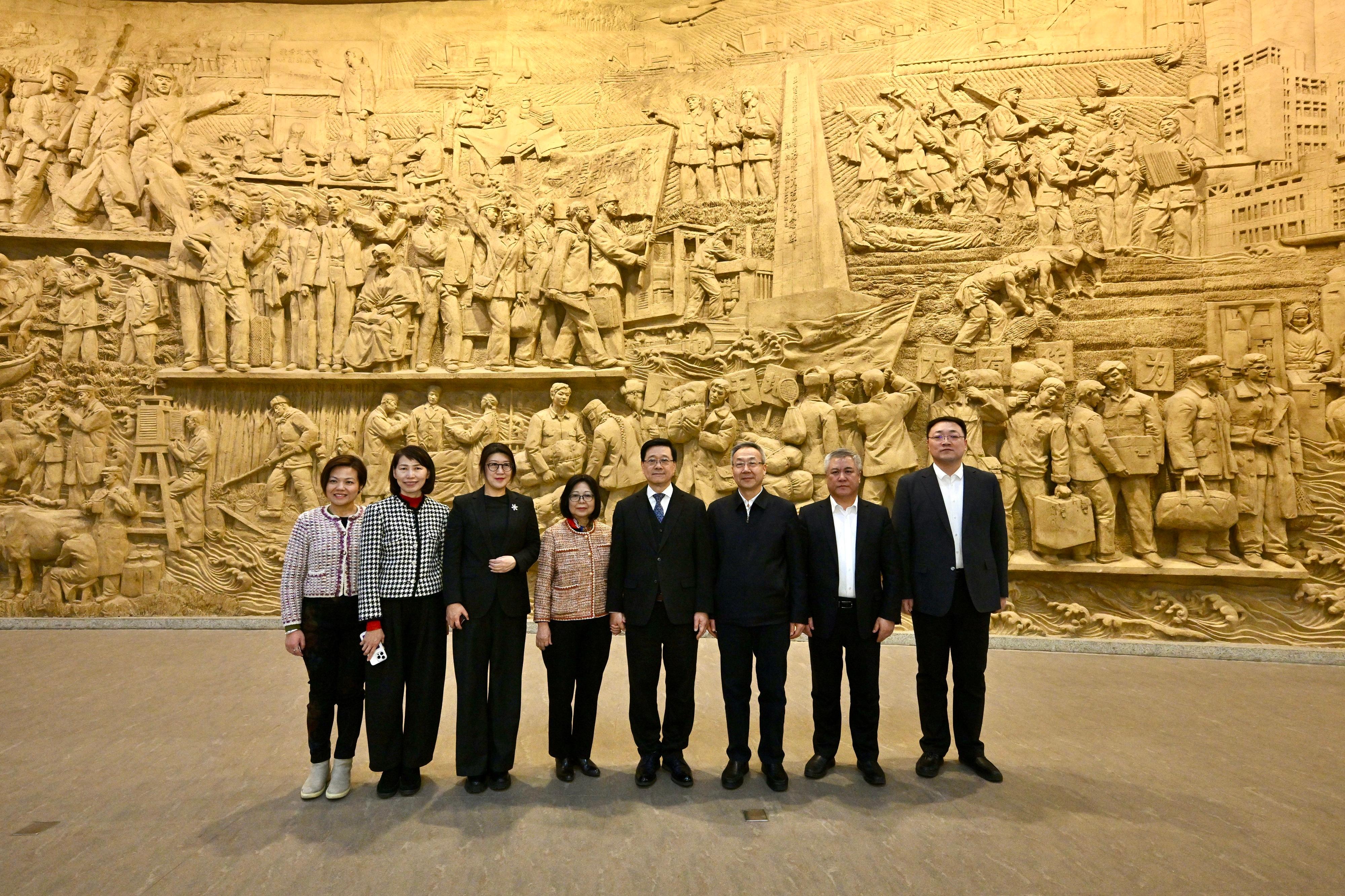
     â€‹The Chief Executive, Mr John Lee, continued his visit to Harbin today (February 10) to meet with leaders of Heilongjiang Province. He also met with the injured Hong Kong ice hockey athletes and Hong Kong people working and doing business in the three northeastern provinces, and visited the Beidahuang Museum.
      
     Mr Lee met respectively with the Secretary of the CPC Heilongjiang Provincial Committee, Mr Xu Qin, and the Governor of Heilongjiang Province, Ms Liang Huiling, to exchange views on issues of mutual concern. Mr Lee noted that Heilongjiang Province has leveraged the ice and snow economy as a new engine for economic development by making good use of its rich ice and snow tourism resources while actively promoting winter sports. He added that Heilongjiang Province sets an example of integrating sports with cultural and tourism development, which is inspiring to Hong Kong.
      
     Noting that Hong Kong and Heilongjiang share close economic and trade ties, with Hong Kong being the largest source of external investment for Heilongjiang, Mr Lee said that Hong Kong, as a “super connector” and “super value-adder”, can serve the Mainland in exploring global markets.
      
     Regarding people-to-people exchanges, Mr Lee highlighted that the Individual Visit Scheme has been extended to include Harbin in Heilongjiang Province since May last year, while direct flights between Harbin and Hong Kong were officially launched in June last year. These developments have strengthened tourism co-operation between the two places and promoted people-to-people bonds. The Beijing Office and Liaoning Liaison Unit of the Hong Kong Special Administrative Region Government will continue to serve as a bridge to enhance exchanges between Hong Kong and Heilongjiang in various areas, he added.
      
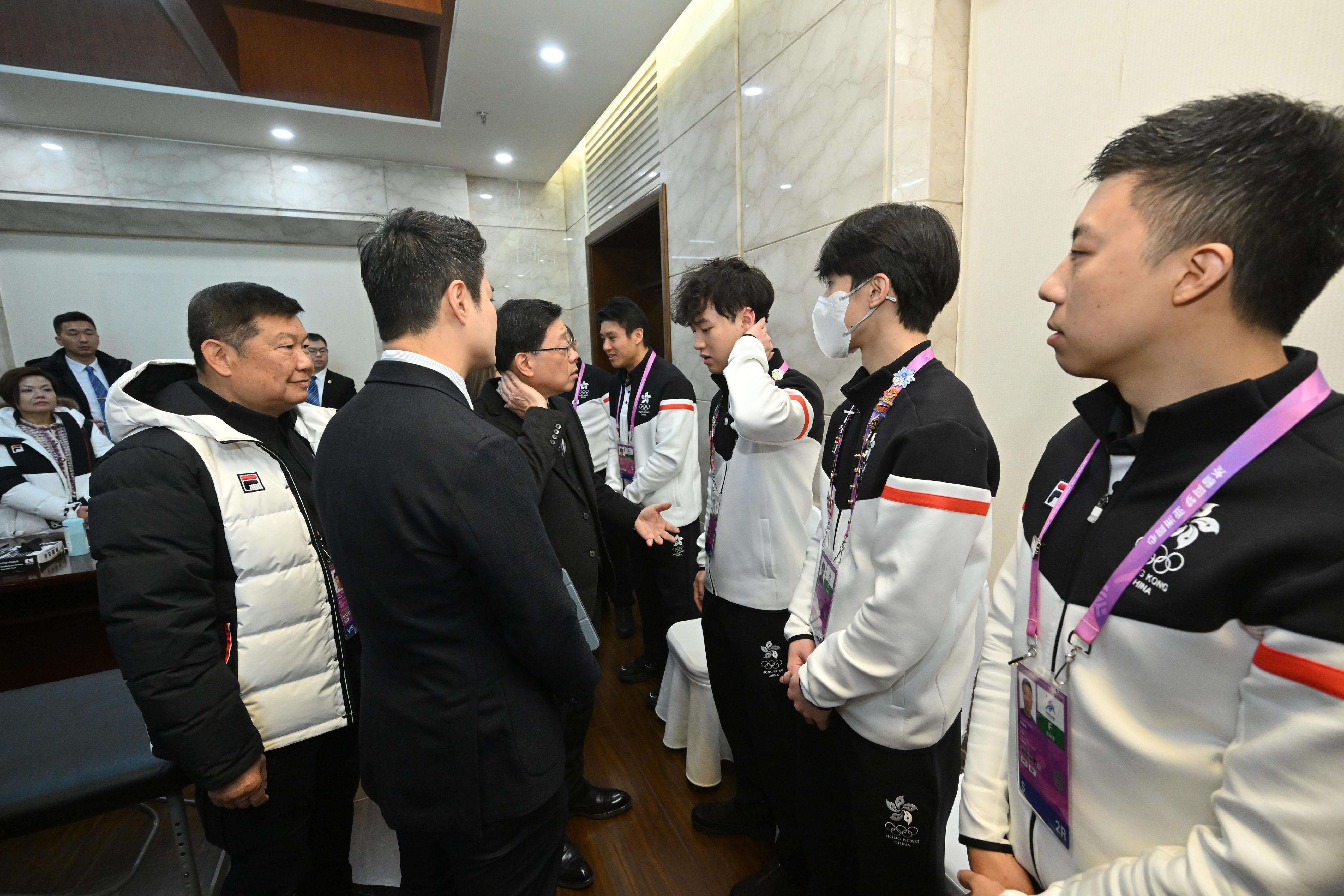
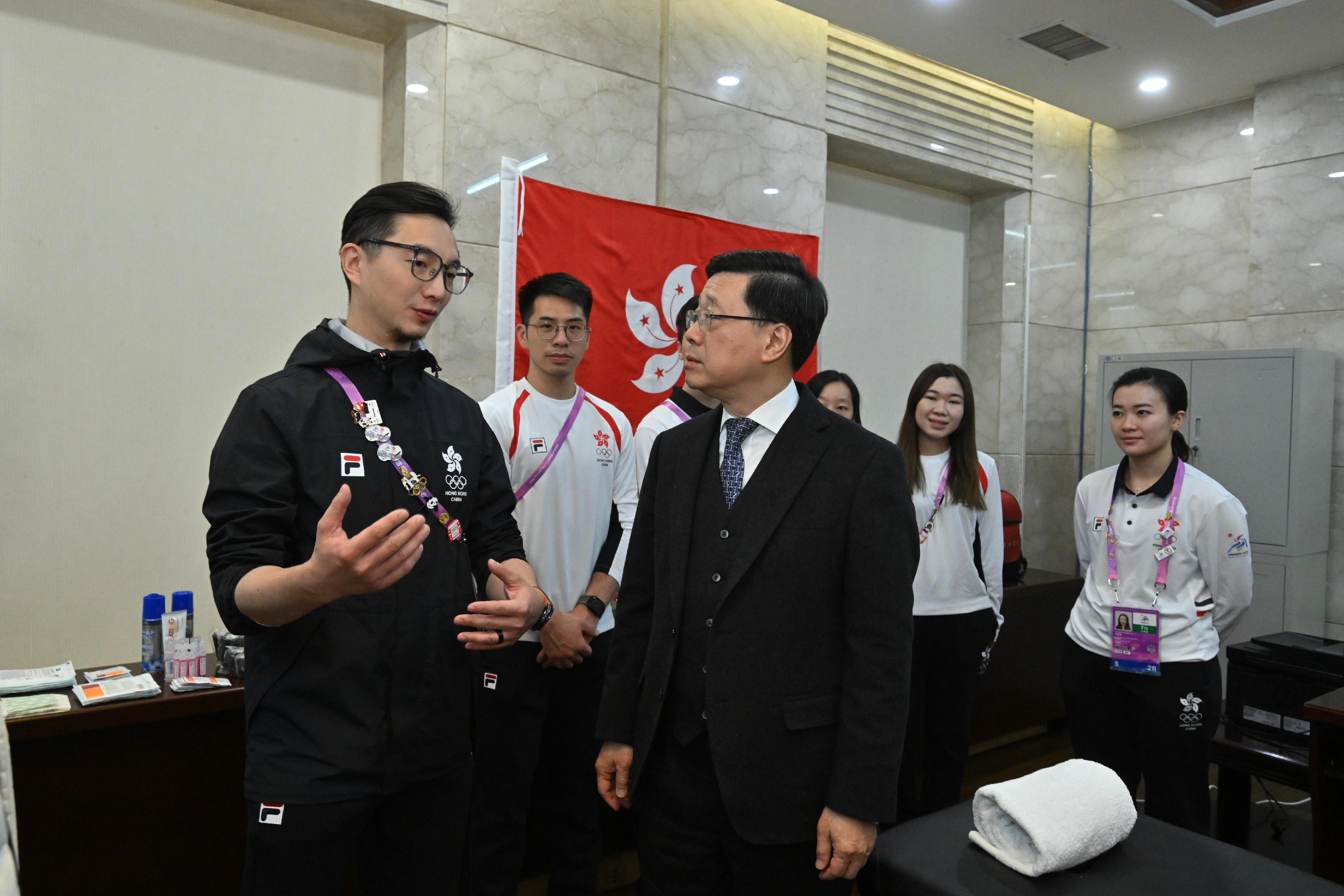
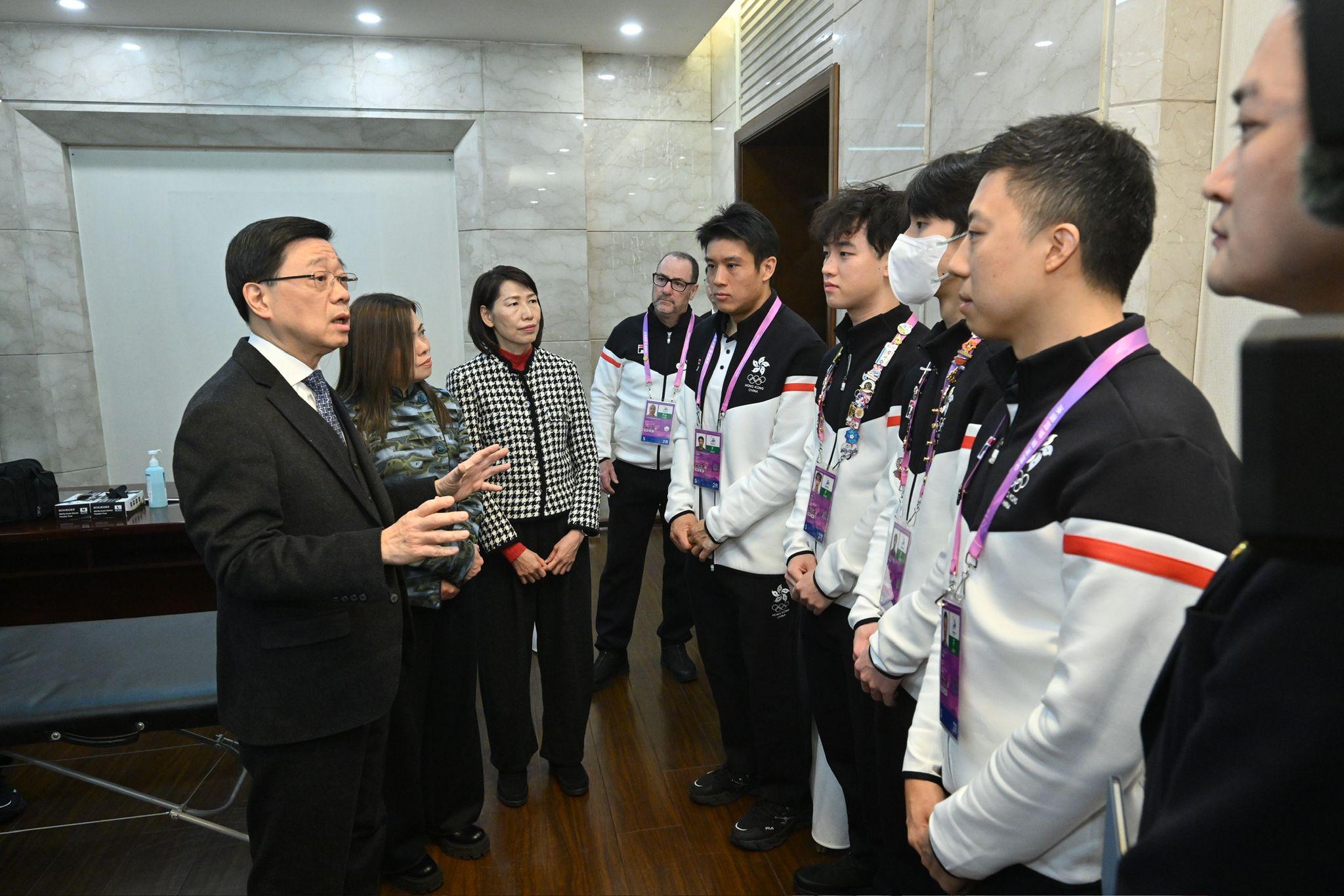
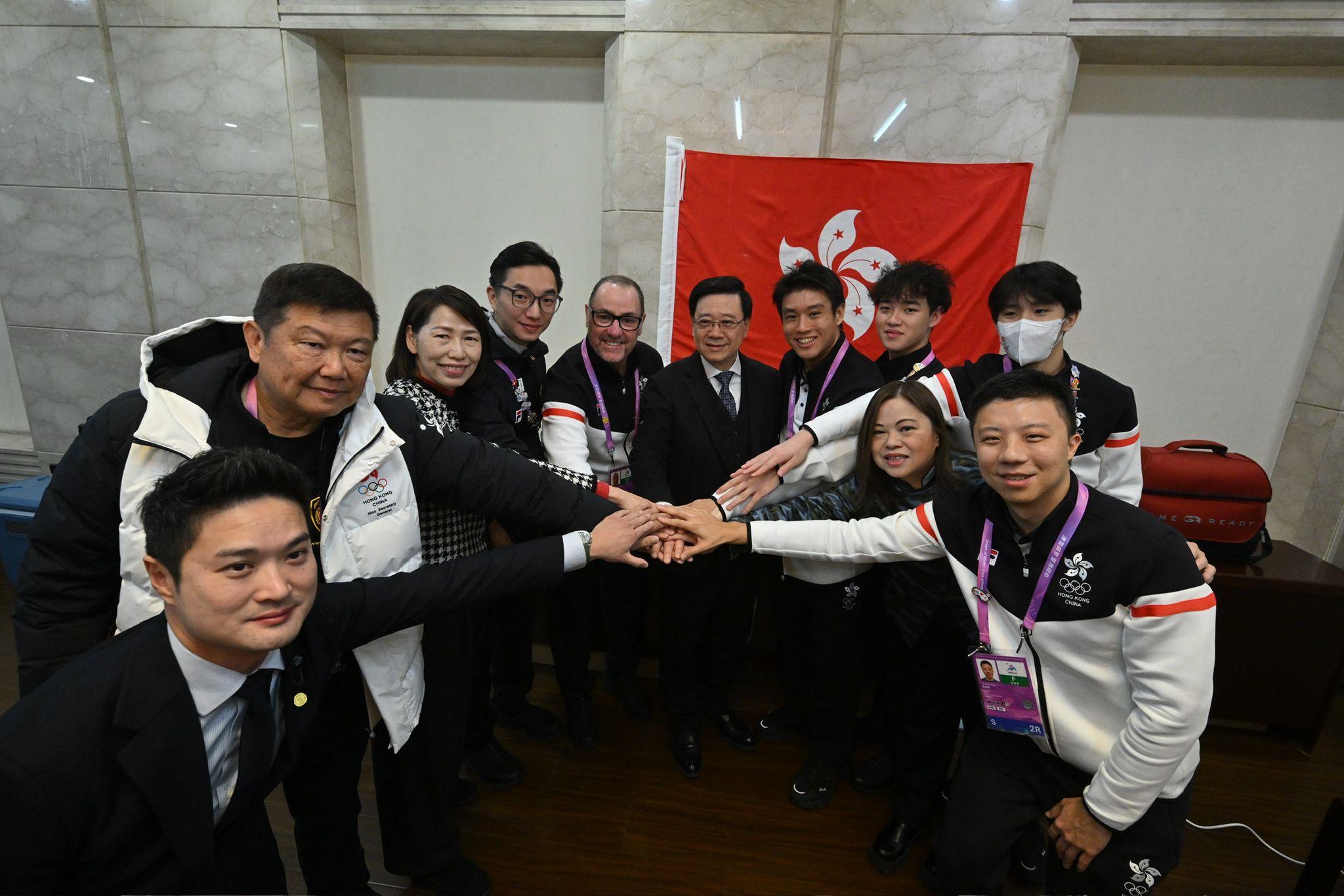
     Mr Lee also went to the athletes’ village to visit the Hong Kong ice hockey players who were injured yesterday (February 9) after the match, to understand their condition and offer his support. Mr Lee said he is highly concerned about the attack on Hong Kong athletes and has requested the Sports Federation and Olympic Committee of Hong Kong, China, and the Culture, Sports, and Tourism Bureau to follow up on the incident and make every effort to ensure the safety of athletes. Mr Lee noted that the Hong Kong athletes had remained calm and restrained during the incident, demonstrating professionalism and sportsmanship. He also praised the ice hockey team for their outstanding performance in the past competitions, making Hong Kong people proud. He encouraged the athletes not to let the incident affect their morale, to take good care of themselves, and to give their best in the games, showcasing the professionalism of Hong Kong athletes. He also assured them that the people of Hong Kong would fully support them.
      
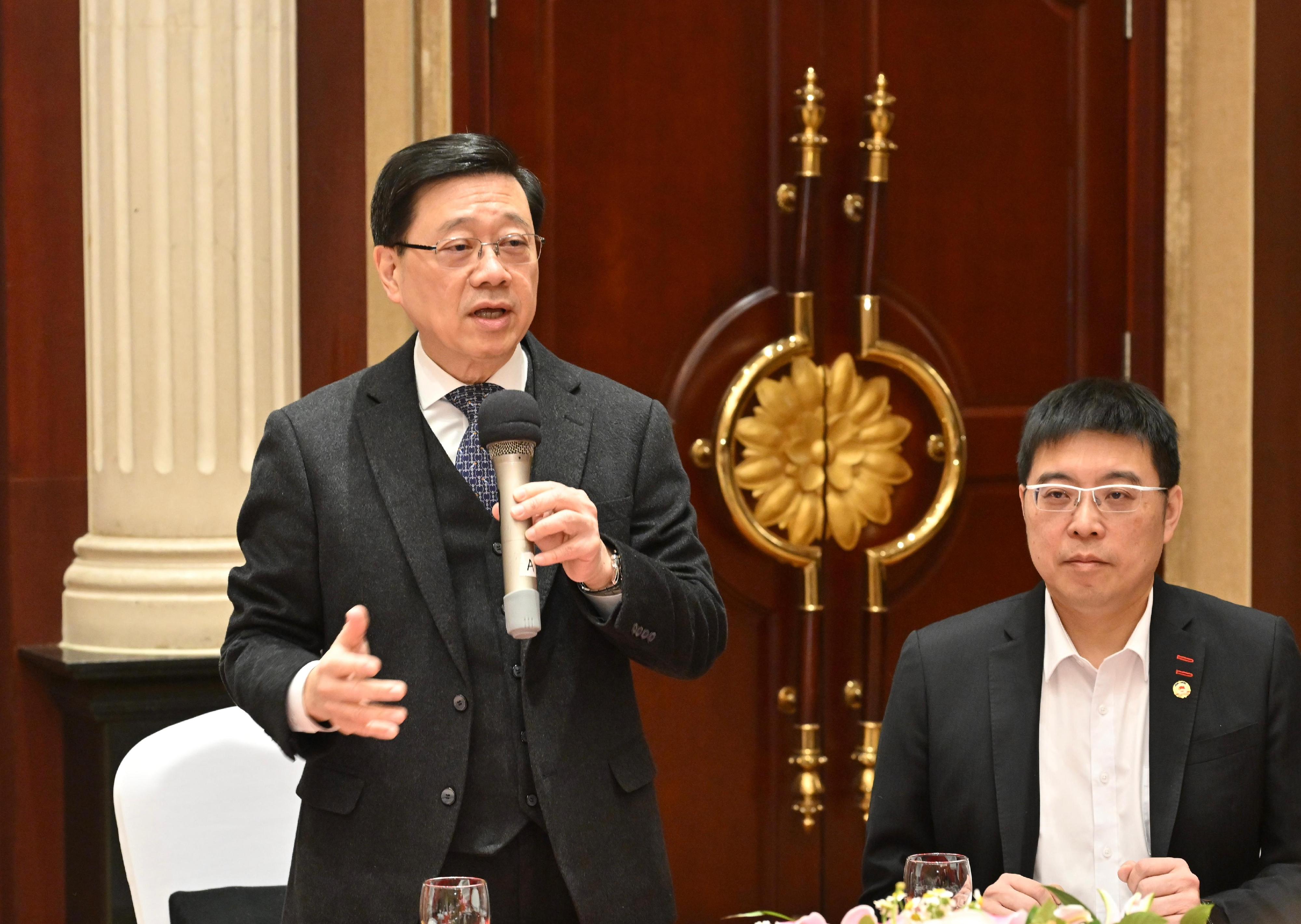
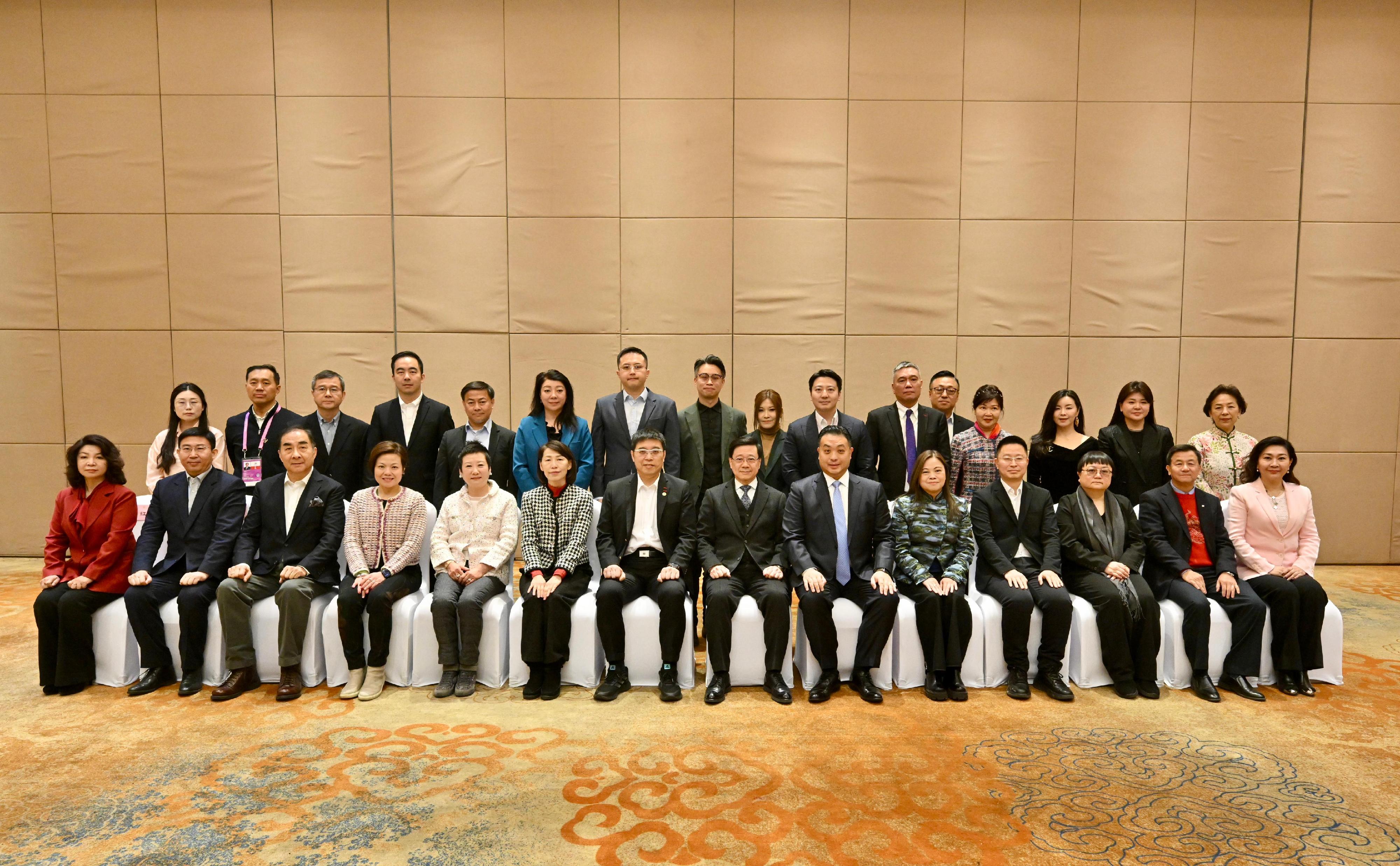
     At noon, Mr Lee met with Hong Kong people working and doing business in the three northeastern provinces to learn about their daily lives and development. He said that Hong Kong people and enterprises there serve as an essential bridge between Hong Kong and the three provinces. He encouraged them to introduce Hong Kong’s latest developments to local enterprises and tell the good stories of Hong Kong.
      
     In the afternoon, Mr Lee visited the Beidahuang Museum in Harbin to understand the transformation of the Great Northern Wilderness, a plain region in northeastern Heilongjiang Province, from a barren wilderness into a key commodity grain base and a strategic grain reserve base of the country. He also gained insights into the Beidahuang Spirit, which embodies perseverance, resilience, and a pioneering mindset.
      
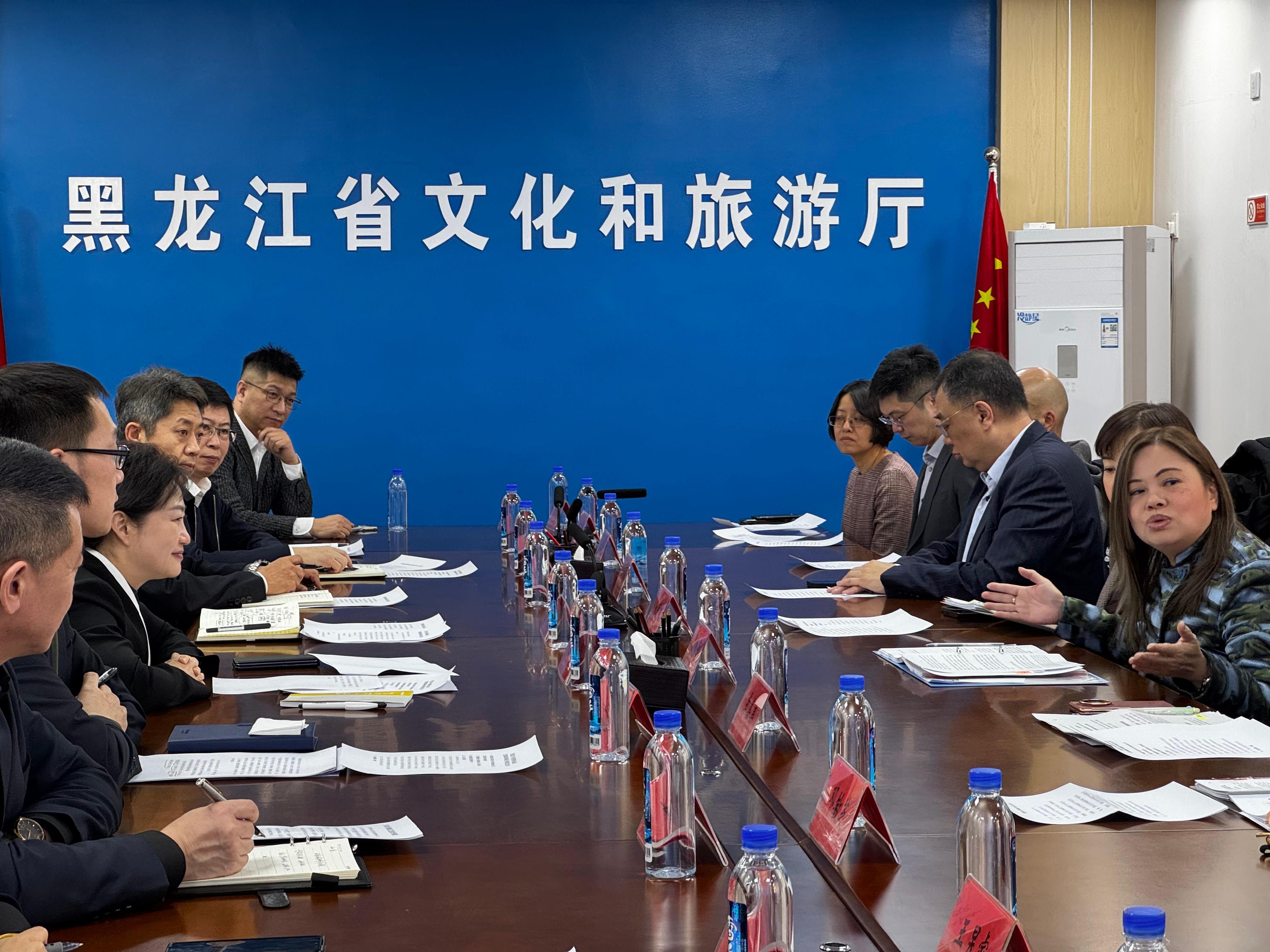
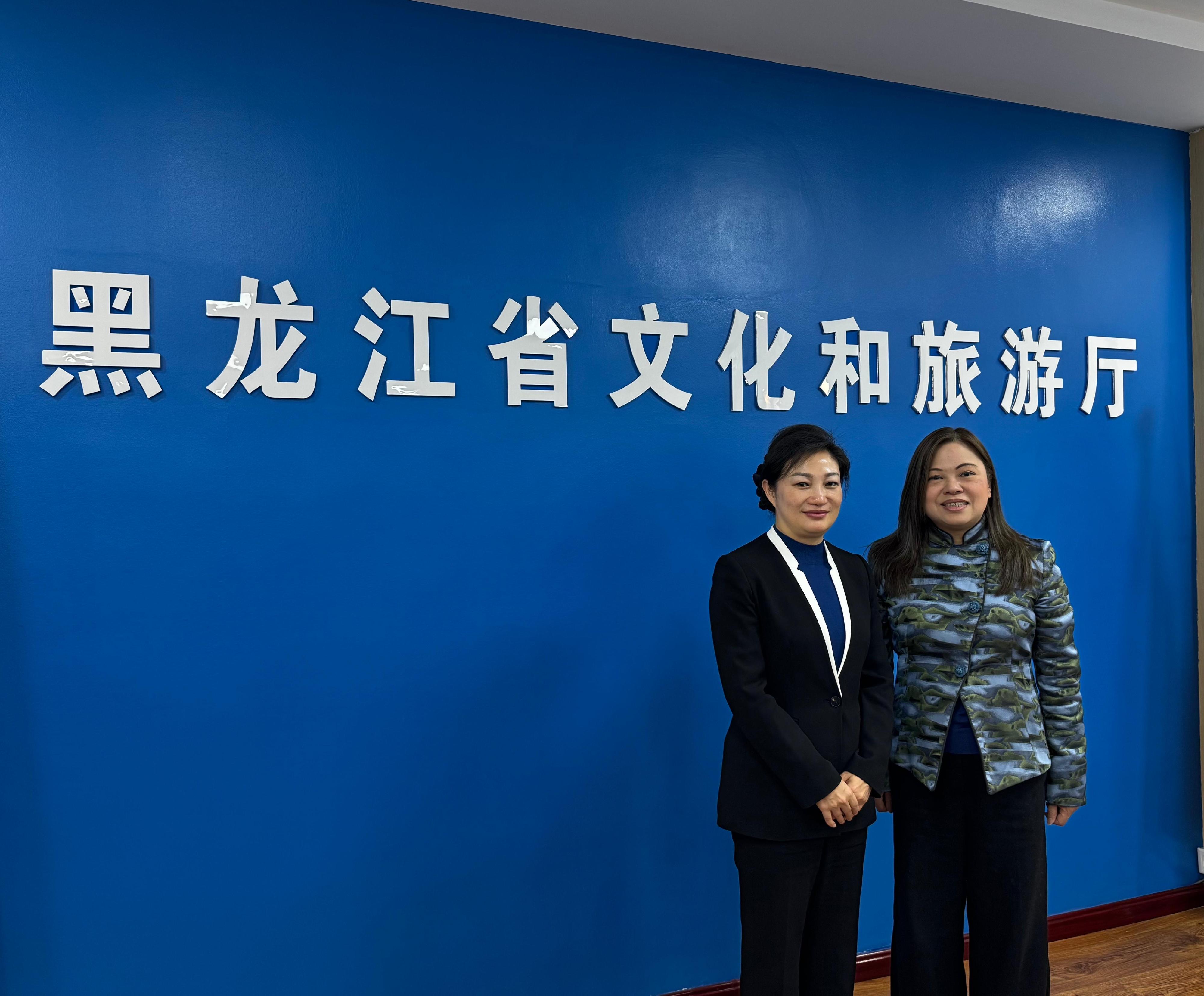
     Separately, the Secretary for Culture, Sports and Tourism, Miss Rosanna Law, had a work meeting with the Director-General of the Department of Culture and Tourism of Heilongjiang Province, Ms He Jing, this afternoon. They had discussions on ways to strengthen cultural and tourism collaborations between Hong Kong and Heilongjiang. During the meeting, Miss Law gave a briefing on the latest developments in Hong Kong’s culture and tourism. She said that the cultural and tourism resources of Hong Kong and Heilongjiang are unique in their own ways. While Hong Kong, as a world city, is always innovating in integrating culture and tourism, Heilongjiang is famous for its magnificent ice and snow attractions. With significant potential for collaboration between the two places, Miss Law expressed hope to expand the market and drive bilateral tourism flow with Heilongjiang in the future.
      
     Mr Lee and the other officials will return to Hong Kong tomorrow (February 11).

Photo  Photo  Photo  Photo  Photo  Photo  Photo  Photo  Photo  Photo  Photo  Photo  Photo  Photo  Photo  Photo  Photo  
read more

Fresh beef sample found to contain sulphur dioxide

     The Centre for Food Safety (CFS) of the Food and Environmental Hygiene Department announced today (February 10) that a fresh beef sample was found to contain sulphur dioxide, a preservative which is not permitted to be used in fresh meat. The CFS is following up on the incident.

     A spokesman for the CFS said, “The CFS, under its routine Food Surveillance Programme, took the fresh beef sample from a fresh provision shop (FPS) at Nam Cheong Place Market in Sham Shui Po for testing. The test result showed that the sample contained sulphur dioxide at a level of 68 parts per million. The CFS is following up with the FPS concerned about the irregularity.”

     According to the Preservatives in Food Regulation (Cap. 132BD), it is an offence to add sulphur dioxide to fresh or chilled meat. The maximum penalty is a $50,000 fine and six months’ imprisonment.

     Sulphur dioxide is a preservative which can be used in a variety of foods including dried vegetables, dried fruits, pickled vegetables and salted fish products, but under the Regulation it is not permitted in fresh or chilled meat. Individual meat traders have been found illegally using sulphur dioxide to make meat look fresher. Sulphur dioxide is water-soluble, and most of it can be removed through washing and cooking. However, susceptible individuals who are allergic to this preservative may experience breathing difficulties, headaches and nausea after consumption.

     The spokesman reminded the food trade to comply with the law and not to sell fresh or chilled meat adulterated with sulphur dioxide. Members of the public should purchase meat from reliable market stalls or FPSs. They should avoid buying or consuming meat which is unnaturally red, and maintain a balanced diet to avoid malnutrition or excessive exposure to chemicals from a small range of food items.

     â€‹The CFS will continue to follow up on the incident and take appropriate action. The investigation is ongoing. read more