Tag Archives: China

image_pdfimage_print

DoJ holds first roundtable to promote sector’s understanding of lawtech (with photos)

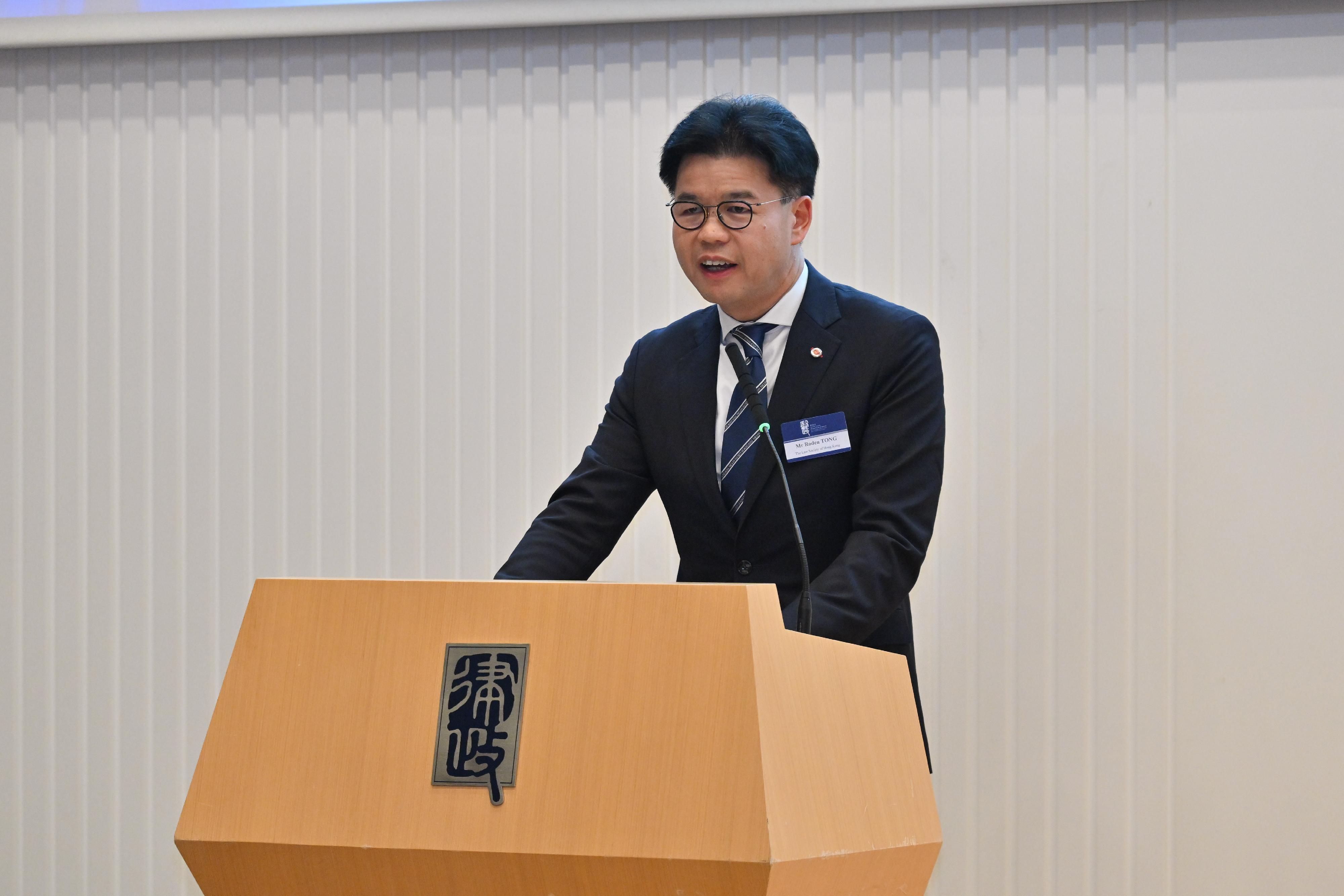
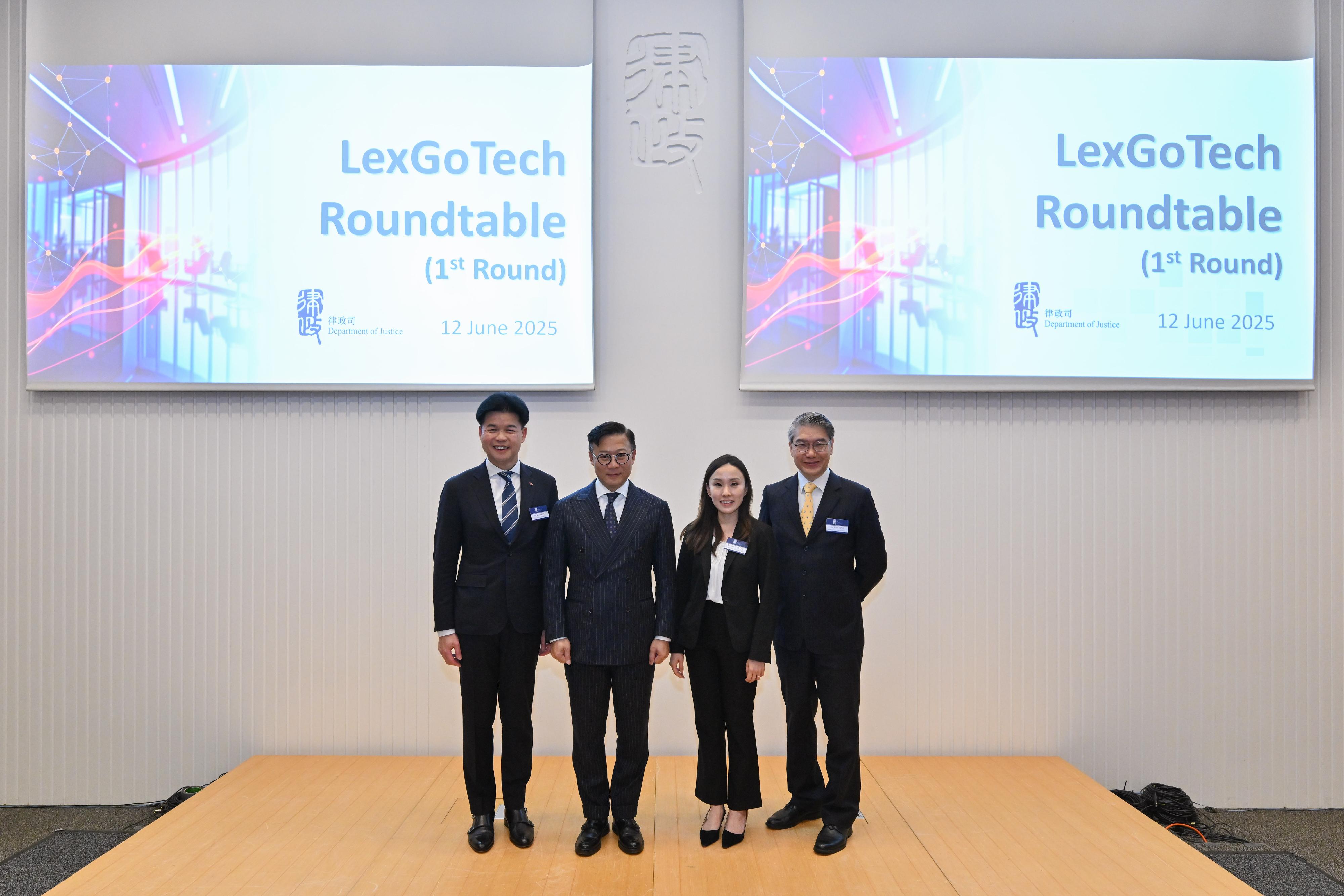
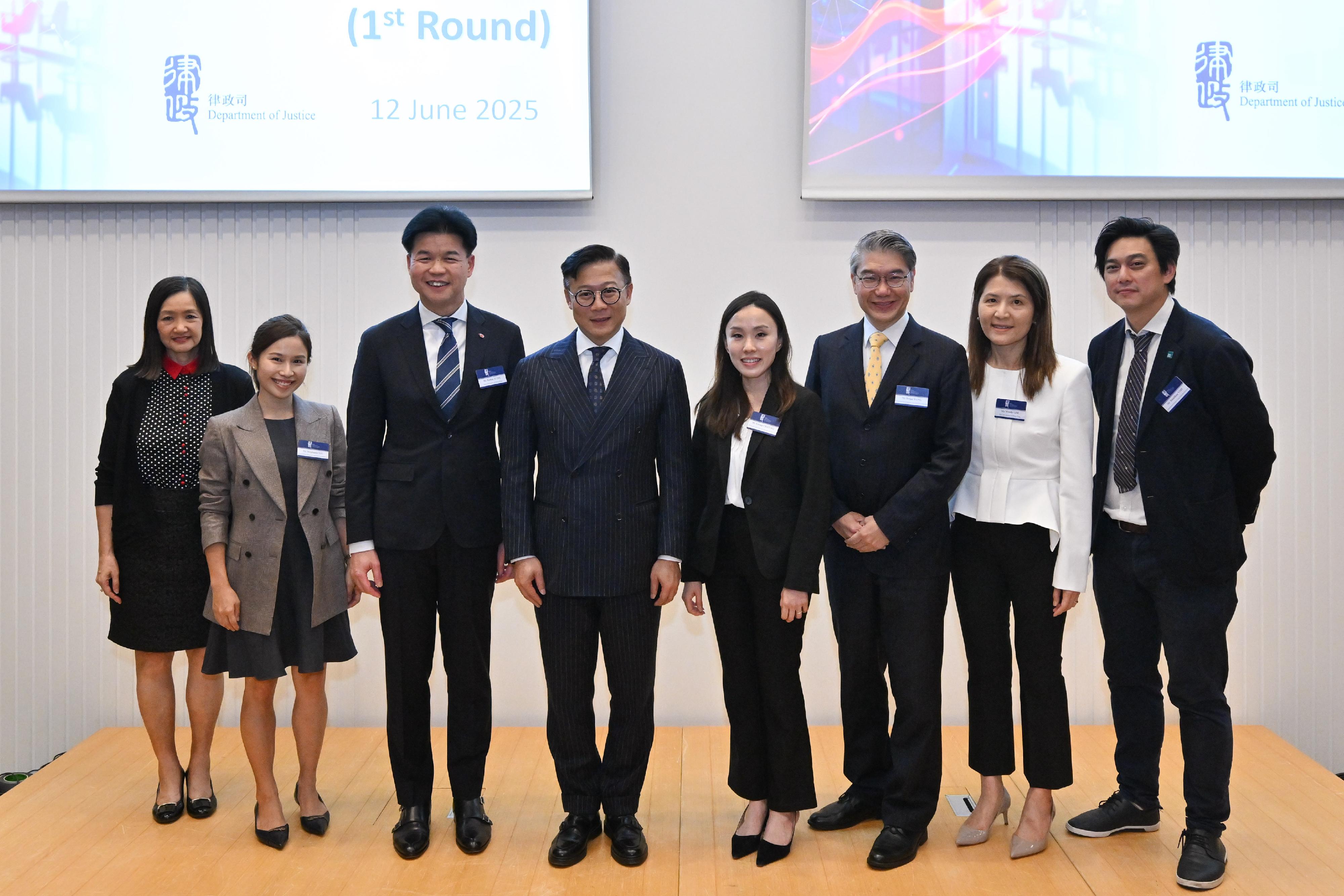
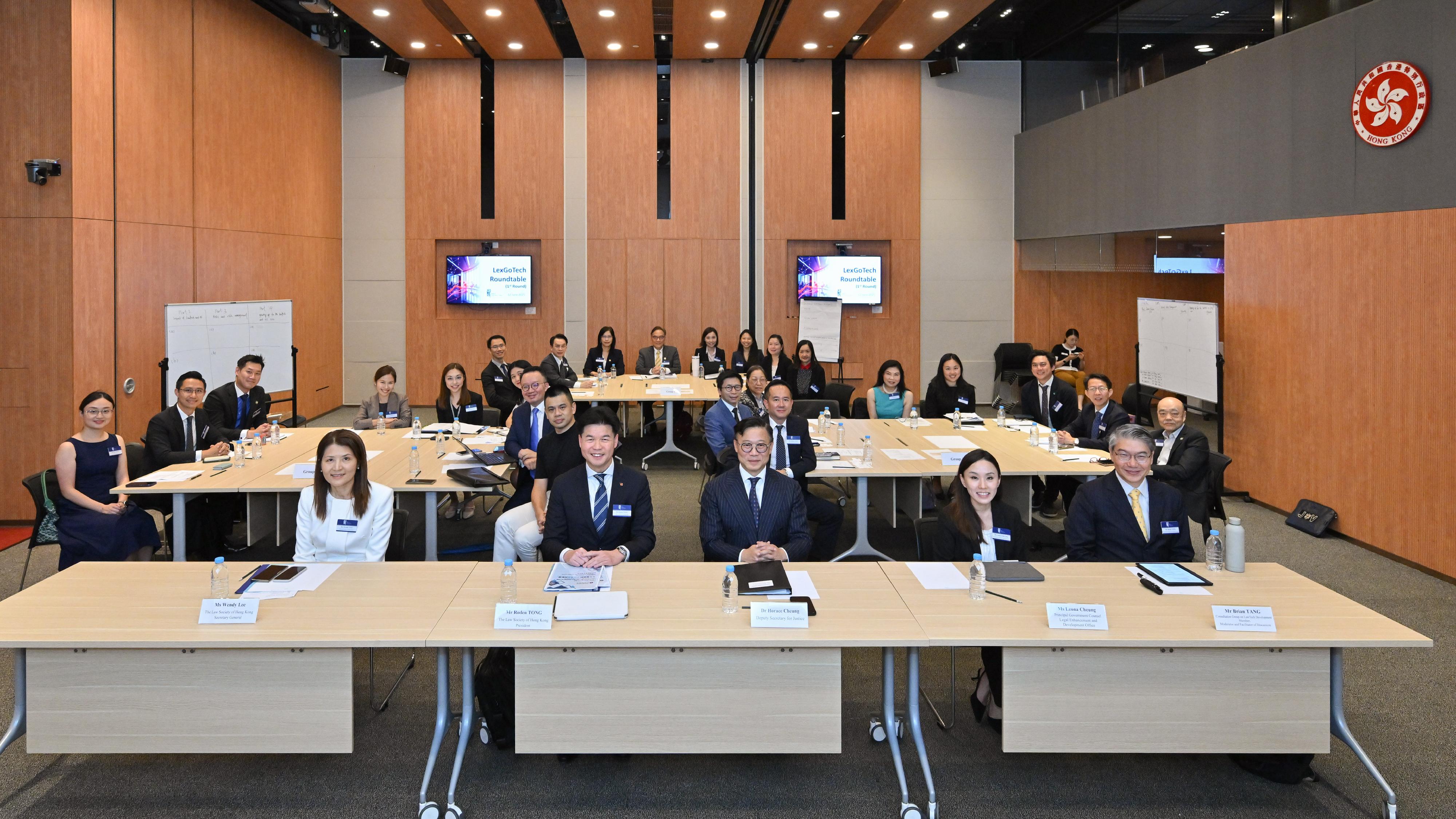
     The Department of Justice (DoJ) today (June 12) held the first round of LexGoTech Roundtable, engaging legal professionals from the Law Society of Hong Kong and the Small and Medium Law Firms Association of Hong Kong to explore the opportunities and challenges brought about by lawtech and artificial intelligence. The President of the Law Society of Hong Kong, Mr Roden Tong, also attended to support and delivered a speech to encourage the sector to actively participate in and promote the application of lawtech.

     During the roundtable, participants exchanged views on the risks associated with the use of lawtech and discussed how to embrace the era of artificial intelligence through policies, hardware and software upgrades, and capability building. Member of the Consultation Group on LawTech Development and Executive Director of LITE Lab@HKU of the University of Hong Kong, Mr Brian Tang, shared the latest developments in the application of lawtech and artificial intelligence in legal services. LITE Lab@HKU is a new interdisciplinary and experiential programme led by the Faculty of Law and the Department of Computer Science of the University of Hong Kong, aimed at fostering the integration of law, innovation, technology, and entrepreneurship. Members of the Consultation Group, Ms Stephanie Siu, Mr Jonathan Voo, and Ms Sharyn Ch’ang, also participated in the roundtable and guided the group discussions.

     The Deputy Secretary for Justice and Chairman of the Consultation Group, Dr Cheung Kwok-kwan, said that the legal sector in Hong Kong is welcoming a new era, with lawtech reshaping the delivery of legal services. He said that lawtech will strengthen the long-term competitiveness of Hong Kong’s legal professional services and solidify the city’s position as the centre for international legal and dispute resolution services in the Asia-Pacific region.

     The DoJ established the Consultation Group earlier this year, comprising representatives from the legal and dispute resolution sector, law schools and experts on lawtech applications, to explore ways to promote the integration of legal services and lawtech in Hong Kong, Dr Cheung added.
      
     He also noted that, to further enhance the sector’s understanding of the application of lawtech, the DoJ organised the roundtable following the Consultation Group’s recommendations and plans to hold a series of related events this year. In the long term, the DoJ will promote the connection between lawtech service providers and legal practitioners, enhance the capabilities of legal professionals in lawtech, and disrupt traditional work models in the legal sector to create an ecosystem conducive to the development of lawtech in Hong Kong.

     Dr Cheung also said that the DoJ has been sparing no effort to promote lawtech and support the development of online dispute resolution and transaction platforms. The DoJ has also launched the LawTech Fund and the Hong Kong Legal Cloud services to subsidise small and medium-sized law firms and chambers in enhancing their information technology capabilities, benefitting over 4 000 local legal professionals to date.
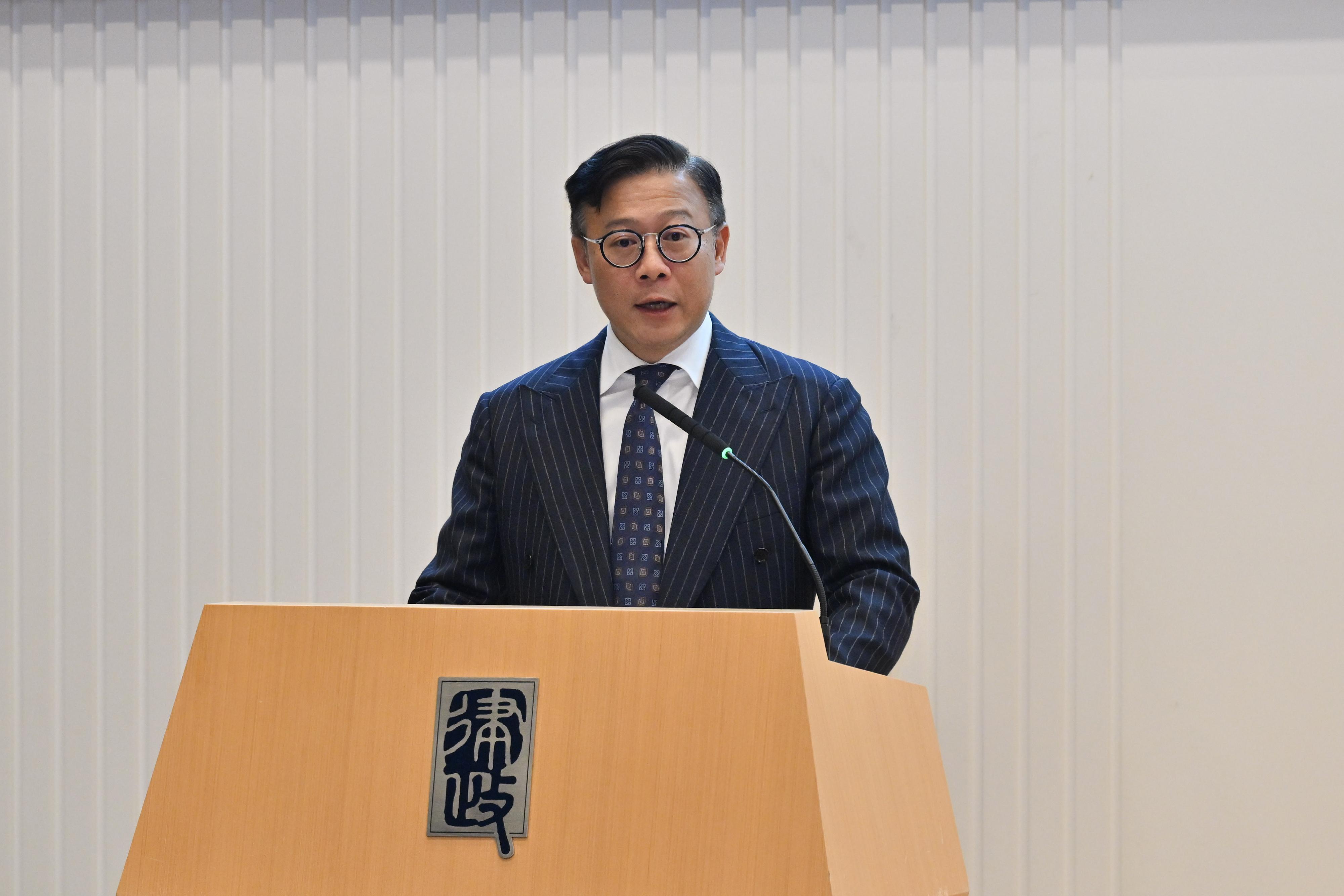
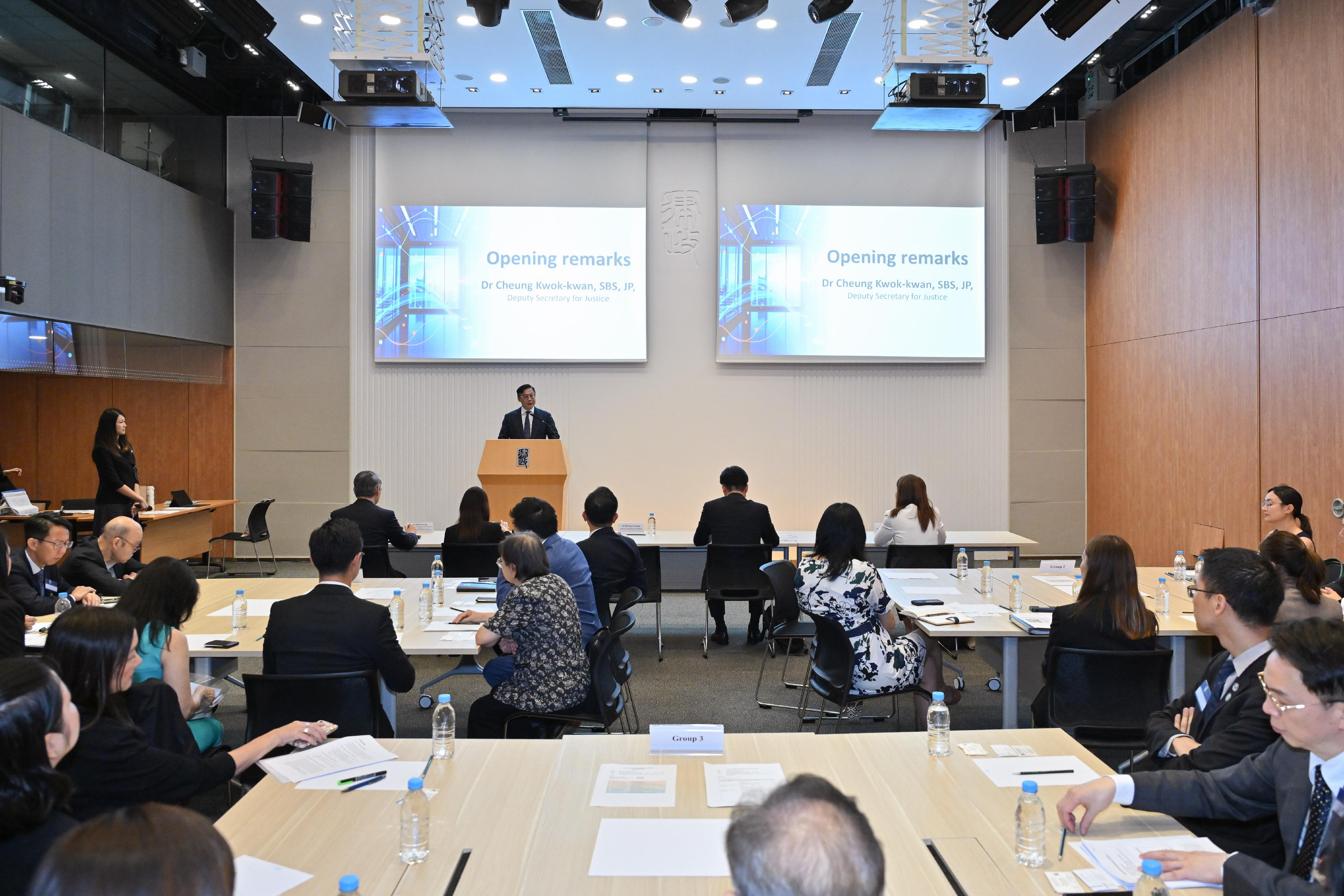
Photo  Photo  Photo  Photo  Photo  Photo  
read more

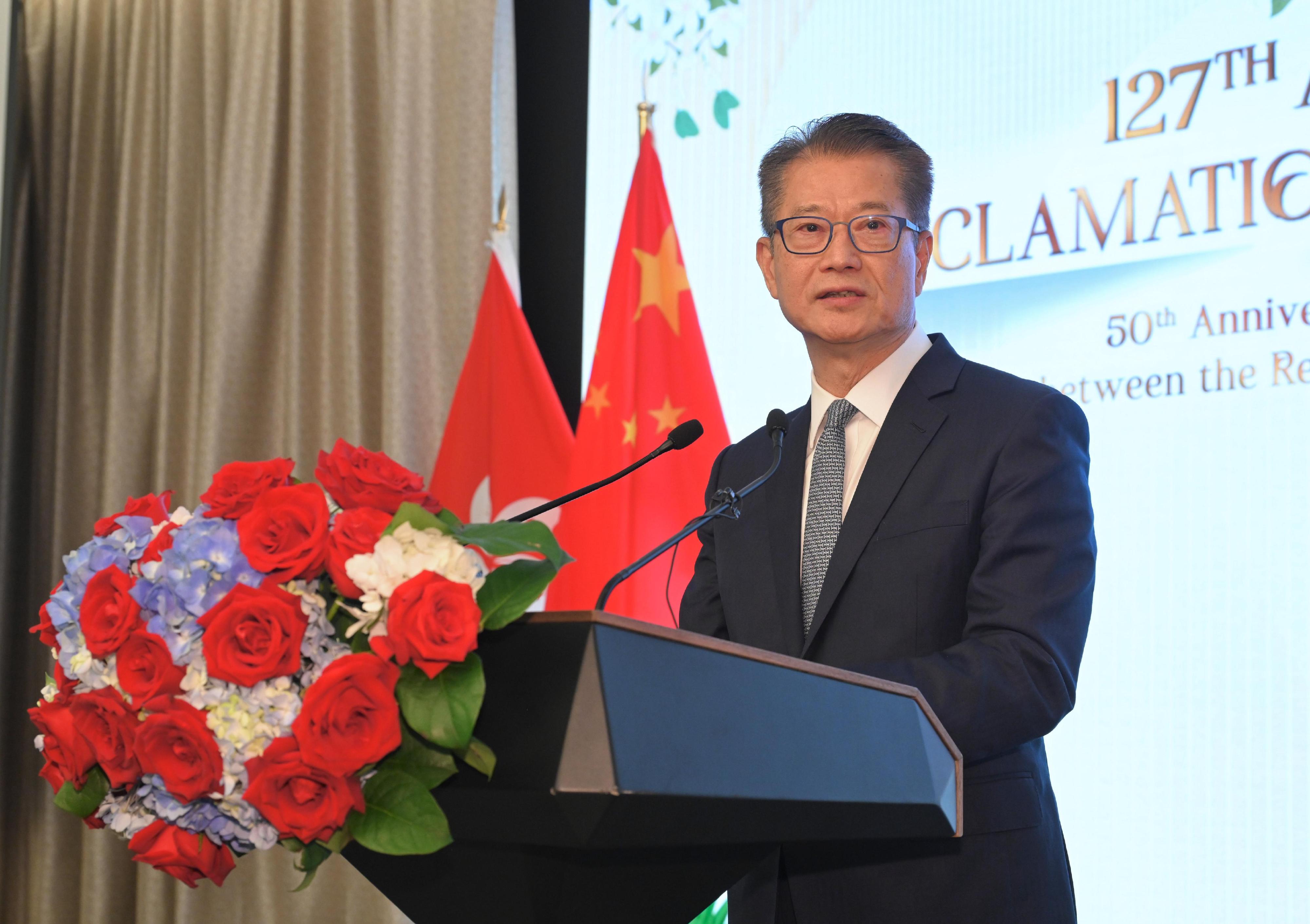
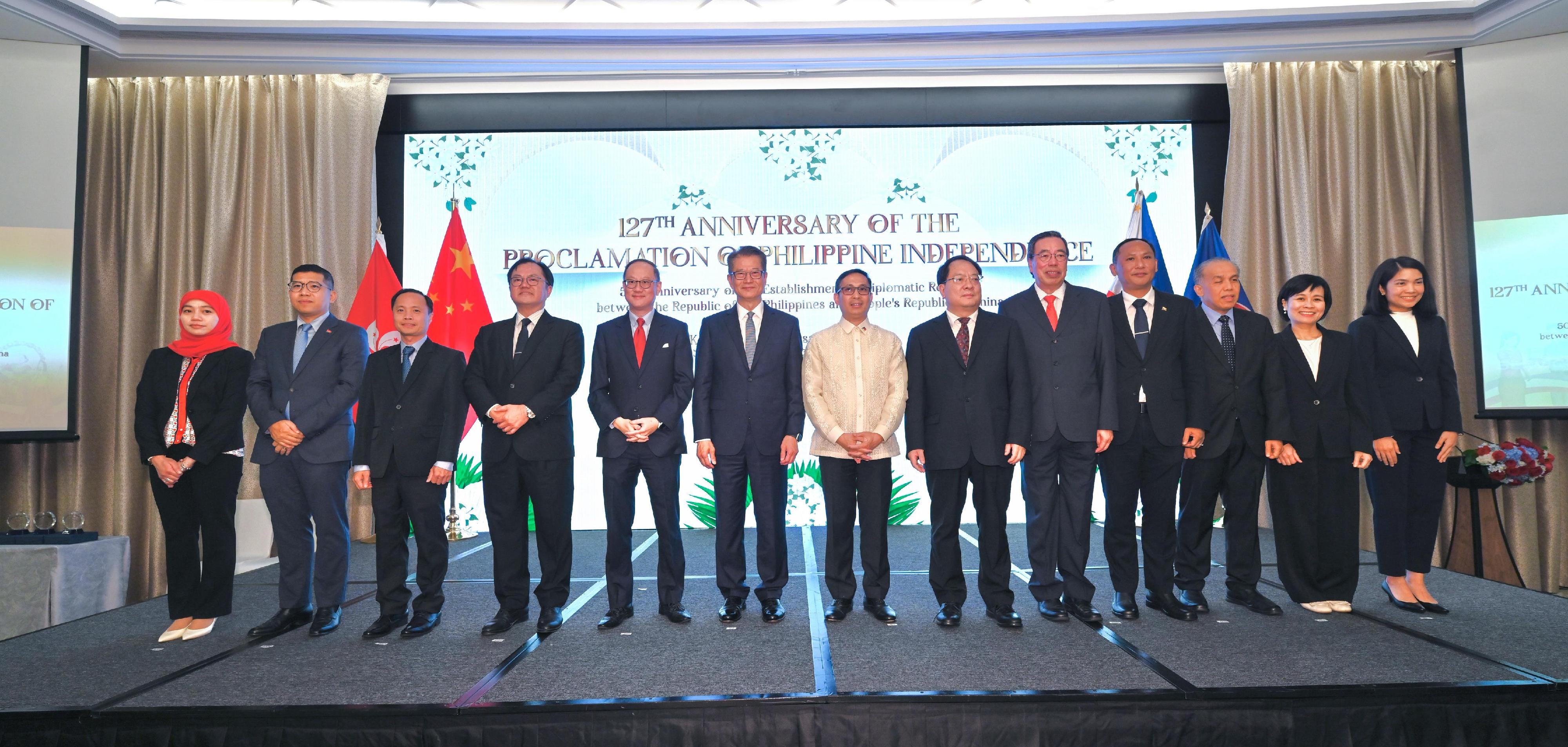
Speech by FS at Reception in Celebration of 127th Anniversary of Proclamation of Philippine Independence (English only) (with photos)

     Following is the speech by the Financial Secretary, Mr Paul Chan, at the Reception in Celebration of the 127th Anniversary of the Proclamation of Philippine Independence today (June 12):

Consul General Israel (Consul-General of the Philippines in Hong Kong, Mr Romulo Victor Manzano Israel), Deputy Commissioner Pan Yundong (Deputy Commissioner of the Office of the Commissioner of the Ministry of Foreign Affairs of the People’s Republic of China in the Hong Kong Special Administrative Region), consuls-general, distinguished guests, ladies and gentlemen,
 
     Good evening. It is a great pleasure to join you tonight in celebrating the 127th anniversary of the Republic of the Philippines’ proclamation of independence.  
 
     Let me take this opportunity to extend a formal and warm welcome to Consul General Israel, who assumed his new post in Hong Kong this April. With your extensive diplomatic career in the Philippines and abroad, I am confident that your experience and insight will further help strengthen the close ties between Hong Kong and the Philippines. 

     I had the honour of attending this reception last year, where I spoke about the strong and growing connections between our two economies. One year on, I am pleased to see that our bilateral relationship continues to deepen and expand.
 
     Tourism is a shining example. Last year, we welcomed nearly 1.2 million visitors from the Philippines, a remarkable increase of over 55 per cent compared to 2023. This positive momentum has continued, with over 550 000 Filipino visitors arriving in the first five months of this year, representing a 27 per cent year-on-year growth.   
 
     Our trade relationship remains robust. Hong Kong plays a vital role as a gateway for China’s exports to the Philippines. Hong Kong is the Philippines’ fifth largest trading partner. Last year, our value of merchandise trade grew to HK$108 billion. Hong Kong handled around 13 per cent of the total merchandise trade between China and the Philippines.
 
     Besides, I am pleased to note that we have started negotiations on a Comprehensive Avoidance of Double Taxation Agreement. I trust such an agreement will further simulate our bilateral trade and investments. 
 
     All these encouraging developments point to a future of even closer business ties and new opportunities for collaboration. 
 
     The Philippines stands out as one of the fastest-growing economies in ASEAN (Association of Southeast Asian Nations). I am pleased to learn that your Government is making proactive efforts to implement pro-business reforms to simplify company formation process, lower entry barriers and attract foreign businesses. These measures will facilitate trade and investments with your economic and trade partners. Meanwhile, more infrastructure flagship projects will bolster the economy, improve connectivity and make your country more attractive to businesses from abroad. 
 
     In an era marked by rising protectionism and increasing geopolitical uncertainty, globalisation is facing backlashes. Countries are seeking to diversify their export markets and development drivers. In this context, enhancing intra-regional trade and collaboration will be key to achieving sustainable growth. In this connection, we greatly appreciate the Philippines’ continued support for our accession to the Regional Comprehensive Economic Partnership (RCEP).
 
     Under the “one country, two systems” arrangement, Hong Kong is a “super connector” and “super value-adder” between the Chinese Mainland and the rest of the world. We steadfastly uphold our free port status, with the free movement of goods, capital, information and talent. Our world-class transport and logistics infrastructure provides a perfect springboard for your country’s products and services to reach the Mainland, across North Asia, and beyond.
 
     Now, given the policy uncertainties in the US and shifting global investment landscape, Hong Kong has emerged as a safe harbour for international capital. This is reflected by capital inflows and investors’ optimism. Our stock market has performed exceptionally well, rising by 20 per cent so far this year, on top of the 18 per cent increase last year. It is one of the top-performing markets globally.
 
     With deep liquidity and a comprehensive suite of funding options, Hong Kong offers an ideal platform for Filipino enterprises to raise funds to support their business development. They can consider listing on our Stock Exchange, or connecting with angel investors, venture capital and private equity for collaboration. 
 
     For sure, Hong Kong has more to offer. You will find Hong Kong an ideal location to raise funds for quality infrastructure and green transition projects. Beyond traditional means, such as bond issuance, there are innovative financing models such as infrastructure loan securitisation, or catastrophe bonds, which are designed to share natural disaster risks with investors. Hong Kong has already issued seven catastrophe bonds, covering events from earthquakes to storms across Asia and the Americas. 
 
     In short, the potential for deeper co-operation between our two economies is vast and far-reaching.
 
     Before I conclude, I would like to express my heartfelt appreciation to the more than 220 000 Filipino nationals in Hong Kong. They are an integral part of our community and have made invaluable contributions to the economic and social fabric of this city.  
 
     On behalf of the Hong Kong SAR Government, I extend my warmest congratulations to the people of the Philippines on your Independence Day. May the friendship between Hong Kong and the Philippines continue to flourish and prosper for years to come.  
 
     I wish you all a most enjoyable evening. Thank you very much.

Photo  Photo  
read more

Drug abuse and drug situation in Hong Kong in first quarter of 2025

     â€‹The Action Committee Against Narcotics (ACAN) noted at its meeting today (June 12) the figures of the Central Registry of Drug Abuse (CRDA) and other drug-related figures for the first quarter of 2025. ACAN noticed that the total number of reported drug abusers in the first quarter of 2025 was lower than that of 2024. However, the figures tend to show greater volatilities in the first quarter of each year. The ACAN will closely monitor the situation in the remaining quarters of 2025, and will at the same time continue to carry out its anti-drug work.
      
     Figures from the CRDA revealed that the total number of reported drug abusers in the first quarter of 2025 was 1 644 while that of the same period in 2024 was 1 738. The most common type of drug abused in the first quarter of 2025 was heroin, followed by cocaine and cannabis.
      
     The number of reported young drug abusers aged under 21 in the first quarter of 2025 was 285, of which 128 abused the “space oil drug”. The “Space oil drug”, followed by cannabis and cocaine, has replaced cannabis to become the most common type of drug abused among reported young drug abusers.
      
     Regarding the main active ingredients currently found in the “space oil drug”, the Government has listed etomidate and its three analogues (metomidate, propoxate and isopropoxate) as dangerous drugs, which are regulated under the Dangerous Drugs Ordinance (DDO) (Cap. 134). The Government plans to list the remaining etomidate analogues as dangerous drugs, and has consulted the Legislative Council Panel on Security earlier this month.
      
     The Chairman of ACAN, Dr Donald Li, said, “When facing the ‘space oil drug’, the Government should not lower its guard. ACAN fully supports the Government’s proposal to list all etomidate analogues as dangerous drugs under the DDO, with a view to nipping this drug abuse problem in the bud. Apart from the legislation, ACAN will continue to carry out relevant publicity and education work.”
 
     On the enforcement front, according to the figures from the law enforcement agencies, the total number of persons arrested for drug offences in the first quarter of 2025 was 940. Among them, 140 of them are youngsters aged under 21. The “space oil drug”, cannabis and cocaine were the main drugs involved in these arrests in the first quarter. According to the court cases concluded for the same period, the conviction rate of persons being prosecuted for drug offences was as high as 86 per cent. As for young offenders aged under 21 who were sentenced to imprisonment for drug trafficking, more than half of them were sentenced to over five years in prison, and the longest imprisonment was 20 years.
      
     A spokesman for the Security Bureau (SB) said, “As the summer holidays approach, we remind youngsters not to  participate in drug trafficking out of greed or gambling on luck, including giving out their addresses for receiving ‘drug parcels’ and joining free trips to transport dangerous drugs across borders as ‘drug mules’. Young age is not a valid mitigating factor for drug offences. A plea of ignorance is not an excuse to avoid legal liability. Young drug offenders will also be sentenced to lengthy imprisonment.”
 
     Moreover, the spokesman reminded youngsters that they need to stay vigilant at all times when travelling outside Hong Kong, with a view to avoiding drug traps when trying something new. Foods and drinks, or even health supplements, skincare products (such as facial masks, massage oil), etc, may contain dangerous drugs. Products that are marked with the words “CBD”, “THC”, “cannabis”, “cannabinoids”, “ganja”, “hemp extracts” or “marijuana”, or with a picture of a cannabis leaf, may contain substances that are illegal in Hong Kong or prohibited for transit at the airport. Members of the public are reminded to pay close attention to product labels during online or in-store shopping. If in doubt, members of the public should not risk purchasing, consuming or bringing these products back to Hong Kong to not to breach the law inadvertently. Information and a video about examples of CBD products have been uploaded onto the Narcotics Division’s (ND) dedicated webpage about CBD (www.nd.gov.hk/en/CBD.html) for the public’s reference.
 
     The ACAN also noted the findings of the 2023/24 Survey of Drug Use among Students (Survey). The Survey is a triennial research project conducted by a research institute commissioned by the ND of the SB, with the aim of obtaining the latest drug taking trends in students and knowing more about students’ knowledge of drugs as well as their attitudes towards drug taking. Such information assists the Government in formulating anti-drug initiatives that would respond better to the actual situation. The Survey successfully surveyed 99 600 students from upper primary to post-secondary levels, accounting for about 15 per cent of the student population in Hong Kong.
 
     The Survey results indicated that the proportion of students who claimed to have taken dangerous drugs rose to 2.7 per cent from 2.5 per cent in the previous survey (i.e. the one conducted in 2020/21). Psychotropic substances are the most common types of drugs abused by these students. These findings are in line with the statistics recorded by the CRDA.
      
     The CRDA figures for the first quarter of 2025 are available on the ND’s website (www.nd.gov.hk/en/index.html).
 
     The ND’s website, as well as its official accounts (narcotics.divisionhk) on Facebook and Instagram, also contain detailed information about dangerous drugs including the “space oil drug” for reference by the public. read more

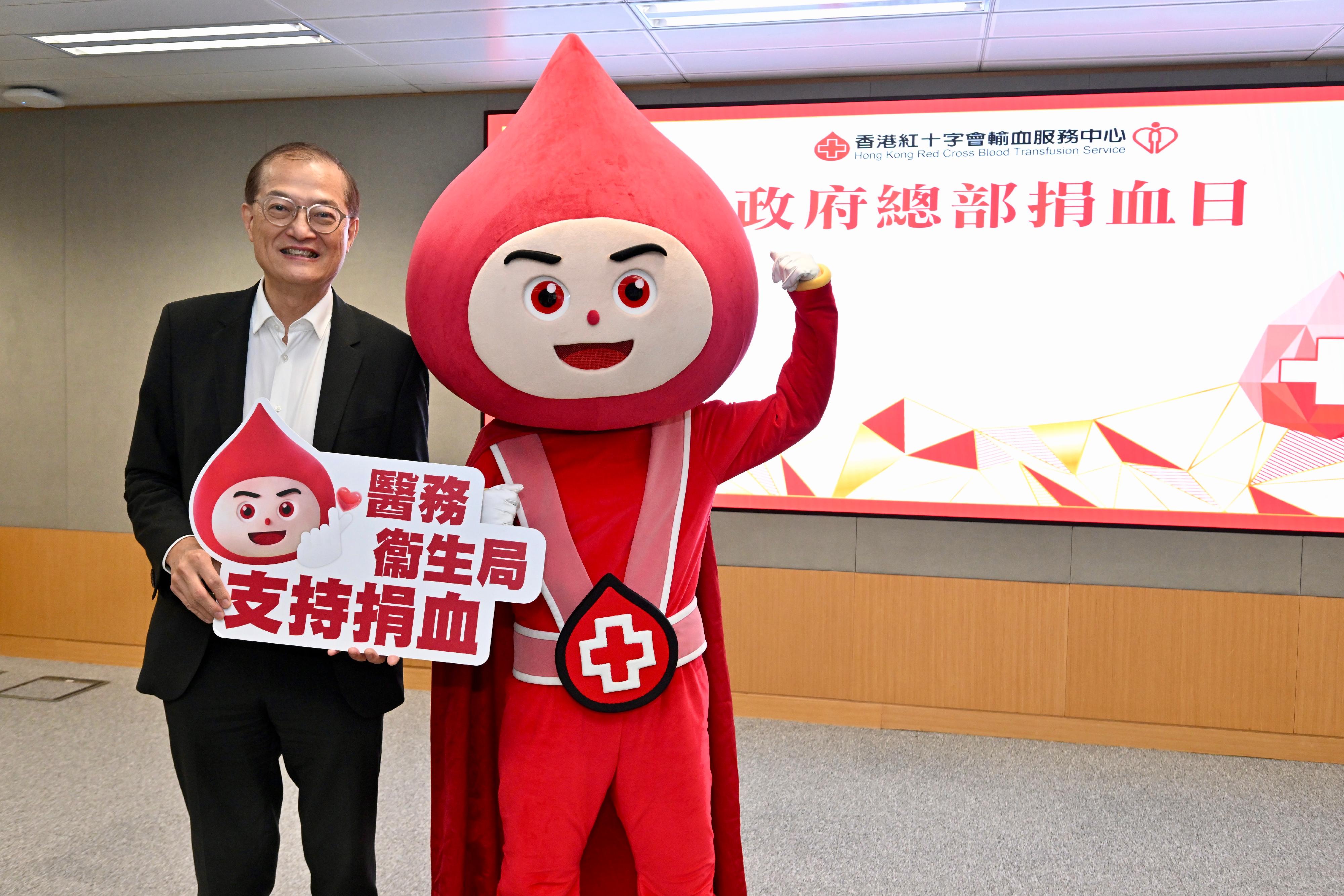
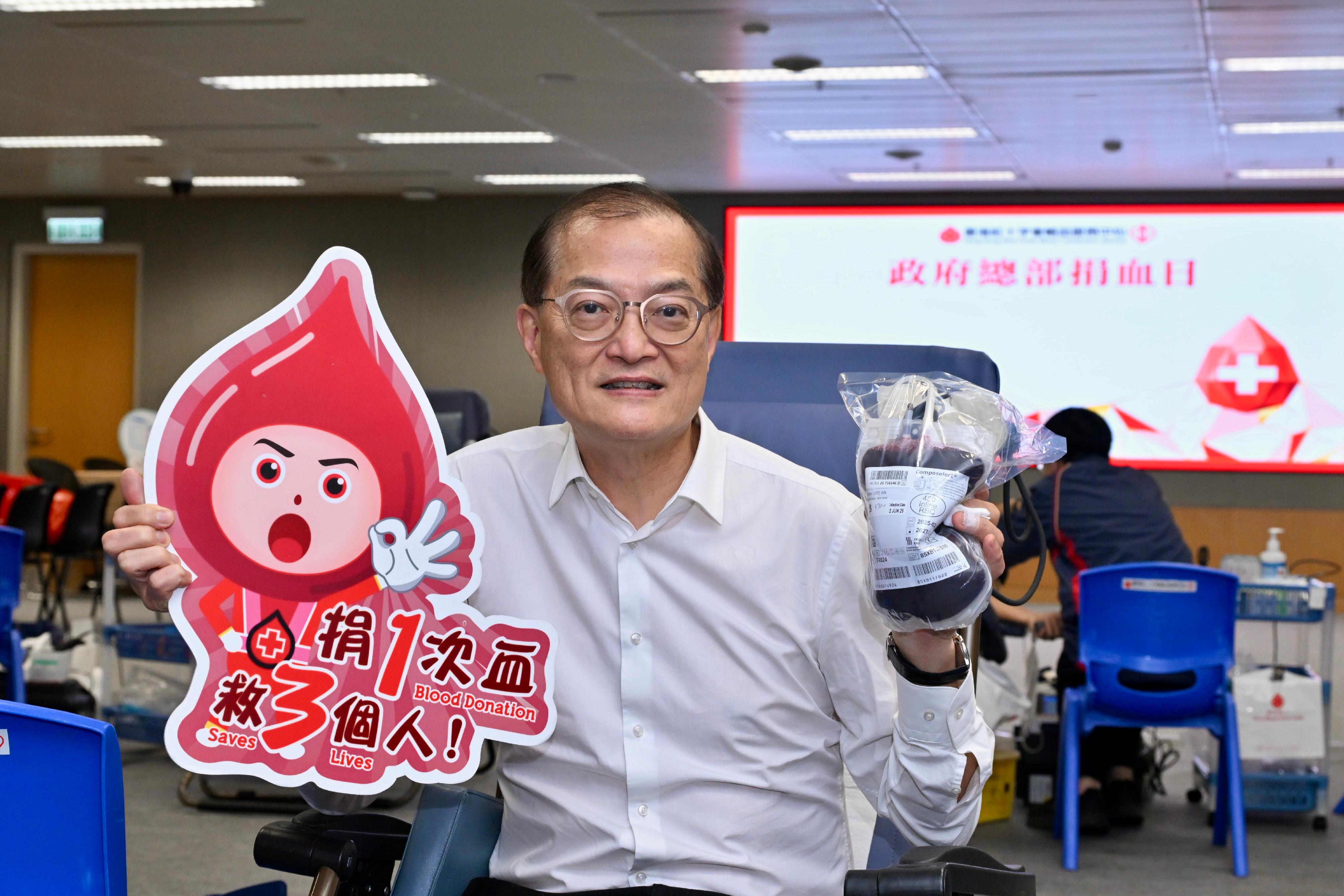
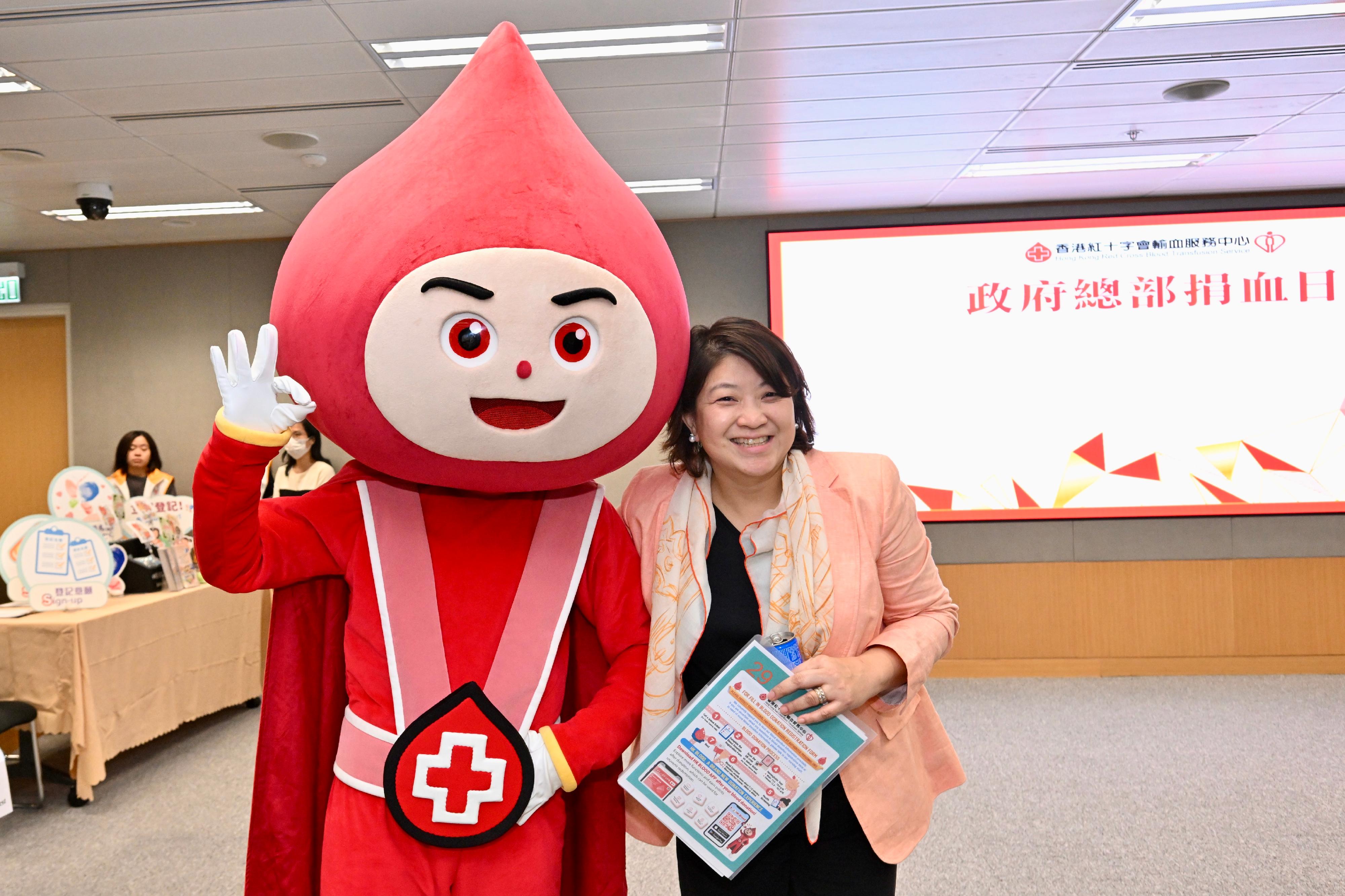
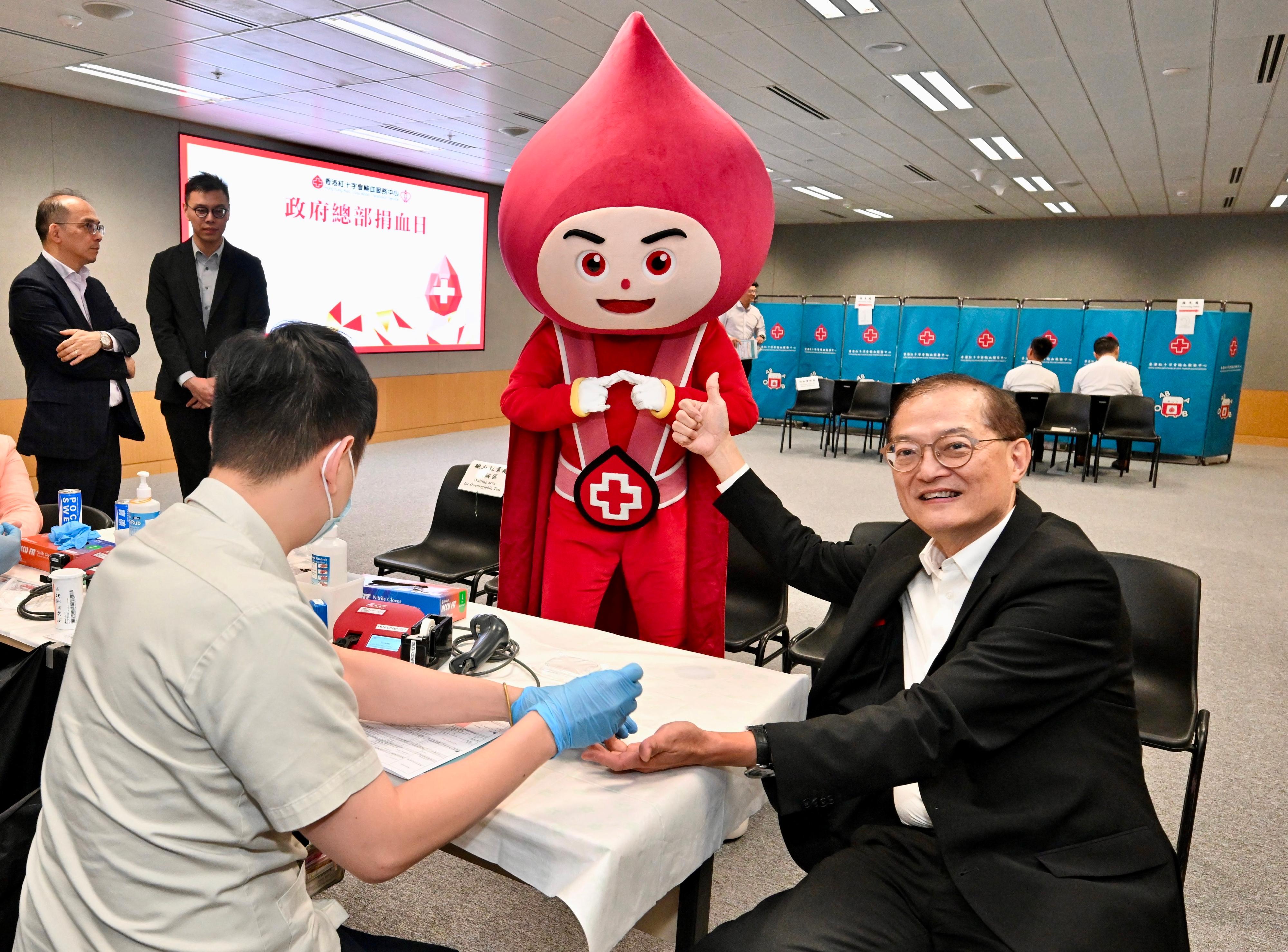
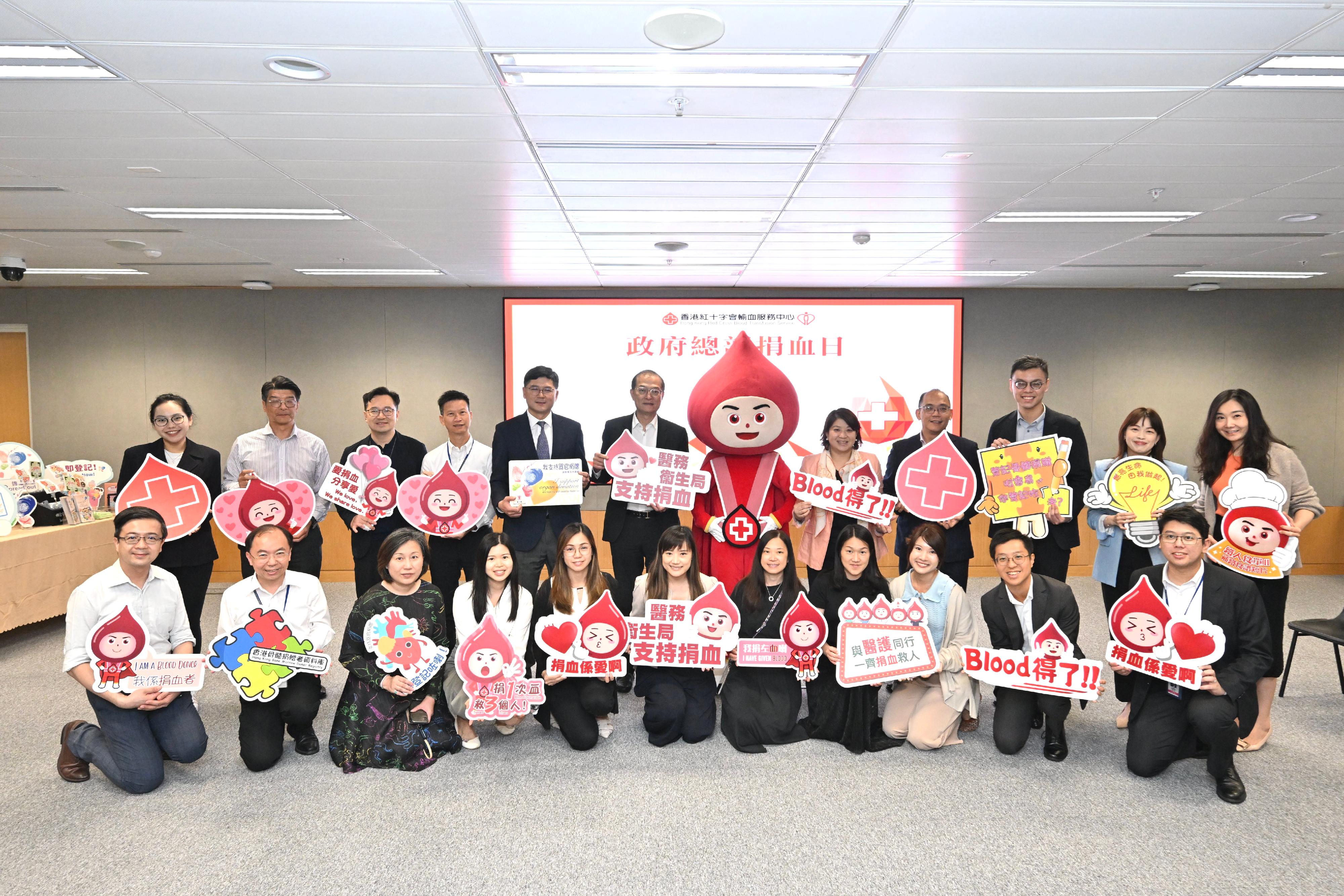
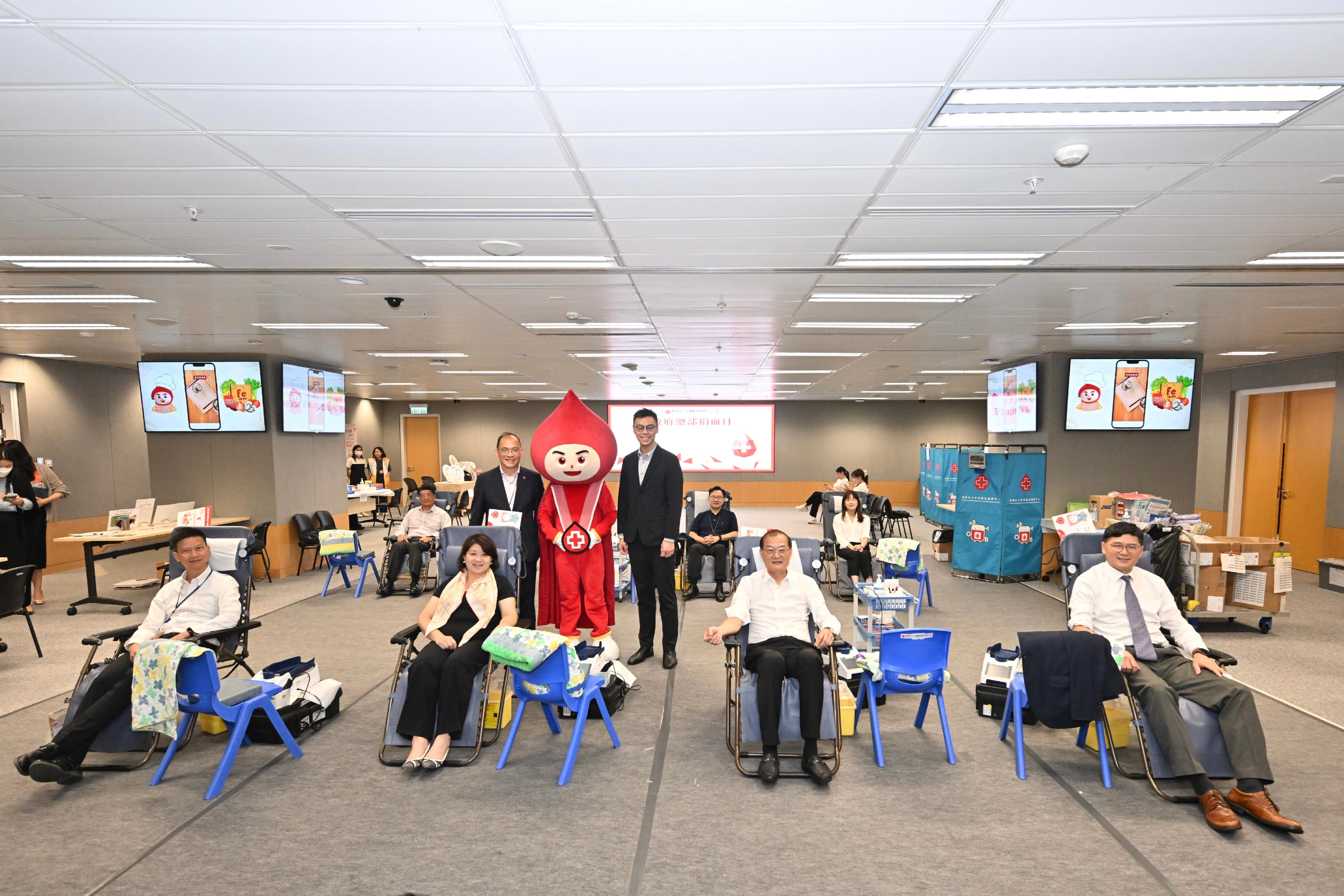
Secretary for Health supports and participates in blood donation drive at Central Government Offices (with photos)

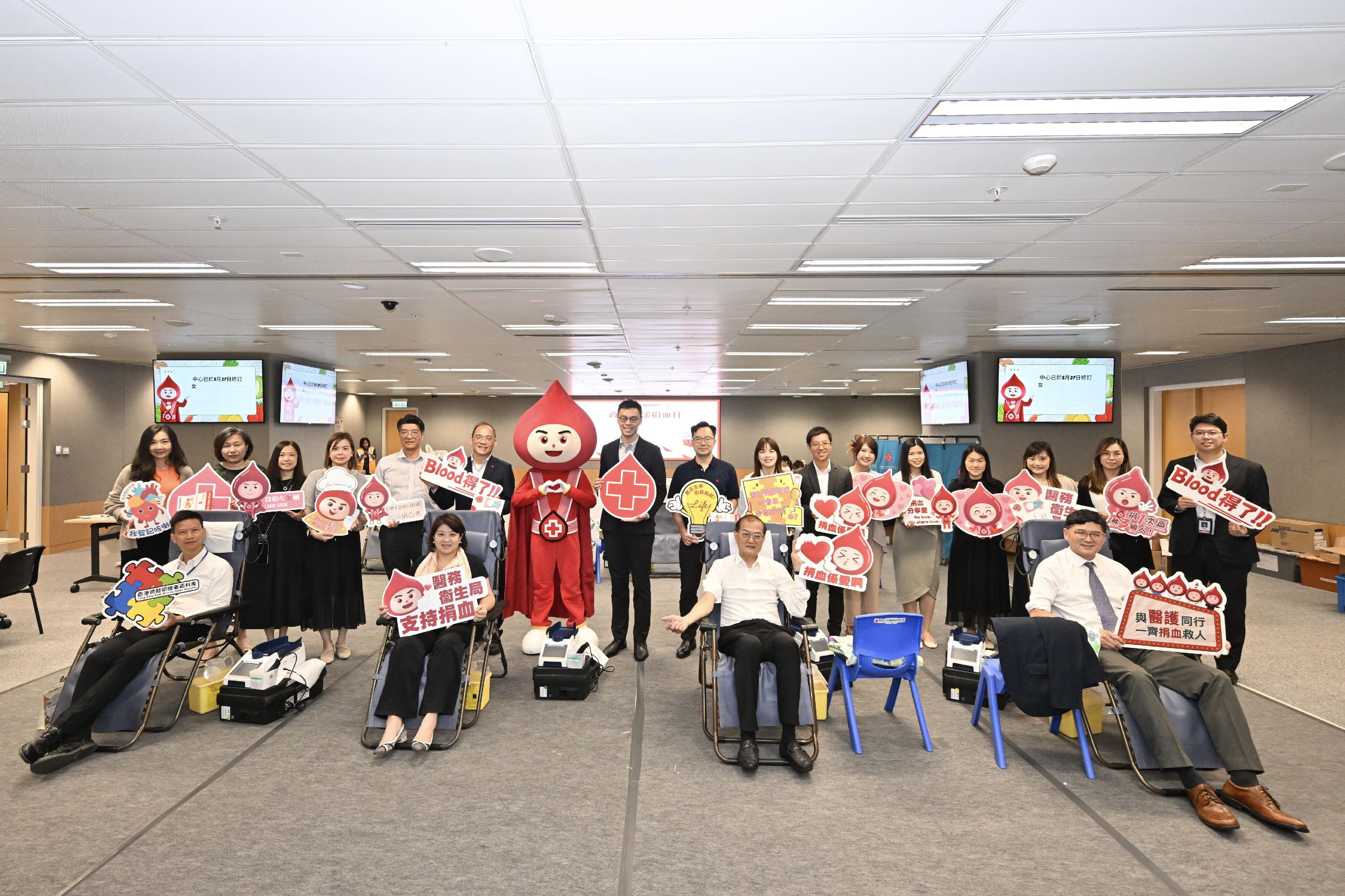
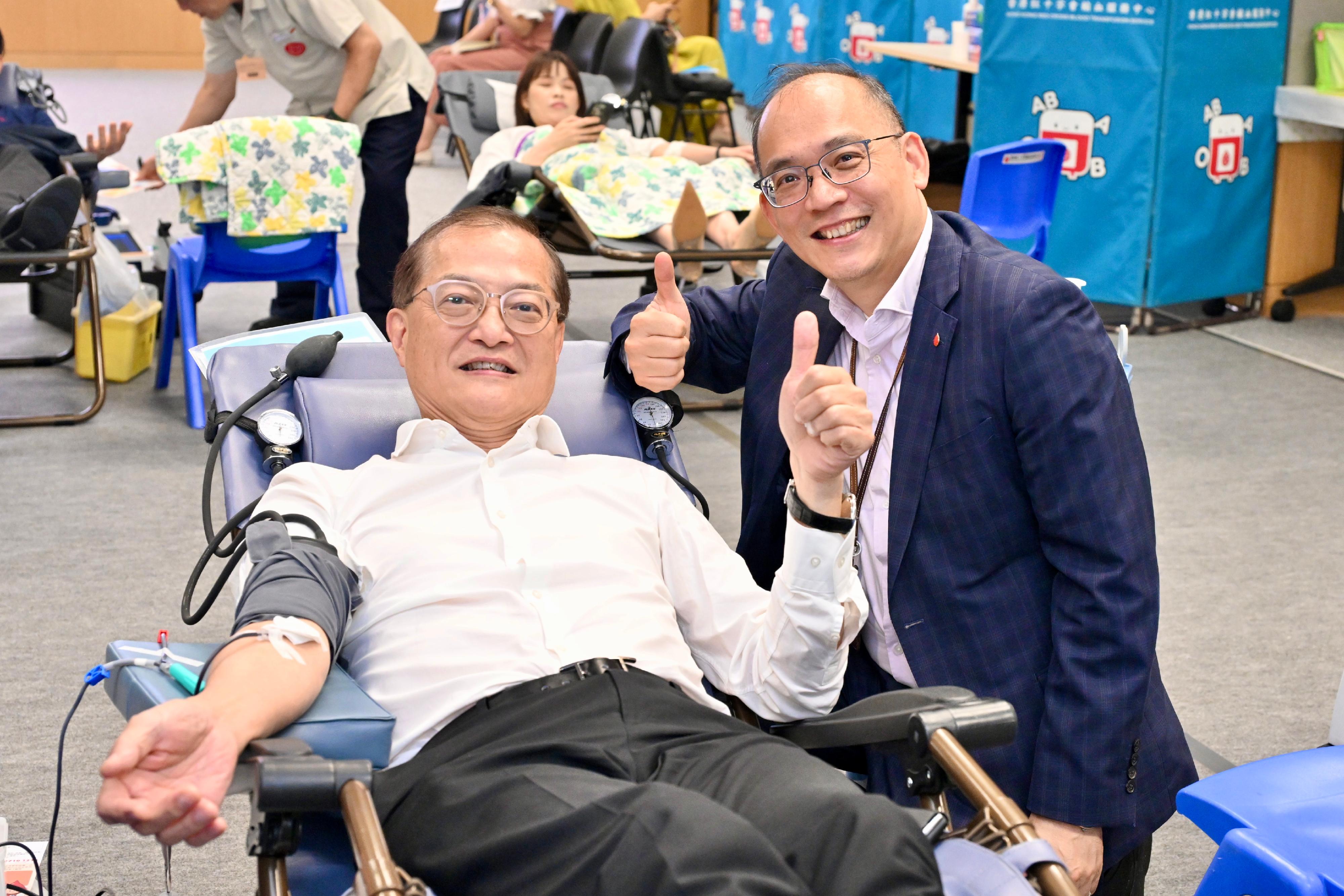
     The Secretary for Health, Professor Lo Chung-mau, and the Under Secretary for Health, Dr Libby Lee, put their support for saving lives through blood donation into practical action by participating in the blood donation drive being held by the Hong Kong Red Cross at the Central Government Offices (CGO) today (June 12). They appealed to members of the public to donate blood to help patients in need of blood transfusions regain a new lease of life.

     The Hong Kong Red Cross Blood Transfusion Service (BTS) is providing mobile blood donation services at the CGO today and tomorrow, offering convenience for government personnel to donate blood.

     Professor Lo said, “The Government has been committed to promoting the important message of giving blood to save lives and fostering the spirit of mutual assistance and love within our community. Over the past year, various government departments have organised numerous blood donation drives, showcasing the Government’s support for saving lives through blood donation. In particular, the blood donation drive at the CGO today and tomorrow is a major annual event. The Government will remain fully committed to supporting this meaningful event in the future.”

     There is no substitute for blood, and its shelf life is limited. The BTS needs to collect 650 units of blood daily to provide sufficient blood for clinical transfusions for patients in need of timely rescue in all hospitals across the city. Therefore, voluntary and selfless donation of blood by citizens regularly is of particular importance in ensuring a stable and sufficient blood supply in the blood inventories.

     Professor Lo continued, “This Saturday (June 14) will be World Blood Donor Day designated by the World Health Organization. Every year on this particular day, appreciation is sent from all over the world to blood donors for their act of selfless giving. I would like to take this opportunity to express my heartfelt gratitude to all the citizens who have persisted in donating blood over time. Your selfless contributions have enabled countless patients to overcome their illnesses and regain their health. I would also like to call on more members of the public to act now and join the ranks of regular blood donors in saving lives. Your passionate support may be the key to saving others’ lives. A single unit of whole blood donated each time can save three or more patients, bringing endless hope to their families.”

     To facilitate blood donation by members of the public, in addition to establishing blood donor centres across the city, the BTS also arranges mobile blood donation vehicles and mobile blood donation teams to visit various communities. Members of the public may make appointments via the “HK Blood” mobile application, the BTS website www.ha.org.hk/rcbts, or call the donor centres in advance to reduce waiting times.

Photo  Photo  Photo  Photo  Photo  Photo  Photo  Photo  
read more

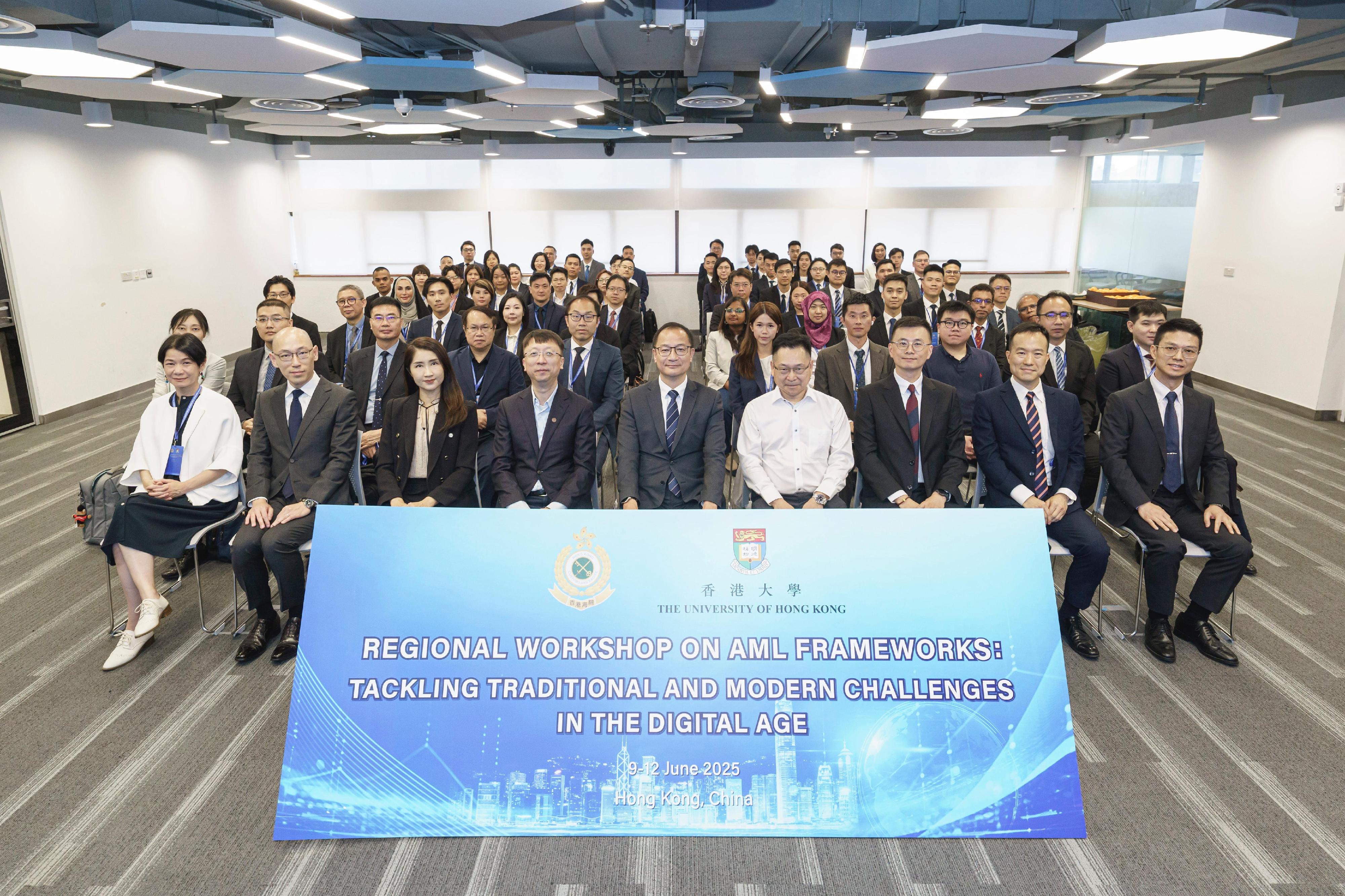
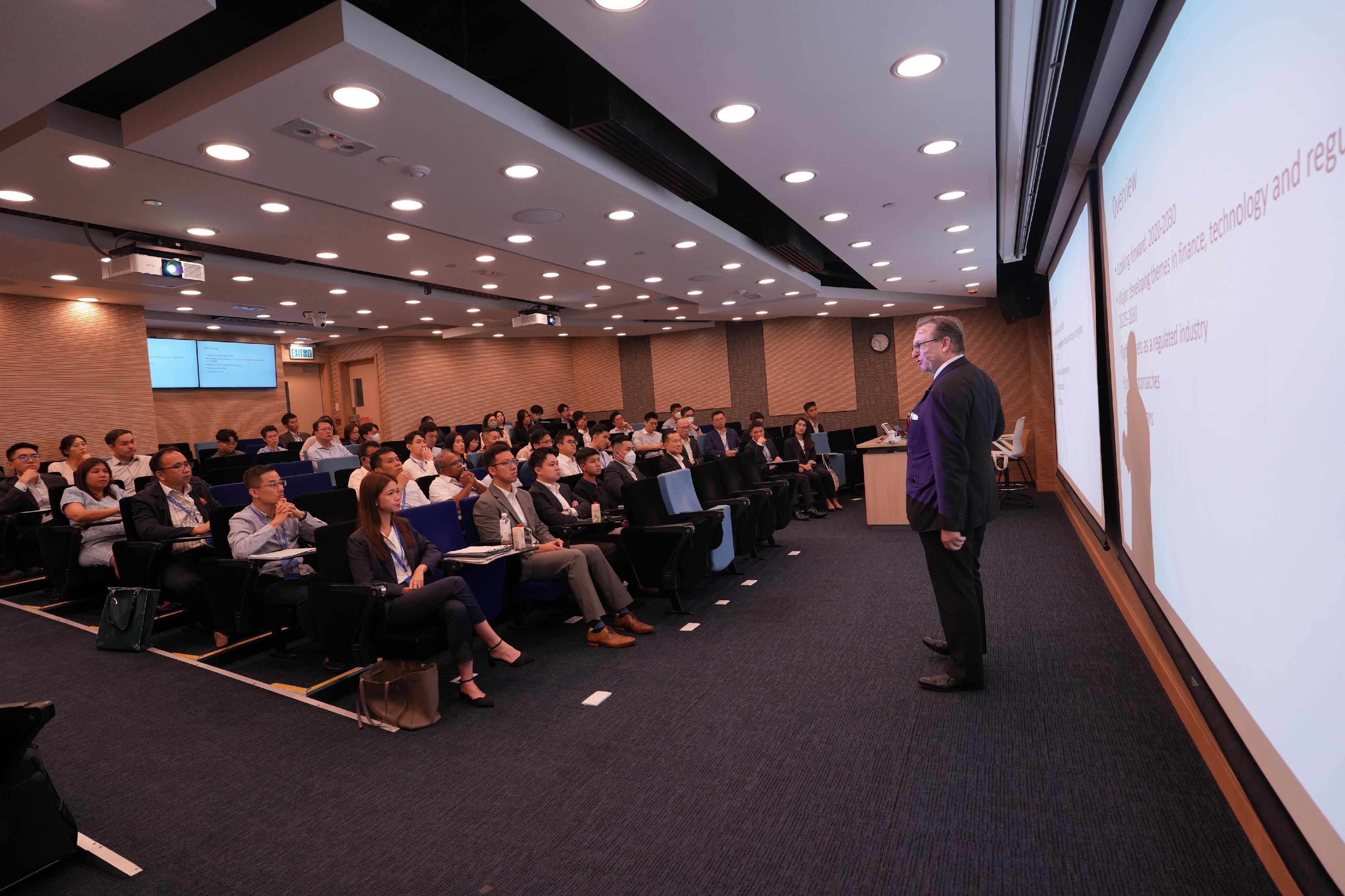
Regional workshop on anti-money laundering co-organised by Hong Kong Customs and University of Hong Kong concludes (with photos)

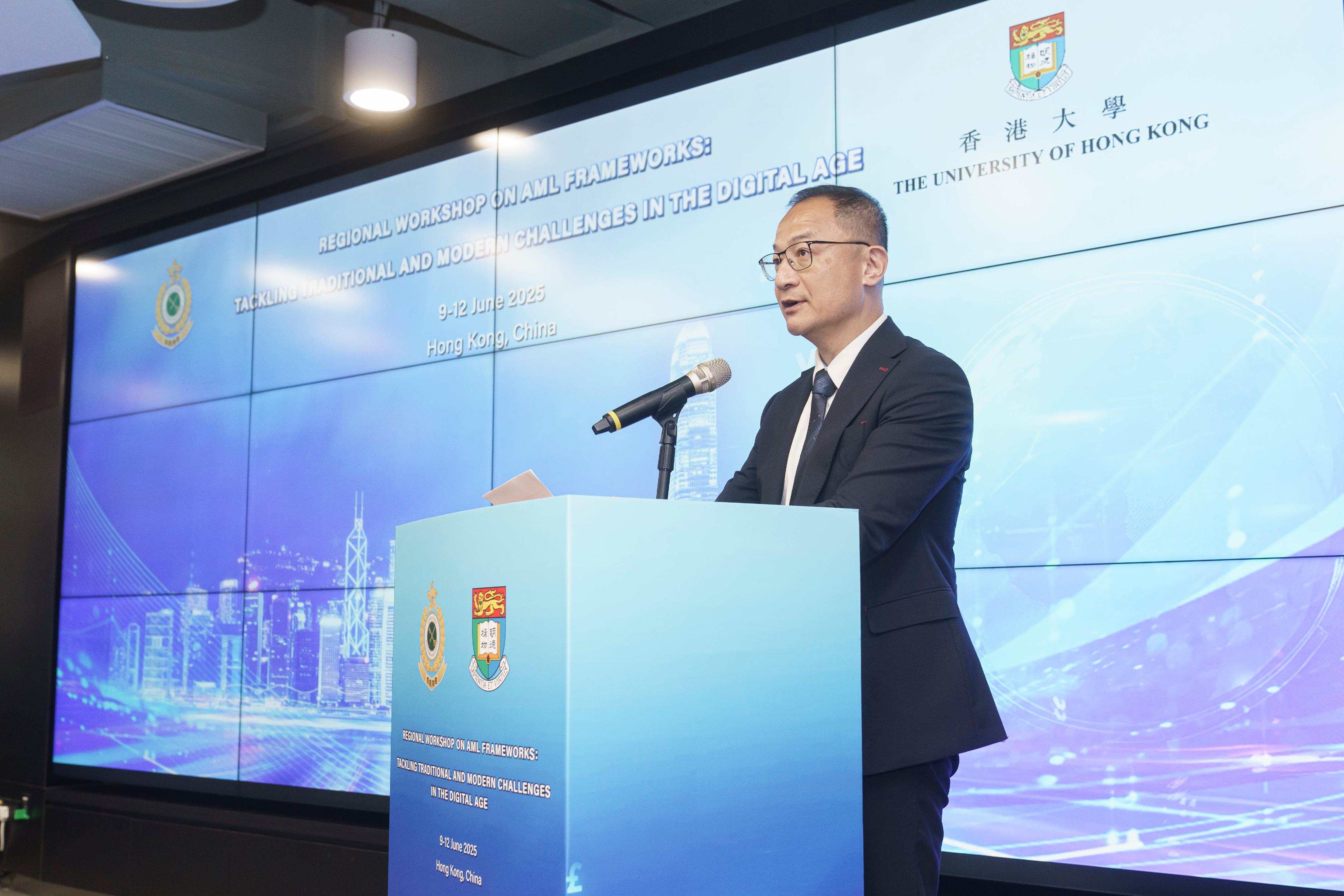
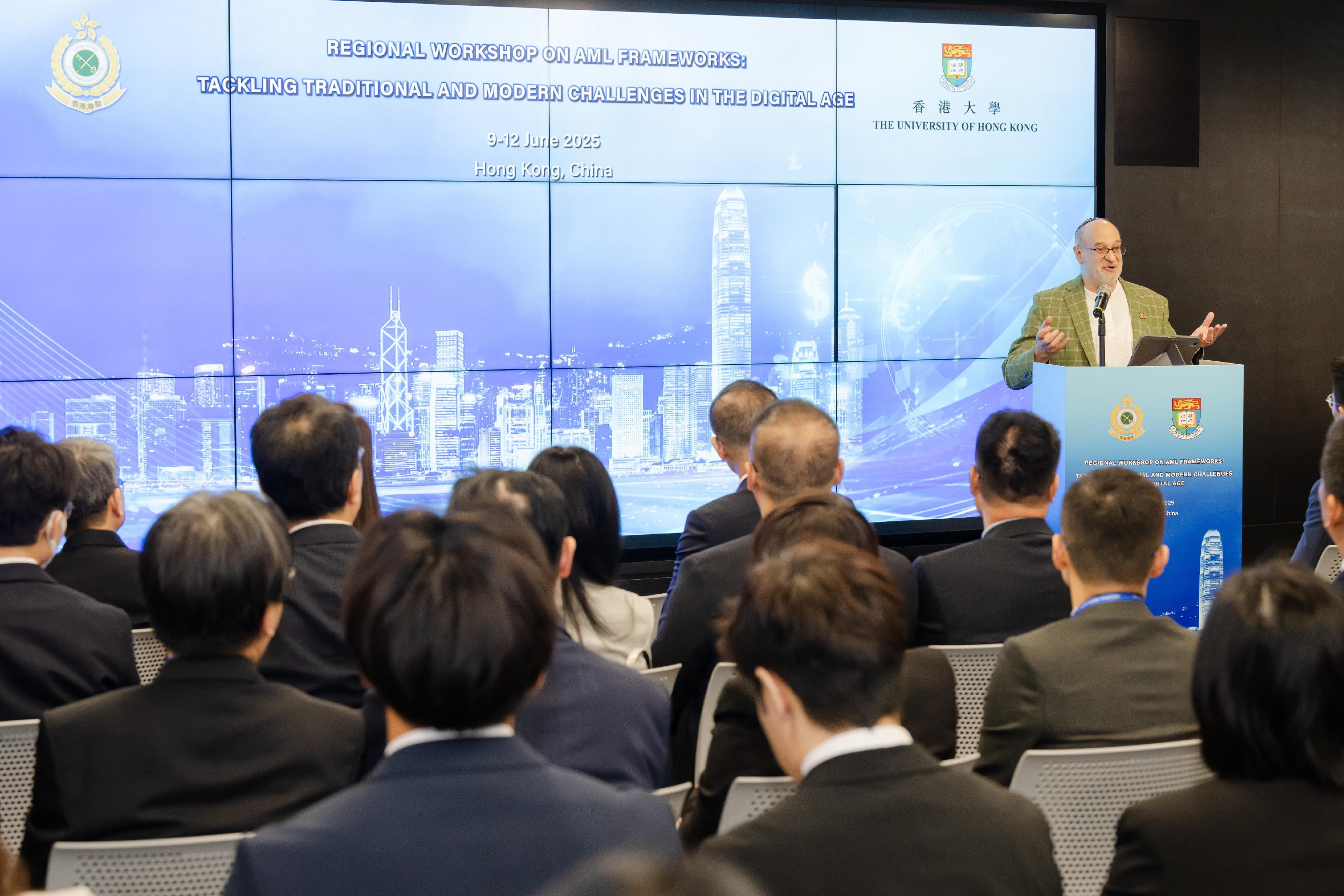
     The four-day Regional Workshop on AML Frameworks: Tackling Traditional and Modern Challenges in the Digital Age (Workshop), co-organised by Hong Kong Customs and the University of Hong Kong (HKU), started on June 9 and concluded today (June 12). This Workshop brought together over 60 participants from customs administrations, government agencies, international organisations, law enforcement agencies and academia across Hong Kong and the Asia-Pacific (A/P) region.
      
     Following the signing of a Memorandum of Understanding with HKU at the International Forum on Combating Money Laundering and Transnational Organized Crimes in December last year, the Workshop was held to further strengthen Customs’ capacity in anti-money laundering (AML) enforcement with particular focus on risks and trends of virtual assets.   
      
     In his closing remarks today, the Assistant Commissioner of Customs and Excise (Intelligence and Investigation), Mr Wong Ho-yin, highlighted the Workshop’s success in enriching knowledge, fostering regional co-operation, and building critical connections among law enforcement agencies, academia, and industry. He reaffirmed that adaptability, international collaboration and capacity building were crucial to mitigating the risks of financial crimes. Participants should work on the groundwork laid for closer regional partnerships by the Workshop to promote intelligence sharing and support cross-boundary investigations and enforcement co-operation.
      
     The Dean of Engineering of HKU, Professor David Srolovitz, emphasised the timeliness of this Workshop in the age of rapid digital transformation and the importance of uniting academia, technology developers, law enforcement authorities, government, and the financial industry to address the complexities of financial crimes today. HKU Engineering, he said, remains dedicated to driving innovation and education to empower professionals to create a secure and transparent financial future.
      
     The Workshop featured a comprehensive programme with leading experts and practitioners delivering lectures on a wide range of topics including AML strategies and emerging typologies, regulation of virtual assets, crypto-related crime investigations, application of regtech in financial crime prevention, and international co-operation in AML/counter-terrorist financing.
      
     As the World Customs Organization (WCO) Vice-Chair for the A/P region and the WCO Regional Training Centre in the A/P region, Hong Kong Customs strives to connect with local and overseas law enforcement agencies to foster knowledge exchanges and capacity building in AML, contributing to a safer and more resilient financial environment across the A/P region.

Photo  Photo  Photo  Photo  
read more