Tag Archives: China

image_pdfimage_print

CE expresses sorrow over passing of Mr Ho Tsu-kwok

     The Chief Executive, Mr John Lee, today (June 12) expressed sorrow over the passing of Mr Ho Tsu-kwok.

     “Mr Ho was a successful entrepreneur who made contributions to the media industry over the years. He has served as a Standing Committee member and Hong Kong Special Administrative Region member of the National Committee of the Chinese People’s Political Consultative Conference, actively involving in national affairs and providing insights on the long-term development of Hong Kong. A man of benevolence, Mr Ho donated to and supported a wide range of charitable causes. He was awarded the Grand Bauhinia Medal in 2014. 

     “I express my sorrow over the passing of Mr Ho and extend my deepest condolences to his family,” Mr Lee said. read more

International Conference on Roads and Railways 2025 opens today (with photos)

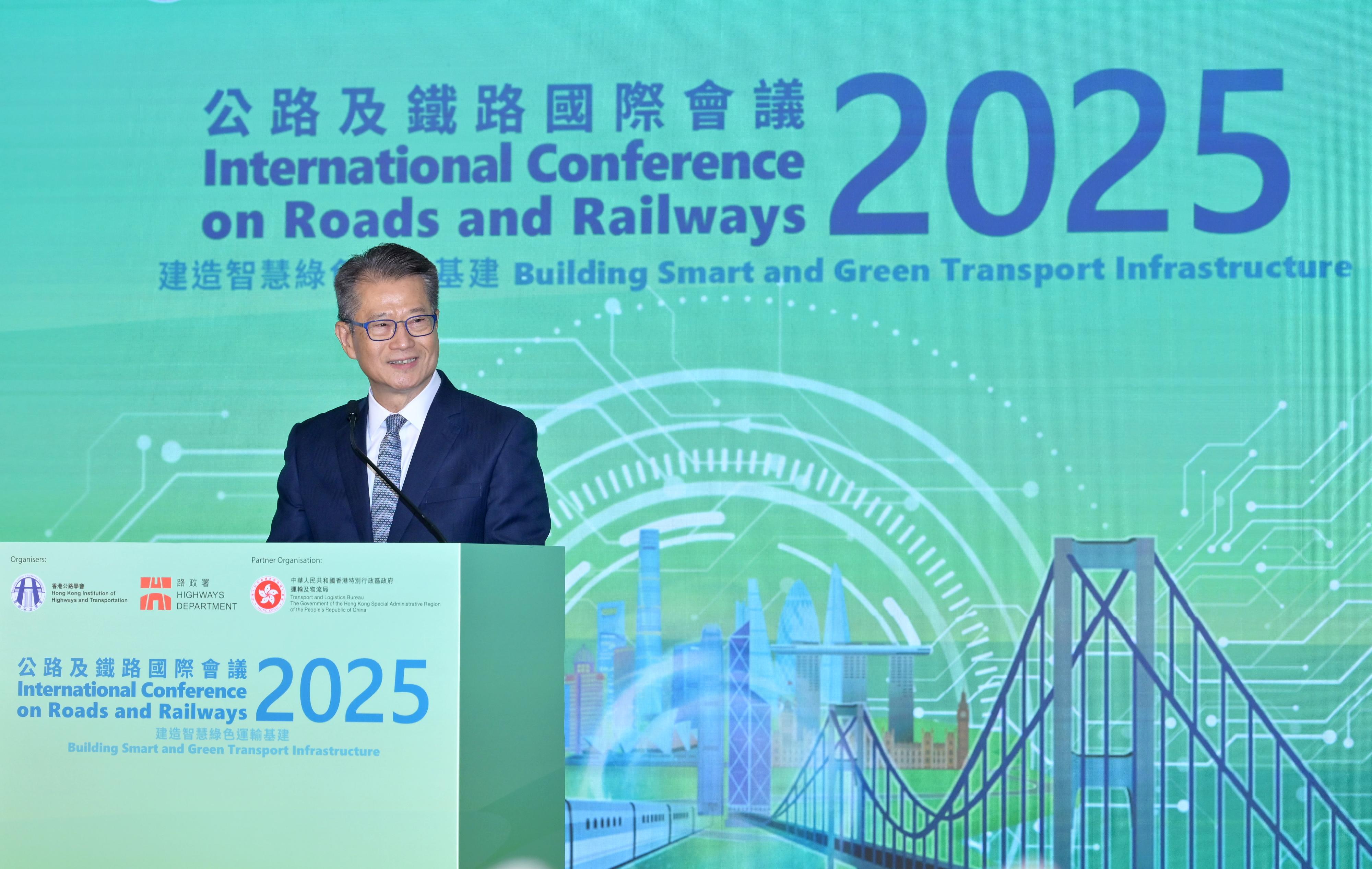
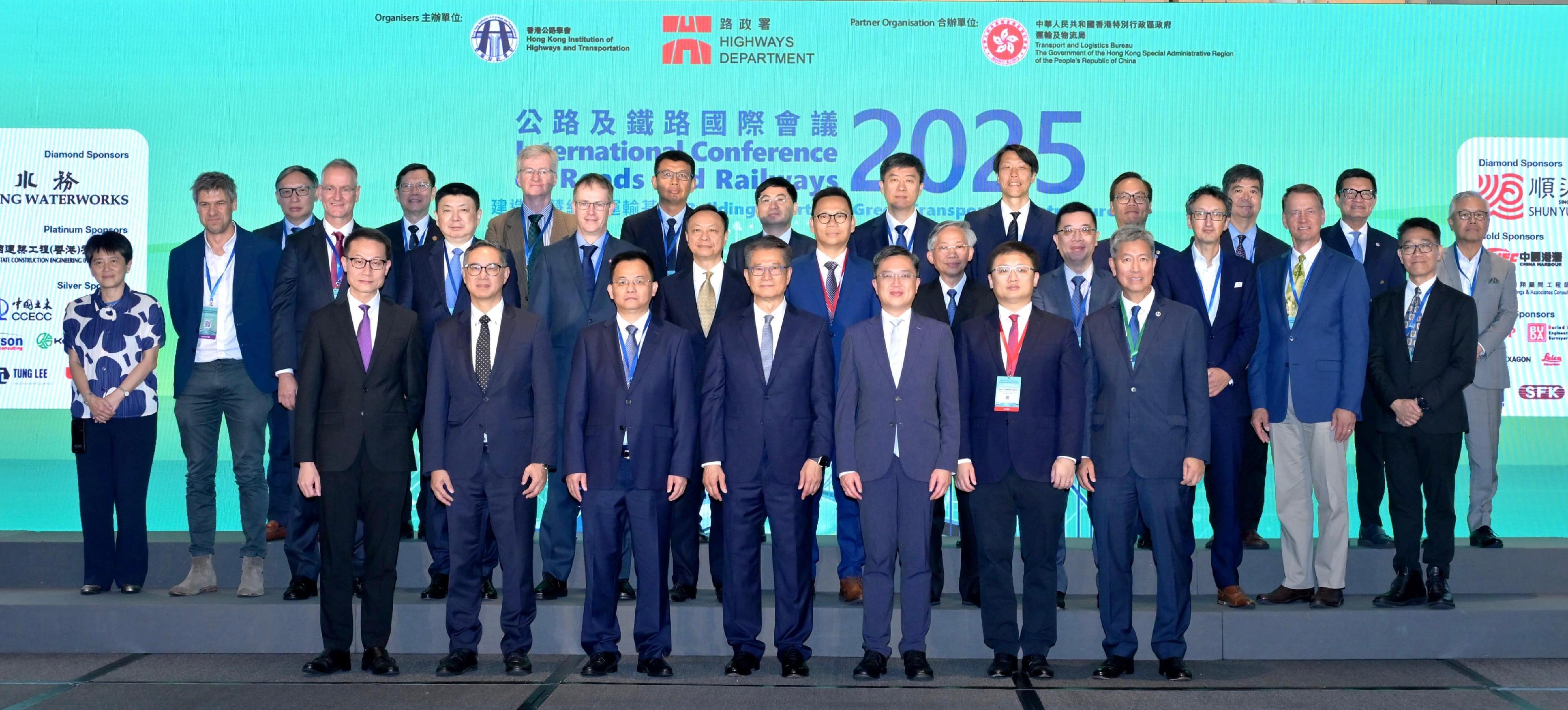
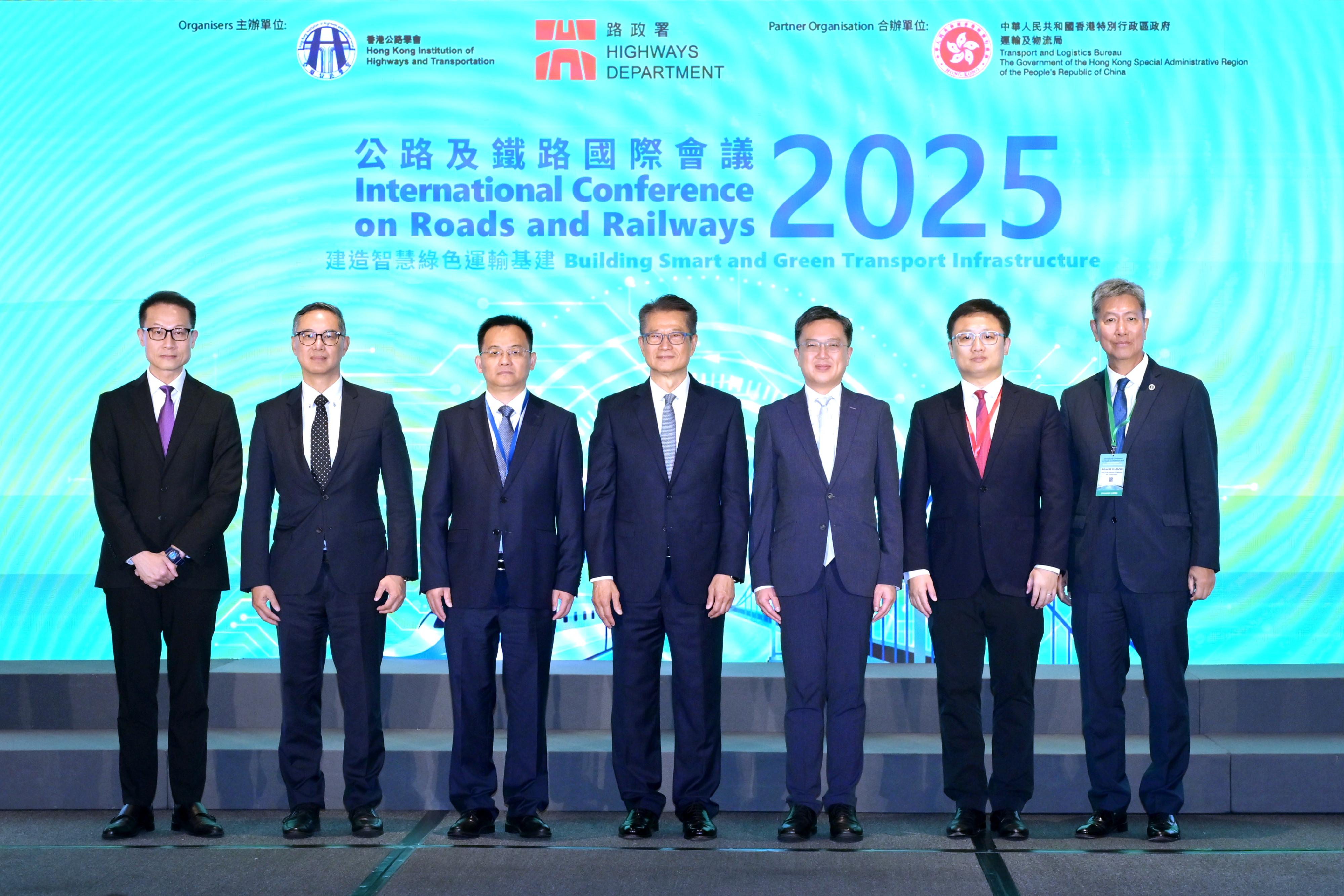
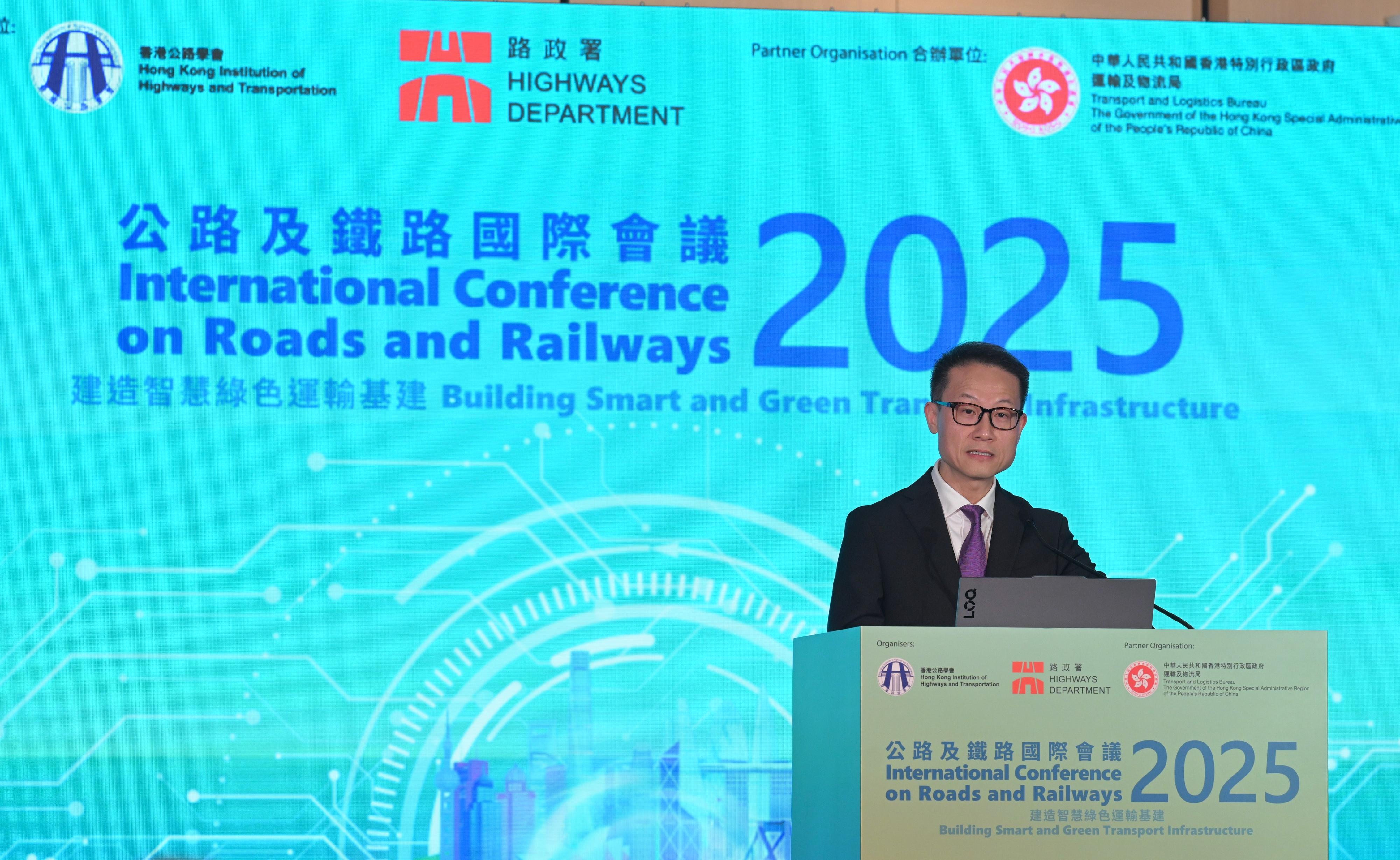
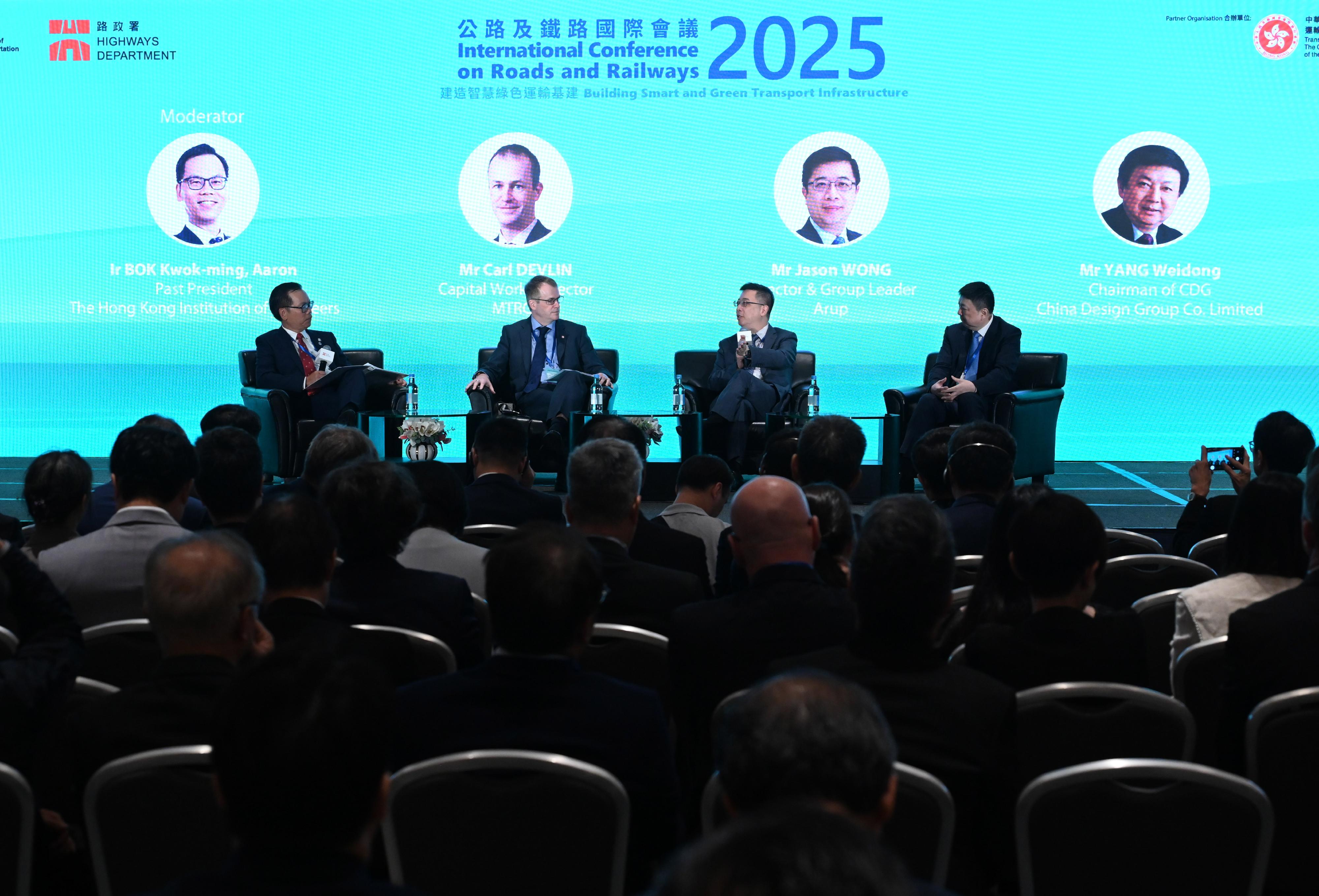
     The International Conference on Roads and Railways 2025 co-organised by the Highways Department and the Hong Kong Institution of Highways and Transportation opened today (June 12). Themed on “Building Smart and Green Transport Infrastructure”, the conference takes place on two consecutive days at the Hong Kong Convention and Exhibition Centre, with over 30 Mainland, overseas and local experts in road and railway development and industry leaders leading nearly 700 participants to jointly explore the latest worldwide practices and technological advancements of smart and green transport infrastructure, as well as the development direction of future major transport infrastructure in Hong Kong through thematic speeches and panel discussions. Representatives from various consulates, industry leaders, scholars and government officials also attended the conference this morning.

     The Financial Secretary, Mr Paul Chan, officiated at the ceremony and said that roads and railways have long been the backbone of economic growth and social advancement. In the era of rapid technological advancement and growing climate urgency, the infrastructure has to be built smarter and greener, and the key strategy amidst is the planning approach of transit-oriented development which integrates high-density urban development with efficient public transport systems. Mr Chan also said that Hong Kong is happy to share the experiences on professional knowledge and expertise in transport infrastructure with the world. Taking the Northern Metropolis as an example, he mentioned that the development of this future major innovation and technology hub of Hong Kong with a projected population of 2.5 million and over 650 000 new jobs will be “infrastructure-led” and “capacity-creating”. He indicated that Hong Kong is committed to making the transport systems smarter and greener, and the Government also invests heavily in technology areas, including AI and robotics, new energy and new materials, and more; they will contribute to enhancing the efficiency and reliability of the transportation system. He also pointed out that Hong Kong is Asia’s leading green bond market, accounting for nearly half of the region’s total issuance. The city is also pioneering innovative financing models to unlock capital for global infrastructure development.

     The President of the Hong Kong Institution of Highways and Transportation, Mr Alfred Leung, welcomed industry practitioners and scholars for attending the conference and hoped to explore the potential of integrating technology and sustainable development solutions into road and railway projects, and to enhance connectivity and collaborations around the world through communication.

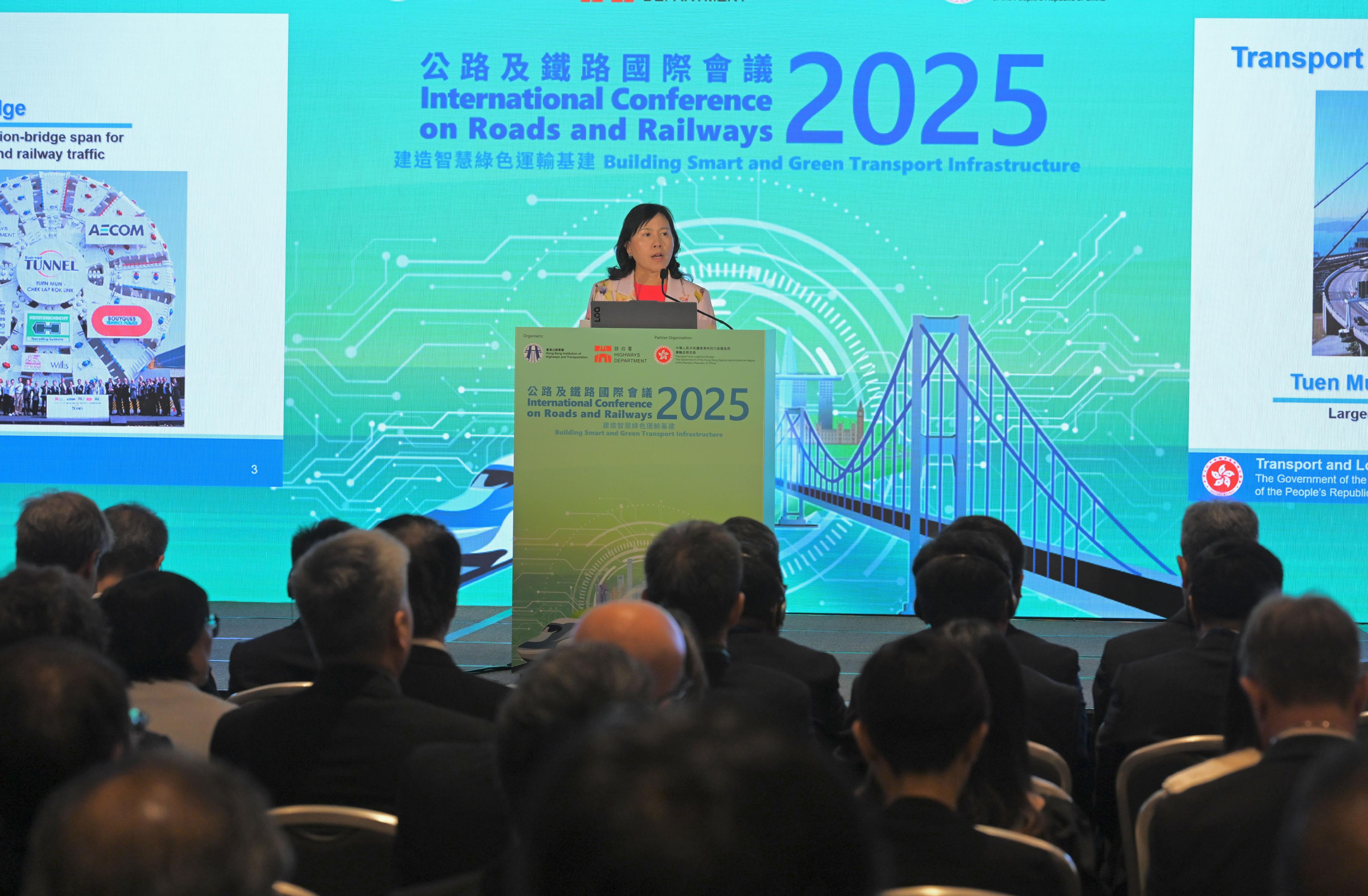
     The first day of the conference mainly focused on discussing Planning and Policy for Smart and Green Transport Infrastructure and Smart Technologies for Sustainable Road and Railway Systems. In her keynote speech, the Secretary for Transport and Logistics, Ms Mable Chan, said that the vision of the Hong Kong Special Administrative Region Government is to be committed to establishing a diverse and highly efficient public transport and road system, and promoting cross-boundary integration with the Greater Bay Area through the planning principles of “infrastructure-led” and “capacity-building”. She emphasised that the Government adopts a “policy innovation” and “technological innovation” dual-innovation mindset and approach in actively reviewing the regulatory frameworks, administrative procedures, design standards, guidelines, etc to enhance the efficiency and quality of transport infrastructure, and applying advanced technologies to reshape road and railway development, thereby enhancing the efficiency and sustainability of transport infrastructure development, with a view to realising the vision of building a livable, competitive and sustainable Hong Kong.

     In addition, the Director of Highways, Mr Tony Yau, also elaborated on how Hong Kong adopts the strategies of forward planning, policy innovation, new transport model and technological innovation in responding to challenges in project implementation under the unique environment of Hong Kong, while achieving the goal of compressing construction time and reducing construction costs. Deputy Chief Executive of the Hong Kong Monetary Authority, Mr Darryl Chan, gave a detailed overview of the relationship between debt capital markets and infrastructure investment. The Chairperson of the Building Technology Research Institute, Mr Hon Chi-keung, shared experience on effectively advancing transport infrastructure through innovations. Other speakers from around the world also gave speeches on the latest developments in smart and green technologies, as well as their applications in maintenance and monitoring of bridges and other important transport infrastructure facilities.

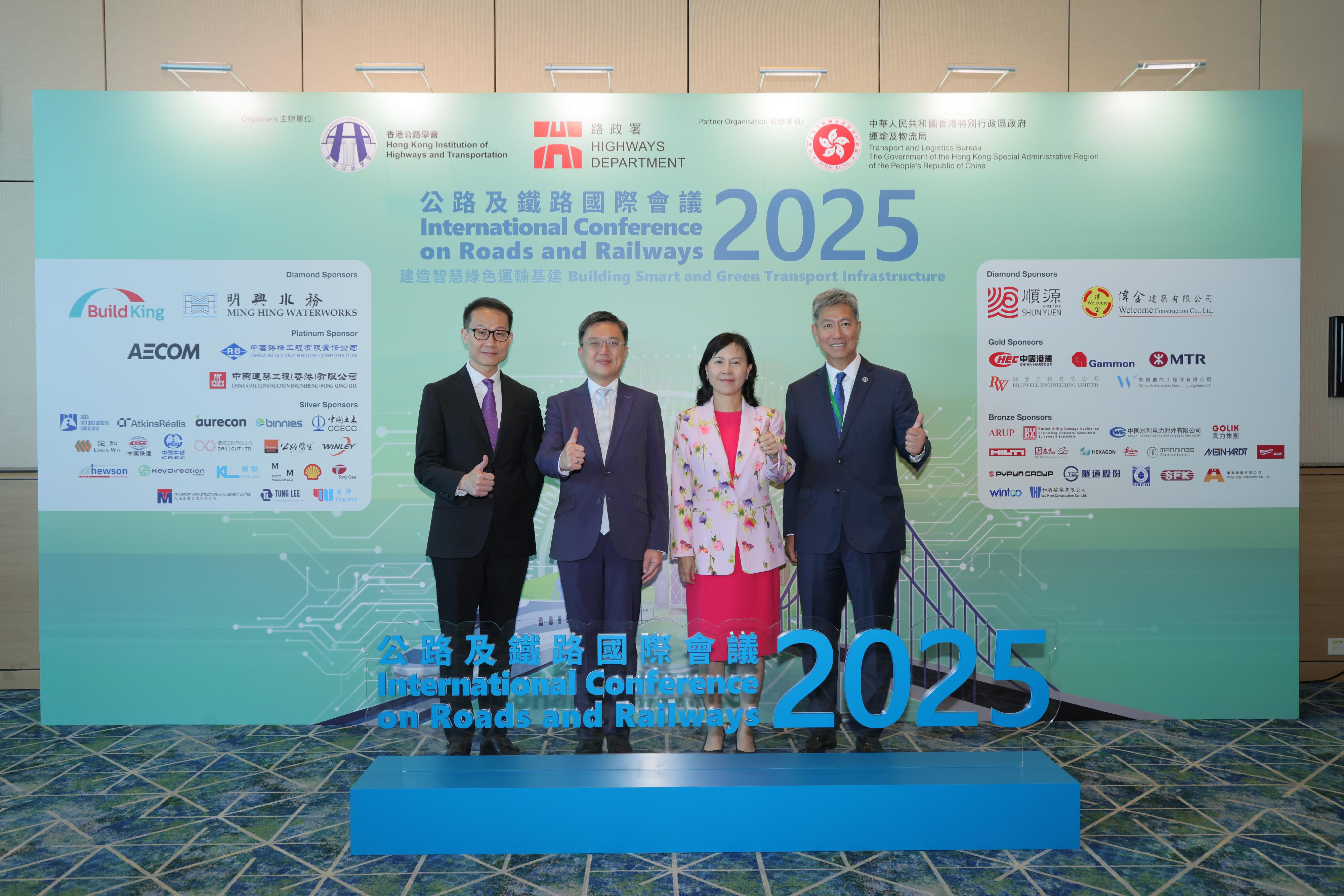
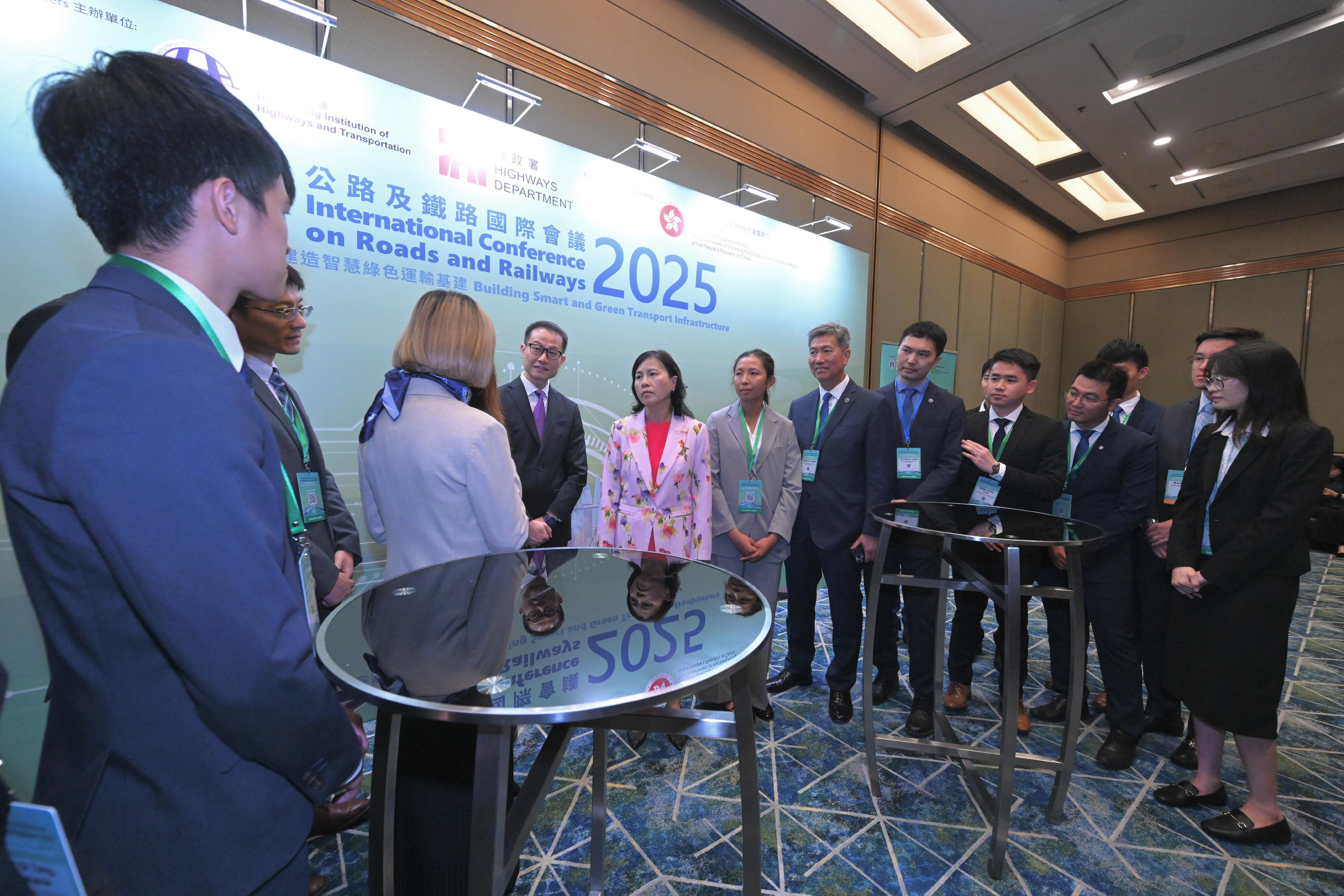
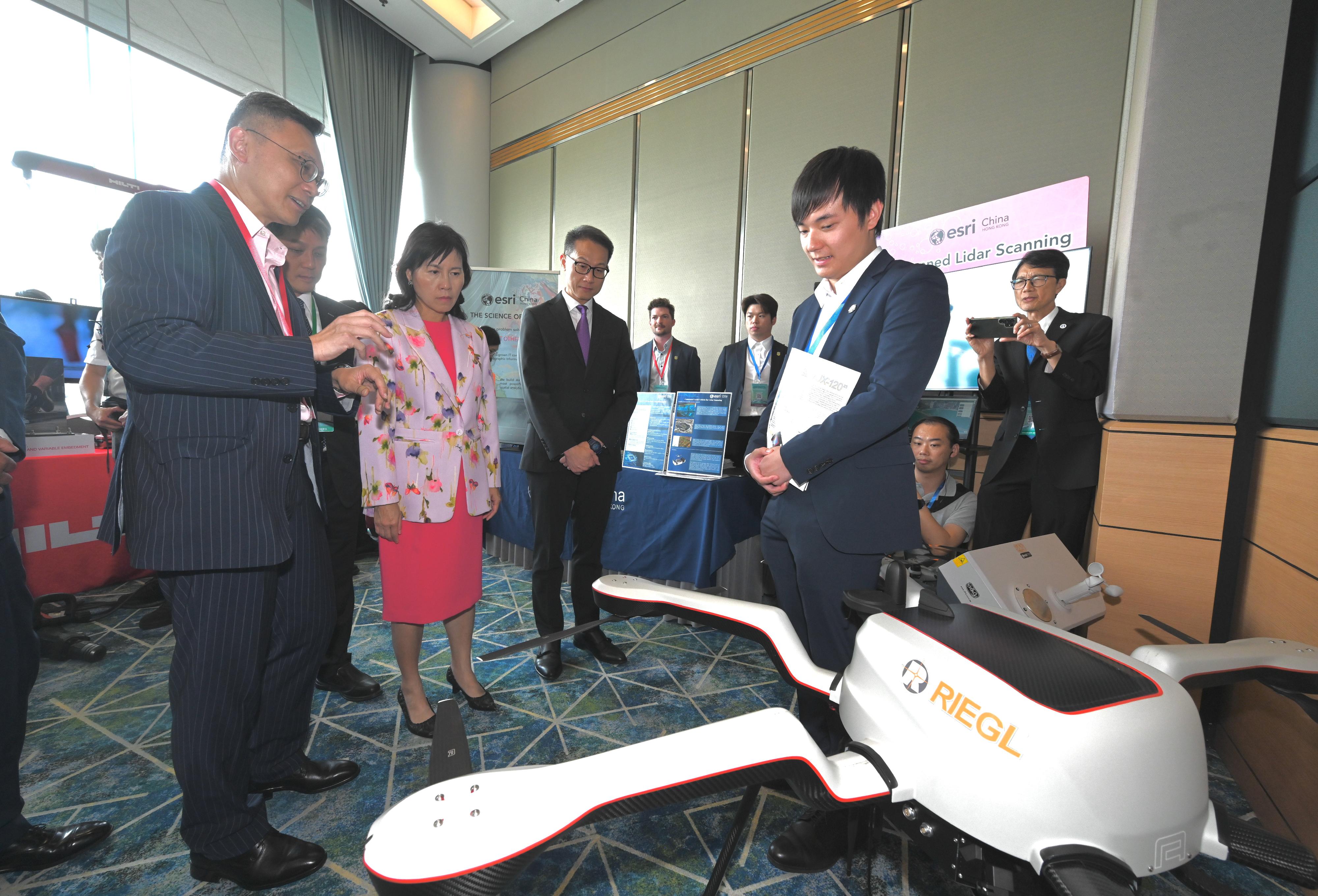
     During the conference, Ms Chan, accompanied by Mr Yau and Mr Leung, had an interaction session with young engineers to understand the visions and expectations of the new blood in the industry regarding infrastructure development in Hong Kong, and share with them experiences on formulation of related policies. She also visited booths of the industry at the venue to understand the application of the latest technologies in construction and maintenance of transport infrastructure, and was glad to learn that local traditional contractors are actively applying innovative technologies to enhance the quality and efficiency of relevant work. 

     The conference tomorrow (June 13) will focus on two main themes of Smart and Green Transport Infrastructure – Planning, Design and Construction and Green Solutions for Smart Transport Infrastructure. Vice President of the Research Institute of Highway of the Ministry of Transport of the People’s Republic of China, Mr Wang Shuiyin, will deliver an opening speech.

     Furthermore, visits to the works sites of the Central Kowloon Route and the MTR Tung Chung Line Extension will respectively be arranged for the participants on June 14 to understand the unique challenges and solutions on planning and construction of major roads and railway systems, as well as the way to connect with the community, care for community needs and conserve traditional culture during construction.

     For conference details, please visit the designated website: icrr2025.com/en/index.html.

Photo  Photo  Photo  Photo  Photo  Photo  Photo  Photo  Photo  
read more

Committee for Safeguarding National Security of HKSAR launches 5th Anniversary of Promulgation and Implementation of Hong Kong National Security Law Thematic Exhibition (with photos)

The following is issued on behalf of the Committee for Safeguarding National Security of the Hong Kong Special Administrative Region:

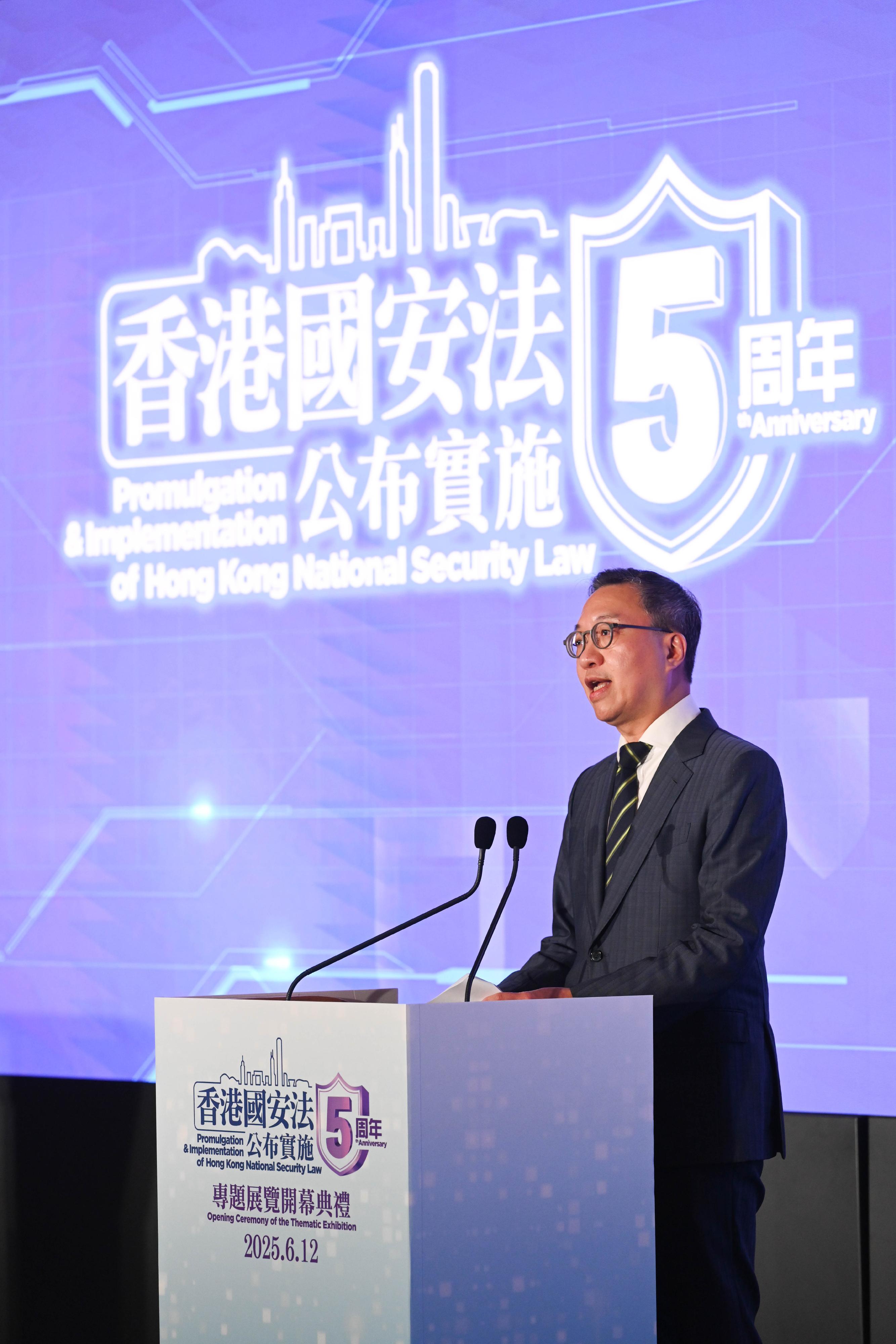
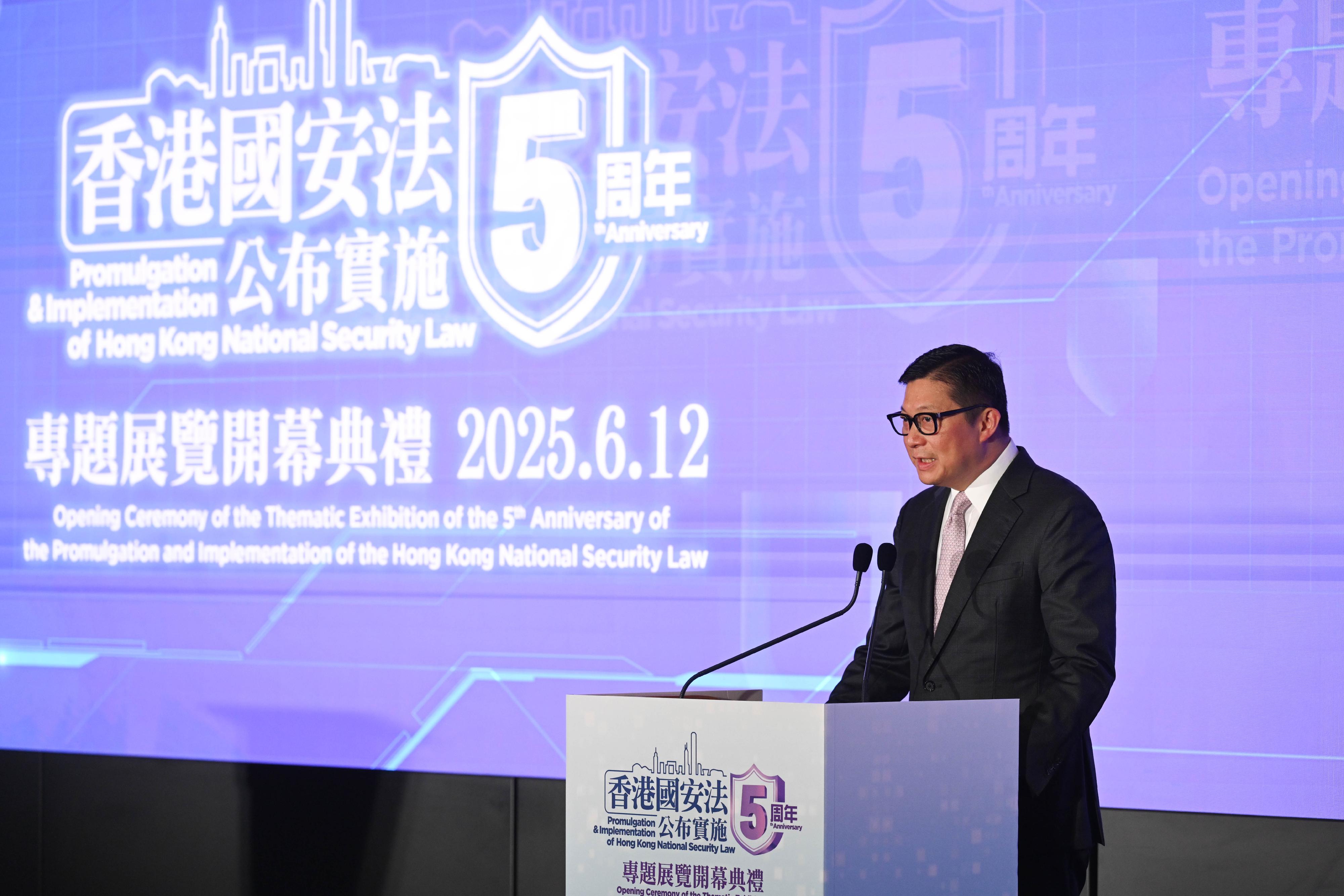
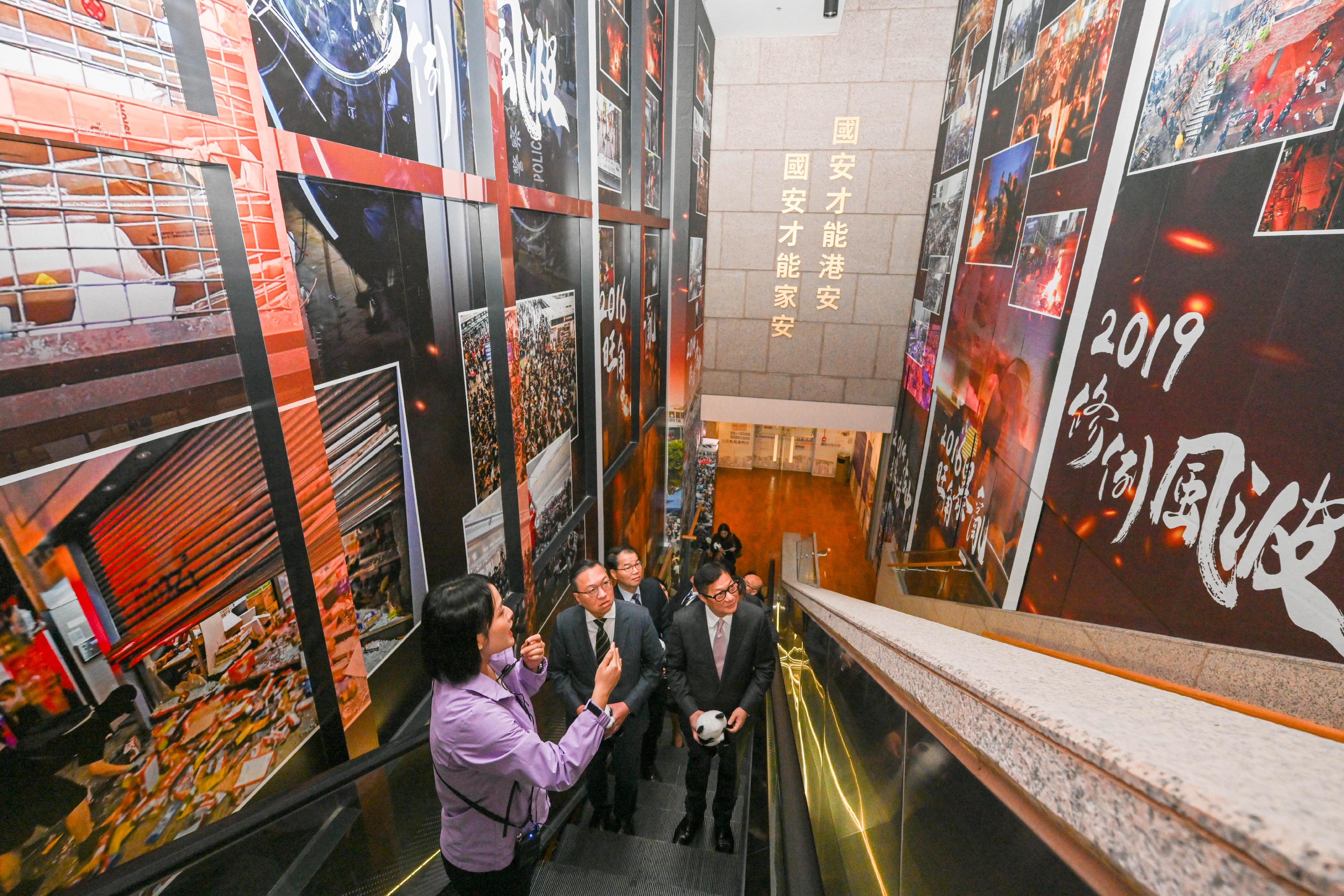
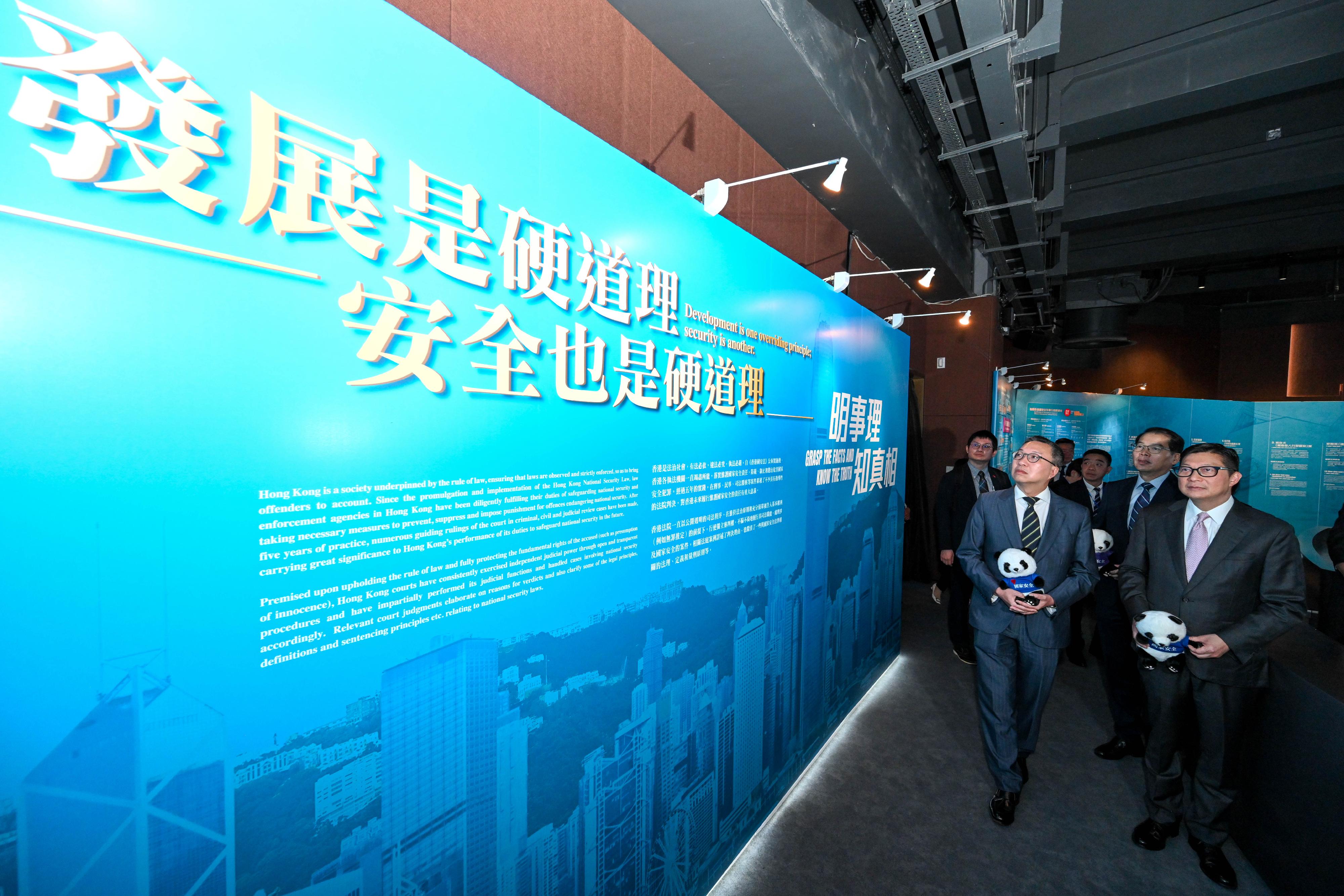
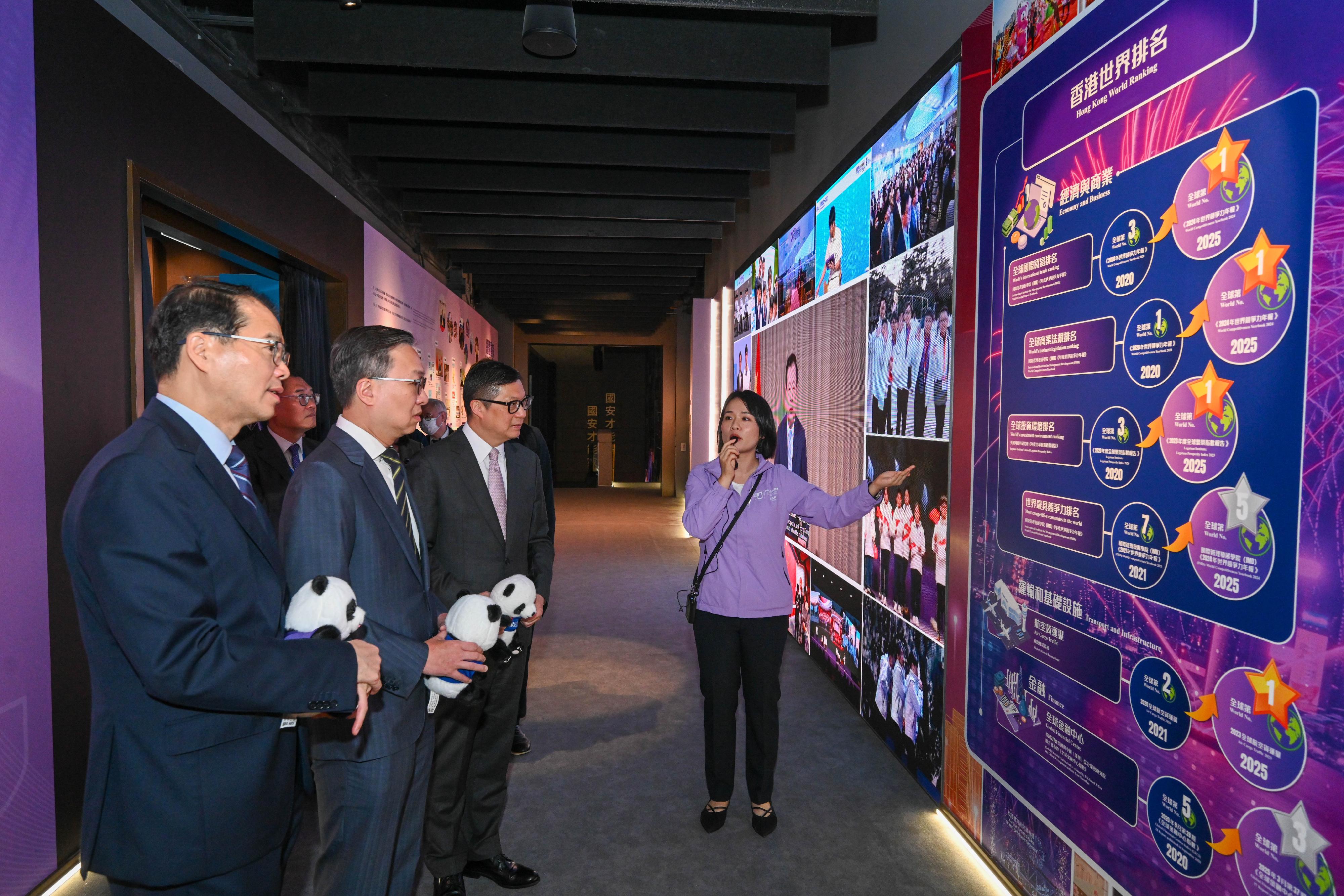
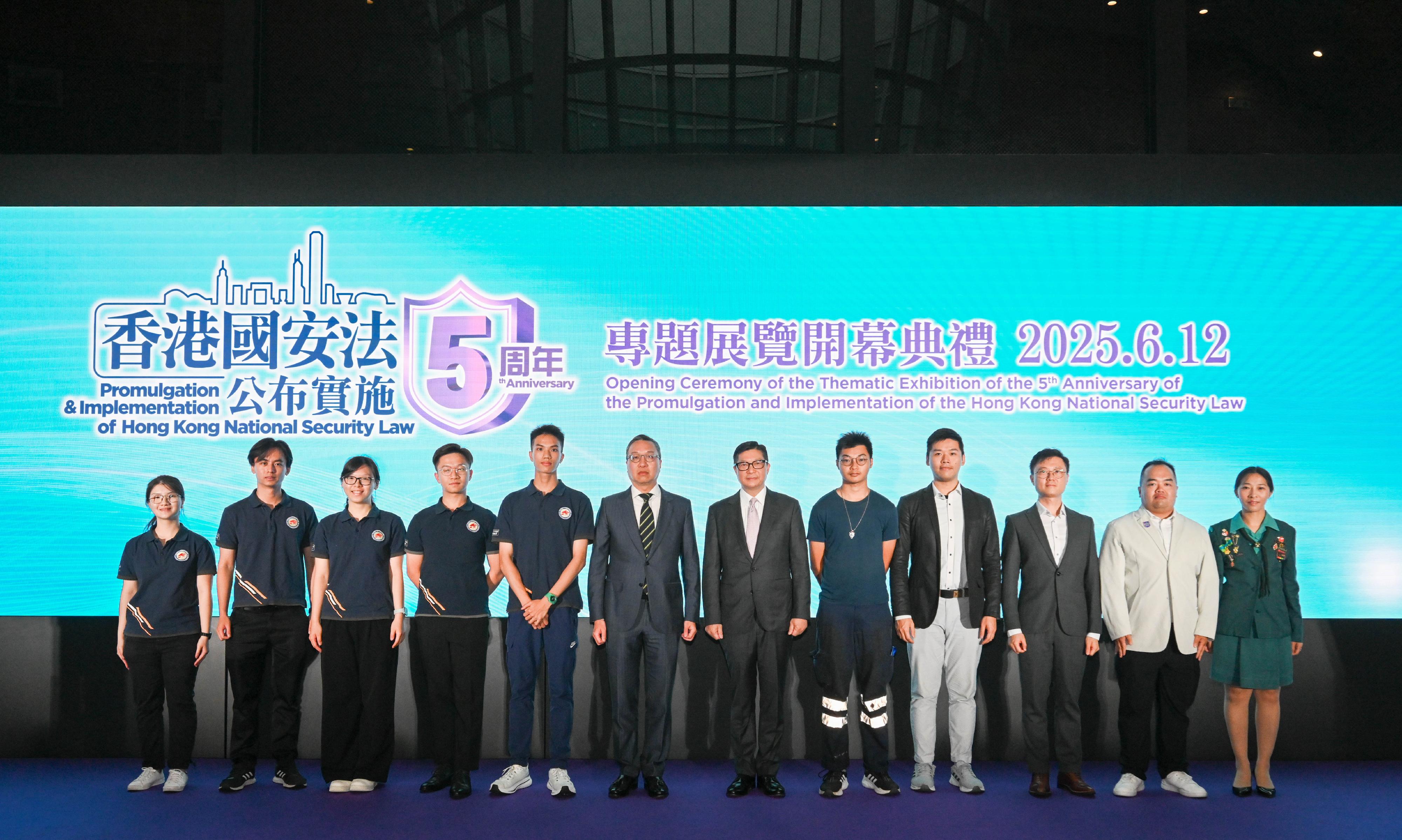
     The Chief Executive announced in the 2024 Policy Address that a thematic exhibition will be held at the National Security Exhibition Gallery to mark the fifth anniversary of the promulgation and implementation of the Hong Kong National Security Law. The opening ceremony of the thematic exhibition was launched today (June 12) at the Hong Kong Museum of History, and the exhibition is now open to all Hong Kong citizens.  

     National security is the bedrock of national rejuvenation, and social stability is a prerequisite for building a strong and prosperous China. The overarching principle of “One Country, Two Systems” is to safeguard national security, sovereignty and development interests.

     For over 20 years after Hong Kong’s return to the motherland, due to the obstruction and interference by anti-China destabilising elements in the city and external forces, the legislative process of Article 23 of the Basic Law had not been completed, presenting significant loopholes in national security. Activities endangering national security, including the illegal “Occupy Central” movement in 2014 and the Mong Kok riots in 2016, continued and evolved into the Hong Kong version of “colour revolution” in 2019, posing a serious threat to national security.

     On June 30, 2020, the Central Government took decisive action to turn the tide by enacting the Hong Kong National Security Law. This immediately stopped the violence and curbed disorder, thereby restoring social order and putting Hong Kong back on the right track. On March 19, 2024, the Legislative Council unanimously passed the Safeguarding National Security Ordinance, which took effect upon gazettal on March 23, 2024. The Hong Kong Special Administrative Region (HKSAR) Government and the Legislative Council have thus accomplished the historic mission of legislating for Article 23 of the Basic Law. The Hong Kong National Security Law achieves convergence, compatibility and complementarity with the Safeguarding National Security Ordinance, thereby strengthening effective legal protection for national security.

      The HKSAR Government has consistently been committed to promoting national security education. This thematic exhibition aims to facilitate the public’s understanding of and appreciation for the hard-won situation that Hong Kong is now enjoying, and to motivate all to work together to help the city shine on the global stage.

      At the opening ceremony of the thematic exhibition, the Secretary for Justice, Mr Paul Lam, SC, who officiated the event, reiterated the three “must-nots” and one “must”:

     “The first ‘must-not’ is that we must not forget history. Traditional Chinese wisdom has it that ‘history, if not forgotten, can serve as a guide for the future’.  We all surely remember the 2019 legislative amendment turmoil, which posed a grave threat to national security and severely undermined the peaceful and stable environment we took for granted.

     “The second ‘must-not’ is that we must not turn a blind eye to reality. Traditional Chinese wisdom teaches us to ‘remain vigilant in times of peace’. We must not ignore problems around us. Although Hong Kong society has restored stability and national security, threats are often not immediately visible. It is obvious that hostile states and forces continue to try to suppress our country’s development.

     “The third ‘must-not’ is that we must not stand idly by. Chinese culture values action, not just empty words. Since national security is closely related to our individual well-being, naturally we all must take concrete steps and shoulder our responsibilities in safeguarding national security.

     “On the foundation of these three ‘must-nots’, we have one ‘must’: we must uphold the rule of law in safeguarding national security. This principle is explicitly stated in Article 5 of the Hong Kong National Security Law. A robust legal system has long been the cornerstone of Hong Kong’s success. It is the prerequisite for the city to thrive as an international financial, trade, and shipping centre.”

     Another officiating guest, the Secretary for Security, Mr Tang Ping-keung, remarked during the ceremony:

     “Safeguarding national sovereignty, security, and development interests is not only a constitutional duty of the HKSAR, but also a fundamental obligation of every citizen.

     “We must always remember that the previous chaos left an indelible scar on Hong Kong’s history.”

     He further stated that hostile forces have not given up.  Citizens must remain vigilant against the following risks: first, external hostile forces continue to attempt to undermine national security through smears and so-called “sanctions”; second, anti-China destabilising elements in the city who have fled overseas continue to engage in activities and behaviours that threaten national security; third, local terrorism; and fourth, “soft resistance”, where individuals with ulterior motives exploit fake news and misinformation to divide society and incite hatred.

     “National security has been hard-won. The HKSAR Government will continue to make full use of national security laws and remain steadfast in its duty to protect national security.”

     The Hong Kong National Security Law has been in effect for five years, marking Hong Kong’s transition from chaos to order, and from order to prosperity. The HKSAR Government will continue to enhance publicity and promotional efforts, unite all sectors of society, and break new ground in national security work. It will fully and accurately implement the principle of “one country, two systems”, safeguard national sovereignty, security, and development interests, and maintain Hong Kong’s long-term prosperity and stability.

Photo  Photo  Photo  Photo  Photo  Photo  
read more

CDP attends 2025 Guangdong-Hong Kong-Macao Software Industry High-quality Development Conference, 13th Guangdong-Hong Kong Cloud Computing Conference and 8th Guangdong-Hong Kong-Macao ICT Conference in Guangzhou (with photos)

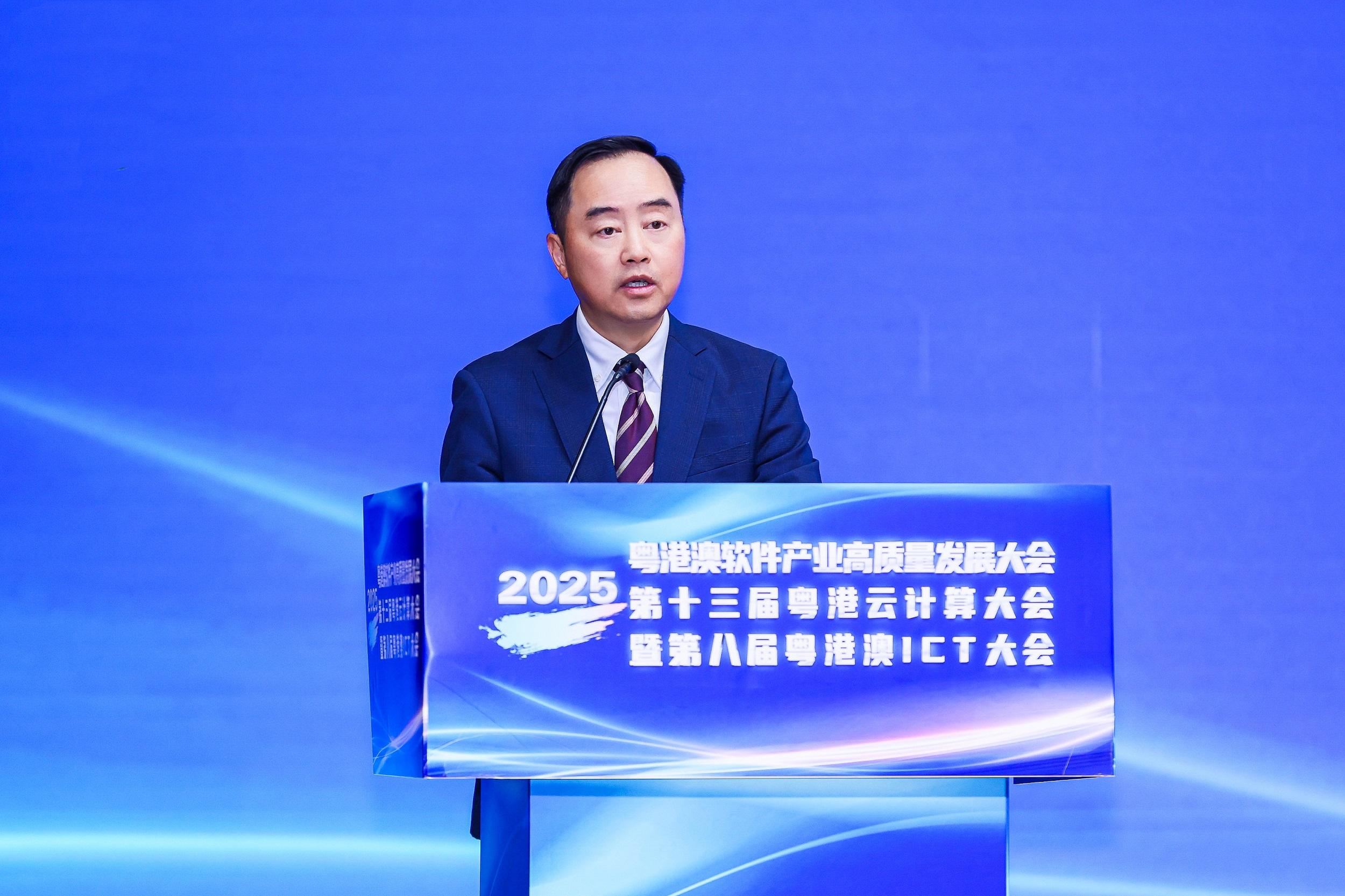
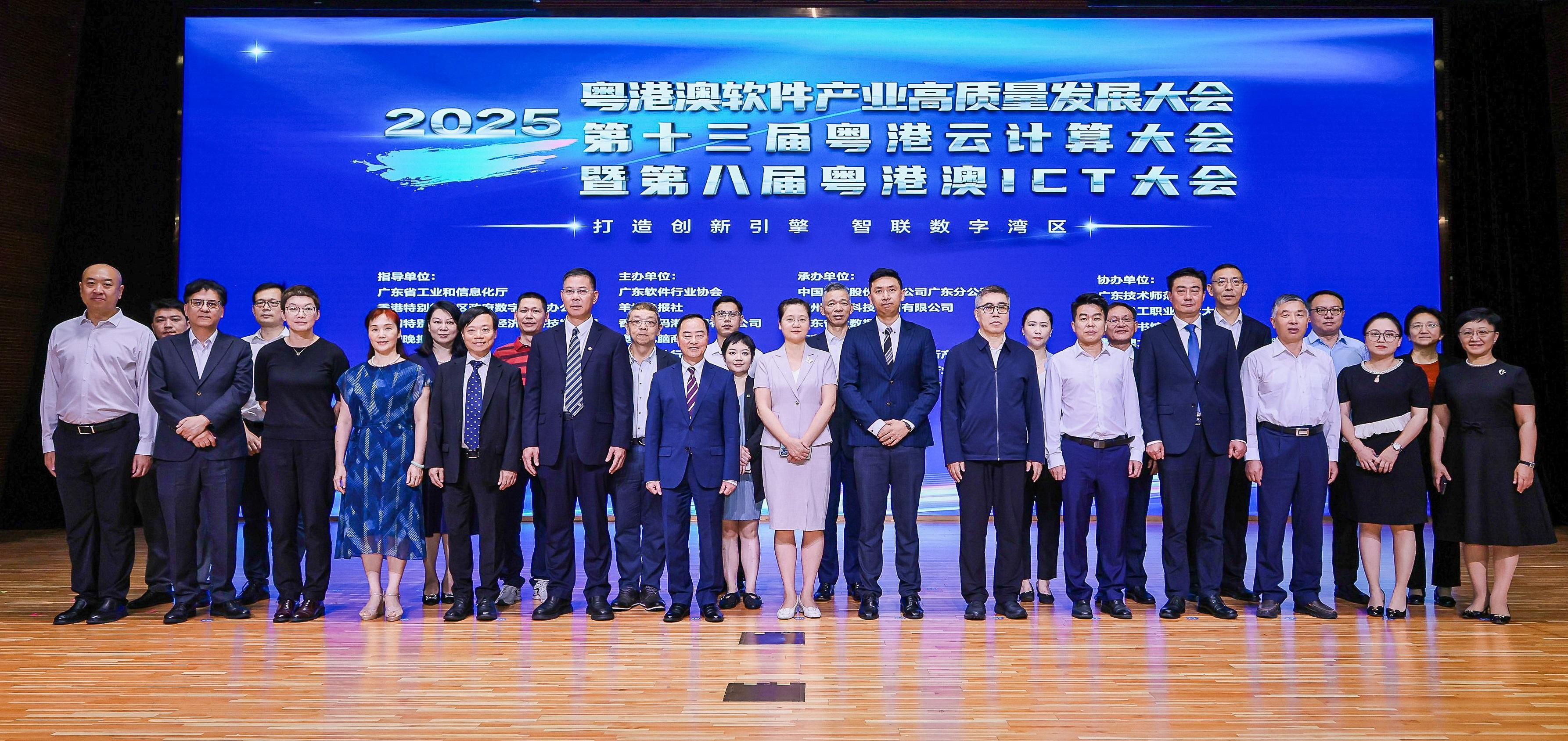
     â€‹The Commissioner for Digital Policy, Mr Tony Wong, today (June 12) attended the 2025 Guangdong-Hong Kong-Macao Software Industry High-quality Development Conference, the 13th Guangdong-Hong Kong Cloud Computing Conference and 8th Guangdong-Hong Kong-Macao ICT Conference in Guangzhou. With the theme “Building an Innovation Engine, Intelligently Connecting the Digital Greater Bay Area”, the conference aimed to deepen innovation and technology (I&T) exchanges and co-operation between Guangdong and Hong Kong, as well as to promote the development of emerging industries in next-generation information technology and advanced software in the Guangdong-Hong Kong-Macao Greater Bay Area.
      
     Speaking at the main forum of the conference, Mr Wong said that the Hong Kong Special Administrative Region (HKSAR) Government has been endeavouring to develop artificial intelligence as a core industry in recent years and to promote the robust development of the AI ecosystem in Hong Kong on all fronts. In this regard, Cyberport’s AI Supercomputing Centre (AISC) has commenced operation. Meanwhile, the HKSAR Government has launched a $3 billion AI Subsidy Scheme to support local institutions, research and development (R&D) centres and enterprises in leveraging the computing power of the AISC to achieve scientific breakthroughs. The HKSAR Government also supported, through the AIR@InnoHK under the InnoHK Research Clusters focusing on the development of AI and robotics technologies, the establishment of the Hong Kong Generative AI Research and Development Center (HKGAI). HKGAI is formed by a group of R&D teams from local universities and focuses on R&D of local self-developed general-purpose large language models and applications, including the document processing application “HKPilot”, which is now in pilot use in all government departments.
      
     In addition, Mr Wong mentioned that the Digital Policy Office (DPO) is actively taking forward the preparatory work on the establishment of the Hong Kong AI Research and Development Institute, facilitating upstream R&D of AI, midstream and downstream transformation of R&D outcomes and application scenarios. He invited Guangdong technology enterprises and talent to learn more about Hong Kong’s I&T development and to leverage Hong Kong’s distinctive advantages under the “one country, two systems” principle of having strong support of the motherland and being closely connected to the world, to jointly venture into the global market with Hong Kong’s I&T industry and tell good stories of the country’s I&T development.
      
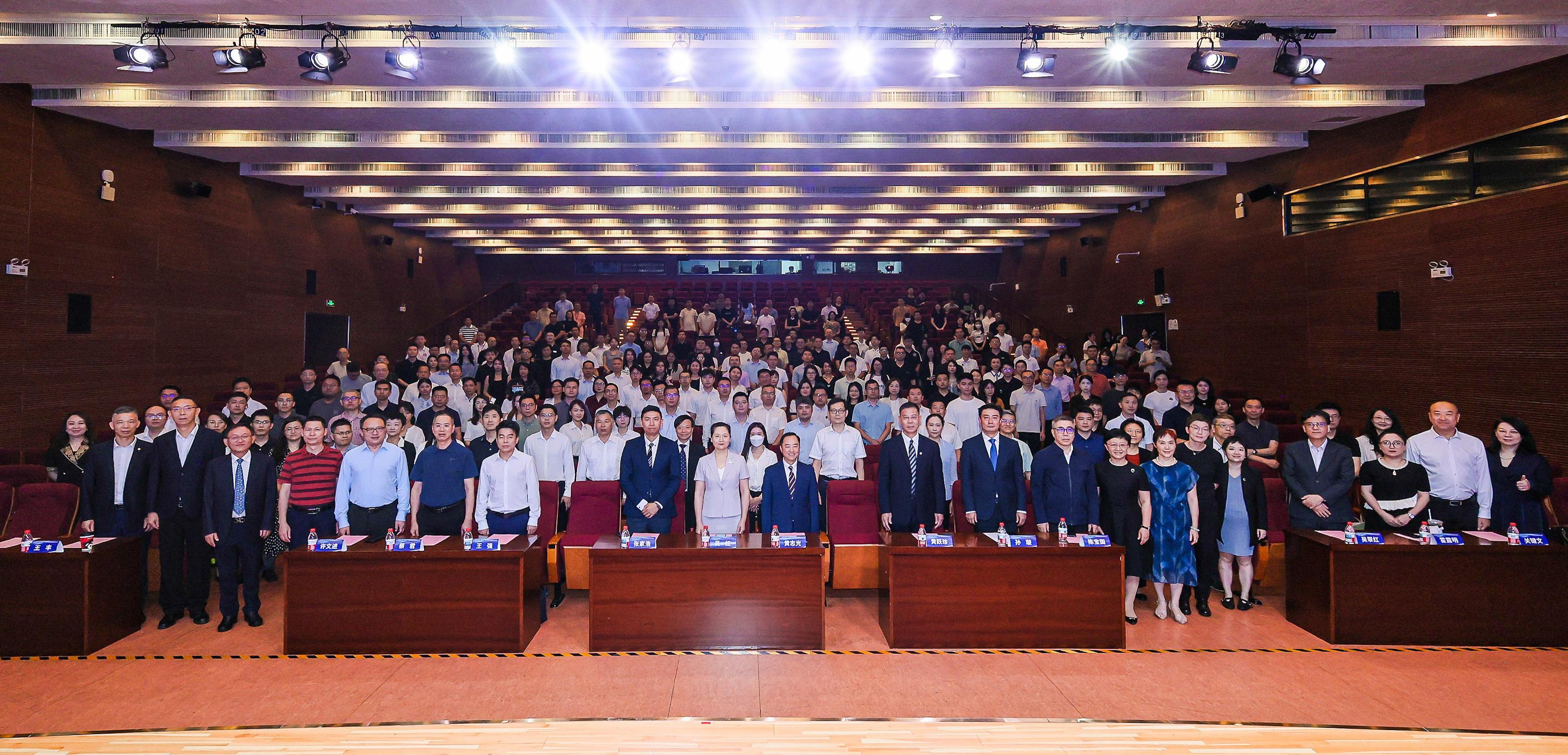
     The conference attracted around 400 industry experts, scholars and practitioners from Guangdong, Hong Kong and Macao. Government representatives from the three places and representatives from research institutions and industry organisations also attended the conference. Being one of the major annual events of the Hong Kong/Guangdong co-operation in informatisation, the conference was jointly organised by the Guangdong Software Industry Association, the Yangcheng Evening News, the Hong Kong Cyberport Management Company Limited, the Computer Chambers of Macau and the China Software Industry Association, under the steer of the Department of Industry and Information Technology of Guangdong Province, the DPO of the HKSAR Government, the Economic and Technological Development Bureau of the Government of the Macao Special Administrative Region and the Yangcheng Evening News Group.
      
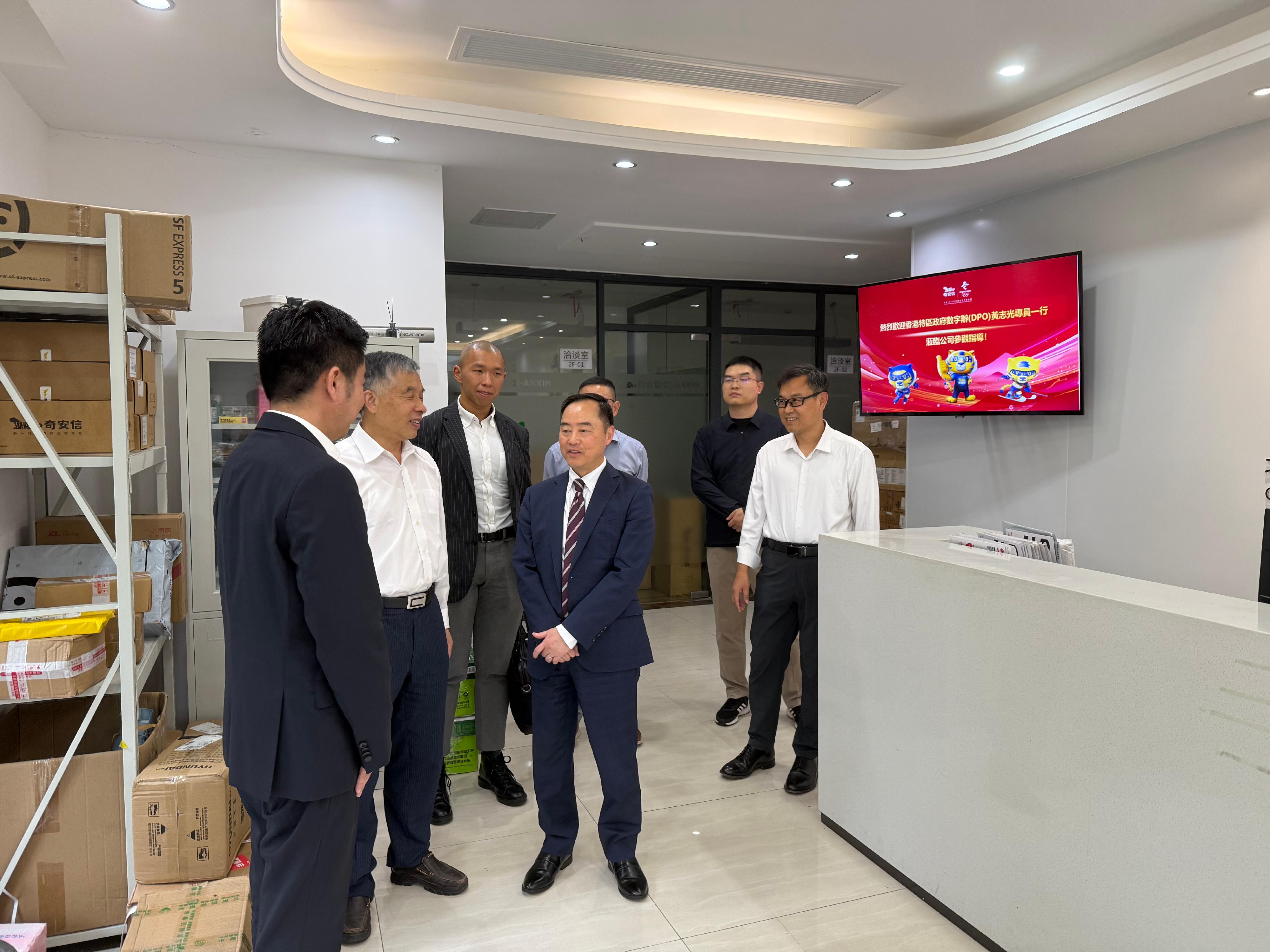
     Mr Wong visited two local technology enterprises in Guangzhou in the afternoon. He was briefed by the enterprises’ representatives on products and solutions of new-generation information technology application innovation and cybersecurity, and also learned how the enterprises apply large language models and generative AI technology to product development.
      
     Mr Wong returned to Hong Kong this afternoon after the visit.

Photo  Photo  Photo  Photo  Photo  
read more