Tag Archives: China

image_pdfimage_print

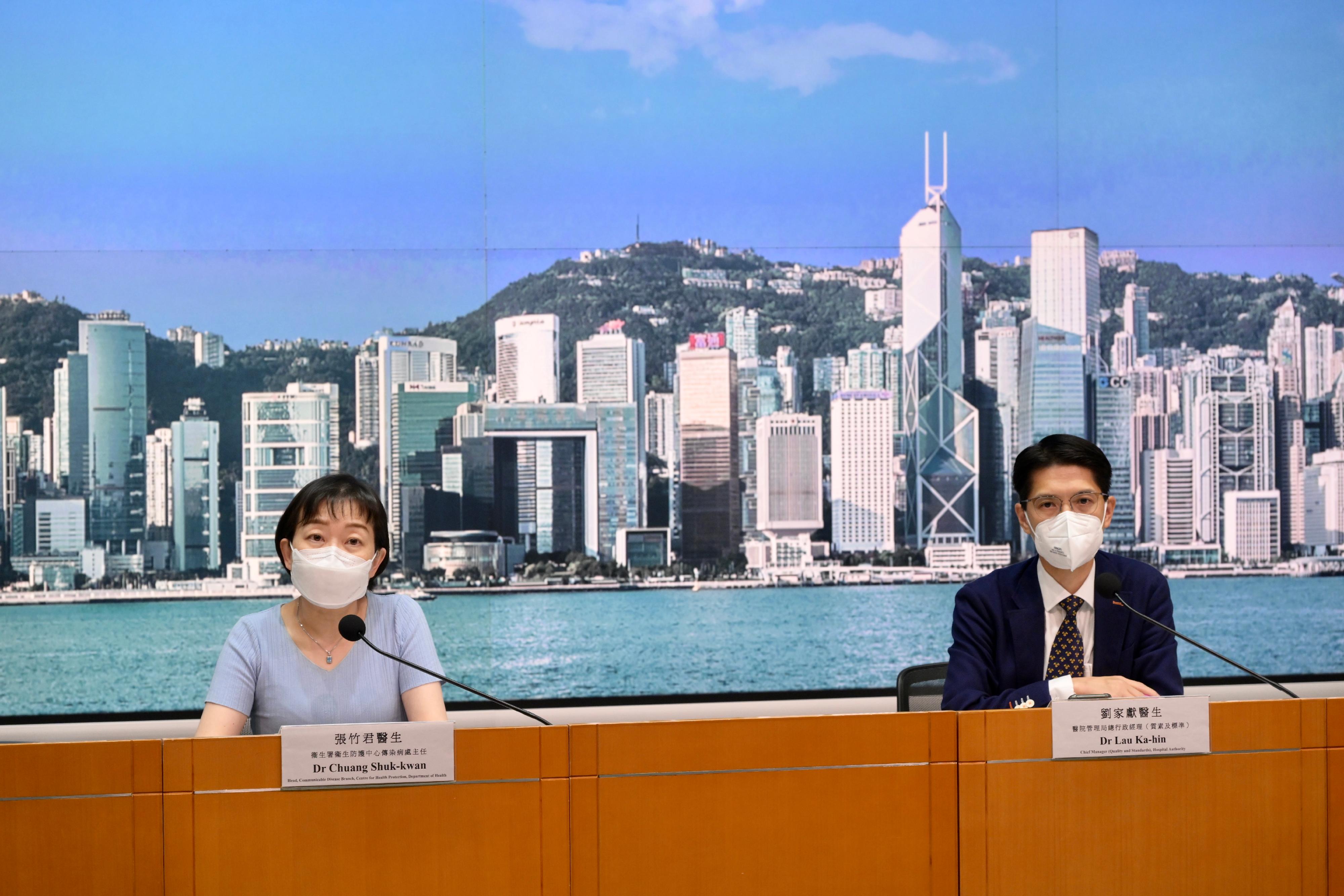
CHP investigates 55 confirmed and 117 asymptomatic additional SARS-CoV-2 virus cases with 18 cases pending status by nucleic acid tests as well as 173 cases tested positive by rapid antigen tests (with photo)

     The Centre for Health Protection (CHP) of the Department of Health (DH) today (April 30) announced the latest epidemic situation of COVID-19. As of 0.00am, April 30, the CHP was investigating 190 additional cases that tested positive for the SARS-CoV-2 virus by nucleic acid tests (55 confirmed cases, 117 asymptomatic cases and 18 cases with pending case status) in the past 24 hours. Separately, 173 additional positive cases through rapid antigen tests (RATs) (91 symptomatic cases and 82 asymptomatic cases) were reported. Hong Kong has recorded a total of 758 541 and 445 669 cases that have tested positive by nucleic acid tests and RATs respectively for the SARS-CoV-2 virus so far.
 
     The aforementioned newly reported cases consist of 25 imported cases (23 cases and two cases tested positive by nucleic acid tests and RATs respectively). The CHP is continuing with epidemiological investigations on the cases. Please refer to the “COVID-19 Thematic Website” (www.coronavirus.gov.hk) for more information.
 
     The CHP has all along been closely monitoring the development of the fifth wave epidemic situation and carrying out epidemiological investigations for cases tested positive, as well as adjusting the strategy and focus of contact tracing work. The CHP stresses that its contact tracing at this stage places focus on cases involving people and places with higher risks, including the residential care homes for the elderly and persons with disabilities, schools, and places having positive sewage testing results with relatively high viral loads. Large-scale and effective contact tracing work for all cases would be conducted whenever necessary and feasible.
 
     Meanwhile, whole genome sequencing analysis by the DH’s Public Health Laboratory Services Branch confirmed that among 10 imported cases recorded earlier, there are five cases each found to carry the sub-lineage BA.2.12 and BA.2.12.1 under the Omicron mutant strain. These imported cases, involving three males and seven females aged 5 to 66, arrived in Hong Kong from Australia, the United States, Germany, India and Singapore during the period from April 6 to 26. Seven cases tested positive on arrival while the remaining three tested positive during compulsory quarantine at designated quarantine hotels. Scientific information on the public health significance about the sub-lineages is lacking at the moment. The World Health Organization is working on to further assess their characteristics, including whether they possess increased transmissibility, reduce vaccine effectiveness and increased risk for reinfections. No cases of the sub-lineages was found in the local community so far and the CHP will continue to closely monitor the latest developments.
 
     In addition, as of 0.00am, April 30, a total of 9 095 death cases that had tested positive for the SARS-CoV-2 virus during the fifth wave (since December 31, 2021) were recorded, with 9 021 and 71 deaths reported from the Hospital Authority and public mortuaries respectively as well as three deaths reported from the Chinese University of Hong Kong Medical Centre. Hong Kong has so far recorded a total of 9 308 death cases that have tested positive for the SARS-CoV-2 virus.
 
     Furthermore, among the earlier cases by nucleic acid tests reported, there were cases (including pending cases) changed to confirmed, asymptomatic or re-positive cases. As at yesterday (April 29), the total number of confirmed cases was 330 615, while the figures for asymptomatic cases, re-positive cases and pending/unknown cases recorded since January 1 were 196 711, 10 and 231 015 respectively.
 
     The DH invoked the Prevention and Control of Disease (Regulation of Cross-boundary Conveyances and Travellers) Regulation (Cap. 599H) to prohibit the landing of passenger flights in Hong Kong from the relevant original port of the following airlines for seven days:
 

  • Passenger flight (CX162) operated by Cathay Pacific arriving in Hong Kong from Sydney, Australia, on April 29, had three passengers who tested positive upon arrival (landing of passenger flights from Sydney in Hong Kong from May 1 to 7 prohibited);
  • Passenger flight (TG600) operated by Thai Airways arriving in Hong Kong from Bangkok, Thailand, on April 29, had three passengers who tested positive upon arrival (landing of passenger flights from Bangkok in Hong Kong from May 1 to 7 prohibited); and
  • Passenger flight (CX865) operated by Cathay Pacific arriving in Hong Kong from Vancouver, Canada, on April 30, had three passengers who tested positive upon arrival (landing of passenger flights from Vancouver in Hong Kong from May 1 to 7 prohibited).
 
     The spokesman for the CHP stressed that as the local situation of COVID-19 infection is still severe, the CHP strongly appeals to the community to continue to comply with social distancing measures, avoid going out and refrain from participating in unnecessary or crowded activities or gatherings. This would lower the risk of infection and prevent the virus from spreading in the community.
 
     The spokesman reminded that COVID-19 vaccines are highly effective in preventing severe cases and deaths from the SARS-CoV-2 virus. They can provide effective protection to those vaccinated in preventing serious complications and even death after infection. People who have yet to receive vaccination, especially senior citizens, chronic patients and other immunocompromised persons who face a higher chance of death after COVID-19 infection, should get vaccinated as early as possible for self-protection and to reduce the risk of falling seriously ill and death should they get infected. Meanwhile, a person who gets COVID-19 and influenza at the same time may be more seriously ill and would have a higher risk of death. Influenza vaccination may reduce the likelihood of hospitalisation and the length of stay. In addition, seasonal influenza vaccination is recommended for all persons aged 6 months or above except those with known contraindications. Persons at higher risk of getting influenza and its complications, including the elderly and children, should receive seasonal influenza vaccination early. Please see details of the vaccination schemes on the CHP’s website (www.chp.gov.hk/en/features/17980.html). 
Photo  
read more

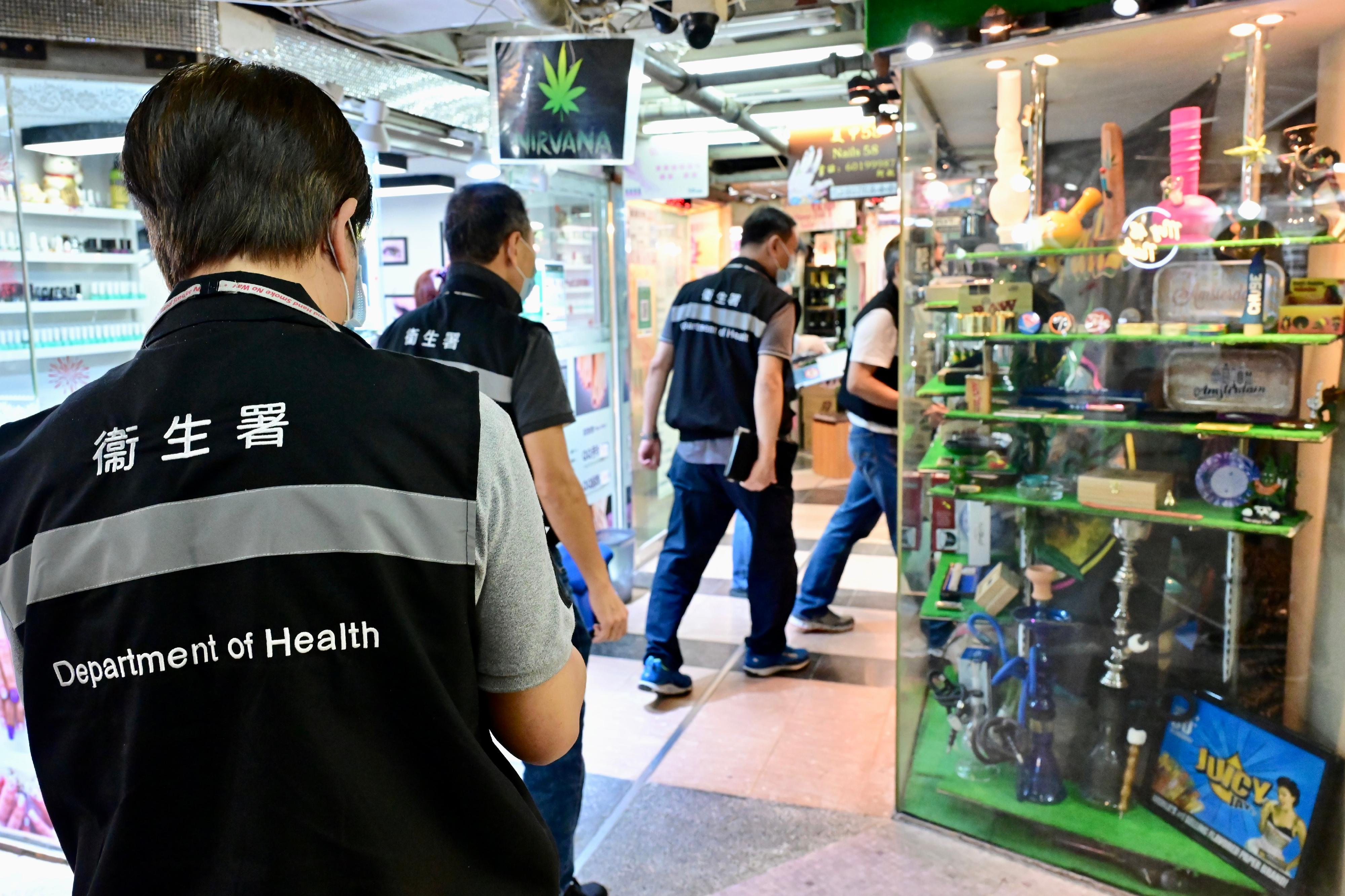
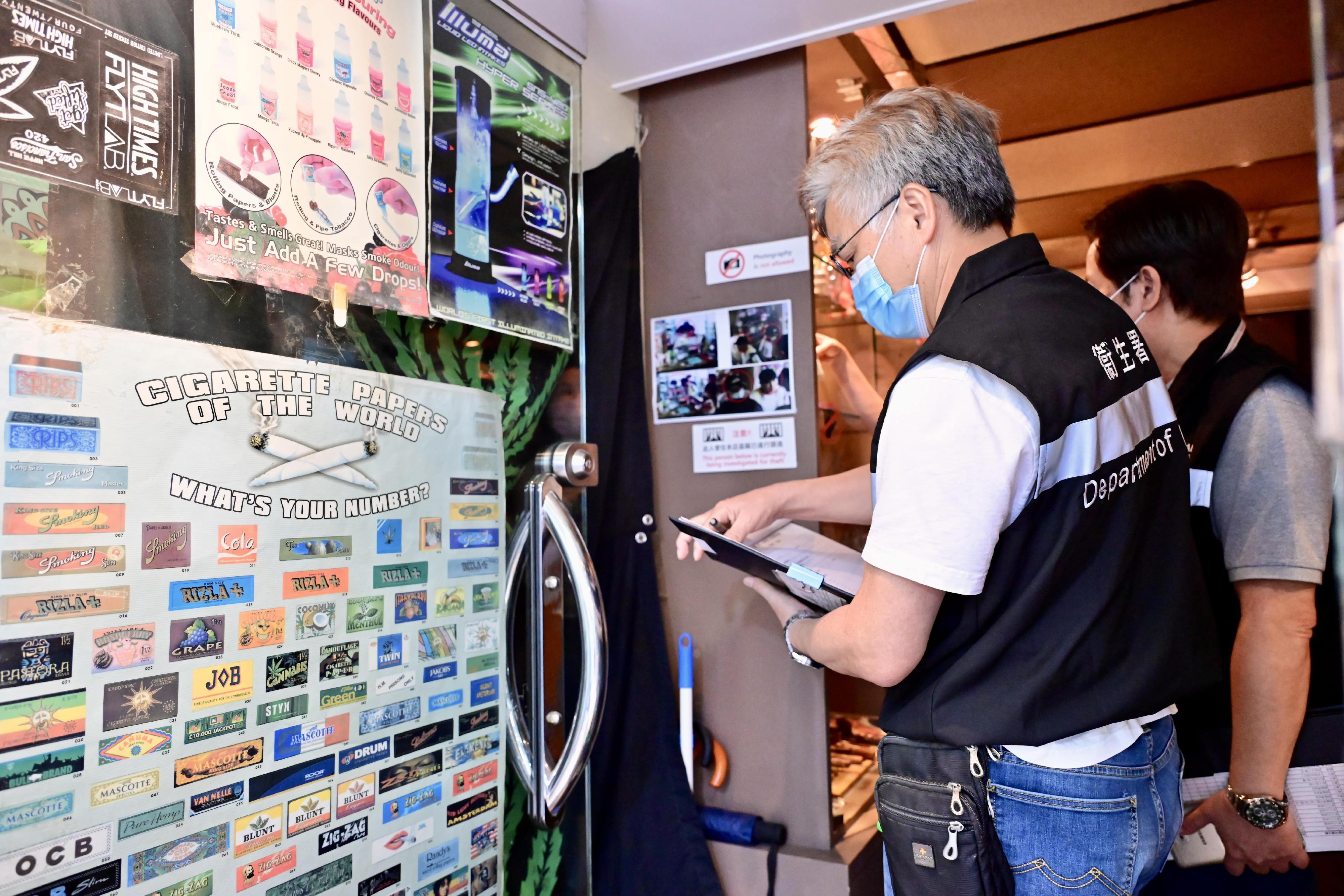
DH’s proactive inspection against illegal sale of alternative smoking products (with photos)

     The Department of Health (DH) today (April 30) said that its Tobacco and Alcohol Control Office (TACO) will make tremendous efforts to implement and enforce the new legislation on alternative smoking products (ASPs).

     The Smoking (Public Health) (Amendment) Ordinance 2021 comes into operation today. The Ordinance prohibits the import, promotion, manufacture, sale, and possession for commercial purposes of ASPs. Offenders are subject to a maximum fine of $50,000 and imprisonment for six months.

     A spokesman for the DH said that Tobacco and Alcohol Control Inspectors have visited over 230 retail outlets of ASPs before the effective date of the Ordinance, in which a few of them were found selling ASPs. The staff of the shops were reminded that the sale of ASPs is prohibited under the new legislation and urged to comply with the law. Tobacco and Alcohol Control Inspectors conducted inspections today to these premises. So far, no violation was detected.

     “The ban covers electronic smoking products, heated tobacco products, herbal cigarettes, and their accessories. Starting today, Tobacco and Alcohol Control Inspectors will investigate complaints and carry out enforcement actions accordingly. Apart from inspections, the TACO will also arrange covert operation, and joint operation with other law enforcement units,” the spokesman continued.

     According to the Ordinance, import of an ASP by way of parcels, cargoes, or bringing in by incoming travellers is prohibited. Articles carried by persons in transit at the Hong Kong International Airport without passing through immigration control, air transhipment cargoes, or articles staying on an aircraft or in a vessel during transit, are exempted. The DH will work closely with the Customs and Excise Department to guard against illegal import of ASPs.

     Moreover, under the Ordinance, no person may smoke or carry an activated ASP in a statutory no smoking area. Offenders will be issued with a $1,500 fixed penalty notice. From January 2021 to March 2022, 166 fixed penalty notices/summonses were issued to persons who smoke ASPs in statutory no smoking areas. Tobacco and Alcohol Control Inspectors will continue to conduct inspections in statutory no smoking areas to ensure compliance with the smoking ban.

     The new legislation aims to prevent access to these harmful and new smoking products. The DH reminds members of the public and stakeholders to comply with the new law. The public is also urged to adopt a smoke-free healthy lifestyle. Members of the public, incoming travellers and the traders can visit the TACO website (www.taco.gov.hk) to learn more about the provisions of the new legislation. For enquiries or complaints, please call the TACO’s hotline 2961 8823 or 1823.

Photo  Photo  
read more

Update on supplies from Mainland

     The Task Force of Supplies from the Mainland led by the Transport and Housing Bureau (THB) has been working closely with the Guangdong Provincial Government and the Shenzhen Municipal People’s Government to explore various means to stabilise the supply of goods from the Mainland to Hong Kong. In addition to road transport arrangements, transportation of goods by water and railway is already in service.

     A spokesperson for the THB said that the “Sea Express” water transportation service from the Mainland to Hong Kong has been fully launched and its capacity is rising to increase the supplies of fresh food, other daily necessities and manufacturing materials. The current supply of fresh food from the Mainland is stable.

     Currently, there are three water transportation routes between Hong Kong and Shenzhen, namely (1) from Shenzhen Yantian International Container Terminals to Hong Kong Kwai Tsing Container Terminals (KTCT); (2) from Shenzhen DaChan Bay Terminals to KTCT; and (3) from China Merchants Port (South China) Management Center (Shenzhen Mawan, Shekou and Chiwan Container Terminals) to Hong Kong River Trade Terminal and elsewhere. Together with the water transportation routes from other cities in Guangdong Province, including the routes from Guangzhou Lianhuashan Port, Nansha Port, Huadu Port, Zhongshan Huangpu Port and Zhuhai Doumen Port to different terminals in Hong Kong, the water transport capacity amounts to tens of thousands of tonnes daily.

     The spokesperson said today (April 30) that Shenzhen operated 50 cargo vessel trips and transported around 7 000 twenty-foot equivalent units (TEUs) of cross-boundary supplies by water yesterday (April 29), equivalent to about 25 320 tonnes of goods, of which around 10 TEUs (about 30 tonnes) were fresh food and around 6 990 TEUs (about 25 290 tonnes) were non-fresh food, according to information from the Mainland authorities.

     Since the launch of services from the three ports in Shenzhen since February 18 to yesterday, a total of around 275 770 TEUs of cross-boundary supplies have been transported, equivalent to about 1 470 450 tonnes of goods, of which around 1 540 TEUs (about 13 200 tonnes) were fresh food and around 274 230 TEUs (about 1 457 250 tonnes) were non-fresh food.
 
     As for rail cargo, mainly anti-epidemic supplies are being transported at the moment. Eight TEUs with a total of 17 tonnes of goods were transported to Hong Kong yesterday. Since its launch on March 2 and up to yesterday, more than 1 490 tonnes of goods including anti-epidemic supplies such as COVID-19 rapid antigen test (RAT) kits and protective gowns were transported to Hong Kong.

     To further ensure a stable goods supply to Hong Kong through land transport, a trial run of cargo transfer was conducted by the THB at a yard situated on Kam Pok Road, San Tin, Yuen Long, and it was completed smoothly. The THB will continue to work with the Mainland authorities to fully take forward cargo transfer arrangements on the Hong Kong side. It is a contingency measure in response to the latest epidemic situation in the city so as to reduce the risk of epidemic transmission in both the Mainland and Hong Kong, ensuring both smooth cross-boundary land transport and a stable goods supply to Hong Kong.

     Meanwhile, to avoid a spillover of the epidemic, the Transport Department (TD) has arranged for dedicated staff to conduct RATs for cross-boundary goods vehicle drivers at various land boundary control points (BCPs) from February 28 onwards. Only drivers with a negative result are allowed to enter the Mainland. In order to further improve the accuracy of the tests, the TD has already switched to use rapid nucleic acid tests at the BCPs. Starting from April 21, the sampling method for rapid nucleic acid tests has been further changed to nasopharyngeal swabs. A total of 2 376 rapid nucleic acid tests were conducted yesterday in which seven drivers preliminarily tested positive. The TD has passed the cases to the Department of Health for follow-up.

     The THB will closely monitor the situation and co-operate with the Mainland authorities to facilitate and implement various measures to ensure a stable goods supply to Hong Kong, with a view to complementing the supply through road, water and railway transport, enhancing capacity and efficiency as well as optimising the flow of cross-boundary supplies. read more