Tag Archives: China

image_pdfimage_print

SWD’s response on requirement for RCHs on daily reporting of newly confirmed cases

     In response to media enquiries about the Government’s new requirement for residential care homes for the elderly (RCHEs) and residential care homes for people with disabilities (RCHDs) to submit daily reports on newly confirmed COVID-19 cases at specified time, a spokesman of the Social Welfare Department (SWD) today (May 5) gave the following response:

     With the severity of the fifth wave of the COVID-19 epidemic, it is heartbreaking that a large number of residents and staff members of the RCHEs and the RCHDs were infected at the surge of the epidemic. Although the overall epidemic situation has been subsiding recently, the risk of a resurgence of cases in the residential care homes (RCHs) is still high as can be seen from the emergence of newly infected cases in the RCHs lately and the relatively low rate of residents having received two doses of the COVID-19 vaccine (as at May 4, the relevant rate in RCHEs is about 47 per cent, while that of the RCHDs is about 69 per cent). As a matter of fact, the health authorities have issued seven isolation orders and 99 quarantine orders to RCH residents from April 29 to May 3.

     To effectively prevent resurgence of the disease in the RCHs, it is of paramount importance for the health authorities to keep abreast of the latest information on the new infected cases to ensure that relevant residents can be transferred to hospitals, isolation facilities or quarantine facilities in a timely manner, thereby reducing the transmission risks in the RCHs. An online platform has been set up by the Centre for Health Protection (CHP) of the Department of Health on March 31 for continuous monitoring of the infection situation of each individual RCH. Every RCH is required to submit a daily report on the new cases at specified time on each day. It is necessary for RCHs to submit the reports even if there are no additional confirmed cases on the previous day, in order to avoid causing epidemic loopholes due to the omission of reports from RCHs. The SWD is attempting to link this system to the database of RCH residents’ vaccination records to provide more accurate assessments on the epidemic trends and risks as well as the response measures of individual RCHs and the sector as a whole. The establishment of these systems not only aims to prevent the resurgence of the fifth wave of the epidemic in the RCHs, but also to put in place an effective warning and monitoring system before the potential sixth wave of the epidemic hits the community.

     To these ends, the SWD had issued letters to all RCHs on April 1 and April 8 respectively, requesting them to submit daily reports on the positive cases found by rapid antigen tests or newly confirmed cases on the previous day through the forms of daily reporting of new COVID-19 cases at residential care homes provided by the CHP starting from April 1. The information will help the health authorities make appropriate isolation or follow-up arrangements for relevant residents and staff as soon as possible. The SWD has made it clear in the letter that the RCHs are still required to complete and submit the forms even if no additional confirmed cases are found. This requirement aims to avoid epidemic loopholes due to omission of reports from the RCHs, which may lead to delayed isolation arrangement and serious consequences. Meanwhile, the SWD has made amendments to the codes of practice for RCHs, requiring RCHs to strictly implement the above measures. It has repeatedly reminded each RCH/operator by phone in April to seek assistance from the SWD if they encounter any difficulties when submitting the daily report forms. Starting from April 12, 2022, the RCHs must comply with the above requirements. Otherwise, the SWD would consider issuing warning letters to the RCHs.

     With the new code of practice taking effect on April 8, the SWD had provided a grace period of more than one week. For those RCHs which could not meet the requirement, the staff of the SWD had repeatedly reached them to remind them of the importance of making timely reports, and strongly appealed to the RCHs for their co-operation. As at April 19, around 90 per cent of the some 1 100 RCHs have completed the daily submissions on time, while 129 RCHs have failed to do so. The SWD therefore issued warning letters to these 129 RCHs on April 22.

     The RCH sector have all along been dedicated and committed to taking care of the RCH residents. The Government is grateful for their contribution and devotion during the epidemic. The Government has also been fighting the epidemic hand in hand with the sector with the provision of different kinds of assistance. The Government is exploring and gradually implementing measures to enhance the anti-epidemic capabilities of the RCHs to fight the ongoing epidemic, and appeals to the RCH sector for their support and co-operation. The RCHs can approach the SWD for assistance and guidance whenever necessary. read more
HKSAR Government organises appreciation and farewell ceremony for Mainland medical support team (with photos)

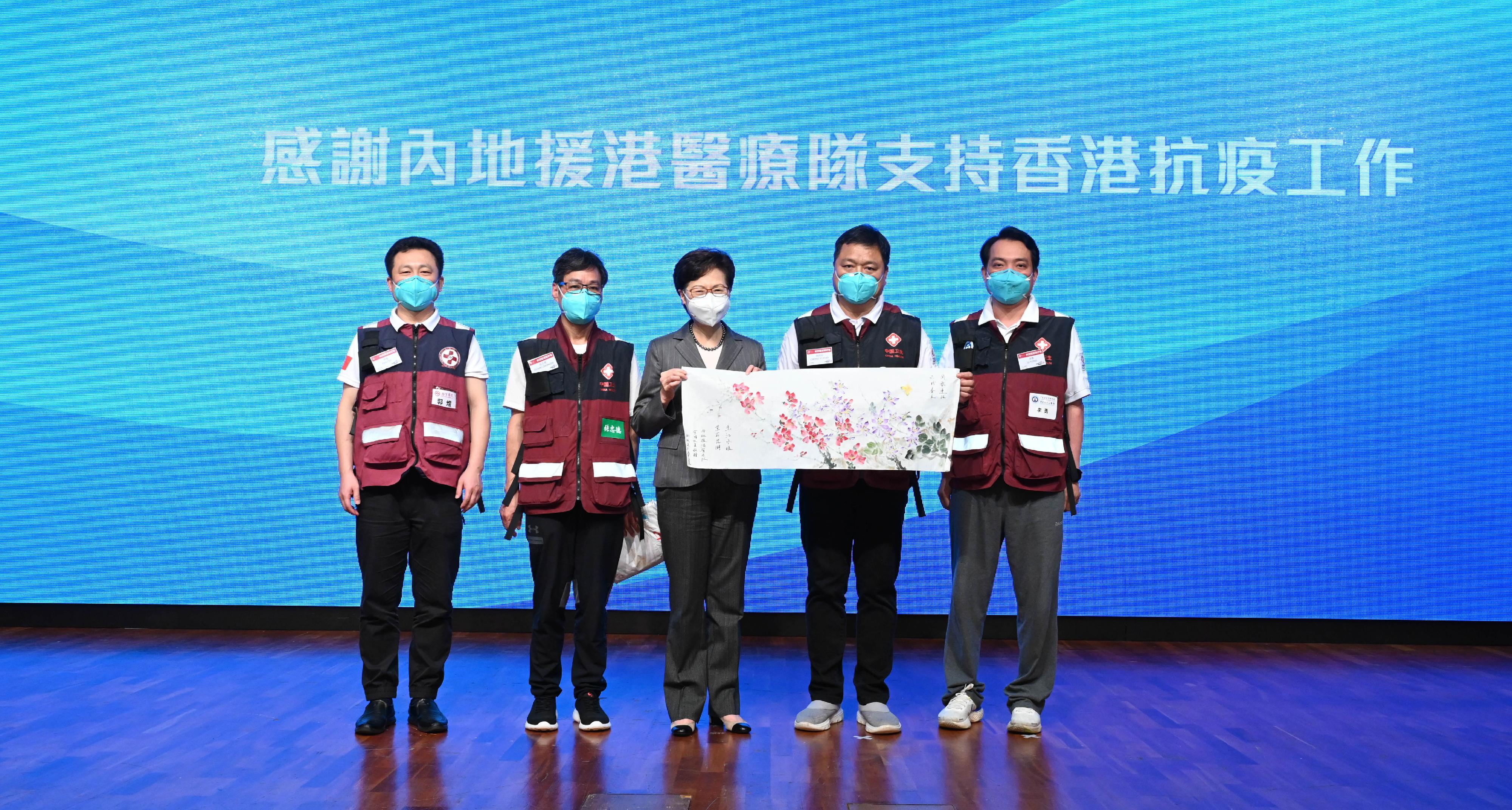
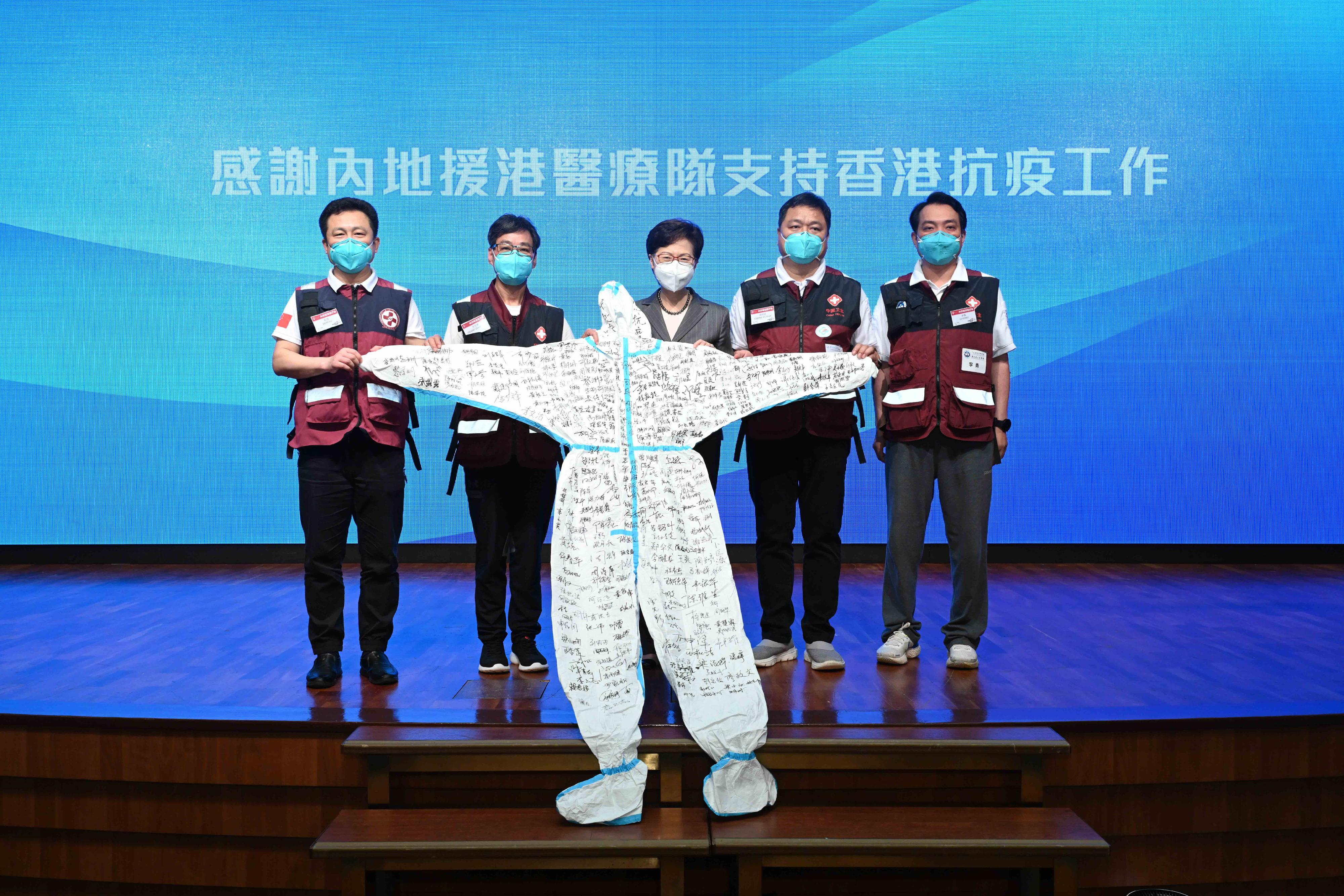
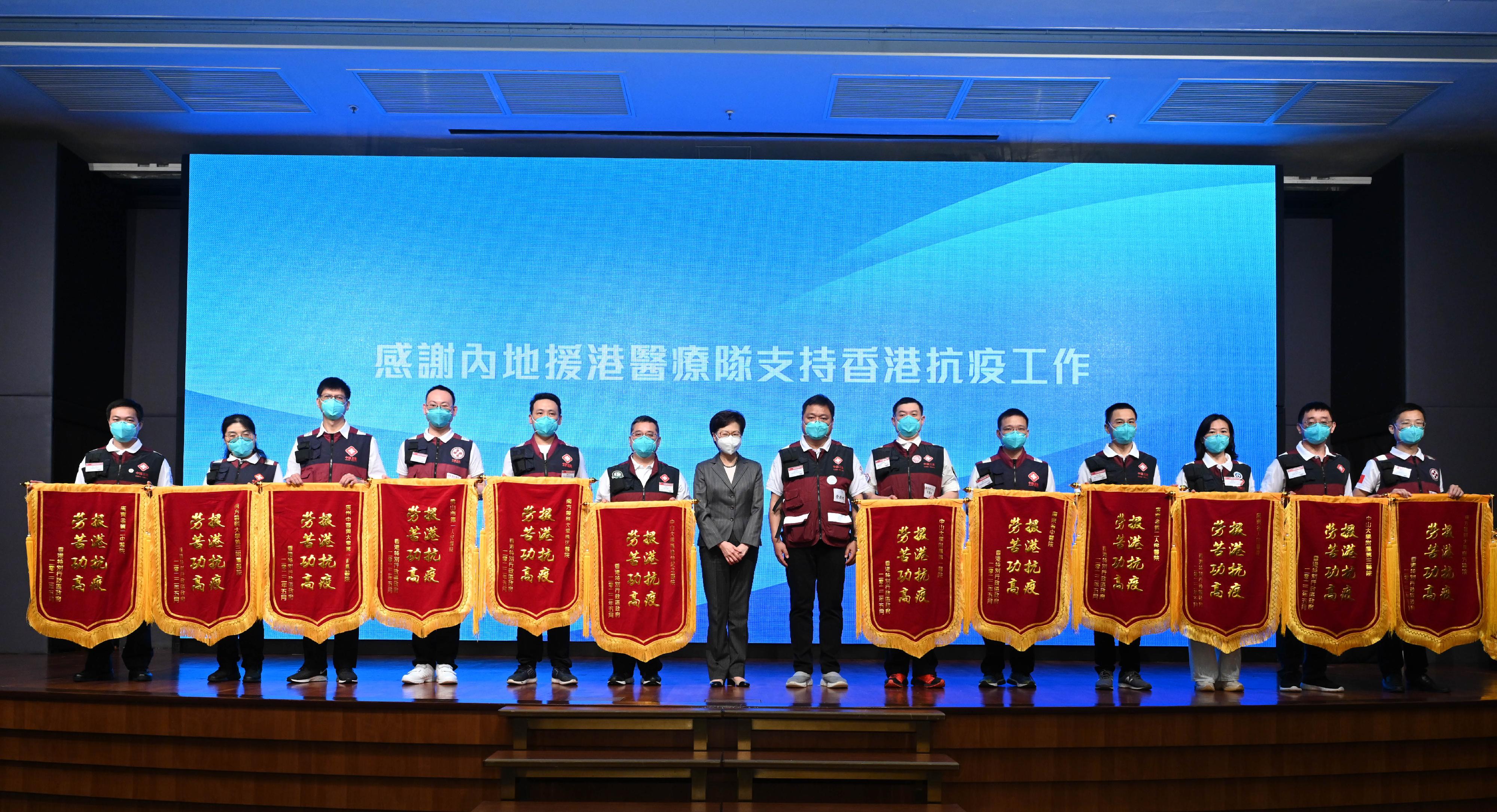
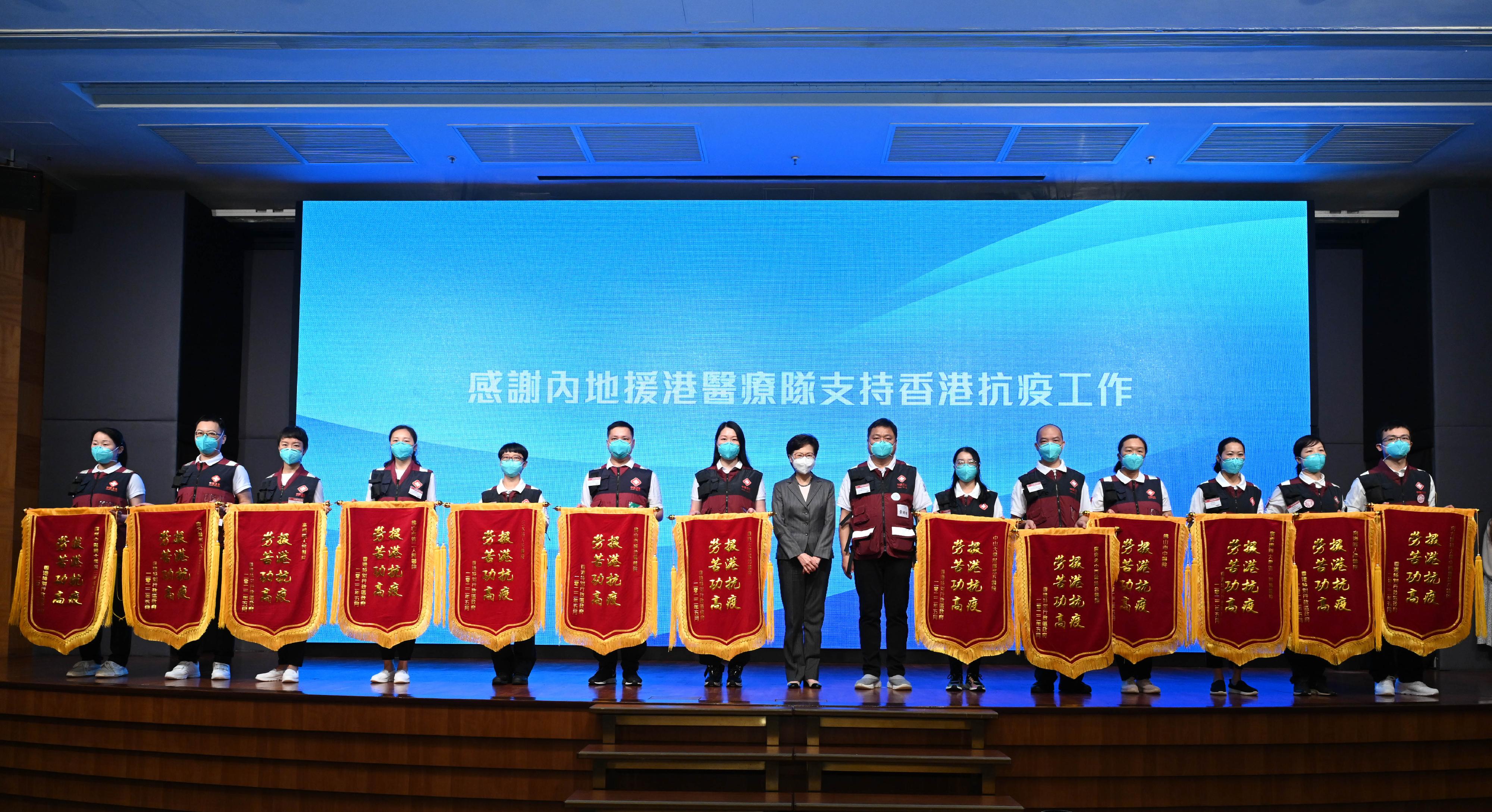
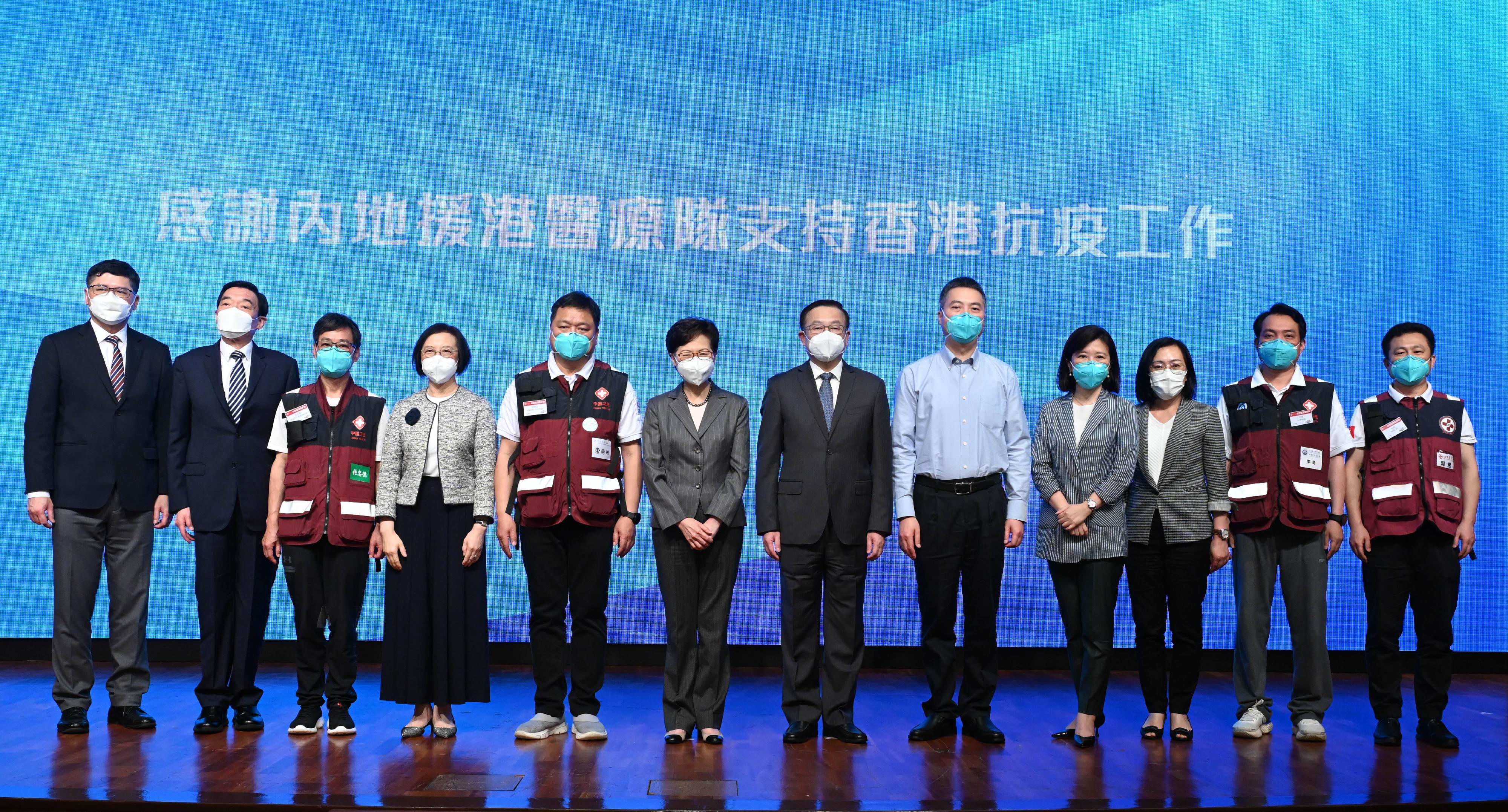
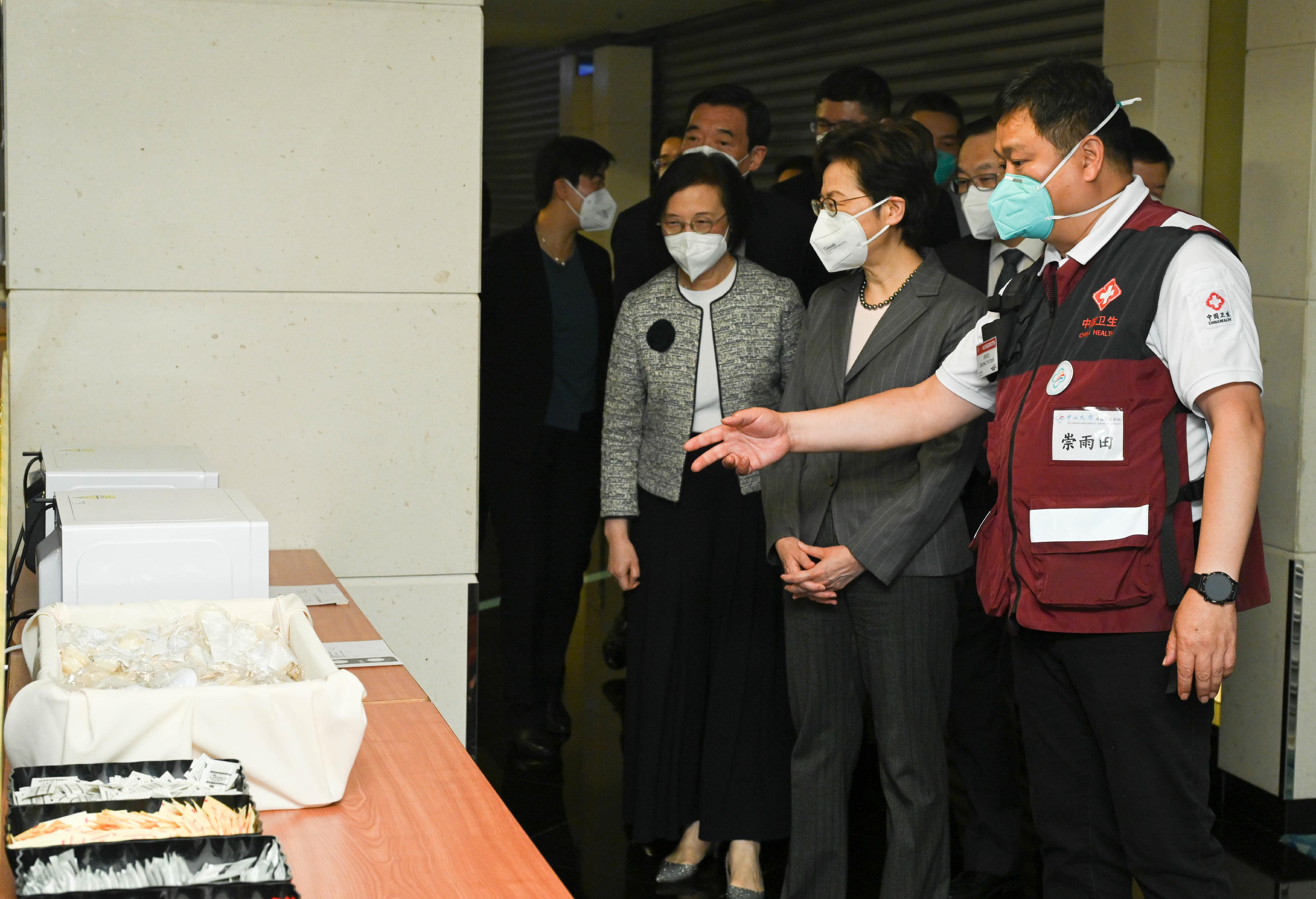
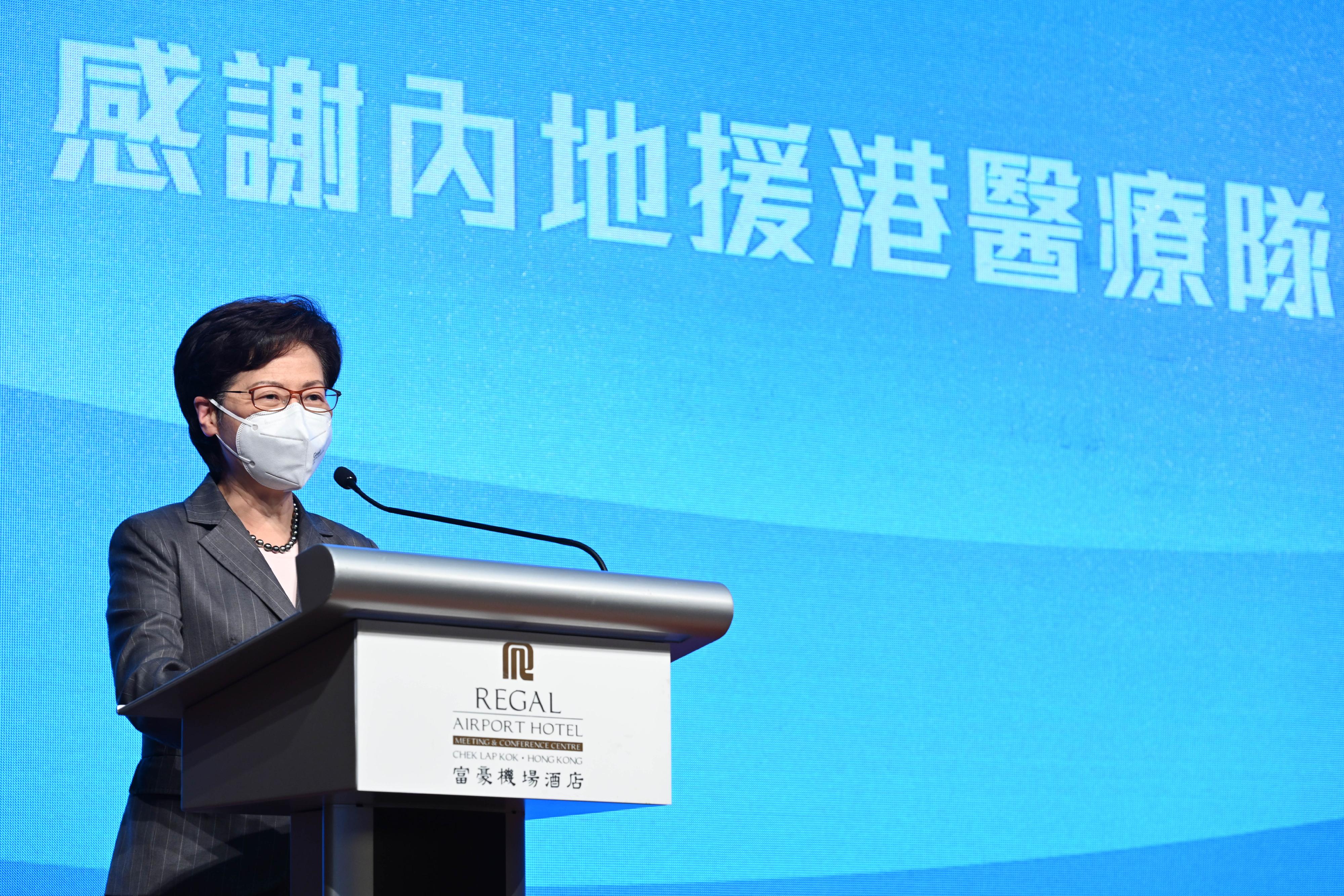
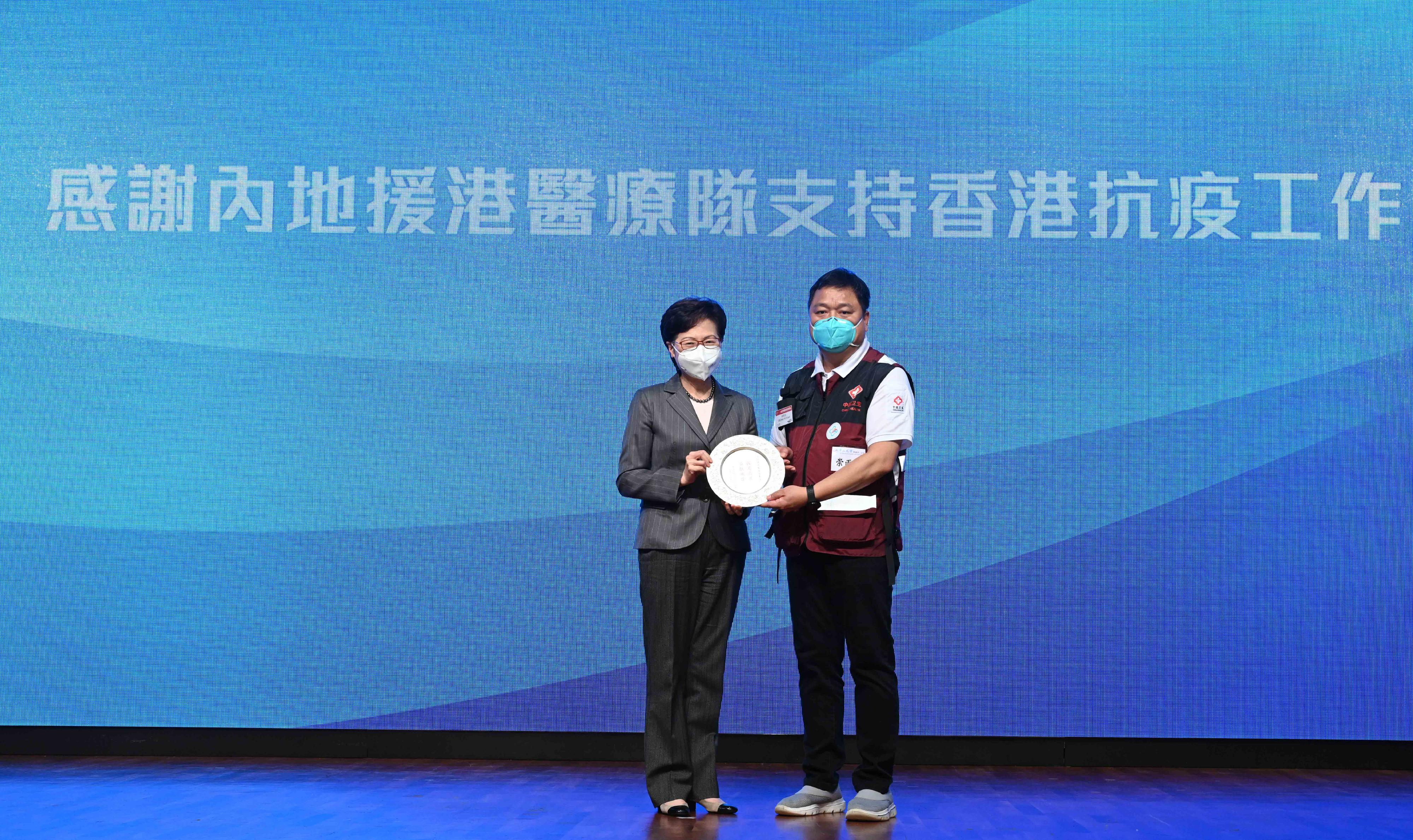
     The Hong Kong Special Administrative Region (SAR) Government today (May 5) organised an appreciation and farewell ceremony for the last batch of departing Mainland medical support team. The Chief Executive, Mrs Carrie Lam; the Deputy Director of Liaison Office of the Central People’s Government in the Hong Kong SAR, Mr He Jing; the Secretary for Food and Health, Professor Sophia Chan; and the Chairman of the Hospital Authority (HA), Mr Henry Fan, attended.
 
     At the request of the SAR Government, the Central People’s Government and the Guangdong Provincial Government arranged the medical support team to come to Hong Kong earlier to assist in the treatment of COVID-19 patients, supporting the SAR in fighting the unprecedentedly severe epidemic situation during the fifth wave. The medical team comprises 391 healthcare professionals from different disciplines in 25 mainland medical institutions.
 
     During their stay in Hong Kong, the Mainland medical support team worked closely with healthcare team of the HA to enhance admission capacity of the Treatment Centre for COVID-19 (AsiaWorld-Expo) within a short period of time. This allowed more COVID-19 patients in need to receive appropriate treatment and accelerated the overall patient turnover, which in turn assisted the SAR Government to fully implement the multi-tiered triage and treatment strategy.
 
     The Mainland medical support team also worked with the HA team to promote deep integration of Chinese and Western medicine. Apart from jointly assessing the condition of patients, both Chinese and Western medical teams worked together on duty to discuss, formulate and provide integrated Chinese and Western medical treatment, so as to formulate appropriate treatment plans for patients. This has greatly improved the quality of care. More than 1 200 COVID-19 patients recovered under their care and were discharged.
 
     Furthermore, both teams exchanged experience on clinical care, application of Chinese and Western medicine, rehabilitation treatment, etc, which laid down a more solid foundation for deepening medical co-operation between Hong Kong and the Mainland.
 
     Speaking at the ceremony, Mrs Lam said that members of the Mainland medical support team put aside their duties and left their families and friends in March to join the frontline of treating patients when the epidemic situation in the SAR was at its worst. This fully embodies the selfless spirit of “when trouble occurs at one spot, help comes from all quarters” and compatriotism. Mrs Lam expressed the most heartfelt gratitude to the Mainland medical support team on behalf of the SAR.
 
     With the full support of the Central People’s Government and the Mainland medical support team, as well as the co-operation of various sectors of the society, the fifth wave of the epidemic in the SAR has seen a continuous decline and come under control since it reached its peak in March. Hong Kong citizens are gradually resuming normal activities and the admission of new COVID-19 patients to the medical system has also enhanced. Also, the Treatment Centre for COVID-19 (AsiaWorld-Expo) turned to standby mode starting from yesterday (May 4). 
 
     “We will never take the situation lightly. We will endeavor to make the best of our experience gained in fighting against the epidemic alongside with the Mainland support team and fully implement the strategy of ‘preventing the importation of cases and the resurgence of domestic infections’, in order to fight and win this battle against the epidemic,” Mrs Lam stressed.
 
     Following the departure of the Mainland medical support team, the Regal Airport Hotel will be converted back to a designated quarantine hotel (DQH) on May 10, providing an addition of around 1 000 rooms. The Government will update regularly the list of DQHs and their booking status on the thematic website www.designatedhotel.gov.hk.

Photo  Photo  Photo  Photo  Photo  Photo  Photo  Photo  
read more

Response by FS to media enquiries on US rate hike

     In response to media enquiries regarding the impacts on Hong Kong of the United States Federal Reserve (US Fed) Board rate hike by 0.5 per cent, the Financial Secretary, Mr Paul Chan, made the following response today (May 5):
     
     “As anticipated by market, the US Fed raised the interest rate by 0.5 per cent during the meeting yesterday. It is the first time in 22 years that the increase has reached 0.5 per cent, and the federal funds rate cumulative increase has reached 0.75 per cent over a month, with its target rate range increased to 0.75 to 1 per cent. Although remarks from US Fed officials have eased the market’s worries of a greater extent of rate hikes in future meetings, the trend of rate hikes in the rest of the year remains certain with a cumulative increase reaching 2.5 per cent or more. The US Fed has also determined the pace to reduce the size of its balance sheet.

     Under the Linked Exchange Rate System (LERS), the widening of interest rate gaps between the Hong Kong dollar (HKD) and the US dollar (USD) will attract more carry trade activities, causing the HKD to gradually get close to weak-side Convertibility Undertaking of HK$7.85 to US$1, eventually causing HKD interbank rates to rise with the USD interest rates. However, changes in the HKD effective exchange rate and the speed and magnitude of the rise in interest rates will still vary depending on local capital funds and the economic situation. The LERS has proven to be very effective in the past 40 years, with the support from the vast foreign currency reserves. The high stability of financial and banking systems also provide a well-established strong buffer and defense mechanism against market risks. We are confident in maintaining the stable and smooth operations of the monetary and financial markets.

     In addition to dampening the economic momentum of the United States, the US Fed’s monetary policy tightening will also affect global capital flows and the liquidity of other economies, putting pressure on the steady recovery of the global economy and creating a more challenging external environment for Hong Kong. Moreover, fluctuations in the global financial market may increase. Some emerging market economies with weaker fundamentals will face more significant pressure (including currency depreciation and capital outflow).  We will continue to pay attention to relevant risks.
     
     Meanwhile, the impact of the interest rate hike on the capital market, credit quality, local consumption and investment activities and economic sentiment as well as the burden imposed on members of the public and small and medium-sized enterprises are areas to watch over.

     For members of the public, the rise in HKD interbank rates will increase their mortgage repayment expenses. Although over half of the residential properties in Hong Kong do not have mortgage loans, the recent average mortgage debt service ratio of new residential mortgage loans is at 37 per cent, and all of them have passed the stress test of raising interest rates by 3 per cent, reflecting that systemic risks have been managed in various aspects. Nonetheless, as the economy has yet fully recovered, with a relatively high unemployment rate and many citizens’ income under pressure, the increase in the interest rate may pressurise the mortgage repayment burden of some property owners, as well as their worries about livelihoods.

     To small and medium-sized enterprises, the impact of the epidemic on their business continues as global supply chains and logistics transportation are not completely smooth, making business still difficult. Ongoing interest rate hikes means the pressure on their loan repayment is also gradually raising.” read more