Tag Archives: China

DH announces latest situation of Legionnaires’ Disease cases

     The Centre for Health Protection (CHP) of the Department of Health today (March 31) reported the latest number of cases of Legionnaires’ disease (LD), and reminded the public of the importance of using and maintaining properly designed man-made water systems, adding that susceptible groups should strictly observe relevant precautions.

     From March 23 to 29, the CHP recorded one community-acquired LD case, involving a 67-year-old male patient with underlying illnesses living in Tuen Mun.

     The CHP is conducting epidemiological investigations to identify potential sources of infection, high-risk exposure and clusters, if any.

     As of March 29, 35 LD cases had been recorded this year. In 2024 and 2023, there were 135 and 121 LD cases respectively.

     Men, people aged over 50, smokers, alcoholics and persons with weakened immunity are more susceptible to LD. Some situations may also increase the risk of infection, including poor maintenance of water systems; living in areas with old water systems, cooling towers or fountains; using electric water heaters, whirlpools and spas or hot water spring spas; and recent stays in hotels or vessels.

     Legionellae are found in various environmental settings and grow well in warm water (20 to 45 degrees Celsius). They can be found in aqueous environments such as water tanks, hot and cold water systems, cooling towers, whirlpools and spas, water fountains and home apparatus that support breathing. People may become infected when they breathe in contaminated droplets (aerosols) and mist generated by artificial water systems, or when handling garden soil, compost and potting mixes.

     Immunocompromised persons should:
 

  • Use sterile or boiled water for drinking, tooth brushing and mouth rinsing;
  • Avoid using humidifiers, or other mist- or aerosol-generating devices; and
  • If using humidifiers, or other mist- or aerosol-generating devices, fill the water tank with only sterile or cooled freshly boiled water, and not water directly from the tap. Also, clean and maintain humidifiers/devices regularly according to manufacturers’ instructions. Never leave stagnant water in a humidifier/device. Empty the water tank, wipe all surfaces dry, and change the water daily. 
     
     The public should observe the health advice below:
 
  • Observe personal hygiene;
  • Do not smoke and avoid alcohol consumption;
  • Strainers in water taps and shower heads should be inspected, cleaned, descaled and disinfected regularly or at a frequency recommended by the manufacturer;
  • If a fresh-water plumbing system is properly maintained, it is not necessary to install domestic water filters. Use of water filters is not encouraged as clogging occurs easily, which can promote growth of micro-organisms. In case water filters are used, the pore size should be 0.2 micrometres (µm) and the filter needs to be changed periodically according to the manufacturer’s recommendations;
  • Drain and clean water tanks of buildings at least quarterly;
  • Drain or purge for at least one minute infrequently used water outlets (e.g. water taps, shower heads and hot water outlets) and stagnant points of the pipework weekly or before use;
  • Seek and follow doctors’ professional advice regarding the use and maintenance of home respiratory devices and use only sterile water (not distilled or tap water) to clean and fill the reservoir. Clean and maintain the device regularly according to the manufacturer’s instructions. After cleaning/disinfection, rinse the device with sterile water, cooled freshly boiled water or water filtered with 0.2 µm filters. Never leave stagnant water in the device. Empty the water tank, keep all surfaces dry, and change the water daily; and
  • When handling garden soil, compost and potting mixes: 
  1. Wear gloves and a face mask;
  2. Water gardens and compost gently using low pressure;
  3. Open composted potting mixes slowly and make sure the opening is directed away from the face;
  4. Wet the soil to reduce dust when potting plants; and
  5. Avoid working in poorly ventilated places such as enclosed greenhouses.

     â€‹â€‹The public may visit the CHP’s LD page, the Code of Practice for Prevention of LD and the Housekeeping Guidelines for Cold and Hot Water Systems for Building Management of the Prevention of LD Committee, and the CHP’s risk-based strategy for prevention and control of LD. read more
SHYA attends Ancestor Worship Ceremony of Yellow Emperor in Year of Yisi in Henan Province (with photos)

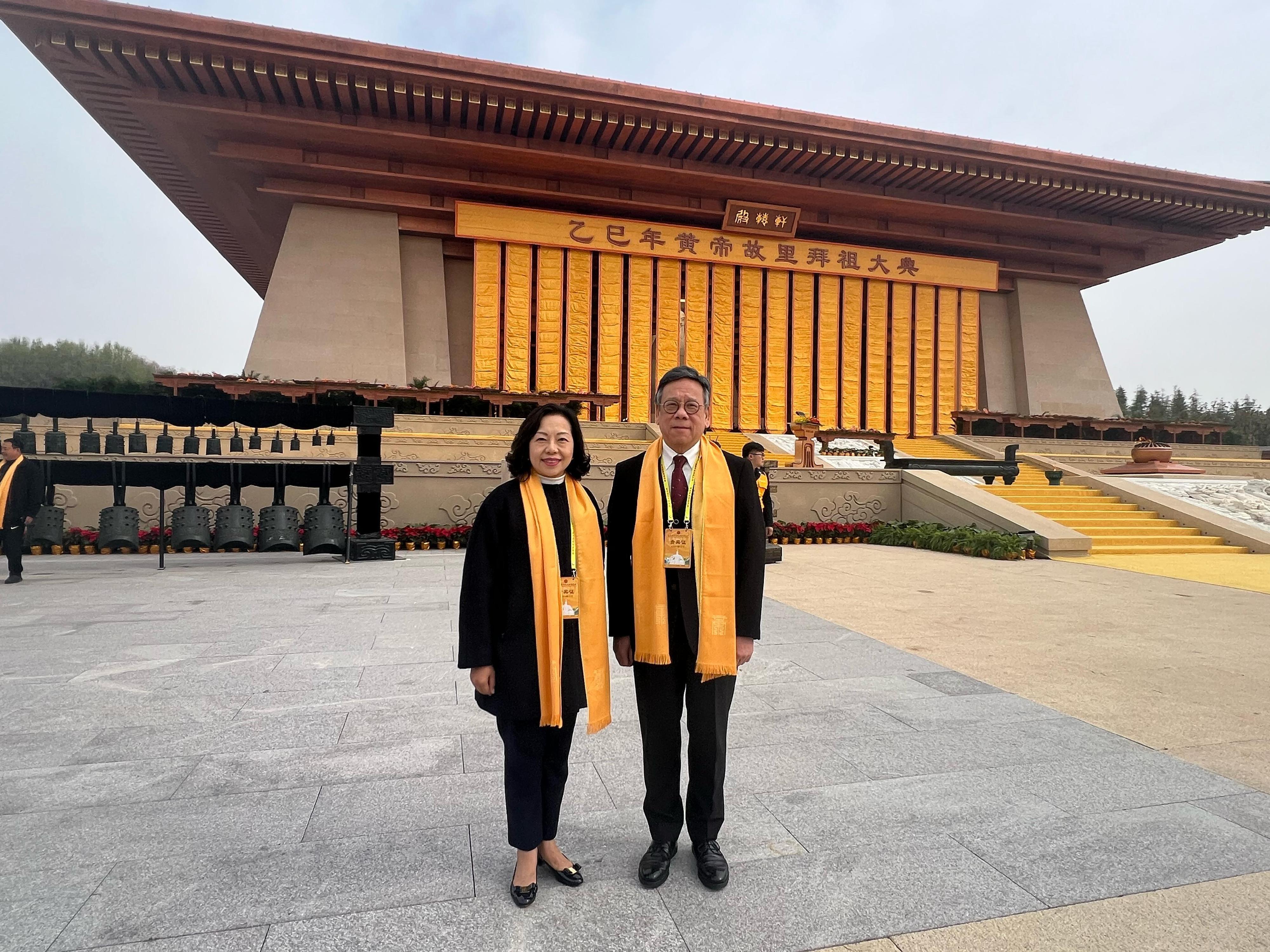
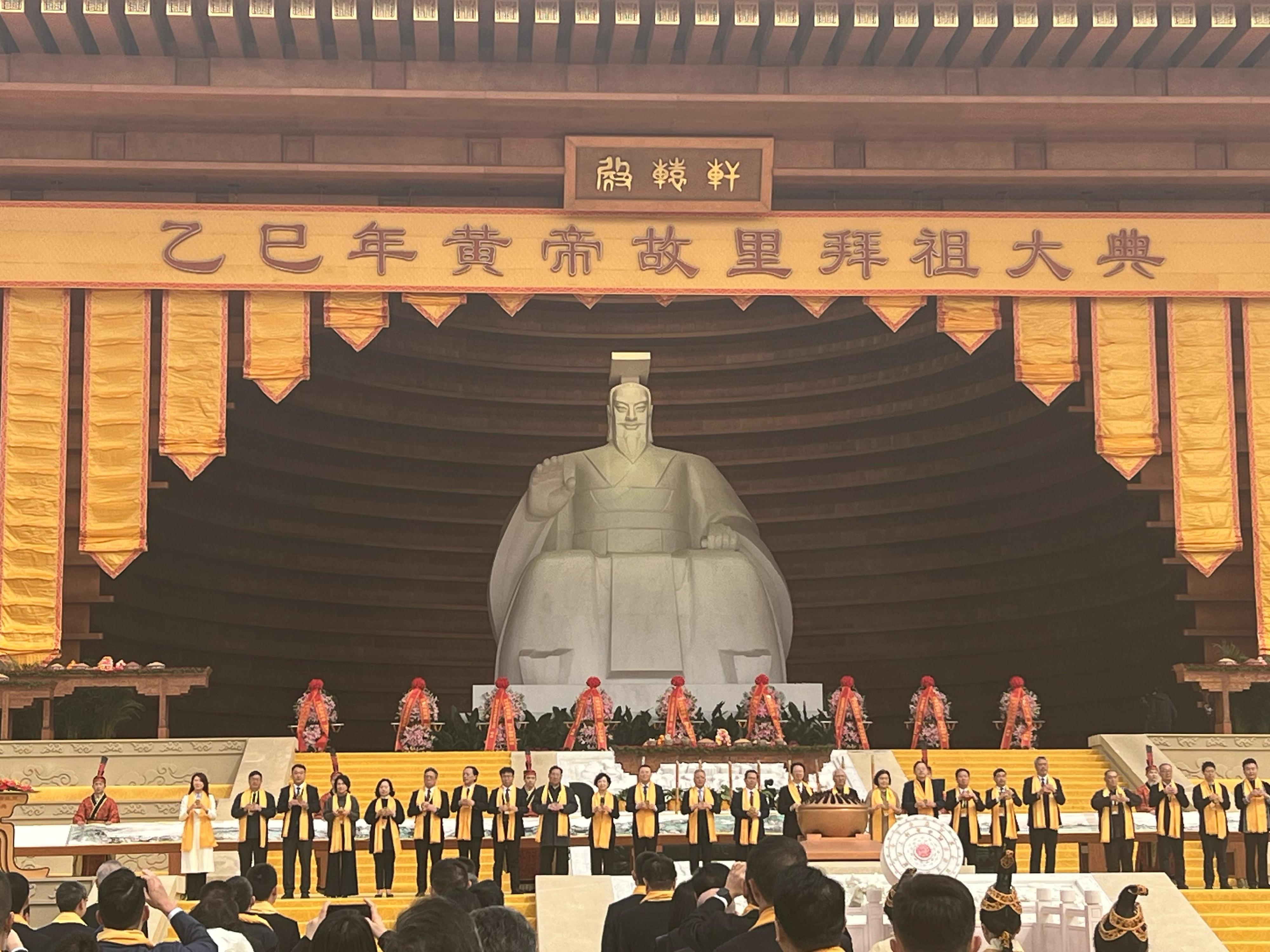
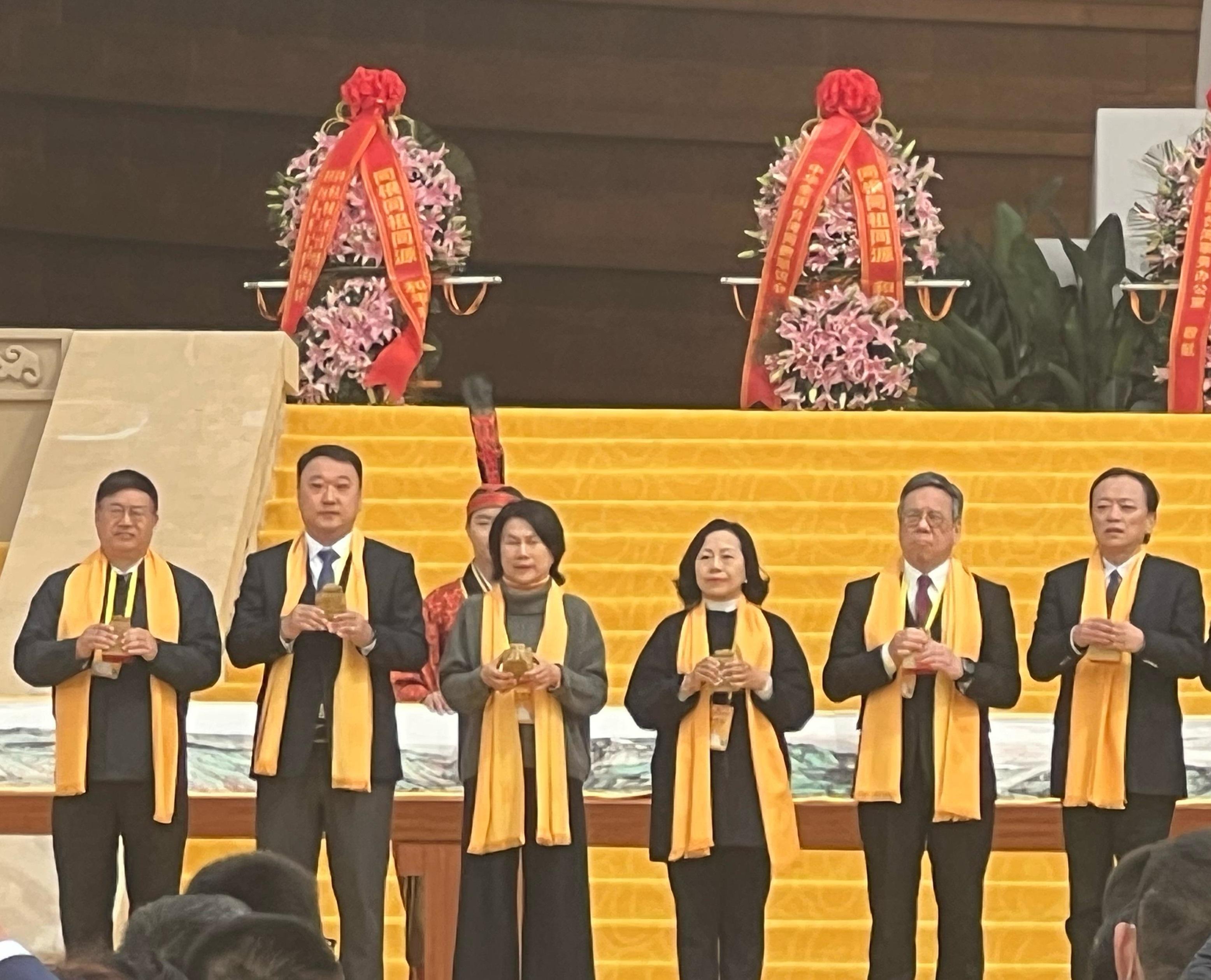
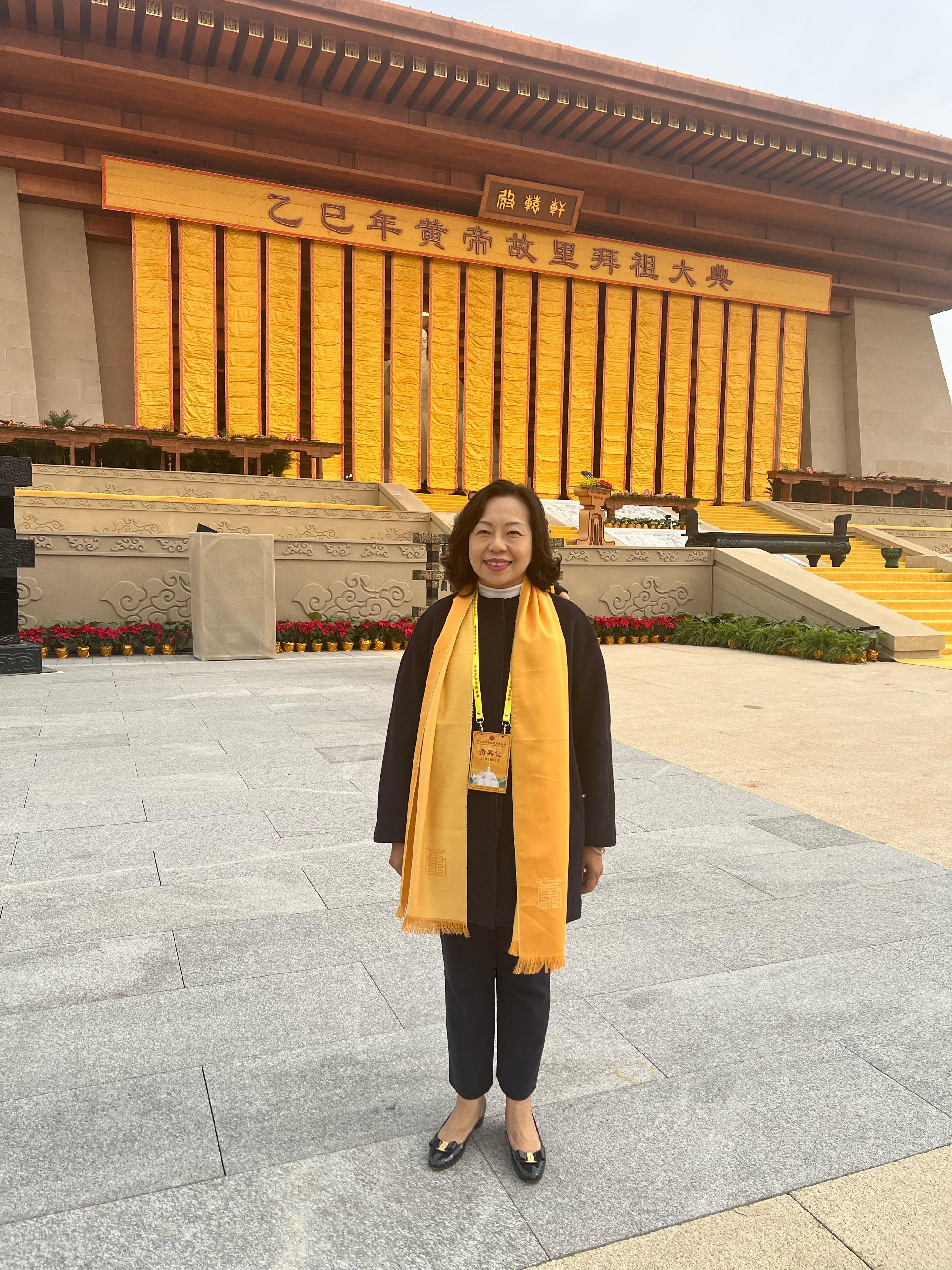
     The Secretary for Home and Youth Affairs, Miss Alice Mak, today (March 31) attended the Ancestor Worship Ceremony of the Yellow Emperor in the Year of Yisi in Zhengzhou in Henan Province on behalf of the Hong Kong Special Administrative Region Government. 

     The Yellow Emperor is the cultural ancestor of the Chinese nation, while Zhengzhou is the Yellow Emperor’s birthplace. The Ancestor Worship Ceremony of the Yellow Emperor, jointly organised by the People’s Government of Henan Province, the Henan Provincial Committee of the Chinese People’s Political Consultative Conference and the Taiwan Affairs Office of the State Council, among others, is a significant event held annually in Henan Province to promote traditional Chinese culture.

     Miss Mak expressed deepest gratitude for being invited to attend the Ancestor Worship Ceremony of the Yellow Emperor. Miss Mak added that Zhengzhou is one of the eight great ancient capitals of China and one of the important origins of the Chinese civilisation with profound historical and cultural heritage. By attending the meaningful event, Hong Kong compatriots can enhance their sense of national identity.

     During her visit to Zhengzhou, Miss Mak met with the Executive Deputy Director of the Hong Kong and Macao Work Office of the Communist Party of China Central Committee and the Hong Kong and Macao Affairs Office of the State Council, Mr Zhou Ji; the Secretary of the CPC Henan Provincial Committee and Director of the Standing Committee of the Henan Provincial People’s Congress, Mr Liu Ning; and the Deputy Secretary of the CPC Henan Provincial Committee, Governor of Henan Province and Secretary of Party Leadership Group, Mr Wang Kai.
      
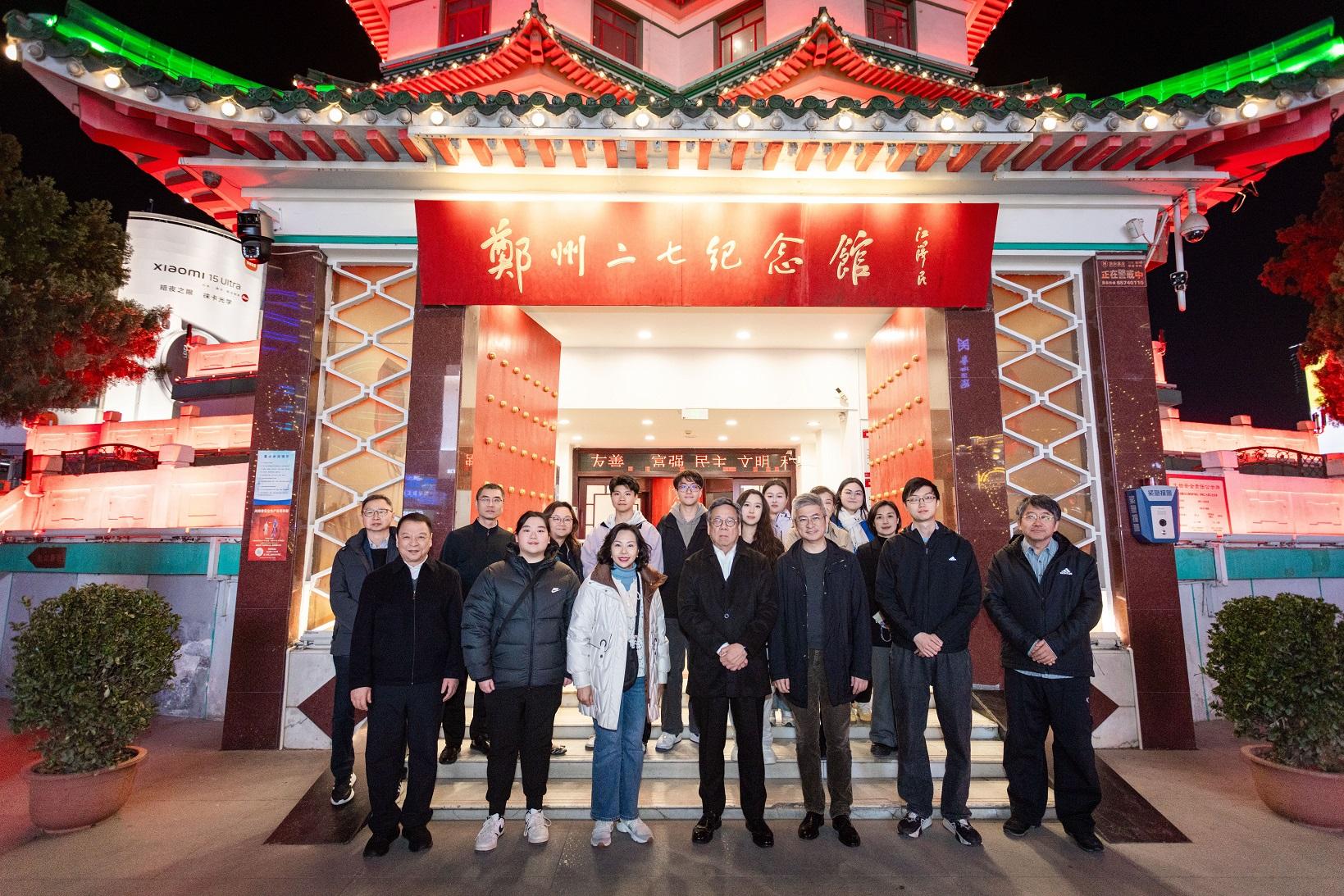
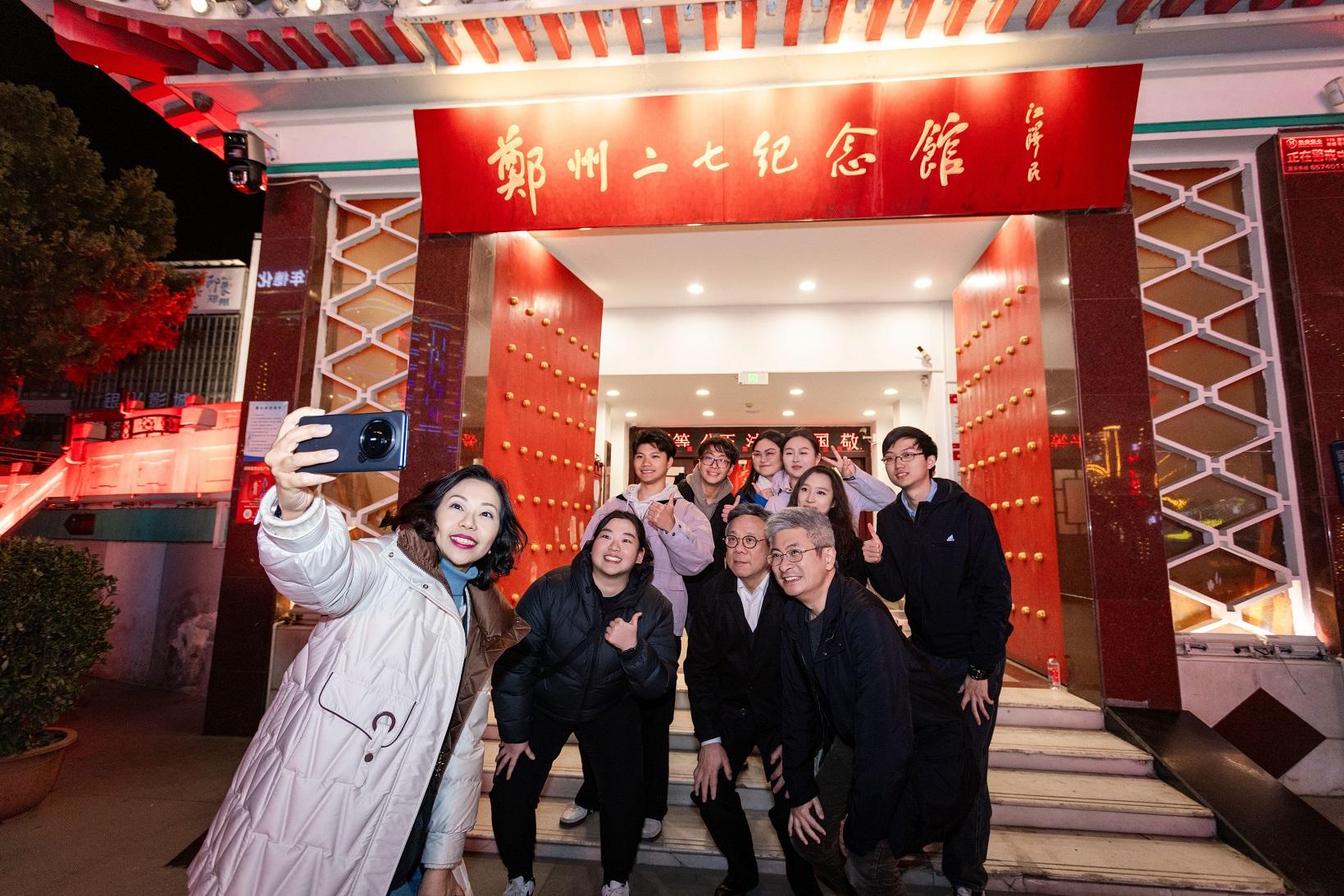
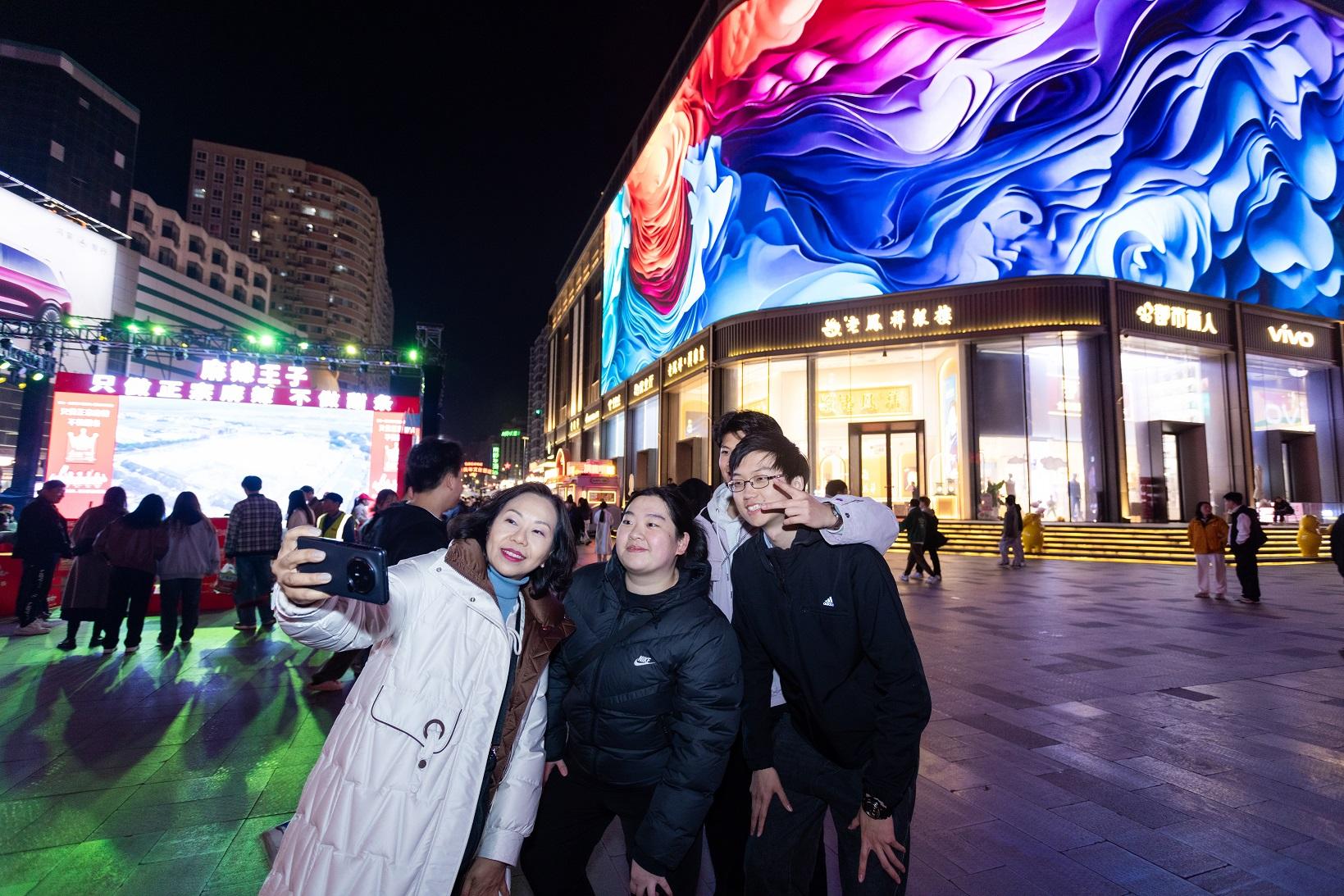
     Moreover, Miss Mak met with Hong Kong students studying in Zhengzhou to learn about their lives on the Mainland. She encouraged young people to grasp the opportunities to study and exchange on the Mainland to gain a deeper understanding of the development of the country and contribute to the country and Hong Kong.
      
     Miss Mak will conclude her visit and return to Hong Kong this afternoon.

Photo  Photo  Photo  Photo  Photo  Photo  Photo  
read more

Inspection of aquatic products imported from Japan

     In response to the Japanese Government’s plan to discharge nuclear-contaminated water at the Fukushima Nuclear Power Station, the Director of Food and Environmental Hygiene issued a Food Safety Order which prohibits all aquatic products, sea salt and seaweeds originating from the 10 metropolis/prefectures, namely Tokyo, Fukushima, Ibaraki, Miyagi, Chiba, Gunma, Tochigi, Niigata, Nagano and Saitama, from being imported into and supplied in Hong Kong.
 
     For other Japanese aquatic products, sea salt and seaweeds that are not prohibited from being imported into Hong Kong, the Centre for Food Safety (CFS) of the Food and Environmental Hygiene Department is conducting comprehensive radiological tests to verify that the radiation levels of these products do not exceed the guideline levels before they are allowed to be supplied in the market.
 
     As the discharge of nuclear-contaminated water is unprecedented and will continue for 30 years or more, the Government will closely monitor the situation and continue to implement the enhanced testing arrangements. Should anomalies be detected, the Government does not preclude further tightening the scope of the import ban.
 
     From noon on March 28 to noon today (March 31), the CFS conducted tests on the radiological levels of 310 food samples imported from Japan, which were of the “aquatic and related products, seaweeds and sea salt” category, in the past three days (including last Saturday and Sunday). No sample was found to have exceeded the safety limit. Details can be found on the CFS’s thematic website titled “Control Measures on Foods Imported from Japan” (www.cfs.gov.hk/english/programme/programme_rafs/programme_rafs_fc_01_30_Nuclear_Event_and_Food_Safety.html).

     In parallel, the Agriculture, Fisheries and Conservation Department (AFCD) has also tested 150 samples of local catch for radiological levels. All the samples passed the tests. Details can be found on the AFCD’s website (www.afcd.gov.hk/english/fisheries/Radiological_testing/Radiological_Test.html).
 
     The Hong Kong Observatory (HKO) has also enhanced the environmental monitoring of the local waters. No anomaly has been detected so far. For details, please refer to the HKO’s website
(www.hko.gov.hk/en/radiation/monitoring/seawater.html).
 
     From August 24, 2023, to noon today, the CFS and the AFCD have conducted tests on the radiological levels of 126 043 samples of food imported from Japan (including 82 826 samples of aquatic and related products, seaweeds and sea salt) and 29 080 samples of local catch respectively. All the samples passed the tests. read more

Effective Exchange Rate Index

     The effective exchange rate index for the Hong Kong dollar on Monday, March 31, 2025 is 106.5 (down 0.1 against last Saturday’s index).

     â€‹The effective exchange rate index for the Hong Kong dollar on Saturday, March 29, 2025 was 106.6 (down 0.1 against last Friday’s index). read more