Tag Archives: China

image_pdfimage_print

Secretary for Health meets Chairman of Changchun Committee of CPPCC (with photos)

     The Secretary for Health, Professor Lo Chung-mau, met with the Chairman of the Changchun Committee of the Chinese People’s Political Consultative Conference (CPPCC), Mr Gao Zhiguo, today (June 16) to have in-depth exchanges on the development of biomedicine and Chinese medicine (CM) in the two places.

     Professor Lo said, “Biomedicine development and medical innovation are not only directly related to people’s life and health, but also important national policies representing immense new quality productive forces. The Resolution of the Communist Party of China (CPC) Central Committee on Further Deepening Reform Comprehensively to Advance Chinese Modernization adopted by the Third Plenary Session of the 20th CPC Central Committee pointed out the need to deepen the reform of medical and healthcare system and emphasised the support to the development mechanisms for innovative drugs and medical devices. In addition, the Development Plan for Shenzhen Park of Hetao Shenzhen-Hong Kong Science and Technology Innovation Co-operation Zone promulgated by the State Council also put forward the co-ordinated development of the Hong Kong Special Administrative Region (HKSAR) and Shenzhen under ‘one zone, two parks’ to promote the innovative application of advanced biomedicine technologies with concerted effort.”

     “The HKSAR Government is determined to fully utilise the institutional advantages of ‘one country, two systems’ of the HKSAR and our professional strengths in the healthcare sector to develop Hong Kong into an international health and medical innovation hub, thereby enabling the innovative medical technologies to go global and attract foreign investment, and promoting new quality productive forces in biomedicine.”

     The Chief Executive put forward the initiative of developing Hong Kong into an international health and medical innovation hub in his 2023 and 2024 Policy Address. The HKSAR Government will expedite the reform of the approval mechanism for drugs and medical devices and enhance the translation of innovative biomedical research results into clinical applications, such as jointly establishing the Greater Bay Area (GBA) Clinical Trial Collaboration Platform in concerted efforts by the GBA International Clinical Trial Institute in the Hong Kong Park of the Hetao Shenzhen-Hong Kong Science and Technology Innovation Co-operation Zone and the GBA International Clinical Trials Center in the Shenzhen Park to integrate resources and technologies to provide one-stop clinical trial support for medical research institutions; establishing a Real-World Study and Application Centre to open up the extensive and standardised local medical databases to support clinical diagnosis and treatment, new drug development, and public health research, and integrate real-world data generated through the special measure of using Hong Kong-registered drugs and medical devices used in Hong Kong public hospitals in the GBA to accelerate approval for registration of new drugs in Hong Kong, the Mainland, and overseas; preparing for the establishment of the Hong Kong Centre for Medical Products Regulation (CMPR) to progress towards the “primary evaluation” approach; and taking forward preparatory work for legislating for the statutory regulation of medical devices to dovetail with the timetable for the establishment of the CMPR.

     Regarding CM, the HKSAR Government is committed to developing Hong Kong into a bridgehead for the internationalisation of CM, and encourages co-operations between schools and research institutions of the two places in various areas such as CM education and research. Hong Kong’s first CM hospital will commence services in phases starting from the end of this year, which will serve as a key platform for promoting clinical scientific research collaboration in proprietary Chinese medicines development, synergising with the GBA Clinical Trial Collaboration Platform to facilitate the commencement of internationally recognised multicentre clinical trials, thereby further accelerating the translation of CM research findings.

     Representatives of the Health Bureau, the Department of Health and the Hospital Authority also attended the meeting.
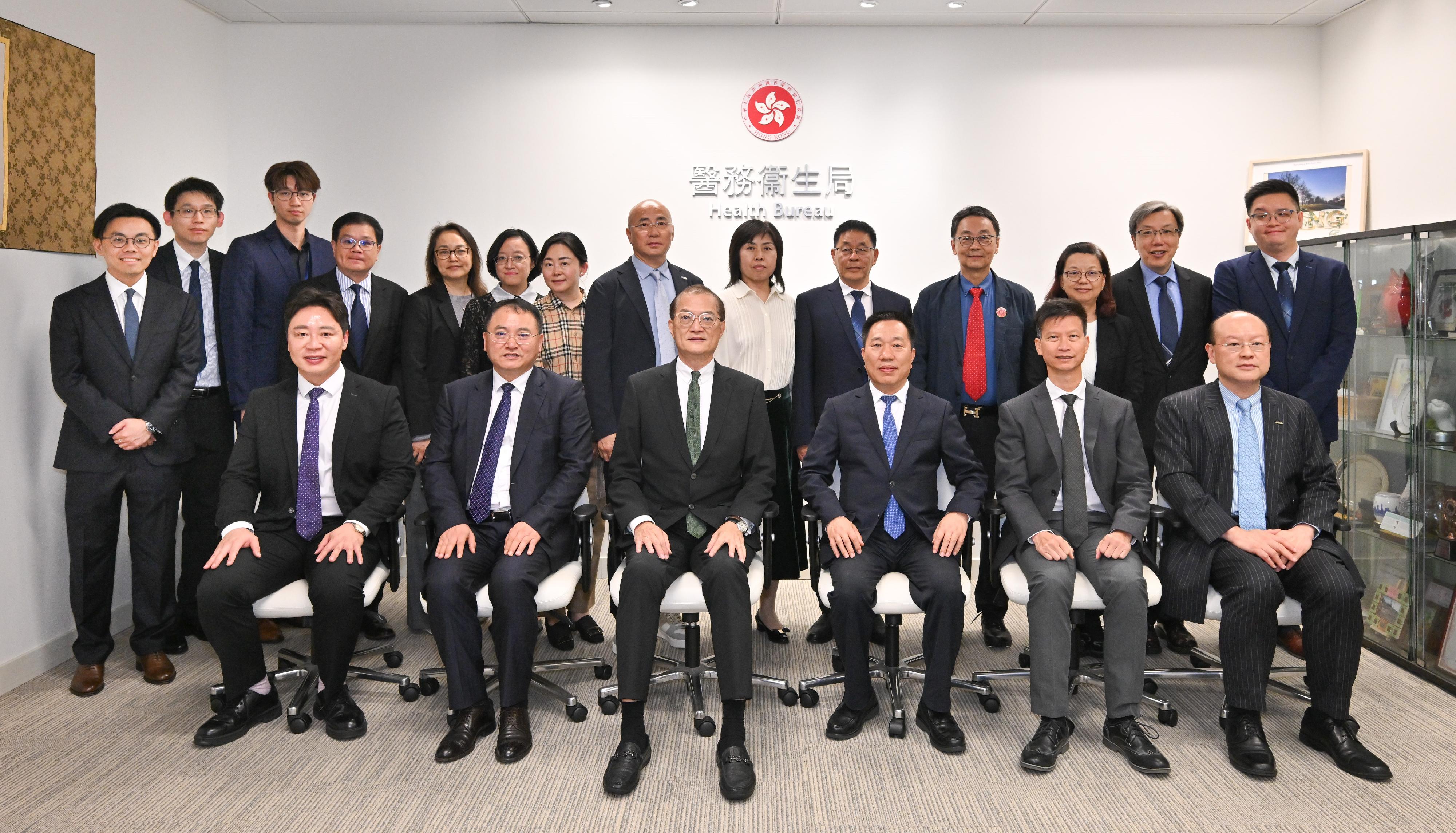
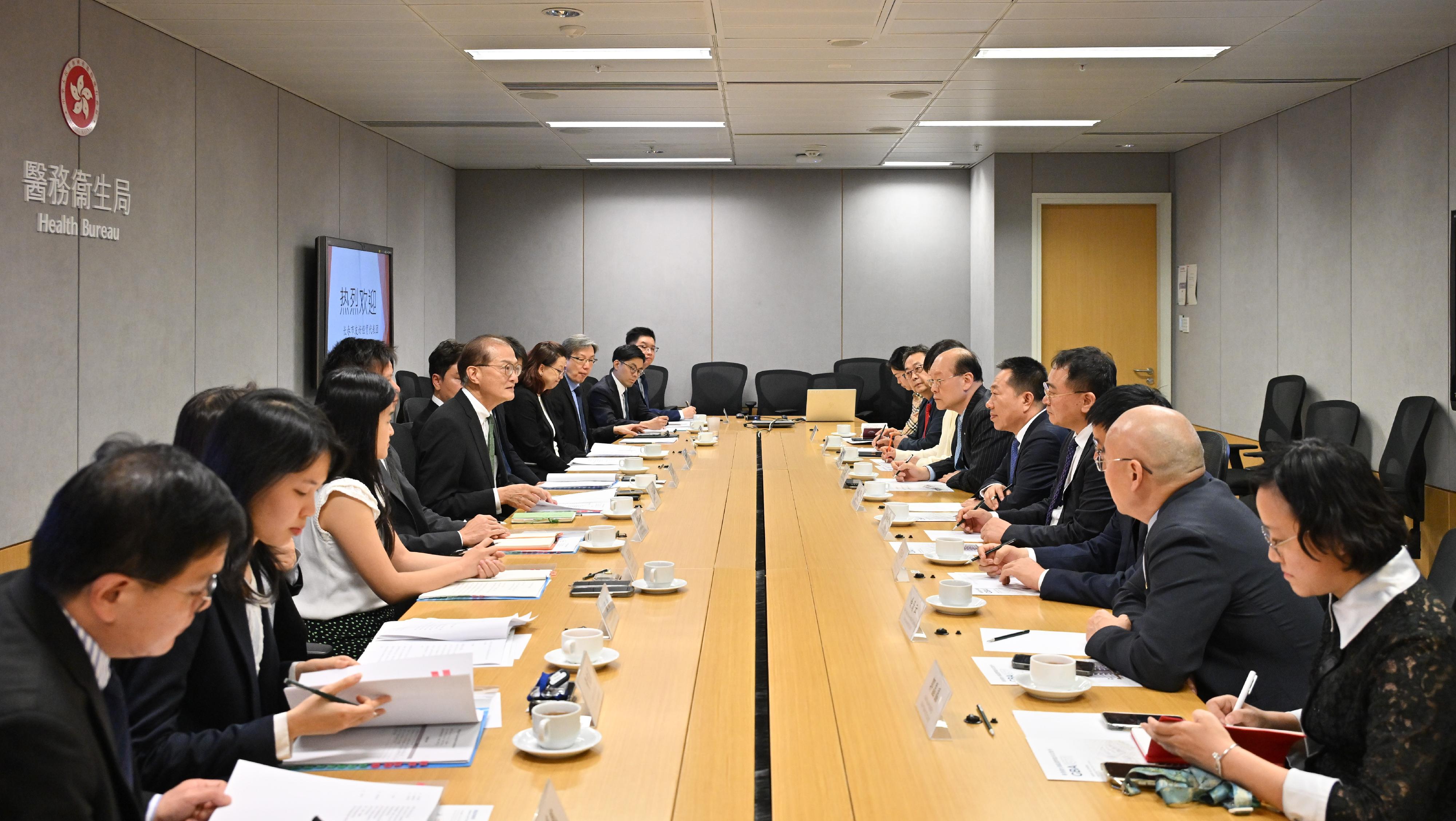
Photo  Photo  
read more

DH announces latest situation of Legionnaires’ disease cases

     The Centre for Health Protection (CHP) of the Department of Health today (June 16) reported the latest number of cases of Legionnaires’ disease (LD), and reminded the public of the importance of using and maintaining properly designed man-made water systems, adding that susceptible groups should strictly observe relevant precautions.

     From June 8 to 14, the CHP recorded seven LD cases. Among these, one was imported case, four were community-acquired cases and two cases involved individuals who had stayed in both Hong Kong and the Mainland during the incubation period, pending classification as imported or community-acquired cases.

     The details of the imported case is as follows:

  1. A 67-year-old male patient with underlying illnesses, who travelled to the Mainland during the incubation period.

     The details of the community-acquired are as follows:
  1. A 76-year-old male patient with underlying illnesses living in Kowloon City District;
  2. A 68-year-old male patient with underlying illnesses living in Tsuen Wan District;
  3. A 56-year-old male patient with underlying illnesses living in Yuen Long District; and
  4. A 53-year-old male patient with underlying illnesses living in Sham Shui Po District.

     The details of the cases with place of infection to be determined are as follows:
  1. A 75-year-old male patient with underlying illnesses, who lives in Tsuen Wan District. He travelled to the Mainland during the incubation period; and
  2. A 59-year-old male patient with good past health, who lives in the Mainland and travelled back and forth to Hong Kong during the incubation period.

     The CHP is conducting epidemiological investigations to identify potential sources of infection and high-risk exposure. Initial investigation revealed that all seven cases are sporadic cases. No epidemiological linkages have been established between these case and other confirmed cases previously recorded in Hong Kong.

     As of June 14, 61 LD cases had been recorded this year. In 2024 and 2023, there were 135 and 121 LD cases respectively.

     Men, people aged over 50, smokers, alcoholics and persons with weakened immunity are more susceptible to LD. Some situations may also increase the risk of infection, including poor maintenance of water systems; living in areas with old water systems, cooling towers or fountains; using electric water heaters, whirlpools and spas or hot water spring spas; and recent stays in hotels or vessels.

     Legionellae are found in various environmental settings and grow well in warm water (20 to 45 degrees Celsius). They can be found in aqueous environments such as water tanks, hot and cold water systems, cooling towers, whirlpools and spas, water fountains and home apparatus that support breathing. People may become infected when they breathe in contaminated droplets (aerosols) and mist generated by artificial water systems, or when handling garden soil, compost and potting mixes.

     Immunocompromised persons should:
 
  • Use sterile or boiled water for drinking, tooth brushing and mouth rinsing;
  • Avoid using humidifiers, or other mist- or aerosol-generating devices; and
  • If using humidifiers, or other mist- or aerosol-generating devices, fill the water tank with only sterile or cooled freshly boiled water, and not water directly from the tap. Also, clean and maintain humidifiers/devices regularly according to manufacturers’ instructions. Never leave stagnant water in a humidifier/device. Empty the water tank, wipe all surfaces dry, and change the water daily. 

     The public should observe the health advice below:
 
  • Observe personal hygiene;
  • Do not smoke and avoid alcohol consumption;
  • Strainers in water taps and shower heads should be inspected, cleaned, descaled and disinfected regularly or at a frequency recommended by the manufacturer;
  • If a fresh-water plumbing system is properly maintained, it is not necessary to install domestic water filters. Use of water filters is not encouraged as clogging occurs easily, which can promote growth of micro-organisms. In case water filters are used, the pore size should be 0.2 micrometres (µm) and the filter needs to be changed periodically according to the manufacturer’s recommendations;
  • Drain and clean water tanks of buildings at least quarterly;
  • Drain or purge for at least one minute infrequently used water outlets (e.g. water taps, shower heads and hot water outlets) and stagnant points of the pipework weekly or before use;
  • Seek and follow doctors’ professional advice regarding the use and maintenance of home respiratory devices and use only sterile water (not distilled or tap water) to clean and fill the reservoir. Clean and maintain the device regularly according to the manufacturer’s instructions. After cleaning/disinfection, rinse the device with sterile water, cooled freshly boiled water or water filtered with 0.2 µm filters. Never leave stagnant water in the device. Empty the water tank, keep all surfaces dry, and change the water daily; and
  • When handling garden soil, compost and potting mixes: 
  1. Wear gloves and a face mask;
  2. Water gardens and compost gently using low pressure;
  3. Open composted potting mixes slowly and make sure the opening is directed away from the face;
  4. Wet the soil to reduce dust when potting plants; and
  5. Avoid working in poorly ventilated places such as enclosed greenhouses.

     â€‹â€‹The public may visit the CHP’s LD page, the Code of Practice for Prevention of LD and the Housekeeping Guidelines for Cold and Hot Water Systems for Building Management of the Prevention of LD Committee, and the CHP’s risk-based strategy for prevention and control of LD. read more

Three incoming passengers convicted and jailed for possession of duty-not-paid cigarettes (with photos)

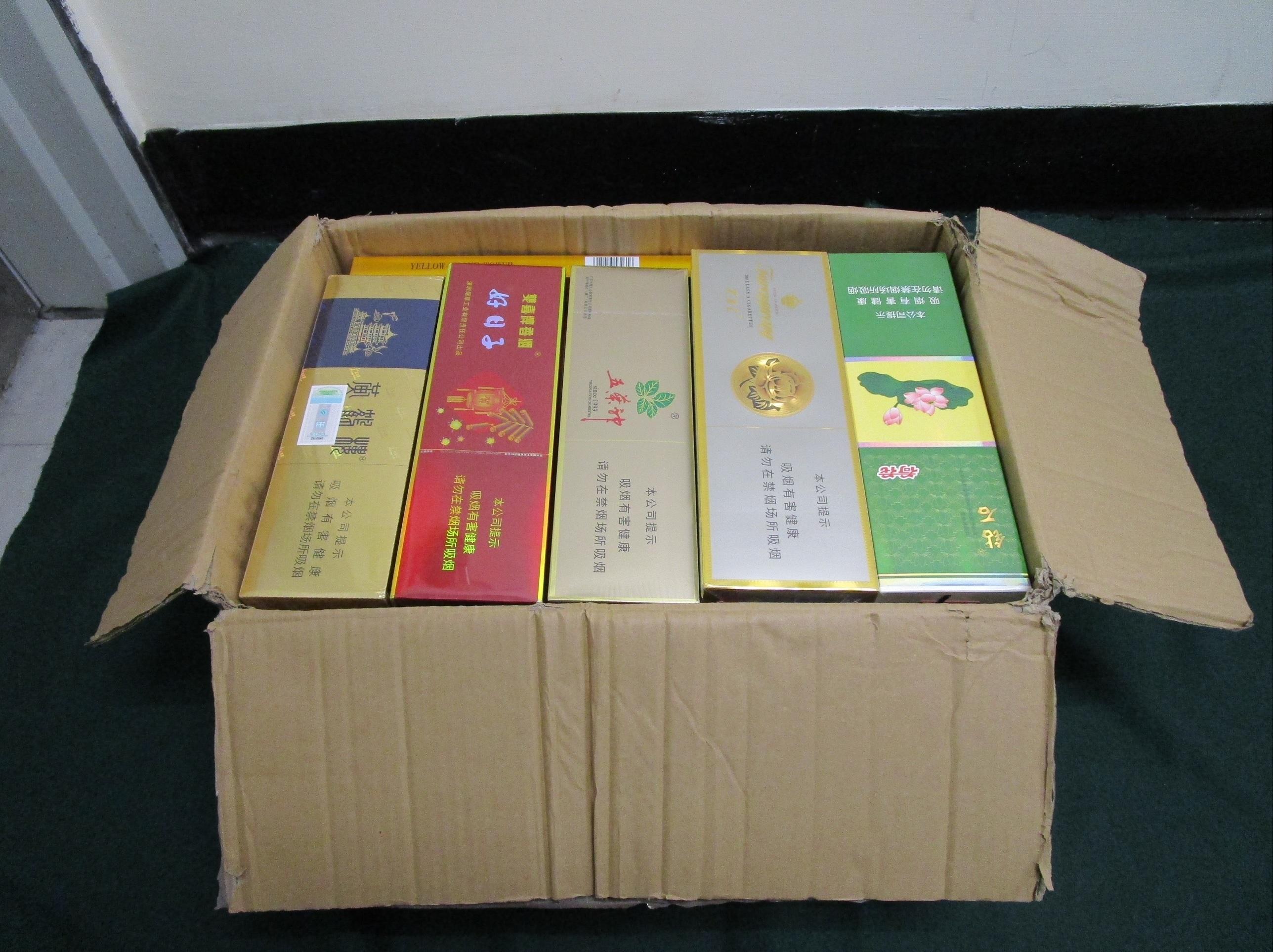
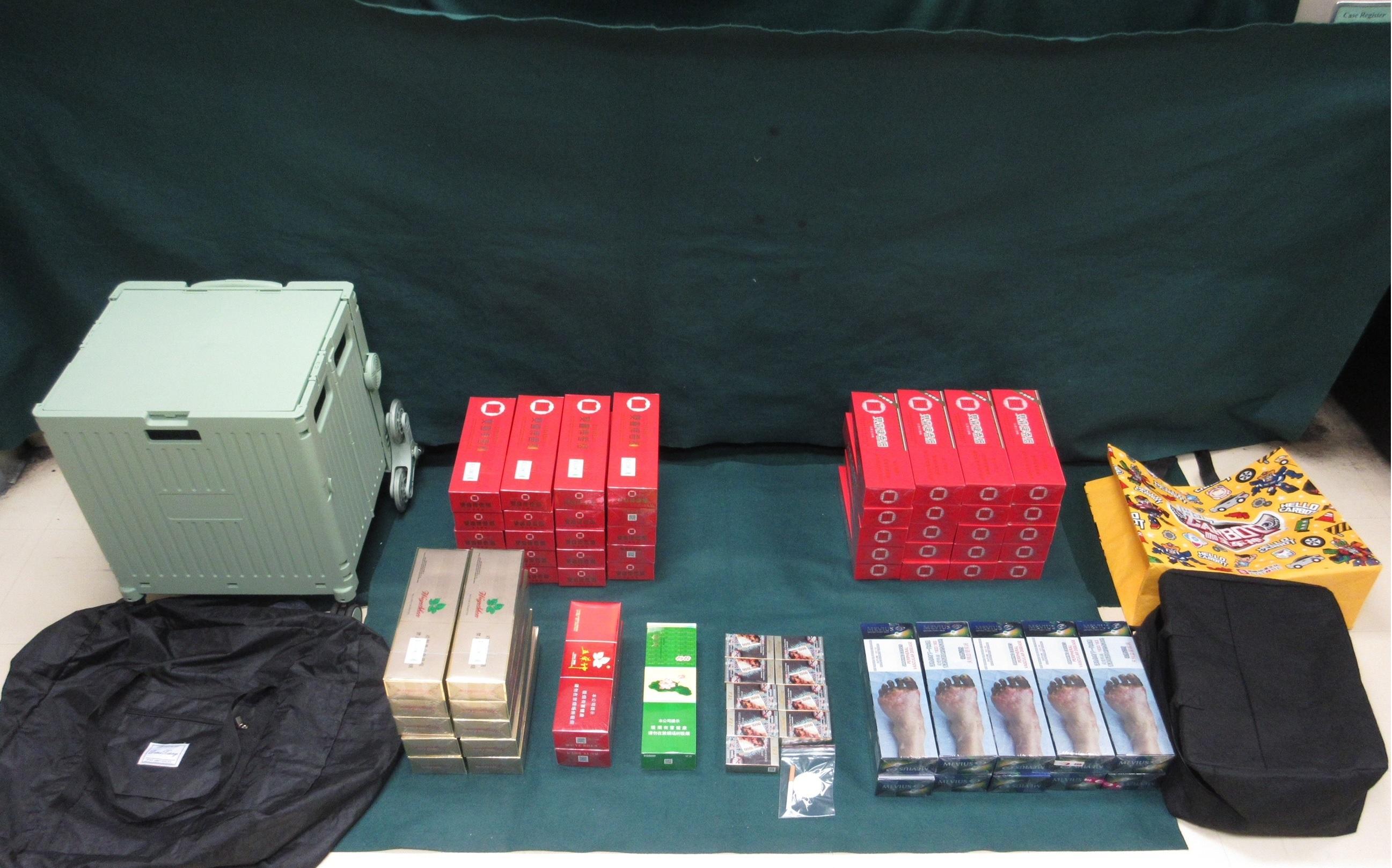
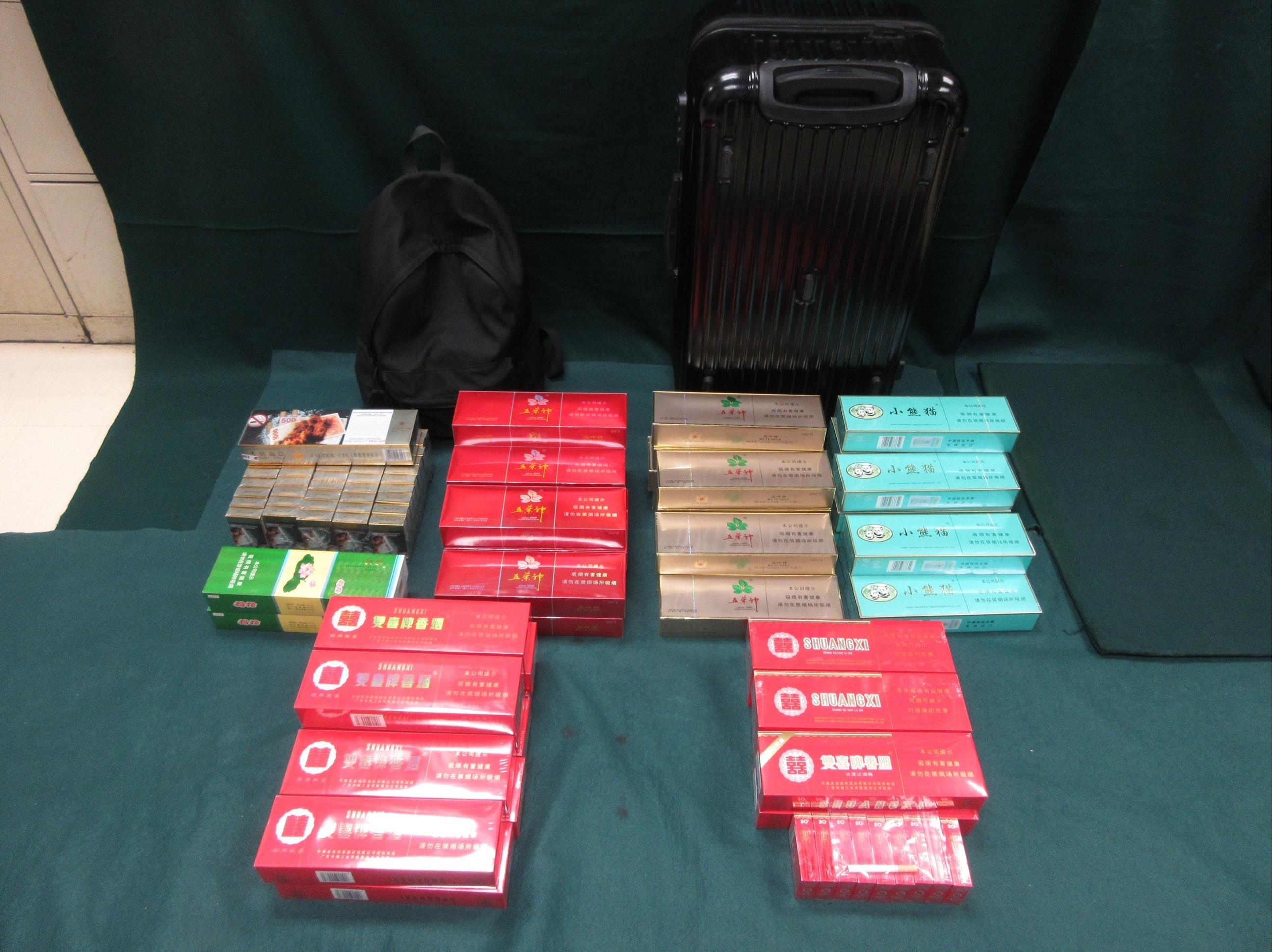
     Three incoming female passengers were each sentenced to three to four months’ imprisonment with a fine of $1,000 at the Fanling Magistrates’ Courts today (June 16) for possessing duty-not-paid cigarettes and failing to declare them to Customs Officers, in contravention of the Dutiable Commodities Ordinance (DCO).
      
     Customs officers intercepted three incoming female passengers, aged 25 to 42, at the Lok Ma Chau Spur Line Control Point on June 14 and the Lo Wu Control Point yesterday (June 15). A total of 30 162 duty-not-paid cigarettes, with an estimated market value of about $123,000 and a duty potential of about $99,000, were seized from their personal baggage. They were subsequently arrested.
      
     Customs welcomes the sentence. The custodial sentence has imposed a considerable deterrent effect and reflects the seriousness of the offences. Customs reminds members of the public that under the DCO, tobacco products are dutiable goods to which the DCO applies. Any person who deals with, possesses, sells or buys illicit cigarettes commits an offence. The maximum penalty upon conviction is a fine of $1 million and imprisonment for two years.
      
     Members of the public may report any suspected illicit cigarette activities to Customs’ 24-hour hotline 182 8080 or its dedicated crime-reporting email account (crimereport@customs.gov.hk) or online form (eform.cefs.gov.hk/form/ced002/en/).

Photo  Photo  Photo  
read more

Opening Ceremony of Hospital Authority Hong Kong Breast Milk Bank held (with photos)

The following is issued on behalf of the Hospital Authority:

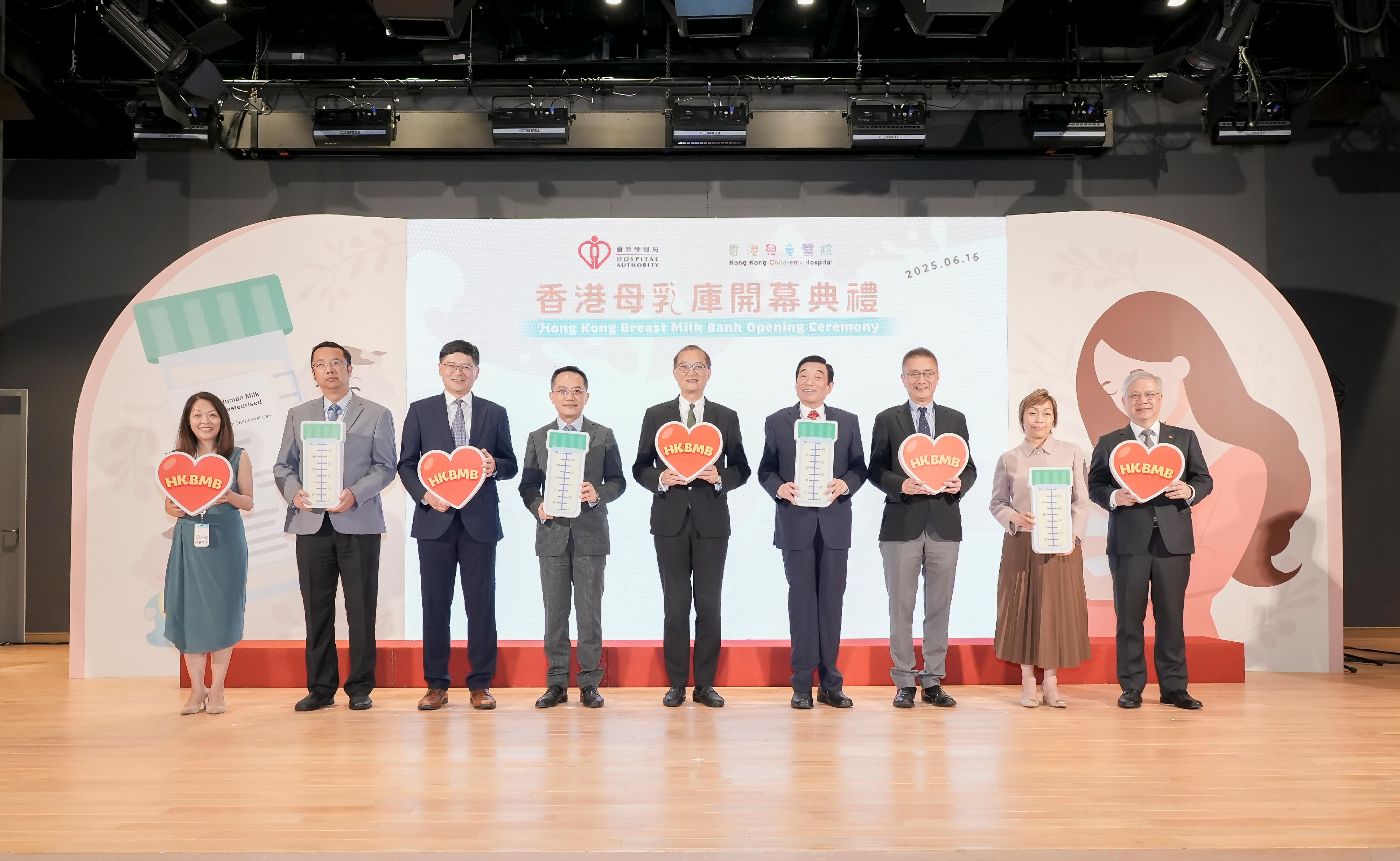
     The Hospital Authority (HA) Hong Kong Breast Milk Bank (HKBMB) held its opening ceremony today (June 16), marking a milestone in neonatal care and demonstrating the joint commitment of the Government, the HA and the community to protect the most vulnerable lives and give them a healthy start in life.

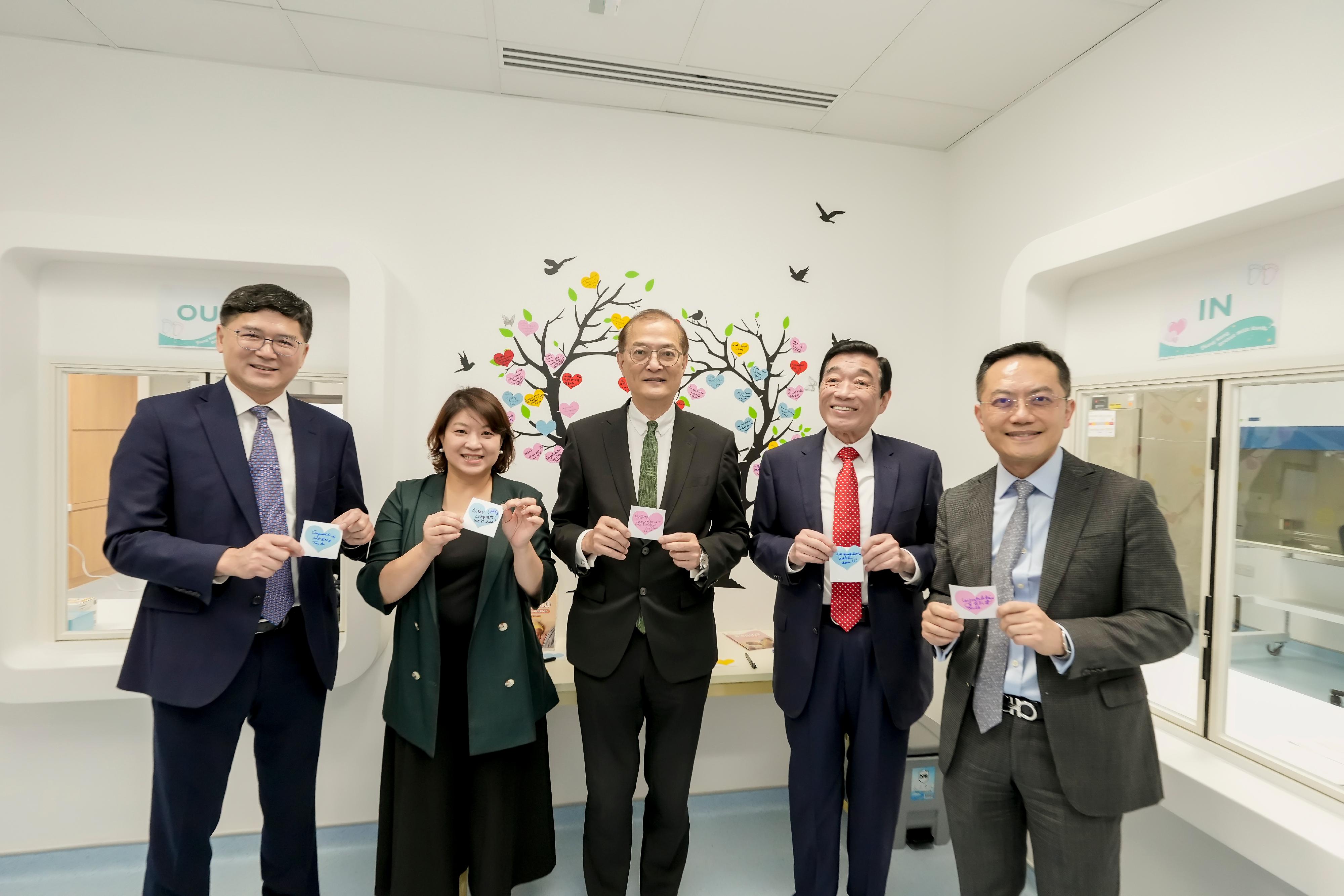
     The ceremony was officiated by the Secretary for Health, Professor Lo Chung-mau. Other distinguished guests included the Under Secretary for Health, Dr Libby Lee; the Director of Health, Dr Ronald Lam; the Chairman of the HA, Mr Henry Fan; and the Chief Executive of the HA, Dr Tony Ko.

     In his address, Professor Lo said, “The Chief Executive’s 2023 Policy Address proposed the establishment of a breast milk bank and a donation mechanism to benefit premature and critically ill newborns. After over a year of effort, the HKBMB began operations in early January this year. In just six months, more than 230 mothers have registered as breast milk donors, providing a precious gift to newborns in clinical need. I sincerely thank all the mothers who selflessly donated their breast milk and encourage citizens to support breastfeeding and motivate more mothers to join the breast milk donation. The Government has been dedicated to promoting breastfeeding, and currently, there are eight public hospitals with obstetrics and gynaecology departments and one private hospital certified as Baby Friendly Hospitals. Additionally, 15 Maternal and Child Health Centres (MCHCs) have been certified as Baby Friendly Health Facility. The Government and frontline healthcare teams will continue to work tirelessly to promote breastfeeding and breast milk donation.”

     Mr Fan said, “Currently, more than 230 mothers have successfully registered as donors, donating a total of over 900 litres of breast milk, benefiting 120 infants. The results have far exceeded expectations.” He thanked the obstetric and paediatric healthcare staff of public hospitals, the MCHCs of the Department of Health (DH), private hospitals and breastfeeding advocacy groups for their tireless efforts in promoting to and recruiting donors. The success of the HKBMB is truly a collective achievement.

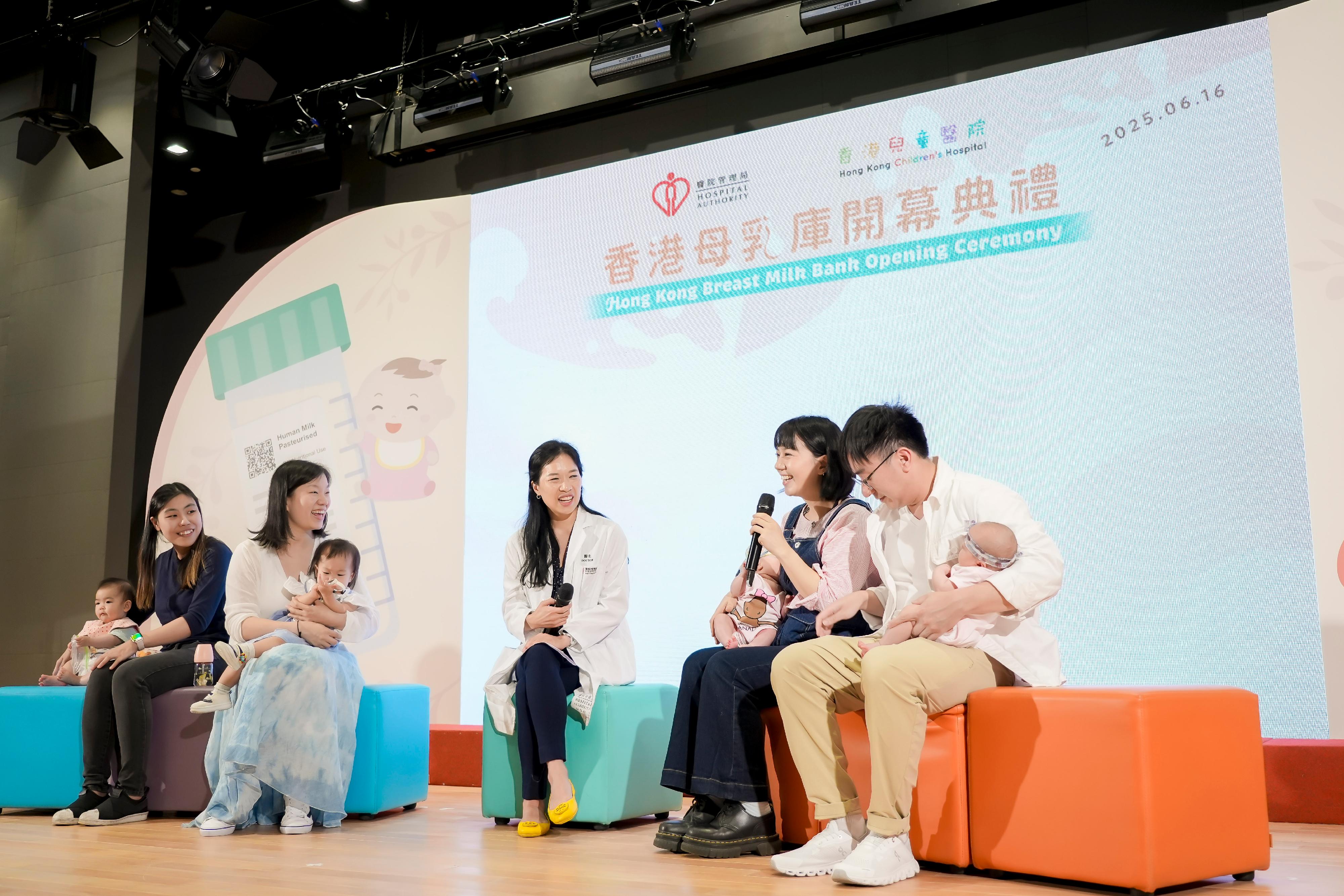
     Breast milk donors and parents of recipient infants were invited to the opening ceremony to share their journeys on stage. A donor identified as Yoyo expressed that every life is worth cherishing and described donating breast milk together with her daughter as life-saving and meaningful. Another donor, identified as Fuk, said the establishment of the HKBMB ensures that every drop of mother’s milk is put to good use by helping babies in need. Together, they encouraged recipient families, “We hope to be a support for families of premature babies and to safeguard the healthy growth of the next generation.”

     Meanwhile, Mr and Mrs Tong’s premature twin daughters were admitted to the neonatal intensive care unit right after birth. After learning from healthcare staff about the benefits of breast milk for premature infants and the rigorous operation of the HKBMB, they decided to give their daughters donor breast milk while Mrs Tong also worked hard to pump more breast milk herself. Eventually, the twins recovered and were discharged. Mrs Tong was able to produce enough breast milk to feed her children.

     Mrs Tong said, “Donor breast milk greatly alleviated my anxiety as a new mother at that time. I feel very fortunate to have access to this new service. Donor mothers are so loving, spending time and effort to pump milk so that babies can benefit. I am truly grateful for their contribution.”

     The HKBMB began operations in early January this year, and started recruiting donors and collecting milk. By the end of March, it was supplying breast milk to all neonatal intensive care units in nine public hospitals across Hong Kong for infants with clinical needs.

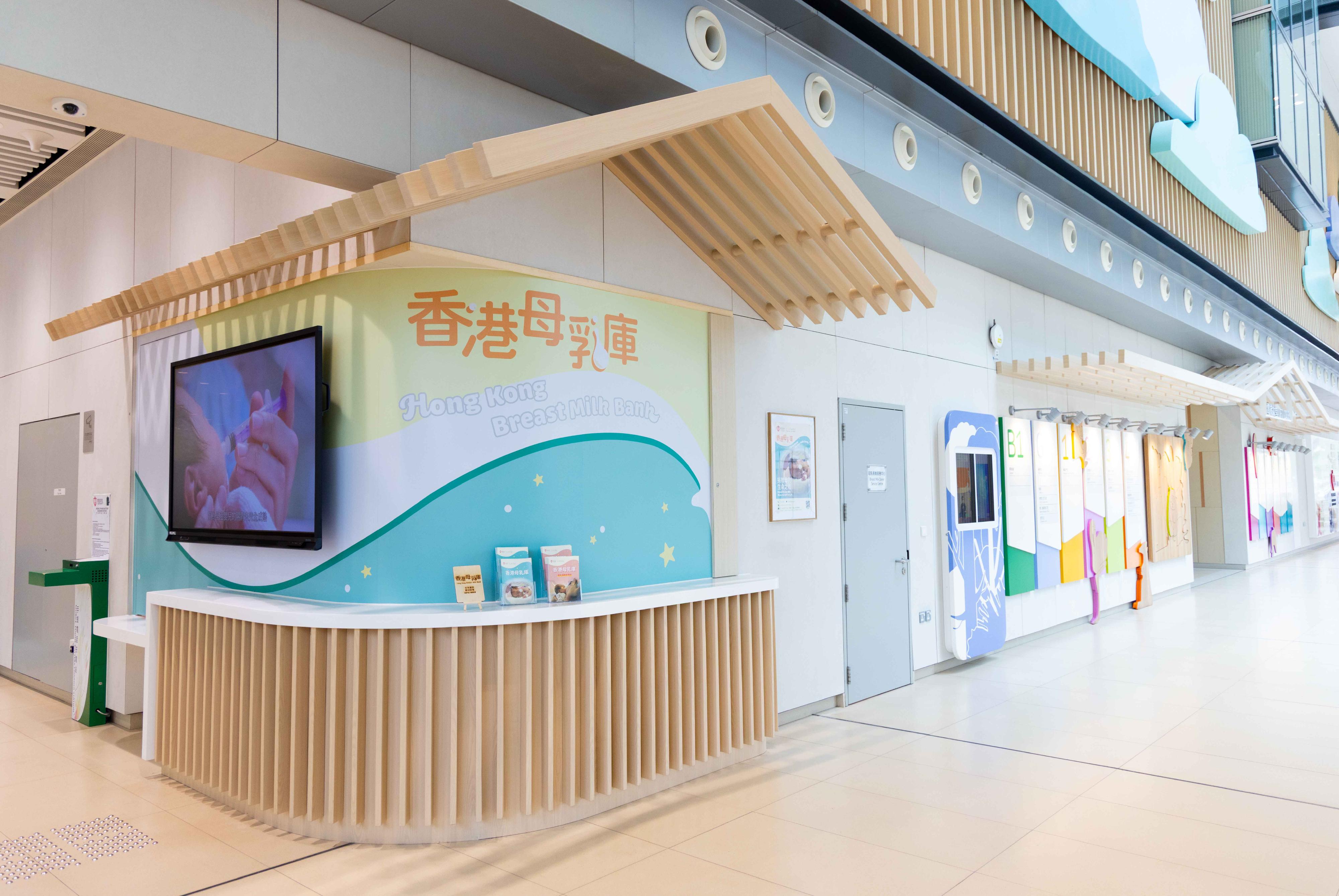
     The HKBMB has set up a breast milk donor service centre on the ground floor lobby of Tower B of Hong Kong Children’s Hospital, providing information, counselling and breastfeeding support. Members of the public can also visit the HKBMB website (www.ha.org.hk/hkch/hkbmb) for more information and register as breast milk donors. There are also related leaflets available in obstetrics and gynaecology and paediatrics departments in public hospitals, as well as MCHCs under the DH.

Photo  Photo  Photo  Photo  
read more