Tag Archives: China

image_pdfimage_print

CHP reminds public of precautions against cold weather

    The Centre for Health Protection (CHP) of the Department of Health (DH) today (March 7) reminded the public, particularly the elderly and people with chronic illnesses, to adopt appropriate measures to protect their health in view of the cold weather.

    Cold weather can easily trigger or exacerbate diseases, especially among the elderly and persons suffering from heart disease, respiratory illnesses or other chronic illnesses.

     Elderly people have less insulating fat beneath their skin to keep them warm, and their body temperature control mechanisms may be weaker. Their bodies may not be able to respond appropriately to cold weather.

     Some senior persons may have decreased mobility, which can impair their ability to generate and conserve body heat. Chronic illnesses, such as hypertension, diabetes and endocrine disorders, may undermine the health of elderly people and lower their metabolic rate, subsequently causing their bodies to generate less heat. Persons with chronic illnesses, such as chronic respiratory illnesses or heart disease, are vulnerable to disease aggravation due to cold weather.

     The CHP reminded the public, in particular the elderly and persons with chronic illnesses, to adopt the following preventive measures:
 

  • Take note of the weather forecast. Wear warm clothing, including hats, scarves, gloves and socks, accordingly;
  • Consume sufficient food to ensure adequate calorie intake;
  • Perform regular exercise to facilitate blood circulation and heat production;
  • Stay in a warm environment and avoid prolonged outdoor exposure;
  • Use heaters with care and maintain adequate indoor ventilation; and
  • Seek medical advice if feeling unwell.
     
     â€‹In addition, the public should avoid alcoholic beverages.
     
     Drinking alcohol does not keep you warm. Alcohol accelerates the loss of body heat through dilated blood vessels, resulting in chilling instead.

     Parents should ensure that babies are sufficiently warm, but it is also important to keep babies relatively lightly clothed to avoid overheating.

     Parents should observe the following safety measures when putting their children to bed:  
  • Keep the room well ventilated and at a comfortable temperature;
  • Always place babies on their backs to sleep. Leave their heads, faces and arms uncovered during sleep;
  • Babies do not need pillows. Place babies on a firm and well-fitted mattress to sleep. Avoid soft objects, pillows and loose bedding;
  • Let babies sleep in a cot placed near their parents’ bed; and
  • Maintain a smoke-free environment.
 
     In addition, many respiratory pathogens, including influenza and SARS-CoV-2, may have increasing activity and community transmission during winter. Seasonal influenza vaccination is recommended for all persons aged 6 months or above, except those with known contraindications. Persons at higher risk of influenza and its complications, including the elderly and children, should receive seasonal influenza vaccinations early. Please see details of the vaccination schemes on the CHP’s website.
      
     A person infected with influenza and COVID-19 at the same time may be more seriously ill and have a higher risk of death. It is important for elderly persons, especially those residing in residential care homes, to receive both seasonal influenza and COVID-19 vaccinations. They should also receive an additional booster against COVID-19 according to recommendations as soon as possible. The public should also maintain good personal and environmental hygiene against respiratory illnesses and note the following:
 
  • Surgical masks can prevent the transmission of respiratory viruses from ill persons. It is essential for persons who are symptomatic (even if having mild symptoms) to wear a surgical mask;
  • Wear a surgical mask when taking public transport or staying in crowded places. It is important to wear a mask properly, including performing hand hygiene before wearing and after removing a mask;
  • Avoid touching one’s eyes, mouth and nose;
  • Wash hands with liquid soap and water properly whenever possibly contaminated;
  • When hands are not visibly soiled, clean them with 70 to 80 per cent alcohol-based handrub;
  • Cover the mouth and nose with tissue paper when sneezing or coughing. Dispose of soiled tissue paper properly into a lidded rubbish bin and wash hands thoroughly afterwards;
  • Maintain good indoor ventilation;
  • When having respiratory symptoms, wear a surgical mask, refrain from work or attending classes at school, avoid going to crowded places and seek medical advice promptly; and
  • Maintain a balanced diet, exercise regularly, take adequate rest, do not smoke and avoid overstress.
    
     Food-borne diseases, particularly those linked to hotpot cuisine, are also common in cold weather. The following preventive measures should be taken:
 
  • Wash hands before handling and consuming food;
  • Do not patronise unlicensed vendors or those with poor hygienic standards while selecting food;
  • Wash and cook all food thoroughly;
  • Vegetables should be washed thoroughly in clean running water before cooking and consumption. When appropriate, scrub hard-surfaced vegetables with a clean brush to remove dirt and substances, including pesticide residues and contaminants, from surfaces and crevices;
  • Shrimps should be fully cooked until the shells turn red and the flesh turns white and opaque;
  • For shellfish such as scallops and geoduck, scrub the shells thoroughly and remove the internal organs;
  • Do not eat any undercooked freshwater aquatic products. To ensure that the food is thoroughly cooked, the centre of the food should reach a temperature of at least 75 degrees Celsius to destroy pathogen;
  • Most hotpot ingredients should be stored in a refrigerator at 4 degrees C or below, while frozen food should be stored in a freezer at -18 degrees C or below;
  • Never use raw eggs as a dipping sauce for hotpot; and
  • Use different sets of chopsticks to handle raw and cooked food to avoid cross-contamination.
    
     â€‹In addition, when using fuel-burning appliances, especially in indoor areas, the public should ensure adequate ventilation to avoid harmful exposure to carbon monoxide (CO) and prevent CO poisoning.
     
     For more health information, the public may call the DH’s Health Education Infoline (2833 0111) or visit the CHP’s website and Facebook Fanpage.

     The public may also call Dial-a-Weather (1878 200) or visit the website of the Hong Kong Observatory for the latest weather information and forecasts, or its page on Weather Information for Senior Citizens. read more

London ETO greets Year of Snake in Norway (with photos)

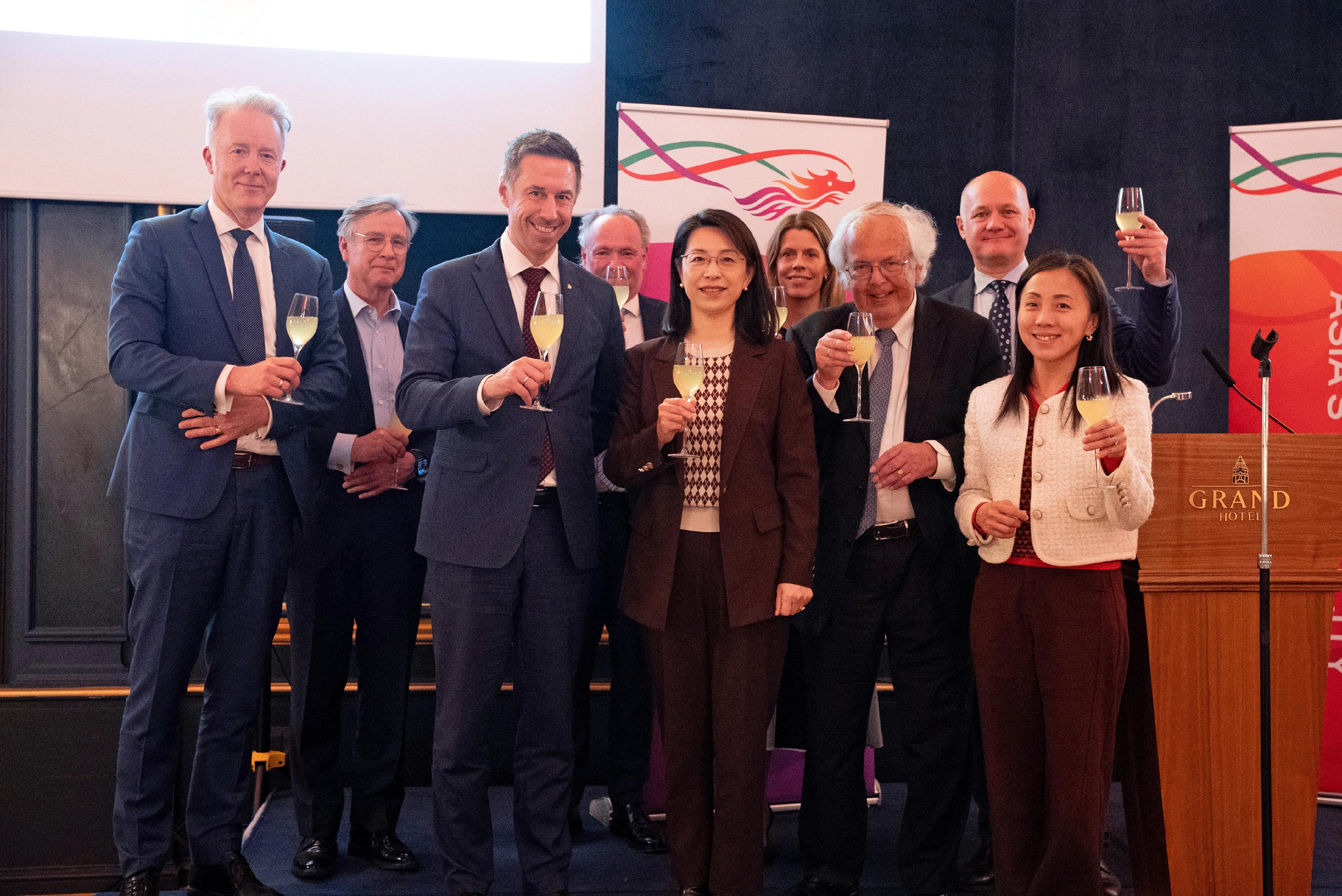
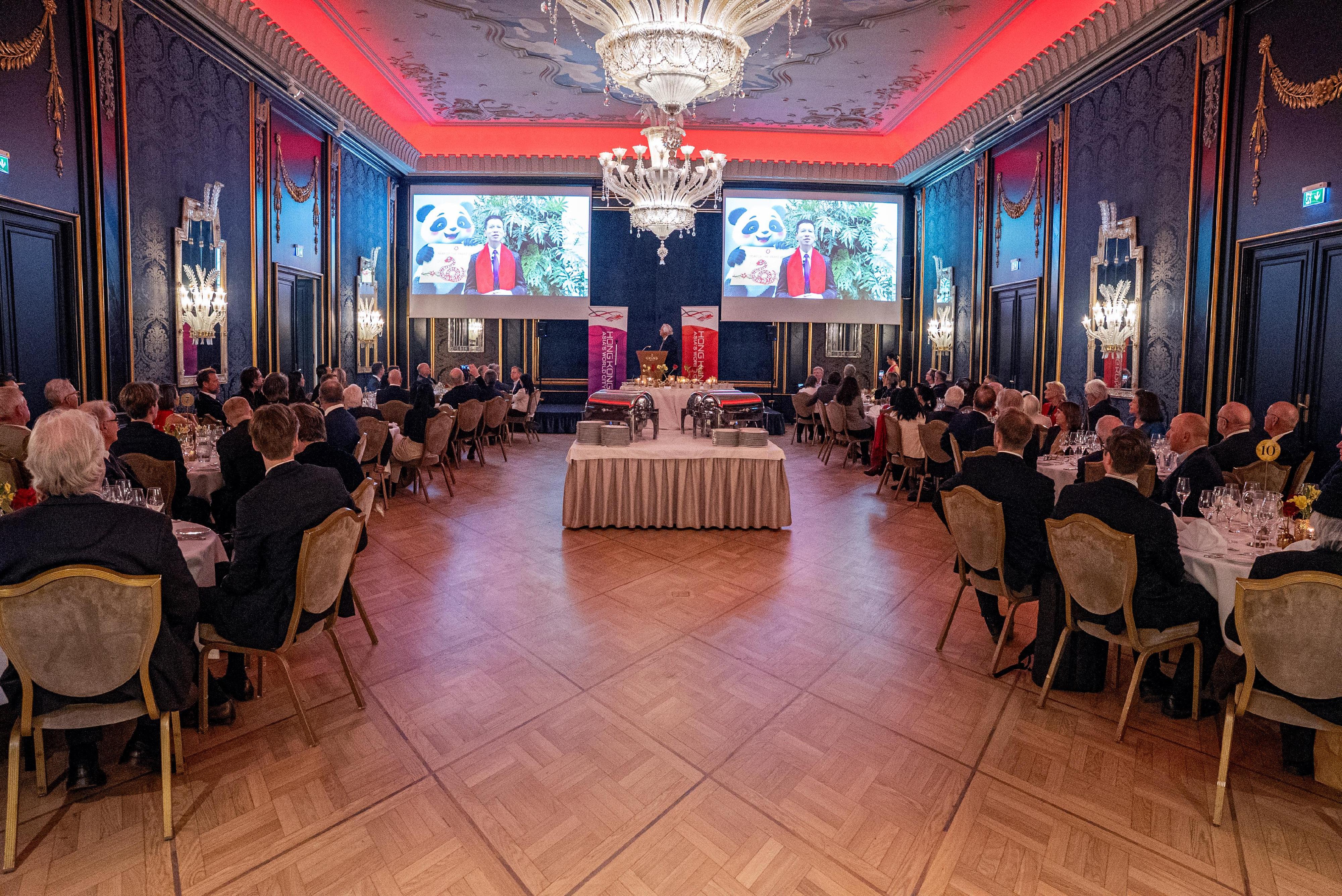
     The Hong Kong Economic and Trade Office, London (London ETO) and the Norway-Hong Kong Chamber of Commerce hosted a Year of the Snake reception in Oslo, Norway, on March 5 (Oslo time).

     The Director-General of the London ETO, Mr Gilford Law, delivered a virtual welcome speech at the reception. He highlighted that Hong Kong is an unparalleled destination for businesses and investors, thanks to its free and open investment environment, as well as its simple and low tax system. Mr Law said, “The number of companies in Hong Kong with overseas or Mainland parent companies rose to 9 960 in 2024, while the number of start-ups in Hong Kong increased to 4 694, both reaching record highs. These figures demonstrate that Hong Kong is becoming increasingly attractive to businesses and remains an ideal place for Mainland and overseas enterprises to set up or expand their operations. ” 

     Mr Law added, “On top of attracting businesses, Hong Kong is also attracting tourists with its dynamic calendar of world-class events. In 2024, Hong Kong welcomed close to 45 million international visitors, a 31 per cent increase from 2023. Stepping into 2025, Hong Kong, as the ‘Events Capital of Asia’, is set to host an array of high-profile business, sports, arts, and cultural events.”

     The reception was well attended by over 80 guests in Norway from the Ministry of Trade, Industry and Fisheries, the Ministry of Foreign Affairs, and the business, academic and cultural sectors. The London ETO will continue to celebrate the Year of the Snake among the countries under its purview.

Photo  Photo  Photo  
read more

HKSAR Government spokesman’s response to media enquiries

     In response to media enquiries on the report issued by S&P yesterday (March 5) on Hong Kong’s banks and property market, a spokesman for the Government of the Hong Kong Special Administrative Region (HKSAR) gave a reply as follows:
      
     We disagree with the observation that there is an oversupply of residential properties. The vacancy rate of private flats was 4.5 per cent at end-2024, on par with the long-term average of the previous 20 years (2004-2023). Flat rentals also sustained a solid increase. These data show that housing demand is currently keen.
      
     Benefiting from the general downtrend in interest rates, continued economic growth, and more talents arriving in Hong Kong, the residential property market should see stable development this year. The Government will continue to closely monitor market developments and strive to maintain the steady development of the residential property market in a prudent and pragmatic manner.
      
     As for non-residential properties, the Government has already rolled out measures to stabilise the market. Having considered the high vacancy rate of offices in recent years and the relatively ample supply in the next few years, the Government will not roll out any commercial sites for sale in the coming year, so as to allow the market to absorb the existing supply. The Government will also consider rezoning some of the commercial sites, which are expected to be available for sale in the next few years, into residential use and allowing greater flexibility of land use.
      
     Property lending for the Hong Kong banking system amounted to HK$3.4 trillion as of end-December 2024, accounting for about one-third of the total loans. Among the property-related lending, 56 per cent were residential mortgage loans, while the remaining 44 per cent were loans for local property development and investment. The Hong Kong Monetary Authority (HKMA) closely monitors the robust development of the banking system. Notwithstanding the uncertainties in the global macroeconomic environment, the credit quality and risks of the banking sector remain manageable.
      
     For residential mortgage loans (RMLs), as of end-January 2025, the overall delinquency ratio of mortgage loans was only 0.12 per cent while the delinquency ratio of RMLs in negative equity remained stable at 0.15 per cent as of end-December 2024, showing that the vast majority of mortgage borrowers are able to repay their loans on time. Under the HKMA’s countercyclical macroprudential measures, Hong Kong’s property market has remained stable, with an average loan-to-value ratio of 60 per cent and a low debt-servicing ratio of around 40 per cent. Following the US Federal Reserve’s interest rate cuts, major banks in Hong Kong have lowered their best lending rates by a total of 0.625 per cent over the past year, resulting in lower mortgage rates. Residential property prices in Hong Kong have shown signs of stabilising in recent months, and the report by S&P on March 5, 2025 also expects Hong Kong’s property prices to stabilise in 2025.
      
     For local property development and investment loans, we agree with S&P’s view that Hong Kong banks are able to manage the strains arising from the commercial real estate (CRE) sector:
 

  • A significant portion of Hong Kong banks’ exposures to local property development and investment loans are to the larger players with relatively good financial health. As for the exposures to local small and medium-sized property developers and investors, including some with weaker financial conditions or higher debt-to-equity ratios, banks have already taken credit risk mitigating measures early on and most of these loans are secured.
     
  • Overall, credit risks associated with local property development and investment loans are manageable and there is no concentration of risks at individual borrower level and banks have also undertaken credit risk mitigation measures.
     
  • Although the banking system’s classified loan ratio has gradually edged up to the long-term average level of about 2 per cent, the overall asset quality of the banking system is manageable and provisions remain sufficient. As of end-December 2024, the provision coverage ratio (i.e., the total of general and specific provisions as a percentage of non-performing loans) was around 65 per cent. Taking into account and deducting the market value of collateral from the non-performing loans, the provision coverage ratio would be around 145 per cent.

     As for the small- and medium-sized banks mentioned in S&P’s report, they have also been taking appropriate credit risk mitigation measures, such as collateralisation, in accordance with the HKMA’s guidelines. In addition, banks in Hong Kong have strong capital positions (with a total capital adequacy ratio of 21.8 per cent as of end-December 2024) and good profitability to withstand the extreme scenario of large volatility in property prices. read more

HKETO, Brussels celebrates Chinese New Year in Madrid and Barcelona (with photos)

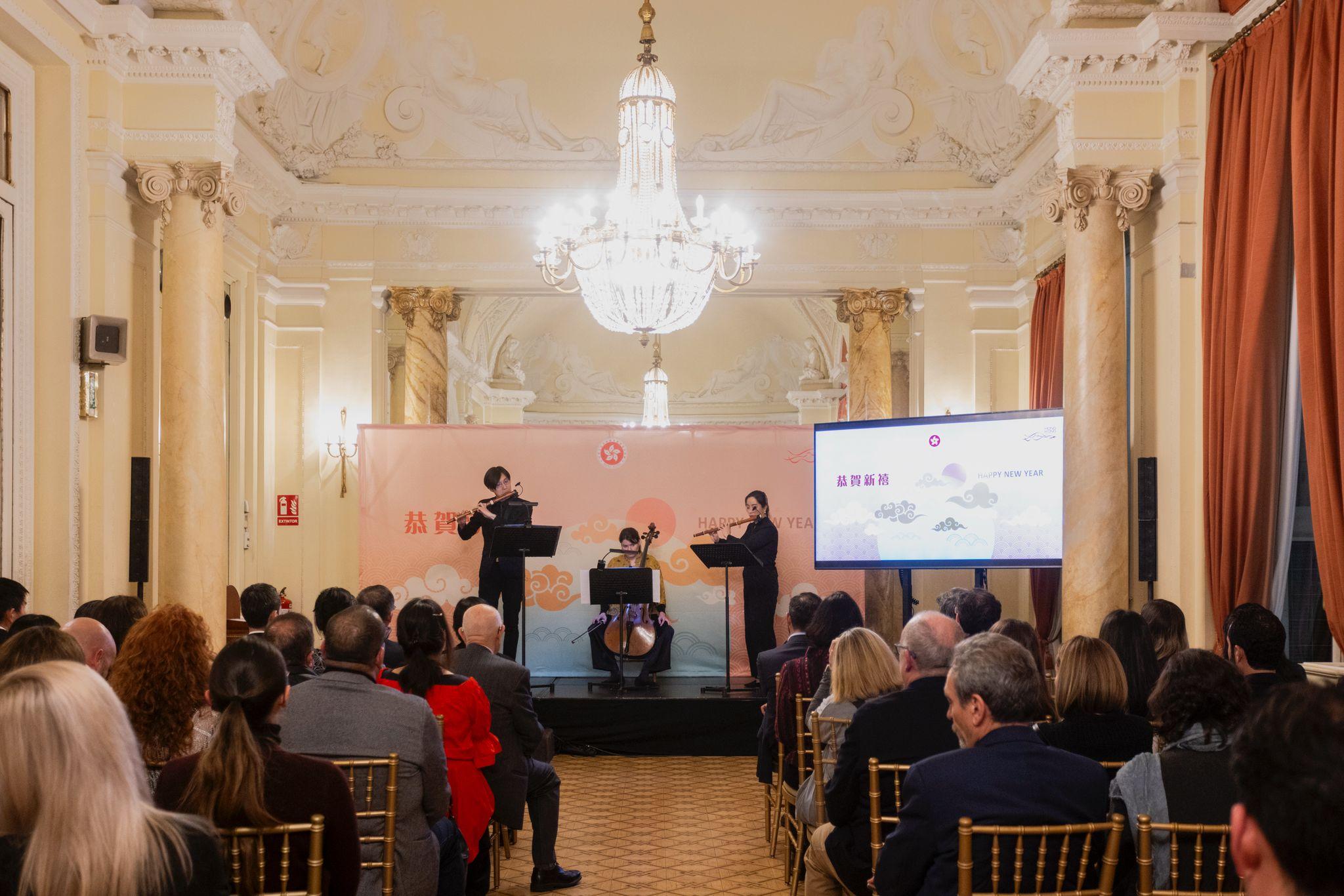
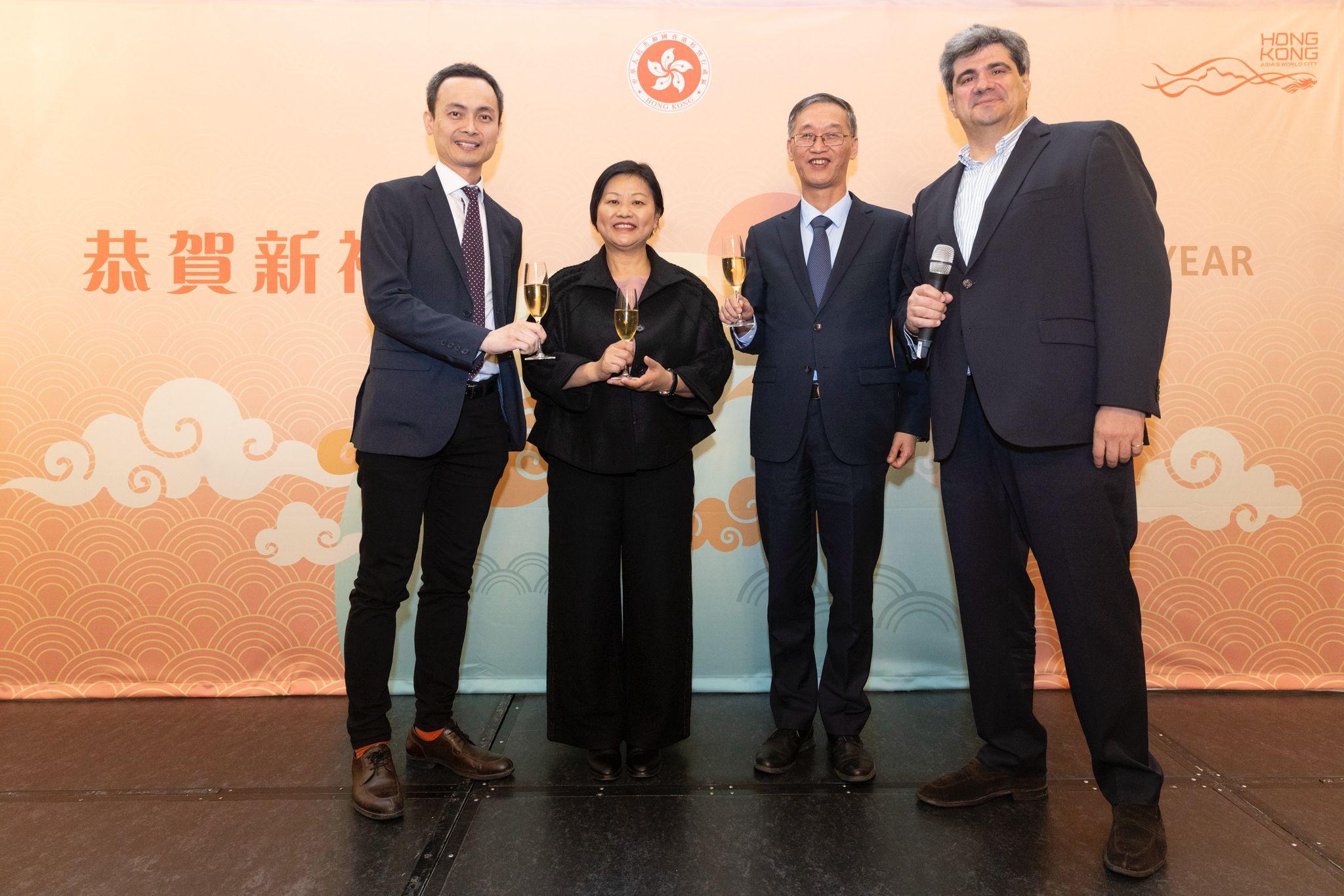
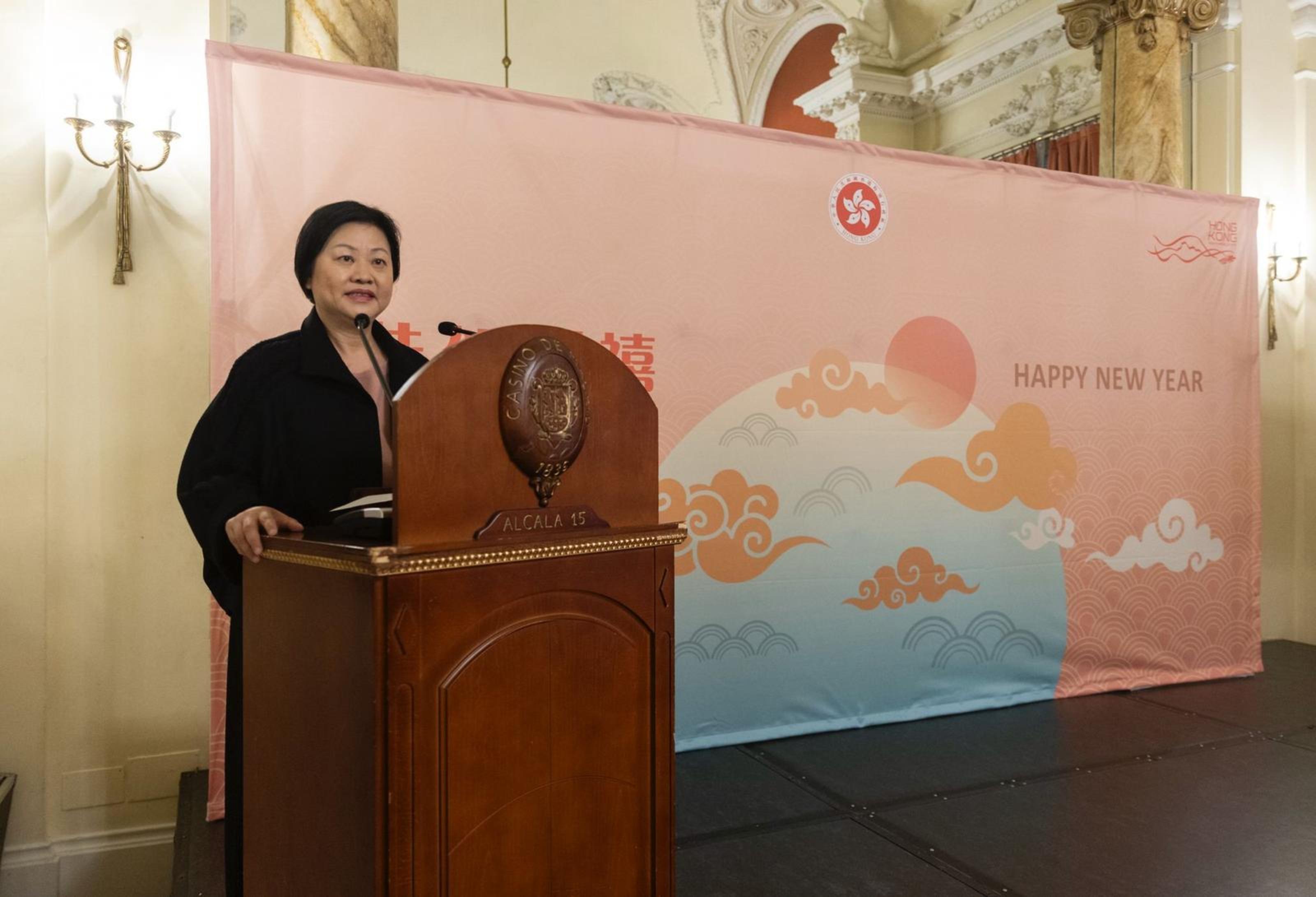
     The Hong Kong Economic and Trade Office in Brussels (HKETO, Brussels) hosted Chinese New Year receptions in Madrid and Barcelona, Spain, on March 3 and 4 (Spanish time) respectively, concluding the series of celebration for the Year of the Snake.

     The reception in Barcelona was officiated by the Secretary for Innovation, Technology and Industry, Professor Sun Dong, who led a delegation of representatives from Hong Kong’s innovation and technology (I&T) sector to attend the Mobile World Congress (MWC) 2025 in Barcelona. The visit aims
to strengthen ties and co-operation between Hong Kong and Spain in the field of I&T, promote Hong Kong’s I&T advantages, and explore overseas business opportunities for Hong Kong’s I&T sector.

     At the reception, the Special Representative for Hong Kong Economic and Trade Affairs to the European Union, Ms Shirley Yung, highlighted in her welcoming remarks that under “one country”, Hong Kong has convenient and often priority access to the huge Mainland market, while maintaining the qualities of an international city under “two systems”.

      “These distinct advantages are recognised in the latest international ranking, in which Hong Kong is ranked among the world’s top three international financial centres,” Ms Yung added.

     At the reception in Madrid, HKETO, Brussels took the opportunity to showcase Hong Kong’s unique East-meets-West culture by staging a music performance featuring two Hong Kong flutists and one German cellist, who performed both classical Chinese and Spanish music, as well as contemporary Hong Kong pop.

     The two receptions in Madrid and Barcelona attracted over 200 guests from the sectors of government, business, culture, academia and media in Spain. They were co-organised with Invest Hong Kong and the Hong Kong Trade Development Council (HKTDC) and with the support of the Spain Hong Kong Business Association.

     The MWC is one of the world’s leading technology fairs where tens of thousands of technology experts and companies gather. This year, the Hong Kong delegation include heads of the Hong Kong Science and Technology Parks Corporation (HKSTPC), Cyberport, the Hong Kong Applied Science and Technology Research Institute, and the Hong Kong Microelectronics Research and Development Institute, as well as representatives of 24 Hong Kong I&T enterprises and institutions. The HKSTPC and the HKTDC co-ordinate the participation of the I&T representatives in the Hong Kong Tech Pavilion at the MWC.

Photo  Photo  Photo  Photo  
read more