Tag Archives: China

image_pdfimage_print

Woman sentenced for violating Prevention and Control of Disease Regulation

     A 39-year-old woman was sentenced by the Shatin Magistrates’ Courts today (March 20) for violating the Prevention and Control of Disease Regulation (Cap. 599A).

     The woman earlier tested positive for COVID-19 and was issued with an isolation order. Before the end of the isolation period, she left the place of isolation on August 7 last year. She was charged with contravening sections 32(1) and (3) of the Regulation and was fined $8,000 by the Shatin Magistrates’ Courts today.
read more

Update on cases of Legionnaires’ disease

     The Centre for Health Protection (CHP) of the Department of Health today (March 20) reported the latest number of cases of Legionnaires’ disease (LD), and stressed the importance of using and maintaining properly designed man-made water systems, adding that susceptible groups should strictly observe relevant precautions.

     From March 12 to 18, one LD case was reported. The case involved a male patient aged 94 with underlying illnesses, who lives in Kin Yip Court, Lin Shing Road, Chai Wan. He had a travel history during the incubation period.

     “Epidemiological investigations are ongoing to identify potential sources of infection, high-risk exposure and clusters, if any,” a spokesman for the CHP said.

     As of March 18, 12 LD cases had been reported this year. In 2022 and 2021, there were 80 and 69 cases respectively.

     “Men, people aged over 50, smokers, alcoholics and persons with weakened immunity are more susceptible to LD. Some situations may also increase the risk of infection, including poor maintenance of water systems leading to stagnant water; living in areas with old water systems, cooling towers or fountains; using electric water heaters, whirlpools and spas or hot water spring spas; and recent stays in hotels or vessels,” the spokesman said.

     Legionellae are found in various environmental settings and grow well in warm water (20 to 45 degrees Celsius). They can be found in aqueous environments such as water tanks, hot and cold water systems, cooling towers, whirlpools and spas, water fountains and home apparatus that support breathing. People may become infected when they breathe in contaminated droplets (aerosols) and mist generated by artificial water systems, or when handling garden soil, compost and potting mixes.

     Immunocompromised persons should:
 

  • Use sterile or boiled water for drinking, tooth brushing and mouth rinsing;
  • Avoid using humidifiers, or other mist- or aerosol-generating devices. A shower may also generate small aerosols; and
  • If using humidifiers, or other mist- or aerosol-generating devices, fill the water tank with only sterile or cooled freshly boiled water, and not water directly from the tap. Also, clean and maintain humidifiers/devices regularly according to manufacturers’ instructions. Never leave stagnant water in a humidifier/device. Empty the water tank, wipe all surfaces dry, and change the water daily. 
     
     The public should observe the health advice below:
 
  • Observe personal hygiene;
  • Do not smoke and avoid alcohol consumption;
  • Strainers in water taps and shower heads should be inspected, cleaned, descaled and disinfected regularly or at a frequency recommended by the manufacturer;
  • If a fresh-water plumbing system is properly maintained, it is not necessary to install domestic water filters. Use of water filters is not encouraged as clogging occurs easily, which can promote growth of micro-organisms. In case water filters are used, the pore size should be 0.2 micrometres (µm) and the filter needs to be changed periodically according to the manufacturer’s recommendations;
  • Drain and clean water tanks of buildings at least quarterly;
  • Drain or purge for at least one minute infrequently used water outlets (e.g. water taps, shower heads and hot water outlets) and stagnant points of the pipework weekly or before use;
  • Seek and follow doctors’ professional advice regarding the use and maintenance of home respiratory devices and use only sterile water (not distilled or tap water) to clean and fill the reservoir. Clean and maintain the device regularly according to the manufacturer’s instructions. After cleaning/disinfection, rinse the device with sterile water, cooled freshly boiled water or water filtered with 0.2 µm filters. Never leave stagnant water in the device. Empty the water tank, keep all surfaces dry, and change the water daily; and
  • When handling garden soil, compost and potting mixes: 
  1. Wear gloves and a face mask;
  2. Water gardens and compost gently using low pressure;
  3. Open composted potting mixes slowly and make sure the opening is directed away from the face;
  4. Wet the soil to reduce dust when potting plants; and
  5. Avoid working in poorly ventilated places such as enclosed greenhouses.

     â€‹The public may visit the CHP’s LD page, the Code of Practice for Prevention of LD and the Housekeeping Guidelines for Cold and Hot Water Systems for Building Management of the Prevention of LD Committee, and the CHP’s risk-based strategy for prevention and control of LD. read more

“Customs YES” holds exchange tour to Greater Bay Area in celebration of 45th anniversary of country’s reform and opening-up (with photos)

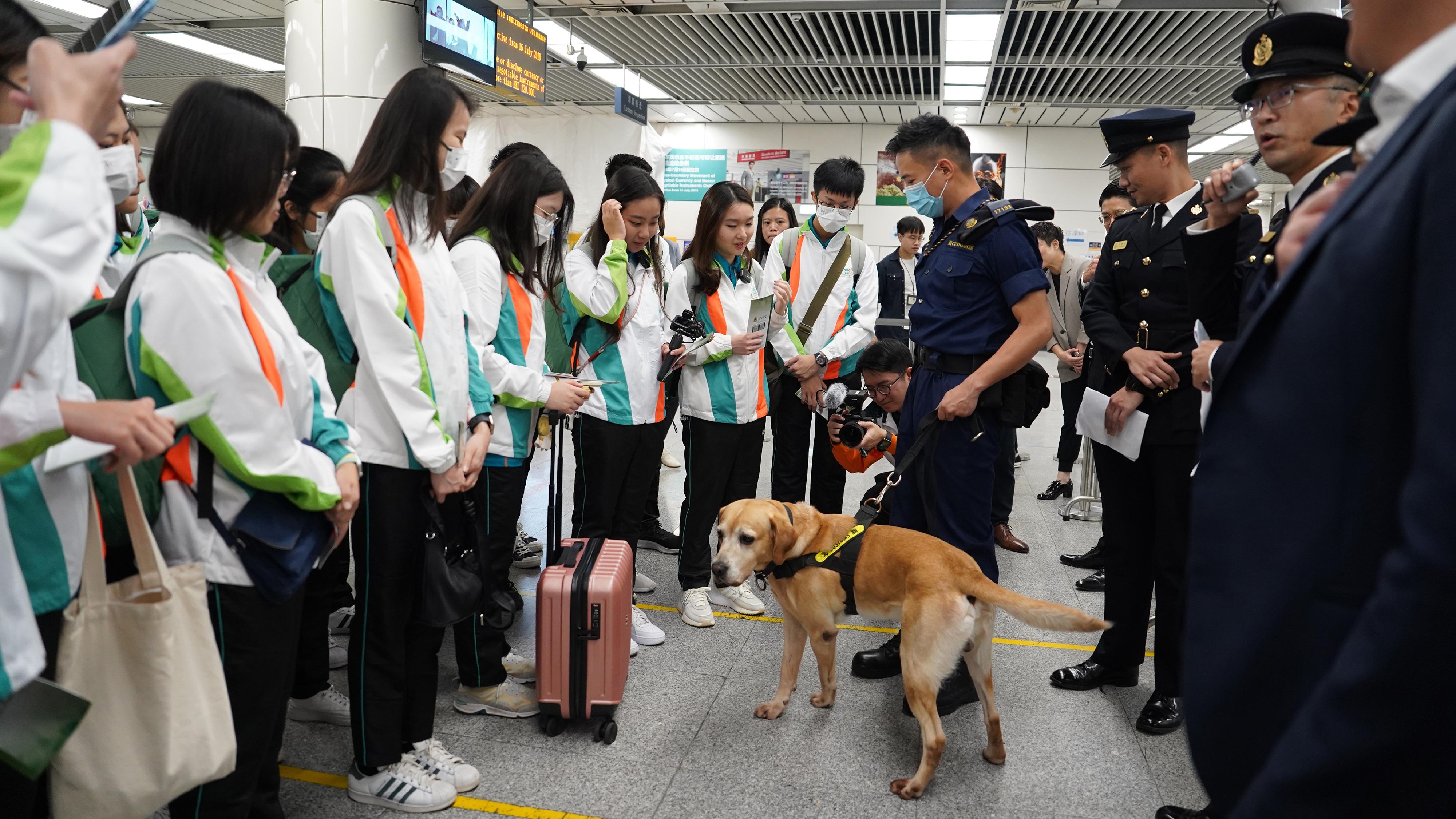
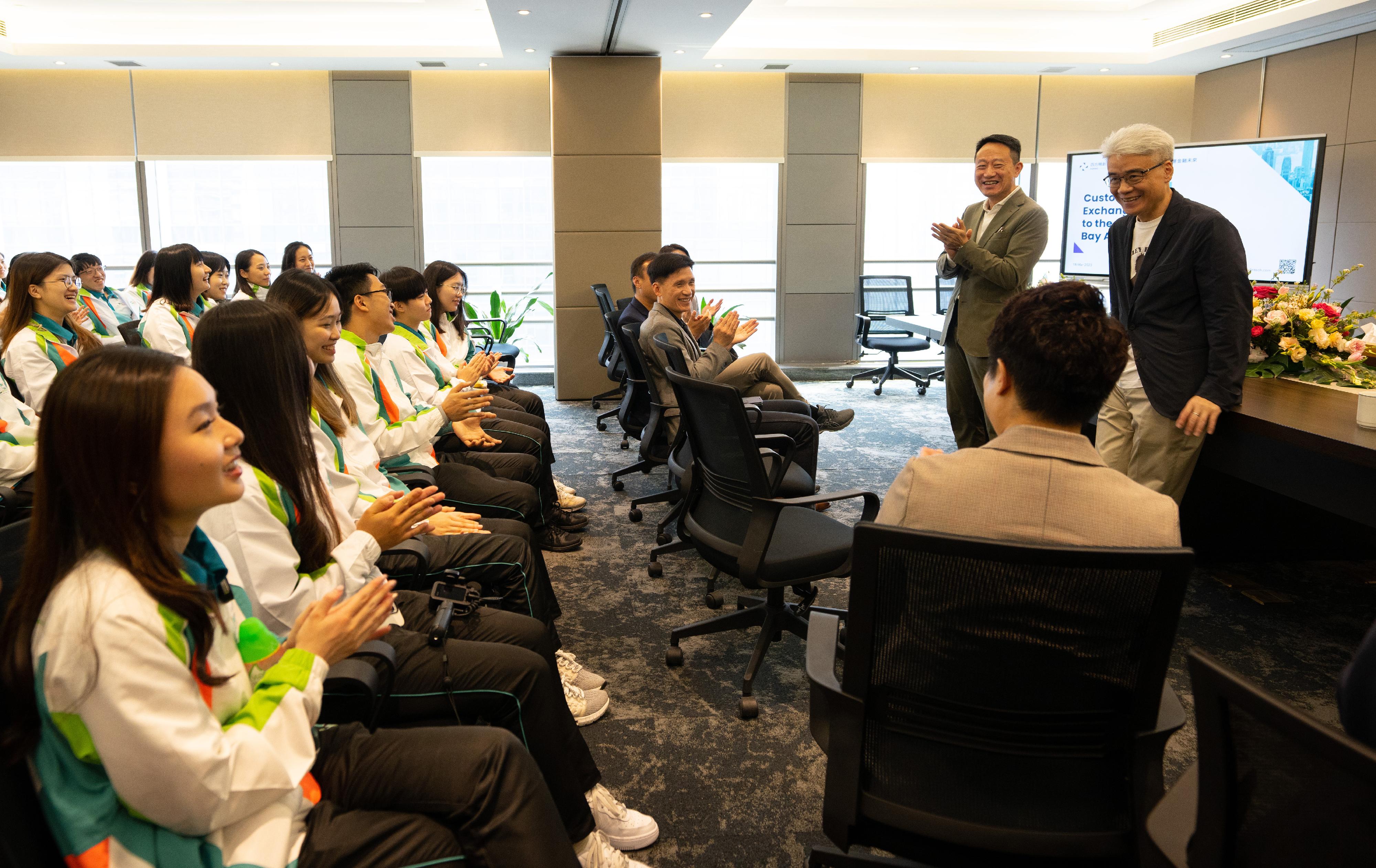
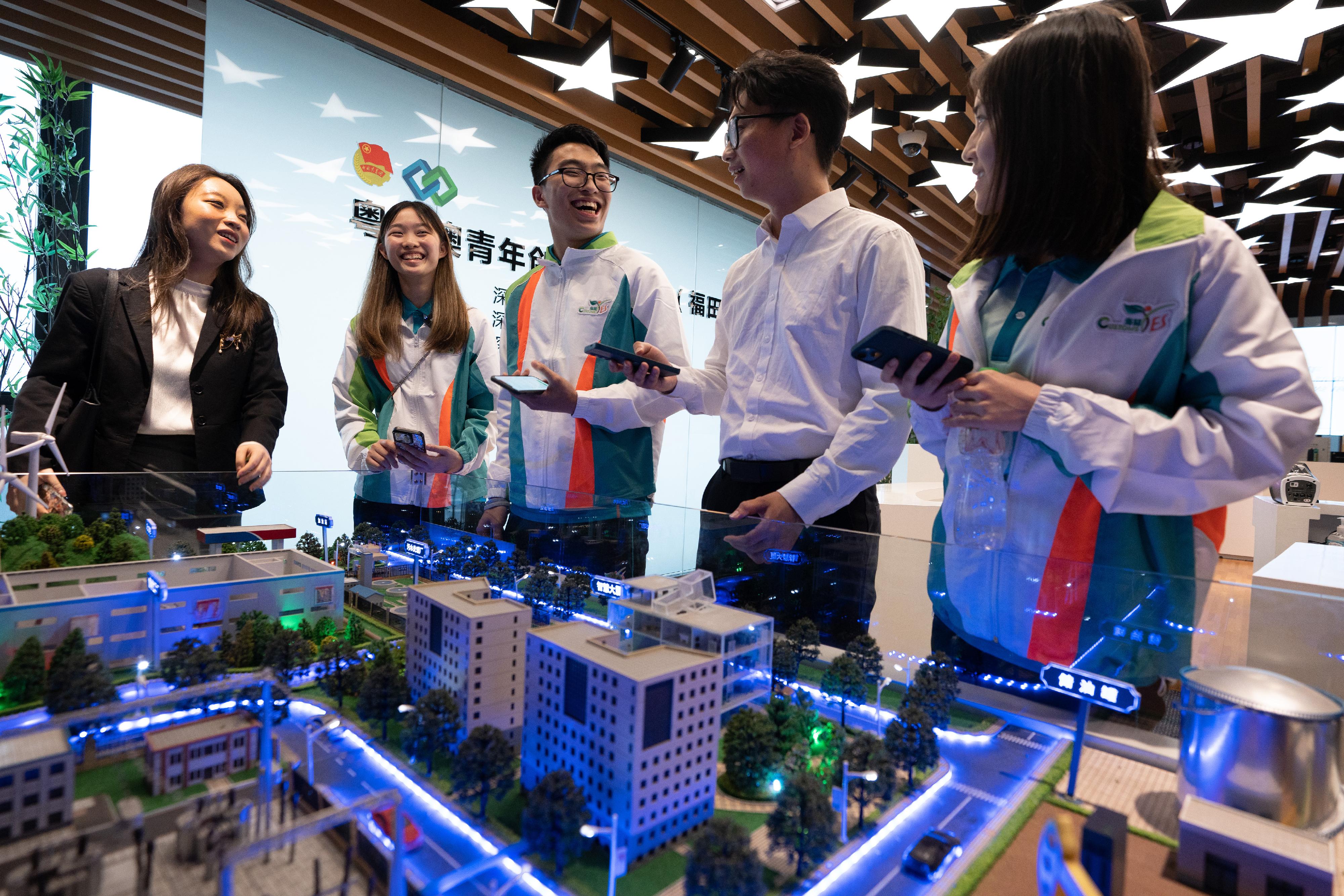
     To celebrate the 45th anniversary of the country’s reform and opening-up, “Customs YES” organised its first exchange tour to the Guangdong-Hong Kong-Macao Greater Bay Area (GBA) on March 18 and 19, following the full resumption of normal travel between Hong Kong and the Mainland. Led by the Assistant Commissioner of Customs and Excise (Intelligence and Investigation), Mr Mark Woo, 36 youth members visited Shenzhen and gained a deeper understanding of the modernisation in different aspects and the opportunities brought by the rapid development of the motherland. 

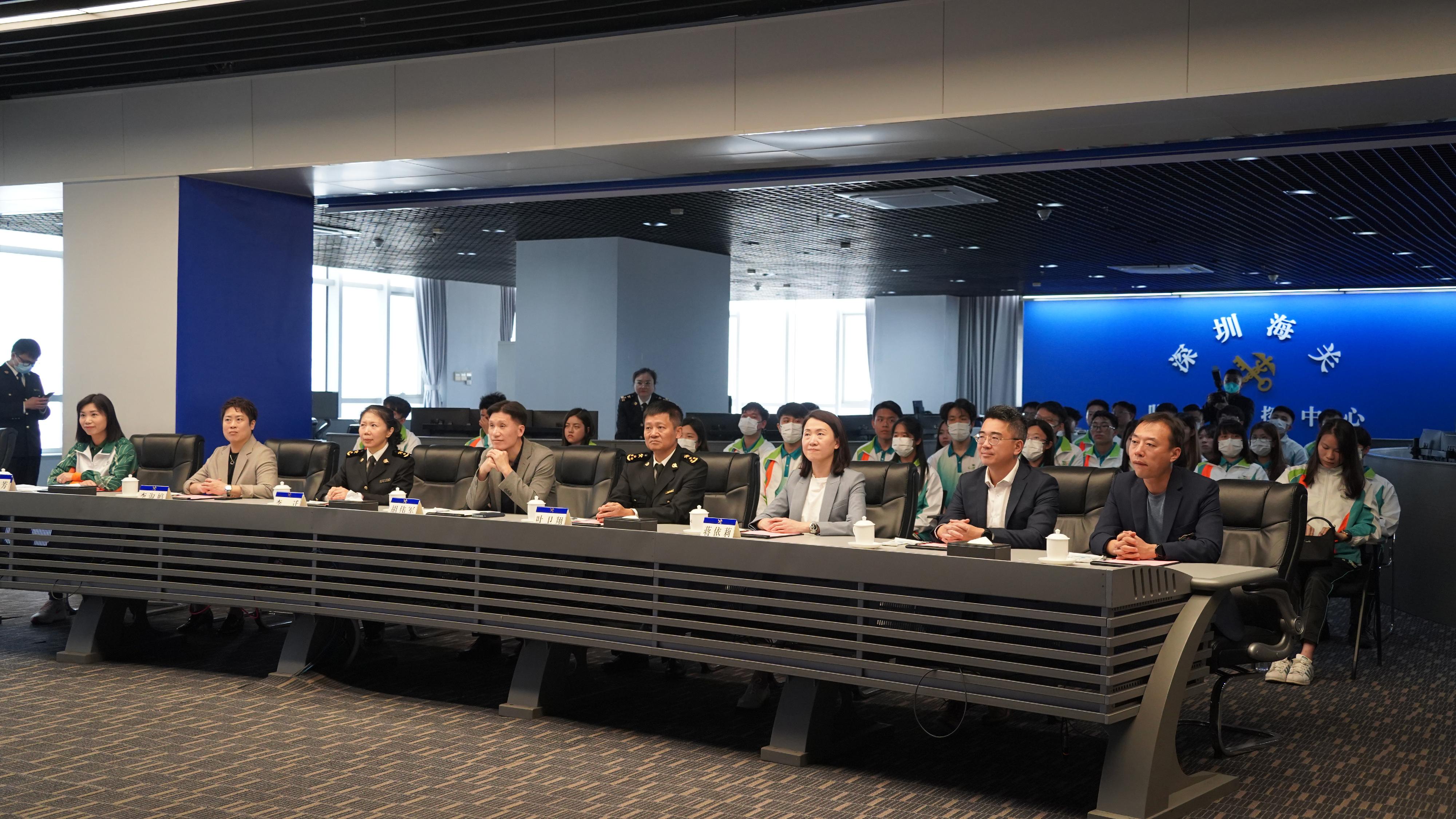
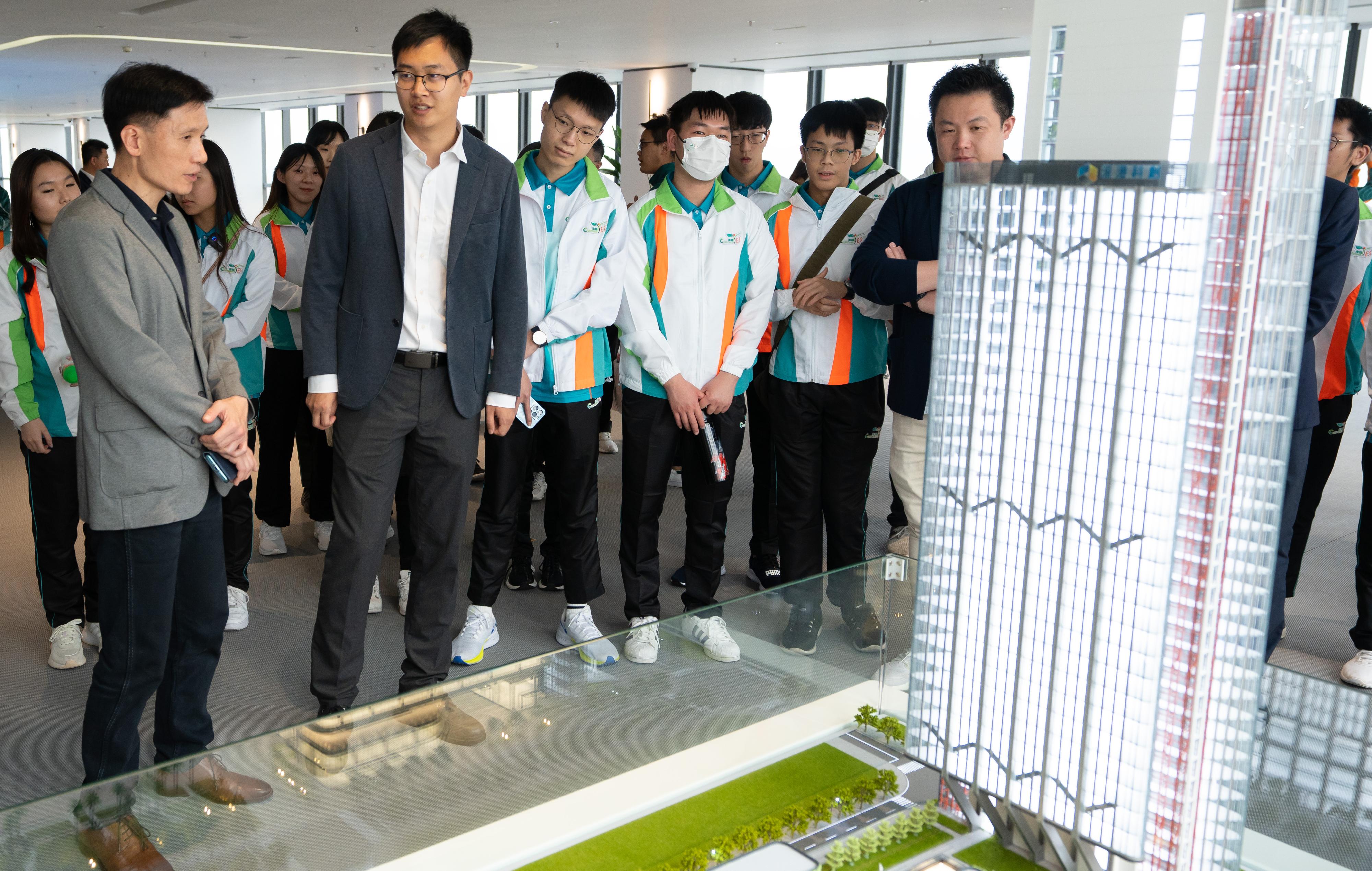
     On March 18, the delegation set off at the Shenzhen Bay Control Point to experience the fast customs clearance procedures under the co-location arrangement. Upon their arrival, the group visited the control centre of Shenzhen Customs office to learn about its development and equipment, and how the Customs of both sides co-operate in various aspects, including trade facilitation, opening of boundary control points, and combating cross-boundary smuggling activities. Later, the group visited the office of a fintech company to understand how it makes use of information technology to bring convenience to the livelihood and consumption behaviour of people in the GBA. The group also visited the Shenzhen-Hong Kong Innovation and Technology Co-operation Zone (Co-operation Zone) with members of the Shenzhen Youth Federation to learn about the planning and development as well as technology development opportunities in the Co-operation Zone. At the same time, young people of both sides could enhance mutual exchanges, share experiences and build friendships. 

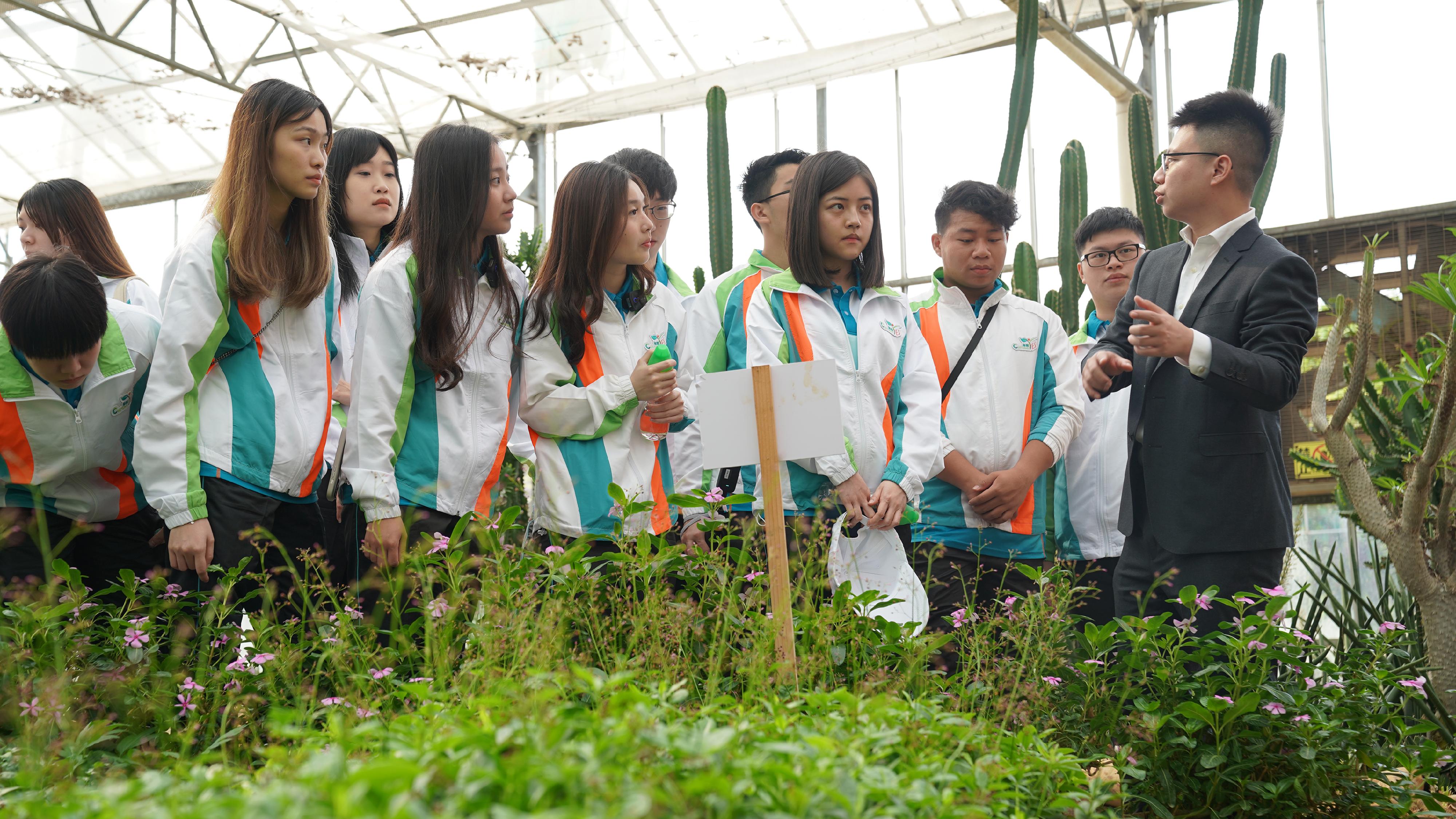
     On the following morning, the delegation visited the Guangming Tour Farm, where they learned about the stringent inspection and quarantine work conducted by Mainland authorities on daily necessities, such as fresh vegetables and food products, before being imported into Hong Kong.  

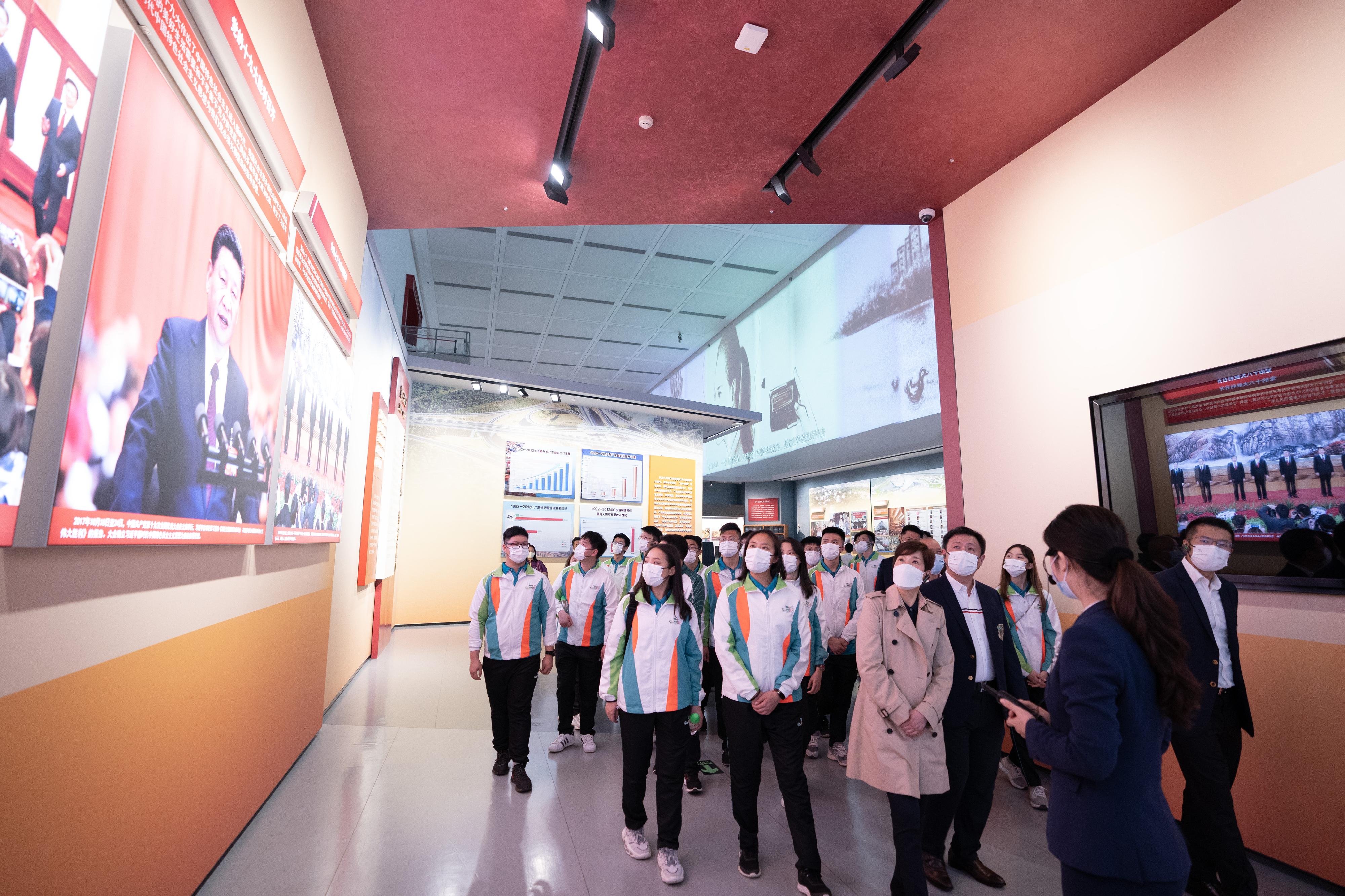
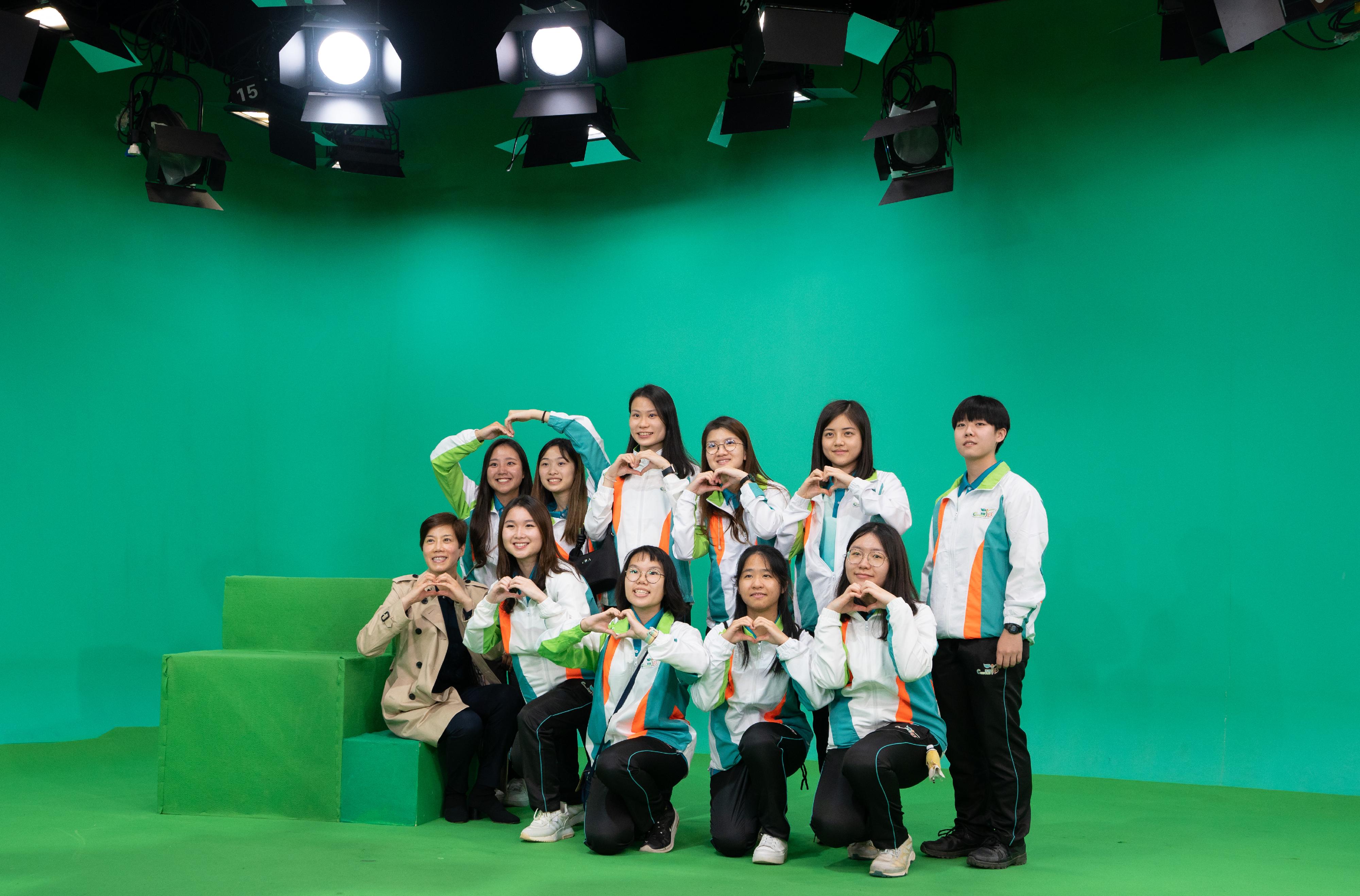
     In the afternoon, the Commissioner of Customs and Excise, Ms Louise Ho, and directors of the Executive Committee of “Customs YES” joined the delegation to visit the Shenzhen Museum, where they were given a guided tour at the Reform and Opening-Up Exhibition Hall. The delegation were impressed by the remarkable achievements of the GBA since the adoption of the policies of reform and opening-up. The tour was rounded off with a visit to the headquarters of Shenzhen Media Group, where the delegation had a taste of conducting mock-up live broadcasts and simulating control of helicopters under the green screens.  

     In concluding the exchange tour, Ms Ho said that Shenzhen was selected as the destination of this tour because of the close partnership between Shenzhen and Hong Kong. The two places have benefited from the country’s reform and opening-up, and have been in close co-operation in the past 45 years at various levels and areas. She hoped that both sides will continue to collaborate in youth development and create more opportunities for the personal and career pursuits of the young people in the GBA.  

     In the future, “Customs YES” will fully support the Youth Development Blueprint initiated by the Government and provide various exchange and internship programmes in other GBA and Mainland cities to broaden young people’s horizons and deepen their understanding of the country and the world. 

Photo  Photo  Photo  Photo  Photo  Photo  Photo  Photo  Photo  
read more

Volume and price statistics of external merchandise trade in January 2023

     Further to the external merchandise trade statistics in value terms for January 2023 released earlier on, the Census and Statistics Department (C&SD) released today (March 20) the volume and price statistics of external merchandise trade for that month.
 
     In January 2023, the volume of Hong Kong’s total exports of goods and imports of goods decreased by 39.7% and 33.6% respectively over January 2022.
 
     Comparing the three months ending January 2023 with the three months ending January 2022, the volume of Hong Kong’s total exports of goods and imports of goods decreased by 32.9% and 28.0% respectively.
 
     Comparing the three-month period ending January 2023 with the preceding three months on a seasonally adjusted basis, the volume of total exports of goods and imports of goods decreased by 13.8% and 9.1% respectively.
 
     Changes in volume of external merchandise trade are derived from changes in external merchandise trade value with the effect of price changes discounted.
 
     Comparing January 2023 with January 2022, the prices of total exports of goods and imports of goods increased by 5.4% and 5.9% respectively.
 
     Price changes in external merchandise trade are reflected by changes in unit value indices of external merchandise trade, which are compiled based on average unit values or, for certain commodities, specific price data.
 
     The terms of trade index is derived from the ratio of price index of total exports of goods to that of imports of goods. Compared with the same period in 2022, the index decreased by 0.5% in January 2023.
 
     Changes in the unit value and volume of total exports of goods by main destination are shown in Table 1.
 
     Comparing January 2023 with January 2022, declines were recorded for the total export volume to the mainland of China (the Mainland) (-47.1%), Taiwan (-45.8%), the USA (-32.3%) and India (-31.1%).
 
     Over the same period of comparison, the total export prices to all main destinations increased: the Mainland (6.1%), the USA (5.3%), India (4.7%), Netherlands (3.9%) and Taiwan (0.9%).
 
     Changes in the unit value and volume of imports of goods by main supplier are shown in Table 2.
 
     Comparing January 2023 with January 2022, declines were recorded for the import volume from all main suppliers: the Mainland (-44.4%), Korea (-35.2%), Japan (-30.4%), Singapore (-23.7%) and Taiwan (-21.2%).
 
     Over the same period of comparison, the import prices from the Mainland (9.5%), Taiwan (5.1%), Singapore (1.5%) and Japan (1.5%) increased. On the other hand, the import prices from Korea decreased by 2.8%.
 
Further information
 
     Details of the above statistics are published in the January 2023 issue of “Hong Kong Merchandise Trade Index Numbers”. Users can download the publication at the website of the C&SD (www.censtatd.gov.hk/en/EIndexbySubject.html?pcode=B1020006&scode=230).
 
     Enquiries on merchandise trade indices may be directed to the Trade Analysis Section (1) of the C&SD (Tel: 2582 4918). read more