Red flag hoisted at Big Wave Bay Beach
Attention TV/radio announcers: Please broadcast the following as soon as possible: Here is an item of interest to swimmers. The Leisure and Cultural Services Department announced toda… read more


Attention TV/radio announcers: Please broadcast the following as soon as possible: Here is an item of interest to swimmers. The Leisure and Cultural Services Department announced toda… read more
In view of media enquiries on the donation of histotripsy medical devices to local healthcare institutions, the Health Bureau, the Department of Health (DH) and the Hospital Authority (HA) provide a consolidated response today (March 12) as follows:
The Government of the Hong Kong Special Administrative Region is committed to complementing technological innovation with institutional innovation. Through a series of measures such as the establishment of the Greater Bay Area Clinical Trial Collaboration Platform and the setting up of the Hong Kong Centre for Medical Products Regulation for the purpose of establishing the “primary evaluation”, the Government has been enhancing Hong Kong’s drug and medical device approval and clinical trial capabilities on all fronts, so as to facilitate the translation of innovative biomedical research results into clinical applications, expedite patients’ access to advanced diagnostic and treatment services, and foster new quality productive forces in biomedical technology.
Innovative research and development of the most advanced, effective and up-to-date medical products can benefit the public. However, innovative medical products must be scientifically proven, including proven by clinical trials that they are safe and effective before they can be translated to clinical applications and at the same time form the basis for industrial development.
Regulation of medical devices
————————————
At present, the DH provides support to the Pharmacy and Poisons Board of Hong Kong in assessing applications for registration of pharmaceutical products (including advanced therapy products) and approving applications for registration of pharmaceutical products after proving the relevant safety, efficacy and quality requirements have been met. In addition, the Board also approves applications for clinical trials / medicinal tests in relation to pharmaceutical products.
Unlike pharmaceutical products of which registration and clinical trials are governed by legislation, there is no specific legislation to regulate medical devices in Hong Kong, including the clinical trials and use. Making reference to the recommendation of the Global Harmonization Task Force (now known as the International Medical Device Regulators Forum), the DH has introduced a voluntary Medical Device Administrative Control System (MDACS), under which a listing system for medical devices and traders as well as a post-market monitoring system are in place to ensure that medical devices supplied in Hong Kong meet the requirements on safety, quality and performance. Information of listed medical devices is uploaded to the website of the DH’s Medical Device Division (www.mdd.gov.hk/en/mdacs/search-database/list-md/index.html). The HA has also implemented the priority procurement strategy since 2024, giving preference in considering the procurement of medical devices listed under the MDACS.
The medical devices donated to the local healthcare institutions have not been listed under the MDACS. The DH has recently received an application for listing a histotripsy medical device, and the application is being processed.
Trial of medical devices
————————–
Clinical trials carry a certain degree of risk to the participants and should be conducted by registered healthcare professionals after informing the participants of the associated risks and obtaining their explicit informed consent. At present, even though there is no statutory provision prohibiting healthcare professionals from using new medical devices on patients, healthcare professionals have the professional responsibility to act in the best interests of patients and ensure that all trials are conducted with the explicit informed consent of patients.
It is understood that the LKS Faculty of Medicine of the University of Hong Kong, the Faculty of Medicine of the Chinese University of Hong Kong and the Hong Kong Sanatorium & Hospital are using the donated histotripsy medical devices for clinical trials on liver cancer treatment. These clinical trials can effectively assess the safety and efficacy of the devices for the Asian population, in particular patients in Hong Kong. The Government and the HA are paying attention to the results of these clinical studies, and expect that the data will provide a scientific basis for wider application in the future.
Application of medical devices
———————————
Regarding the application of new drugs and medical devices in the public healthcare system, the HA has established robust mechanisms for evaluating and deciding on the introduction of new drugs, devices and other innovative treatments for public healthcare services. The safety of the treatment methods, whether there is sufficient evidence supporting their therapeutic effectiveness, the cost-effectiveness of such introduction, as well as comprehensive comparisons with existing treatment services have to be considered. When making consideration according to these mechanisms, the HA must ensure fairness and objectivity as well as prudent use of public resources. Also, the consideration process will not and should not be influenced by whether the treatment method is provided or sponsored by individual pharmaceutical or device manufacturers.
The application in the public healthcare system of new drugs and medical devices, and methods for treatment that are still in the clinical trial phase without sufficient clinical data should be handled in a very careful and prudent manner. The HA will closely monitor medical technology developments, with experts regularly studying and reviewing treatment options for patients and the latest developments in clinical and scientific evidence of related technologies, while considering healthcare professionals’ opinions and overseas developments to plan for the introduction of medical technologies. Meanwhile, the availability of relevant expertise, manpower and facilities, as well as complementarity with government policy directions, will also be taken into account.
Concerning the research and development (R&D) of medical devices and drugs, clinical trials should be distinguished from clinical services. No clinical service may be provided when clinical trial is still unfinished. Citizens who need to seek medical services due to illnesses should consult professionals including medical practitioners, and should not be influenced by other online advertisements or publicity through endorsements.
As announced in the Chief Executive’s 2024 Policy Address, the Government is expediting the reform of the approval mechanism for drugs and medical devices, including devising the timetable for the establishment of the Hong Kong Centre for Medical Products Regulation and the roadmap towards adoption of “primary evaluation”, formulating strategies and measures to facilitate R&D of drugs and medical devices, and taking forward the preparatory work for legislating for the statutory regulation of medical devices, so as to further enhance the overall regulatory regime of medical products in Hong Kong, thereby facilitating Hong Kong’s development into an international health and medical innovation hub, and at the same time benefitting local patients. read more
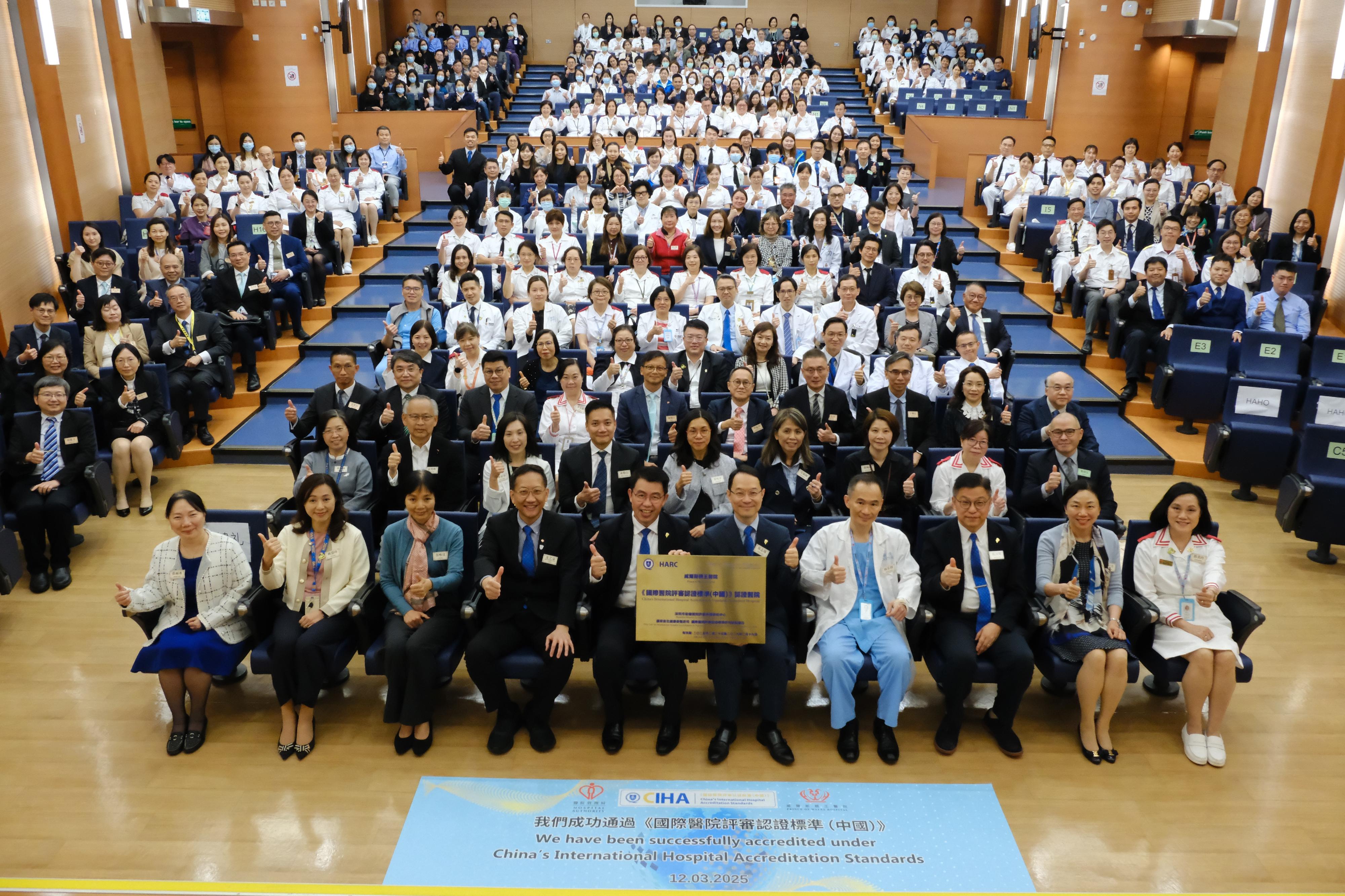
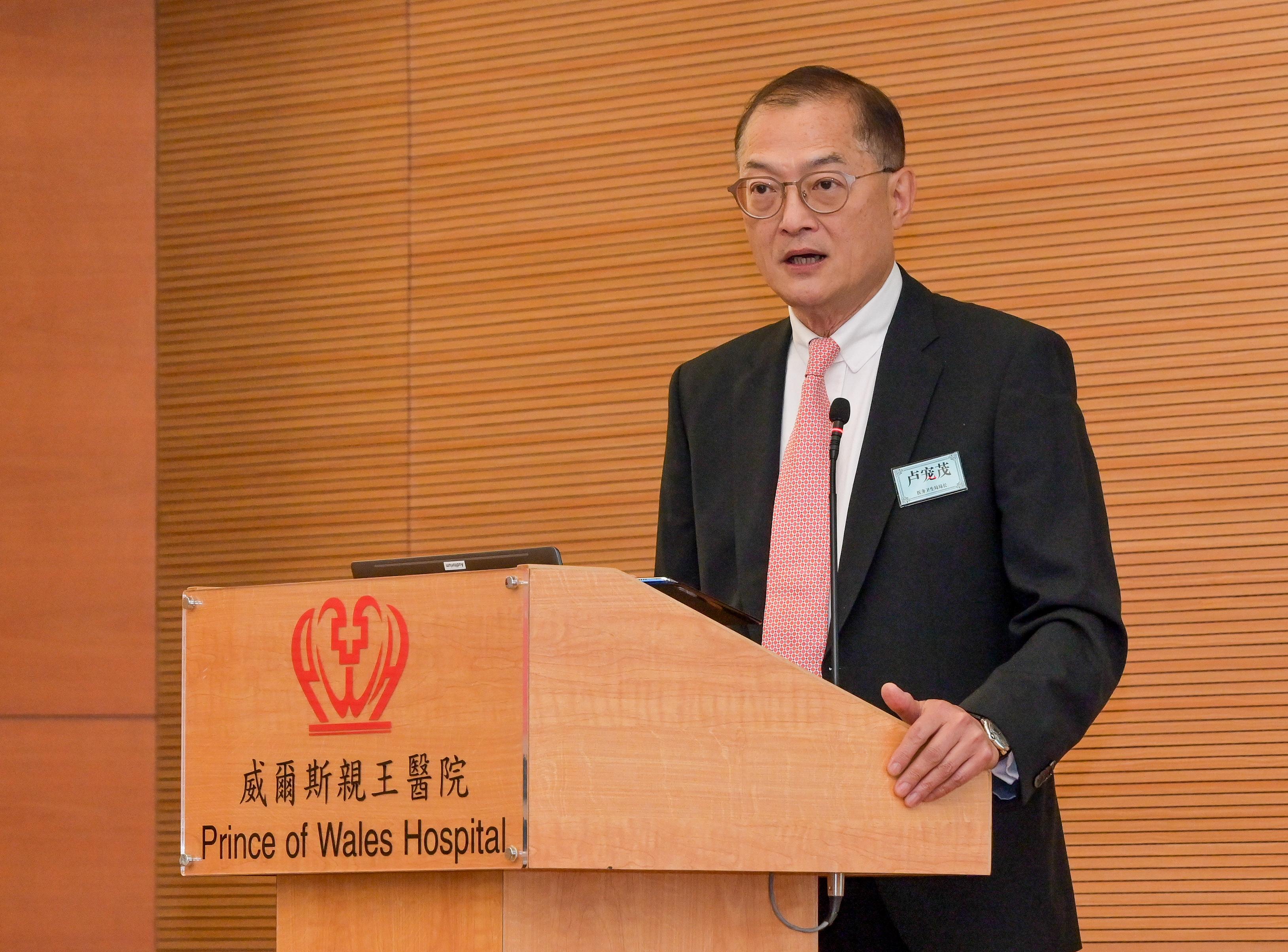
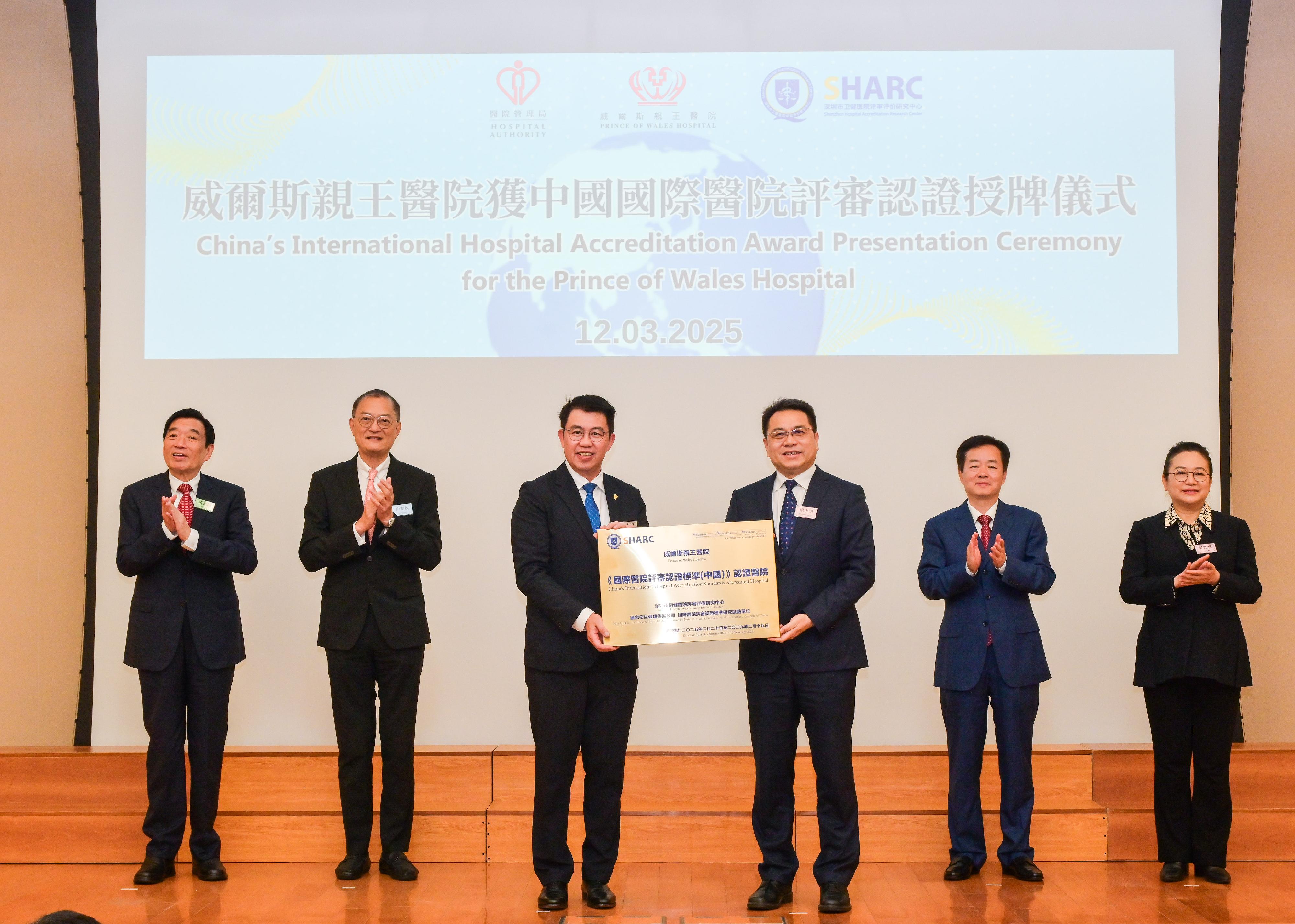
The Secretary for Health, Professor Lo Chung-mau, along with member of the Standing Committee of the CPC Shenzhen Municipal Committee and the Party Leadership Group of the Shenzhen Municipal People’s Government Mr Chen Qing and his delegation, attended the “China’s International Hospital Accreditation Award Presentation Ceremony for the Prince of Wales Hospital (PWH)” today (March 12) to witness the hospital becoming the second hospital in the Hong Kong Special Administrative Region (HKSAR) accredited under the China’s International Hospital Accreditation Standards (2021 Version) (the Standards).
In delivering his speech, Professor Lo said, “Following the accreditation of Pamela Youde Nethersole Eastern Hospital (PYNEH) under the Standards as the first such hospital in the HKSAR in December last year, the successful accreditation of PWH under the Standards today once again demonstrates that the management, services and medical quality of Hong Kong’s public hospitals are on par with international standards. At the same time, accreditation under the Standards can promote not only continuous improvements at various hospitals, but also uniformity of the healthcare quality in the Guangdong-Hong Kong-Macao Greater Bay Area (GBA), hence providing residents of the GBA with international and homogenous healthcare services. It further signifies that this set of hospital accreditation standards, which is formulated by our country and is in line with the international standards, has accelerated its development outside the Mainland, and is steadily going global.”
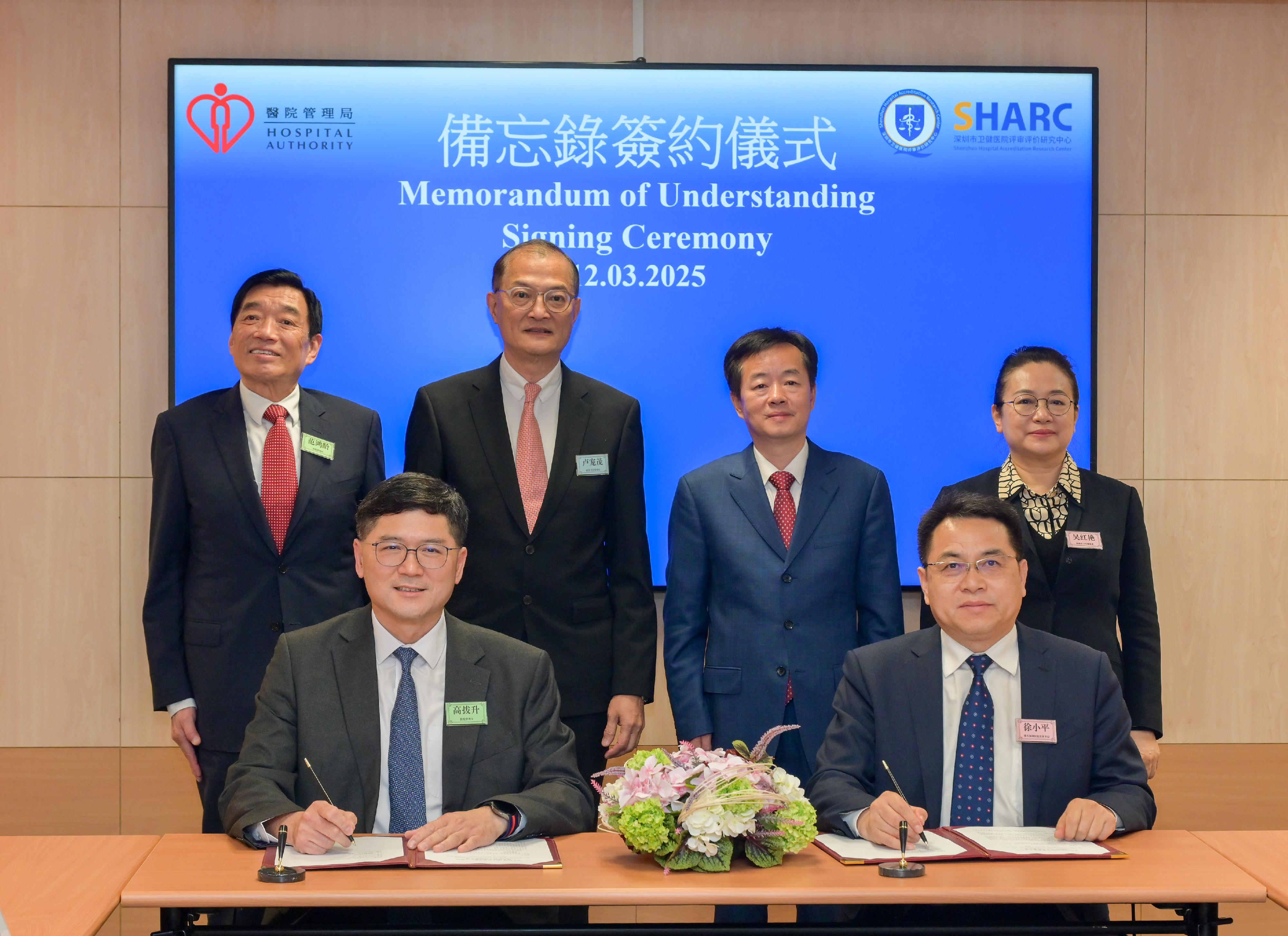
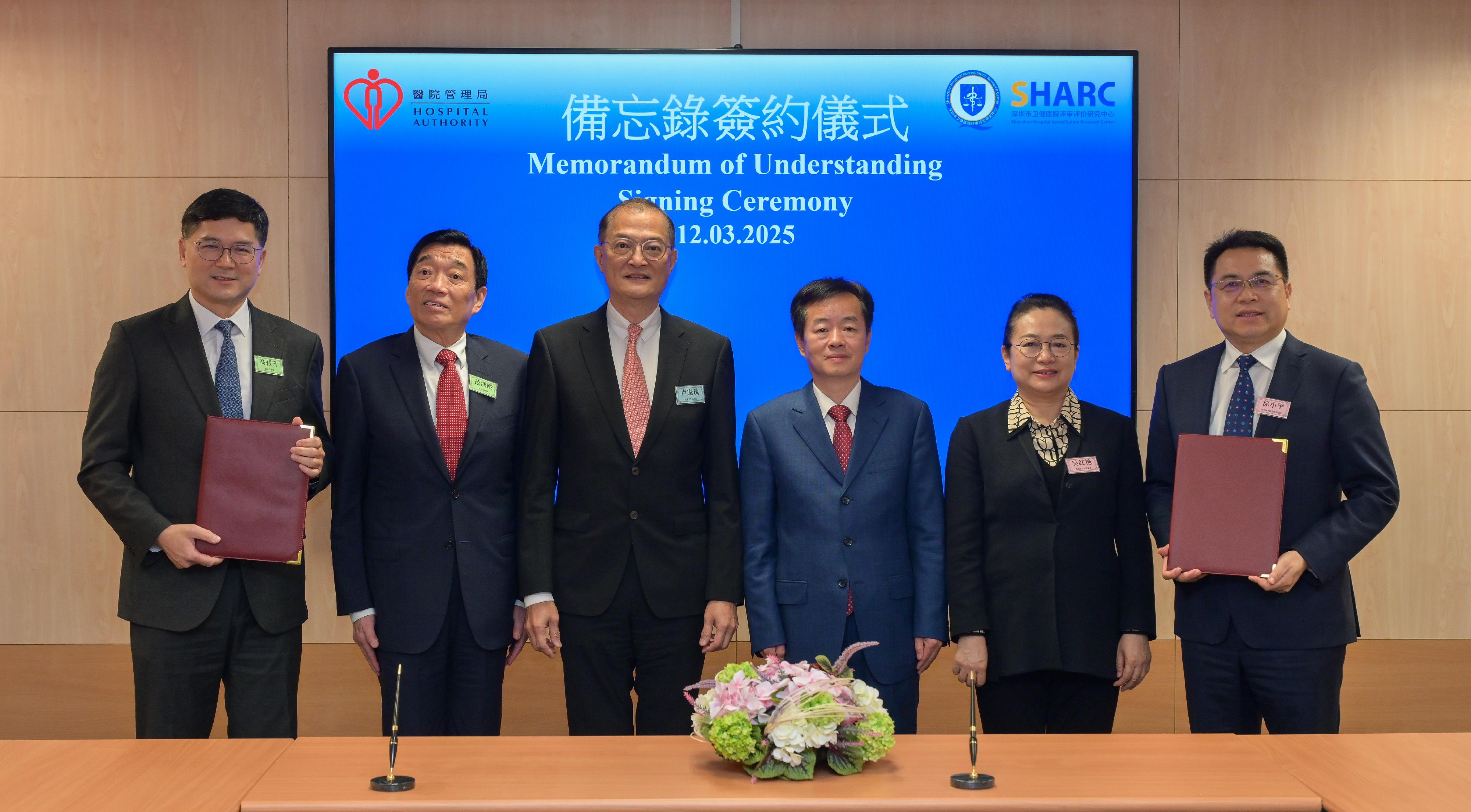
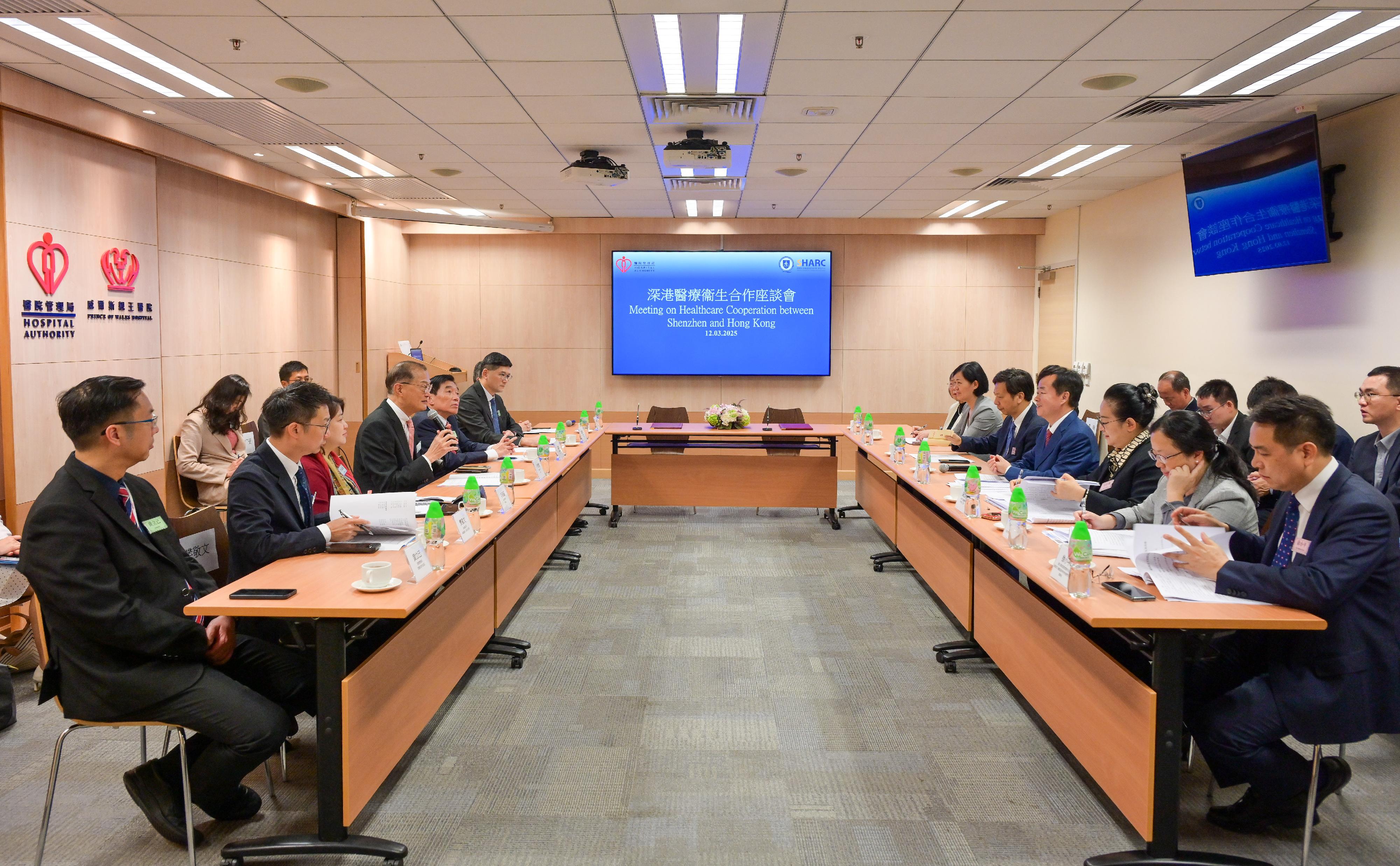
Professor Lo then had a meeting with Mr Chen to exchange views on medical and healthcare co-operation between Hong Kong and Shenzhen, and to explore ways to further promote the development of the accreditation under the Standards. After the meeting, Professor Lo and Mr Chen were joined by the Chairman of the Hospital Authority (HA), Mr Henry Fan, and the Director General of the Public Hygiene and Health Commission of Shenzhen Municipality, Ms Wu Hongyan, who were also present at the meeting, to witness the signing of the “Memorandum of Understanding on Cooperation of Promoting International Accreditation for Hong Kong Public Hospitals in 2025” (MOU) by the Chief Executive of the HA, Dr Tony Ko, and the President of the Shenzhen Hospital Accreditation Research Center (Center), Mr Xu Xiaoping.
Professor Lo said, “The signing of the MOU between the HA and the Center today signifies the implementation of another co-operation initiative between Hong Kong and Shenzhen for the promotion of healthcare integration and innovation in the GBA. It also demonstrates that the HKSAR, as the ‘super connector’ and ‘super value-adder’, harnesses the institutional strengths of the ‘one country, two systems’ to fully leverage its influence and professional advantages in the internationalisation of medical and healthcare areas, facilitating the national standards to go global, while building a ‘Healthy Hong Kong’ for integration into a ‘Healthy Bay Area’ and making contributions to a ‘Healthy China’.”
As the first set of internationally accredited hospital accreditation standards developed by the country, the Standards were jointly developed by hospital accreditation experts from Hong Kong and the Mainland based on the national Tier III Class A hospital accreditation standards and in accordance with the requirements of the International Society for Quality in Health Care, while drawing reference from international experience. In line with the policy initiative of hospital accreditation set out in the Chief Executive’s Policy Addresses of 2022 and 2023, the HA has resumed the Hospital Accreditation Programme by adopting the Standards at PYNEH and PWH in 2023-24. The HA has also planned to roll out the Hospital Accreditation Programme at three other public hospitals this year.
The Center, which developed the Standards, set up its office in Hong Kong last year to accelerate the accreditation programme under the Standards in the HKSAR, highlighting the important role of the HKSAR as a gateway to demonstrate and promote the Standards to the international community, thereby promoting the going global of national hospital accreditation standards.
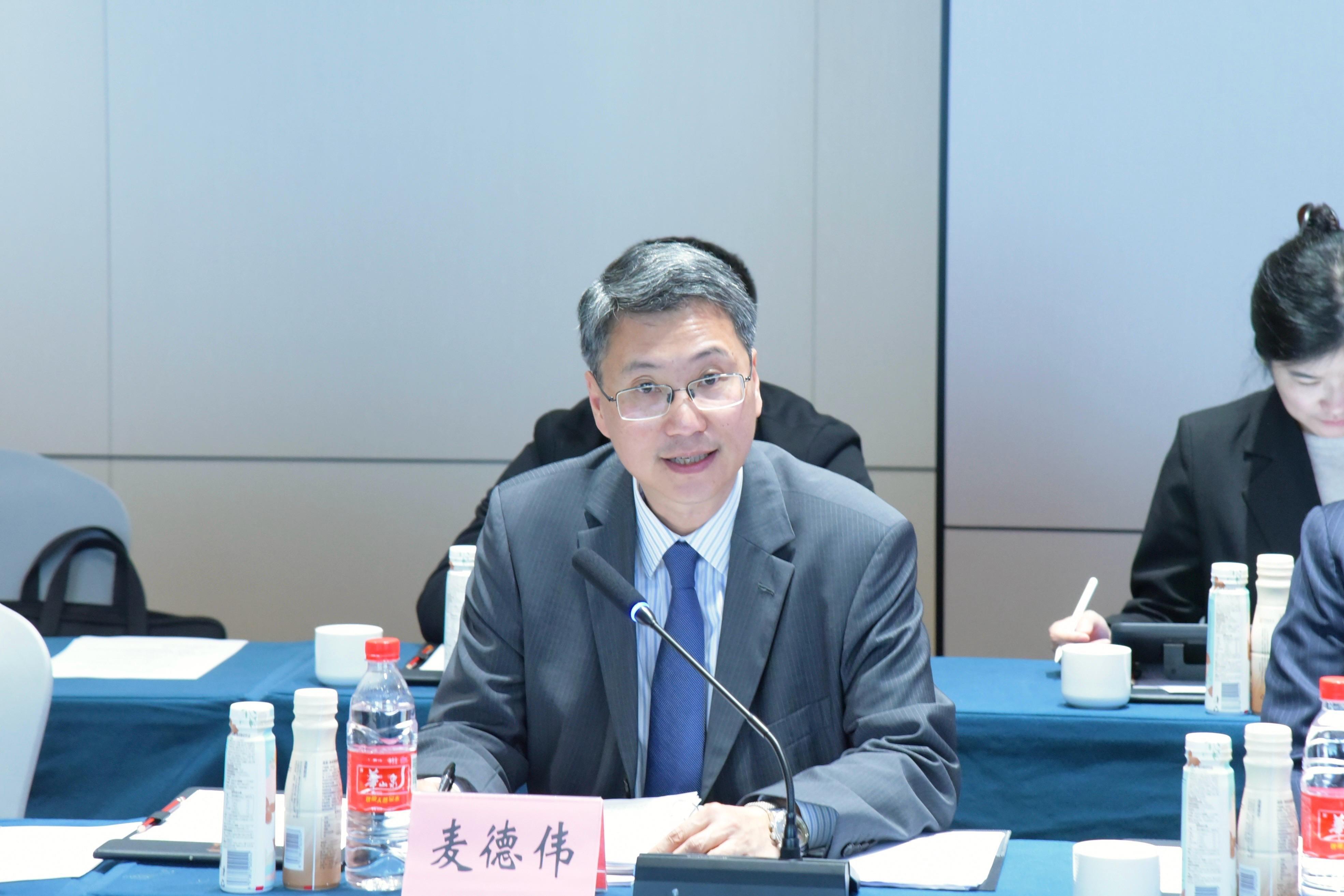
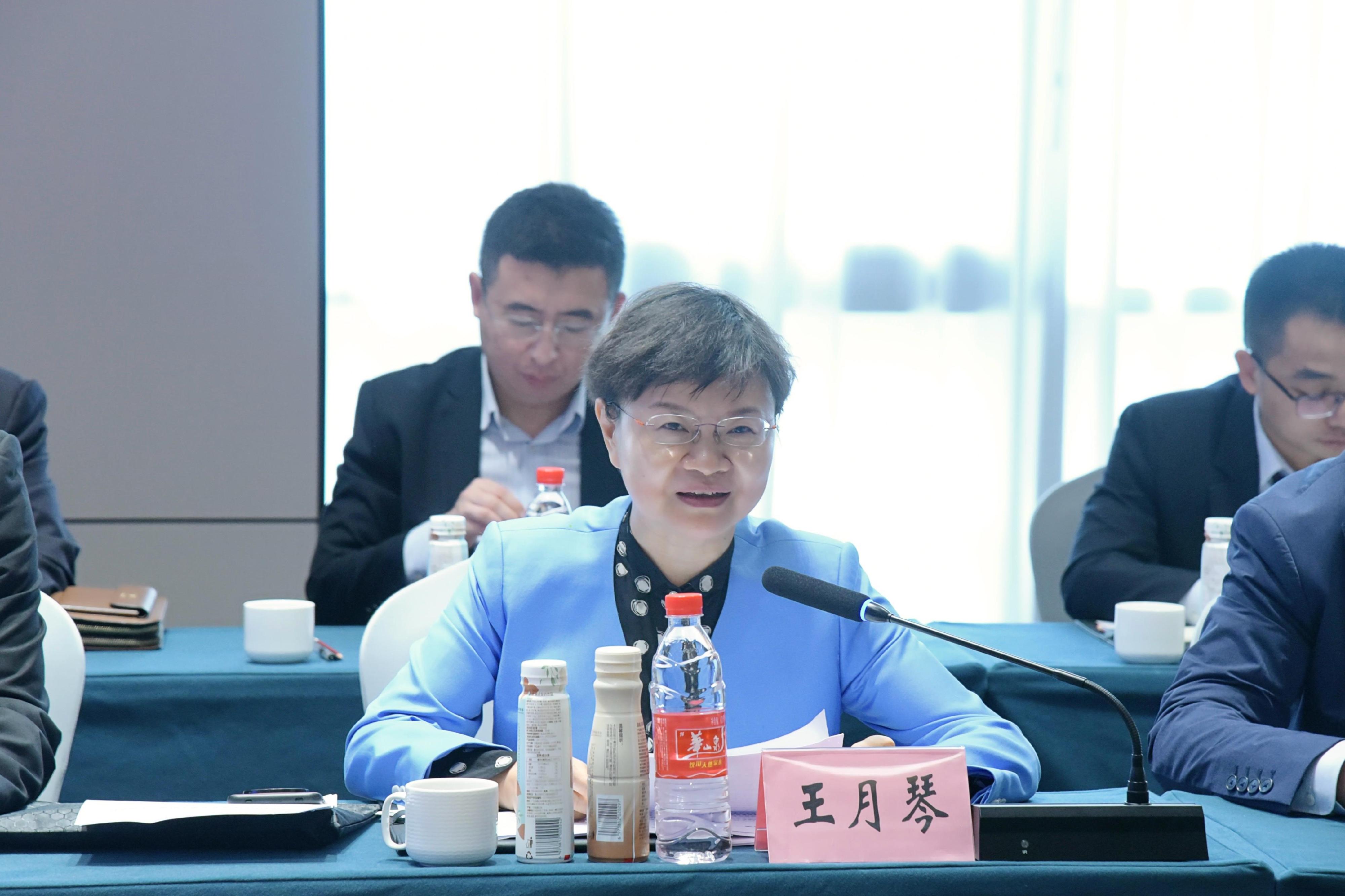
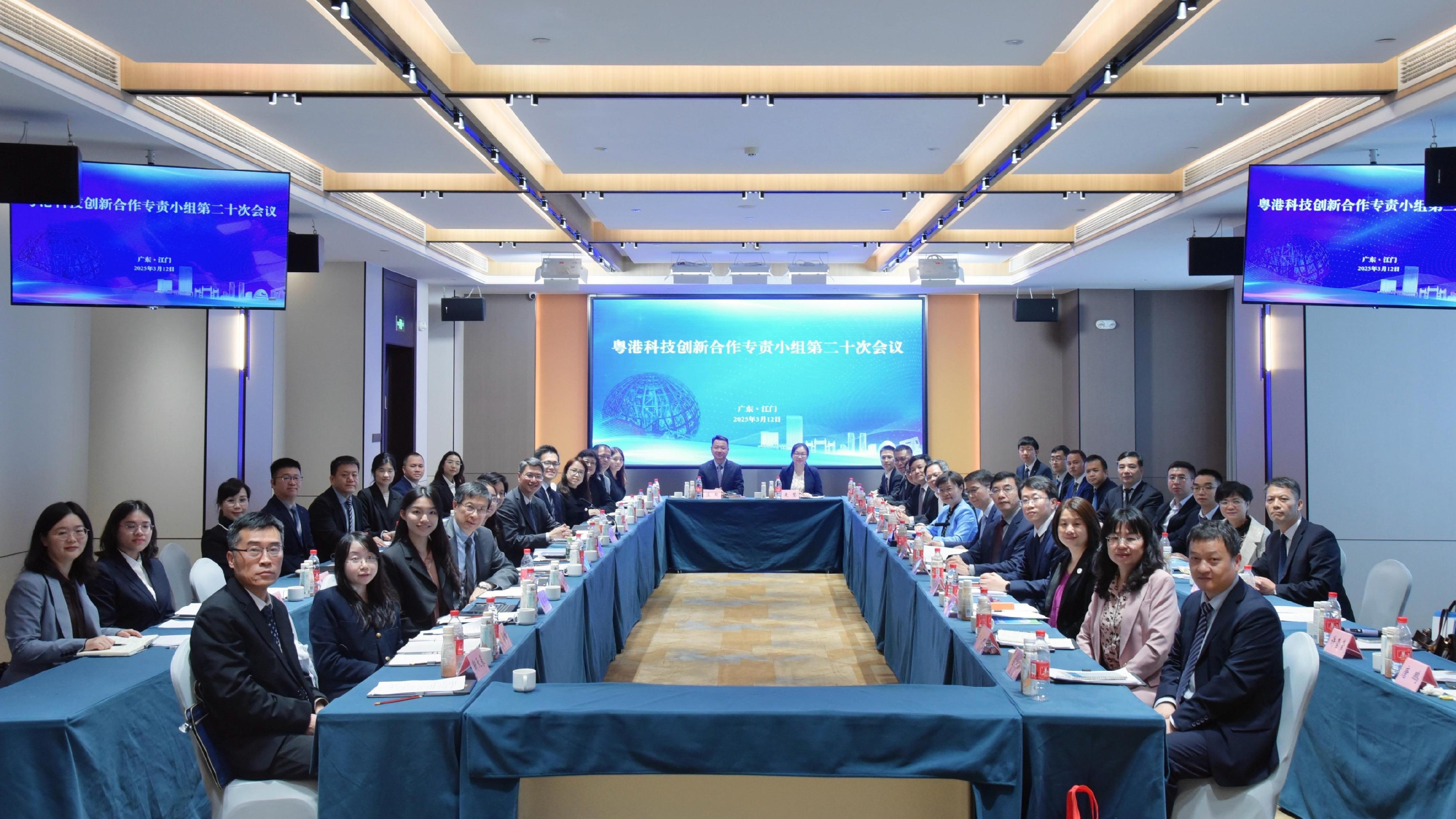
The Permanent Secretary for Innovation, Technology and Industry, Mr Eddie Mak, and the Director-General of the Department of Science and Technology of Guangdong Province, Ms Wang Yueqin, co-chaired the 20th meeting of the Guangdong/Hong Kong Expert Group on Co-operation in Technology and Innovation held in Jiangmen today (March 12).
Mr Mak said at the meeting that, with the country’s staunch support, the Hong Kong Special Administrative Region (HKSAR) Government has been moving towards the vision of developing Hong Kong as an international innovation and technology (I&T) centre along the directions and strategies set out in the Hong Kong I&T Development Blueprint. He said that the HKSAR Government promulgated the Development Outline for the Hong Kong Park of the Hetao Shenzhen-Hong Kong Science and Technology Innovation Co-operation Zone (Hetao Co-operation Zone) in November 2024. Capitalising on the strengths of “one country, two systems” and the geographic advantages of “one river, two banks”, as well as the arrangement of “one zone, two parks”, the HKSAR Government will strive to develop the Hong Kong Park into a world-class industry-academia-research platform, and an internationally competitive research and development (R&D) transformation and pilot production base for industries at full speed, with a view to facilitating the high-quality I&T development of the Guangdong-Hong Kong-Macao Greater Bay Area (GBA).
Mr Mak also expressed his gratitude to the Guangdong Provincial Government for its staunch support for Hong Kong’s I&T development over the years. He said that in the past year, the two sides had continuously deepened their exchanges and co-operation, including the continuous implementation of the Guangdong-Hong Kong Technology Cooperation Funding Scheme, supporting the scientific research institutions in the two places to carry out joint technology R&D, co-operation in technology transfer and industrialisation, and the continued opening up of Guangdong Province’s key R&D programmes and major scientific research infrastructure to Hong Kong. The HKSAR Government will continue to work closely with the relevant Mainland authorities to expedite the development of the Hetao Co-operation Zone, and to boost both the speed and quantity in developing the Hong Kong Park by leveraging market forces.
“We will make good use of Hong Kong’s distinctive advantages of enjoying strong support of the motherland and being closely connected to the world, to deepen I&T co-operation with Guangdong Province as well as international exchanges. We will give full play to our critical roles as a ‘super connector’ and a ‘super value-adder’, with a view to contributing to the country’s high-quality development,” he added.
Mainland members attending the meeting included representatives from the Department of Science and Technology of Guangdong Province, the Liaison Office of the Central People’s Government in the HKSAR, the Shenzhen Institutes of Advanced Technology of the Chinese Academy of Sciences, Guangdong Academy of Sciences, the Development Authority of Shenzhen Park of Hetao Shenzhen-Hong Kong Science and Technology Innovation Co-operation Zone, the Qianhai Authority of Shenzhen, Science, Technology and Innovation Bureau of Jiangmen, and other education and I&T-related agencies of Guangdong Province and GBA cities. The Hong Kong delegation comprised representatives from the Innovation, Technology and Industry Bureau and the Innovation and Technology Commission. The Secretary of the CPC Jiangmen Municipal Committee, Mr Chen Anming, has also exchanged views on the I&T co-operation between Hong Kong and Jiangmen with the HKSAR government delegation.
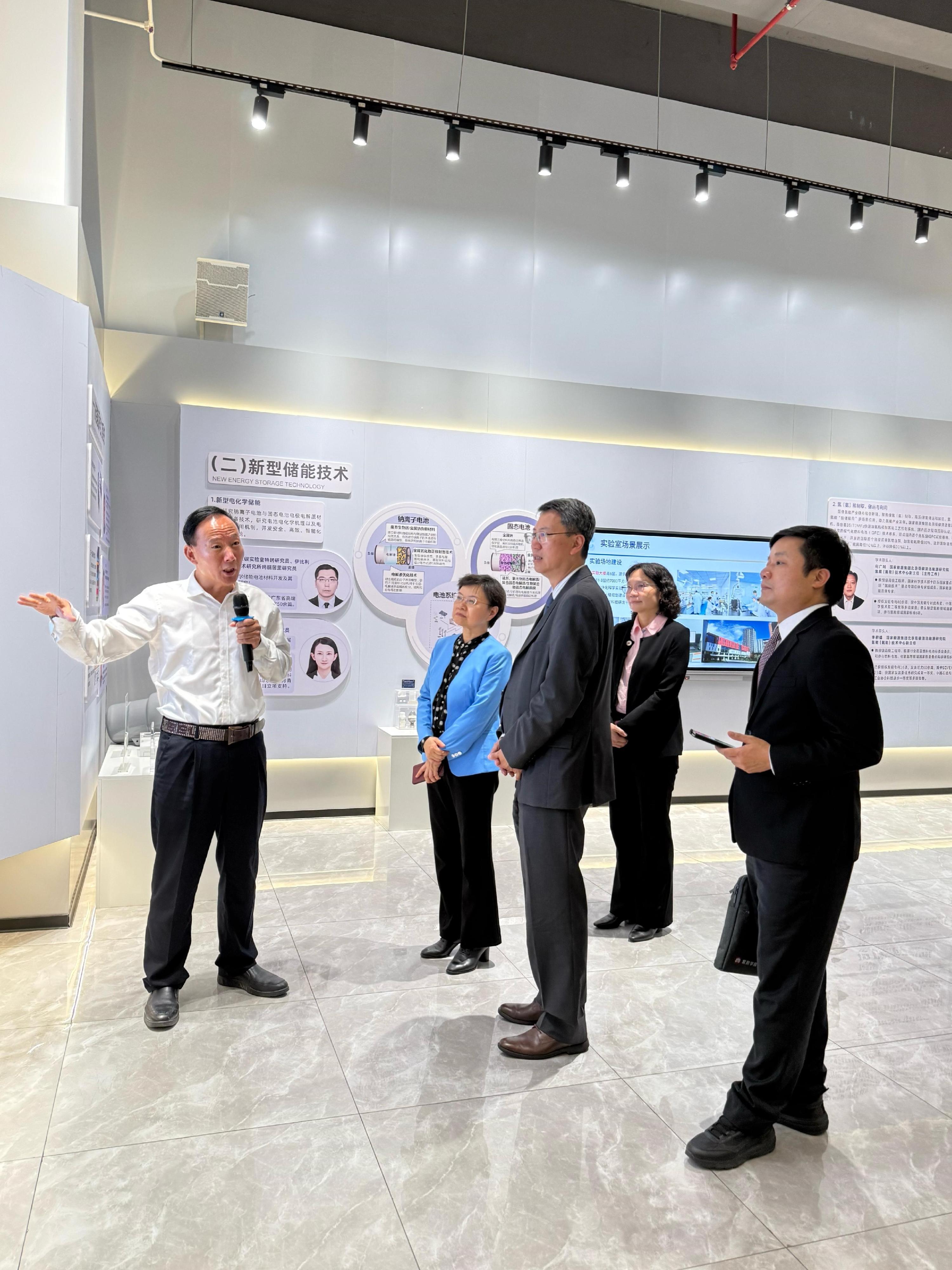
After the meeting, Mr Mak visited the Jiangmen Laboratory of Carbon Science and Technology (JCL) to understand its latest developments and to explore opportunities for enhancing co-operation between R&D institutes of the two places. JCL was jointly founded by the Jiangmen Municipal Government and the Hong Kong University of Science and Technology (Guangzhou).
Mr Mak concluded his visit and returned to Hong Kong this evening (March 12).
The following is issued on behalf of the Hospital Authority:
The spokesperson for the Hospital Authority (HA) today (March 12) announced that Prince of Wales Hospital (PWH) has been successfully accredited under China’s International Hospital Accreditation Standards (2021 Version). It is one of the public hospitals in the first batch to obtain such accreditation.
The Chief Executive of the HA, Dr Tony Ko, said, “The accreditation of the Prince of Wales Hospital is a testament to its high-standard management and quality services. The HA will continue to co-ordinate with more public hospitals to participate in the accreditation process to ensure the quality of healthcare services in public hospitals meets international standards.
“I would like to express my sincere gratitude to the expert team from the Shenzhen Hospital Accreditation Research Center and the local experts for their collaboration in formulating the regional operating manual for Hong Kong. These guidelines ensure the evaluation standards are relevant and applicable to Hong Kong. During the consultancy visit and on-site survey, the experts provided valuable suggestions that are significant for our ongoing efforts to improve healthcare quality.”
Experts from the Shenzhen Hospital Accreditation Research Center, who are responsible for the accreditation, praised PWH’s leadership for their dedication to healthcare quality and technical management. They highlighted the hospital’s strong focus on patient safety and risk management, as well as its commitment to community engagement, all of which were crucial for obtaining accreditation. The expert team also commended the hospital for its robust management structure, efficient emergency response capabilities, commitment to patient-centred care, and continuous innovation in healthcare technology and service models. These factors were recognised as essential foundations for a hospital seeking international accreditation.
The Hospital Chief Executive of PWH, Dr Chung Kin-lai, expressed gratitude to the Health Bureau and the HA Head Office for their support. He said, “This accreditation reaffirms that the services and management standards at PWH have reached international levels and are aligned with national standards.
“We consider this accreditation a significant opportunity to evaluate our existing services thoroughly. We welcome feedback and recommendations from experts, aiming to transform their insights into motivation for improvement. This will help us cultivate a culture of continuous quality improvement, ultimately enhancing our overall services comprehensively.”
PWH will strengthen both its hospital and departmental management frameworks, enhance humanistic care initiatives, improve emergency preparedness, and remain committed to optimising healthcare technology and service models. Furthermore, the hospital will continue to deepen its community engagement, utitlising community resources to provide more compassionate and thoughtful care to patients.
Dr Chung said, “Accreditation is not the end but rather a new beginning for our continuous progress. I extend my heartfelt thanks to all hospital staff for their efforts over the past year in preparing for the accreditation, which enabled PWH to achieve this milestone smoothly. PWH will continue to uphold the spirit of continuous improvement and provide high-quality healthcare services to Hong Kong people.”
In line with the policy direction regarding hospital accreditation put forward in the Chief Executive’s Policy Address, PWH and Pamela Youde Nethersole Eastern Hospital (PYNEH) had implemented the hospital accreditation programme by adopting the China’s International Hospital Accreditation Standards (2021 Version) earlier. PYNEH has already achieved the relevant accreditation in December 2024.