Red flag hoisted at Shek O Beach
Attention TV/radio announcers: Please broadcast the following as soon as possible: Here is an item of interest to swimmers. The Leisure and Cultural Services Department announced today (June 8) that due … read more


Attention TV/radio announcers: Please broadcast the following as soon as possible: Here is an item of interest to swimmers. The Leisure and Cultural Services Department announced today (June 8) that due … read more
A woman who went missing in Wong Tai Sin has been located. Kung Yu-heung, aged 70, went missing after she was last seen in Lung Kwong House, Lower Wong Tai Sin Estate on June 6 afternoon. H… read more
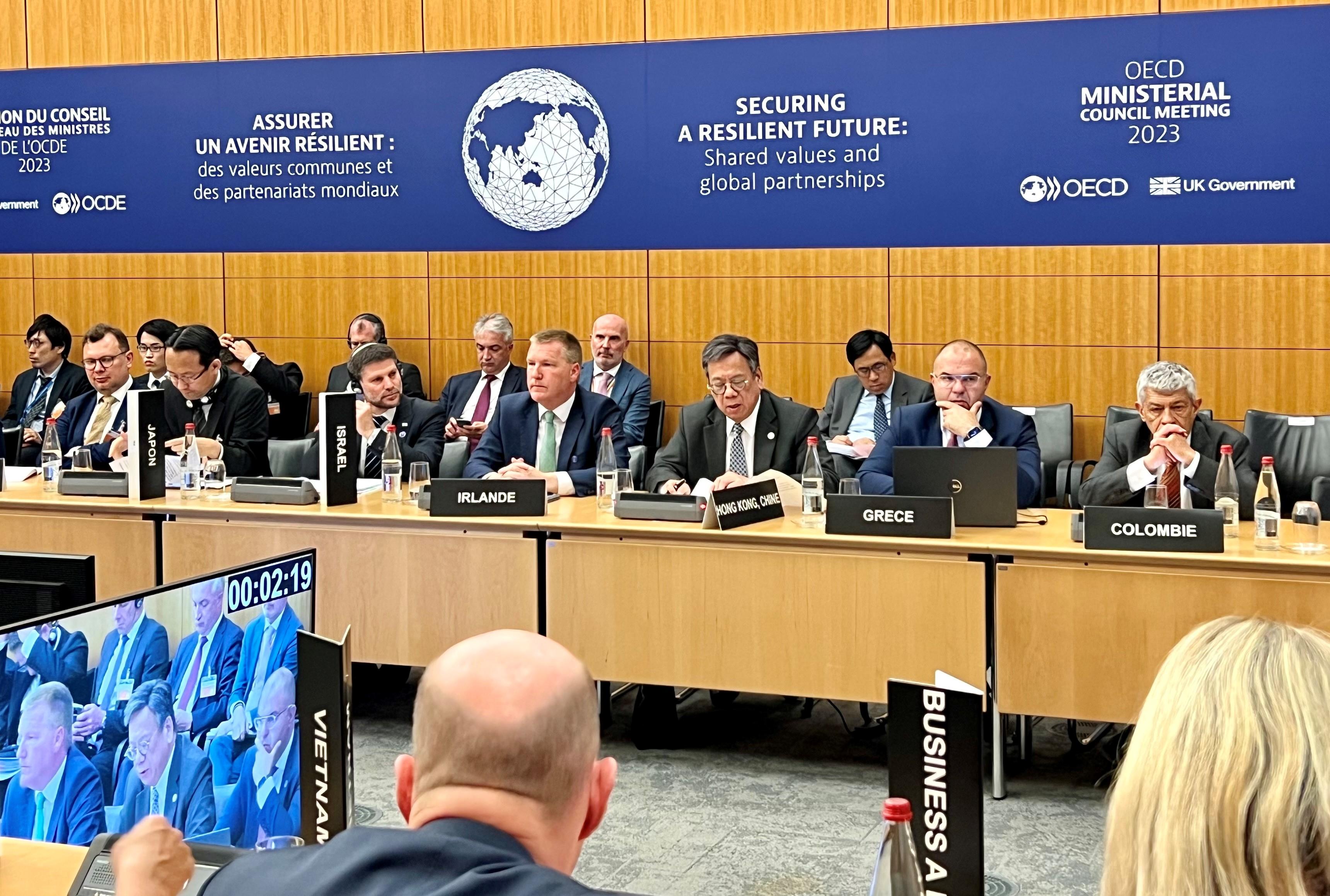
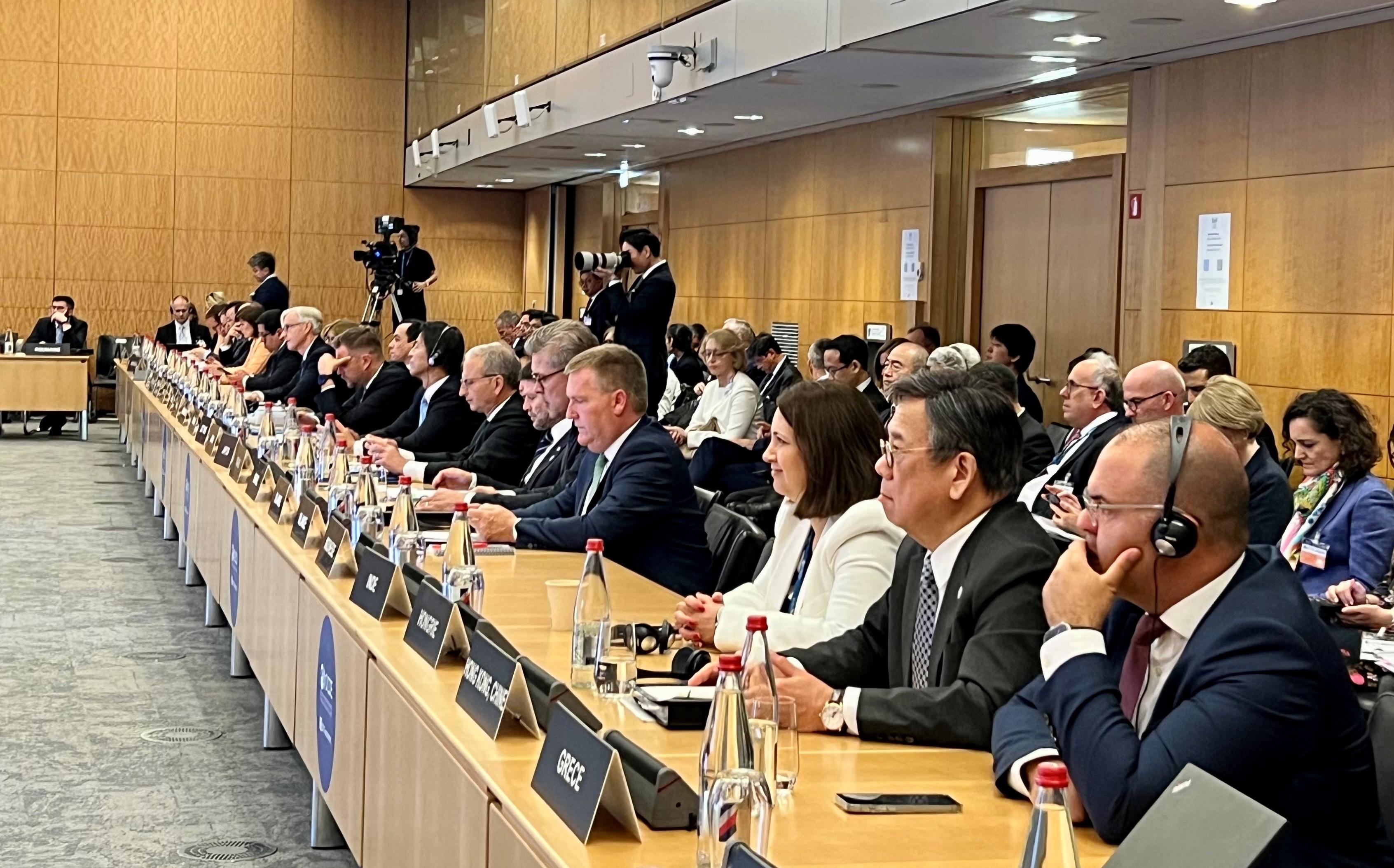
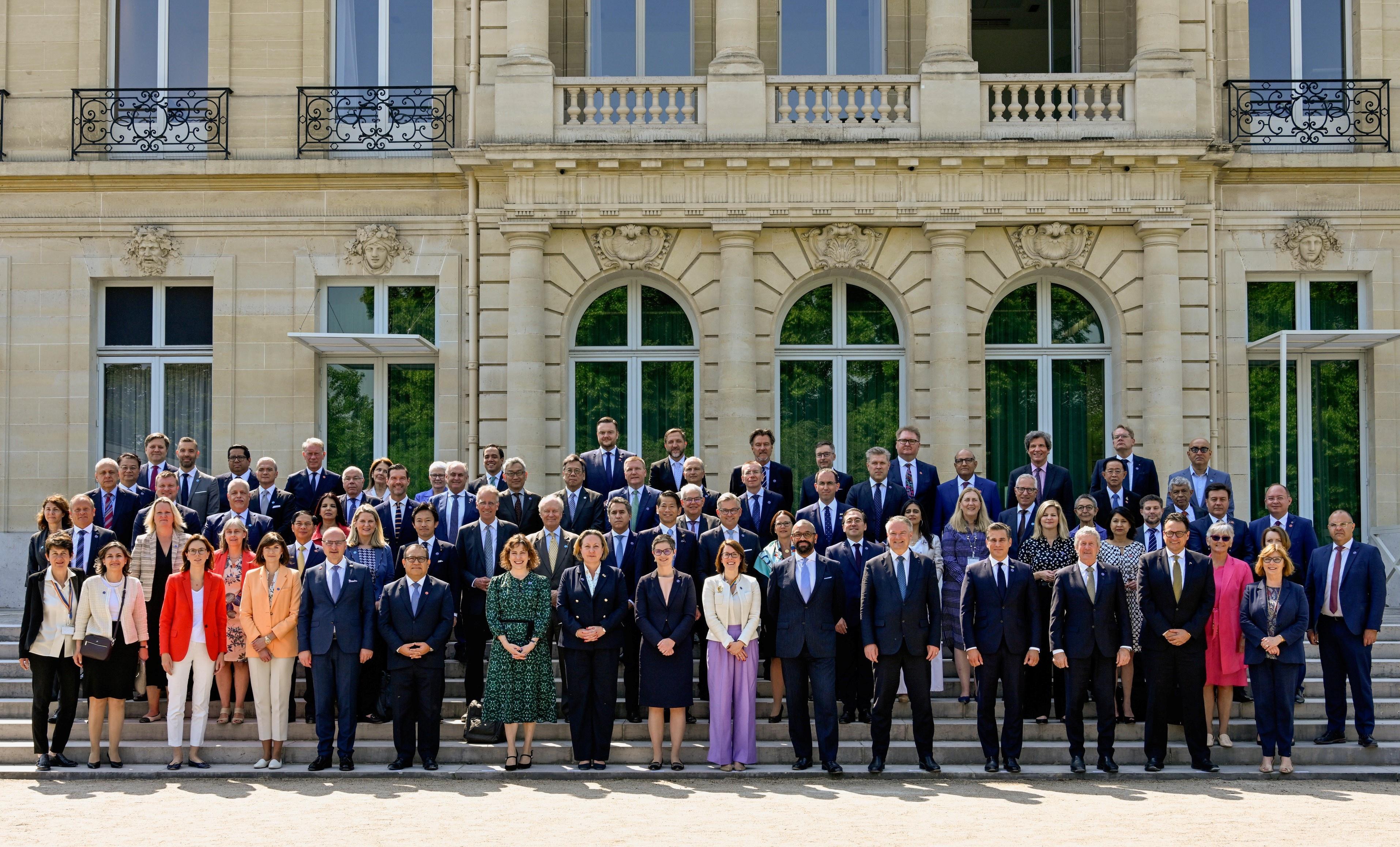
The Secretary for Commerce and Economic Development, Mr Algernon Yau, attended the Ministerial Council Meeting of the Organisation for Economic Co-operation and Development in Paris, France on June 7 (Paris time).
Speaking at a discussion session on trade policies for resilient and inclusive growth, Mr Yau stressed the importance of fighting against any form of protectionism as the world is walking out from the pandemic.
“Trade is not, and should never be seen as, a ‘zero-sum’ game. We must continue to provide a free, fair, open, non-discriminatory, transparent and predictable environment for trade and investment to thrive,” he said.
“Commitments to forging regional trade agreements that are inclusive and open, that seek to deepen economic integration, and that promote economic and technical co-operation will overcome divisions and bolster connectivity,” he added.
He also highlighted that ongoing dialogues and exchanges between governments and also with various stakeholders should be promoted.
In addition, Mr Yau called on participating ministers to uphold the rules-based multilateral trading system and drive forward the World Trade Organization’s discussions about restoring a fully and well-functioning dispute settlement system, the Joint Statement Initiatives on E-Commerce and Investment Facilitation for Development, etc.
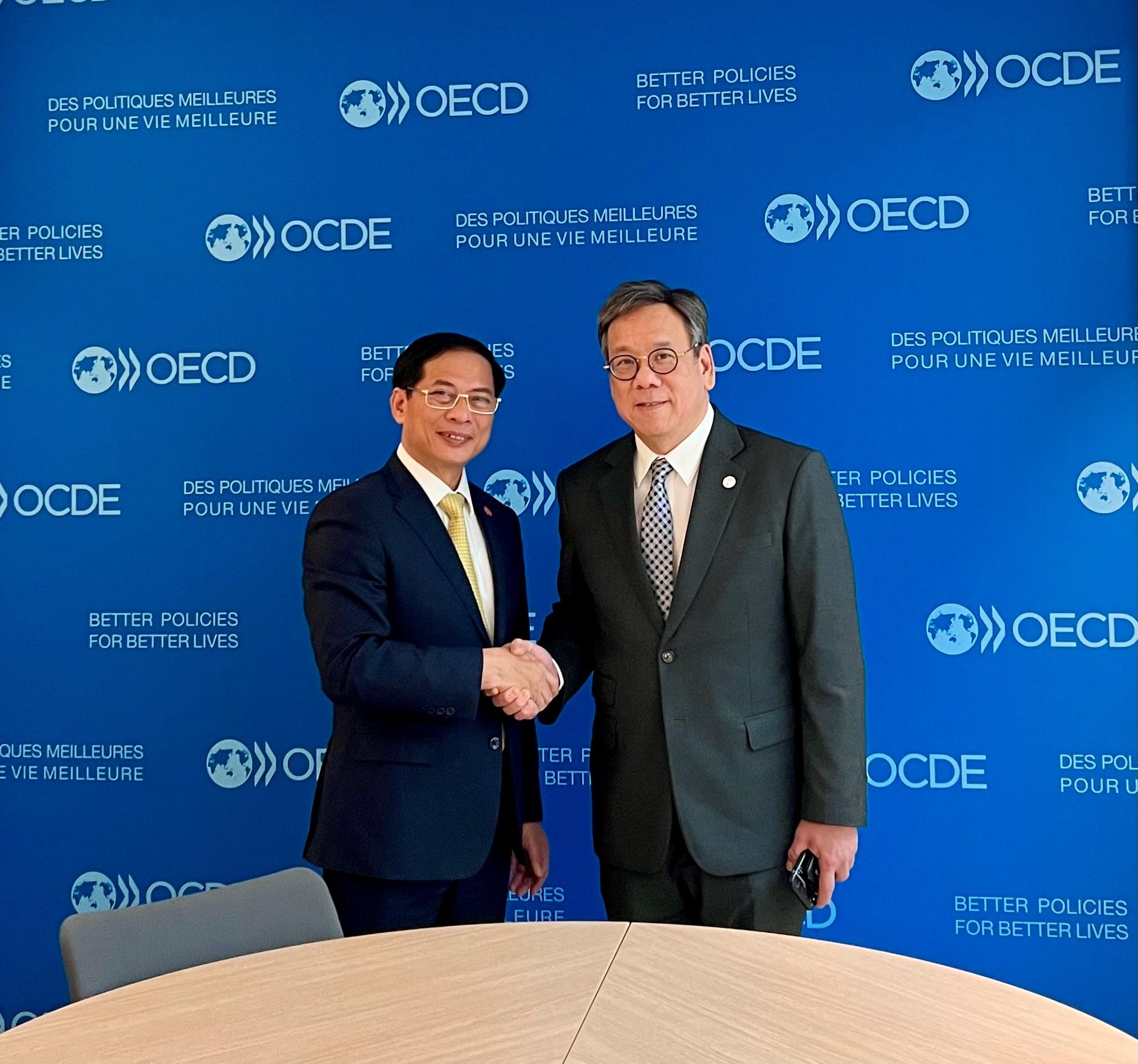
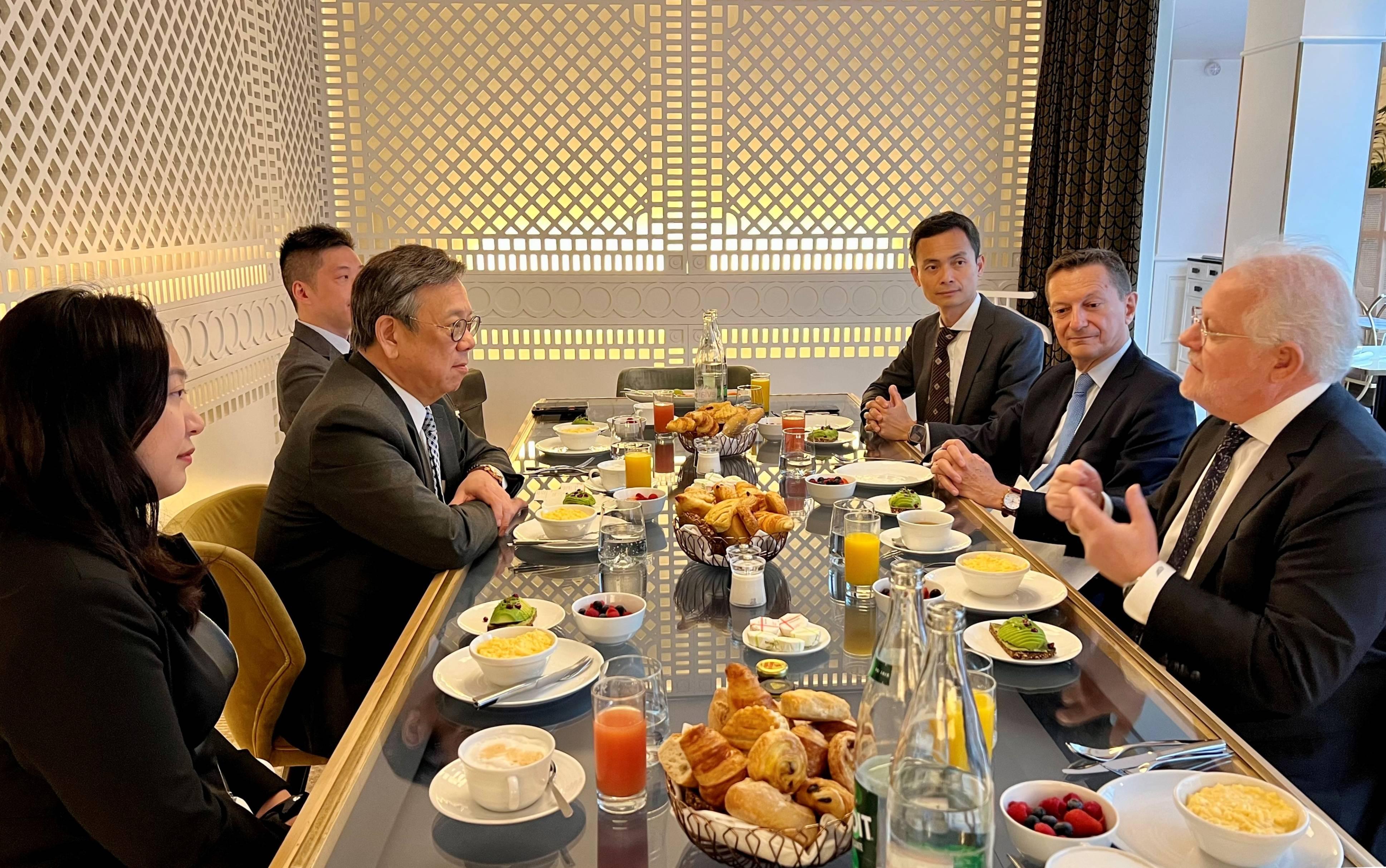
On the sidelines of the meeting, Mr Yau met with the Minister of Foreign Affairs of Vietnam, Mr Bui Thanh Son, to exchange views on enhancing bilateral relationships. He also had a breakfast meeting with the France-Hong Kong Business Association to promote Hong Kong’s advantages and business opportunities.
Mr Yau will proceed to Budapest, Hungary on June 8 (Paris time) for a two-day visit.
The following is issued on behalf of the Hospital Authority:
The Hospital Authority (HA) announced today (June 7) the report of the Review Committee on Medical Equipment and Facility Maintenance (the Committee). The HA will proactively follow up on various improvement recommendations to protect the safety of patients and staff.
The Chairman of the Committee, Mr Wan Man-yee, said: “During the past three months, the Committee has analysed the causes of various incidents, consulted our staff and professionals in the industries. The Committee has made 23 recommendations on improving maintenance of medical equipment, conducting building safety inspection by in-house staff as well as making use of technology etc. to strengthen the protection to patients and staff.”
After the analysis and visits to the concerned hospitals, the Committee concluded the incidents related to the maintenance of medical equipment and facilities with the following observations:
Following is a question by the Hon Lau Chi-pang and a reply by the Secretary for Development, Ms Bernadette Linn, in the Legislative Council today (June 7):
Question:
It has been reported that the State President has indicated that “archaeological relics and historic heritage are witnesses to history that have to be protected and utilised well”. There are views that from the Six-Day War in 1899 where villagers in the New Territories resisted the British in defence of their territories, to the Battle of Hong Kong in 1941 where the Hong Kong defence forces staged a concerted and united action of resistance against Japanese aggression, Hong Kong boasts an abundant history of the wars of resistance, and the relevant wartime relics even constitute excellent teaching materials for national education. However, the current state of preservation of wartime relics in Hong Kong varies greatly, which has aroused concerns. In this connection, will the Government inform this Council:
(1) of the current number of wartime relics in Hong Kong, and whether the Government has compiled a list of wartime relics; if it has, whether it can make available the list concerned; if it has not, whether it will compile such a list in the future;
(2) whether the Government has devised preservation proposals for the wartime relics in Hong Kong; if so, of the specific proposals; if not, whether it will devise such proposals in the future; and
(3) given the Government’s commitment to promoting students’ experiential learning beyond the classroom and integrating such learning with values education in recent years, whether the Government has plans to incorporate the wartime relics in Hong Kong into the experiential learning for the subjects of Citizenship and Social Development as well as Chinese History; if so, of the relevant plans; if not, the reasons for that?
Reply:
President,
The work on wartime relics in Hong Kong involves different purviews including the conservation of declared monuments and historic buildings, education on Hong Kong history and promotion of heritage and culture, etc. After consultation with the relevant policy bureaux, the replies of the Development Bureau to the three parts of the question are as follows:
(1) Based on the preliminary findings of the Antiquities and Monuments Office (AMO), there are 76 items on the lists of declared monuments, graded historic buildings and items pending grading assessment that are related to Six-Day War in 1899, Battle of Hong Kong in December 1941 and the Hong Kong Independent Battalion of the Dongjiang Column (Independent Battalion of Dongjiang Column). Examples include Tat Tak Communal Hall in Ping Shan (Declared Monument) and Kat Hing Wai (Grade 1) which were connected to the Six-Day War; School House of St Stephen’s College in Stanley (Declared Monument) and Wong Nai Chung Gap Military Site (Grade 2) that were related to the Battle of Hong Kong; Rosary Mission Centre in Wong Mo Ying, Sai Kung (Grade 2) and Law Uk, Shek Chung Au in Sha Tau Kok (Grade 3) that were relevant to the Independent Battalion of Dongjiang Column. The list of the 76 items concerned is at Annex of this reply.
Apart from wartime relics, two major memorial facilities of the War of Resistance in Hong Kong, namely the Cenotaph for Martyrs in Wu Kau Tang, North District and the Memorial Monuments for Sai Kung Martyrs During World War II in Tsam Chuk Wan, Sai Kung, have been incorporated into the List of State Facilities and Sites Marking the War of Resistance Against Japanese Aggression.
On the other hand, Hong Kong Museum of History (HKMH) and Hong Kong Museum of Coastal Defence (HKMCD) under the Leisure and Cultural Services Department have been featuring the history of the War of Resistance against Japanese Aggression in their permanent exhibition galleries for long-term display and stage thematic exhibitions relating to the War of Resistance from time to time. Currently, HKMH is updating its permanent exhibitions to further enhance its presentation of the history of Japanese invasion of China, Japanese attack on Hong Kong, the Battle of Hong Kong and the Independent Battalion of Dongjiang Column, etc. The revamped exhibition of HKMCD, with an enhanced focus on the history of the War of Resistance and the Independent Battalion of Dongjiang Column, has been reopened on November 24, 2022.
(2) If the wartime relics are declared monuments and graded historic buildings, the AMO will engage specialists to conduct site inspections at regular intervals and maintain records of and monitor the general conditions of these historic items. The AMO will assist the management departments or private owners concerned in the restoration and repair works of the historic buildings, where necessary. For privately-owned historic buildings, the Commissioner for Heritage’s Office of the Development Bureau will approach the owners of private historic buildings and encourage them to apply for subsidies under the Financial Assistance for Maintenance Scheme on Built Heritage to upkeep their historic buildings.
The Government has also installed information plaques at the graded historic buildings including those related to the War of Resistance, such as Wong Nai Chung Gap Military Site, Pinewood Battery in Lung Fu Shan, Fortifications at Devil’s Peak in Sai Kung, Chung Hom Kok Battery in Stanley, etc, to introduce their history to the public.
To properly protect graded historic buildings and new items pending grading assessment from impacts of works, relevant works departments are required under the existing mechanism to assess whether their projects will affect those built heritage. If affirmative, Heritage Impact Assessment is required and mitigation measures should be devised. To protect built heritage under private ownership, the Government has established an internal mechanism to monitor any plan to demolish or alter privately-owned heritage, to take timely follow-up actions with the owners concerned and explore conservation options.
(3) According to the information provided by the Education Bureau, Citizenship and Social Development (CS), Chinese History and History of secondary school curriculum both contain rich elements of experiential learning. The theme of “Hong Kong under ‘one country, two systems'” in CS involves the preservation of wartime relics in Hong Kong and the indomitable spirit of the Chinese nation in the War of Resistance. The Education Bureau encourages schools to arrange for students to visit wartime relics to know about the current conservation situation and learn about the deeds of anti-Japanese martyrs. Regarding the subjects of Chinese History and History, the Education Bureau has been working on the provision of teacher training programmes and the development of teaching resources including visits to wartime relics in Hong Kong. Besides, the Education Bureau has organised a series of programmes on the teaching of the History of the War of Resistance against Japanese Aggression (Note), which included inviting historians to conduct teacher professional training courses related to the relics of resistance against Japanese aggression, such as organising seminars and field visits in commemoration of the 80th anniversary of the founding of the Independent Battalion of Dongjiang Column; and also arranged for teachers and students to visit Stanley Military Cemetery, Sai Wan War Cemetery, and the HKMCD and its historical trail converted from forts. The Education Bureau will continue to organise or co-organise relevant activities with tertiary institutions, museums and organisations.
It is of great importance to introduce the stories of the War of Resistance and promote the related history and culture to the members of the public, which helps to enhance the cultivation of patriotic sentiments and national identity. The Deputy Chief Secretary for Administration will set up an Inter-departmental Task Force comprising the Development Bureau, Culture, Sports and Tourism Bureau, Home and Youth Affairs Bureau and Education Bureau to co-ordinate the relevant efforts of the policy bureaux, and actively explore working closely with all sectors of community to preserve and make good use of the wartime relics and historical records with a view to enhancing the effectiveness in promoting the history of the War of Resistance and fostering citizens’ sense of national identity.
Note: Circular memorandum No. 99/2022 “Teaching the History of the War of Resistance against Japanese Aggression: Teacher Seminars cum Field Visits Series, Teaching Support Programme and Learning and Teaching Resources”, and circular memorandum No. 194/2022 “Teacher Seminars cum Field Visits Series and Learning and Teaching Resources to support Non-Chinese Speaking students in understanding the War of Resistance against Japanese Aggression and the Battle of Hong Kong”. read more