Red flags hoisted at some beaches
Attention TV/radio announcers: Please broadcast the following as soon as possible: Here is an item of interest to swimmers. The Leisure and Cultural Services Department announced toda… read more


Attention TV/radio announcers: Please broadcast the following as soon as possible: Here is an item of interest to swimmers. The Leisure and Cultural Services Department announced toda… read more
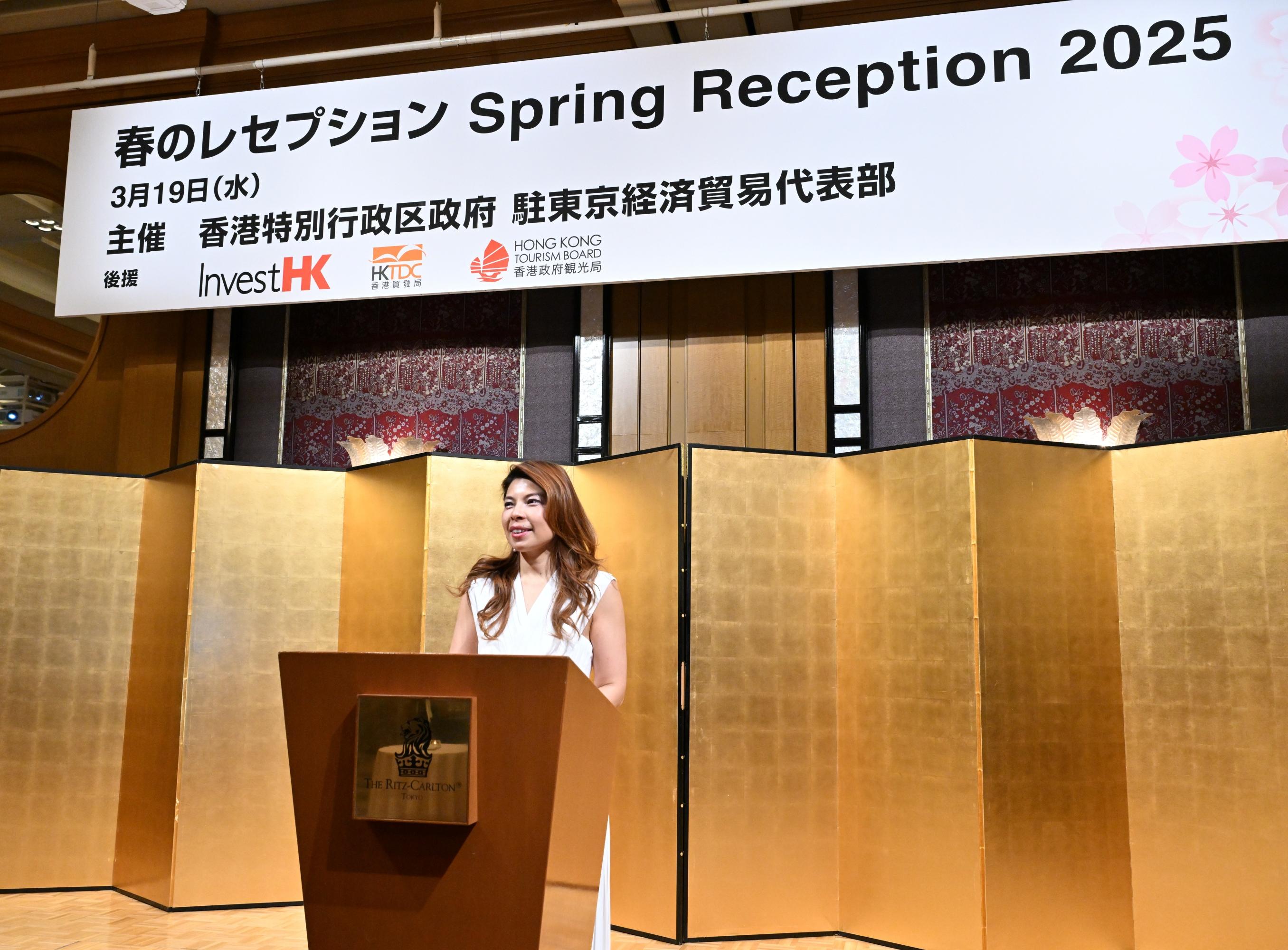
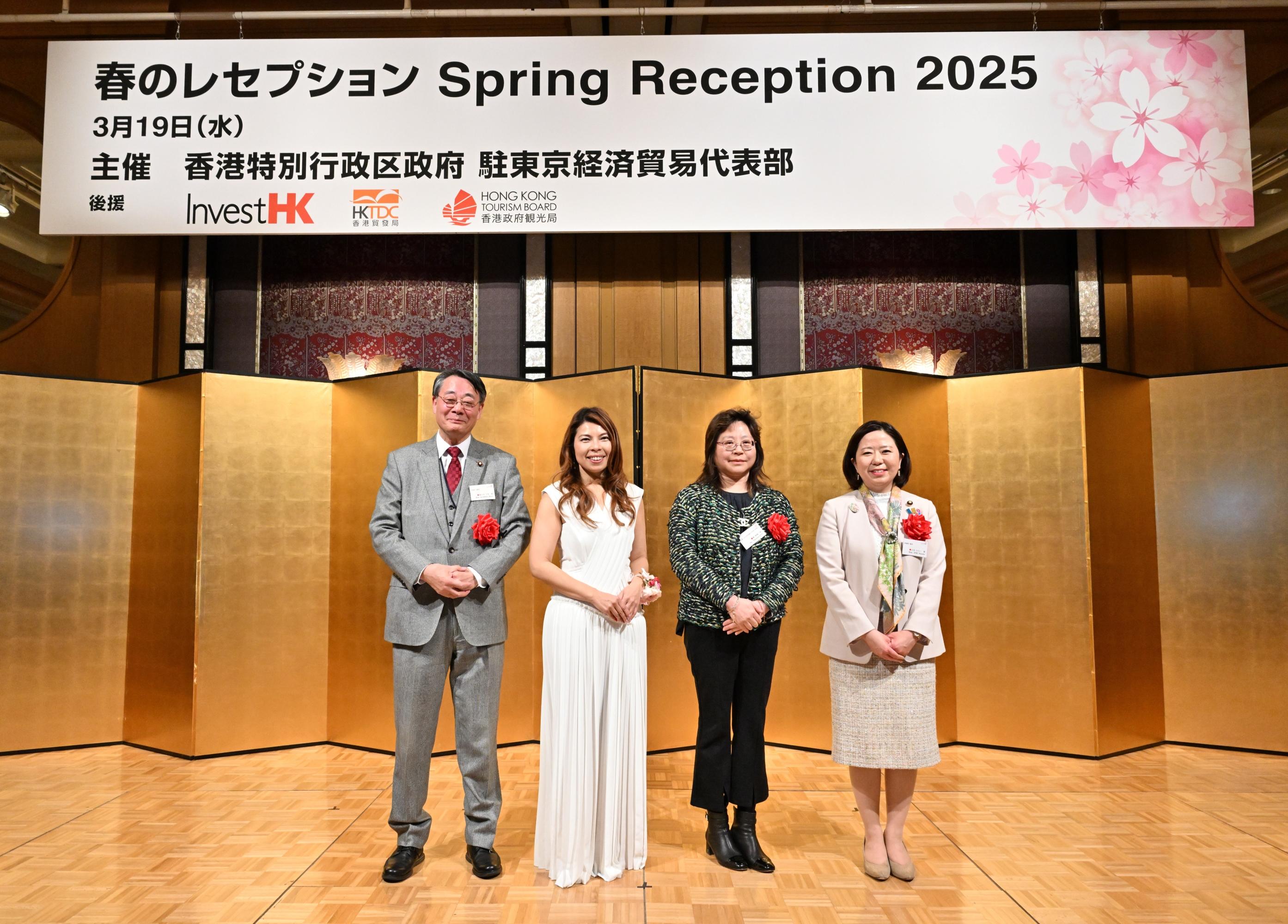
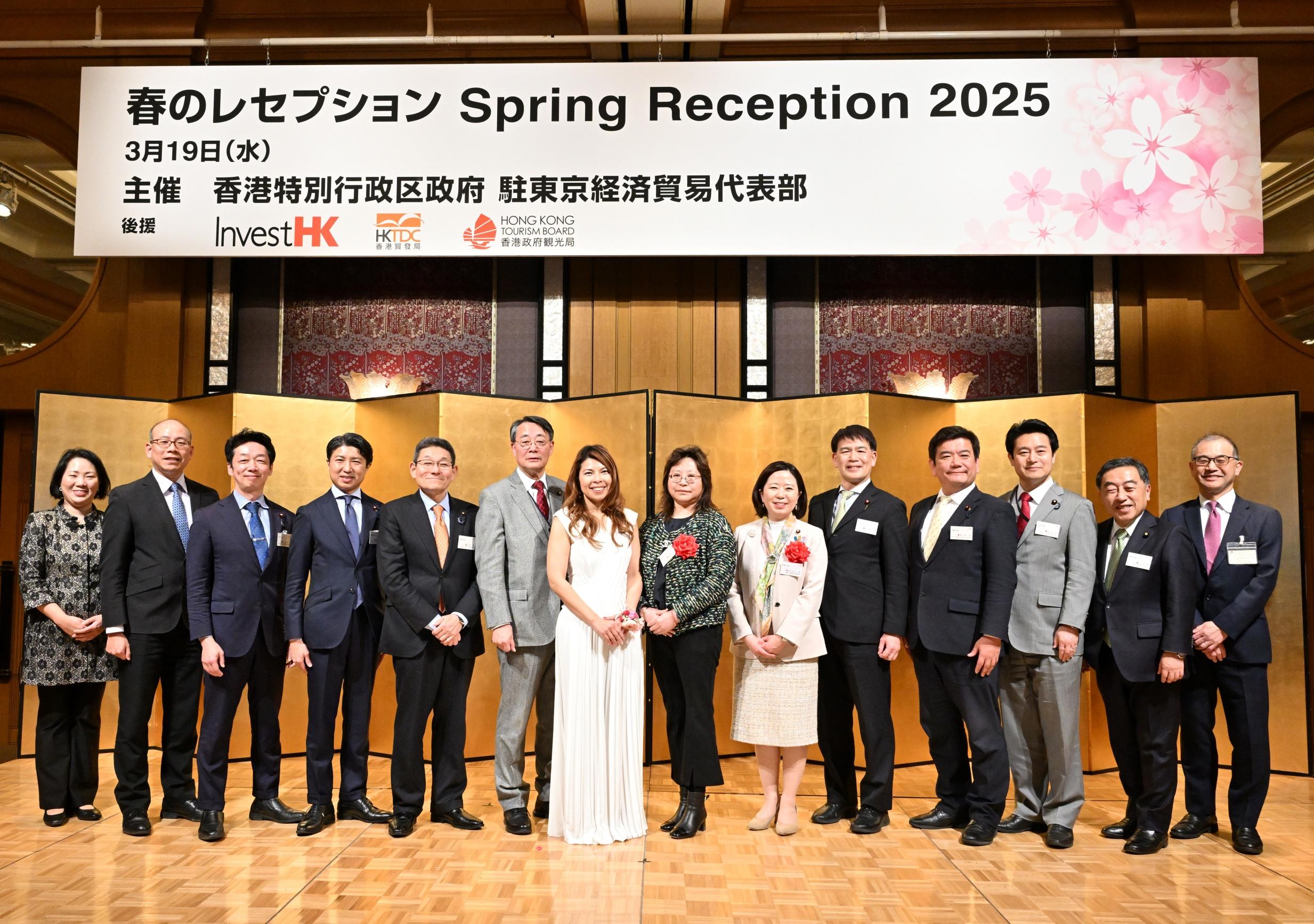
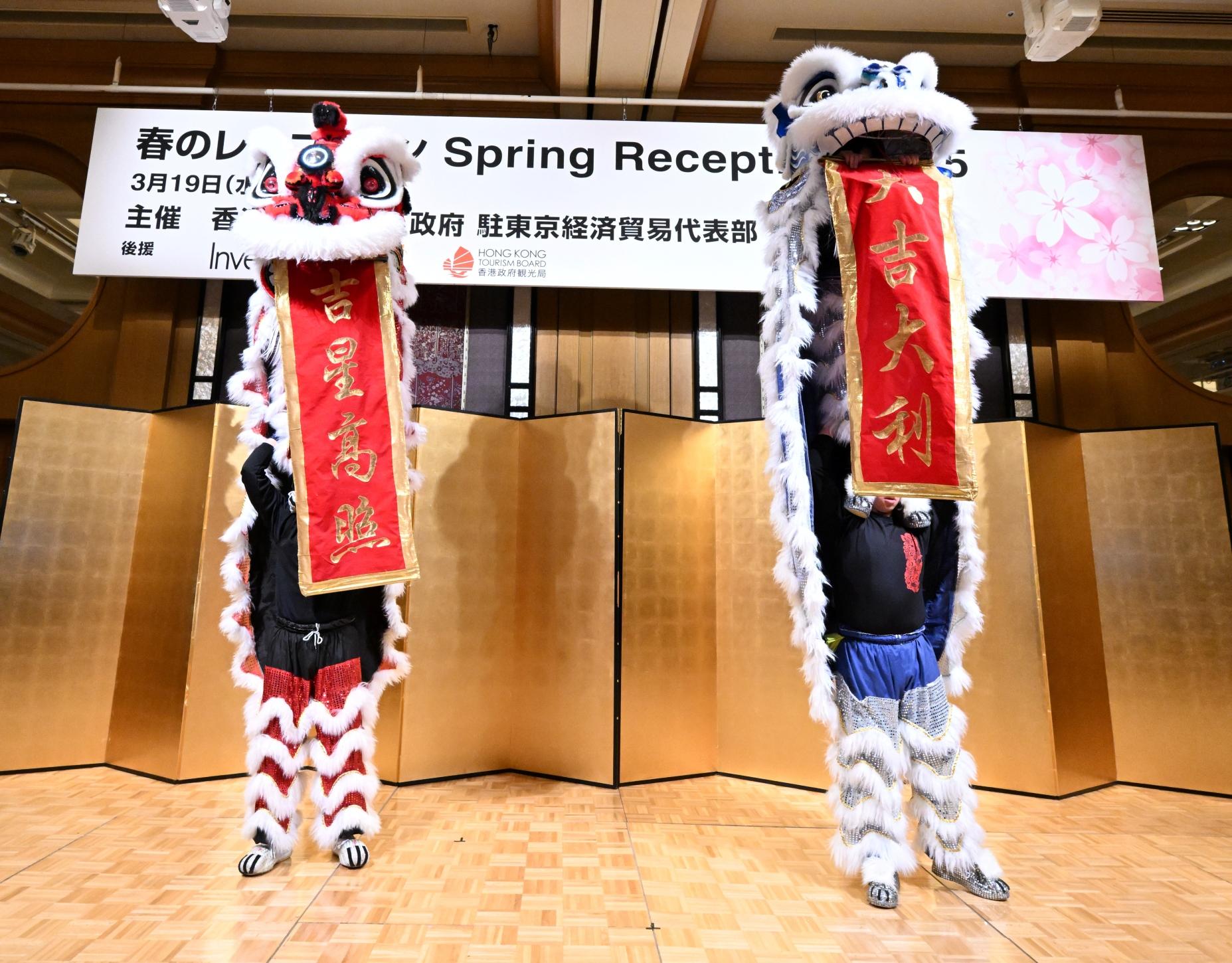
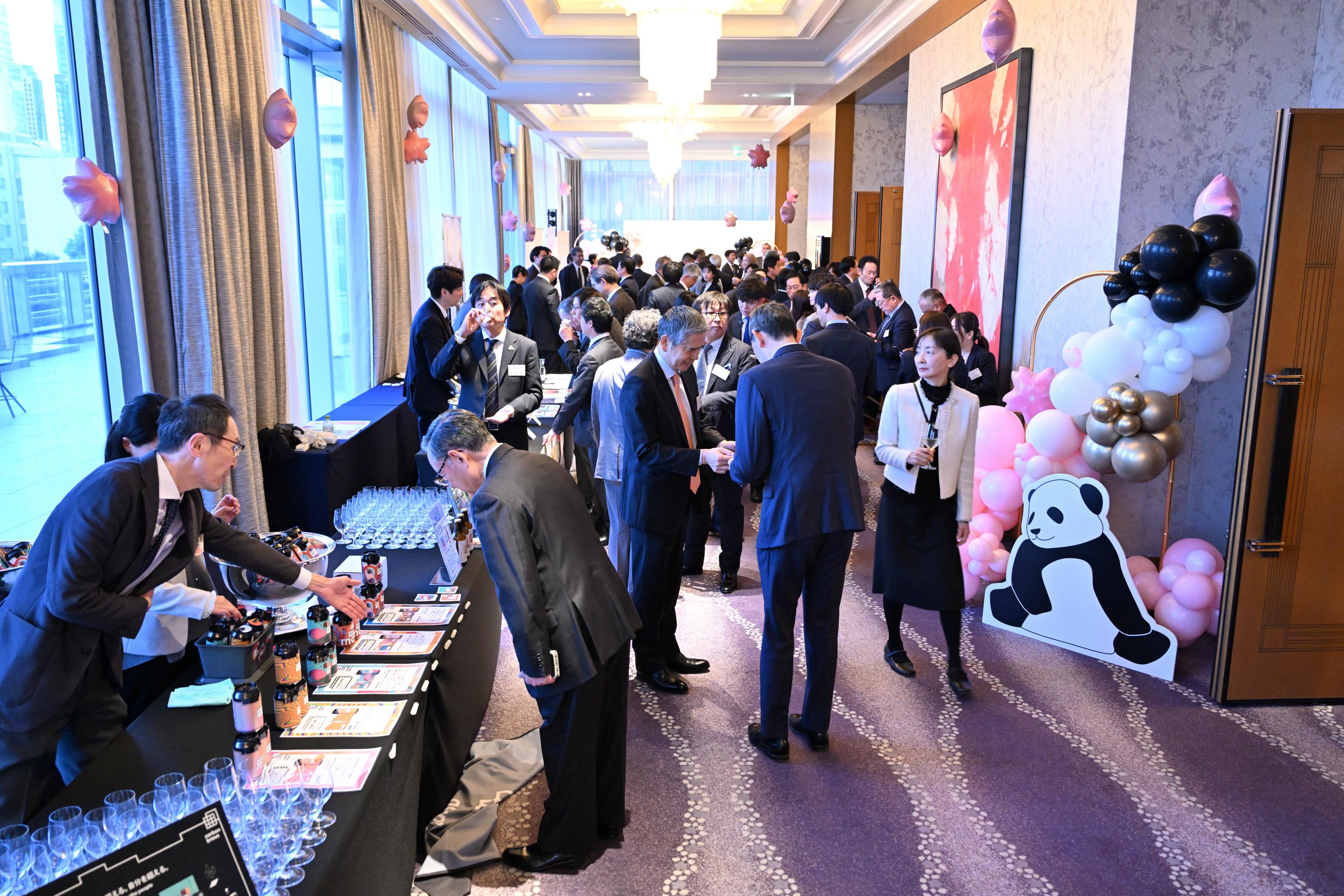
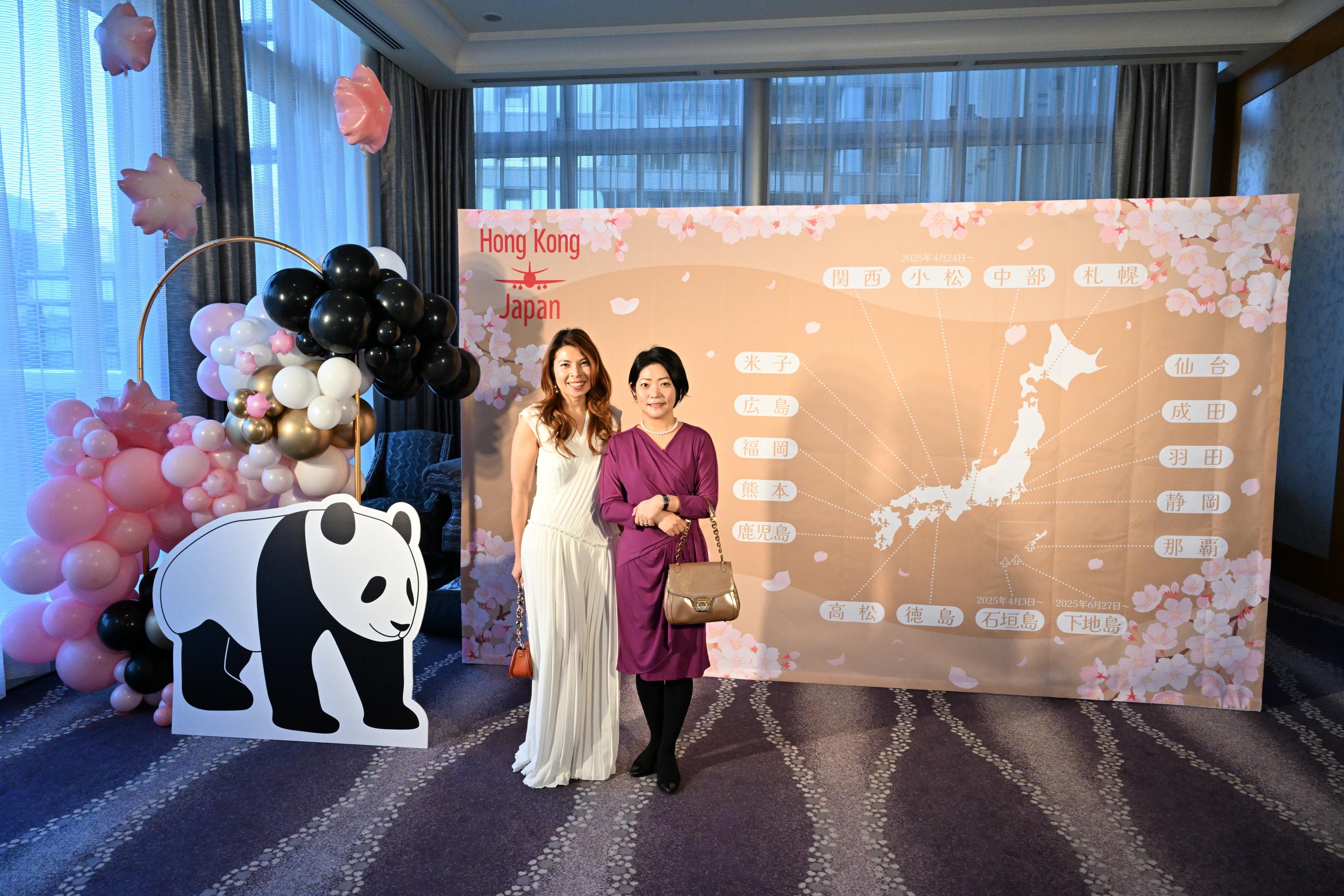
Some 500 guests attended a spring reception in Tokyo, Japan, today (March 19), organised by the Hong Kong Economic and Trade Office (Tokyo), to celebrate the arrival of spring and the flower blossom season.
Speaking to guests from various sectors including Japanese political and business circles, academia, media and community groups, the Principal Hong Kong Economic and Trade Representative (Tokyo), Miss Winsome Au, said that Hong Kong and Japan have strengthened economic and trade relations, flourished through collaborations on different fronts, and made shared achievements together in the past year.
She noted that Hong Kong was the fifth-largest inbound tourist source market for Japan, reaching more than 2.68 million tourists for 2024, and remained the second-largest export market for Japanese agricultural, forestry and fishery products in the year.
“With direct connections to 15 airports in Japan, and soon 18, we are confident that our people-to-people exchanges will continue to grow,” Miss Au added.
On the business front, she noted that over 1 430 Japanese companies operate in Hong Kong, making them the largest group from overseas. Notably, Invest Hong Kong has attracted over 500 enterprises outside Hong Kong to set up in the city in 2024, with more renowned Japanese brands expanding their presence.
She also updated the guests of the latest developments of Hong Kong, and shared with them the Hong Kong Special Administrative Region Government’s measures to fast-track Hong Kong’s economy through reform and innovation in the 2025-26 Budget and the 2024 Policy Address.
The spring reception was organised by the Hong Kong Economic and Trade Office (Tokyo), and supported by Invest Hong Kong, the Hong Kong Trade Development Council and the Hong Kong Tourism Board.
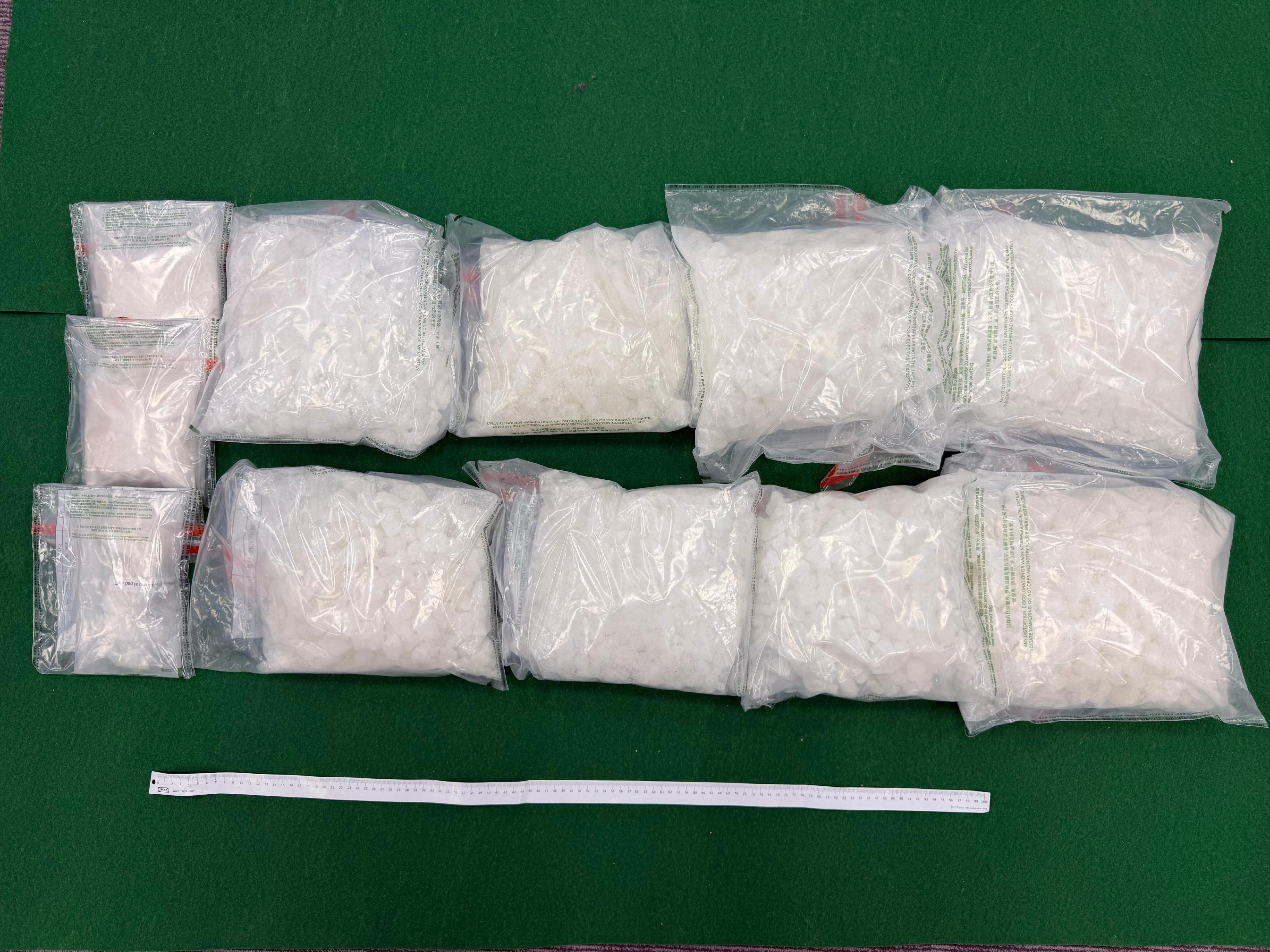
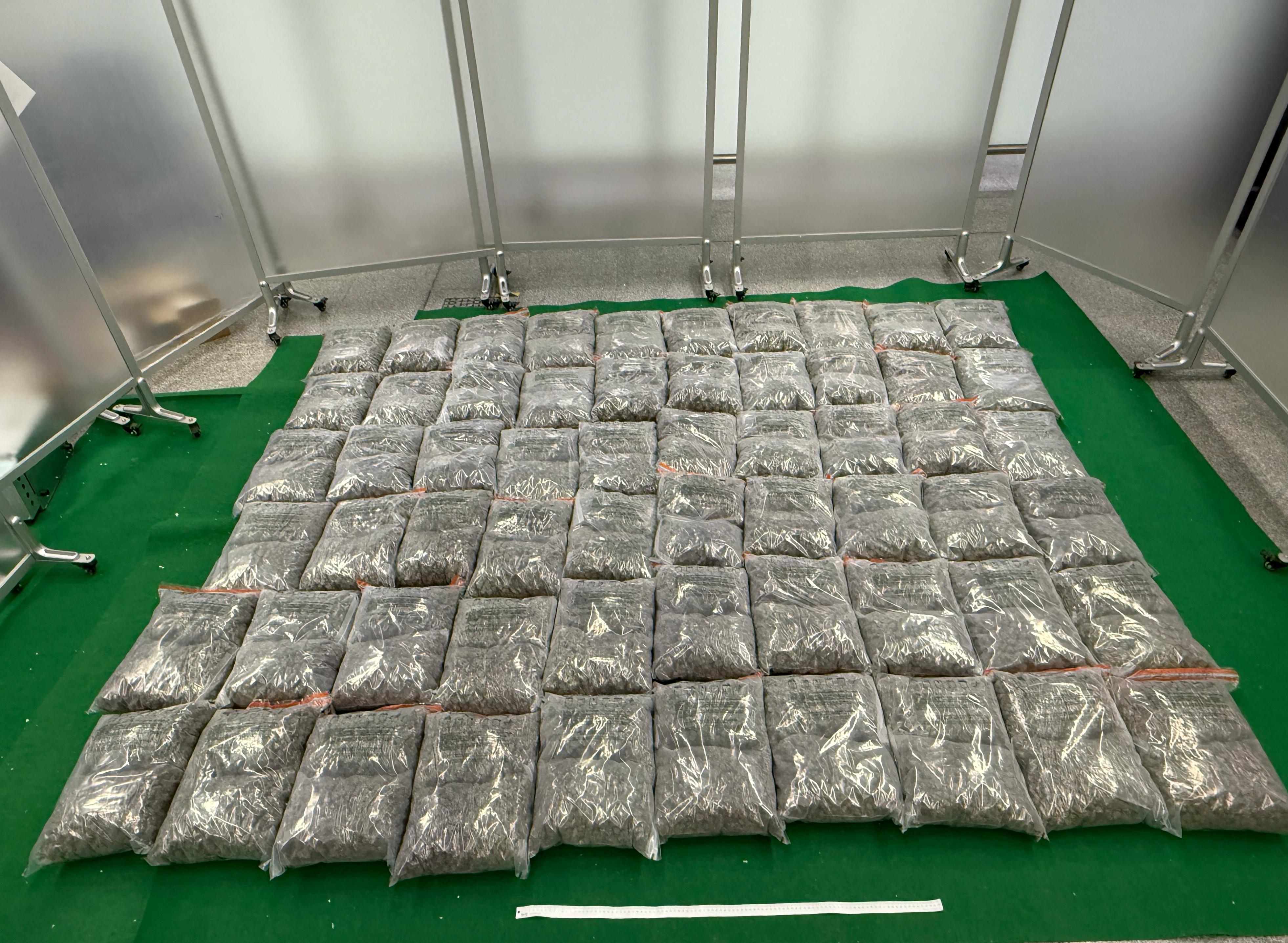
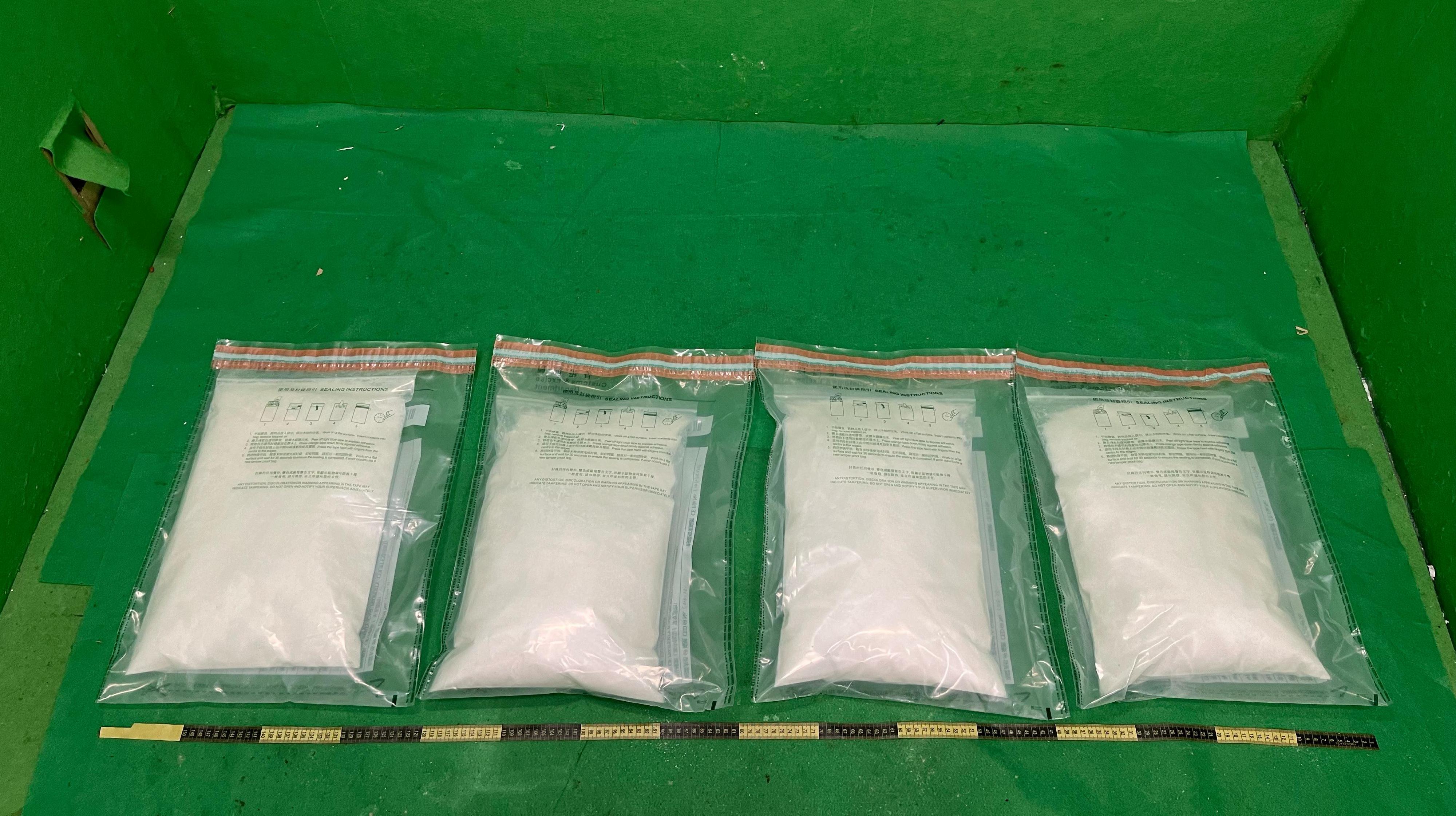
​Hong Kong Customs yesterday (March 18) detected three drug trafficking cases, involving cargo channel and a passenger, at Hong Kong International Airport and seized a total of about 40 kilograms of suspected ketamine, about 152kg of suspected cannabis buds, and about 760 grams of suspected heroin, with a total estimated market value of about $58.4 million.
In the first case, through risk assessment, Customs on March 17 inspected an air cargo consignment, declared as graphite furnace machine and arriving in Hong Kong from the Netherlands at the airport. Upon inspection, Customs officers found about 25kg of suspected ketamine, with an estimated market value of about $11.8 million, concealed in the consignment.
After a follow-up investigation, Customs officers conducted a controlled delivery operation yesterday in Tsim Sha Tsui and arrested a male consignee, aged 20. Customs officers later escorted the arrested person to an industrial building unit in Kwai Chung for a search and further seized about 760g of suspected heroin and a batch of drug packaging paraphernalia.
An investigation is ongoing.
In the second case, through risk assessment, Customs yesterday inspected 48 cargoes arriving in Hong Kong from Thailand at the airport. About 152kg of suspected cannabis budswith an estimated market value of about $39 million were found concealed inside.
After a follow-up investigation, Customs discovered that an overseas company had commissioned a local freight forwarding company to collect the batch of goods and arranged transshipment of the goods to the UK via air channel. Customs has contacted the overseas law enforcement agencies concerned to conduct follow-up investigations.
In the third case, a 33-year-old female passenger arrived in Hong Kong from Amsterdam, the Netherlands, via Istanbul, Türkiye, yesterday. During customs clearance, Customs officers found about 15kg of suspected ketamine with an estimated market value of about $7.1 million inside her check-in suitcase. The woman was subsequently arrested. She has been charged with one count of trafficking in a dangerous drug. The case will be brought up at the West Kowloon Magistrates’ Courts tomorrow (March 20).
Customs will continue to step up enforcement against drug trafficking activities through intelligence analysis. The department also reminds members of the public to stay alert and not to participate in drug trafficking activities for monetary return. They must not accept hiring or delegation from another party to carry controlled items into and out of Hong Kong. They are also reminded not to carry unknown items for other people, nor to release their personal data or home address to others for receiving parcels or goods.
Customs will continue to apply a risk assessment approach and focus on selecting passengers from high-risk regions for clearance to combat transnational drug trafficking activities.
Under the Dangerous Drugs Ordinance, trafficking in a dangerous drug is a serious offence. The maximum penalty upon conviction is a fine of $5 million and life imprisonment.
Customs also reminds that cannabis and tetrahydro-cannabinol (THC) are classified as dangerous drugs under the Ordinance. Importation of products (including food or drinks) containing cannabis or THC into Hong Kong is prohibited unless the relevant provisions in the Ordinance are complied with. In order to avoid breaching the law inadvertently, special attention should be paid to the packaging labels of food and drinks.
Members of the public may report any suspected drug trafficking activities to Customs’ 24-hour hotline 182 8080 or its dedicated crime-reporting email account (crimereport@customs.gov.hk) or online form (eform.cefs.gov.hk/form/ced002).
In response to media enquiries on the relocation of the services of Queen Elizabeth Hospital (QEH) and the future use of the King’s Park site, a spokesman for the Health Bureau said today (March 19) that at this stage, the Government has no plan to use the King’s Park site for purposes other than for healthcare. The Government will consider the future healthcare use and development plan of the King’s Park site in the course of reviewing the Second Hospital Development Plan (HDP).
The spokesman said, “To dovetail with the implementation of the First HDP of the Hospital Authority (HA), the services of QEH will be relocated to New Acute Hospital (NAH) at Kai Tak Development Area gradually starting from early 2026. By then, most of the clinical services of QEH, including the accident and emergency services, will be relocated to NAH; while the Ambulatory Care Centre (Extension) of QEH will remain at the King’s Park site.”
Situated in Central Kowloon, NAH will form a service network with Our Lady of Maryknoll Hospital, Hong Kong Buddhist Hospital and Tung Wah Group of Hospitals Wong Tai Sin Hospital in Kowloon City District; Kwong Wah Hospital, Kowloon Hospital and other hospitals in the Kowloon Central Cluster; as well as the Ambulatory Care Centre (Extension) of QEH to provide comprehensive healthcare services to the residents of the community.
The HA has been maintaining close liaison with the relevant departments, including the Transport Department (TD), on various support for NAH. Regarding public transport services, the TD will plan in advance the provision of appropriate public transport services having regard to the progress and anticipated completion date of the NAH project. The TD will also continue to closely monitor the development of the area, and adjust or strengthen the local public transport services based on actual circumstances, with a view to further enhancing the road traffic network in the vicinity of NAH having regard to the needs of the passengers, including patients seeking services at the hospital.
The spokesman added that the Health Bureau and the HA are reviewing the Second HDP by taking into account the future planning of Hong Kong (including the latest development of the Northern Metropolis), anticipated population distribution and projected healthcare service demand. After the relocation of clinical services from QEH to NAH, there will be room for development of healthcare services at the King’s Park site. Given the convenient geographical location, it will be a feasible option to consider the expansion of the ambulatory care services at the King’s Park site based on the demand of the population in Kowloon. read more
A spokesman for the Security Bureau (SB) said today (March 19) that the Government will publish the Firearms and Ammunition (Amendment) Bill 2025 in the Gazette on Friday (March 21) and introduce it into the Legislative Council (LegCo) for First Reading and Second Reading on April 2 to implement the relevant requirements of the “Protocol against the Illicit Manufacturing of and Trafficking in Firearms, Their Parts and Components and Ammunition” (the Firearms Protocol).
The spokesman said, “The Firearms Protocol entered into force in 2005 to strengthen control over licit firearms, prevent their diversion into the illegal circuit, and promote relevant law enforcement co-operation among the States Parties. The Firearms Protocol has entered into force for the People’s Republic of China (including the Hong Kong Special Administrative Region) since January 18, 2024. The Firearms Protocol stipulates the requirement to criminalise the illicit manufacturing of or cross-border trafficking in firearms, component parts and ammunition, as well as falsifying or illicitly obliterating, removing or altering the requisite markings on firearms.
“Under the Firearms and Ammunition Ordinance (Cap. 238) (the FAO), the existing regulatory framework regulates the manufacturing and import or export of firearms (including their component parts and ammunition) by way of trade or business by the dealer’s licence regime, and does not contain specific provisions for criminalising the illicit manufacturing and import or export of firearms (including their component parts and ammunition) by way other than trade or business. There is also no mandatory legal requirement on marking of firearms, and no criminal offence of falsifying or illicitly obliterating, removing or altering such markings. We therefore have to amend the FAO in order to fully implement the Firearms Protocol.”
The spokesman emphasised, “Apart from criminalising the aforementioned types of conducts and enhancing the penalties for the illicit manufacturing of and cross-border trafficking in firearms (including their component parts and ammunition) for greater deterrence, the Bill will also align with international practices in the regulation of firearms by requiring markings to be made on firearms at the time of manufacture and import for the purpose of identifying and tracing each firearm. The detailed technical marking requirements and specifications will be set out by way of subsidiary legislation after the amended FAO comes into force.”
The spokesman added, “The SB has briefed the holders of dealers’ licence in firearms on the Bill, and consulted the LegCo Panel on Security in February 2025. The trade and the Panel supported the Bill in general. We will continue to consult the trade in the formulation of the relevant subsidiary legislation.” read more