Tag Archives: China

image_pdfimage_print

HKPF conducts inter-departmental tabletop exercise to strengthen collaboration and responsiveness in transportation services near KTSP (with photos)

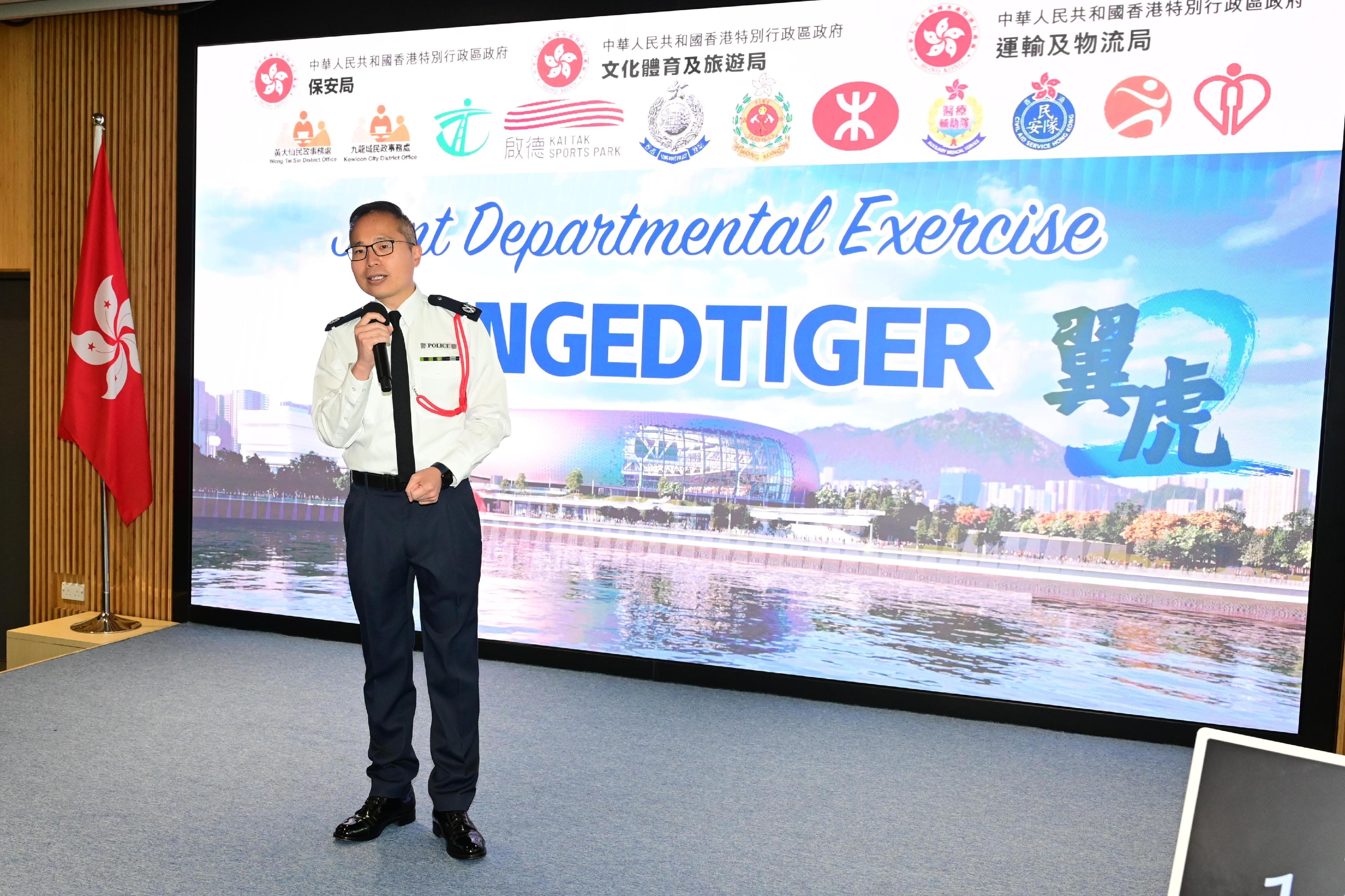
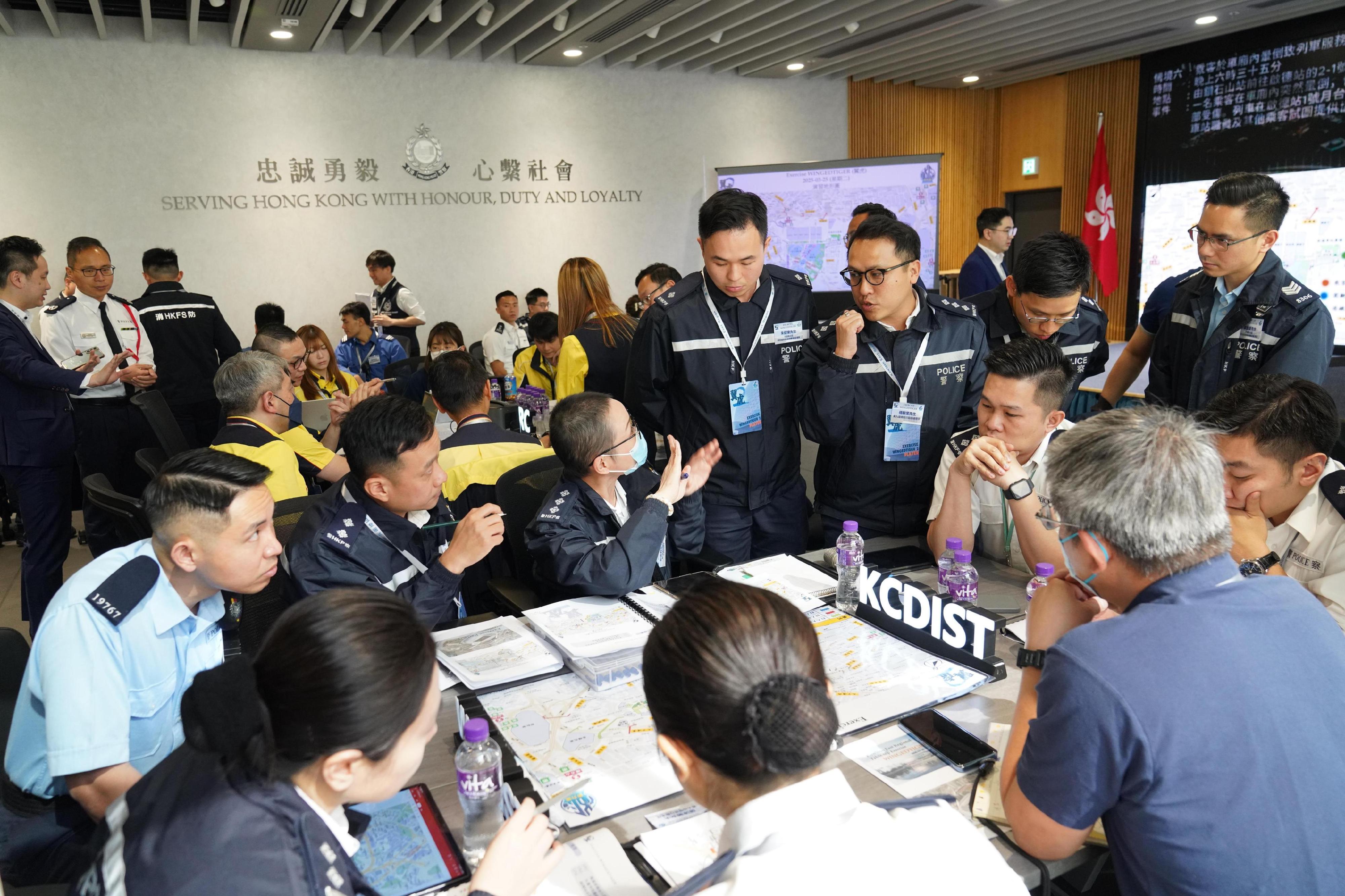
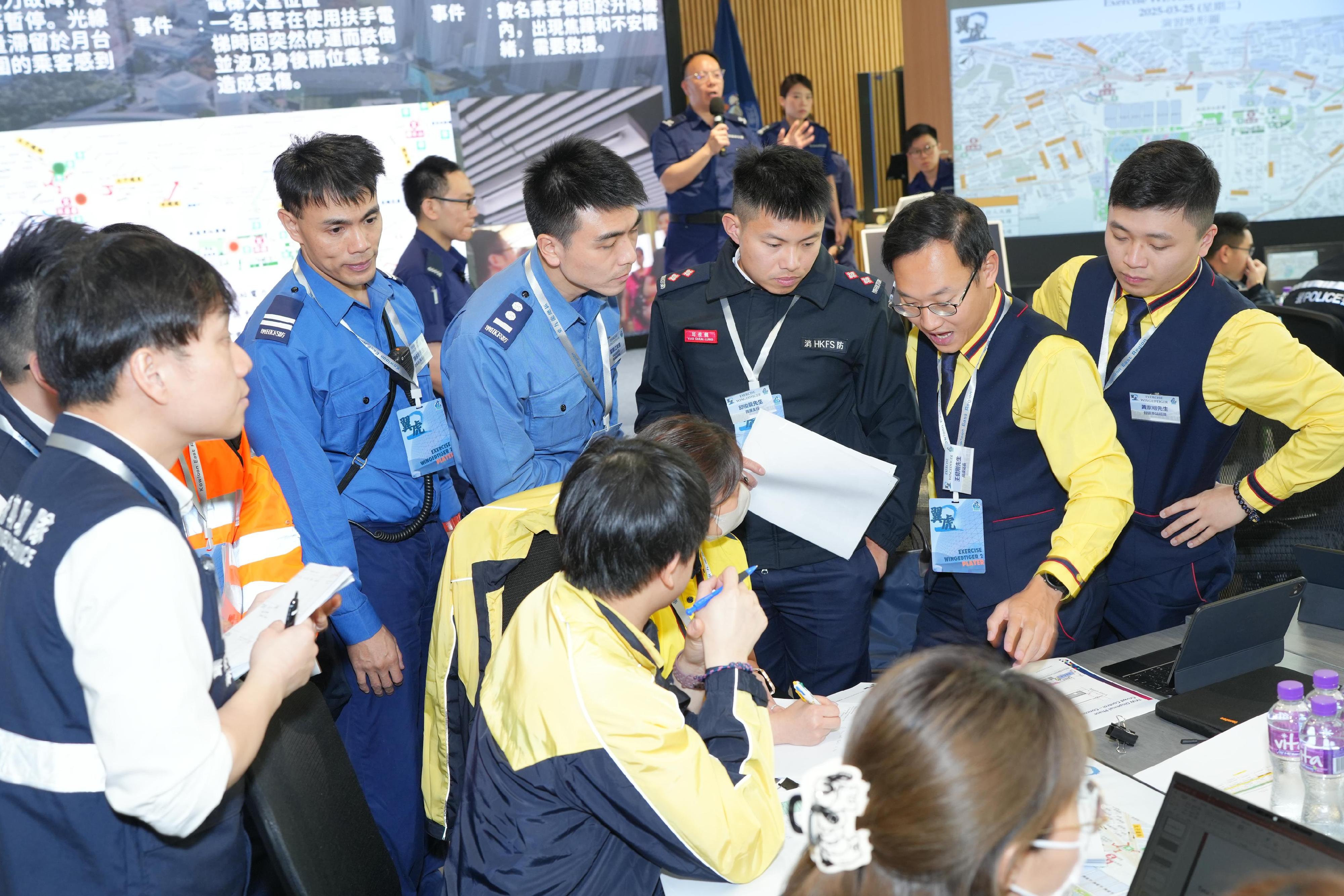
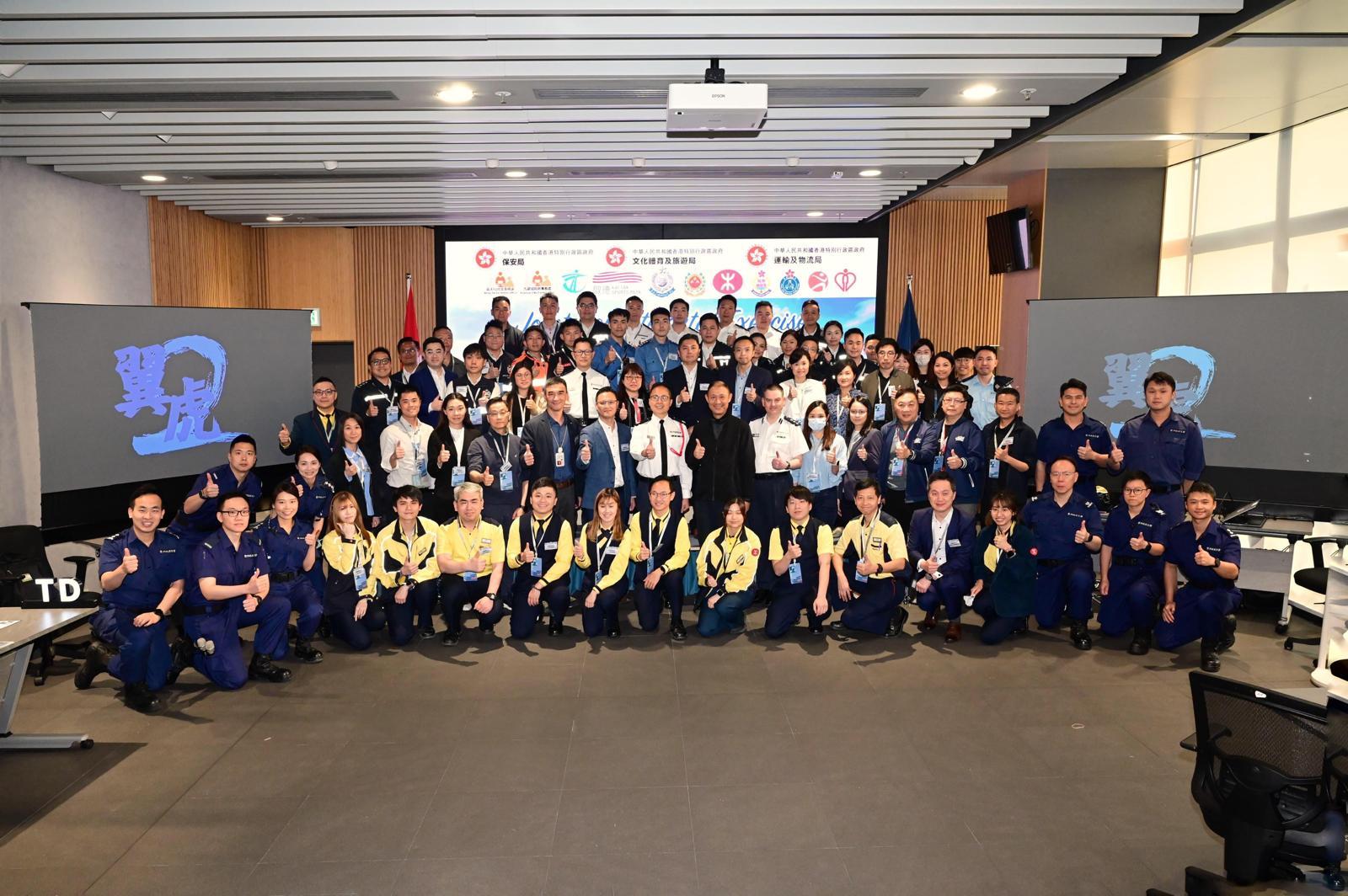
     The Operations Wing of Kowloon East Region of the Hong Kong Police Force (HKPF) today (March 25) conducted the second phase of an inter-departmental tabletop exercise for the Kai Tak Sports Park (KTSP), codenamed “WINGEDTIGER”, at the Kowloon East Regional Headquarters. The exercise aimed to enhance collaboration and immediate response capabilities among relevant government bureaux, departments and stakeholders in responding to emergencies in transportation services during large-scale events.
 
     The exercise built on insights from the first phase of the tabletop exercise completed on October 25, 2024, and data collected from a number of subsequent large-scale test events and stress tests, which showed approximately 70 per cent of participants chose to take the MTR Tuen Ma Line during large-scale events at the KTSP. As such, this exercise, which was based on the Hong Kong Rugby Sevens simulated different emergency scenarios involving train operations and signal systems at nearby MTR stations,  causing varying degrees of impact to the MTR Tuen Ma Line service.
 
     The exercise aimed to enhance stakeholders’ ability to immediately deploy manpower, implement appropriate contingency measures, and coordinate inter-departmental actions according to different emergency situations, so as to minimise impacts on participants of large-scale events and local residents near the KTSP, as well as ensuring their safety and smooth mobility.
 
     Supported by 13 government bureaux, departments and relevant organisations, over 150 representatives participated in the exercise, including personnel from the Culture, Sports and Tourism Bureau, the Transport and Logistics Bureau, the Security Bureau, the HKPF, the Fire Services Department, the Hospital Authority, the Civil Aid Service, the Auxiliary Medical Service, the Transport Department, the Leisure and Cultural Services Department, the Home Affairs Department (Wong Tai Sin District Office and Kowloon City District Office), the MTR Corporation Limited and the KTSP Limited.

Photo  Photo  Photo  Photo  
read more

Hospital Authority implements fees and charges reform rationalising healthcare services and enhancing patient protection

The following is issued on behalf of the Hospital Authority:

     The Hospital Authority (HA) announced today (March 25) the completion of public healthcare fees and charges reform review and submission of policy recommendations to the Health Bureau. The proposals adhere to the principle that no person should be denied, through lack of means, from obtaining adequate medical treatment, aiming to strengthen healthcare protection, rationalise public hospital service subsidies, reduce wastage and misuse, and enhance the sustainability of the public healthcare system by reforming the public healthcare subsidy framework.
      
     The Chairman of the HA, Mr Henry Fan, said, “We sincerely thank the Health Bureau for leading the HA in conducting this fees and charges reform review. Through this reform, the HA can promote the development of Hong Kong’s public healthcare services. We believe that once the fees and charges reform measures are fully implemented, the current service imbalances in public hospitals can be gradually straightened out and the protection for patients, especially those with critical illnesses or emergency conditions, can be enhanced. This will enable sustainable development of public healthcare services to cope with the various challenges posed by Hong Kong’s ageing population.”
      
     Currently, the government provides a high degree of subsidy for HA services, with a subsidy rate as high as 97.6 per cent, with the subsidy amount for some public hospital services even reaching 100 per cent. Beyond facing challenges from an ageing population creating excess demand, Hong Kong’s public healthcare system experiences systemic imbalances, subsidy misallocations, and service waste. To ensure the sustainability of the public healthcare system, the HA initiated a review to reform public healthcare fees and charges last year, based on relevant principles including public affordability, optimal service utilisation, cost sharing, subsidy prioritisation, support for the underprivileged and public acceptance. The review covers the following areas:
 
Reforming the susidisation structure
 

  • systematically reforming the subsidisation structure to determine government subsidy levels and citizen copayment ratios across different public healthcare services, rationalising relative demand across inpatient, emergency, and outpatient services, to provide patients with appropriate medical services;

Reducing wastage and misuse
 
  • introducing copayment models for non-emergency diagnostic radiology and pathology examination services, adjusting standard drug fees and quantities to change the public’s healthcare-seeking behavior and ensure limited medical resources can be precisely allocated to patients needed;

Strengthening healthcare protection
 
  • enhancing the medical fee waiving mechanism, relaxing the income and asset limit to significantly strengthen support for low-income families and underprivileged groups;
  • introducing a cap on annual spending of $10,000 for public healthcare services (excluding self-financed items) to better care for critically ill patients;
  • accelerating the introduction of more effective innovative drugs and devices and relaxing the eligibility criteria of means test for the safety net applications, so that more critically ill patients can receive subsidy for self-financed drugs and devices.
 
     The Chief Executive of the HA, Dr Tony Ko, said, “The HA will fully implement the reform. Under the reform, subsidy ratios will vary by service type of public hospitals, depending on the nature of the service. After the reform, the public copayment ratio will remain affordable. Through the enhanced medical fee waiving mechanism, relaxed eligibility criteria of means test for Samaritan Fund safety net applications, and a cap on annual spending on inpatient and outpatient fees, the HA will continue to ensure that no one will be denied adequate medical care due to lack of means and will strengthen the protection of the public, not only taking care of the underprivileged groups, but also preventing middle income people from impoverishment due to illness.”
      
     After the implementation of measures such as enhancing medical fee waiving mechanism, relaxing eligibility criteria of means test for Samaritan Fund safety net applications, and establishing a cap on annual spending on inpatient and outpatient fees, over 1.4 million people are expected to be eligible for protection. The HA pledges that all additional revenue generated from fees and charges adjustments will be entirely utilised to medical services, particularly supporting those with critical conditions like cancer or rare diseases, waiving or reducing self-financed medications and devices or medical supplies fees. The HA can also accelerate the introduction of more effective new medications and devices to improve treatment outcomes.
      
     The detailed fee schedule will take effect in January 2026 (see Annex). Details of enhanced protection measures, include enhancing medical fee waiving mechanism, introducing an annual fee cap on inpatients and outpatients of $10,000, and relaxing eligibility criteria of means test for Samaritan Fund safety net application, are provided in the appendix. The HA’s last fee adjustment was in 2017.
      
     Mr Fan stated that Hong Kong’s public hospitals remain among the world’s most efficient healthcare providers. The HA will continue promoting reforms to improve the service level of public hospitals, and ensure limited medical resources can be used for patients most in need. Once the public healthcare fees and charges reform achieves its target within five years, Hong Kong’s public healthcare system will take a major step forward. The HA will also fully cooperate with other government healthcare reform measures to continue providing high-quality and sustainable medical services with appropriate healthcare protection for Hong Kong citizens.

Annex
 
Public healthcare fees and charges reform
 
Service Current fee Fees effective from January 1, 2026
Inpatient
(Acute bed)
Admission fee $75 To cancel
Maintenance fee (per day) $120 $300
Inpatient
(convalescent / rehabilitation, infirmary and psychiatric beds)
Maintenance fee (per day)
$100 $200
Day procedure and treatment Admission fee $75 To cancel
Maintenance fee (per day) $120 $250
Day hospital
(Geriatric, rehabilitation) 
$60 / $55 $100
Community nursing service,
Community allied health service
$80 $100
Community psychiatric nursing service Free Free
Psychiatric day hospital $60 Free
Accident and emergency $180 $400
(Fee exempted for Category I, II)
Specialist outpatient clinic (SOPC) (Include allied health clinic) 1st attendance $135 $250
Subsequent $80
Drug $15 per unit,
16 weeks maximum
$20 per unit,
up to 4 weeks
Pathology testing service
(applicable for SOPC)
Basic No additional charges Free
Intermediate $50
Advanced $200
Non-emergency radiology imaging service Basic No additional charges Free
Intermediate $250
Advanced $500
Family medicine outpatient service Consultation Family medicine outpatient service
 
$135 for the 1st attendance
 
$80 per
subsequent attendance
$150
$50 for general outpatient
Drug
 
Family medicine outpatient service
 
$15 per unit,
16 weeks maximum
$5 per unit,
up to 4 weeks
No additional charge for general outpatient
read more

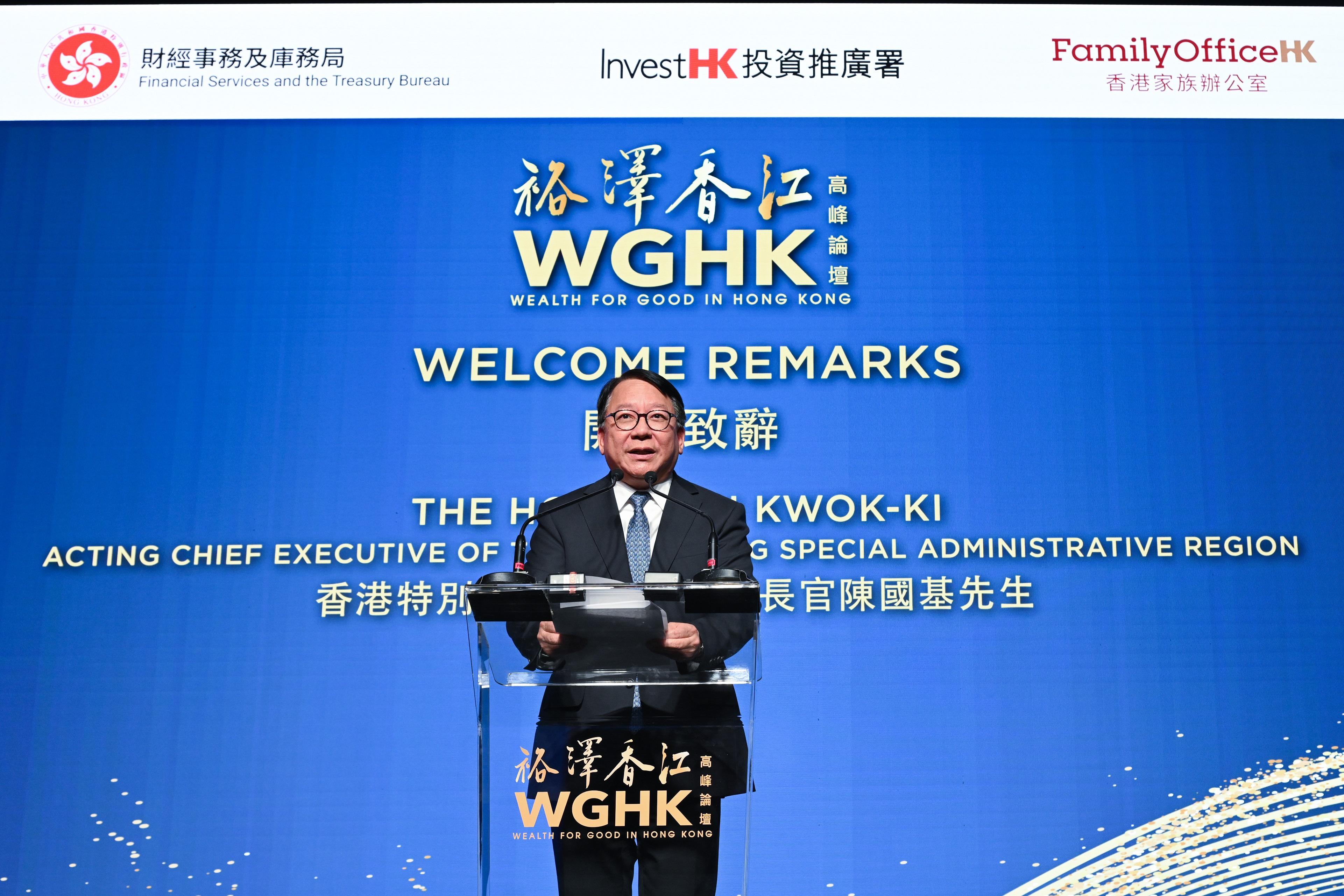
Speech by Acting CE at Wealth for Good in Hong Kong Summit Principal Dinner (English only) (with photo/video)

     â€‹Following is the speech by the Acting Chief Executive, Mr Chan Kwok-ki, at the Principal Dinner of the Wealth for Good in Hong Kong Summit today (March 25):
 
Distinguished guests, ladies and gentlemen,
 
     Good evening. It is with great pleasure that I welcome you to tonight’s Principal Dinner, on the eve of the third annual Wealth for Good in Hong Kong Summit.
 
     Allow me to begin by thanking our Hong Kong dancers for their elegant and innovative approach to the traditional Chinese lion dance – tonight performed as a lion ballet dance. That mingling of Asian and Western cultures is very much in keeping with today’s Hong Kong, the world’s rising East-meets-West centre for international cultural exchange.
 
     Hong Kong’s singular role as a gainful bridge between East and West is why many of you are here, with us, from all over the world – from Mainland China and throughout Asia, from Europe, the Americas, the Middle East and beyond. And while our Chief Executive, John Lee, is unfortunately away on a duty visit, I am delighted to be your host for this evening’s gala dinner.
 
     Over these next few days, I invite you to immerse yourselves in all that Hong Kong has to offer – to discover, first-hand, why our city is the leading choice for family offices.
 
     And for good reason. Hong Kong is a super-connector bringing together people and ideas. We are a platform for visionaries looking to create lasting legacies, a dynamic hub where your offices and families can flourish.
 
     The theme of this year’s Wealth for Good in Hong Kong Summit, “Hong Kong of the World, for the World,” smartly reflects that reality, spotlights our commitment to international collaboration and mutual rewards.
 
     Hong Kong’s advantages are clear and unique. Our “one country, two systems” framework ensures close and beneficial ties with our country and deep connectivity with the rest of the world.
      
     It helps, too, that Hong Kong is China’s international financial centre and one of the world’s major financial centres. In the latest Global Financial Centres Index, out last week, Hong Kong maintained its position as the world’s third-ranked financial centre, and the top in the Asia-Pacific. In the Index’s “human capital,” “infrastructure” and “financial sector development” areas, Hong Kong climbed to second, worldwide, while our rankings in “business environment” and “reputational and general” rose to third, globally.
      
     We are at the forefront of digitalisation, too, the first government to issue tokenised green bonds, demonstrating our flexibility and support for financial technology.
      
     And we will soon publish a second policy statement on virtual assets, including advancing stablecoin regulations to set a new global standard for the future of digital finance.
      
     Hong Kong is also a hub for world-class events such as this evening’s. We bring together thought leaders, policymakers, and industry innovators to help shape the future of finance, technology and sustainability.
      
     Yesterday, the Milken Institute held its second Global Investors’ Symposium, attracting senior players from finance, business, technology, healthcare, philanthropy and government.
      
     It’s just one of a number of events making up our “Wealth & Investment Mega-Event Week”. The HSBC Global Investment Summit opened earlier today. On Thursday, we have the Bloomberg Family Office Summit. And the World Economic Forum is hosting several sustainability-themed events here, including Friday’s One Earth Summit.
      
     Our commitment to creating an enriching environment extends beyond finance and investment. Earlier this month, we opened Kai Tak Sports Park, the striking, pearl-like landmark rising from the waterfront in East Kowloon.
      
     The world-class venue features a 50 000-seat stadium, complete with a retractable roof, and stunning views to Victoria Harbour from the South Stand. The 100-metre Champions Bar will be a popular watering hole this weekend, given that the renowned Hong Kong Sevens kicks off on Friday.
      
     And there’s more, much more, on tap this month in Hong Kong. Art Basel Hong Kong opens this week, featuring more than 240 galleries from 42 countries and regions. And the five-day Art Central opens tomorrow, spotlighting Asian galleries and emerging artists.
      
     Family offices, let me add, are no less critical to Hong Kong’s flourishing future.
      
     At the inaugural Wealth for Good in Hong Kong Summit, in 2023, we issued a Policy Statement setting out our strategic vision for family offices.
      
     The majority of the Policy Statement’s eight initiatives have already been implemented, I’m pleased to tell you.
      
     They include establishing a dedicated FamilyOfficeHK team within Invest Hong Kong. To date, the team has helped more than 160 family offices set up or expand their operations in Hong Kong.
      
     We’ve also launched the New Capital Investment Entrant Scheme, designed to attract asset owners to invest and reside in Hong Kong.
      
     And, more good news, a series of enhancement measures are now in place. They include recognising jointly owned assets and investments through specified family-owned entities. And that works well with the tax concession regime we introduced in 2023 for single-family offices.
      
     We are, let me add, expanding tax concessions for single-family offices, increasing the types of qualifying transactions. Add it up, and I think you’ll agree with me that Hong Kong is one of the world’s most attractive destinations for asset owners.
      
     More good reason to turn to Hong Kong for your family office future. You’ll be in good company, with more than 2 700 single-family offices now operating here.
      
     Ladies and gentlemen, I believe we’re just one group photo away from a fine dinner and a fabulous evening.

     â€‹I wish you all a rewarding Summit and a memorable stay in Hong Kong, Asia’s world city. Thank you.

Photo  
read more

GBA joint emergency response and rescue exercise held in Hong Kong; FSD and China Fire and Rescue Institute sign MOU (with photos)

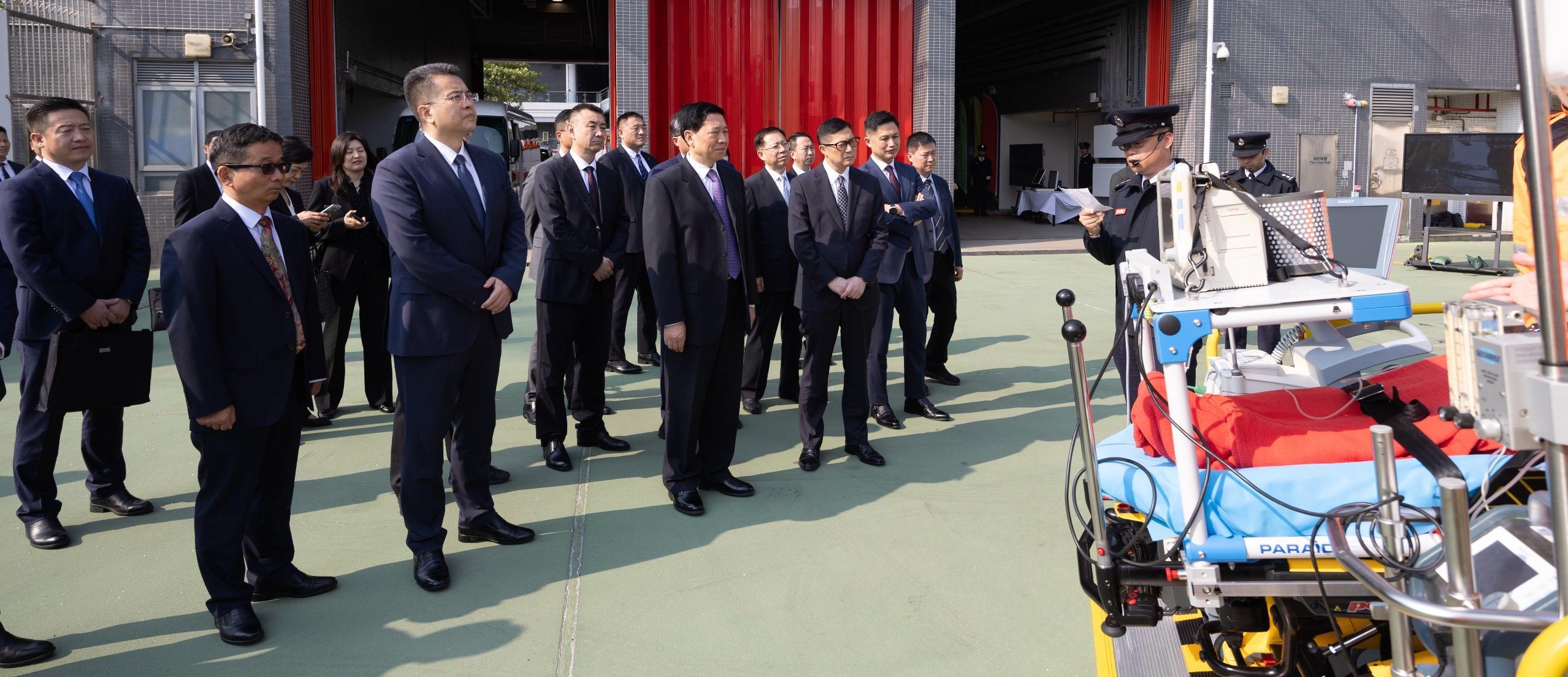
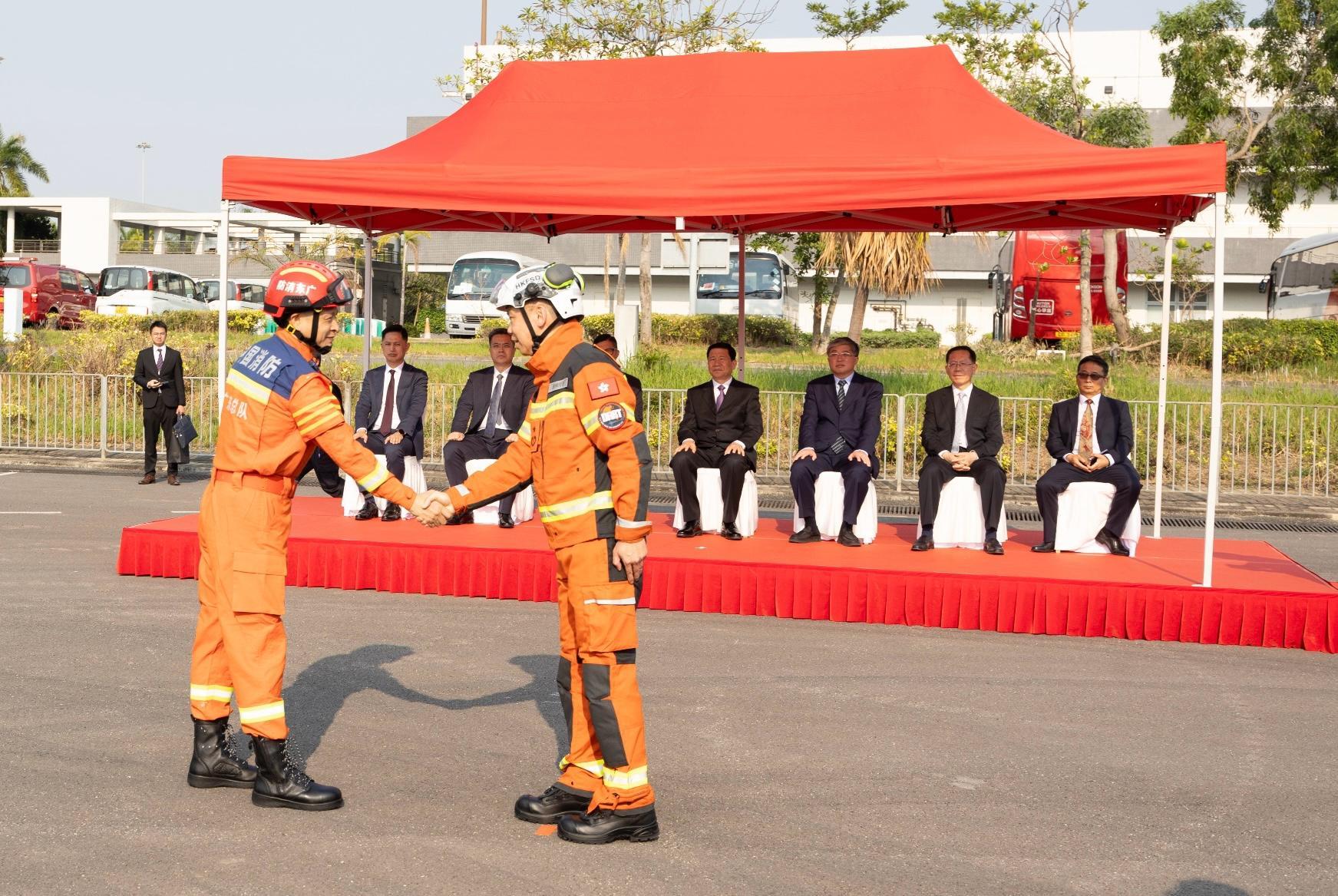
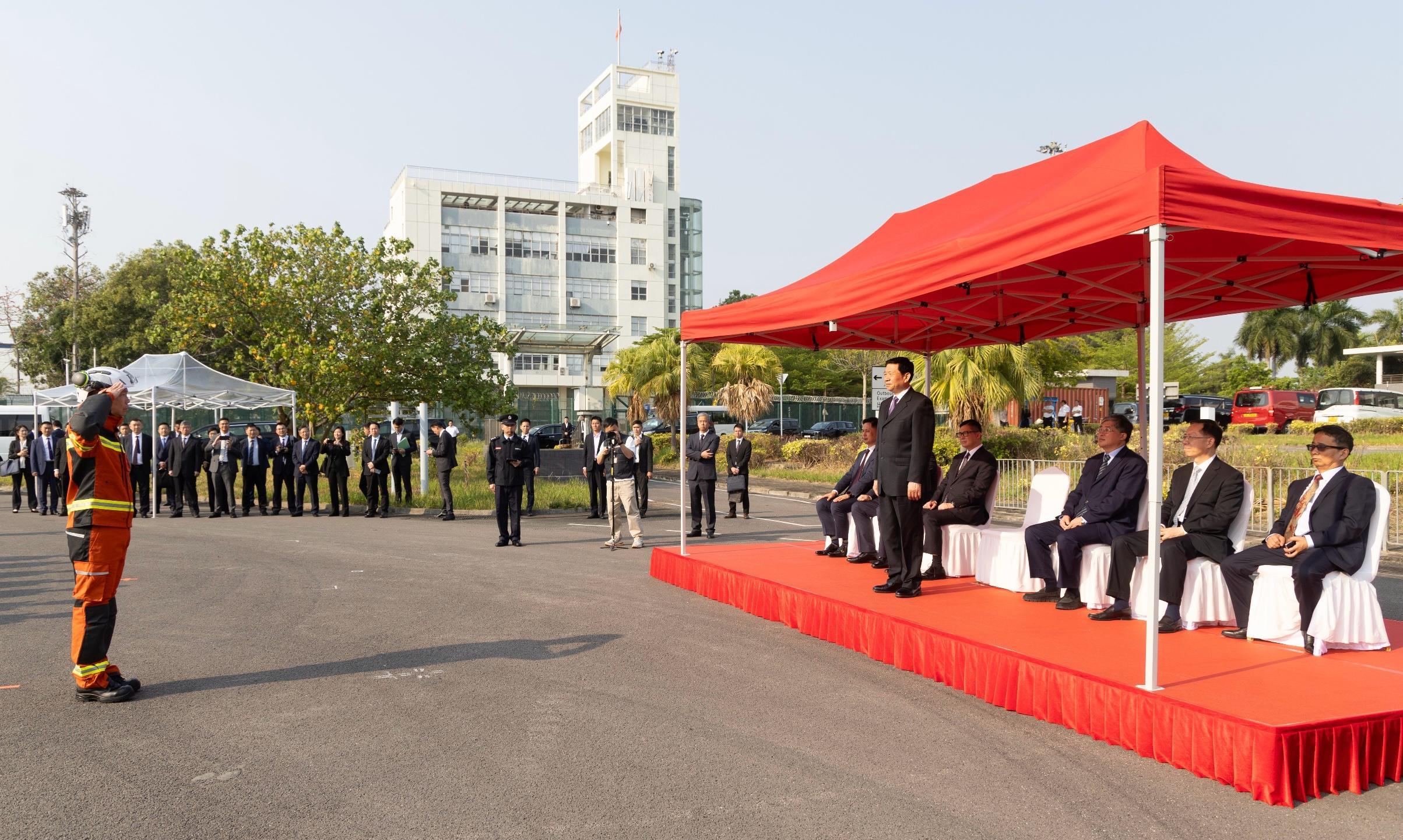
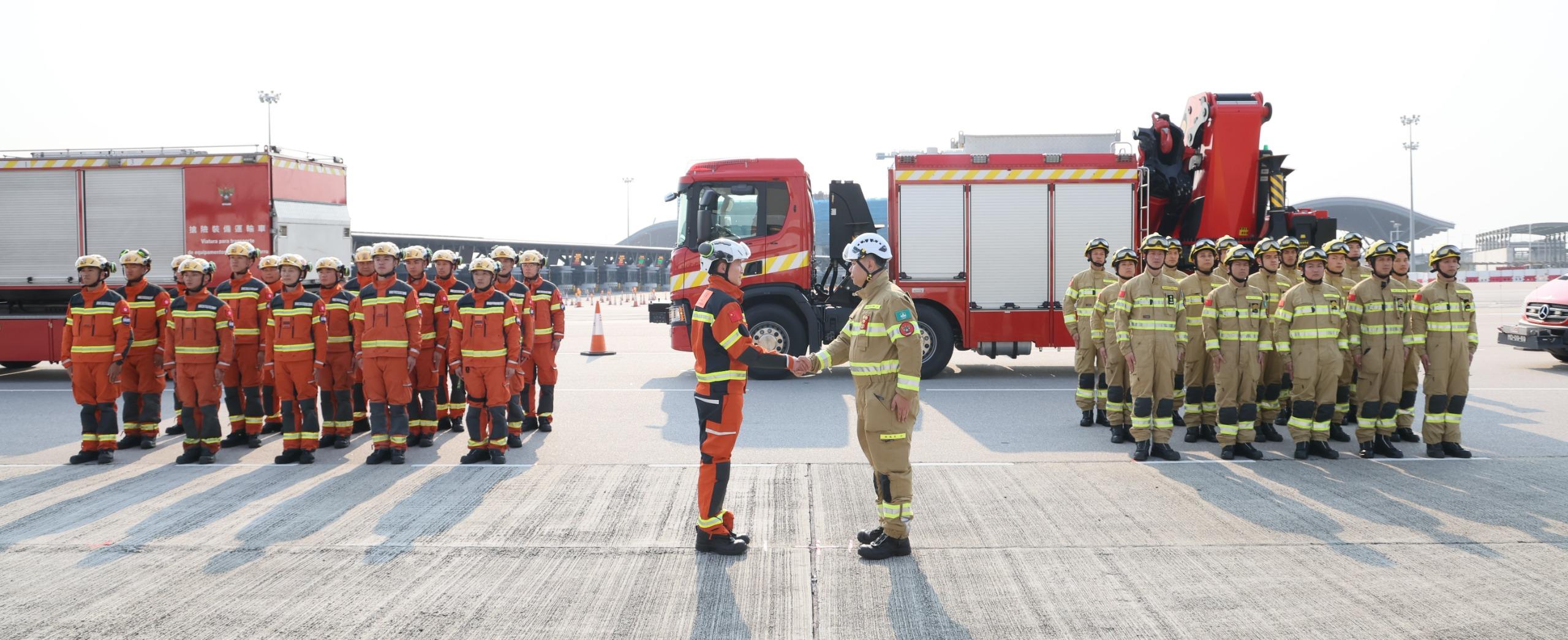
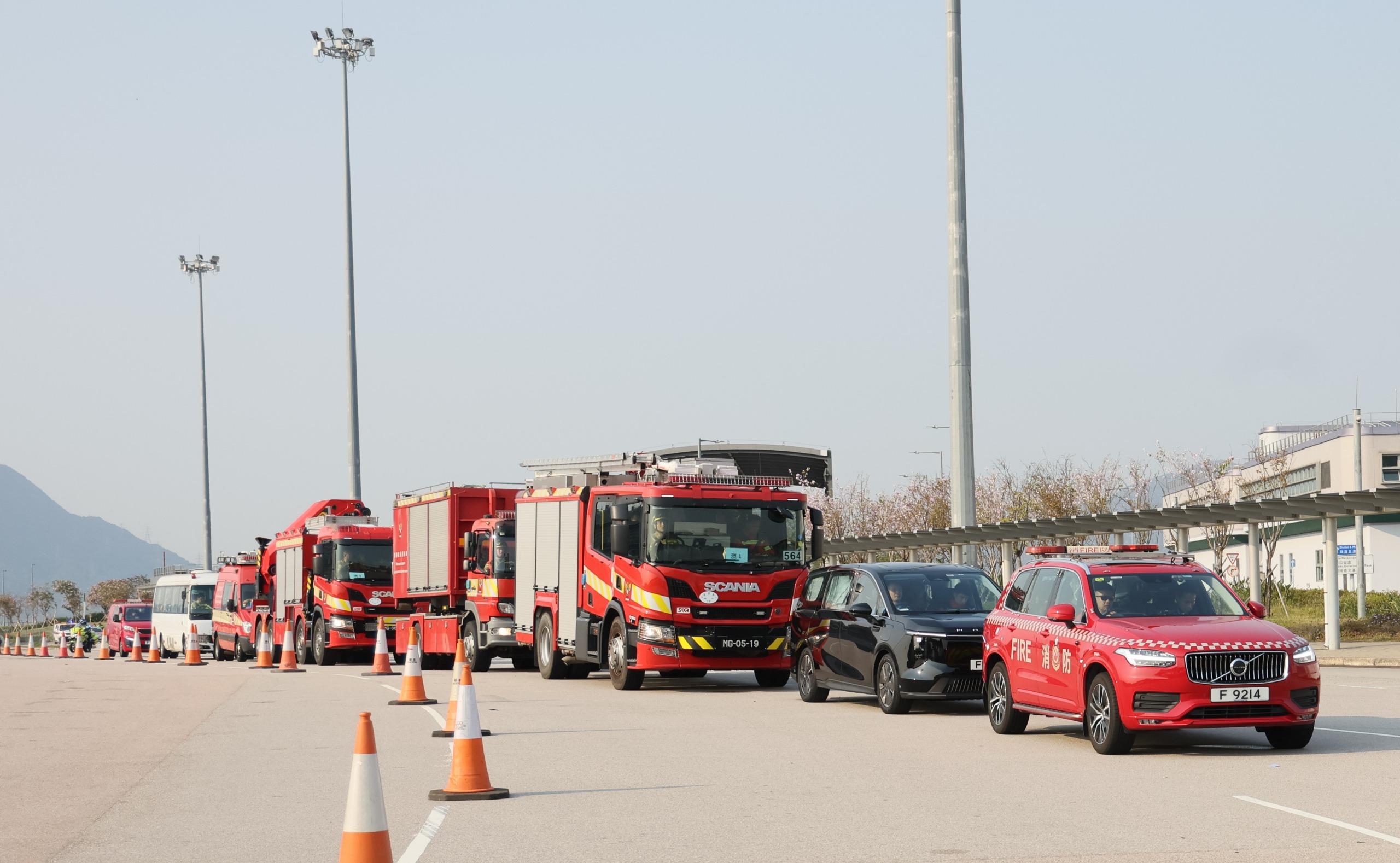
     â€‹The Hong Kong Fire Services Department (FSD), the Fire and Rescue Corps of Guangdong Province, and the Macao Fire Services Bureau jointly hold in Hong Kong “Liancheng-2025”, the 48-hour Guangdong-Hong Kong-Macao Greater Bay Area (GBA) joint emergency response and rescue exercise, for three consecutive days starting today (March 25). 

     “Liancheng-2025”, hosted by the FSD, is participated by the fire rescue departments of the three places, as well as the Hospital Authority and the Civil Aid Service. The exercise is funded by the Hong Kong Jockey Club Charities Trust. 

     The exercise simulated extreme situations in Hong Kong that put a strain on rescue resources. According to the mechanism under the Guangdong-Hong Kong-Macao Emergency Management Co-operation and GBA Emergency Response Operation Co-operation Framework Agreement signed by the governments of Guangdong, Hong Kong and Macao in June last year, the Hong Kong Special Administrative Region Government requested assistance from the People’s Government of Guangdong Province and the Macao Special Administrative Region Government. The Fire and Rescue Corps of Guangdong Province and the Macao Fire Services Bureau promptly rendered assistance by deploying personnel, fire appliances, and equipment to Hong Kong.

     The Deputy Director of Fire Services (Operations), Mr Angus Wong, who acted as the commander of the Hong Kong cross-border rescue team, co-ordinated and allocated firefighting and rescue personnel and resources of the three places in the rescue operations for a number of simulated incidents. 

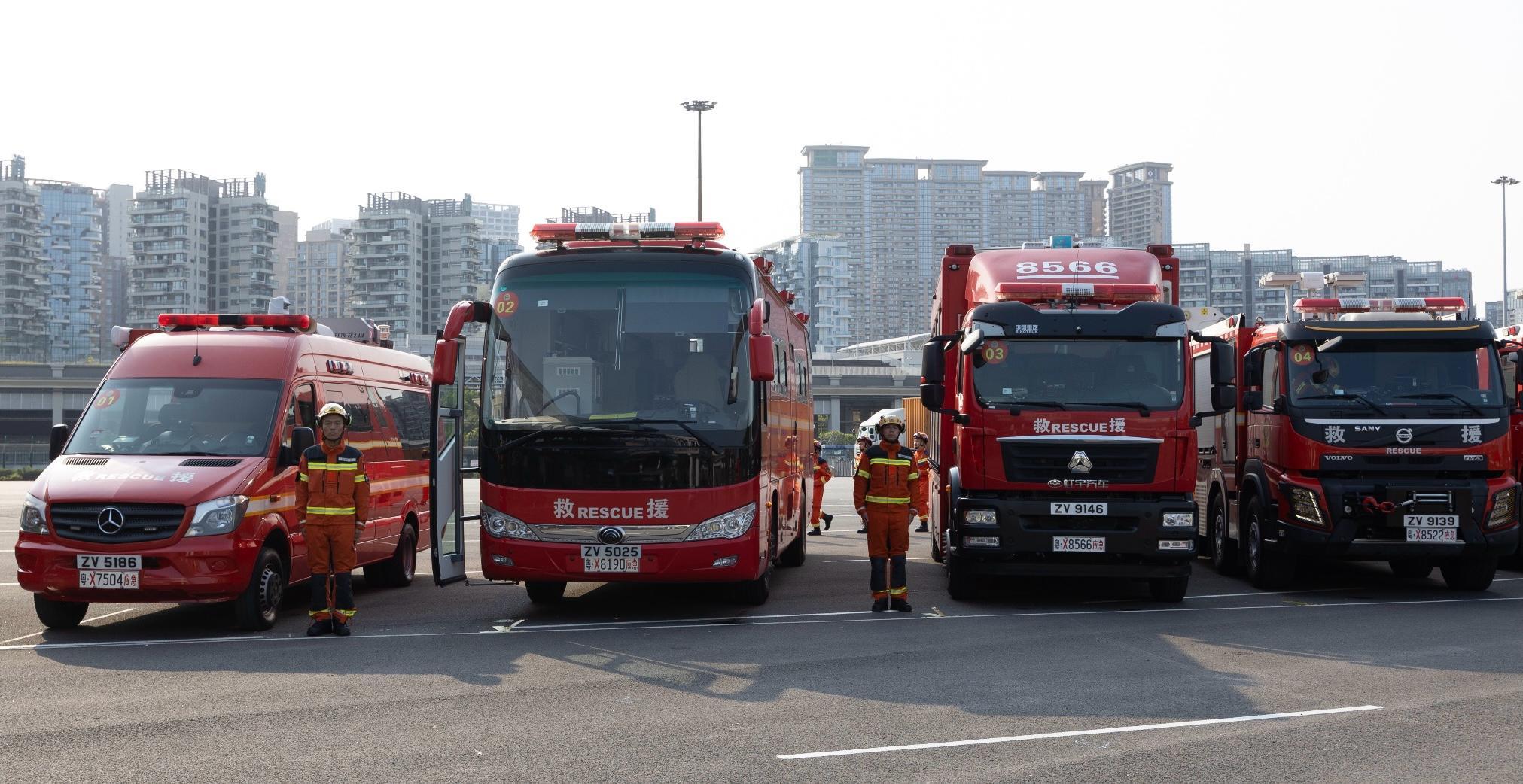
     Witnessed by the Minister of Emergency Management, Mr Wang Xiangxi, and the Secretary for Security, Mr Tang Ping-keung, four Guangdong fire appliances, with cross-boundary quota for fire appliances granted earlier, crossed the border directly with dual licence plates via the Shenzhen Bay Port into Hong Kong to participate in the exercise. It demonstrated the effectiveness of cross-boundary rescue through the cross-boundary Green Channel. 

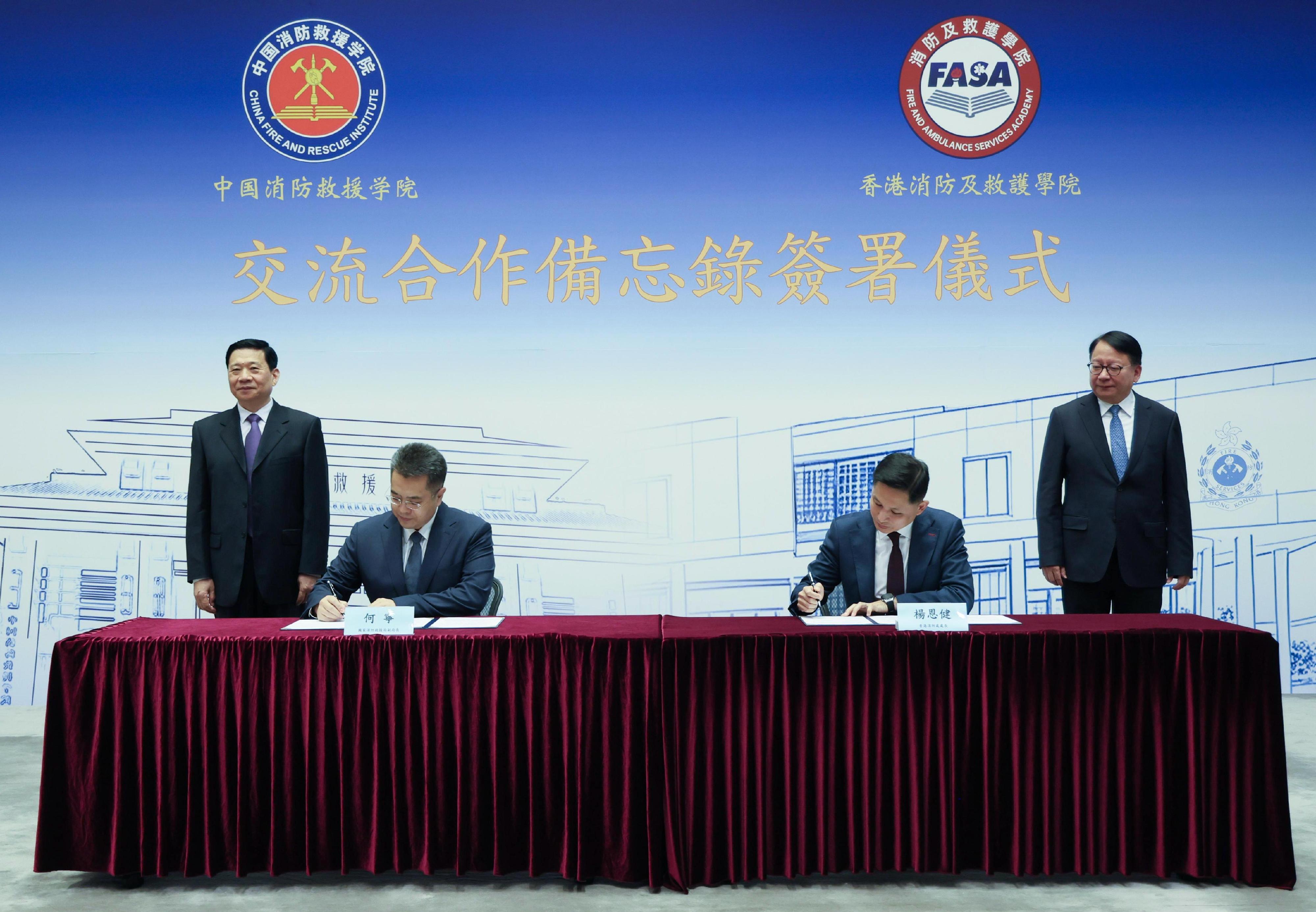
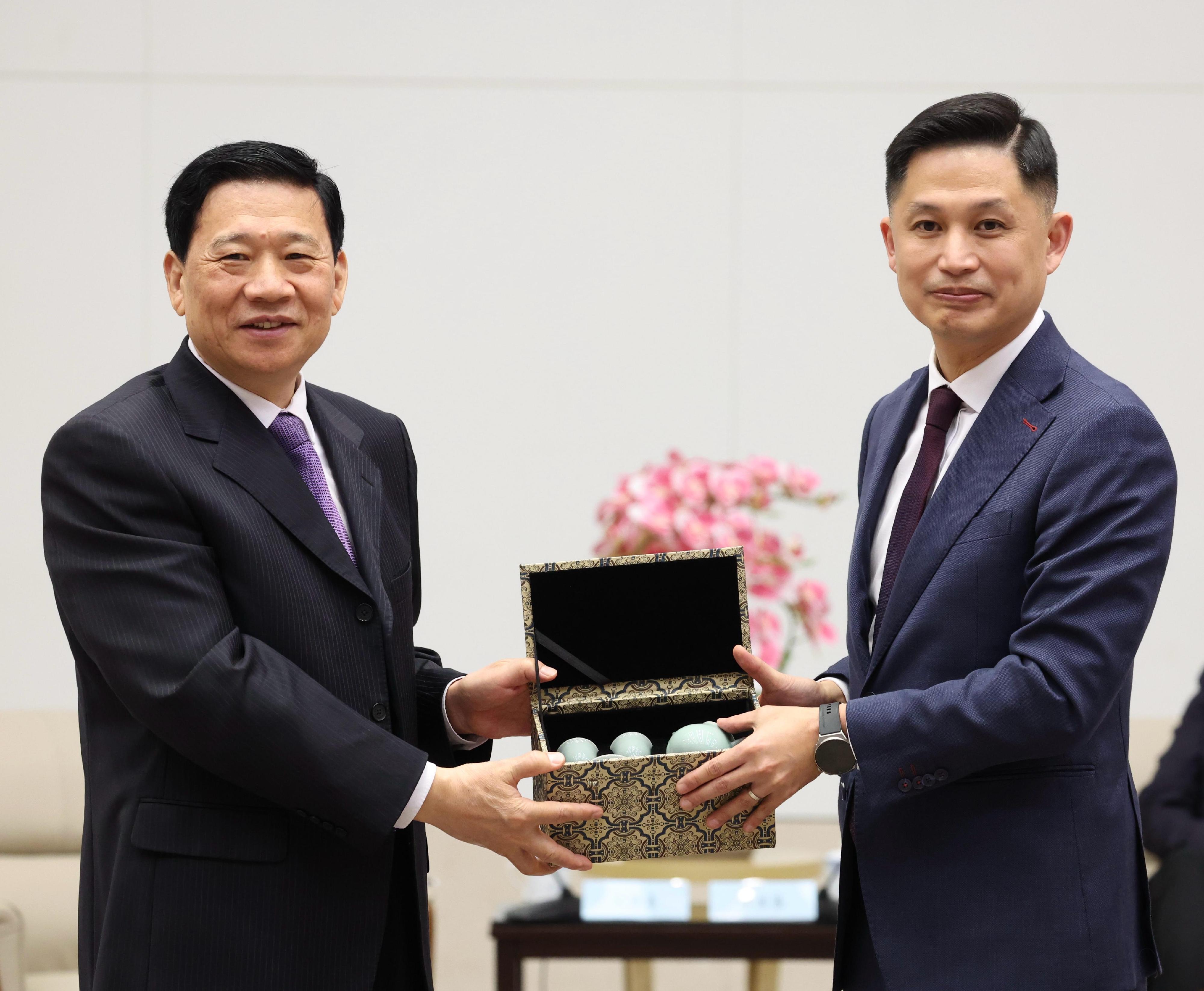
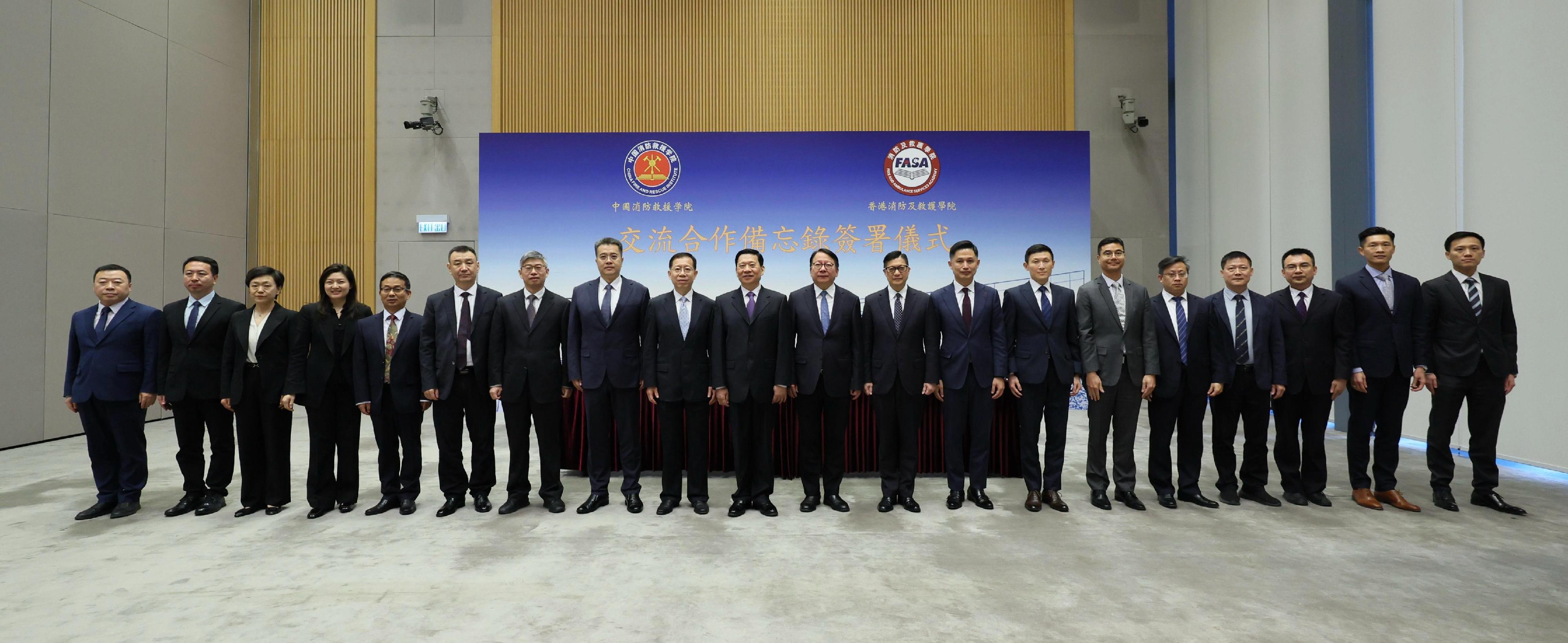
     Meanwhile, the Hong Kong Fire and Ambulance Services Academy and the China Fire and Rescue Institute signed a Memorandum of Understanding (MOU) to further deepen their collaboration. The two institutes will co-operate in training firefighting and rescue personnel with quality, and foster innovation and development of firefighting and rescue technologies. The MOU was signed by Deputy Director General of the National Fire and Rescue Administration Mr He Ning and the Director of Fire Services, Mr Andy Yeung, witnessed by Mr Wang and the Acting Chief Executive, Mr Chan Kwok-ki.

     Fire rescue departments from the two places will continue to strengthen and deepen collaboration in areas such as developing personnel training, enhancing professional training, conducting academic and technical exchange, as well as major research projects, with a view to jointly embarking on a new chapter in firefighting and rescue efforts.

Photo  Photo  Photo  Photo  Photo  Photo  Photo  Photo  Photo  
read more