Tag Archives: China

image_pdfimage_print

SED attends International Summit on the Teaching Profession 2025 (with photos)

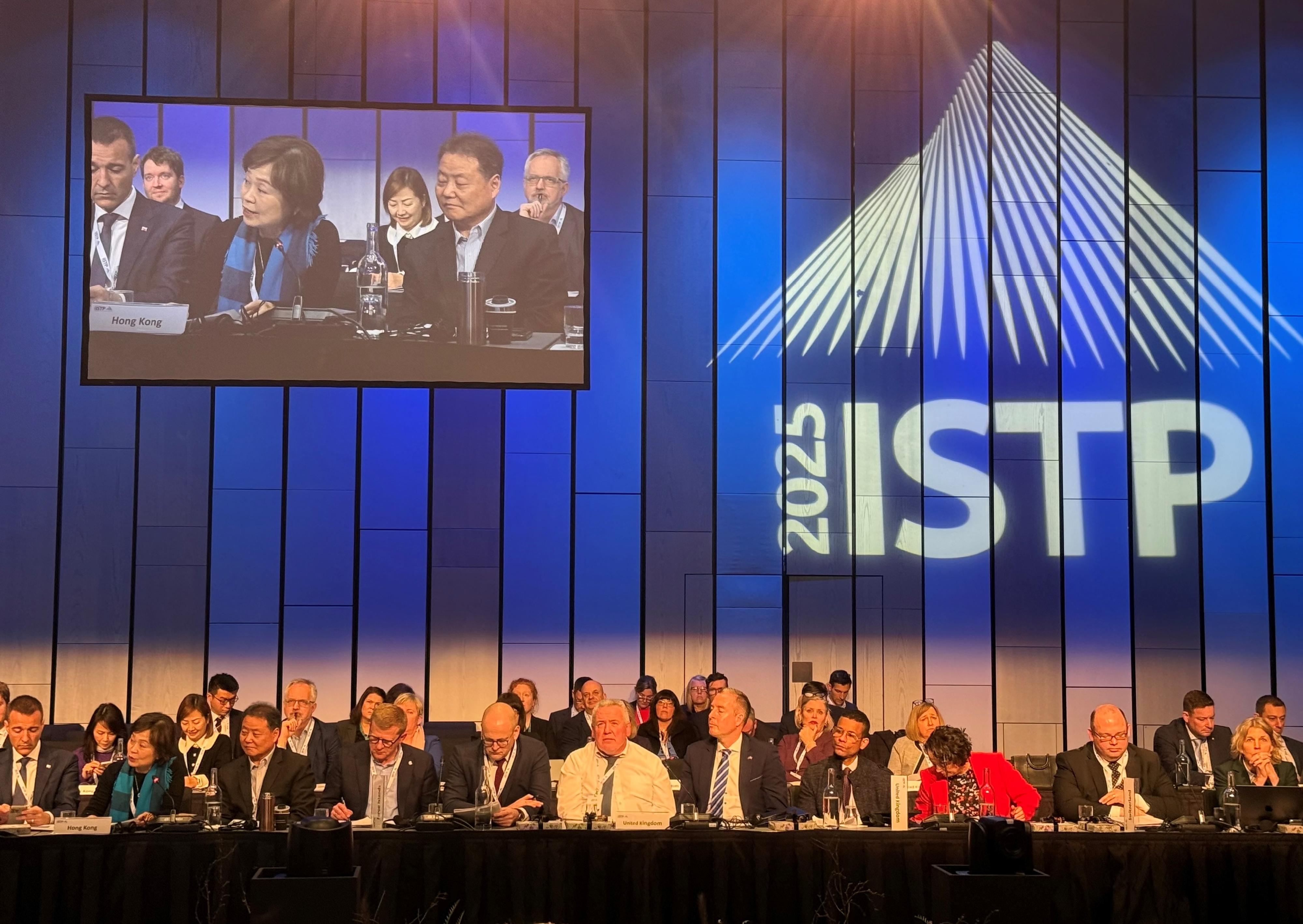
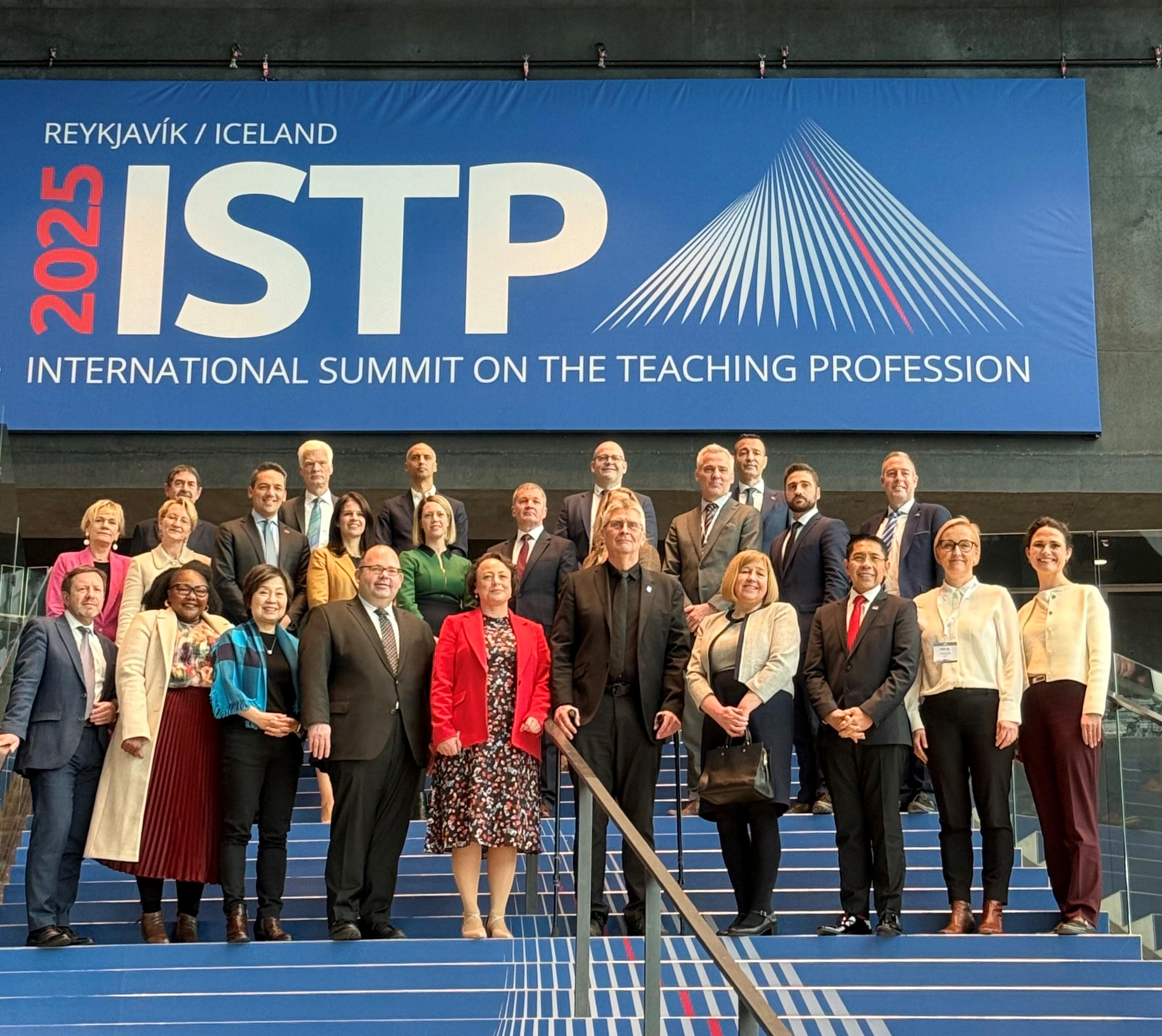
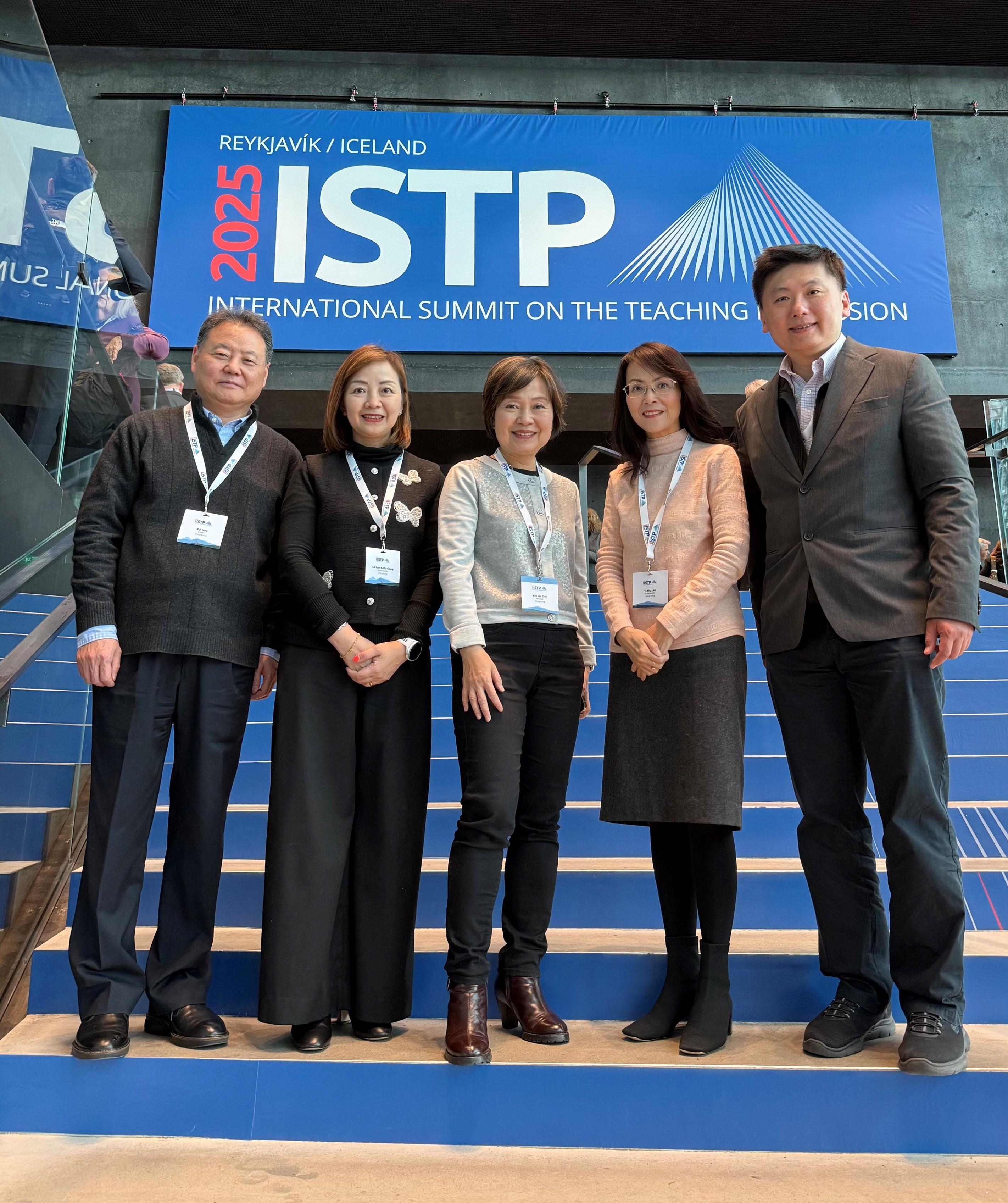
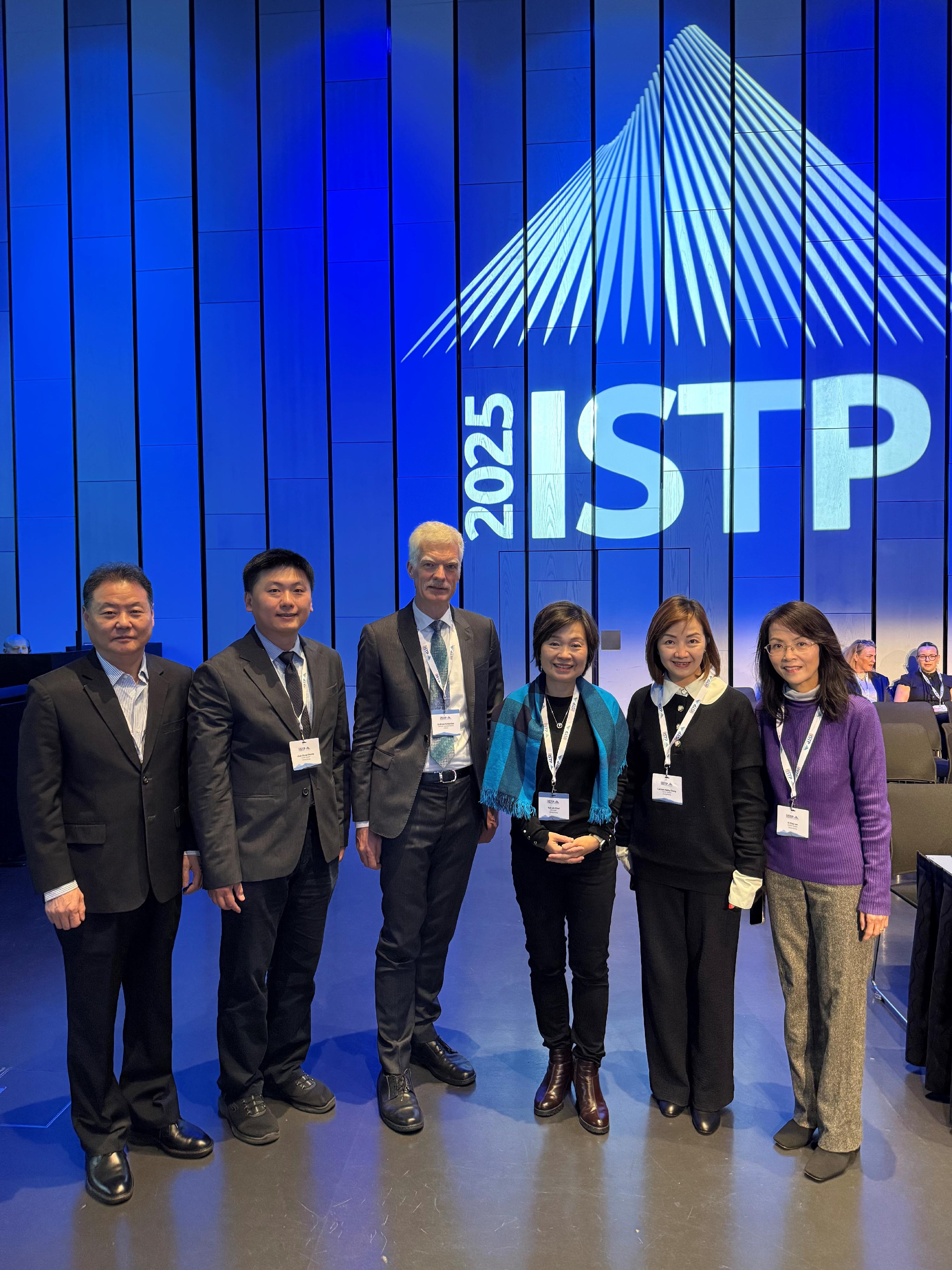
     â€‹The Secretary for Education, Dr Choi Yuk-lin, led a delegation of Hong Kong principals and education experts to attend the International Summit on the Teaching Profession 2025 in Reykjavík, Iceland, on March 25 (Reykjavík time) to discuss the latest trends in global education development with representatives from other regions. She also took the opportunity to promote the advantages of Hong Kong as an international post-secondary education hub.

     The Summit was co-organised by the Organisation for Economic Co-operation and Development, Education International, the Ministry of Education and Children of Iceland, and the Icelandic Teachers’ Union. Under the theme “Quality Education: The Key to Prosperity and Well-being”, the Summit this year brought together education ministers, teacher leaders and education experts from around the world to exchange views on the promotion of quality early childhood education, the provision of inclusive and supportive learning environments, and a child-centred education system.    

     Speaking at the session on kindergarten education of the Summit, Dr Choi said that the Government of the Hong Kong Special Administrative Region (HKSAR) has implemented the Kindergarten Education Scheme since the 2017/18 school year to provide quality and highly affordable kindergarten education that meets the diverse needs of students. At present, among these kindergartens in Hong Kong, about 90 per cent of the half-day programmes are free of charge, while fees for whole-day programmes are maintained at a low level. The Scheme also enhances kindergarten education on various fronts, including upgrading teachers’ professional qualifications, improving the teacher-student ratio, and supporting teachers’ continuous professional development.

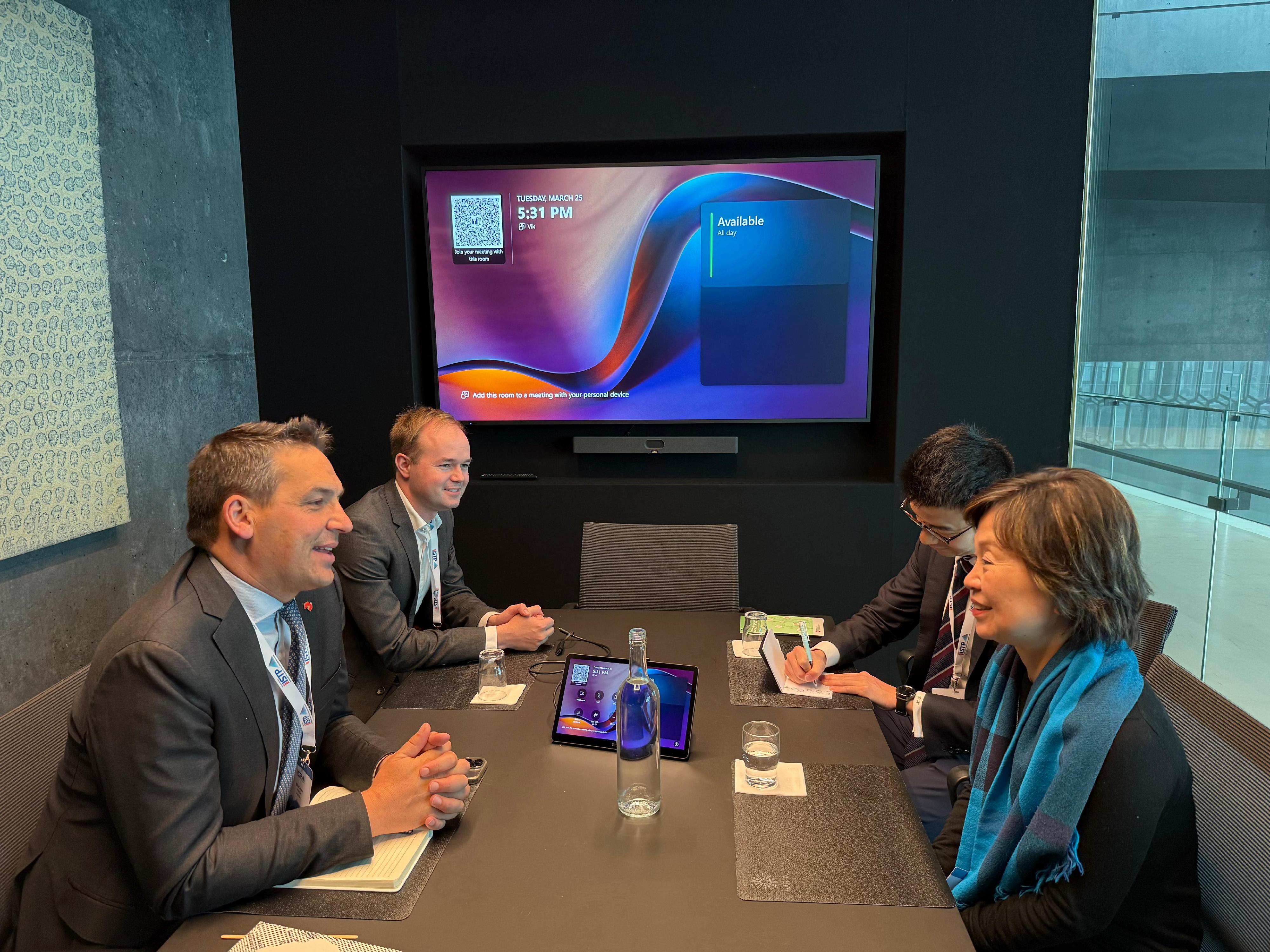
     During the Summit, Dr Choi also met the Minister for Education, Training and Skills of South Australia, Mr Blair Boyer, to explore ways to promote education exchanges and co-operation between Hong Kong and Australia, including introducing the various measures taken by the HKSAR Government to achieve a highly internationalised higher education sector in Hong Kong, and to exchange views on issues of mutual concern.

     On March 24 (Reykjavík time), Dr Choi attended a seminar of the Summit on exploring the frontiers of artificial intelligence in education with representatives from other regions. Speaking at the seminar, she said that, in line with the worldwide trend and the national direction of developing digital education, and to nurture innovation and technology (I&T) talent, the HKSAR Government will continue to promote digital education with a view to facilitating the use of I&T in empowering education, and enhancing students’ digital literacy and skills.

     She said that the relevant initiatives include setting up the Steering Committee on Strategic Development of Digital Education to gather collective wisdom and insights on promoting digital transformation of school education in Hong Kong; strengthening relevant professional training for teachers; optimising digital education infrastructure of schools; bolstering ties between local, Mainland or international I&T institutions and tertiary institutions; and organising the International Summit on the Use of AI in Learning and Teaching Languages and Other Subjects this year.

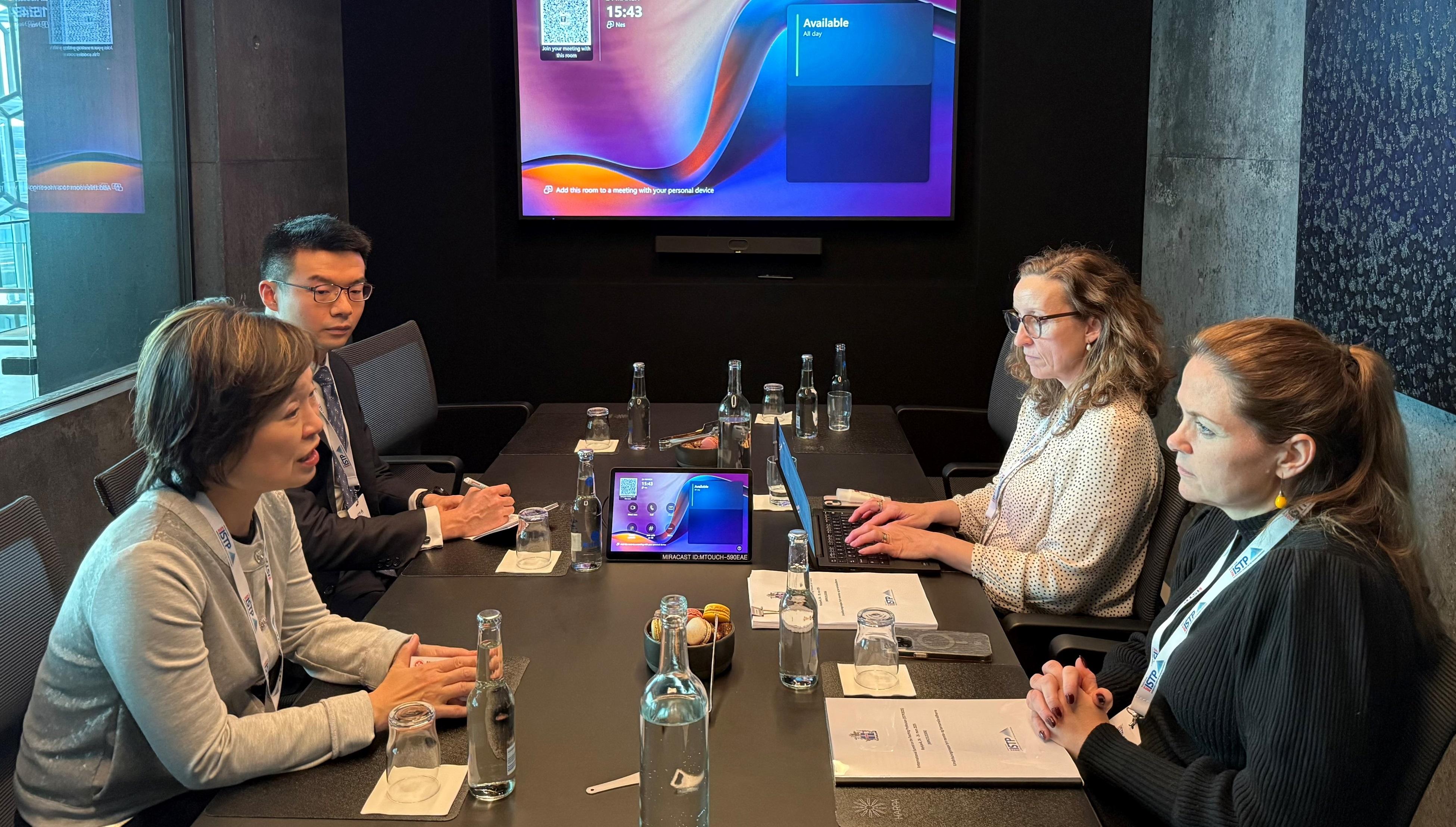
     On the same day, Dr Choi met the Permanent Secretary of the Ministry of Education and Children of Iceland, Ms Erna Kristín Blöndal, to discuss further education collaboration between Hong Kong and Iceland, and the latest developments in vocational and professional education and training (VPET). Dr Choi said that the HKSAR Government is committed to promoting VPET as a pathway parallel to conventional academic education, providing young people with quality, diversified, and multiple entry and exit pathways to further studies. The Government has been forging ahead with the development of universities of applied sciences, including allocating HK$100 million for the establishment of the Alliance of Universities of Applied Sciences to support post-secondary institutions to embark on joint promotion with the industries and stakeholders. She welcomed students from Iceland and other places to study in Hong Kong or participate in short-term student exchange programmes, and looked forward to further strengthening educational exchanges and co-operation between Hong Kong and Iceland.

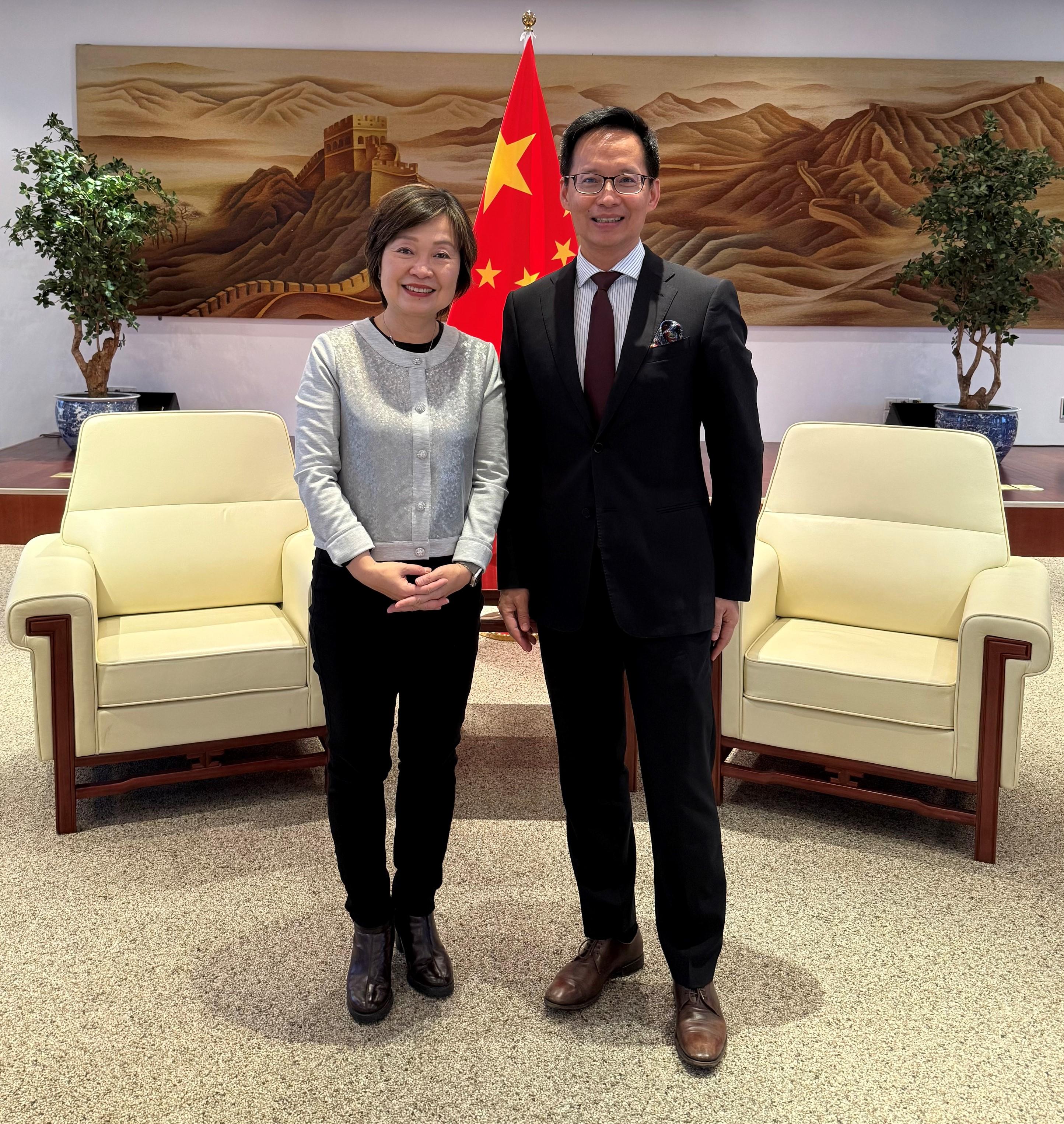
     In addition, she visited a local primary school to learn about the features of Icelandic education. She also paid a courtesy call on the Chinese Ambassador to Iceland, Mr He Rulong, to introduce Hong Kong’s latest education policy.

     Dr Choi will depart for Delhi, India, on March 27 (Delhi time) to attend the Asia-Pacific Association for International Education 2025 Conference and Exhibition.

Photo  Photo  Photo  Photo  Photo  Photo  Photo  Photo  Photo  
read more

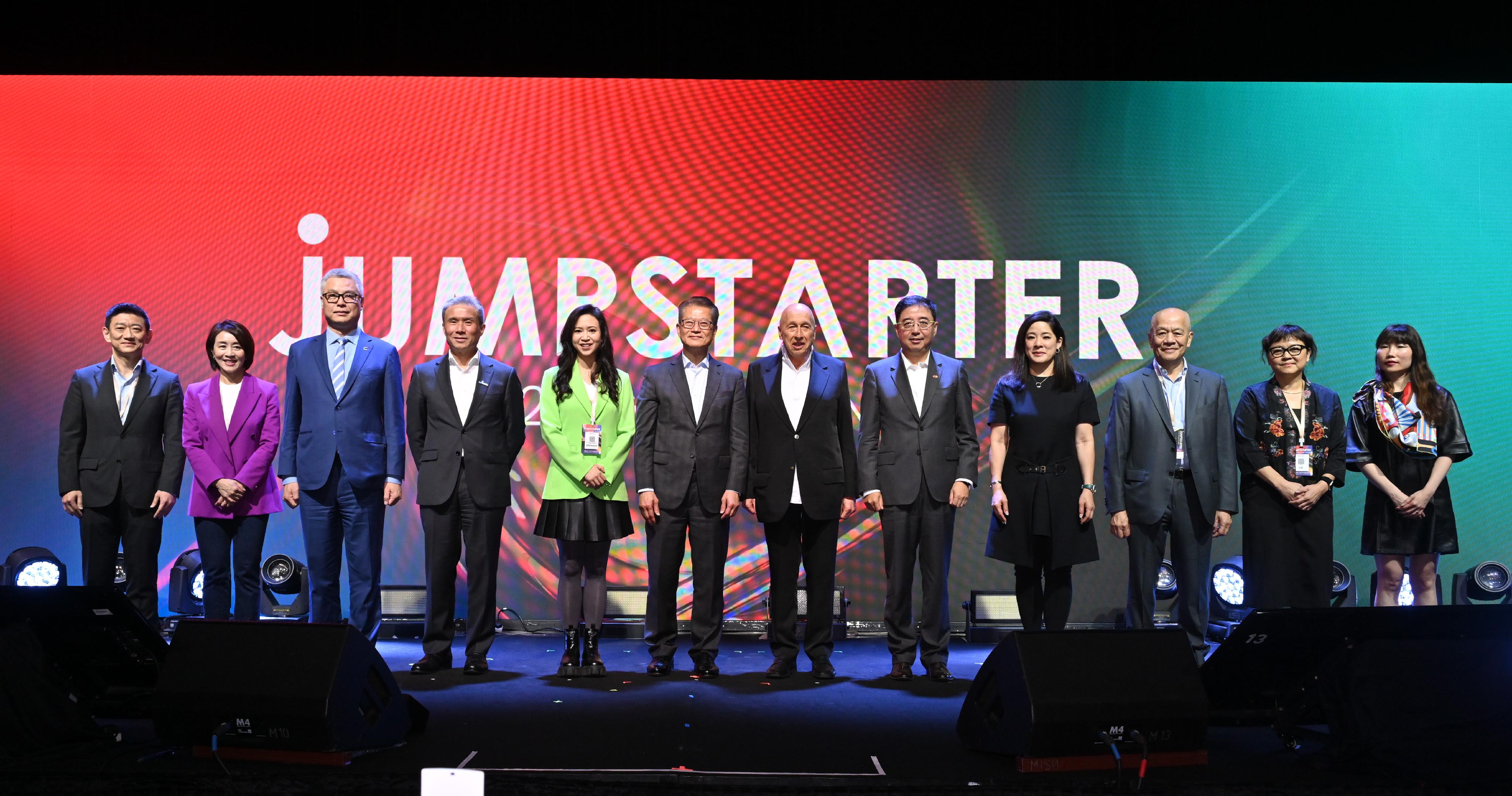
Speech by FS at JUMPSTARTER 2025 Grand Finale (English only) (with photos/video)

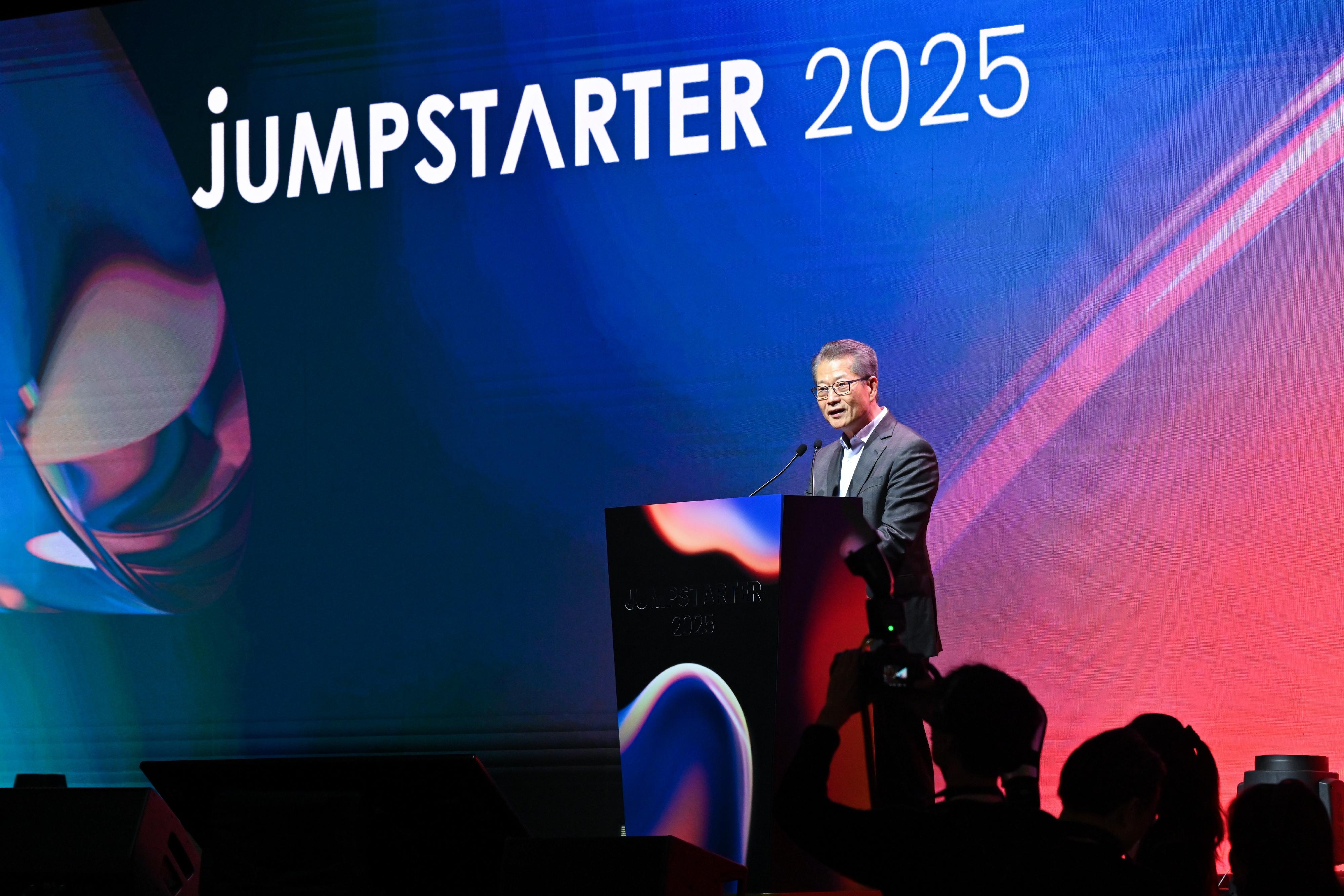
     Following is the speech by the Financial Secretary, Mr Paul Chan at the JUMPSTARTER 2025 Grand Finale today (March 26):
 
Cindy (Chief Executive Officer of Alibaba Hong Kong Entrepreneurs Fund, Ms Cindy Chow), distinguished guests, innovators, participants, ladies and gentlemen,
 
     Good morning. It’s a pleasure to be here at the Grand Finale of Alibaba’s JUMPSTARTER. A warm welcome to all innovators, entrepreneurs and investors joining us today, especially those who have travelled from far and wide.
 
     You have come at a truly exciting time, as we celebrate “Super March” in Hong Kong, a wonderful showcase of an array of global gatherings, from prestigious business conferences like this one to cultural and sporting events such as Art Basel and the Hong Kong Rugby Sevens. There are just abundant opportunities to connect, collaborate, and create unforgettable moments together.
 
     Since its inception eight years ago, the Alibaba JUMPSTARTER event has become a remarkable event for start-ups and scale-ups to pitch their innovative ideas and present cutting-edge solutions while connecting with potential investors from around the globe.
 
AI for a sustainable future
 
     More than a competition, today’s event is an excellent platform for exchanging ideas, sharing experiences and driving thought leadership regarding our technological future. The theme of this year’s event, “AI and sustainability”, is a crucial one, as it addresses two of the most significant issues facing humanity. The potential of AI to support sustainability goals is vast and evident. Taking climate change as an example, AI’s sweeping application can transform many sectors, through optimising energy consumption, accelerating the development of new materials, enhancing climate forecasting, and much more. 
 
     Indeed, the future of AI is a captivating topic that draws significant attention. One thing is certain: it will transform production, business and consumption models, fundamentally redefining the core competitiveness of many economies. This is why countries and regions around the world are making AI the prime focus.
 
     What is less certain is the path along which AI and related technologies will evolve. Not long ago, we assumed that the unprecedented advancement of AI would lead to an exponential demand for supercomputing power, chips, data centres. The startling emergence of deep learning models like DeepSeek and open-source alternatives has prompted a critical re-evaluation of this assumption. We must now ask ourselves – do we truly need such an abundance of chips? Are we perhaps over-investing in data centres? 
 
     But regardless of the path, one truth remains: the market inherently favours innovative and cost-effective technologies that generate greater value. History shows that groundbreaking solutions can bring about positive disruptions to the market. And this highlights the immense value of start-ups and their innovations. It reinforces that creativity and innovation are equally essential, if not more, in driving success.
 
     Another critical topic is talent in the age of AI. As AI becomes central to economic competitiveness, we must re-invent our education systems to nurture talent for AI-related industries. Enhancing AI literacy among the general population is also vital, equipping individuals with the skills needed to adapt to the evolving landscape shaped by AI.
 
Hong Kong: ahead with AI
 
     Here in Hong Kong, we are harnessing AI’s potential with a forward-looking perspective, actively pursuing a number of directions to secure a promising future with AI. 
 
     First, embracing AI as a core industry. Hong Kong’s future success relies on our ability to leverage AI to empower our industries. We have good potential: five of our universities rank among the global top 50 in data science and AI. Supported by a vibrant start-up ecosystem, we attract global capital and talent. Our city serves as a convergence point for Mainland and international data. To achieve our vision, we will promote more cross-sectoral collaboration among academia, tech and other industries, enabling AI to integrate widely and unleash its full potential. We also support cross-boundary collaboration on AI-related technologies and applications.
 
     Second, nurturing talent for an AI-driven future. Recognising the importance of early intervention, we are actively promoting STEM (science, technology, engineering and mathematics) education in schools. Recently, in my Budget, I engaged several leading technology companies in Hong Kong, including Alibaba, to organise a series of activities for primary and secondary school students. Their activities aim at sparking students’ interest in innovation and technology through hands-on experience with AI and robotics. We anticipate enriching these initiatives further in the future.
 
     Finally, promoting responsible AI development. While AI offers tremendous benefits, it also presents challenges that require appropriate safeguards against misuse. In the financial sector, we have issued a policy statement emphasising a responsible approach to adopting AI, balancing its benefits against risks such as cybersecurity threats, intellectual property concerns and data privacy. We anticipate other sectors to similarly establish relevant principles and guidelines tailored to their needs and circumstances.     
 
Concluding remarks
 
     Ladies and gentlemen, the profound discussions on AI underscore the importance of today’s event. From experts’ insights to the innovative pitches by contestants, your contributions will deepen our understanding of this vital area. This collective effort will enhance Hong Kong’s thought leadership and raise our profile as an international hub for AI exchanges and collaboration.
 
     With that in mind, I wish this event a great success, and all of you the best of business and health in the time ahead. Thank you very much.

Photo  Photo  
read more

LCQ22: Regulation of veterinary surgeons

     Following is a question by the Hon Luk Chung-hung and a written reply by the Secretary for Environment and Ecology, Mr Tse Chin-wan, in the Legislative Council today (March 26):
 
Question:
 
     Some organisations have reportedly found that the current disciplinary inquiry system of the Veterinary Surgeons Board of Hong Kong (VSB) is not well-established, lacks sufficient transparency in information disclosure, and has unclear regulatory oversight of general sales and services within veterinary clinics. In this connection, will the Government inform this Council:
 
(1) whether, with reference to the Medical Council of Hong Kong’s practice of posting on its website the judgments of its disciplinary inquiries held since July 2, 2008 and the Dental Council of Hong Kong’s practice of posting on its website the judgments of its disciplinary inquiries handed down since September 17, 2009, it has considered extending the enquiry period for the judgments of the disciplinary inquiries conducted by the VSB’s Inquiry Committee and the orders made by it, as well as including the names of the veterinary surgeons involved in the relevant case summaries; if so, of the implementation timetable; if not, the reasons for that;
 
(2) given that in reply to a question raised by a Member of this Council on the Estimates of Expenditure 2024-2025, the Secretary for Environment and Ecology stated that the VSB’s Inquiry Committee had completed 36 inquiry cases between 2021 and 2023, of which 29 were found to be substantiated, involving 30 veterinary surgeons, but that only two of these veterinary surgeons had been sanctioned with “removal of names of relevant veterinary surgeons from the register for three and six months respectively, along with a reprimand and compulsory participation in continuing professional development programmes or professional seminars”, and it is learnt that many pet owners consider such sanctions to be dissuasive, whether the Government will review the VSB’s existing arrangements for handing down judgments in disciplinary inquiries and consider imposing heavier penalties; if so, of the details; if not, the reasons for that;
 
(3) given that item 22 of Schedule 3 to the Trade Descriptions Ordinance (Cap. 362) (the Ordinance) provides that a registered veterinary surgeon, as defined by section 2 of the Veterinary Surgeons Registration Ordinance (Cap. 529), is an exempt person under the Ordinance, and yet it is learnt that some pet owners have pointed out that veterinary assistants often promote nutrition supplements, pet food, over-the-counter drugs (such as deworming drugs), and medicinal fur cleaners, etc. to them while their pets are undergoing treatment at veterinary clinics, and that some veterinary clinics even promote pet accessories on online social media platforms, coupled with the view that the general conduct of sales within veterinary clinics should be regulated under the Ordinance, whether the Government has considered regulating the general conduct of sales and services within veterinary clinics; if so, of the details; if not, the reasons for that; and
 
(4) whether the Government has considered collaborating with relevant Mainland departments to enable local veterinary surgeons to acquire Mainland professional qualifications through agreements for mutual recognition of professional qualifications or professional qualification examinations under the framework of the Mainland and Hong Kong Closer Economic Partnership Arrangement?

Reply:
 
President,
 
     The Veterinary Surgeons Board of Hong Kong (VSB) is a statutory body established under the Veterinary Surgeons Registration Ordinance (Cap. 529) (the Ordinance), and is responsible for the regulation, registration and disciplinary control of veterinary surgeons, to ensure a high standard of veterinary services in Hong Kong. All veterinary surgeons must comply with the Ordinance and Code of Practice for the Guidance of Registered Veterinary Surgeons (the Code) promulgated by the VSB. The Code provides veterinary surgeons with guidelines on various aspects of conduct, including professional ethics, clinic premises and equipment, advertising and other operational details, etc. If a veterinary surgeon breaches the Code, the VSB may take disciplinary actions against the surgeon.

     Having consulted the Commerce and Economic Development Bureau, the reply to the question from the Hon Luk Chung-hung is as follows:

(1) The VSB currently publishes on its website Orders made by Inquiry Committee within one year with names, and the Findings of Disciplinary Inquiries within three years on an anonymous basis. Moreover, all Orders are published in the Gazette and in one English and one Chinese newspaper circulating in Hong Kong as required by law. In response to the Government’s earlier suggestion on reviewing the existing arrangements with reference to the practices of other professional regulatory bodies, the VSB is considering extending the time for publishing Orders and Findings on its website.

(2) The VSB handles the complaints received in accordance with the complaint mechanism and disciplinary procedures provided under the Ordinance and the Rules of the Veterinary Surgeons Board (Disciplinary Proceedings). To ensure fairness and transparency of the disciplinary procedures, lay persons who represents the interests of persons utilizing veterinary services (e.g. members of animal welfare organisations or tertiary institutions) or medical and health professionals are involved in the handling of complaints by the VSB’s Preliminary Investigation Committee and Inquiry Committee, and the public can also observe the disciplinary hearings. The Inquiry Committee takes into account a number of factors in determining the judgment and penalty, including the seriousness of the case, the character, antecedents and disciplinary record of the veterinary surgeon involved (if any), and the reasons for mitigation (if any), etc., to make an appropriate disciplinary order. To further enhance the disciplinary mechanism, the VSB is considering the feasibility of drawing up guidelines on disciplinary sanctions.

(3) According to Schedule 3 to the Trade Descriptions Ordinance (Cap. 362), a registered veterinary surgeon is an exempt person, which refers that the acts in the capacity of his or her profession are exempted from being regulated by the “fair trading sections” of the Trade Descriptions Ordinance. However, sections 4 and 5 of such Ordinance about the requirement of the provision of information in relation to goods, and section 7 about trade descriptions of goods applied in the course of any trade or business remain applicable.
 
     For persons who are not registered veterinary surgeons (including veterinary assistants), if they are suspected of engaging in unfair trade practices in the course of selling pet nutritional supplements, food and other supplies at veterinary clinics or through online platforms, the Customs and Excise Department may take enforcement actions pursuant to the Trade Descriptions Ordinance. Offenders may be prosecuted, and are liable to a maximum penalty of imprisonment for five years and a fine of $500,000.

     Moreover, the Code stipulates that veterinary surgeons have the responsibility to supervise and ensure persons who are not registered veterinary surgeons engaged in merchandising are adequately trained to advise clients on directions for use of the products sold and to judge when the client should receive the personal attention of the veterinary surgeon; and the display and sale of goods are such as not to diminish the public’s confidence in the scientific integrity and impartiality of the profession, or damage relationships between the profession and the public. If persons who are not registered veterinary surgeons fail to meet the standards expected of the profession, the registered veterinary surgeon responsible for supervision may be regarded as committing professional misconduct or neglect, and members of the public may lodge a complaint with the VSB in respect of such professional misconduct or neglect.

(4) Under the Mainland and Hong Kong Closer Economic Partnership Arrangement Agreement on Trade in Services (Agreement), eligible Hong Kong residents may apply in the Guangdong Province to take the qualification examination for veterinary practitioners in the whole Mainland, and a corresponding qualification certificate will be issued to those passing the examination. The Agreement also allows Hong Kong residents who have obtained the qualification as national practising Licensed Veterinarians to practise on the Mainland. The Government will continue to liaise with the trade to understand their demand for practising on the Mainland. read more

LCQ13: Developing Hong Kong into international innovation and technology centre

     Following is a question by the Hon Martin Liao and a written reply by the Secretary for Innovation, Technology and Industry, Professor Sun Dong, in the Legislative Council today (March 26):

Question:

     On developing Hong Kong into an international innovation and technology centre, will the Government inform this Council:
 
(1) as there are views pointing out that there is more than sufficient room for trial and error for start-ups in Hangzhou, including a failure-‍tolerant institutional design at the policy level, government subsidies for research and development (R&D) and a science and technology innovation fund on the funding front, and multi-capital in the market to patiently accompany their growth, whether the Innovation and Technology Industry-Oriented Fund set up by the Hong Kong Special Administrative Region (HKSAR) Government will formulate reference guidelines to increase the weighting of multi-dimensional indicators, such as innovative capability, growth potential and R&D intensity of enterprises, when guiding patient capital investments;

(2) as there are views that Hangzhou’s continuous progress in implementing “one visit at most” service is a result of Mainland departments streamlining administration and delegating power, as well as deepening reforms of the administrative vetting and approval system, whether the SAR Government will draw on Hangzhou’s administrative and entrepreneurial experience to conduct a comprehensive review of the efficiency and quality of the services provided by government departments, including the speed of vetting and approving applications for supporting funds and the efficiency of resource docking, and urge the relevant government departments and public organisations to formulate guidelines to enhance efficiency; if so, of the details; if not, the reasons for that;

(3) as the 2025-2026 Budget proposes to establish the Hong Kong AI Research and Development Institute, with the expansion of application scenarios being one of its focuses, and as there are views that industry-specific vertical large models can promote “Artificial Intelligence (AI) Plus” and empower various industries on the condition of vertical large models being integrated with industry-‍specific data and knowledge, what plans the Government has put in place to mobilise the innovative power of enterprises and guide leading enterprises, small and medium enterprises, data service providers, etc. to step up the supply of high-quality industry-specific data elements; and

(4) as it is learnt that Hangzhou and its surrounding regions are able to provide start-ups with comprehensive industrial chain support (e.g.‍ Deepseek’s industrial chain is entirely based in Hangzhou, while Hangzhou Yushu Science And Technology Co., Ltd. relies on the resources of Hangzhou and two of its neighbouring cities, namely, Yiwu and Shanghai), what measures the SAR Government has put in place to promote co-operation with other Mainland cities in the Guangdong-Hong Kong-Macao Greater Bay Area in terms of resources for the AI industry in order to improve the AI industrial chain?

Reply:

President,

     In respect of the question raised by the Hon Martin Liao, my reply is as follows:
 
(1) The Innovation, Technology and Industry Bureau and the Innovation and Technology Commission are currently preparing for setting up the $10 billion Innovation and Technology Industry-Oriented Fund (ITIF) to channel more market capital to invest in emerging and future industries of strategic importance. According to our current plan, the ITIF will cover five thematic areas, and one or more sub-fund(s) will be set up under each thematic area. Each sub-fund will have a fund duration of up to 12 years, fully realising the characteristics of patient capital which focuses on long-term investments with a higher risk tolerance. This will contribute to the on-going support for the growth, expansion and maturity of the innovation & technology (I&T) industry.

     The Government will participate as a Limited Partner of the sub-funds and make contributions to each. Fund managers selected through an open application will become General Partners of the sub-funds and shall be responsible for setting up the sub-funds in the form of a limited partnership fund. They shall also raise market capital for the sub-funds, manage the daily operation of the sub-funds, as well as invest in suitable projects in accordance with the investment framework.
      
     Based on a market-oriented operation, we hope that fund managers will leverage their professional investment capabilities to identify I&T enterprises of high potential, conduct comprehensive evaluations, and make reasonable investment decisions in compliance with relevant investment requirements. This will provide appropriate financial support to I&T enterprises and promote the long-term development of the related industries.
 
(2) The Digital Policy Office (DPO) is committed to driving various bureaux/departments (B/Ds) in the adoption of I&T to enhance operational efficiency and improve public services. The DPO also provides advice and consultancy services to various B/Ds in areas such as digital technology and innovative technology applications, data sharing, business process re-engineering, design thinking, change management, etc., with a view to accelerating the development of digital government, thereby continuously enhancing government efficiency and service quality.

     In respect of promoting e-government services, all licences and government services involving application and approval (about 1 480 items in total) and forms (over 3 800) have been fully digitalised by mid-2024, i.e. enabling submission of application, payment and collection of documents by electronic means for relevant licences and services. If in-person submission or collection of documents is required by law or international practice, applicants will only need to visit relevant government offices no more than once.
     
     In 2024-25, through the “Be the Smart Regulator” and “Streamlining of Government Services” programmes, the DPO worked with 47 B/Ds in proposing some 180 business facilitation and streamlining measures for about 400 licences and services, such as obviating the need for businesses and general public to submit information repeatedly for their licence and government service applications by leveraging cross-departmental data exchange, and shortening the time required for handling and approving applications by automating the verification processes, etc.

     In addition, B/Ds are rolling out over a hundred of digital government and smart city initiatives progressively, including the application of artificial intelligence (AI) and chatbot technologies to improve government hotline services; application of data analytics, geospatial analysis and visualisation dashboard technologies to improve service management; and adoption of video analytics to enhance security surveillance at public cargo working areas.

(3) High-quality data are essential for promoting the training of large language models (LLMs), research and development (R&D) of industry-specific vertical LLMs, and industry applications. The Government has all along been implementing the open data policy and actively encouraging public and private organisations to open up more data for innovative applications by the industries. Currently, the Open Data Portal has published over 5 500 datasets, covering various industries and sectors including finance, education, transportation, community and social welfare, law and security, etc. The Common Spatial Data Infrastructure has also published over 1 000 spatial datasets, covering different aspects such as planning, lands, buildings, transport. These two platforms help the industry develop more and better industry-specific vertical LLMs and innovative solutions by leveraging the datasets and integrating them with LLMs, industry data and technologies available in the market. Meanwhile, the facilitation measure on the “Standard Contract for the Cross-boundary Flow of Personal Information Within the Guangdong-Hong Kong-Macao Greater Bay Area (Mainland, Hong Kong)” has been extended to all industries to further promote more cross-boundary services to benefit the public and businesses, while facilitating data flow in the Greater Bay Area (GBA) and expediting the development of digital economy and smart city.

     In addition, the Hong Kong Artificial Intelligence Research and Development Institute, to be established as announced by the 2025-26 Budget, will also spearhead and support Hong Kong’s innovative R&D and industrial application of AI, and facilitate upstream R&D, midstream and downstream transformation of R&D outcomes and application scenarios of AI.
 
(4) The Government has been co-ordinating and promoting the development and application of information and communications technology, including AI, with Guangdong through the Hong Kong/Guangdong Expert Group on Co-operation in Informatisation (EGCI). The EGCI will strengthen the co-operation between Guangdong and Hong Kong in AI R&D, outcome transformation and application development, and implement co-operation initiatives to complement the development of the GBA into an international technology innovation centre.
 
     Besides, the two I&T flagships in Hong Kong (viz. the Hong Kong Science and Technology Parks Corporation and Cyberport) have been actively expanding their partnership network in the GBA to assist enterprises in respective technology parks to expand their businesses in the GBA and attract enterprises in the region to set up operations in the parks. Taking Qianhai as an example, Cyberport signed a co-operation agreement with the Qianhai Authority in January 2021 and deepened the co-operation agreement in August 2024. So far, two enterprises from Qianhai have settled in Cyberport, including one focusing on AI animation production. In addition, about 10 Cyberport enterprises are exploring to set up businesses in Qianhai, and nearly half of them are related to AI including start-ups that apply AI in education technology, e-commerce and insurance technology. On the other hand, the Hong Kong Science Park Shenzhen Branch commenced operation in 2023 to enable institutes and enterprises interested in starting their business in the GBA to establish a presence there. As of December 2024, a total of 58 enterprises and R&D centres were admitted, with approximately 40 of them involved in AI-related businesses.

     The Hetao Shenzhen-Hong Kong Science and Technology Innovation Co-operation Zone is one of the major co-operation platforms in the GBA. The Hong Kong Special Administrative Region Government promulgated the Development Outline for the Hong Kong Park of the Hetao Shenzhen-Hong Kong Science and Technology Innovation Co-operation Zone (the Development Outline) in November 2024, setting out the vision and mission, planning, development directions, strategies and targets of the Hong Kong Park. As set out in the Development Outline, the Hong Kong Park will focus on the development of core frontier technological fields including AI; strengthen the supporting infrastructure required for the development of AI technologies; and establish a cross-boundary data flow management mechanism, so as to attract Mainland and overseas enterprises engaging in AI to the Loop to set up and expand their businesses therein. read more