Tag Archives: China

LCQ7: Taking forward development of a commodity trading ecosystem

     Following is a question by the Hon Alan Chan and a written reply by the Acting Secretary for Financial Services and the Treasury, Mr Joseph Chan, in the Legislative Council today (November 4):
 
Question:
 
     Hong Kong’s First Five-Year Plan (the Five-Year Plan) proposes developing a commodity trading ecosystem with gold as an entry point; it is also announced in the Chief Executive’s 2026 Policy Address that a Joint Working Group on Commodity Trading (Working Group) will be established to take forward measures such as Renminbi (RMB) gold futures, international metal trading and warehouse-receipt financing. There are views that if Hong Kong can integrate the Mainland’s demand for international energy with industries’ demand for raw materials and commodities, it will help enhance the country’s pricing power in the international energy and commodity markets, and promote the synergistic development of financial, trade and maritime services. In this connection, will the Government inform this Council:
 
(1) how the Working Group will co-ordinate the Hong Kong Exchanges and Clearing Limited, financial regulators and the industry to assess Hong Kong’s strengths and shortcomings in commodity trading, clearing, delivery, warehousing, financing, insurance and risk management, and dovetail with the relevant tax concessions and infrastructure measures to formulate a development roadmap covering the next 5 to 10 years; of the priority projects, timetable and key performance indicators for each stage respectively;
 
(2) apart from the arrangements for RMB gold futures already announced by the authorities, how the authorities will implement the direction set out in the Five-Year Plan to enrich the variety of RMB-‍denominated and -settled commodity futures and options; whether they will, based on the genuine hedging needs of enterprises, accord priority to studying metal and energy products, and enhance supporting facilities such as RMB settlement and collateral, so as to attract the participation of local and overseas producers, traders and investors; of the relevant plans and timetables respectively;
 
(3) building on the existing cross-exchange product collaboration, whether the authorities will study with the relevant Mainland authorities as well as the four commodity and futures exchanges in Guangzhou, Shanghai, Dalian and Zhengzhou to establish, in phases, a mutual market access mechanism for commodity futures markets between the two places on the premise that risks are controllable and regulatory requirements of both places are met, including the feasibility of co-operation in cross-boundary trading arrangements for investors, mutual recognition of warehouse receipts, clearing and delivery, and cross-boundary collateral; if so, of the details of the commodities proposed for priority pilots, the regulatory and cross-boundary capital flow issues that need to be resolved, and the timetable for taking forward such initiatives respectively; and
 
(4) as there are views that the world’s largest energy sellers at present are the 57 member states of the Organisation of Islamic Cooperation, while China is the world’s largest energy buyer, and given that Maoming, which is adjacent to Hong Kong, is an important petrochemical base in Guangdong Province, Hong Kong should be in a position to connect the largest energy sellers and buyers and leverage Maoming’s petrochemical foundation to establish a processing and delivery chain; whether the authorities will take forward the relevant work in this direction; if so, of the details; if not, the reasons for that?
 
Reply:
 
President,
 
     The First Five-Year Plan for Economic and Social Development of the Hong Kong Special Administrative Region (2026-2030) (Hong Kong’s Five-Year Plan) proposes developing a commodity trading ecosystem with gold as an entry point. The Chief Executive’s 2026 Policy Address also announced the establishment of the Joint Working Group on Commodity Trading (Joint Working Group), led by the Secretary for Financial Services and the Treasury, to comprehensively review market opportunities and prospects for cross-exchange collaboration. As a major consumer and import-export market for commodities, the Mainland has a significant demand for commodities. Leveraging our unique advantages under “one country, two systems”, Hong Kong is strongly supported by the Motherland and closely connected to the world to enhance the Mainland’s pricing influence in global commodity markets, while simultaneously expand offshore Renminbi (RMB) business and foster the synergistic development of financial, trade and maritime services.
 
     In consultation with the Hong Kong Monetary Authority (HKMA), the Securities and Futures Commission (SFC), the Insurance Authority (IA) and Hong Kong Exchanges and Clearing Limited (HKEX), the reply to the four parts of the question is as follows:
 
(1) Members of the Joint Working Group include the HKMA, the SFC, the IA, and HKEX. Representatives from other relevant bureaux and departments, as well as organisations such as the Hong Kong Precious Metals Central Clearing Company Limited will be invited to attend meetings as necessary. The Joint Working Group convened its first meeting in September this year to engage in in-depth discussions on the policy directions for developing commodity trading, exploring key areas such as market trends and Hong Kong’s development potential. The Joint Working Group will continue to follow up on various subjects of priority and conduct assessment on the entire industrial chain covering commodity trading, clearing, delivery, warehousing, financing, insurance and risk management in Hong Kong.
 
     Specifically, the Financial Services and the Treasury Bureau will be responsible for co-ordinating the overall policy direction and driving various supporting measures, including exploring the provision of tax incentives for qualifying activities within the gold and commodity trading ecosystem. The HKMA will review clearing, settlement and offshore RMB liquidity measures. The SFC will continue to enhance the regulatory regime for over-the-counter derivatives to facilitate risk and capital management for trading in gold and other commodities. The IA will focus on enhancing commodity-related risk management and insurance underwriting capabilities. HKEX will focus on market development, product innovation and cross-exchange collaboration.
 
     The Joint Working Group will formulate a medium-to-long-term development roadmap for driving commodity trading in Hong Kong, setting out clear priorities and implementation timelines across different stages. The Joint Working Group will also maintain close contact with various stakeholders and market participants to gather market feedback, with a view to jointly building an internationally competitive commodity trading ecosystem for Hong Kong.
 
(2) The influence of RMB in commodity markets continues to grow with the progress of RMB internationalisation. The Shanghai Gold Exchange established its first offshore delivery vault in Hong Kong in June 2025 and launched RMB-denominated gold contracts for delivery in Hong Kong. In addition, HKEX has launched exchange-traded fund (ETF) with gold as the underlying asset denominated in RMB, and will announce details of a new RMB-denominated and physically settled gold futures contracts this year to boost the global influence of the RMB in the pricing of precious metals.
 
     When considering the further development of RMB-denominated commodity futures and options products, apart from the practical hedging needs of enterprises, we will also take into account factors such as market foundation and liquidity, geopolitical changes, technological advancements and green transformation trends, with a view to ensuring the sustainable development of relevant products in terms of market demand, risk management and operational support. Regarding non-ferrous metals, we will fully leverage Hong Kong’s unique advantages as an approved delivery point within the London Metal Exchange (LME)’s global warehousing network to drive the synergised development of more commodities related trading, risk management, and financing businesses. Regarding green energy, HKEX’s Core Climate has successfully completed the first cross-border pilot scheme for China Green Electricity Certificates (GECs), facilitating transactions of around 100 000 GECs across 15 enterprises. Core Climate has also signed a co-operation agreement with the Guangzhou Power Exchange Centre to jointly promote the further development of the GEC market and expand international application scenarios for GECs. Furthermore, Core Climate will gradually explore the possibility of offering green energy and other environmental rights products to the market, collaborating with industry stakeholders to study suitable solutions that better serve corporate emission reduction needs. We will continue to explore enriching the diversity of RMB-denominated and RMB-settled commodity futures and options products, and announce the progress in due course.
 
     To enhance supporting measures such as RMB settlement and collateral, HKEX’s clearing houses have accepted Chinese Government Bonds as eligible non-cash collateral since November. This will help accelerate the pace of RMB internationalisation, attracting more relevant onshore and offshore producers, traders and investors to expand business in Hong Kong and establish an ecosystem for relevant commodities. The HKMA also launched the RMB Business Facility (RBF) last year to provide banks with stable and low-cost RMB funds. The size of the RBF was increased to RMB 500 billion in July this year, and tenors were extended to include nine-month, two-year and three-year to align with market development needs, thereby ensuring the timely provision of ample RMB liquidity to support broader RMB usage in the real economy.
 
(3) and (4) Establishing a mutual market access mechanism for commodity futures between the Mainland and Hong Kong is a long-term policy objective. Building upon existing cross-exchange product collaboration, and provided that risks are controllable and regulatory requirements of both places are met, we will actively explore drawing upon the successful experience of existing connect schemes to further promote the synergistic development of the commodity futures markets in both places. HKEX launched the Steel HRC (Hot Rolled Coil) Shanghai contract on LME in October this year, expanding international application scenarios of onshore prices and enhance the international influence of China’s futures. The SFC and HKEX will continue to strengthen communication with relevant Mainland regulators to explore arrangements for various futures market mutual access mechanisms.
 
     While promoting the development of the commodity trading ecosystem, we will also deepen co-operation with Belt and Road countries and other international market participants. Subject to market demand and feasibility, we will study how to better connect commodity buyers and sellers across different markets, fully leveraging Hong Kong’s role as a “super connector” and “super value-adder” to further enhance the depth and breadth of the Hong Kong market. read more
Hong Kong Science Museum’s “The Shaw Prize 2026 Exhibition” showcases laureates’ achievements in scientific research (with photos)

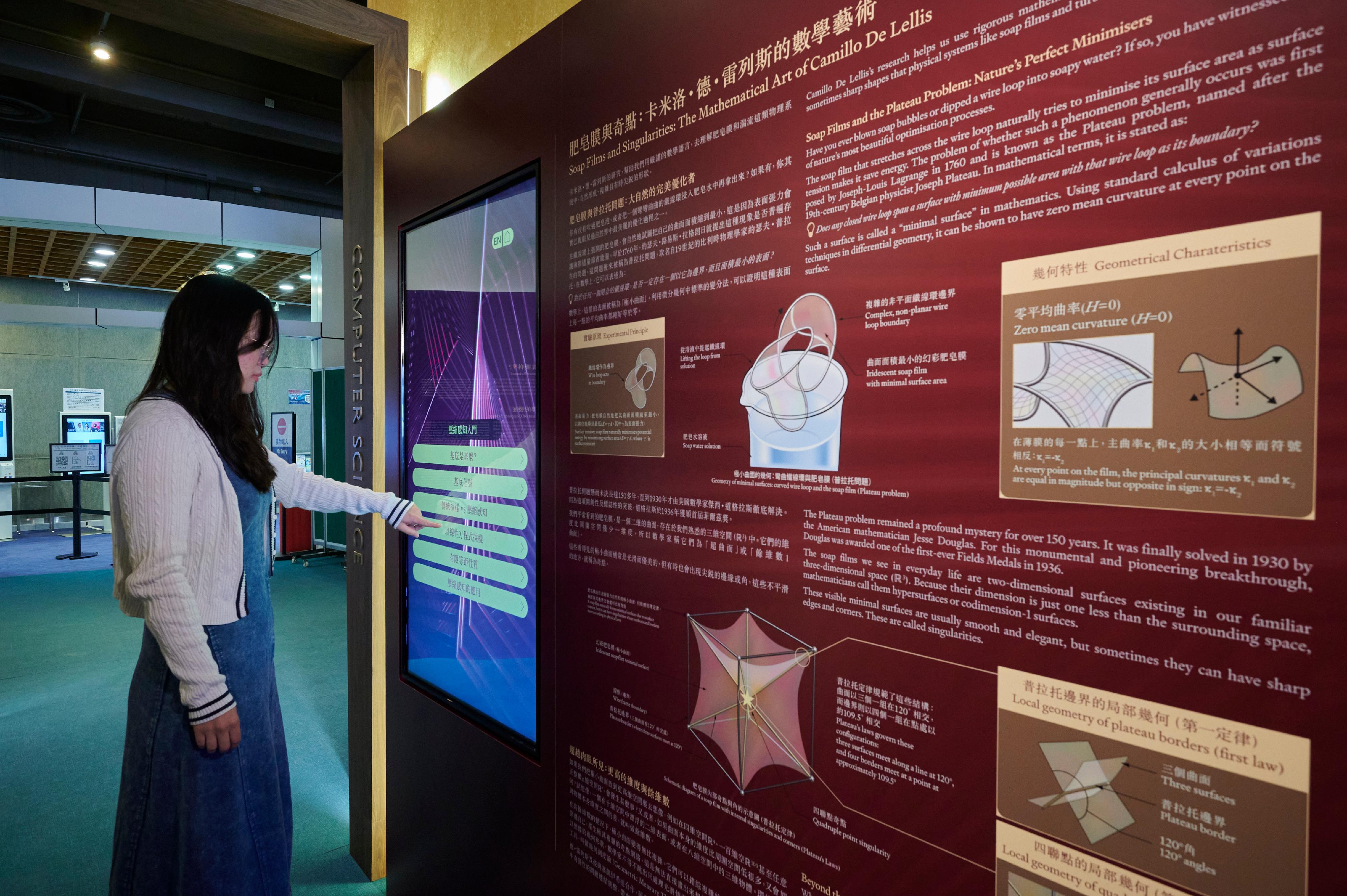
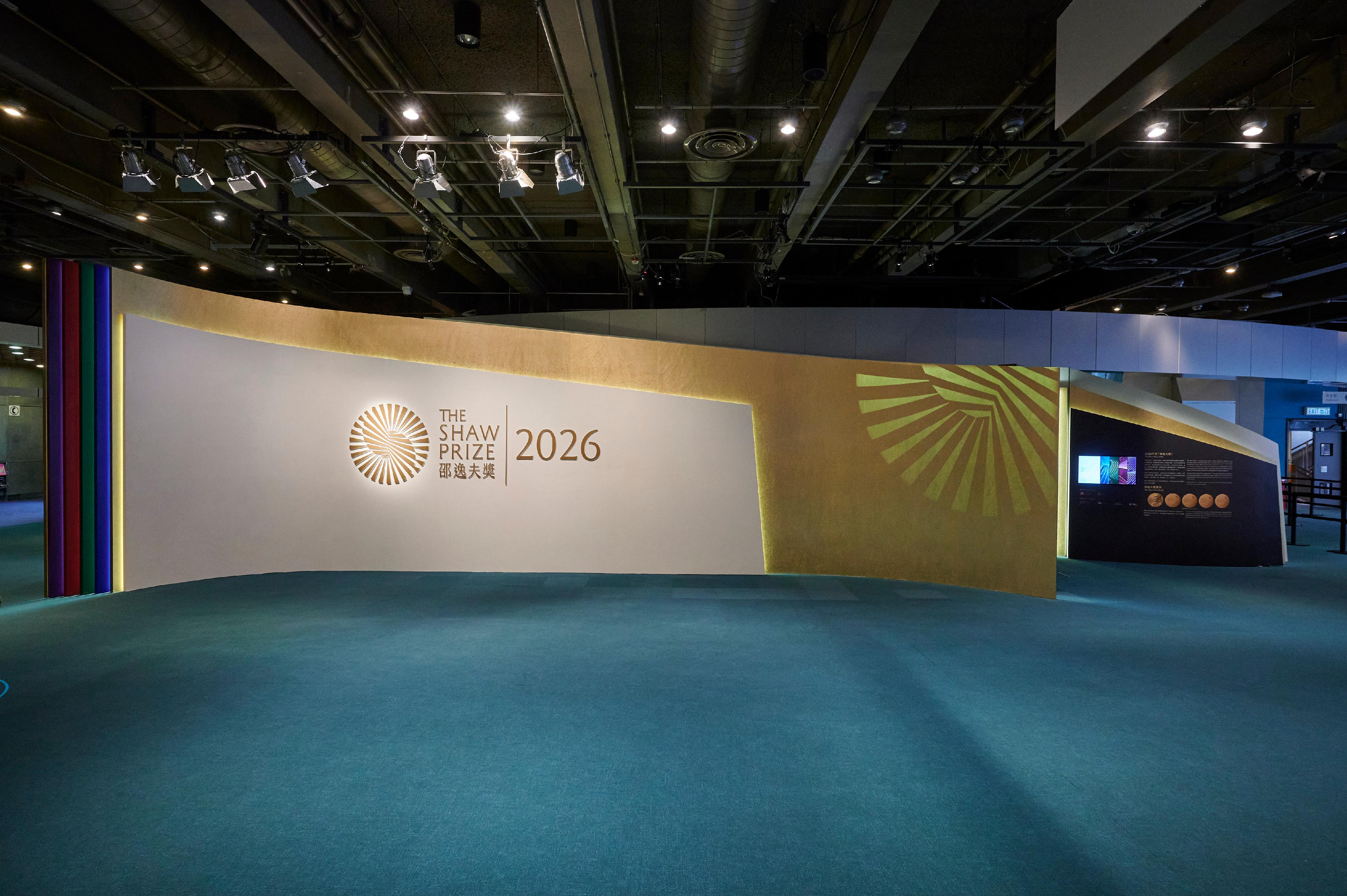
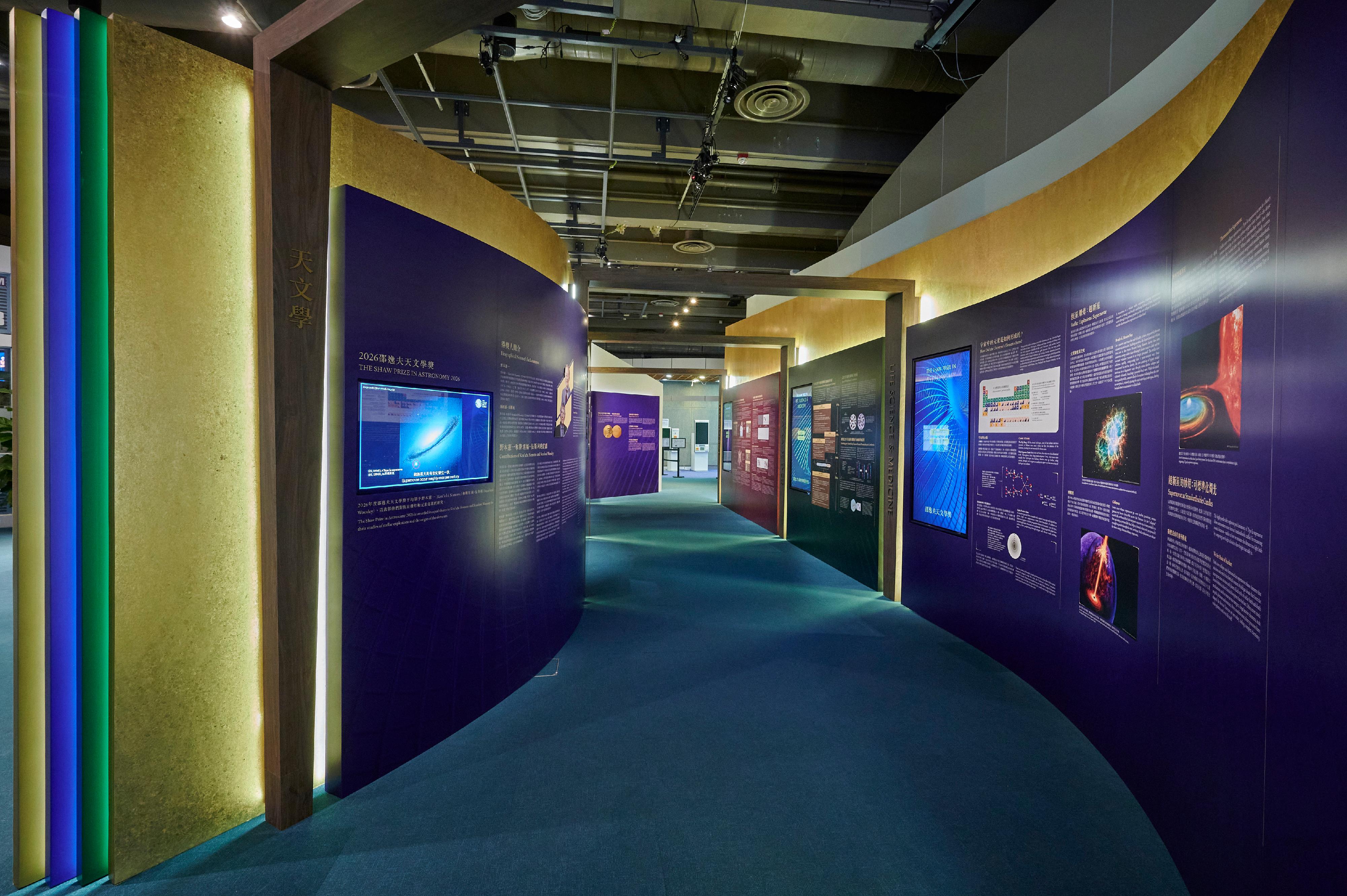
     ​The Hong Kong Science Museum is presenting “The Shaw Prize 2026 Exhibition” at the museum’s main lobby on 1/F to introduce this year’s Shaw Laureates and their outstanding contributions. The exhibition features multimedia and interactive panels to explain the underlying scientific concepts in an accessible way, guiding visitors to explore the research journeys of these leading scientists. The exhibition runs until January 6, 2027. Admission is free.

     ​The Shaw Prize is a prestigious international award in the scientific field which consists of three awards: the Prize in Life Science and Medicine, the Prize in Astronomy, and the Prize in Mathematical Sciences. A new prize category in Computer Science will be awarded for the first time in 2027.

     The Shaw Prize in Life Science and Medicine this year is awarded in equal shares to three scholars: Anne Dejean, Professor Emerita at the Institut Pasteur, France; Hugues de Thé, Professor and Chair of Cellular and Molecular Oncology at the Collège de France; and Zhu Chen, Professor, Ruijin Hospital, School of Medicine at Shanghai Jiao Tong University, China, for the discovery of the molecular and cellular bases of Acute Promyelocytic Leukemia and the pioneering of a synergistic targeted therapy.

     The Shaw Prize in Astronomy is awarded in equal shares to two scholars: Ken’ichi Nomoto, Emeritus Professor and Visiting Senior Scientist of the Kavli Institute for the Physics and Mathematics of the Universe, the University of Tokyo, Japan; and Stanford Woosley, Professor of Astronomy and Astrophysics, University of California, Santa Cruz, the United States, for their studies of stellar explosions and the origin of the elements.

     The Shaw Prize in Mathematical Sciences 2026 is awarded in equal shares to two scholars: Emmanuel Candès, the Barnum–Simons Chair in Mathematics and Statistics, Stanford University, the United States; and Camillo De Lellis, the IBM von Neumann Professor, School of Mathematics, Institute for Advanced Study, Princeton, the United States, for their breakthrough contributions to the use of deep techniques from mathematical analysis to understand applied problems.
     
     ​”The Shaw Prize 2026 Exhibition” is jointly presented by the Leisure and Cultural Services Department and The Shaw Prize Foundation and is jointly organised by the Hong Kong Science Museum, the Hong Kong Space Museum, the Education Bureau and Hong Kong Education City. For details of the exhibition and activities, please visit hk.science.museum/en/web/scm/exhibition/shawprize.html.

Photo  Photo  Photo  
read more

LCQ17: Developing Hong Kong into Belt and Road resource allocation centre

     Following is a question by the Hon Rock Chen and a written reply by the Secretary for Commerce and Economic Development, Mr Algernon Yau, in the Legislative Council today (November 4):

Question:
 
     There are views pointing out that given the pressing demand from Mainland enterprises to go global, Hong Kong, in its roles as the country’s “super connector” and “super value-adder”, should further enhance its strategic positioning. In addition to assisting enterprises in going global, it should also attract resources, thereby becoming a super partner and upgrading from a mere platform for enterprises to go global to a Belt and Road resource allocation centre. In this connection, will the Government inform this Council:
 
(1) in light of the demand from Mainland enterprises to go global, of the specific short, medium and long-term policies and development blueprints put in place by the authorities to promote Hong Kong’s upgrade from a launchpad to go global to a Belt and Road resource allocation centre, thereby establishing a one-stop hub for resources and tools for enterprises;
 
(2) as there are views that Hong Kong lacks sufficient grasp of the local conditions, legal regulations and political risks in emerging markets along the Belt and Road (such as Central Asia, the Middle East and Africa), of the specific talent nurturing strategies put in place by the Government to assist local and Mainland enterprises in overcoming difficulties in adapting to the local conditions and going global safely; and
 
(3) it has been reported that there are currently between 50 million and 60 million enterprises on the Mainland, and if only 0.1 per cent of them have the strength and intention to go global, this would already involve about 60 000 enterprises, a scale equivalent to six times the current number of Hong Kong offices of non-Hong Kong enterprises; given the need to serve this potentially vast cohort of enterprises seeking to go global, whether the Government will allocate more resources to address this in terms of the allocation of public financial resources, the transformation of the functions of overseas economic and trade offices, and the establishment of substantive supporting facilities for the aforementioned one-stop hub?
 
Reply:
 
President,
 
     To better support Chinese Mainland enterprises in going global through Hong Kong to overseas markets, including Belt and Road (B&R) countries, the Commerce and Economic Development Bureau (CEDB) established the Task Force on Supporting Mainland Enterprises in Going Global (GoGlobal Task Force), steered by the Secretary for Commerce and Economic Development (SCED), last October. The GoGlobal Task Force mobilises Invest Hong Kong (InvestHK), the Hong Kong Trade Development Council (HKTDC) and the Hong Kong’s offices in the Chinese Mainland, serving as a one-stop platform providing customised support services to Chinese Mainland enterprises. At the same time, the GoGlobal Task Force leverages the network of the 15 overseas Hong Kong Economic and Trade Offices of the Hong Kong Special Administrative Region (HKSAR) Government, connecting Chinese Mainland enterprises with overseas markets to seek overseas partners and explore business opportunities.
 
     The reply to the question raised by the Hon Rock Chen is provided below:
 
(1) and (2) Since its establishment, the GoGlobal Task Force has held four meetings of the Steering Committee and assisted Chinese Mainland enterprises to go global via Hong Kong in an orderly manner through a three-step approach of “bringing in”, getting ready and going global.
 
     To strengthen and more systematically co-ordinate Hong Kong’s professional services support for enterprises going global, the GoGlobal Task Force launched the cross-sectoral professional services platform (the Platform), GoGlobal Connect, in April this year, bringing together eight groups of Hong Kong professional service providers (Note) to provide professional consultation services to Chinese Mainland enterprises seeking to go global. Among them are many service providers familiar with the market standards and investment needs of B&R countries. They can effectively provide enterprises with analyses and recommendations on developing businesses in these markets, such as on local regulations and technical standards, thereby assisting enterprises in establishing operations overseas. At present, the Platform comprises more than 220 Hong Kong professional service providers and has processed around 300 enquiries related to overseas expansion through both online and offline channels. The GoGlobal Task Force will continue to enhance the functions of the Platform.
 
     In addition, the GoGlobal Task Force organises outbound missions led by Principal Officials of the HKSAR Government for enterprises to understand target markets, including B&R countries, in person and explore potential collaboration opportunities on the ground. Given that Central Asia is a key hub of the B&R and a critical platform connecting Asia and Europe, and in view of its substantial development potential, the Chief Executive personally led a business delegation comprising over 30 representatives from Chinese Mainland enterprises to visit Kazakhstan and Uzbekistan in June this year. A total of 96 co-operation agreements and memoranda of understanding (MOUs) were reached during the visit, involving specific amounts exceeding US$1.65 billion in total. Some of the Chinese Mainland enterprises in the delegation have successfully launched various co-operative projects with Central Asia and are progressively expanding their operations in the region.
     
     Apart from Central Asia, the Association of Southeast Asian Nations (ASEAN) is another important market along the B&R. In August 2026, the SCED led over 10 Chinese Mainland enterprises to visit Kuala Lumpur, Malaysia, to connect them with the vast market of the ASEAN, achieving positive outcomes. For example, members of the delegation exchanged two MOUs with local enterprises and chambers of commerce respectively, while InvestHK signed an MOU with the Malaysian Investment Development Authority to step up two-way investment co-operation between the two places, thereby further assisting Chinese Mainland enterprises to expand their local businesses. Riding on the successful experience and positive outcomes of this year’s missions, the GoGlobal Task Force will continue to organise outbound missions to high-potential economies, including B&R countries, in 2027.
 
     Going forward, the GoGlobal Task Force will further strengthen the related work according to the 2026 Policy Address, including the following:
 
(i) deepen collaboration with trade associations and chambers of commerce in both Hong Kong and the Chinese Mainland (including local branches of the Federation of Industry and Commerce and the China Council for the Promotion of International Trade) to organise industry-focused briefings and seminars in various provinces and municipalities to help Chinese Mainland enterprises gain a deeper understanding of Hong Kong’s high value-added services and advantages as a GoGlobal platform, as well as the preparations required for overseas expansion. This will enable enterprises to begin preparation for their internationalisation at an earlier stage in the Chinese Mainland and then expand overseas through Hong Kong;
 
(ii) leverage the networks of Hong Kong’s chambers of commerce, industry associations and professional organisations to reach out to more Chinese Mainland enterprises interested in expanding into overseas markets, as well as relevant Hong Kong professional service providers, to gain a more in-depth understanding of the market demand for professional services, facilitate enterprises’ preparations for international expansion and train more talent for GoGlobal-related professional services;
 
(iii) further enhance the Platform by adding a new sector to provide environmental, social and governance services, with a view to leveraging Hong Kong’s international expertise to assist Chinese Mainland enterprises in meeting the requirements of their target markets (including B&R countries); and
 
(iv) enhance the Platform’s matching function to connect Chinese Mainland enterprises and Hong Kong professional service providers, and keep track of the effectiveness of individual cases. We will also enhance the Platform’s search and matching functions to showcase service providers of different scales, thereby better fulfilling the needs of enterprises going global. We will continue to invite more professional service providers of different sizes and specialties to join the Platform to provide more diverse and targeted professional support services to Chinese Mainland enterprises.
 
     Apart from the GoGlobal Task Force, the Belt and Road Office under the CEDB is also taking forward various initiatives through a multi-pronged approach to assist Hong Kong and Chinese Mainland enterprises in exploring opportunities in B&R markets. Hong Kong has been organising the flagship event – the Belt and Road Summit (Summit) annually since 2016, bringing together political and business leaders from Hong Kong, Chinese Mainland and B&R countries for co-operation and exchanges, yielding fruitful results. Taking this year’s 11th Summit as an example, it attracted over 6 200 participants and reached more than 60 MOUs. The total value of these MOUs, together with new projects and deals finalised before and during the Summit, is over US$3.1 billion.
 
     The Belt and Road Office also reaches out to B&R countries to progressively build a database of infrastructure projects, namely the “Hong Kong-Overseas Projects Platform”, to gather and disseminate project information to Hong Kong enterprises, assisting them to seize opportunities to participate in B&R projects. The Belt and Road Office also encourages and suitably assists overseas entities in organising roadshows or project matching activities in Hong Kong, “bringing in” the relevant projects. So far, the aforesaid platform has disseminated the information of about 20 projects to registered Hong Kong enterprises, and organised, assisted or facilitated over 10 roadshows or project matching activities.
 
     Also, the HKTDC has established the Belt and Road Portal, which sets out successful cases related to the B&R. This platform currently carries listings of over 680 projects and 370 Hong Kong-based professional service providers providing corresponding services. The HKTDC also publishes research reports for enterprises’ reference from time to time, covering information on the business environment, local policies and regulations, industry opportunities, economic data, and relevant practical resource links of overseas markets, including B&R markets, thereby assisting them in planning their overseas business expansion.
 
(3) There is an enormous number of Chinese Mainland enterprises planning to go global, and many of them intend to leverage Hong Kong to expand into overseas markets. The GoGlobal Task Force will maintain communication with relevant Chinese Mainland authorities, including the Ministry of Commerce, to strategically provide Chinese Mainland enterprises with tailored match-making and support services based on their needs. The GoGlobal Task Force will focus on supporting key Chinese Mainland enterprises with clear strategic value through the cross-sectoral professional services platform, GoGlobal Connect, and the one-stop customised overseas expansion support services provided by InvestHK and the HKTDC. We will also invite them to attend the GoGlobal Task Force’s promotional events, and participate in outbound missions led by Principal Officials of the HKSAR Government. The GoGlobal Task Force will continue to track their overseas expansion progress so as to provide further support at appropriate junctures.
 
     As for other Chinese Mainland enterprises, depending on their specific service needs and overseas expansion plans, the GoGlobal Task Force will continue to provide support through the cross-sectoral professional services platform and the professional expertise of various GoGlobal Task Force members. In addition, the GoGlobal Task Force will support measures or promotional activities initiated by the business sector and other non-government organisations, so as to bring together the strengths of different sectors in developing Hong Kong into an ideal GoGlobal platform.
 
     In view of the enormous number of enterprises seeking to go global, additional resources and manpower have been allocated to InvestHK to cope with the relevant workload, thereby better supporting the work of the GoGlobal Task Force.
 
Note: Including financial services; legal services; accounting, tax and business advisory services; design, marketing and brand management services; logistics and transportation services; telecommunications and information technology services; infrastructure and real estate-related services; as well as testing and certification services. read more

LCQ6: Benefits of attracting enterprises to Hong Kong

     Following is a question by the Hon Ken Lee and a reply by the Secretary for Commerce and Economic Development, Mr Algernon Yau, in the Legislative Council today (November 4):
 
Question:
 
     Regarding the benefits of attracting enterprises to Hong Kong, will the Government inform this Council:
 
(1) of the number of new jobs created each year in the past three years by enterprises which came to Hong Kong with the assistance of Invest Hong Kong, and among them, the number of positions at managerial and professional levels; the respective proportions of Hong Kong permanent residents recruited to fill such positions; whether the Administration has proactively tracked and verified the implementation by such enterprises of their original plans regarding the number of staff to be employed and new positions to be created; if so, of the respective proportions of enterprises that fell short of and those that met the originally planned numbers;
 
(2) whether it has compiled statistics on the cost-effectiveness brought to Hong Kong by the enterprises that have set up operations in Hong Kong and their intra-company transferees in the past three years, including a comparison of the relevant tax revenue and the pull effect on the economy in such areas as local consumption, the food and beverage sector, the retail sector and the residential rental market, as well as the demand pressure that such personnel have imposed on local public service costs; and
 
(3) whether the Government will, when attracting non-local enterprises and providing them with land grant subsidies or tax concessions, consider incorporating the recruitment and nurturing of local talent, promotion of technology transfer, as well as provision of work or internship opportunities for local students as assessment criteria, so as to enable local personnel to gain more development opportunities; if so, of the details; if not, the reasons for that?
 
Reply:
 
President,
 
     Invest Hong Kong (InvestHK) has all along been committed to attracting Chinese Mainland and overseas enterprises from different sectors to set up or expand their businesses in Hong Kong. InvestHK provides them with one-stop customised support services, from planning to implementation. Such services include providing market information and guidance on industry regulations, assisting in identifying office premises and recruiting staff, introducing business partners and service providers, and providing publicity and promotional support. At the same time, InvestHK provides aftercare support services to clients that have successfully established a presence in Hong Kong, and proactively encourages them to expand their businesses in Hong Kong.
 
     Our reply to the question raised by the Hon Ken Lee is provided below:
 
(1) Over the past three years (i.e. from 2024 to the end of September 2026), InvestHK has assisted more than 1 600 Chinese Mainland and overseas enterprises in setting up or expanding their businesses in Hong Kong. It is estimated that these enterprises will bring in direct investment of over $200 billion to Hong Kong and create more than 28 000 local job opportunities in total. Of these job opportunities, it is estimated that more than 20 per cent will be high value-added positions such as managerial or professional posts, including chief executives, research and development personnel, accounting and finance personnel, operations managers, and professional positions in different fields.
 
     To continuously enhance the economic contribution of enterprises after their establishment in Hong Kong, InvestHK will provide aftercare support services to clients that have completed their establishment in Hong Kong in a timely manner. During this process, the Department will systematically engage with the enterprises to gain an in-depth understanding of their latest operations, including the progress of their job creation plans and staff recruitment, their plans to expand offices and stores, and explore new business areas in which the enterprises may further expand in Hong Kong. At the same time, the Department will also introduce to the enterprises Hong Kong’s latest policies and opportunities, thereby consolidating and increasing their investment in Hong Kong.
 
     Although the Department maintains communication with the enterprises concerned, the enterprises recruit staff according to their own operational needs, and the relevant employment situation may change from time to time. InvestHK does not have comprehensive and real-time data for Members’ reference. Nevertheless, we understand that most of the staff recruited are Hong Kong permanent residents.
 
     Going forward, InvestHK will continue to implement the key performance indicator announced in the 2025 Policy Address, which is to attract at least a total of 1 200 Chinese Mainland or overseas enterprises to set up or expand their businesses in Hong Kong within the two-year period of 2026 and 2027, thereby bringing in direct investment of at least $120 billion and creating at least 12 000 job opportunities. Currently, the relevant work is in good progress. InvestHK has assisted around 550 enterprises to set up or expand their businesses in Hong Kong in the first nine months of this year.
 
(2) As mentioned above, over the past three years, InvestHK has assisted more than 1 600 enterprises in setting up or expanding their businesses in Hong Kong. These enterprises are mainly from sectors such as innovation and technology, financial services and financial technology, family offices, and tourism and hospitality. They are expected to bring in direct investment of over $200 billion to Hong Kong in total. These achievements are also reflected in the continuous rise in the total number of companies based in Hong Kong in recent years. According to the latest “Report on Annual Survey of Companies in Hong Kong with Parent Companies Located outside Hong Kong” conducted by InvestHK and the Census and Statistics Department, there were 11 070 Hong Kong-based companies from the Chinese Mainland and overseas in 2025, representing a year-on-year increase of about 11 per cent and a record high. The number of people employed reached 509 000, representing a year-on-year increase of about 3 per cent. Among these Hong Kong-based companies, there were also more than 1 500 regional headquarters, representing a year-on-year increase of about 7 per cent. This is conducive to further consolidating Hong Kong’s status as an international financial, trade and shipping centre, enabling it to perform its role as a control tower, driving high value-added supply chain activities in various sectors, and promoting the robust development of Hong Kong’s overall economy.
 
     In addition to bringing substantial investment and creating a large number of local jobs, the establishment of enterprises in Hong Kong also generates service demand in ancillary sectors such as retail, catering, transport, residential property and commercial premises. In addition, many of the enterprises assisted by InvestHK come from sectors relating to people’s livelihood. Among the 560 projects completed by InvestHK in 2025, about 120 of them (about 21 per cent) were from sectors such as retail, catering, e-commerce and trading, representing a year-on-year increase of more than 20 per cent. These enterprises broaden the range of products or services available to Hong Kong residents, thereby enhancing their overall quality of life.
 
     As for the relevant tax revenue, the assessable profits for profits tax of different enterprises are affected by different factors. In addition, apart from listed companies, enterprises generally do not disclose to the public their data such as profits tax assessment notices and assessable profits. InvestHK does not have the relevant data.
 
(3) Last year’s Policy Address announced the establishment of the Steering Committee on Preferential Policies for Attracting Industries and Investmentled by the Financial Secretary to formulate preferential policy packages to promote industry development and investment, thereby attracting high value-added industries and high-potential enterprises to set up in Hong Kong and promoting high-quality development of Hong Kong’s economy. The committee will consider factors such as resources invested by the enterprises, related economic benefits and development potential, to formulate dedicated preferential policy packages. These may cover land grant, land premium concession, financial subsidies and tax concessions, so as to attract international and national brands and strategic enterprises to establish business operations in Hong Kong. On tax concessions, the Government plans to provide concessionary tax rates of 5 per cent or half-rate for individual enterprises operating in key sectors such as finance, advanced manufacturing, research and development in innovation and technology, headquarters activities and logistics and supply chain management. The relevant legislative amendment bill will be introduced to the Legislative Council by the end of this year.
 
     In considering the granting of the above preferential policies to enterprises, relevant policy bureaux will, in consultation with InvestHK or the Office for Attracting Strategic Enterprises, conduct detailed analysis of and give in-depth consideration to the enterprises’ investment plans, including the enterprises’ scale, nature, business plans and other case-specific factors. If needed, the committee may also impose additional conditions, such as requiring the enterprises to introduce new technologies to Hong Kong or make investment of a specified amount, so as to ensure that the proposed concessions can achieve the policy objective of attracting high value-added industries and high-potential enterprises to Hong Kong. read more