Tag Archives: China

image_pdfimage_print

SED shares Hong Kong’s experience in achieving quality and equity in education at Education World Forum 2025 (with photos)

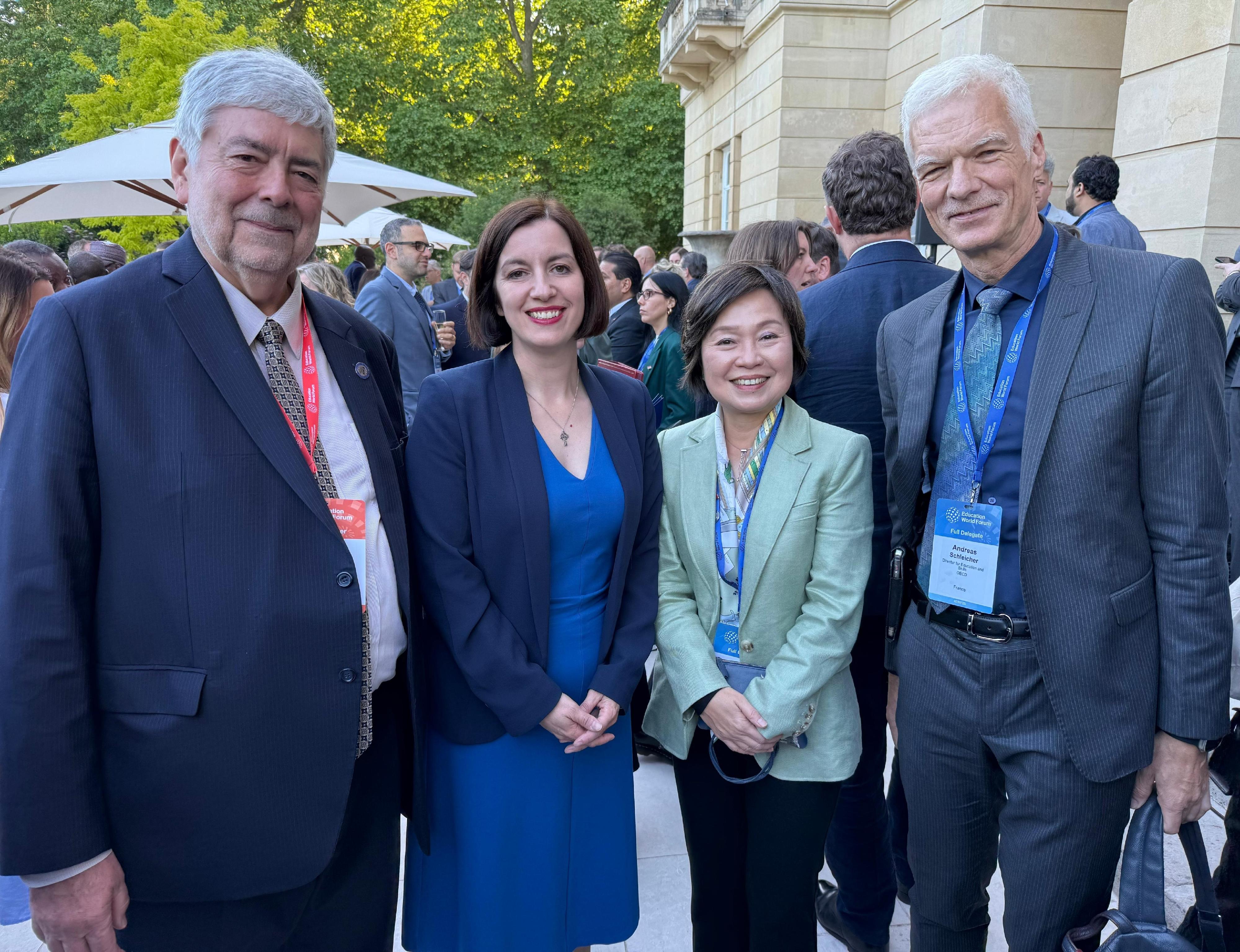
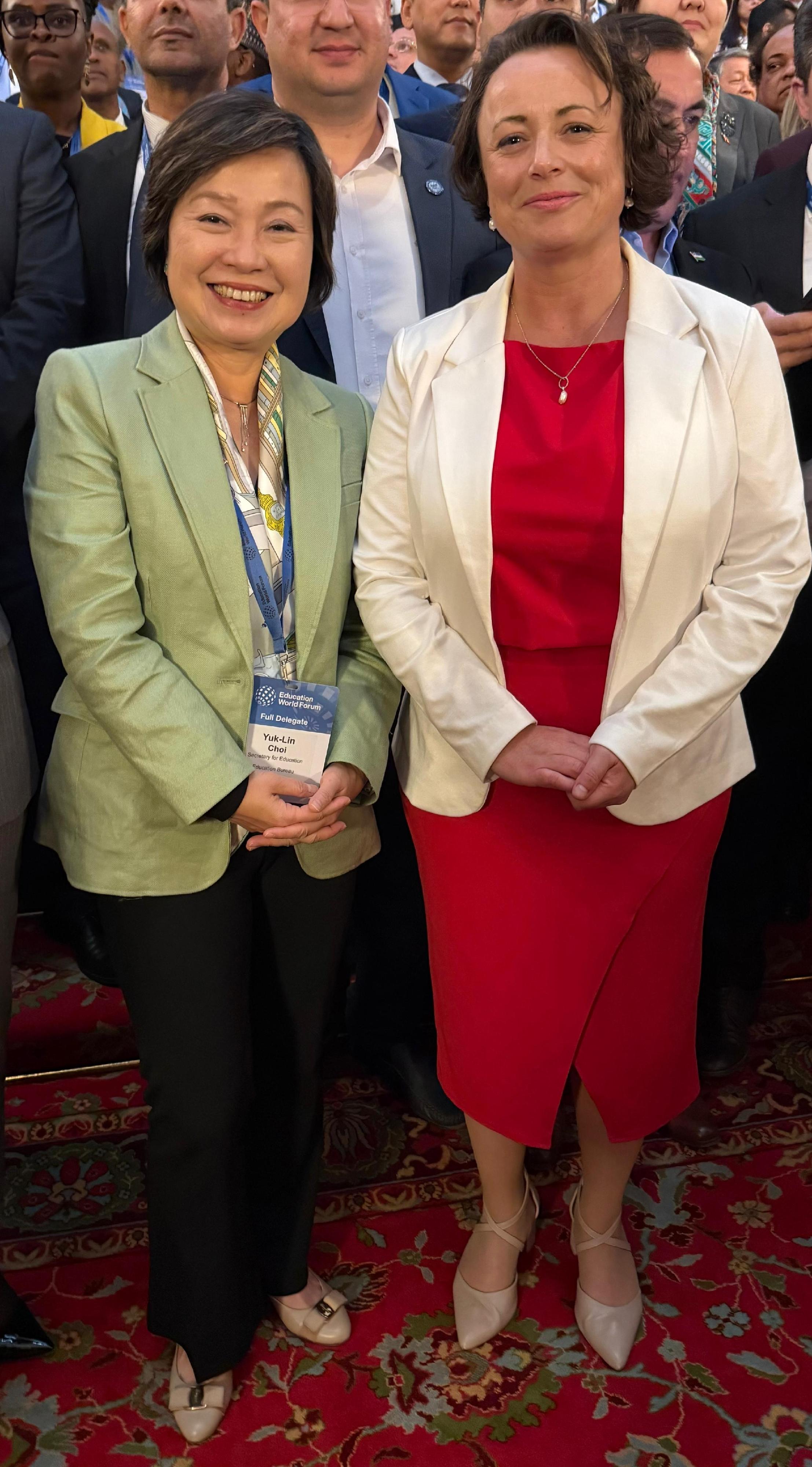
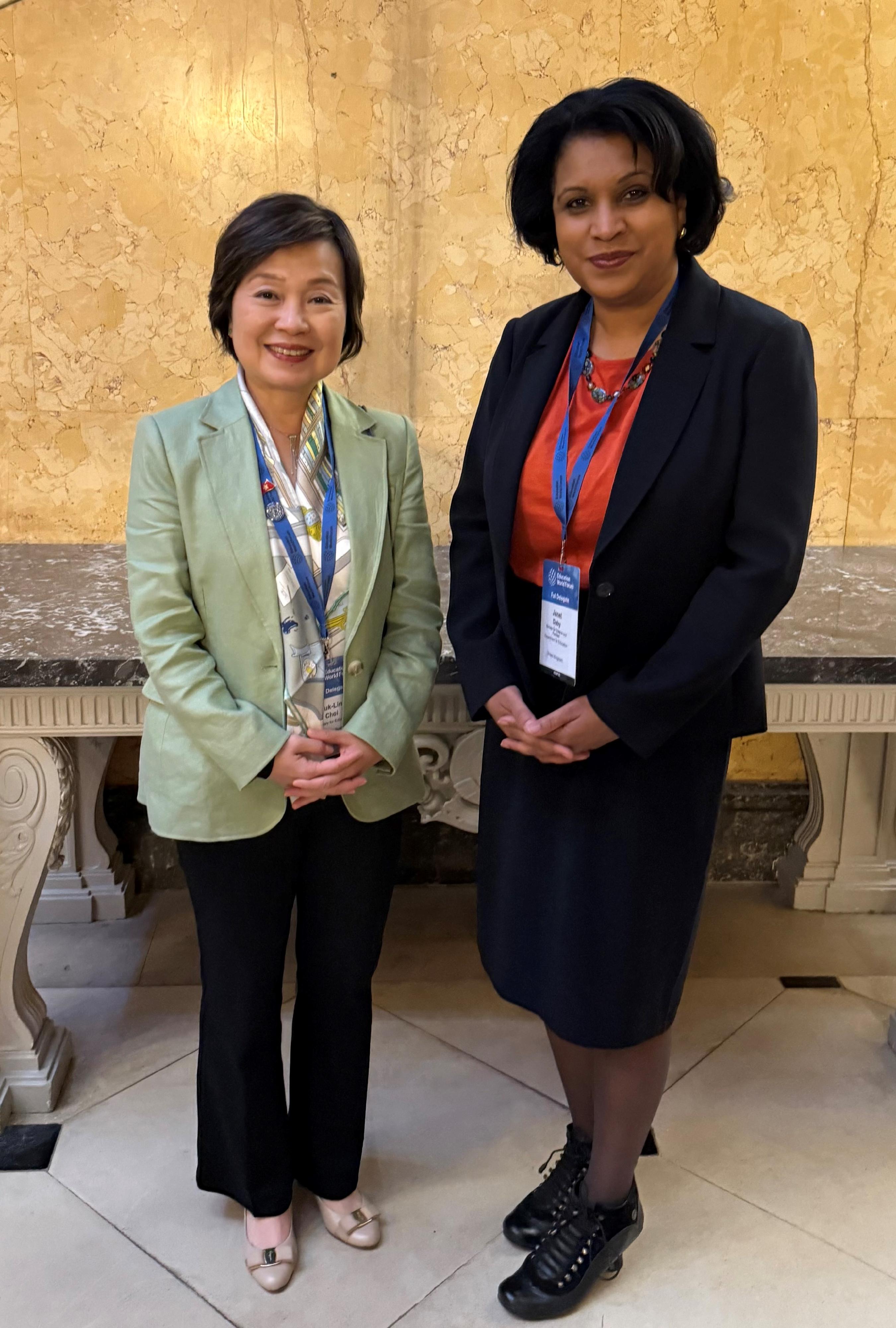
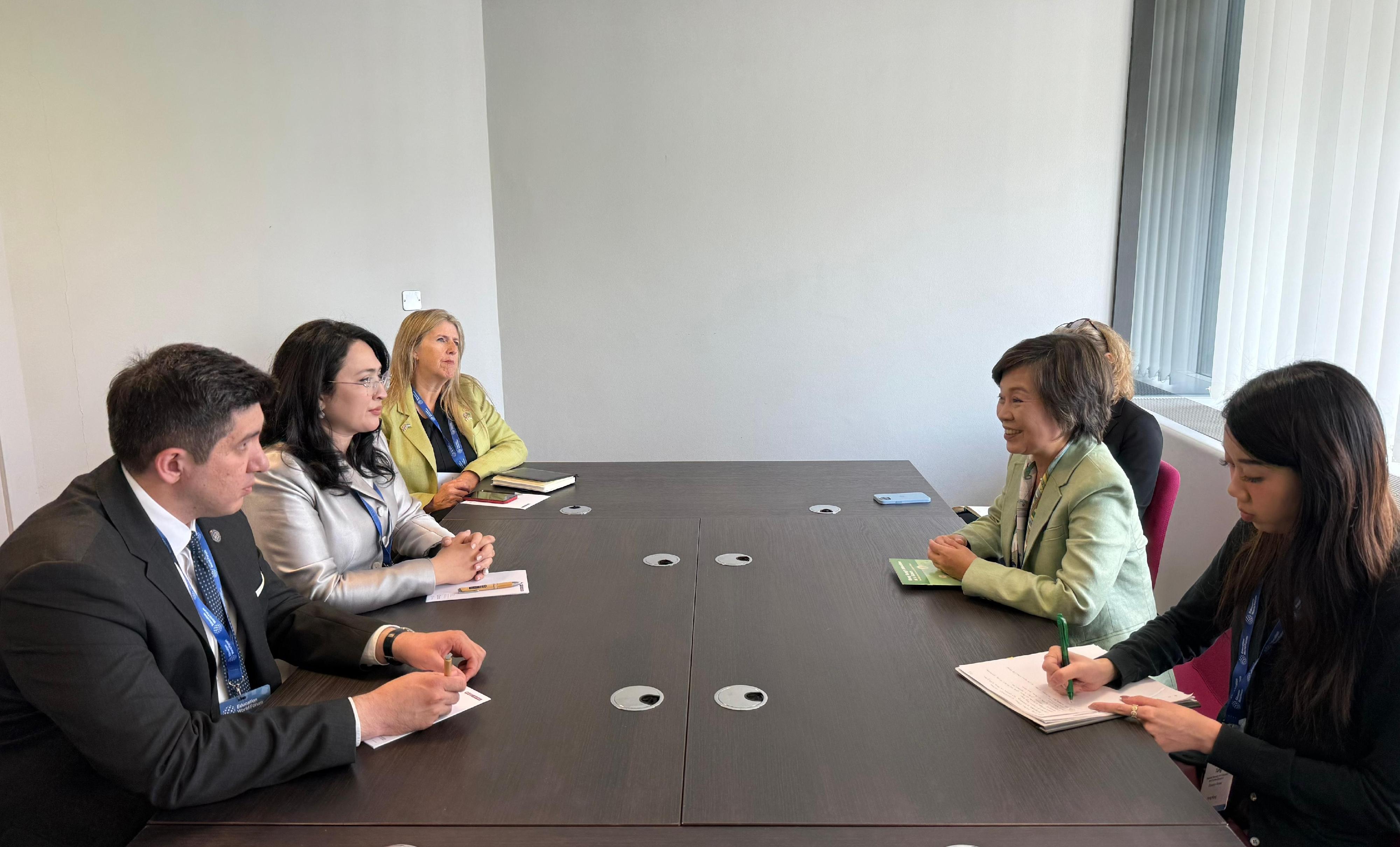
     The Secretary for Education, Dr Choi Yuk-lin, attended the Education World Forum (EWF) 2025 in London, the United Kingdom (UK), on May 19 (London time). Under the five key themes this year, namely Stability, Equity, Quality, Innovation and Growth, Dr Choi shared Hong Kong’s practical experience with education ministers and senior officials from various countries and regions.

     The EWF is the largest gathering of education and skills ministers in the world, providing an excellent platform for discussing education policies and strengthening education ties. This year, the forum focused on the development of inclusive education systems that drive equitable and sustainable socio-economic growth. In her keynote speech titled “How and why should education systems improve equity and increase quality?”, Dr Choi introduced Hong Kong’s policy measures and achievements in providing quality and equitable education.

     Dr Choi said that, in achieving quality education, Hong Kong has been participating in various international assessments to understand more about the capabilities of Hong Kong students and the key factors that shape their learning effectiveness. Hong Kong students’ overall performance in both the Programme for International Student Assessment (PISA) and the Trends in International Mathematics and Science Study (TIMSS) exceeding the international average is a testament to the brilliance of students, the teaching effectiveness of schools and teachers, and the strengths of Hong Kong’s education system.

     The Education Bureau (EDB) attaches great importance to teachers’ continuing professional development. To enhance teachers’ professional competencies, the EDB has been providing diversified training programmes, organising teacher professional development programmes in collaboration with local, Mainland and overseas universities, and offering scholarships to encourage teachers to participate in overseas exchanges and training activities.

     In terms of education equity, PISA results showed that the family background and socio-economic status of Hong Kong students had a relatively small impact on their performance, reflecting that Hong Kong’s education system enables equal education opportunities. To ensure that every student has access to quality education, the EDB has developed a broad and balanced 15-year school curriculum framework, engages students in a diverse range of life-wide learning activities, and offers various programmes to support e-learning. The EDB has also been providing non-Chinese speaking students with all-encompassing learning support and implementing the Whole School Approach to Integrated Education.

     Apart from delivering the keynote speech, Dr Choi also met several education officials of the UK, including the Secretary of State for Education of the UK, Ms Bridget Phillipson; the Minister of State (Minister for School Standards) at the Department for Education of the UK, Ms Catherine McKinnell; and the Parliamentary Under-Secretary of State (Minister for Children and Families) at the Department for Education of the UK, Ms Janet Daby, to discuss the strengthening of education collaboration between the two places.

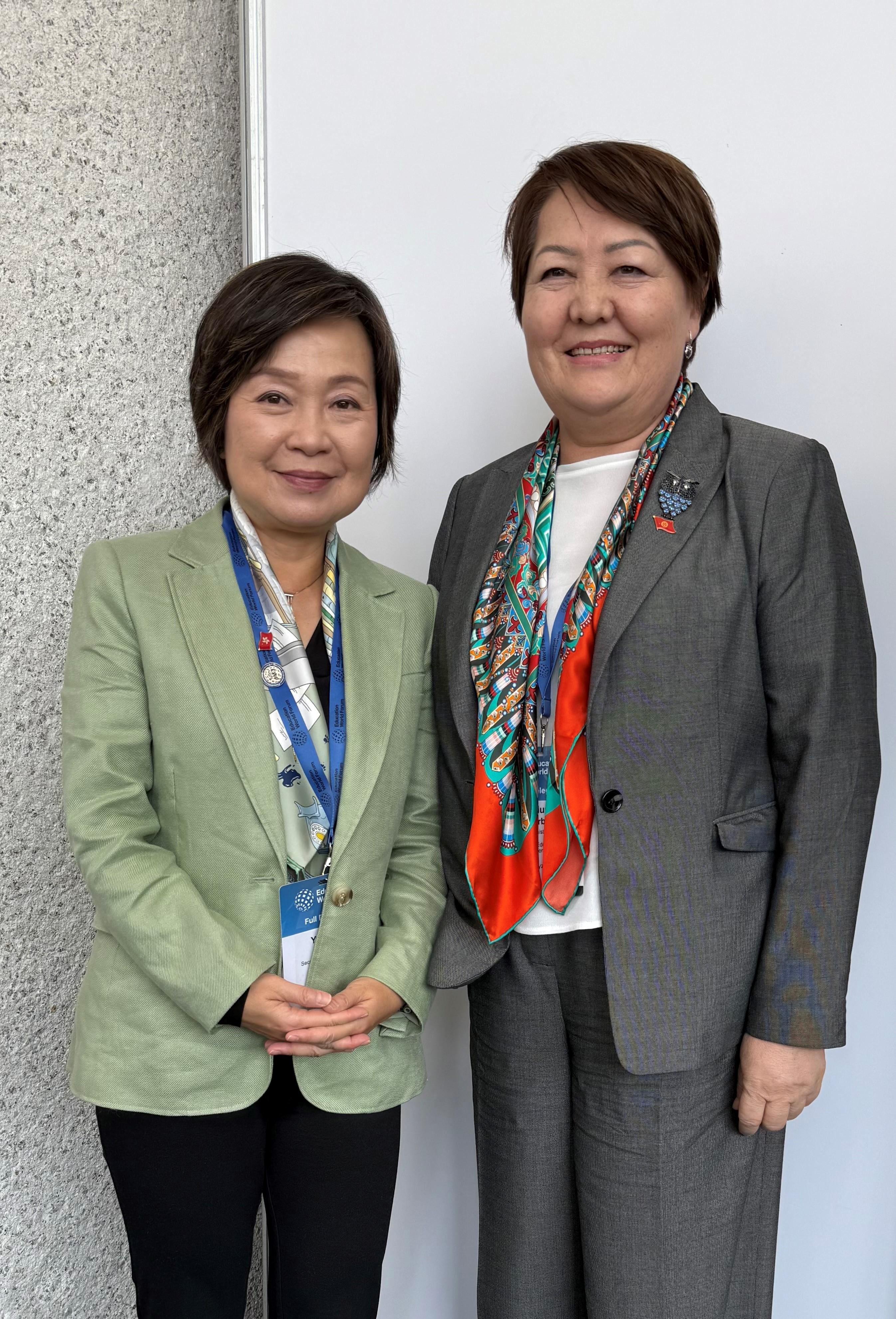
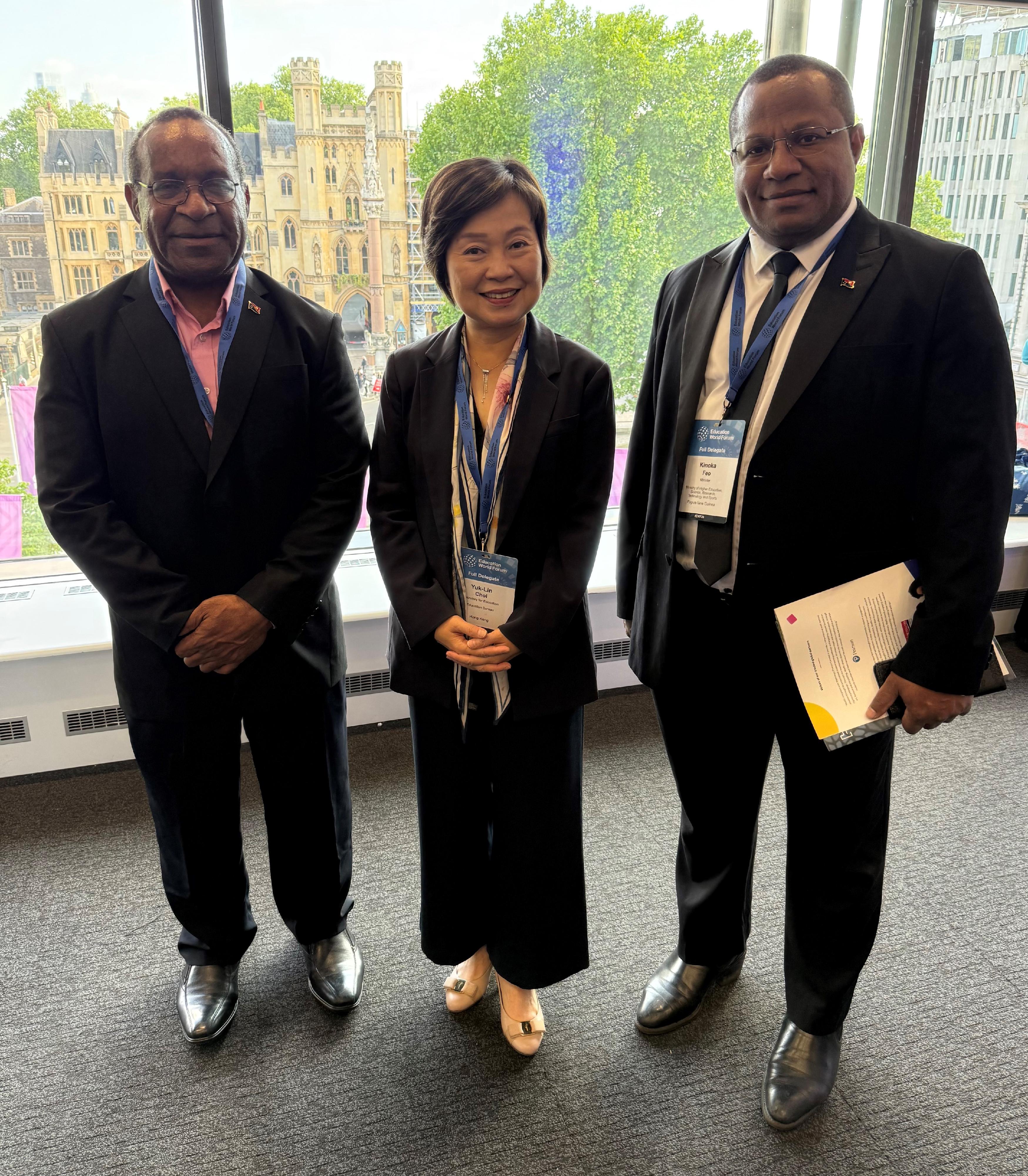
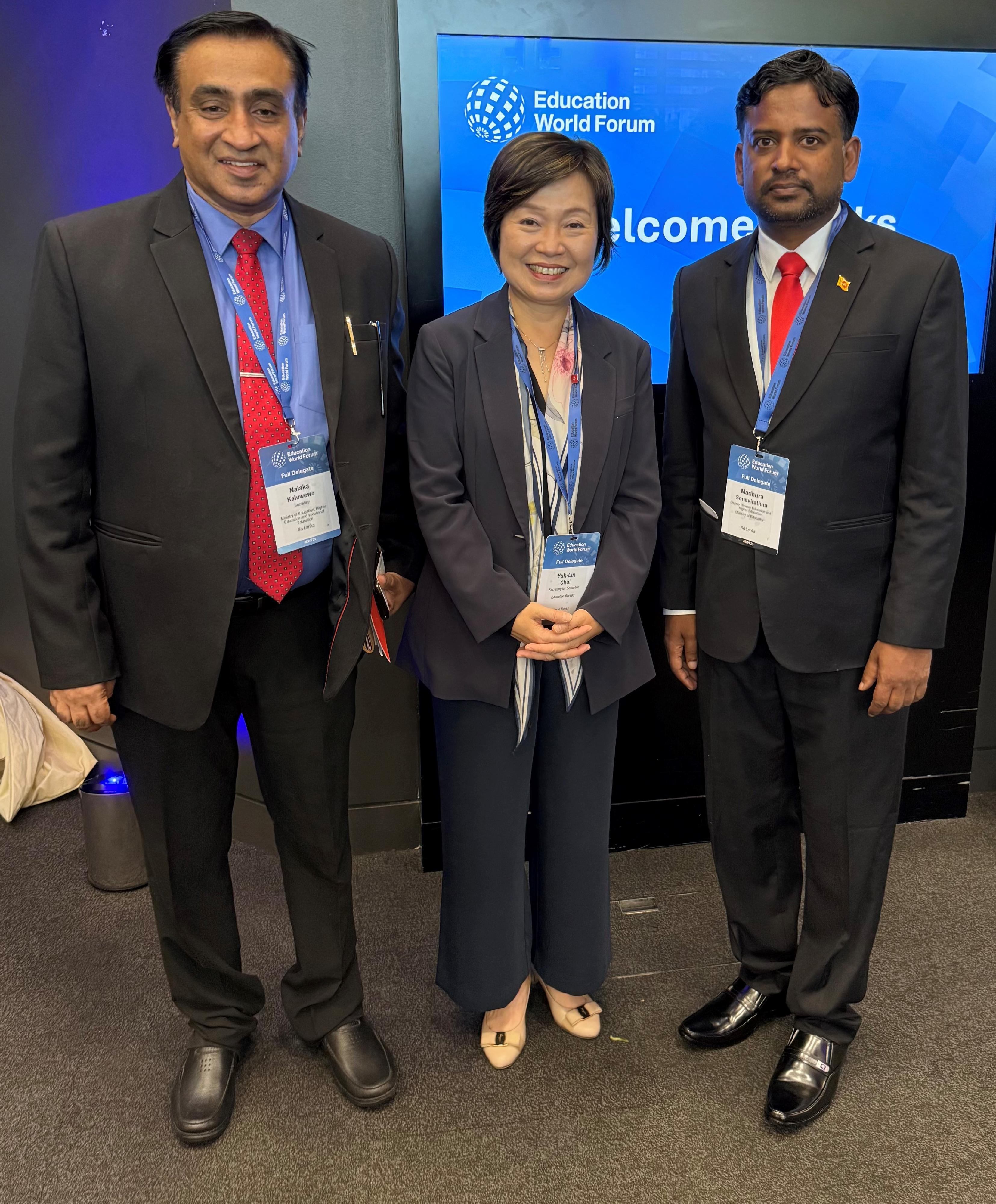
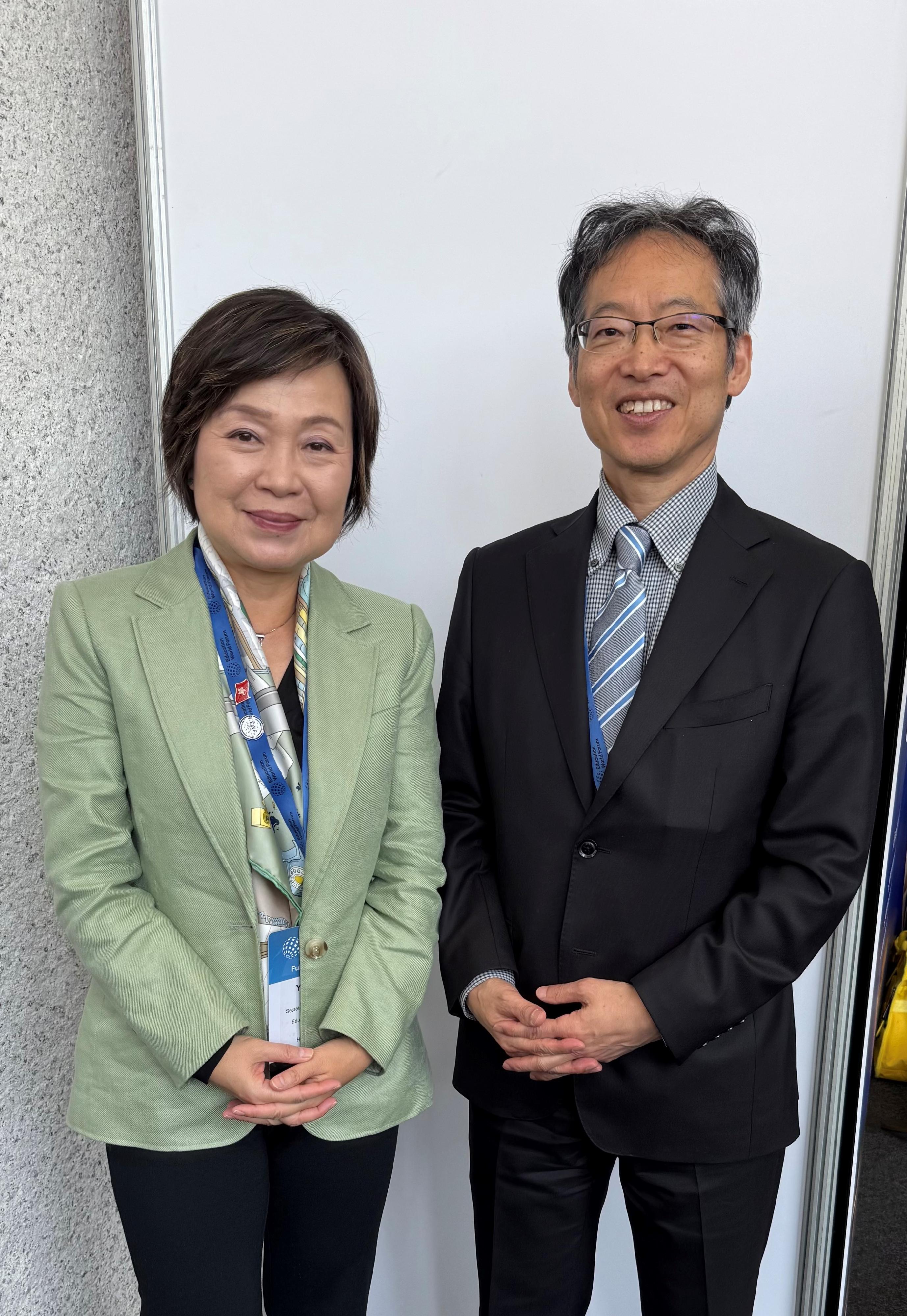
     In addition, Dr Choi met with education officials from Uzbekistan, Kyrgyzstan, Papua New Guinea and Sri Lanka attending the forum to explore room for education collaboration between Hong Kong and Belt and Road countries. Dr Choi also met with an official of the Ministry of Education, Culture, Sports, Science and Technology of Japan to discuss the strengthening of education co-operation.

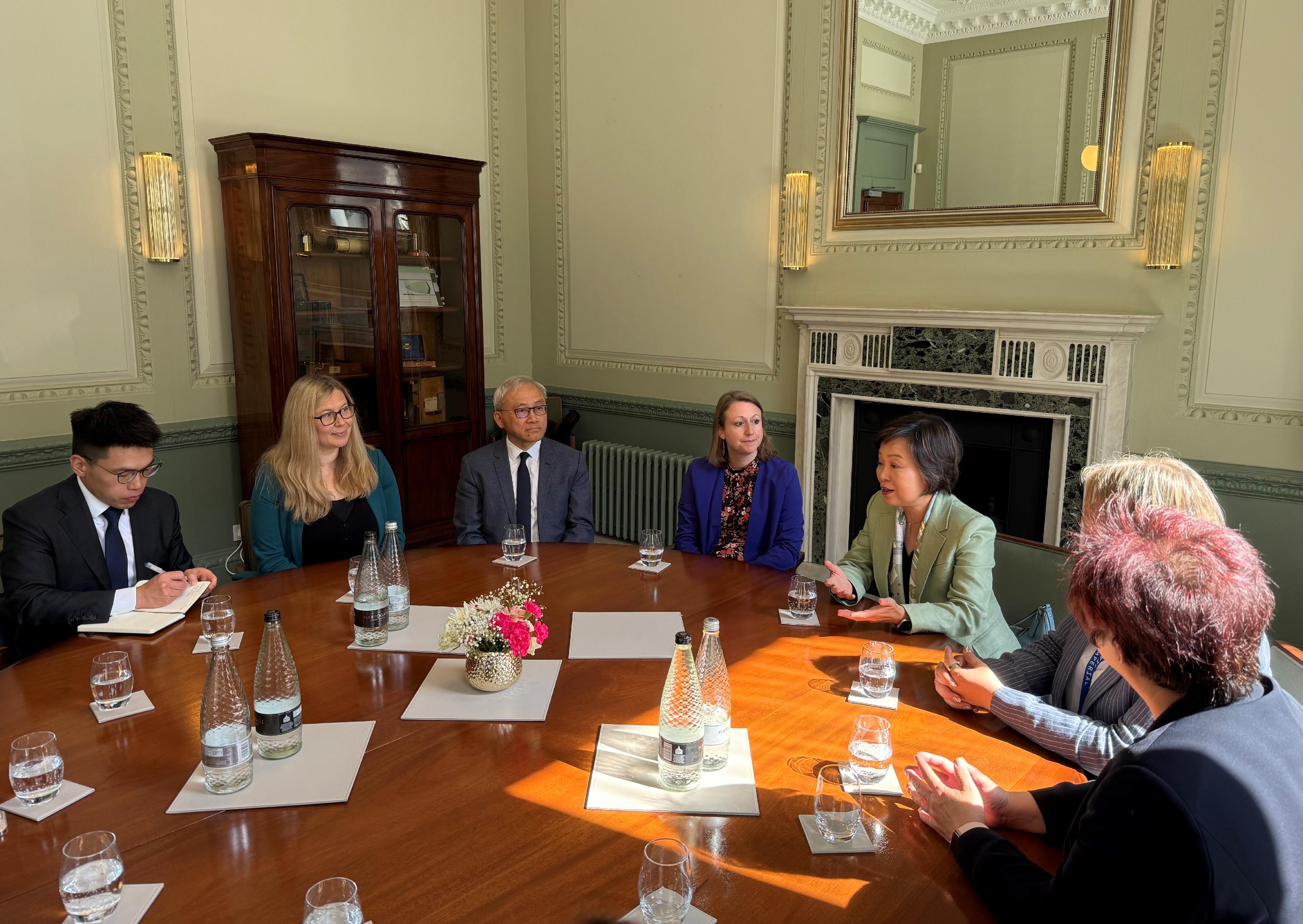
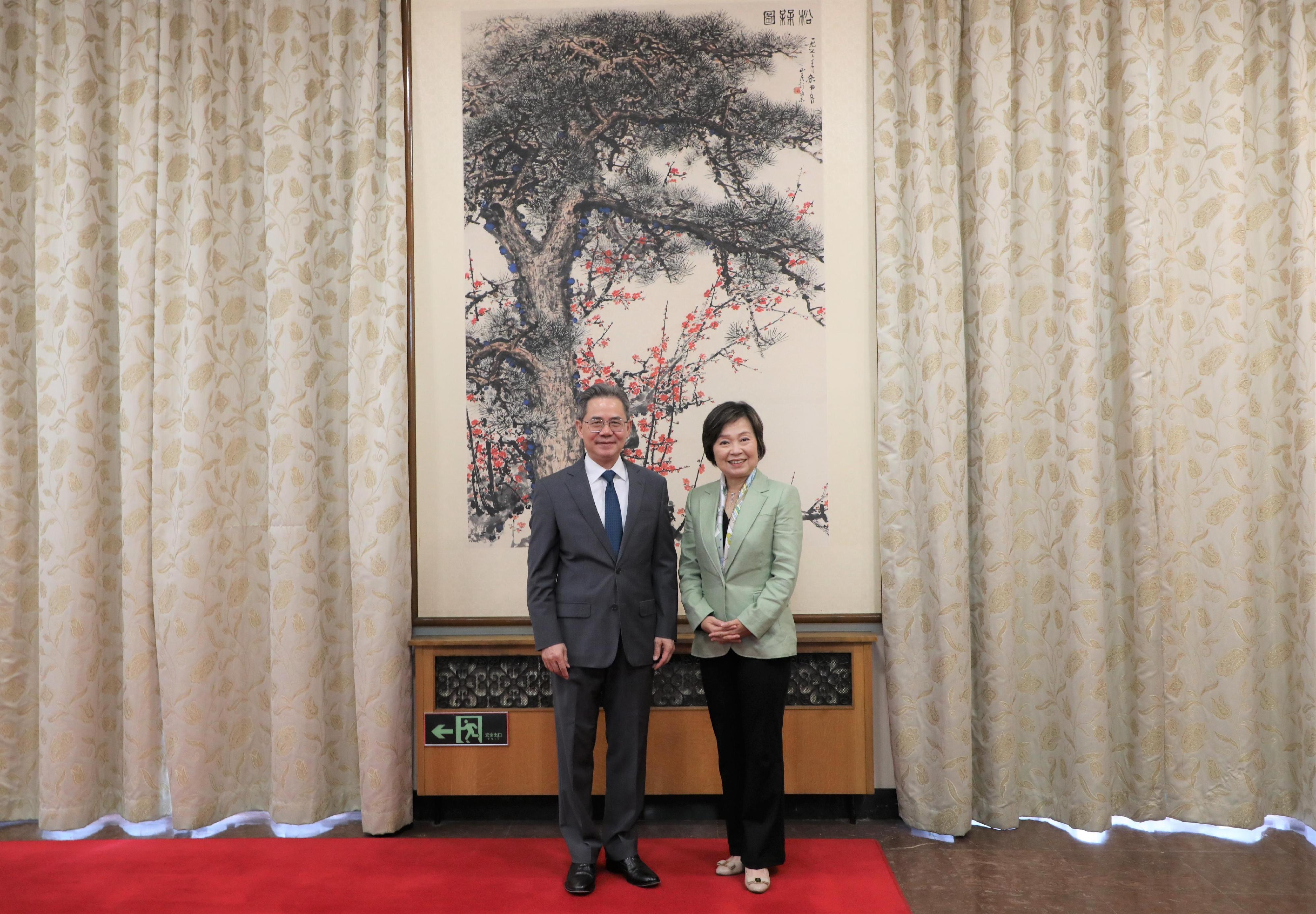
     Dr Choi then visited Imperial College London to learn about its experience in the promotion of STEAM (science, technology, engineering, arts and mathematics) education in secondary and primary schools, as well as the preparation of the relevant teaching materials for schools. In addition, Dr Choi paid a courtesy call on the Chinese Ambassador to the UK, Mr Zheng Zeguang, to introduce the latest education developments in Hong Kong.

     On May 20 (London time), Dr Choi will meet with local education officials to discuss enhancing higher education collaboration between the UK and Hong Kong. She will also exchange views with representatives of several UK universities and share Hong Kong’s latest developments in building into an international education hub.

     Dr Choi will conclude her visit on the same day and return to Hong Kong.
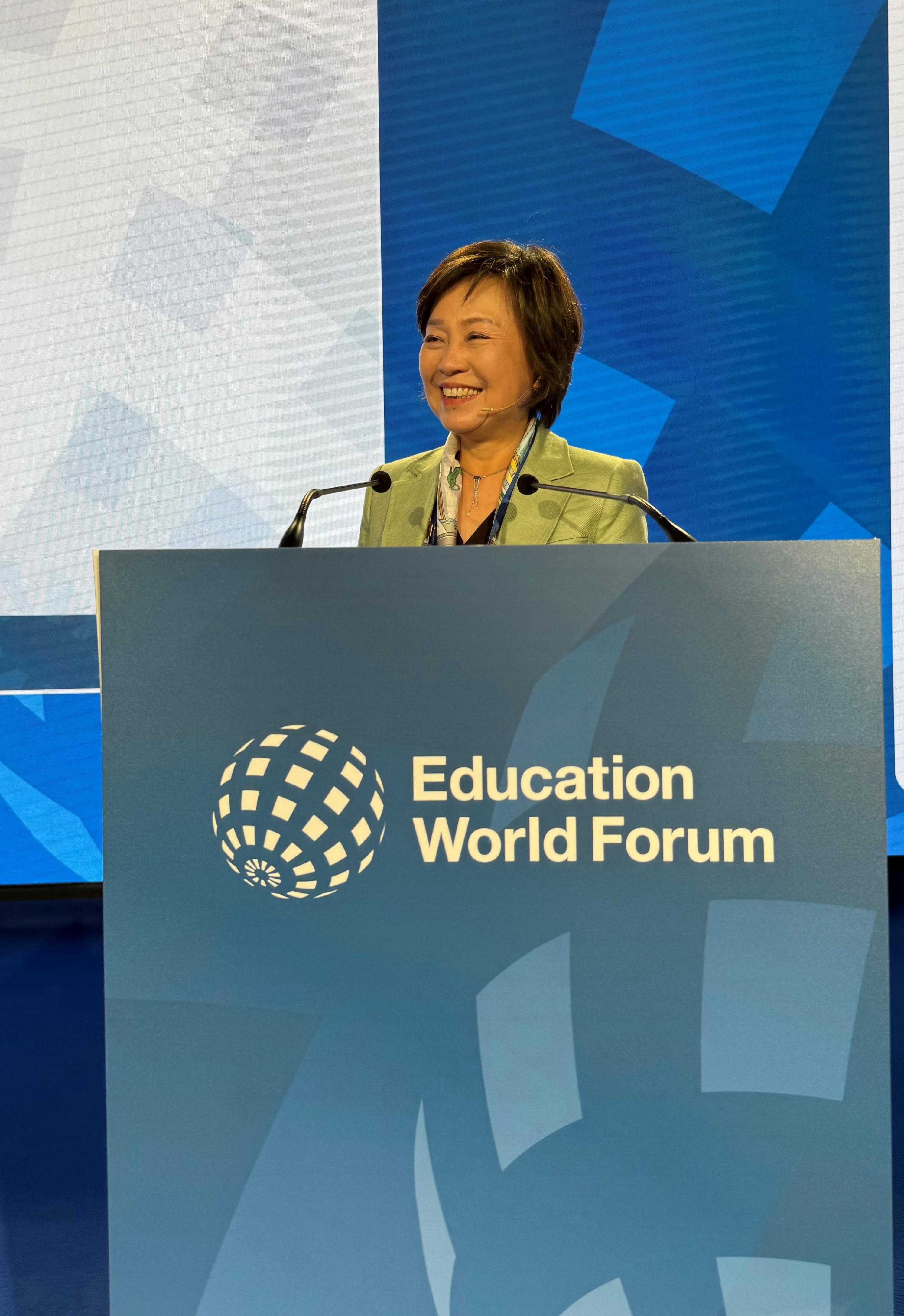
Photo  Photo  Photo  Photo  Photo  Photo  Photo  Photo  Photo  Photo  Photo  
read more

Civil Service Bureau launches Digitalised Basic Law and National Security Law Test to provide convenience to candidates (with photos)

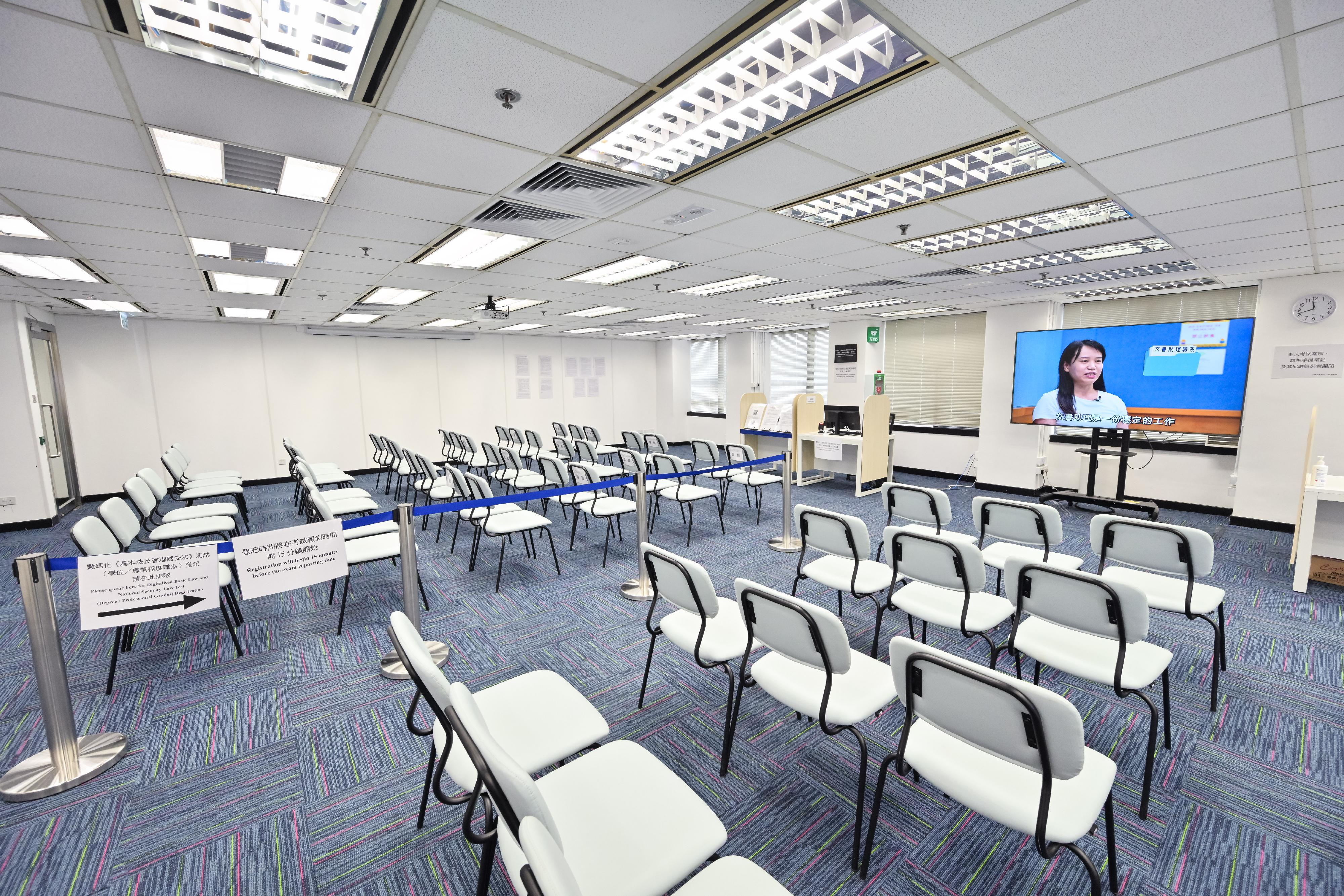
     The Civil Service Bureau (CSB) will launch the Digitalised Basic Law and National Security Law Test (Degree/Professional Grades) (Digitalised BLNST), which prospective applicants can apply for through the online application system on the CSB website starting from tomorrow (May 21) at 9am for the examination to be held from May 23 onwards.

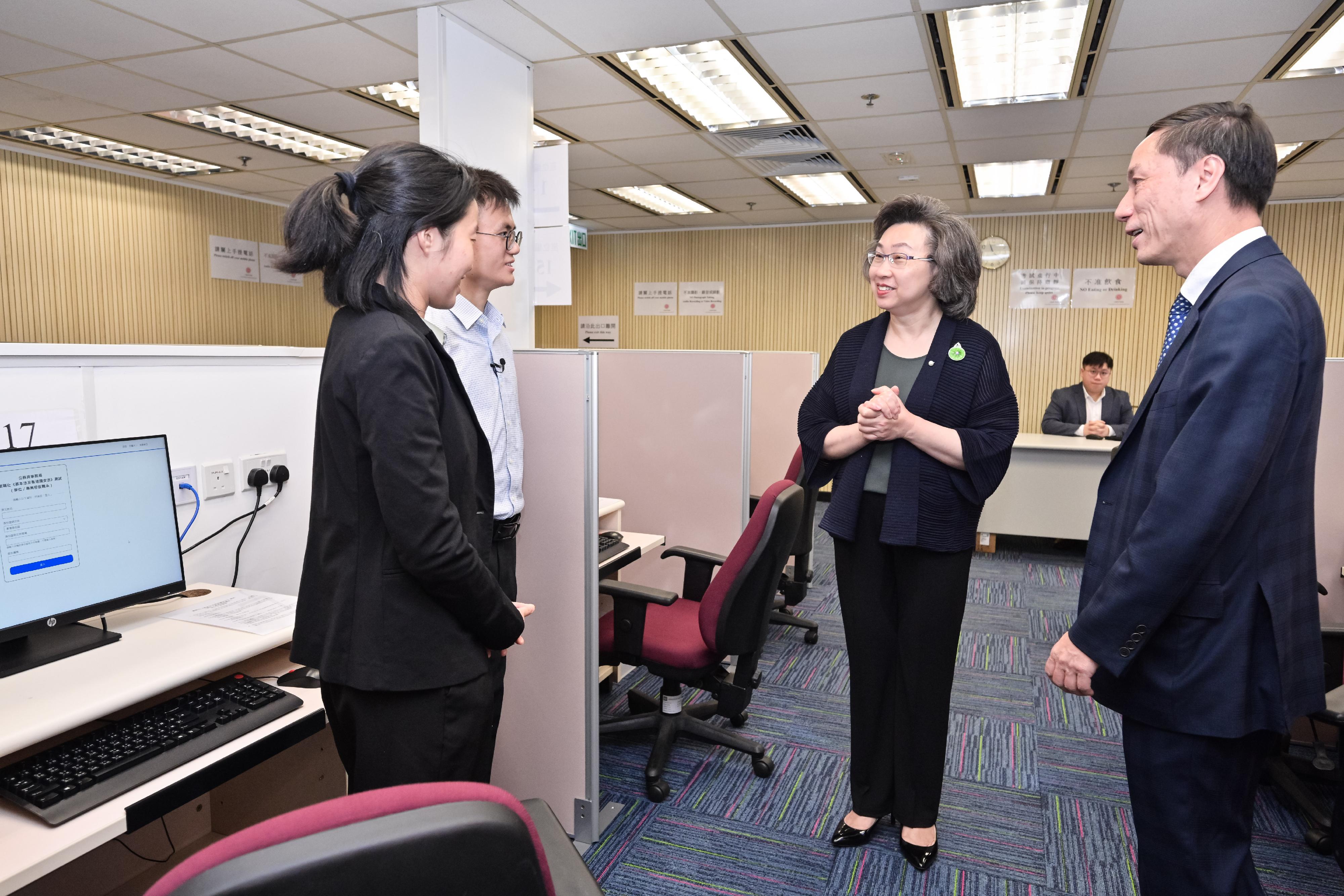
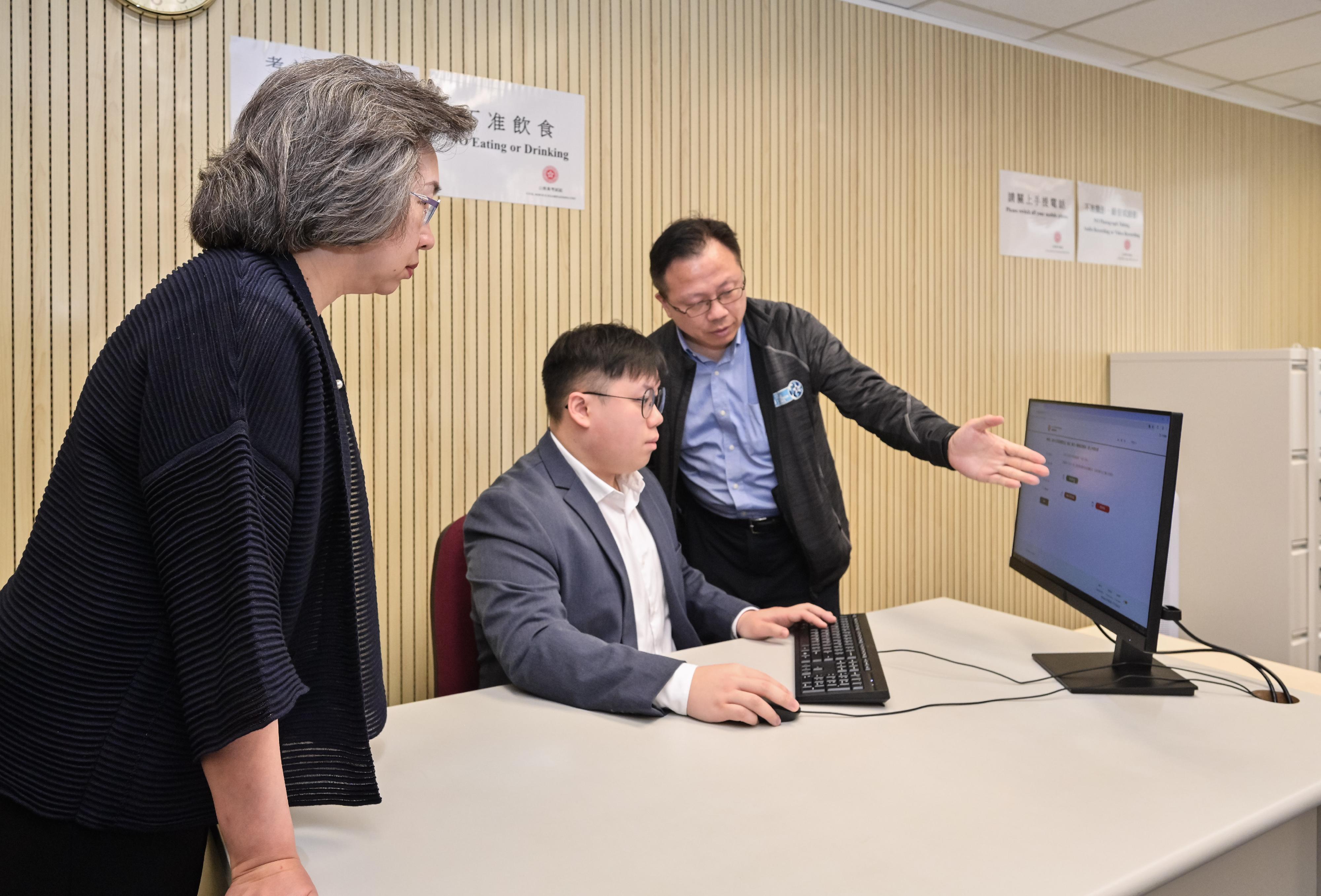
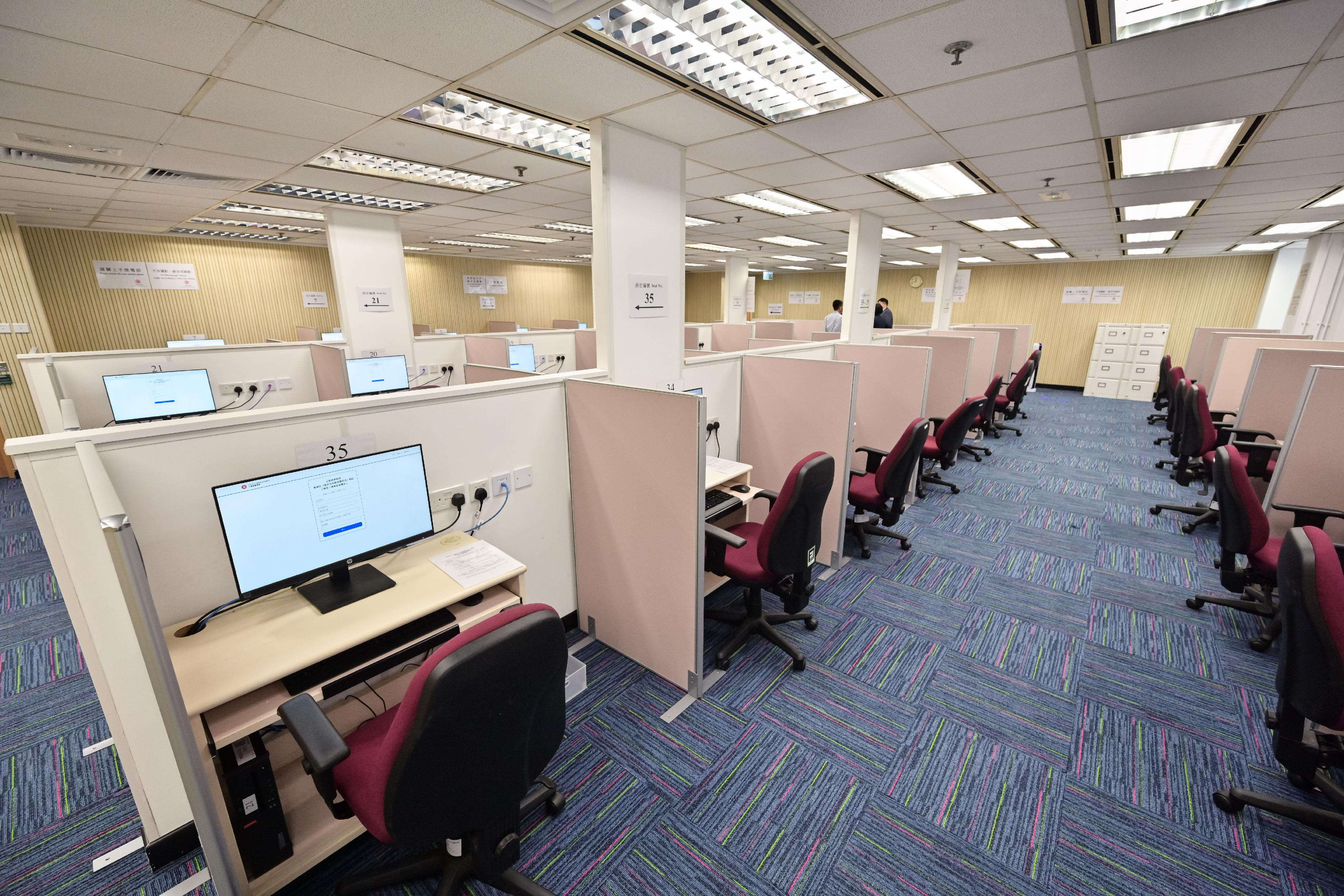
     The examination will be conducted by computer at the Recruitment Centre, General Grades Office of the CSB. There are six examination timeslots per working day, and it is estimated that around 60 000 examination quotas will be provided each year.

     The Secretary for the Civil Service, Mrs Ingrid Yeung, said, “Further to the digitalisation of application for designated civil service posts, the digitalisation of the Basic Law and National Security Law Test (BLNST) is another example of applying technologies to enhance efficiency. The Digitalised BLNST was designed from the users’ perspective, enabling candidates to submit online applications for examination anytime and sit for the examination at their own selected timeslots as early as possible. Candidates will no longer be confined to the fixed thrice-per-year examination schedule and the paper-based examination. They can also obtain the result through e-mail on the day of examination, which is more convenient and efficient as compared with the previous arrangement of issuing the examination result by post. The arrangement not only saves time on paperwork but also is more environmentally friendly. This is a win-win situation for both the candidates and the recruiting departments.”

     She said, “The Bureau will flexibly deploy existing resources and manpower, as well as better arrangements and use of venue to implement the digitalised examination. This arrangement can also reduce the expenditure for hiring part-time invigilators and related administrative expenses for setting up temporary examination centres. In the long run, we will review the operational arrangement with a view to actively exploring the feasibility of digitalising other recruitment examinations and achieving more savings in expenditure and manpower.”

Application eligibility and details
————————————

     At present, attaining a pass result in the BLNST is an entry requirement for all civil service jobs. All candidates for civil service jobs must pass the BLNST in order to be considered for appointment, regardless of whether the candidates have previously taken the Basic Law Test centrally conducted by the CSB or individual bureaux/departments in previous civil service recruitment exercises. 

     Prospective applicants of civil service posts at degree or professional levels without a pass result in the BLNST can apply for the Digitalised BLNST through the online application system (www.csb.gov.hk/eng/dblnst.html) starting from tomorrow at 9am for the examination to be held from May 23 to July 16 (excluding Saturdays, Sundays and public holidays). The Digitalised BLNST will be conducted at the Recruitment Centre, General Grades Office of the CSB (Address: 37th Floor, Revenue Tower, 5 Gloucester Road, Wan Chai, Hong Kong). For examination to be held on or after July 17, the examination quota will be open for application on a daily basis in accordance with an eight-week advance booking schedule. The General Grades Office will adjust the examination quota having regard to the demand.

     The examination format, duration and content of the Digitalised BLNST are identical to those of the paper-based BLNST. The only change is that the examination will be conducted by computer, and the results of the Digitalised BLNST will be issued by e-mail to candidates in the form of electronic result certificates on the same day of the examination.

     The pool of eligible candidates for civil service jobs requiring an undergraduate degree has been expanded to students in their third year of undergraduate studies (in a four-year curriculum). Therefore, the Digitalised BLNST will be open to holders of a degree, or holders of a professional qualification meeting the entry requirement of the posts, or undergraduate students who will have attained a degree in the current or next academic year. Applicants for the Digitalised BLNST should also be holders of a Hong Kong Identity Card and aged 18 or above (including those who will turn 18 in the year the applicant takes the examination).

     Applicants must submit the application through the designated website. Each applicant can only reserve one examination timeslot. Upon completion of application procedures, applicants will be provided with an application reference number immediately. A confirmation e-mail will be sent to the applicant’s e-mail address immediately.

     A pass result in the BLNST (Degree/Professional Grades) has permanent validity and is acceptable for the purpose of applying for all civil service jobs. The CSB has been conducting the BLNST (Degree/Professional Grades) since June 11, 2022. Those who possess a pass result in the BLNST (Degree/Professional Grades) need not apply again. 

     For the BLNST applicable to civil service posts requiring non-degree or non-professional qualifications, the existing arrangements by recruiting departments/grades remain unchanged. For details of the BLNST, please visit the CSB webpage (www.csb.gov.hk/english/recruit/blnst/1372.html).

     General enquiries may be directed to the Civil Service Examinations Unit by phone at 2537 6429 or by e-mail to csbcseu@csb.gov.hk.

Photo  Photo  Photo  Photo  
read more

Secretary for Health attends 78th World Health Assembly in Geneva (with photos)

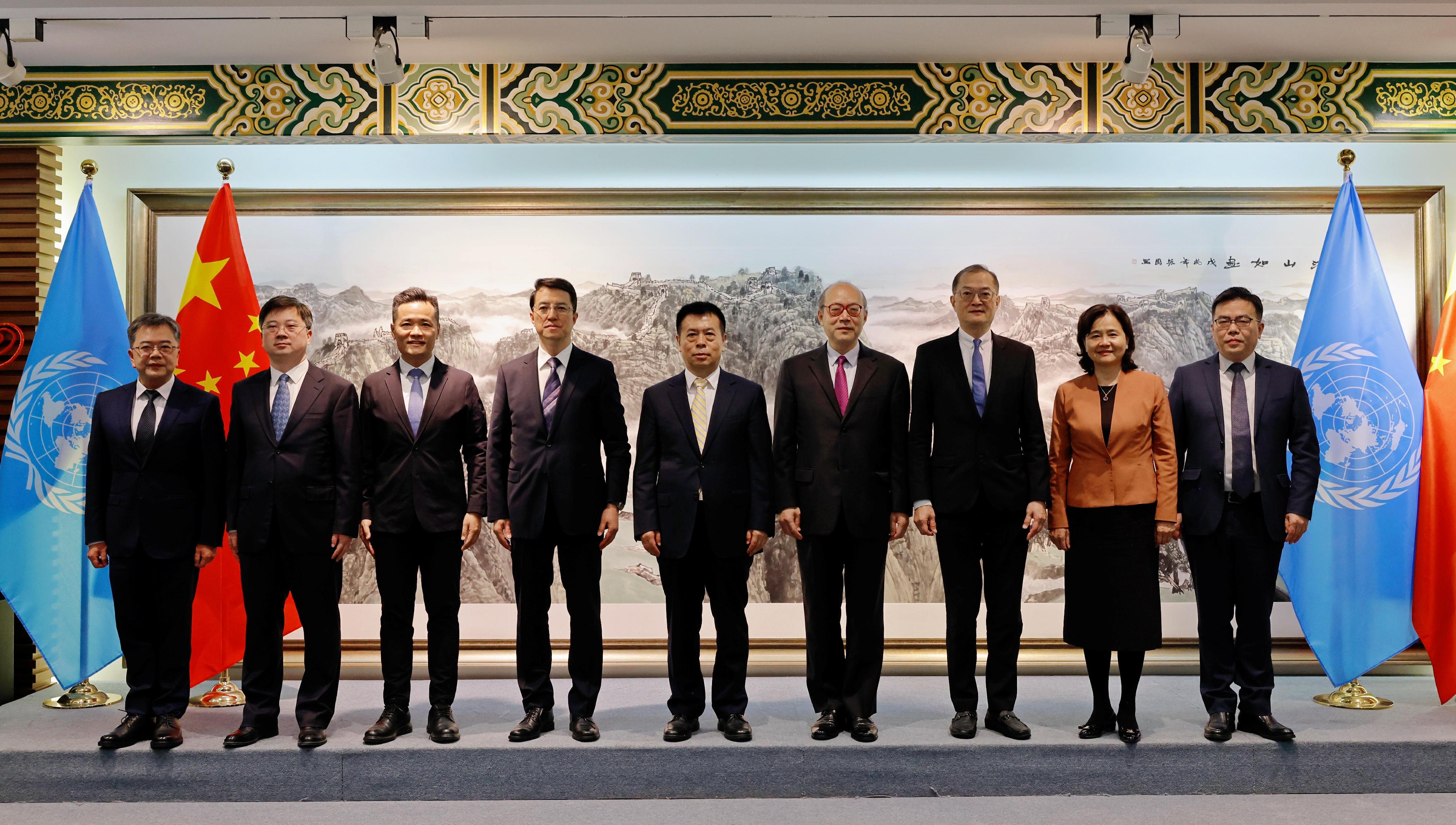
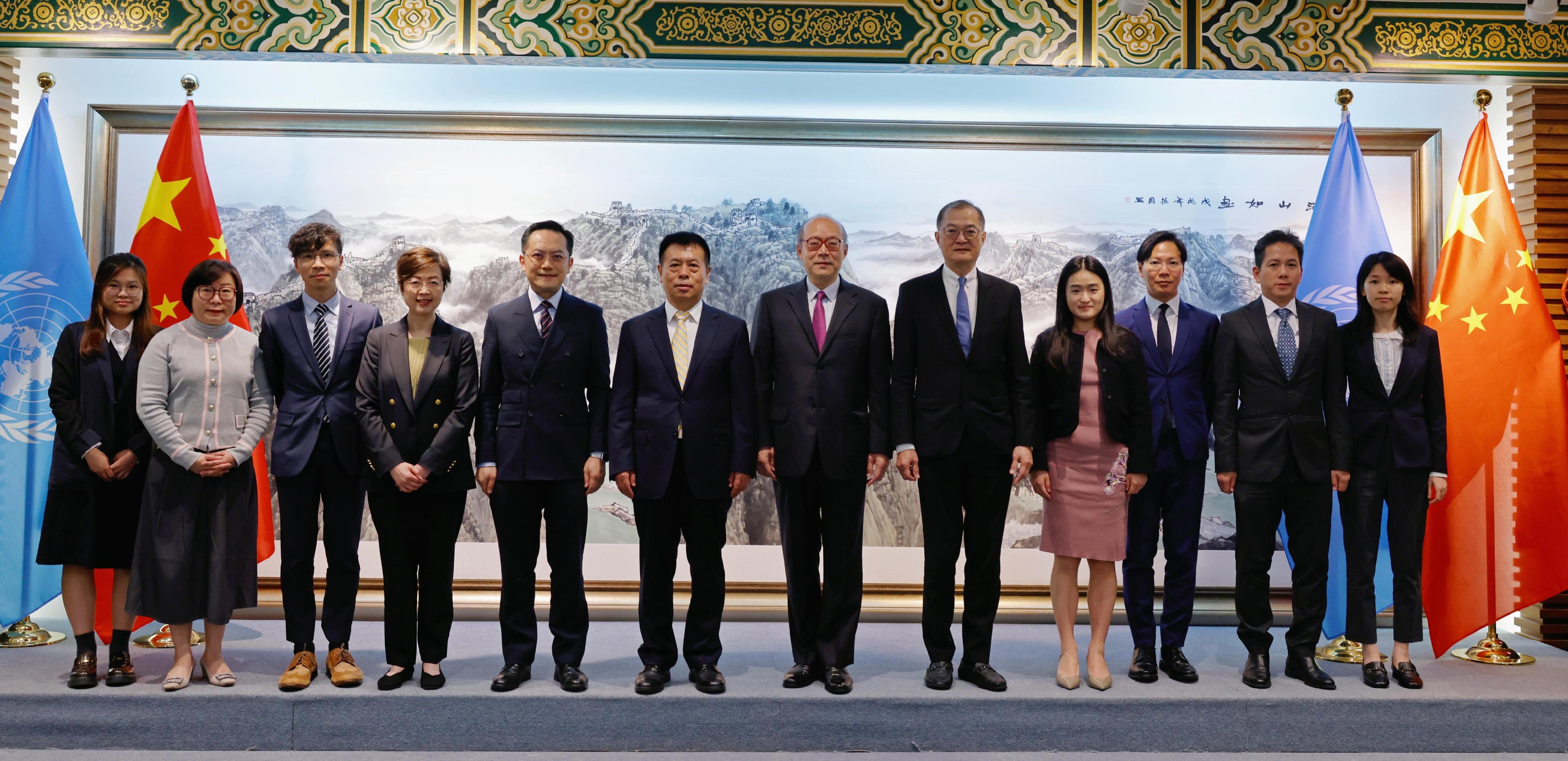
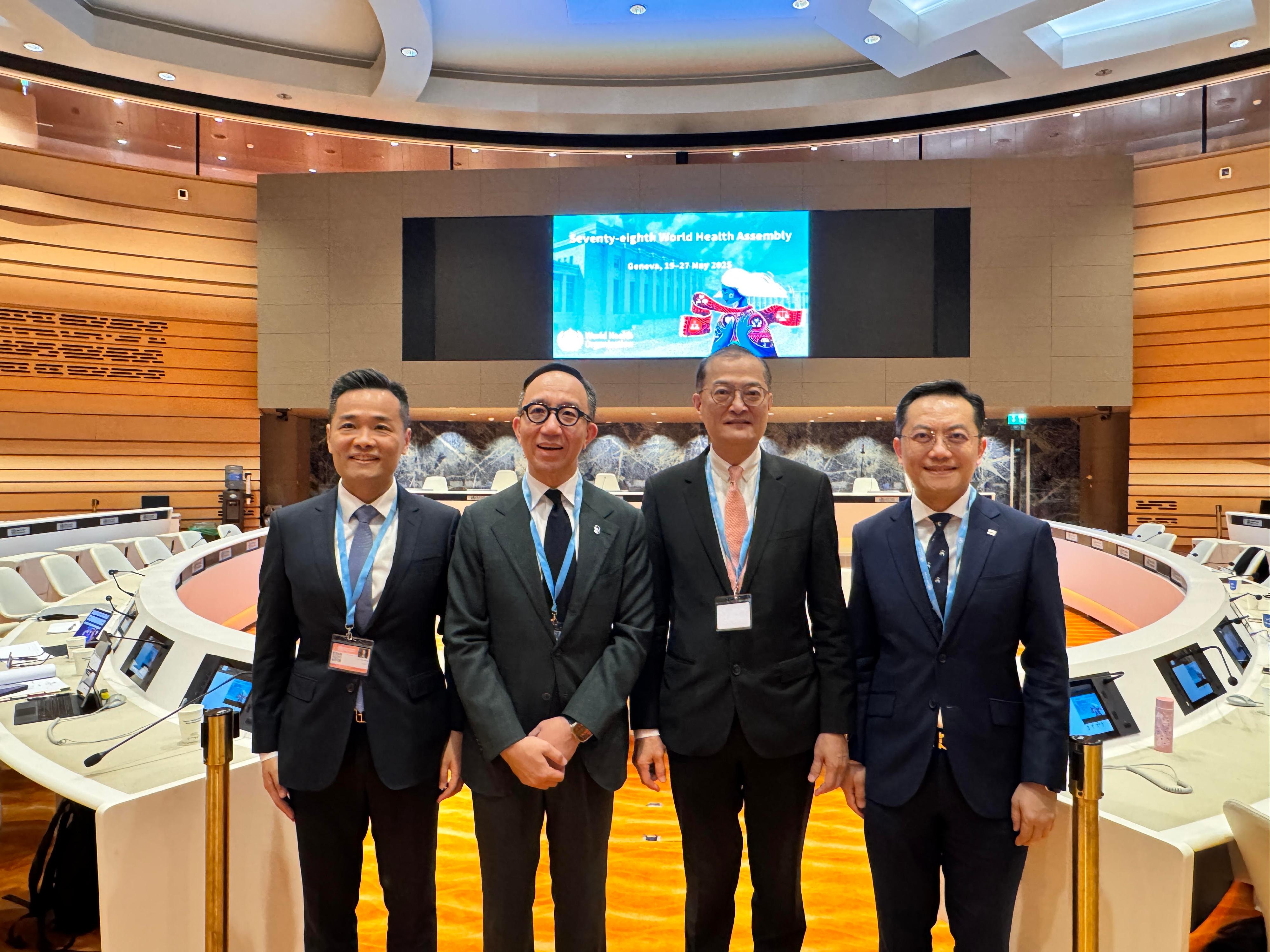
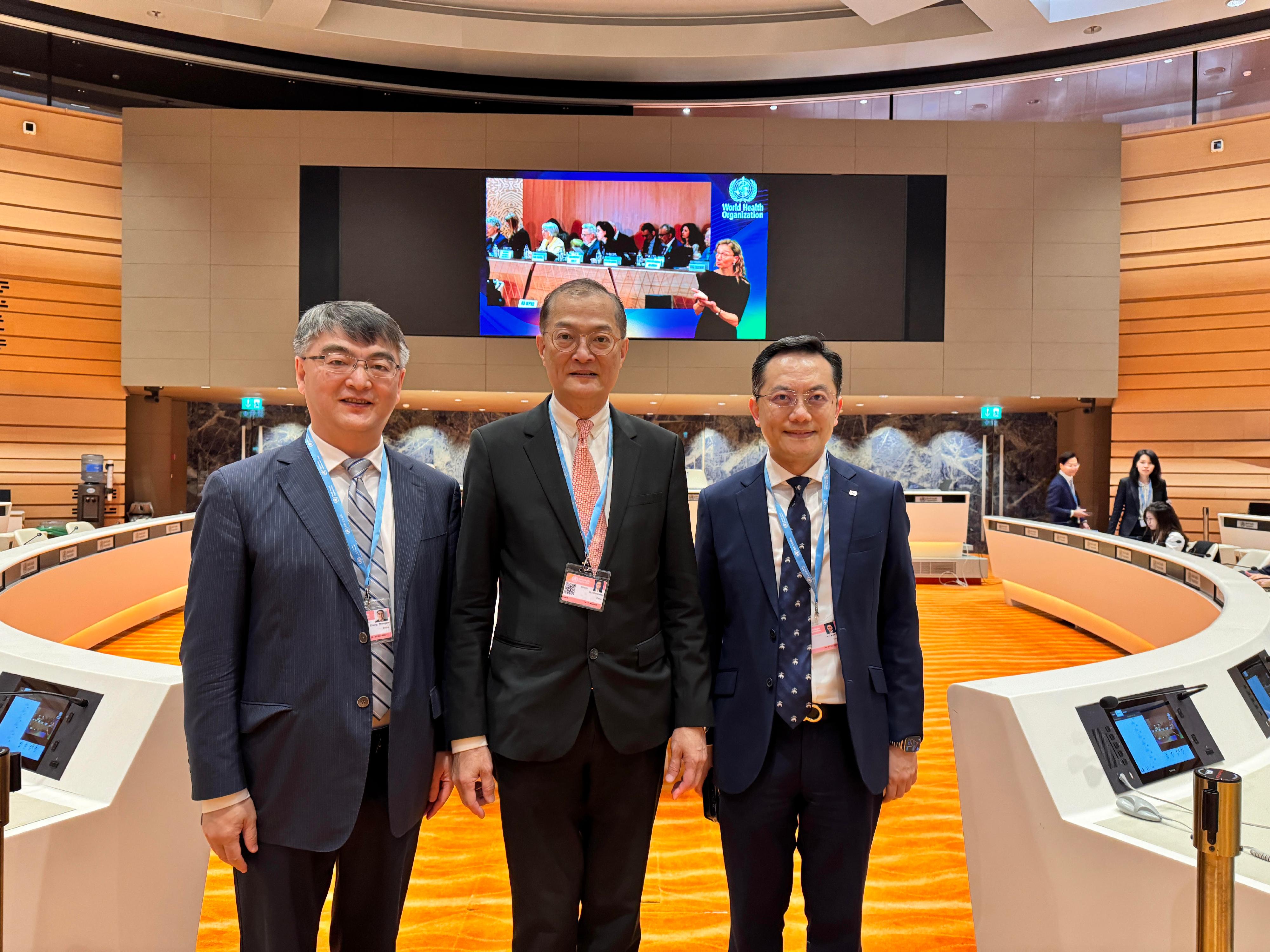
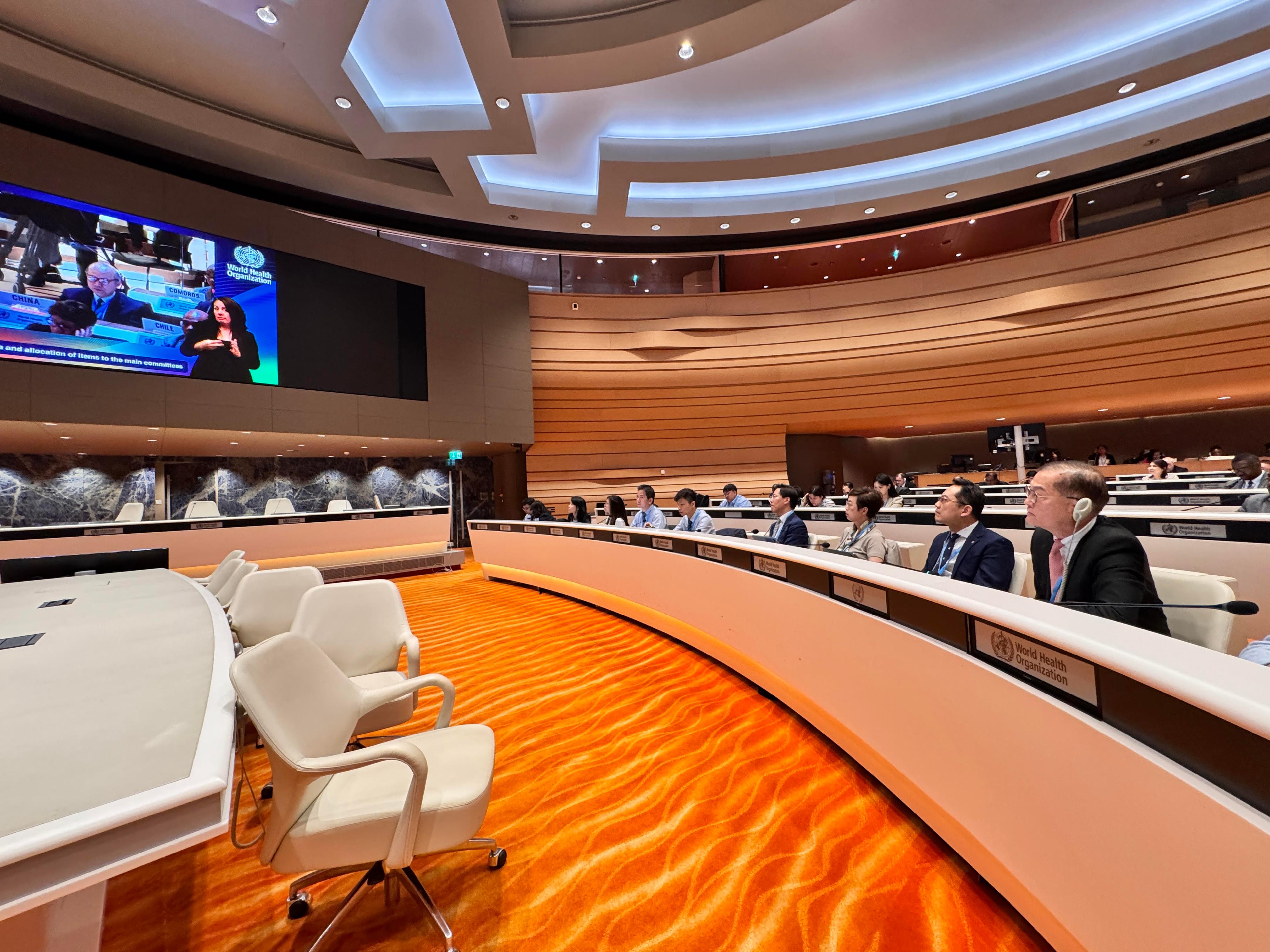
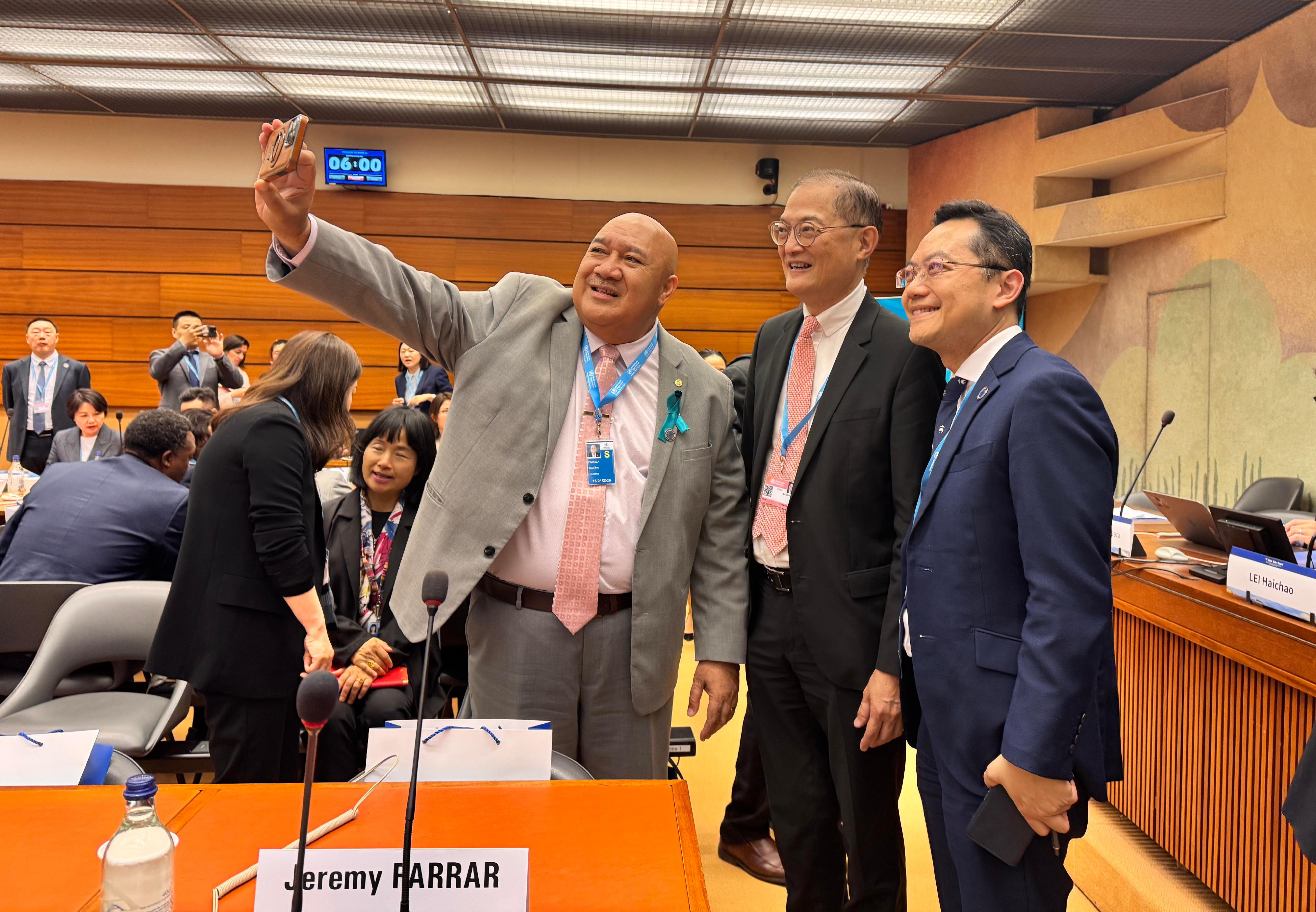
     The Secretary for Health, Professor Lo Chung-mau, attended the 78th World Health Assembly (WHA) of the World Health Organization (WHO) in Geneva, Switzerland, yesterday (May 19, Geneva time).

     Professor Lo and the Director of Health, Dr Ronald Lam, attended the Assembly as members of the Chinese delegation. The theme of this year’s Assembly is “One World for Health”, and the discussions cover a wide range of issues, including universal health coverage, prevention and control of non-communicable diseases, antimicrobial resistance, health emergency preparedness and response, mental health and social connection, standardisation of medical devices nomenclature and the International Health Regulations. The Minister of the National Health Commission (NHC), Mr Lei Haichao, delivered a speech about healthcare developments of the Mainland at the plenary session.

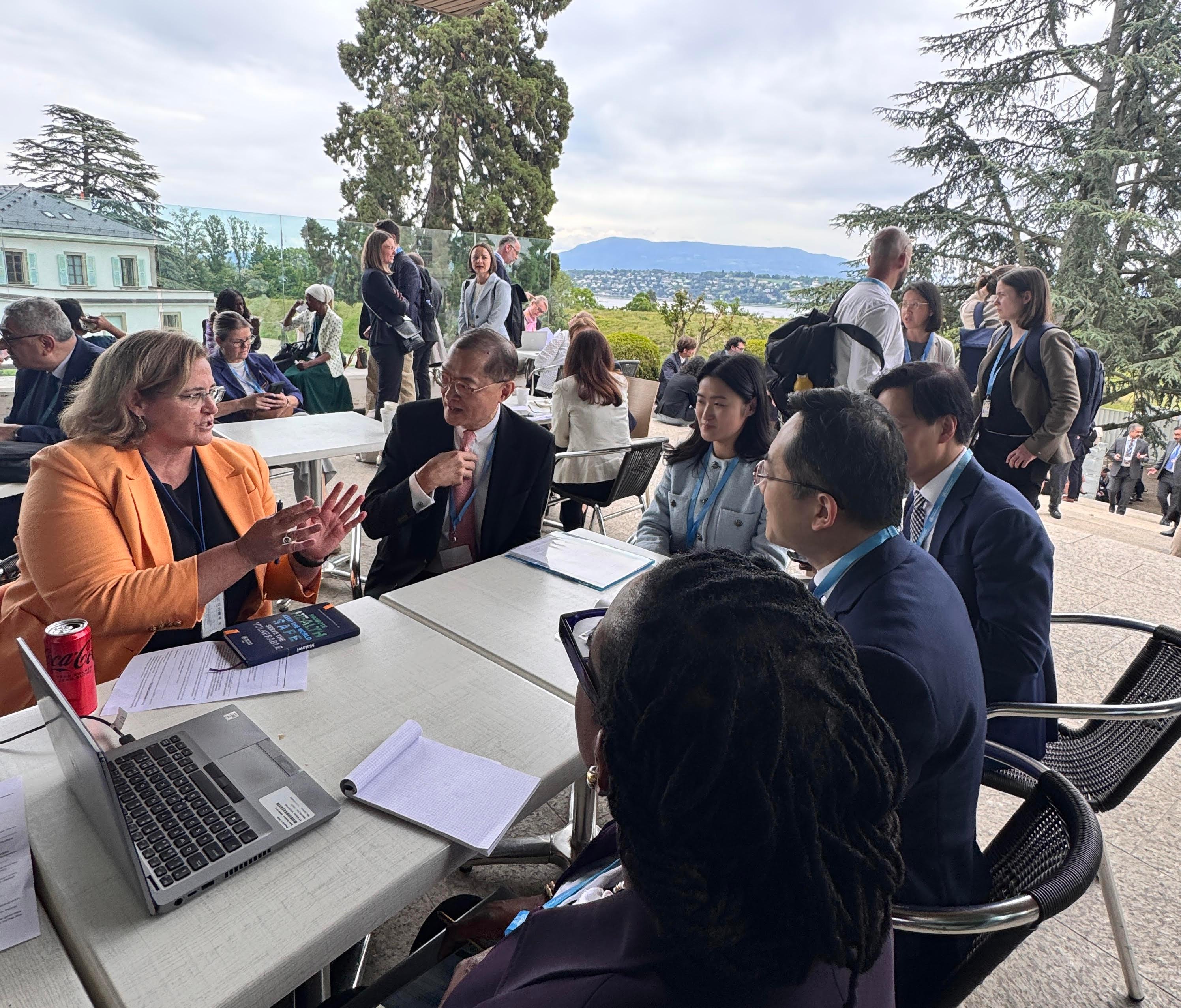
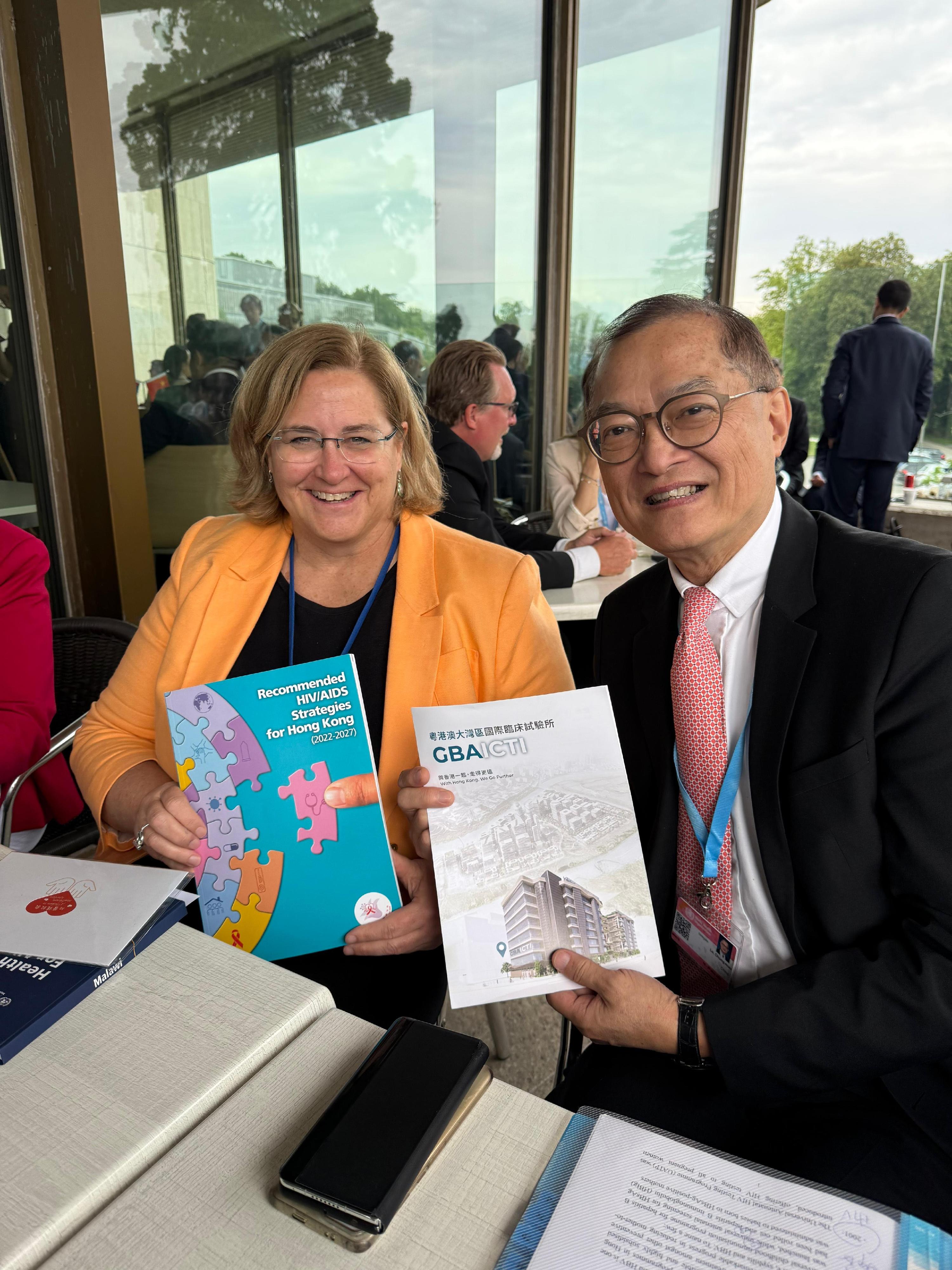
     In addition to attending the plenary session, Professor Lo and Dr Lam also attended a side meeting with the Director of the Department of Global HIV, Hepatitis and Sexually Transmitted Infections Programmes of the WHO, Dr Meg Doherty, to exchange views on the work on the elimination of mother-to-child transmission of Human Immunodeficiency Virus (HIV), syphilis and hepatitis B (also known as “triple elimination”). Professor Lo said, “The Government of the Hong Kong Special Administrative Region (HKSAR) is committed to promoting and safeguarding maternal and child health and accords high priority to the elimination of mother-to-child transmission of HIV, syphilis and hepatitis B. We have performed preliminary assessment on the progress and outcome of our work on ‘triple elimination’ according to the guidance issued by the WHO and are contemplating the submission of a request for validation of ‘triple elimination’ to the WHO this year. We will maintain close communication with the Regional Office for the Western Pacific Regional Validation Secretariat to push forward the relevant progress.”

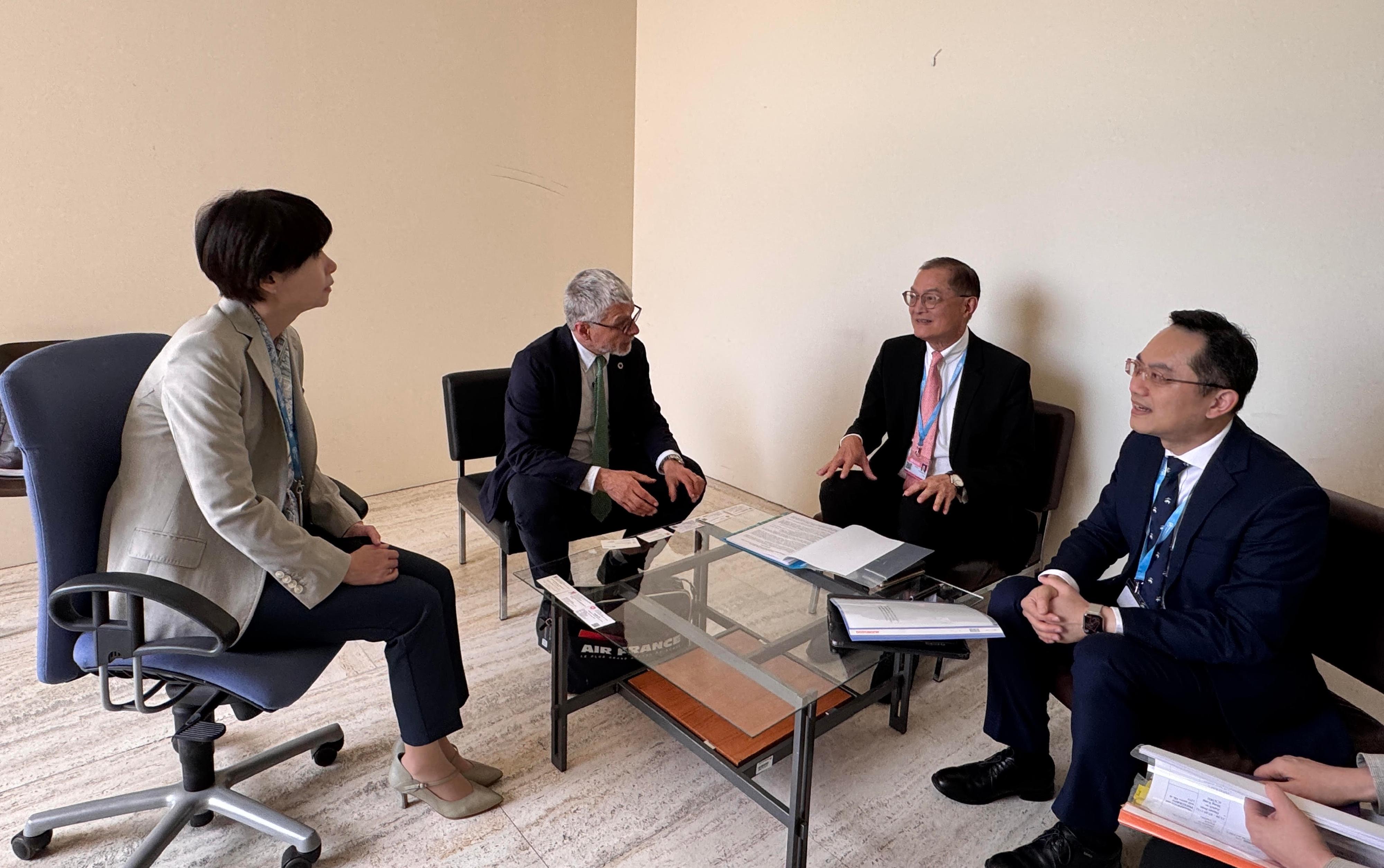
     During the meeting with the Assistant Director-General, Antimicrobial Resistance ad interim of the WHO, Dr Yukiko Nakatani, Professor Lo said that the HKSAR Government has long been attaching great importance to the threat posed by antimicrobial resistance and has launched two editions of the Hong Kong Strategy and Action Plan on Antimicrobial Resistance in 2017 and 2022 respectively. A series of corresponding prevention and control measures have been implemented across different sectors to curb the spread of antimicrobial resistance under the framework of “One Health”, including surveillance, optimising the use of antimicrobials, health education and training.

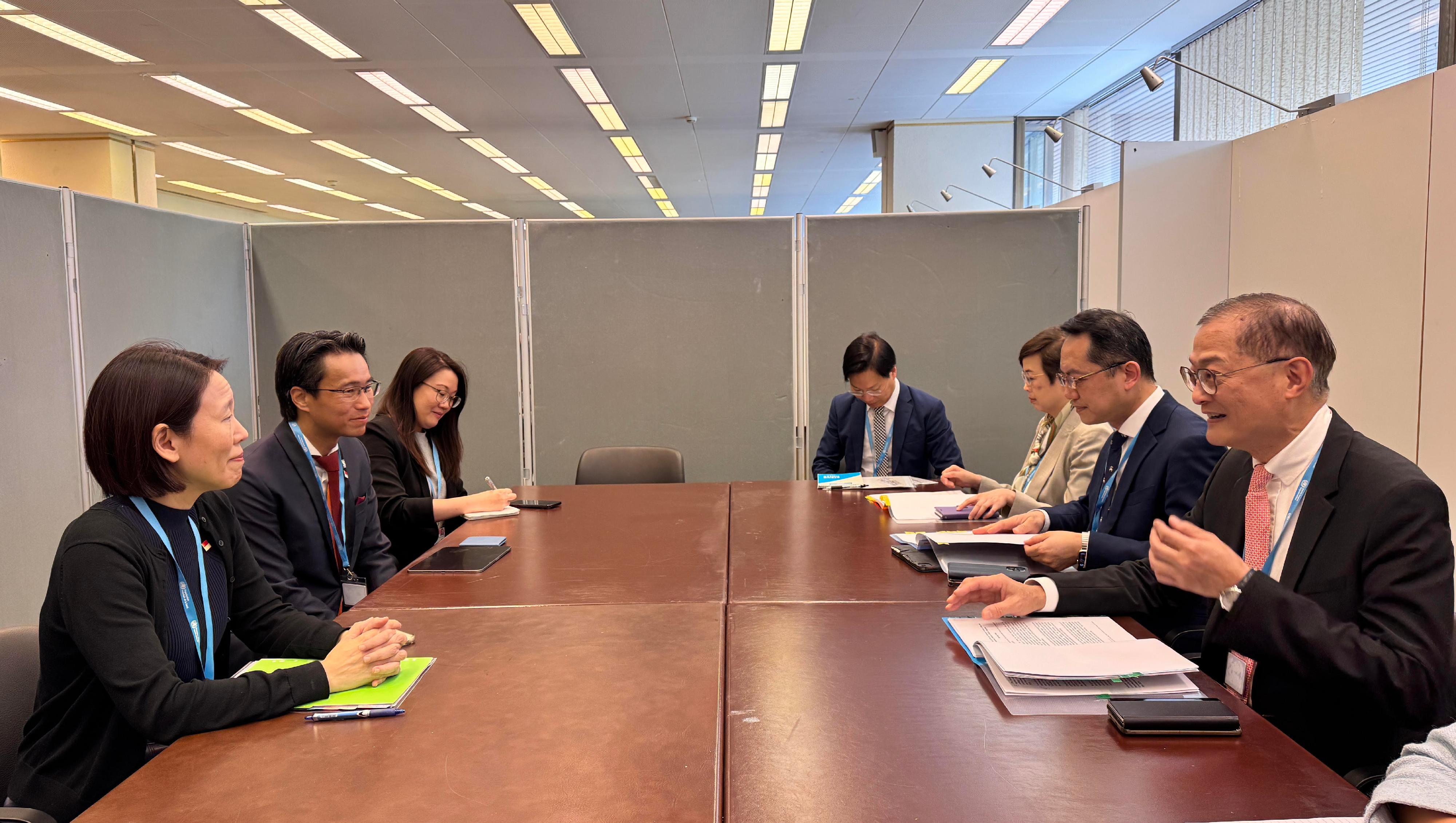
     Professor Lo and Dr Lam also met with the Permanent Secretary (Policy and Development) of the Ministry of Health of Singapore, Ms Lai Wei Lin, to exchange views on communicable diseases prevention and surveillance, epidemiological investigation, response to communicable diseases with significant public health impacts, actions to combat antimicrobial resistance, and regulation of drugs and medical devices. Professor Lo said, “We eagerly anticipate further synergising the efforts and sharing the best practices of the two places to bolster public health protection and promote medical innovation to deepen the reform of the medical and healthcare system.”

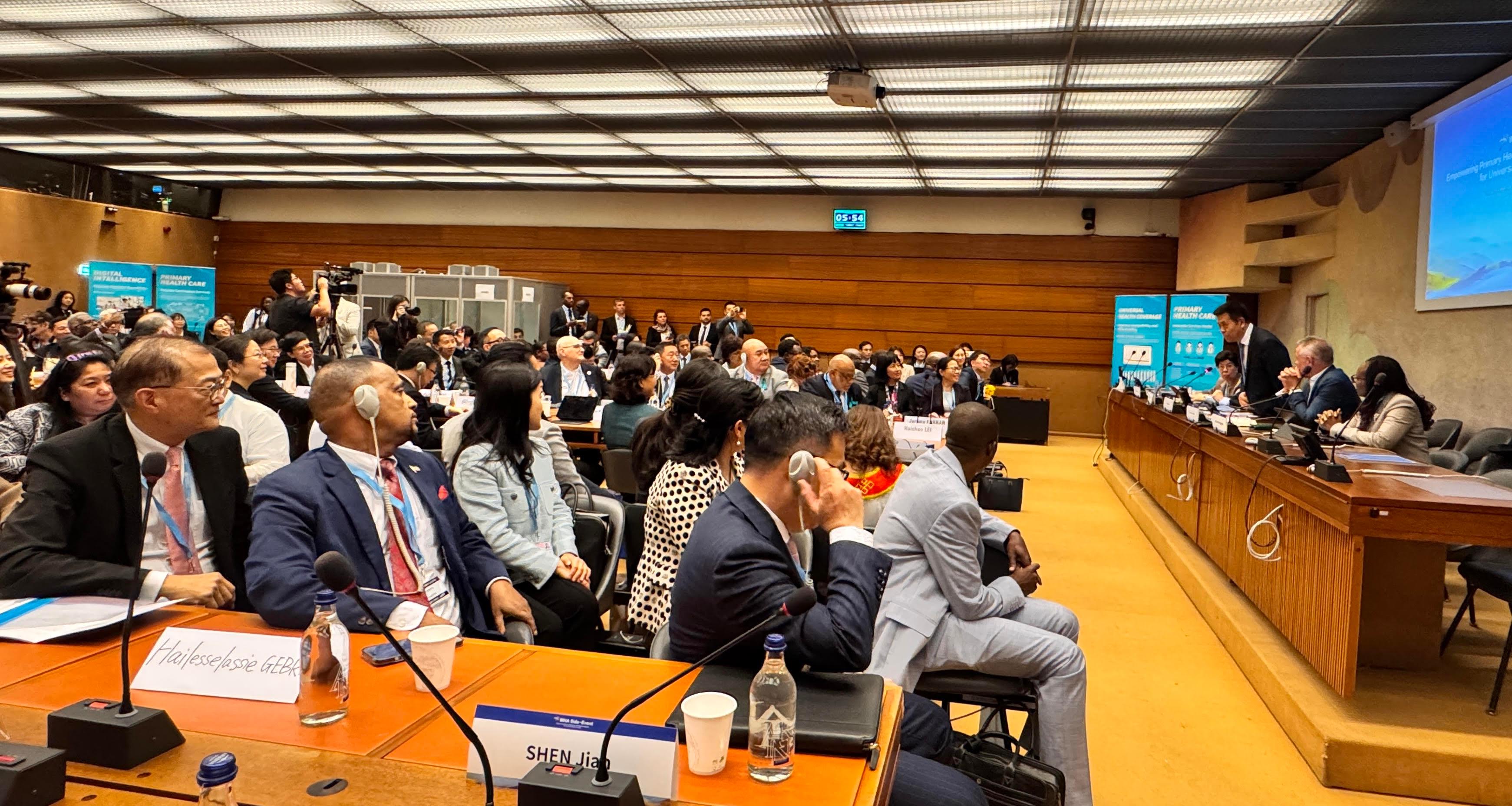
     In the evening, Professor Lo and Dr Lam also attended a thematic side event cohosted by the NHC and health authorities of Ethiopia, Peru, Tanzania and Thailand. The side event, themed “Empowering Primary Health Care with Digital Intelligence for Universal Health Coverage”, was moderated by the Dean of the Vanke School of Public Health of the Tsinghua University, Professor Margaret Chan. Mr Lei delivered a keynote speech at the side event.

     After arriving in Geneva on May 18 (Geneva time), Professor Lo and Dr Lam met with Mr Lei and the Ambassador Extraordinary and Plenipotentiary, Permanent Representative of the People’s Republic of China to the United Nations Office at Geneva and other International Organizations in Switzerland, Mr Chen Xu, to discuss the latest healthcare developments of the Mainland and Hong Kong, and Hong Kong’s participation in WHO-related work.

     Professor Lo and Dr Lam will continue to attend the WHA today (May 20, Geneva time).

Photo  Photo  Photo  Photo  Photo  Photo  Photo  Photo  Photo  Photo  Photo  
read more

InvestHK forges economic ties with multiple emerging markets through outreach to Eastern Europe, Africa, and the Middle East (with photos)

     â€‹Invest Hong Kong (InvestHK) announced today (May 19) that the Director-General of Investment Promotion and leadership team have completed multiple duty visits to emerging markets in Eastern Europe, Africa, and the Middle East this month, actively promoting Hong Kong’s business advantages and opportunities in overseas markets and fostering mutual co-operation. The team participated in various events, met with government organisations, chambers of commerce, business leaders, and company representatives, to deepen exchange in economic and trade between Hong Kong and these places. During the visit to the Middle East, as witnessed by the Chief Executive, Mr John Lee, and local leaders, a Memorandum of Understanding (MoU) was signed to strengthen economic and trade ties and promote deeper business collaboration between the two regions.

     Director-General of Investment Promotion, Ms Alpha Lau, Associate Director-General of Investment Promotion Mr Charles Ng, Acting Associate Director-General of Investment Promotion Ms Loretta Lee, and sector team heads visited Türkiye, Hungary, Egypt, Côte d’Ivoire, Morocco, Qatar, Kuwait, Dubai, Abu Dhabi, Oman, and Romania, actively promoting Hong Kong’s business advantages and opportunities. They emphasised Hong Kong’s advantages of connecting the country with the world under one country, two systems, and sought to actively expanding into emerging markets, deepen international exchanges and co-operation, and demonstrate the synergistic power of the complementary strengths between the city and the Mainland.

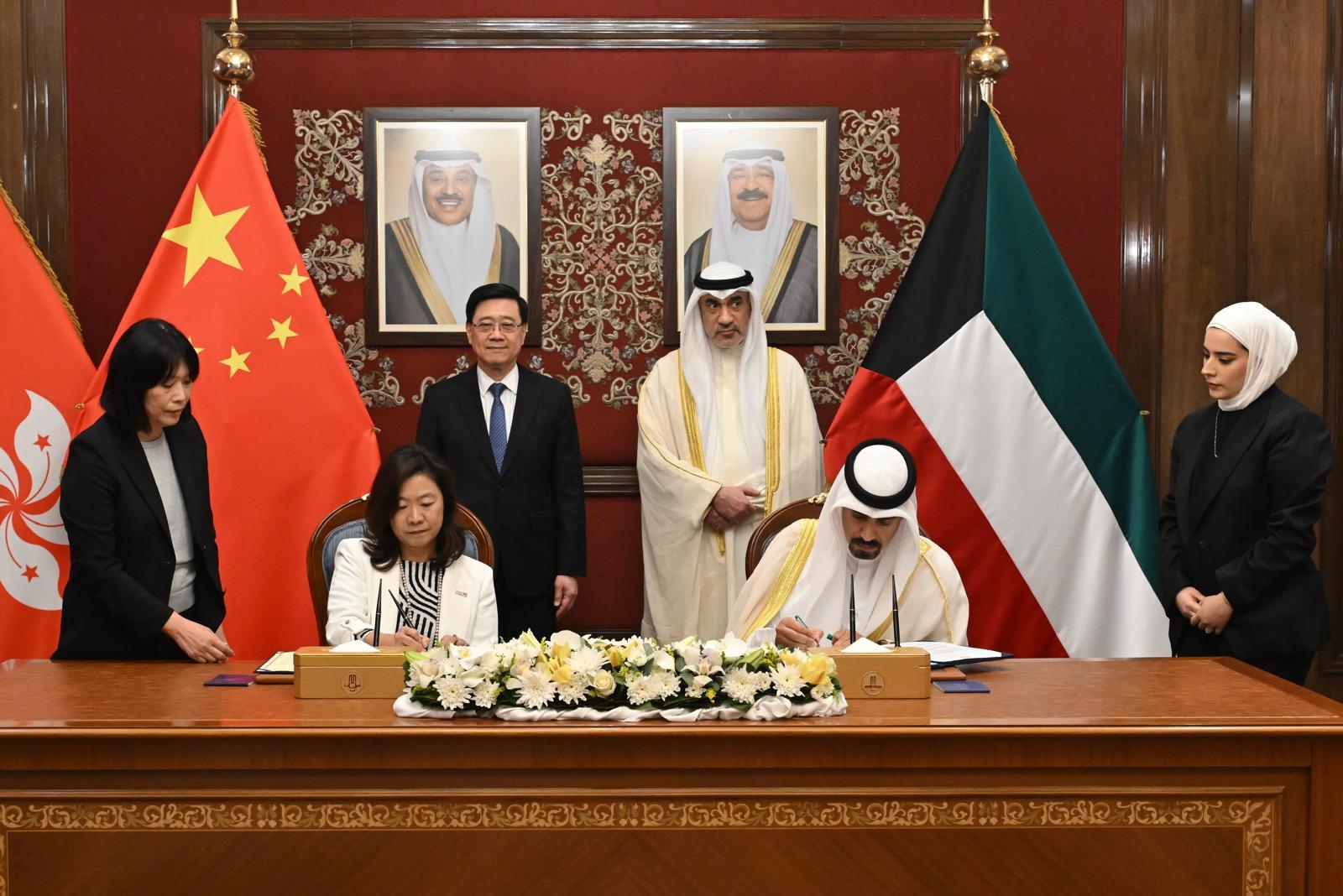
     Mr Lee led a business delegation to Qatar and Kuwait from May 11 to 14, Ms Loretta Lee was part of the delegation. Witnessed by the Chief Executive, three MoUs were signed with the Qatar Chamber of Commerce and Industry, the Qatar Businessmen Association, and the Kuwait Direct Investment Promotion Authority, further strengthening collaborative relationships.

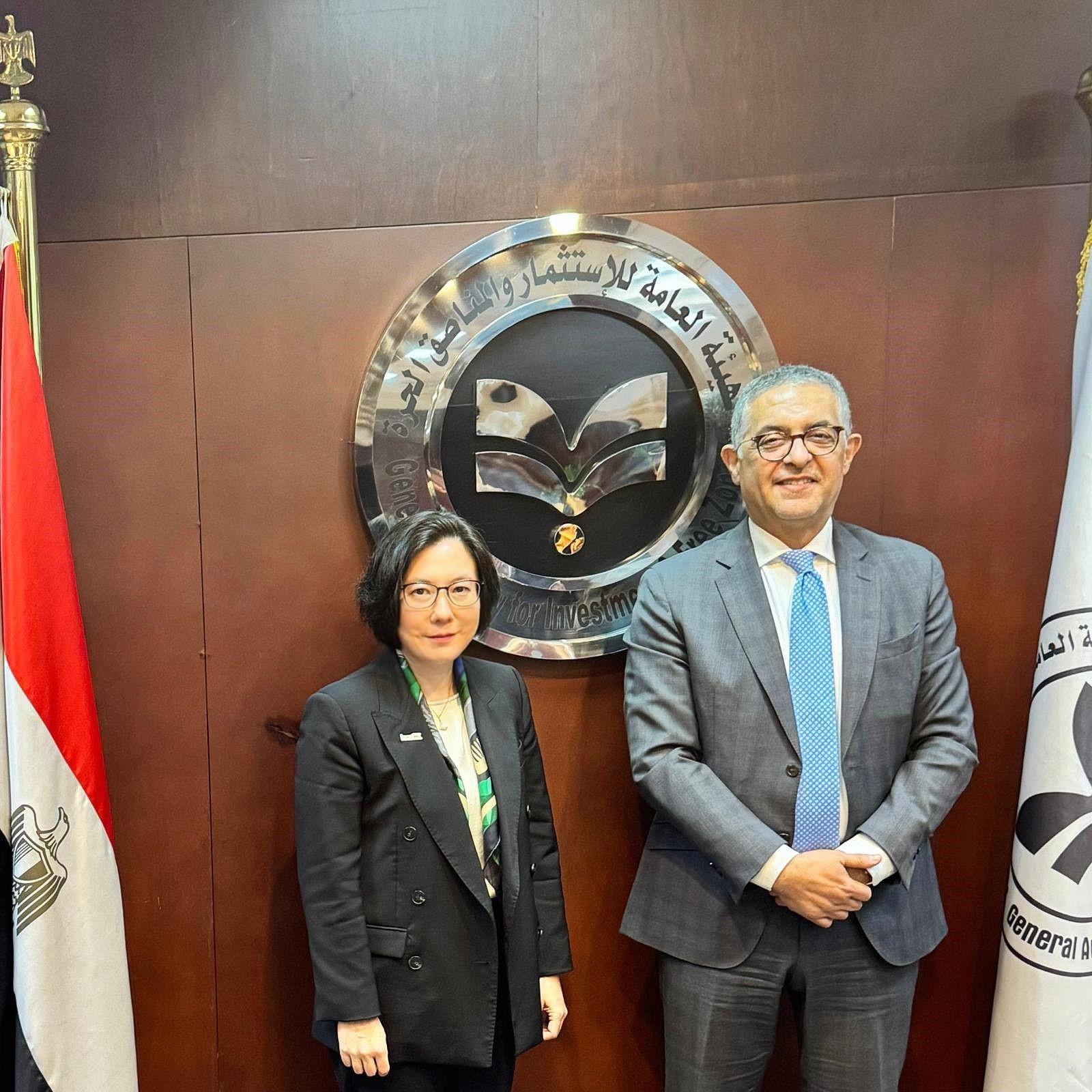
     Ms Alpha Lau visited emerging markets along the Belt and Road initiative including Istanbul, Türkiye; Budapest, Hungary; and Cairo, Egypt, from May 10 to 20, meeting with external economic relations committees, export promotion agencies, investment promotion agencies, chambers of commerce, financial services organisations and strategic enterprises, to promote Hong Kong’s business advantages and opportunities and the advantages of raising capital through Hong Kong. She spoke at multiple business seminars co-organised by chambers of commerce, business associations, and external economic relations committees, expanding networks and seeking new business opportunities for Hong Kong and hosted two media roundtable discussions to tell the good stories of Hong Kong.
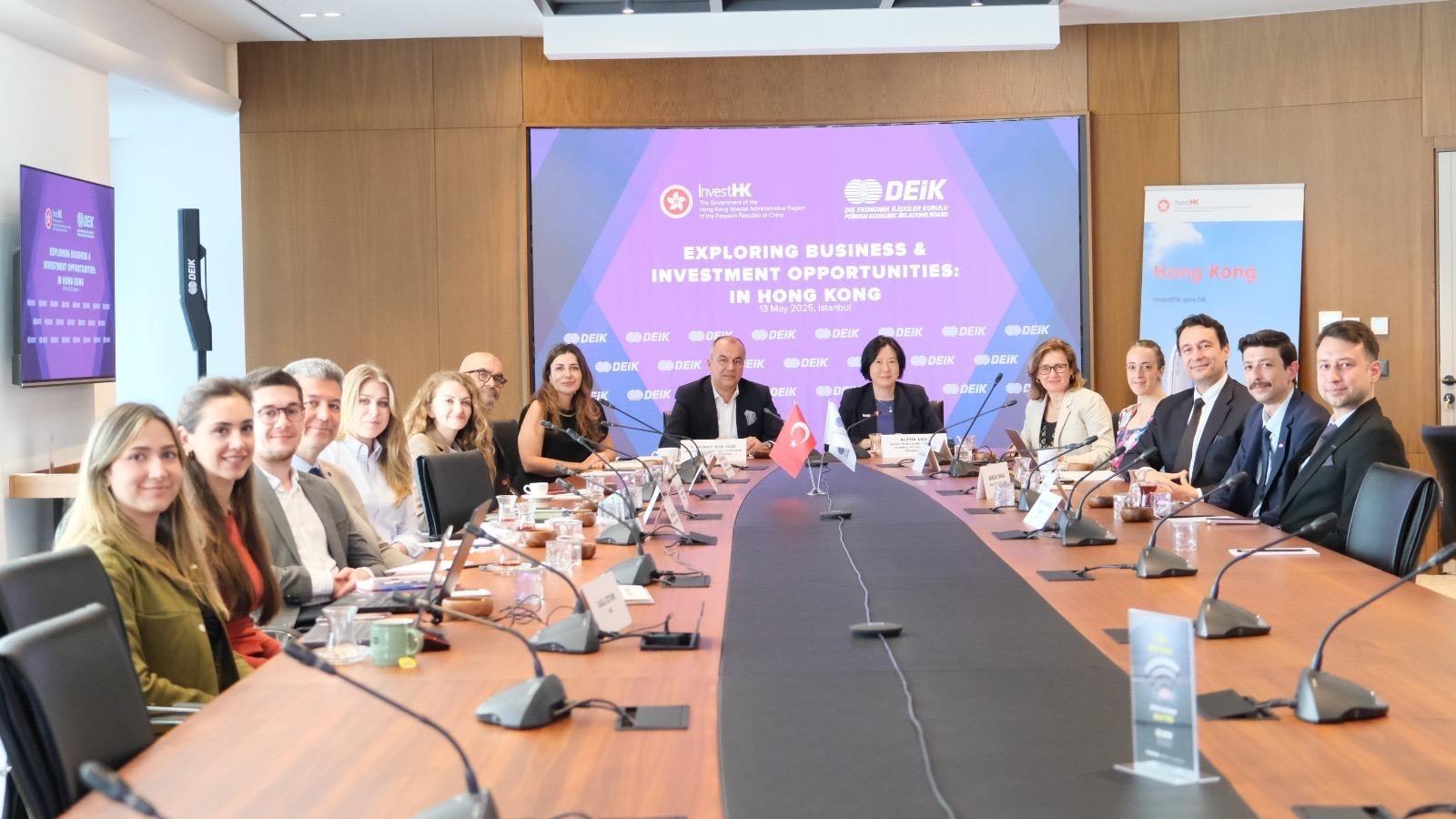
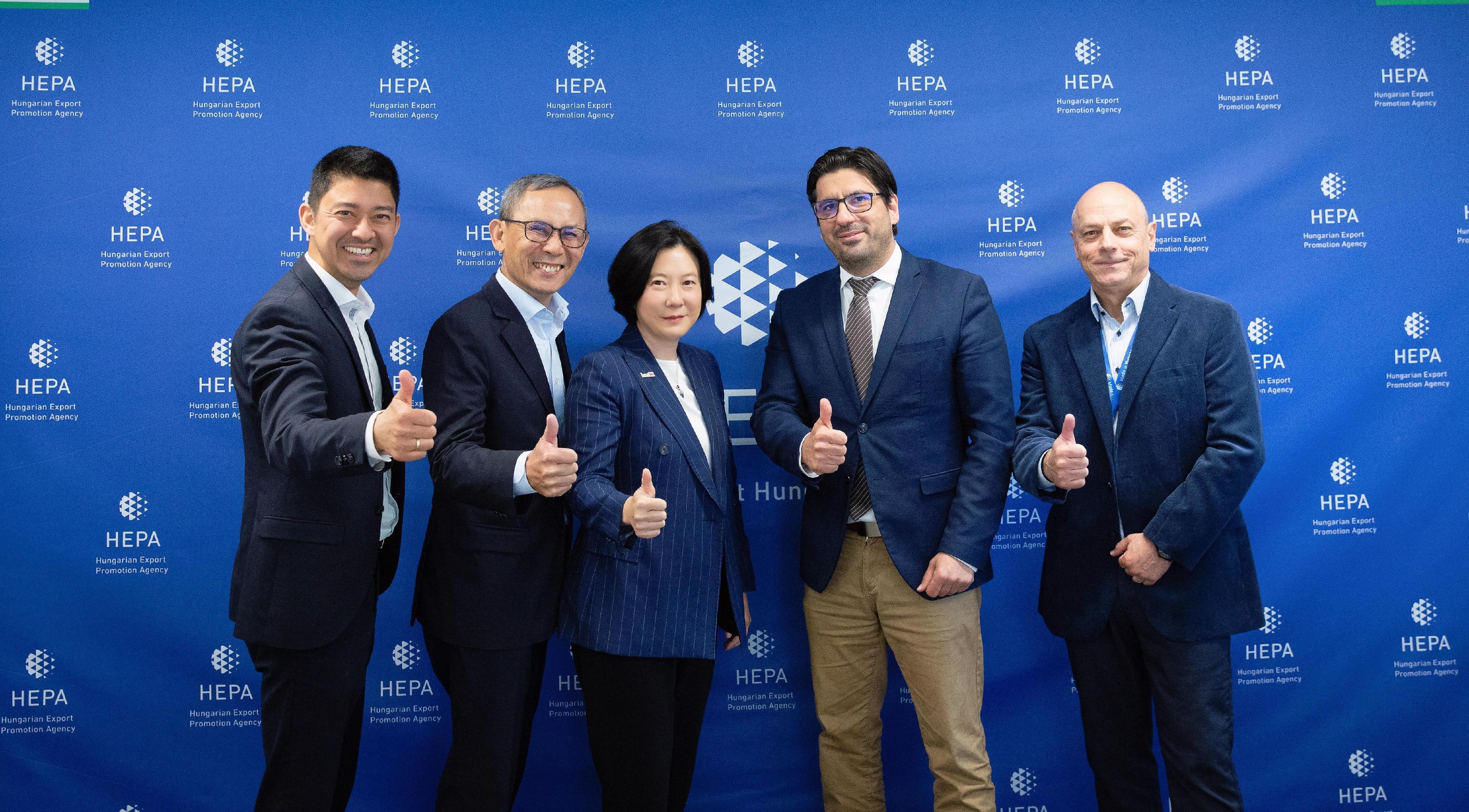
      
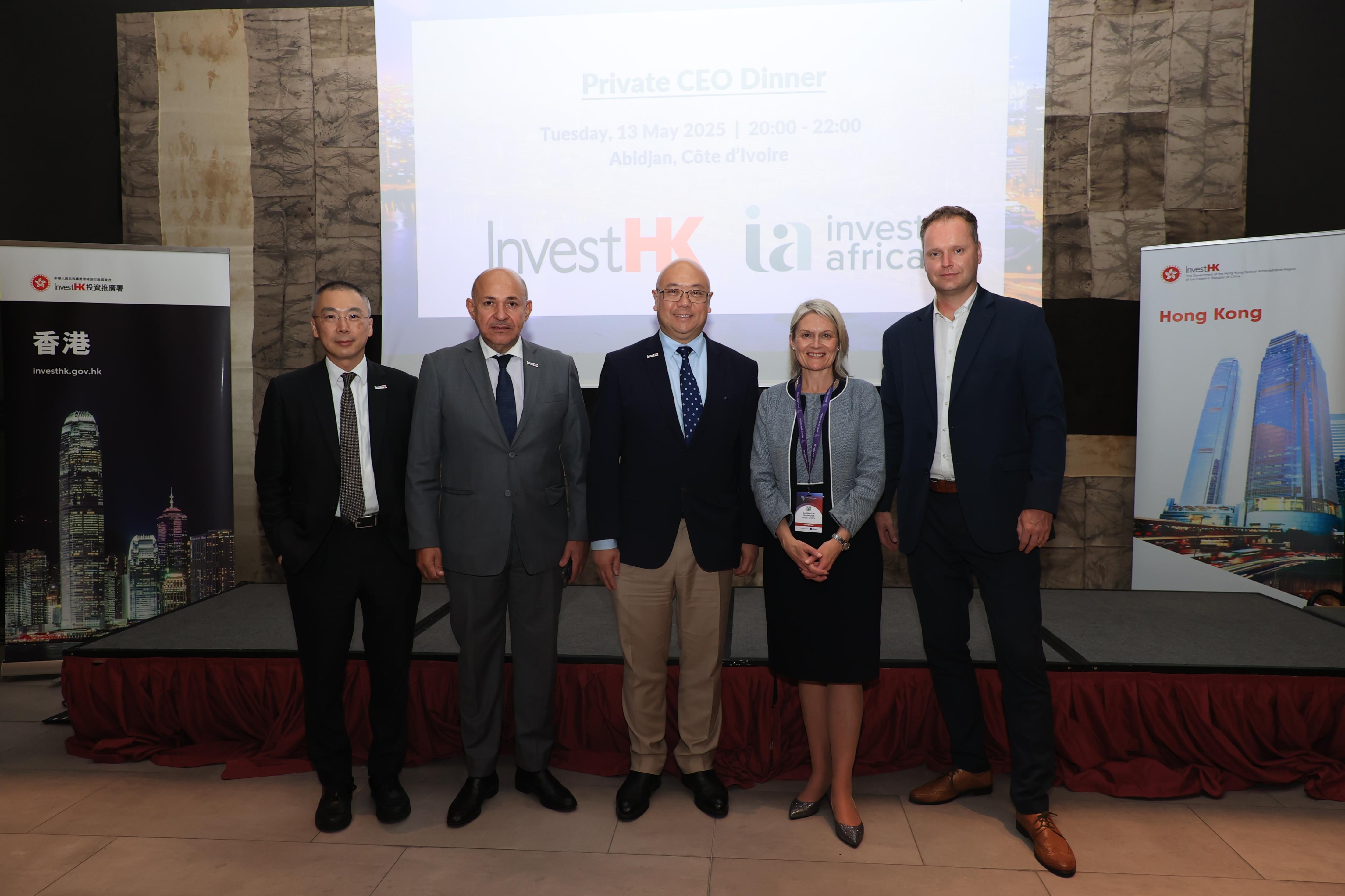
     Mr Ng visited Abidjan, Côte d’Ivoire, and Casablanca, Morocco, from May 11 to 16. In Côte d’Ivoire, Mr Ng spoke at a CEO Forum and engaged with chambers of commerce and industry to highlight Hong Kong’s role as a super-connector in the Belt and Road Initiative. In Morocco, he met with various financial institutions and professional associations to emphasise Hong Kong’s robust financial markets and innovation ecosystem. Mr Ng also met with local media to promote Hong Kong’s business advantages.
      
     Global Head of Financial Services, FinTech & Sustainability at InvestHK, Mr King Leung met with representatives from local financial institutions in Oman, Dubai, and Abu Dhabi to discuss opportunities for digital and technological collaboration between the two regions. The Head of Consumer Products, Ms Angelica Leung met with retail and luxury brand leaders in Bucharest, tapping into emerging markets like Romania and demonstrating why Hong Kong is the ideal location to set up a regional headquarters to thrive across the region’s retail and luxury sectors.
      
     Ms Lau said, “In addition to reaching out to traditional markets, InvestHK is also strengthening economic ties with emerging markets to create more collaboration opportunities. Amid unprecedented global economic challenges and the reshaping of global supply chains, overseas enterprises are keen to expand their presence in Asia. InvestHK will align with the Belt and Road Initiative and the trend of collaborating with the ‘Global South’, deepen international exchanges and collaboration, actively promote cross-border investment, capital market cooperation, and technological innovation exchanges, and assist enterprises in establishing and expanding their business in Hong Kong and the wider region.”

Photo  Photo  Photo  Photo  Photo  
read more

Speech by CE at Welcome Dinner for Global Prosperity Summit 2025 (English only) (with photos/video)

     Following is the speech by the Chief Executive, Mr John Lee, at the Welcome Dinner for the Global Prosperity Summit 2025 today (May 19):

President Wu Hailong of China Public Diplomacy Association, Commissioner Cui Jianchun (Commissioner of the Ministry of Foreign Affairs of the People’s Republic of China in the Hong Kong Special Administrative Region), Mrs Regina Ip (Convenor of the Non-official Members of the Executive Council and Chairperson of Savantas Policy Institute), Professor Yang Jiemian, Chairman of the Academic Advisory Council of Shanghai Institutes for International Studies, Mr Iñaki Amate, Chair of the European Chamber of Commerce in Hong Kong, distinguished guests, ladies and gentlemen,

     Good evening. It’s a pleasure to join you, tonight, for the welcome dinner of the Global Prosperity Summit, the second edition.

     I spoke at the inaugural Summit this time last year. Back then, the world was faced with an economic fallout, and I said, then, that it was “due largely to escalating trade tensions and increasing fragmentation”.

     Well, over the past few months, those “escalating trade tensions” have escalated into a full-blown, global tariff war amidst mounting unilateralism, protectionism and economic bullying.

     Describing the tariffs and the wide-ranging fallout “chaotic” seems an understatement. There’s hardly an economy, sector or individual business that hasn’t been affected. Unless we can find our way back to common sense co-operation.

     The Global Prosperity Summit, over the next two days, will go a good way towards understanding the tariff conundrum and working out sensible, collaborative responses to it.

     Over the next few minutes, allow me to speak about Hong Kong – how we are responding to the ever-changing economic landscape.

     As President Xi Jinping said at the China-CELAC Forum Ministerial Meeting, with the presence of leaders of Latin American and Caribbean countries last week, “there are no winners in tariff wars or trade wars. Bullying or hegemonism only leads to self-isolation”. In his speech, President Xi announced a number of regional programmes to help China, and Latin American and Caribbean states “unite in tough times to conquer challenges through mutual support”. The measures include deepening trade and co-operation through the Belt and Road Initiative and cultural and people-to-people exchanges.

     Thanks to our internationally recognised financial and professional services sector, Hong Kong is a pivotal player in the Belt and Road, which brings economies, companies and peoples together, from all over the world, for mutual benefit.

     Our annual Belt and Road Summit will have its 10th anniversary edition this September. It has grown to become a key platform for government and business leaders from Belt and Road economies to get together and chart out plans for co-operation.

     As a lot of you probably know, I’ve just returned from my second trip in just over two years to the Middle East, an important region in the Belt and Road. There, in Qatar and Kuwait, I introduced Hong Kong’s advantages under the “one country, two systems” principle to our Middle Eastern friends. I highlighted how it serves Hong Kong as a strategic bridge between China, our country and the rest of the world – the Middle East very much included.

     To make it work, of course, we have to be wide open to the world. And that, ladies and gentlemen, is in our trade-centred DNA. For nearly two centuries now, Hong Kong has been a free port, charting a course, and an economy, built on free trade. Like our country, Hong Kong is a passionate advocate of a multilateral, rules-based global economy. We are committed to consolidating our relations with traditional economies, while co-operating with emerging economies in this changing world.

     Qatar and Kuwait, like Saudi Arabia and the United Arab Emirates which I visited in 2023, see the value in wide-ranging co-operation. In working with Hong Kong and our country, China.

     It helped that I was leading a delegation of some 30 Hong Kong business and institutional leaders, together with high-profile representatives of over 20 Mainland companies from seven provinces and municipalities.

     Together, we reached a total of 59 MOUs (Memorandum of Understanding) and agreements in Qatar and Kuwait altogether. The largest number of agreements reached in my duty visits so far, they cover a wide variety of areas, including trade and investment, financial services, technology, transport and logistics, law, education, agriculture and more.

     In addition to agreements between Hong Kong and the two countries, some involve co-operation between the Mainland and these countries, and one was a tripartite agreement reached by organisations from Hong Kong, Mainland China and Qatar on fintech collaboration – a clear showcase of Hong Kong’s bridging role between economies.

     Qatar and Kuwait are members of the six-nation Gulf Cooperation Council (GCC). I have now visited four of the six countries in the GCC, which cover some 90 per cent of the total GCC population.

     Merchandise trade between the GCC and Hong Kong reached nearly US$ 20 billion last year. That’s up some 53 per cent over the past four years. We have already entered into Investment Promotion and Protection Agreements, or IPPA, with three of the GCC states. We have also substantially concluded negotiations on an IPPA with Qatar this time, and commenced negotiation on one with Saudi Arabia last time.

     The next step, I believe, is exploring the possibility of a free trade agreement with the GCC. It’s an interest I made clear during my visits in both Qatar and Kuwait. I am confident that such an agreement would serve the interests of all parties. And that, ladies and gentlemen, is what the Hong Kong Special Administrative Region Government will continue to do.

     After all, Hong Kong is a “super connector”. But more than connecting economies and companies, we add value to their businesses, their services and their future, functioning also as a “super value-adder”.
 
     Given today’s global turmoil, connectivity has never been more important. In a time of economic uncertainty, Hong Kong serves as a welcoming financial harbour. Here, information, capital, goods and people flow freely, thanks to our common law system and a legal regime similar to that of many of the world’s leading financial hubs. With economies everywhere seeking security, seeking ways of boosting their economy, Hong Kong is proving highly attractive to them.

     We can, and we are, serving as a base for companies and investors eager to explore opportunities in the Mainland and Asian markets. That includes Hong Kong, where initial public offerings, and Hong Kong-listed shares, especially of Chinese, tech-related companies, are on the rise.

     Indeed, shares for the secondary listing of a Chinese electric vehicle battery maker start trading tomorrow. The IPO is expected to be Hong Kong’s largest in several years – and the world’s largest to date this year. It gives global investors the opportunity to invest in China’s far-reaching promise – and in a critical technology.

     We have launched, earlier this month, a dedicated Technology Enterprises Channel to facilitate new listing applications from specialist technology companies and biotech companies. It will provide early, and tailored, guidance for these companies around the world, helping them navigate regulatory requirements and facilitating a more efficient pathway for their successful listing in Hong Kong.
     This and other measures, ladies and gentlemen, will create far-reaching opportunities for Hong Kong, and a world of economies and companies eager to work with Hong Kong, in the evolving industries of innovation and technology and more.

     My thanks to the organisers of this year’s Global Prosperity Summit – the Savantas Policy Institute, led by Mrs Regina Ip, together with the Shanghai Institutes for International Studies and the European Chamber of Commerce in Hong Kong.

     I wish you all the best of business over the Summit’s two days, an enjoyable dinner and a memorable evening.

     Thank you.

Photo  Photo  
read more