Tag Archives: China

image_pdfimage_print

Legislative amendments on low-altitude economy development to be gazetted on Friday

     Legislative amendments which seek to facilitate the development of the low-altitude economy (LAE) will be gazetted on Friday (May 23) to amend the Small Unmanned Aircraft Order (Cap. 448G) and the Air Navigation (Hong Kong) Order 1995 (Cap. 448C).

     The Small Unmanned Aircraft (Amendment) Order 2025 serves to extend the existing regulatory regime to cover small unmanned aircraft (SUA) weighing over 25 kilograms but not exceeding 150kg. The major proposed amendments include:

(1) to add a new category C aircraft (i.e. those weighing over 25kg but not more than 150kg);

(2) to require anyone operating category C aircraft to obtain prior permission from the Civil Aviation Department (CAD);

(3) to impose insurance requirements for category C aircraft;

(4) to permit a statutory fee to be charged on a full cost-recovery basis (e.g. fees for registration of a category C aircraft);

(5) to require anyone operating cross-boundary SUA operations, regardless of the weight of the SUA deployed, to obtain prior permission from the CAD; and

(6) to require information in respect of SUA operated under the CAD’s prior permission to be kept for six months and be accessible within Hong Kong to facilitate enforcement.

     As well, the Air Navigation (Hong Kong) Order 1995 (Amendment) Order 2025 serves to facilitate the trials of various unconventional aircraft in Hong Kong. New articles are proposed to be added under Cap. 448C to empower the Chief Executive to permit the trials of unconventional aircraft under specified conditions.

     A spokesman for the Transport and Logistics Bureau said, “In order to tie in with the overall national development, the Government has been proactively taking forward various initiatives to promote LAE development in Hong Kong, and it is imperative to establish a robust legal and regulatory framework for the emerging technologies for LAE. The proposed legislative amendments can tap into the potential of heavier SUA and facilitate trial flights for unconventional aircraft, thereby expanding and enriching the application scenarios for different low-altitude flying activities.

     “In the longer term, the Government is also studying a new and customised piece of legislation regulating different types of unconventional aircraft,” the spokesman added.

     The Amendment Orders will be tabled at the Legislative Council (LegCo) on May 28. Subject to scrutiny by the LegCo, the Amendment Orders will be targeted for commencement on July 18. read more
LCQ20: Enhancing Self-Reliance Through District Partnership Programme

     Following is a question by the Hon Lillian Kwok and a written reply by the Secretary for Home and Youth Affairs, Miss Alice Mak, in the Legislative Council today (May 21):
 
Questions:
 
     The Enhancing Self-Reliance Through District Partnership Programme (the Programme) of the Home Affairs Department seeks to provide funding support for eligible organisations to set up or expand social enterprises (SEs) to help enhance the self-reliance of socially disadvantaged groups. According to the Guide to the Programme, the funded SEs are required to become commercially sustainable after the end of the funding period. In this connection, will the Government inform this Council:
 
(1) of the following information on the Programme in each of the past five years: (i) the amount of funding approved, (ii) the names of the organisations or groups which applied for the setting up or expansion of SEs, (iii) the services provided by and the service targets of the funded SEs as well as (iv) the types of socially disadvantaged groups employed by them, (v) the numbers of applications approved and (vi) ‍rejected, and (vii) the reasons for the applications being rejected;
 
(2) whether the Government has followed up on the funded SEs’ commercial sustainability after the end of the funding period of the Programme; if so, of the details (including the number and names of SEs which failed to become commercially sustainable in the past five years); if not, the reasons for that; and
 
(3) whether the Government has regularly assessed the operation of the SE projects funded by the Programme; if so, of the details; if not, the reasons for that?
 
Reply:
 
President,
 
     The Hong Kong Special Administrative Region (SAR) Government has been supporting the development of social enterprises (SEs) through the implementation of the Enhancing Self-Reliance Through District Partnership Programme (ESR Programme) since 2006. The ESR Programme provides seed grants for eligible organisations to set up or expand SEs, with a view to creating job opportunities for upgrading the skills of the socially disadvantaged groups, or providing them with products and services to meet their specific needs so as to help them enhance self-reliance and integrate into the community.
 
     In response to the Hon Lillian Kwok’s question, our reply is as follows:
 
(1) Details on approved projects funded under the ESR Programme since 2020 by year, including the amounts of funding approved, the numbers of approved projects together with the names of the applicant organisations, their types of services, service targets and categories of employees, as well as the numbers of rejected applications, are set out in the Annex.
 
     All eligible applications are assessed by the ESR Advisory Committee (ESRAC). The ESRAC mainly comprises non-official members from the business sector, SEs and the professional sector. In vetting the applications, the ESRAC will consider the nature, operation model and viability of the proposed business, the implementation methodology, budget of the project, etc, and in particular, whether the project can meet the objectives of the ESR Programme, that is, to create job opportunities for the socially disadvantaged groups for enhancing self-reliance, and will become self-financing and sustainable after the funding period. The major reason for the unsuccessful applications was that the applicants failed to satisfy the above considerations.
 
(2) and (3) Approved SE projects funded by the ESR Programme will receive their grants in phases over a funding period of three years. During the three-year funding period and the subsequent three-year monitoring period, the grantees are required to submit progress reports to the Home Affairs Department (HAD) regularly, which allows the Government to monitor the operation of the projects concerned, including the utilisation of the grants, the employment of socially disadvantaged groups and the financial status of the project. The HAD will also communicate or meet with or visit the officers in charge of the approved projects from time to time to assess the progress and performance of the projects. In the past five years, a total of 80 funded SE projects continued their operation during the monitoring period, whereas seven SEs terminated their businesses within the three-year monitoring period following the lapse of funding period due to various reasons, such as sales performance affected by the pandemic, rental/tenancy issues or turnover of staff. The details are as follows:
 

Year Grantee SE Project
2020 Joyful (Mental Health) Foundation Joyful Market (Tin Shui Wai Shop)
[Second-hand clothing store]
Christian Action Kowloon City Community Sales Outlet
[Eco-friendly second-hand shop]
The Hong Kong Sheng Kung Hui Welfare Council Good Kitchen
[Food factory]
Oxfam Oxfam Shop
[Fair trade retail store]
2021 The Free Methodist Church of Hong Kong Fantastic Cafe (Tuen Mun Branch)
[Western restaurant]
2022 S.K.H. St. Christopher’s Home Limited Healtholic
[Health product shop]
2024 Forever Peace Foundation Limited Cleaning Power
[Cleaning service company]
read more

Hong Kong Red Cross Blood Transfusion Service adjusts haemoglobin requirement for blood donation and launches “Iron Feast 2.0” video series to boost iron levels for donors (with photos)

The following is issued on behalf of the Hospital Authority:

     The Hong Kong Red Cross Blood Transfusion Service (BTS) announced today (May 21) that, starting from May 27 the haemoglobin level requirement of blood donors will be adjusted. For female donors, the range will be adjusted from the current range of 11.5 to 16.5 grams per decilitre (g/dL) to 12.0 to 16.5g/dL, while the male requirement will remain at 13.0 to 18.0g/dL. The above adjustment was endorsed by the Hospital Authority (BTS) Expert Panel on Blood and Products Safety. The BTS has been keeping track of the haemoglobin levels of blood donors, and various public education programmes are in place to promote the importance of iron replenishment in order to safeguard the well-being of blood donors.

     Haemoglobin, found in red blood cells, is responsible for transporting oxygen throughout the human body. Iron is an essential component for haemoglobin production. After each blood donation, a certain amount of red blood cells are lost, making the replenishment of iron crucial for regular donors.

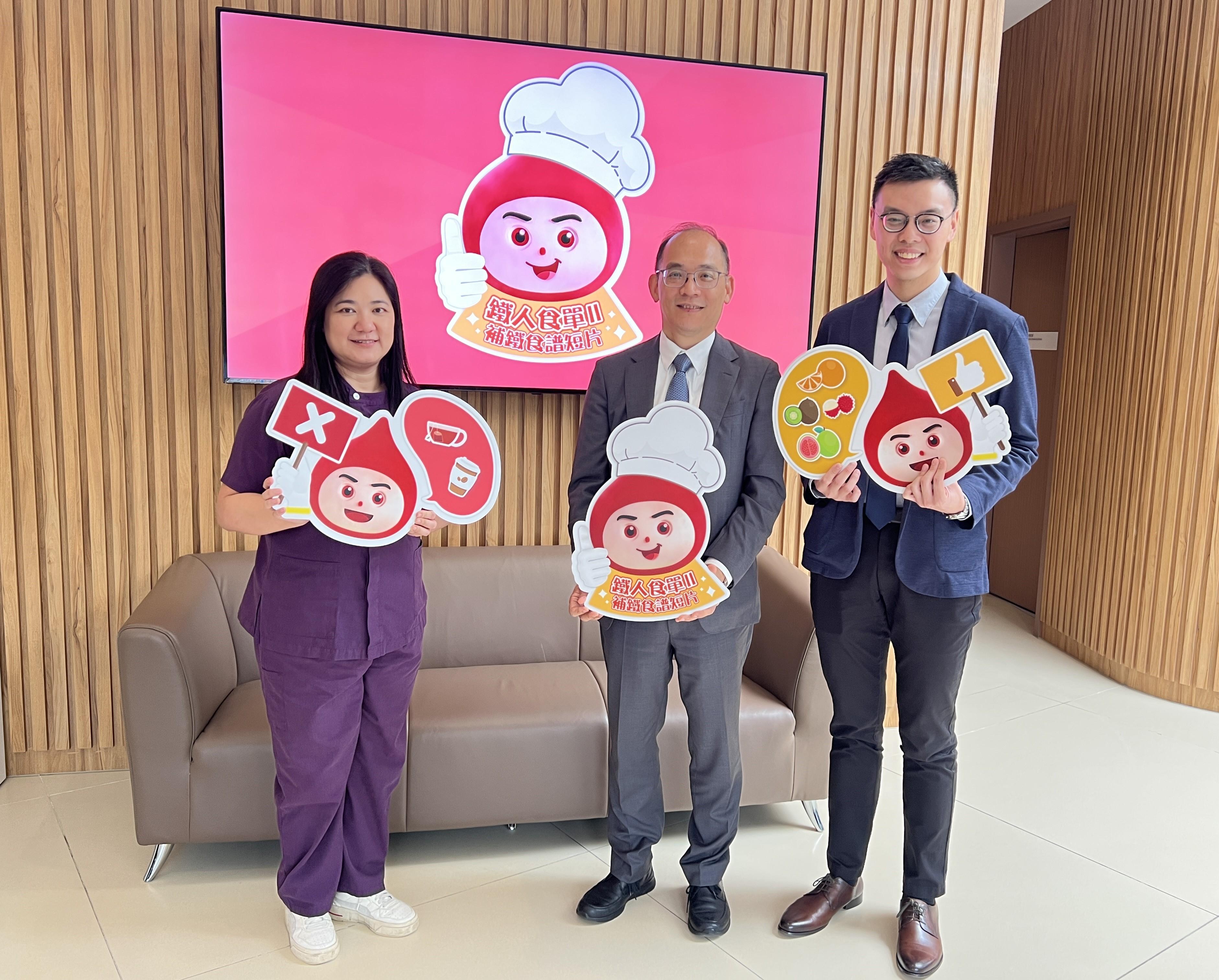
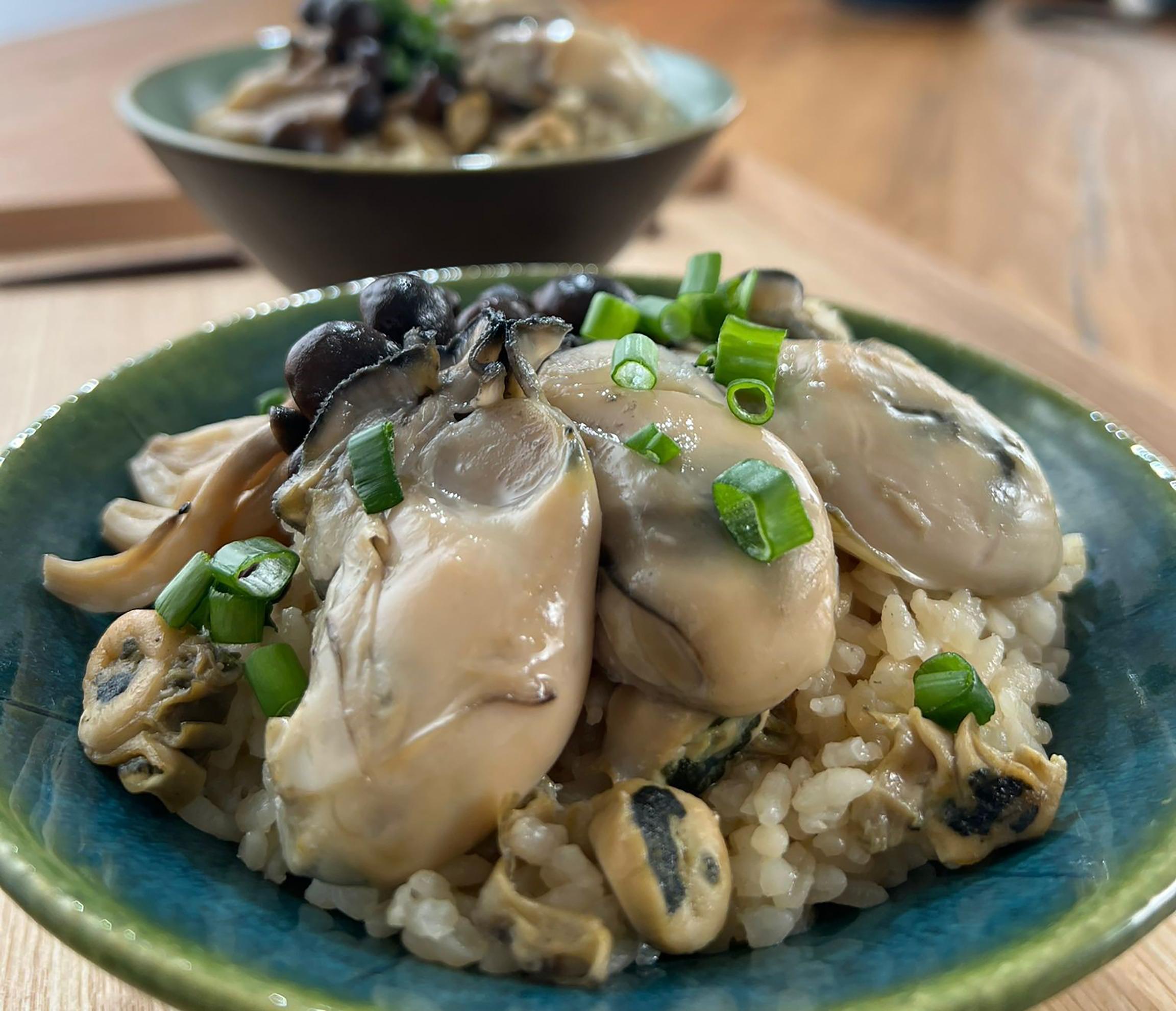
     According to the Thematic Report on Iron Status by the Department of Health in 2024, women have a higher prevalence of iron deficiency than men. The BTS agrees with this finding and is stepping up support on the education of iron replenishment. Recently, the BTS launched the “Iron Feast 2.0” video series, aiming to encourage the public to absorb sufficient iron in their daily diets and to develop balanced and healthy eating habits, thus enhancing their iron levels.

     The BTS has been promoting public education on iron replenishment for the past decade. Oral iron supplements are distributed to donors after their blood donation to boost haemoglobin levels. The Chief Executive and Medical Director of the BTS, Dr Lee Cheuk-kwong, said “After years of dedicated efforts in public education, the average haemoglobin level for donors has increased. The number of people deferred from donating blood due to low haemoglobin levels has significantly decreased from nearly 40 000 instances in 2015 to just over 10 000 instances in 2024.”

     The public can view the “Iron Feast 2.0” video series on the BTS’s social media platforms and website (https://www5.ha.org.hk/rcbts/iron-feast). The BTS website and the “HK Blood” mobile app also provide relevant information on iron replenishment. The BTS invites members of the public to continue donating blood and become regular blood donors. Donors are advised to make appointments via the “HK Blood” mobile app or by calling the BTS’s donor centres. For more details, please visit www.ha.org.hk/rcbts.

Photo  Photo  
read more