Tag Archives: China

image_pdfimage_print

Update on cases of Legionnaires’ disease

     The Centre for Health Protection (CHP) of the Department of Health today (July 22) reported the latest number of cases of Legionnaires’ disease (LD), and stressed the importance of using and maintaining properly designed man-made water systems, adding that susceptible groups should strictly observe relevant precautions.

     From July 14 to 20, the CHP recorded three community-acquired LD cases:
 

  1. A male patient, aged 62 with good past health, who lives in Tai Po District;
  2. A male patient, aged 60 with underlying illnesses, who lives in Kwun Tong District; and
  3. A male patient, aged 78 with underlying illnesses, who lives in Kwun Tong District.

     “Epidemiological investigations are ongoing to identify potential sources of infection, high-risk exposure and clusters, if any,” a spokesman for the CHP said.

     As of July 20, 56 LD cases had been recorded this year. In 2023 and 2022, there were 121 and 80 cases respectively.

     “Men, people aged over 50, smokers, alcoholics and persons with weakened immunity are more susceptible to LD. Some situations may also increase the risk of infection, including poor maintenance of water systems; living in areas with old water systems, cooling towers or fountains; using electric water heaters, whirlpools and spas or hot water spring spas; and recent stays in hotels or vessels,” the spokesman said.

     Legionellae are found in various environmental settings and grow well in warm water (20 to 45 degrees Celsius). They can be found in aqueous environments such as water tanks, hot and cold water systems, cooling towers, whirlpools and spas, water fountains and home apparatus that support breathing. People may become infected when they breathe in contaminated droplets (aerosols) and mist generated by artificial water systems, or when handling garden soil, compost and potting mixes.

     Immunocompromised persons should:
 
  • Use sterile or boiled water for drinking, tooth brushing and mouth rinsing;
  • Avoid using humidifiers, or other mist- or aerosol-generating devices; and
  • If using humidifiers, or other mist- or aerosol-generating devices, fill the water tank with only sterile or cooled freshly boiled water, and not water directly from the tap. Also, clean and maintain humidifiers/devices regularly according to manufacturers’ instructions. Never leave stagnant water in a humidifier/device. Empty the water tank, wipe all surfaces dry, and change the water daily. 
     â€‹
     â€‹The public should observe the health advice below:
          
  • Observe personal hygiene;
  • Do not smoke and avoid alcohol consumption;
  • Strainers in water taps and shower heads should be inspected, cleaned, descaled and disinfected regularly or at a frequency recommended by the manufacturer;
  • If a fresh-water plumbing system is properly maintained, it is not necessary to install domestic water filters. Use of water filters is not encouraged as clogging occurs easily, which can promote growth of micro-organisms. In case water filters are used, the pore size should be 0.2 micrometres (µm) and the filter needs to be changed periodically according to the manufacturer’s recommendations;
  • Drain and clean water tanks of buildings at least quarterly;
  • Drain or purge for at least one minute infrequently used water outlets (e.g. water taps, shower heads and hot water outlets) and stagnant points of the pipework weekly or before use;
  • Seek and follow doctors’ professional advice regarding the use and maintenance of home respiratory devices and use only sterile water (not distilled or tap water) to clean and fill the reservoir. Clean and maintain the device regularly according to the manufacturer’s instructions. After cleaning/disinfection, rinse the device with sterile water, cooled freshly boiled water or water filtered with 0.2 µm filters. Never leave stagnant water in the device. Empty the water tank, keep all surfaces dry, and change the water daily; and
  • When handling garden soil, compost and potting mixes: 
  1. Wear gloves and a face mask;
  2. Water gardens and compost gently using low pressure;
  3. Open composted potting mixes slowly and make sure the opening is directed away from the face;
  4. Wet the soil to reduce dust when potting plants; and
  5. Avoid working in poorly ventilated places such as enclosed greenhouses.

     â€‹â€‹The public may visit the CHP’s LD page, the Code of Practice for Prevention of LD and the Housekeeping Guidelines for Cold and Hot Water Systems for Building Management of the Prevention of LD Committee, and the CHP’s risk-based strategy for prevention and control of LD. read more
Secretary for Health visits Hong Kong Polytechnic University (with photos)

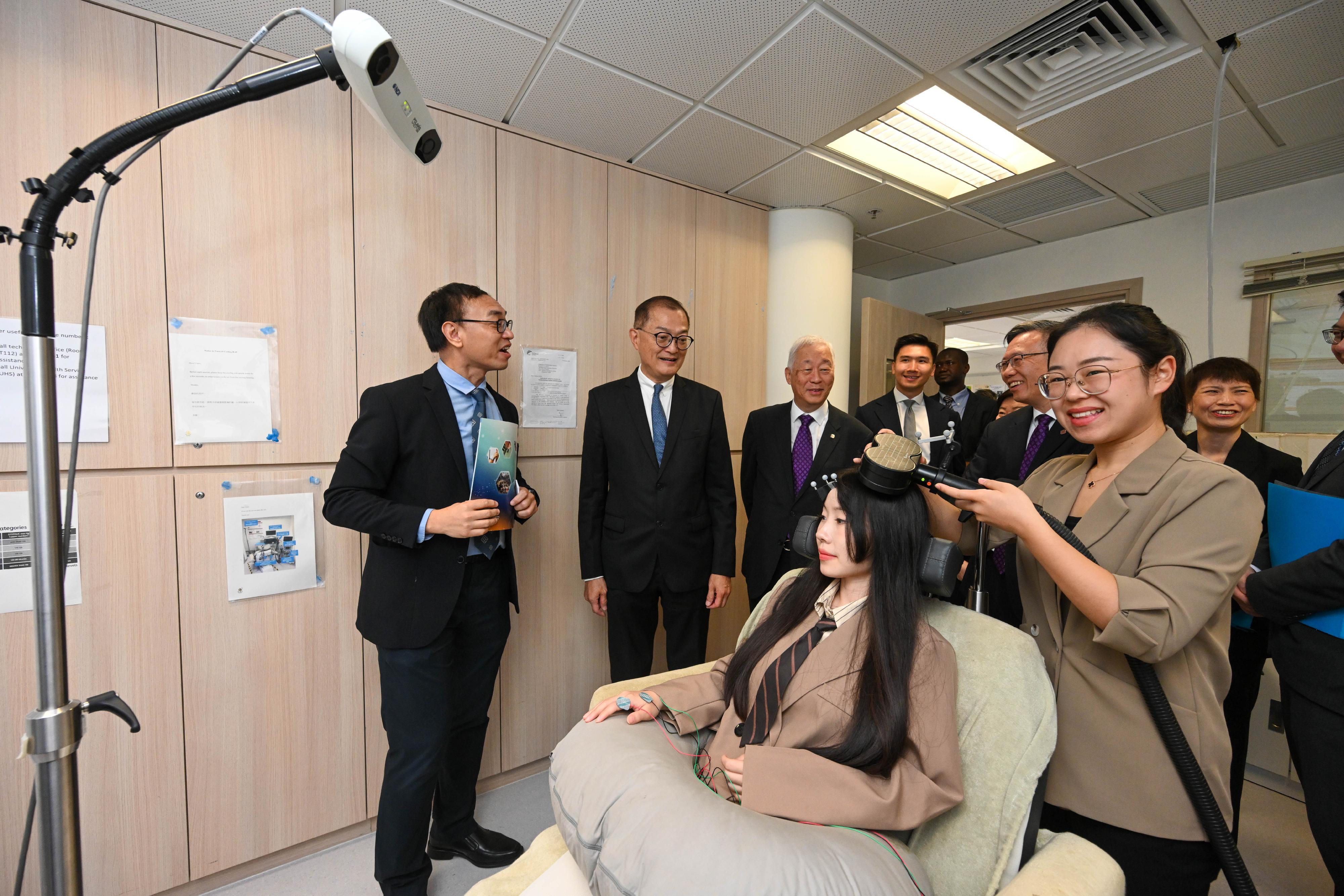
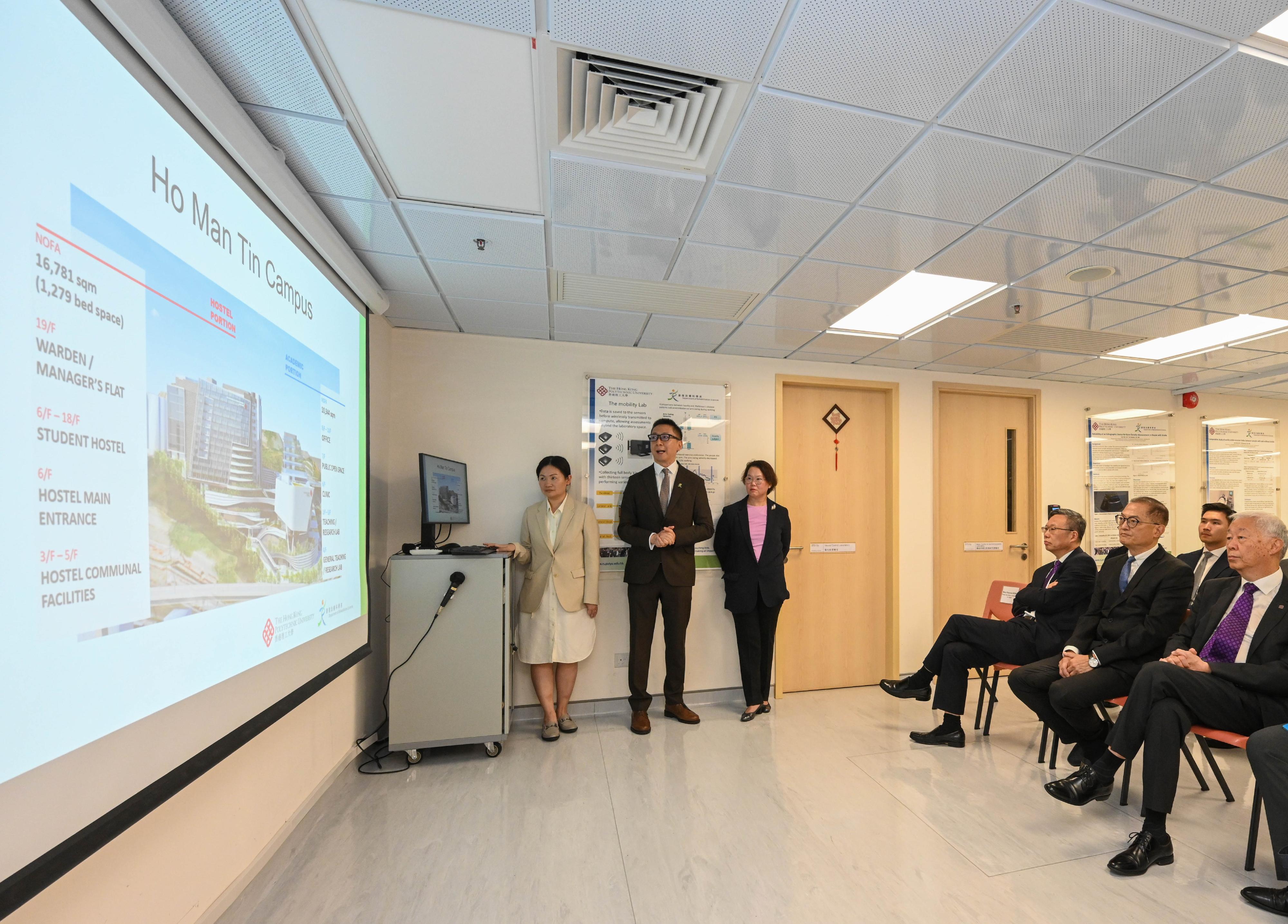
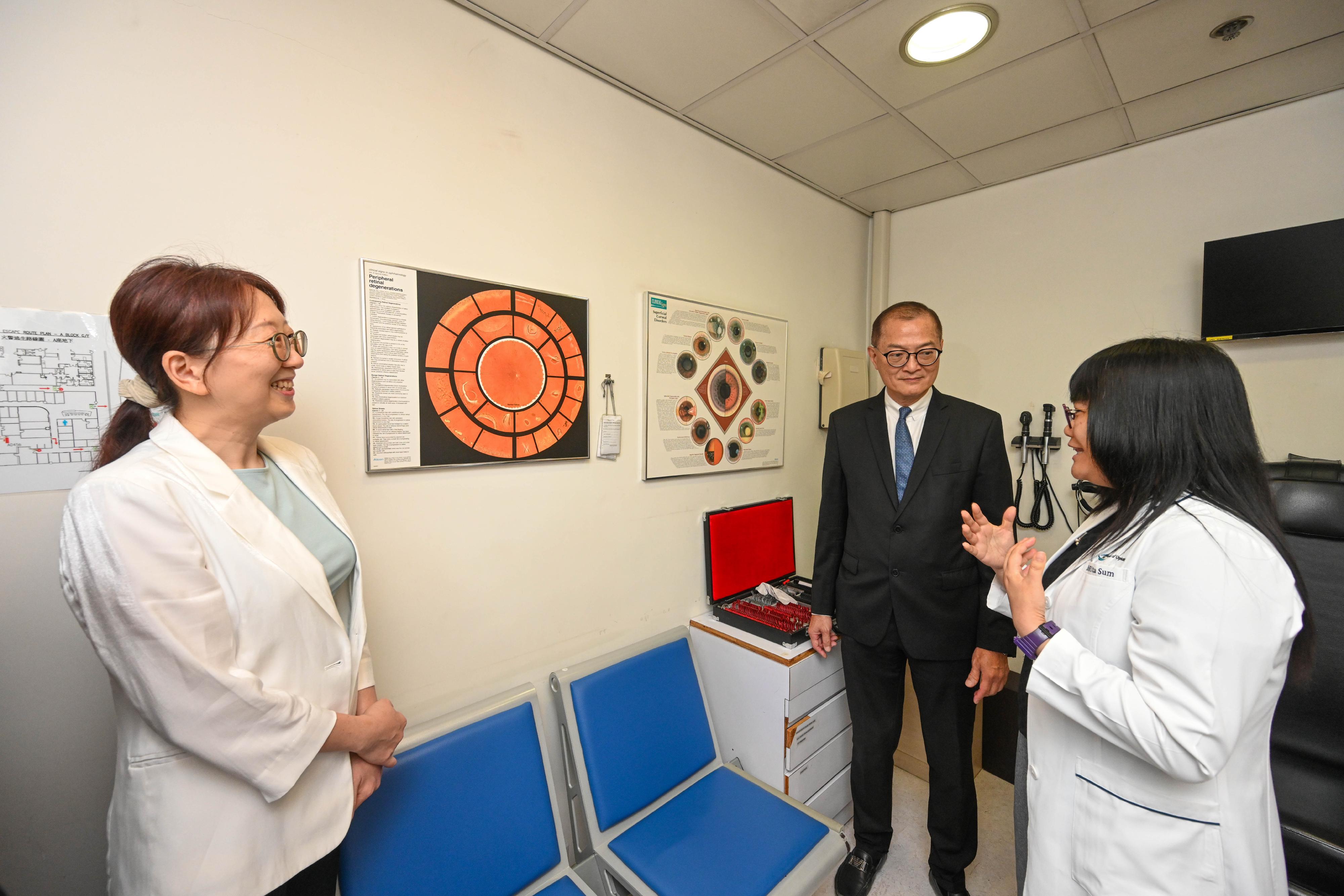
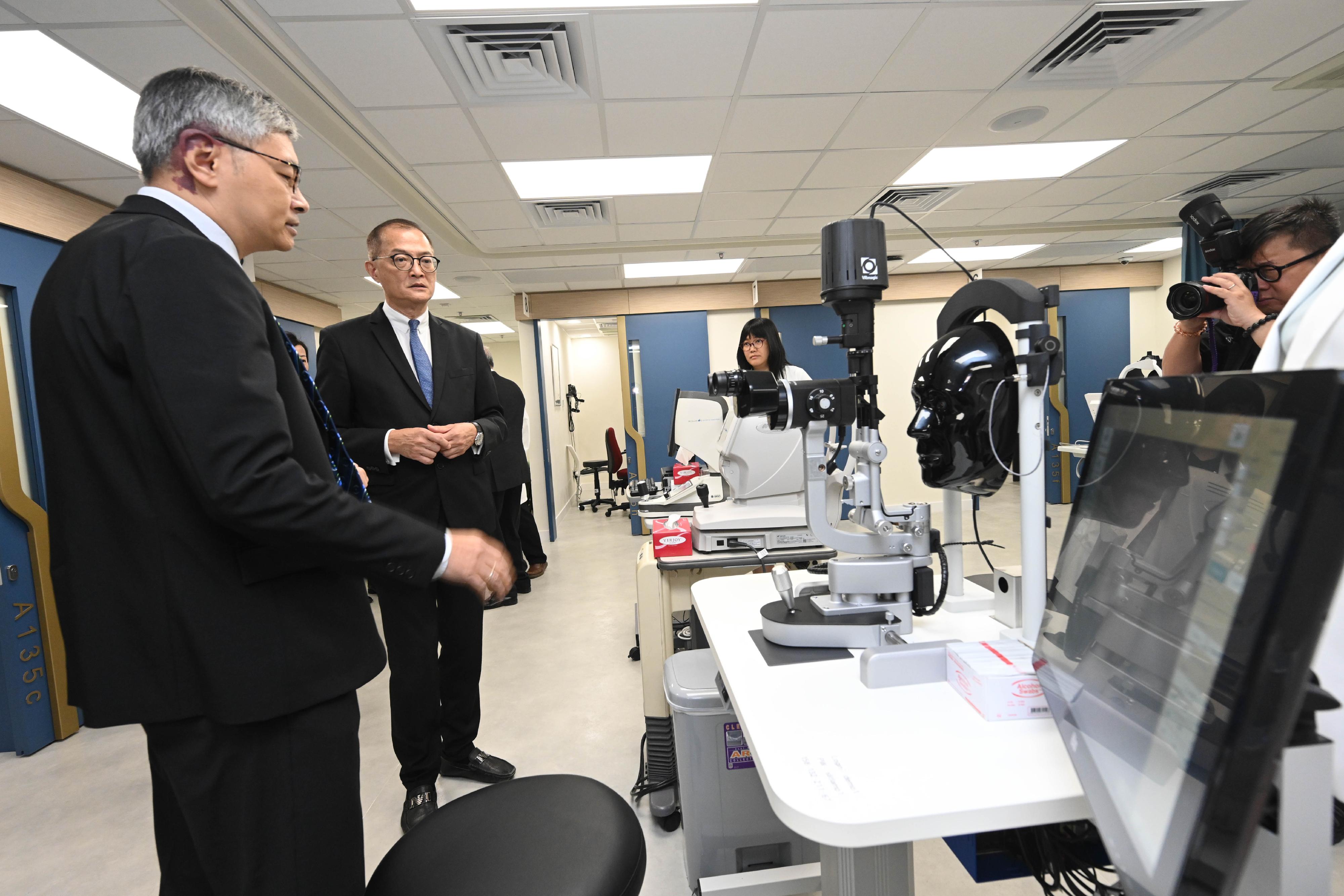
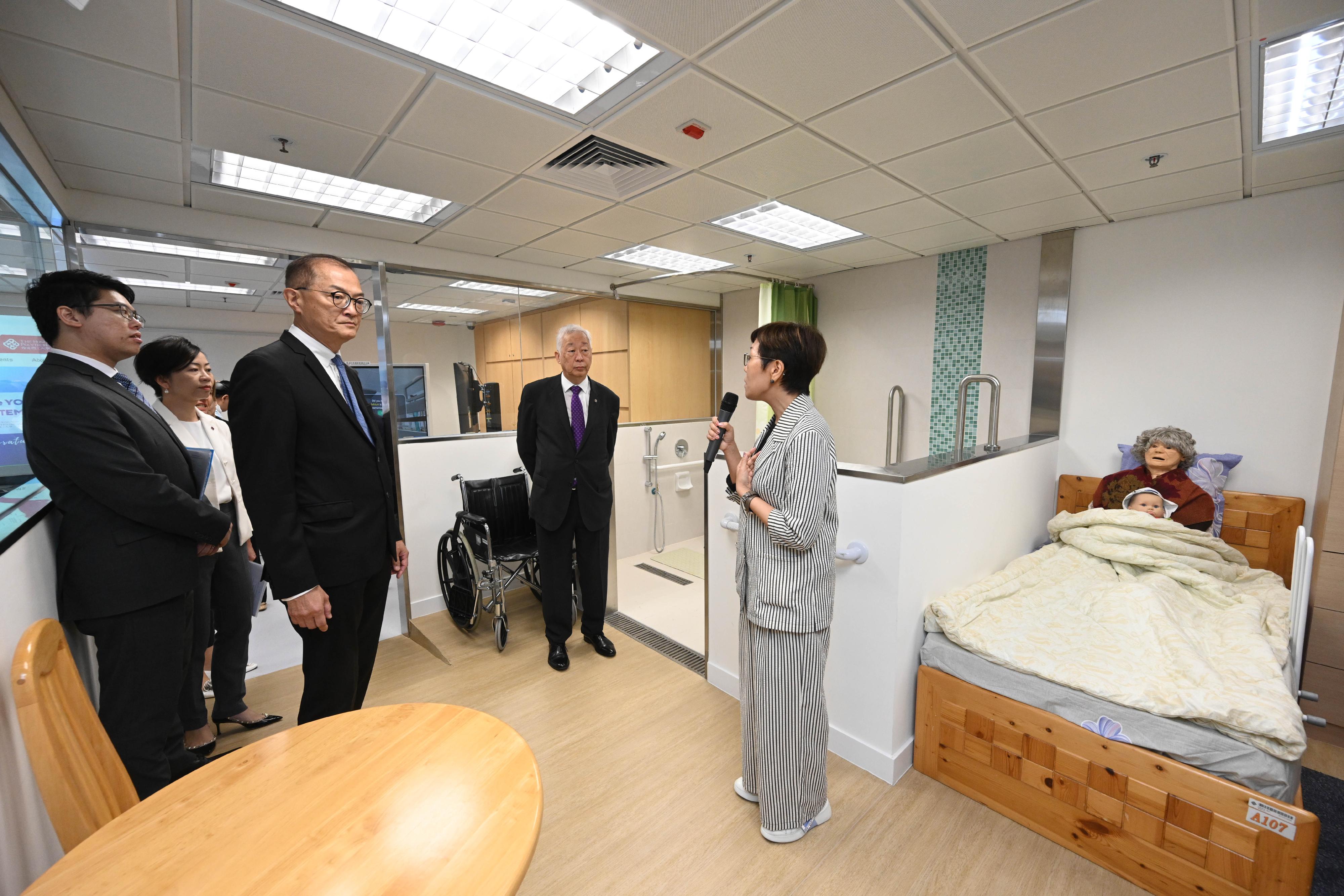
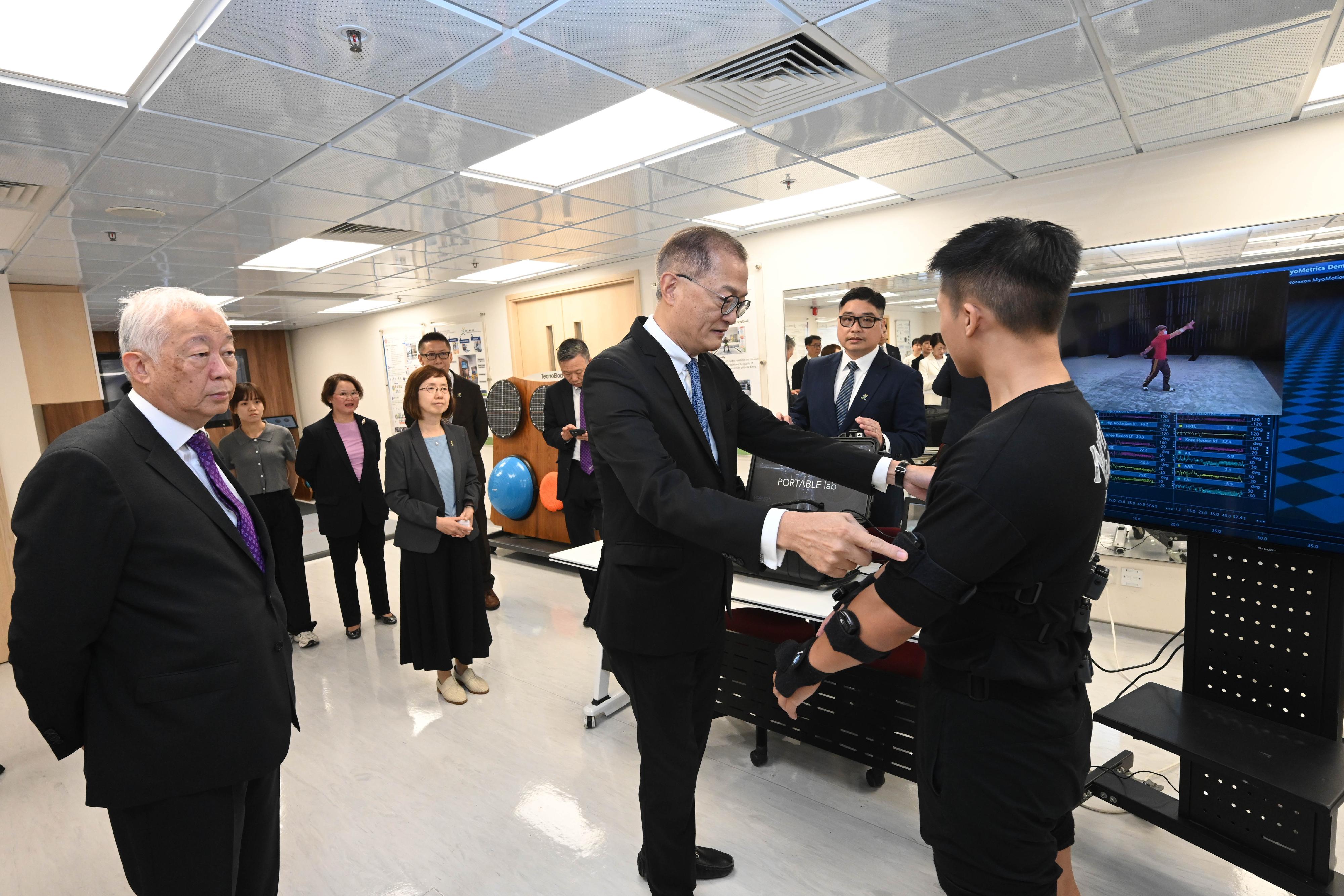
     The Secretary for Health, Professor Lo Chung-mau, visited the Hong Kong Polytechnic University (PolyU) today (July 22) to get a better grasp of its latest progress in enhancing healthcare teaching facilities, and meet with teaching staff and students to exchange views.
 
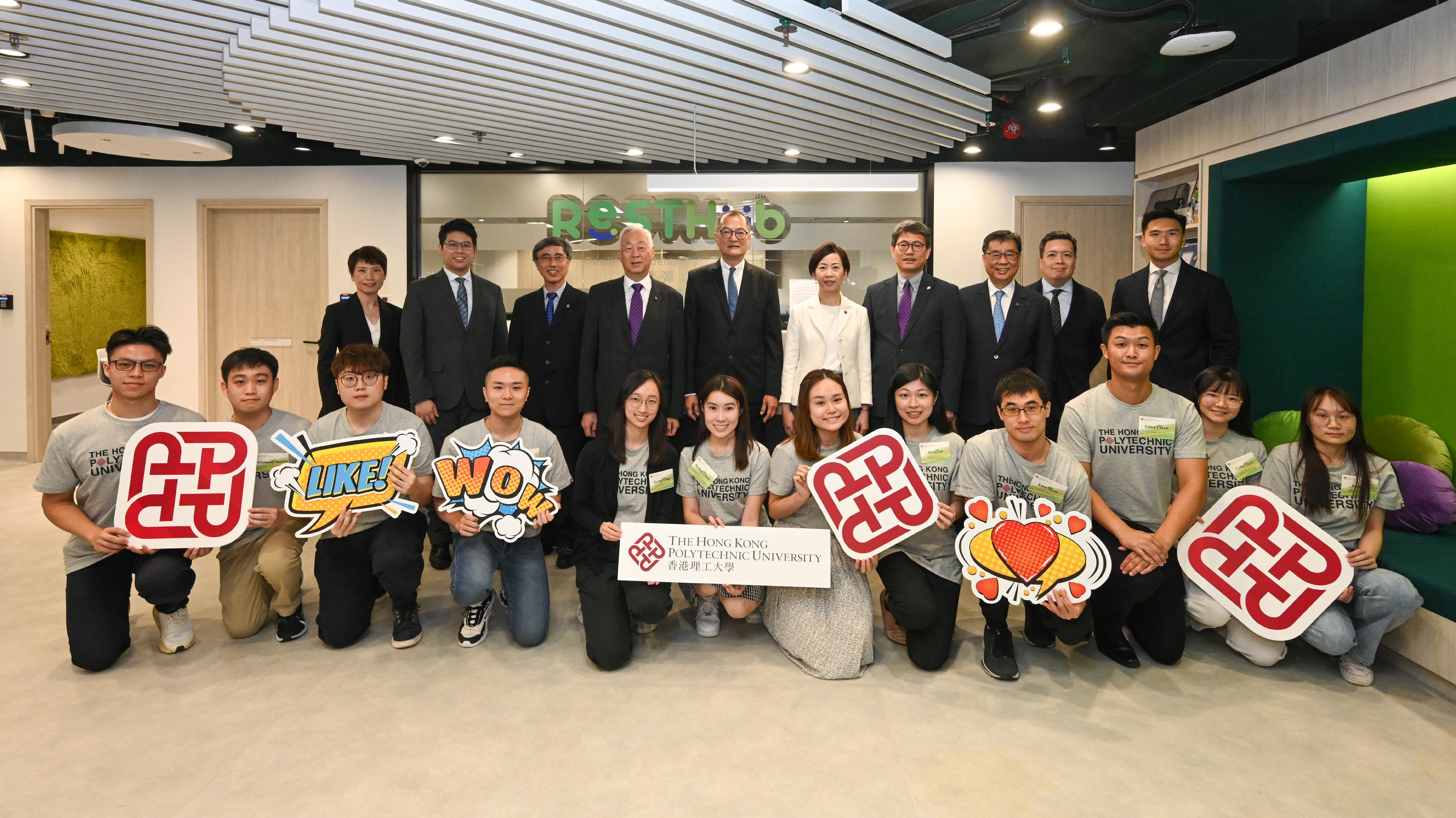
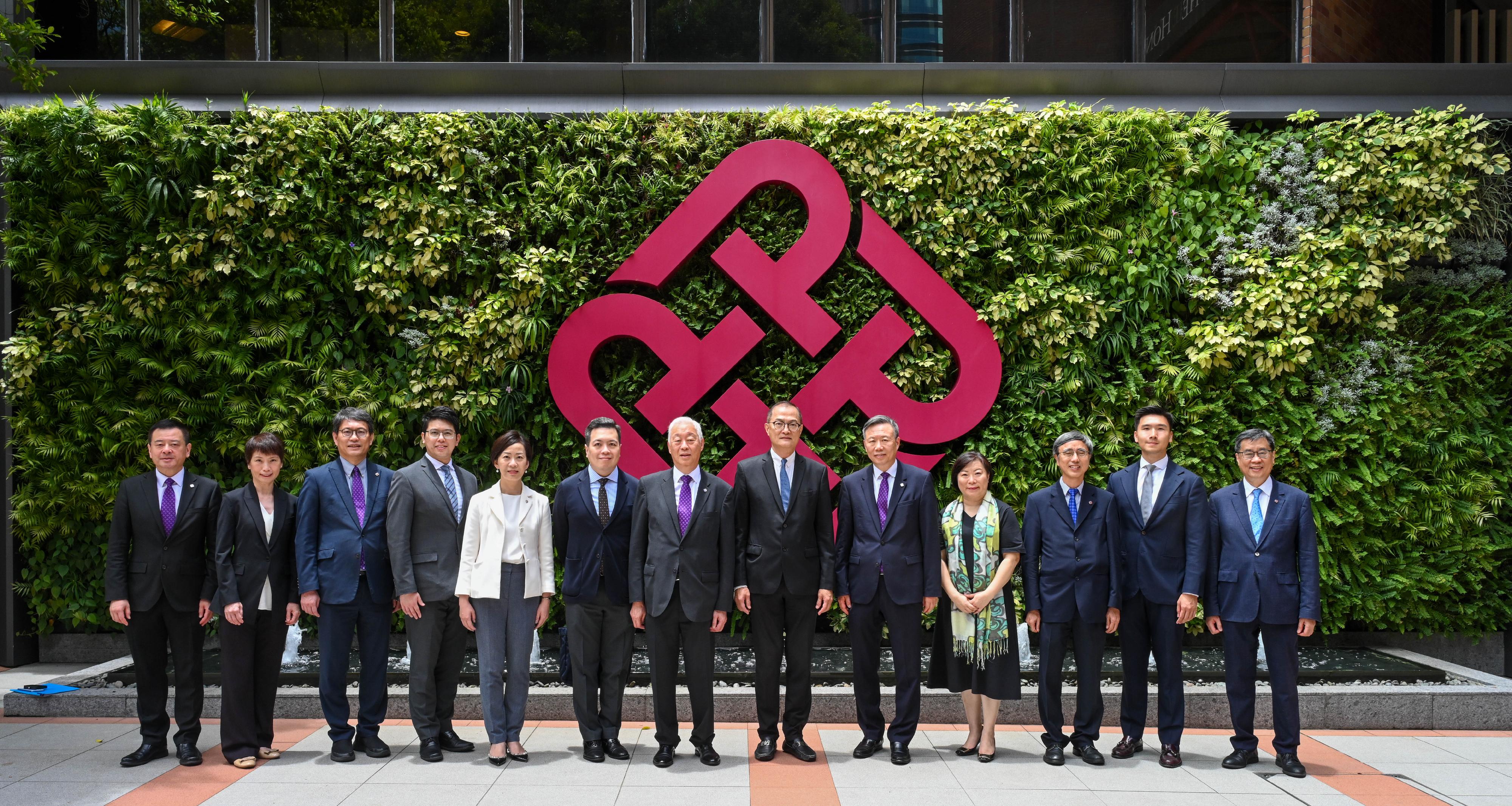
     Professor Lo met with the university management including the Chairman of the PolyU Council, Dr Lam Tai-fai, and the President of PolyU, Professor Teng Jinguang. He also visited the healthcare teaching facilities there in the company of the Dean of the Faculty of Health and Social Sciences of PolyU, Professor David Shum, to gain a better understanding of the progress of works projects for enhancing relevant facilities.
 
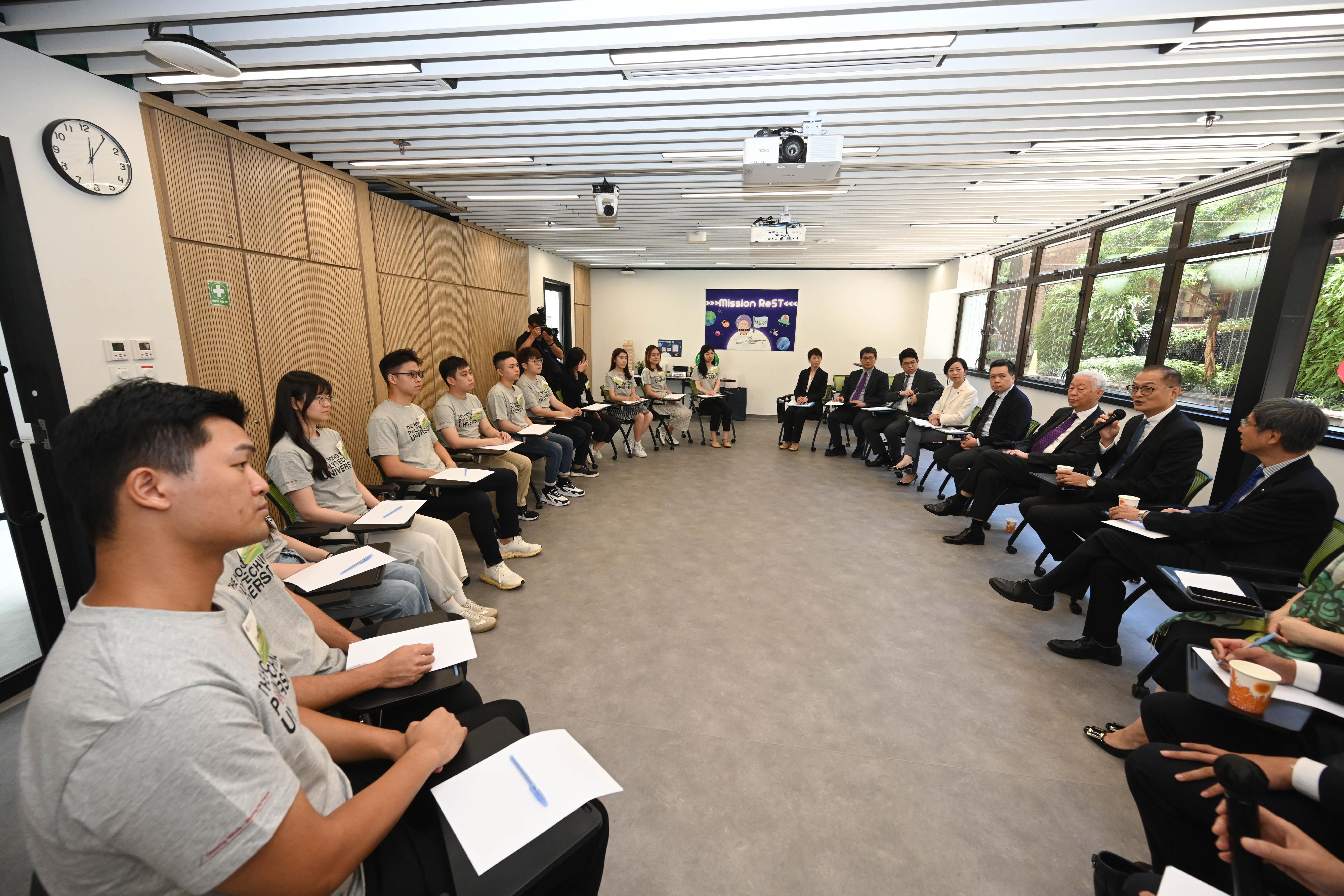
     Professor Lo also met with undergraduate and postgraduate students from different healthcare-related disciplines of the university and listened to their sharing of learning experiences as well as their faith and aspirations in their pursuit of careers in healthcare professions.
 
     Professor Lo said, “The healthcare system is composed of different healthcare professions whose seamless co-operation contributes to the effective operation of the healthcare system. The Government has long been attaching great importance to nurturing healthcare professionals. Through the multiple initiatives taken forward to increase the number of healthcare training places and enable University Grants Committee-funded universities to upgrade and expand healthcare teaching facilities, the Government is aiming to further alleviate the shortage of public healthcare manpower, such that members of the public can enjoy high-quality healthcare services in a sustainable manner.
 
     “PolyU has been training numerous allied health professionals and nurses for Hong Kong over the years. I hope that students of the relevant disciplines will devote their aspirations to the city’s healthcare and citizens’ wellbeing by putting their knowledge into practice after graduation. We will continue to earnestly explore feasible measures for strengthening the workforce of healthcare professionals in the public healthcare system in a multipronged approach, with a view to addressing the challenges posed to the public healthcare system by the ageing population of Hong Kong, and pushing ahead the development of Hong Kong into an international health and medical innovation hub.” 

Photo  Photo  Photo  Photo  Photo  Photo  Photo  Photo  Photo  
read more

HAD opens temporary heat shelters

     The Home Affairs Department is opening 19 community halls/community centres as temporary heat shelters today (July 22).
      
     The temporary heat shelters will remain open for people to take refuge from the heat when the Very Hot Weather Warning is in force. From 10.30pm to 8am the next day, the temporary heat shelters will also provide bedding and a sleeping place for people in need. The shelters are manned by duty attendants.
      
     For further information, please call the department’s hotline before midnight on 2572 8427.
      
     The heat shelters are located at:
 
Hong Kong Island:
———————
 
Central and Western –
Sai Ying Pun Community Complex Community Hall
3/F, Sai Ying Pun Community Complex
2 High Street, Sai Ying Pun
 
Eastern –
Causeway Bay Community Centre
3/F, 7 Fook Yum Road, Causeway Bay
 
Southern –
Lei Tung Community Hall
Lei Tung Estate, Ap Lei Chau
 
Wan Chai –
Wan Chai Activities Centre
LG/F, Wan Chai Market, 258 Queen’s Road East, Wan Chai
 
Kowloon Districts:
——————
 
Kowloon City –
Hung Hom Community Hall
1/F, Kowloon City Government Offices
42 Bailey Street, Hung Hom
 
Kwun Tong –
Lam Tin (West) Estate Community Centre
71 Kai Tin Road, Lam Tin
 
Sham Shui Po –
Shek Kip Mei Community Hall
G/F, Block 42, Shek Kip Mei Estate, Sham Shui Po
 
Wong Tai Sin –
Tsz Wan Shan (South) Estate Community Centre
45 Wan Wah Street, Tsz Wan Shan
 
Yau Tsim Mong –
Henry G Leong Yaumatei Community Centre
60 Public Square Street, Yau Ma Tei
 
New Territories Districts:
————————–
 
Islands –
Tung Chung Community Hall
G/F, Tung Chung Municipal Services Building, 39 Man Tung Road, Tung Chung
 
Kwai Tsing –
Kwai Shing Community Hall
Podium, Block 6, Kwai Shing West Estate, Kwai Chung
 
North –
Cheung Wah Community Hall
Cheung Wah Estate, Fanling
 
Sai Kung –
Hang Hau Community Hall
G/F, Sai Kung Tseung Kwan O Government Complex, 38 Pui Shing Road, Hang Hau, Tseung Kwan O
 
Sha Tin –
Lung Hang Estate Community Centre
Lung Hang Estate, Sha Tin
 
Tai Po –
Tai Po Community Centre
2 Heung Sze Wui Street, Tai Po
 
Tsuen Wan –
Lei Muk Shue Community Hall
G/F, Hong Shue House, Lei Muk Shue Estate, Tsuen Wan
 
Tuen Mun –
Butterfly Bay Community Centre
Butterfly Estate (near Tip Sum House), Tuen Mun
 
Yuen Long –
Long Ping Community Hall
Long Ping Estate, Yuen Long
 
Yuen Long –
Tin Yiu Community Centre
Tin Yiu Estate, Tin Shui Wai
 
     In addition to the above heat shelters, a number of community halls/community centres can also be used for taking refuge from the heat during their operating hours. For their address details, please browse the following document: www.had.gov.hk/file_manager/en/documents/public_services/emergency_services/List_CH_CC_Day_E.pdf. read more

S for Housing and LegCo Members continue visit to Shenzhen (with photos)

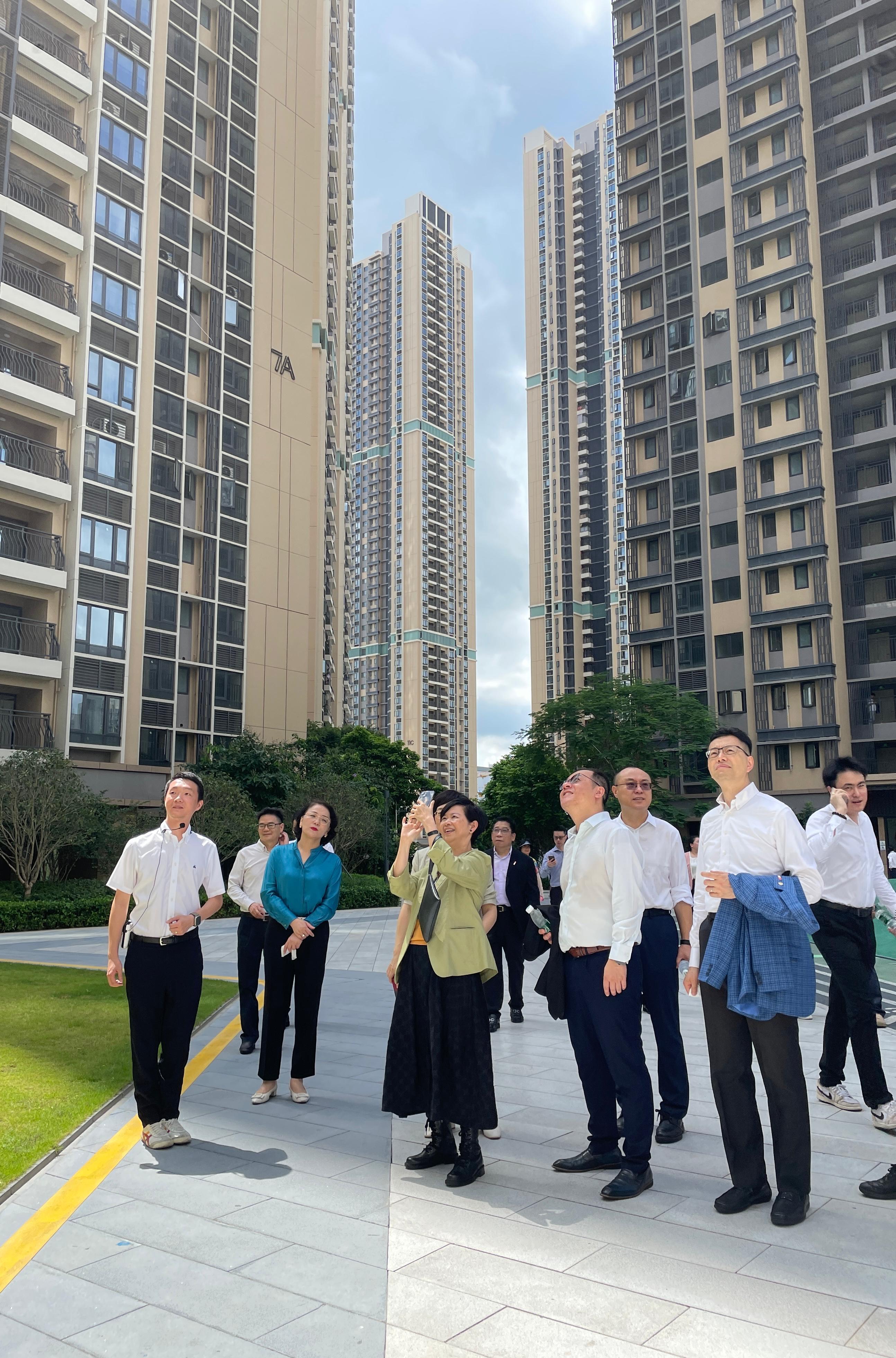
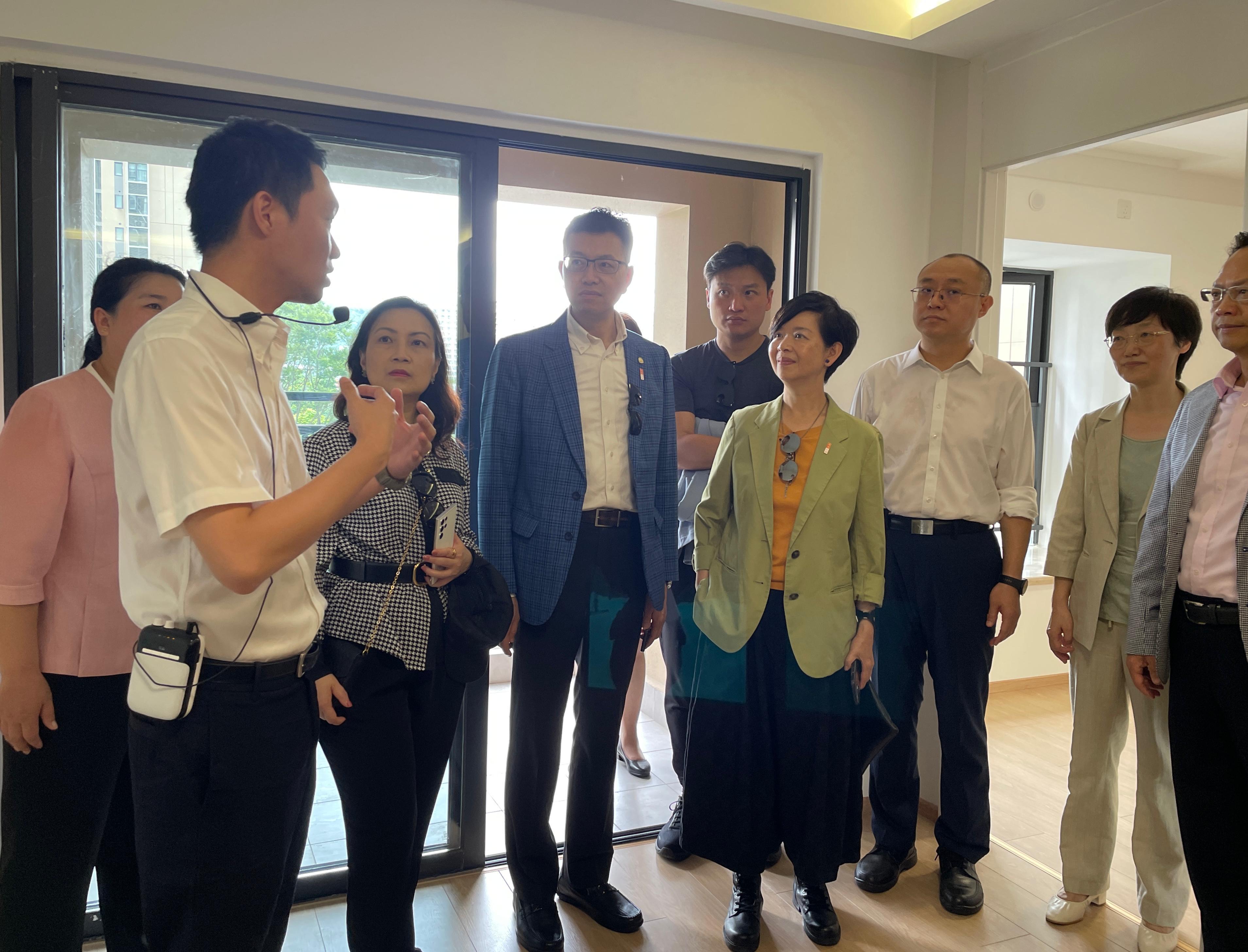
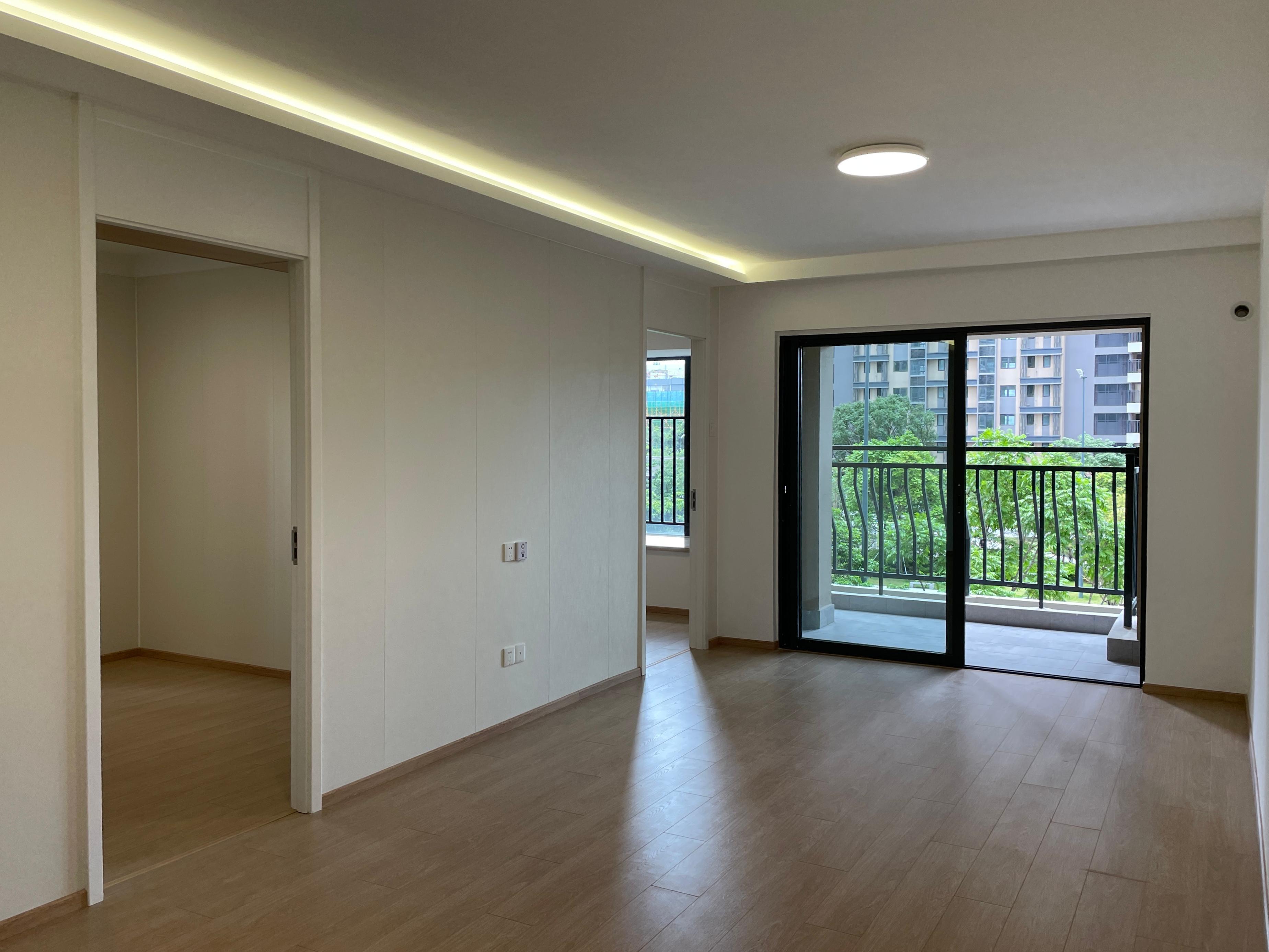
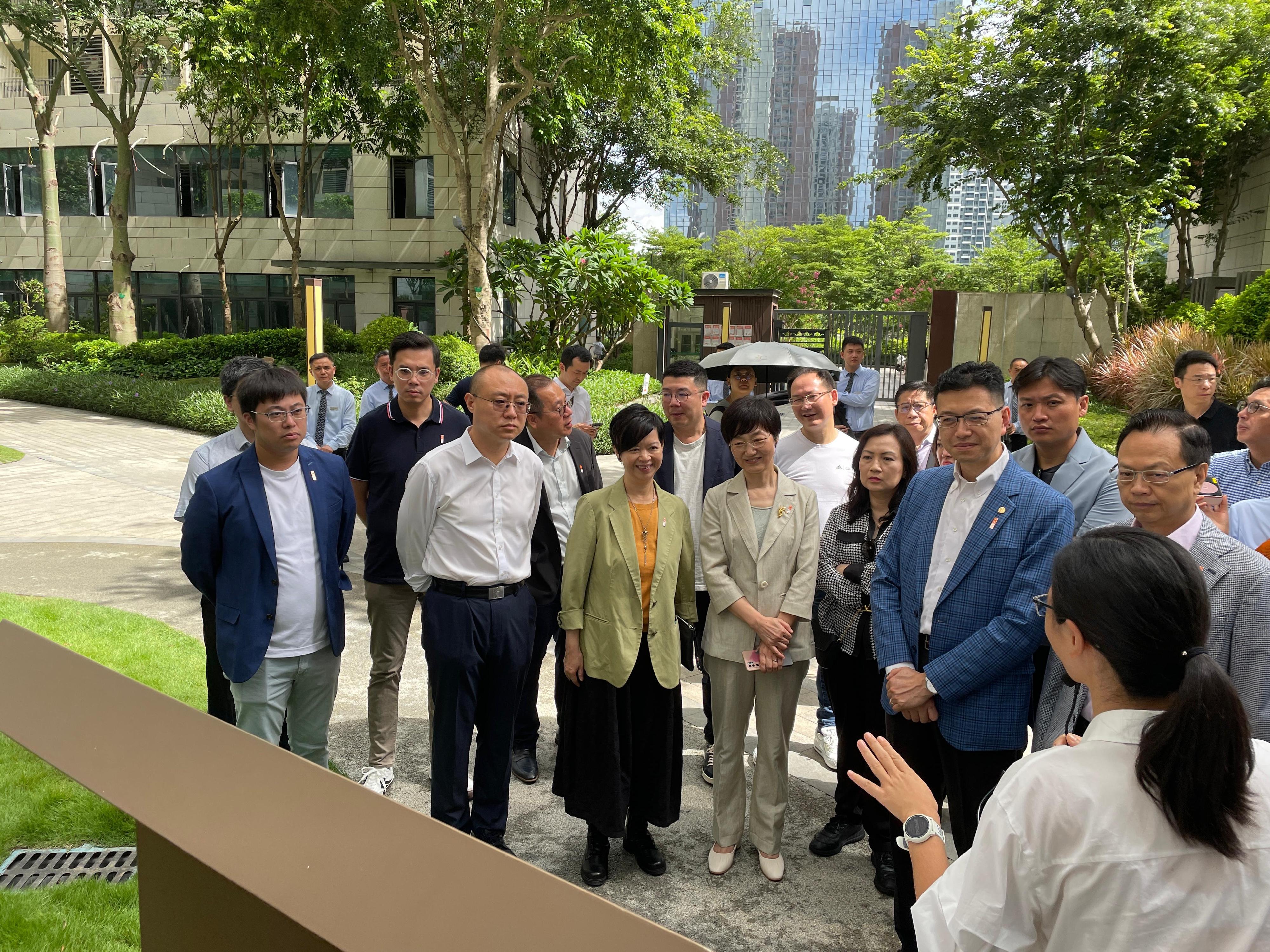
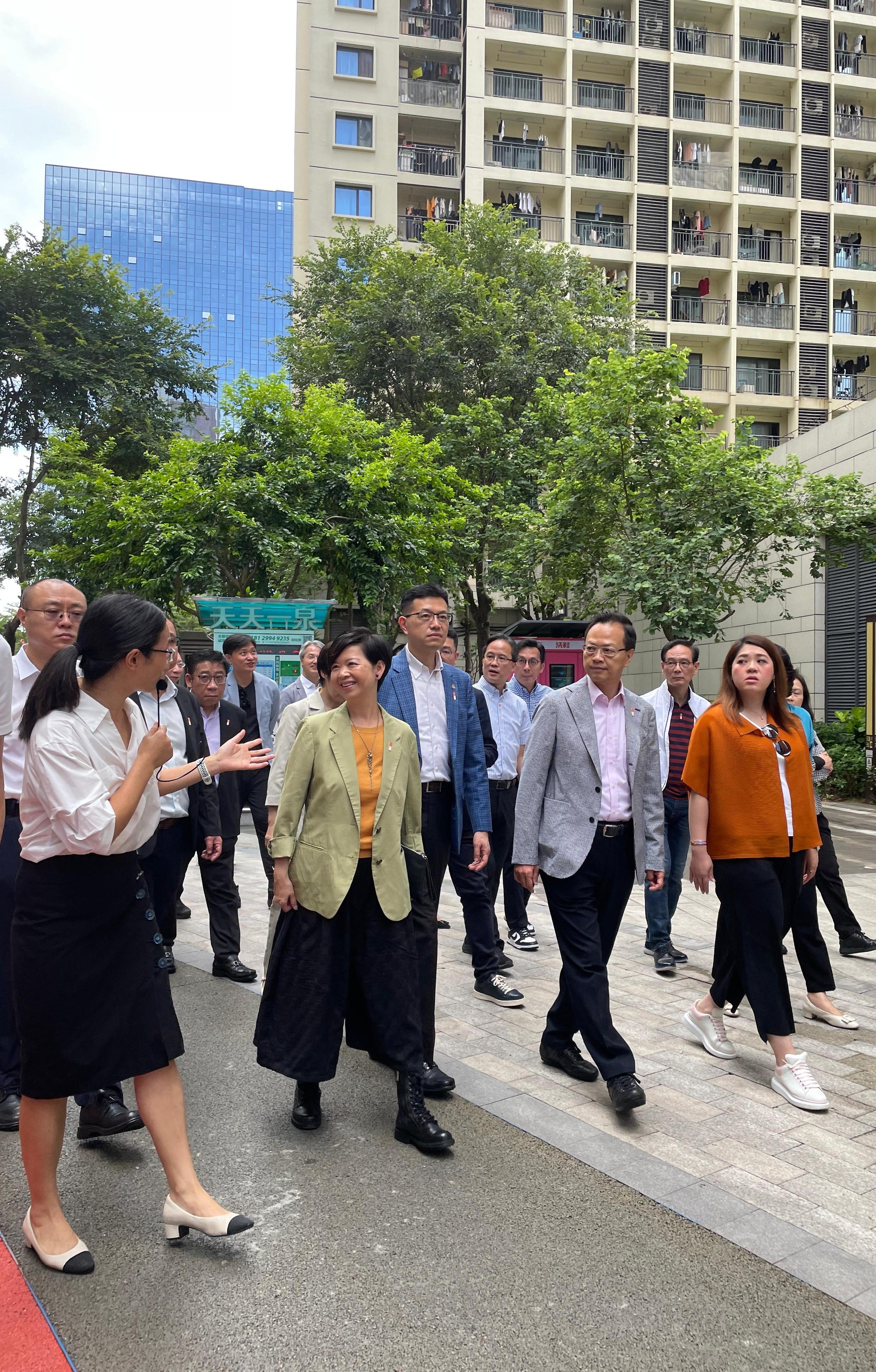
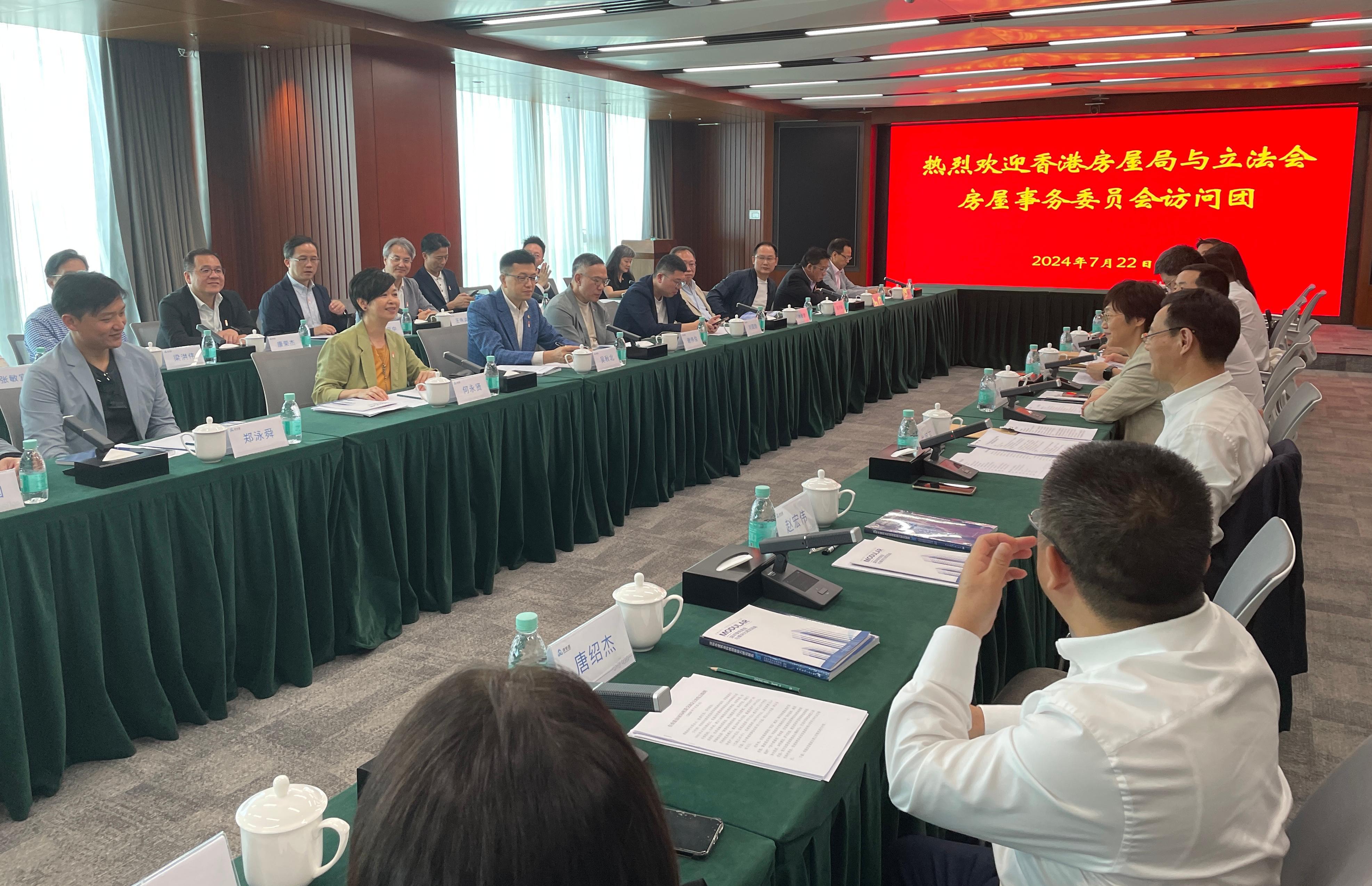
     The Secretary for Housing, Ms Winnie Ho, together with a delegation of the Housing Department (HD) and the Legislative Council (LegCo) Panel on Housing, continued their visit to Shenzhen today (July 22).
 
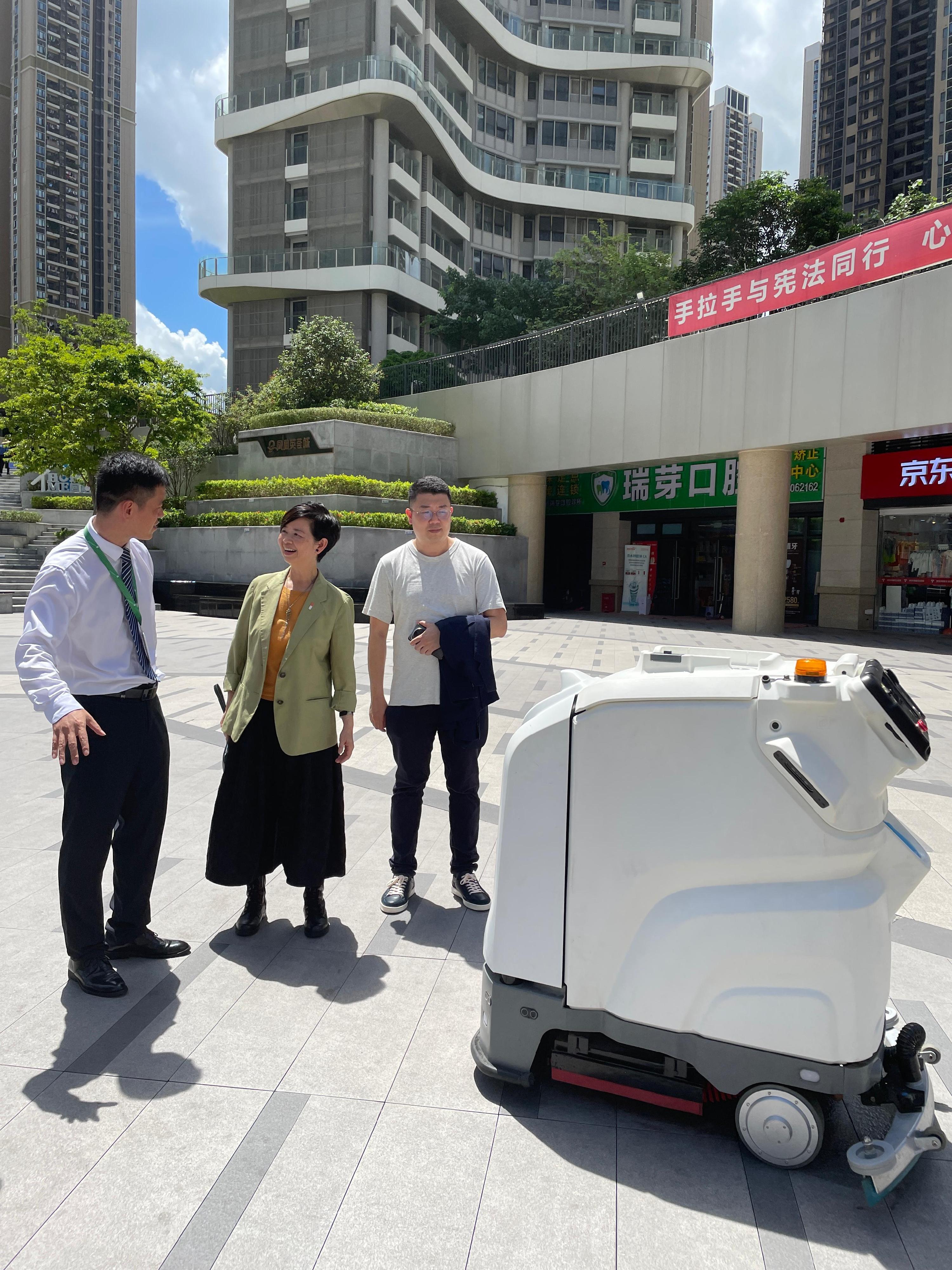
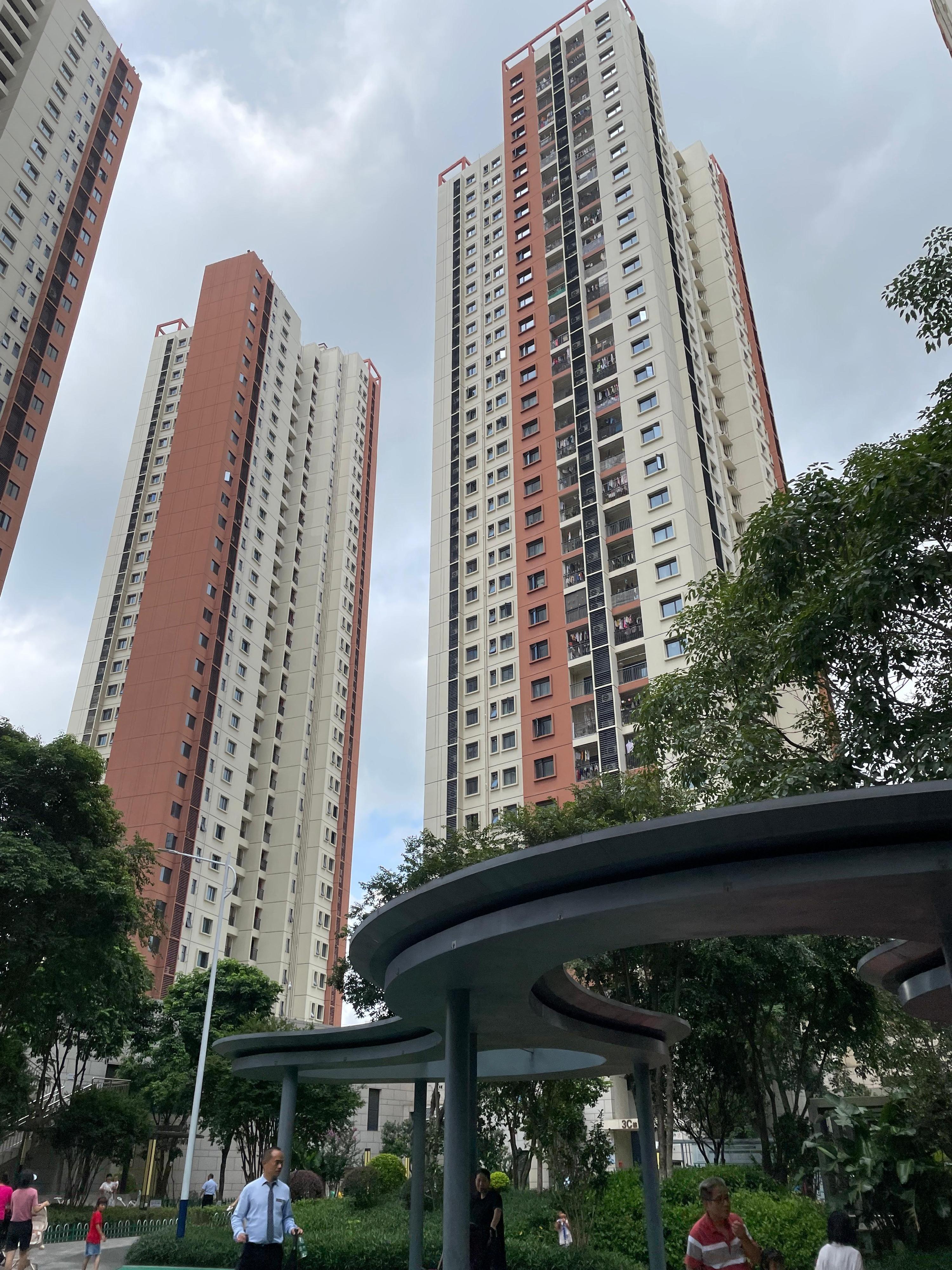
     Accompanied by the Director-General of the Department of Housing and Urban-Rural Development of Guangdong Province, Mr Zhang Yong, and the Director of the Housing Indemnification Division of the Housing and Construction Bureau of Shenzhen Municipality (HCBSM), Ms Qiu Yingying, the delegation visited two public rental housing projects in Shenzhen this morning. The design and planning of Guangqiao Yayuan fully utilised the land, with common facilities fostering intergenerational and community harmony provided in the estate. Phoenix Yinghui Town is currently the largest public housing project on the Mainland adopting the Design for Manufacture and Assembly (DfMA) approach. The project also adopted a series of smart property management technologies, such as intelligent surveillance system and smart lamp posts, to enhance daily management efficiency.
 
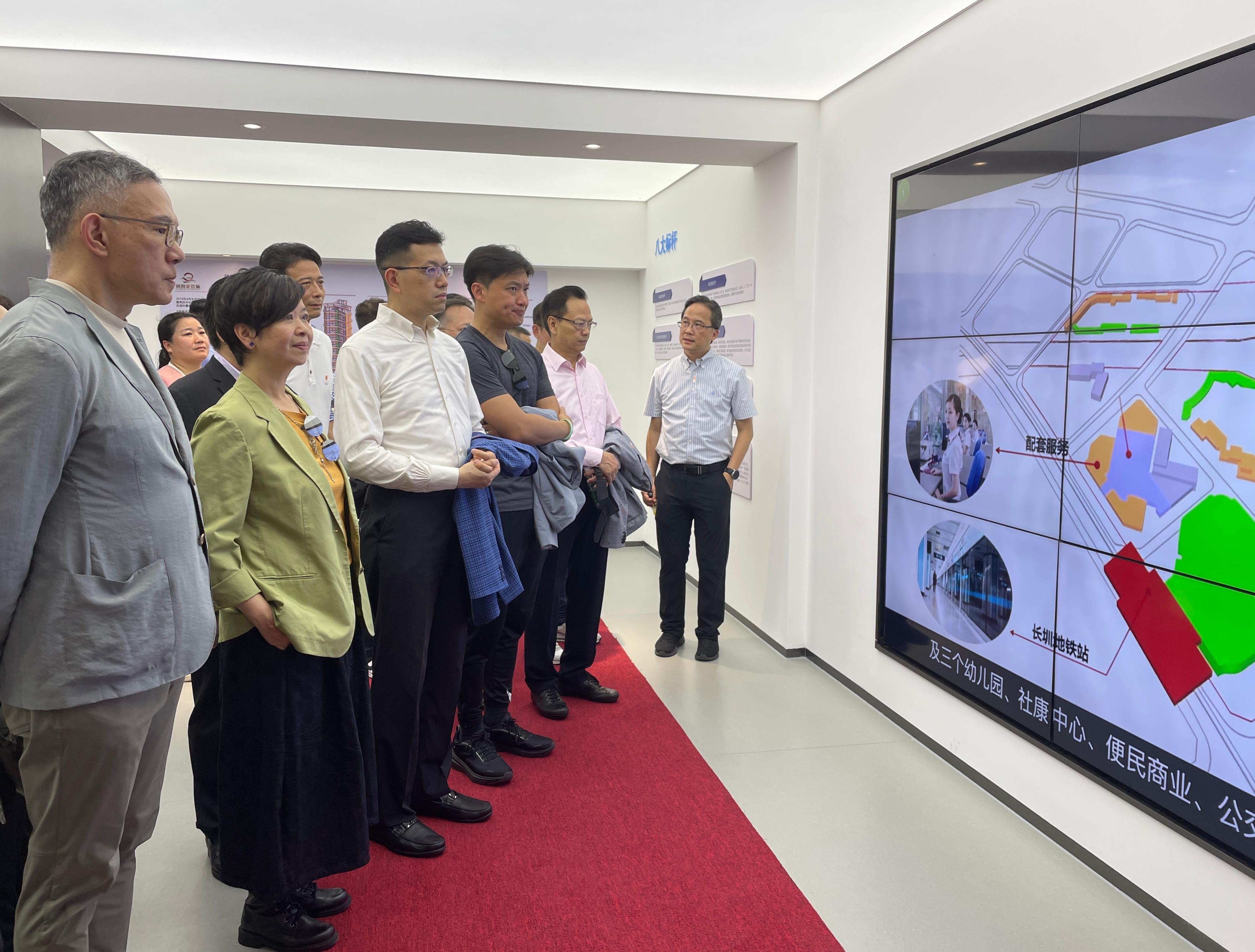
     The delegation then visited the Shenzhen Indemnificatory Housing Exhibition Hall to learn about the development, planning and design of indemnificatory housing in Shenzhen. They subsequently met with the Party Secretary and Director-General of the HCBSM, Mr Zhu Enping, and representatives of the Shenzhen Public Housing Group (SZPHG) to have a comprehensive exchange on public housing policies, its design and construction as well as operation and management. The SZPHG is managed directly by the State-owned Assets Supervision and Administration Commission of Shenzhen Municipal People’s Government, and handles all aspects of indemnificatory housing in Shenzhen, from planning and construction to rental, operation, management and housing finance.
 
     Ms Ho said that public housing by the Hong Kong Housing Authority is people-oriented. To continuously enhance the management efficiency and service quality of its nearly 200 public housing estates, the HD has been actively promoting smart estate management and bringing in new technologies to help optimise estate management services. She looked forward to have closer exchanges with the Guangdong-Hong Kong-Macao Greater Bay Area cities on the construction and management of public housing, with a view to sharing and learning from each other’s experiences.
 
     The delegation visited the Double-line Park (Coastal Bridge) in Baoan Central District in the afternoon to see its user-friendly design that connects the communities and blends nature, art and culture. The delegation will return to Hong Kong this evening after the visit.

Photo  Photo  Photo  Photo  Photo  Photo  Photo  Photo  Photo  
read more

Consumer Price Indices for June 2024

     The Census and Statistics Department (C&SD) released today (July 22) the Consumer Price Index (CPI) figures for June 2024. According to the Composite CPI, overall consumer prices rose by 1.5% in June 2024 over the same month a year earlier, larger than the corresponding increase (1.2%) in May 2024. The larger increase in June 2024 was mainly due to the decrease in the Government’s provision of electricity charges subsidy compared to the same month last year. Netting out the effects of all Government’s one-off relief measures, the year-on-year rate of increase in the Composite CPI (i.e. the underlying inflation rate) in June 2024 was 1.0%, the same as that in May 2024. 

     On a seasonally adjusted basis, the average monthly rate of change in the Composite CPI for the 3-month period ending June 2024 was 0.0%, and that for the 3-month period ending May 2024 was -0.2%. Netting out the effects of all Government’s one-off relief measures, the corresponding rates of increase were both 0.1%.
    
     Analysed by sub-index, the year-on-year rates of increase in the CPI(A), CPI(B) and CPI(C) were 1.7%, 1.3% and 1.3% respectively in June 2024, as compared to 1.2%, 1.1% and 1.2% respectively in May 2024. Netting out the effects of all Government’s one-off relief measures, the year-on-year rates of increase in the CPI(A), CPI(B) and CPI(C) were 0.9%, 1.0% and 1.2% respectively in June 2024, as compared to 0.9%, 1.1% and 1.2% respectively in May 2024.
    
     On a seasonally adjusted basis, for the 3-month period ending June 2024, the average monthly rates of change in the CPI(A), CPI(B) and CPI(C) were -0.1%, 0.0% and 0.0% respectively. The corresponding rates of change for the 3-month period ending May 2024 were -0.3%, -0.2% and -0.1% respectively. Netting out the effects of all Government’s one-off relief measures, the average monthly rates of change in the seasonally adjusted CPI(A), CPI(B) and CPI(C) for the 3-month period ending June 2024 were 0.2%, 0.1% and 0.1% respectively, and the corresponding rates of change for the 3-month period ending May 2024 were 0.2%, 0.1% and 0.0% respectively. 

     Amongst the various components of the Composite CPI, year-on-year increases in prices were recorded in June 2024 for alcoholic drinks and tobacco (22.0%), meals out and takeaway food (2.7%), miscellaneous services (2.5%), transport (1.7%), housing (1.1%), miscellaneous goods (0.5%), basic food (0.5%), and electricity, gas and water (0.1%).

     On the other hand, year-on-year decreases in the components of the Composite CPI were recorded in June 2024 for durable goods (-0.6%), and clothing and footwear (-0.6%). 

     For the first half of 2024 as a whole, the Composite CPI rose by 1.6% over a year earlier. The respective increases in the CPI(A), CPI(B) and CPI(C) were 1.8%, 1.5% and 1.5% respectively. The corresponding increases after netting out the effects of all Government’s one-off relief measures were 1.0%, 0.8%, 1.0% and 1.2% respectively.

     In the second quarter of 2024, the Composite CPI rose by 1.2% over a year earlier, while the CPI(A), CPI(B) and CPI(C) rose by 1.4%, 1.2% and 1.2% respectively. The corresponding increases after netting out the effects of all Government’s one-off relief measures were 1.0%, 0.9%, 1.0% and 1.1% respectively.

     For the 12 months ending June 2024, the Composite CPI was on average 1.9% higher than that in the preceding 12-month period. The respective increases in the CPI(A), CPI(B) and CPI(C) were 2.1%, 1.8% and 1.8% respectively. The corresponding increases after netting out the effects of all Government’s one-off relief measures were 1.3%, 1.2%, 1.3% and 1.5% respectively.

Commentary

     A Government spokesman said that underlying consumer price inflation stayed modest in June. Prices of meals out and takeaway food recorded relatively fast increases over a year earlier, while those of basic food saw modest growth. Prices of energy-related items continued to decrease visibly. Price pressures on other major components remained broadly in check.

     Looking ahead, overall inflation should stay mild in the near term. Domestic cost may face some upward pressures as the Hong Kong economy continues to grow. Meanwhile, external price pressures should remain on a broad moderating trend, though geopolitical tensions may bring uncertainties. The Government will continue to monitor the situation.

Further information

     The CPIs and year-on-year rates of change at section level for June 2024 are shown in Table 1. The time series on the year-on-year rates of change in the CPIs before and after netting out the effects of all Government’s one-off relief measures are shown in Table 2. For discerning the latest trend in consumer prices, it is also useful to look at the changes in the seasonally adjusted CPIs. The time series on the average monthly rates of change during the latest 3 months for the seasonally adjusted CPIs are shown in Table 3. The rates of change in the original and the seasonally adjusted Composite CPI and the underlying inflation rate are presented graphically in Chart 1.

     More detailed statistics are given in the “Monthly Report on the Consumer Price Index”. Users can browse and download this publication at the website of the C&SD (www.censtatd.gov.hk/en/EIndexbySubject.html?pcode=B1060001&scode=270).

     For enquiries about the CPIs, please contact the Consumer Price Index Section of the C&SD (Tel: 3903 7374 or email: cpi@censtatd.gov.hk). read more