Tag Archives: China

image_pdfimage_print

Customs YES organises Customs YES Guangzhou, Hong Kong, Macao Exchange Tour for Hundred Youths (with photos)

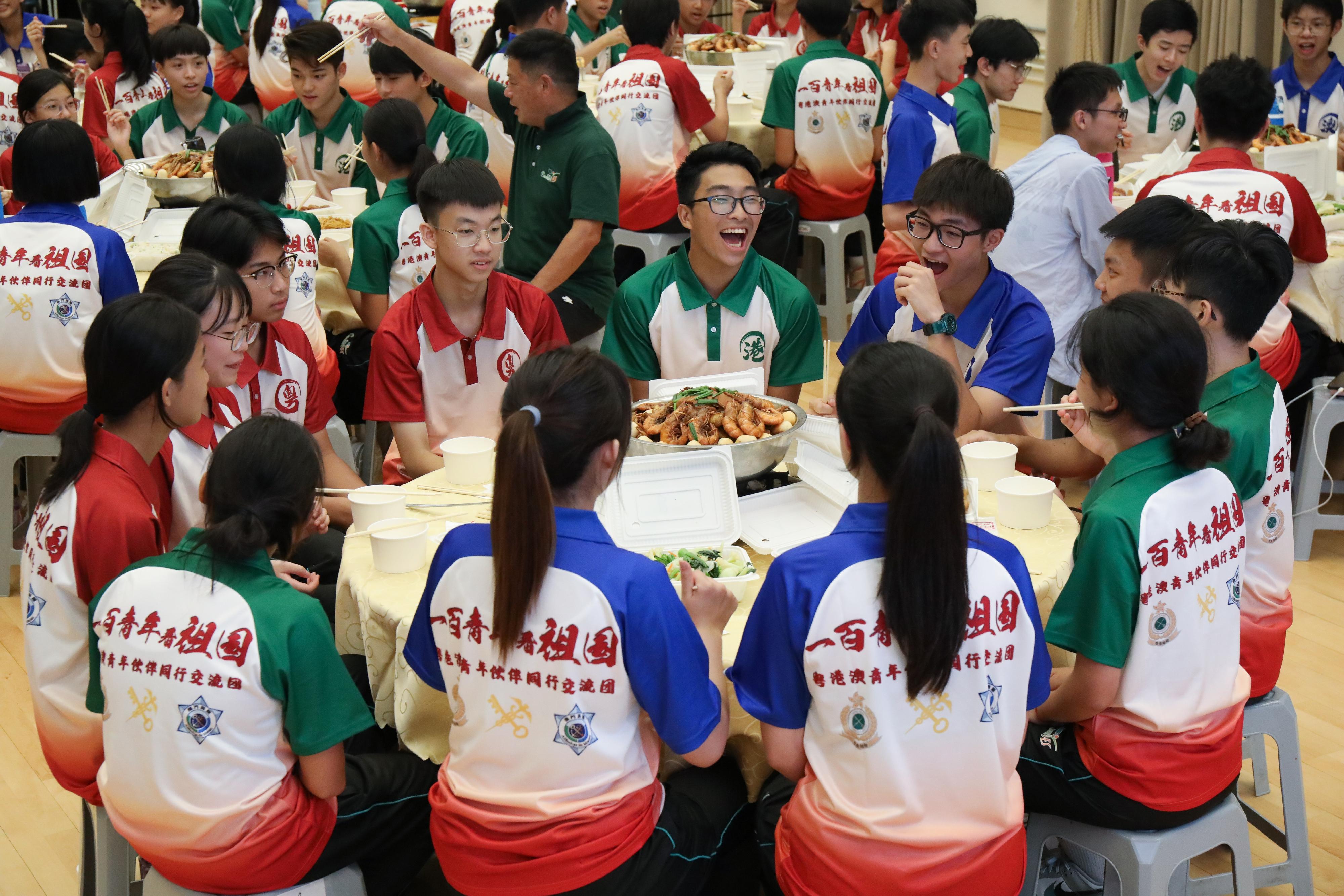
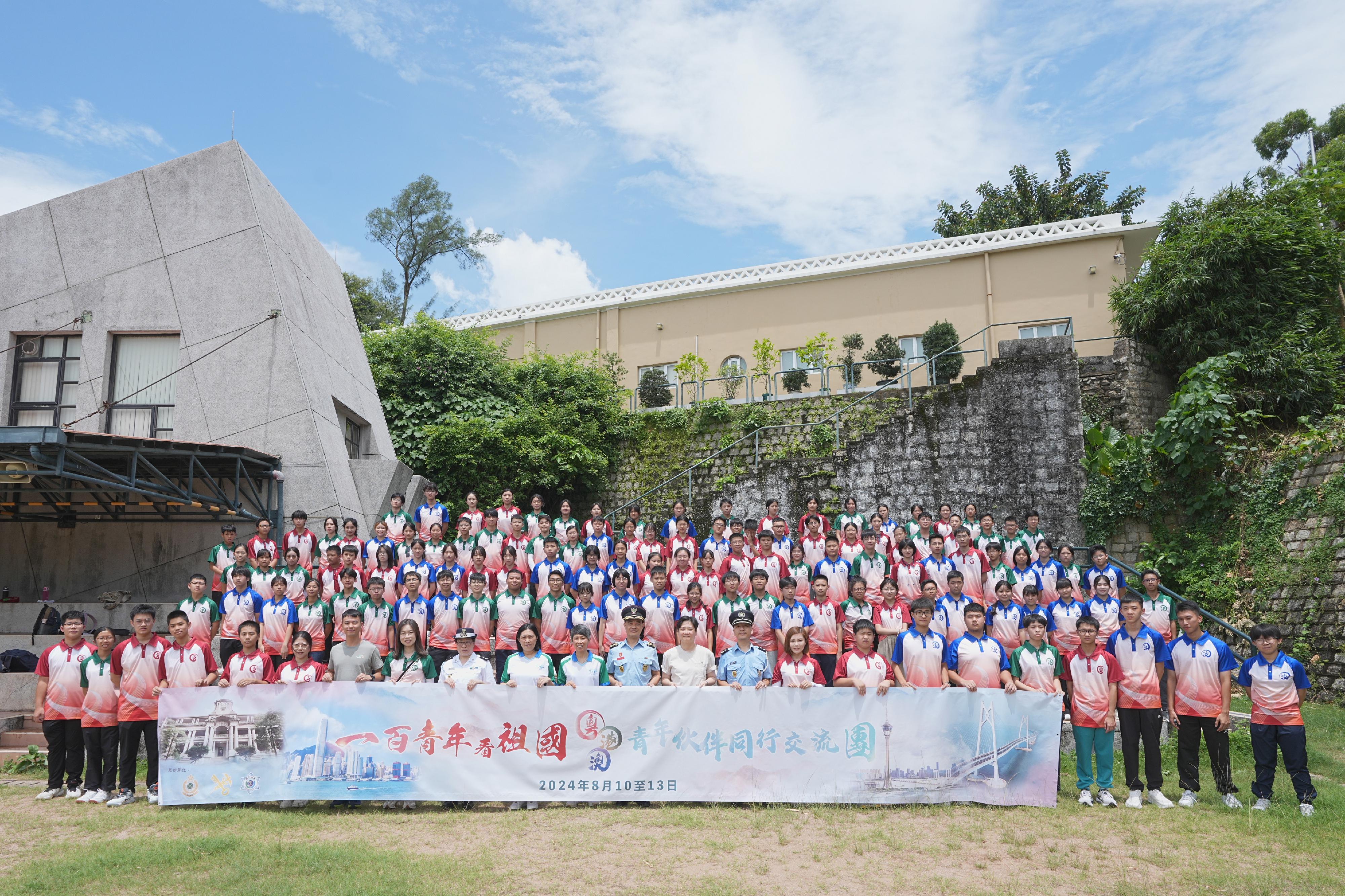
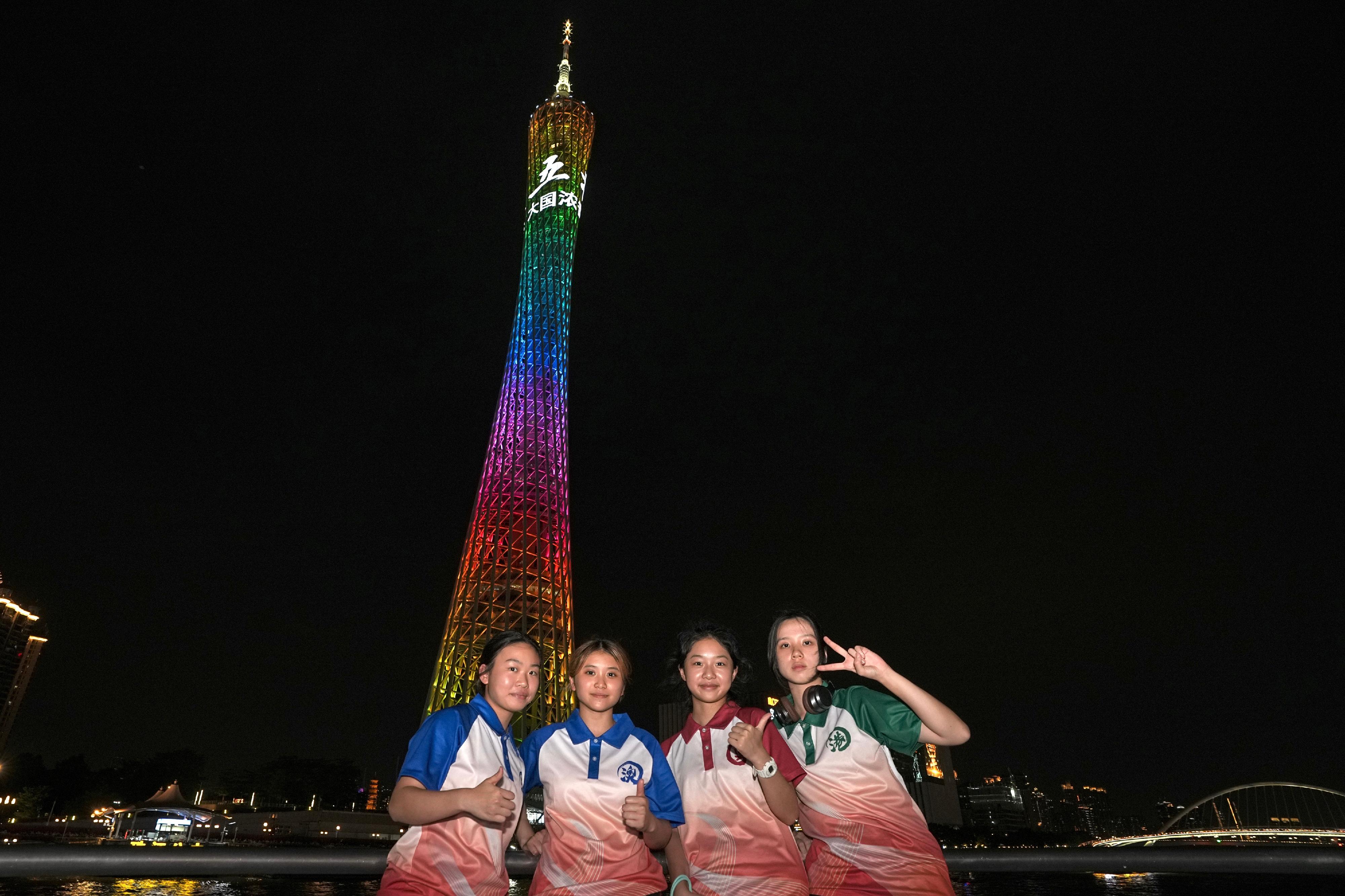
     With the support of the Guangdong Sub-Administration of the General Administration of Customs of the People’s Republic of China and the Macao Customs Service, Customs YES organised the Customs YES Guangzhou, Hong Kong, Macao Exchange Tour for Hundred Youths from August 10 to today (August 13), to facilitate cultural integration, broaden horizons and deepen understanding of customs work in the three regions of the participants. 

     The exchange tour commenced with the opening ceremony on August 10. In the morning, the participants experienced a variety of customs duties, including a Customs Detector Dogs demonstration, customs clearance simulations, and firearms training. In the evening, the participants underwent overnight training at the Hong Kong Customs College to develop their self-care abilities and team spirit. 

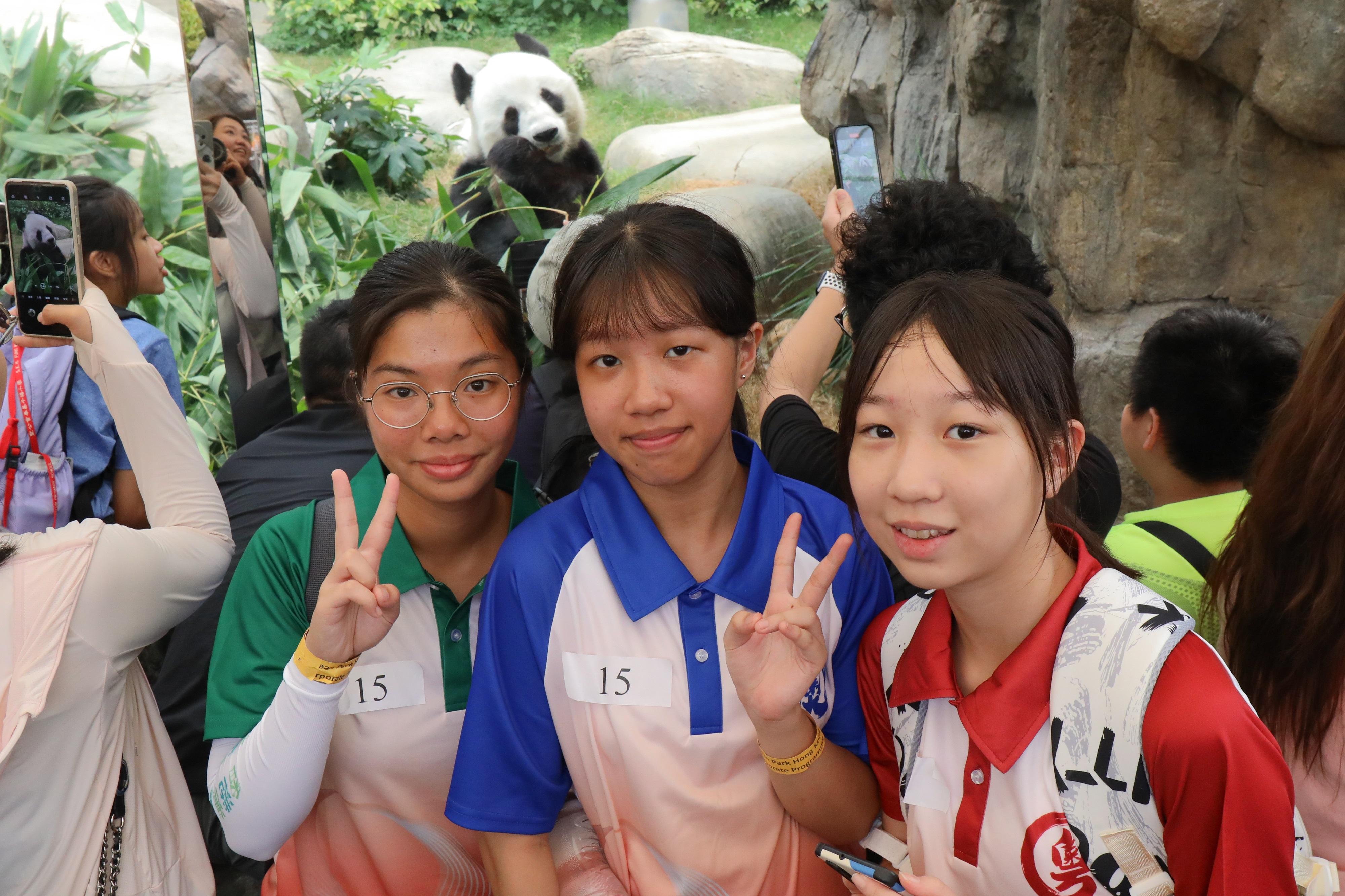
     The next day, the participants visited the giant pandas at Ocean Park Hong Kong to learn about conservation work in Hong Kong.

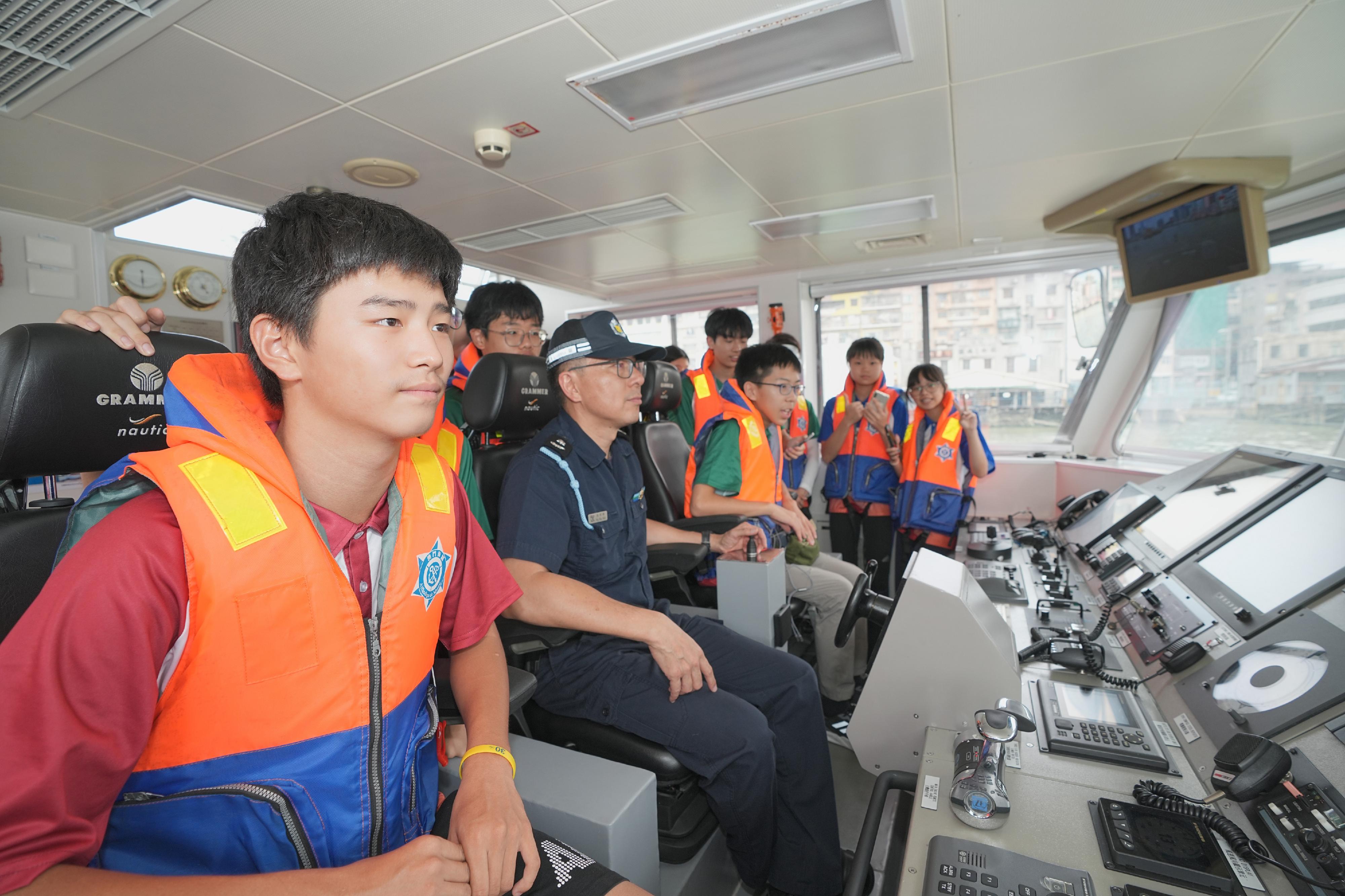
     On August 12, the group departed to Macao and visited the Academy of Public Security Forces and the Marine Enforcement Department of the Macao Customs Service. They also boarded a customs patrol vessel to learn about Macao Customs’ work in maintaining maritime security and disaster rescue operations. In the evening, the group arrived in Guangzhou and took a night cruise on the Pearl River to experience the unique charm of the city.

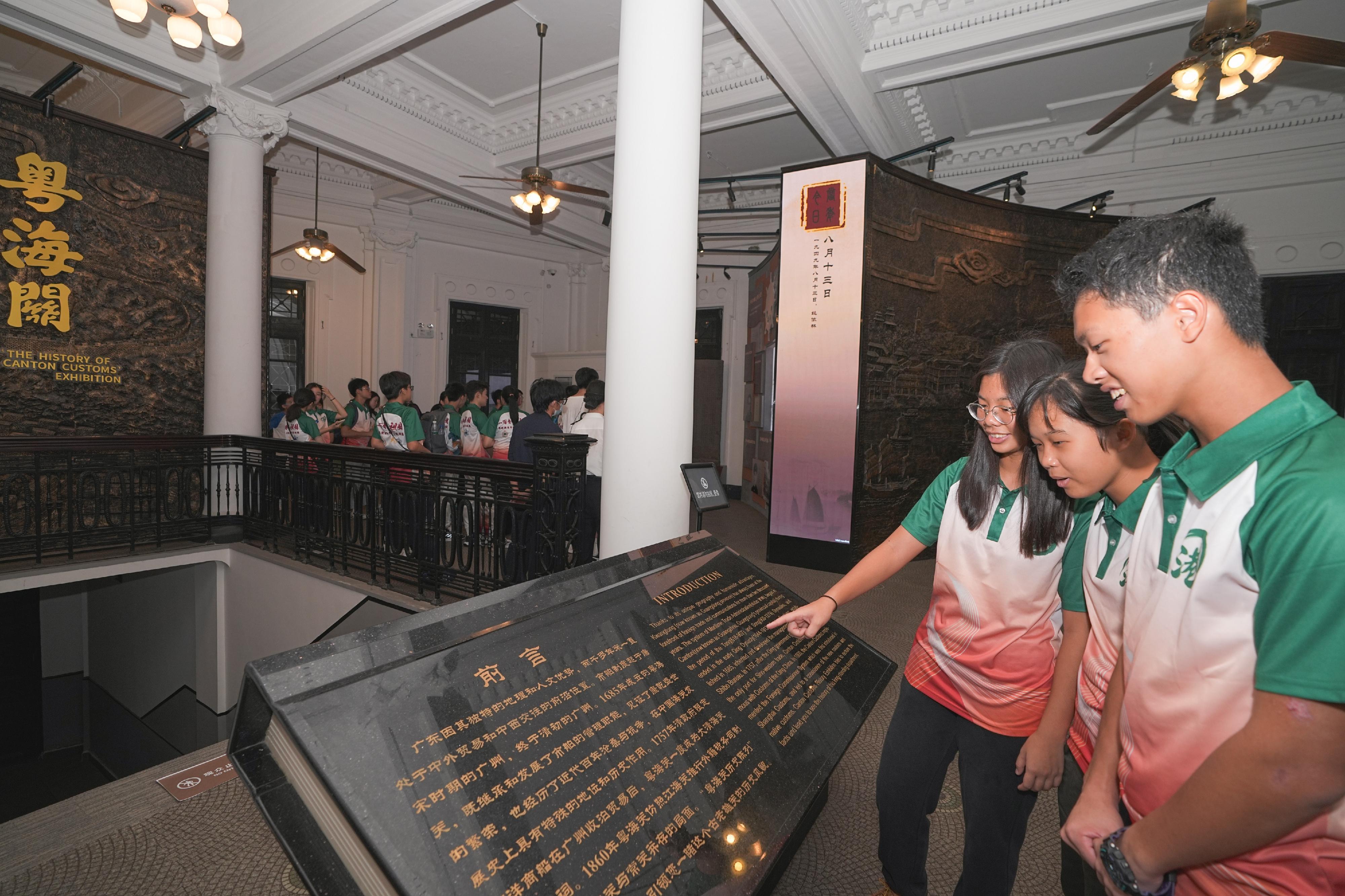
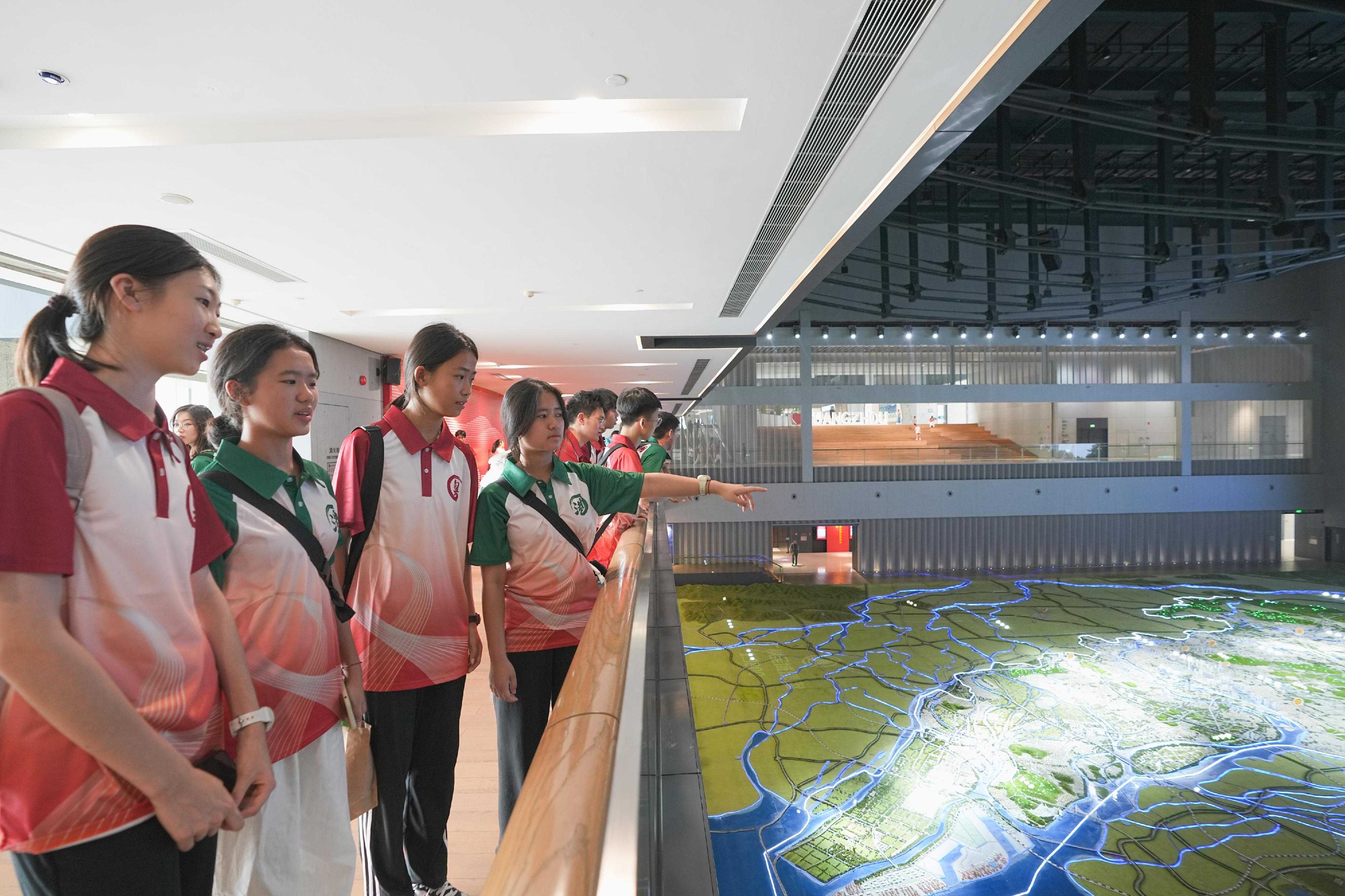
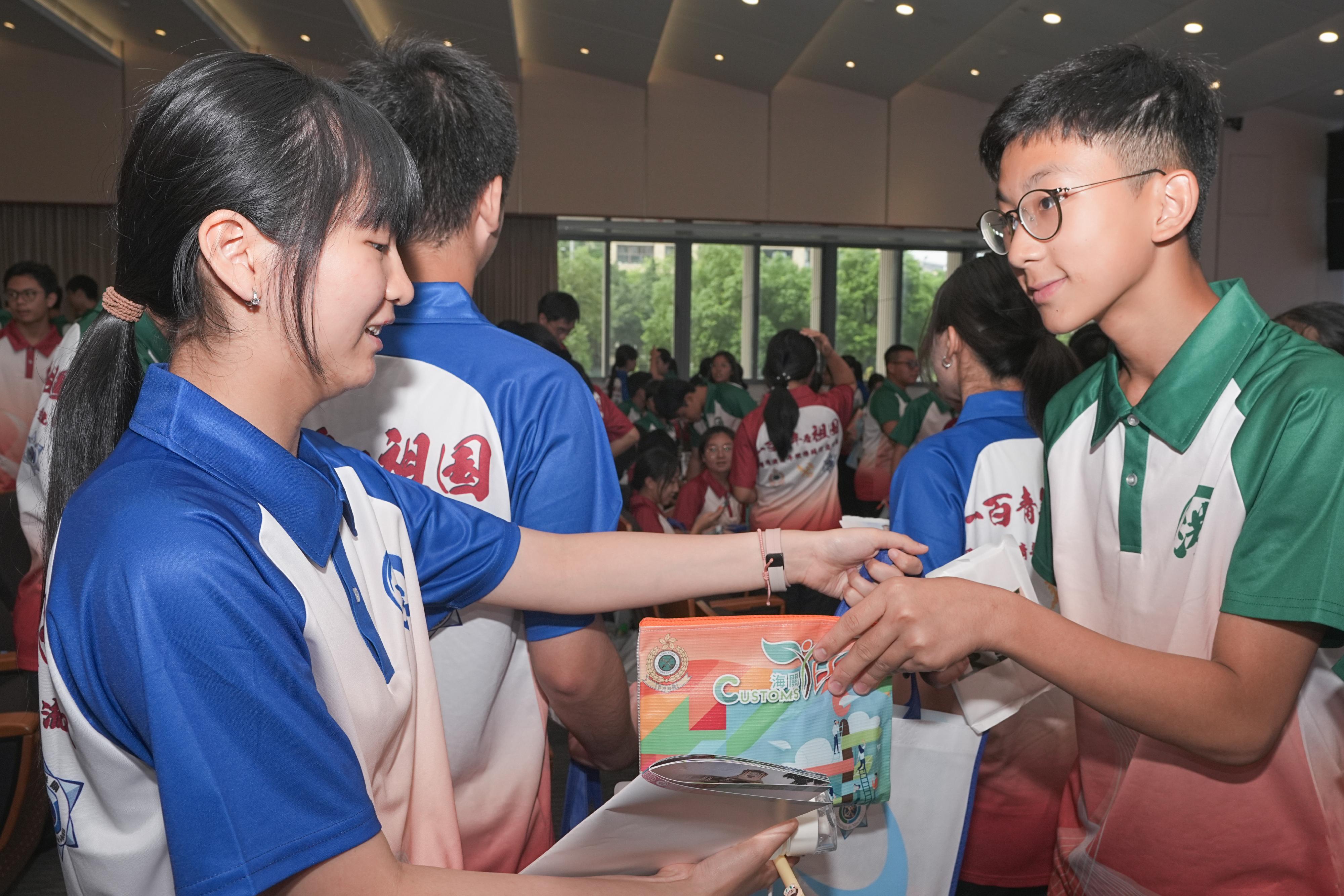
     Today, the group visited the Canton Customs Museum and toured the Guangzhou Urban Planning Exhibition Center, gaining insights into the promotion of digitalisation, greening, and internationalisation in the urban planning in the Greater Bay Area. The exchange tour concluded in the afternoon with a closing ceremony where the youths from the three places shared their learning experiences and exchanged souvenirs, creating beautiful memories of the cross-regional friendships forged during this exchange tour.

     Customs YES will organise more exchange activities in the future to strengthen cross-regional connections and cultural exchanges, and deepen young people’s understanding of the latest developments in the country and the opportunities and contributions of Hong Kong along the way.
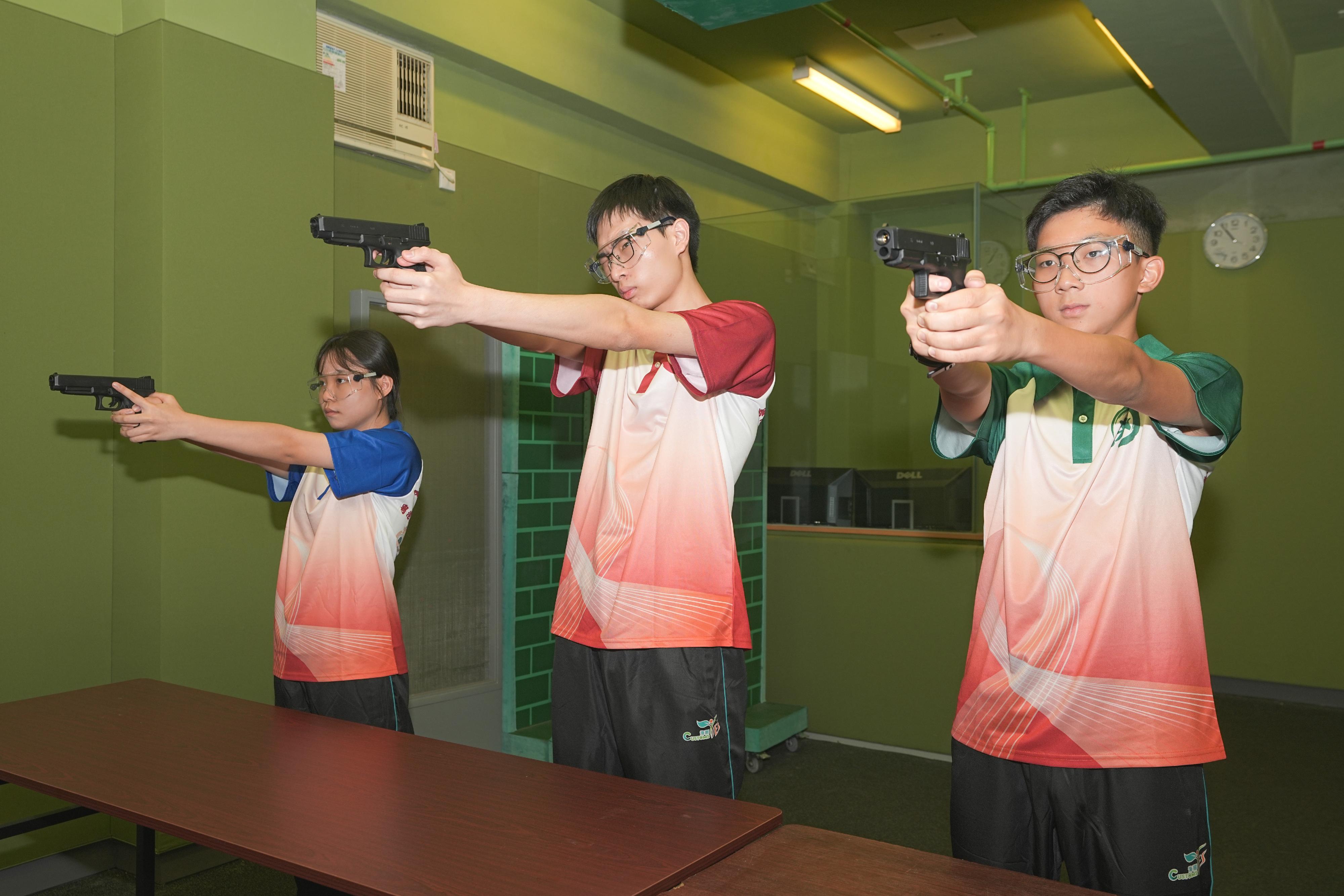
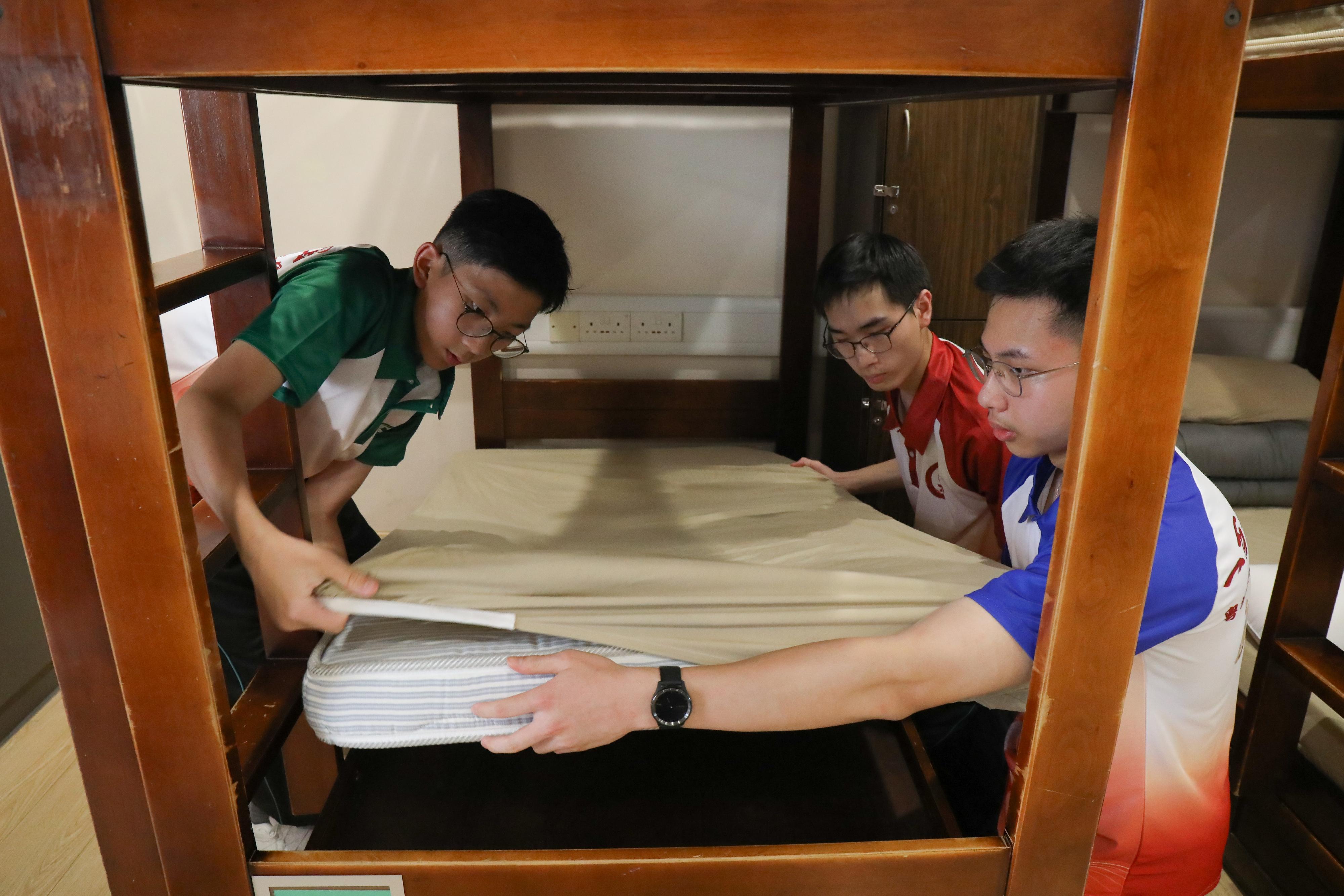
Photo  Photo  Photo  Photo  Photo  Photo  Photo  Photo  Photo  Photo  
read more

Volume and price statistics of external merchandise trade in June 2024

     Further to the external merchandise trade statistics in value terms for June 2024 released earlier on, the Census and Statistics Department (C&SD) released today (August 13) the volume and price statistics of external merchandise trade for that month.

     In June 2024, the volume of Hong Kong’s total exports of goods and imports of goods increased by 6.8% and 5.6% respectively over June 2023.

     Comparing the first half of 2024 with the same period in 2023, the volume of Hong Kong’s total exports of goods and imports of goods increased by 7.6% and 3.7% respectively.

     Comparing the second quarter of 2024 with the preceding quarter on a seasonally adjusted basis, the volume of total exports of goods and imports of goods increased by 1.7% and 0.4% respectively.

     Changes in volume of external merchandise trade are derived from changes in external merchandise trade value with the effect of price changes discounted.

     Comparing June 2024 with June 2023, the prices of total exports of goods and imports of goods increased by 3.6% and 2.7% respectively.

     As regards price changes in the first half of 2024 over the same period in 2023, the prices of total exports of goods and imports of goods increased by 4.2% and 3.8% respectively.

     Price changes in external merchandise trade are reflected by changes in unit value indices of external merchandise trade, which are compiled based on average unit values or, for certain commodities, specific price data.

     The terms of trade index is derived from the ratio of price index of total exports of goods to that of imports of goods. Compared with the same periods in 2023, the index increased by 0.9% in June 2024 and 0.4% in the first half of 2024.
 
     Changes in the unit value and volume of total exports of goods by main destination are shown in Table 1.

     Comparing June 2024 with June 2023, increases were recorded for the total export volume to the USA (32.9%), Vietnam (31.0%), Taiwan (28.8%) and the mainland of China (the Mainland) (6.8%). On the other hand, the total export volume to India decreased by 21.0%.

     Over the same period of comparison, the total export prices to the USA (6.8%), the Mainland (4.6%), Taiwan (4.1%) and Vietnam (1.0%) increased. On the other hand, the total export prices to India decreased by 2.6%.

     Changes in the unit value and volume of imports of goods by main supplier are shown in Table 2.

     Comparing June 2024 with June 2023, increases were recorded for the import volume from Korea (29.7%), Singapore (10.4%), the Mainland (8.5%) and Taiwan (5.1%). On the other hand, the import volume from Japan decreased by 6.0%.

     Over the same period of comparison, the import prices from all main suppliers increased: Korea (6.1%), Singapore (4.3%), the Mainland (2.9%), Taiwan (1.0%) and Japan (1.0%).

Further information

     Details of the above statistics are published in the June 2024 issue of “Hong Kong Merchandise Trade Index Numbers”. Users can browse and download the report at the website of the C&SD (www.censtatd.gov.hk/en/EIndexbySubject.html?pcode=B1020006&scode=230).

     Enquiries on merchandise trade indices may be directed to the Trade Analysis Section of the C&SD (Tel: 2582 4918). read more

Inspection of aquatic products imported from Japan

     In response to the Japanese Government’s plan to discharge nuclear-contaminated water at the Fukushima Nuclear Power Station, the Director of Food and Environmental Hygiene issued a Food Safety Order which prohibits all aquatic products, sea salt and seaweeds originating from the 10 metropolis/prefectures, namely Tokyo, Fukushima, Ibaraki, Miyagi, Chiba, Gunma, Tochigi, Niigata, Nagano and Saitama, from being imported into and supplied in Hong Kong.
 
     For other Japanese aquatic products, sea salt and seaweeds that are not prohibited from being imported into Hong Kong, the Centre for Food Safety (CFS) of the Food and Environmental Hygiene Department will conduct comprehensive radiological tests to verify that the radiation levels of these products do not exceed the guideline levels before they are allowed to be supplied in the market.
 
     As the discharge of nuclear-contaminated water is unprecedented and will continue for 30 years or more, the Government will closely monitor and step up the testing arrangements. Should anomalies be detected, the Government does not preclude further tightening the scope of the import ban.
 
     From noon on August 12 to noon today (August 13), the CFS conducted tests on the radiological levels of 200 food samples imported from Japan, which were of the “aquatic and related products, seaweeds and sea salt” category. No sample was found to have exceeded the safety limit. Details can be found on the CFS’s thematic website titled “Control Measures on Foods Imported from Japan” (www.cfs.gov.hk/english/programme/programme_rafs/programme_rafs_fc_01_30_Nuclear_Event_and_Food_Safety.html).

     In parallel, the Agriculture, Fisheries and Conservation Department (AFCD) has also tested 50 samples of local catch for radiological levels. All the samples passed the tests. Details can be found on the AFCD’s website (www.afcd.gov.hk/english/fisheries/Radiological_testing/Radiological_Test.html).
 
     The Hong Kong Observatory (HKO) has also enhanced the environmental monitoring of the local waters. No anomaly has been detected so far. For details, please refer to the HKO’s website
(www.hko.gov.hk/en/radiation/monitoring/seawater.html).
 
     From August 24 to noon today, the CFS and the AFCD have conducted tests on the radiological levels of 75 926 samples of food imported from Japan (including 48 773 samples of aquatic and related products, seaweeds and sea salt) and 17 648 samples of local catch respectively. All the samples passed the tests. read more