Tag Archives: China

image_pdfimage_print

Opening Ceremony of JPC Summer Camp 2024 held today (with photos)

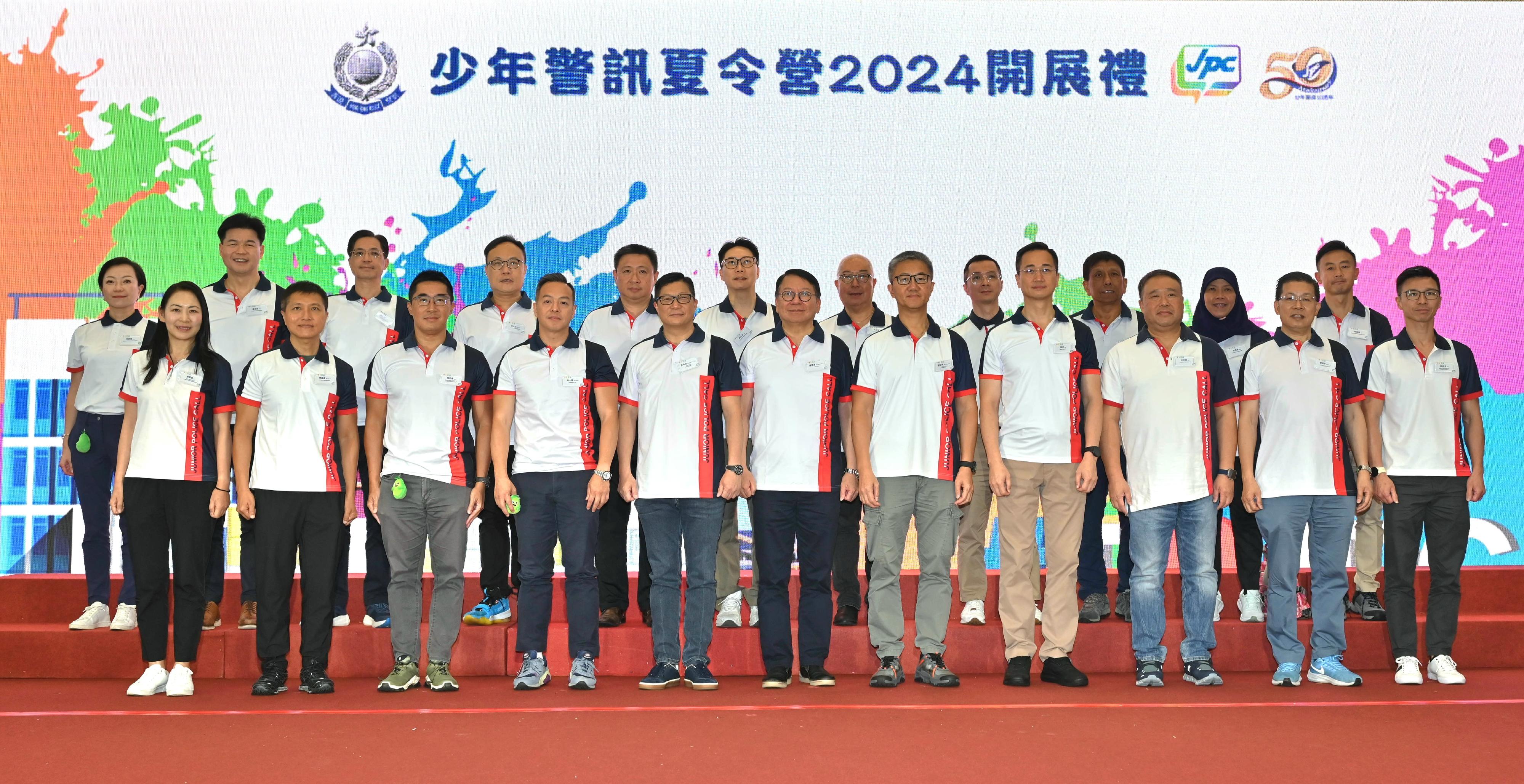
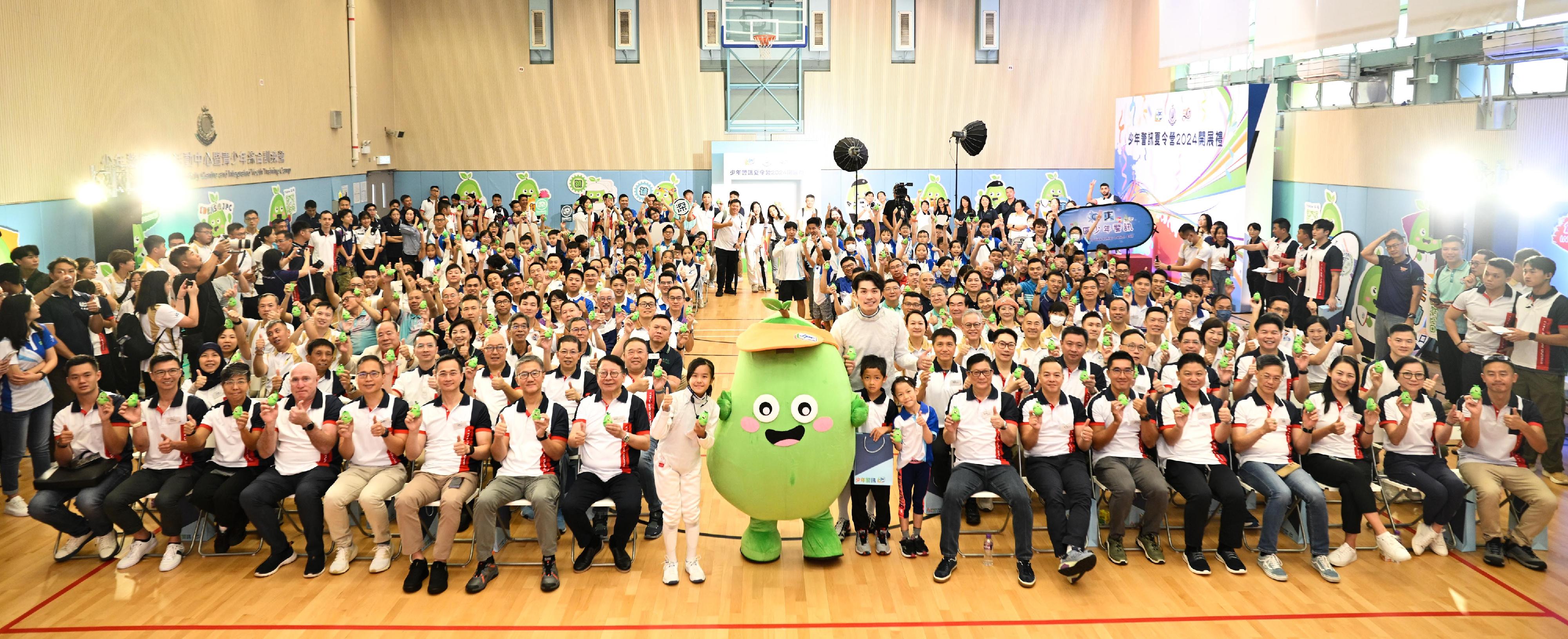
     The Chief Secretary for Administration, Mr Chan Kwok-ki; the Secretary for Security cum Junior Police Call (JPC) Honorary Chief President, Mr Tang Ping-keung; the Commissioner of Police cum JPC Honorary Deputy Chief President, Mr Siu Chak-yee; and the Assistant Commissioner of Police (Public Relations) cum Chairperson of the JPC Central Advisory Board, Mr Chan Sze-tat, officiated at the Opening Ceremony of JPC Summer Camp 2024 at the JPC Permanent Activity Centre in Pat Heung today (August 17).
      
     Speaking at the ceremony, Mr Tang said that this year marked the 50th anniversary of the establishment of the JPC. He recalled different stages of his journey with the JPC, from his initial role as a member to participate in activities to his current role as the Honorary Chief President, who can contribute ideas to the development of the JPC.
      
     Mr Tang also noted that in recent years, the JPC had organised a number of activities to provide opportunities for members to learn about the history and culture of our country. He was glad to see that the JPC has echoed the country’s development direction of “new quality productive forces” by pursuing innovation and change and organising more technology-related activities for young people, so as to cultivate their awareness of crime prevention and innovative thinking. He encouraged the younger generation to live up to the nation’s expectations and pursue their studies with dedication and perseverance.
      
     Mr Chan Sze-tat said that the JPC has been organising a wide diversity of activities designed to develop the leadership skills of its members. He also highlighted the organisation of nearly 30 exchange tours during this summer holiday, which saw over 1 000 members visit various cities on the Mainland. Mr Chan also expressed gratitude to the members of the JPC Central Advisory Board, JPC Honorary Presidents from different districts and people from various sectors for their enthusiastic support. He hoped that all sectors of society would continue to work together to nurture more outstanding youth leaders and crime-fighting partners of the Force.
      
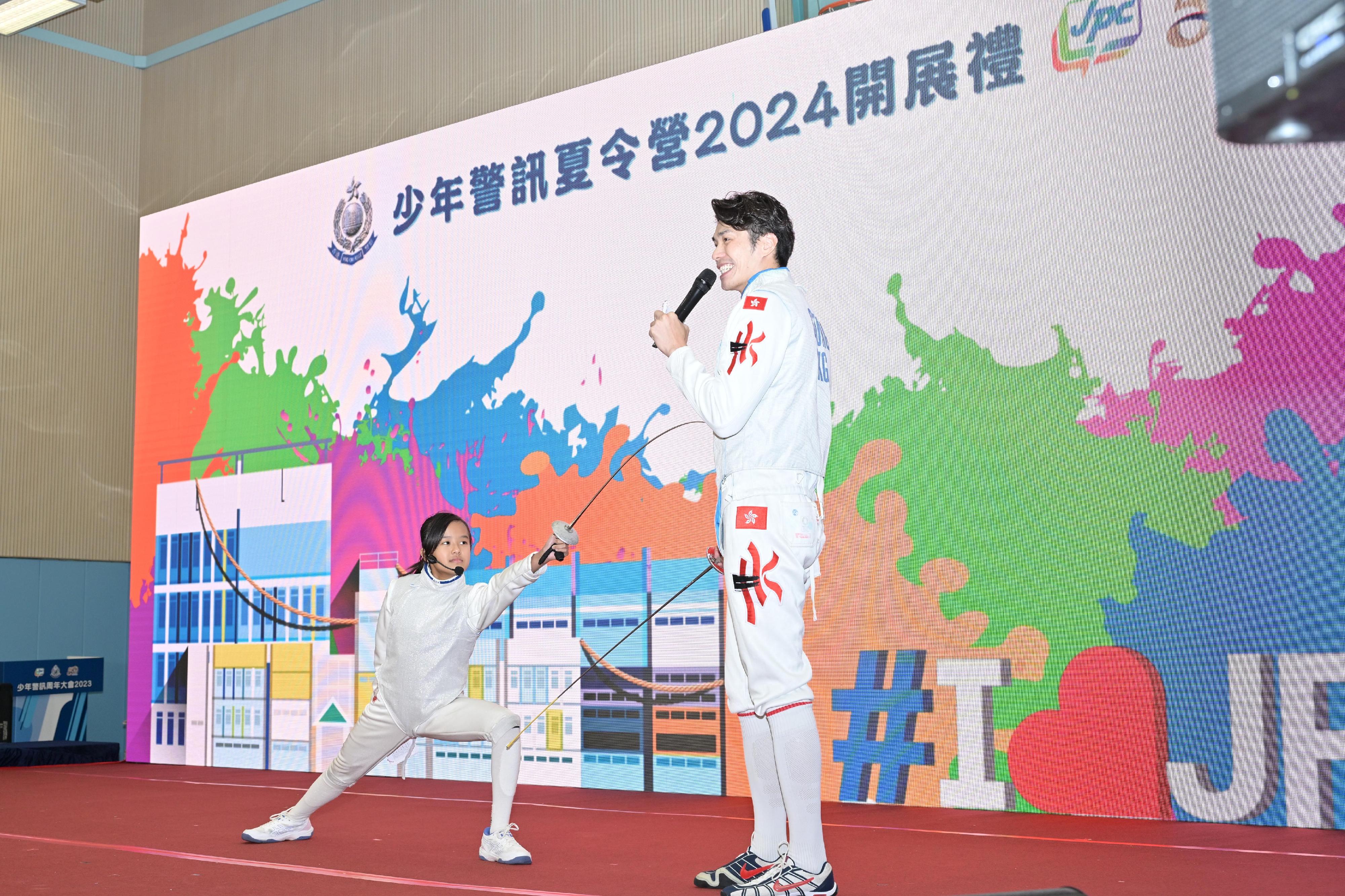
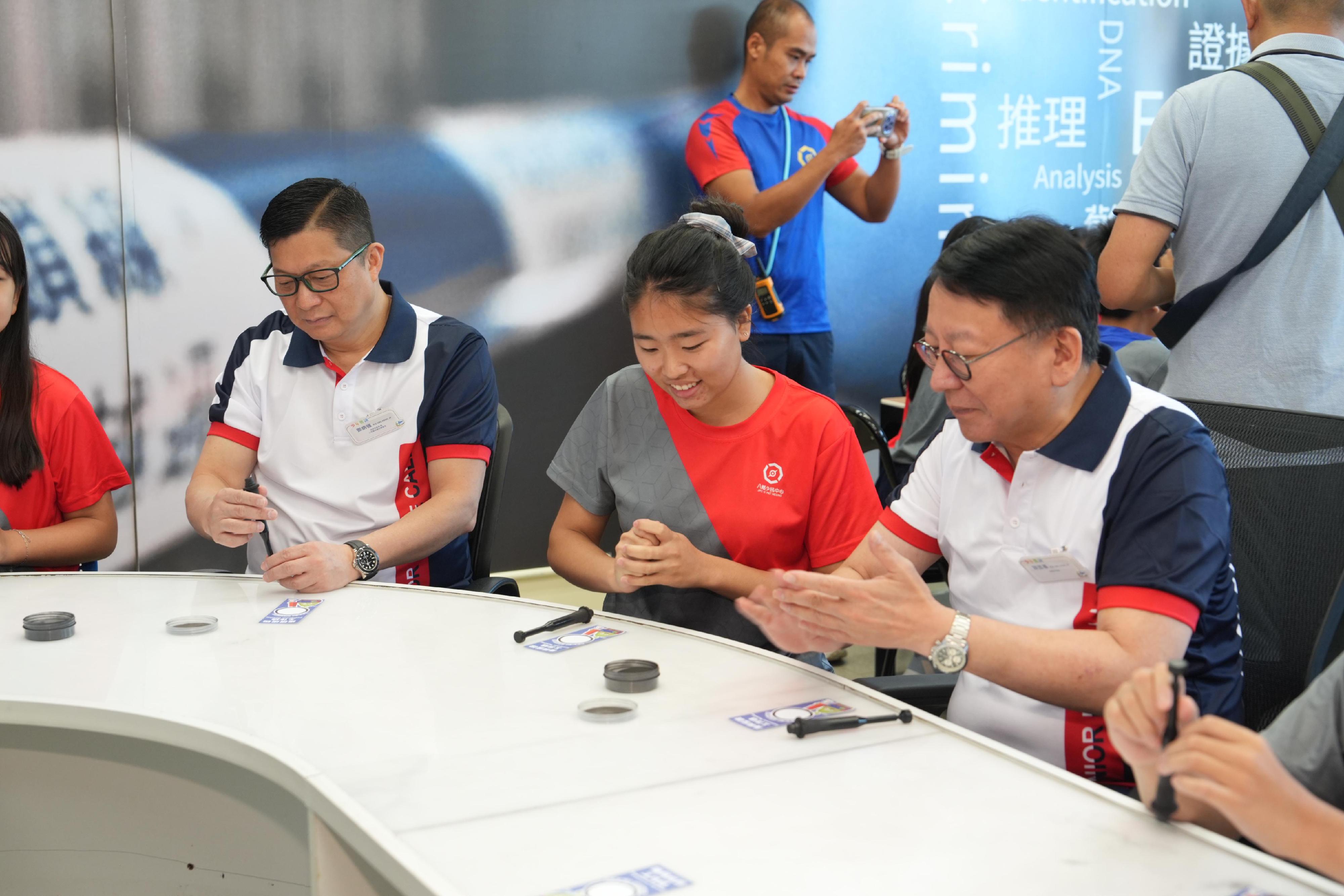
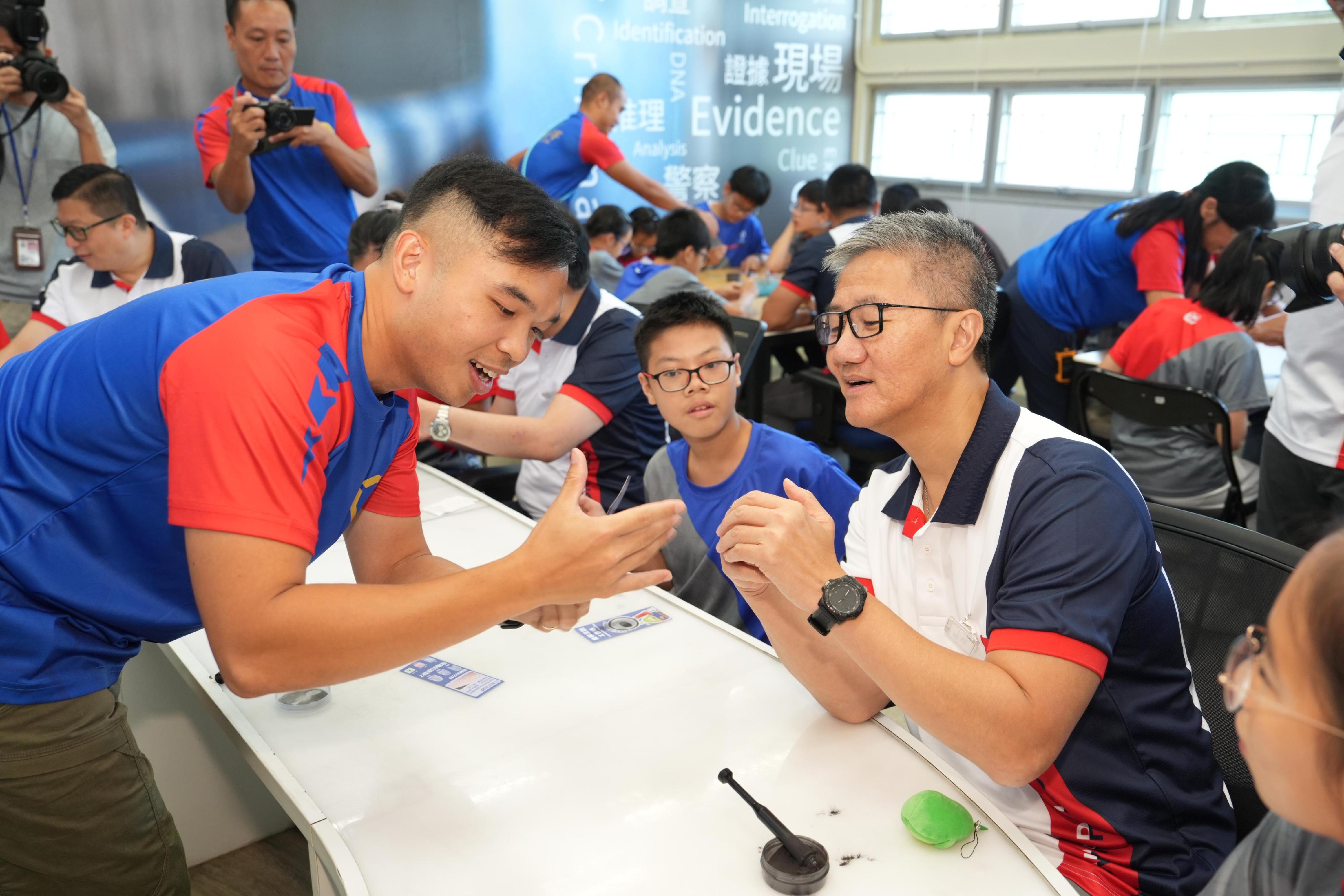
     During the opening ceremony, former member of the Hong Kong Fencing Team, Mr Cheung Siu-lun, shared his experience and demonstrated fencing skills to the audience. After the ceremony, Mr Chan Kwok-ki and other officiating guests toured the Summer Camp and chatted with the JPC members. 
      
     The annual JPC Summer Camp aims to promote fight crime messages among young people through a diverse range of activities and training. It seeks to foster positive values, enhance resilience, promote team spirit, and develop leadership skills in the younger generation. This year, over 220 members participated in a series of competitive events and adventure exercises with elements of policing knowledge and investigation. The camp has been extended from “two days, one night” to “four days, three nights”, providing additional opportunities for participants to engage with one another and learn through experience.
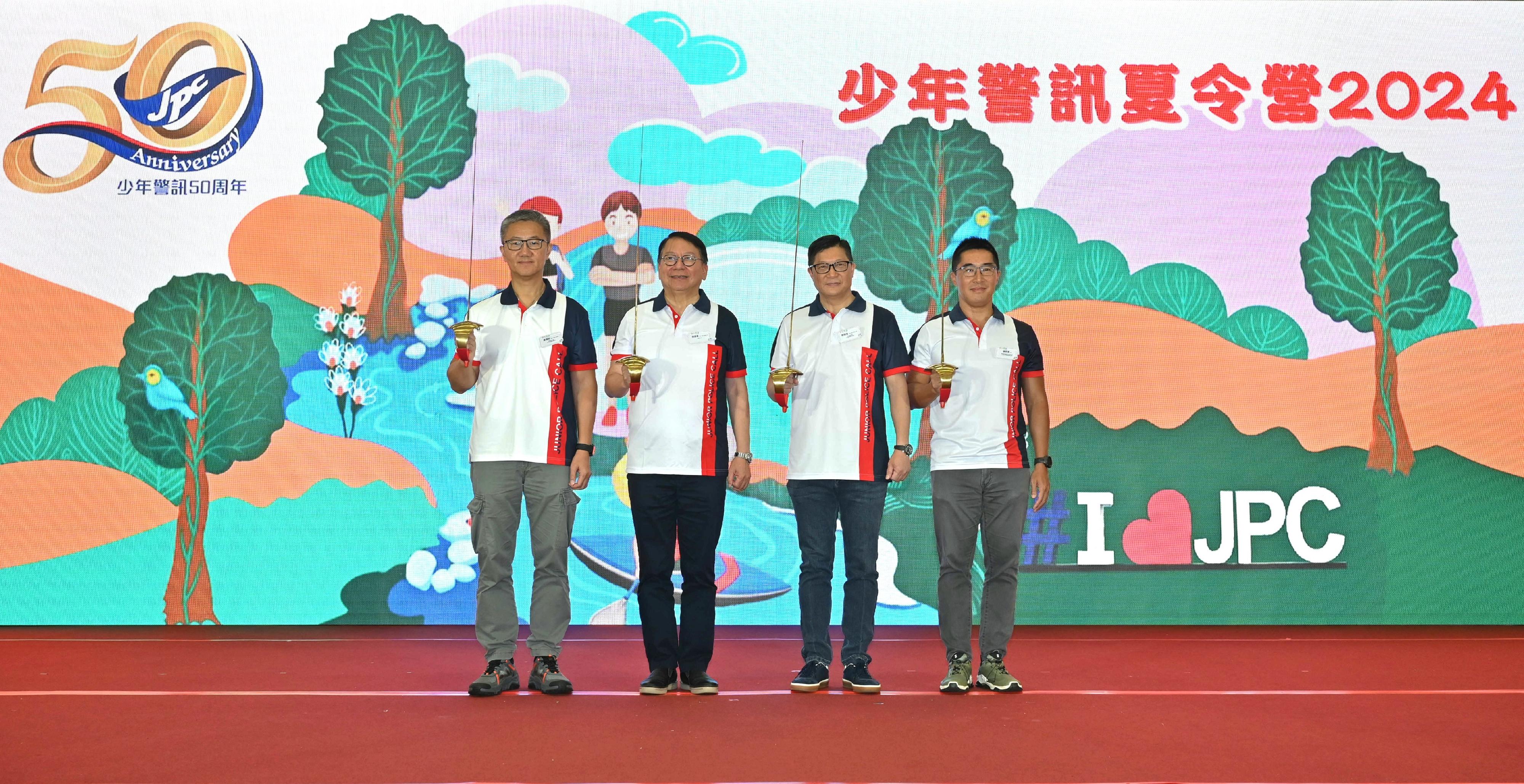
     

Photo  Photo  Photo  Photo  Photo  Photo  
read more

DH conducts enforcement operation against waterpipe smoking in no smoking areas (with photos)

     The Tobacco and Alcohol Control Office (TACO) of the Department of Health (DH) conducted an enforcement operation against illegal waterpipe smoking activities in no smoking areas in Tsim Sha Tsui District yesterday night (August 16).
      
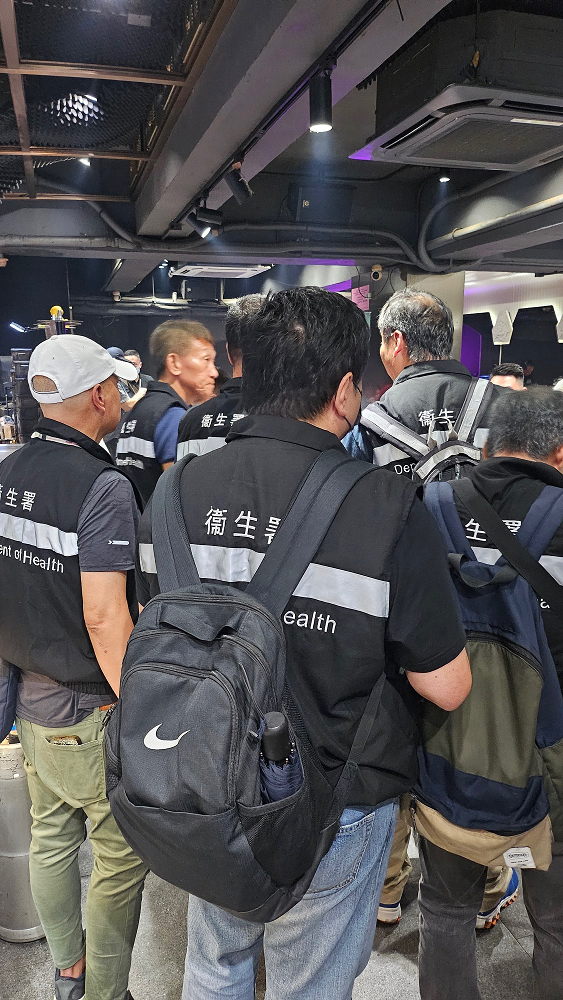
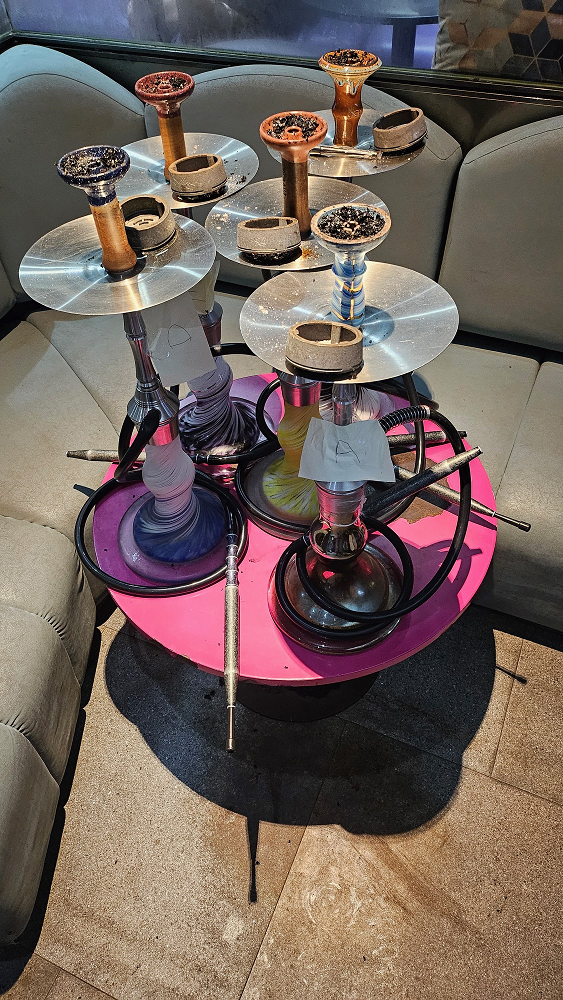
     During the operation, officers from TACO (including plainclothes officers) issued a total of eleven fixed penalty notices (FPNs) to persons illegally smoking waterpipes at one bar. TACO’s investigation is ongoing and prosecution may also be taken against operators of the bar who are suspected of contravening the Smoking (Public Health) Ordinance (Cap. 371) (the Ordinance) and the Criminal Procedure Ordinance (Cap. 221) for aiding and abetting smoking offences. TACO will also notify the Liquor Licensing Board on the above-mentioned violation.
      
     Under the Ordinance, conducting a smoking act in a statutory no smoking area (such as indoor areas of bars or restaurants) is prohibited. Any person doing a smoking act in statutory no smoking areas are liable to a fixed penalty of $1,500. Moreover, where smoking products (including waterpipes) are sold, in bars or otherwise, the restrictions on the promotion and sale of smoking products stipulated in the Ordinance apply. Offenders are liable on summary conviction to a maximum fine of $50,000. Venue managers of statutory no smoking areas are empowered by the Ordinance to request the smoking offender to cease the act; if the offender is not co-operative, he/she may contact the Police for assistance.
      
     Also, under the Criminal Procedure Ordinance, any person who aids, abets, counsels or procures the commission by another person of any offence shall be guilty of the like offence. A spokesman for the DH appeals to operators and venue mangers of bars/restaurants not to assist any person in breaching the statutory smoking prohibitions, or provide a waterpipe apparatus and tobacco to customers for use.
      
     The DH spokesman stressed that TACO will follow up and investigate every complaint about illegal smoking, and will conduct inspections and take enforcement actions in the venue concerned. TACO will also conduct joint inspections and enforcement action (including plainclothes operations) with other law enforcement agencies from time to time with a view to enhancing the effectiveness of law enforcement. The DH will continue to closely monitor and take stringent enforcement actions to tackle illegal waterpipe smoking. In the past 12 months, TACO conducted 105 operations against illegal waterpipe smoking activities in no smoking areas. A total of 145 FPNs were issued against smoking offenders, while 74 summonses were issued to staff members and operators of the bars/restaurants for other related offences.
      
     The spokesman said that waterpipe is a smoking product and its combustion of fuel (e.g. charcoal) releases carbon monoxide. Carbon monoxide is a colourless, odourless and tasteless gas which is a by-product from incomplete combustion of any fuel which contains carbon, such as charcoals. Exposure to a low concentration of carbon monoxide can lead to a range of symptoms such as dizziness, headache, tiredness and nausea; whereas exposure to a high concentration of carbon monoxide can lead to impaired vision, disturbed co-ordination, unconsciousness, brain damage or even death. People should seek medical attention immediately if suspected of developing symptoms of carbon monoxide poisoning.
      
     Due to deeper inhalation and longer smoking session, waterpipe users usually inhale more toxins than they would when smoking cigarettes. A typical one-hour waterpipe smoking session exposes the user to 100 to 200 times the volume of smoke inhaled from a single conventional cigarette. Moreover, sharing a waterpipe apparatus increases the risk of infectious disease transmission such as tuberculosis. Furthermore, the areas in bars/restaurants where waterpipes are handled or kept have been found to be unhygienic during previous enforcement operations. The spokesman cautions against waterpipe smoking or the use of other smoking products. Smokers should quit smoking as early as possible for their own health and that of others. For more information on the hazards of waterpipe smoking, please visit www.livetobaccofree.hk/pdfs/waterpipe_leaflet_new.pdf.

Photo  Photo  
read more

SEE attends APEC Energy Ministerial Meeting in Lima, Peru (with photos)

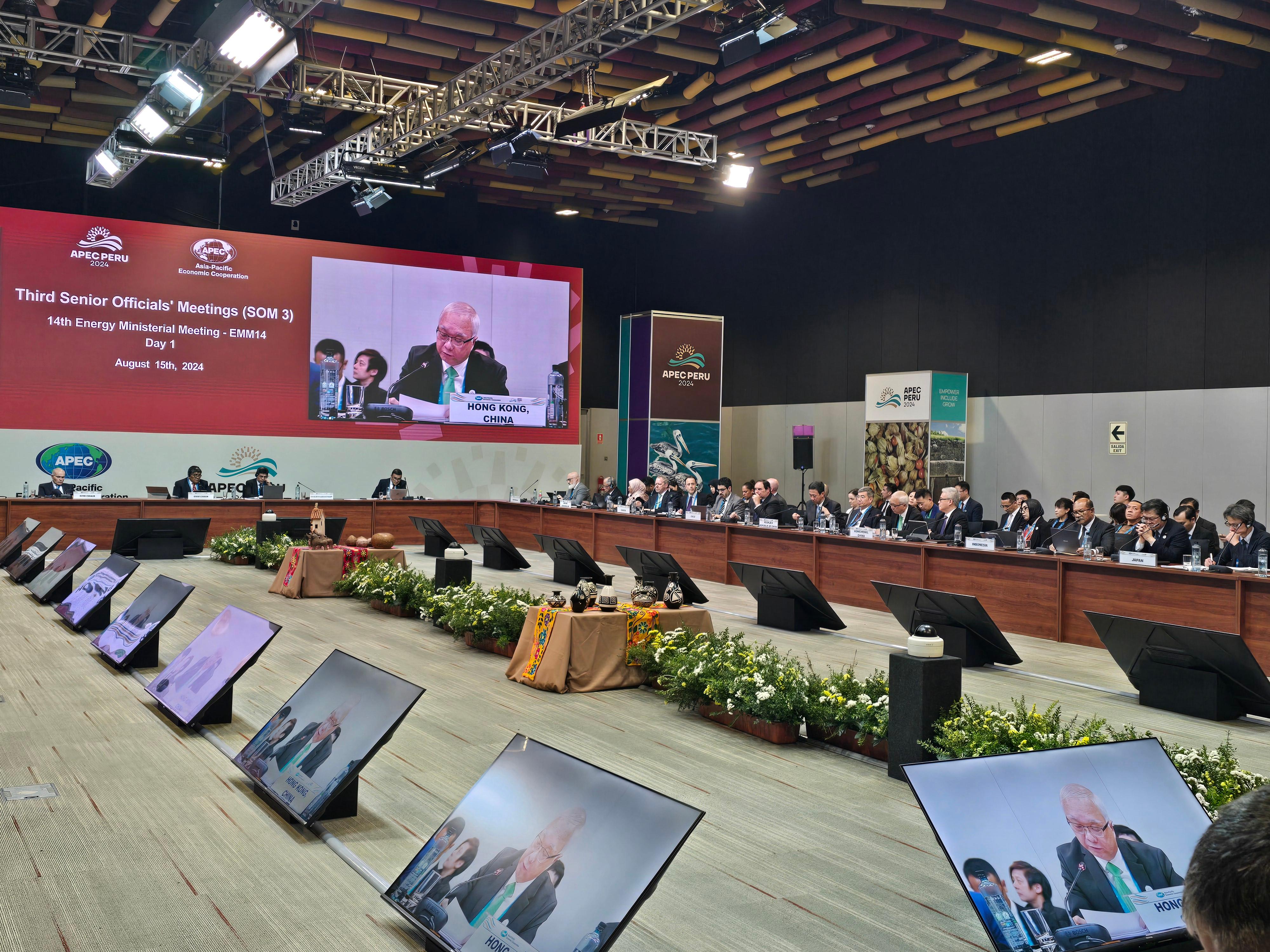
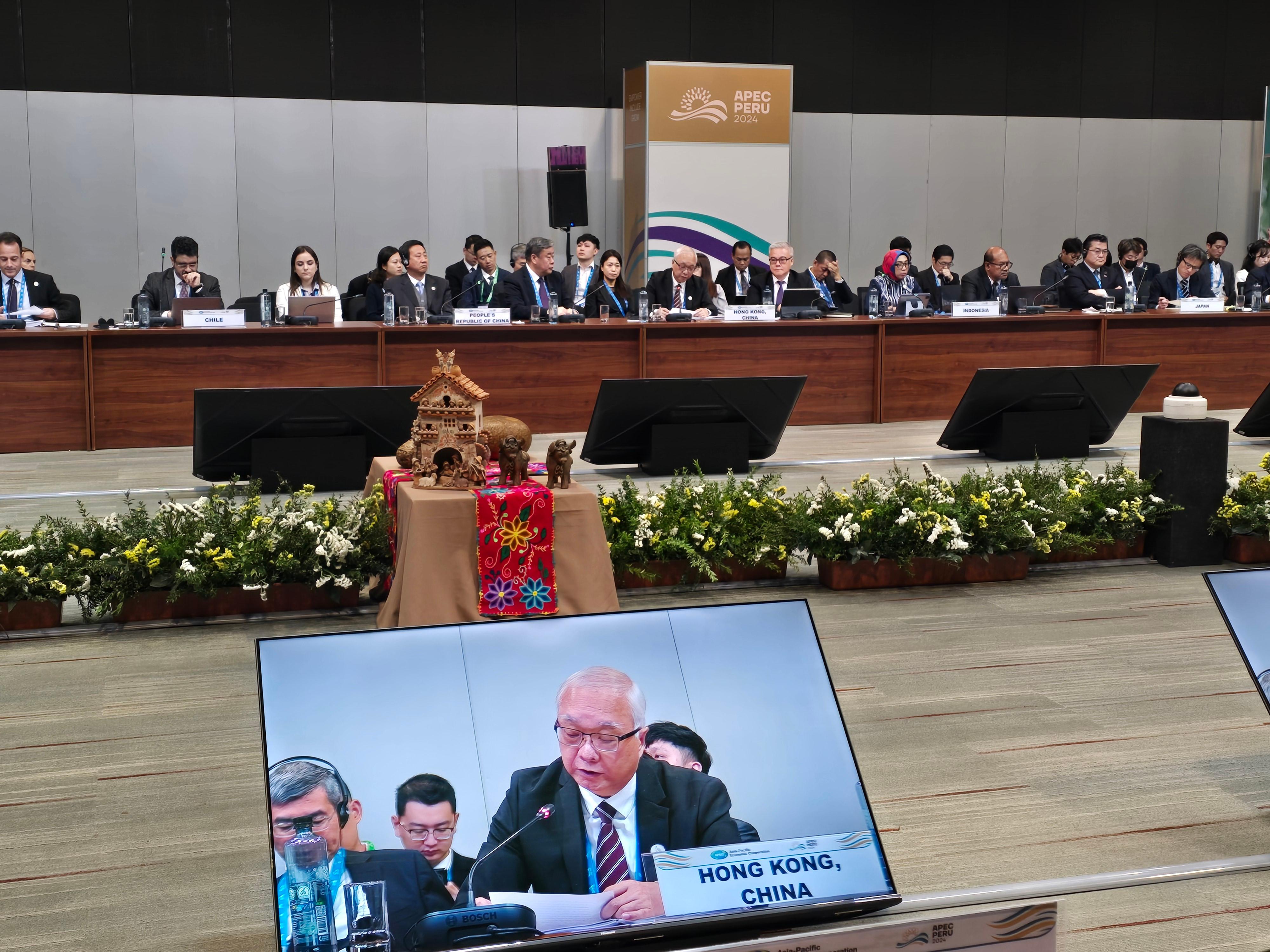
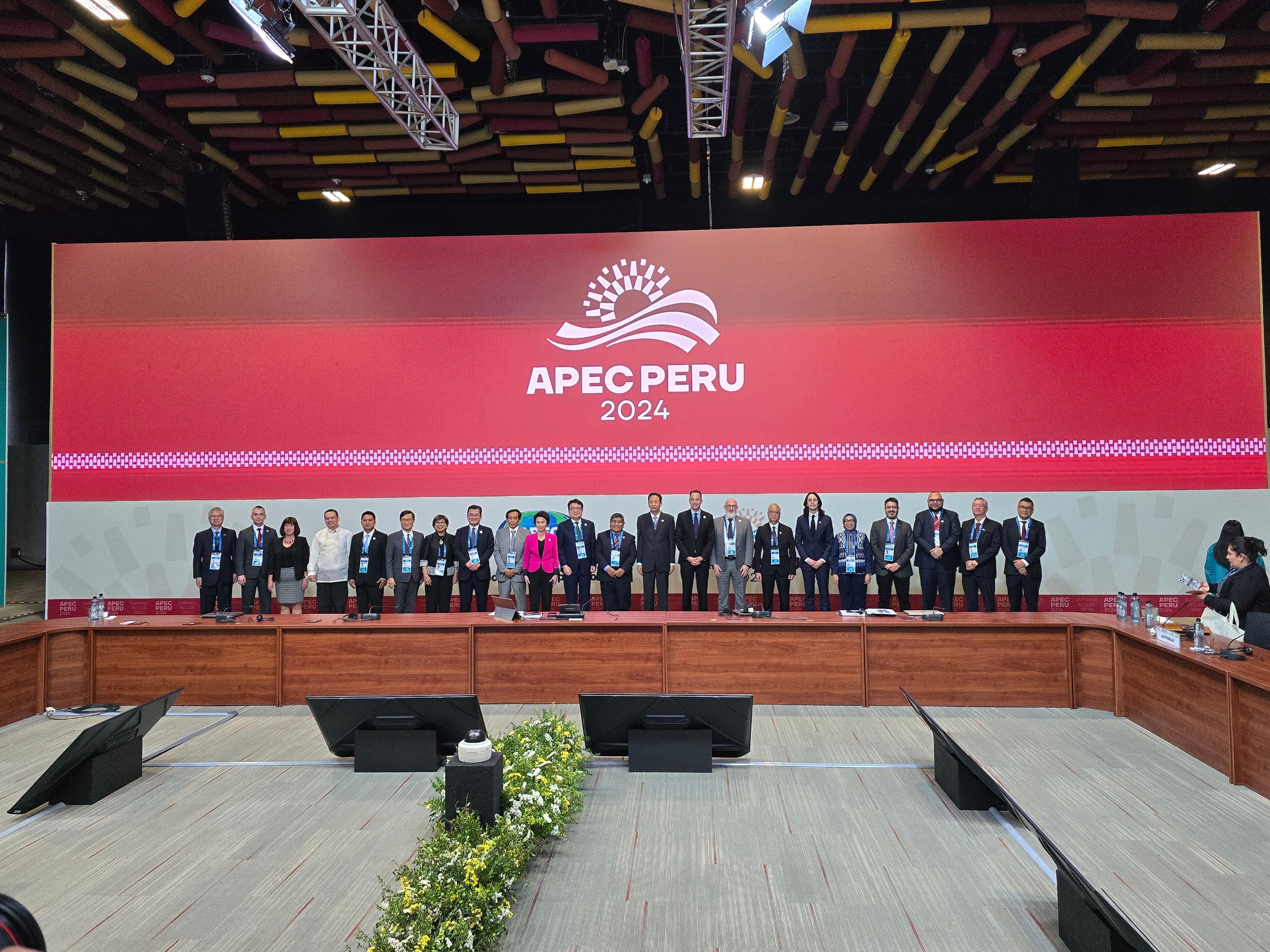
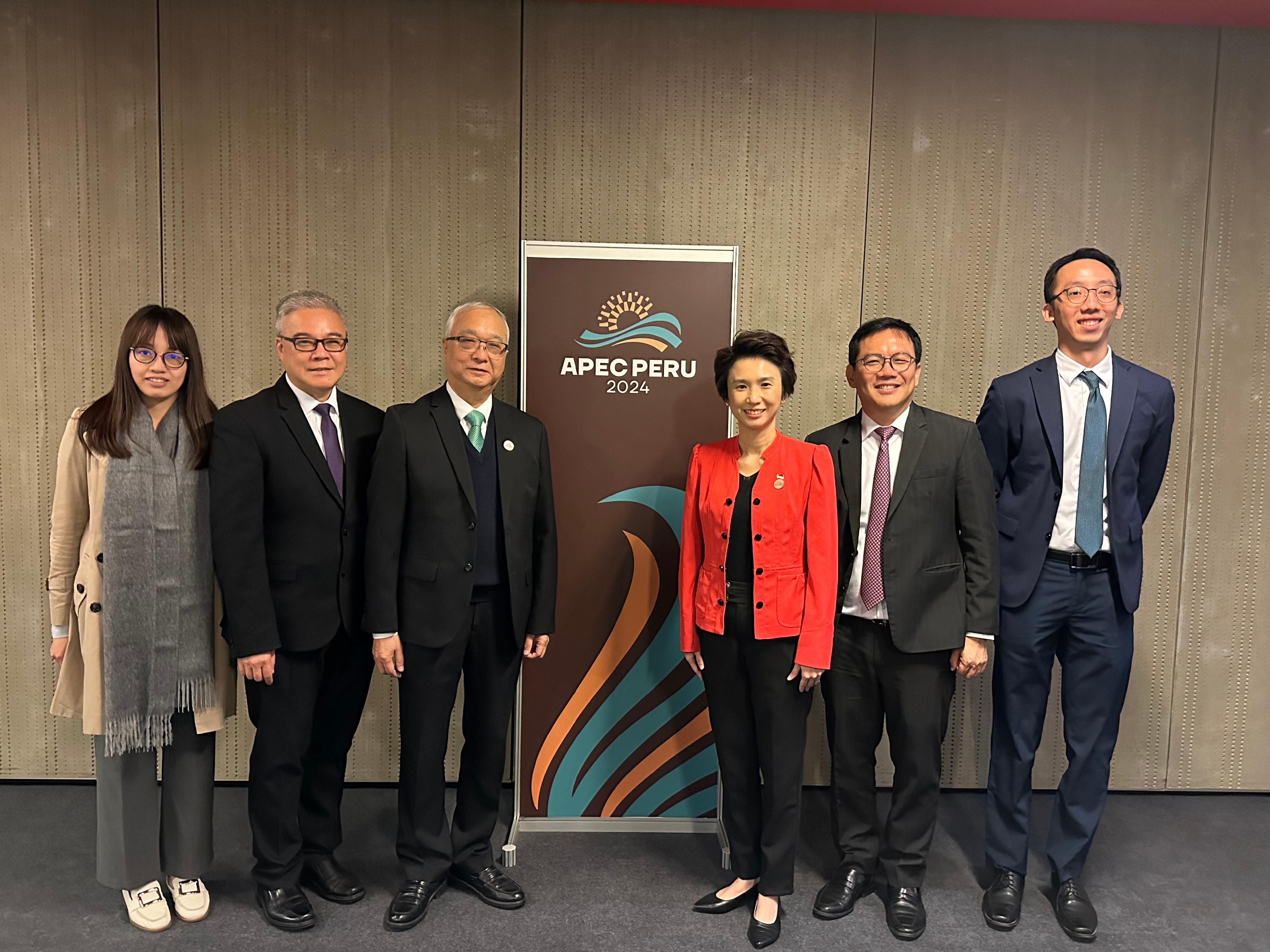
     The Secretary for Environment and Ecology, Mr Tse Chin-wan attended the Asia-Pacific Economic Cooperation (APEC) Energy Ministerial Meeting (EMM) held in Lima, Peru on August 15 and 16 (Peru time).
      
     Mr Tse attended the EMM on August 15 afternoon (Peru time). He discussed topics such as the promotion of energy transition in the region with energy ministers or their representatives from APEC member economies. He said during the discussion session that the Government of the Hong Kong Special Administrative Region (HKSAR) has set “net-zero electricity generation” as one of the four decarbonisation strategies in the Hong Kong’s Climate Action Plan 2050. The HKSAR Government has set a target to cease using coal for daily electricity generation before 2035 and increase the share of usage of zero-carbon energy in electricity generation to around 60 per cent to 70 per cent by 2035.
      
     Mr Tse also pointed out that the HKSAR Government will launch the Pilot Scheme on Building-Integrated Photovoltaics to explore photovoltaic technology applications on the facades of government buildings. In addition to public organisations, the HKSAR Government has also created favorable conditions to encourage the private sector to develop renewable energy. One of the measures is the Feed-in Tariff Scheme launched in 2018. The Scheme has approved 25 500 applications and connected to the power grids. It is estimated that over 300 million kilowatt hour of electricity can be generated each year through the approved system, which is sufficient to meet the electricity demand of about 122 000 households.
      
     Mr Tse continued to participate in the EMM on August 16 (Peru time) to share with other APEC member economies how the HKSAR Government promotes the development of hydrogen energy. He said that hydrogen energy is regarded as a low-carbon energy with development potential, and countries around the world are actively promoting the development of the hydrogen energy industry. To prepare for opportunities presented by the development of hydrogen energy, the HKSAR Government announced the Strategy of Hydrogen Development in Hong Kong (the Strategy) in June this year.
      
     Mr Tse pointed out that Hong Kong is an international city and financial centre and can become a demonstration platform for hydrogen technologies to assist the development of the hydrogen industry in different regions. Hong Kong still has to face six areas of technical challenges of safety, suitable technologies, infrastructure, cost effectiveness, capacity building and public acceptance. The Strategy sets out the four major strategies, to address the technical challenges as well as the unique situation of Hong Kong, of improving legislations, establishing standards, aligning with the market, and advancing with prudence to create an environment conducive to the development of hydrogen energy in Hong Kong in a prudent and orderly manner.
      
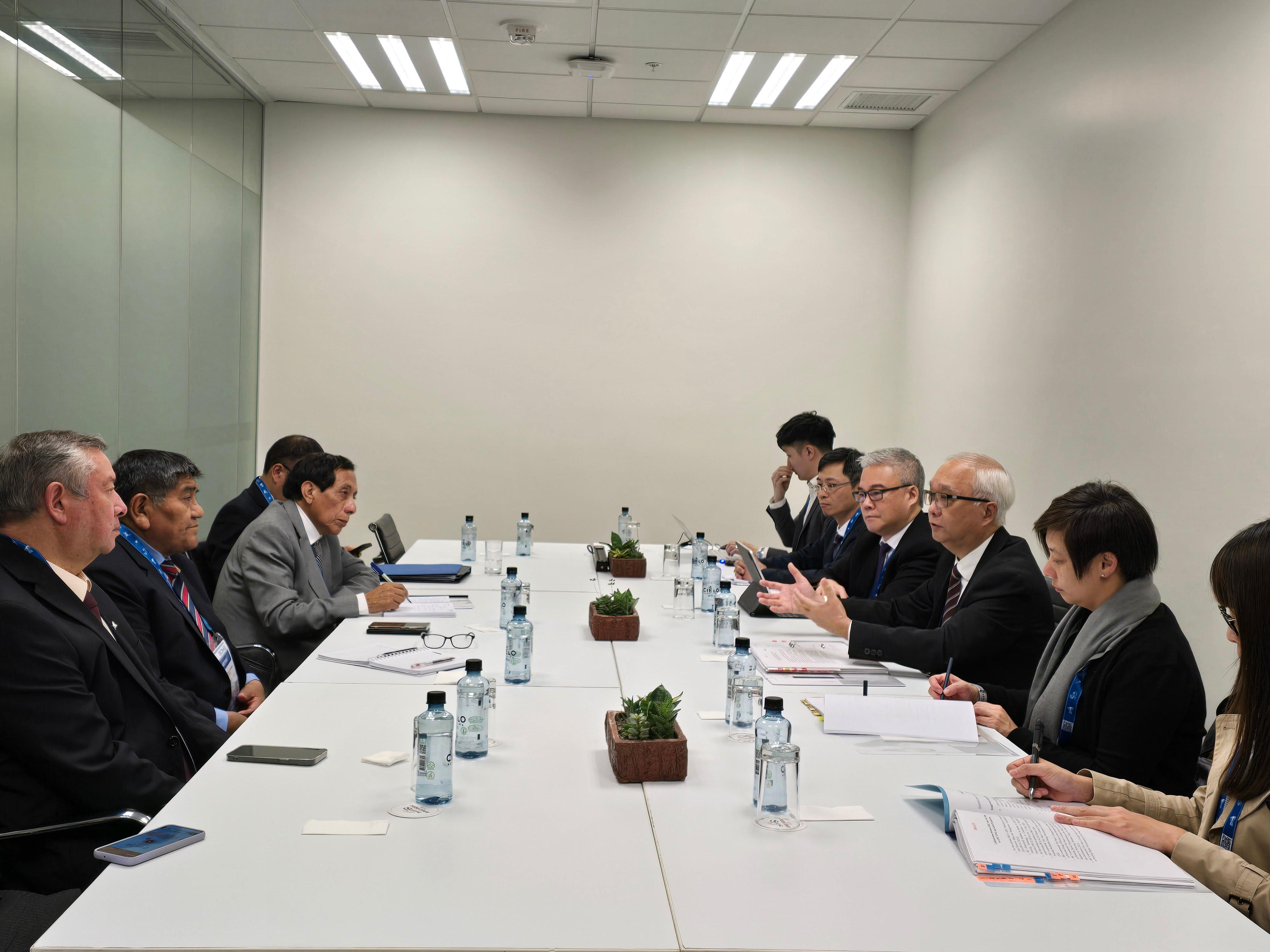
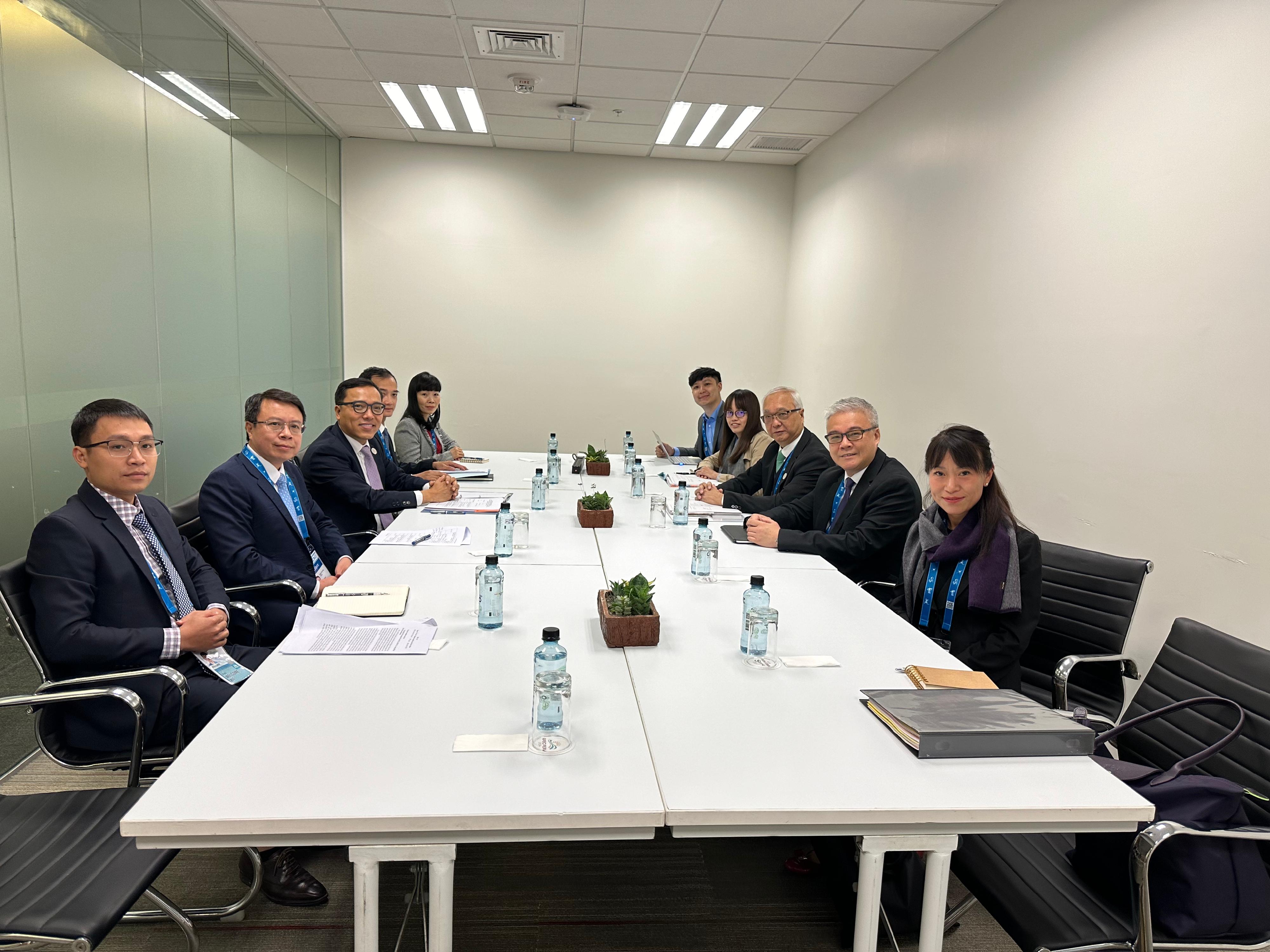
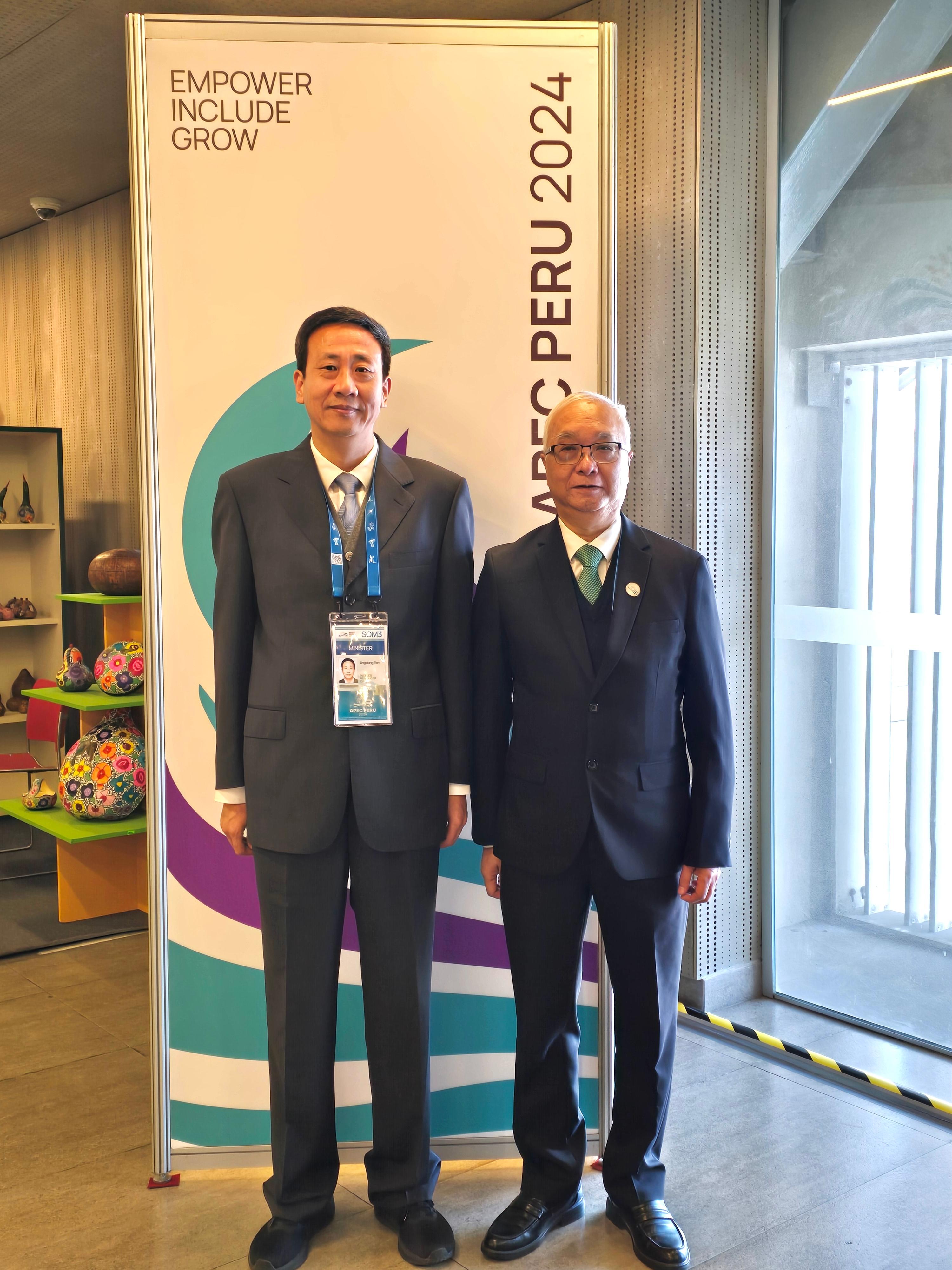
     During the EMM, Mr Tse had bilateral meetings with representatives from Peru, Singapore and Vietnam respectively to exchange views on issues such as energy transition, decarbonisation and hydrogen development. In addition, Mr Tse had a side meeting with the Deputy Director of the National Energy Administration, Mr Ren Jingdong, to exchange views on strengthening regional co-operation on August 15 (Peru time).
      
     Mr Tse left Peru on August 17 (Peru time) and will arrive in Hong Kong on Monday afternoon (August 19, Hong Kong time).

Photo  Photo  Photo  Photo  Photo  Photo  Photo  
read more